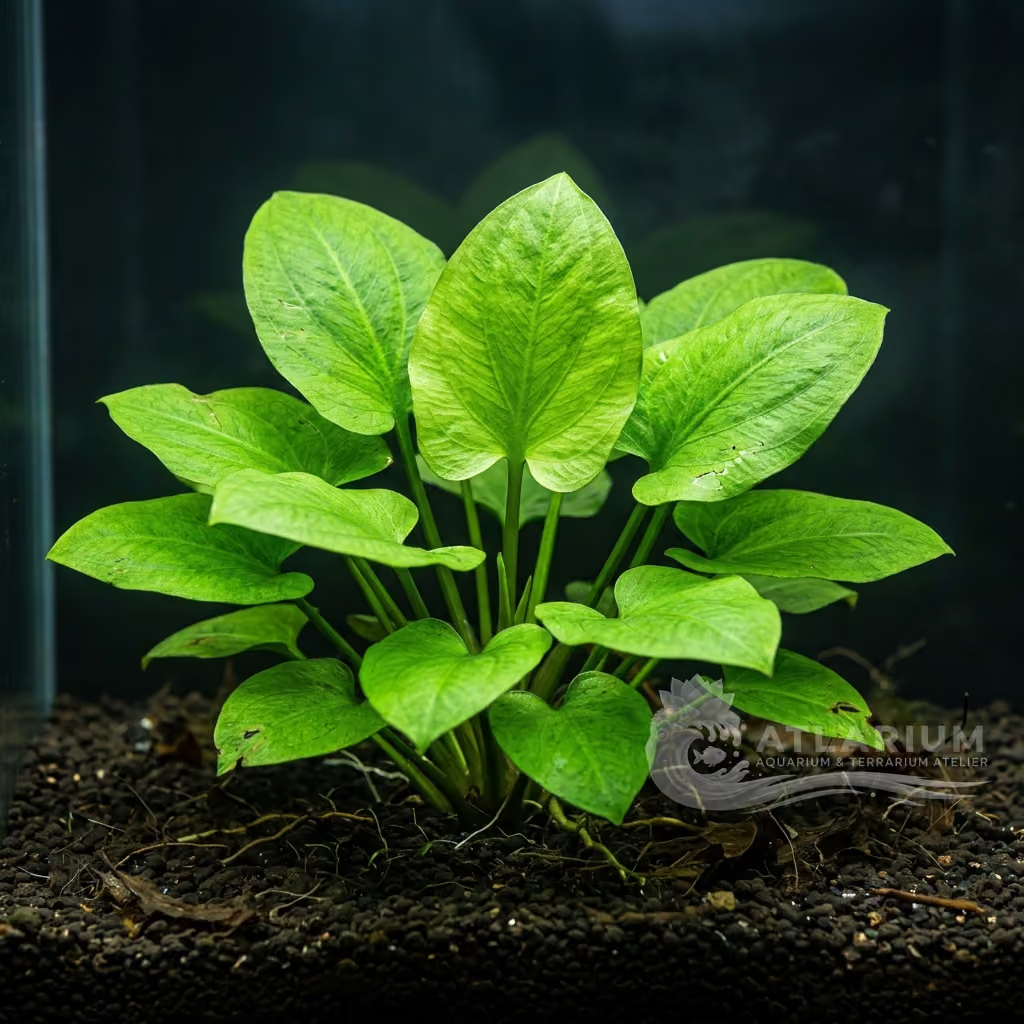
Aponogeton robinsonii
Aponogeton robinsonii
Highly specialized Southeast Asian geophyte. Fast-growing and high-energy, demanding medium-high light to avoid developing weak spindly leaves.
Water Temperature
22 - 28 °C
pH Value
6 - 7.5
Water type
Freshwater
Light
Medium
CO2
Low
Expected height
40 cm
Expected width
20 cm
GH
4 - 20 dGH
KH
4 - 12 dKH

Species description
Geographical Origin and Habitat: Endemic exclusively to the heavily forested, fast-flowing tropical river basins of Southeast Asia, with its primary documented populations thriving in Vietnam and Laos. It is a highly specialized aquatic geophyte (bulb plant) that has evolved to survive extreme monsoonal cycles. It thrives in the deeper, central channels of fast-moving jungle streams where the canopy breaks, allowing filtered sunlight to penetrate the turbulent water. During extreme seasonal dry spells when water levels plummet, the plant sheds its massive leaves and retreats entirely into its subterranean tuber, waiting dormant in the mud until the torrential rains return.
Taxonomy & Genetics: Named after the botanist who originally collected it, Aponogeton robinsonii is a deeply fascinating, genetically distinct species within the Aponogetonaceae family. While it shares some superficial morphological similarities with the African and Malagasy Aponogetons, it belongs to the distinct Asian clade of the genus. Due to the extreme difficulty of harvesting the wild bulbs from remote Vietnamese jungle rivers and breeding it in captivity, true A. robinsonii is exceptionally rare in the commercial aquarium hobby, highly sought after by elite collectors.
Physical Structure: The structural architecture of this plant is towering and majestic. The foundation is a dense, starchy, dark-colored subterranean tuber (bulb) that serves as its massive energy battery. From the crown of the bulb, a powerful, explosive rosette of rigid stems shoots straight upward. These stems support truly massive, highly elongated, lanceolate (spear-shaped) leaves that can easily stretch 40 to 60 cm (16-24 inches) toward the water surface. The sheer physical scale makes it a dominant, vertical presence in any aquascape.
Color & Texture: The giant leaves are visually spectacular. The coloration is typically a very bright, glowing, highly vibrant lime-green or chartreuse. The defining characteristic is the extreme texture: the massive leaf surface is deeply dimpled, heavily blistered (bullate), and features wavy, undulated margins. The leaves are incredibly thin and highly translucent, completely lacking the thick, leathery toughness of Anubias. When strong aquarium lighting hits the plant, the delicate, blistered cellular structure catches the light brilliantly, resembling hammered green glass.

Care, breeding and tankmates
Lighting & CO2: It is a high-energy, fast-growing powerhouse that demands medium to high-intensity lighting. Under weak light, the bulb will exhaust itself pushing up weak, spindly leaves that eventually rot. To unlock its true gargantuan potential and sustain its explosive growth rate, pressurized CO2 injection is highly recommended, though it can survive in low-tech setups if deeply rooted in a rich substrate. High energy input guarantees the production of its signature, heavily blistered, massive leaves.
Nutrition & Substrate: Like all giant Aponogetons, it is an aggressive, monstrous root feeder. The subterranean bulb absolutely MUST be planted in a very deep, incredibly rich, nutrient-dense substrate. A premium aquasoil heavily spiked with iron and comprehensive root tabs is mandatory. A sterile, inert gravel or sand bed will cause the plant to exhaust its bulb reserves and starve to death within months. The thick roots will aggressively colonize the entire substrate bed, anchoring the massive plant and outcompeting neighbors for nutrients.
Water Chemistry: Originating from the fast-flowing, highly oxygenated rivers of Vietnam, it demands pristine water conditions with strong, sweeping flow. It thrives in standard tropical temperatures (24-28°C) but prefers slightly acidic to neutral pH and soft to moderately hard water. It is highly sensitive to poor water quality and sudden ammonia spikes. Excellent mechanical filtration and strong water flow are critical to keep its delicate, translucent, dimpled leaves free of suffocating detritus and algae.
Space Management & Placement: Due to its colossal vertical height and expansive leaf rosette, it must be utilized exclusively as a dominant background centerpiece in very large aquariums (55+ gallons). A single mature bulb will completely dominate the visual space and cast massive shadows, eclipsing any small foreground plants. It must be planted deeply in the background, directly in the path of the filter output, allowing its massive, blistered leaves to stretch toward the surface and stream beautifully in the current.
Pruning: Its blistering growth rate necessitates brutal, frequent pruning. Use long aquascaping scissors to cleanly sever the oldest, tallest, or algae-damaged leaves as close to the crown of the bulb as physically possible. Never cut a leaf blade in half. If the plant produces a long, floating flower stalk, you MUST cut it off immediately; producing flowers requires massive amounts of energy, will drastically shrink the bulb, and can prematurely trigger its biological dormancy phase.
Risks & Diseases: The absolute greatest risk is "Bulb Rot" caused by burying the crown of the bulb entirely beneath anaerobic, compacted sand, or by physically damaging the tuber. Like its ancestors, it retains the biological programming for dormancy. If the plant suddenly stops growing, loses its vibrancy, and drops all its massive leaves after several months of explosive growth, it is NOT dead. The bulb MUST be removed, rested in cool, dark, damp sand for 2-3 months, and then replanted.

Geographic origin and distribution
Endemic exclusively to the heavily forested, fast-flowing tropical river basins of Southeast Asia, with its primary documented populations thriving in Vietnam and Laos. It is a highly specialized aquatic geophyte (bulb plant) that has evolved to survive extreme monsoonal cycles. It thrives in the deeper, central channels of fast-moving jungle streams where the canopy breaks, allowing filtered sunlight to penetrate the turbulent water. During extreme seasonal dry spells when water levels plummet, the plant sheds its massive leaves and retreats entirely into its subterranean tuber, waiting dormant in the mud until the torrential rains return.
Origin
South and Southeast Asia

Plant profile
- Placement
- Background
- Given its potential to reach significant heights, this plant is an ideal candidate for the background of a large aquarium. Its broad, translucent leaves can create a beautiful canopy effect near the water surface. Placing it where it has ample room to spread its leaves without casting too much shade on understory plants is recommended.
- Botanical form
- Rosette, Tuber
- Aponogeton robinsonii features large, pale green leaves with an attractively undulated or wavy margin. The leaves are somewhat translucent, allowing light to pass through and highlight their delicate venation. It grows from a bulbous tuber, which stores energy and allows the plant to survive dormancy periods if they occur.
- Growth
- Fast
- This plant boasts a rapid growth rate, often sending new leaves to the surface in a matter of days under optimal conditions. To achieve this vigorous growth, it benefits greatly from supplemental CO2 and high lighting. Its quick growth makes it an excellent nutrient sponge in newly established tanks.
- Substrate
- High
- Aponogeton robinsonii develops a pronounced tuber that stores energy and requires a deep, nutrient-rich substrate with good water circulation around the roots. The tuber should not be fully buried; the top third must remain above the soil line to prevent rot. An active aquatic soil or clay-based substrate supplemented with root tabs promotes robust growth and strong root anchoring.
- Column fertilization
- Recommended
- Liquid fertilization is a key component of caring for this plant, as it rapidly pulls nutrients directly from the water column. A comprehensive fertilizer dosing schedule will keep the plant growing vigorously and prevent nutrient deficiencies. Daily or frequent dosing often yields better results than large weekly doses due to its fast metabolism.
- Root fertilization
- Required
- A nutrient-rich substrate is essential to support the extensive root system that grows from its tuber. Supplementing the substrate with root tabs directly beneath the tuber will provide a steady supply of nutrients to fuel its rapid growth. Ensure the tuber is only partially buried to prevent it from rotting in the substrate.
- Trimming
- Occasional
- Regular pruning is necessary to manage its size and prevent it from shading out other plants. Older, outer leaves should be cut near the base to encourage the production of fresh, new growth from the center. If leaves reach the surface and block too much light, they can be trimmed back as needed.
- Propagation
- Rhizome division, Seeds
- Propagation in the aquarium is relatively rare but can occur through the development of seeds if the plant flowers and is successfully pollinated. Alternatively, large, healthy tubers may naturally split or produce offshoots over time. These offshoots can be carefully separated and replanted once they have developed their own root system and leaves.
- Sensitivity
- Moderate
- Aponogeton robinsonii can be sensitive to severe fluctuations in water chemistry, though it is generally hardy once established. Like many bulb plants, it may occasionally enter a resting phase where growth slows or leaves die back; during this time, it should be left undisturbed. It prefers clean water and good circulation to prevent detritus from settling on its broad leaves.
- Layout role
- Background
- This plant serves as a magnificent background specimen or a solitary centerpiece in large aquascapes. Its bright, wavy leaves provide a striking textural contrast against finely-leaved plants or hardscape materials. The overarching canopy it can create adds depth and a sense of natural wildness to the aquarium.

Image gallery
Licensed images linked to the species or, when marked, to the closest representative taxon.

Related species
Recommendations grouped by close relatives, companion choices, and similar care.