Aponogeton eggersii
Aponogeton eggersii
Unique aquatic bulb plant from Madagascar streams. Extremely fast-growing powerhouse demanding high-intensity light to fuel its rapid metabolism.
Water Temperature
20 - 30 °C
pH Value
5 - 7
Water type
Freshwater
Light
Da media ad alta
CO2
Medium
Expected height
100 cm
Expected width
50 cm
GH
4 - 20 dGH
KH
0 - 21 dKH

Species description
Geographical Origin and Habitat: Endemic exclusively to the heavily forested, fast-flowing river basins and rocky, torrential streams of Madagascar. It is an extremely specialized aquatic bulb plant (geophyte) that evolved in one of the most dynamic and isolated ecosystems on the planet. Like many Malagasy species, its lifecycle is entirely dictated by extreme tropical wet and dry seasons. To survive devastating droughts when rivers dry up completely, it stores vast energy reserves in a massive, woody subterranean tuber, waiting dormant in the mud until the furious monsoon floods trigger explosive new growth.
Taxonomy & Genetics: This is a highly rare and magnificent true species within the Aponogetonaceae family, highly prized by elite collectors and botanical purists. It shares significant genetic and morphological similarities with other Malagasy giants like Aponogeton ulvaceus, but is genetically distinct. Due to the extreme difficulty of harvesting wild bulbs and breeding via seeds in captivity, true Aponogeton eggersii is exceptionally uncommon in the commercial aquarium trade, making it a true collector's centerpiece.
Physical Structure: The foundational architecture is a massive, woody, dark-colored subterranean tuber (bulb). From the crown of this massive energy battery, the plant sends up a thick, explosive rosette of long, flexible stems. These stems support truly gargantuan, highly elongated leaves that can effortlessly stretch 40 to 60 cm (16-24 inches) towards the water surface. The sheer physical scale and massive vertical reach of this plant make it a towering, dominant presence in any aquascape.
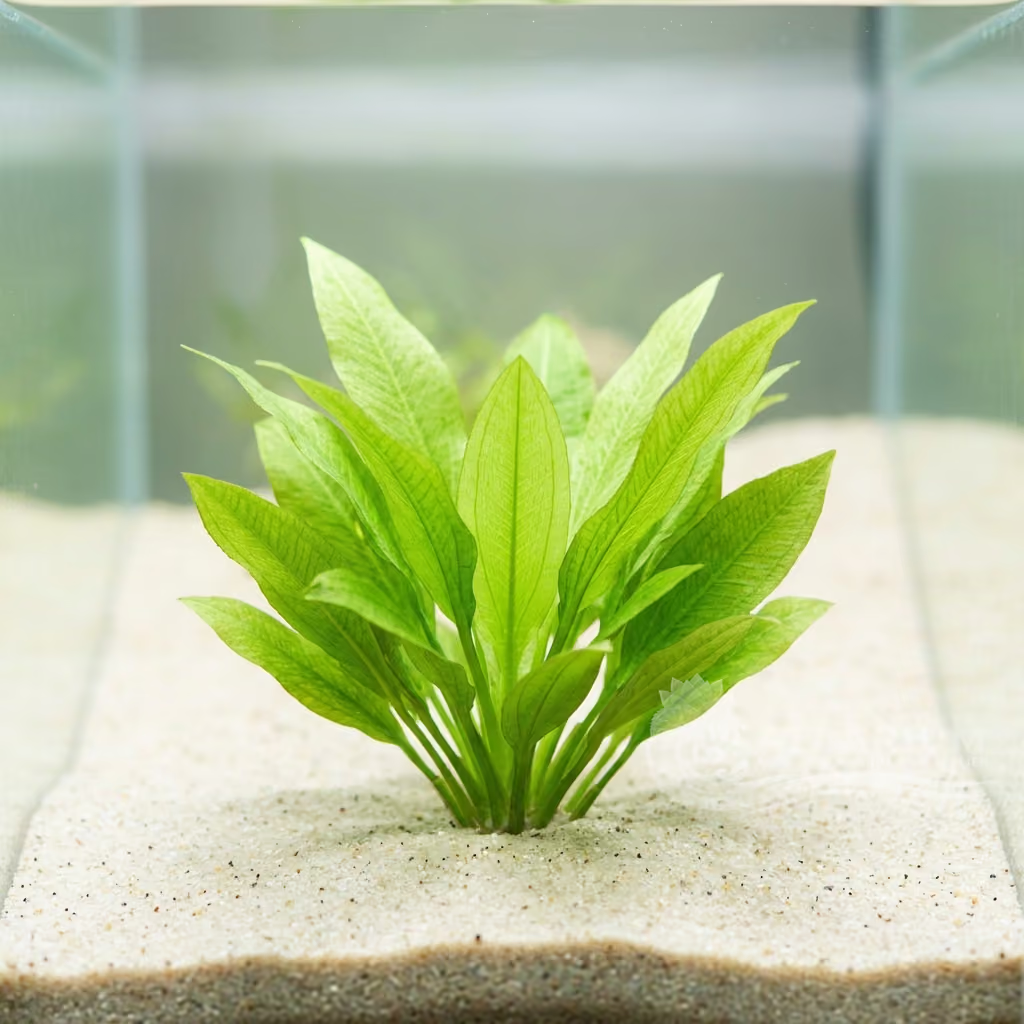
Color & Texture: The massive leaves are incredibly spectacular. The margins of the leaves are intensely undulated, rippled, and wavy, resembling a beautiful, flowing green ribbon in the water current. The coloration is a highly vibrant, glowing bright lime-green or chartreuse. The texture is completely smooth, lacking the bullate (blistery) crunch of A. boivinianus, but the leaves are exceptionally thin and highly translucent, allowing aquarium lights to shine brilliantly through the delicate cellular structure.

Care, breeding and tankmates
Lighting & CO2: It is an extremely high-energy, fast-growing powerhouse that demands medium to high-intensity lighting to fuel its massive metabolism. Under low light, the massive leaves will rot and the bulb will slowly exhaust itself and die. To unlock its true, gargantuan potential and sustain its explosive growth rate, pressurized CO2 injection is practically mandatory. High light and high CO2 will force the plant to produce incredibly thick, heavily rippled leaves that dominate the visual space.
Nutrition & Substrate: This plant is a monstrous, aggressive root feeder. The massive, woody bulb MUST be planted into an incredibly deep, rich, and nutrient-dense substrate. A premium aquasoil heavily fortified with iron-rich root tabs is absolutely non-negotiable. A sterile sand or gravel bed will starve this titan to death within months. The roots extending from the bulb will aggressively colonize the entire substrate bed, stealing nutrients from any neighboring plants.
Water Chemistry: Originating from the fast-flowing, highly oxygenated rivers of Madagascar, it absolutely demands pristine water conditions with strong, sweeping flow. It strongly prefers slightly cooler tropical temperatures (20-25°C) and will rapidly exhaust itself, stress, and melt if kept in constantly hot water (28°C+). It requires slightly acidic to neutral pH and soft to moderately hard water. Excellent filtration is critical to keep the translucent leaves free of detritus.
Space Management & Placement: This is the ultimate background centerpiece for massive aquariums (100+ gallons). It grows so explosively large that a single mature bulb can easily eclipse and overshadow half of a standard tank, plunging everything below it into total darkness. It must be placed in the far background, directly in the path of strong filter flow, allowing its massive, wavy leaves to stream elegantly in the current like a giant green ribbon.
Pruning: Due to its explosive growth rate, merciless and frequent pruning is required. Use long scissors to completely sever the oldest, tallest, or algae-covered leaves as close to the crown of the bulb as physically possible. If the plant becomes too massive, you must aggressively prune up to 60% of the leaves to prevent it from blocking all light. Cut off any floating flower stalks immediately, as flowering drains massive amounts of energy from the bulb.
Risks & Diseases: The absolute greatest risk is "Bulb Rot" and the mandatory dormancy period. If the bulb is buried too deeply or damaged, it will rapidly rot into foul-smelling mush. More importantly, this plant is biologically programmed to go dormant. After 8-12 months of explosive growth, it will suddenly stop growing and drop its leaves. The bulb MUST be removed, placed in cold, damp sand in the dark for 2 months to rest, and then replanted, or it will die permanently.

Geographic origin and distribution
Endemic exclusively to the heavily forested, fast-flowing river basins and rocky, torrential streams of Madagascar. It is an extremely specialized aquatic bulb plant (geophyte) that evolved in one of the most dynamic and isolated ecosystems on the planet. Like many Malagasy species, its lifecycle is entirely dictated by extreme tropical wet and dry seasons. To survive devastating droughts when rivers dry up completely, it stores vast energy reserves in a massive, woody subterranean tuber, waiting dormant in the mud until the furious monsoon floods trigger explosive new growth.
Origin
Africa and Madagascar

Plant profile
- Placement
- Background
- It should be placed in the midground or background, depending on the overall size of the aquarium. Ensure the bulb is only partially buried to prevent the growing crown from suffocating and rotting. It needs sufficient vertical clearance, as its leaves will reach toward the light source.
- Botanical form
- Rosette
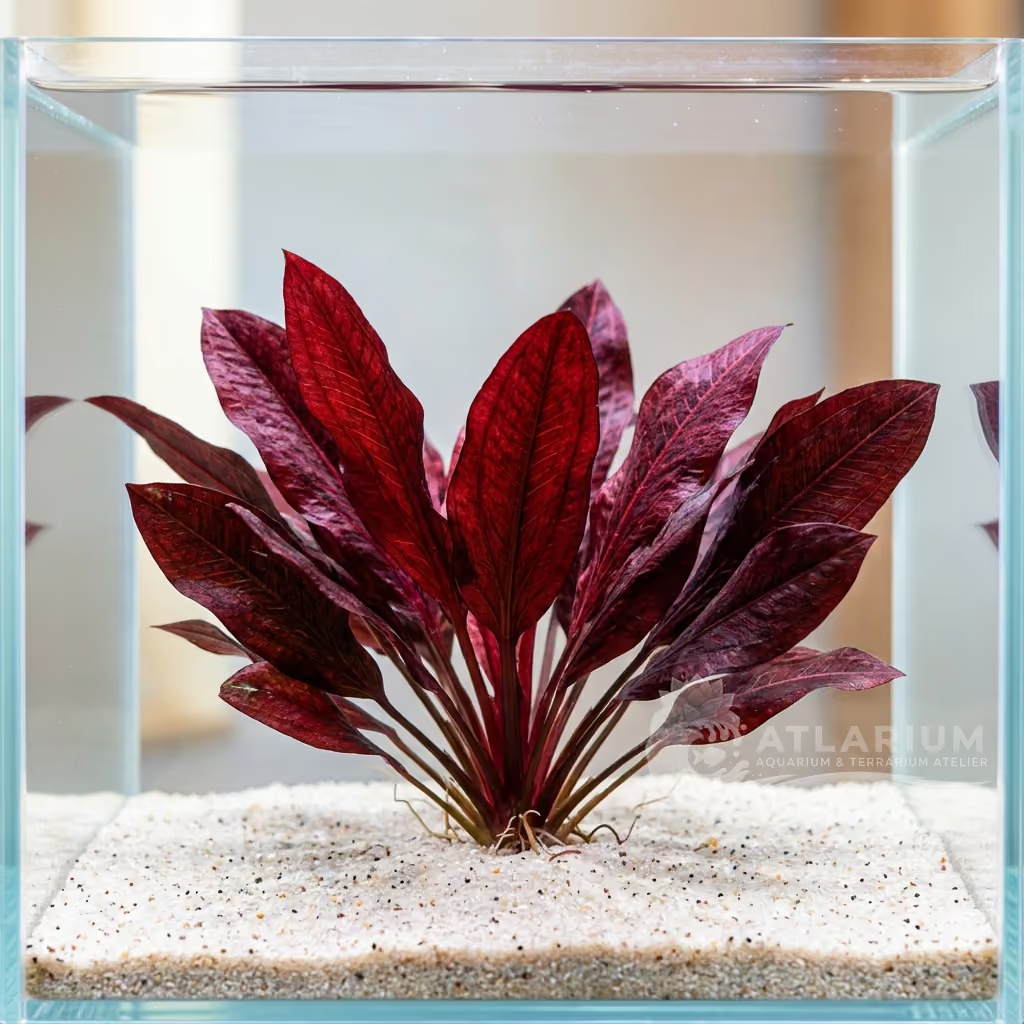
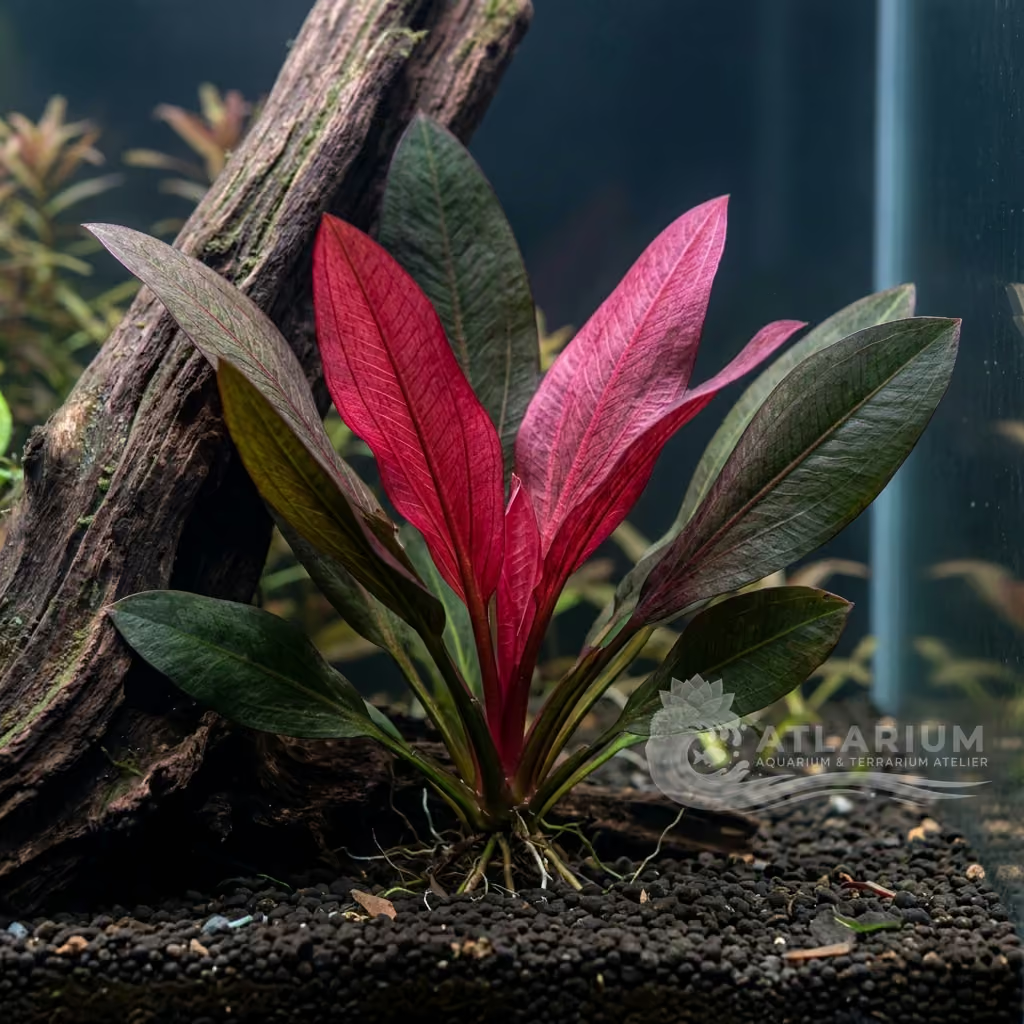
- This species features relatively broad, somewhat undulating leaves that add significant volume. The foliage has a graceful arching habit that can fill empty spaces beautifully. The leaves are typically a rich green, often with subtle textural patterns that catch the light.
- Growth
- Fast
- The growth rate is generally moderate to fast during its active growing season. A healthy bulb will continuously send up new leaves from the center crown. It requires less frequent replanting than stem plants but more attention to its seasonal growth cycles.
- Substrate
- High
- Aponogeton eggersii is a demanding bulb plant that thrives best when planted in a deep, highly fertile substrate. It utilizes a strong, fleshy root structure to draw up macronutrients required for its distinct, textured foliage. An aqua soil heavily amended with clay or root tabs should be provided, with a minimum depth of 6 cm (2.5 inches) to allow the bulb to settle properly. Without adequate substrate nutrition, the plant's growth will stunt significantly and it may struggle to enter a healthy dormancy cycle.
- Column fertilization
- Recommended
- A standard liquid fertilization routine helps support the overall health of the plant. It benefits from water column nutrients, particularly potassium, to prevent the older leaves from developing holes. Regular water changes coupled with liquid dosing keep the foliage clean and vibrant.
- Root fertilization
- Required
- Root feeding is critical; the use of root tabs directly under the bulb promotes vigorous growth. A nutrient-depleted substrate will quickly lead to stunted leaves and premature dormancy. Ensure the soil is rich in essential minerals to support its extensive root system.
- Trimming
- Occasional
- Trim off any leaves that show signs of decay or heavy algae growth by cutting them close to the base. Avoid damaging the central growing point when performing maintenance. During dormancy, simply clean away the detritus and let the bulb rest undisturbed.
- Propagation
- Seeds
- Propagation is primarily achieved through seeds following a successful flowering event. The flower stalks must reach above the water surface to be pollinated. Multiplying the plant by dividing the bulb is generally unsuccessful and risks destroying the parent plant.
- Sensitivity
- Moderate
- Like most bulb plants, its primary vulnerability is bulb rot caused by deep planting or highly compacted substrates. It prefers a stable environment and may react negatively to sudden, drastic shifts in water parameters. It generally requires a period of rest where it may shed its leaves entirely.
- Layout role
- Background
- It serves wonderfully as a robust background filler or a solitary focal point in medium to large tanks. The broad leaves provide excellent visual weight to anchor a specific side of an aquascape. Its natural, wild appearance suits nature-style or biotope aquariums perfectly.

Image gallery
Licensed images linked to the species or, when marked, to the closest representative taxon.

Related species
Recommendations grouped by close relatives, companion choices, and similar care.