Cryptocoryne pontederiifolia
Cryptocoryne pontederiifolia
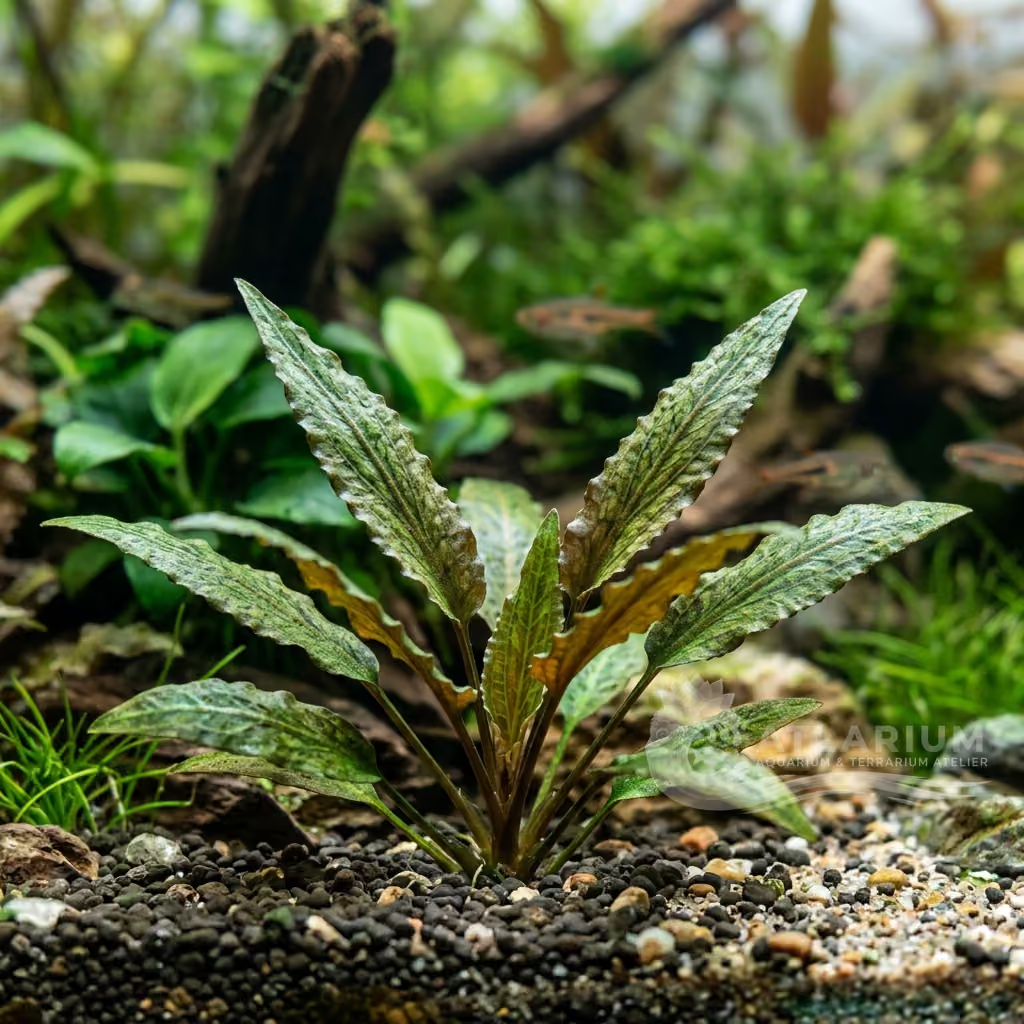
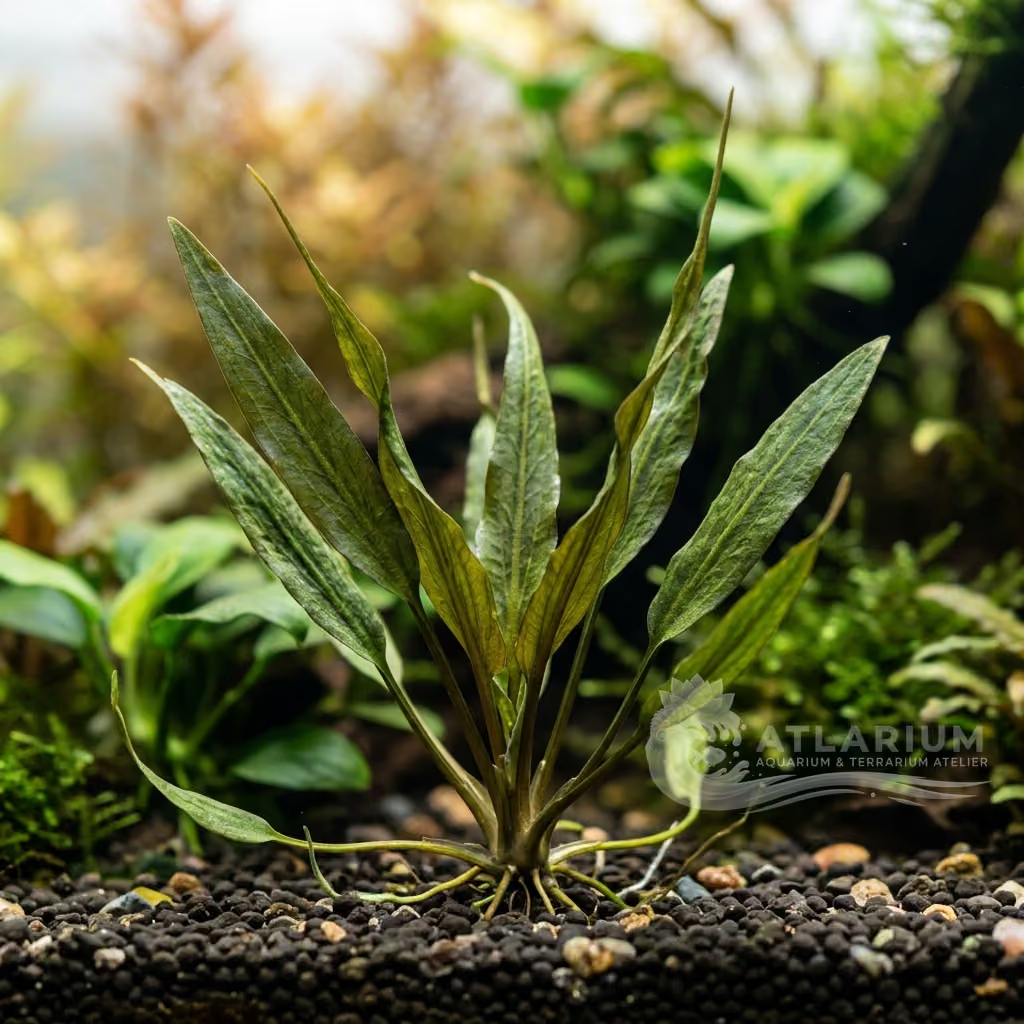
Cryptocoryne pontederiifolia is a massive, highly sought-after midground centerpiece. Its huge, bright green heart-shaped leaves hide distinct pale pink undersides, thriving perfectly in hard water.
Water Temperature
22 - 28 °C
pH Value
6 - 8
Water type
Freshwater
Light
Low
CO2
Low
Expected height
20 cm
Expected width
15 cm
GH
4 - 20 dGH
KH
2 - 14 dKH

Species description
Geographical Origin and Habitat: Endemic exclusively to the heavily shaded tropical marshlands, muddy riverbanks, and deeply forested limestone rivers of western Sumatra (Indonesia). Cryptocoryne pontederiifolia is an incredibly robust, broad-leaved aquatic rosette plant. It thrives as a resilient amphibious survivor, heavily driving its thick, woody rhizome deep into the dense, rocky mud of the jungle floor. It is perfectly adapted to violent seasonal shifts, surviving completely submerged in torrential monsoonal floods and thriving entirely emersed on dry riverbanks.
Taxonomy & Genetics: Scientifically classified within the Araceae family, it is a massive, highly prized foundational species within the commercial aquascaping hobby. Taxonomically, C. pontederiifolia is incredibly closely related to C. moehlmannii (also native to Sumatra), sharing an almost identical, massive heart-shaped leaf structure. Genetically, however, the two are completely distinct: C. pontederiifolia possesses specific genetics that force the production of stunning, prominent reddish-brown or pinkish pigmentation on the underside of its leaves.
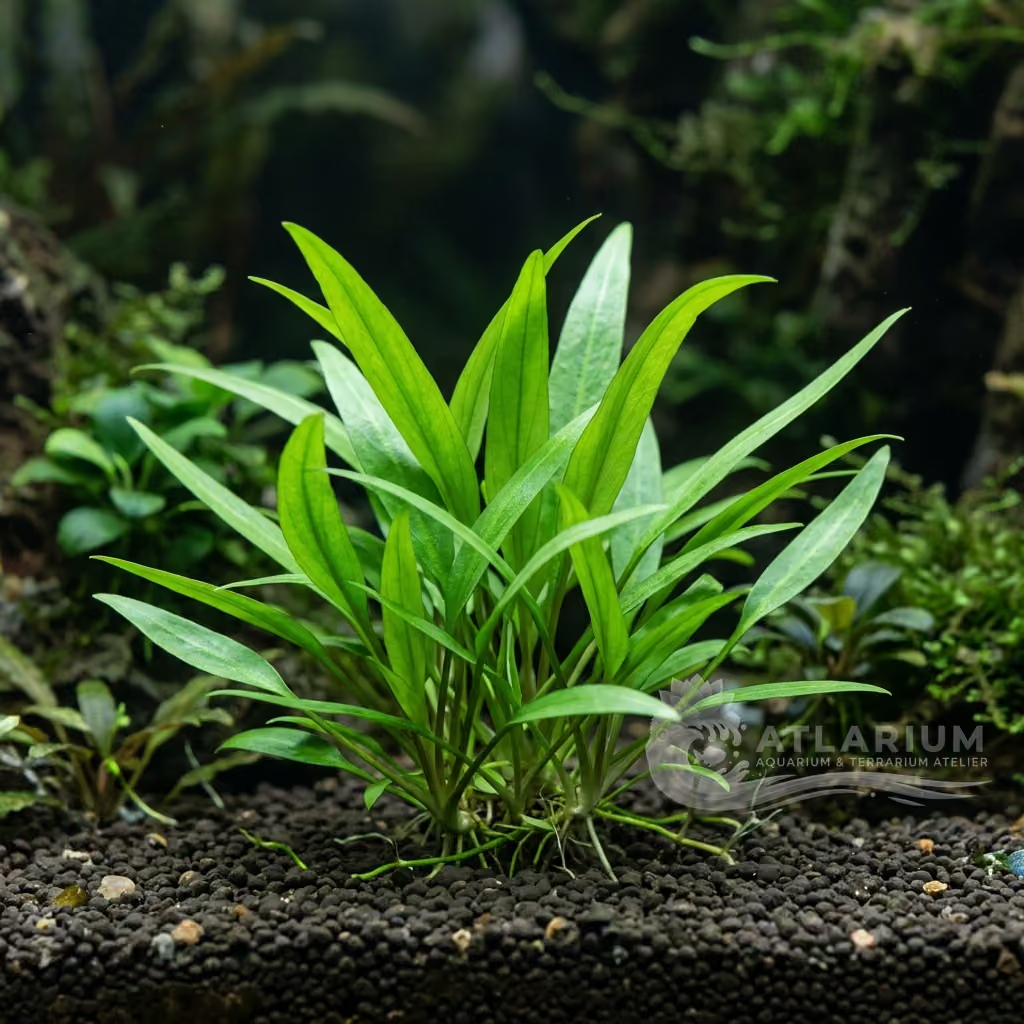
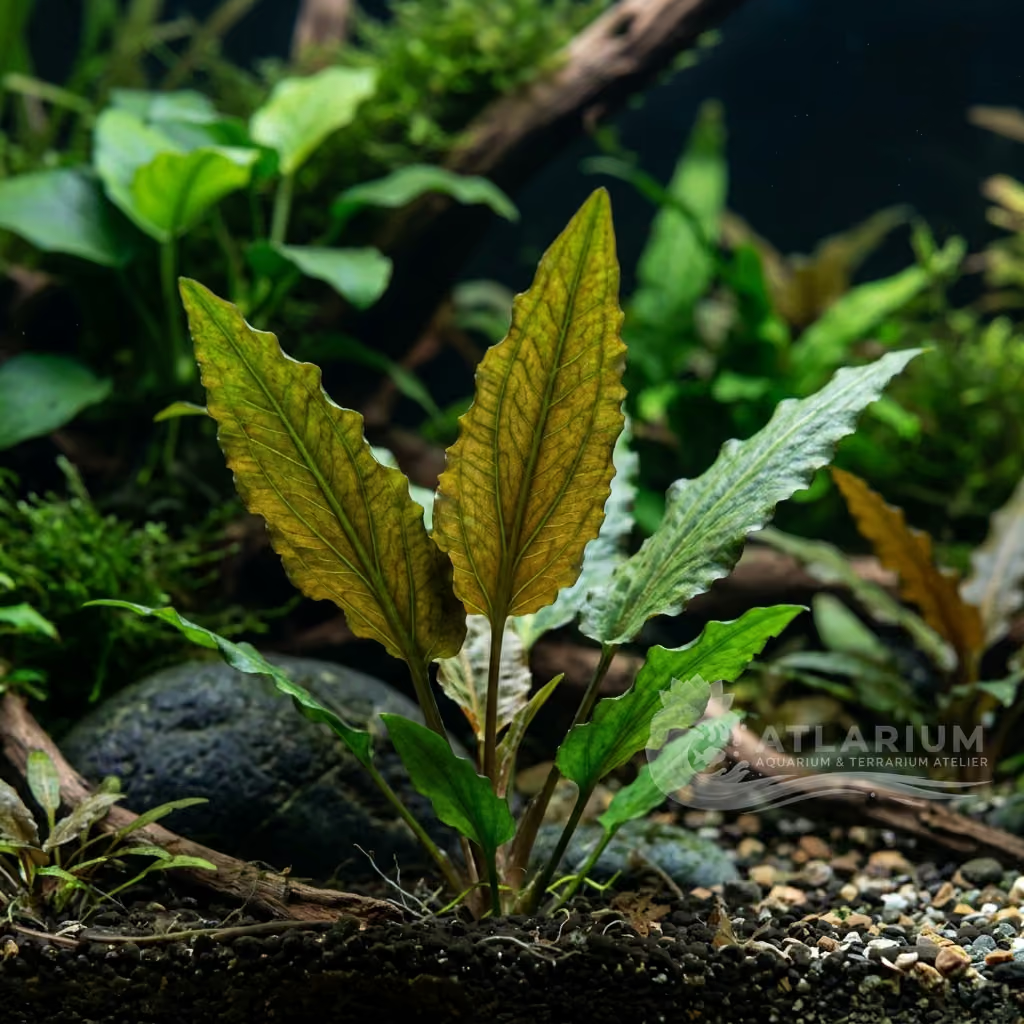
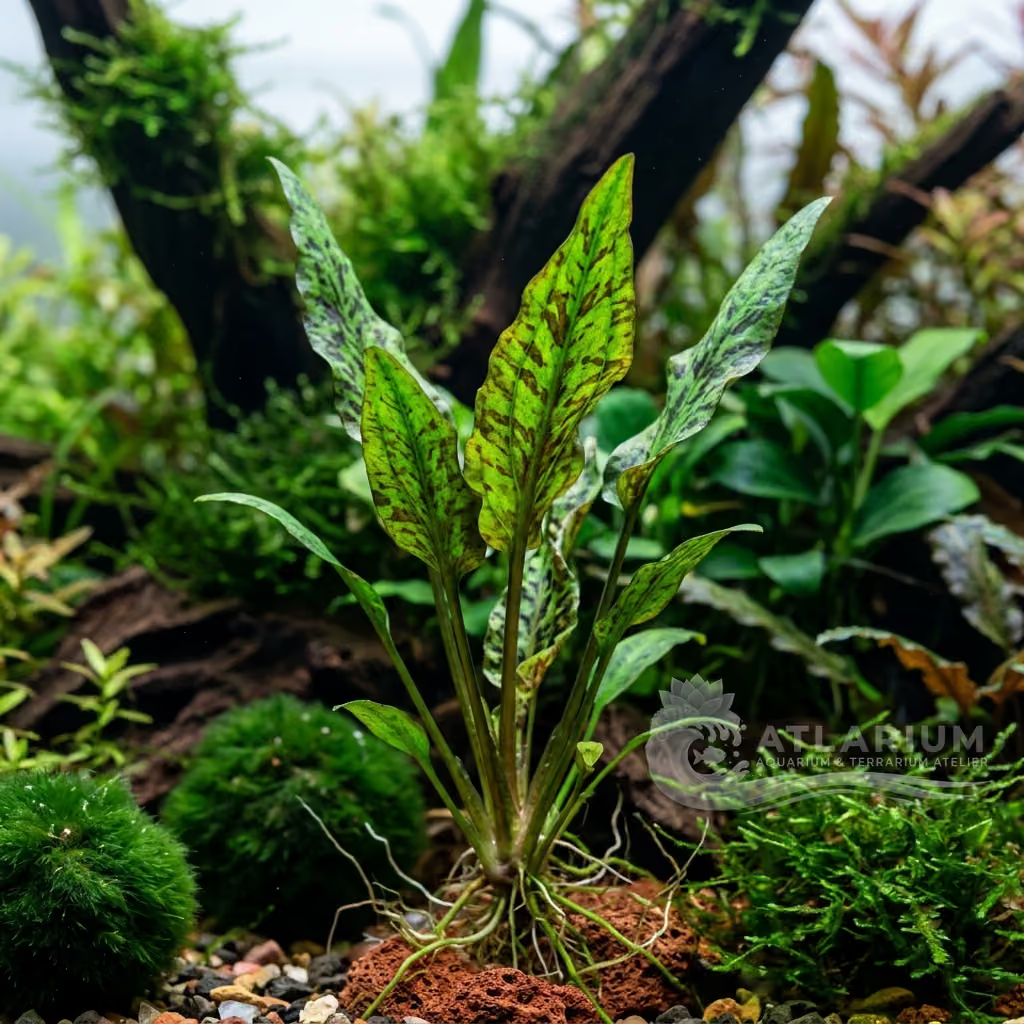
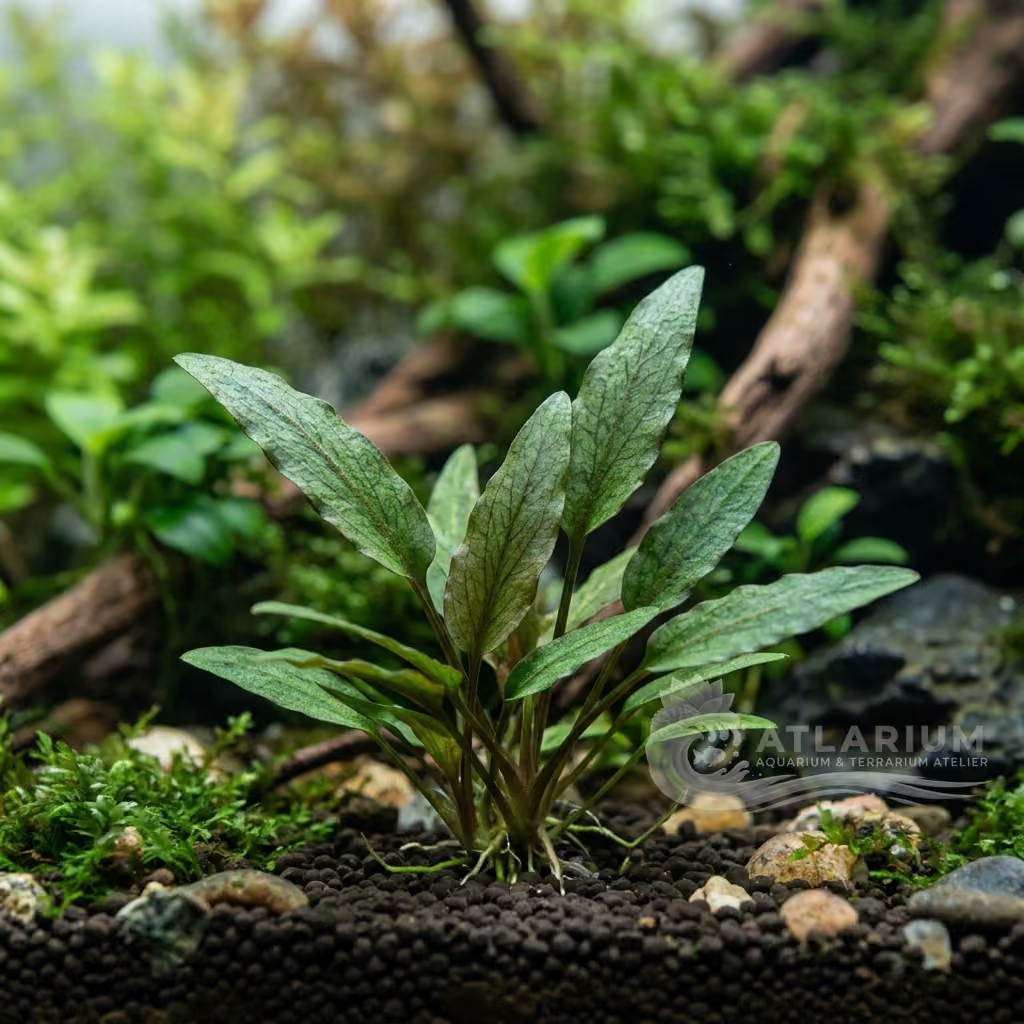
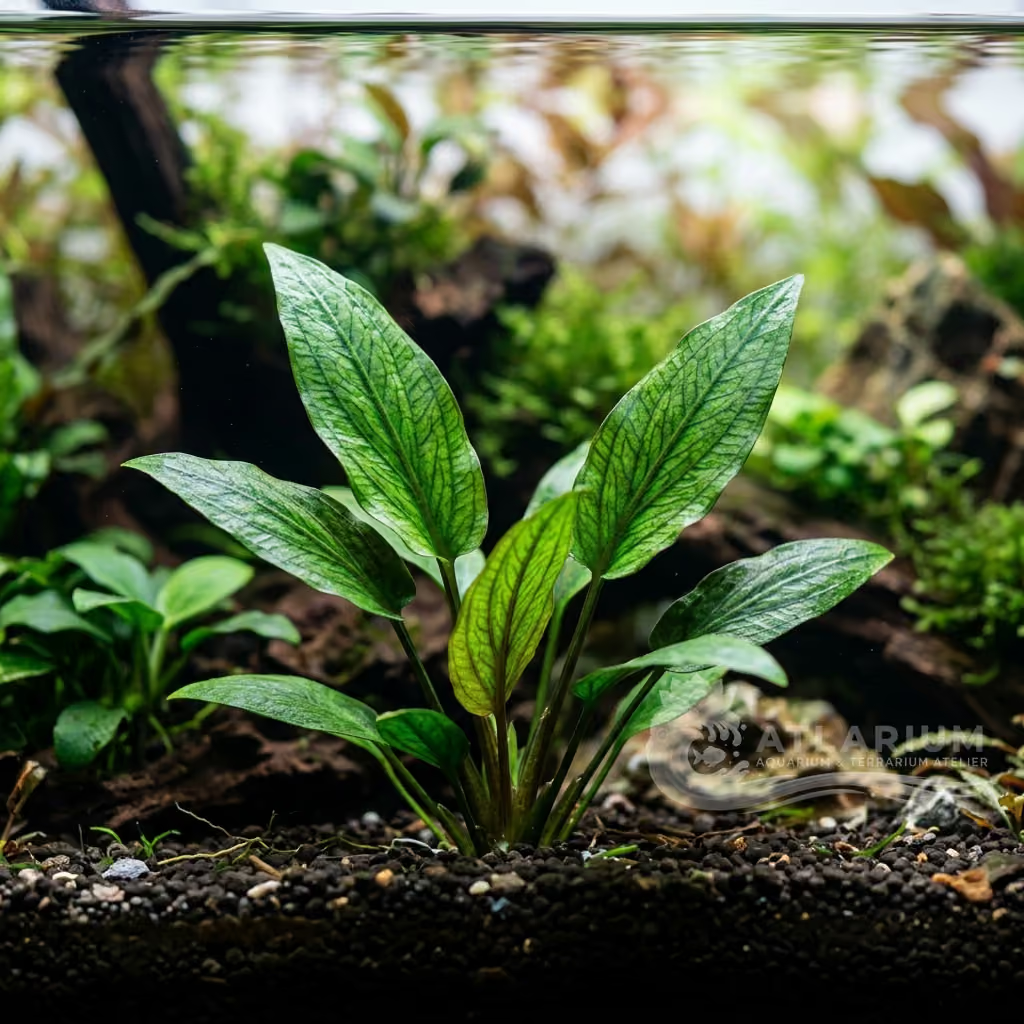
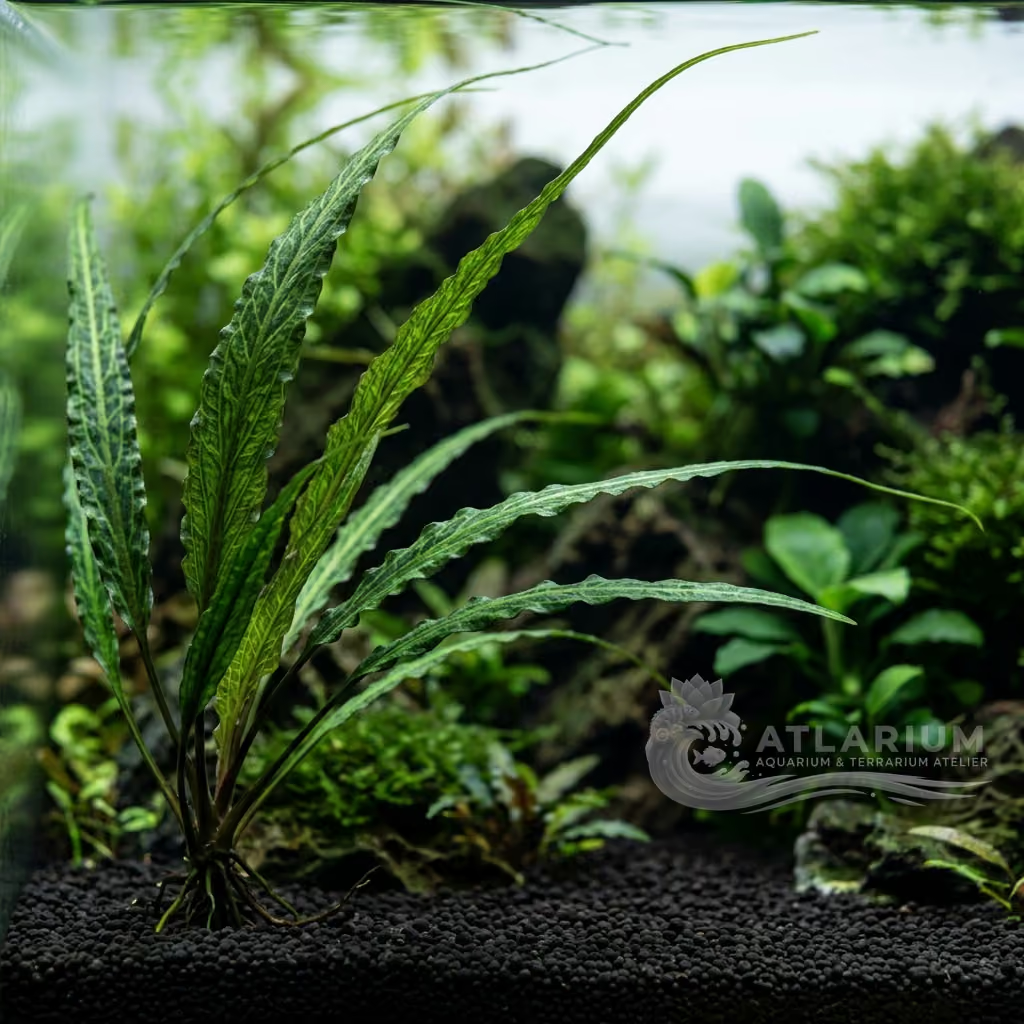
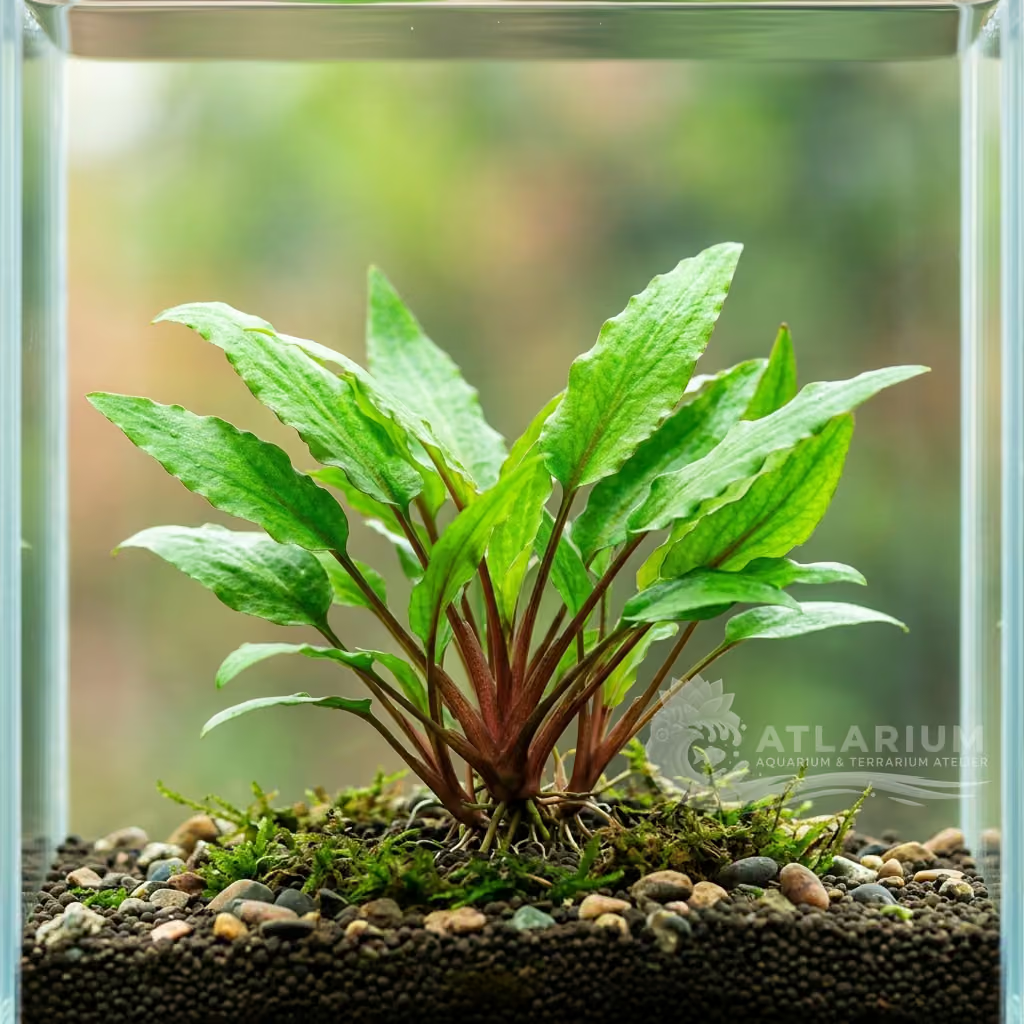
Physical Structure: The architectural structure of C. pontederiifolia is dominant, heavily sprawling, and exceedingly dense. It is a massive rosette plant completely lacking vertical stems. The foundation is a thick, highly fleshy underground rhizome that deploys an aggressive, sprawling white root system into the substrate. The leaves emerge directly from the crown on exceptionally thick, rigid, and long petioles. The defining feature is its giant foliage: the leaves are massively broad, strictly cordate (heart-shaped), relatively smooth, and feature elegantly sweeping margins.
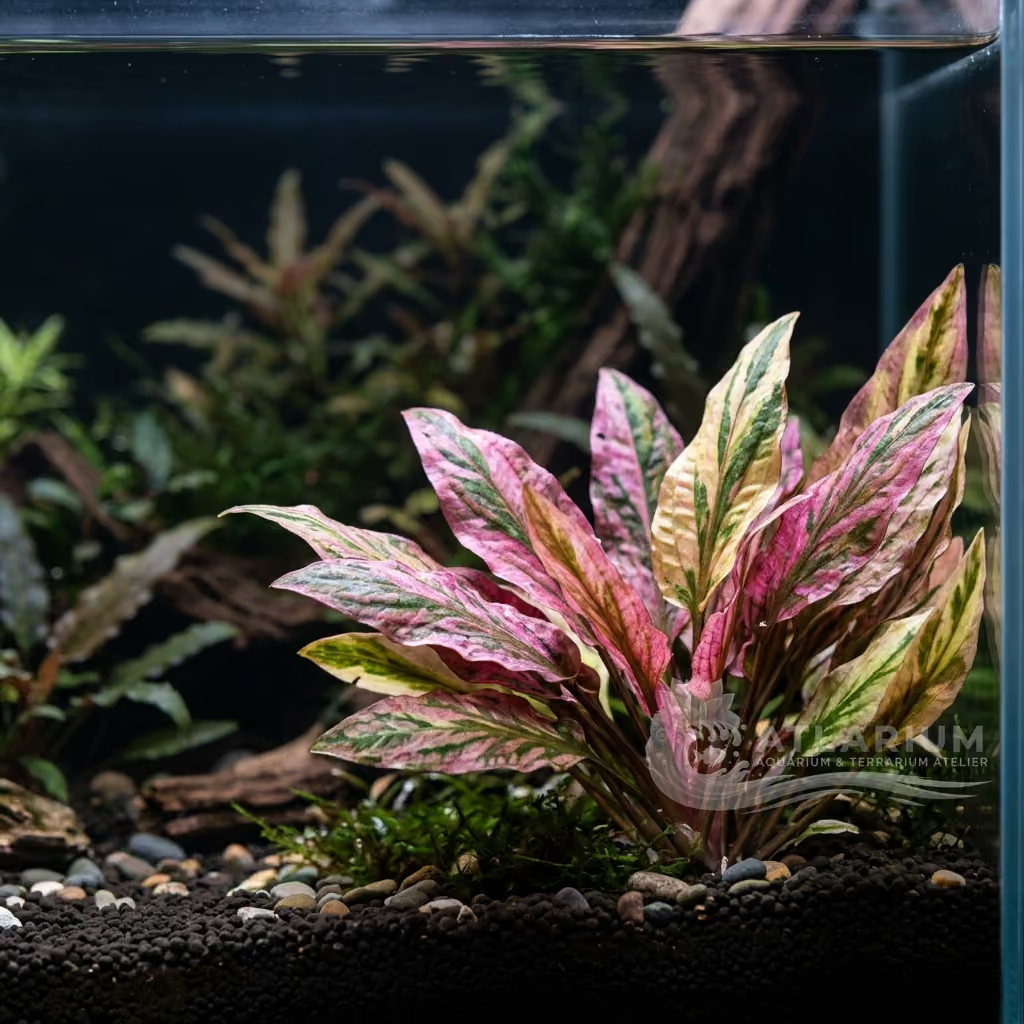
Color & Texture: The coloration is spectacular and features a magnificent, highly sought-after bi-color effect. Grown submerged under standard lighting, the massive upper leaf surface is a brilliant, glowing, pure apple-green to mid-green. Crucially, the underside of the leaves flashes a distinct, highly visible pale pink to deep reddish-brown (its defining genetic trait). The texture is exceptionally smooth, slightly rubbery, and intensely leathery. The heavy, thick leaves maintain a highly organized, statuesque rosette shape.

Care, breeding and tankmates
Lighting & CO2: It is an incredibly forgiving, highly adaptable, shade-loving plant that serves as a perfect centerpiece for beginner, low-tech aquariums. It effortlessly survives and grows massive in deeply shaded, low-light environments, though its thick petioles will stretch aggressively toward the light. To force the plant to grow in a tight, compact rosette and intensify the pinkish-red undersides of its massive leaves, medium LED lighting is recommended. Pressurized CO2 is completely unnecessary, but drastically accelerates its overall massive growth.
Nutrition & Substrate: As a colossal, classic Cryptocoryne, C. pontederiifolia is an absolute, obligate root feeder. Its massive, aggressive root system strongly demands a mature, heavily nutrient-dense substrate (minimum 7 cm / 3 inches deep). It heavily prefers high-quality aquasoil or a mature gravel bed heavily enriched with premium, iron-rich root tabs directly beneath the rhizome. If planted in sterile, inert gravel without heavy root supplementation, it will quickly stunt, turn violently yellow, and melt away. It absorbs virtually zero nutrition from the water.
Water Chemistry: This is its defining biological advantage: C. pontederiifolia is incredibly resilient and practically invincible regarding water hardness. It thrives effortlessly in heated tropical aquariums (22-26°C) and comfortably tolerates soft blackwater, but it absolutely excels in extremely hard, highly alkaline tap water (pH 7.2 - 8.5) loaded with calcium. Because it thrives in harsh alkaline chemistry, it is the premier, go-to midground plant for African Cichlid tanks. The single most critical environmental requirement is absolute chemical stability.
Space Management & Placement: Due to its large size (15-25 cm height), massive, broad heart-shaped leaves, and aggressive sprawling habit, C. pontederiifolia is an elite, dominant midground centerpiece plant. It should be meticulously used to create massive, bright-green focal points directly in the center of the aquascape. Because it spreads relentlessly via extremely thick subterranean runners, it will eventually form a stunning, interconnected, impenetrable bright-green bush that completely shadows smaller foreground carpeting plants.
Pruning: Pruning is a simple, low-maintenance procedure. Never attempt to trim a broad, heart-shaped leaf in half; the cut edge will instantly turn black, rot, and destroy the elegant aesthetic. To prune dead, yellowing, or heavily shaded older leaves, you must reach down to the absolute base of the rosette and cleanly snap or slice the thick petiole directly at the gravel line. To manage its relentless, creeping spread, physically dig into the substrate and cleanly sever the thick subterranean runner connecting the baby clone to the mother rhizome.
Risks & Diseases: The absolute greatest threat to C. pontederiifolia is the infamous "Crypt Melt." This massive species is highly sensitive to sudden, extreme environmental instability. A rapid change in pH, a massive water change with cold water, or forcefully uprooting the established plant will trigger a violent biological panic, causing all the massive heart-shaped leaves to dissolve into a slimy mush within 24 hours. However, the thick, fleshy underground rhizome is completely indestructible; if the leaves melt, do not remove the roots, and it will regrow.

Geographic origin and distribution
Endemic exclusively to the heavily shaded tropical marshlands, muddy riverbanks, and deeply forested limestone rivers of western Sumatra (Indonesia). Cryptocoryne pontederiifolia is an incredibly robust, broad-leaved aquatic rosette plant. It thrives as a resilient amphibious survivor, heavily driving its thick, woody rhizome deep into the dense, rocky mud of the jungle floor. It is perfectly adapted to violent seasonal shifts, surviving completely submerged in torrential monsoonal floods and thriving entirely emersed on dry riverbanks.
Origin
South and Southeast Asia

Plant profile
- Placement
- Midground
- When designing an aquascape, Cryptocoryne pontederiifolia excels when used as a background or large midground accent. The distinct imposing rosette with spatulate to cordate leaves creates a natural, wild appearance that bridges the gap between the foreground and background. Placing it near driftwood or stones highlights its unique texture and visual appeal.
- Botanical form
- Rosette
- Botanically, Cryptocoryne pontederiifolia grows as a imposing rosette with spatulate to cordate leaves. The leaves exhibit characteristic textures and colors that vary slightly depending on environmental conditions. It remains a striking example of the diverse morphology found within the Cryptocoryne genus.
- Growth
- Slow
- Aquarists should expect a moderate to fast growth trajectory when cultivating Cryptocoryne pontederiifolia. While high-tech setups with CO2 can push it to grow slightly faster, it fundamentally remains a deliberate grower. This steady pace makes it an excellent choice for low-maintenance scapes that require infrequent trimming.
- Substrate
- High
- A nutrient-rich aquasoil or a mature, deep gravel bed is ideal for this Sumatra native. Its extensive root system requires ample space to anchor and access vital minerals. Adding root tabs regularly will prevent nutrient depletion and support long-term health.
- Column fertilization
- Recommended
- Liquid fertilization can be a valuable supplement for the cultivation of Cryptocoryne pontederiifolia. Providing a comprehensive water-column additive ensures that micronutrients are readily available for foliar uptake. Maintaining modest dosing levels prevents unwanted algae from establishing on its broad surfaces.
- Root fertilization
- None
- The secret to a flourishing Cryptocoryne pontederiifolia lies in consistent and potent root fertilization. Iron-rich substrate supplements are specifically recommended to bring out its best colors and leaf textures. A well-fed root zone enables the plant to bounce back quickly from environmental fluctuations.
- Trimming
- Occasional
- Trimming should be done sparingly, removing only older or decaying leaves near the base. Cut the stems as close to the substrate as possible using sharp aquascaping scissors. Avoid cutting healthy foliage, as the slow growth rate means it will take time to recover.
- Propagation
- Rhizome division, Runners
- Propagation of Cryptocoryne pontederiifolia occurs naturally through the development of subterranean runners. Once a new plantlet has formed several leaves and a distinct root system, it can be safely severed from the mother plant. The new offshoot should be planted carefully in a nutrient-dense area to encourage rapid establishment.
- Sensitivity
- Moderate
- Cryptocoryne pontederiifolia is notoriously sensitive to sudden changes in water parameters, which can trigger 'Crypt melt'. If melting occurs, leave the root system intact as it will typically bounce back with new, adapted leaves. It prefers stable environments with consistent lighting and fertilization.
- Layout role
- Midground, Background
- In aquascaping, Cryptocoryne pontederiifolia serves as a fantastic structural element or accent plant. Its bright light green tones provide great contrast against typical green aquatic plants. It works exceptionally well in Nature Aquarium styles and shaded areas beneath driftwood.

Image gallery
Licensed images linked to the species or, when marked, to the closest representative taxon.

Related species
Recommendations grouped by close relatives, companion choices, and similar care.