Encyclopaedia

Plant atlas
PlantFreshwaterEasy
©AI Generated·Proprietary

Anubias congensis

Anubias congensis

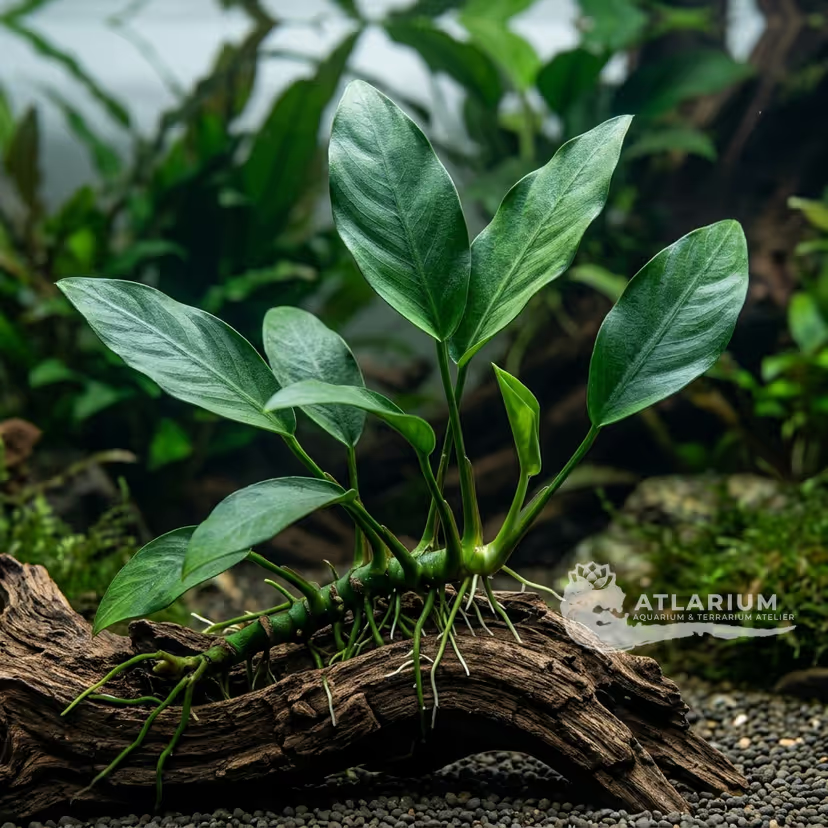
Anubias congensis: a robust, large-growing epiphytic plant of the Araceae family, native to the Congo basin, perfect for the midground or background.

Taxonomy
Class:Liliopsida
Order:Alismatales
Family:Araceae
Genus:Anubias
Species:Anubias congensis

Share

Check out Anubias congensis on Atlarium

PracticeRecognition quizzesPhotos, names, origins, and puzzles to review Atlas species.Open quizzes
Water Temperature

22 - 28 °C

pH Value

6 - 8

Water type

Freshwater

Light

Low

CO2

Low

Expected height

40 cm

Expected width

30 cm

GH

4 - 20 dGH

KH

2 - 15 dKH

Species description

Anubias congensis is native to central equatorial Africa, primarily within the Congo River basin and neighboring regions. It grows naturally along the shaded margins of rivers, rainforest streams, and seasonal swamps. In these wet habitats, it lives as a rheophilic plant anchored to rocks and submerged roots. It is frequently found in emersed form during the dry season and completely submerged during the rainy season, withstandling strong water currents. It belongs to the Araceae family and the genus Anubias.

Care, breeding and tankmates

It tolerates a wide variety of chemical conditions. It prefers a neutral or slightly acidic pH (6.0-7.5), soft to medium-hard water, and stable temperatures between 20°C and 28°C. Avoid sudden temperature swings to prevent leaf deterioration. Rhizome rot is the main threat if the plant is buried. Older leaves can accumulate black brush algae (BBA); this risk can be managed by optimizing water flow, reducing direct light, or introducing algae-eating fish and shrimp.

Geographic Origin and Distribution

This species originates from: Central Africa (Congo River basin).

Origin

Africa and Madagascar

Plant profile

Placement
Midground

It is a taller species, best suited for the midground or background of the aquarium. It should be attached to large pieces of wood or rocks. The rhizome must not be buried in the substrate to prevent rot.

Botanical form
Rhizome

It features elongated, smooth, and upright dark green leaves that resemble small spearheads. The thick rhizome produces a robust root system for strong anchoring. It grows significantly taller than the popular nana varieties.

Growth
Slow

This plant exhibits a very slow growth rate, typical of the genus. It produces new leaves infrequently, making it very low maintenance. Additional CO2 is not necessary but can slightly improve growth.

Substrate
None

Anubias congensis possesses a robust, creeping rhizome that demands exposure to open water rather than burial in a nutrient-rich soil. To prevent suffocation and rotting, this impressive plant should be firmly attached to coarse hardscape where its strong roots can weave into crevices for stability. Although it can tolerate having its longest roots extending into an inert gravel or sand bed, the core rhizome must remain strictly above the substrate level. Because it absorbs essential minerals almost entirely through its leaves and exposed root surface, the composition and depth of the underlying substrate are irrelevant to its health.

Column fertilization
Recommended

Nutrients are primarily absorbed from the water column through the leaves and exposed roots. Occasional dosing of a comprehensive liquid fertilizer keeps the plant healthy. Potassium and iron are beneficial for maintaining leaf coloration.

Root fertilization
None

Root tabs are not required since the plant's roots should not be buried. The strong root system is mainly for gripping hardscape surfaces. It relies on nutrients present in the water rather than the soil.

Trimming
Occasional

Pruning is rarely needed due to its slow, steady growth. When necessary, use sharp scissors to cut older or damaged leaves near the base of the rhizome. This helps the plant focus energy on healthy growth.

Propagation
Rhizome division

Propagation is done by dividing the creeping rhizome into smaller sections. Make sure each section has at least three healthy leaves and some roots. Attach the new sections to hardscape materials to grow independently.

Sensitivity
Moderate

It is highly sensitive to having its rhizome buried in the substrate, which causes it to die. Due to its slow growth, it is also prone to spot algae under intense light. Keep it in shaded areas to reduce algae risk.

Layout role
Midground, Background

Its upright, sword-like leaves provide excellent vertical lines and contrast in aquascapes. It works well as a background plant in smaller tanks or midground in larger ones. It adds a mature, wild look to the layout.

Image gallery

Licensed images linked to the species or, when marked, to the closest representative taxon.

Related species

Recommendations grouped by close relatives, companion choices, and similar care.

Variants and close relatives

Same atlas type, nearby scientific identity, genus, or family.

Anubias barteri var. nana 'Round Leaf'

Anubias barteri var. nana 'Round Leaf'

Anubias barteri var. nana 'Round Leaf'

View details->
Anubias gigantea

Anubias gigantea

Anubias gigantea

View details->
Anubias lanceolata

Anubias lanceolata
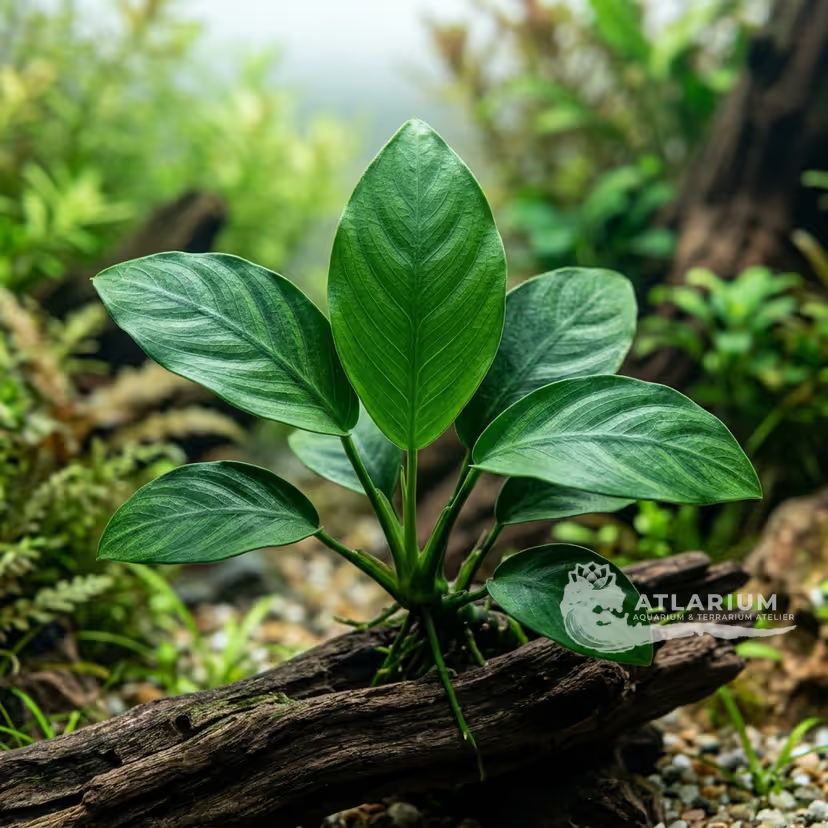
Anubias lanceolata

View details->
Anubias minima

Anubias minima

Anubias minima

View details->
Anubias

Anubias

Anubias barteri

View details->
Anubias nana

Anubias nana

Anubias barteri var. nana

View details->
Arrowhead Anubias

Arrowhead Anubias

Anubias hastifolia

View details->
Anubias afzelii

Anubias afzelii

Anubias afzelii

View details->
Pynaert's Anubias

Pynaert's Anubias

Anubias pynaertii

View details->
Anubias "nangi"

Anubias "nangi"

Anubias "nangi"

View details->
Anubias barteri var. angustifolia

Anubias barteri var. angustifolia

Anubias barteri var. angustifolia

View details->
Anubias barteri var. barteri

Anubias barteri var. barteri

Anubias barteri var. barteri

View details->
Anubias barteri var. caladiifolia

Anubias barteri var. caladiifolia

Anubias barteri var. caladiifolia

View details->
Anubias barteri var. coffeifolia

Anubias barteri var. coffeifolia
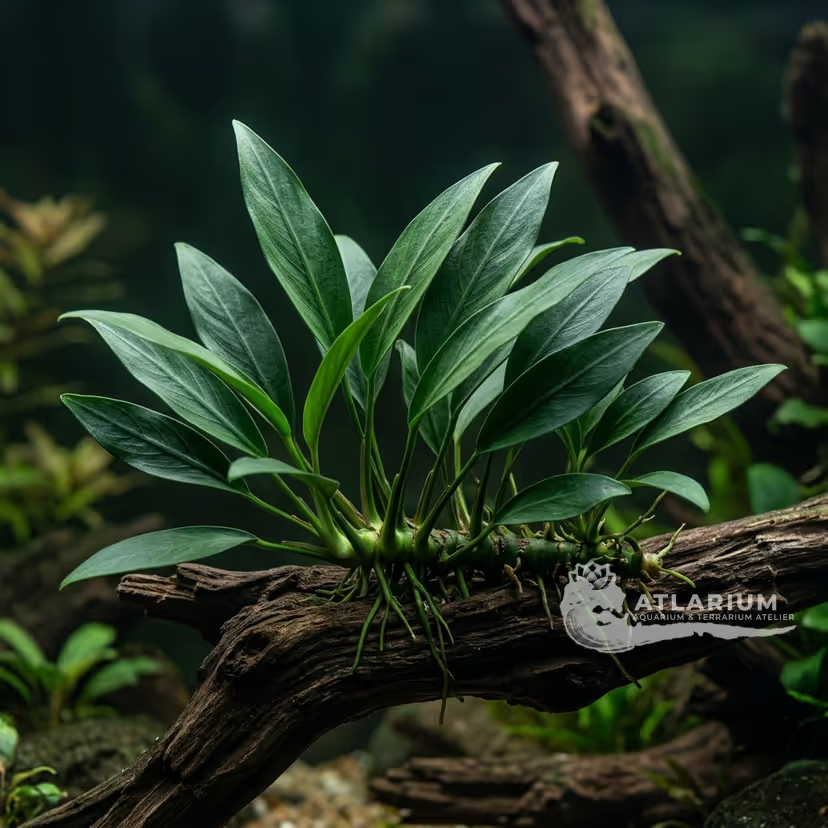
Anubias barteri var. coffeifolia

View details->
Anubias barteri var. glabra

Anubias barteri var. glabra

Anubias barteri var. glabra

View details->
Anubias gilletii

Anubias gilletii

Anubias gilletii

View details->

Recommended companions

Compatible cards from coherent ecosystems with matching parameters.

Bronze cory
Fish

Bronze cory

Corydoras aeneus

View details->
Bladder snail
Invertebrate

Bladder snail

Physella acuta

View details->
Blackline Tetra
Fish

Blackline Tetra

Hyphessobrycon scholzei

View details->
Orange dwarf crayfish (CPO)
Invertebrate

Orange dwarf crayfish (CPO)

Cambarellus patzcuarensis "Orange"

View details->
Ninja Shrimp
Invertebrate

Ninja Shrimp

Caridina serratirostris

View details->
Malaysian Trumpet Snail
Invertebrate

Malaysian Trumpet Snail

Melanoides tuberculata

View details->
Chameleon land crab
Invertebrate

Chameleon land crab

Metasesarma aubryi

View details->
Zebra Nerite Snail
Invertebrate

Zebra Nerite Snail

Vittina coromandeliana

View details->
Zebra Nerite Snail
Invertebrate

Zebra Nerite Snail

Vittina natalensis
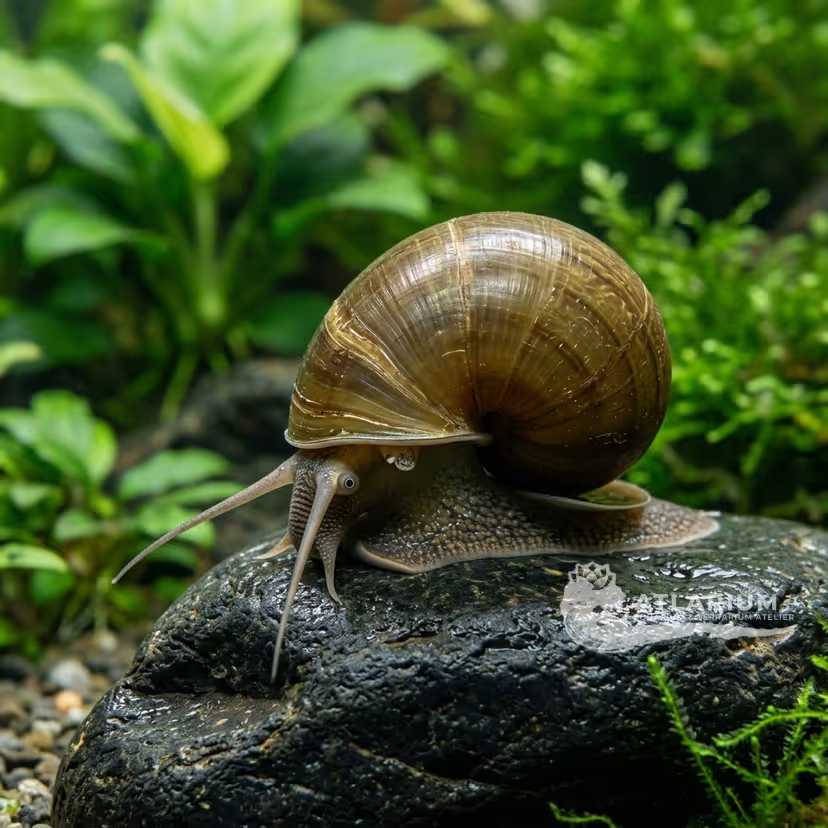
View details->
Asian apple snail
Invertebrate

Asian apple snail

Pila ampullacea

View details->
Channelled apple snail
Invertebrate

Channelled apple snail

Pomacea canaliculata

View details->
Chinese mystery snail
Invertebrate

Chinese mystery snail

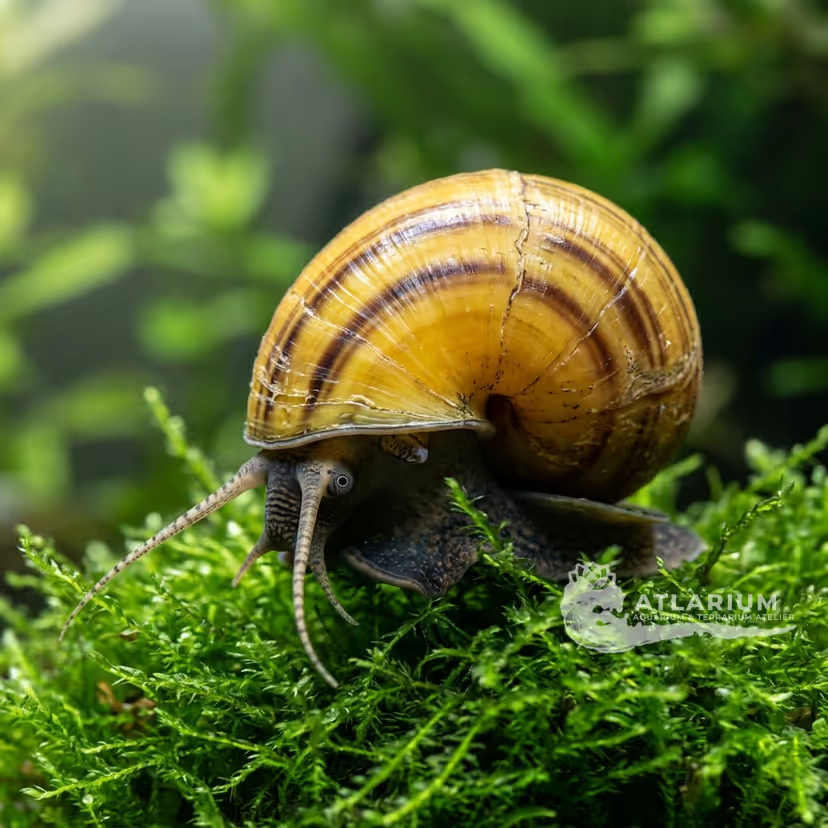
Cipangopaludina chinensis

View details->
Ear pond snail
Invertebrate

Ear pond snail

Radix auricularia

View details->
European river snail
Invertebrate

European river snail

Viviparus viviparus

View details->
Florida apple snail
Invertebrate

Florida apple snail

Pomacea paludosa

View details->
Giant ramshorn snail
Invertebrate

Giant ramshorn snail

Marisa cornuarietis

View details->

Similar care

Cards with similar requirements, difficulty, habitat, and husbandry profile.
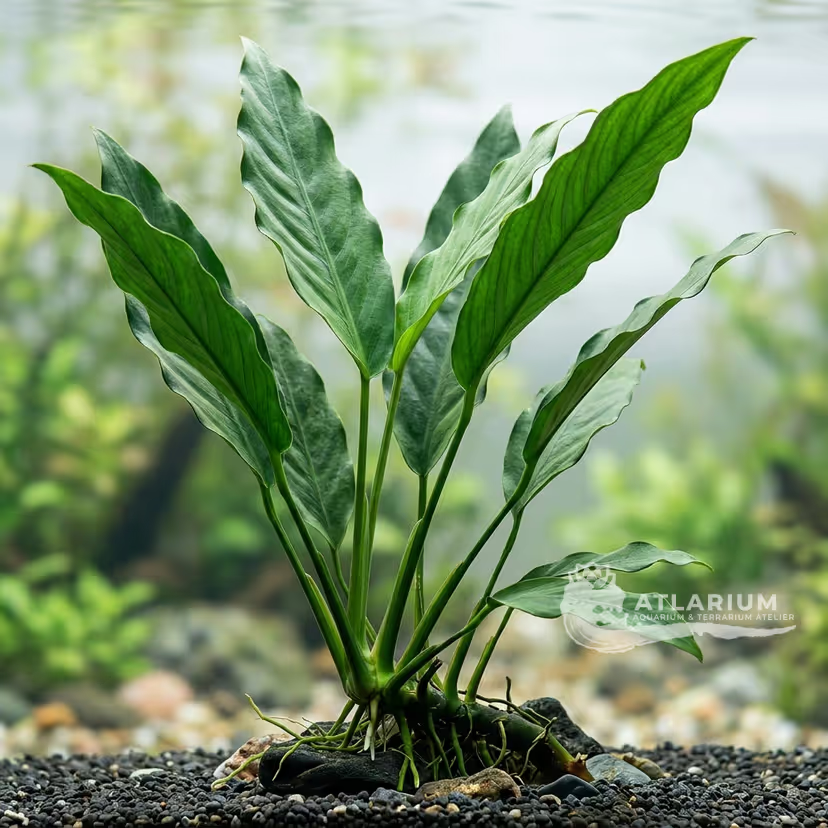
Anubias heterophylla

Anubias heterophylla

Anubias heterophylla

View details->
Cryptocoryne affinis

Cryptocoryne affinis
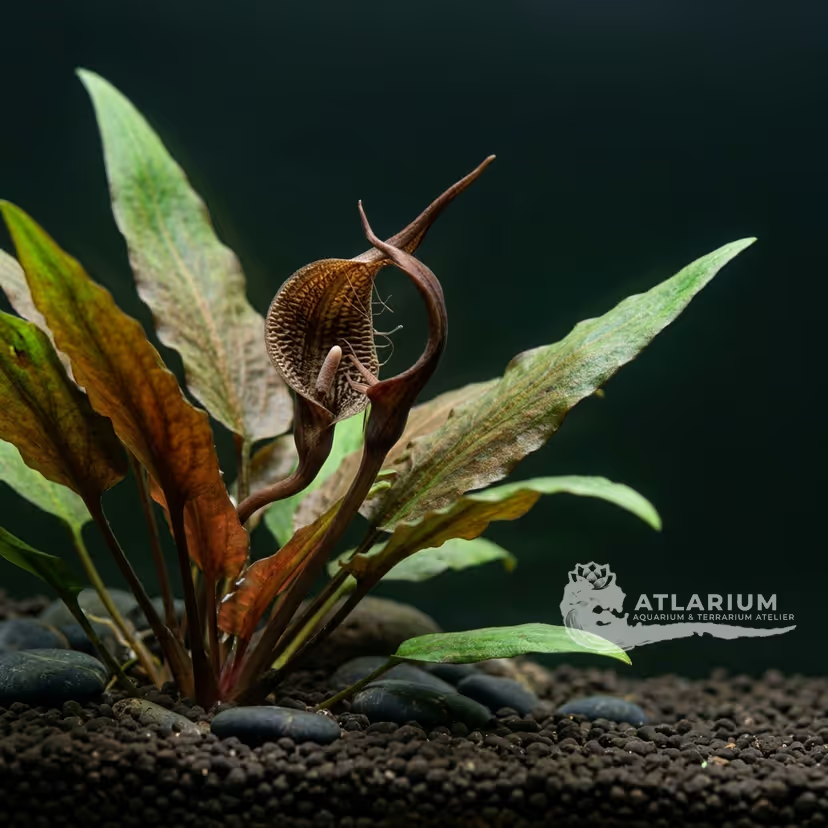
Cryptocoryne affinis

View details->
Cryptocoryne coronata

Cryptocoryne coronata
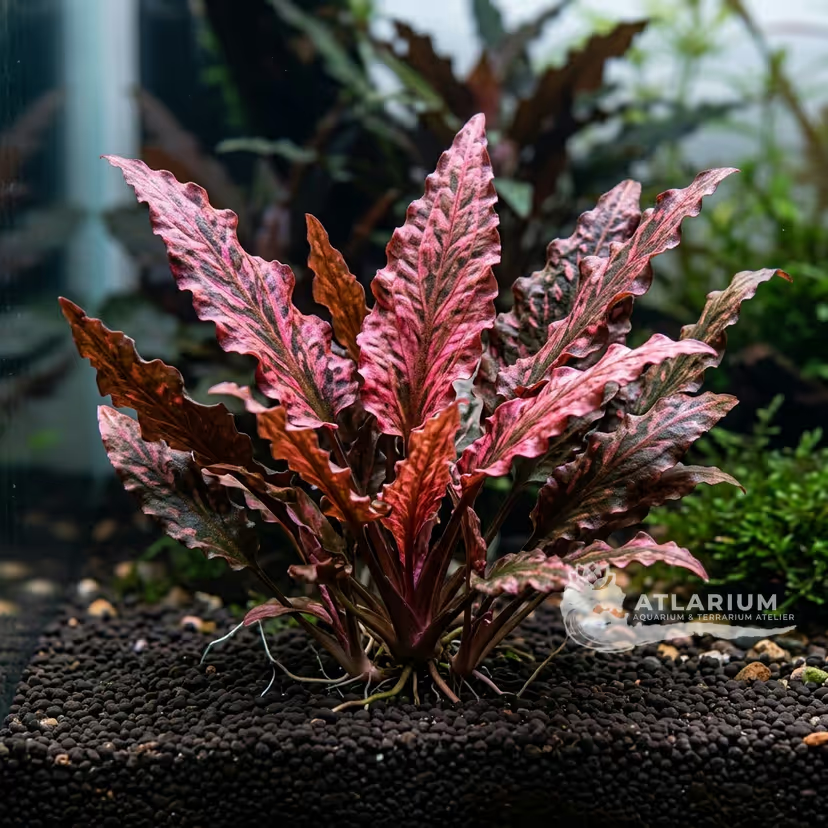
Cryptocoryne coronata

View details->
Cryptocoryne beckettii "Petchii Pink"

Cryptocoryne beckettii "Petchii Pink"

Cryptocoryne beckettii "Petchii Pink"

View details->
Anubias gracilis

Anubias gracilis

Anubias gracilis

View details->
Cryptocoryne albida

Cryptocoryne albida

Cryptocoryne albida

View details->
Cryptocoryne cordata var. siamensis

Cryptocoryne cordata var. siamensis
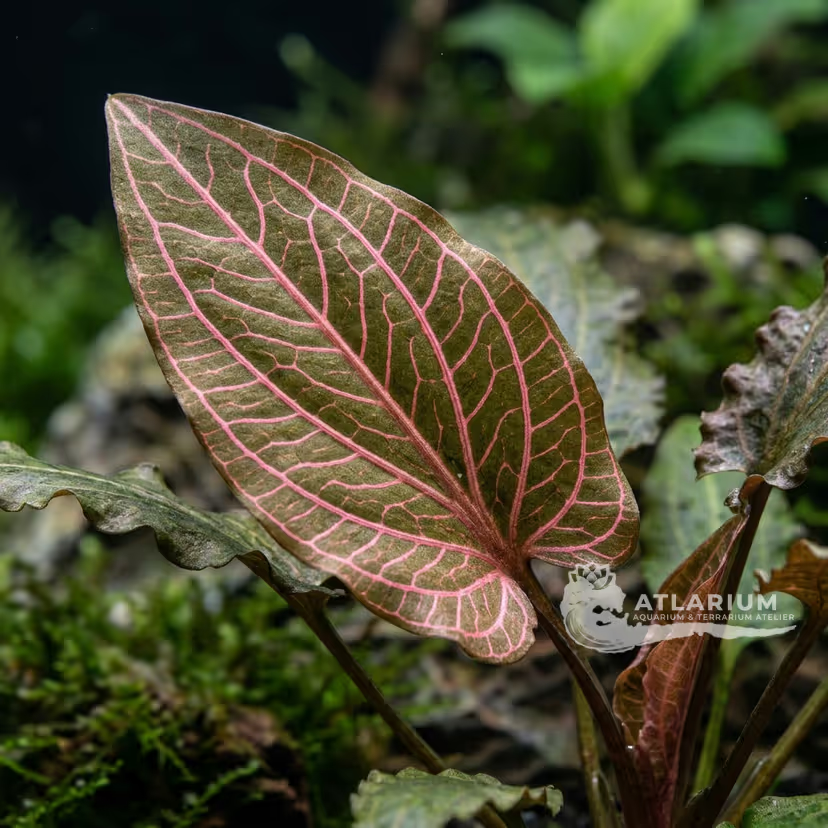
Cryptocoryne cordata var. siamensis

View details->
Cryptocoryne cordata var. siamensis 'Rosanervig'

Cryptocoryne cordata var. siamensis 'Rosanervig'

Cryptocoryne cordata var. siamensis 'Rosanervig'

View details->
Bucephalandra motleyana "Braun-rot" ("Serimbu")

Bucephalandra motleyana "Braun-rot" ("Serimbu")

Bucephalandra motleyana "Braun-rot" ("Serimbu")

View details->
Bucephalandra motleyana "Pancuraji"

Bucephalandra motleyana "Pancuraji"

Bucephalandra motleyana "Pancuraji"

View details->
Bucephalandra motleyana "Braun-rot narrow"

Bucephalandra motleyana "Braun-rot narrow"

Bucephalandra motleyana "Braun-rot narrow"

View details->
Bucephalandra motleyana "Riam Macam"

Bucephalandra motleyana "Riam Macam"
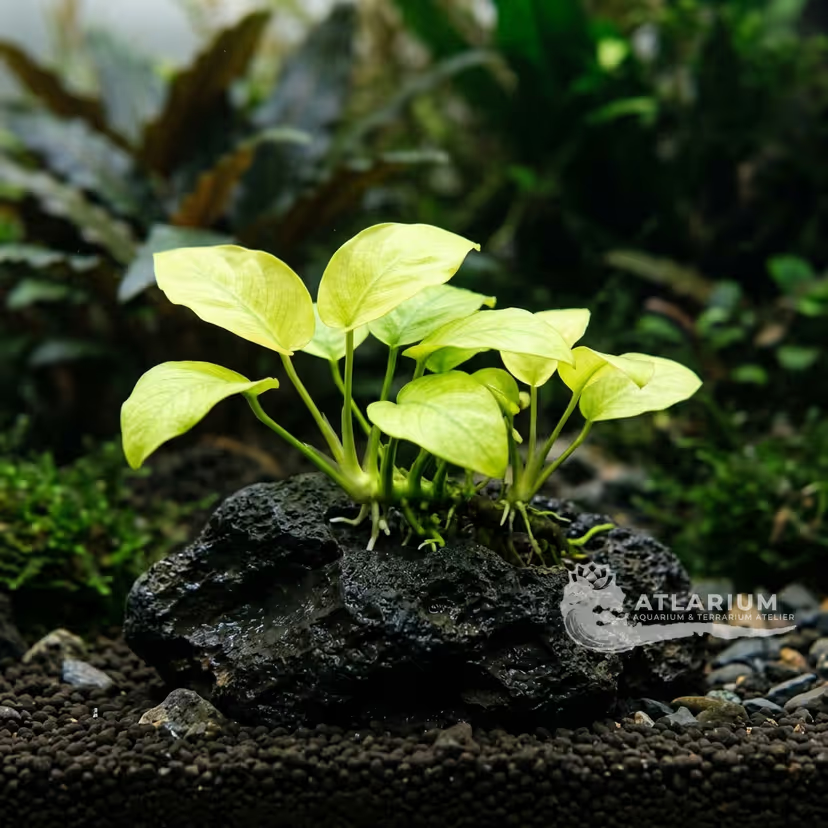
Bucephalandra motleyana "Riam Macam"

View details->
Anubias barteri var. nana

Anubias barteri var. nana

Anubias barteri var. nana

View details->
Anubias barteri var. nana 'Golden Heart'

Anubias barteri var. nana 'Golden Heart'

Anubias barteri var. nana 'Golden Heart'

View details->
Pygmy Bucephalandra

Pygmy Bucephalandra

Bucephalandra pygmaea

View details->
Cryptocoryne beckettii

Cryptocoryne beckettii

Cryptocoryne beckettii

View details->
Last updated: 06/16/2026