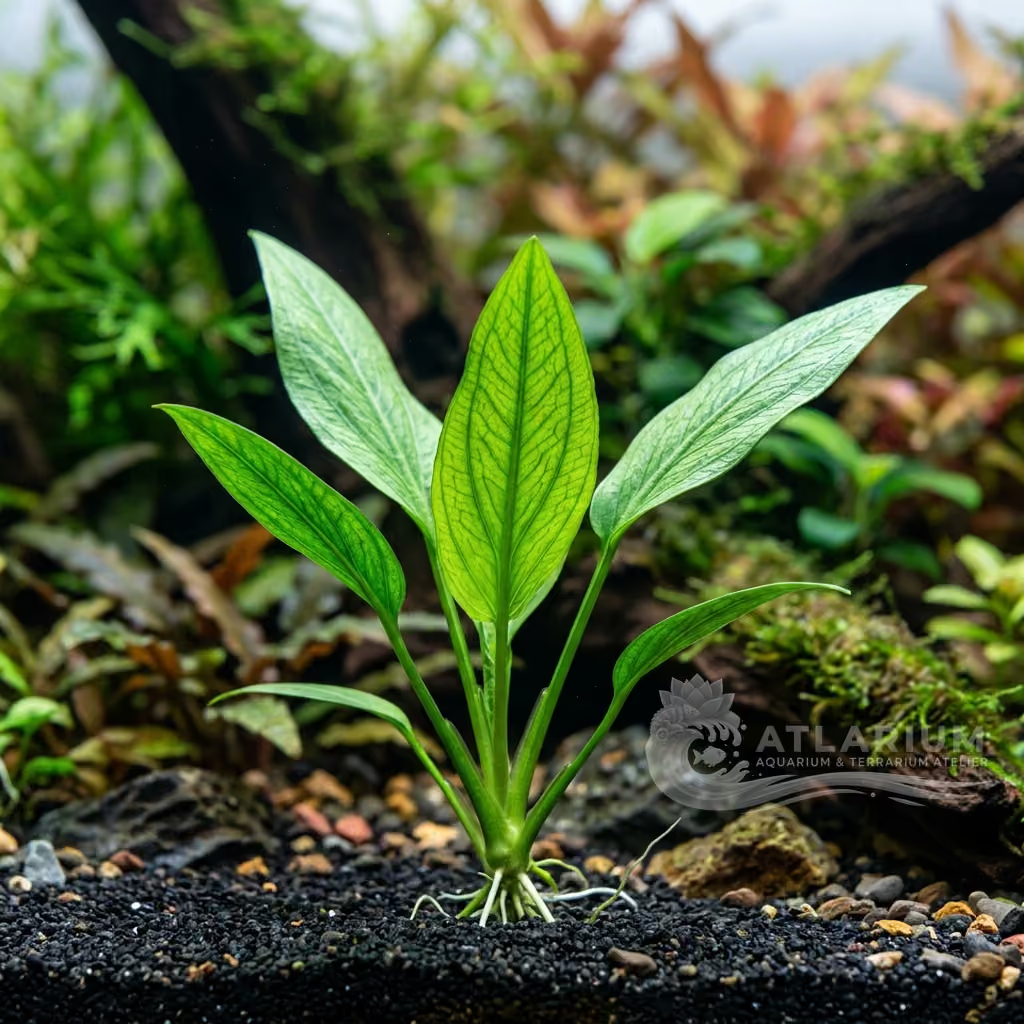
Pynaert's Anubias
Anubias pynaertii
Rare African epiphyte with unique spear-shaped leaves. Requires low to moderate light to protect its incredibly slow-growing foliage from stubborn algae.
Water Temperature
20 - 28 °C
pH Value
5 - 7
Water type
Freshwater
Light
Low
CO2
None
Expected height
40 cm
Expected width
20 cm
GH
4 - 20 dGH
KH
2 - 15 dKH

Species description
Geographical Origin and Habitat: This rare Anubias is native to the tropical rainforests of Central and West Africa, specifically distributed in Gabon, Cameroon, Congo, and Equatorial Guinea. It grows along the shaded banks of forest streams and marshy areas, often living in semi-submerged conditions on wet rocks or decaying wood.
Taxonomy & Genetics: A member of the Araceae family, genus Anubias. Scientifically designated as Anubias pynaertii, it is genetically distinguished from other Anubias species by its large, spear-like trilobed leaves. It is a rare collector's plant that is slowly propagated in the aquarium hobby.
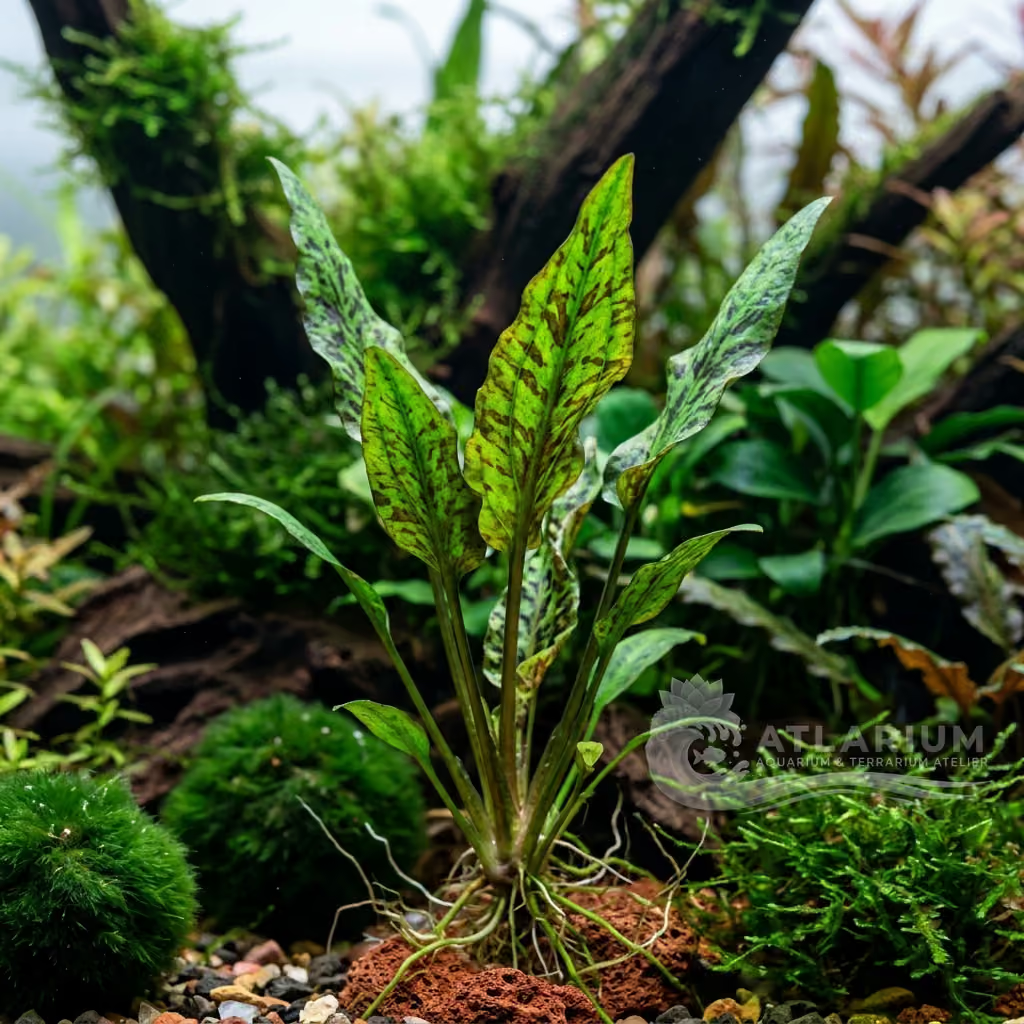
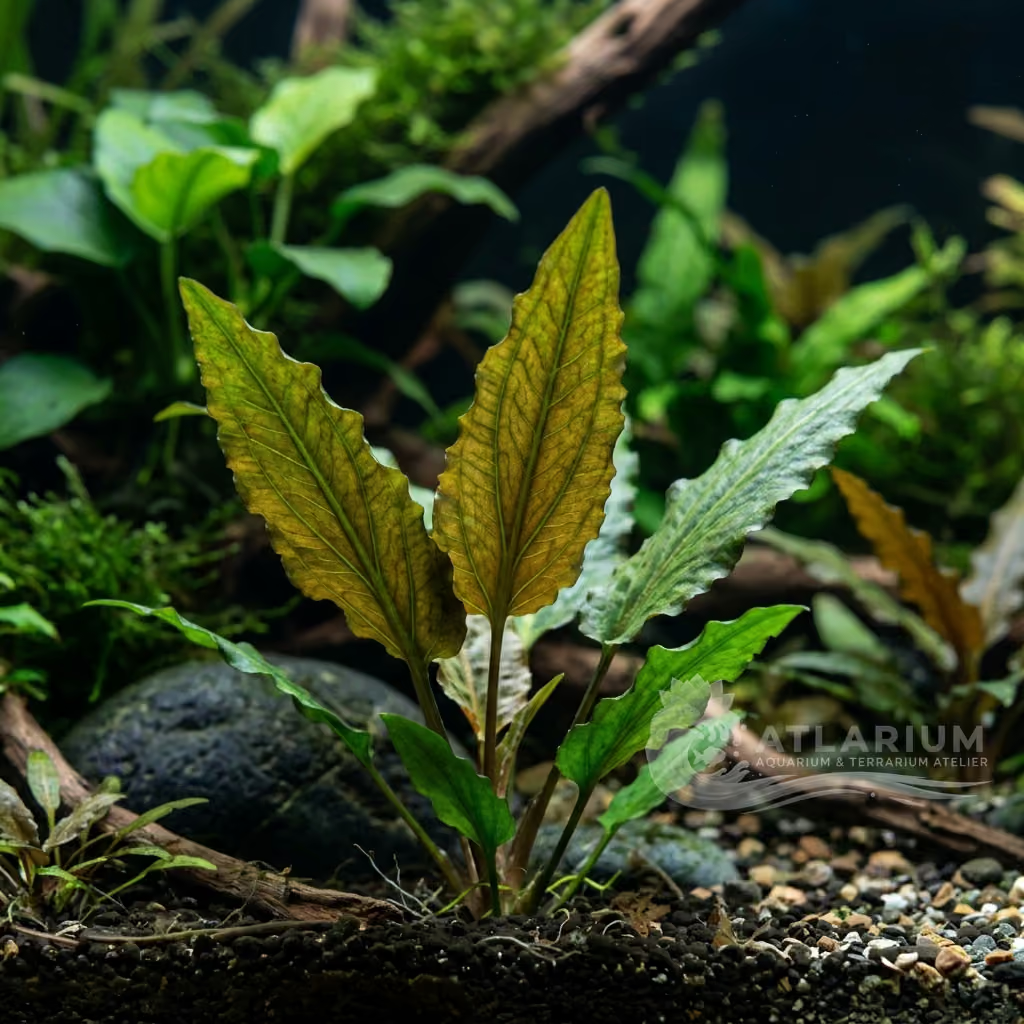
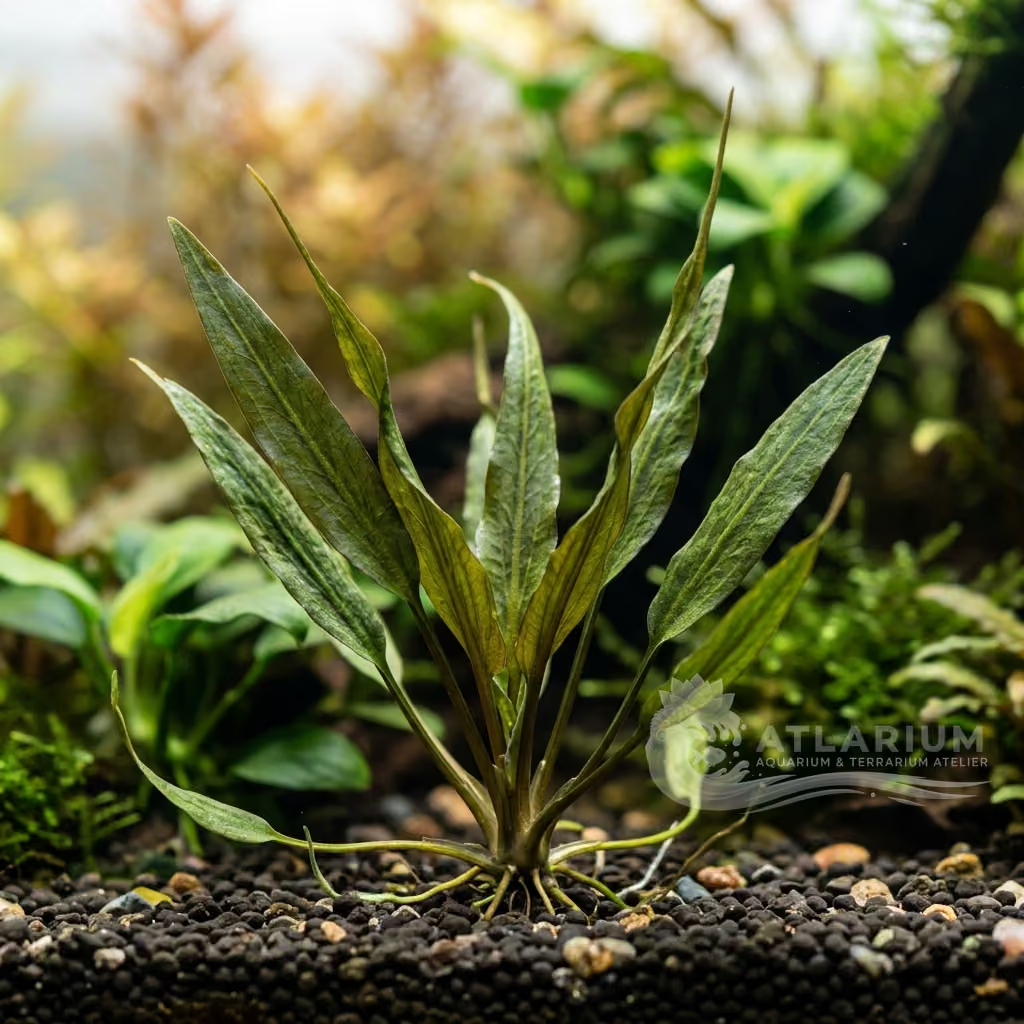
Physical Structure: It features a thick, creeping woody rhizome that anchors to hard surfaces. Stiff, erect petioles grow up to 30-40 cm in height, bearing thin but tough leaves that form a distinct spearhead shape with two short lateral lobes and a longer, pointed central lobe.
Color & Texture: The leaves are dark matte green, showing a thick and durable cuticle. The texture is characterized by prominent vein patterns on the upper surface, which is slightly rough and wavy, helping the plant shed detritus and withstand strong water flow.

Care, breeding and tankmates
Lighting & CO2: Requires low to moderate lighting. Under high-intensity light, its slow-growing leaves will quickly become covered with green spot algae. CO2 injection is not required for growth but can help the plant grow faster and produce larger leaves in a high-nutrient setup.
Nutrition & Substrate: The rhizome must never be buried in the substrate, as this blocks water flow and leads to rhizome rot. Instead, attach the plant to rocks or driftwood using fishing line, thread, or plant glue. It absorbs its nutrients directly from the water column.
Water Chemistry: Highly adaptable. Prefers a pH between 5.5 and 7.5, water hardness from soft to moderately hard, and temperatures of 20-28°C (68-82°F). Regular water changes are recommended to control organic waste levels, which can cause algae growth on the leaves.
Space Management & Placement: Due to its large vertical size, it is best placed in the background or midground of medium to large tanks. Position it under the shade of taller plants or large driftwood to protect the slow-growing leaves from bright light.
Pruning: Very low maintenance. Pruning should only be done to remove old, yellowing, or damaged leaves by cutting the petiole close to the rhizome. The plant can be propagated by cutting the rhizome into pieces, ensuring each piece has at least 3-4 healthy leaves.
Risks & Diseases: The primary risk is rhizome rot due to burial. Additionally, because the leaves grow so slowly, they are highly prone to green spot algae (GSA) and black beard algae (BBA) if light levels are too high or if phosphates are out of balance.

Geographic origin and distribution
This rare Anubias is native to the tropical rainforests of Central and West Africa, specifically distributed in Gabon, Cameroon, Congo, and Equatorial Guinea. It grows along the shaded banks of forest streams and marshy areas, often living in semi-submerged conditions on wet rocks or decaying wood.
Origin
Africa and Madagascar

Plant profile
- Placement
- Background
- It is perfectly suited for attachment to large pieces of wood or stone in the background or midground. The rhizome must always be kept unburied to ensure proper oxygen flow and prevent rot. Its unique leaf shape makes it an excellent centerpiece in shaded areas.
- Botanical form
- Rhizome
- It produces uniquely shaped, hastate or spear-like leaves that are highly distinctive among Anubias species. The robust and thick rhizome creeps slowly along the mounting surface. Its dark, leathery foliage can withstand the attention of herbivorous fish and active invertebrates.
- Growth
- Slow
- This species exhibits an exceptionally slow growth rate, producing perhaps only one leaf per month under standard conditions. The leisurely pace minimizes trimming requirements but demands patience from the aquarist. Providing a stable environment without abrupt changes is key to consistent growth.
- Substrate
- None
- Pynaert's Anubias is a classic epiphyte that performs best when tied or glued to hardscape elements. Its thick rhizome should never be buried in gravel or soil, as this will quickly lead to decay and plant death. Over time, its robust root system will grip onto wood or porous rocks, securing the plant against water flow. Because it is highly efficient at drawing nutrients from the water, it requires no specialized aqua soil or root tabs.
- Column fertilization
- Optional
- A light but consistent dosing of liquid fertilizer provides all the necessary elements for this epiphyte. Since it is a slow grower, it does not quickly exhaust water column nutrients. Focus on providing trace elements to enhance the deep green coloration of its leaves.
- Root fertilization
- None
- Supplemental root fertilization is completely redundant since this plant operates primarily as an epiphyte. The roots serve mostly as anchors rather than primary nutrient transport channels. Ensure the water column is well-maintained instead of worrying about substrate fertility.
- Trimming
- Occasional
- Maintenance is practically zero, consisting only of the occasional removal of dying or heavily algae-infested leaves. When removing a leaf, make a clean cut near the rhizome to avoid damaging the main plant body. Avoid frequent disturbance, as the plant prefers a settled environment to thrive.
- Propagation
- Division
- To propagate, simply sever a healthy portion of the rhizome using a sharp, clean blade. The cutting should ideally have roots and a few healthy leaves to ensure a smooth transition. Attach the new segment to a piece of hardscape using thread or specialized plant glue.
- Sensitivity
- LOW
- It is highly resilient to varying water parameters but incredibly sensitive to intense lighting, which guarantees algae problems. The rhizome is prone to rotting if it is restricted from water flow or buried in sand or soil. It is unpalatable to most herbivorous fish due to its tough leaf structure.
- Layout role
- Background, Midground
- Its dramatic, spear-shaped leaves make it a stunning architectural element in the aquascape. It functions well as a bold focal point or to break up the texture of stem plant groupings. In larger tanks, it adds a touch of the exotic when placed prominently on a tall piece of driftwood.

Related species
Recommendations grouped by close relatives, companion choices, and similar care.