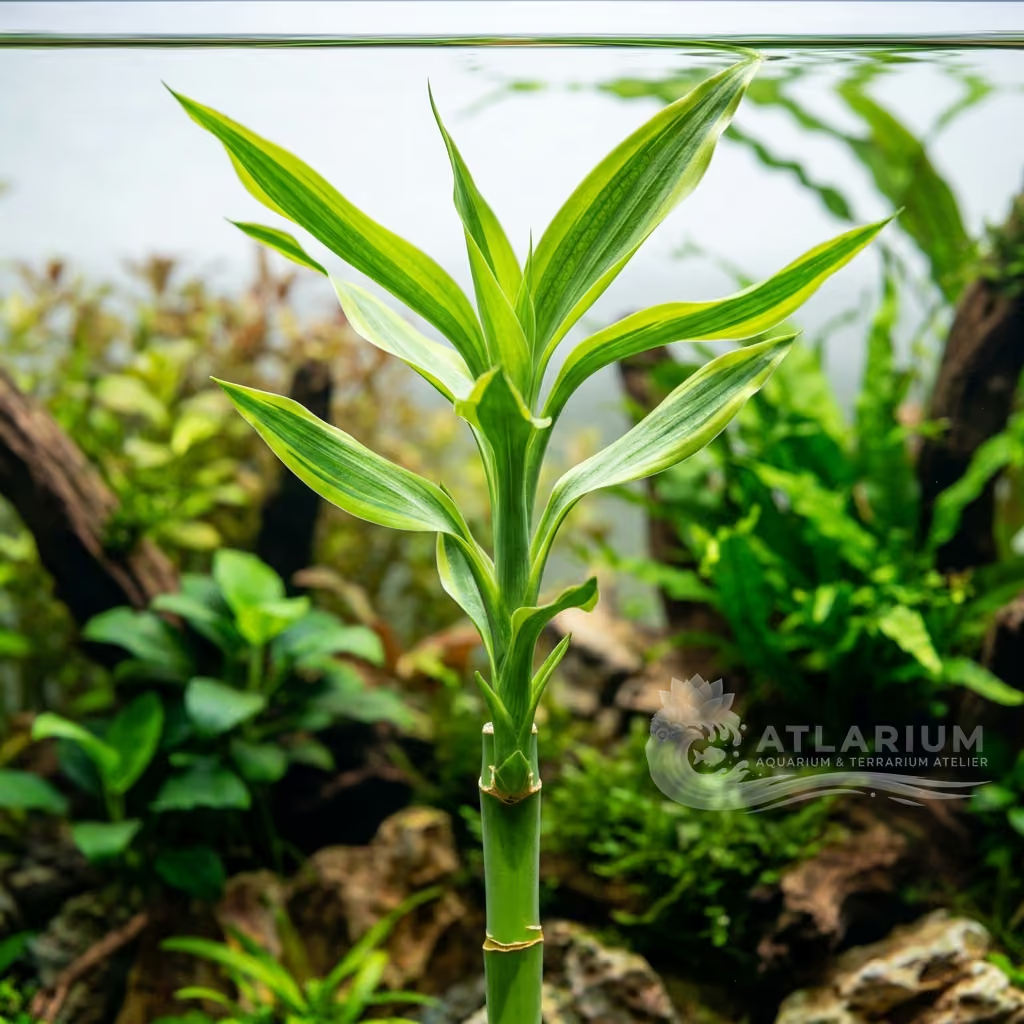
Cryptocoryne siamensis
Cryptocoryne siamensis
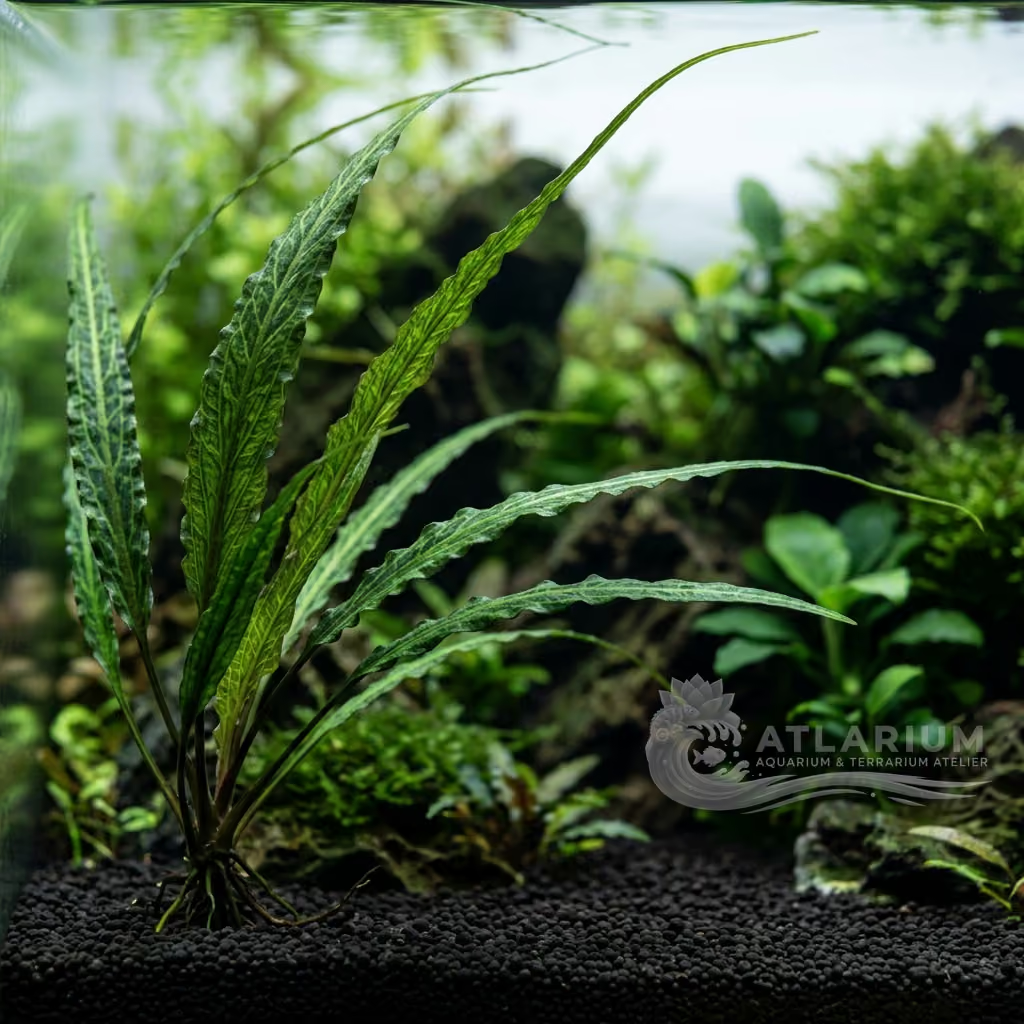
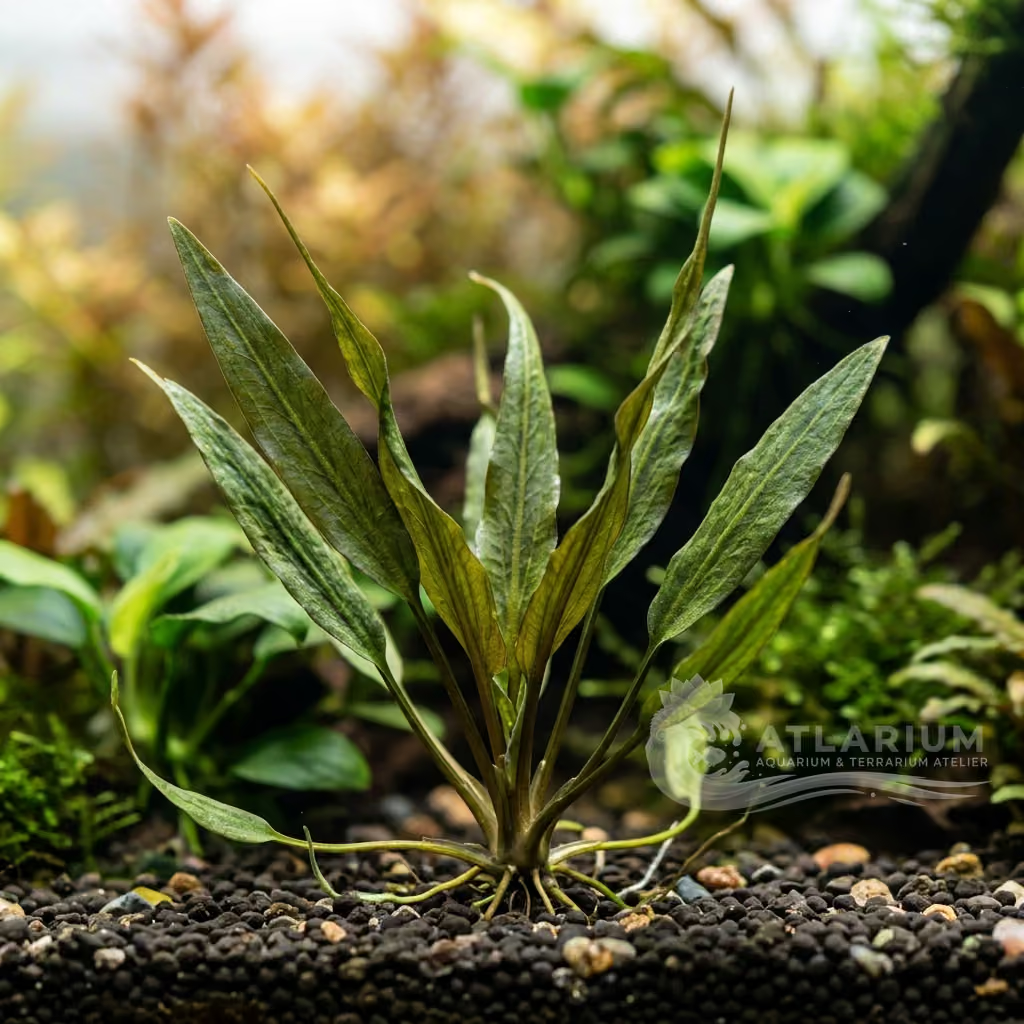
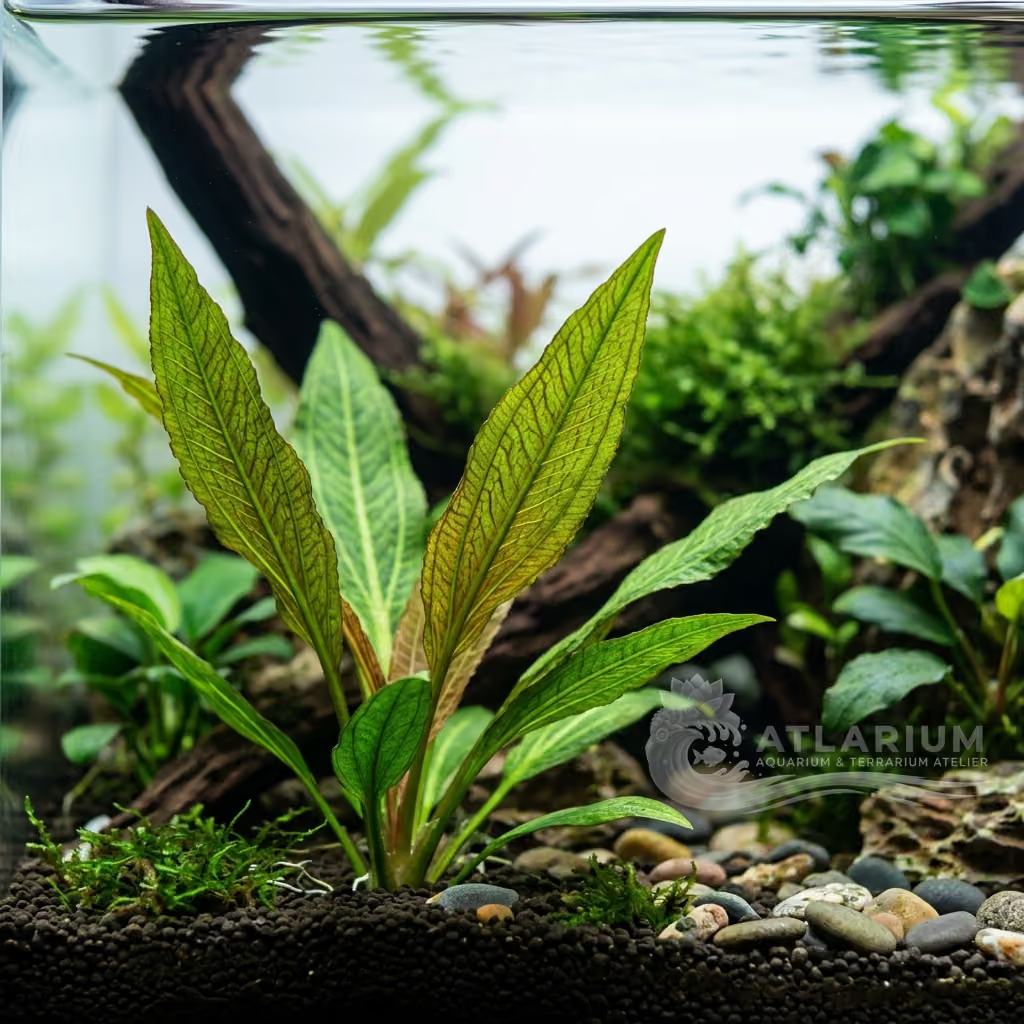
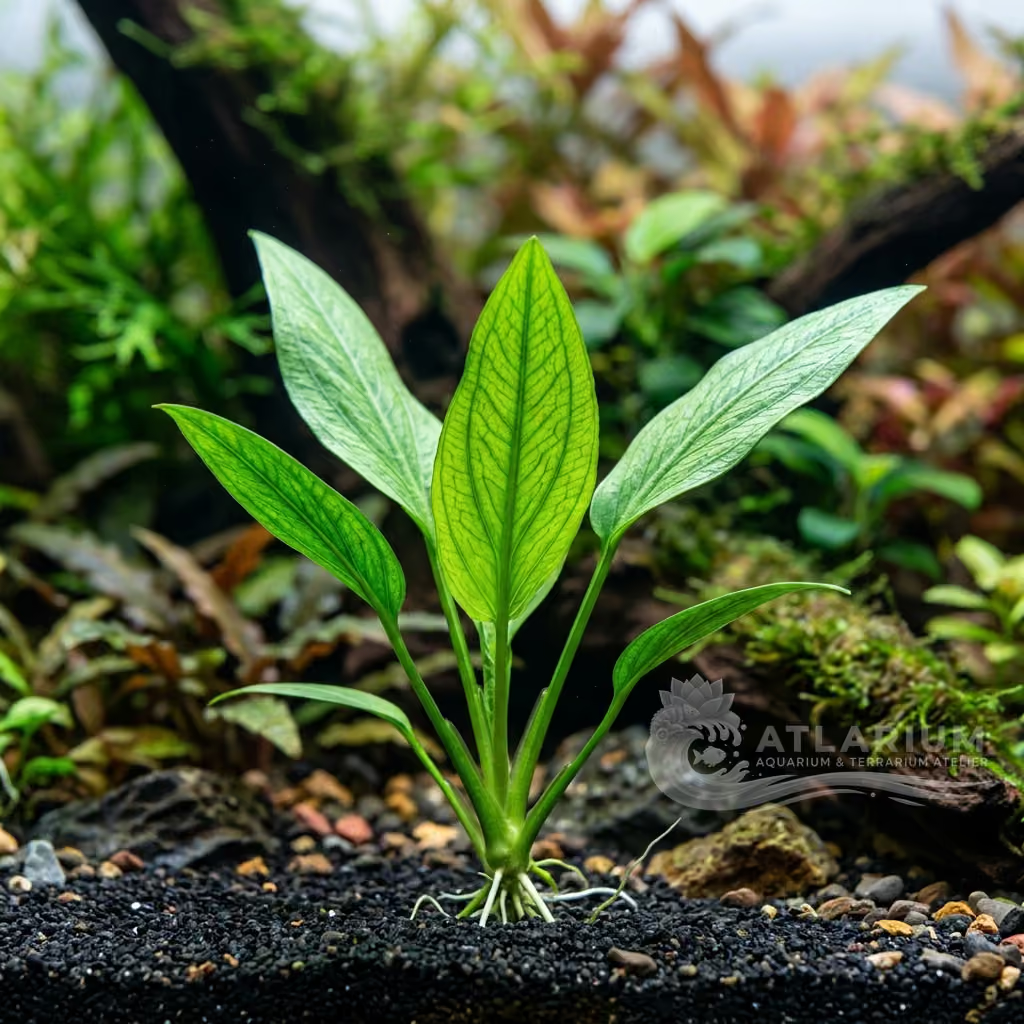
Cryptocoryne siamensis is a magnificent Thai species. With stunning ovate leaves showcasing intricate silver veins on a dark olive background, it serves as an incredibly vibrant midground centerpiece.
Water Temperature
22 - 28 °C
pH Value
6 - 7.5
Water type
Freshwater
Light
Medium - High
CO2
Medium - High
Expected height
25 cm
Expected width
15 cm
GH
4 - 20 dGH
KH
2 - 10 dKH

Species description
Geographical Origin and Habitat: Cryptocoryne siamensis, often classified as Cryptocoryne cordata var. siamensis, is native to southern-central Thailand. It populates small shaded forest streams and clear limestone springs. It grows in cool, well-oxygenated water with slow to moderate current, anchoring to alluvial substrates consisting of a mix of fine sand and clayey sediments rich in organic matter from decaying leaves.
Taxonomy & Genetics: It belongs to the Araceae family, genus Cryptocoryne. Historically described as an independent species, it is part of the Cryptocoryne cordata taxonomic complex. Genetic adaptations allow it to withstand wide variations in water mineral composition, making it hardier and easier to cultivate than other strictly acidophilic Cryptocoryne cordata varieties.
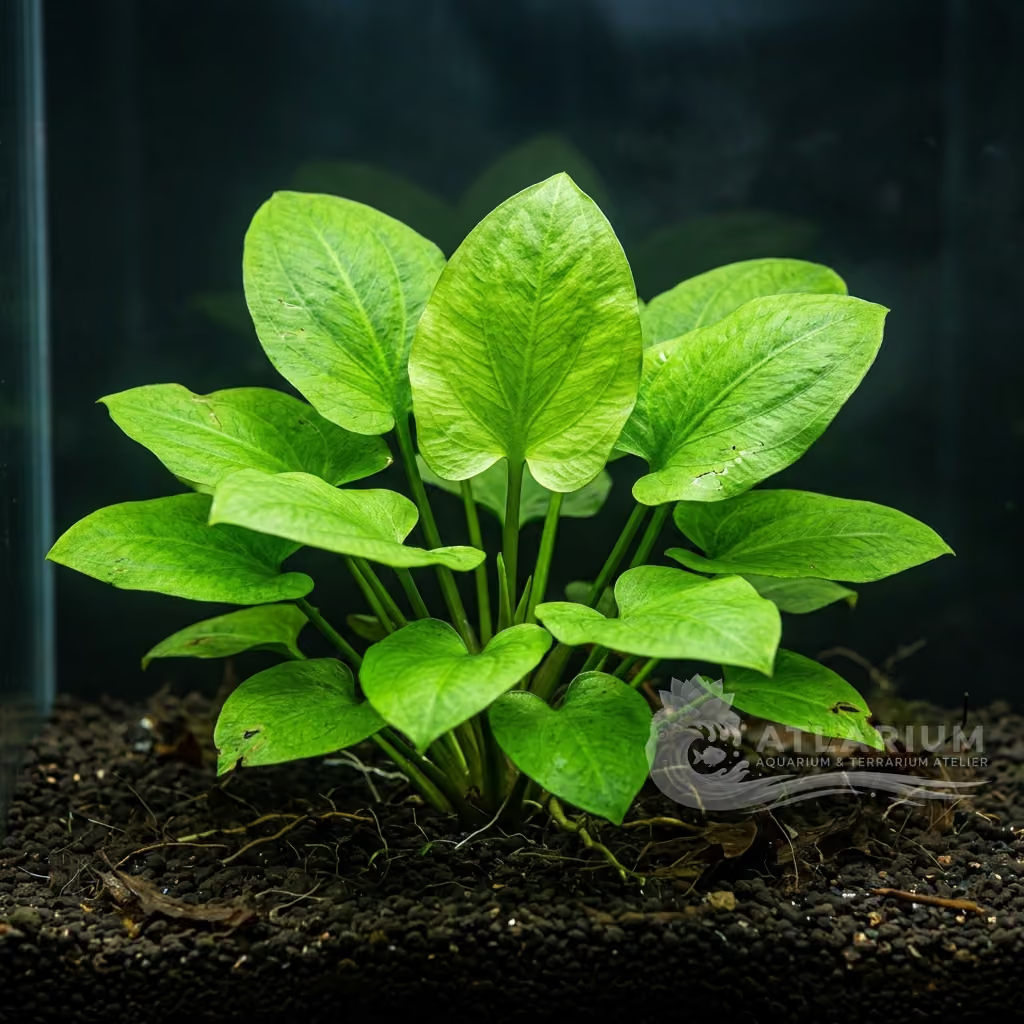
Physical Structure: It forms dense and elegant rosettes, with an overall height of 15-25 cm. The leaves have a widely ovate to cordate shape, supported by robust petioles. It develops a strong and fleshy knotted rhizome, from which thick roots branch out to feed in the substrate and produce lateral runners.
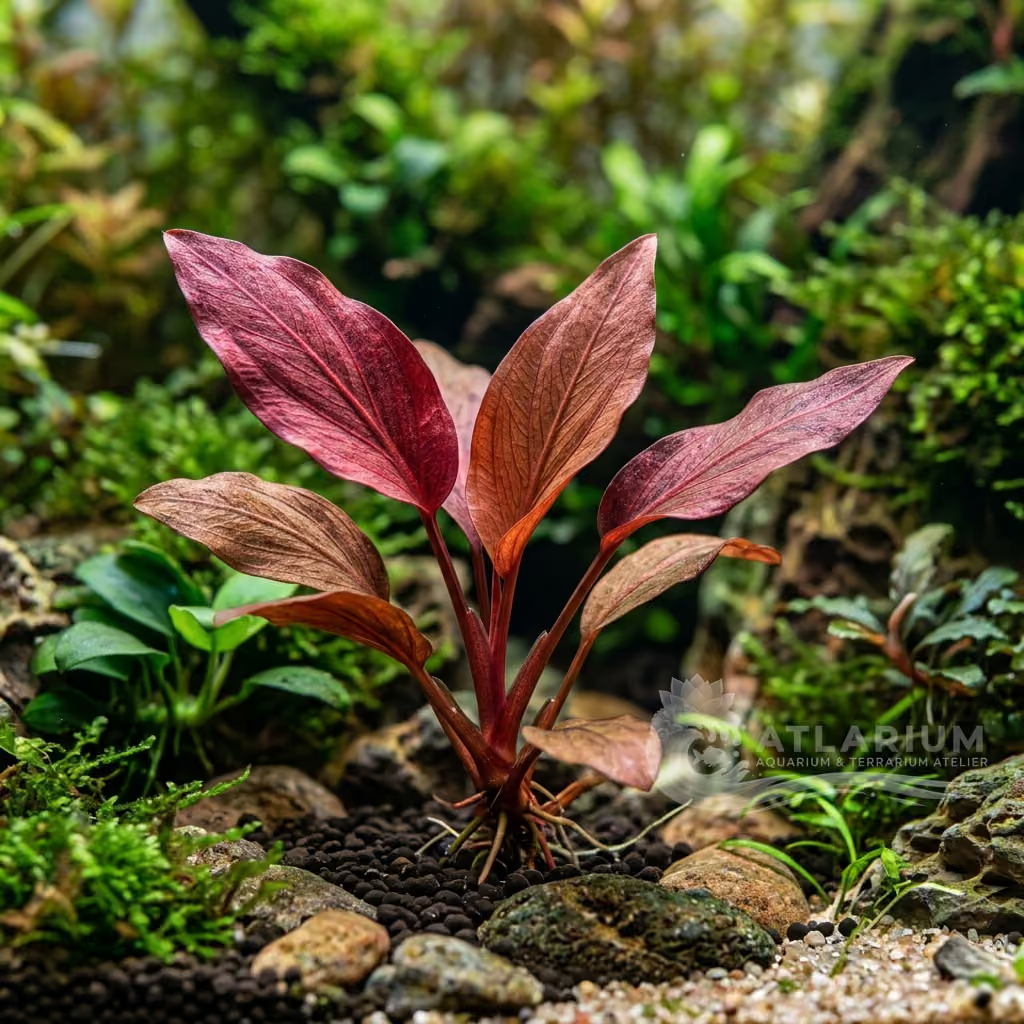
Color & Texture: The leaves display a dark green or bronze coloration on the upper page, often enriched by conspicuous silver or light-green veins that create an exceptional color contrast. The lower page ranges from pale pink to deep purplish-red. The texture is smooth, slightly waxy, with wavy margins that enhance the rosette's tridimensional elegance.

Care, breeding and tankmates
Lighting & CO2: Requires moderate lighting intensity. Under strong light, the leaves tend to grow lower and closer together, intensifying the lower purple coloration and upper silver veins. CO2 injection promotes bushier growth and accelerates development, but is not mandatory.
Nutrition & Substrate: Requires a rich and fertilized substrate. The use of active fertile soil or regular insertion of fertilizer capsules containing iron and trace elements near the rhizome is highly recommended to prevent leaf chlorosis and support root strength.
Water Chemistry: Adapts well to soft to moderately hard water with a KH between 2 and 10 dKH and a neutral or slightly acidic pH (6.0-7.2). It is sensitive to nitrate and phosphate accumulation, requiring regular water changes. Ideal temperature is between 22°C and 28°C.
Space Management & Placement: Optimal placement is in the midground of the aquarium. Plant individual crowns spaced 4-5 cm apart to encourage the natural expansion of the ovate leaves. Avoid placing it directly under unshielded intense spot lights.
Pruning: Pruning consists of cutting damaged or old outer leaves near the rhizome. Use sharp aquascaping scissors to make a clean cut, avoiding pulling the leaves as this could lift the rhizome and compromise the roots.
Risks & Diseases: It is moderately subject to "Cryptocoryne melt" in case of sudden and abrupt shifts in water parameters. Once planted, stability is the key to success; avoid constant movement or repeated transplanting.

Geographic origin and distribution
Cryptocoryne siamensis, often classified as Cryptocoryne cordata var. siamensis, is native to southern-central Thailand. It populates small shaded forest streams and clear limestone springs. It grows in cool, well-oxygenated water with slow to moderate current, anchoring to alluvial substrates consisting of a mix of fine sand and clayey sediments rich in organic matter from decaying leaves.
Origin
South and Southeast Asia

Plant profile
- Placement
- Midground
- When designing an aquascape, Cryptocoryne siamensis excels when used as a midground to background group. The distinct variable rosette with smooth to slightly wavy margins creates a natural, wild appearance that bridges the gap between the foreground and background. Placing it near driftwood or stones highlights its unique texture and visual appeal.
- Botanical form
- Rosette
- Botanically, Cryptocoryne siamensis grows as a variable rosette with smooth to slightly wavy margins. The leaves exhibit characteristic textures and colors that vary slightly depending on environmental conditions. It remains a striking example of the diverse morphology found within the Cryptocoryne genus.
- Growth
- Medium
- Aquarists should expect a moderate growth trajectory when cultivating Cryptocoryne siamensis. While high-tech setups with CO2 can push it to grow slightly faster, it fundamentally remains a deliberate grower. This steady pace makes it an excellent choice for low-maintenance scapes that require infrequent trimming.
- Substrate
- High
- A nutrient-rich aquasoil or a mature, deep gravel bed is ideal for this Thailand native. Its extensive root system requires ample space to anchor and access vital minerals. Adding root tabs regularly will prevent nutrient depletion and support long-term health.
- Column fertilization
- Recommended
- Liquid fertilization can be a valuable supplement for the cultivation of Cryptocoryne siamensis. Providing a comprehensive water-column additive ensures that micronutrients are readily available for foliar uptake. Maintaining modest dosing levels prevents unwanted algae from establishing on its broad surfaces.
- Root fertilization
- Recommended
- The secret to a flourishing Cryptocoryne siamensis lies in consistent and potent root fertilization. Iron-rich substrate supplements are specifically recommended to bring out its best colors and leaf textures. A well-fed root zone enables the plant to bounce back quickly from environmental fluctuations.
- Trimming
- Occasional
- Trimming should be done sparingly, removing only older or decaying leaves near the base. Cut the stems as close to the substrate as possible using sharp aquascaping scissors. Avoid cutting healthy foliage, as the slow growth rate means it will take time to recover.
- Propagation
- Runners
- Propagation of Cryptocoryne siamensis occurs naturally through the development of subterranean runners. Once a new plantlet has formed several leaves and a distinct root system, it can be safely severed from the mother plant. The new offshoot should be planted carefully in a nutrient-dense area to encourage rapid establishment.
- Sensitivity
- Moderate
- Cryptocoryne siamensis is notoriously sensitive to sudden changes in water parameters, which can trigger 'Crypt melt'. If melting occurs, leave the root system intact as it will typically bounce back with new, adapted leaves. It prefers stable environments with consistent lighting and fertilization.
- Layout role
- Midground, Specimen, group
- In aquascaping, Cryptocoryne siamensis serves as a fantastic structural element or accent plant. Its green to reddish-brown tones provide great contrast against typical green aquatic plants. It works exceptionally well in Nature Aquarium styles and shaded areas beneath driftwood.

Image gallery
Licensed images linked to the species or, when marked, to the closest representative taxon.

Related species
Recommendations grouped by close relatives, companion choices, and similar care.