

Encyclopaedia
Blyxa alternifolia
Blyxa alternifolia
An attractive, easy-to-grow midground plant featuring alternate ribbon-like leaves. Ideal for creating soft aesthetic transitions in natural layouts.
Share
Check out Blyxa alternifolia on Atlarium
22 - 28 °C
5.5 - 7
Freshwater
High
High
20 cm
8 cm
4 - 12 dGH
2 - 8 dKH
Species description
Care, breeding and tankmates
Geographic Origin and Distribution
Origin
Plant profile
- Placement
- Midground
- Botanical form
- Stem
- Growth
- Medium
- Substrate
- Medium
- Column fertilization
- Recommended
- Root fertilization
- Recommended
- Trimming
- Occasional
- Propagation
- Cuttings
- Sensitivity
- Moderate
- Layout role
- Midground, Background, group
Image gallery
Licensed images linked to the species or, when marked, to the closest representative taxon.
Related species
Recommendations grouped by close relatives, companion choices, and similar care.
Variants and close relatives
Same atlas type, nearby scientific identity, genus, or family.

Blyxa cf. vietii
Blyxa cf. vietii
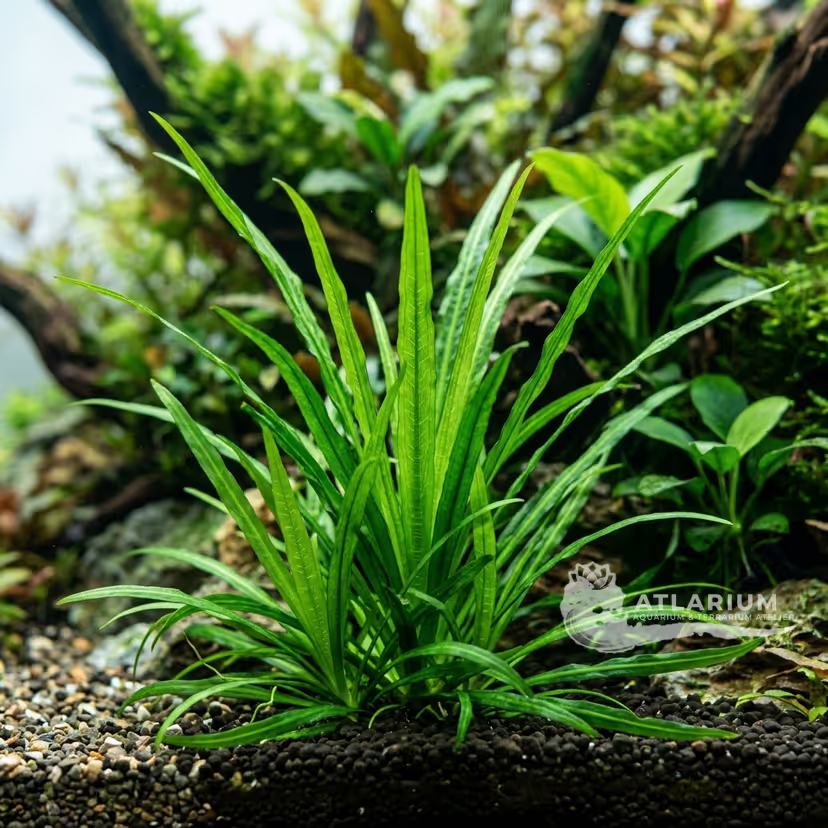
Blyxa aubertii
Blyxa aubertii
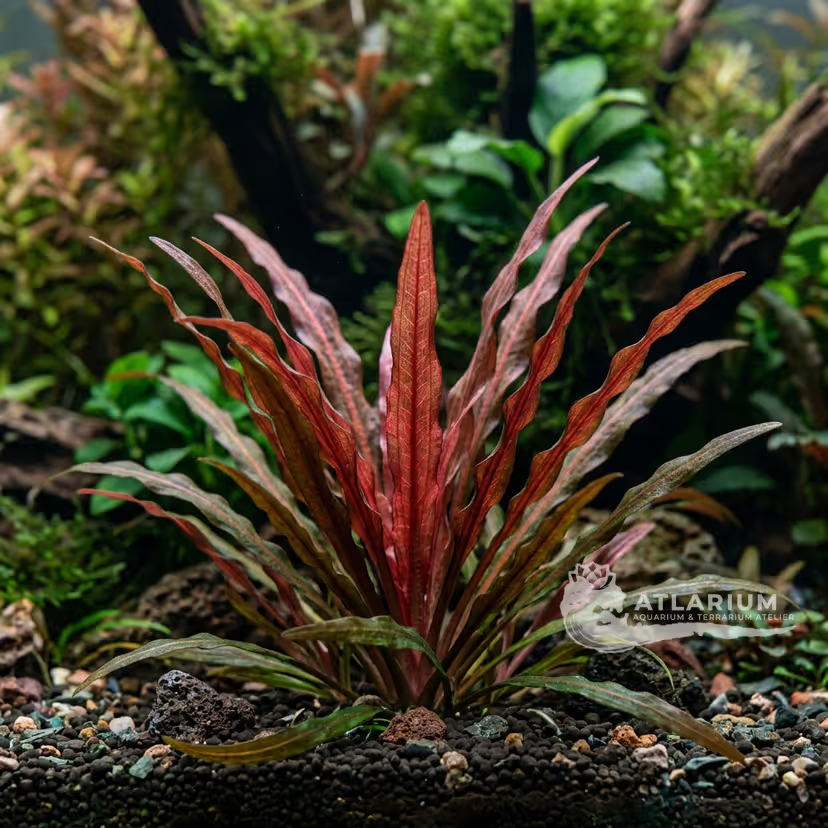
Blyxa aubertii "Red"
Blyxa aubertii "Red"
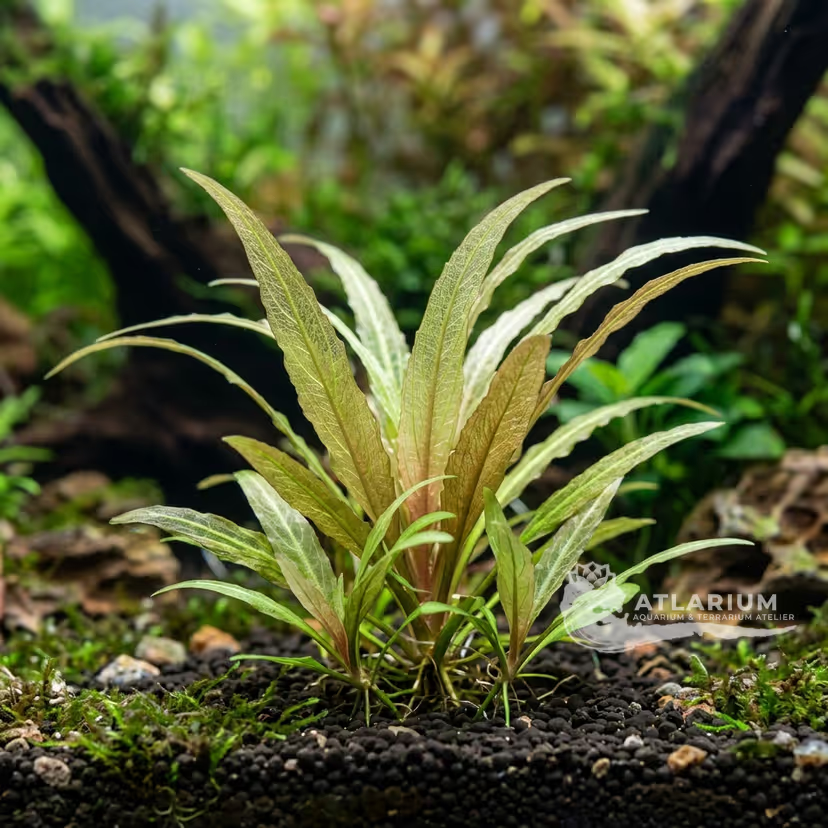
Blyxa japonica var. alternifolia
Blyxa japonica var. alternifolia
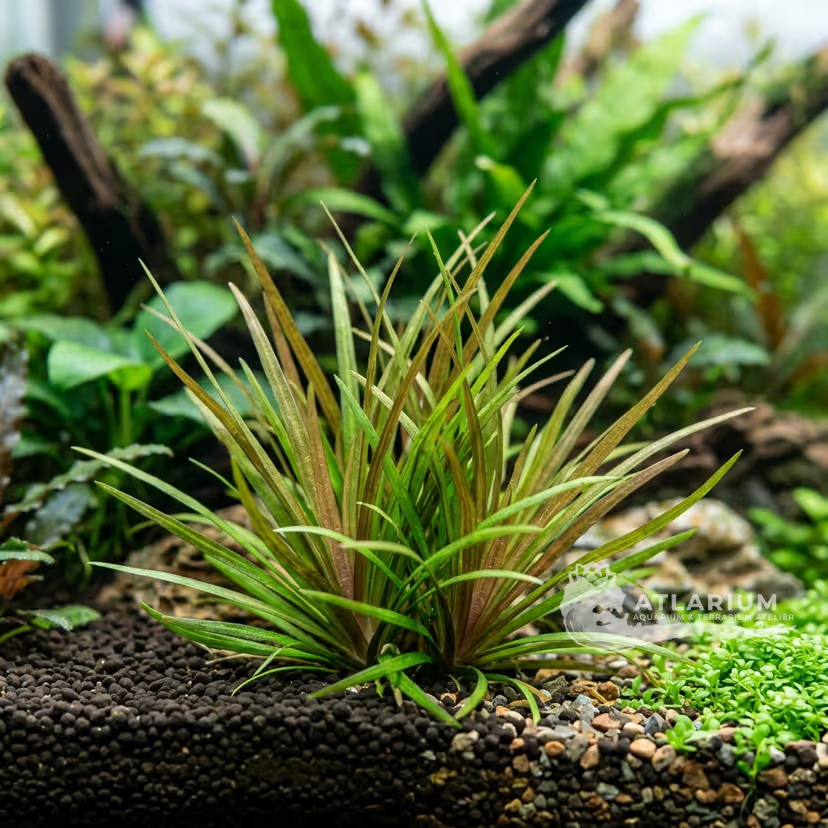
Blyxa japonica var. japonica
Blyxa japonica var. japonica
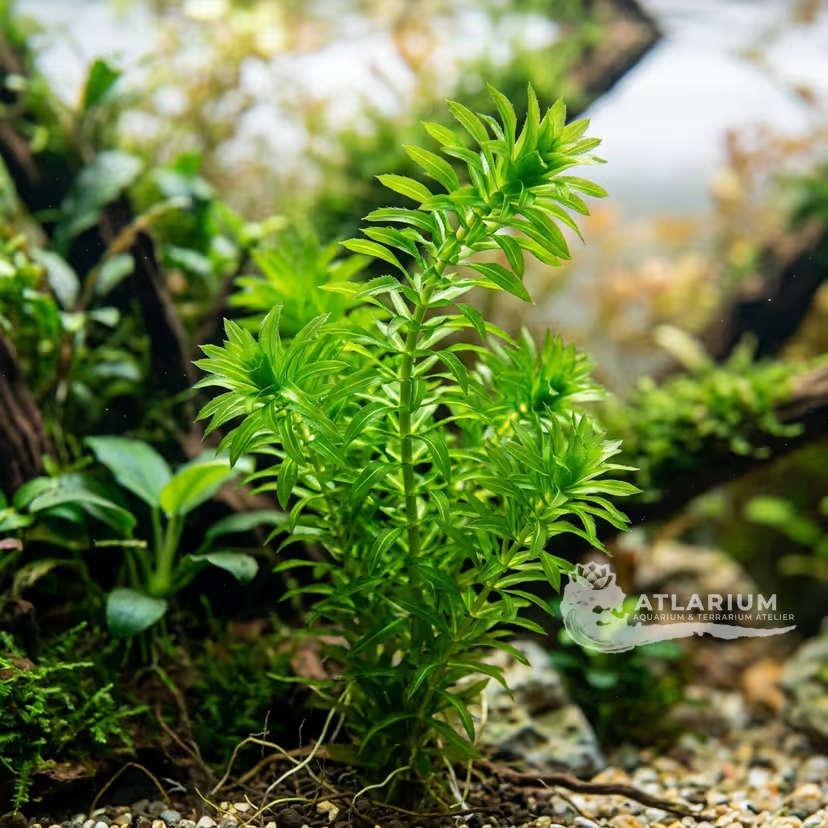
Madagascar Lagarosiphon (Lagarosiphon madagascariensis)
Lagarosiphon madagascariensis
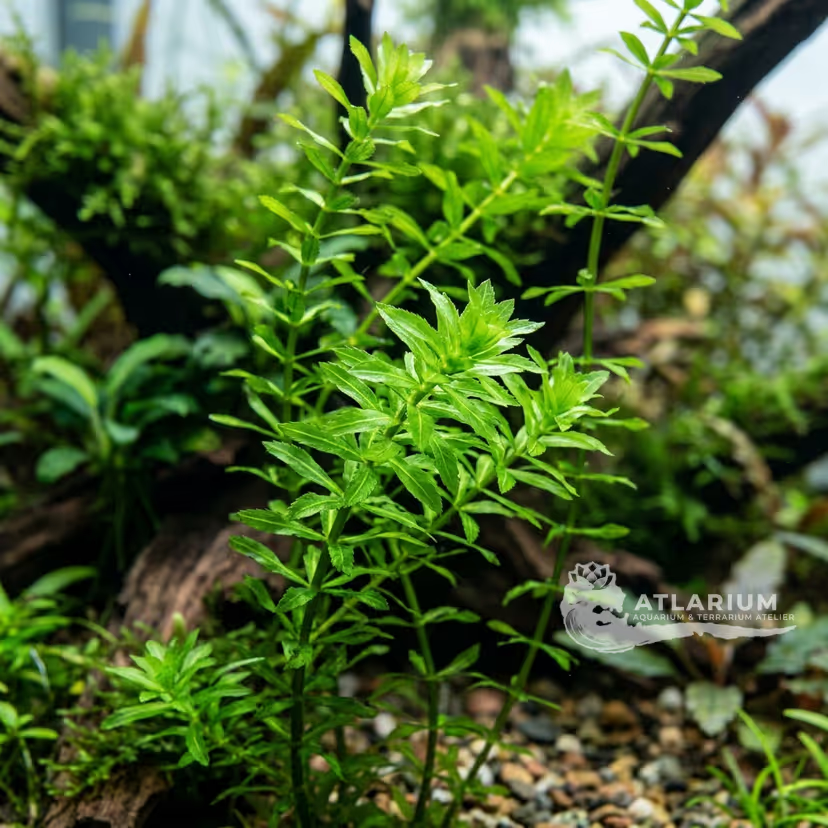
Lagarosiphon cordofanus
Lagarosiphon cordofanus
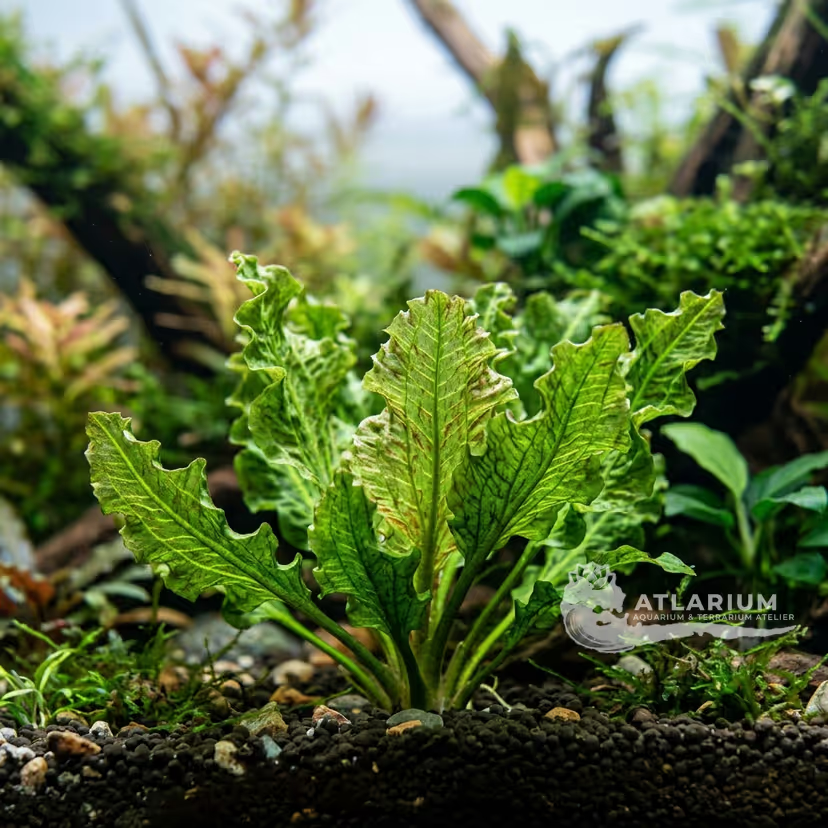
Ottelia mesenterium
Ottelia mesenterium
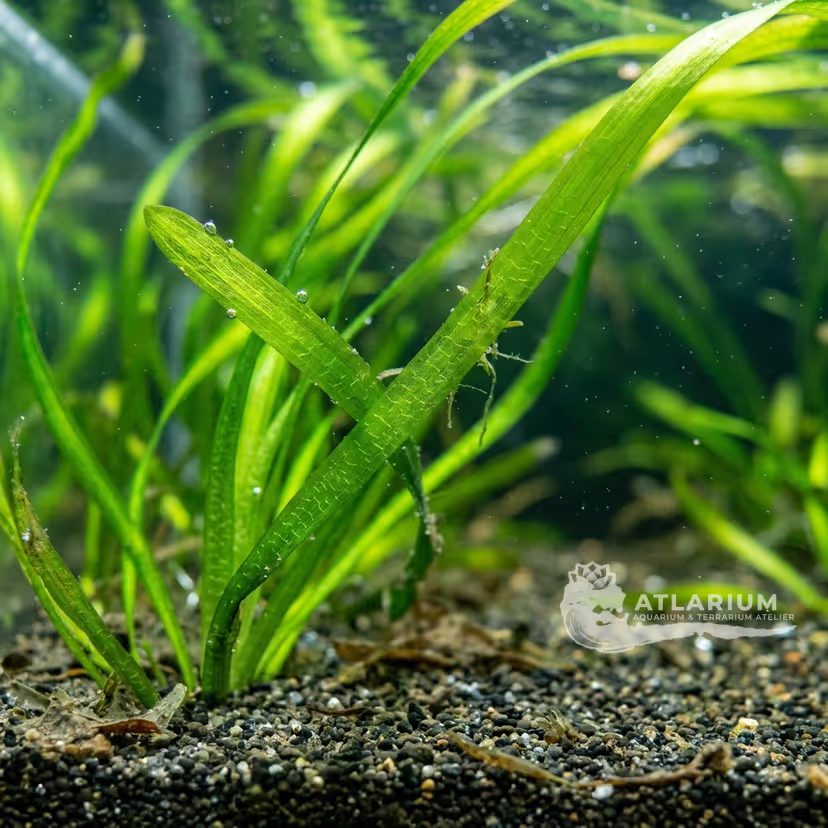
Vallisneria americana
Vallisneria americana
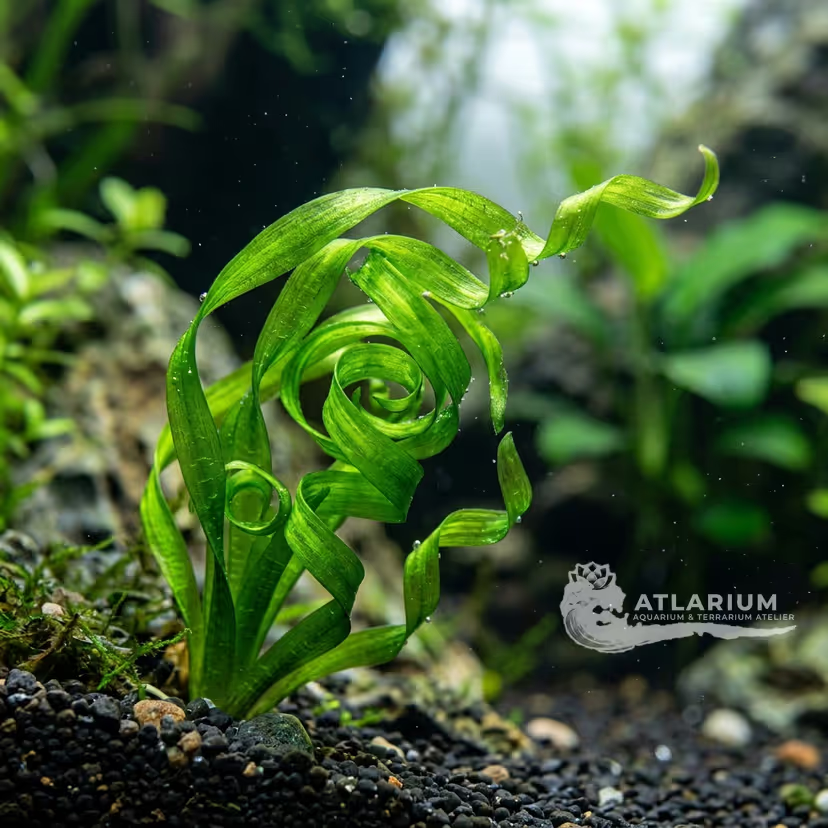
Vallisneria americana 'Mini Twister'
Vallisneria americana 'Mini Twister'
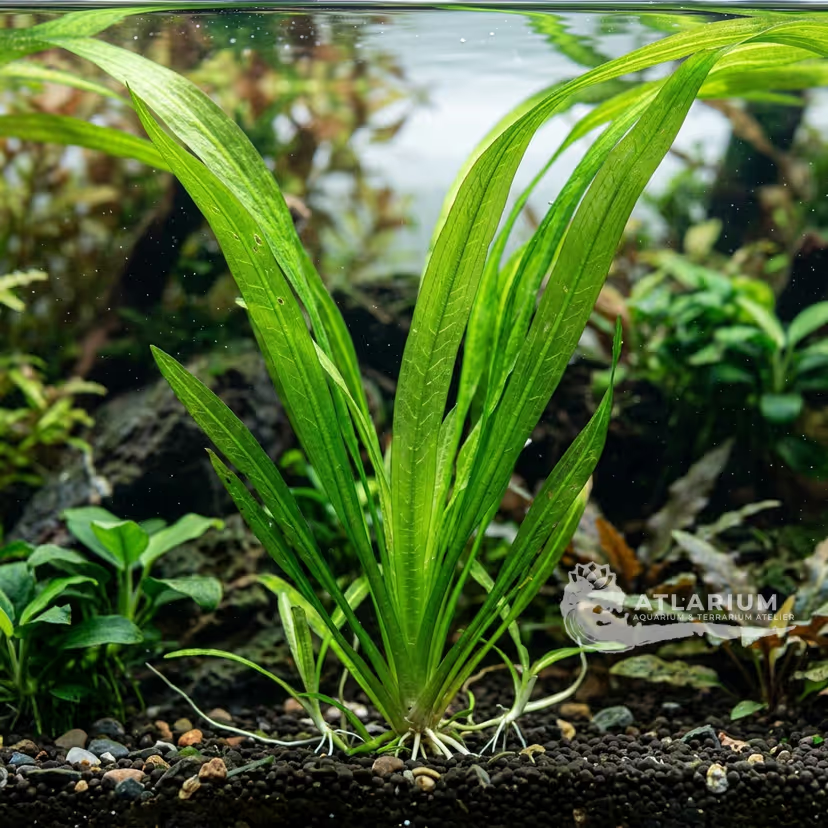
Vallisneria gigantea
Vallisneria gigantea

Vallisneria gigantea 'Marmor'
Vallisneria gigantea 'Marmor'
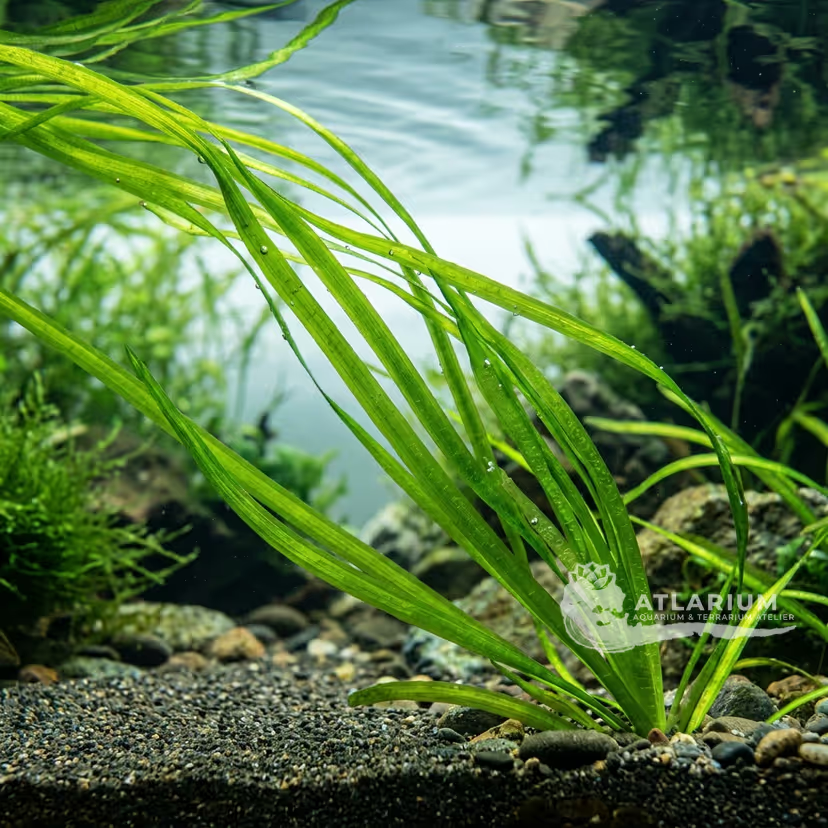
Vallisneria natans
Vallisneria natans
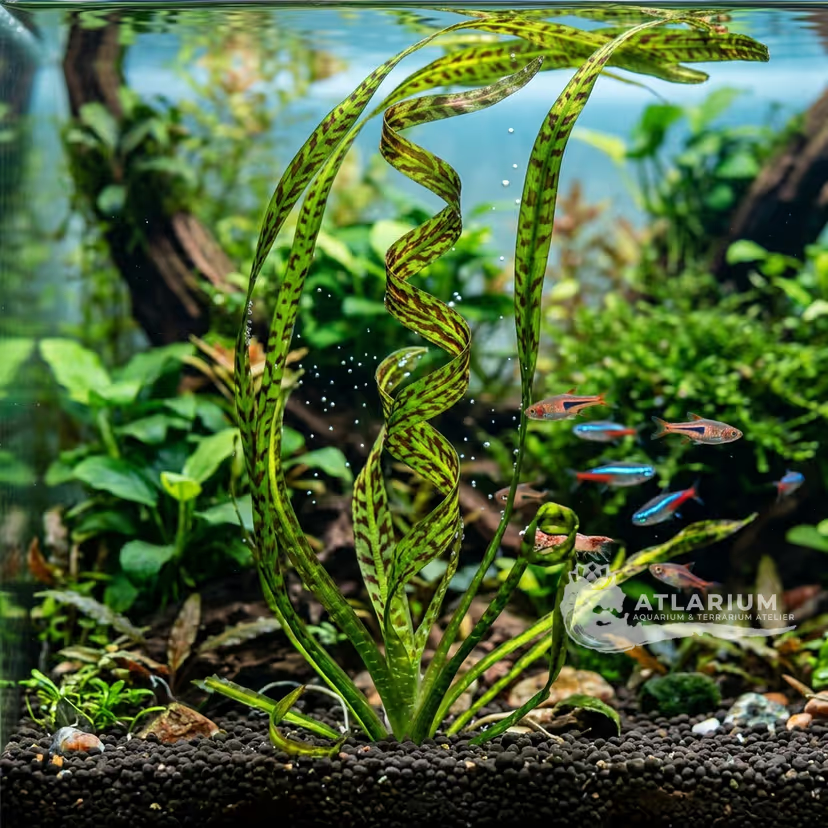
Vallisneria spiralis "Tiger"
Vallisneria spiralis "Tiger"
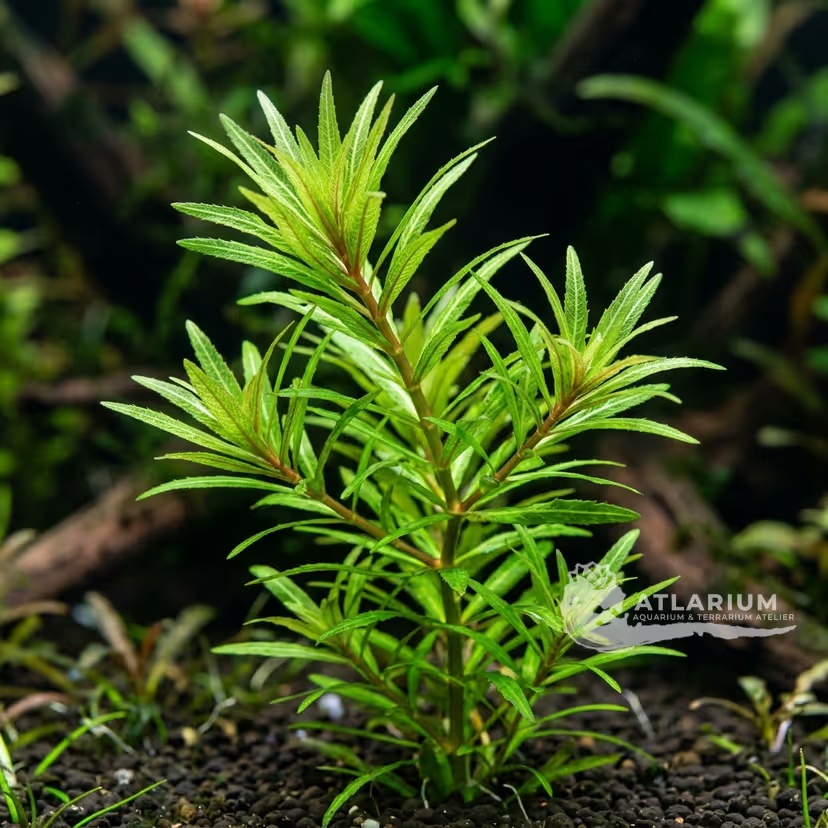
Najas sp. "Roraima"
Najas sp. "Roraima"
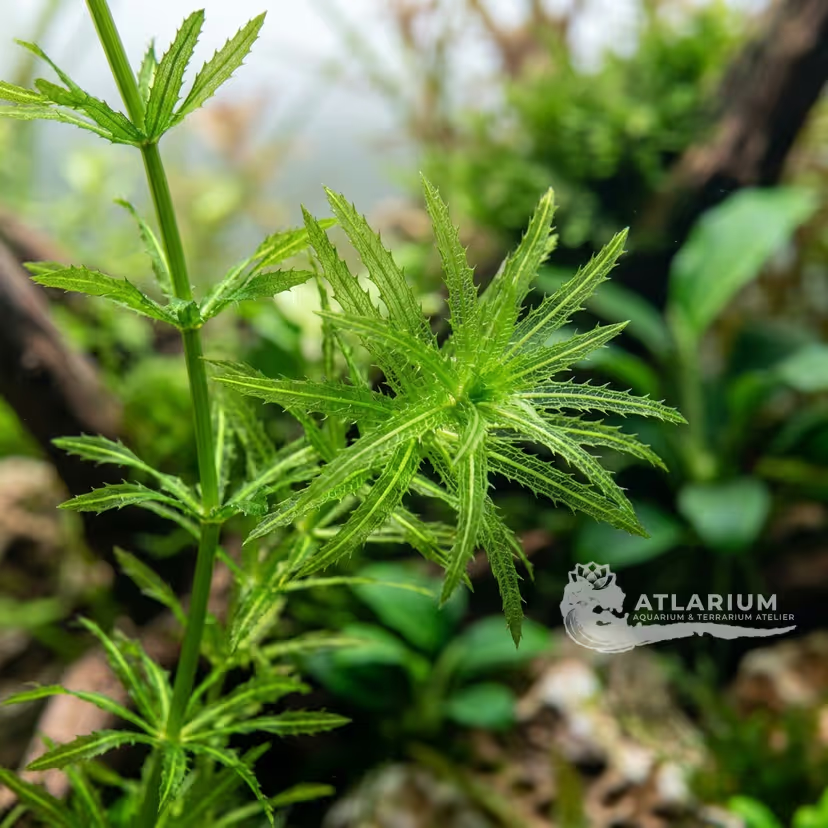
Najas horrida "Lake Edward"
Najas horrida "Lake Edward"
Recommended companions
Compatible cards from coherent ecosystems with matching parameters.

Bamboo shrimp
Atyopsis moluccensis

Blueberry Tetra
Hyphessobrycon wadai
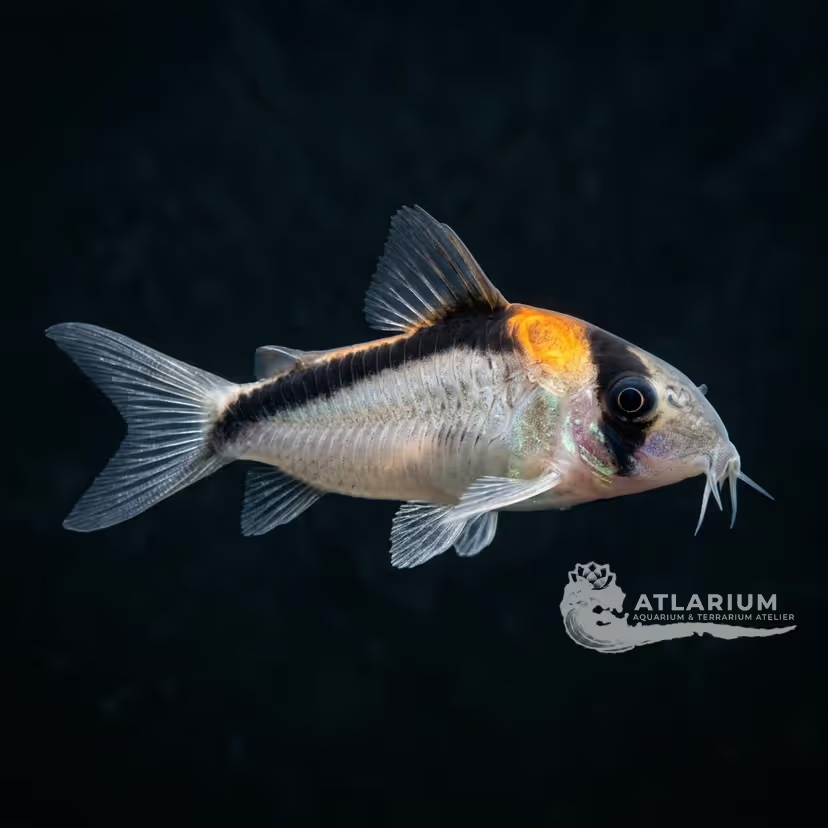
Adolfo's cory
Corydoras adolfoi

Cherry Barb
Puntius titteya

Skunk cory
Corydoras arcuatus

Yoyo Loach
Botia almorhae

Striped babaulti shrimp
Caridina babaulti "Stripes"

Blackline Tetra
Hyphessobrycon scholzei

Bandit cory
Corydoras metae

Flag Acara (Smiling Cichlid)
Laetacara curviceps

Longtail Tadpole Shrimp
Triops longicaudatus

Green babaulti shrimp
Caridina cf. babaulti "Green"

Checker Barb
Oliotius oligolepis

Bronze cory
Corydoras aeneus

White Pearl Shrimp
Neocaridina zhangjiajiensis var. White

Ninja Shrimp
Caridina serratirostris
Similar care
Cards with similar requirements, difficulty, habitat, and husbandry profile.

Ammannia sp. 'Bonsai'
Ammannia sp. 'Bonsai'

Alternanthera reineckii "rosaefolia minor"
Alternanthera reineckii "rosaefolia minor"

Bacopa sp. "Japan"
Bacopa sp. "Japan"

Ammannia mauritiana
Ammannia mauritiana

Cryptocoryne albida
Cryptocoryne albida
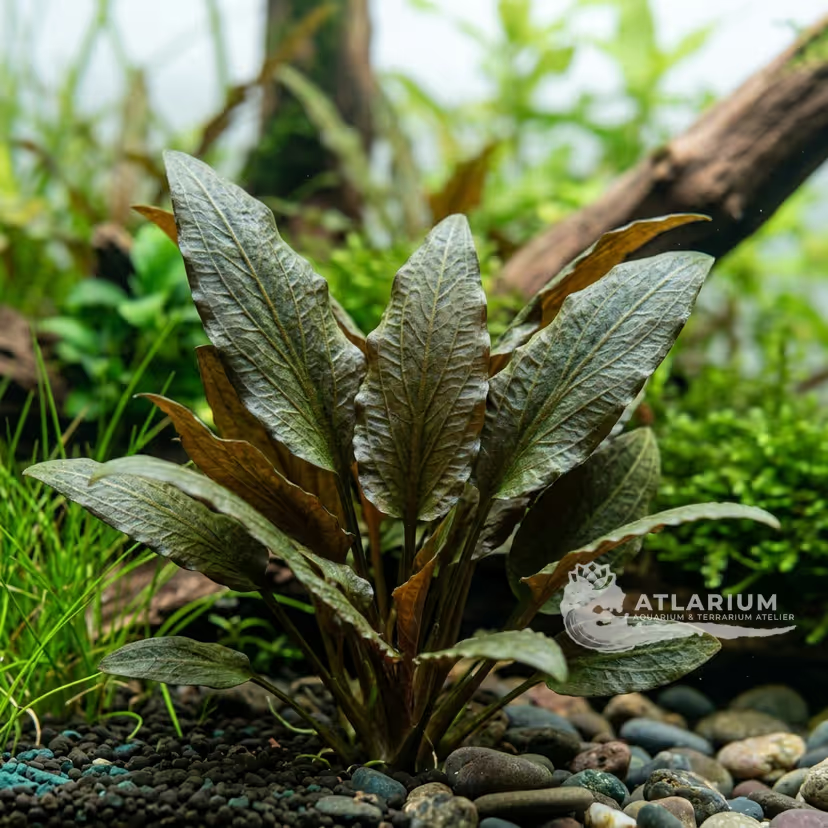
Cryptocoryne blassii
Cryptocoryne blassii

Ammannia latifolia
Ammannia latifolia
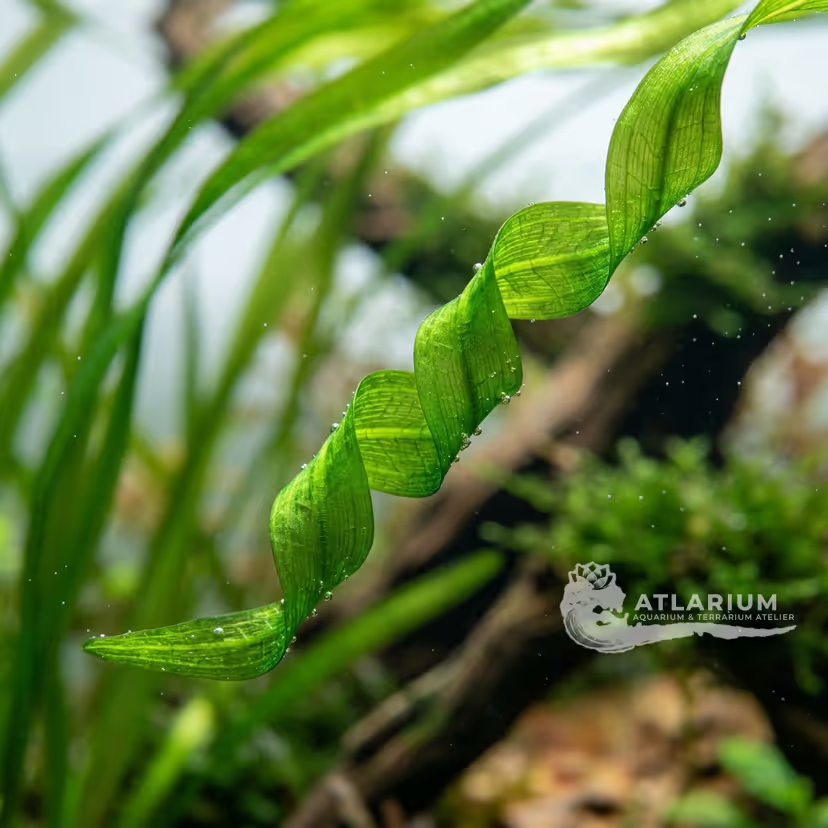
Vallisneria gigantea 'Curly'
Vallisneria gigantea 'Curly'

Cryptocoryne bullosa
Cryptocoryne bullosa
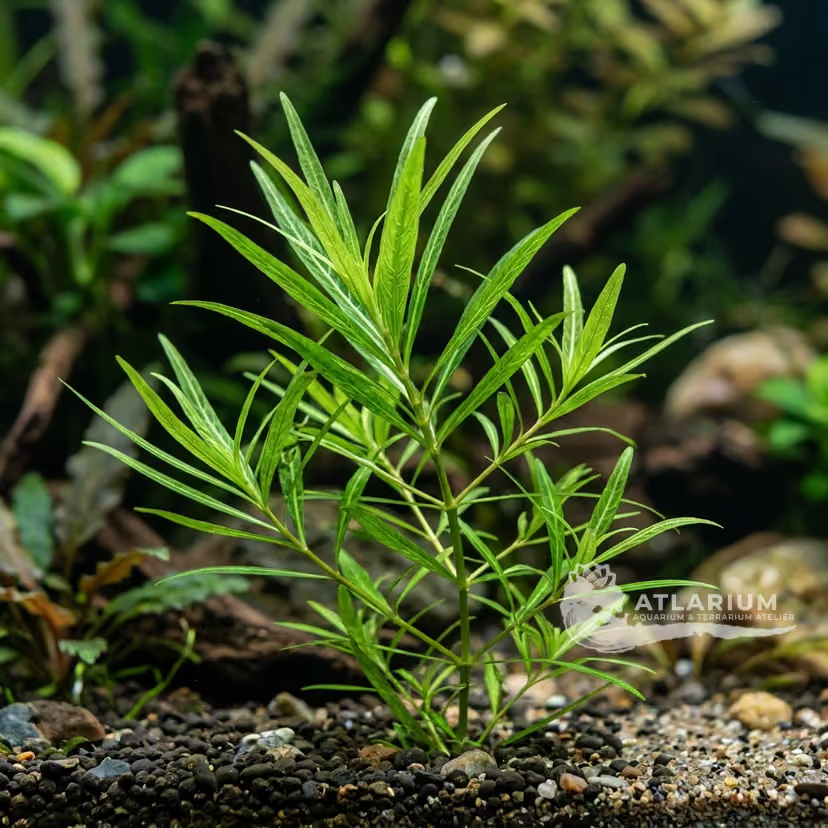
Nechamandra alternifolia subsp. angustifolia
Nechamandra alternifolia subsp. angustifolia

Vallisneria caulescens
Vallisneria caulescens

Commelinaceae sp. "Green"
Commelinaceae sp. "Green"

Cordyline fruticosa
Cordyline fruticosa

Cabomba aquatica
Cabomba aquatica

Bucephalandra sp. "Bukit Kelam / Sintang"
Bucephalandra sp. "Bukit Kelam / Sintang"

Bucephalandra sp. "Melawi"
Bucephalandra sp. "Melawi"