Najas horrida "Lake Edward"
Najas horrida "Lake Edward"
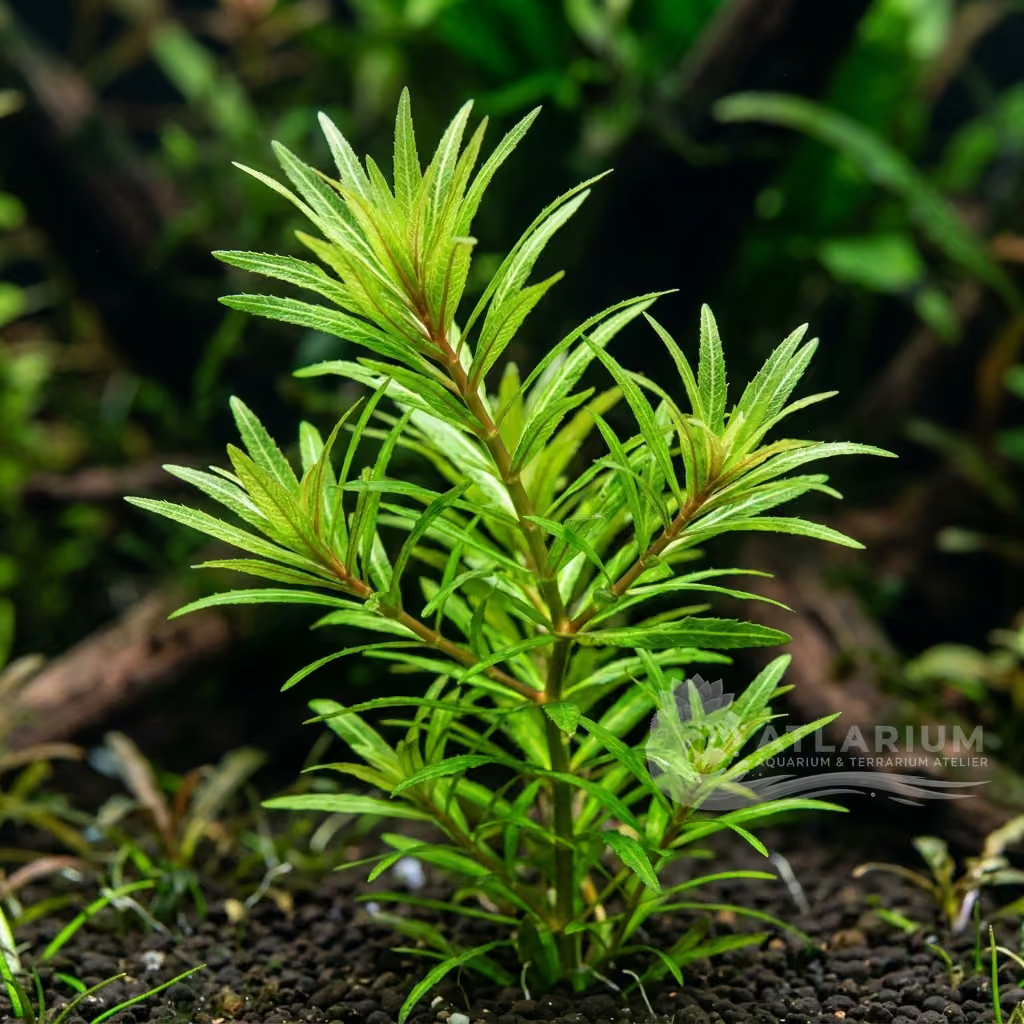
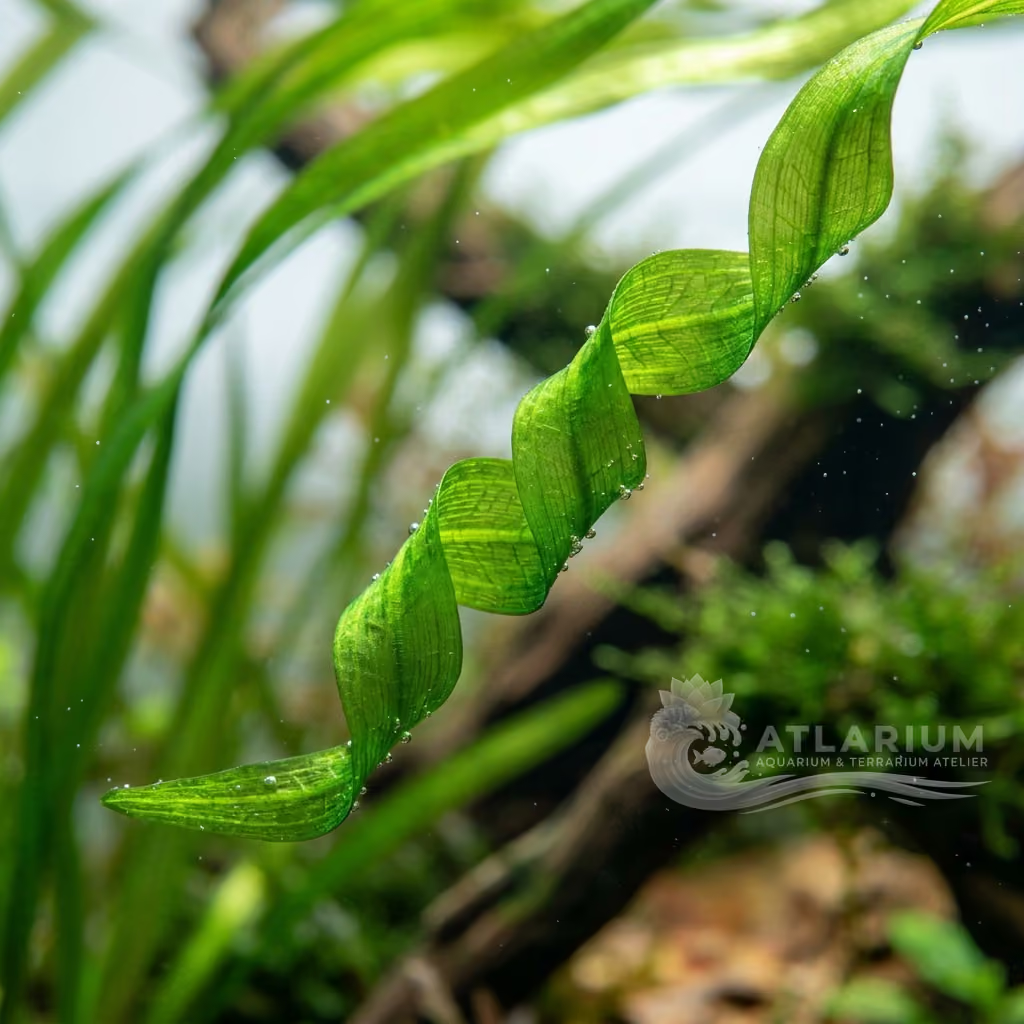
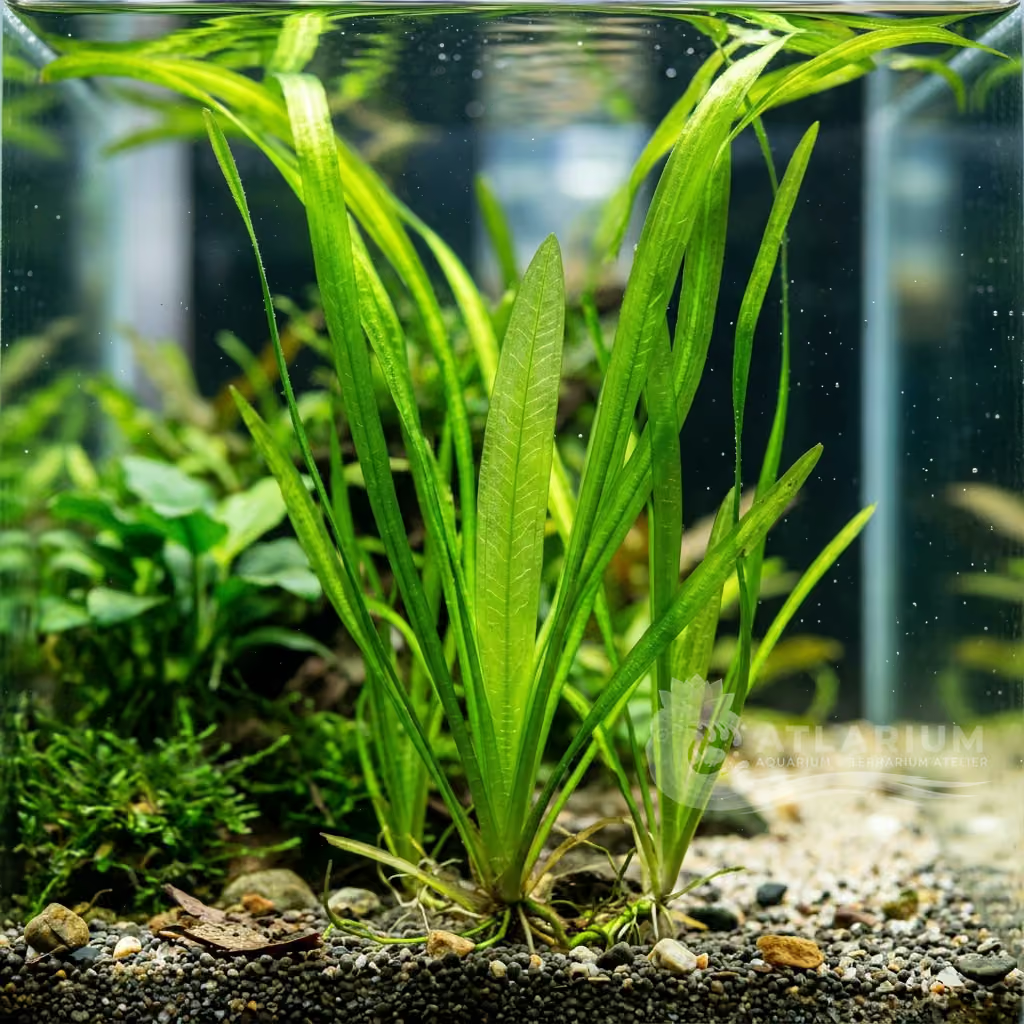
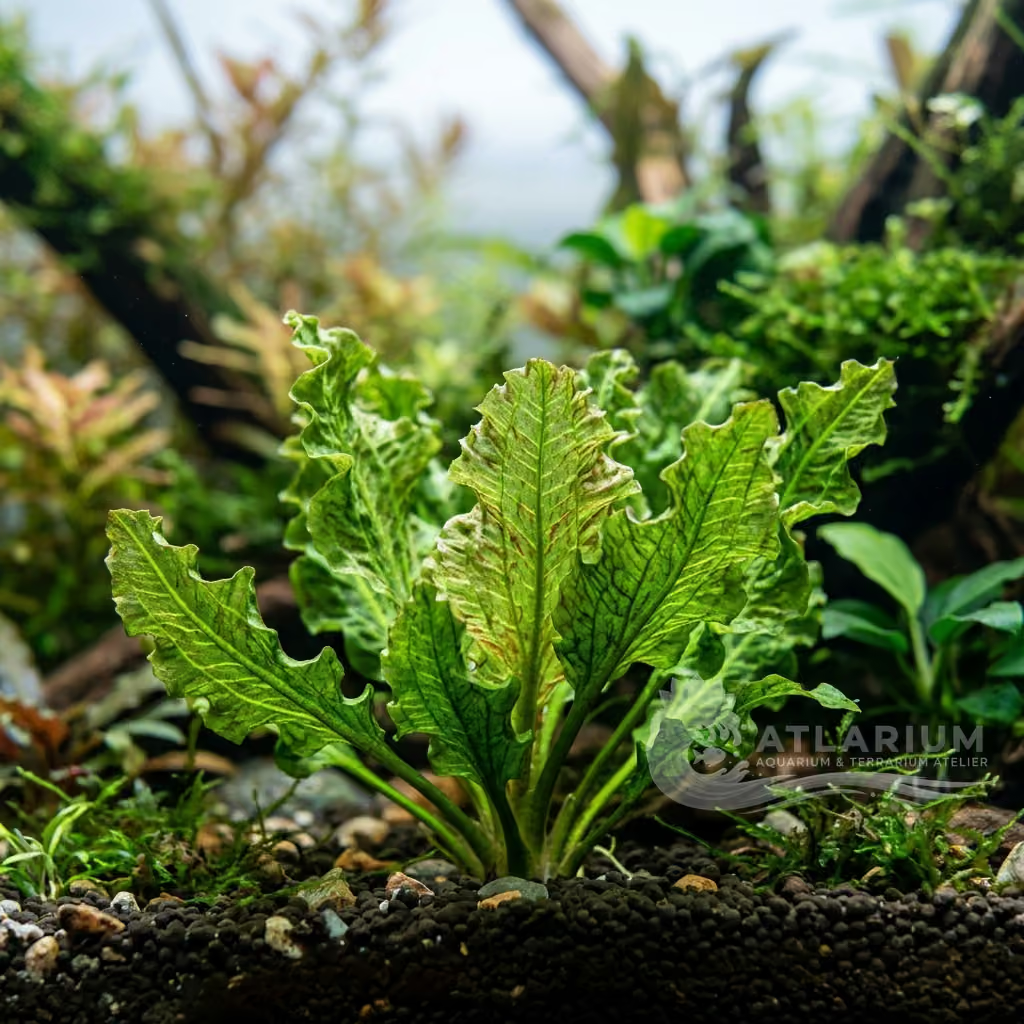
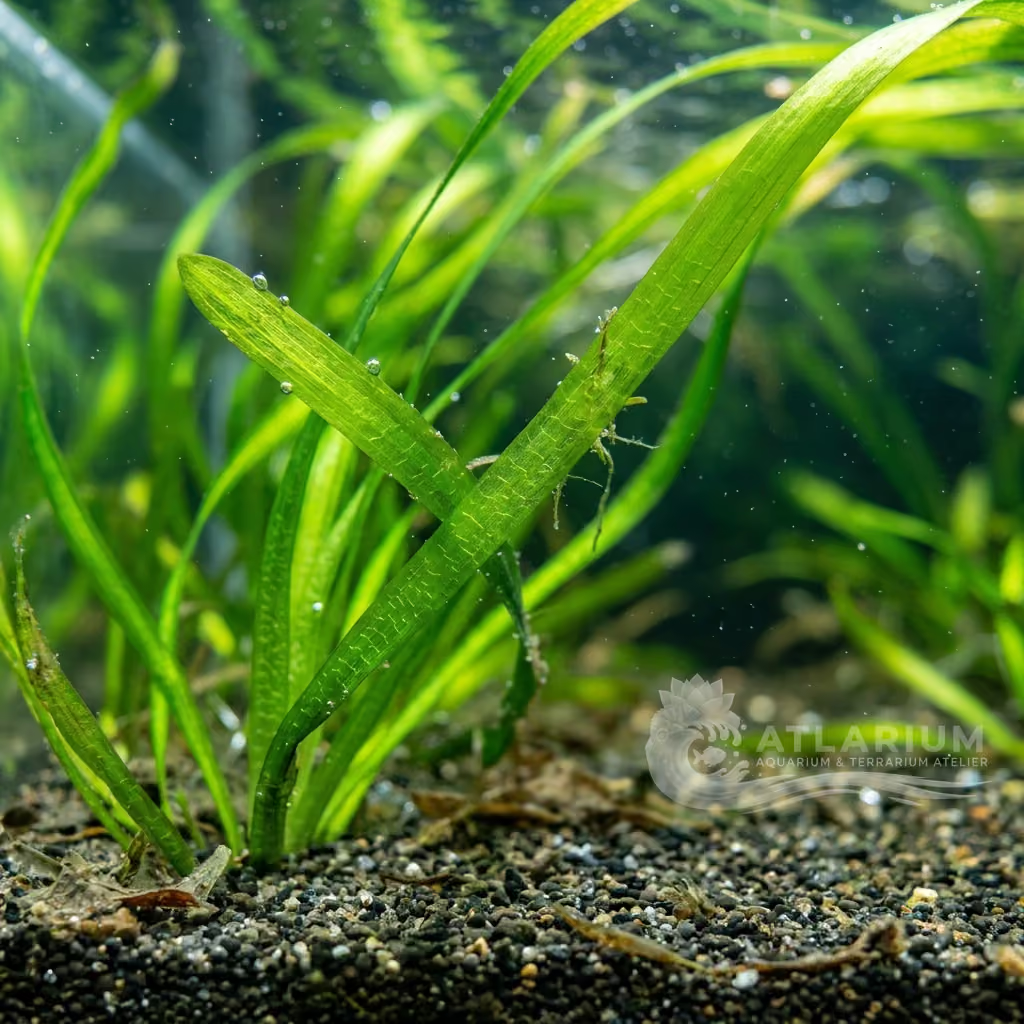
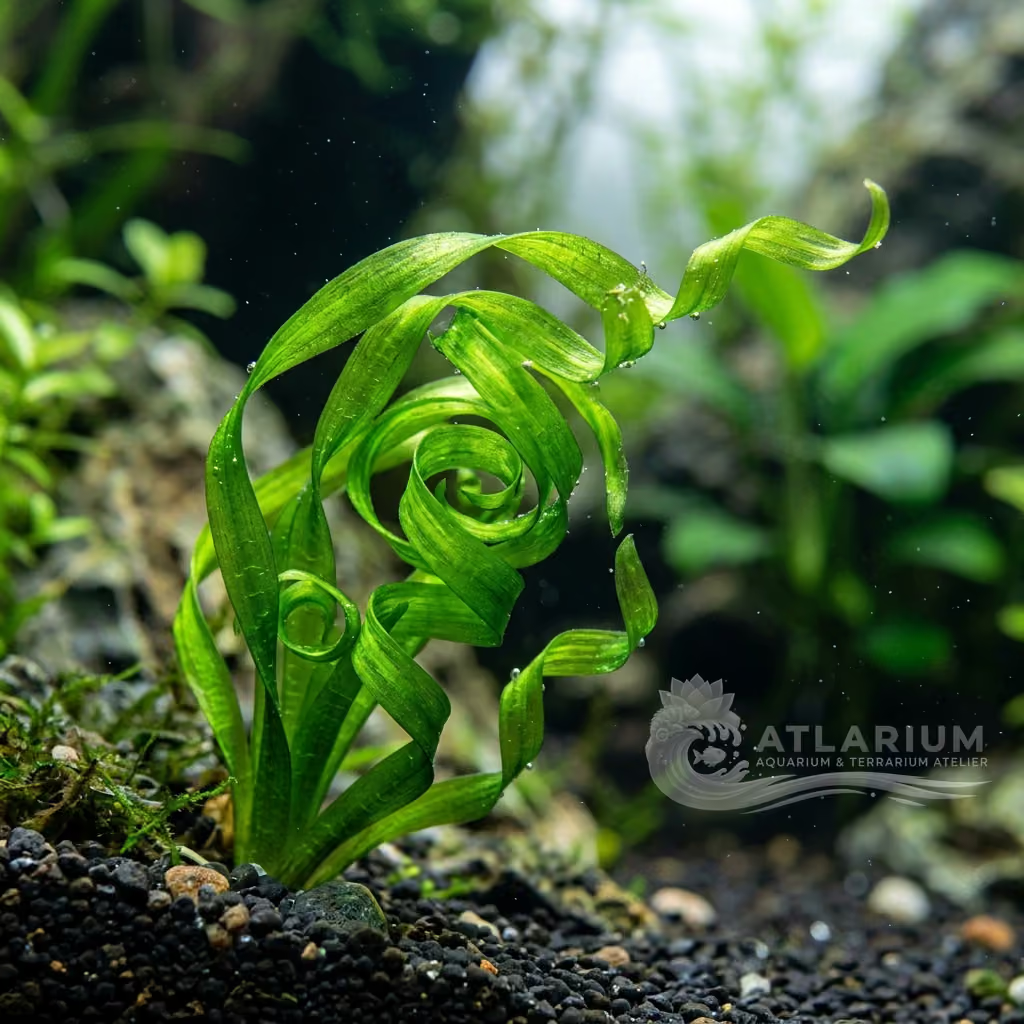
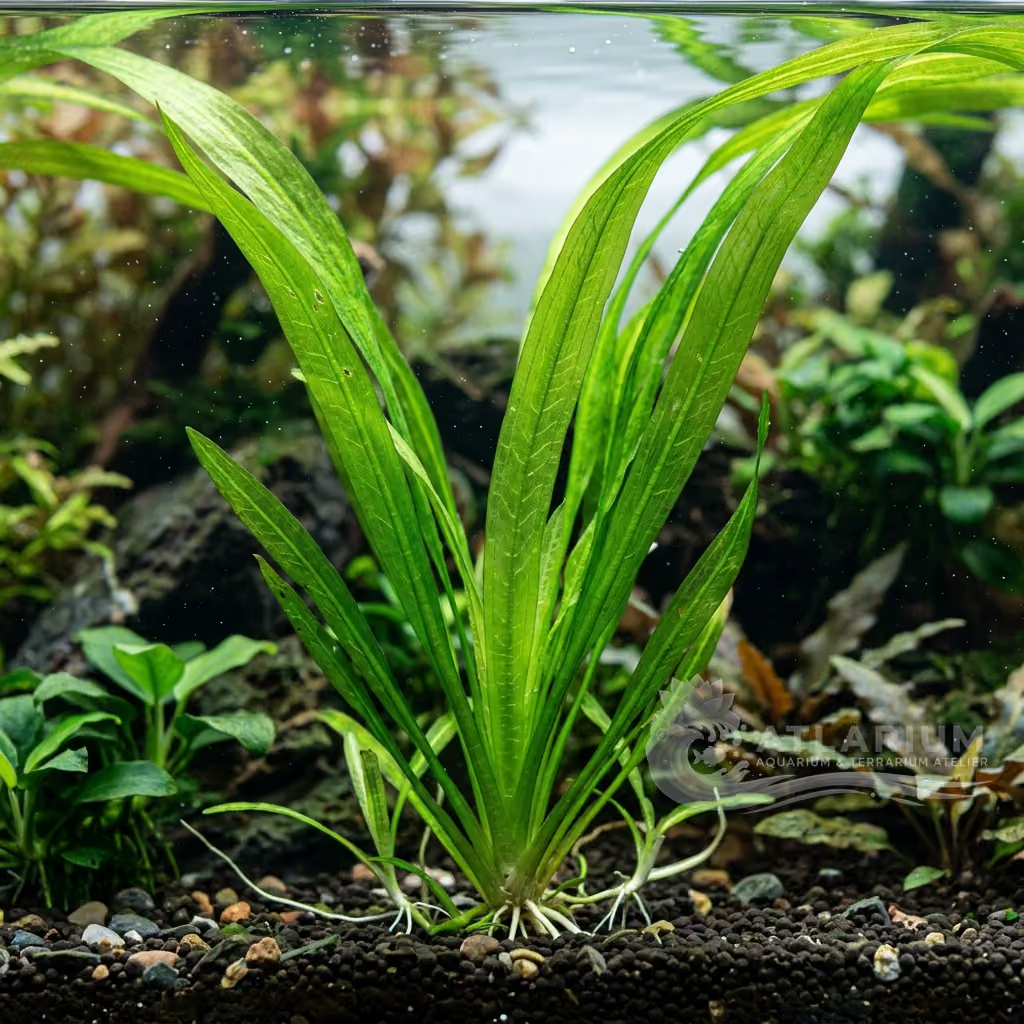
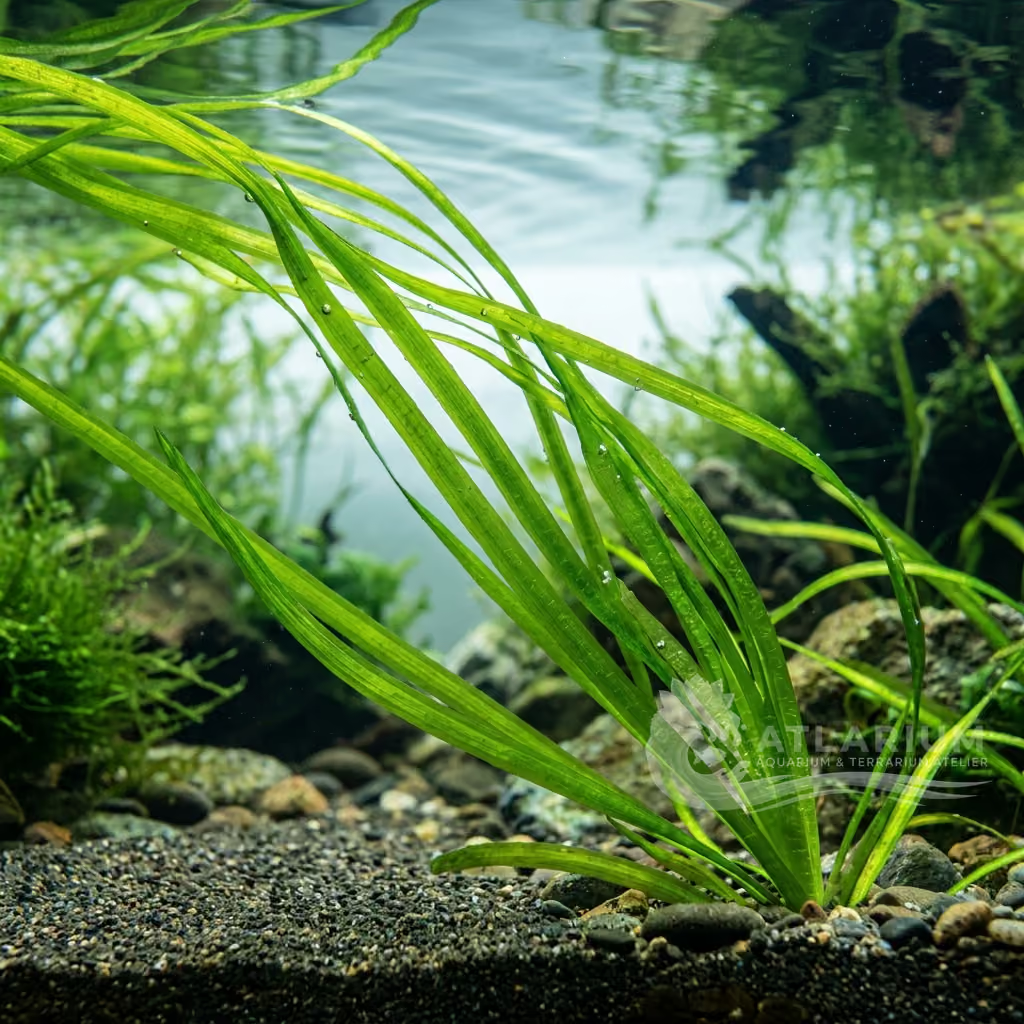
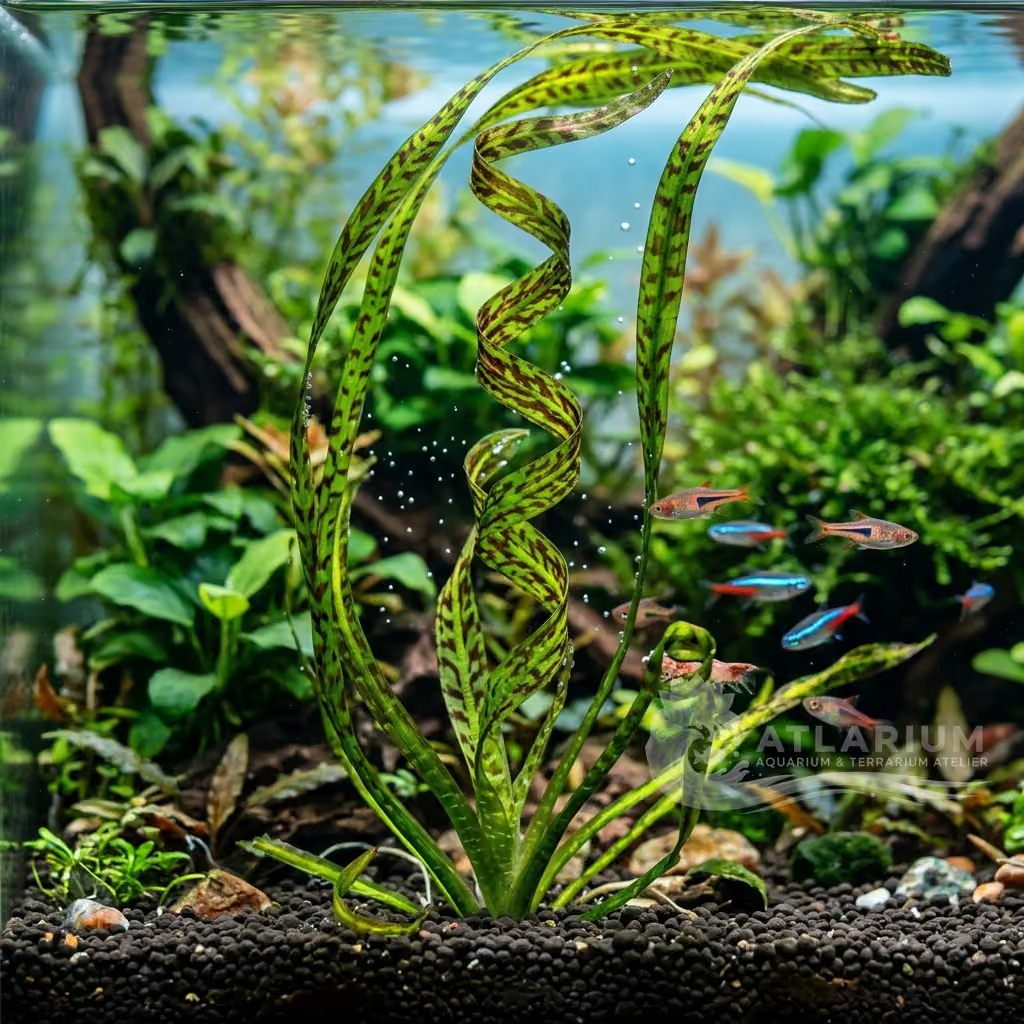
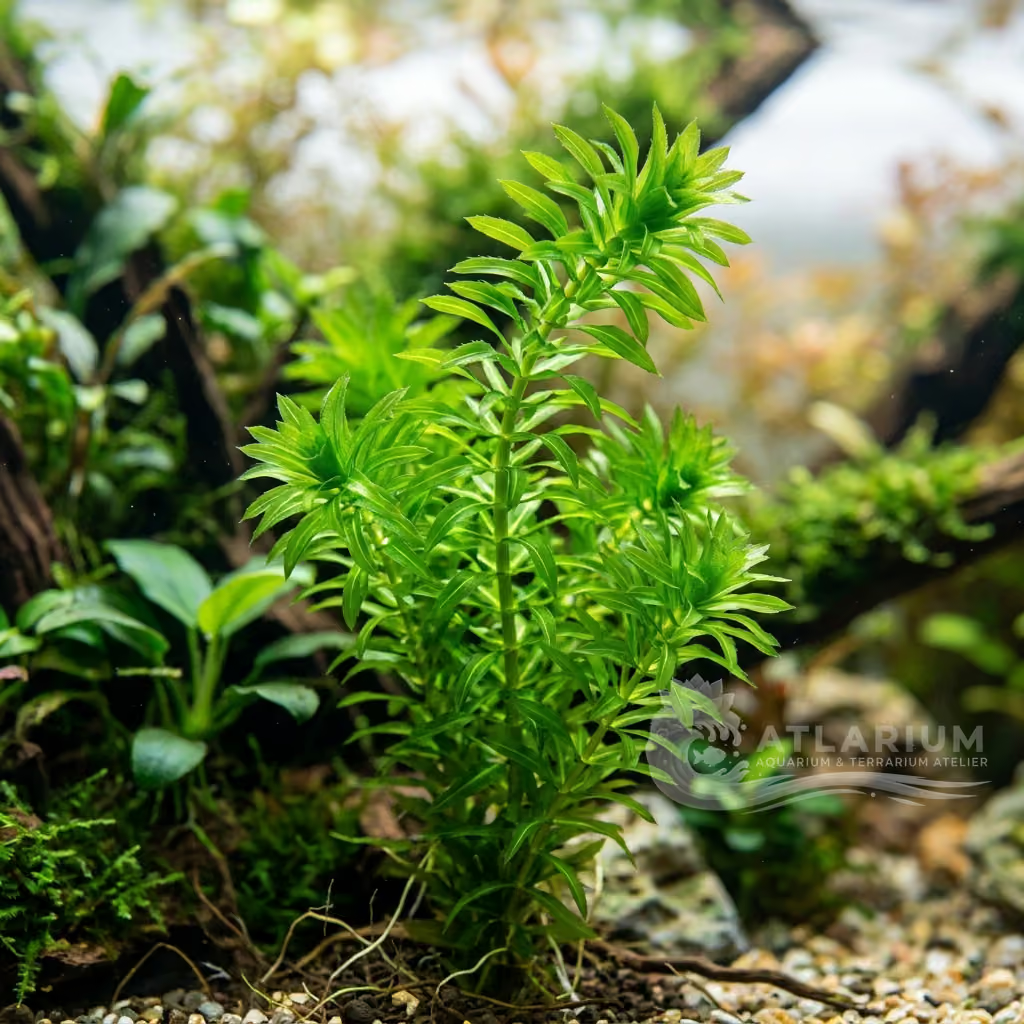
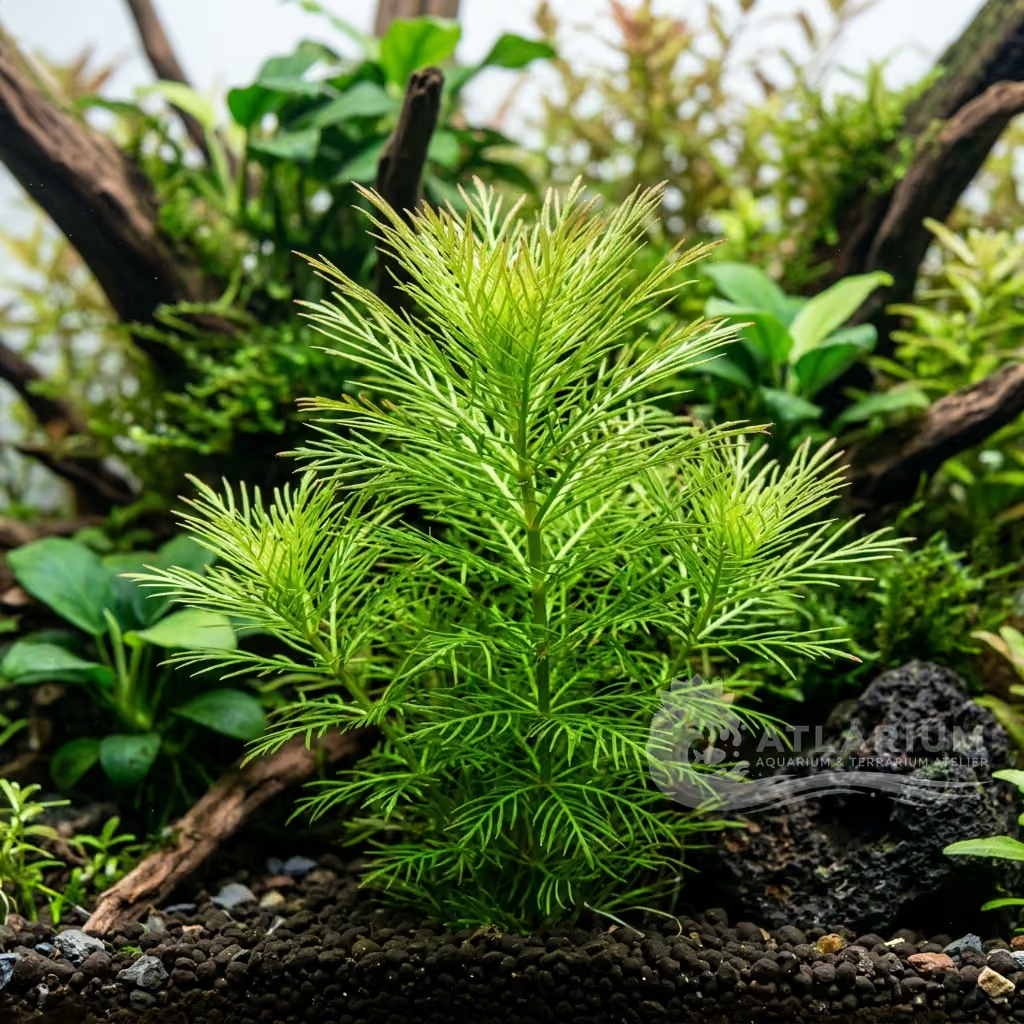
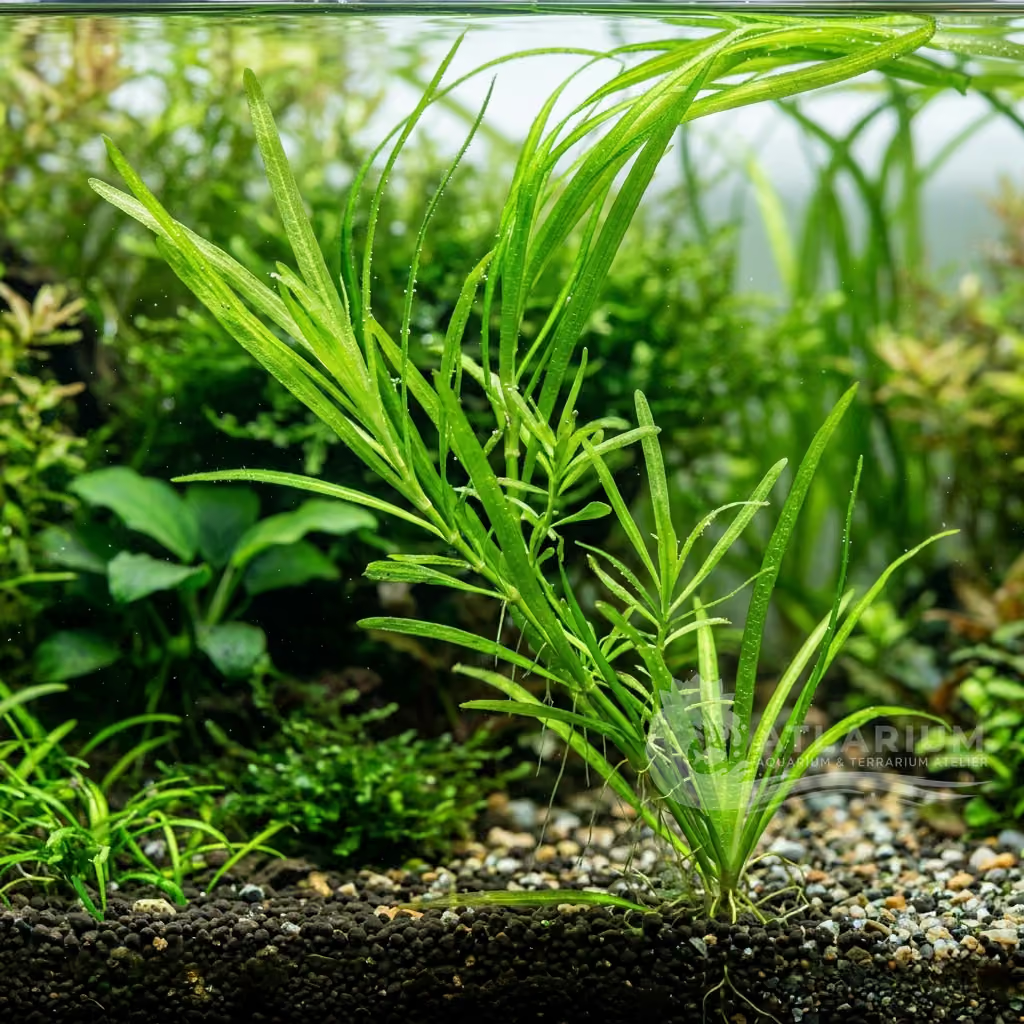
Najas horrida "Lake Edward" is a vibrant, fast-growing stem plant ideal for the midground, where it forms dense, intricate bushes. Its delicate structure and rapid growth make it an excellent choice for adding lush greenery and natural hiding spots to any aquascape.
Water Temperature
20 - 28 °C
pH Value
6 - 7.5
Water type
Freshwater
Light
Medium to High
CO2
Medium - High
KH
2 - 10 dKH

Species description
Geographical Origin and Habitat: Najas horrida "Lake Edward" derives its name from its specific geographic origin, suggesting a variety or ecotype originally collected from Lake Edward, one of the African Great Lakes situated on the border between the Democratic Republic of Congo and Uganda. Najas species, in general, are widespread across various tropical and subtropical regions globally, often found in freshwater, stagnant, or slow-moving waters where they form extensive submerged meadows. Their natural habitat is characterized by muddy or sandy substrates and nutrient-rich waters, conditions that promote their prolific growth and vitality.
Taxonomy & Genetics: Belonging to the Hydrocharitaceae family, Najas horrida is a member of the Najas genus, which comprises approximately 40 species of submerged aquatic plants. This family is well-known for its entirely aquatic plants, often monoecious or dioecious, with small, inconspicuous flowers. The "Lake Edward" designation indicates a specific geographical provenance that might imply particular adaptations or unique morphological characteristics of this ecotype compared to other Najas horrida populations. The taxonomy of Najas can be complex due to their variable morphology and wide distribution, but their classification within Hydrocharitaceae is well-established.
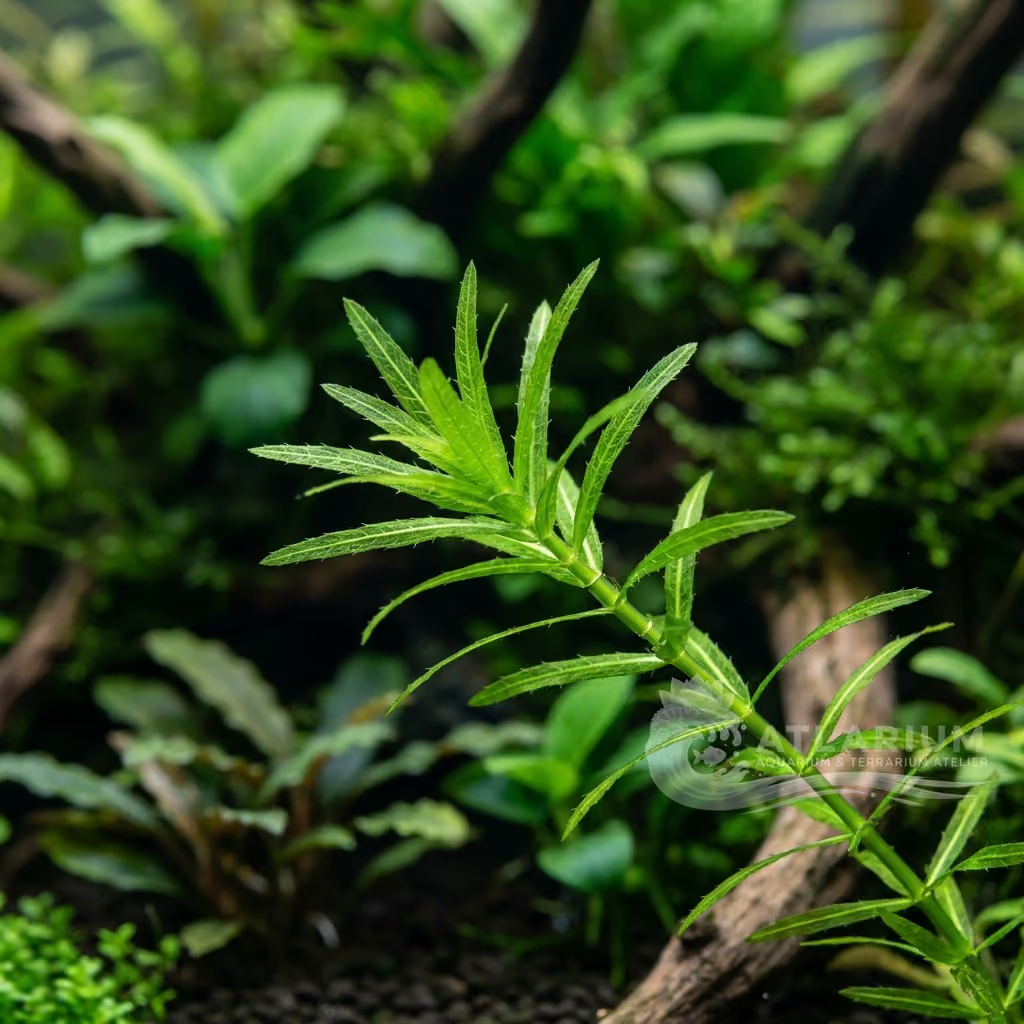
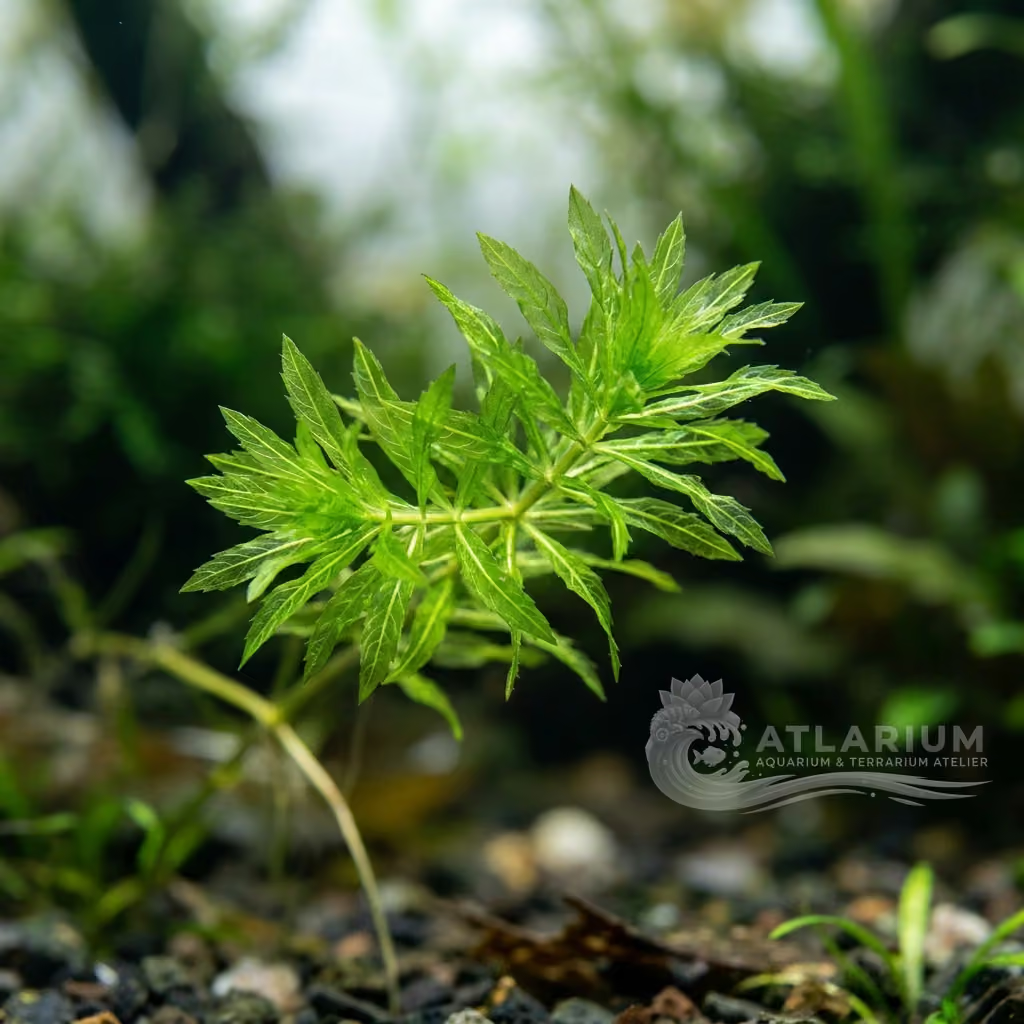
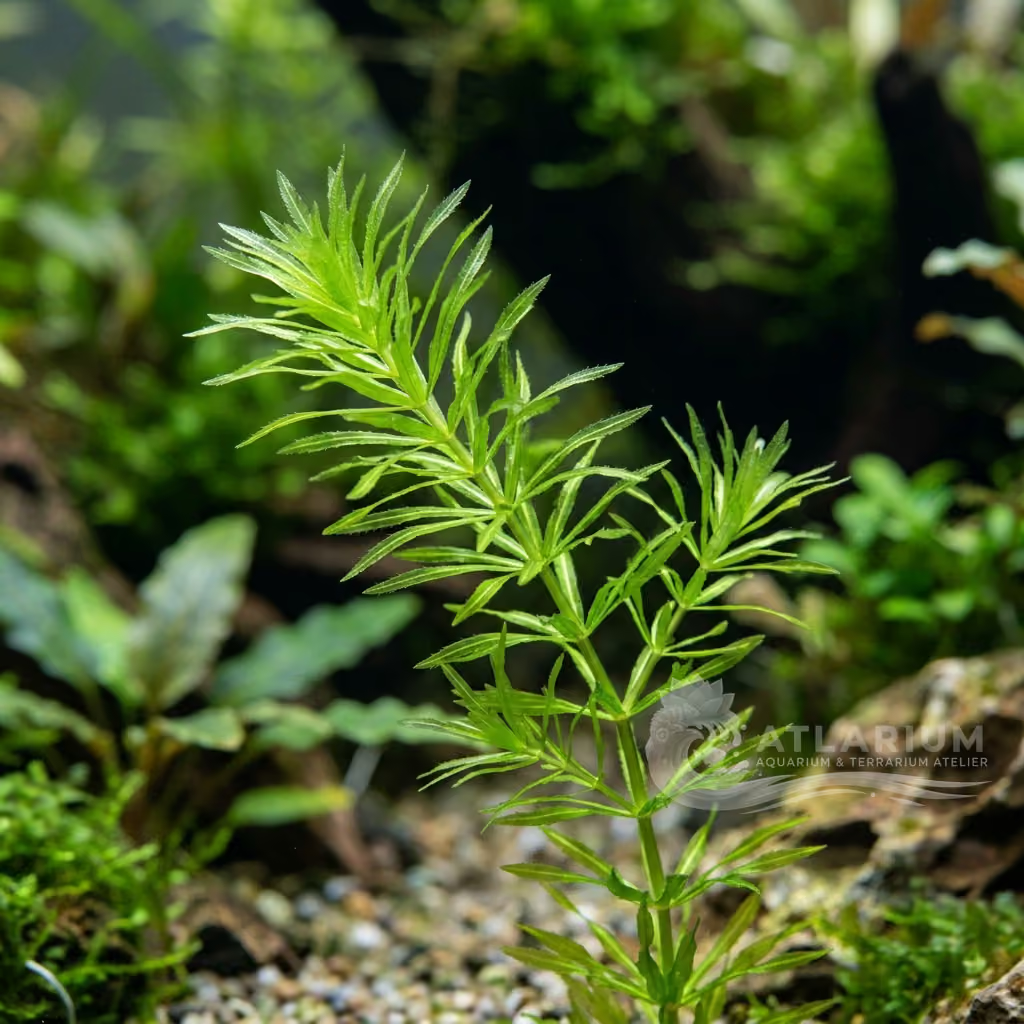
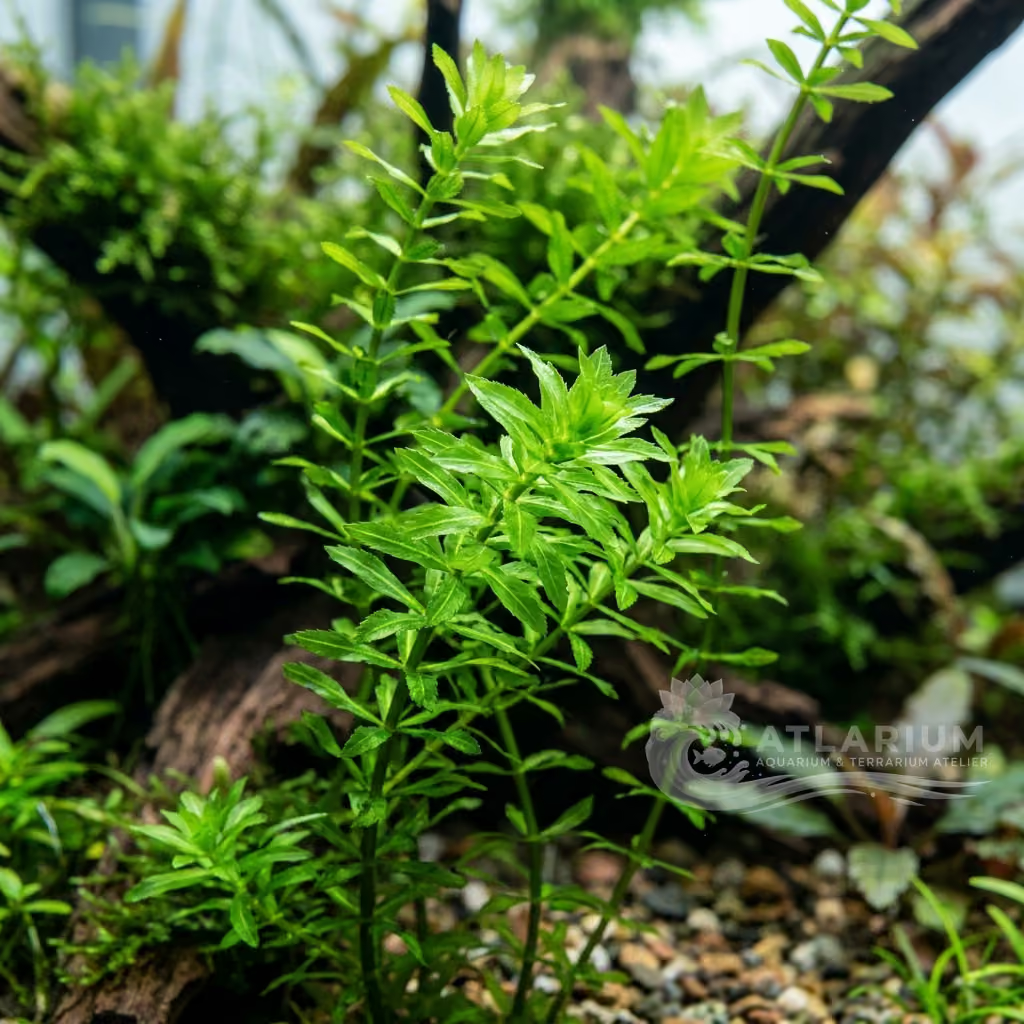
Physical Structure: Najas horrida "Lake Edward" is distinguished by its branched stem structure and delicate habit, featuring slender stems that can grow rapidly in both height and width. Its leaves are arranged in whorls or sub-opposite along the stem, long and narrow, often with finely serrated margins that give it a distinctive, slightly "spiny" feel. While it does not develop a robust root system like terrestrial plants, its fibrous roots primarily serve for anchoring to the substrate, with most nutrients absorbed directly from the water through its leaves and stems. The plant grows densely and bushy, contributing to a visually full and deep effect in the aquarium.
Color & Texture: The predominant color of Najas horrida "Lake Edward" is a vibrant, bright green, which can vary in intensity depending on lighting conditions and nutrient availability. Under higher light and good fertilization, the leaves tend to develop a more saturated and luminous green hue, contributing to an attractive contrast in the aquascape. Its texture is remarkably delicate and thin, almost ethereal, although the finely toothed margins of the leaves can impart a slightly rough or "horrida" (horrible/spiny) sensation, as its scientific name suggests. This combination of color and texture makes it a captivating plant and a dynamic element in the layout.

Care, breeding and tankmates
Lighting & CO2: For Najas horrida "Lake Edward", medium to high lighting is crucial to support its rapid growth and maintain vibrant coloration. Insufficient light intensity can lead to elongated internodes and stunted growth, with leaves becoming pale and transparent. CO2 injection is highly recommended, if not essential, to maximize its growth rate and prevent deficiencies that could slow down the plant's metabolism. Consistent levels of dissolved carbon dioxide promote efficient photosynthesis, fostering dense foliage and increased resistance to algae.
Nutrition & Substrate: As a plant that absorbs most of its nutrients from the water column, Najas horrida "Lake Edward" greatly benefits from comprehensive and regular liquid fertilization. It is vital to provide all macronutrients (nitrogen, phosphorus, potassium) and micronutrients (iron, manganese, boron, etc.) in balanced proportions to prevent deficiencies. Although not strictly a substrate feeder, a fertile substrate enriched with nutrients can still support more vigorous growth by providing stable anchoring and an additional reservoir of essential elements. Monitoring water nutrient levels is crucial for its well-being.
Water Chemistry: Najas horrida "Lake Edward" thrives in a temperature range of 20 to 28 °C, making it suitable for most tropical aquariums. Temperature stability is more important than absolute values, as sudden fluctuations can cause stress to the plant. The ideal pH is between 6.0 and 7.5, preferring slightly acidic to neutral waters. Carbonate hardness (KH) should be maintained between 2 and 12, indicating tolerance to a wide range of conditions, but excessively low values could lead to an unstable environment. Regular water changes are essential to maintain optimal water quality and prevent the accumulation of harmful substances.
Space Management & Placement: Due to its rapid growth and bushy habit, Najas horrida "Lake Edward" is an excellent choice for the midground of the aquarium, where it can create a lush transitional zone and provide natural hiding places for smaller fish. It can be planted in dense groups to form a "hedge" or used to fill empty spaces between other larger plants. Given its fast growth rate, careful space management through regular pruning is essential to prevent it from outcompeting other plants or excessively shading areas below. Good spatial management contributes to a balanced and healthy aquascape.
Pruning: Regular pruning is essential to keep Najas horrida "Lake Edward" healthy and to control its rapid growth. When stems reach the surface or become too dense, it is advisable to trim the tops and lateral branches. These cuts stimulate branching, promoting a bushier and more compact growth habit. The trimmed stems can be easily replanted into the substrate to propagate the plant, creating new colonies or thickening existing ones. Careful pruning prevents excessive shading and ensures that light reaches all parts of the plant.
Risks & Diseases: Najas horrida "Lake Edward" is generally robust, but like many fast-growing plants, it is susceptible to nutritional imbalances and unfavorable environmental conditions. Iron deficiencies can manifest as yellowing or pale leaves, while a lack of nitrates or phosphates can drastically slow its growth. Insufficient lighting or CO2 deficiency can make it more prone to algal growth, particularly filamentous algae that can smother its delicate leaves. Careful monitoring of plant health and aquarium conditions is the best defense against risks and diseases.

Geographic origin and distribution
Najas horrida "Lake Edward" derives its name from its specific geographic origin, suggesting a variety or ecotype originally collected from Lake Edward, one of the African Great Lakes situated on the border between the Democratic Republic of Congo and Uganda. Najas species, in general, are widespread across various tropical and subtropical regions globally, often found in freshwater, stagnant, or slow-moving waters where they form extensive submerged meadows. Their natural habitat is characterized by muddy or sandy substrates and nutrient-rich waters, conditions that promote their prolific growth and vitality.
Origin
Africa and Madagascar

Plant profile
- Placement
- Midground
- It is an excellent choice for creating dense, protective thickets in the midground or background, or as a sprawling surface floater. Its somewhat rigid and spiky texture provides fantastic refuge for shrimp and small fish fry, protecting them from larger tank mates. Care should be taken to thin it out periodically so it does not block light to plants below.
- Botanical form
- Stem
- This specific Najas variant is characterized by slightly stiffer, more rigid stems and leaves compared to common Guppy Grass, with prominent, visible serrations or 'teeth' along the leaf margins. This gives the plant a somewhat rough, prickly, or 'horrid' appearance, hence its scientific name. The foliage is typically a robust green, forming intricately branched, chaotic networks.
- Growth
- Fast
- The growth rate is fast, rapidly forming dense bushes or mats depending on its placement. It can quickly consume excess nutrients in the water column, making it a very effective plant for natural algae control and water purification.
- Substrate
- None
- This plant has no specific substrate requirements and can thrive whether it is lightly rooted in gravel, sand, or soil, or left entirely unplanted. Its roots are very fine and delicate, functioning primarily to anchor the plant to hardscape or substrate to prevent it from drifting too much. It performs exceptionally well as a free-floating specimen.
- Column fertilization
- Recommended
- Liquid fertilization is the optimal method for delivering nutrients, as the plant relies almost entirely on its leaves and stems for uptake. Dosing a comprehensive liquid fertilizer ensures it receives sufficient potassium, iron, and trace elements to prevent the leaves from yellowing or becoming brittle. In tanks with high bioloads, macronutrient dosing may be minimized.
- Root fertilization
- None
- Root fertilization is not required and offers no discernible benefit to Najas horrida "Lake Edward". Its root system is simply not designed for heavy nutrient extraction from the substrate. Time and resources are better spent ensuring the water column is adequately fertilized.
- Trimming
- Regular
- Because the stems are somewhat brittle, it's often easier to pinch or snap the stems rather than using scissors. Replanting the tops works well, but be careful of the sharp-feeling leaves.
- Propagation
- Cuttings
- Propagation is incredibly easy and occurs through stem fragmentation. The stems, while slightly stiffer than other Najas, are still prone to breaking, and any broken off piece will readily form a new, independent plant. To deliberately multiply it, simply snap off sections of the stems and place them where desired.
- Sensitivity
- Moderate
- Like most Najas, it can melt if exposed to high doses of liquid carbon or sudden massive changes in water chemistry. Generally adaptable and robust.
- Layout role
- Midground
- Offers a unique texture with its 'spiky' appearance. It can be used as a rugged background plant or as a structural element in wild-looking biotope setups.

Related species
Recommendations grouped by close relatives, companion choices, and similar care.