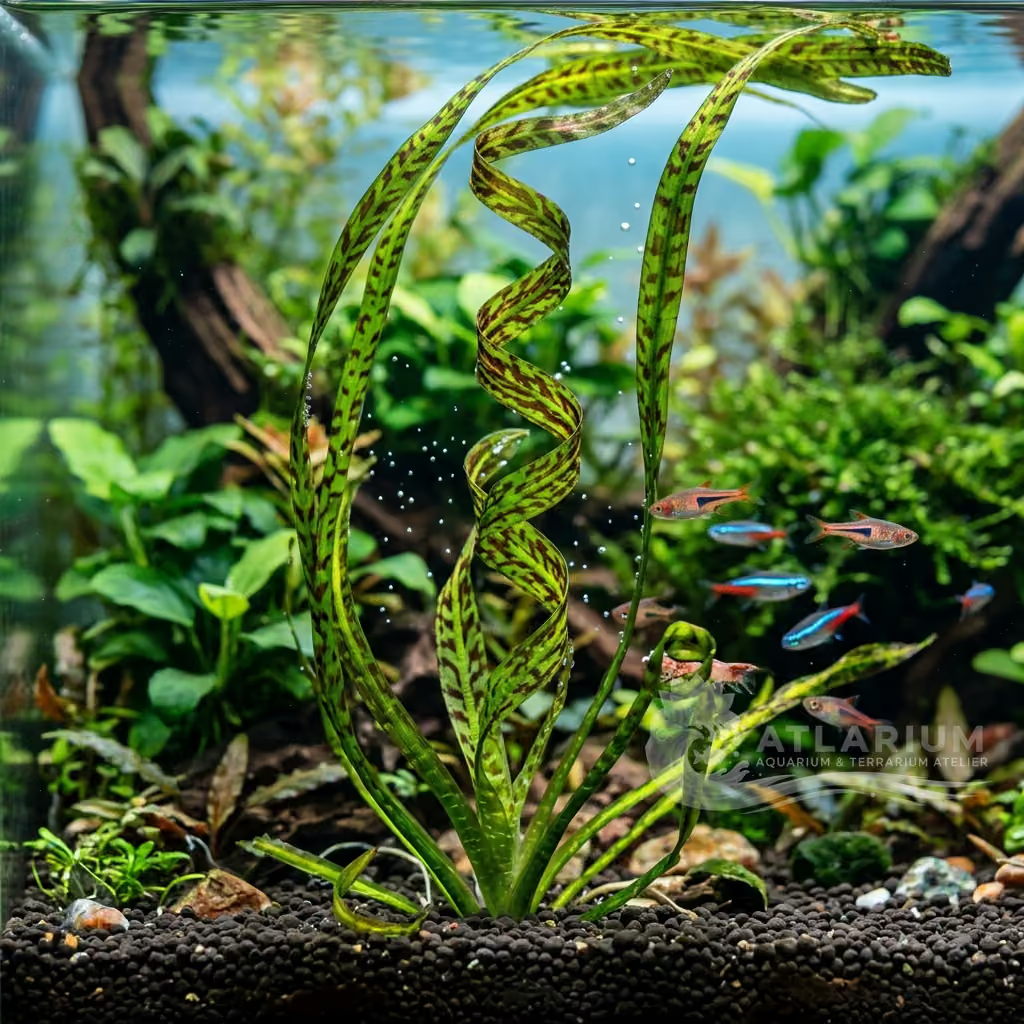
Najas madagascariensis
Najas madagascariensis
Najas madagascariensis is a very fast-growing midground plant, ideal for creating lush green density and providing shelter for aquatic inhabitants. Its delicate appearance belies its robust nature, making it a popular choice for aquascapers seeking quick, vibrant growth.
Water Temperature
20 - 28 °C
pH Value
5 - 7.5
Water type
Freshwater
Light
Medium to High
CO2
High
KH
1 - 14 dKH

Species description
Geographical Origin and Habitat: Hailing from the diverse aquatic ecosystems of Madagascar, Najas madagascariensis thrives naturally in a variety of freshwater habitats, including still or slow-moving sections of lakes, ponds, and swamps. This submerged aquatic plant is accustomed to clear, nutrient-rich waters, often forming dense beds that provide crucial shelter for local fish and invertebrates. Its adaptation to such environments makes it a resilient and versatile addition to a planted aquarium, mirroring its wild origins.
Taxonomy & Genetics: As a member of the Hydrocharitaceae family, Najas madagascariensis shares characteristics with other "frogbit" and "tapegrass" plants, though its genus Najas is distinguished by its delicate, submerged form. The genetic makeup of this species allows for both sexual reproduction, often involving water-borne pollen, and efficient vegetative propagation through fragmentation, which contributes to its rapid spread in ideal conditions. Understanding its taxonomy helps aquarists appreciate its evolutionary adaptations as a true aquatic specialist.
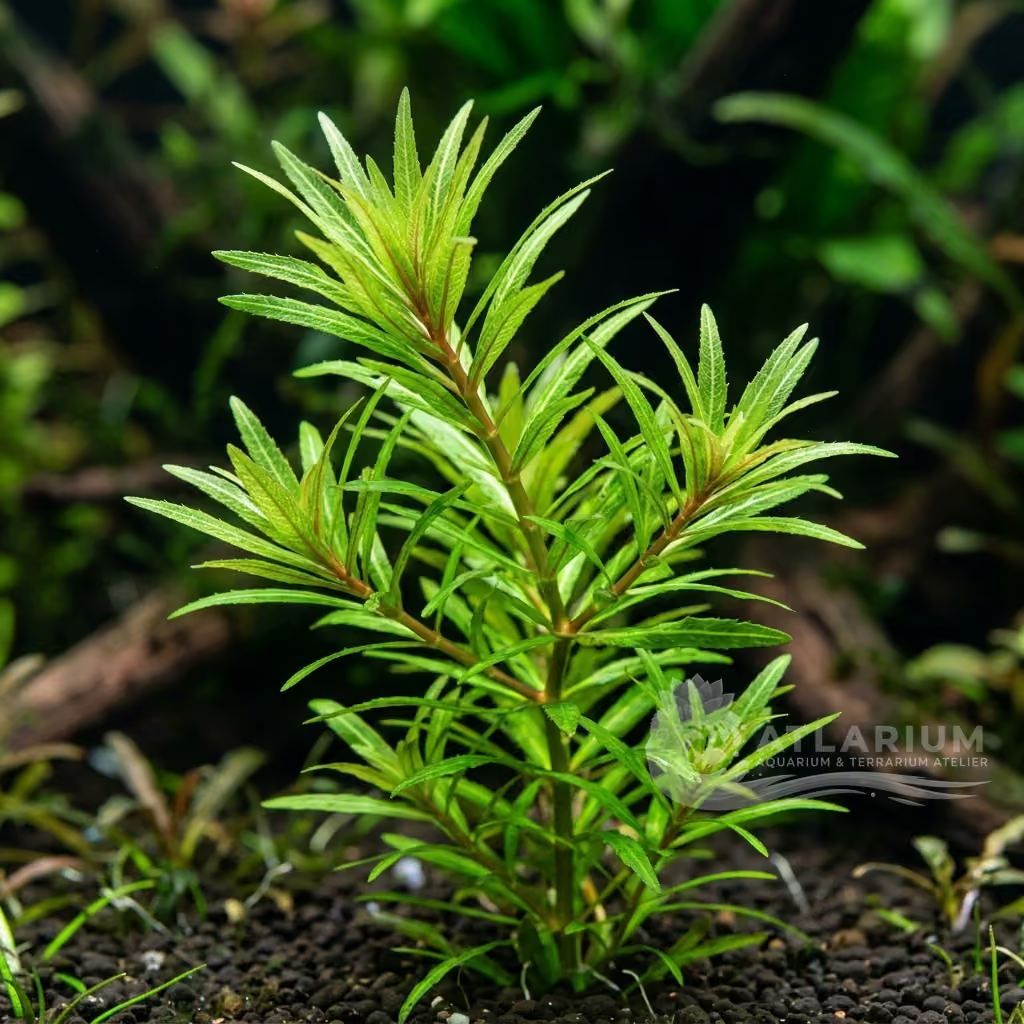
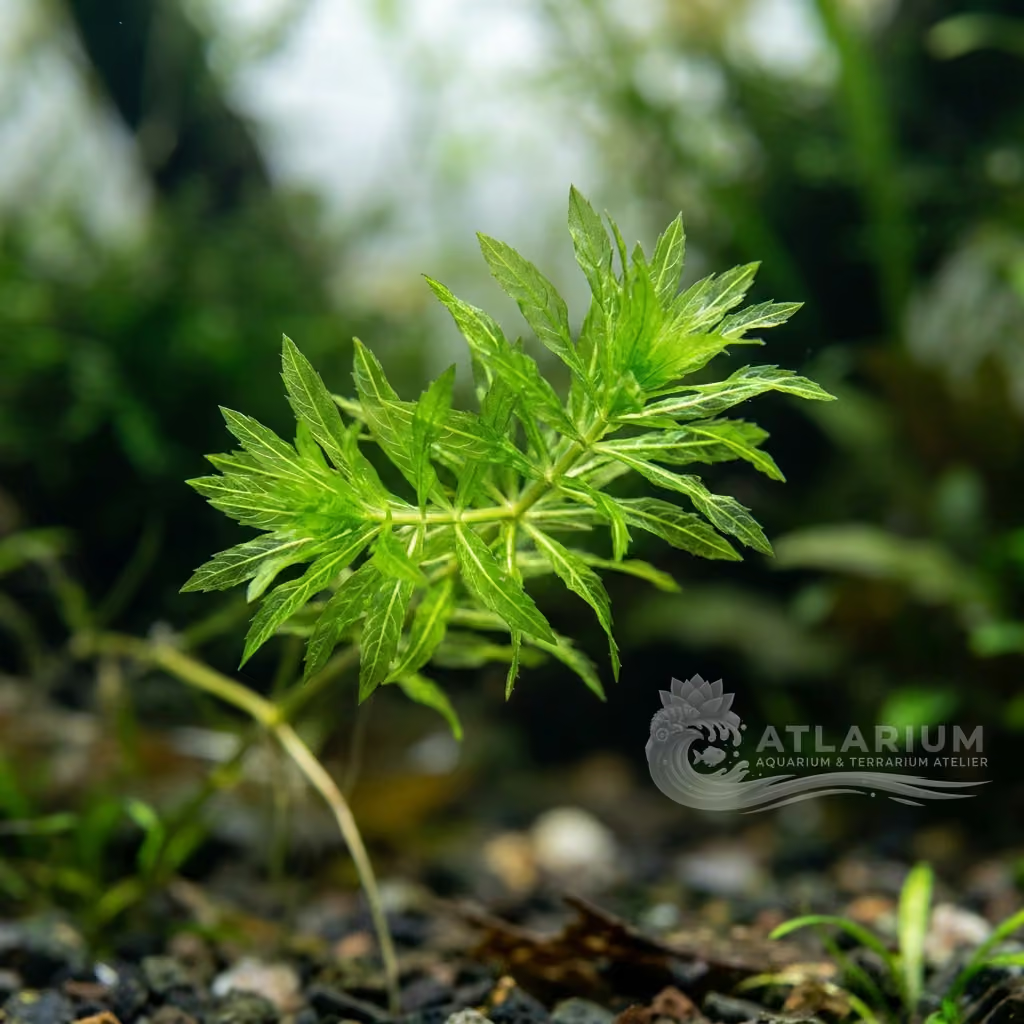
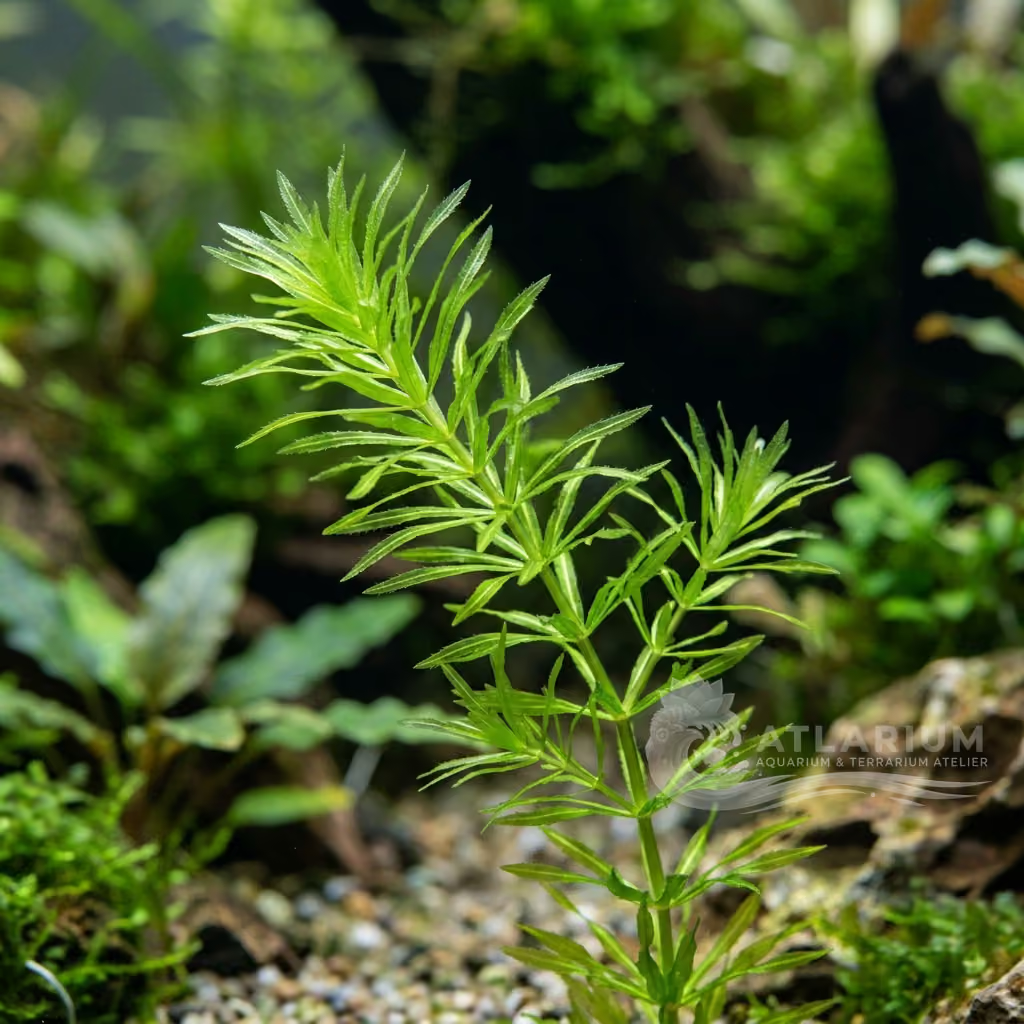
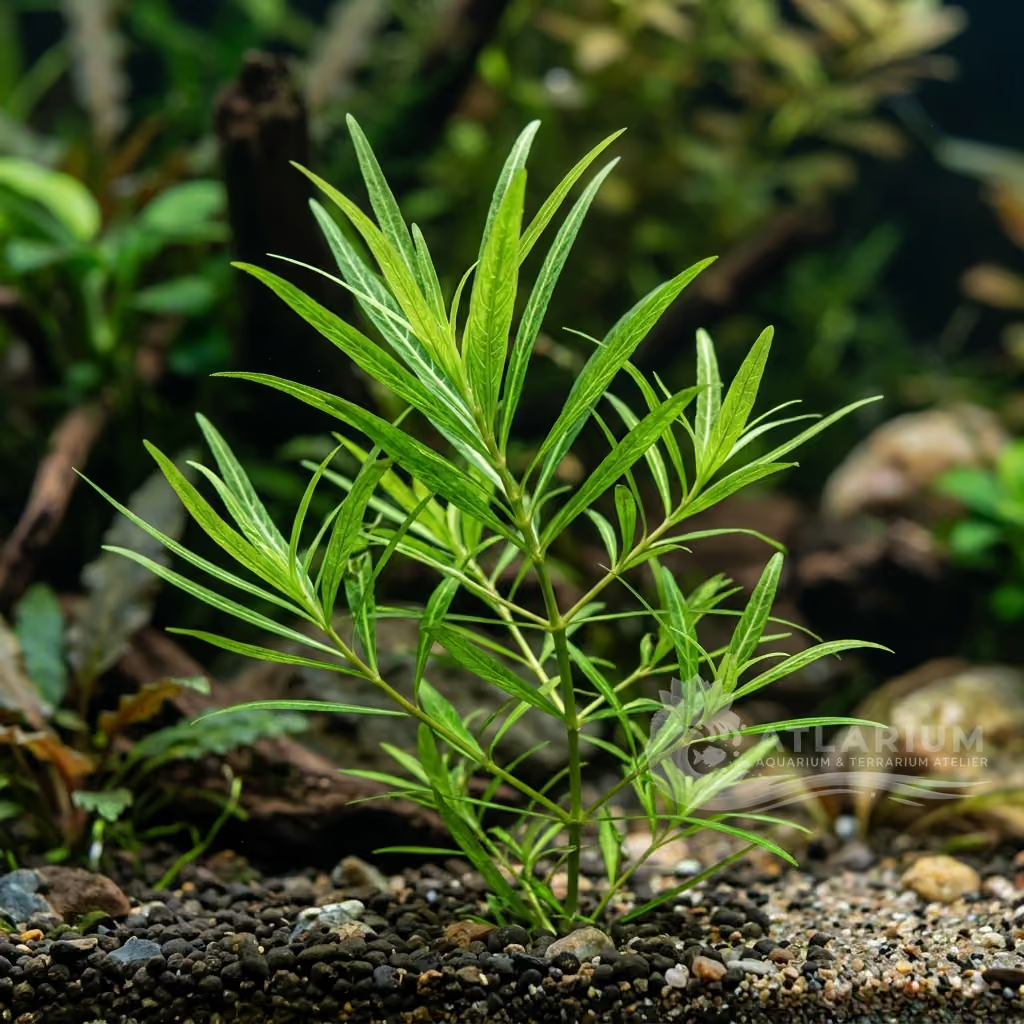
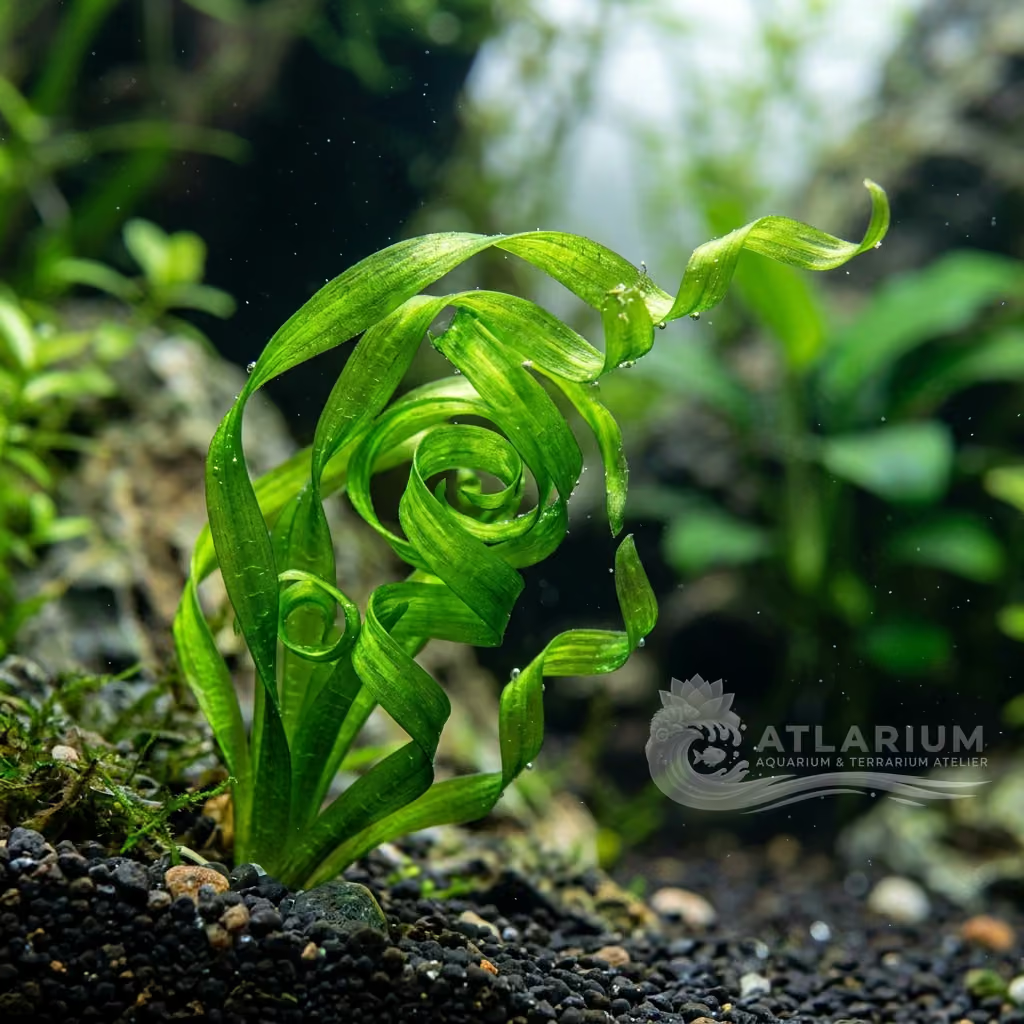
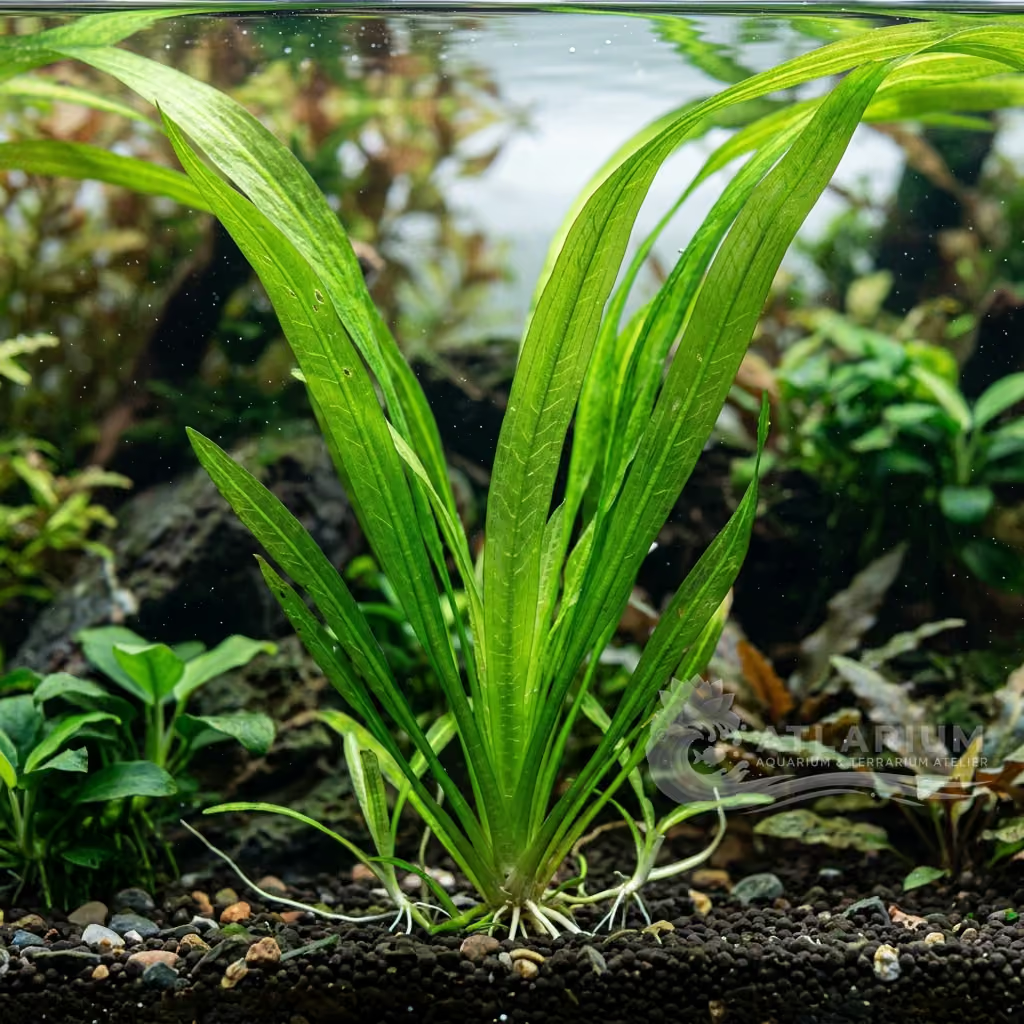
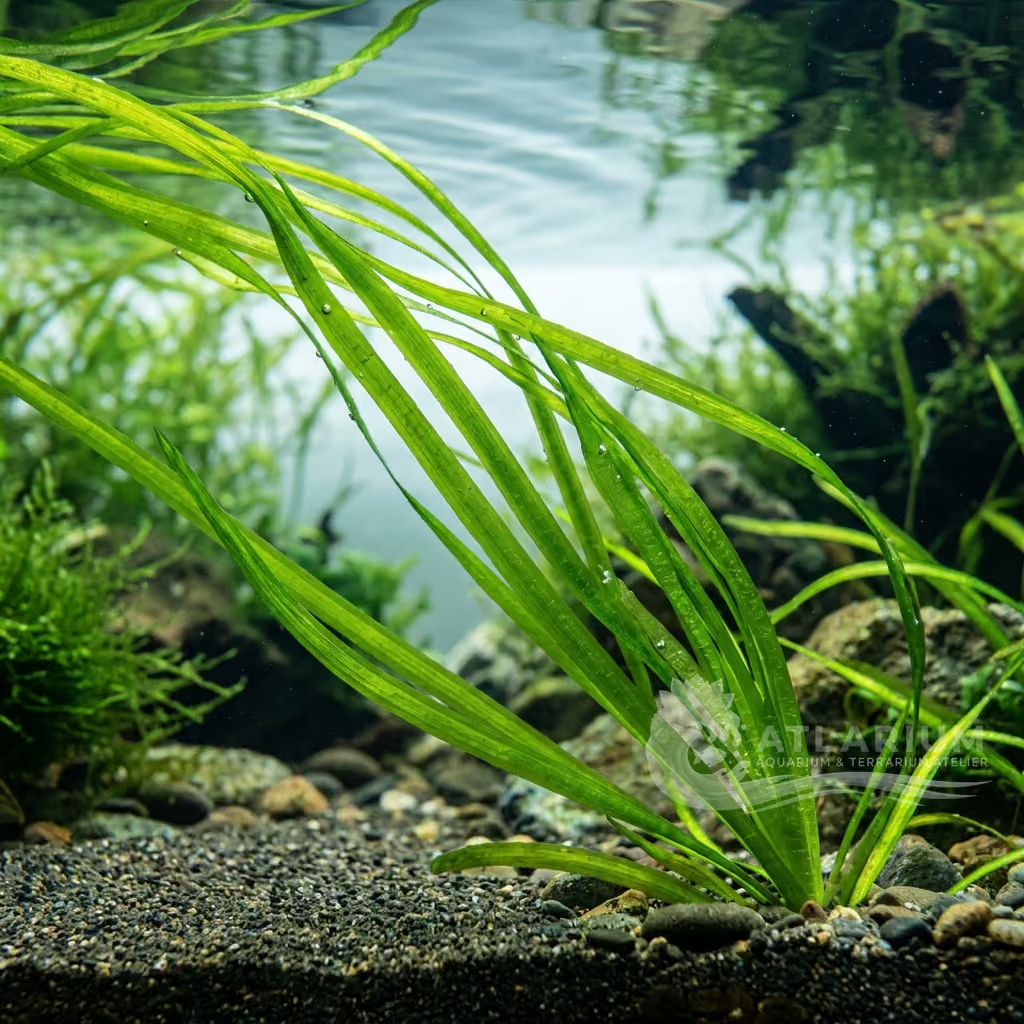
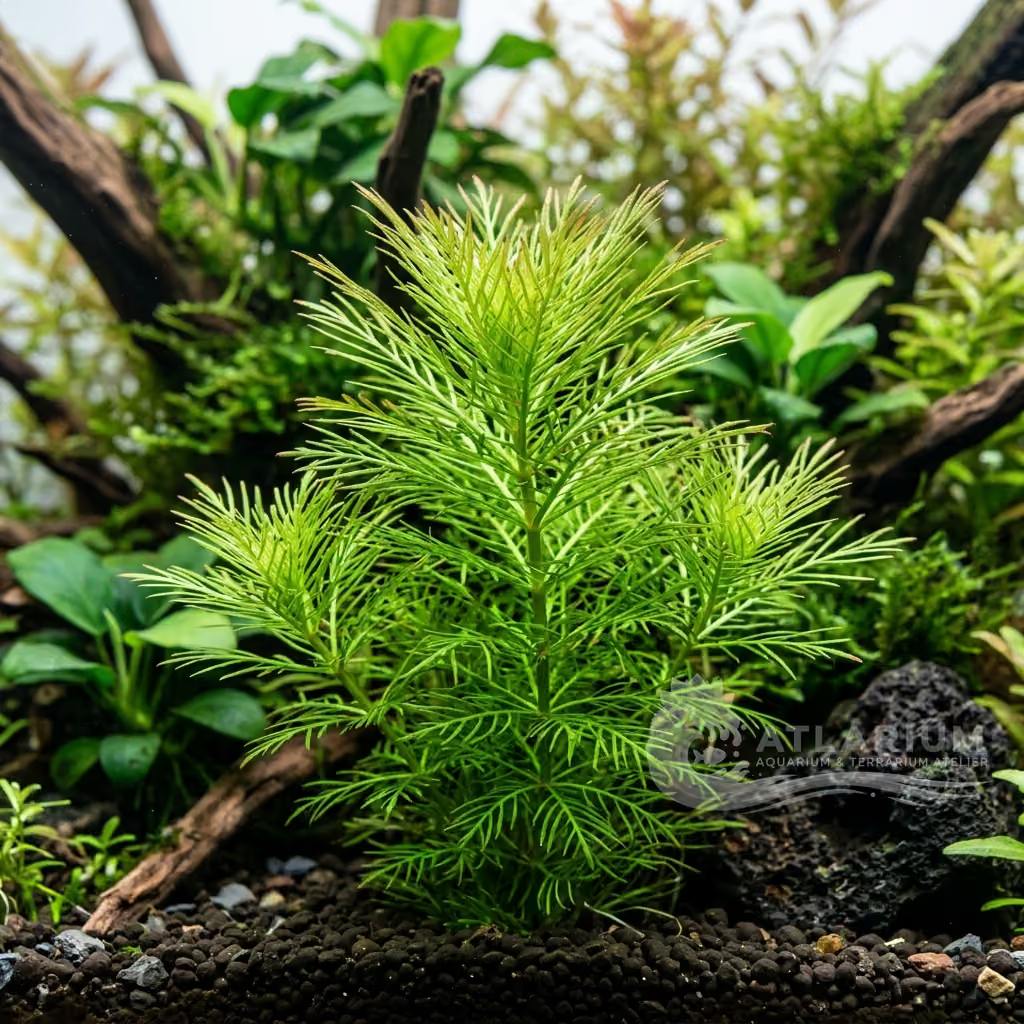
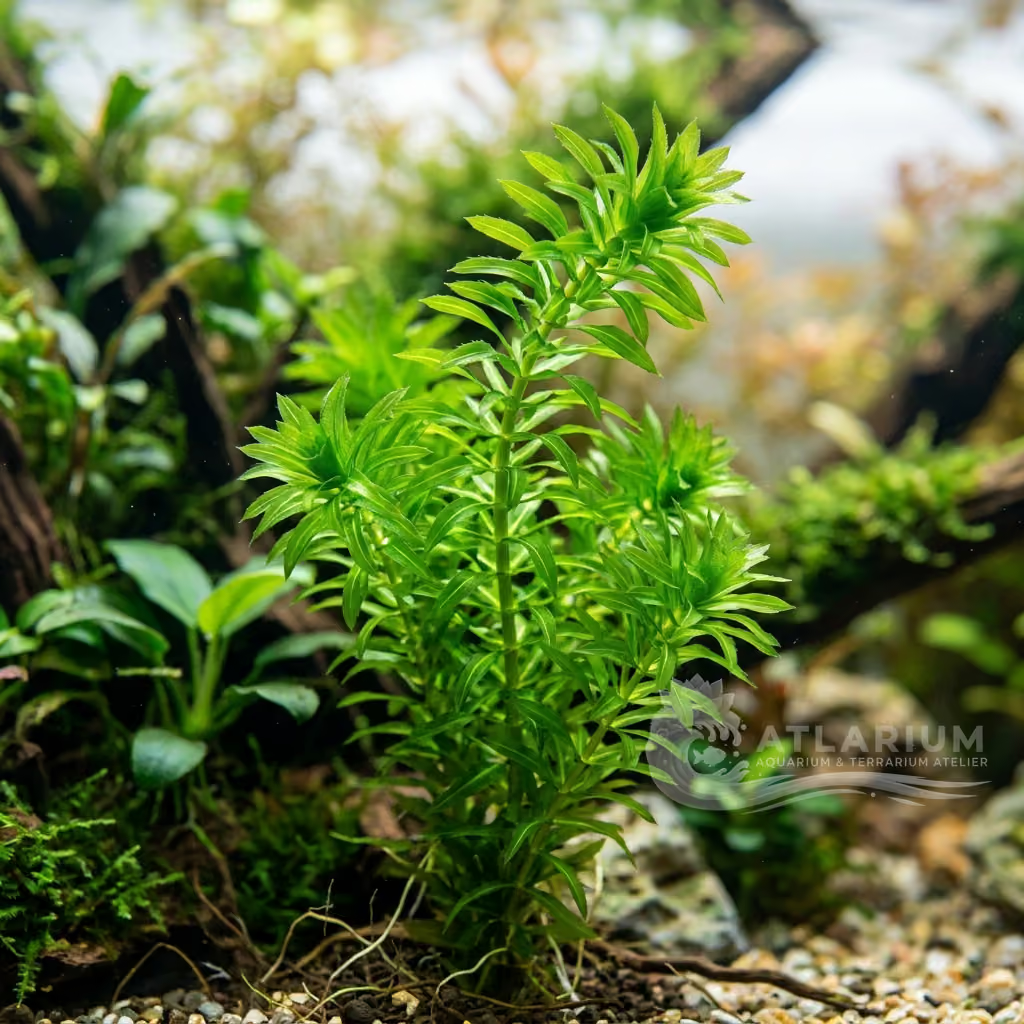
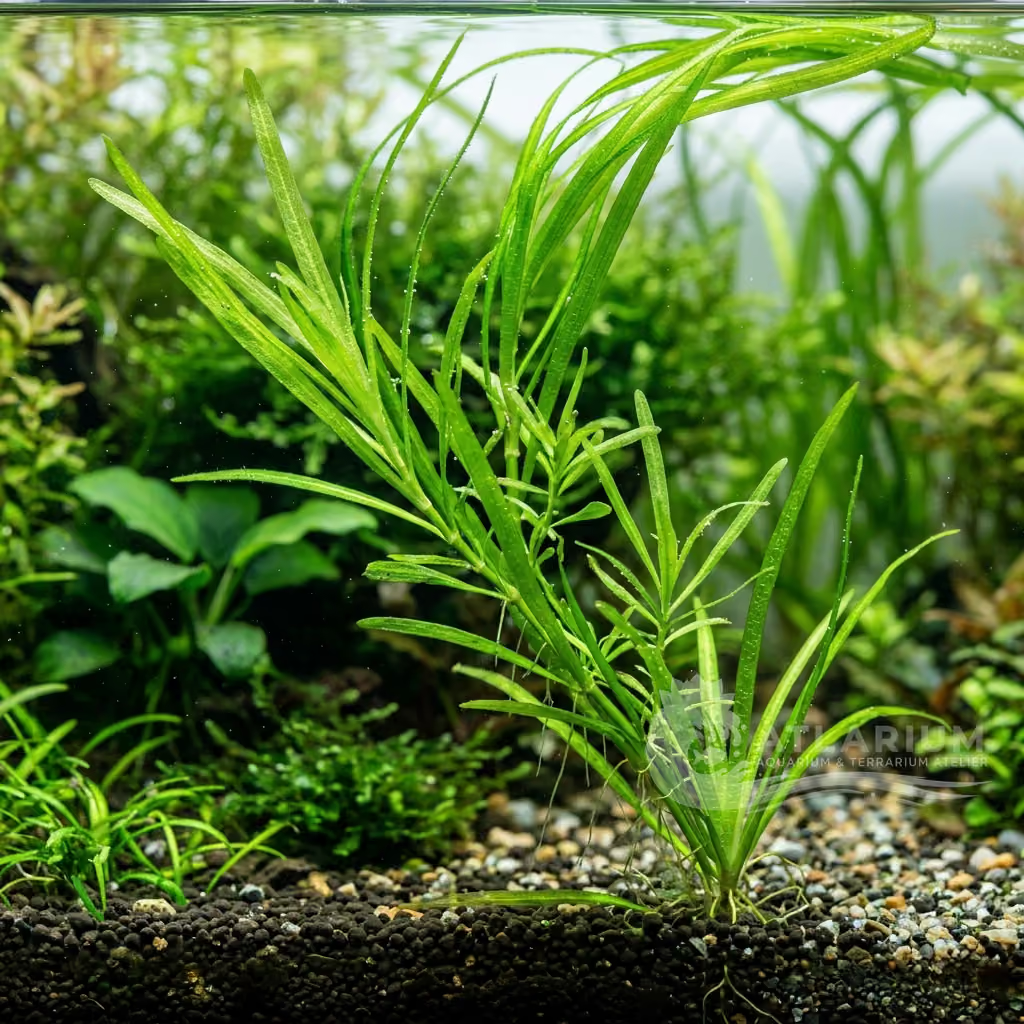
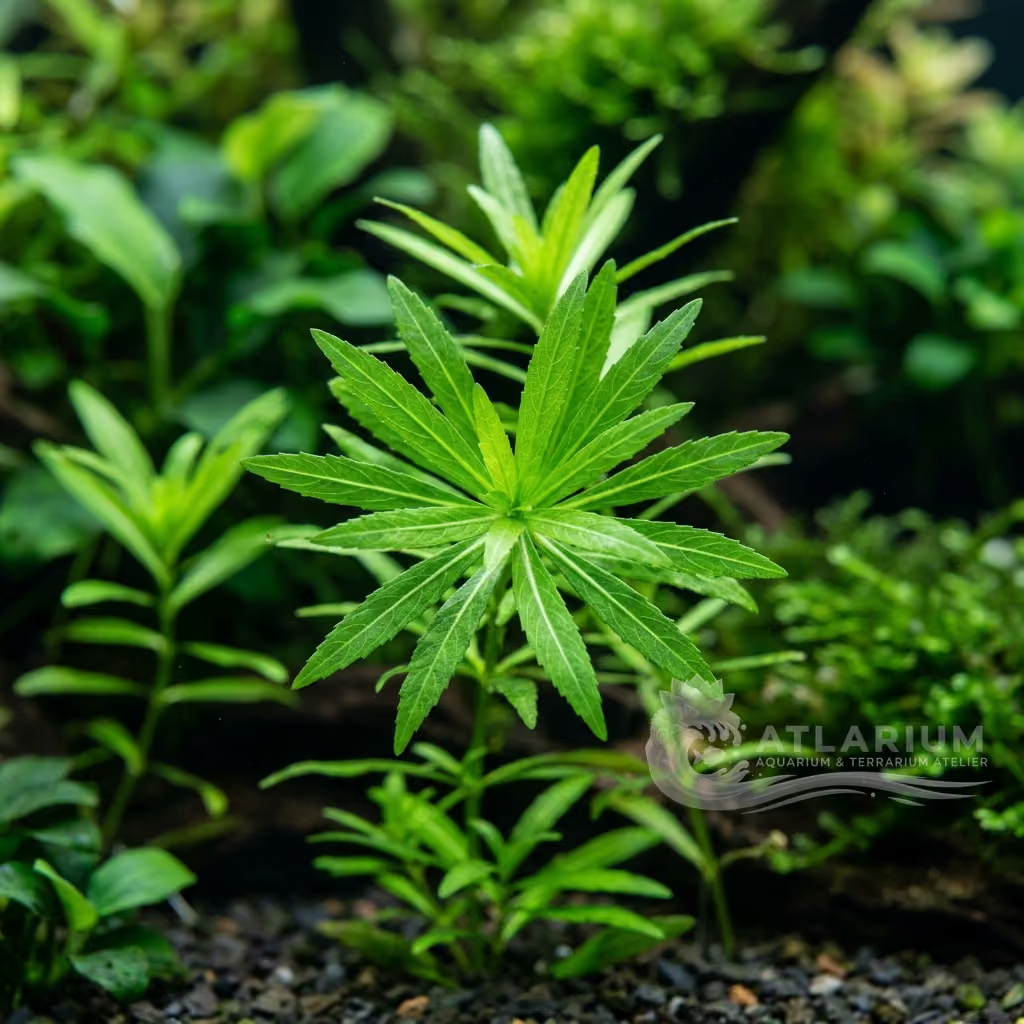
Physical Structure: The physical structure of Najas madagascariensis is characterized by slender, highly branching stems that can reach considerable lengths, forming dense, bushy masses. Its delicate leaves are typically linear, narrow, and often arranged in whorls or oppositely along the stem, contributing to its fine, feathery appearance. While it can develop vestigial rhizoids for weak anchorage, its primary nutrient absorption occurs directly through its stem and leaf surfaces from the surrounding water, classifying it more as a stem plant than a rooted one.
Color & Texture: Najas madagascariensis exhibits a vibrant, fresh green coloration that can intensify to a reddish-green hue under higher light intensities and optimal nutrient conditions, adding a dynamic visual element to the aquascape. Its fine, almost hair-like leaves create a soft, feathery texture that contrasts beautifully with broader-leaved plants and hardscape elements. This delicate texture provides a natural, ethereal feel, enhancing the depth and naturalism of an underwater garden.

Care, breeding and tankmates
Lighting & CO2: This species thrives under medium to high lighting conditions, which are crucial for maintaining its very fast growth rate and encouraging vibrant coloration. When coupled with adequate CO2 supplementation, Najas madagascariensis exhibits explosive growth, leading to denser foliage and enhanced photosynthetic activity. Consistent CO2 injection is highly recommended to maximize its potential, prevent carbon limitation, and ensure robust health, especially in brightly lit setups.
Nutrition & Substrate: Given its nature as a stem plant with minimal root development for nutrient absorption, Najas madagascariensis primarily extracts its nutritional requirements directly from the
Water Chemistry: Maintaining stable water chemistry is vital for the health of Najas madagascariensis. It tolerates a wide temperature range from 20.0 to 28.0 C, a pH between 5.0 and 7.5, and a KH from 1.0 to 14.0, indicating its adaptability. However, sudden fluctuations in these parameters should be avoided, as they can stress the plant and lead to melting or stunted growth. Regular water changes are essential to replenish trace elements and remove accumulated organic waste, promoting a pristine environment.
Space Management & Placement: Due to its very fast growth rate and potential to form dense thickets, Najas madagascariensis is an excellent midground plant that can quickly fill empty spaces and provide visual depth. It can be planted in bunches to create a lush, natural wall, or allowed to float as a temporary shelter for fry or surface-dwelling species. Regular space management through trimming is necessary to prevent it from overshadowing other plants and ensure adequate light penetration throughout the aquascape.
Pruning: Pruning is a regular and essential maintenance task for Najas madagascariensis due to its exceptionally fast growth. To maintain its desired shape and density, simply snip off the top portions of the stems with sharp aquascaping scissors, which can then be replanted to propagate new individuals. Removing older, less vigorous growth from the bottom encourages healthier new shoots and prevents the lower sections from becoming sparse or decaying, ensuring uniform lushness.
Risks & Diseases: Generally, Najas madagascariensis is a robust plant, but it is susceptible to nutrient deficiencies that manifest as pale leaves or stunted growth. It is also vulnerable to algae overgrowth if the balance of light, CO2, and nutrients is not maintained, particularly due to its rapid growth consuming many resources. Sudden shifts in water parameters can cause melting, so a stable, well-fertilized environment is crucial to prevent issues and maintain its health.

Geographic origin and distribution
Hailing from the diverse aquatic ecosystems of Madagascar, Najas madagascariensis thrives naturally in a variety of freshwater habitats, including still or slow-moving sections of lakes, ponds, and swamps. This submerged aquatic plant is accustomed to clear, nutrient-rich waters, often forming dense beds that provide crucial shelter for local fish and invertebrates. Its adaptation to such environments makes it a resilient and versatile addition to a planted aquarium, mirroring its wild origins.
Origin
Africa and Madagascar

Plant profile
- Placement
- Midground
- It is ideally placed in the background of the aquarium, where its dense, chaotic growth can provide a lush, green backdrop. Alternatively, it is highly prized as a floating plant in breeding setups, creating intricate, safe havens for fry and small invertebrates near the water's surface. Regular thinning is essential to prevent it from completely shading the lower regions of the tank.
- Botanical form
- Stem
- Najas madagascariensis features extremely fragile, highly branched stems covered in narrow, linear leaves that exhibit fine serrations along their margins. The plant's overall structure is loose, bushy, and tangled, creating a highly textured and natural appearance. It is exceptionally brittle, meaning that handling it often results in the stems breaking into smaller pieces.
- Growth
- VERY_FAST
- This plant boasts a very fast growth rate, quickly forming dense mats or thickets. Its ability to rapidly absorb nutrients makes it an excellent pioneer plant for newly set up aquariums, helping to prevent algae blooms by outcompeting them.
- Substrate
- None
- Like other members of its genus, this plant does not depend on a nutrient-rich substrate. Its fragile, hair-like root system is used strictly for anchorage. It can be grown planted in any basic substrate or allowed to float freely in the water column without suffering any negative consequences to its health.
- Column fertilization
- Recommended
- Consistent water column fertilization is the most direct and effective way to nourish this plant. Applying a comprehensive liquid fertilizer ensures that it has access to the potassium, iron, and other micronutrients necessary for robust growth. In aquariums with high bioloads, fish waste may provide adequate macronutrients, but micronutrient supplementation remains beneficial.
- Root fertilization
- None
- Root fertilization is not applicable and provides zero benefit to Najas madagascariensis. Because it absorbs its nutrition foliar-ly, placing root tabs in the substrate would be a waste of resources. The focus should entirely be on maintaining nutrient levels in the water column.
- Trimming
- Regular
- Easily trimmed by pinching off excess growth. The plant is fragile, so gentle handling is advised when thinning the main bush.
- Propagation
- Cuttings
- Propagation is effortless and frequently occurs on its own due to the brittle nature of the stems. Any small fragment that breaks off will readily continue to grow and develop into an independent plant mass. To propagate intentionally, merely snap the stems into sections and place them in the desired locations.
- Sensitivity
- Moderate
- Sensitive to drastic changes and liquid carbon, which can cause sudden melting. Otherwise, it is a robust species.
- Layout role
- Midground, Background
- Great for adding a bright green, bushy texture to the background. Also serves as excellent utility for breeding and water quality.

Related species
Recommendations grouped by close relatives, companion choices, and similar care.