Vallisneria neotropicalis
Vallisneria neotropicalis
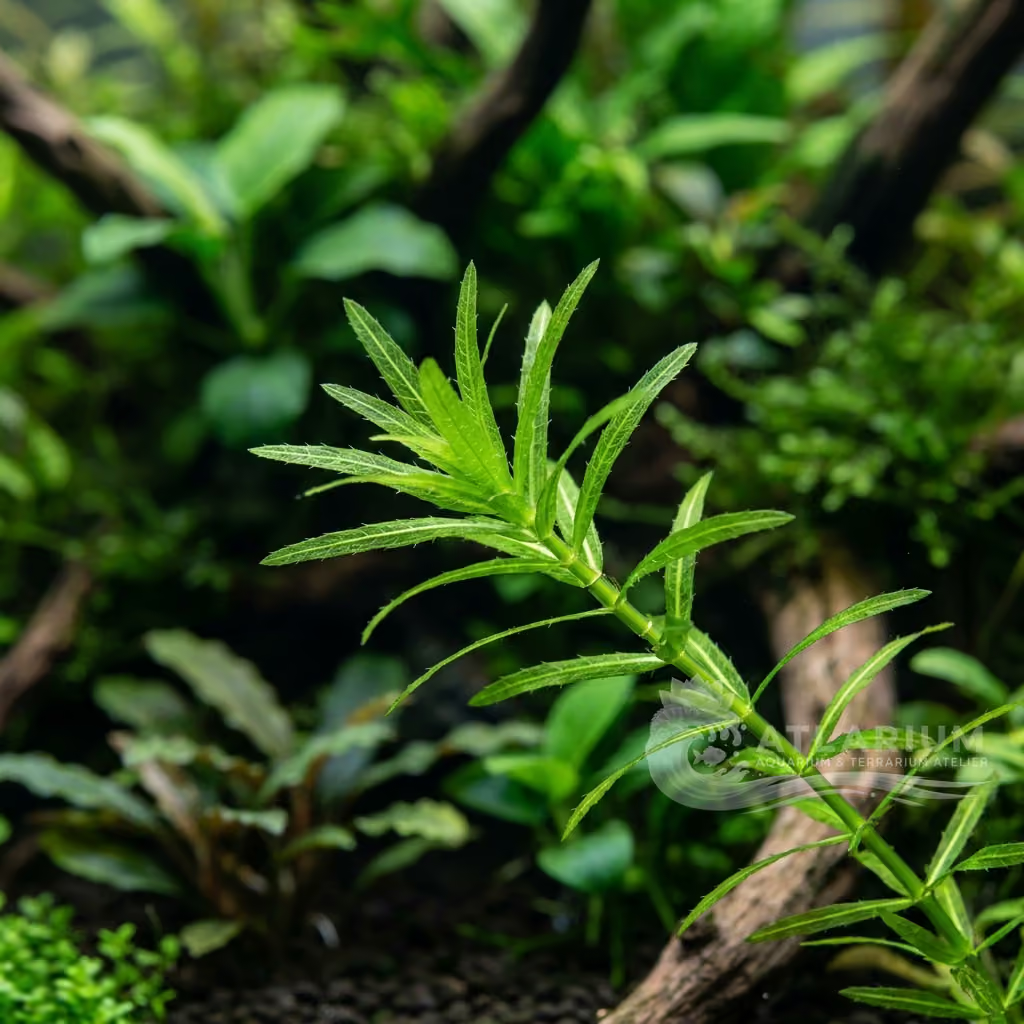
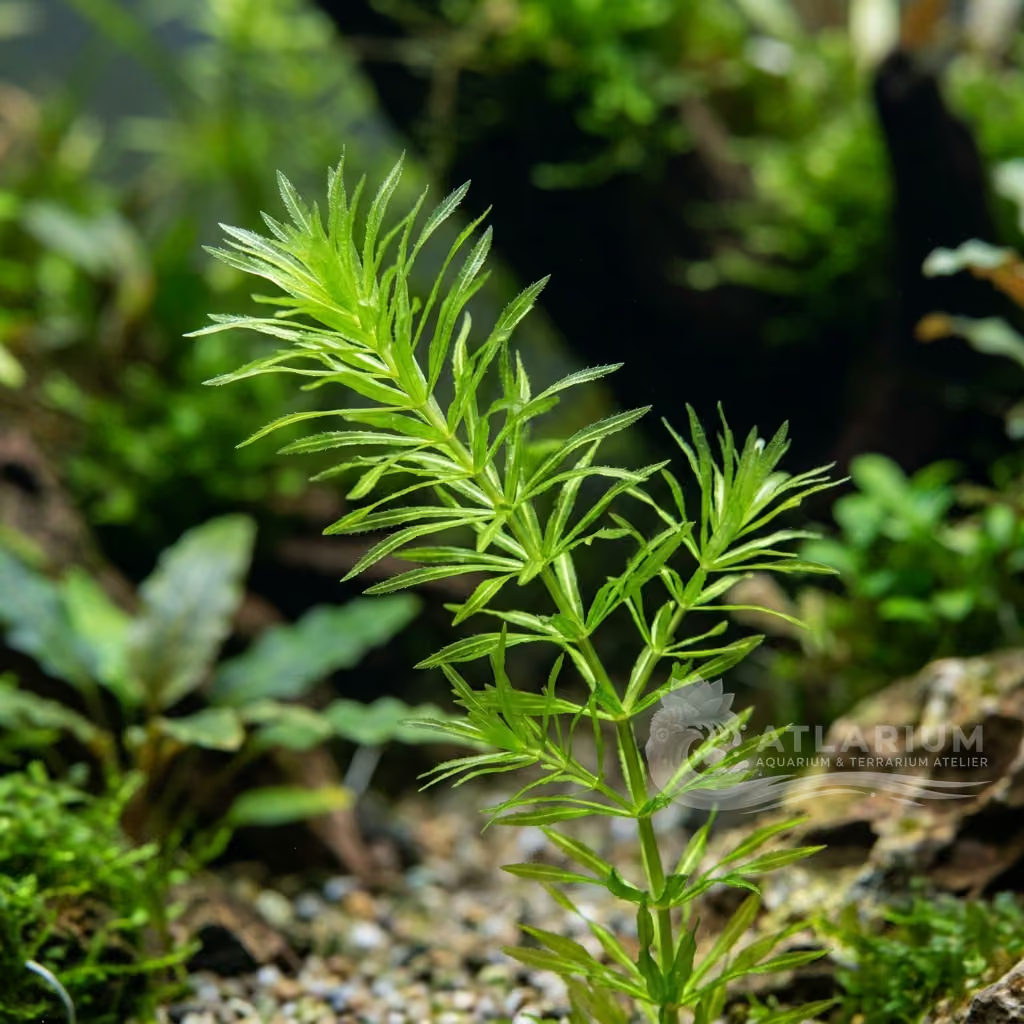
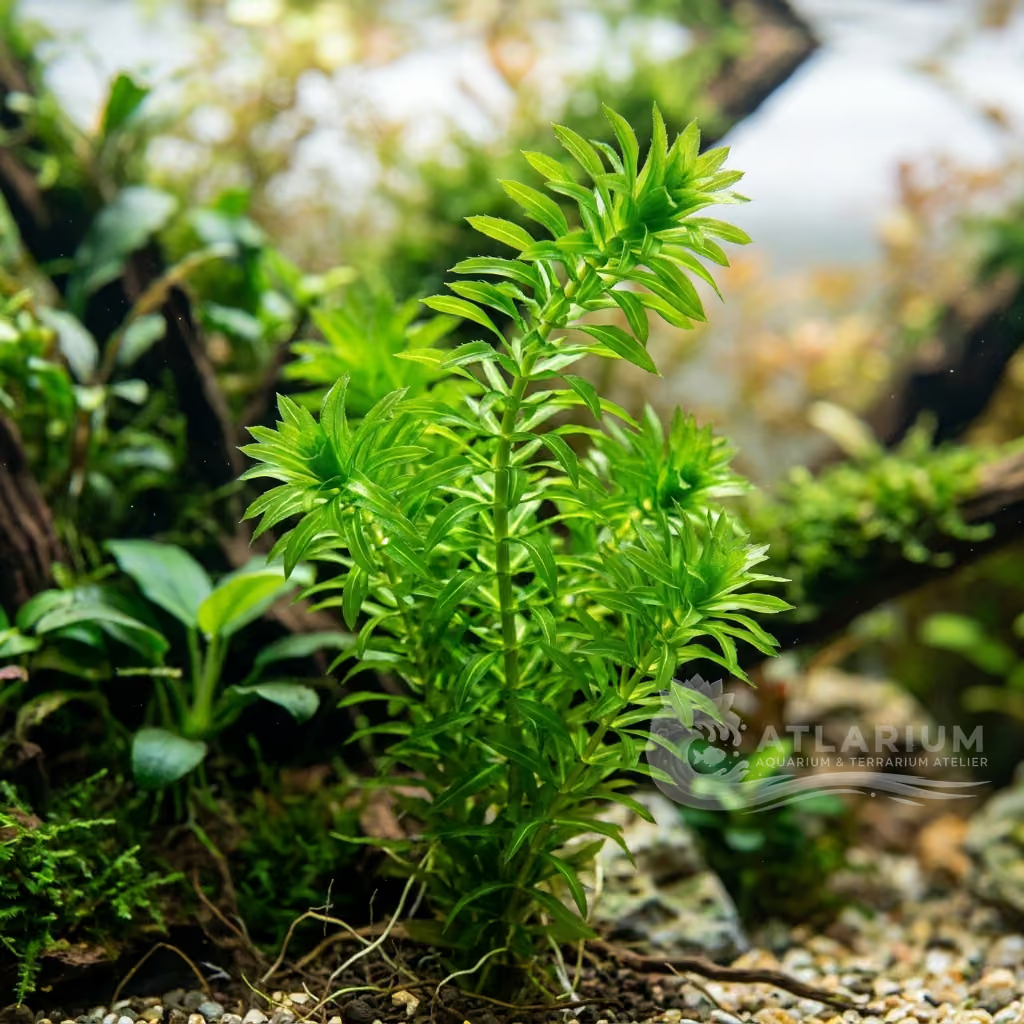
Vallisneria neotropicalis is a robust, medium-growing aquatic plant ideal for the midground of an aquarium, forming dense and lush thickets. Its strap-like leaves and runner propagation make it excellent for creating depth and texture in naturalistic layouts.
Water Temperature
20 - 28 °C
pH Value
6 - 7.5
Water type
Freshwater
Light
Medium - High
CO2
Medium - High
KH
2 - 10 dKH

Species description
Geographical Origin and Habitat: Vallisneria neotropicalis, as its name suggests, is native to the Neotropical regions, extending throughout Central and South America. This species thrives in a variety of freshwater aquatic habitats, including slow-moving rivers, lakes, ponds, and marshes. It is typically found rooted in muddy or sandy substrates, where it can form vast underwater colonies, indicating its adaptability and resilience across diverse natural environmental conditions.
Taxonomy & Genetics: Belonging to the Hydrocharitaceae family, Vallisneria neotropicalis is closely related to other popular Vallisneria species, sharing many of their morphological and life cycle characteristics. The genus Vallisneria is known for its asexual reproduction via runners and the ability to flower underwater, though blooms are rarely observed in aquariums. Its classification underscores its nature as a submerged aquatic plant and its genetic affinity with other "tape-grass" plants commonly used in aquascaping.
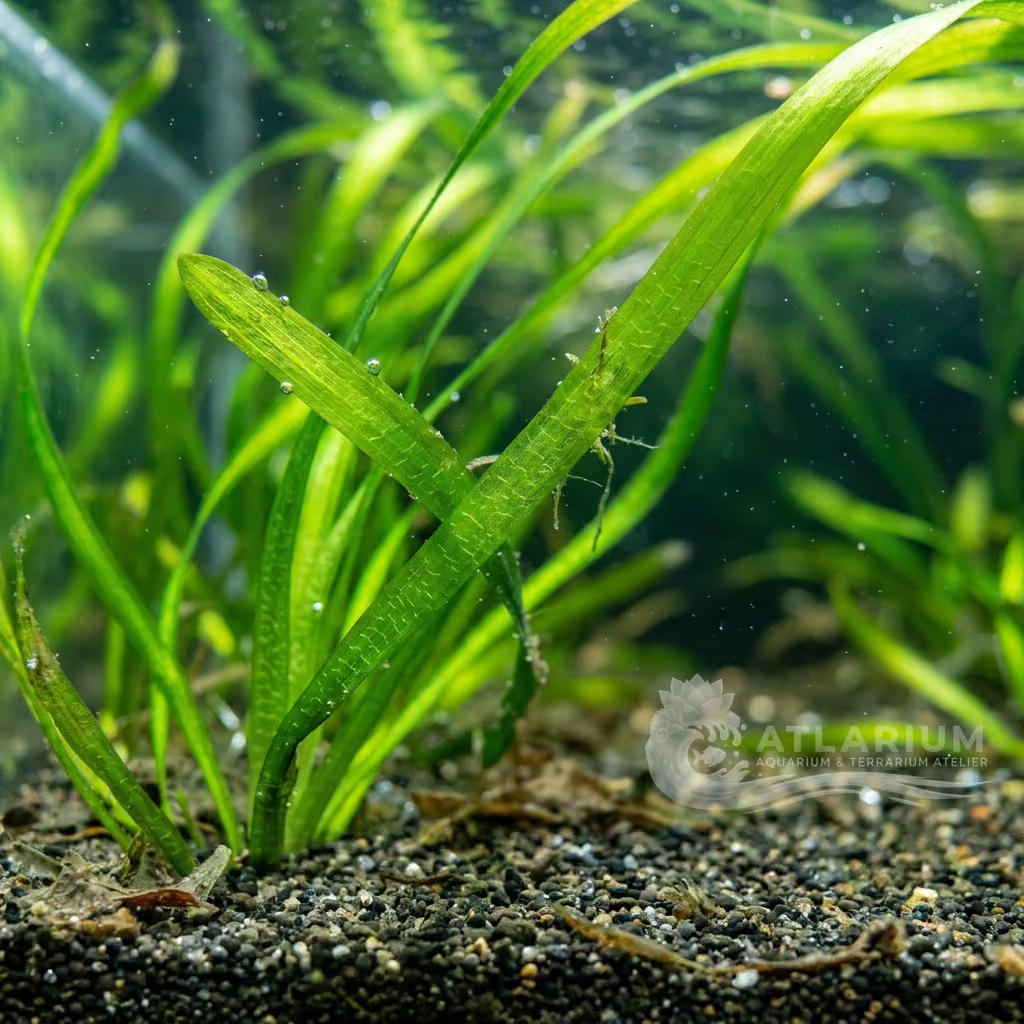
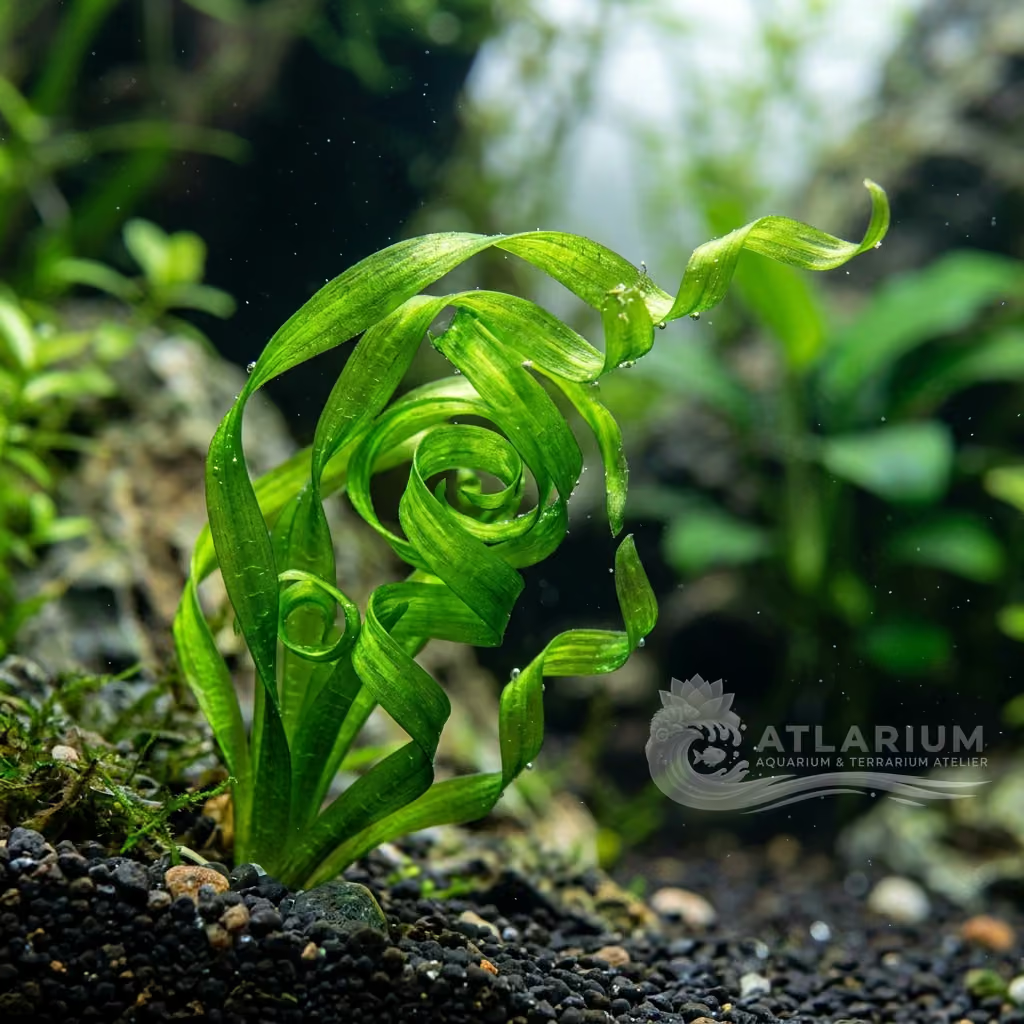
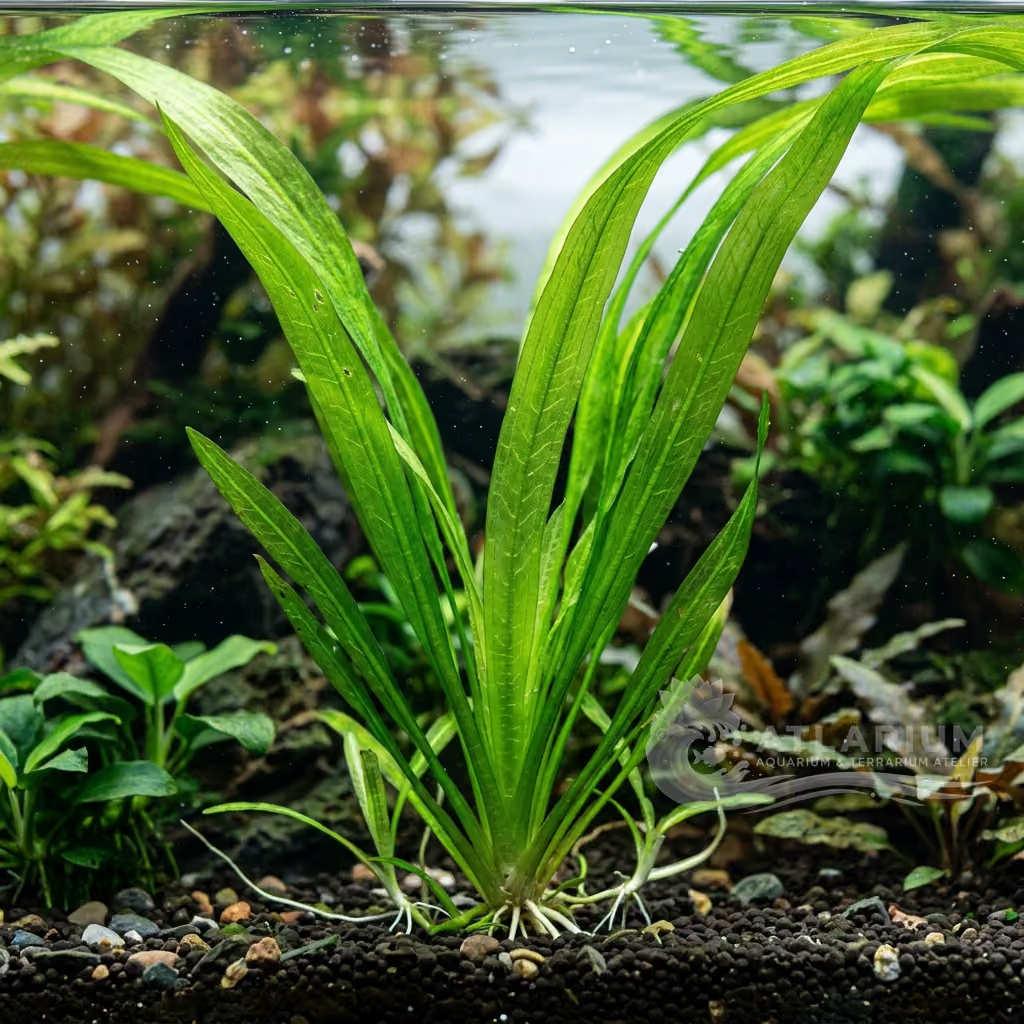
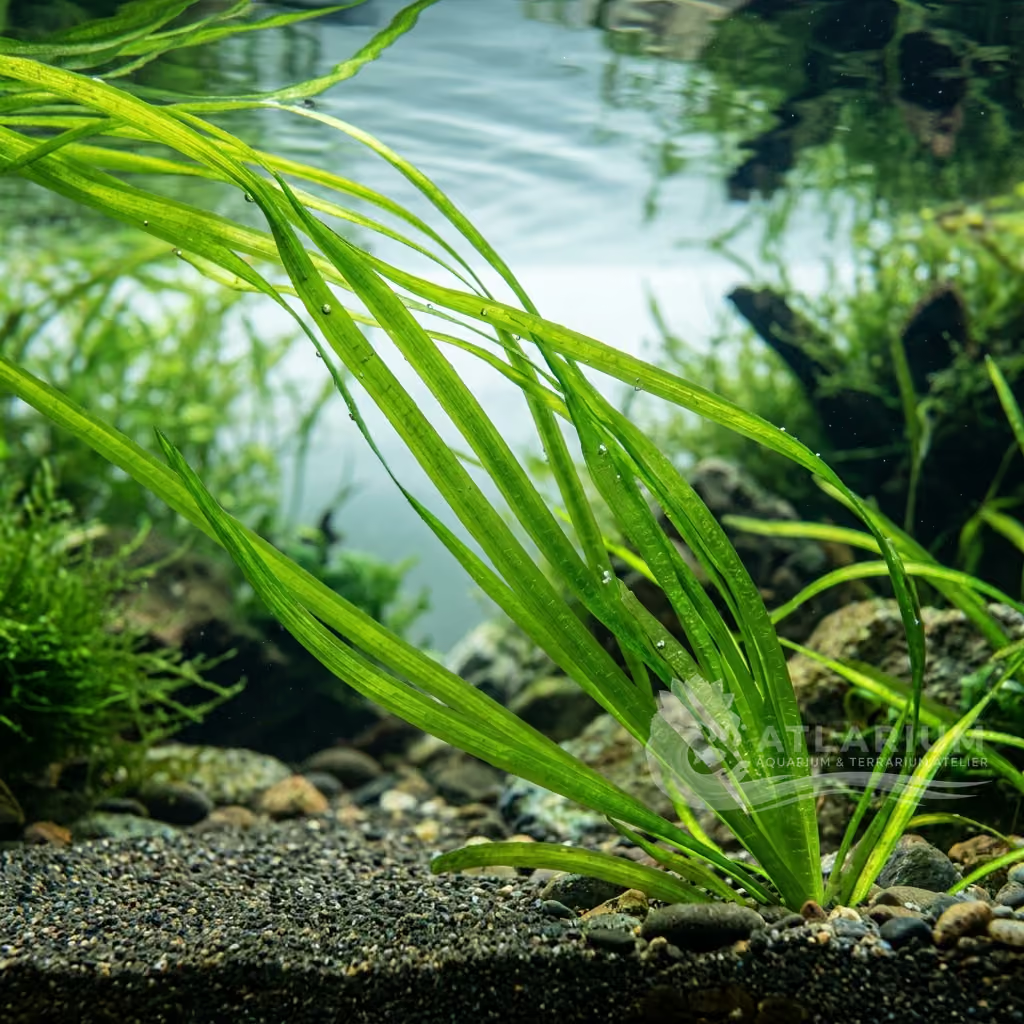
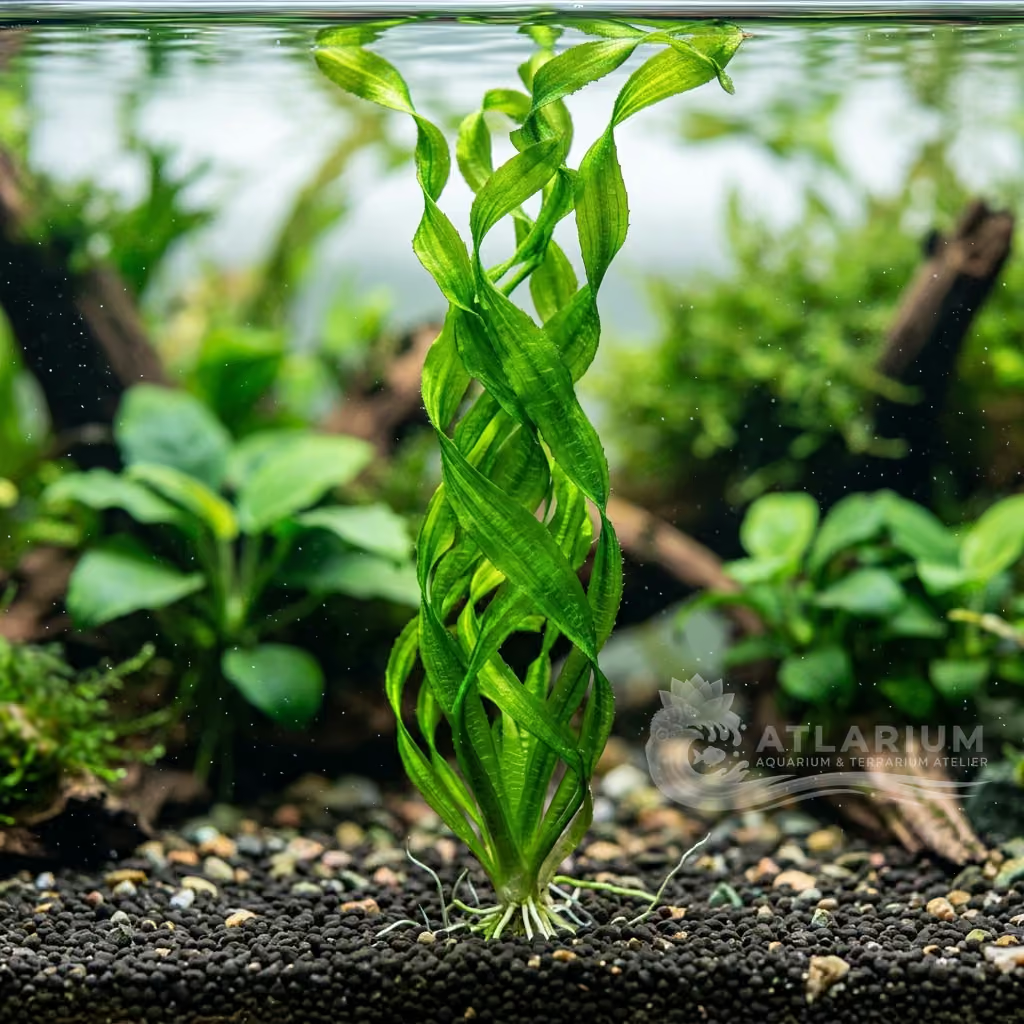
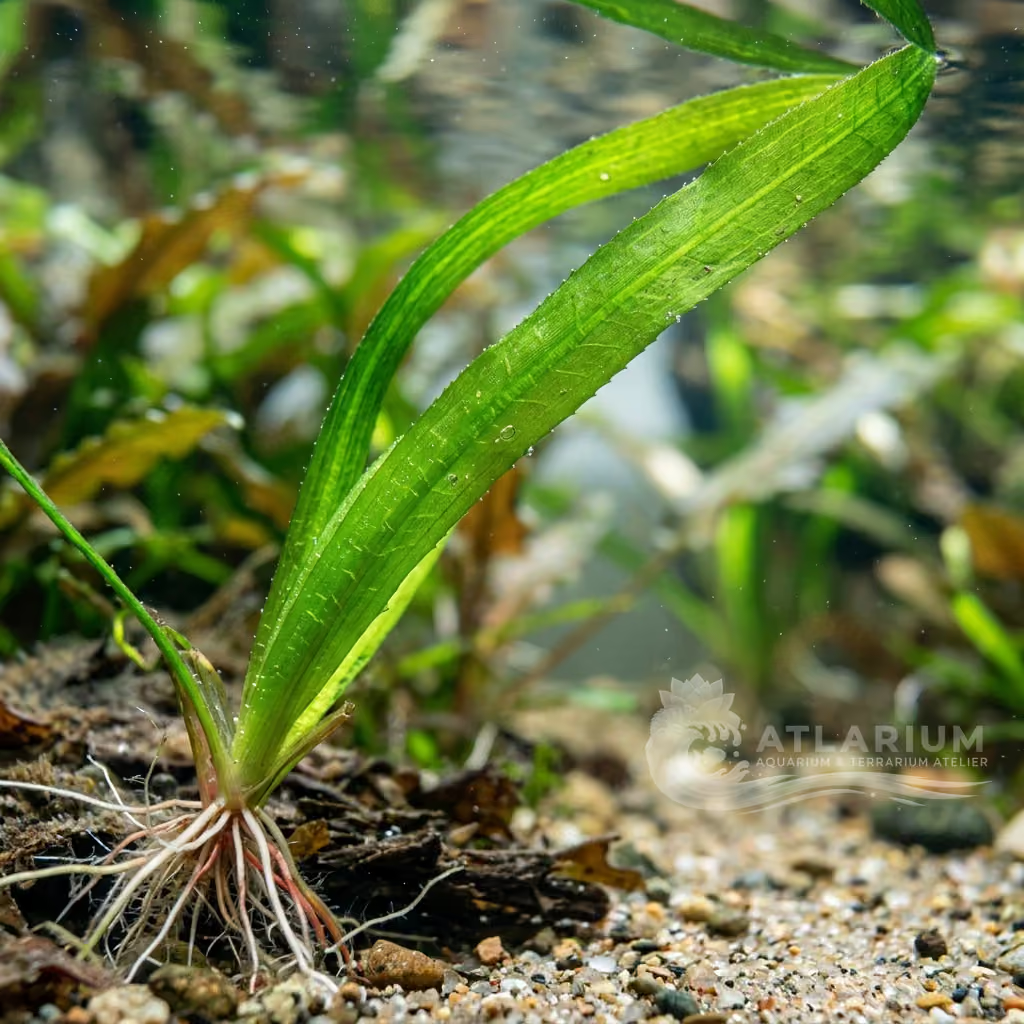
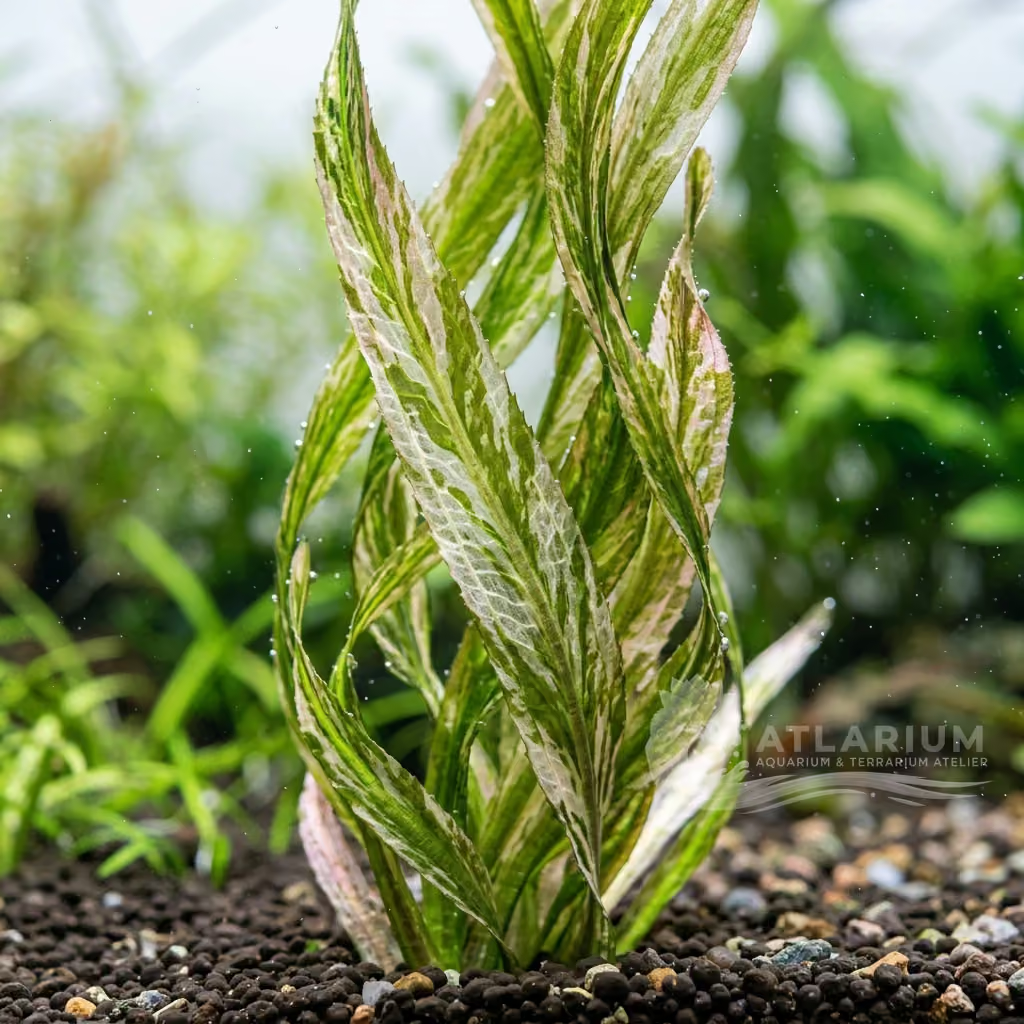
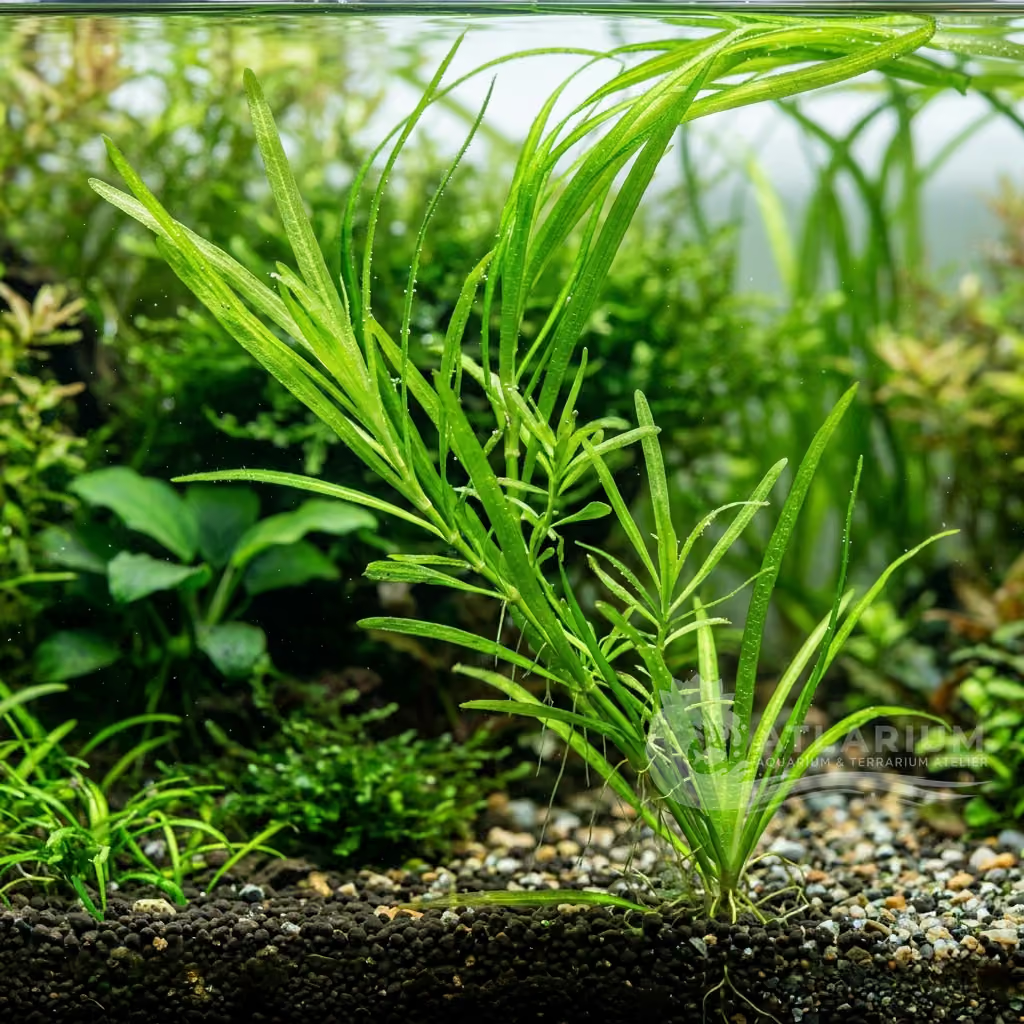
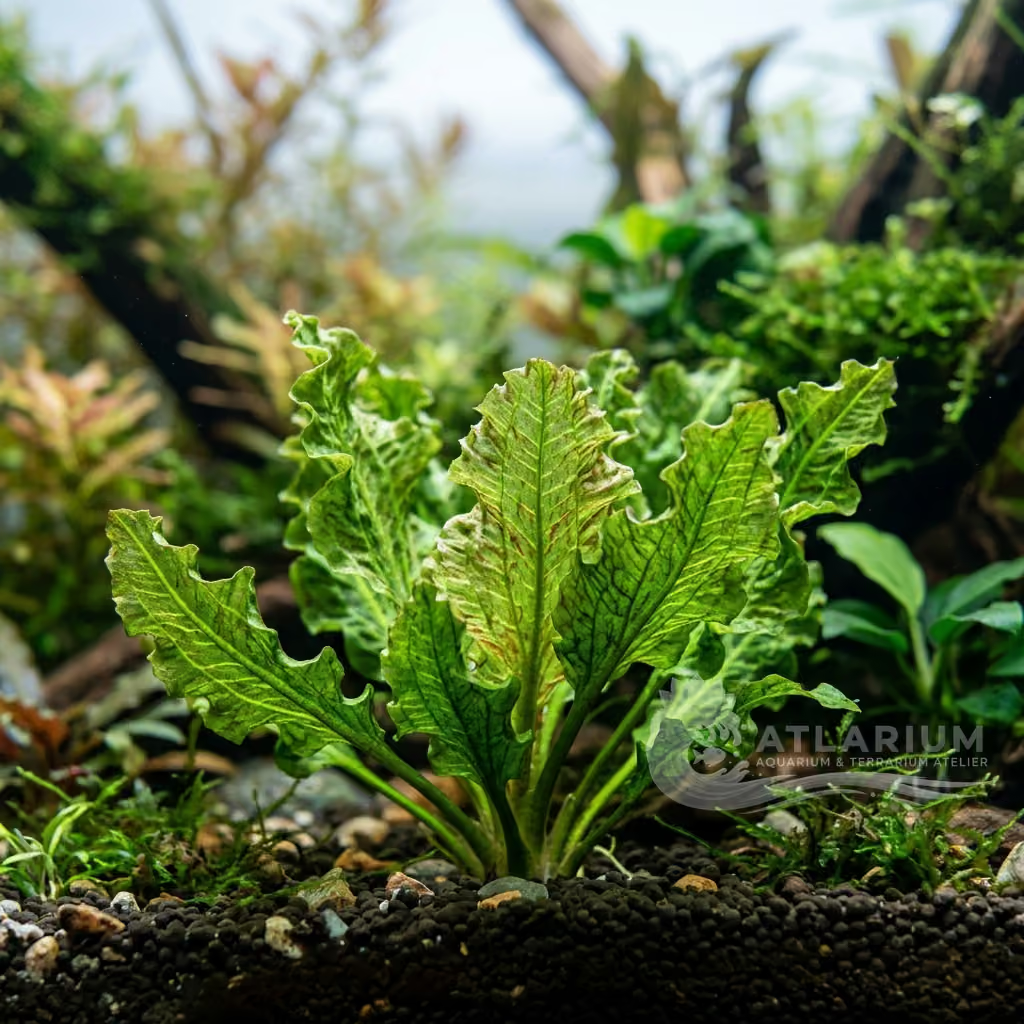
Physical Structure: The physical structure of Vallisneria neotropicalis is characterized by long, strap-like leaves that emerge from a basal rosette and can reach considerable lengths, effectively filling aquarium space. Its roots are fibrous and robust, firmly anchoring the plant to the substrate and facilitating nutrient absorption. The plant propagates vigorously through horizontal runners that produce new daughter plants at regular intervals, allowing it to quickly form dense coverings.
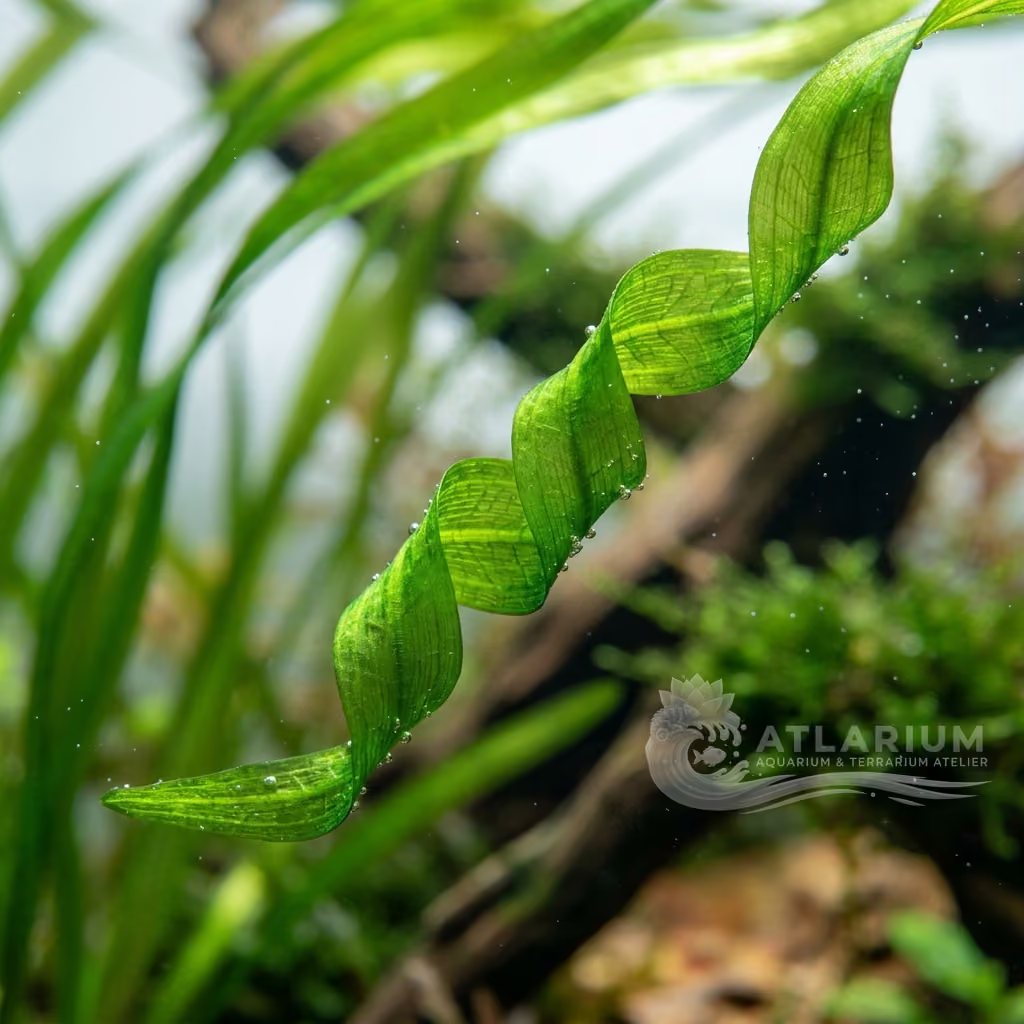
Color & Texture: The leaves of Vallisneria neotropicalis generally display a bright to medium green coloration, which can vary slightly depending on light conditions and available nutrients. The leaf surface is smooth and somewhat translucent, lending them a delicate yet vibrant appearance underwater. This uniform coloration and subtle texture contribute to a natural and soothing visual effect in the aquarium, distinguishing it from other plants with thicker leaves or more intense colors.

Care, breeding and tankmates
Lighting & CO2: Vallisneria neotropicalis thrives under medium intensity lighting, which encourages robust growth and a vibrant green leaf coloration. While not strictly required, CO2 injection can significantly accelerate its growth rate and promote faster runner production, leading to a bushier, more vigorous plant. Insufficient light may result in slow growth and pale leaves, whereas excessive light can encourage algae growth on its long leaves.
Nutrition & Substrate: As a root-feeding plant, Vallisneria neotropicalis greatly benefits from a nutrient-rich substrate, preferably one enriched with clay or iron, to support its robust root growth. Using root tabs placed near the base of the plants will ensure a consistent supply of essential micronutrients directly to the roots. Although it can absorb some nutrients from the
Water Chemistry: Vallisneria neotropicalis is relatively tolerant and adapts well to a water temperature range of 20 to 28 C, a pH between 6.0 and 7.5, and a carbonate hardness (KH) between 2 and 12. Maintaining stable parameters is more crucial than aiming for specific values at the extremes of the range, as sudden fluctuations can stress the plant. Good water circulation helps prevent biofilm formation on the leaves and ensures even nutrient distribution.
Space Management & Placement: With its medium growth rate and tendency to spread via runners, Vallisneria neotropicalis is ideally placed in the midground of the aquarium, where it can form an effective visual barrier or a dense thicket. It excels at providing shelter for smaller fish and creating a sense of depth. Given its potential for spread, it is important to consider the space it will occupy and plan for its propagation to prevent it from shading out other light-demanding plants.
Pruning: Regular pruning is essential to keep Vallisneria neotropicalis under control and prevent it from outcompeting other plants or taking over too much space. Overly long leaves can be shortened by trimming the tips, although this may lead to temporary dark edges. The most effective pruning method for managing overall size and spread is to remove excess daughter plants from the runners, thereby preventing overly dense and uncontrolled growth.
Risks & Diseases: Vallisneria neotropicalis is generally a hardy plant, but it can suffer from string algae on its long leaves if the light and nutrient balance is not optimal. It is also susceptible to "melting" of leaves in response to drastic changes in water parameters or introduction to a new environment. Nutritional deficiencies, particularly iron, can manifest as pale or yellowing leaves, indicating the need for specific supplementation.

Geographic origin and distribution
Vallisneria neotropicalis, as its name suggests, is native to the Neotropical regions, extending throughout Central and South America. This species thrives in a variety of freshwater aquatic habitats, including slow-moving rivers, lakes, ponds, and marshes. It is typically found rooted in muddy or sandy substrates, where it can form vast underwater colonies, indicating its adaptability and resilience across diverse natural environmental conditions.
Origin
Central America and CaribbeanAmazon, Orinoco, and GuianasExtra-Amazon South America

Plant profile
- Placement
- Midground
- Due to its potential size, Vallisneria neotropicalis is best suited for the background of the aquarium. Its tall leaves can reach the surface and beautifully trail along the water flow. It provides excellent shelter for shy fish species and breeding pairs. Placing it in groups creates a stunning, natural-looking aquatic jungle.
- Botanical form
- Rosette
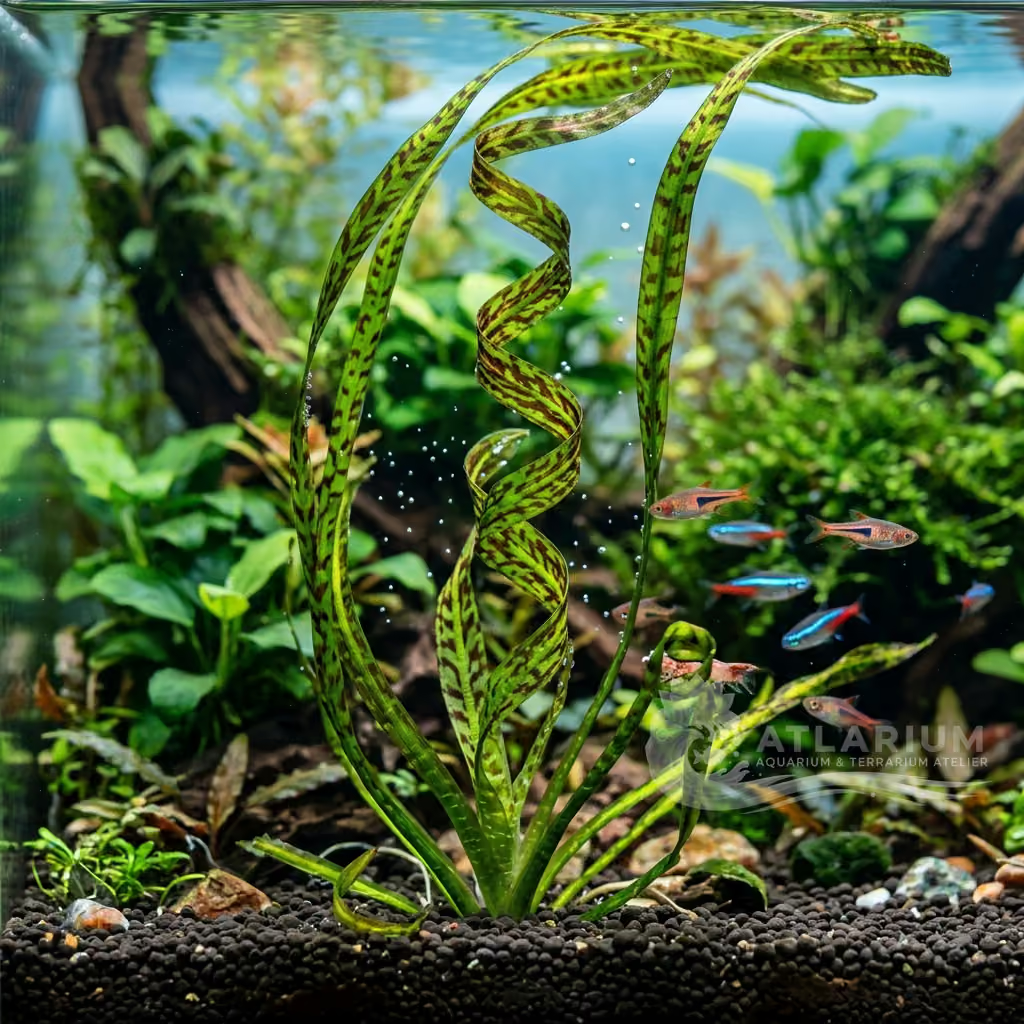
- This plant features long, ribbon-like foliage characteristic of the genus. Its leaves originate from a central basal rosette, growing upwards towards the light. The large, robust leaves make it a captivating focal point in any layout. The slightly translucent quality of the leaves adds depth to the aquascape.
- Growth
- Medium
- Vallisneria neotropicalis exhibits a fast to very fast growth rate under optimal conditions. Once acclimated, it quickly sends out runners to colonize available space. CO2 injection and strong lighting can further accelerate this explosive growth. Regular maintenance is required to prevent it from overtaking slower-growing plants.
- Substrate
- High
- *Vallisneria neotropicalis* requires a thick, highly fertile substrate to accommodate its large stature and expansive root network. A substrate depth of 3 inches (8 cm) or more is recommended, utilizing aqua soil or nutrient-dense gravel to securely anchor the plant. As a voracious root feeder, it draws massive amounts of nutrients from the substrate layer, making it completely dependent on a rich bed for producing its broad leaves and rapidly expanding via runners.
- Column fertilization
- Recommended
- Water column dosing of liquid fertilizers is beneficial for Vallisneria neotropicalis. It readily takes in dissolved potassium, iron, and trace elements through its leaves. A balanced all-in-one liquid fertilizer applied weekly ensures the leaves remain vibrant and healthy. Avoid copper-based medications as they can harm the plant.
- Root fertilization
- Required
- Root fertilization is extremely important for the long-term success of Vallisneria neotropicalis. Inserting root tabs containing nitrogen, phosphorus, and iron near the base promotes thick root development. A rich soil substrate like aquasoil will provide sustained nourishment over many months. This prevents the leaves from melting and supports the production of healthy runners.
- Trimming
- Occasional
- Trimming Vallisneria neotropicalis requires cutting the longest leaves near the base of the plant. Avoid cutting the leaves mid-way, as the cut ends will eventually decay and turn brown. Regularly remove old, decaying, or algae-covered leaves to maintain the aesthetic appeal. Managing the runner network by snipping connecting stems keeps the spread in check.
- Propagation
- Runners
- Propagation of Vallisneria neotropicalis occurs naturally and rapidly via side shoots or runners. A healthy parent plant will send out numerous runners across the substrate. Once a new plantlet develops several leaves and its own root system, the connecting runner can be severed. These new plantlets can then be relocated to other areas of the aquarium.
- Sensitivity
- Moderate
- Vallisneria neotropicalis is notoriously sensitive to liquid carbon supplements like glutaraldehyde. Overdosing these chemicals can lead to immediate and severe leaf melt. It also prefers stable water parameters and may suffer during extreme fluctuations in pH or temperature. Ensuring good water flow helps prevent detritus buildup at the basal rosette.
- Layout role
- Midground, group
- Vallisneria neotropicalis is an archetypal background plant that adds verticality and motion to the layout. Its gracefully arching leaves create a soothing, natural curtain along the back glass. It is highly effective at hiding equipment such as heaters and filter intakes. By letting the large, robust leaves flow at the surface, it provides a shadowed, tranquil environment below.

Related species
Recommendations grouped by close relatives, companion choices, and similar care.