Vallisneria australis 'Curly'
Vallisneria australis
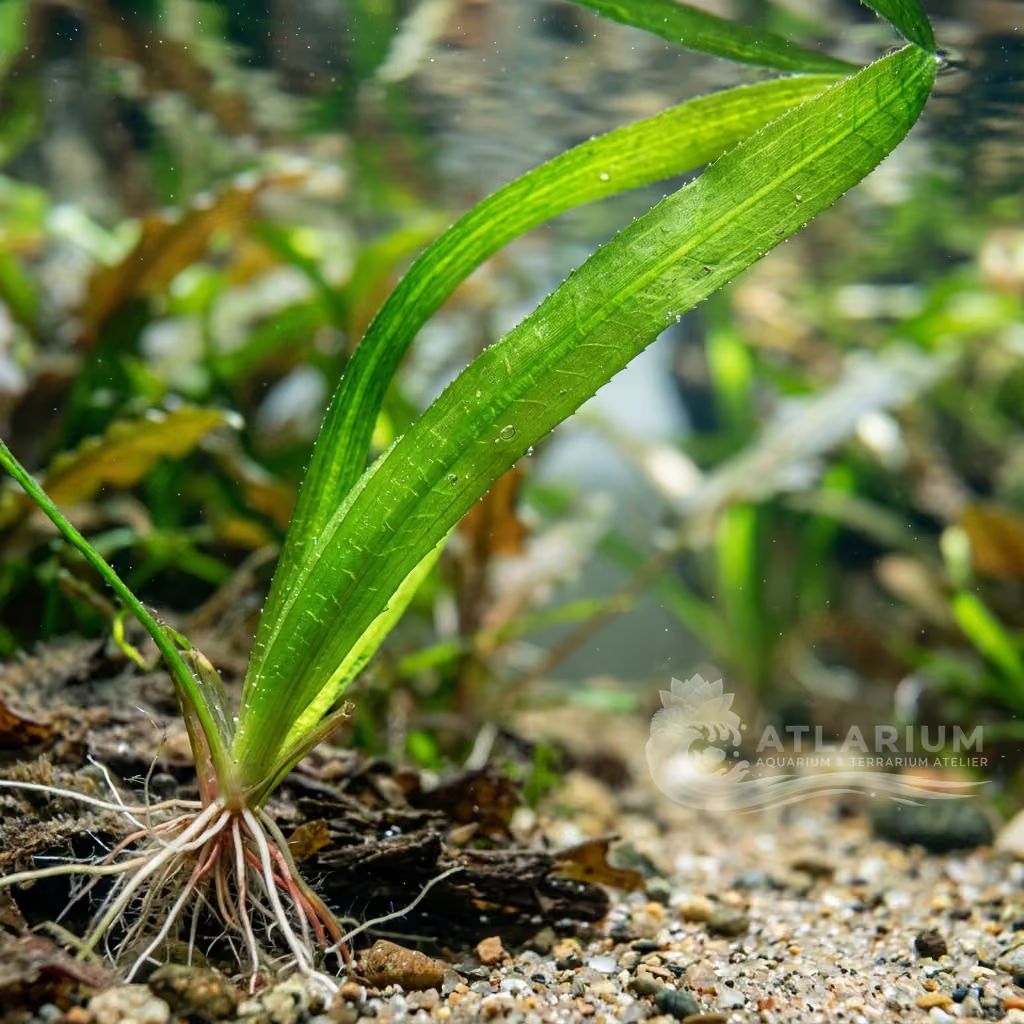
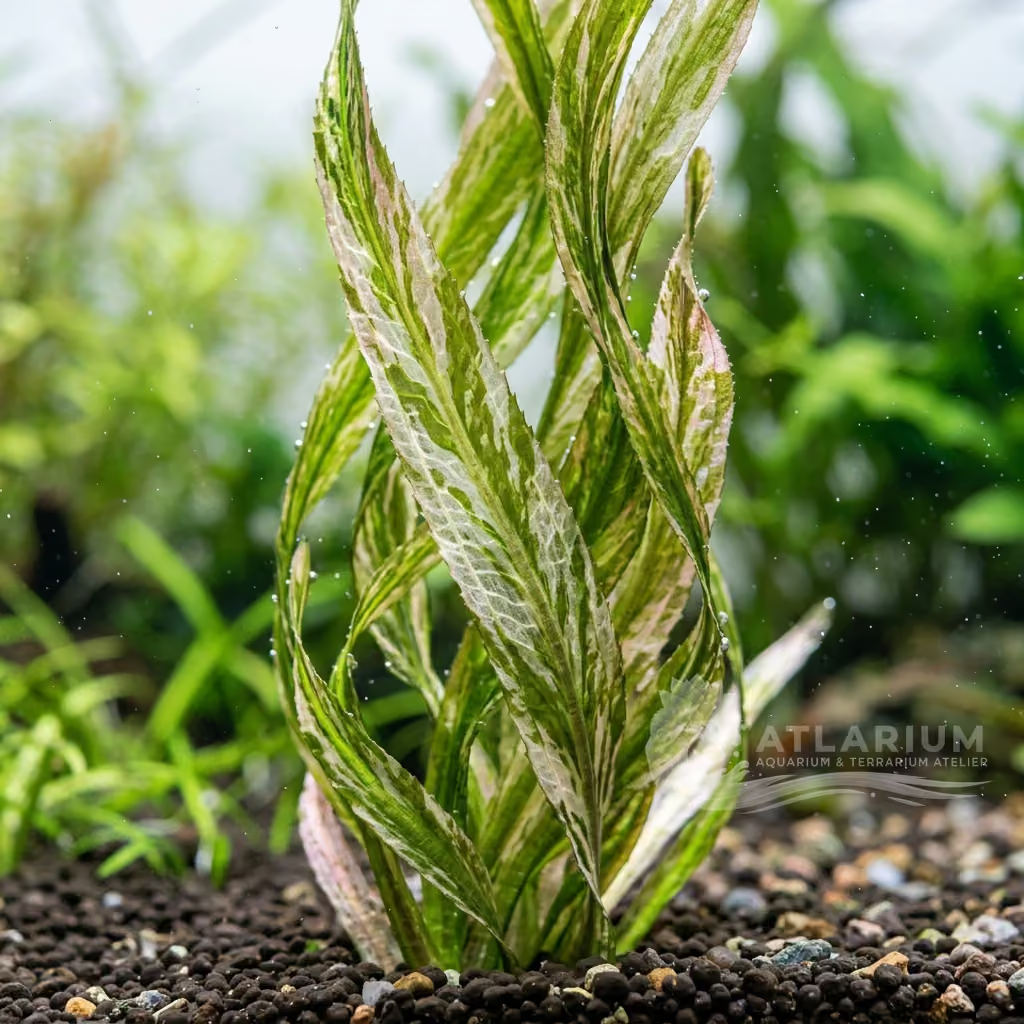
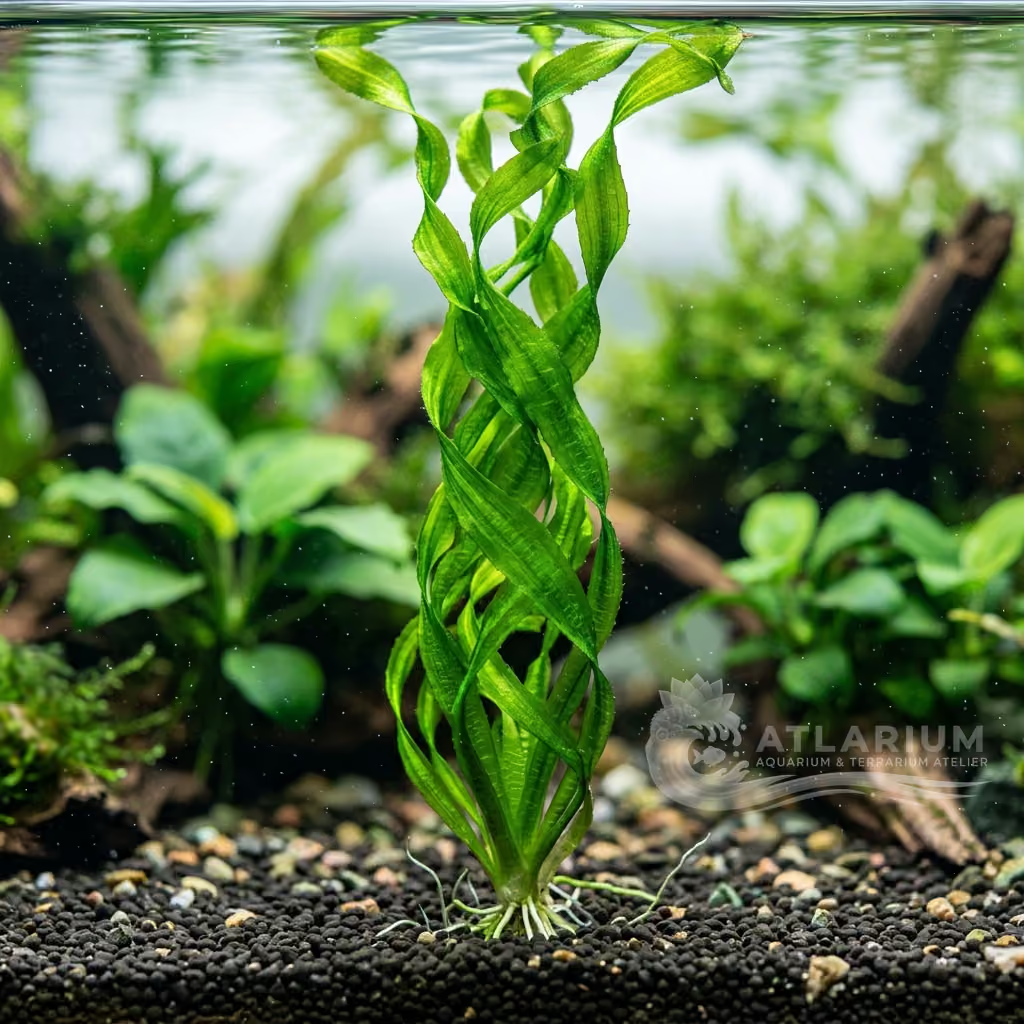
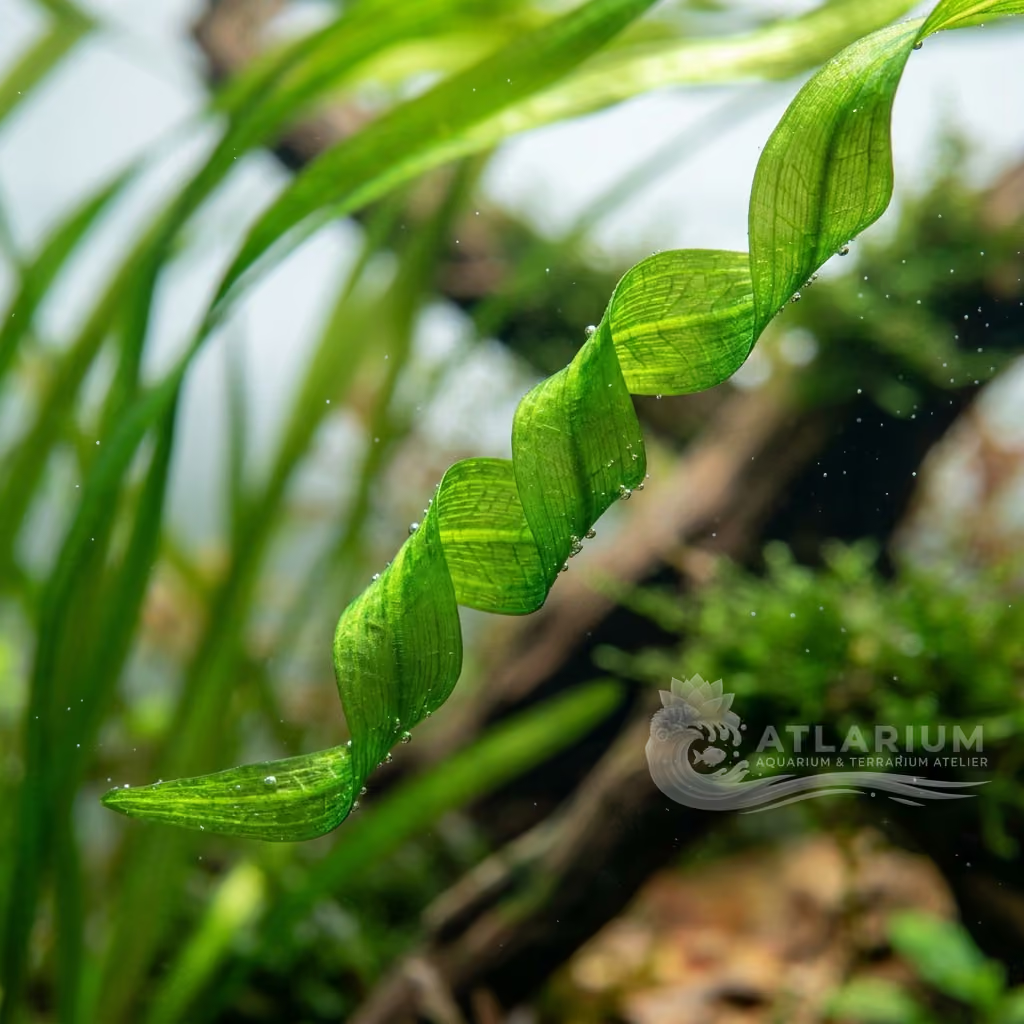
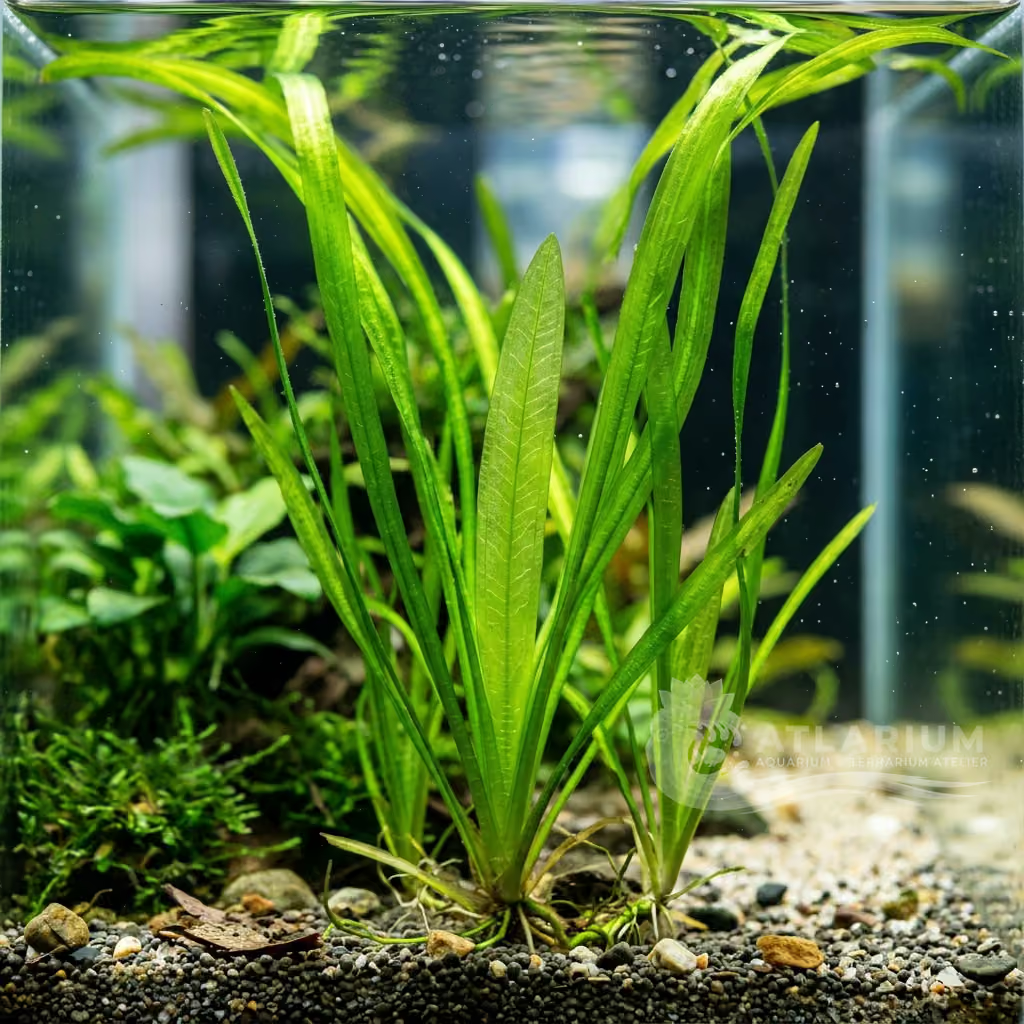
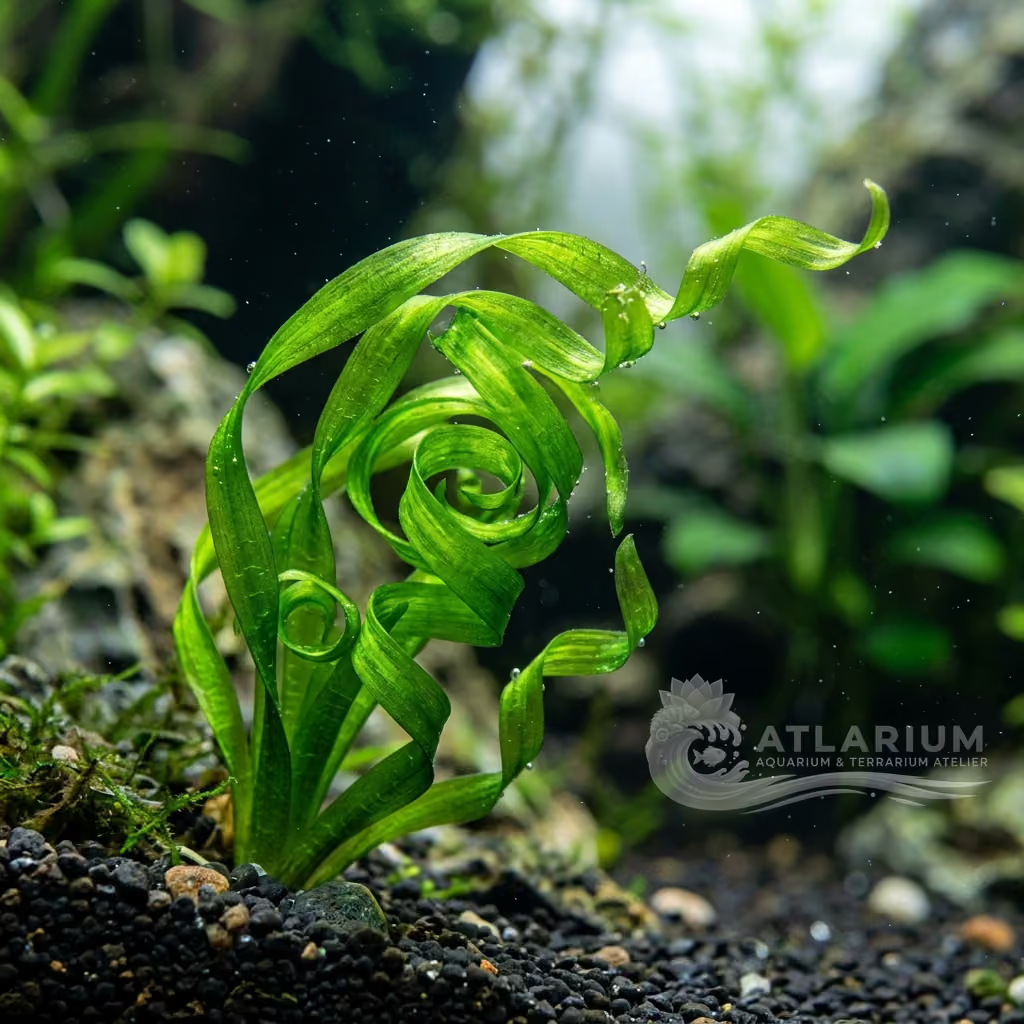
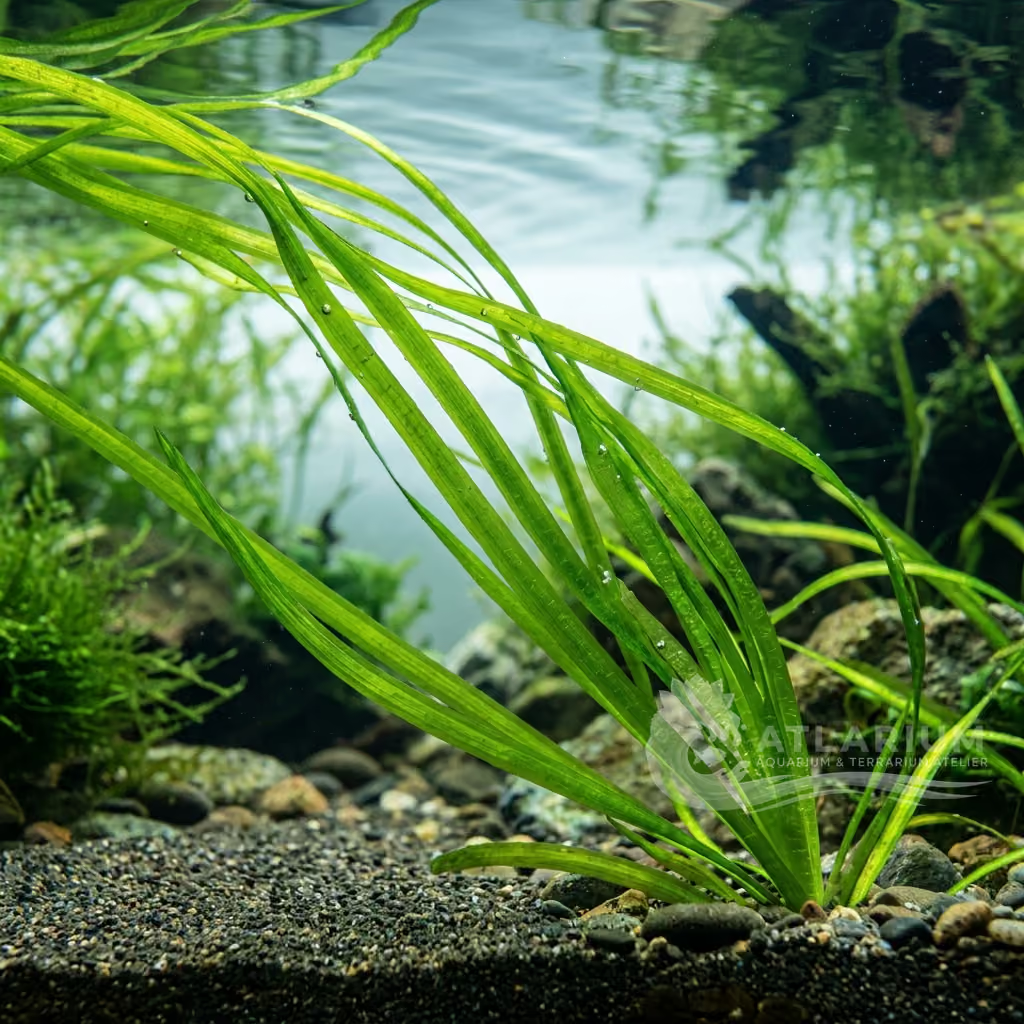
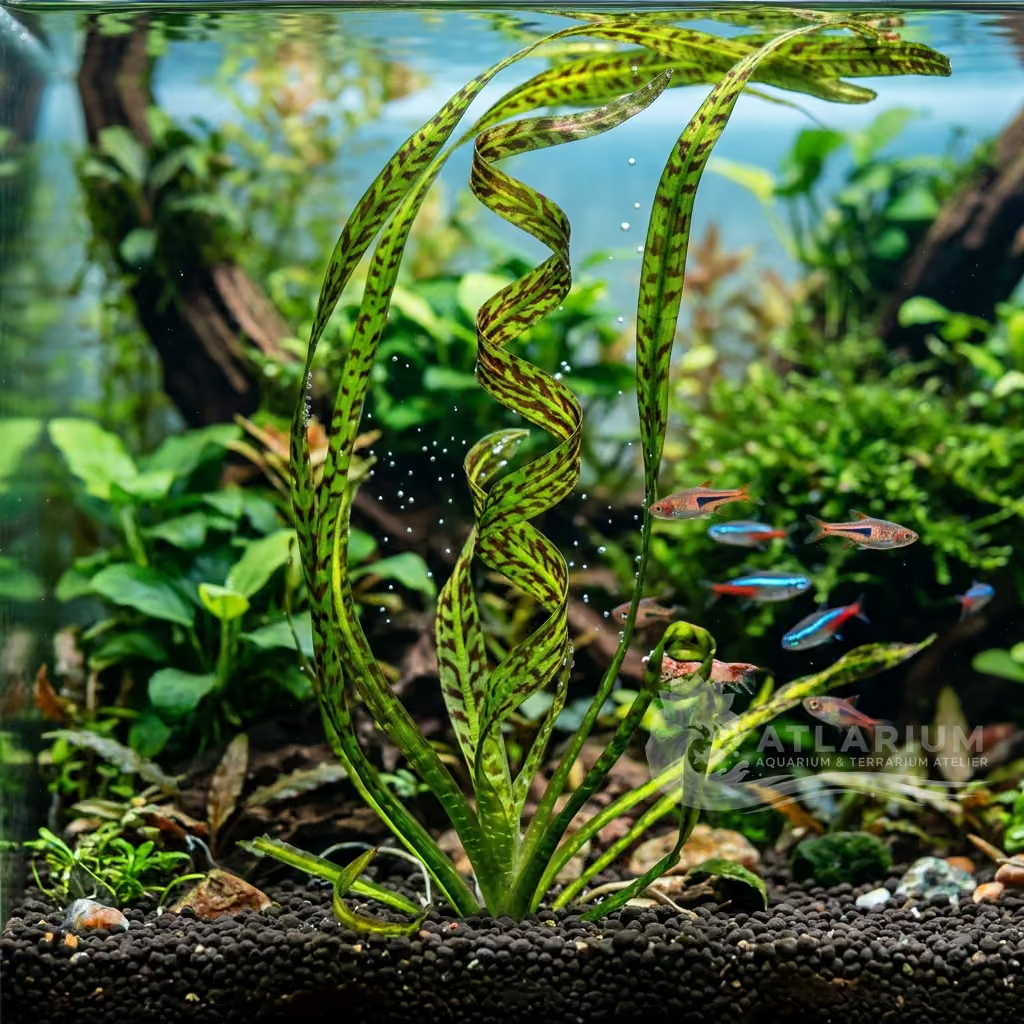
Vallisneria australis 'Curly' is a medium-growth aquatic plant, perfectly suited for midground placement due to its distinctly corkscrew-shaped leaves that create a unique texture and dense appearance. This cultivar is prized for its hardiness and adaptability to various aquarium conditions.
Water Temperature
4 - 32 °C
pH Value
6 - 8
Water type
Freshwater
Light
Medium - High
CO2
Low - High
Expected height
30 cm
KH
2 - 21 dKH

Species description
Geographical Origin and Habitat: Vallisneria australis, of which 'Curly' is a cultivar, originates from the eastern regions of Australia, where it thrives in slow-moving rivers, lakes, and marshes. In its natural habitats, it is often found anchored to muddy or sandy substrates, forming extensive underwater meadows that provide shelter and food for numerous aquatic species. This plant is renowned for its remarkable adaptability to a wide range of water conditions, making it a versatile and tolerant species in its native environment.
Taxonomy & Genetics: Vallisneria australis 'Curly' belongs to the Hydrocharitaceae family, a group of globally distributed aquatic plants known to include species like Elodea and Ottelia. This specific cultivar stands apart from the wild form of Vallisneria australis due to a genetic mutation that gives its leaves their characteristic spiral or "curly" shape. While not a distinct species itself, its unique morphology makes it a distinctive element within the Vallisneria genus, often preferred for its peculiar aesthetic and robust nature.
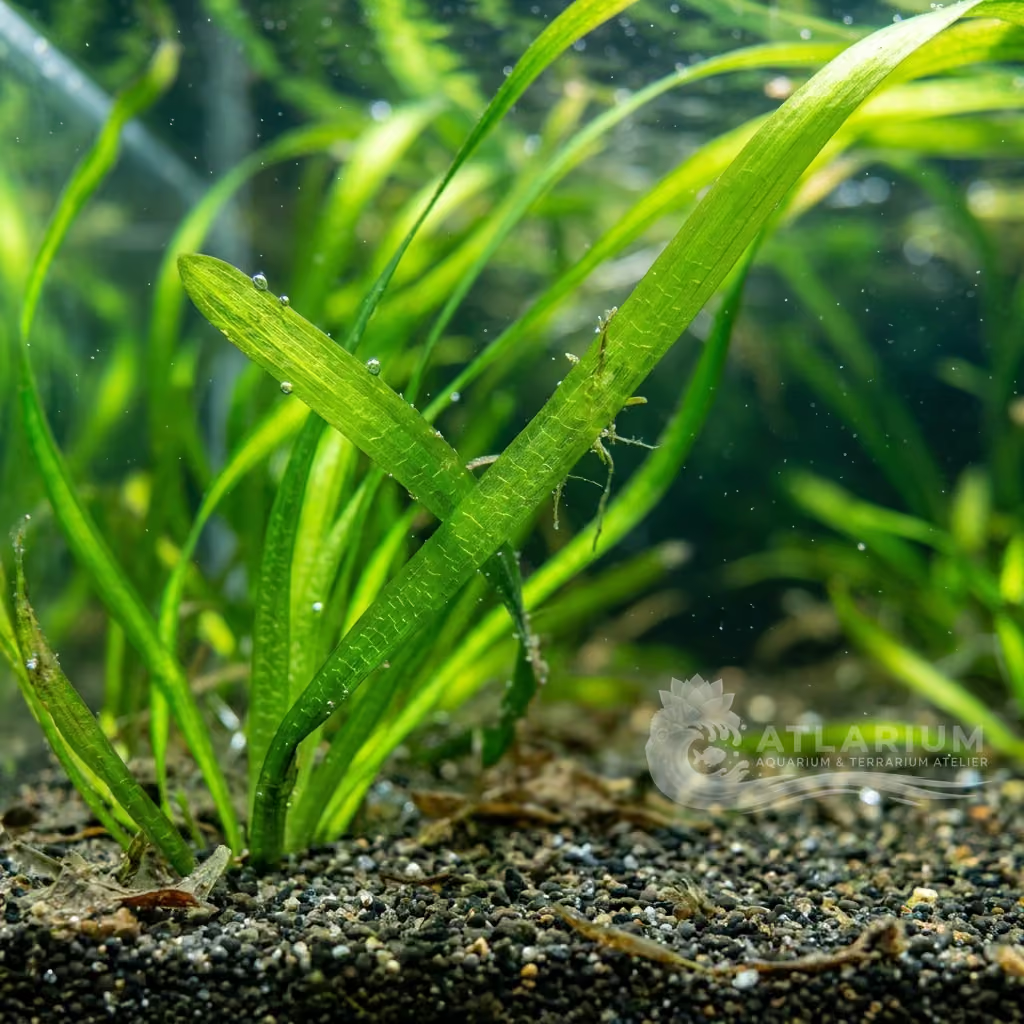
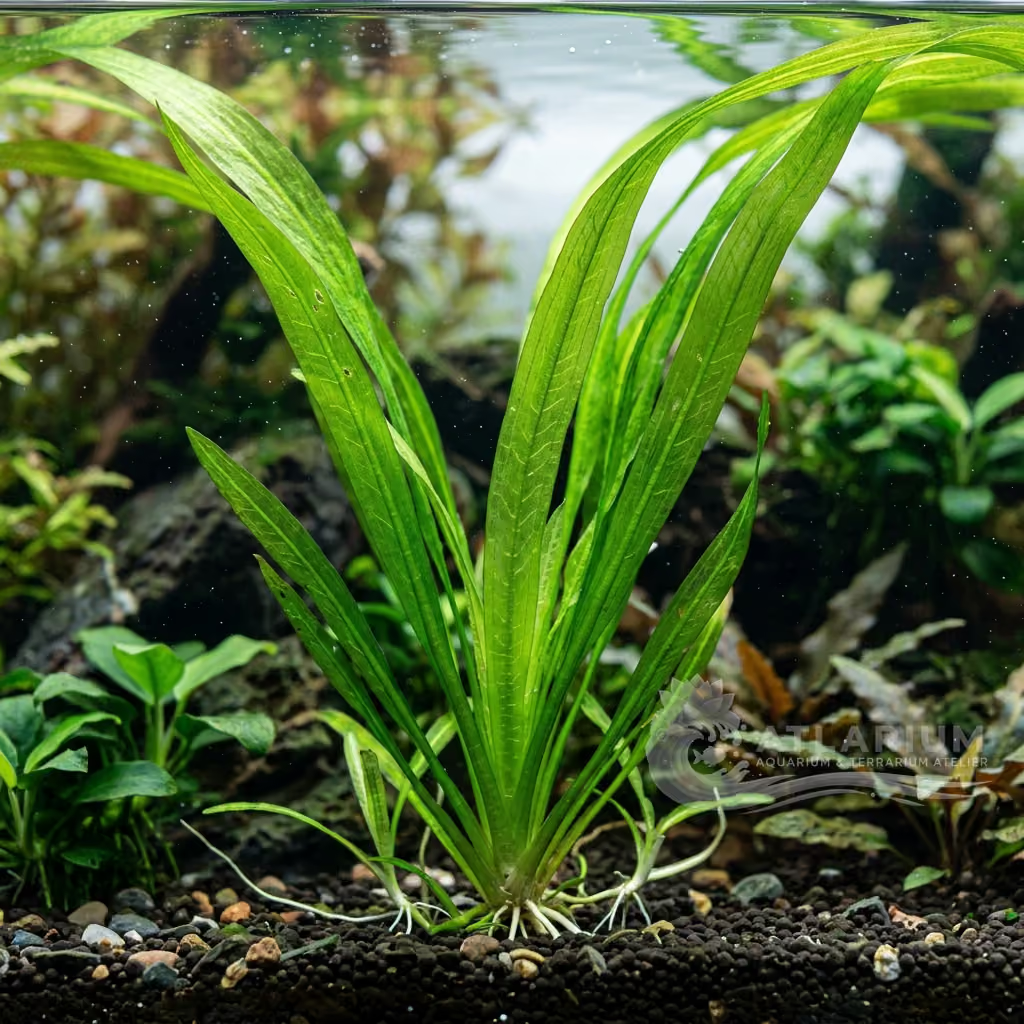
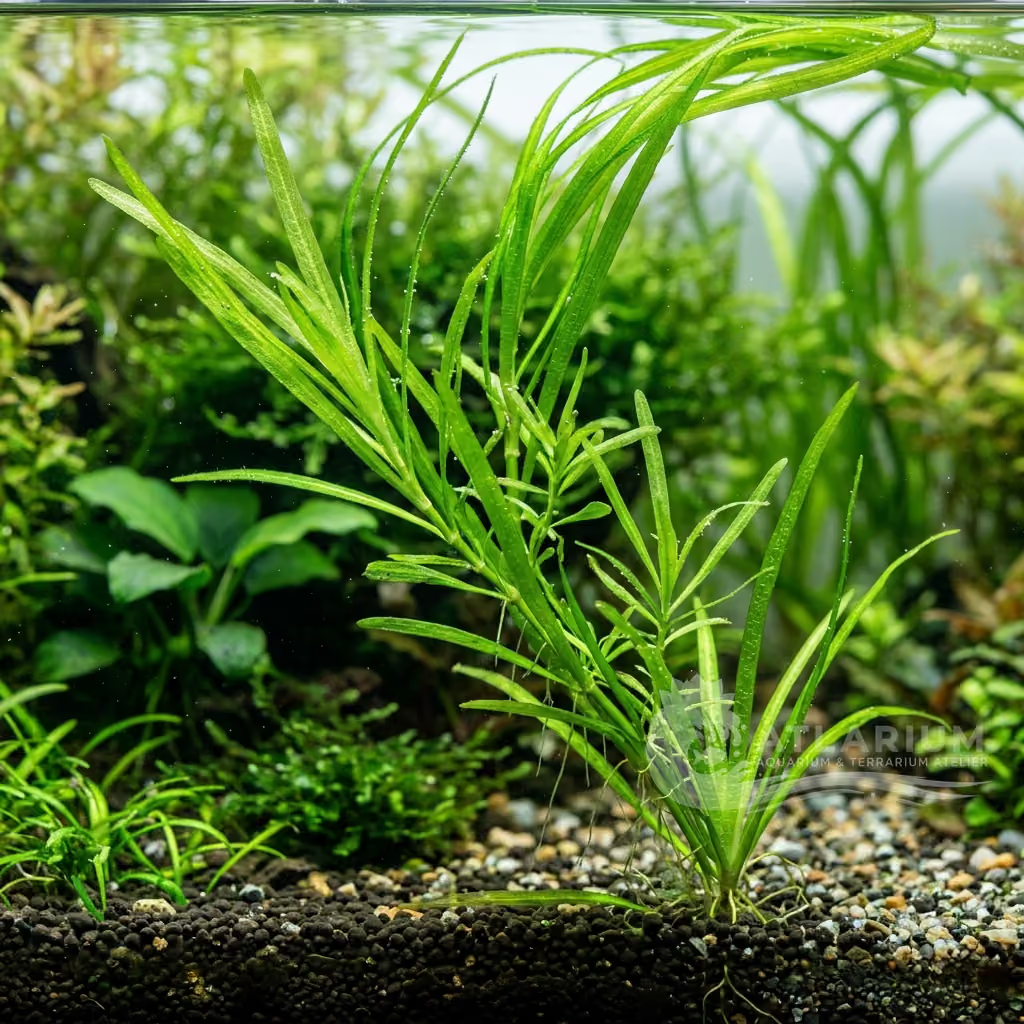
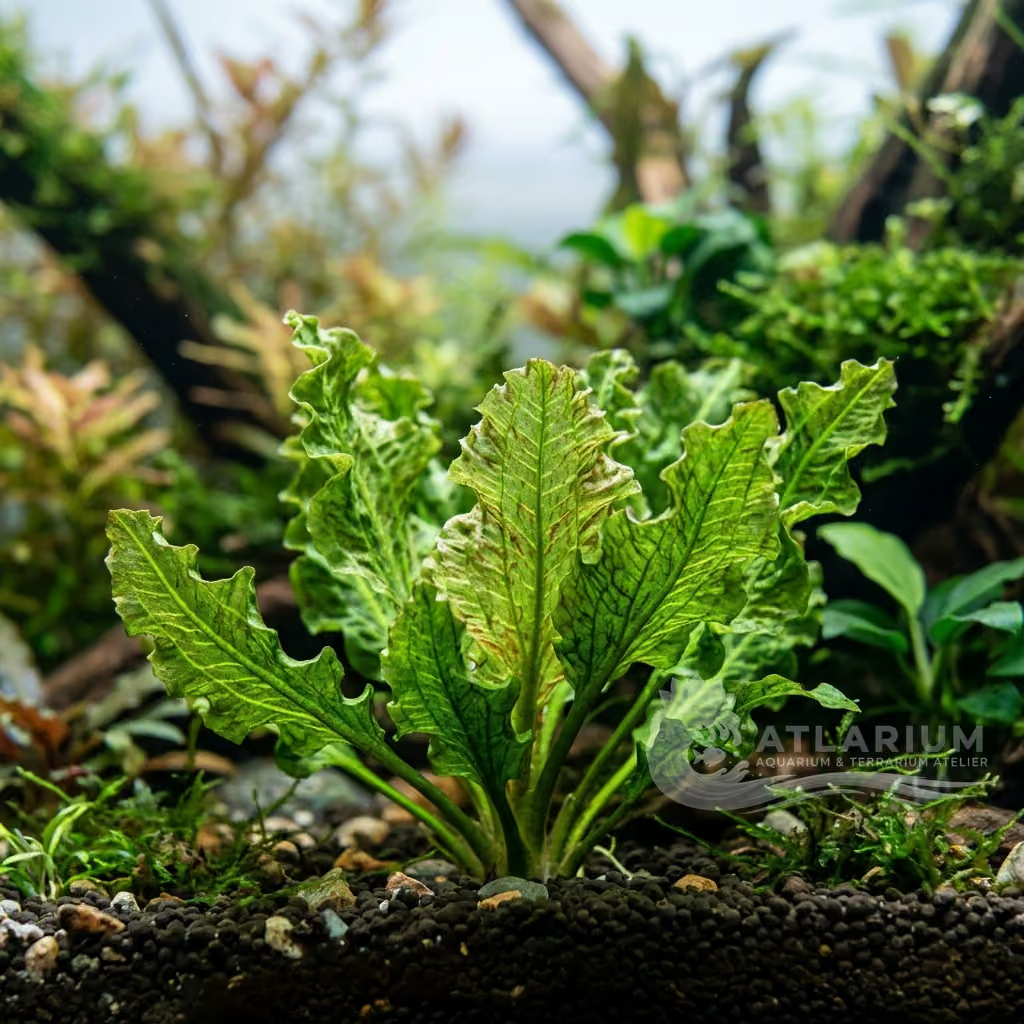
Physical Structure: The most distinctive feature of Vallisneria australis 'Curly' is the structure of its leaves, which develop in a pronounced spiral or corkscrew shape, much more twisted than the straight leaves of other Vallisneria species. These leaves grow in a rosette from a short rhizome and can reach considerable lengths, although their twisting makes them appear shorter and more compact than non-curly variants. The plant propagates through underground runners (stolons), from which new independent plantlets emerge, allowing for the rapid formation of dense colonies or "meadows" within the substrate.
Color & Texture: The leaf color of Vallisneria australis 'Curly' typically ranges from a bright medium green to a darker green, depending on lighting conditions and nutrient availability. Under more intense light and with proper iron supplementation, the leaf tips may develop slightly coppery or reddish hues. Their surface is smooth and slightly glossy, while the overall texture of the curly appearance adds a dynamic visual dimension and an interesting contrast to flat-leaved plants.

Care, breeding and tankmates
Lighting & CO2: Vallisneria australis 'Curly' thrives under medium light intensity, which typically corresponds to approximately 20-40 PAR or 0.5-0.8 Watts per liter (with efficient LED lighting). Excessive light can promote algal growth on the leaves, while insufficient light may slow its growth and fade its color. CO2 injection is not strictly necessary for this plant's survival, but it can stimulate more vigorous growth and faster propagation, resulting in more robust leaves and an overall healthier, denser appearance in the aquarium.
Nutrition & Substrate: As a root-feeding plant, Vallisneria australis 'Curly' benefits immensely from a nutrient-rich substrate, which provides the majority of essential elements for its growth. The use of root tabs, regularly inserted near the base of the plants, is highly recommended to ensure a constant supply of micronutrients like iron and macronutrients. While liquid fertilization is not its primary source, it can supplement nutritional needs, particularly for potassium and other trace elements present in the
Water Chemistry: Vallisneria australis 'Curly' demonstrates remarkable tolerance to a wide range of water parameters, making it suitable for various aquatic setups. It prefers temperatures between 4.0 and 32.0 C, KH values between 2.0 and 21.0, and a pH between 6.0 and 8.0. The key to its health is the stability of these parameters, rather than achieving specific values at the extremes of the ranges. Well-oxygenated water with good circulation helps prevent debris accumulation on the leaves and facilitates nutrient absorption.
Space Management & Placement: Despite its potential length, Vallisneria australis 'Curly' is versatile and can be used in the foreground, midground, or background, depending on tank size and desired effect; however, its compact, curly habit makes it ideal for the midground, where it can create a dense visual barrier without excessively obscuring plants behind it. It is important to ensure it does not overly shade other light-demanding species. Allowing sufficient space for runner spread is essential to enable the plant to form dense, natural colonies over time.
Pruning: Pruning Vallisneria australis 'Curly' is primarily necessary to manage its growth and maintain the desired aesthetic. Old or damaged leaves should be removed at the base using sharp scissors to redirect energy towards new leaf growth and prevent the decomposition of organic matter. Managing runner propagation is equally crucial; these can be snipped, and new plantlets either replanted or removed to prevent the plant from overrunning the entire aquarium layout, especially in smaller tanks.
Risks & Diseases: Vallisneria australis 'Curly' is generally robust, but it can exhibit "melting" (leaf decay) during acclimation to a new environment or following drastic changes in water parameters. Nutrient deficiencies manifest as yellowed leaves or stunted growth, particularly for iron or potassium deficiencies. Like all moderate-growth plants, it can be susceptible to algal growth on its leaves if lighting is excessive or nutrients are unbalanced, which compromises its photosynthetic capacity.

Geographic origin and distribution
Vallisneria australis, of which 'Curly' is a cultivar, originates from the eastern regions of Australia, where it thrives in slow-moving rivers, lakes, and marshes. In its natural habitats, it is often found anchored to muddy or sandy substrates, forming extensive underwater meadows that provide shelter and food for numerous aquatic species. This plant is renowned for its remarkable adaptability to a wide range of water conditions, making it a versatile and tolerant species in its native environment.
Origin
Australia, New Guinea, and OceaniaSelective breeding and cultivars

Plant profile
- Placement
- Midground
- These plants are overwhelmingly utilized as background vegetation due to their towering leaf span. They should be planted directly into the substrate at the rear of the aquarium. The leaves will gracefully arch across the water surface, creating a dynamic visual flow.
- Botanical form
- Rosette
- This specific curly cultivar of V. australis features heavily undulated leaf margins and a distinct twisting habit. The leaves are broad and robust, combining massive vertical presence with intricate texture. It grows exceptionally long, curling beautifully along the water surface.
- Growth
- Medium
- The growth rate is exceptionally fast, especially when the roots have established in a mature substrate. It continuously sends out runners to colonize available space. Frequent maintenance may be required to keep it from shading the entire tank.
- Substrate
- High
- *Vallisneria australis* 'Curly' possesses an aggressive root system that requires a substantial and nutrient-rich substrate to thrive properly. A depth of 6 cm or more using active aquatic soil or fortified sand is ideal, ensuring the sprawling roots can securely anchor the twisting foliage. It heavily relies on root-based nutrient uptake, demanding a consistent supply of subterranean fertilization such as root tabs to sustain its rapid growth. Neglecting substrate fertility will lead to stunted, pale leaves and limit its ability to propagate.
- Column fertilization
- Recommended
- Liquid fertilization is beneficial as a supplement but not the primary driver of growth. Regular dosing ensures the leaves remain vibrant and free of nutrient deficiencies. However, it will adapt well even in setups with minimal water column fertilization if the roots are fed.
- Root fertilization
- None
- Root fertilization is paramount for the long-term success and vitality of this species. It develops a massive root system that rapidly depletes substrate nutrients. Providing root tabs or a rich aquasoil will dramatically improve leaf size and overall health.
- Trimming
- Occasional
- Trimming leaves by cutting them across the middle can lead to tissue decay at the cut site. It is better to remove older, overgrown leaves completely at the base. To control spreading, simply sever the runners and remove the unwanted daughter plants.
- Propagation
- Runners
- Propagation is incredibly easy and happens naturally via lateral runners. A healthy mother plant will continuously push out runners that root nearby to form new plants. These can be separated with sharp scissors once the daughter plant has established a few leaves.
- Sensitivity
- Moderate
- Like many tapegrasses, it is notoriously sensitive to liquid carbon supplements like glutaraldehyde. Dosing these products frequently causes the plant to melt away completely. It is otherwise very hardy and tolerates a wide range of water parameters and temperatures.
- Layout role
- Foreground, Midground, Background
- It is a quintessential background plant that adds height and vertical motion to the aquascape. The trailing leaves create beautiful overhead shading that mimics natural river margins. It is also excellent for concealing hardware like filters and heaters at the back.

Related species
Recommendations grouped by close relatives, companion choices, and similar care.