

Encyclopaedia
Vallisneria americana var. biwaensis
Vallisneria americana var. biwaensis
Vallisneria americana var. biwaensis is a versatile midground plant with a medium growth rate, known for its flowing, ribbon-like leaves. It thrives in moderate lighting and helps create naturalistic aquatic landscapes.
Share
Check out Vallisneria americana var. biwaensis on Atlarium
20 - 28 °C
6 - 7.5
Freshwater
Medium - High
Medium - High
50 cm
2 - 10 dKH
Species description
Care, breeding and tankmates
Geographic Origin and Distribution
Origin
Plant profile
- Placement
- Midground
- Botanical form
- Rosette
- Growth
- Medium
- Substrate
- High
- Column fertilization
- Recommended
- Root fertilization
- None
- Trimming
- Occasional
- Propagation
- Runners
- Sensitivity
- Moderate
- Layout role
- Midground, group
Image gallery
Licensed images linked to the species or, when marked, to the closest representative taxon.
Related species
Recommendations grouped by close relatives, companion choices, and similar care.
Variants and close relatives
Same atlas type, nearby scientific identity, genus, or family.
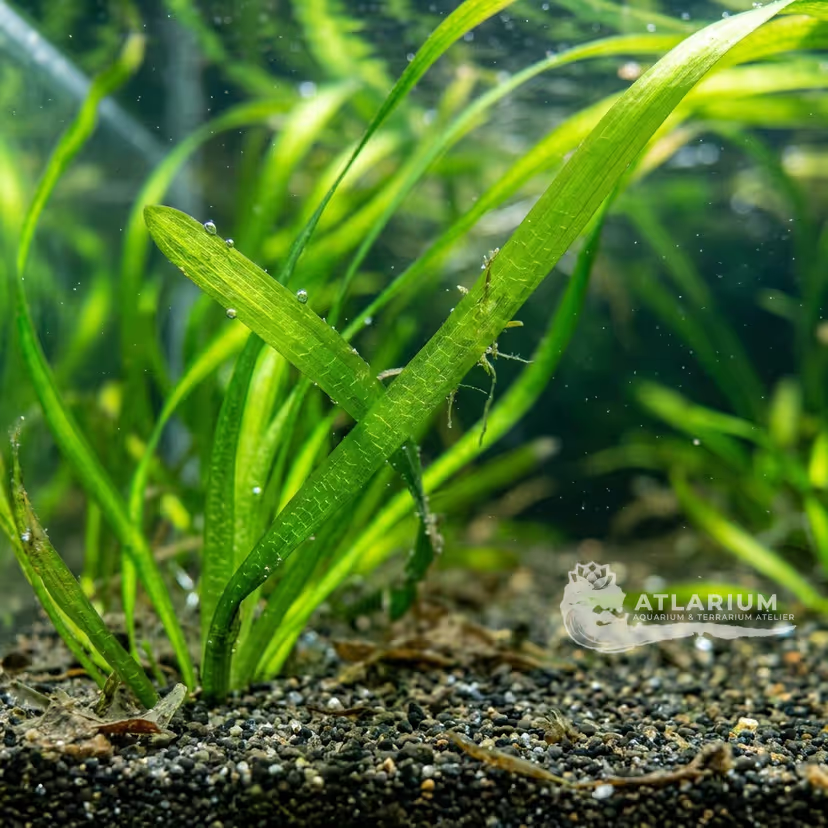
Vallisneria americana
Vallisneria americana
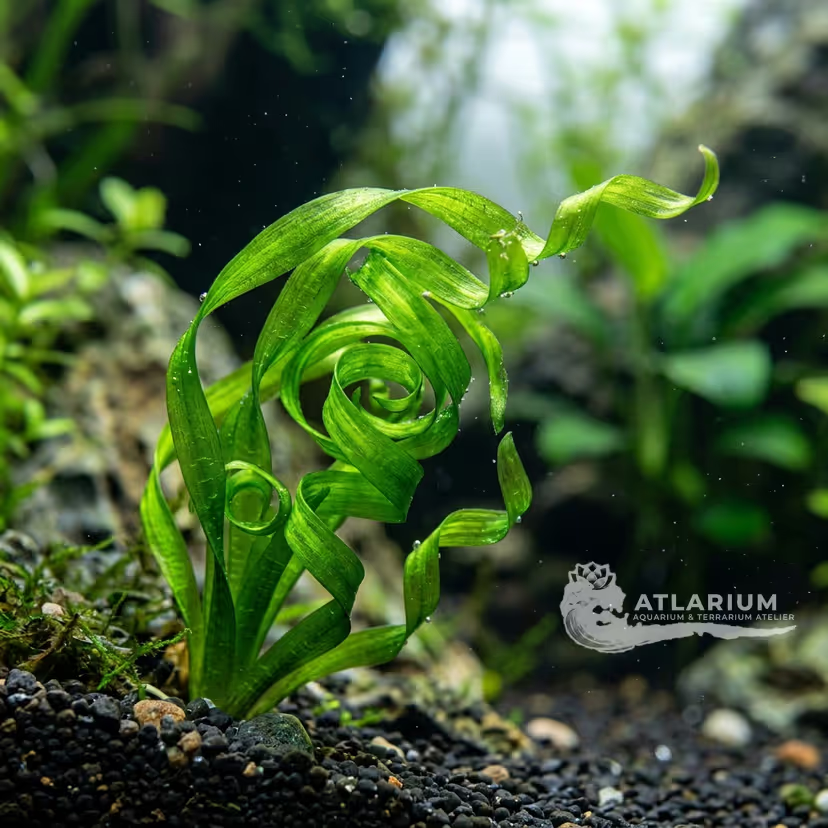
Vallisneria americana 'Mini Twister'
Vallisneria americana 'Mini Twister'
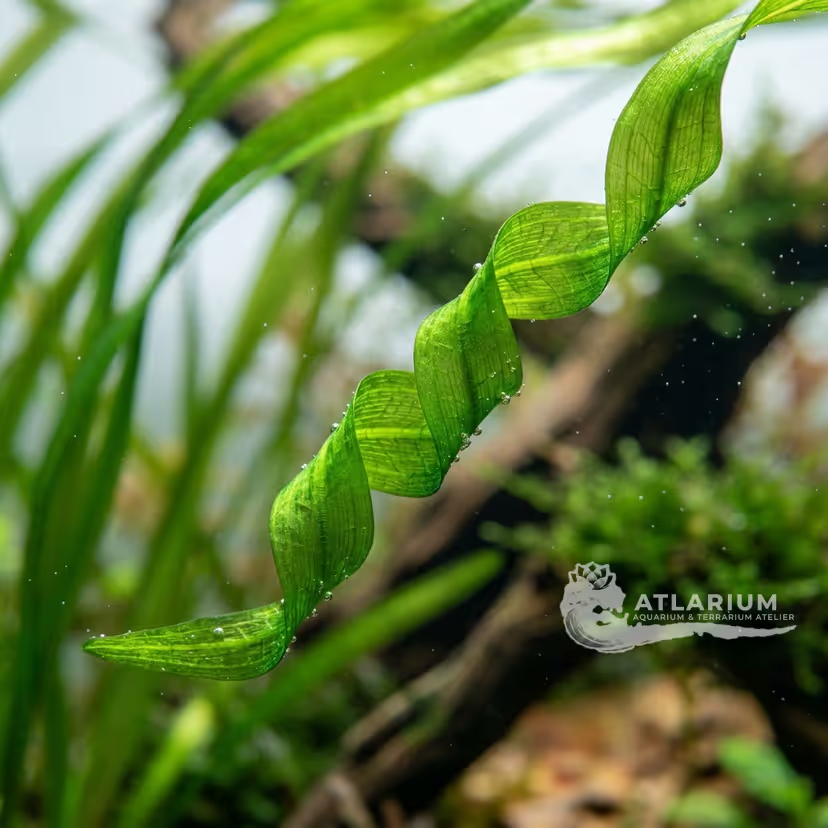
Vallisneria gigantea 'Curly'
Vallisneria gigantea 'Curly'
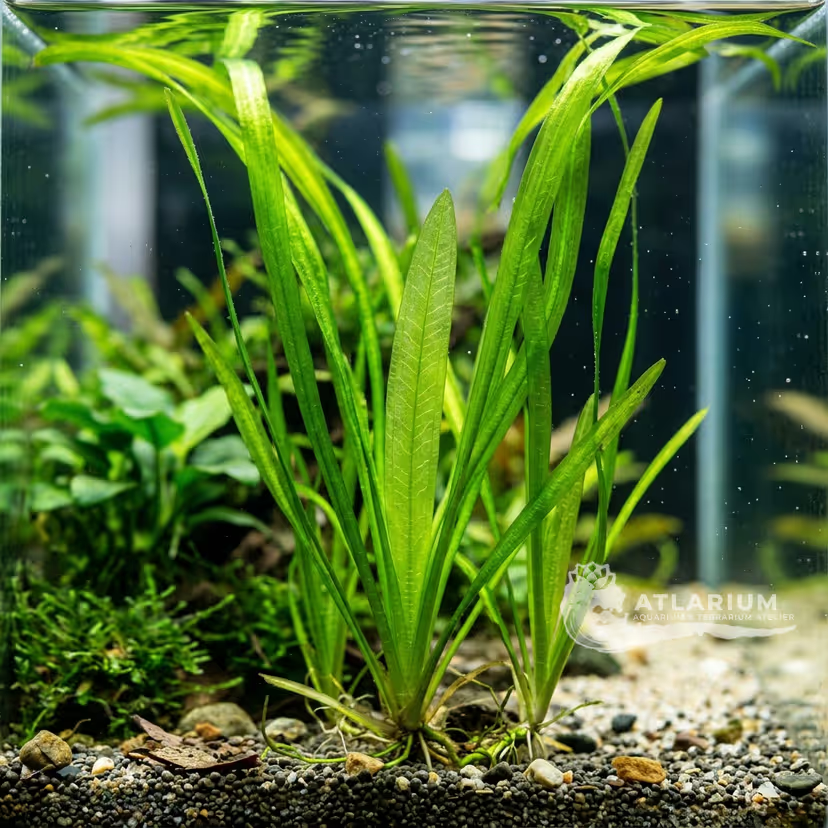
Vallisneria neotropicalis
Vallisneria neotropicalis
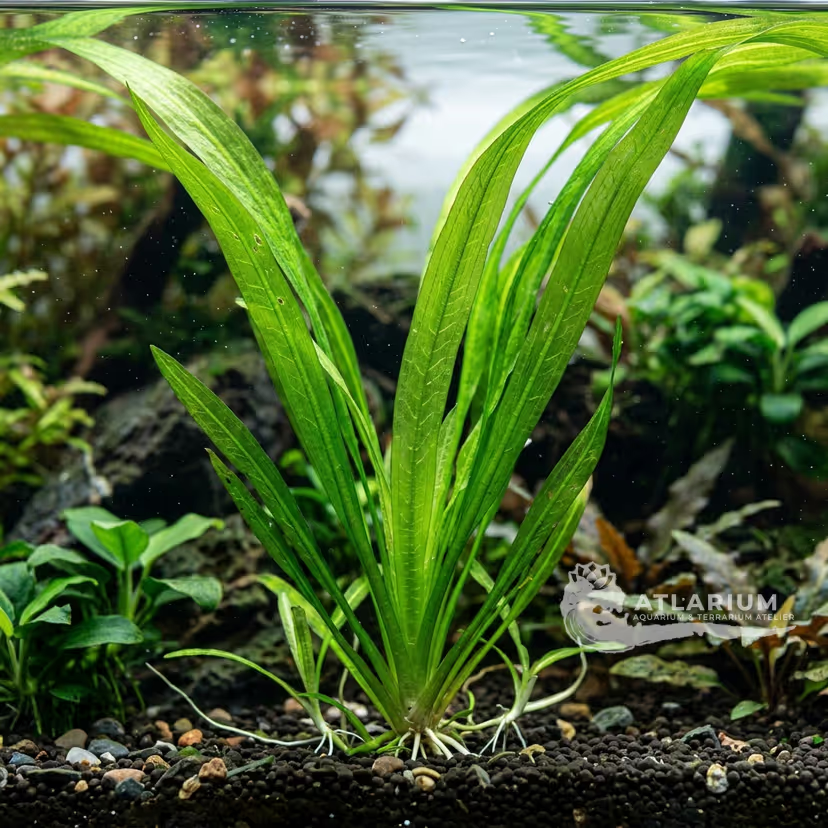
Vallisneria gigantea
Vallisneria gigantea

Vallisneria gigantea 'Marmor'
Vallisneria gigantea 'Marmor'
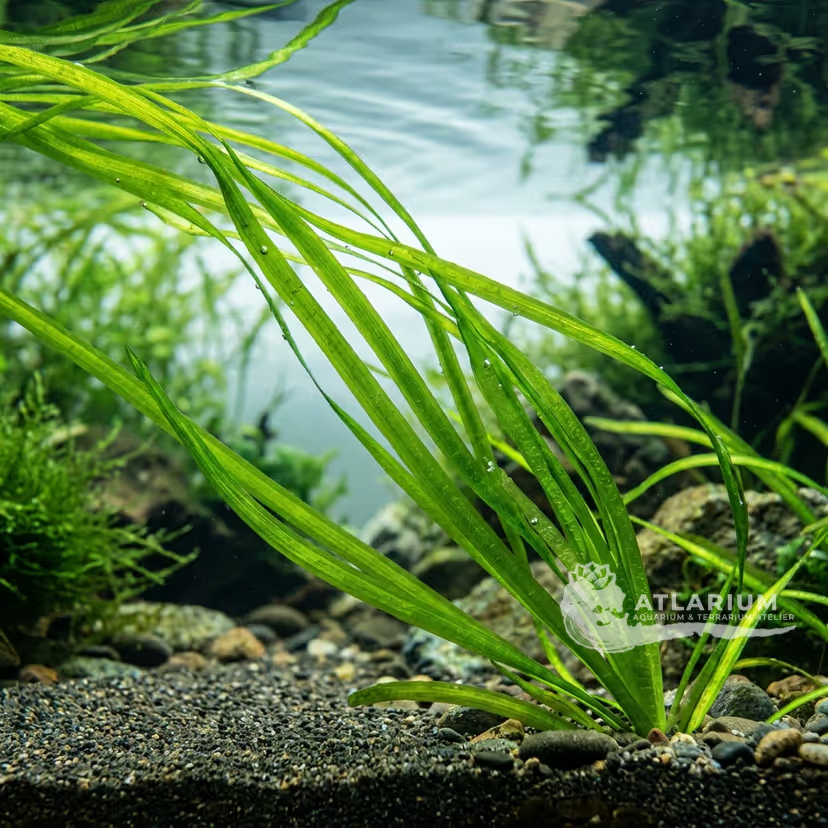
Vallisneria natans
Vallisneria natans
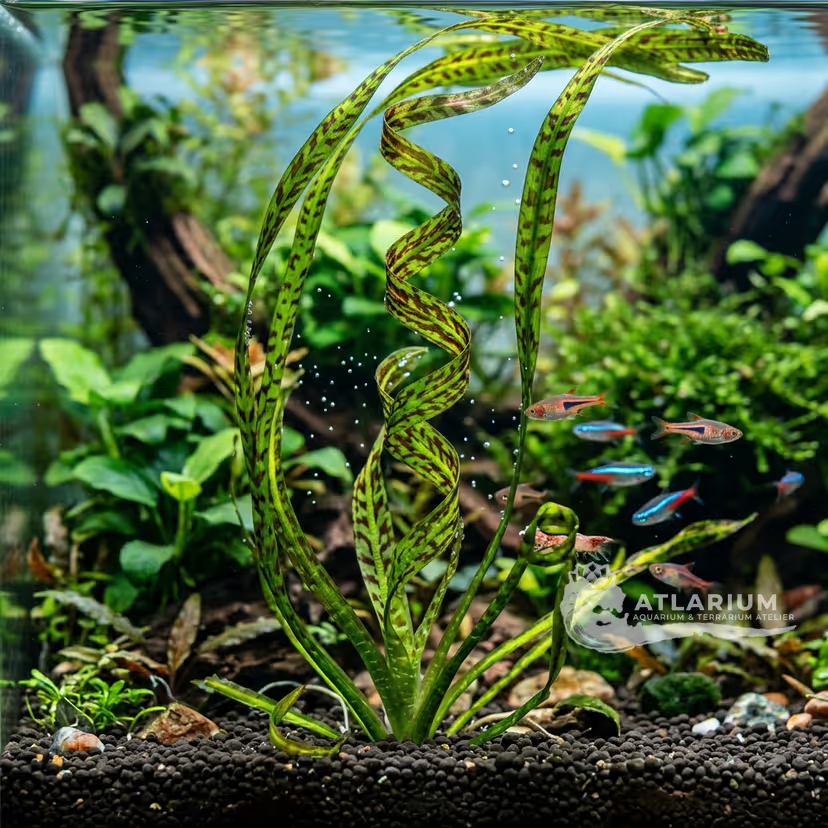
Vallisneria spiralis "Tiger"
Vallisneria spiralis "Tiger"

Vallisneria densiserrulata
Vallisneria densiserrulata

Vallisneria sp. 'Natans'
Vallisneria sp. 'Natans'

Vallisneria gracilis
Vallisneria gracilis

Vallisneria nana "Tiger"
Vallisneria nana "Tiger"

Vallisneria asiatica var. biwaensis
Vallisneria asiatica var. biwaensis

Vallisneria sp. 'Mini Twister'
Vallisneria sp. 'Mini Twister'

Vallisneria spiralis "Tortifolia"
Vallisneria spiralis "Tortifolia"
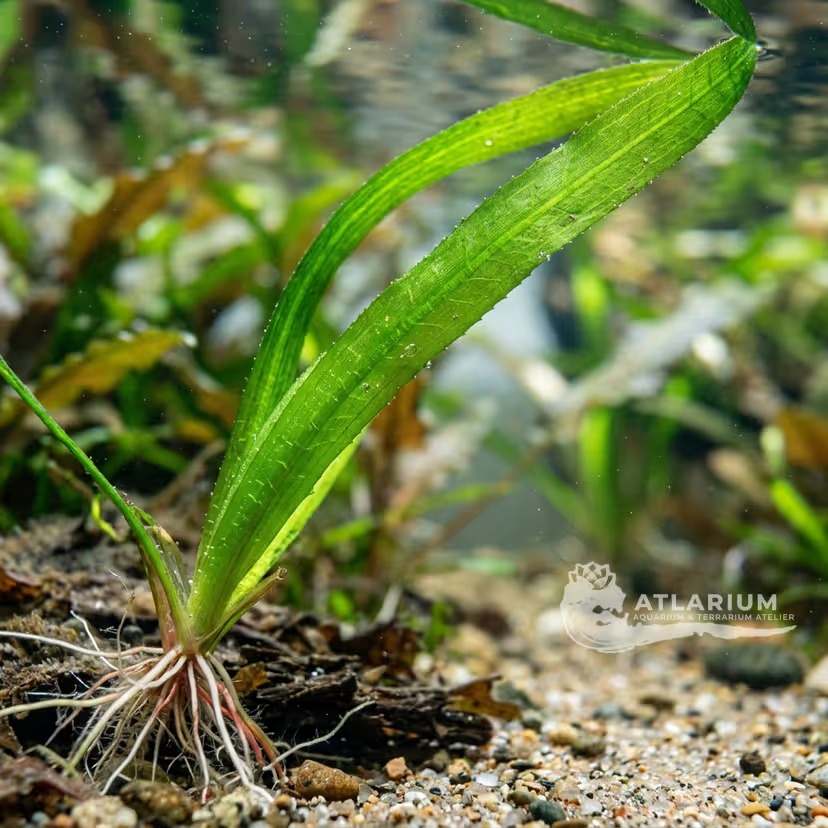
Vallisneria australis
Vallisneria australis
Recommended companions
Compatible cards from coherent ecosystems with matching parameters.

Bacopa sp. "Japan"
Bacopa sp. "Japan"

Amano Shrimp
Caridina multidentata

Bucephalandra sp. "Black Leaf"
Bucephalandra sp. "Black Leaf"
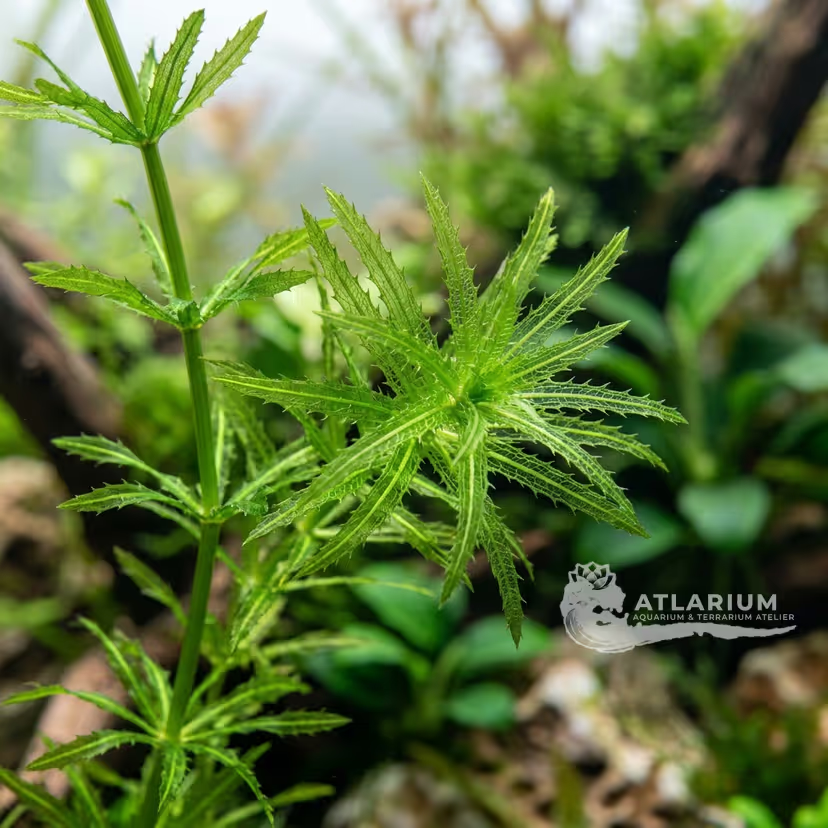
Najas horrida "Lake Edward"
Najas horrida "Lake Edward"

Ceratopteris siliquosa
Ceratopteris siliquosa

Chlorophytum bichetii
Chlorophytum bichetii

Chocolate Talking Catfish
Acanthodoras cataphractus

Ceratopteris richardii
Ceratopteris richardii

Ammannia sp. 'Bonsai'
Ammannia sp. 'Bonsai'

Bucephalandra motleyana "Braun-rot" ("Serimbu")
Bucephalandra motleyana "Braun-rot" ("Serimbu")

Bucephalandra motleyana "Kapit"
Bucephalandra motleyana "Kapit"

Bucephalandra motleyana "Pancuraji"
Bucephalandra motleyana "Pancuraji"

Bucephalandra sp. "Bukit Kelam / Sintang"
Bucephalandra sp. "Bukit Kelam / Sintang"

Bucephalandra sp. "Melawi"
Bucephalandra sp. "Melawi"

Commelinaceae sp. "Green"
Commelinaceae sp. "Green"

Cordyline fruticosa
Cordyline fruticosa
Similar care
Cards with similar requirements, difficulty, habitat, and husbandry profile.
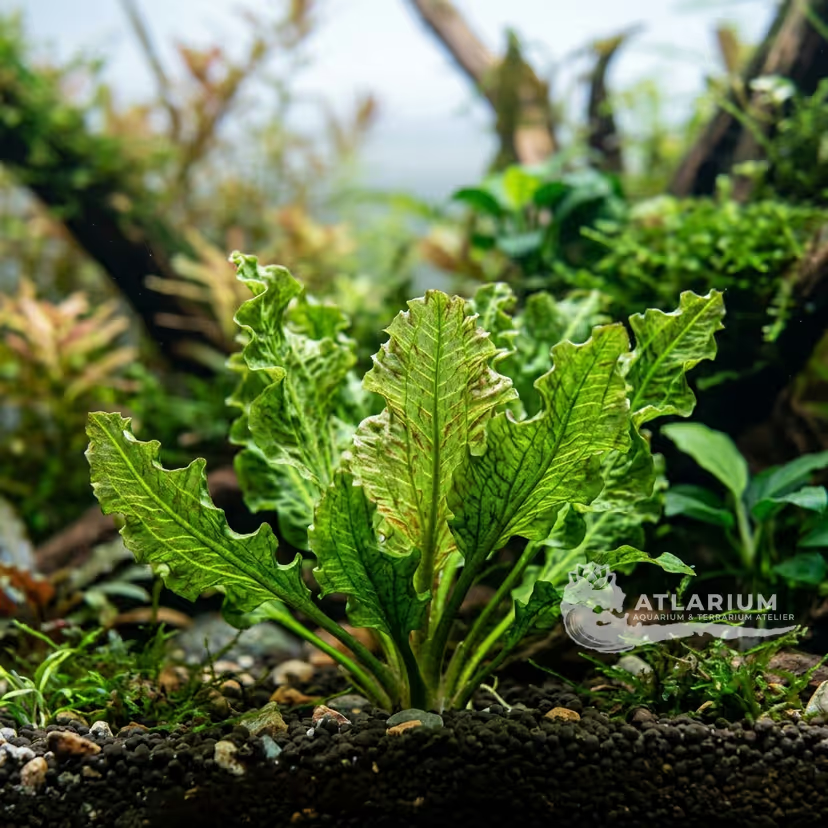
Ottelia mesenterium
Ottelia mesenterium

Ottelia ulvifolia
Ottelia ulvifolia

Blyxa cf. vietii
Blyxa cf. vietii

Ottelia alismoides
Ottelia alismoides

Climacium japonicum
Climacium japonicum

Dwarf vallisneria
Vallisneria nana
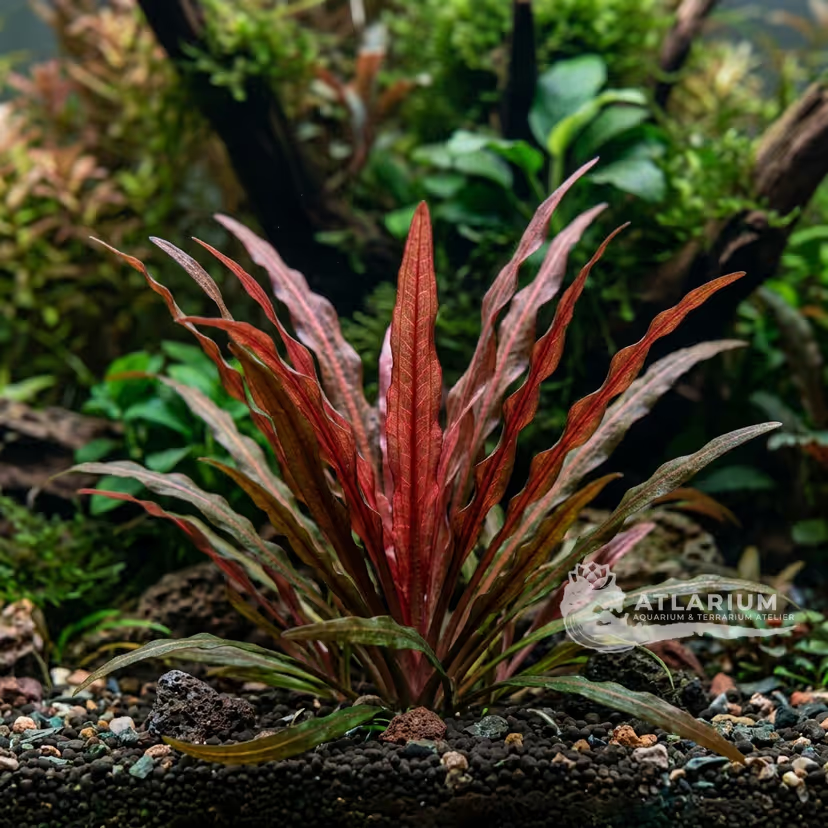
Blyxa aubertii "Red"
Blyxa aubertii "Red"
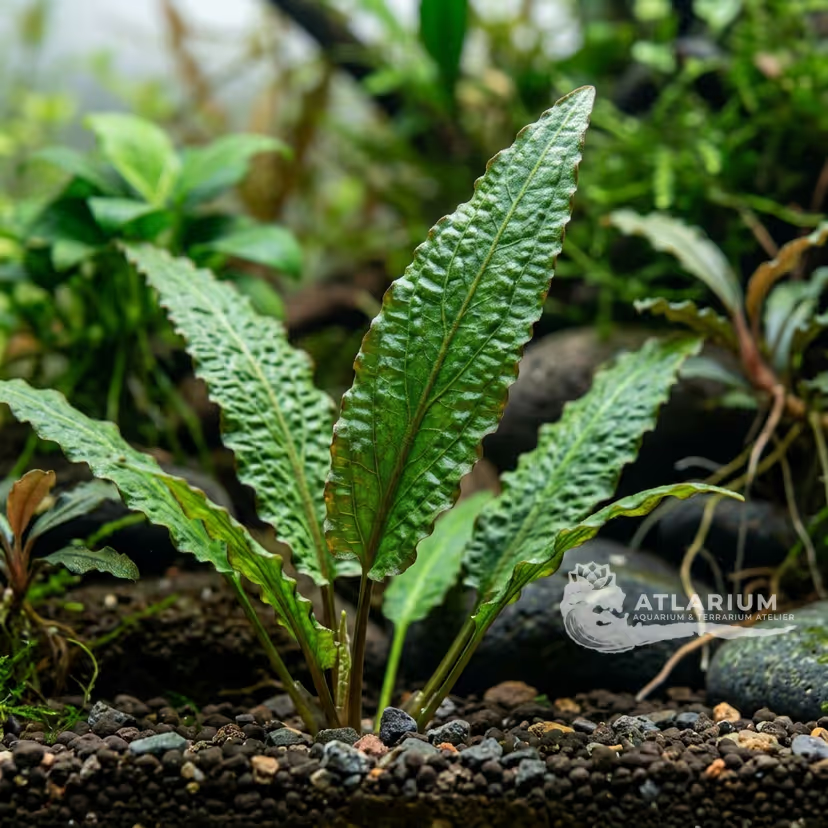
Cryptocoryne balansae
Cryptocoryne balansae

Marimo Moss Ball
Cladophora aegagropila

Vallisneria caulescens
Vallisneria caulescens

Vallisneria australis 'Curly'
Vallisneria australis 'Curly'

Vallisneria australis 'Marmor'
Vallisneria australis 'Marmor'
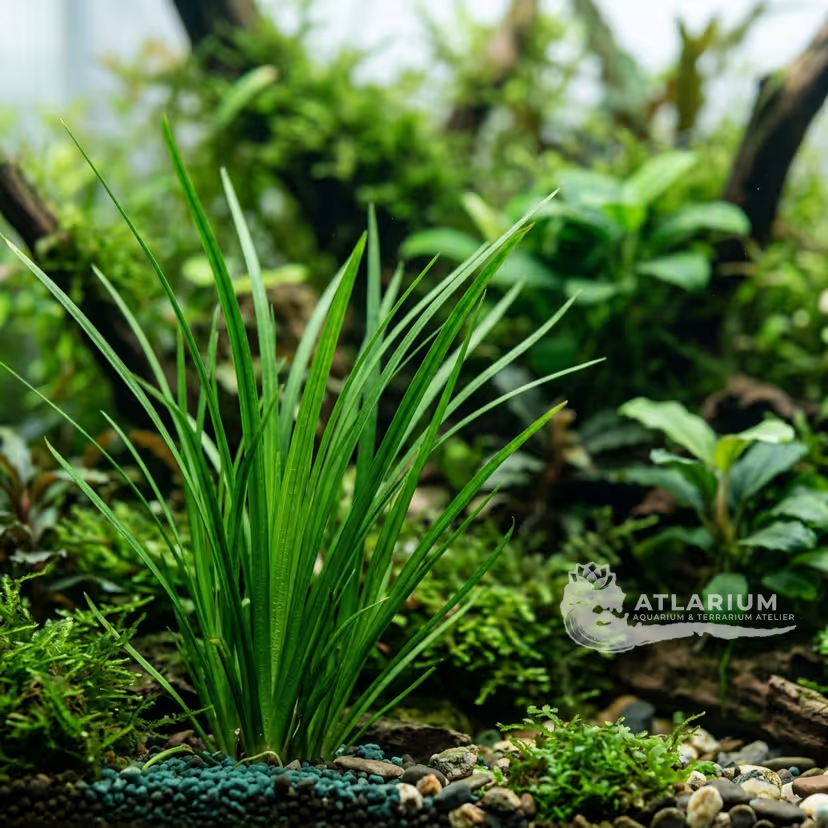
Acorus gramineus
Acorus gramineus
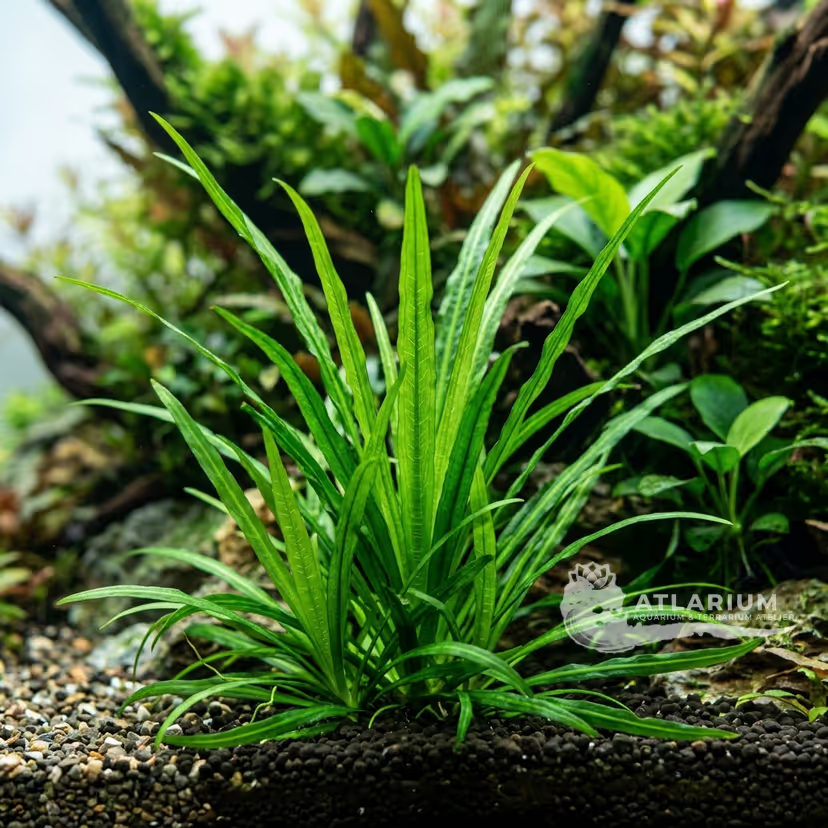
Blyxa aubertii
Blyxa aubertii

Cryptocoryne axelrodii
Cryptocoryne axelrodii

Bucephalandra motleyana "Braun-rot narrow"
Bucephalandra motleyana "Braun-rot narrow"