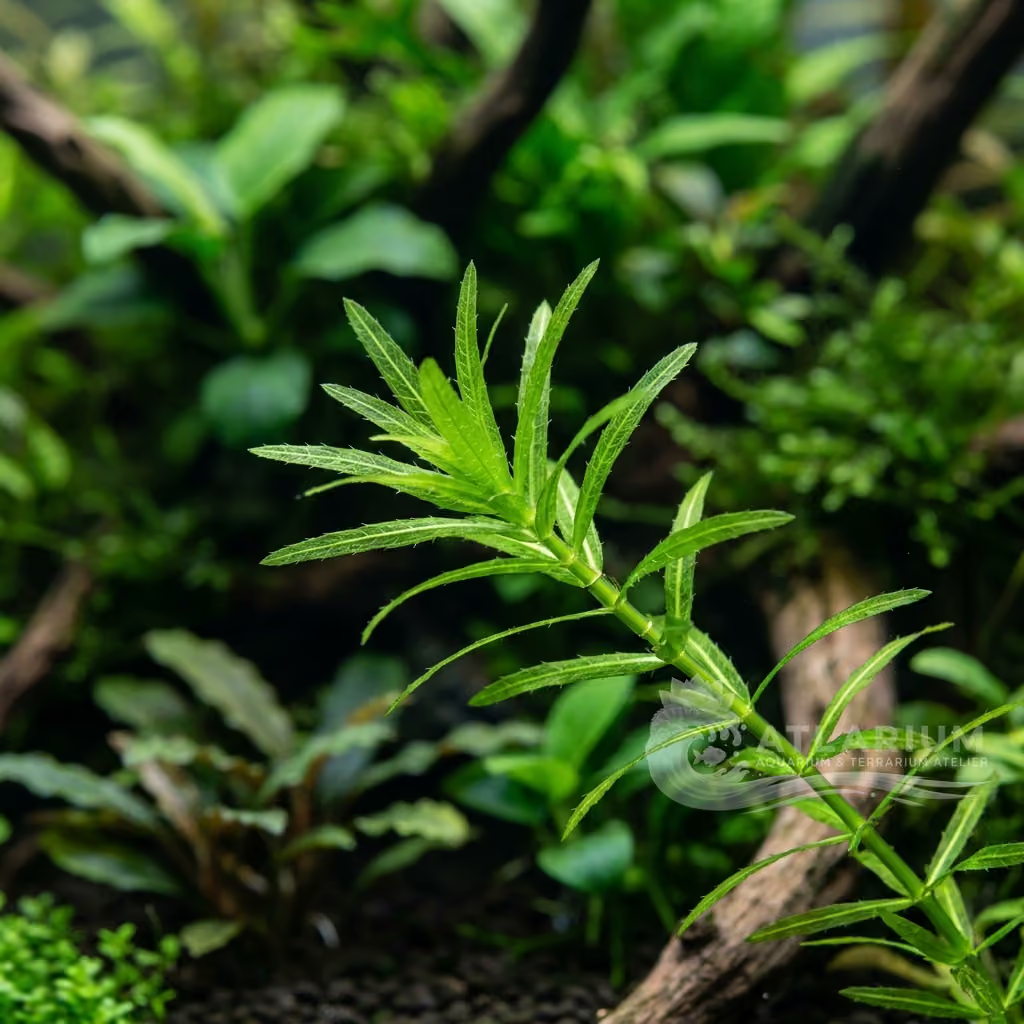
Vallisneria natans
Vallisneria natans
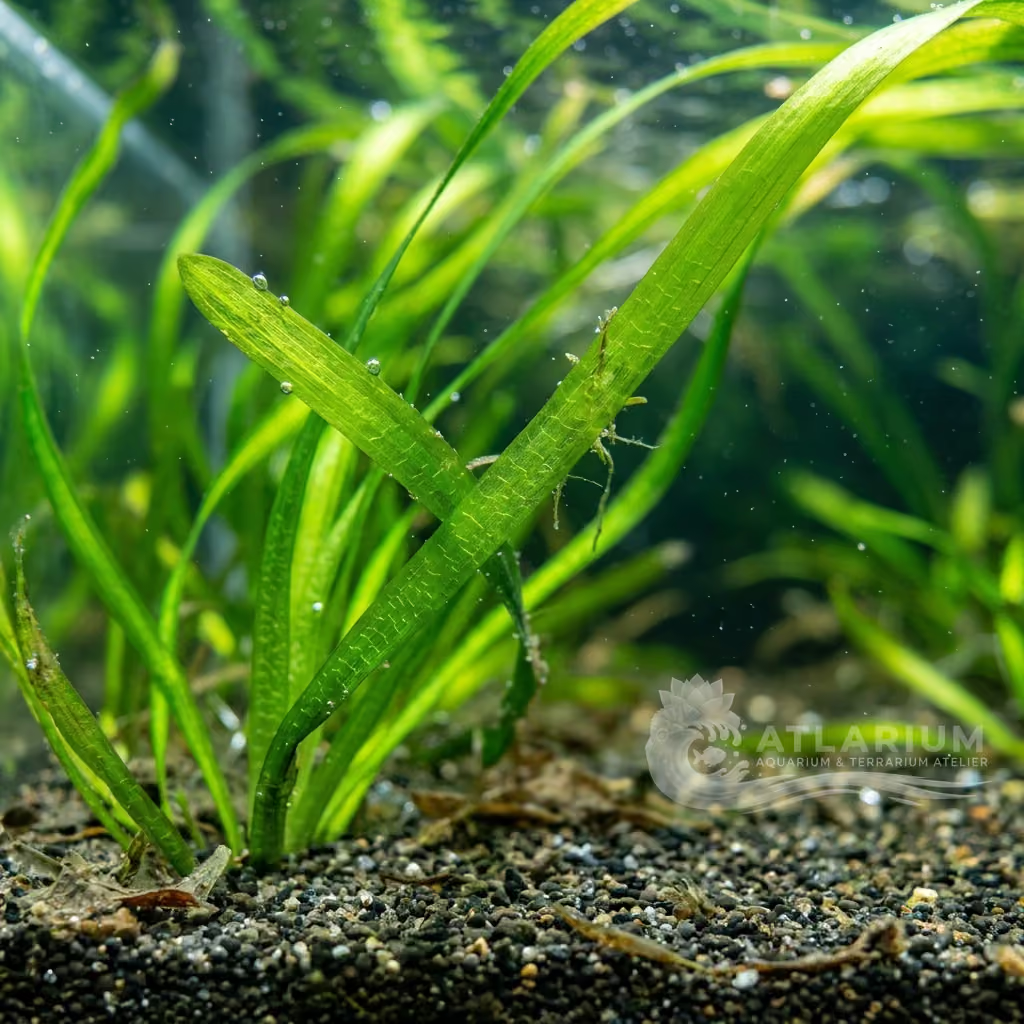
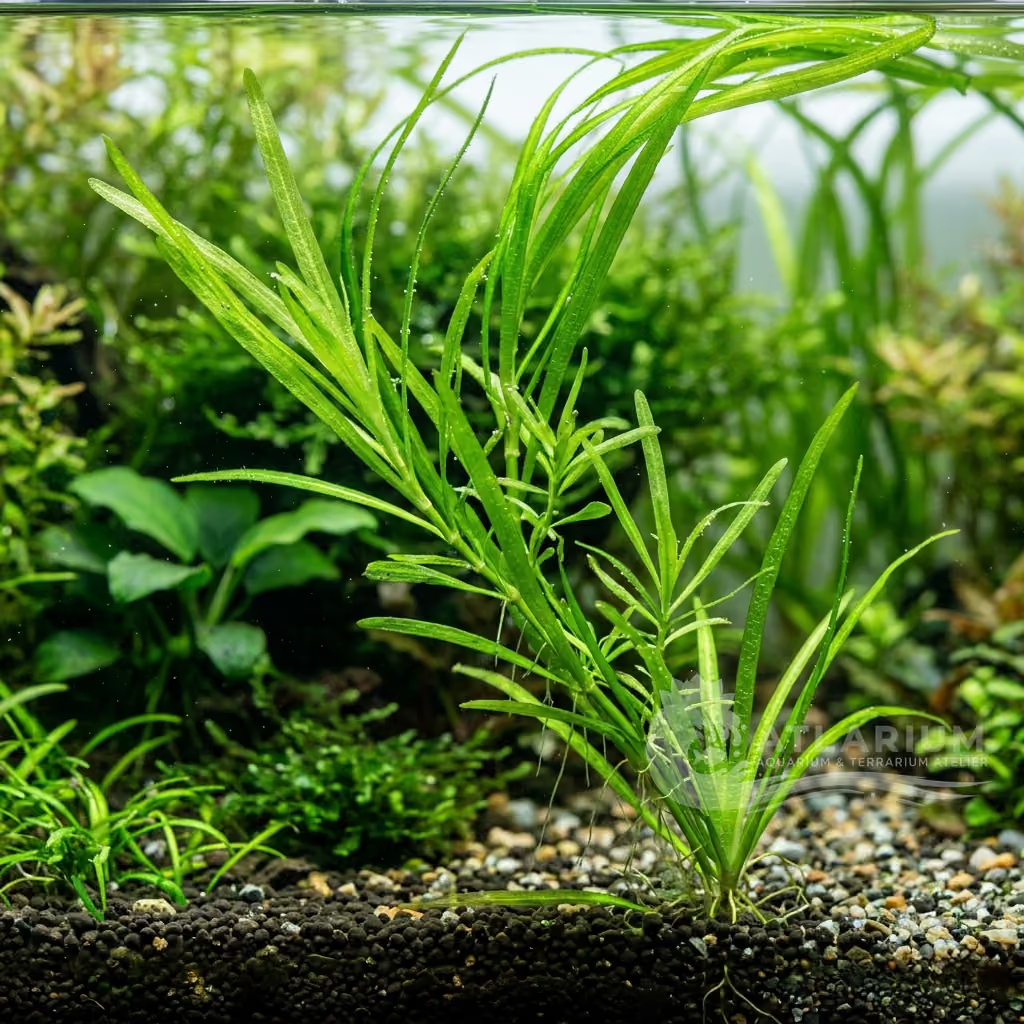
Vallisneria natans is a medium-growing and relatively undemanding aquatic plant, perfectly suited for the midground of an aquarium. Its long, ribbon-like leaves create a dynamic visual effect and provide natural shelter for fish, adapting well to various aquascaping styles.
Water Temperature
22 - 28 °C
pH Value
6 - 7.5
Water type
Freshwater
Light
Medium - High
CO2
Medium - High
Expected height
60 cm
KH
2 - 10 dKH

Species description
Geographical Origin and Habitat: Vallisneria natans originates from the tropical and subtropical regions of Asia, encompassing countries like China, Japan, Korea, and parts of Southeast Asia. Its natural habitat includes slow-moving freshwater streams, rivers, lakes, and ponds, where it frequently grows submerged or occasionally floating. This species thrives in environments with muddy or sandy substrates and relatively calm water, where it can effectively anchor itself and proliferate through its runners. Its wide geographical distribution is testament to its remarkable adaptability to diverse aquatic environmental conditions.
Taxonomy & Genetics: Belonging to the Hydrocharitaceae family, Vallisneria natans is closely related to other popular aquatic plants such as Egeria and Elodea. The genus Vallisneria is characterized by dioecious plants, with male and female flowers produced on separate individuals, although in aquariums, the primary mode of reproduction is vegetative via runners. Within the genus, Vallisneria natans is distinguished by its broader and more robust leaves compared to species like Vallisneria spiralis, while still sharing the typical ribbon-like habit. Its classification has undergone some revisions over time, but its identity as a distinct species is now well-established in the aquascaping community.
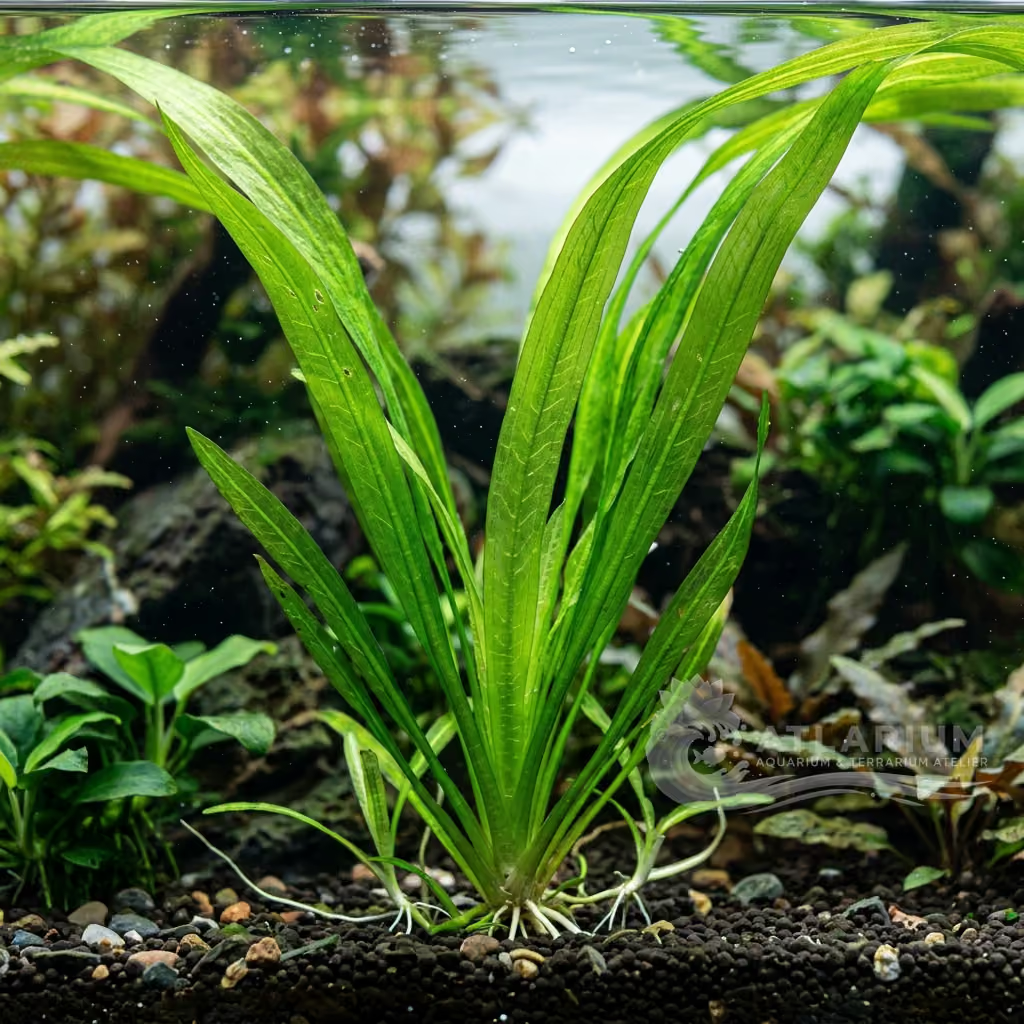
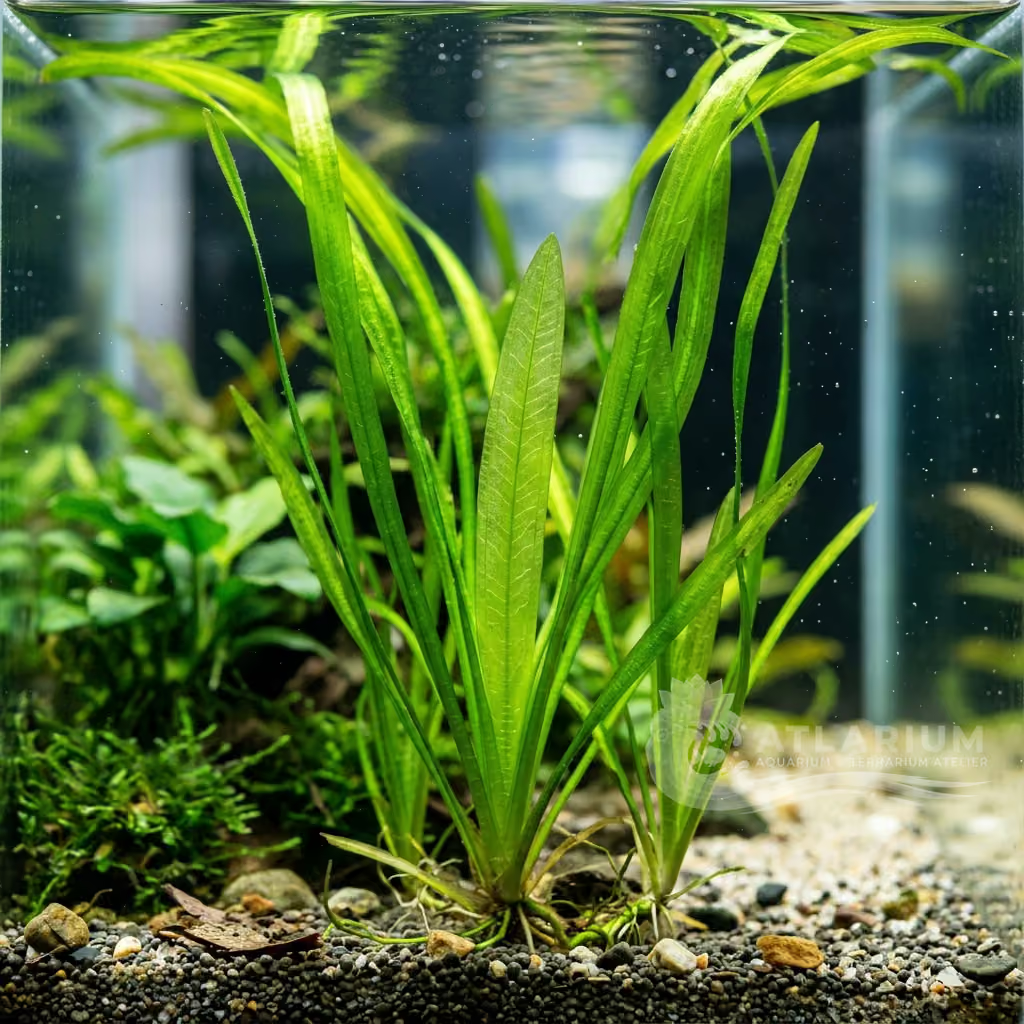
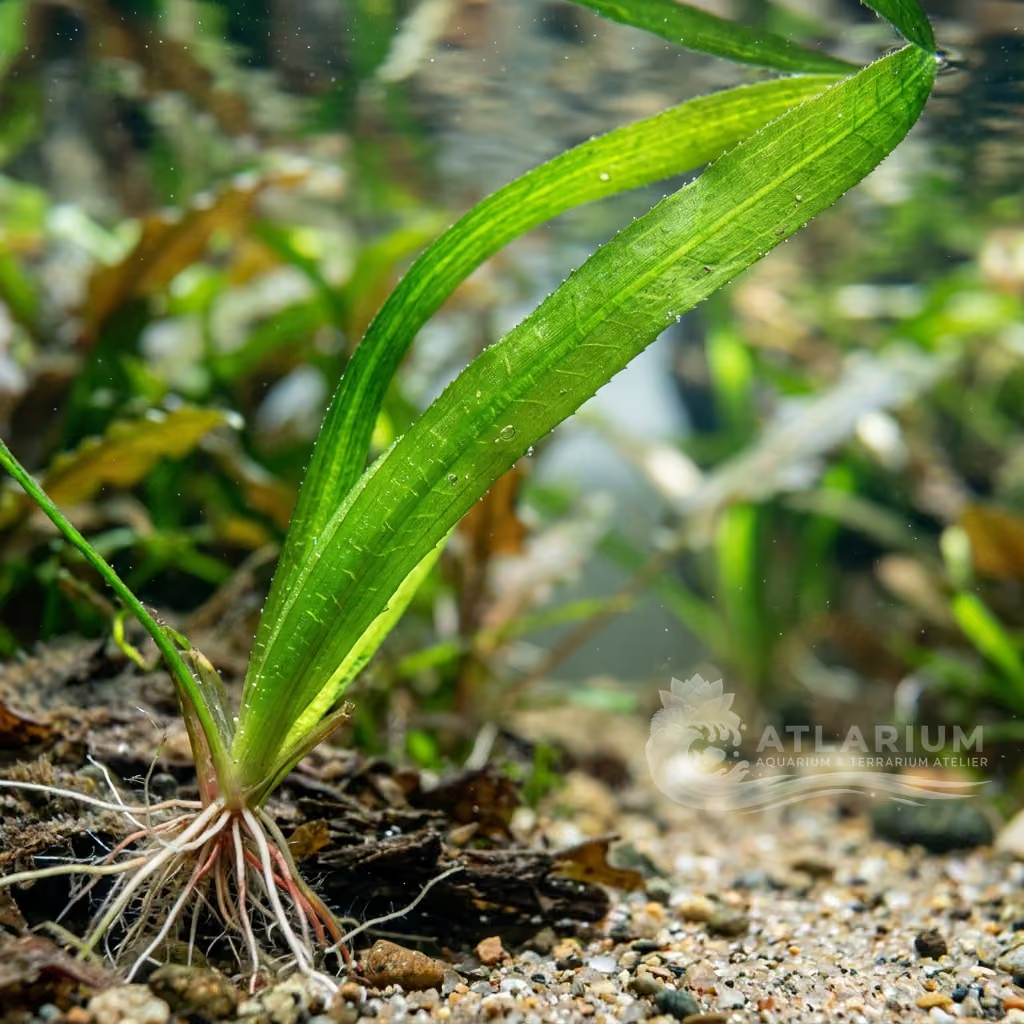
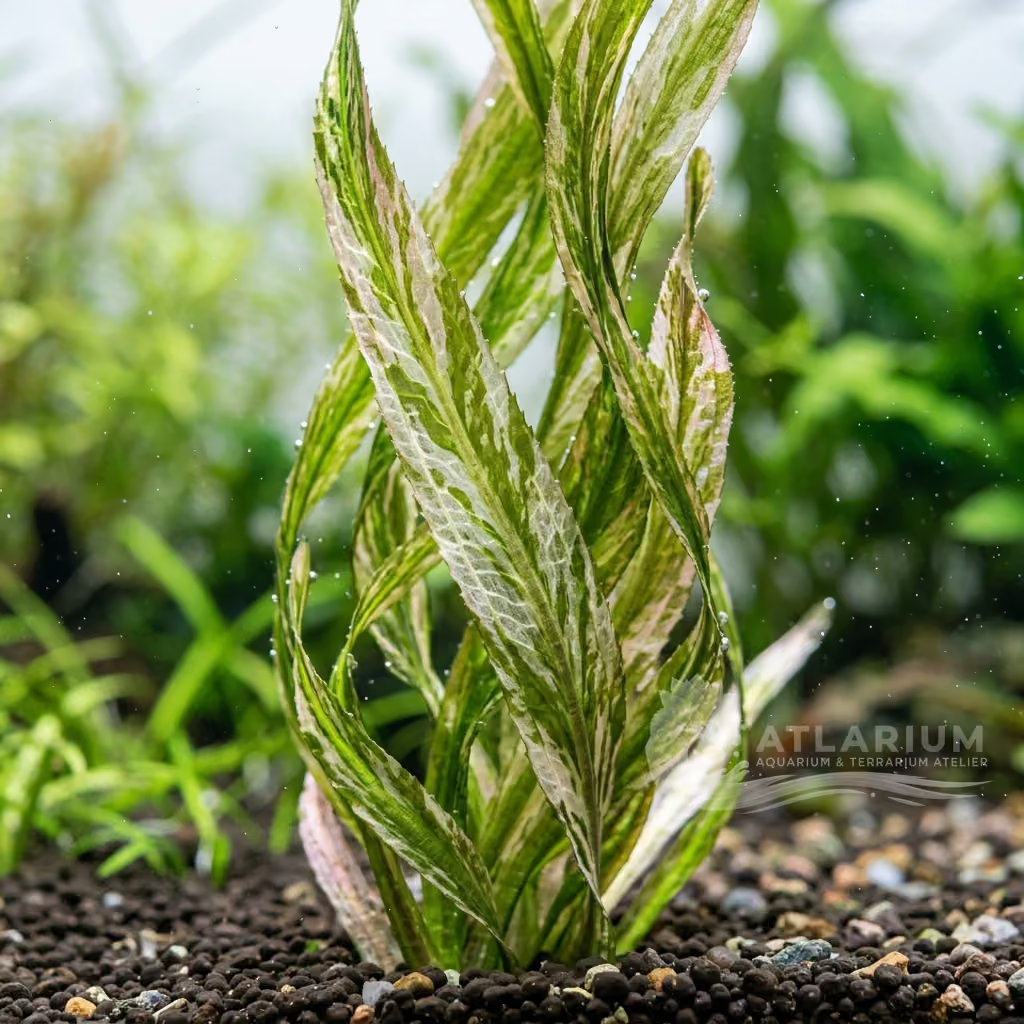
Physical Structure: Vallisneria natans features a robust root system that firmly anchors the plant to the substrate, from which its characteristic ribbon-like leaves emerge. These leaves can reach considerable lengths, sometimes exceeding 60 cm (24 inches) under optimal conditions, and grow from a basal rosette. The plant effectively reproduces through long runners that creep beneath the substrate, from which new plantlets emerge, rapidly forming a dense clump. This growth pattern allows it to colonize large areas of the aquarium, creating a natural and lush effect.
Color & Texture: The leaves of Vallisneria natans are typically a vibrant green, with the intensity varying depending on lighting and nutrient availability. Under more intense light and with good iron supplementation, the tips of the leaves can develop subtle reddish or bronze hues, adding a touch of color to the aquarium. The texture of the leaves is smooth and flexible, allowing them to sway elegantly with water movement, contributing to a very natural and dynamic appearance. This pliability also makes them resistant to damage from smaller herbivorous fish.

Care, breeding and tankmates
Lighting & CO2: Vallisneria natans is classified as a medium-light demand plant, making it suitable for a wide range of aquarium setups. Good lighting, around 0.5-0.8 watts per liter or 30-50 PAR, is ideal for promoting healthy and vigorous growth. While not strictly necessary, CO2 supplementation can significantly accelerate the growth rate and enhance the overall vitality of the plant, resulting in more robust and less susceptible leaves to degradation. However, Vallisneria can also thrive without additional CO2, albeit at a more moderate pace.
Nutrition & Substrate: As primarily a root feeder, Vallisneria natans greatly benefits from a nutrient-rich substrate or the addition of fertilizer tabs beneath its roots. A good clay-based substrate or one enriched with slow-release nutrients will ensure a constant supply of essential micro and macronutrients. Liquid fertilizers can supplement root feeding, especially to provide nutrients like potassium and iron which can also be absorbed through the leaves. Maintaining a nutritional balance is crucial to prevent deficiencies that might manifest as yellowing or deterioration of the leaves.
Water Chemistry: Vallisneria natans is tolerant of a wide spectrum of water chemistry values, making it a robust choice for many aquarists. Ideal conditions include water temperatures between 20 and 28 degrees Celsius (68-82°F), a slightly acidic to neutral pH between 6.0 and 7.5, and carbonate hardness (KH) between 2 and 12 dKH. It prefers medium-hard water but adapts well to slightly softer or harder conditions. It is important to avoid sudden fluctuations in chemical parameters, as these can stress the plant and cause "melting" or disintegration of the leaves.
Space Management & Placement: Due to its vigorous growth and the height it can achieve, Vallisneria natans is ideally placed in the midground or background of the aquarium to create a lush green wall effect. For smaller aquariums, it can serve as a dominant background plant, while in larger tanks, it creates an interesting visual separation in the middle. Its tendency to reproduce via runners means it will naturally expand, requiring space management to prevent it from outcompeting other plants or excessively filling the aquarium volume. It is advisable to leave space between mother plants to allow for good water circulation and light absorption.
Pruning: Pruning of Vallisneria natans is generally limited to removing older or damaged leaves, which tend to yellow or show signs of deterioration at the base. These leaves should be cut as close as possible to the basal rosette using sharp scissors to avoid damaging the mother plant. To control the spread of the plant via runners, new plantlets can be trimmed before they fully establish or gently removed once they have developed a few leaves and roots of their own. This practice helps maintain order in the aquarium and prevents overpopulation of the Vallisneria.
Risks & Diseases: Vallisneria natans is generally hardy but can be susceptible to certain unfavorable conditions. "Vallisneria melt" is a common phenomenon in new setups or after significant water parameter fluctuations, where leaves rapidly dissolve. Nutrient deficiencies, particularly iron and potassium, can cause yellowing and holes in the leaves. Excessive presence of filamentous algae on the leaves can inhibit photosynthesis and lead to plant decline; this often indicates an imbalance between light and nutrients. Ensuring stable conditions and good nutrition is crucial for its health.

Geographic origin and distribution
Vallisneria natans originates from the tropical and subtropical regions of Asia, encompassing countries like China, Japan, Korea, and parts of Southeast Asia. Its natural habitat includes slow-moving freshwater streams, rivers, lakes, and ponds, where it frequently grows submerged or occasionally floating. This species thrives in environments with muddy or sandy substrates and relatively calm water, where it can effectively anchor itself and proliferate through its runners. Its wide geographical distribution is testament to its remarkable adaptability to diverse aquatic environmental conditions.
Origin
South and Southeast AsiaEast Asia

Plant profile
- Placement
- Midground
- It is a classic background plant, ideal for creating a dense, trailing curtain of green. The long leaves will reach the surface and flow with the current, providing top cover. It should be placed at the back and sides of the tank to frame the aquascape.
- Botanical form
- Rosette
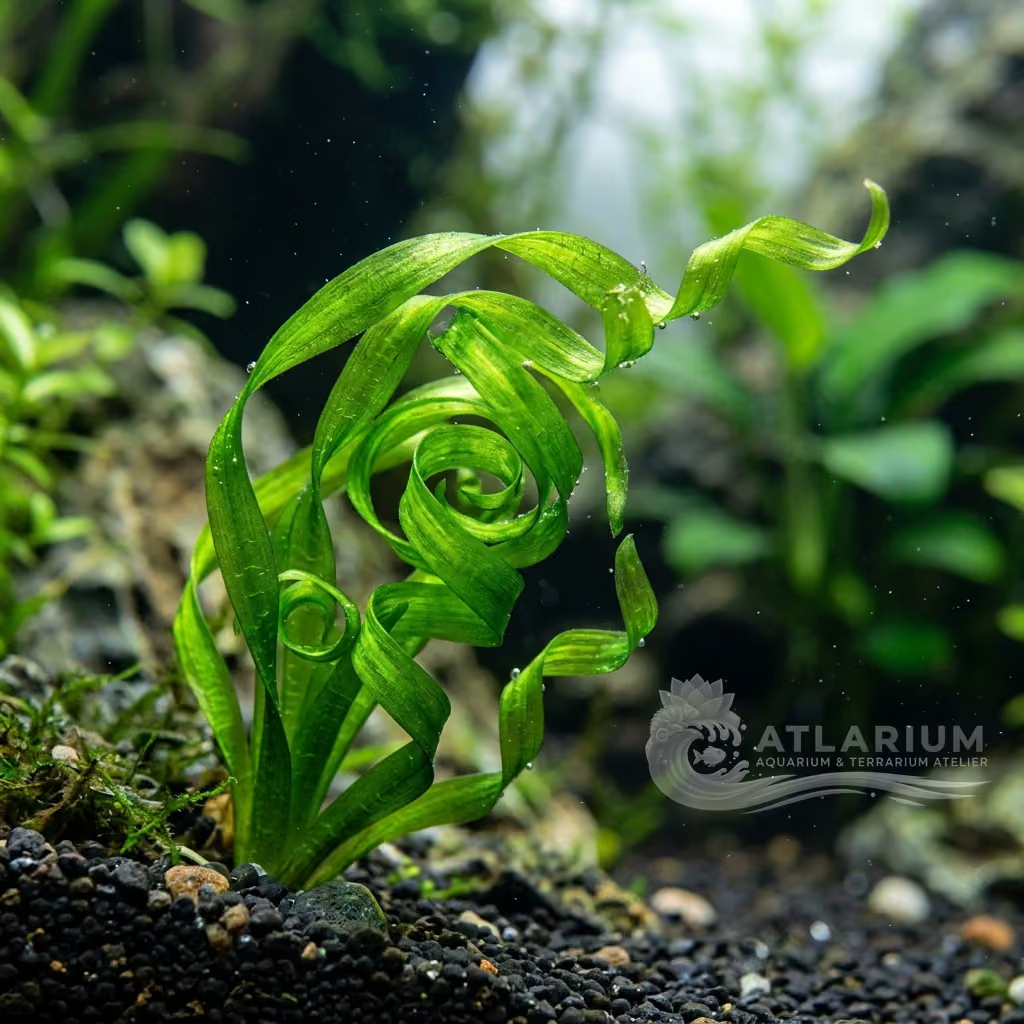
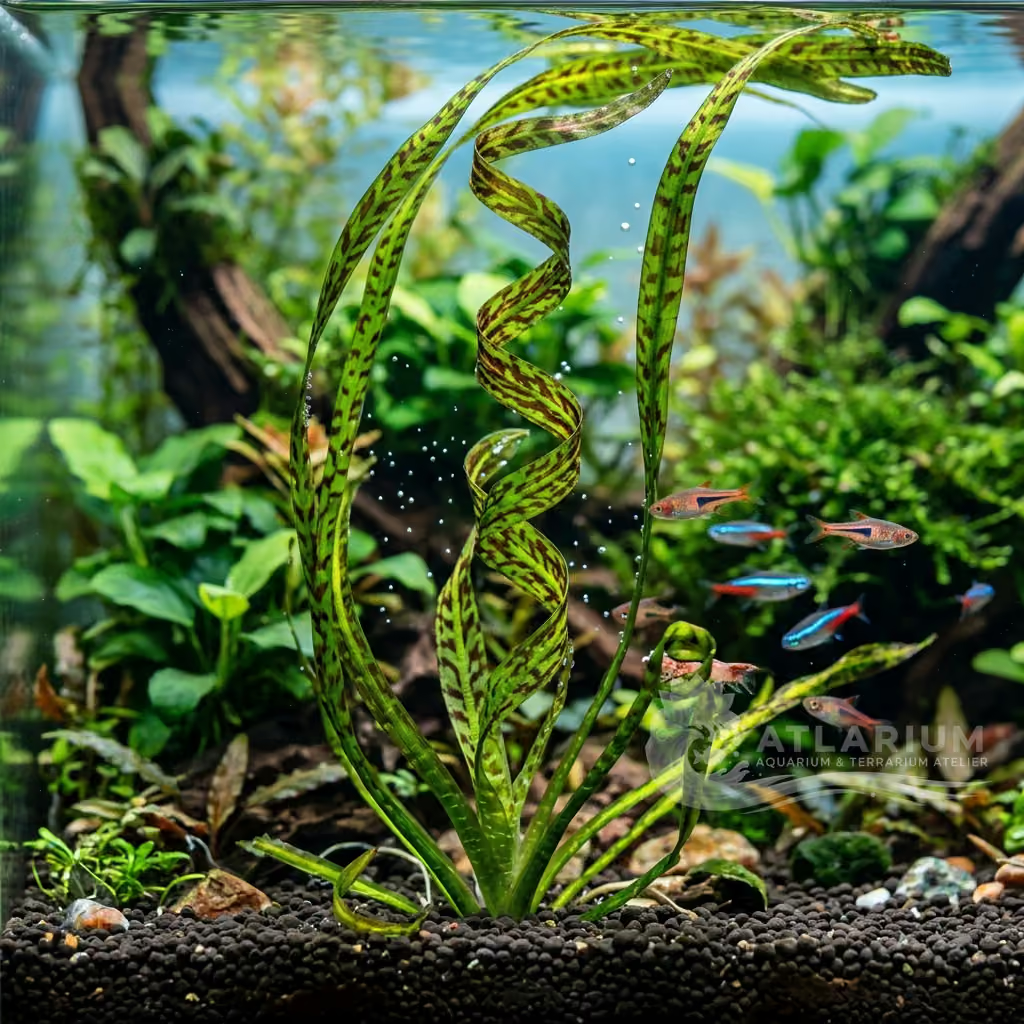
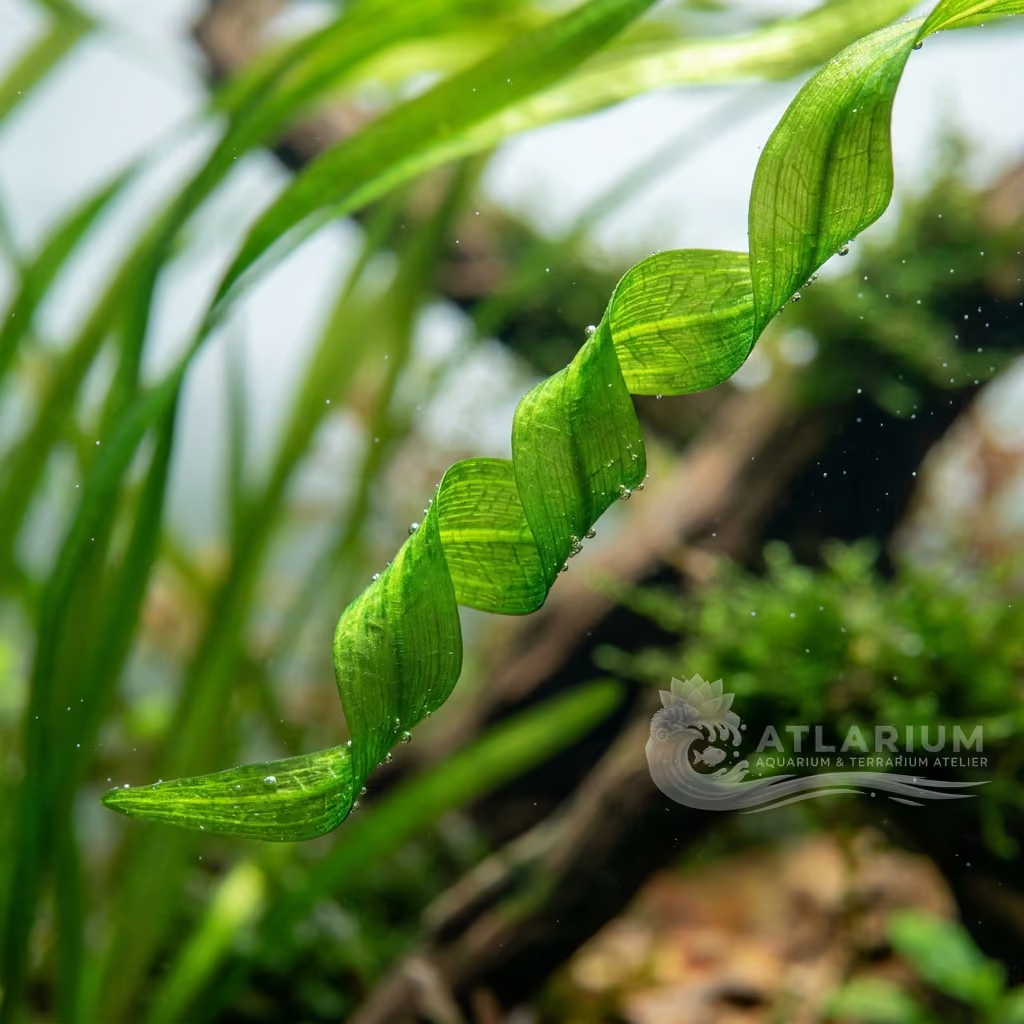
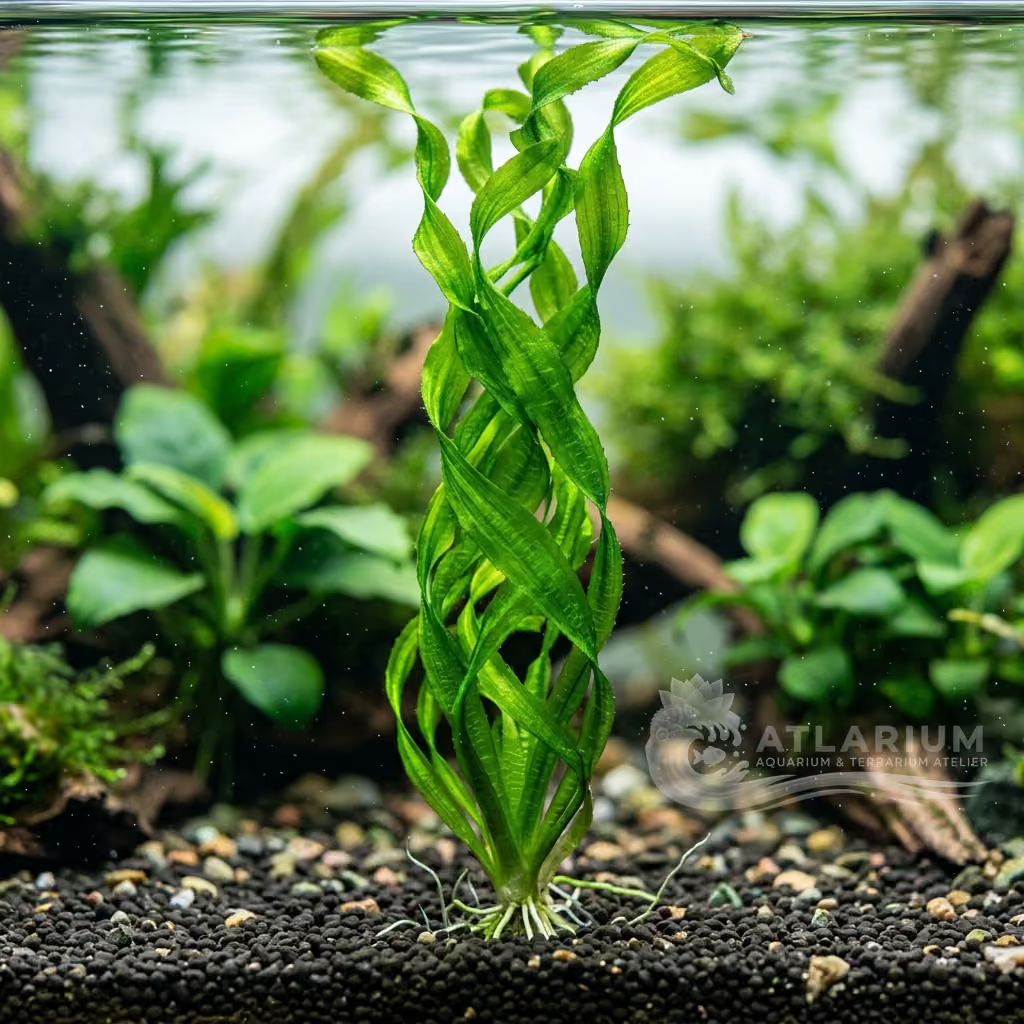
- It features long, strap-like leaves that are very tough and leathery. The leaves are typically a solid, bright green color with prominent longitudinal veins. Unlike the twisted or extremely narrow varieties, V. natans represents the classic, straightforward Vallisneria look.
- Growth
- Medium
- The growth rate is fast and reliable, even under lower light conditions. It quickly establishes itself and begins sending out runners to form a thick jungle. Regular pruning is necessary to prevent it from completely shading the foreground.
- Substrate
- High
- Featuring a robust root system, *Vallisneria natans* demands a nutrient-rich bed of aqua soil or deeply fertilized gravel to truly flourish. The substrate should be maintained at a depth of at least 2 inches (5 cm) to provide adequate anchoring and ample space for the propagation of its underground runners. Because it feeds heavily through its roots rather than the water column, maintaining substrate fertility is critical for the continuous growth of its ribbon-like leaves.
- Column fertilization
- Recommended
- While it can survive without it, basic liquid fertilization helps keep the leaves vibrant and prevents nutrient deficiencies. Dosing a general all-in-one fertilizer once a week is usually sufficient for its needs. It is very efficient at scavenging whatever nutrients are available in the water.
- Root fertilization
- Required
- Root feeding is where this plant truly excels. Planting it in a good aquasoil or supplementing inert gravel with root tabs will result in massive, healthy growth. A strong root system allows it to withstand boisterous fish and strong water flow.
- Trimming
- Occasional
- Trim by cutting the longest leaves cleanly near the base of the plant to control height. Avoid giving the plant a straight cut across the middle of the leaves. Remove daughter plants by snipping the runners to maintain the desired density.
- Propagation
- Runners
- It propagates prolifically via runners that spread quickly across the substrate. A single plant can easily populate the entire background of an aquarium within a few months. Daughter plants can be separated by cutting the connecting runner once they are established.
- Sensitivity
- Moderate
- Like most Vallisneria species, it is highly sensitive to glutaraldehyde (liquid carbon) and will melt if dosed. It is otherwise incredibly resilient, tolerating a wide range of temperatures, pH levels, and water hardness. It is one of the most beginner-friendly aquatic plants available.
- Layout role
- Midground, Background, group
- It is the quintessential background plant for natural-looking aquascapes and biotope aquariums. The long, trailing leaves provide a comforting canopy for fish and a natural hiding place for fry. Its simple, strong form balances more complex or colorful midground plants.

Related species
Recommendations grouped by close relatives, companion choices, and similar care.