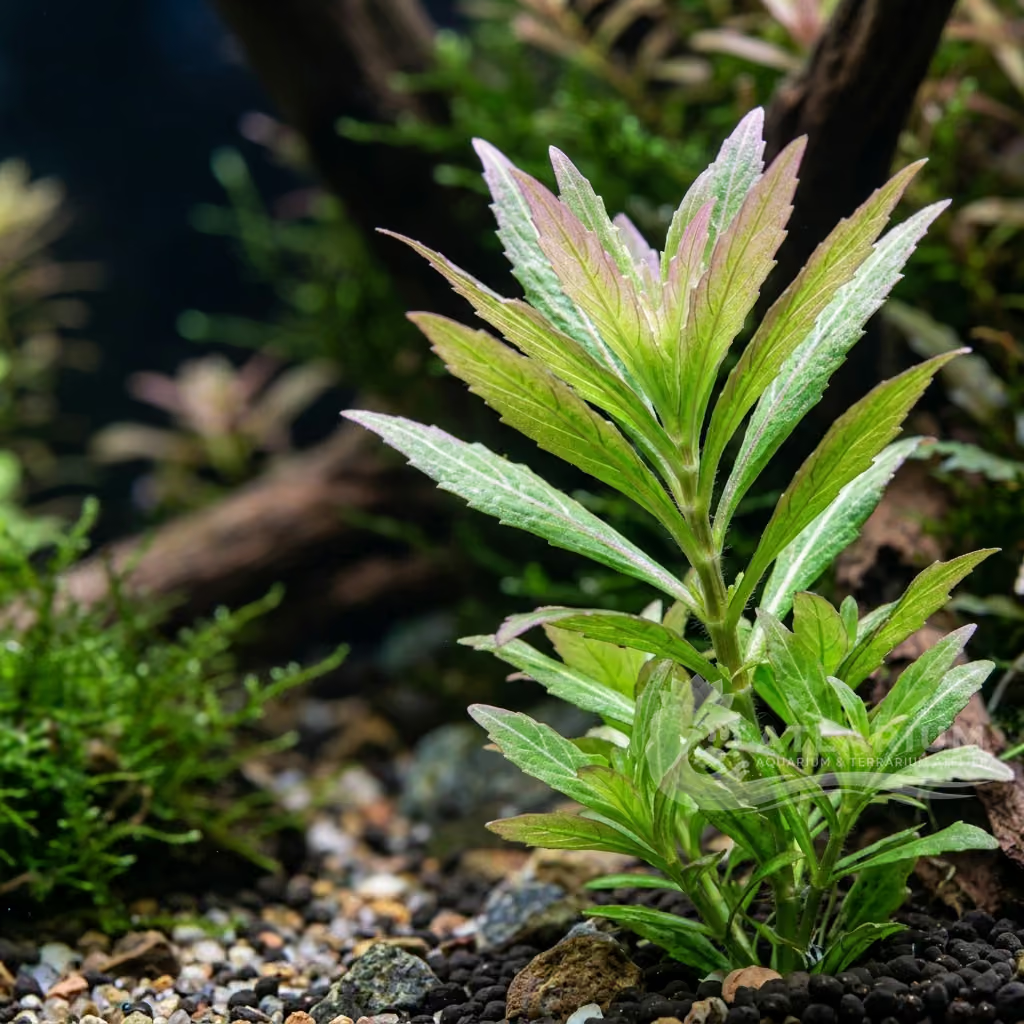
Ottelia alismoides
Ottelia alismoides
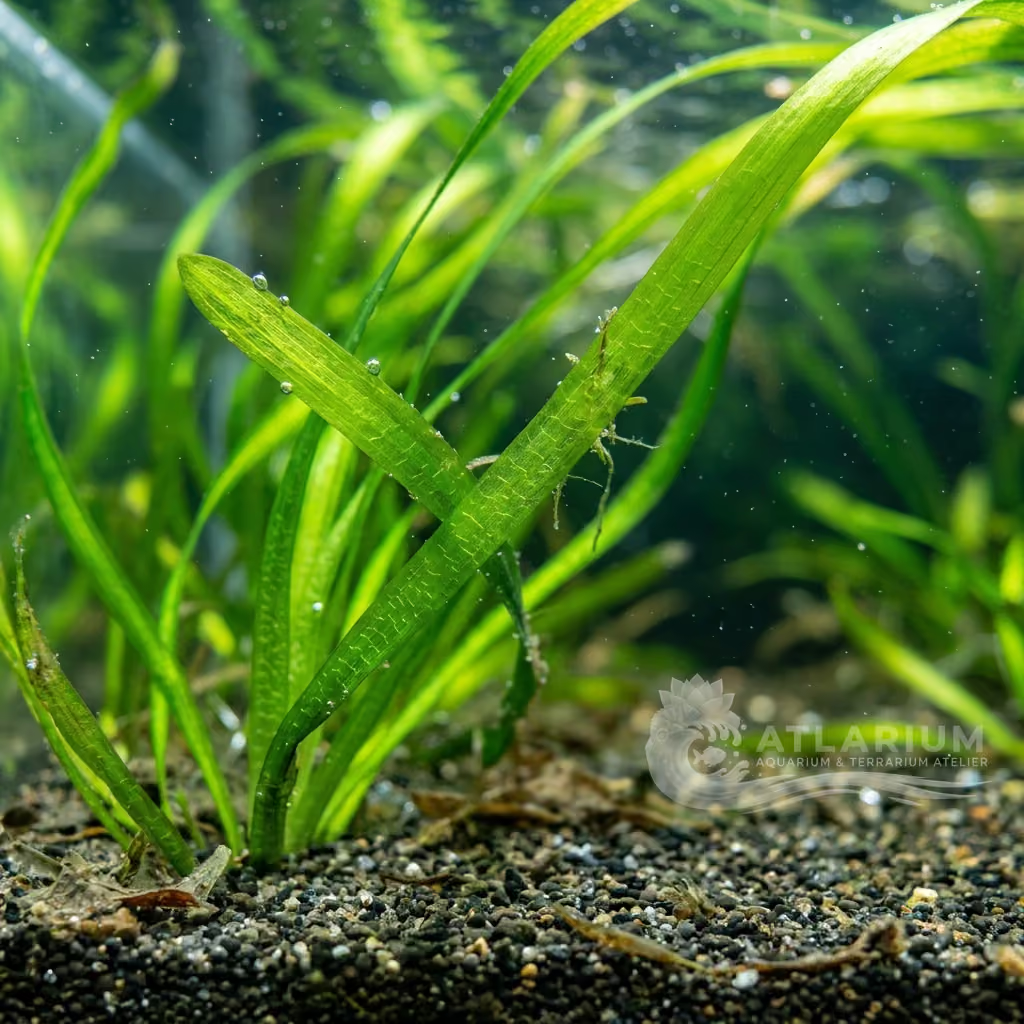
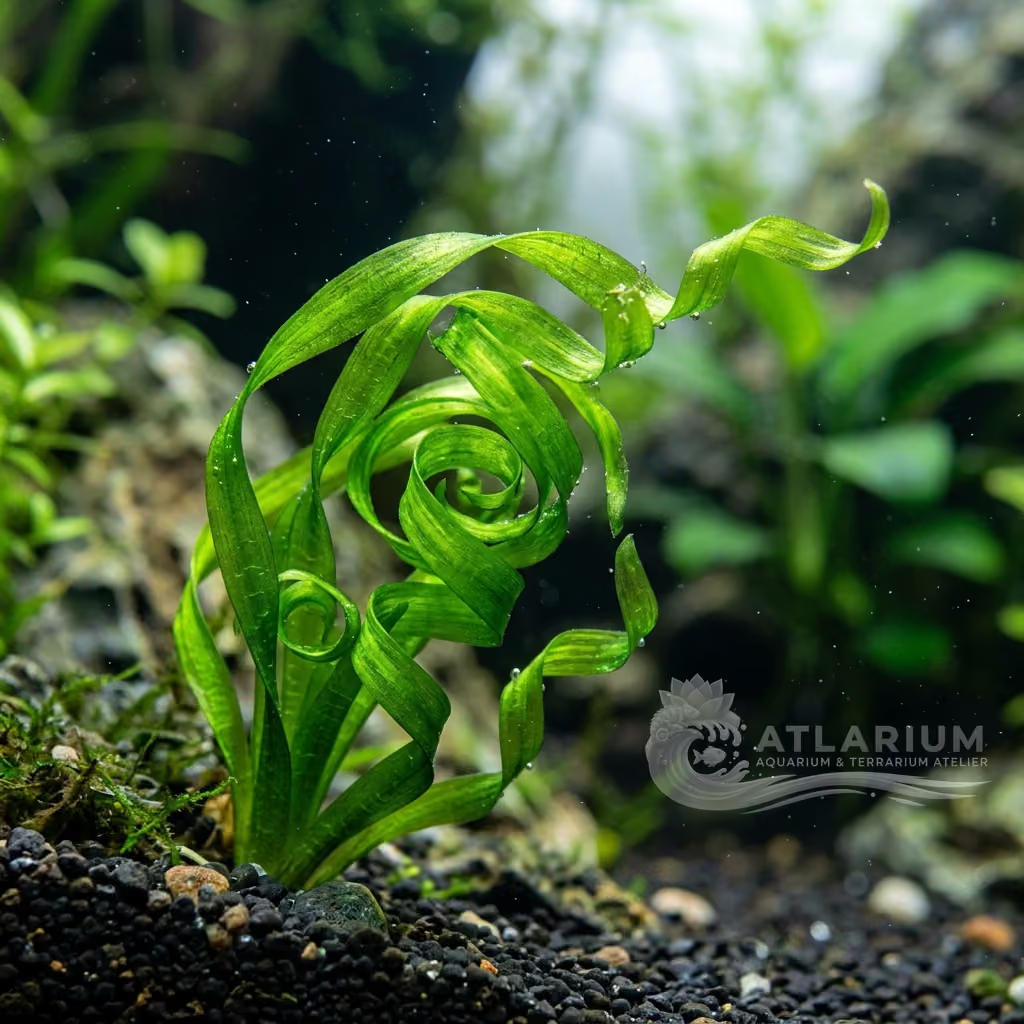
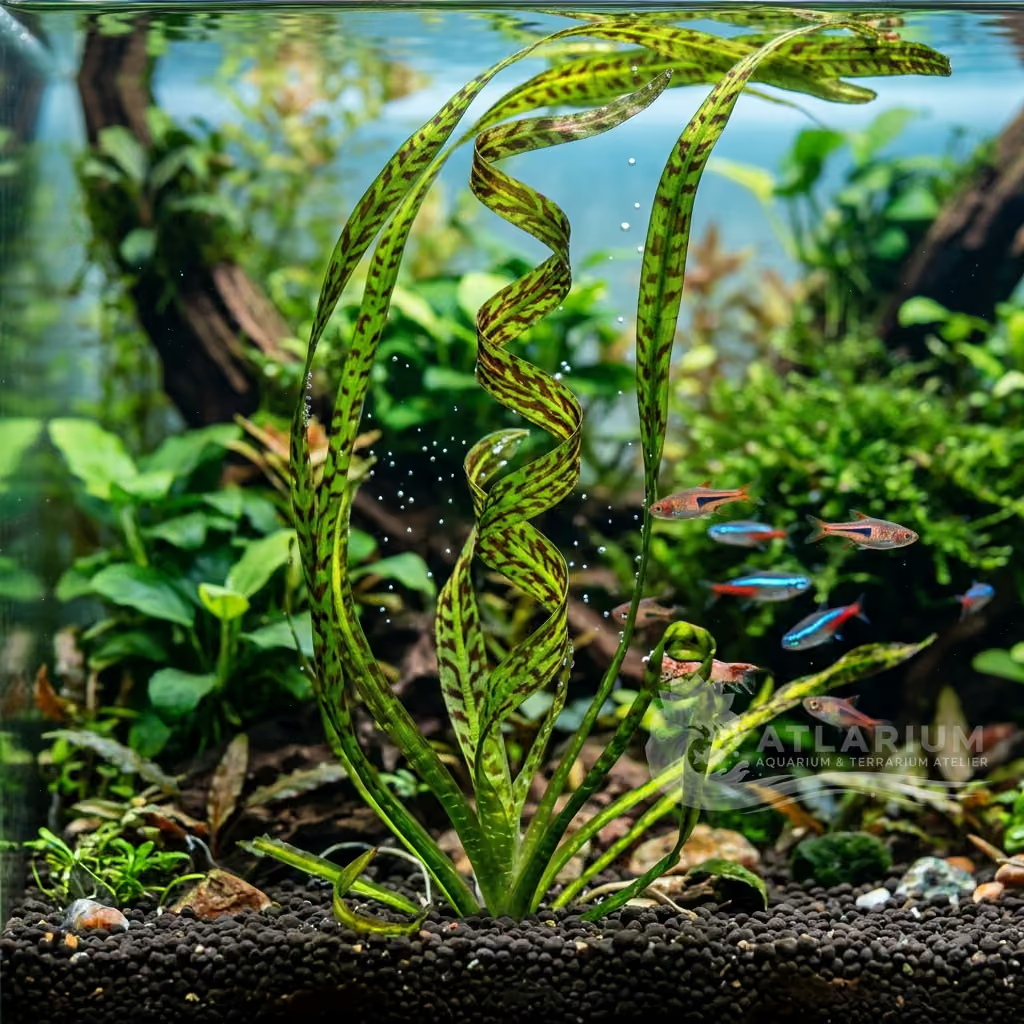
Ottelia alismoides is a fast-growing, rosette-forming aquatic plant, perfectly suited for the background of an aquarium where its broad leaves can create a lush, dense cover. This species provides significant visual impact and excellent shelter for smaller aquatic inhabitants, contributing to a balanced aquatic environment.
Water Temperature
18 - 30 °C
pH Value
6 - 7.5
Water type
Freshwater
Light
Medium to High
CO2
High
KH
2 - 18 dKH

Species description
Geographical Origin and Habitat: Ottelia alismoides is widely distributed across the tropical and subtropical regions of Asia and Australia, where it thrives in a variety of freshwater aquatic habitats. It is commonly found in ponds, swamps, slow-moving streams, and ditches, often rooted in muddy substrates of shallow, well-lit waters. Its adaptability to diverse conditions makes it a robust species, although it prefers environments with stable temperatures and available nutrients in the sediment. This extensive geographical distribution attests to its resilience and ability to colonize various aquatic ecosystems.
Taxonomy & Genetics: Ottelia alismoides belongs to the Hydrocharitaceae family, a well-known group of aquatic plants recognized for its submerged and floating species, including genera like Vallisneria and Egeria. Within this family, the genus Ottelia is distinguished by its basal rosette morphology and the production of flowers that often emerge above the water surface for pollination. Taxonomically, the classification of this species is stable, reflecting its unique genetic and morphological characteristics. Studying its genetics can offer valuable insights into the adaptation of aquatic plants to different environments and their reproductive strategies.
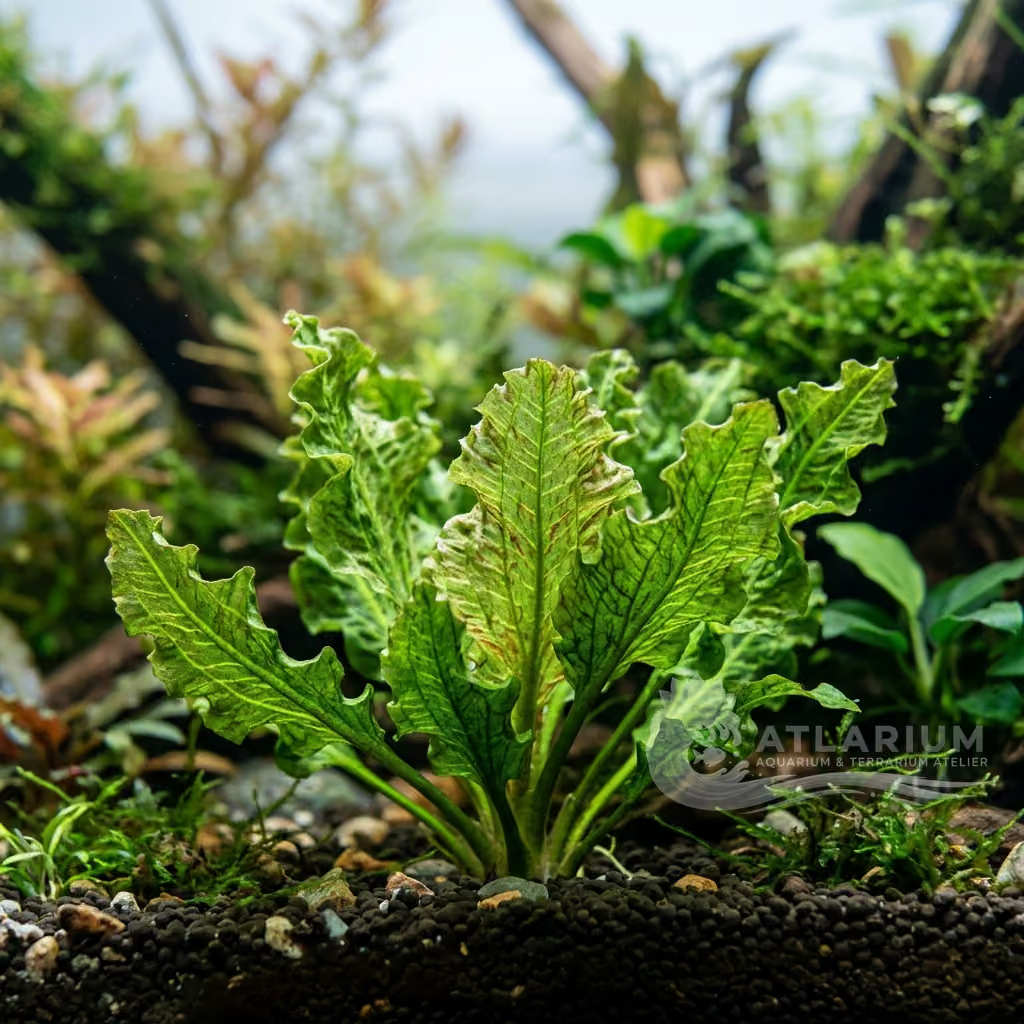
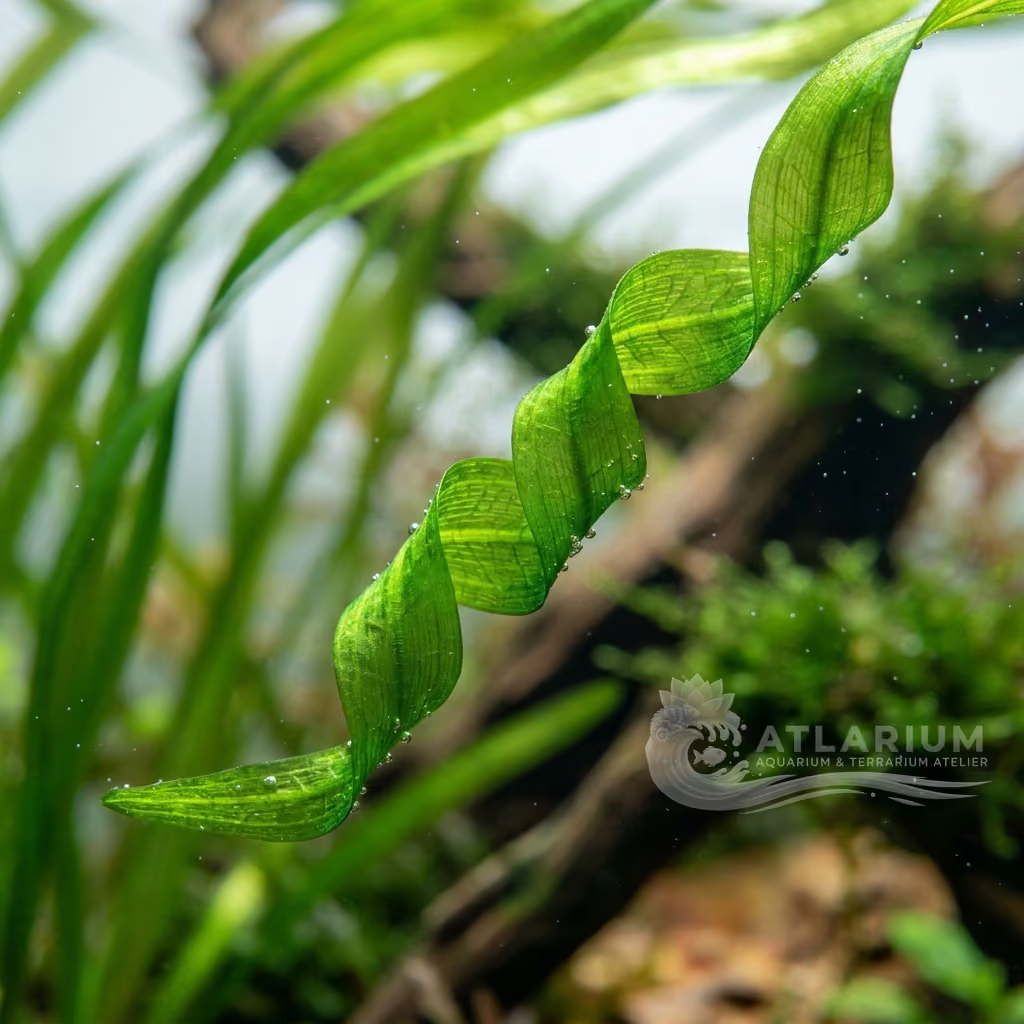
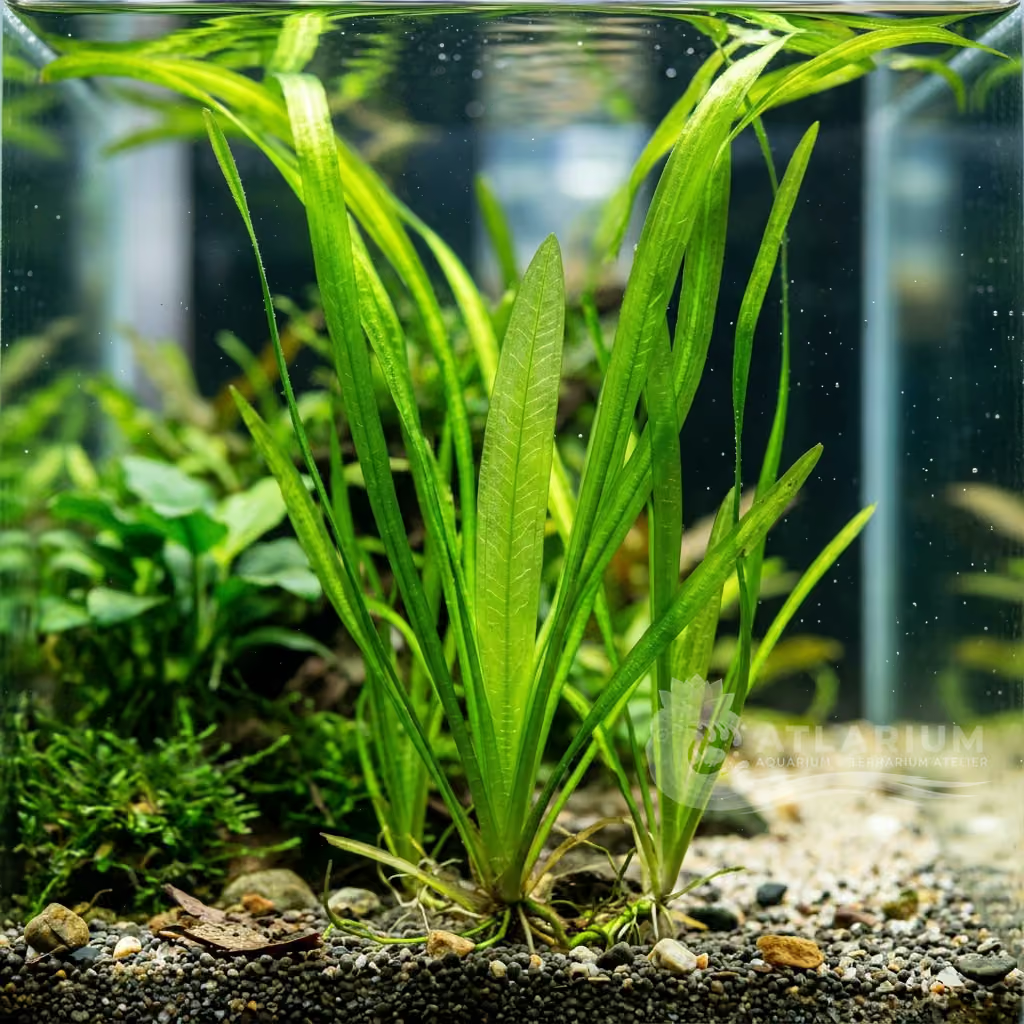
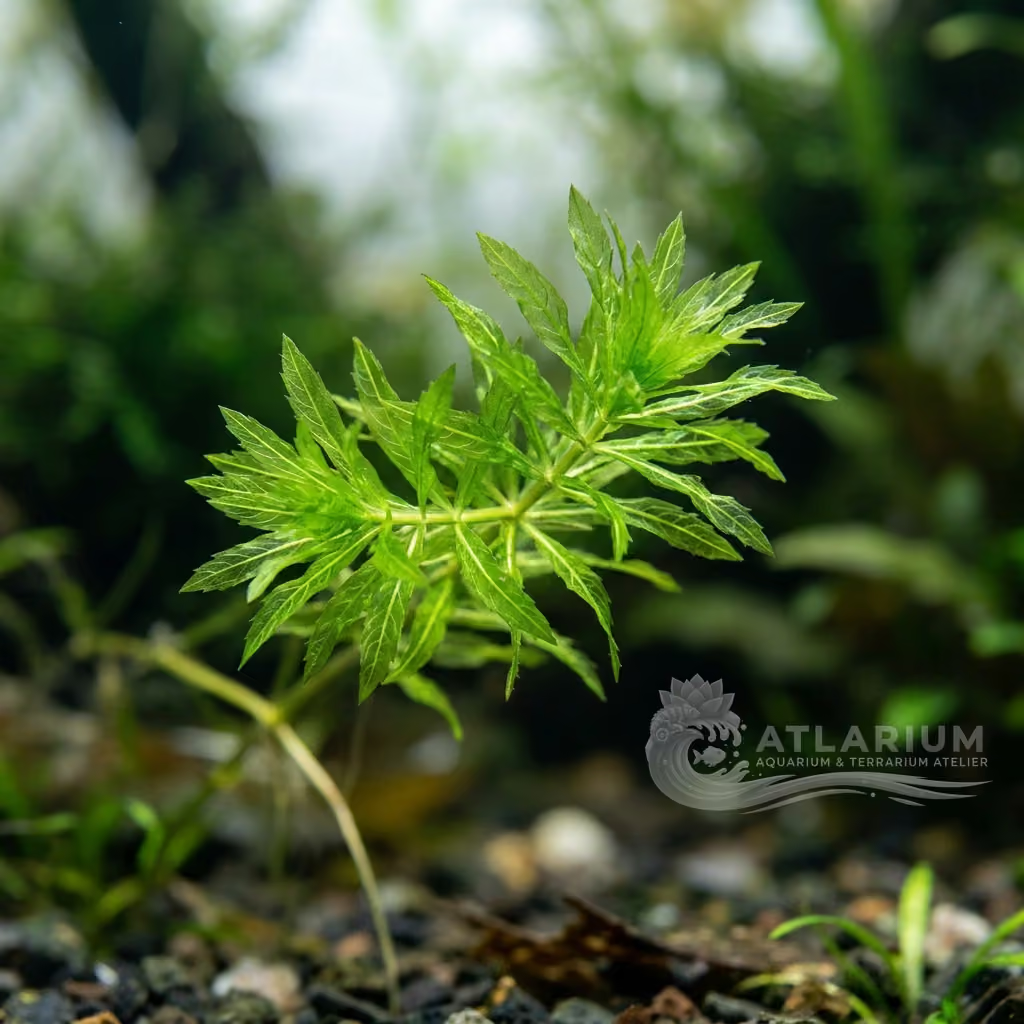
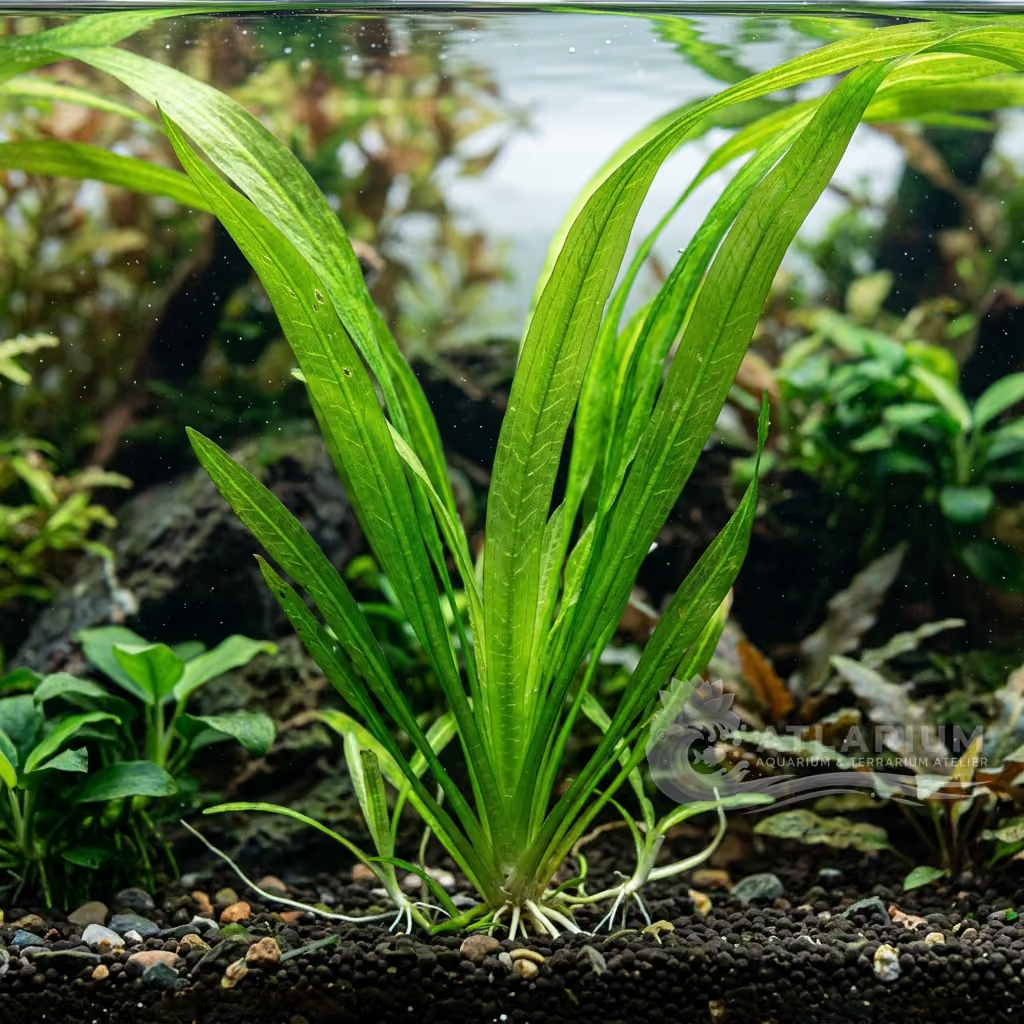
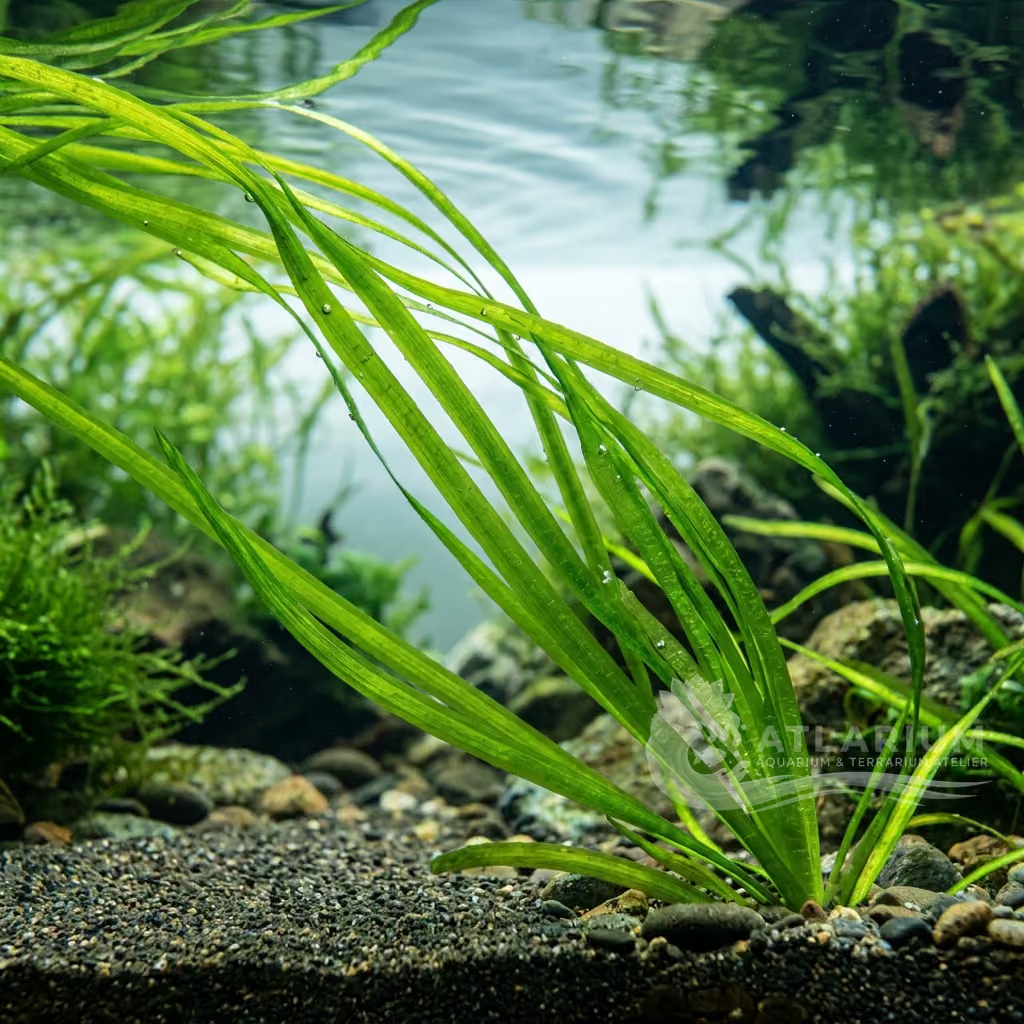
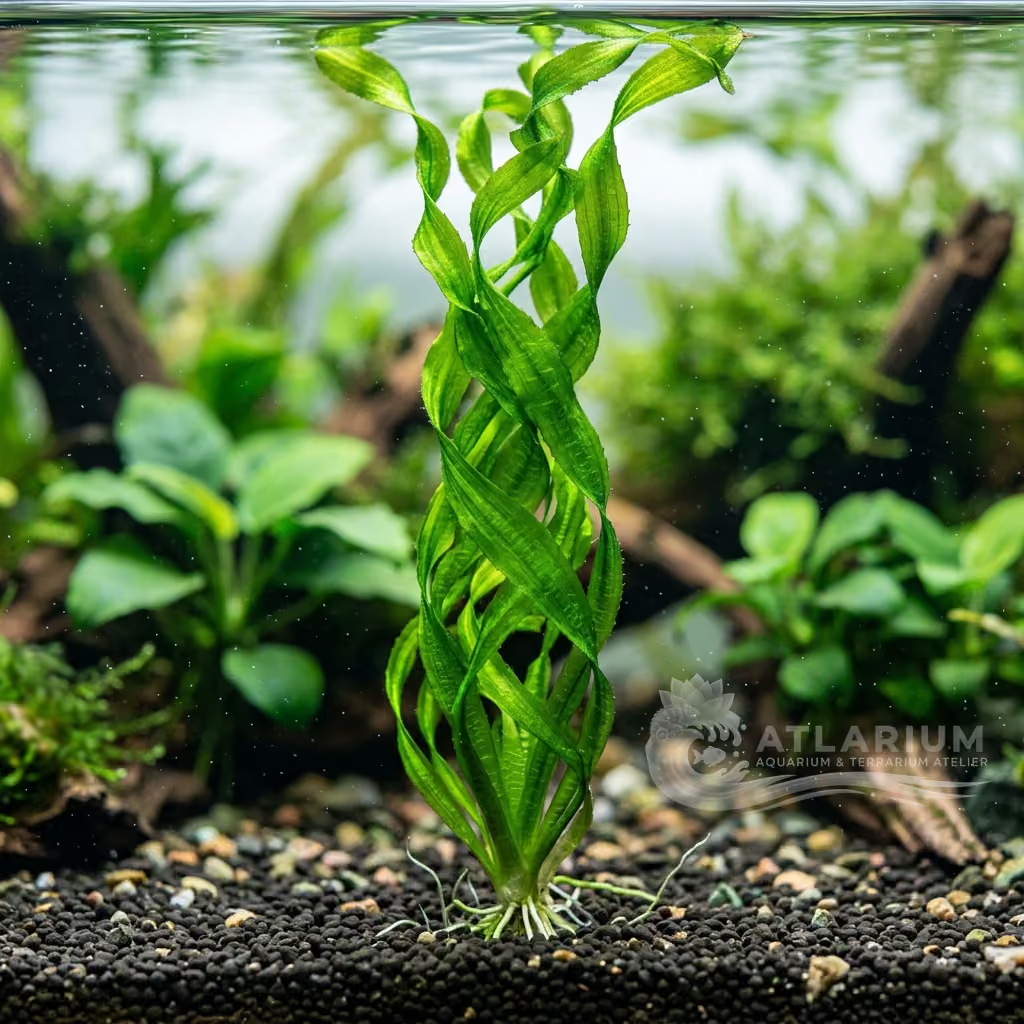
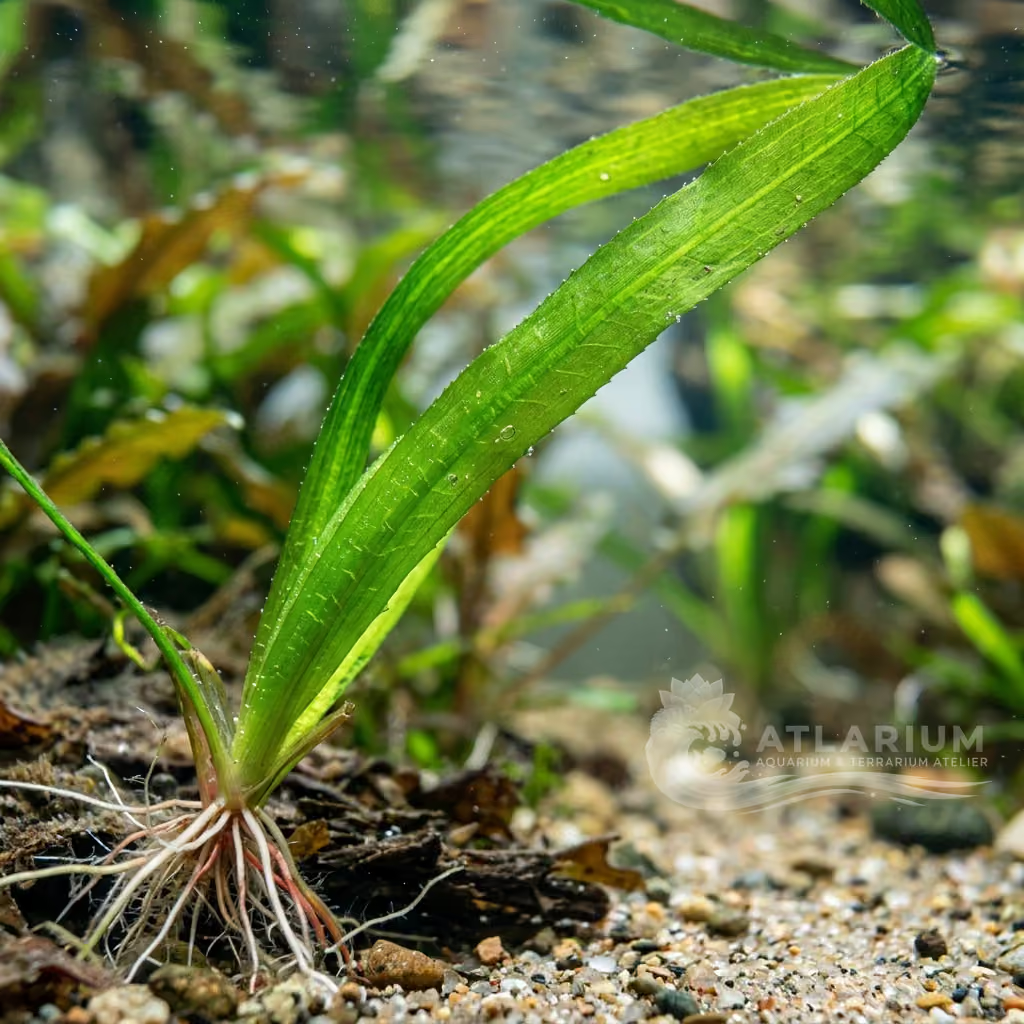
Physical Structure: This plant presents as a basal rosette of leaves, characterized by the absence of a noticeable vertical stem. The leaves, emerging directly from a subterranean rhizome, can vary significantly in shape depending on environmental conditions, transitioning from narrow and strap-like in deeper waters to broad and oval or lanceolate in shallower environments. Its fibrous roots firmly anchor the plant to the substrate, providing essential stability. When mature, it can produce flower stalks that reach the water surface, where three-petaled white flowers develop, sometimes self-pollinating or pollinated by insects.
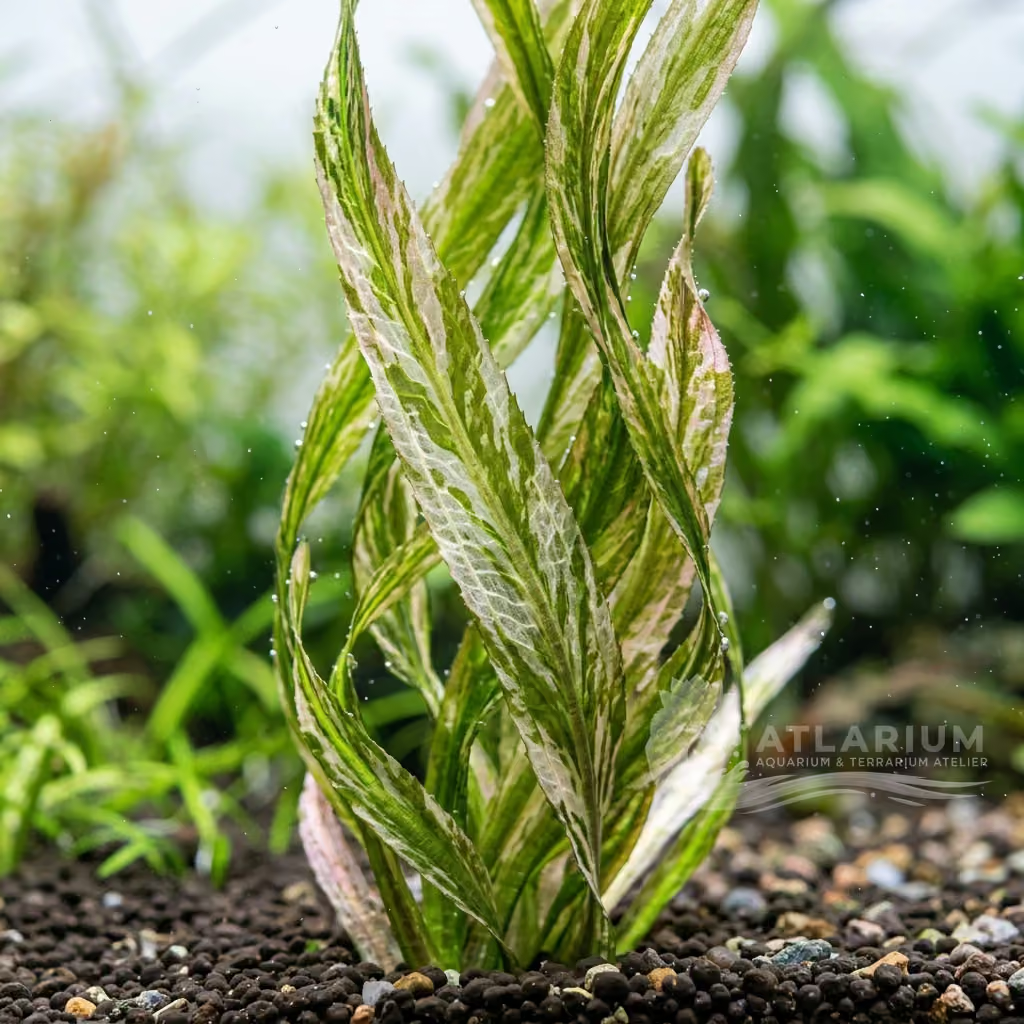
Color & Texture: The leaves of Ottelia alismoides typically display a vibrant green coloration, which can intensify or shift to darker shades depending on light intensity and nutrient availability. Their surface is usually smooth and slightly waxy, contributing to the prevention of excessive algal adhesion under optimal conditions. In certain variants or under specific stress conditions, the leaves might exhibit slight reddish or brownish hues, especially along the margins or veins. Their texture is generally tender and flexible yet robust, allowing them to withstand water currents without easily sustaining damage.

Care, breeding and tankmates
Lighting & CO2: Ottelia alismoides thrives under medium to high lighting conditions, which are crucial for maintaining vigorous growth and preventing leaf etiolation. Insufficient light intensity can lead to longer, thinner, and paler leaves, indicating the plant's struggle to reach adequate illumination. CO2 supplementation is highly recommended, especially in aquariums with intense lighting, as it significantly boosts photosynthesis and accelerates the growth rate. Stable carbon dioxide levels also help prevent nutrient deficiencies and promote richer leaf coloration, making the plant more robust and resilient.
Nutrition & Substrate: As a plant that firmly roots itself in the substrate, Ottelia alismoides greatly benefits from a nutrient-rich bottom, such as a specialized aquatic plant substrate or one enriched with clay and laterite. While it effectively absorbs nutrients from the
Water Chemistry: This species is tolerant of a wide range of water chemistry parameters, although it prefers stable conditions for optimal growth. The ideal water temperature ranges from 18.0 to 30.0 °C, reflecting its tropical origin. A pH between 6.0 and 7.5 is ideal, while carbonate hardness (KH) can vary from 2.0 to 18.0, indicating good adaptability to different water compositions. However, lower KH values are often preferred in aquariums with CO2 injection for greater pH stability. Avoiding extreme fluctuations in these parameters is crucial for the plant's long-term health.
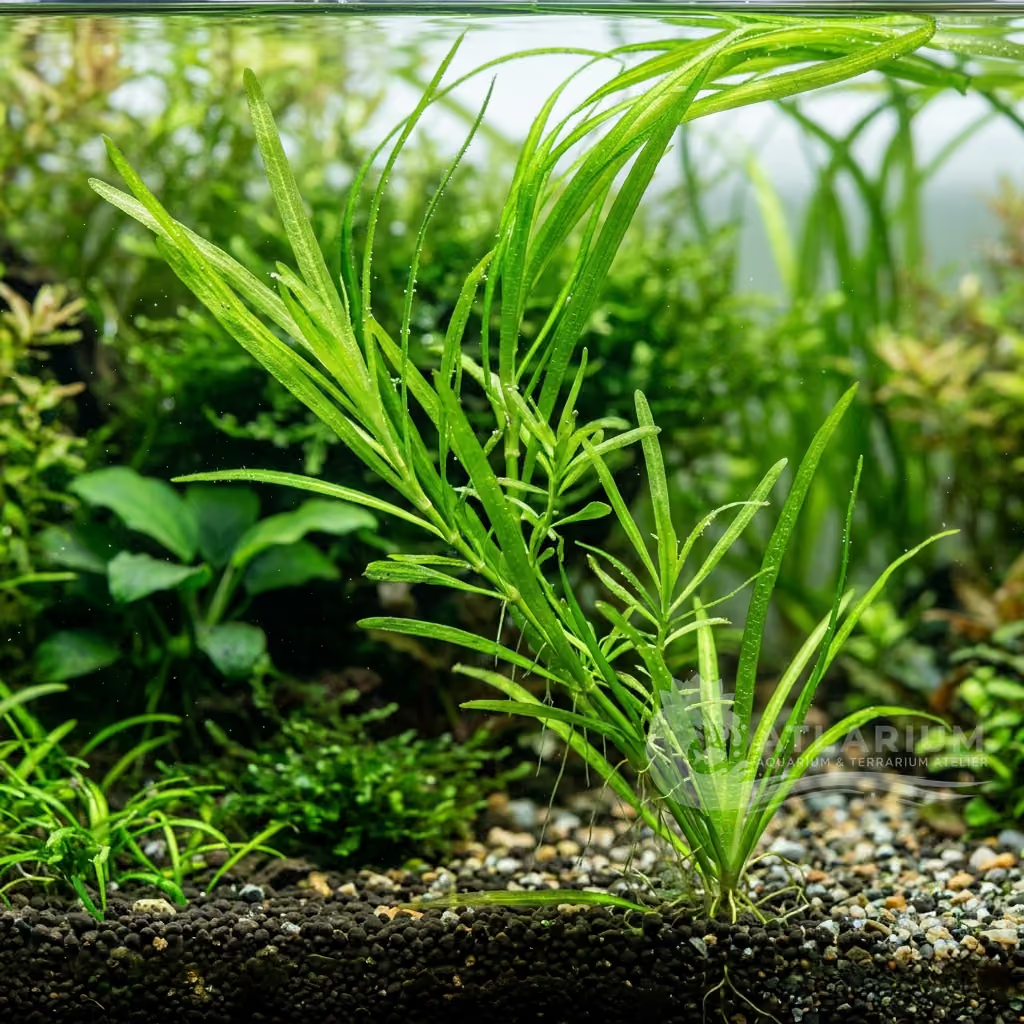
Space Management & Placement: Due to its fast growth rate and potentially large leaf size, Ottelia alismoides is an excellent choice for background placement in the aquarium, where it can form a dense and impressive green wall. It requires adequate space for its leaves to spread, as they can reach considerable lengths, especially in taller tanks. Ensure sufficient planting distance from the aquarium walls or other fast-growing plants to prevent it from overshadowing light and nutrients. Its rosette nature makes it ideal for covering equipment or creating a natural focal point at the back of the aquascape.
Pruning: Pruning Ottelia alismoides is a straightforward process primarily focused on removing old, damaged, or yellowing leaves directly from the base of the rosette. Since this plant does not produce a stem from which to branch, apical pruning, as done with stem plants, is not applicable. Leaves that grow excessively long and begin to overshadow underlying plants can be removed to maintain light balance within the aquarium. Regular pruning encourages the growth of new, healthier leaves and helps maintain the plant's aesthetic appeal, preventing the accumulation of decaying organic matter.
Risks & Diseases: Despite being a robust plant, Ottelia alismoides can be susceptible to risks if aquarium conditions are not optimal. Nutrient deficiencies often manifest as leaf yellowing (nitrogen or iron deficiency) or holes (potassium deficiency). Insufficient lighting can cause etiolation and stunted growth, while excessive fluctuations in water parameters can induce stress. The presence of algae on leaves may indicate an imbalance in light or nutrients. Maintaining stable conditions and carefully monitoring water parameters and fertilization are the best preventive strategies against most problems.

Geographic origin and distribution
Ottelia alismoides is widely distributed across the tropical and subtropical regions of Asia and Australia, where it thrives in a variety of freshwater aquatic habitats. It is commonly found in ponds, swamps, slow-moving streams, and ditches, often rooted in muddy substrates of shallow, well-lit waters. Its adaptability to diverse conditions makes it a robust species, although it prefers environments with stable temperatures and available nutrients in the sediment. This extensive geographical distribution attests to its resilience and ability to colonize various aquatic ecosystems.
Origin
South and Southeast AsiaEast AsiaAustralia, New Guinea, and Oceania

Plant profile
- Placement
- Background
- This plant is typically placed in the midground or background, depending on the size of the aquarium. Its broad leaves require ample space to spread out naturally without being shaded. It serves as an excellent focal point in the aquascape.
- Botanical form
- Rosette
- The plant grows in a classic rosette pattern, with leaves radiating from a central crown. The leaves are often broad, elegantly textured, and sometimes undulated. Its striking form makes it a bold architectural element in any aquatic garden.
- Growth
- Fast
- Under favorable conditions, Ottelia alismoides grows at a steady, moderate rate. High lighting and CO2 supplementation encourage faster production of new leaves from the central rosette. It continuously replaces older outer leaves with fresh central ones.
- Substrate
- High
- Ottelia alismoides is a heavy-rooting aquatic plant that demands a deep, nutrient-rich substrate to sustain its rapid growth and large leaf structure. A thick layer of high-quality aquasoil, preferably supplemented with root tabs, is strongly recommended to meet its extensive mineral requirements. The substrate should be at least 6 to 8 centimeters deep, allowing its robust root system to spread extensively and firmly anchor the plant in the aquatic bed.
- Column fertilization
- Recommended
- While root feeding is primary, Ottelia alismoides also benefits from liquid fertilization. Comprehensive water column dosing ensures micronutrients like iron and trace elements are readily available. Regular dosing complements root nutrition perfectly.
- Root fertilization
- Recommended
- A rich substrate is absolutely critical for the long-term success of this rosette plant. Root tabs should be placed deeply near the crown every few months to replenish exhausted nutrients. Aquasoils provide an excellent foundation for its massive root structure.
- Trimming
- Occasional
- Pruning involves selectively removing older, decaying, or algae-covered leaves from the outer edge of the rosette. Cut the leaf stems as close to the crown as possible to prevent rot. Never cut the central new growth, as this can severely stunt the plant.
- Propagation
- Division
- Propagation usually occurs naturally through the production of side shoots or daughter plants from the base. Once a daughter plant has developed its own roots and several leaves, it can be carefully detached. Alternatively, some species propagate via seeds.
- Sensitivity
- Moderate
- Ottelia alismoides can be sensitive to root disturbance once established, so transplanting should be minimized. It is prone to melting if introduced to drastically different water parameters. Herbivorous fish or large snails might damage the tender foliage.
- Layout role
- Background
- Its main role is to serve as a strong focal point or a dominant feature in the midground. The broad, textured leaves break up the fine foliage of stem plants beautifully. In larger tanks, it anchors the aquascape with its solid visual weight.

Related species
Recommendations grouped by close relatives, companion choices, and similar care.