Najas indica
Najas indica
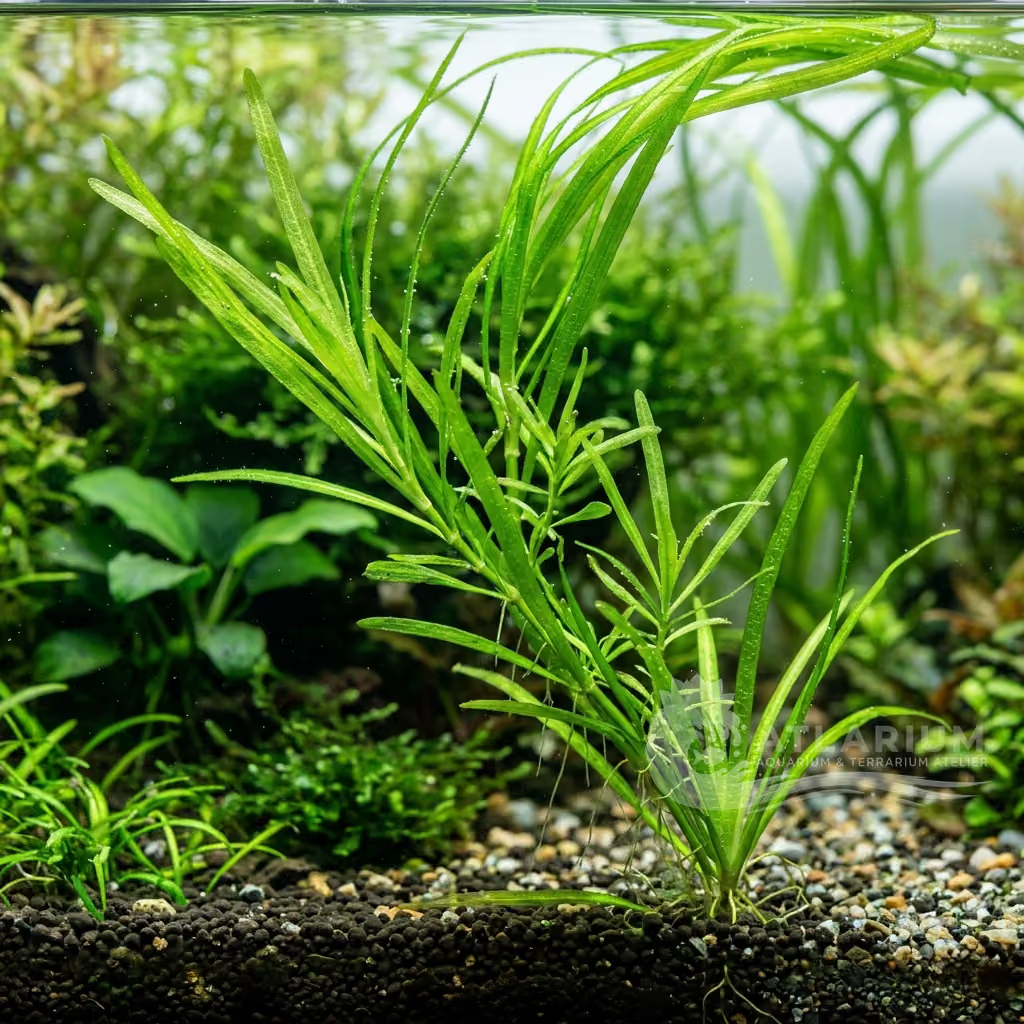
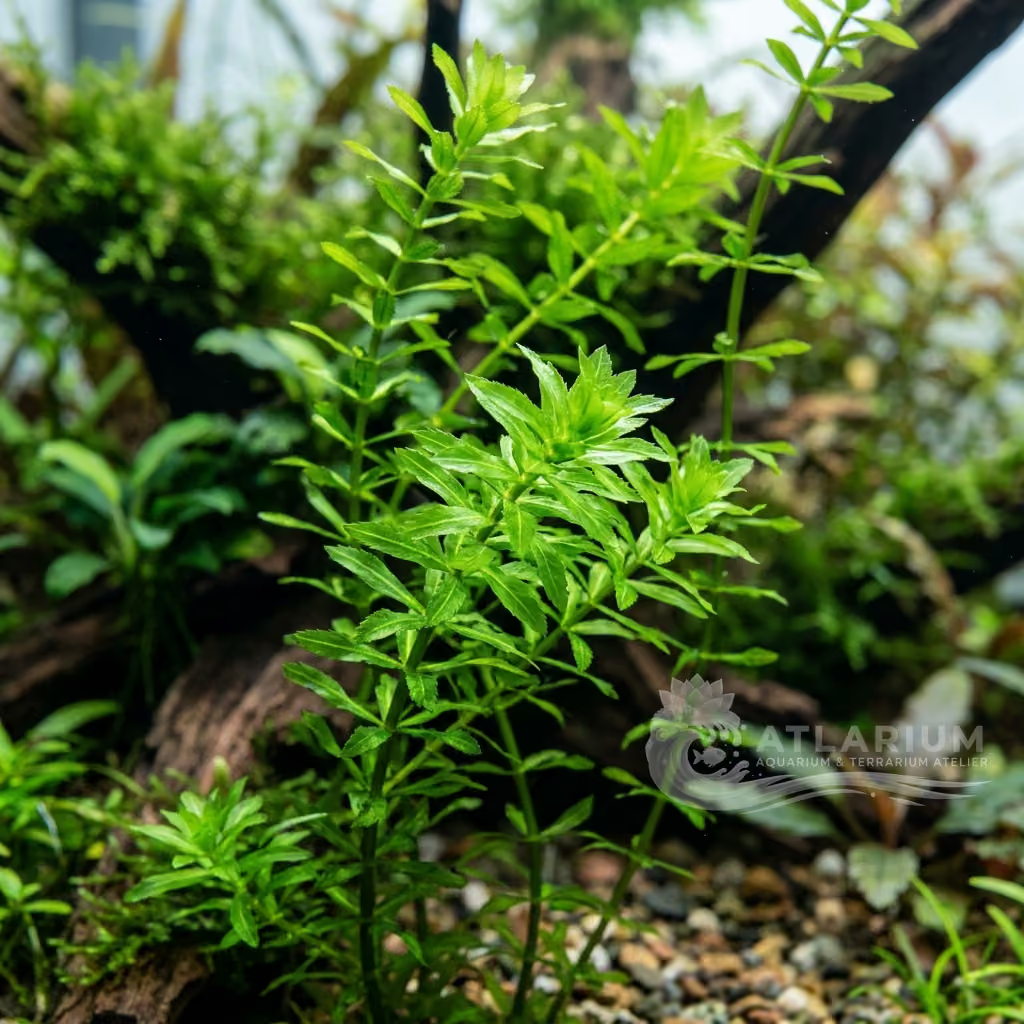
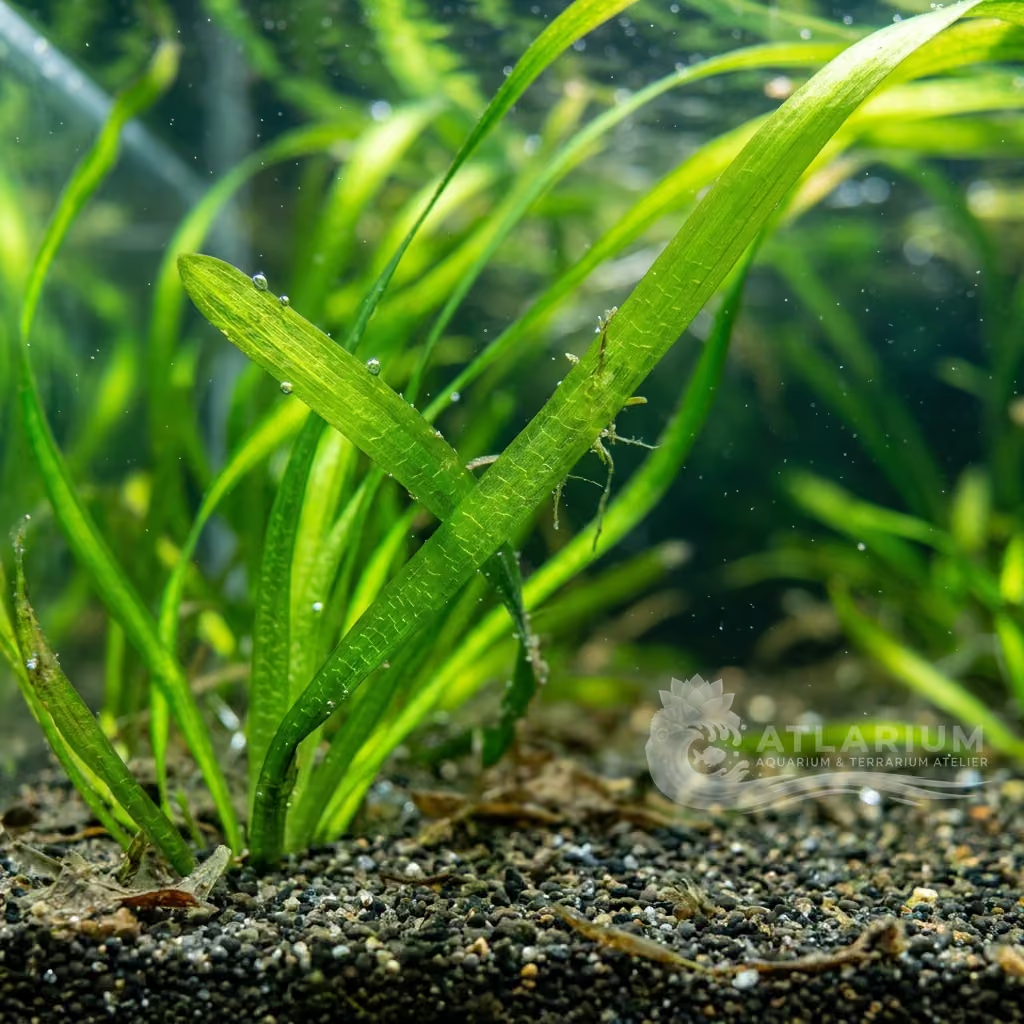
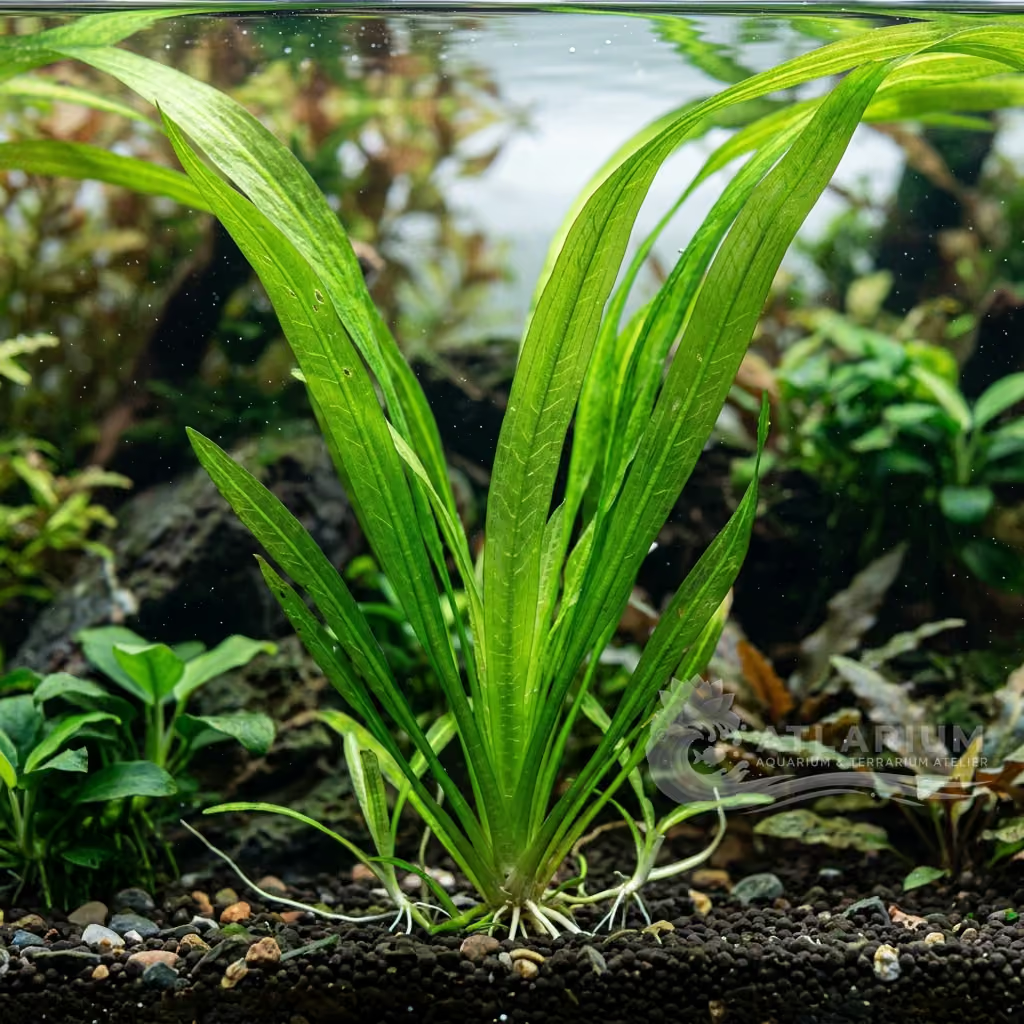
Najas indica is an exceptionally fast-growing aquatic plant, ideal for creating dense green carpets or bushy formations in the aquarium foreground. Its delicate nature and bushy habit make it excellent for providing refuge to small inhabitants and effectively contributing to biological filtration.
Water Temperature
18 - 30 °C
pH Value
5 - 7.5
Water type
Freshwater
Light
Medium to High
CO2
High
KH
1 - 14 dKH

Species description
Geographical Origin and Habitat: Najas indica is native to a broad geographical range across Asia, predominantly found in the Indian subcontinent and extending into Southeast Asia. This species thrives in diverse freshwater environments, including still or slow-moving waters such as ponds, ditches, rice paddies, and the margins of larger lakes and rivers. Its natural habitat is often characterized by shallow, nutrient-rich waters with ample sunlight, where it can form extensive, submerged meadows. The plant's widespread distribution attests to its remarkable adaptability to varying water parameters and substrate conditions in tropical and subtropical regions.
Taxonomy & Genetics: Najas indica belongs to the family Hydrocharitaceae, commonly known as the frogbit family, which includes many well-known aquatic plants. Within this family, the genus Najas is distinguished by its unique morphological characteristics, such as slender stems and distinctive leaf arrangements. While specific genetic studies on Najas indica might be complex due to its often submerged and delicate nature, its classification within Hydrocharitaceae places it alongside other important oxygenators and aquarium plants, highlighting its evolutionary adaptations to fully aquatic life. Understanding its taxonomy helps aquascapers appreciate its biological context and proper care requirements.
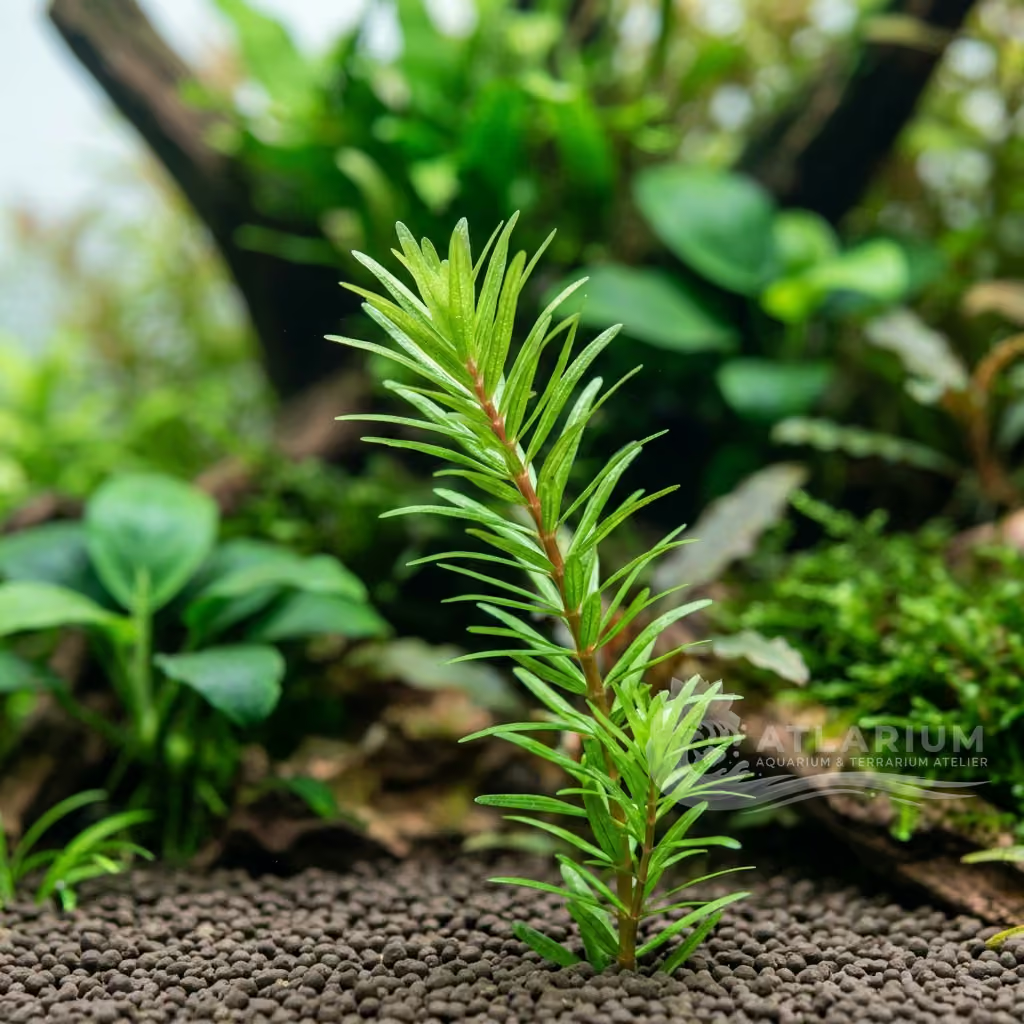
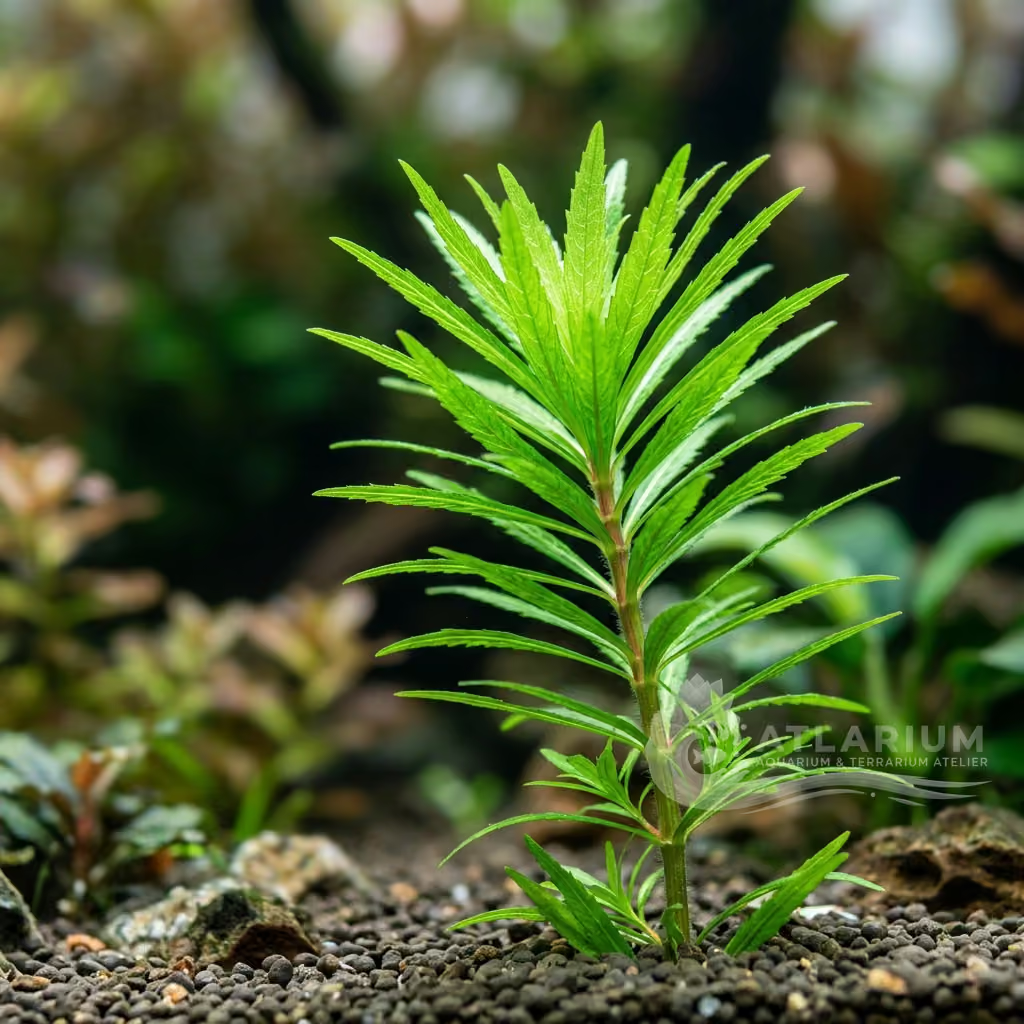
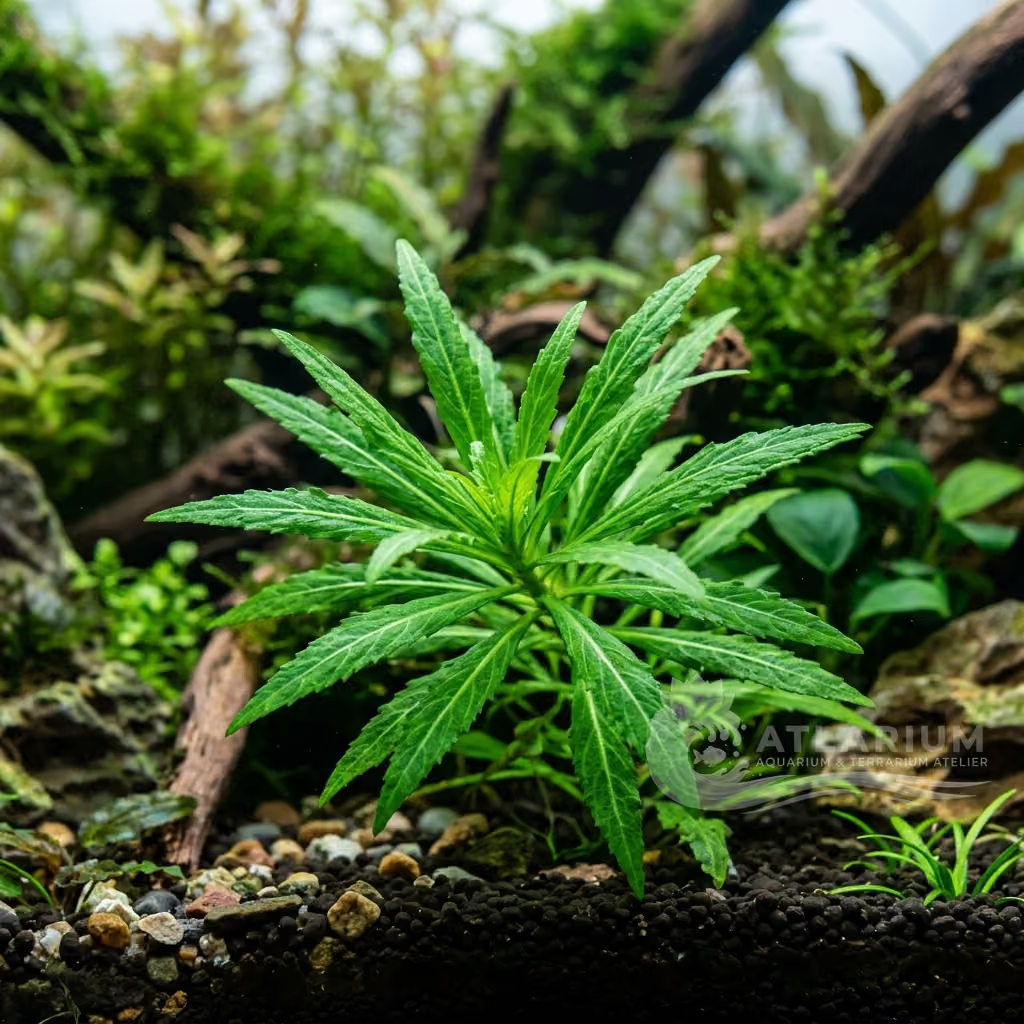
Physical Structure: Najas indica typically exhibits a delicate, branching stem structure that can grow quite long, often reaching the surface of the water in its natural habitat. Its leaves are linear and narrow, usually arranged in opposite pairs or whorls along the stem, giving it a fine, feathery appearance. While it possesses rudimentary rhizoids for anchorage, it is largely a free-floating or weakly rooted plant that absorbs most of its nutrients directly from the water column. The fast growth rate allows it to quickly form dense, bushy clumps, making it an excellent choice for a lush foreground or midground in an aquascape.
Color & Texture: The foliage of Najas indica presents a vibrant spectrum of green, ranging from a bright, fresh green under moderate lighting to a deeper, more emerald hue in less intense conditions. Under very strong illumination and optimal nutrient levels, some tips or new growth might display a subtle reddish or brownish tint, adding visual interest. Its texture is remarkably delicate and soft, with fine, almost hair-like leaves that create a feathery and ethereal appearance underwater. This soft texture makes it an attractive contrasting element against more robust plants and provides a gentle, natural feel to the aquascape.

Care, breeding and tankmates
Lighting & CO2: Najas indica thrives best under medium to high lighting conditions, which are crucial for maintaining its compact growth and vibrant coloration. Insufficient light will lead to leggy, stretched stems and a paler appearance, while strong lighting encourages denser growth and can bring out subtle reddish hues in the tips. Carbon dioxide (CO2) supplementation is highly recommended, especially with higher light levels, as it significantly boosts its already fast growth rate and overall health. Adequate CO2 supply helps prevent algae by enabling the plant to outcompete nuisance growths for available nutrients, ensuring vigorous and robust development.
Nutrition & Substrate: Due to its rudimentary root system, Najas indica primarily absorbs nutrients directly from the
Water Chemistry: Najas indica exhibits a broad tolerance for water parameters, flourishing in temperatures ranging from 18.0 to 30.0 C, making it suitable for a wide variety of tropical and even some subtropical setups. It adapts well to a pH range of 5.0 to 7.5, preferring slightly acidic to neutral conditions, and tolerates a KH range of 1.0 to 14.0, indicating its adaptability to both soft and moderately hard water. Stability in water parameters is always preferred to sudden fluctuations, which can stress the plant and lead to melting or stunted growth. Regular water changes are beneficial not only for general aquarium health but also for replenishing trace elements that Najas indica rapidly consumes.
Space Management & Placement: Given its fast growth rate and ability to form dense clusters, Najas indica is an excellent choice for the foreground or midground of an aquascape where a lush, natural look is desired. When placed in the foreground, it can quickly establish a vibrant green carpet, though it will require regular trimming to maintain its height. In the midground, it can create bushy sections that provide excellent hiding places for shy fish and fry. Ensure ample space is provided or be prepared for consistent
Pruning: Pruning is an indispensable aspect of maintaining Najas indica, primarily due to its remarkably fast growth rate. Regular trimming helps to manage its size, encourages bushier lateral growth, and prevents it from becoming too dense, which could restrict light to lower leaves or impede water flow. Simply snip off the top portions of the stems with sharp aquascaping scissors, and these cuttings can then be replanted to propagate new plants or discarded. Consistent pruning cycles, perhaps weekly or bi-weekly depending on tank conditions, are crucial for shaping the plant and preventing it from overtaking the aquascape.
Risks & Diseases: Najas indica is generally robust, but like all aquatic plants, it can be susceptible to certain issues. The most common risks include nutrient deficiencies, which manifest as pale, stunted growth or discolored leaves, and algae accumulation on its delicate foliage, often a sign of nutrient imbalance or excessive light. Sudden changes in water parameters, particularly pH or temperature shocks, can lead to melting or rapid deterioration of plant tissue. While not typically prone to specific diseases, weak or stressed plants are more vulnerable to opportunistic infections, though these are rare for Najas indica in a well-maintained system. Ensuring stable conditions and proper fertilization minimizes these risks significantly.

Geographic origin and distribution
Najas indica is native to a broad geographical range across Asia, predominantly found in the Indian subcontinent and extending into Southeast Asia. This species thrives in diverse freshwater environments, including still or slow-moving waters such as ponds, ditches, rice paddies, and the margins of larger lakes and rivers. Its natural habitat is often characterized by shallow, nutrient-rich waters with ample sunlight, where it can form extensive, submerged meadows. The plant's widespread distribution attests to its remarkable adaptability to varying water parameters and substrate conditions in tropical and subtropical regions.
Origin
South and Southeast Asia

Plant profile
- Placement
- Foreground
- This plant is highly versatile and is frequently used to form dense, bushy backgrounds or left to float at the surface to provide shade. It is an exceptional plant for breeding tanks, as its intricately branched, fine structure offers unparalleled protection and foraging grounds for fry and baby shrimp. Regular pruning is necessary to keep it contained, as it can easily overgrow an area.
- Botanical form
- Stem
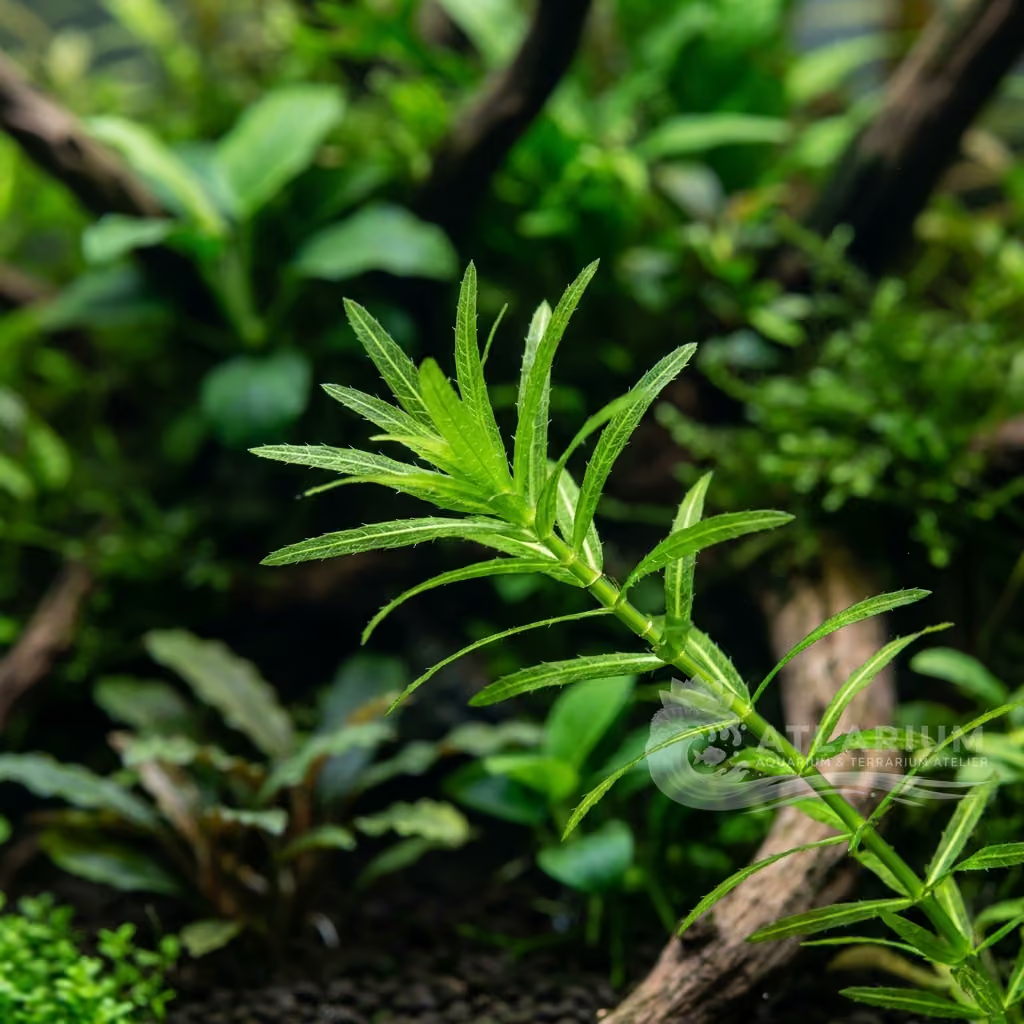
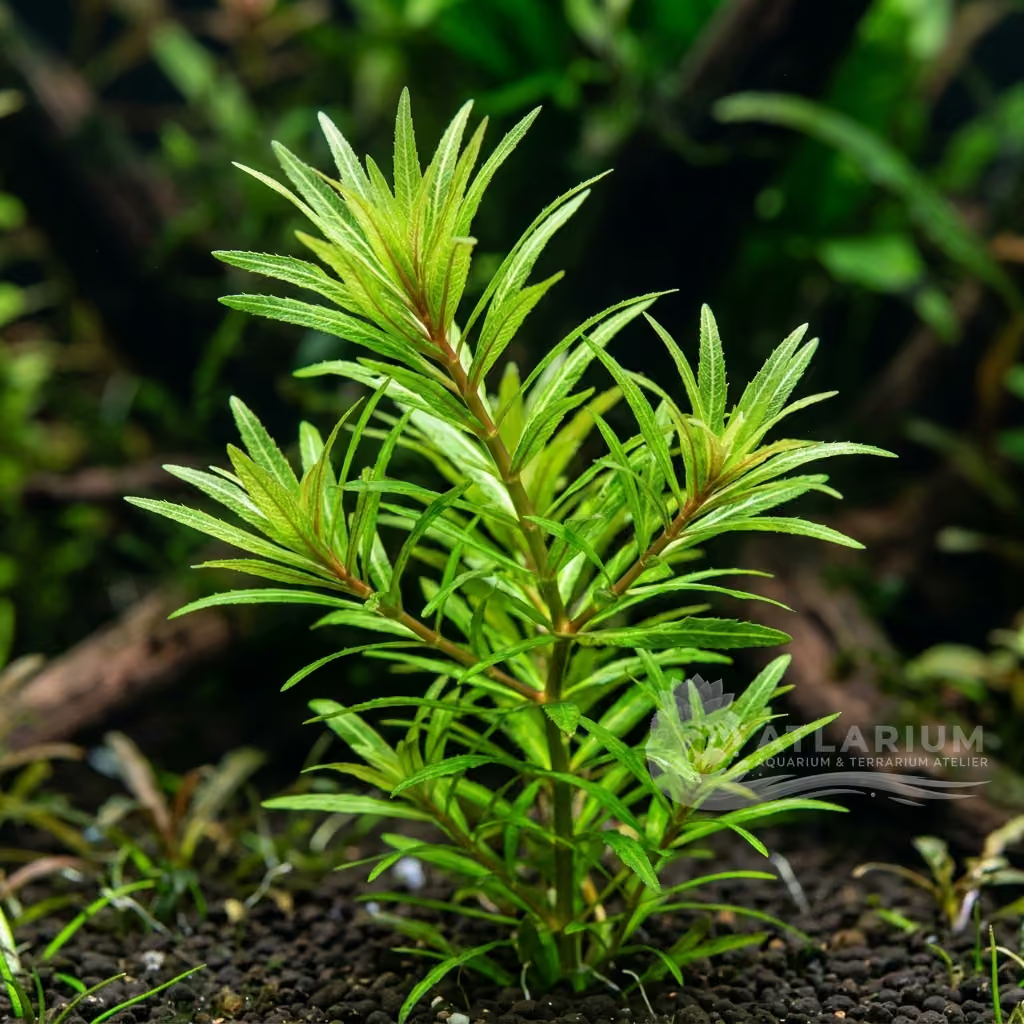
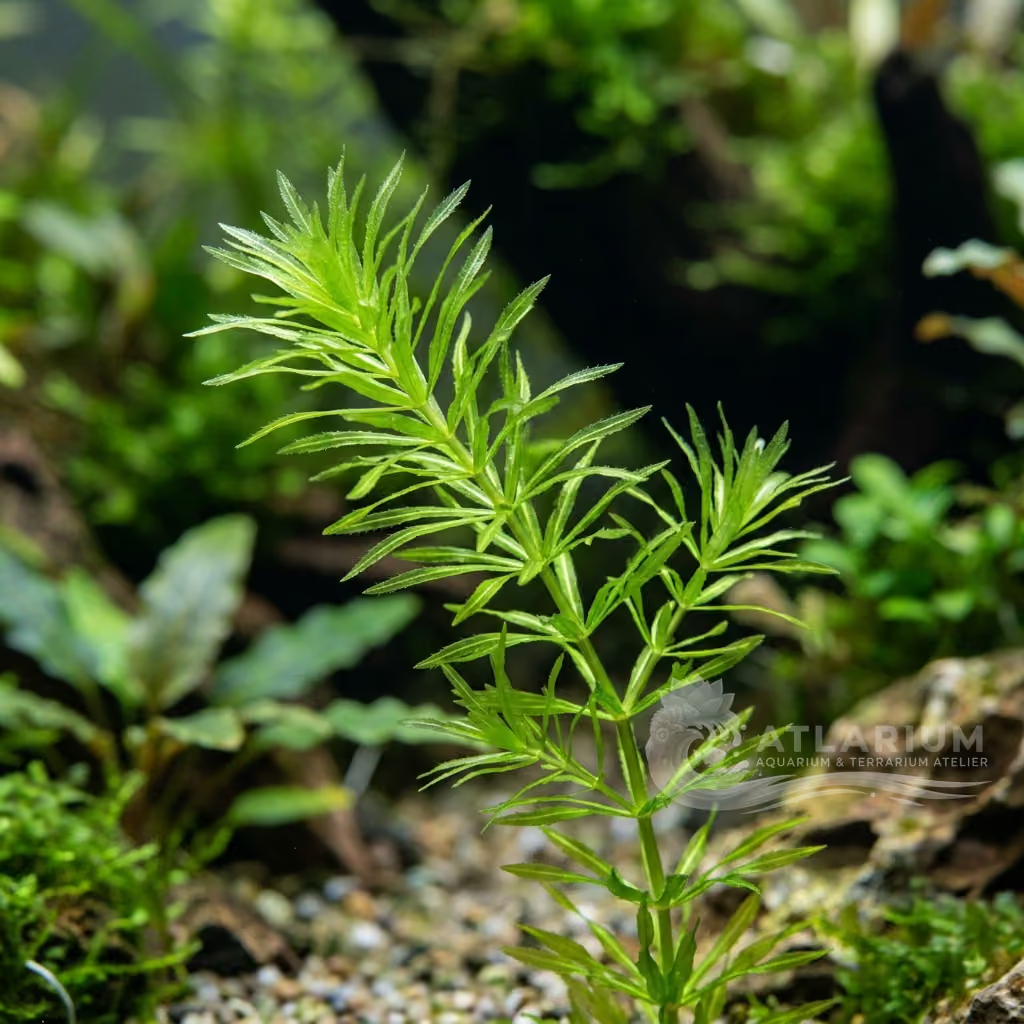
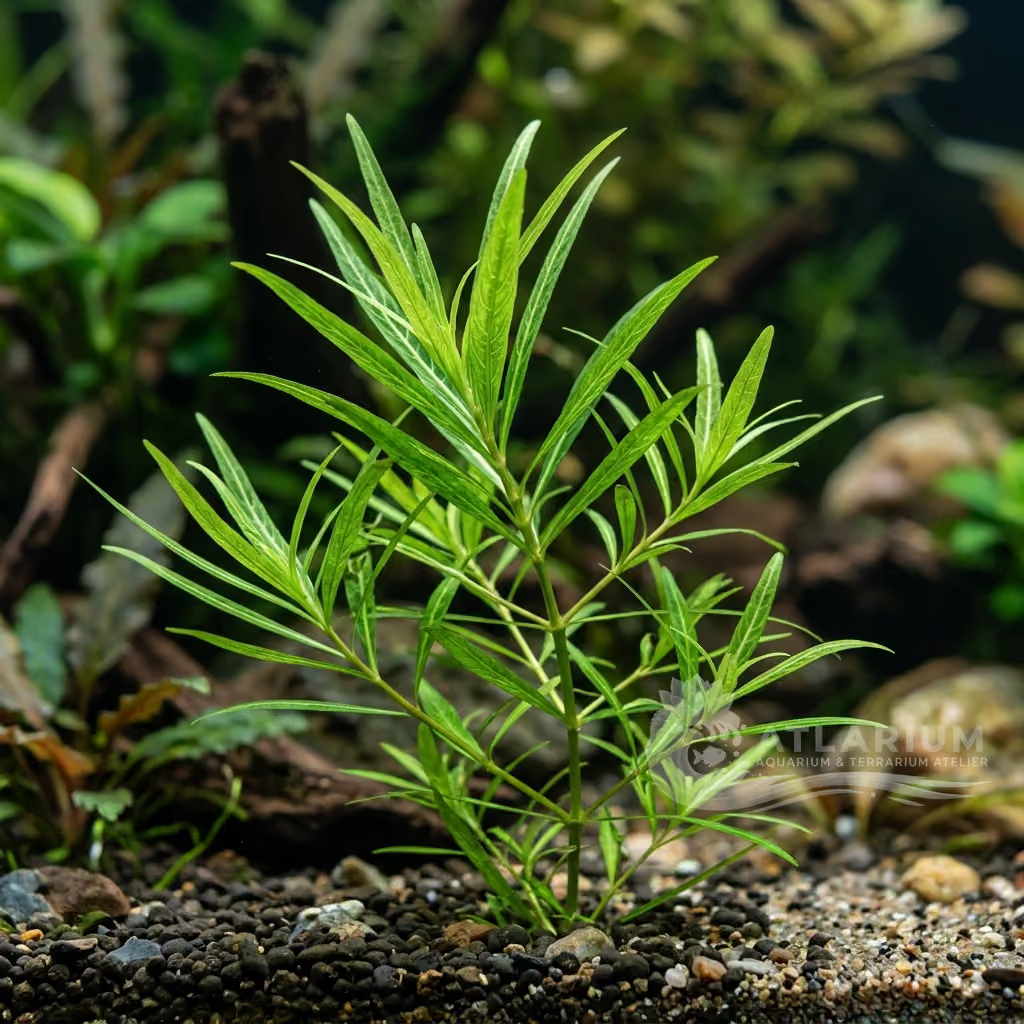
- Najas indica features highly branched, slender, and fragile stems bearing numerous narrow, finely serrated leaves. The leaves are typically a bright, fresh green, though they can take on slightly darker hues under intense light. The overall form is that of a tangled, bushy thicket that provides a very natural, chaotic look to the aquascape.
- Growth
- Fast
- The growth rate is exceptionally fast, particularly in well-lit tanks with a good supply of nutrients. Its rapid proliferation makes it an excellent candidate for quickly establishing plant mass in new setups or for outcompeting algae in tanks with excess nutrients.
- Substrate
- None
- Substrate choice is largely irrelevant for Najas indica, as it does not rely on a root system for nutrient uptake. It can be lightly pushed into sand, gravel, or aquasoil purely for aesthetic purposes or to keep it from floating away. Alternatively, it is perfectly content to grow as a free-floating mass, drawing all its needs from the surrounding water.
- Column fertilization
- Recommended
- Water column dosing is the most critical aspect of fertilizing Najas indica. A high-quality liquid fertilizer that provides a balance of potassium, nitrogen, phosphorus, and essential micronutrients like iron will ensure optimal health. Since it grows so quickly, it can deplete the water column of nutrients rapidly, making consistent dosing important in densely planted tanks.
- Root fertilization
- None
- Root fertilization is completely unnecessary and ineffective for this species. Its roots are sparse, fine, and serve only an anchoring function, not a nutritional one. Therefore, adding root tabs near this plant will provide no tangible benefits to its growth or health.
- Trimming
- Regular
- Simply pull out handfuls as it overgrows. The plant breaks easily, so netting floating debris after maintenance is usually required.
- Propagation
- Cuttings
- Propagation is straightforward and often unintentional, as the stems are brittle and snap easily during routine tank maintenance. Every broken piece, regardless of size, will readily grow into a new, fully formed plant. To intentionally propagate, simply break or cut the stems and distribute the pieces as desired throughout the aquarium.
- Sensitivity
- Moderate
- Very hardy and adaptable to wide ranges of pH and hardness. May melt with certain chemical algae treatments.
- Layout role
- Foreground, Midground, group, Background
- A functional plant, heavily favored by breeders for providing cover. Not typically used in highly structured aquascapes due to its unstructured growth.

Related species
Recommendations grouped by close relatives, companion choices, and similar care.