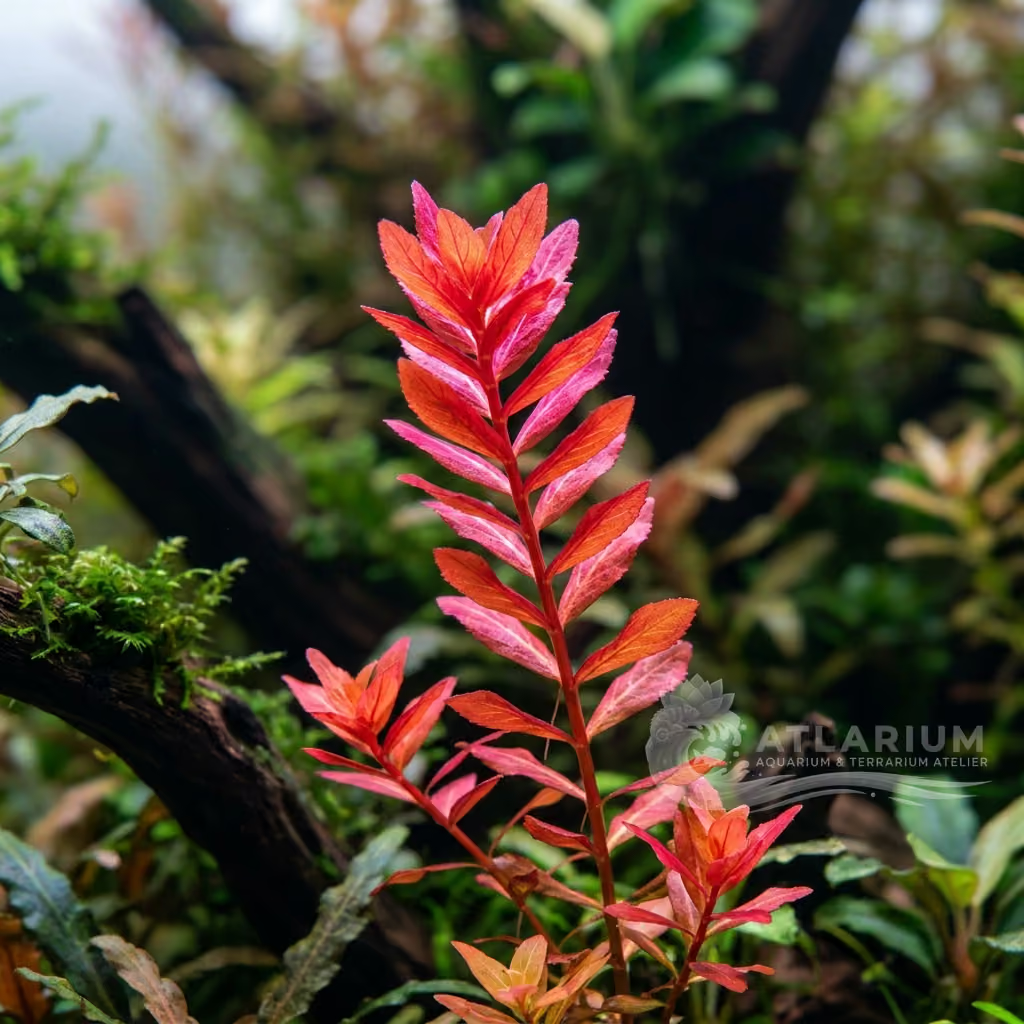
Najas marina
Najas marina
Najas marina is a fast-growing, versatile midground plant known for its bushy appearance and adaptability to various water parameters. It provides excellent cover and quickly fills spaces in the aquarium.
Water Temperature
4 - 30 °C
pH Value
5 - 8
Water type
Freshwater
Light
Medium to High
CO2
High
KH
1 - 21 dKH

Species description
Geographical Origin and Habitat: Najas marina boasts a wide, almost cosmopolitan distribution, thriving in diverse aquatic environments across temperate and tropical regions worldwide. It is typically found in shallow, slow-moving or stagnant fresh to brackish waters, including lakes, ponds, ditches, and estuaries. This broad natural range highlights its remarkable adaptability to varying water chemistries and light conditions.
Taxonomy & Genetics: Belonging to the family Hydrocharitaceae, Najas marina is classified within the genus Najas, which comprises fully submerged aquatic plants. It is commonly known as spiny water nymph or spiny naiad due to the characteristic serrations on its leaf margins. Its genetic makeup allows it to efficiently absorb nutrients directly from the water column, a common trait among plants in its family.
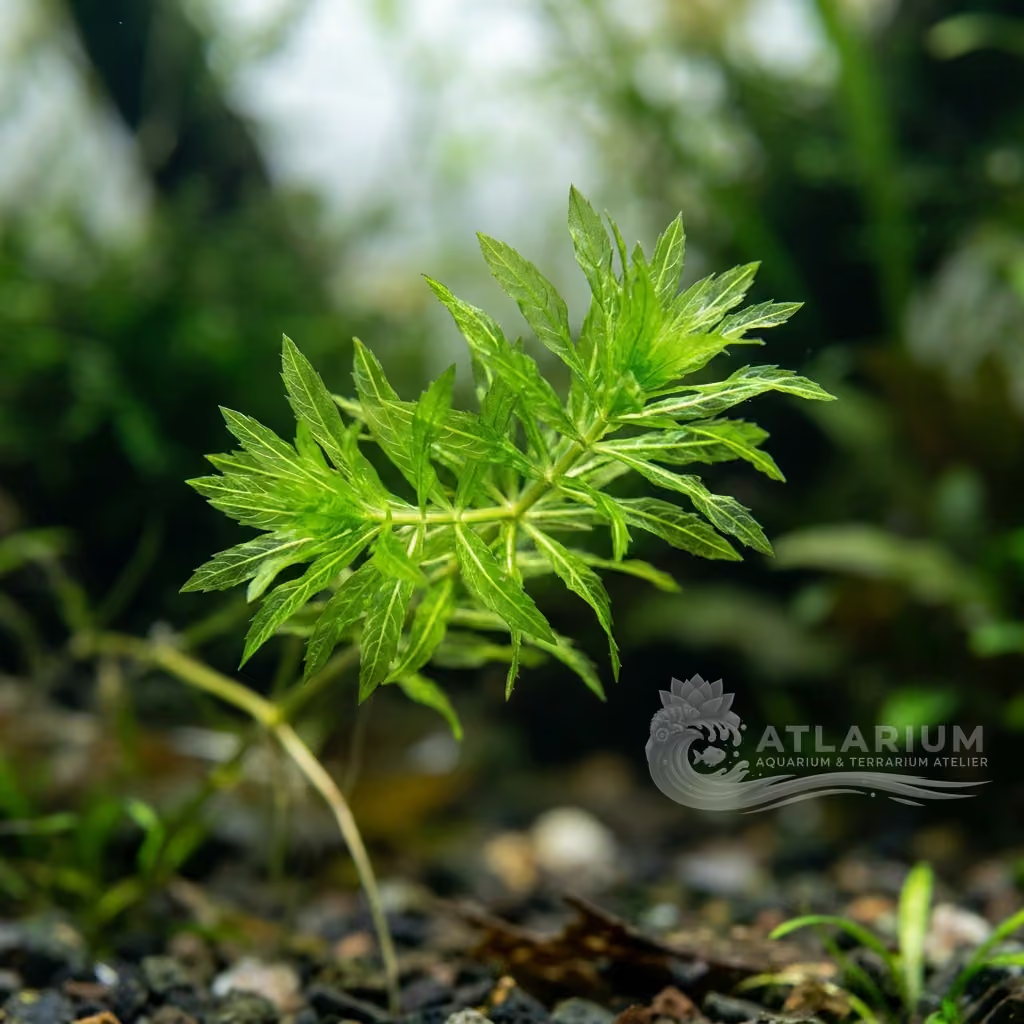
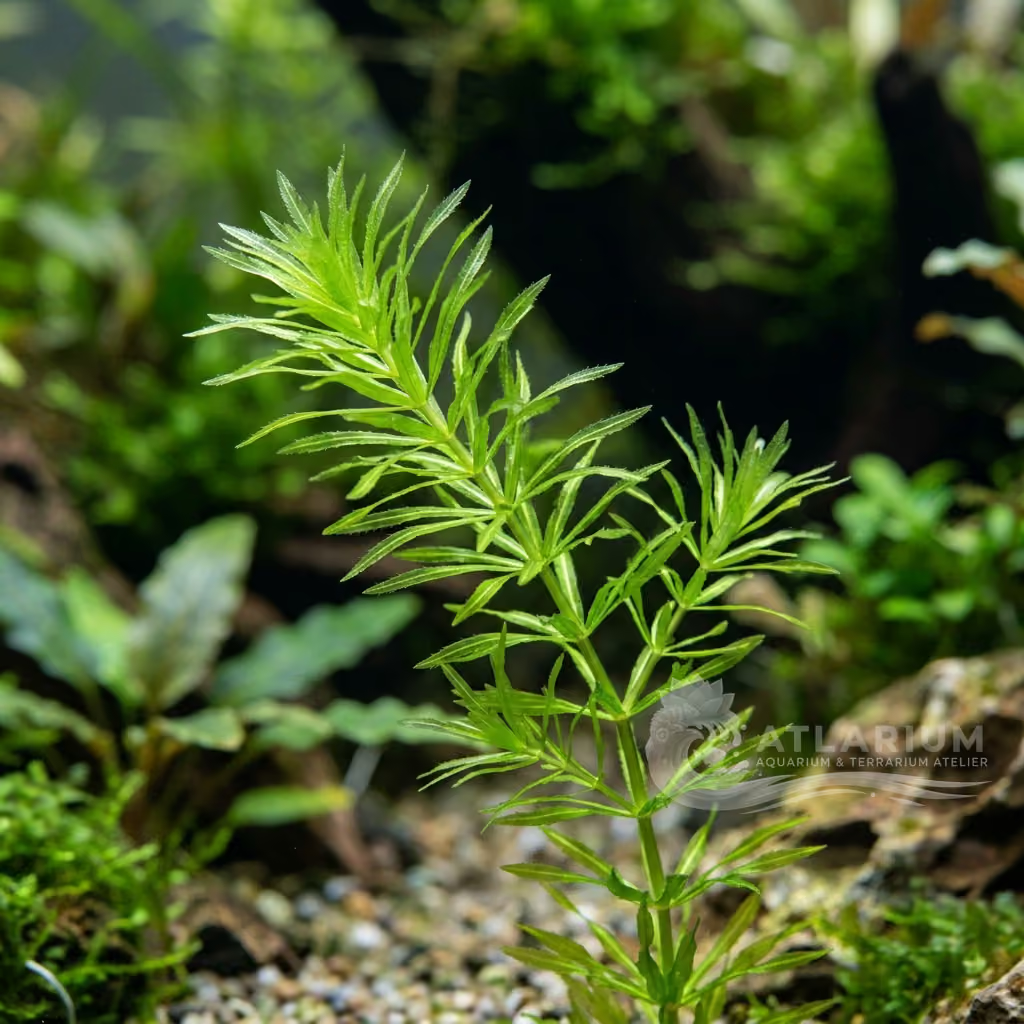
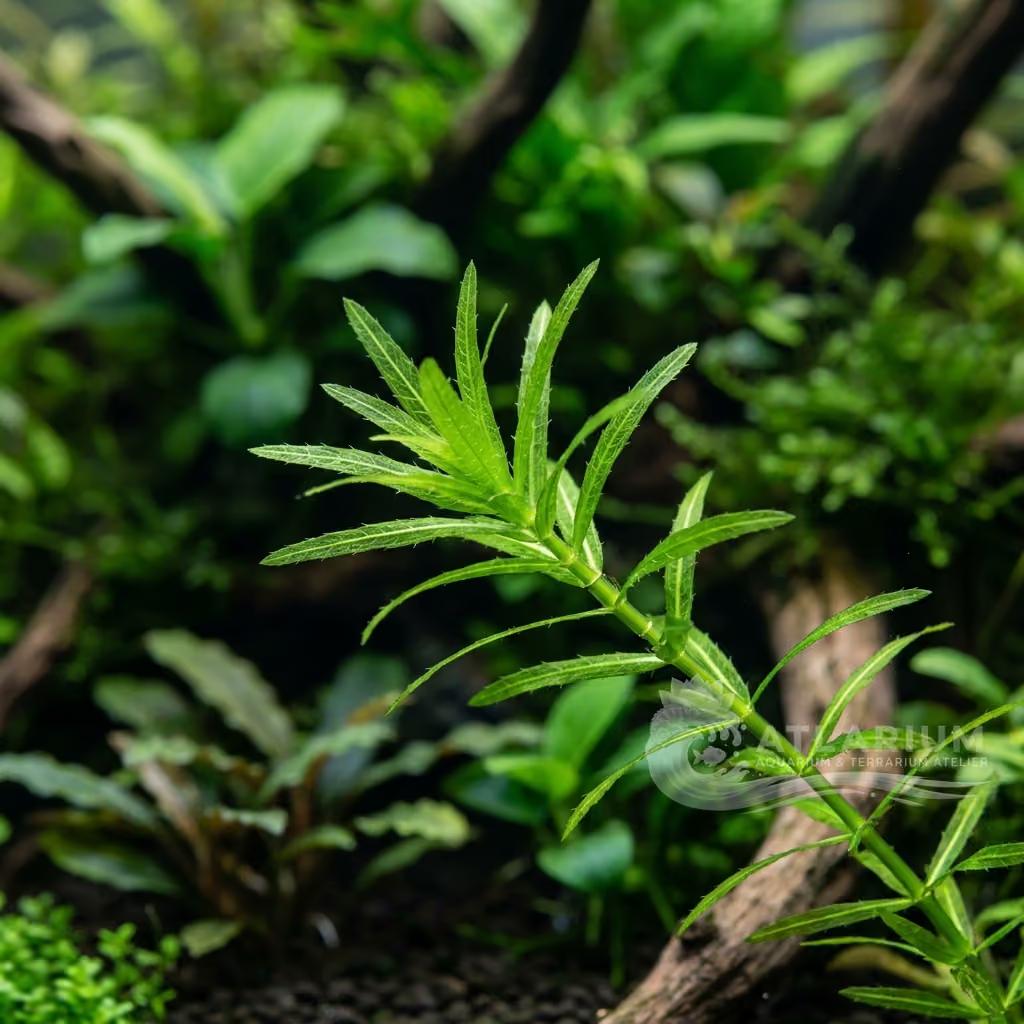
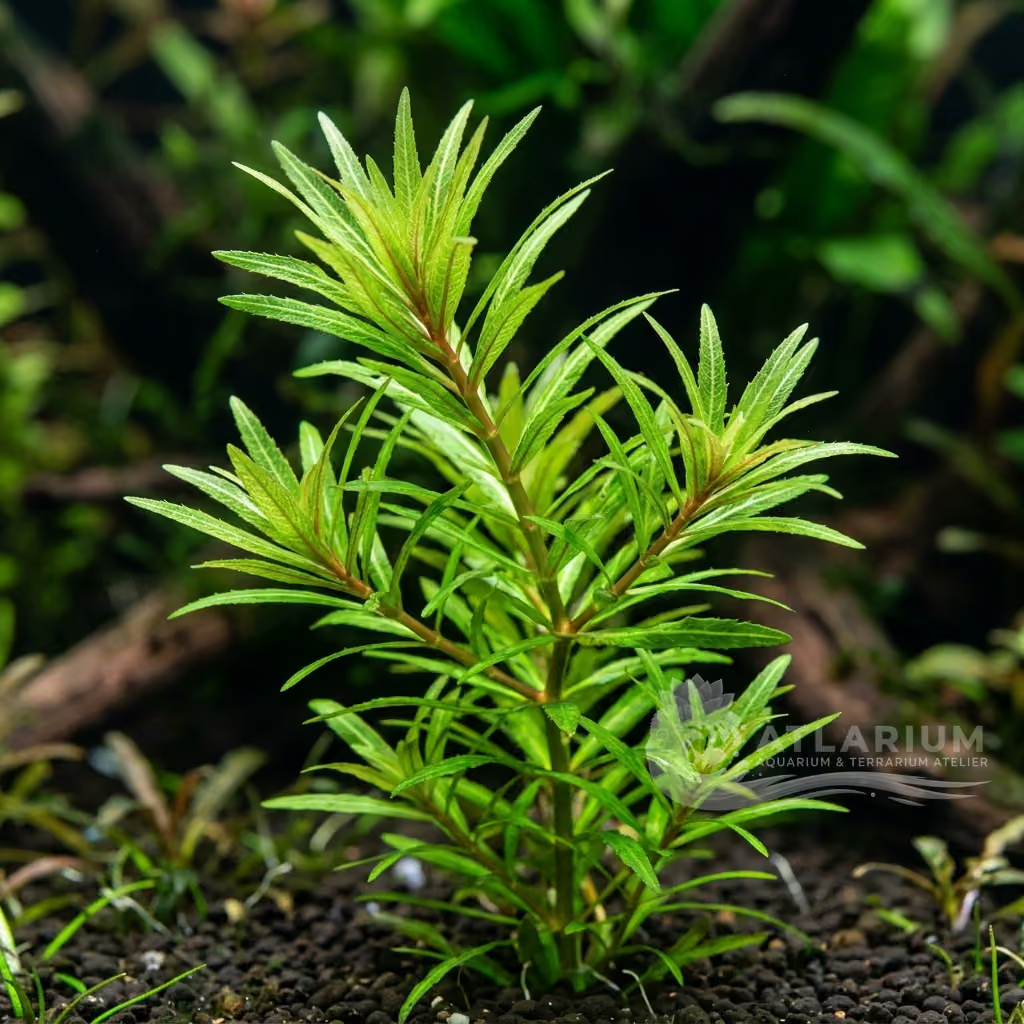
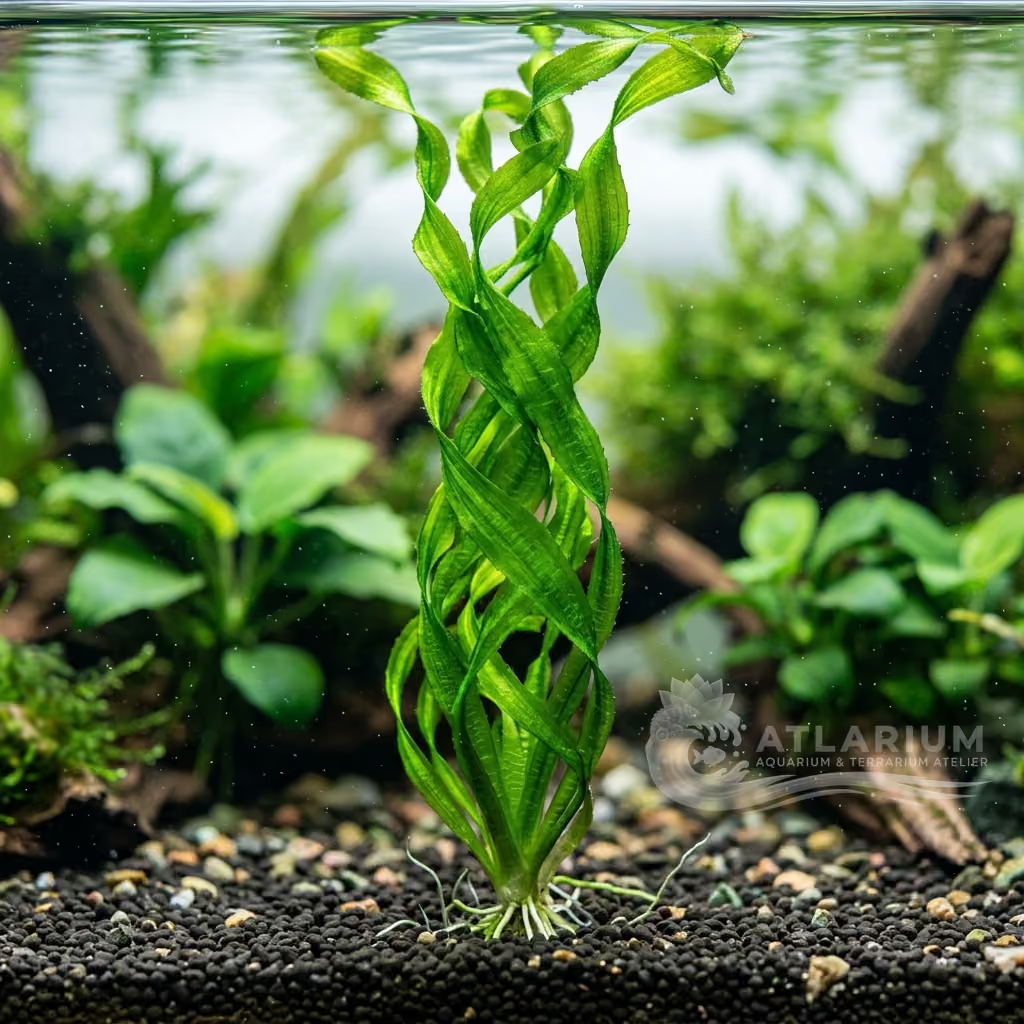
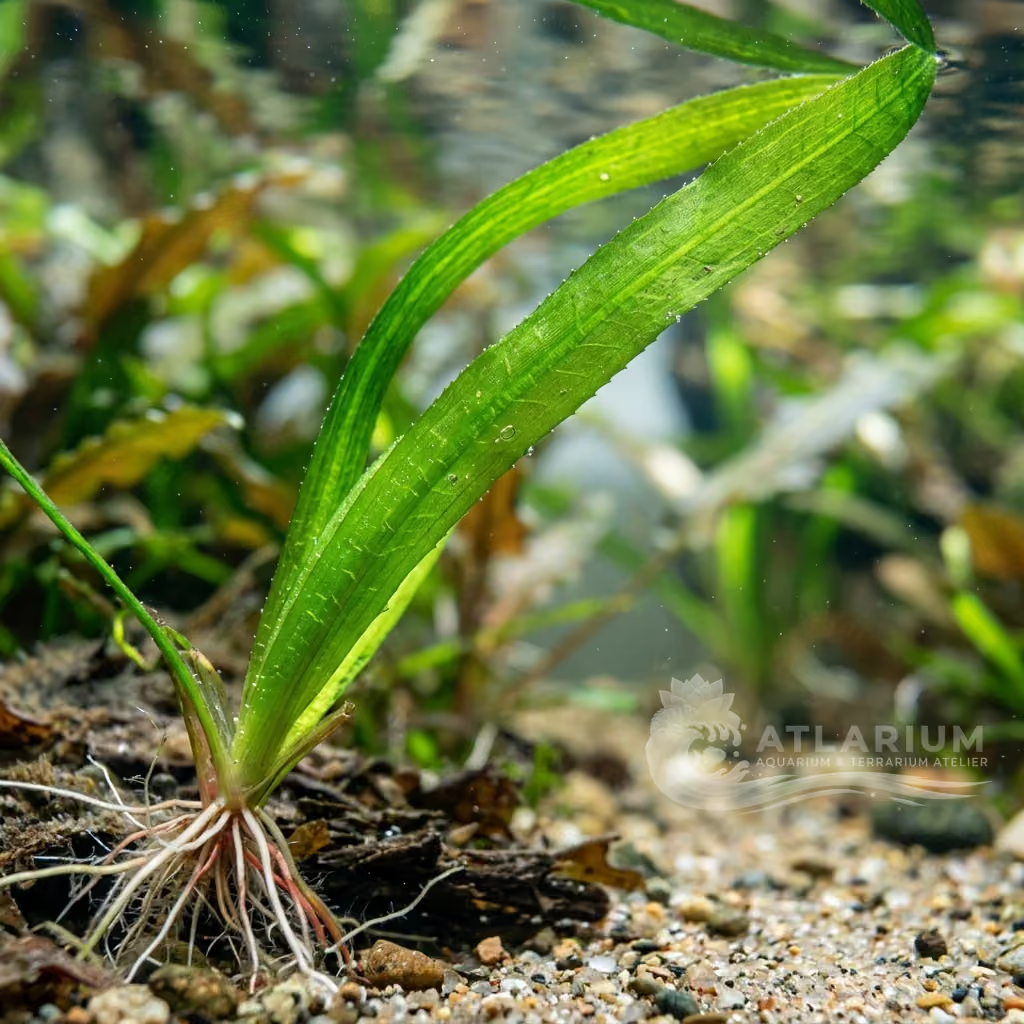
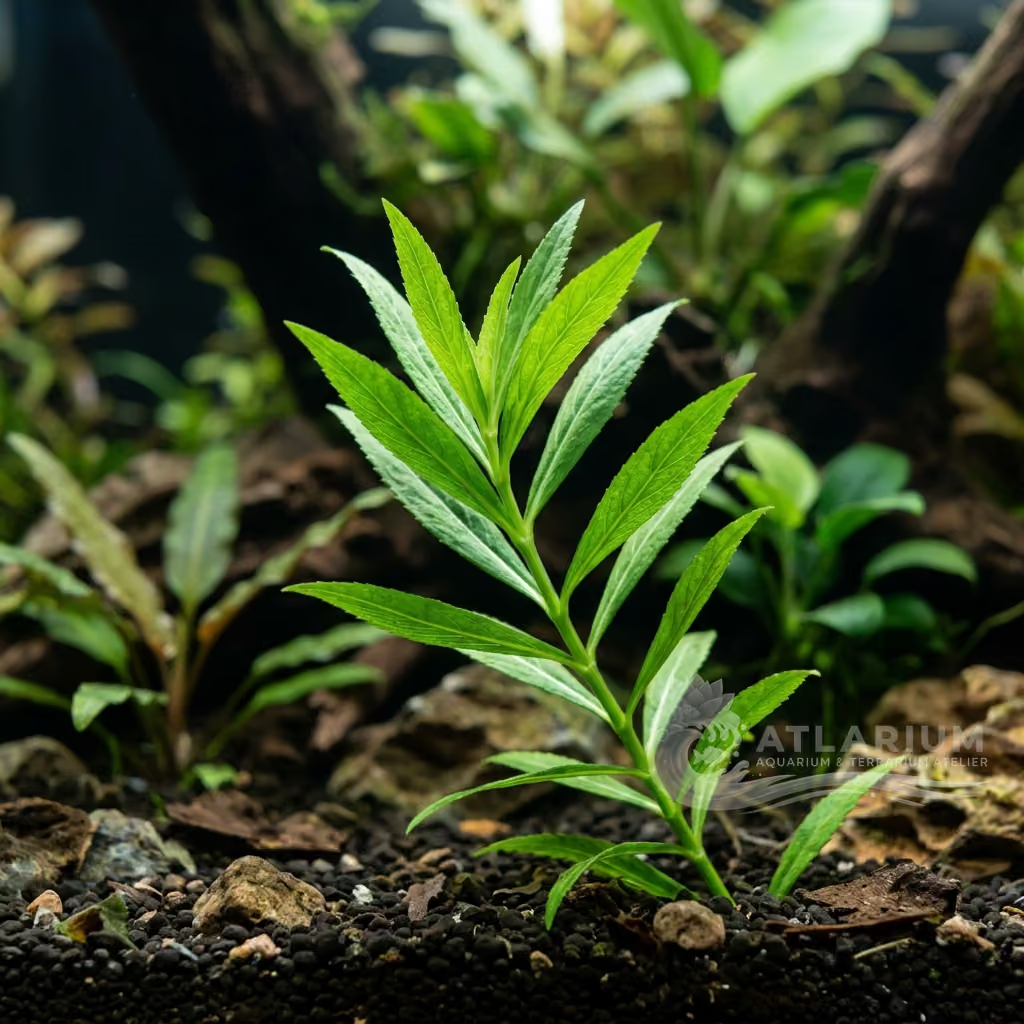
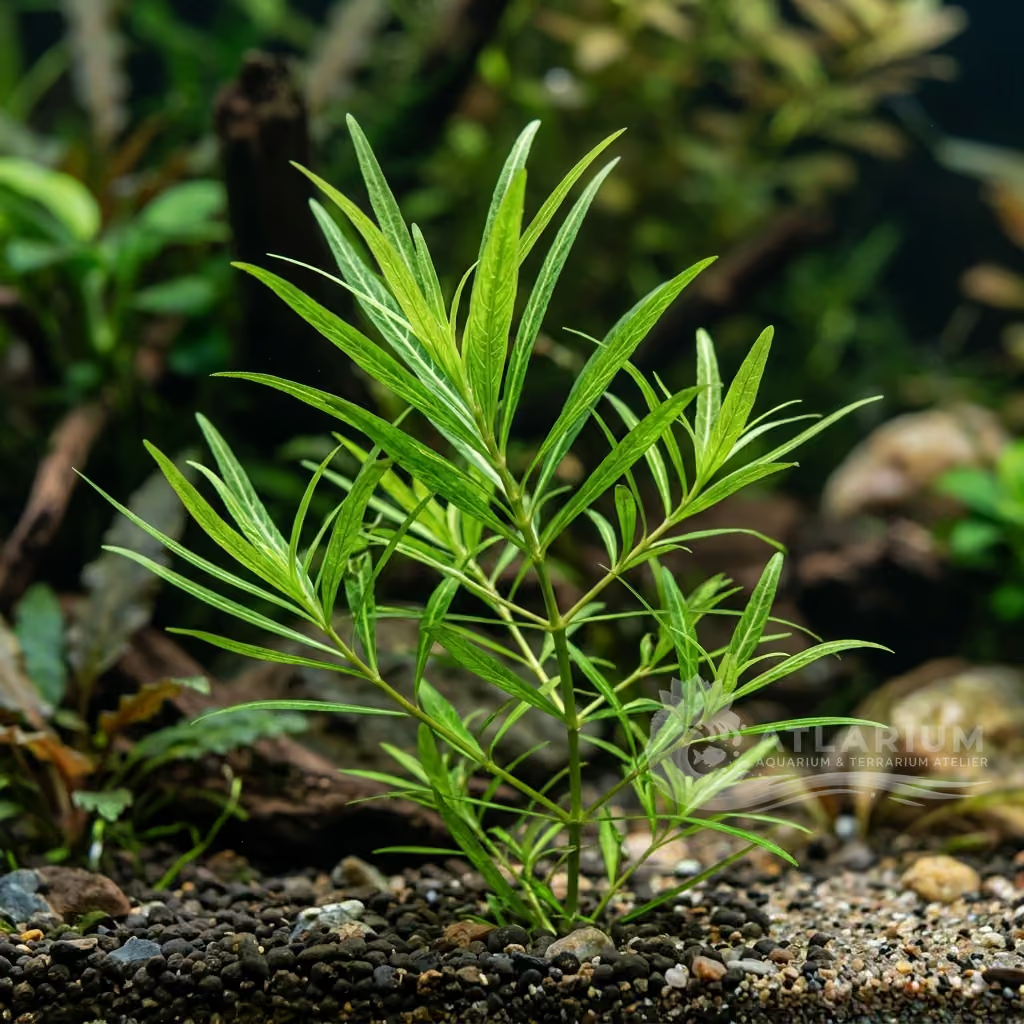
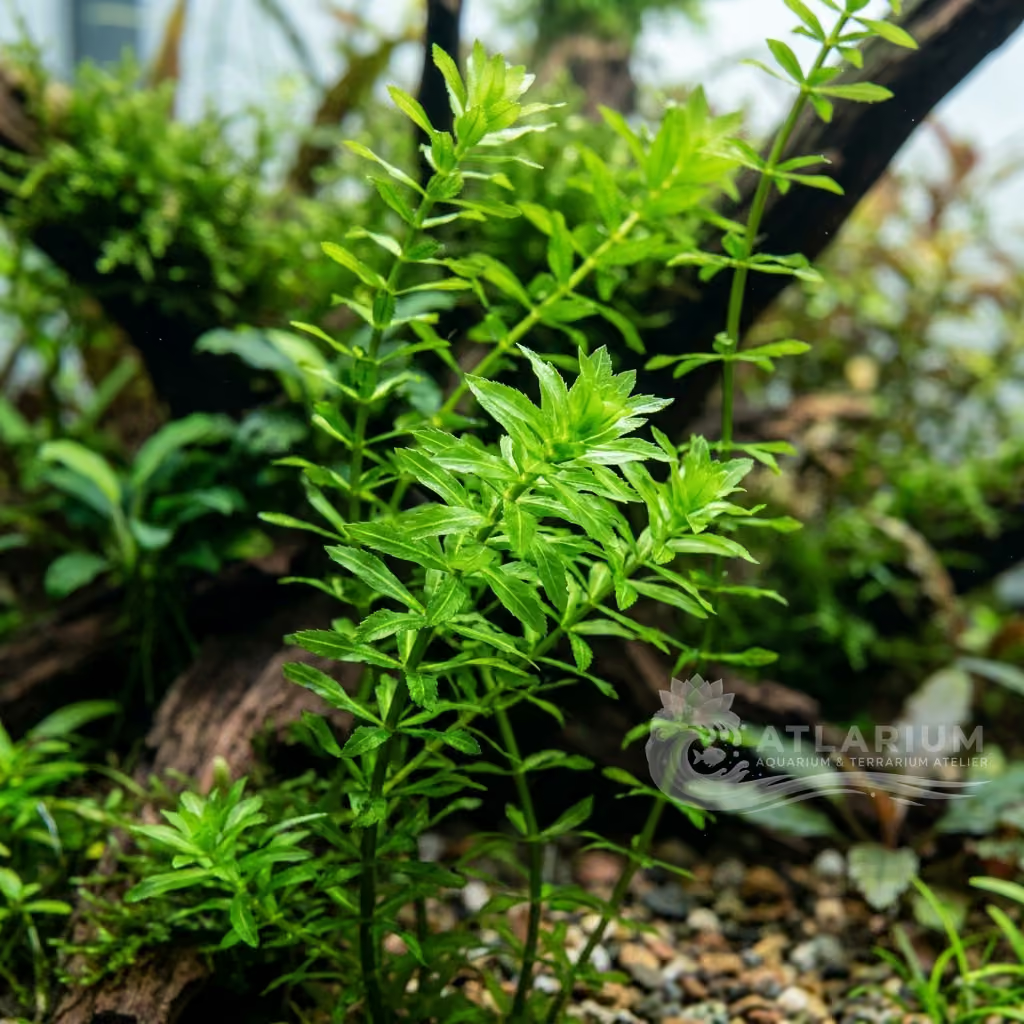
Physical Structure: The physical structure of Najas marina consists of delicate, highly branched stems that can grow quite long, forming dense thickets. Its leaves are typically linear, stiff, and arranged oppositely or in whorls along the stem, often displaying finely serrated or spiny edges. While lacking true roots for nutrient uptake, it develops fine adventitious roots that primarily serve to anchor the plant to the substrate.
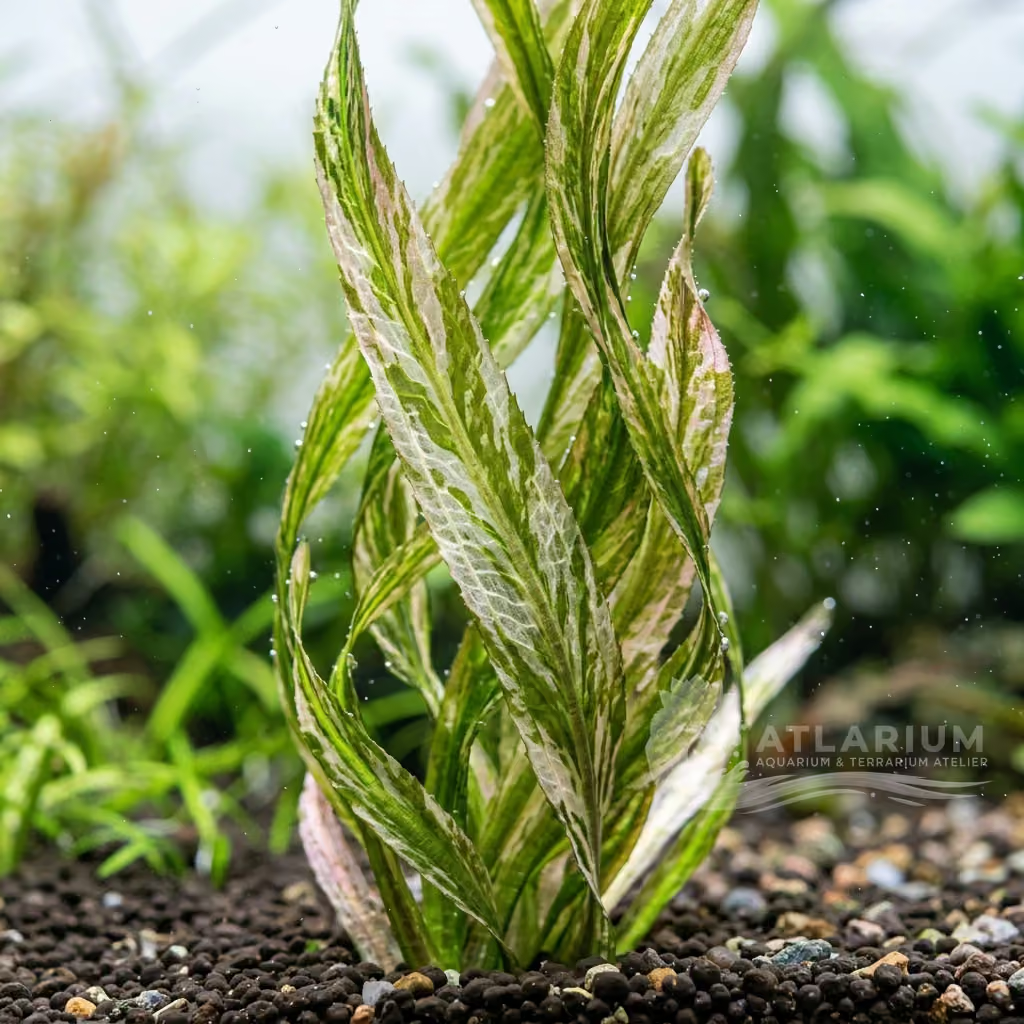
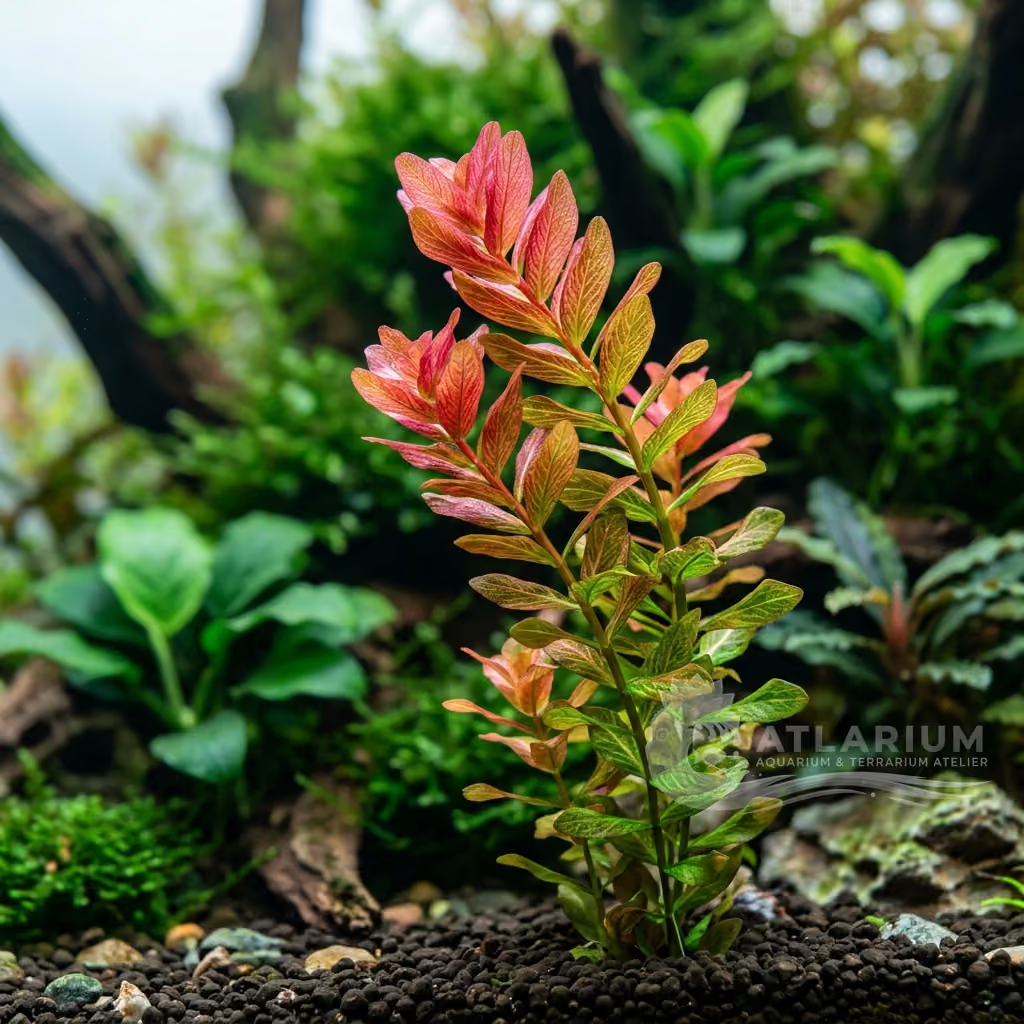
Color & Texture: Najas marina generally exhibits a vibrant green coloration, though under intense lighting or specific nutrient conditions, it can develop reddish or brownish tints. The texture is distinctly rough or spiny to the touch due to the microscopic serrations along its leaf margins, hence its common name. Its dense growth pattern contributes to a lush, almost bushy appearance within the aquascape.

Care, breeding and tankmates
Lighting & CO2: Najas marina thrives under medium to high lighting conditions, which are crucial for maintaining its compact growth and vibrant coloration. While it can survive in lower light, optimal growth and density are achieved with adequate illumination, ideally supplemented with CO2 injection. CO2 availability significantly enhances photosynthesis, preventing leggy growth and promoting a healthier, more robust plant.
Nutrition & Substrate: As a primarily
Water Chemistry: This species exhibits remarkable tolerance to a broad range of water parameters, adapting well to temperatures between 4.0 and 30.0 C, making it suitable for both coldwater and tropical setups. It thrives in a pH range of 5.0 to 8.0 and a KH range of 1.0 to 21.0, highlighting its adaptability to soft, acidic to hard, alkaline conditions. Consistent parameters within these ranges are more important than hitting specific optimal points.
Space Management & Placement: Najas marina is best placed in the midground of the aquascape where its fast and bushy growth can effectively fill gaps and create dense natural-looking areas. Due to its rapid growth rate, it requires ample space or regular maintenance to prevent it from overshadowing slower-growing plants. Its propensity to branch extensively allows it to create a thick backdrop or hiding spots for aquarium inhabitants.
Pruning: Regular and consistent pruning is vital for maintaining the aesthetic appeal and overall health of Najas marina, given its fast growth rate. Trimming encourages bushier growth and prevents the plant from becoming excessively dense and shading out other plants or itself. Neglecting pruning can lead to the lower parts of the stems becoming sparse due to light deprivation.
Risks & Diseases: Najas marina is generally robust and not particularly prone to specific diseases common to aquarium plants. However, it can suffer from nutrient deficiencies, which manifest as stunted growth or discoloration, and can be susceptible to melting if introduced to drastically different water parameters. Overgrowth of algae can also be an issue if lighting and nutrient levels are not balanced.

Geographic origin and distribution
Najas marina boasts a wide, almost cosmopolitan distribution, thriving in diverse aquatic environments across temperate and tropical regions worldwide. It is typically found in shallow, slow-moving or stagnant fresh to brackish waters, including lakes, ponds, ditches, and estuaries. This broad natural range highlights its remarkable adaptability to varying water chemistries and light conditions.
Origin
Cosmopolitan or introduced

Plant profile
- Placement
- Midground
- Given its distinctively stiff, toothed appearance, Najas marina is best placed in the background or used to form protective, structural mats in breeding tanks. The spiny foliage provides excellent cover for fry, keeping them safe from larger, predatory fish. It should be monitored to ensure it does not overrun the tank and block light from reaching smaller foreground plants.
- Botanical form
- Stem
- Najas marina is commonly known as Spiny Naiad due to its distinctly rigid, brittle stems and stiff leaves featuring prominent, sharp teeth along their margins and sometimes along the midrib. This gives the plant a rough, prickly texture that is unique among typical aquarium plants. It forms highly branched, chaotic networks of greenish to brownish-green foliage.
- Growth
- Fast
- It exhibits a very fast growth rate, especially under moderate to high lighting with adequate nutrient availability. The plant can quickly form large, dense, and somewhat impenetrable thickets, requiring regular pruning to maintain order in the aquascape.
- Substrate
- None
- This plant is extremely adaptable regarding substrate and does not require a nutrient-rich soil to grow successfully. It can be planted in gravel or sand, where its fine roots will serve merely as an anchor, or it can be allowed to grow entirely free-floating. Its true nutrient uptake mechanisms are located in the foliage and stems.
- Column fertilization
- Recommended
- Water column fertilization is the most critical component for maintaining a healthy stand of Najas marina. A high-quality, all-in-one liquid fertilizer should be dosed regularly to supply essential potassium, trace elements, and iron. This ensures the stiff stems remain robust and the foliage retains its natural coloration.
- Root fertilization
- None
- Root fertilization is completely unnecessary for Najas marina. The root system is poorly developed and functions almost exclusively for physical anchoring rather than for the uptake of nutrients. Utilizing root tabs for this species would be ineffective.
- Trimming
- Regular
- Trimming is best done by snapping the brittle stems. Care should be taken as the stiff 'spines' can sometimes be slightly sharp to the touch.
- Propagation
- Cuttings
- Propagation is straightforward and relies on fragmentation, typical of the Najas genus. The stiff but brittle stems break easily, and every fragment can continue to grow into a new plant. To purposefully propagate, simply snap off a section of the stem and allow it to float or loosely anchor it in the substrate.
- Sensitivity
- Moderate
- Dislikes very soft water; it thrives in harder, alkaline conditions. Like other Najas, avoid glutaraldehyde-based products.
- Layout role
- Midground, Background
- Provides a highly unusual, almost prehistoric texture to the aquascape due to its toothed leaves. Excellent for specialized biotopes or as a breeding refuge.

Related species
Recommendations grouped by close relatives, companion choices, and similar care.