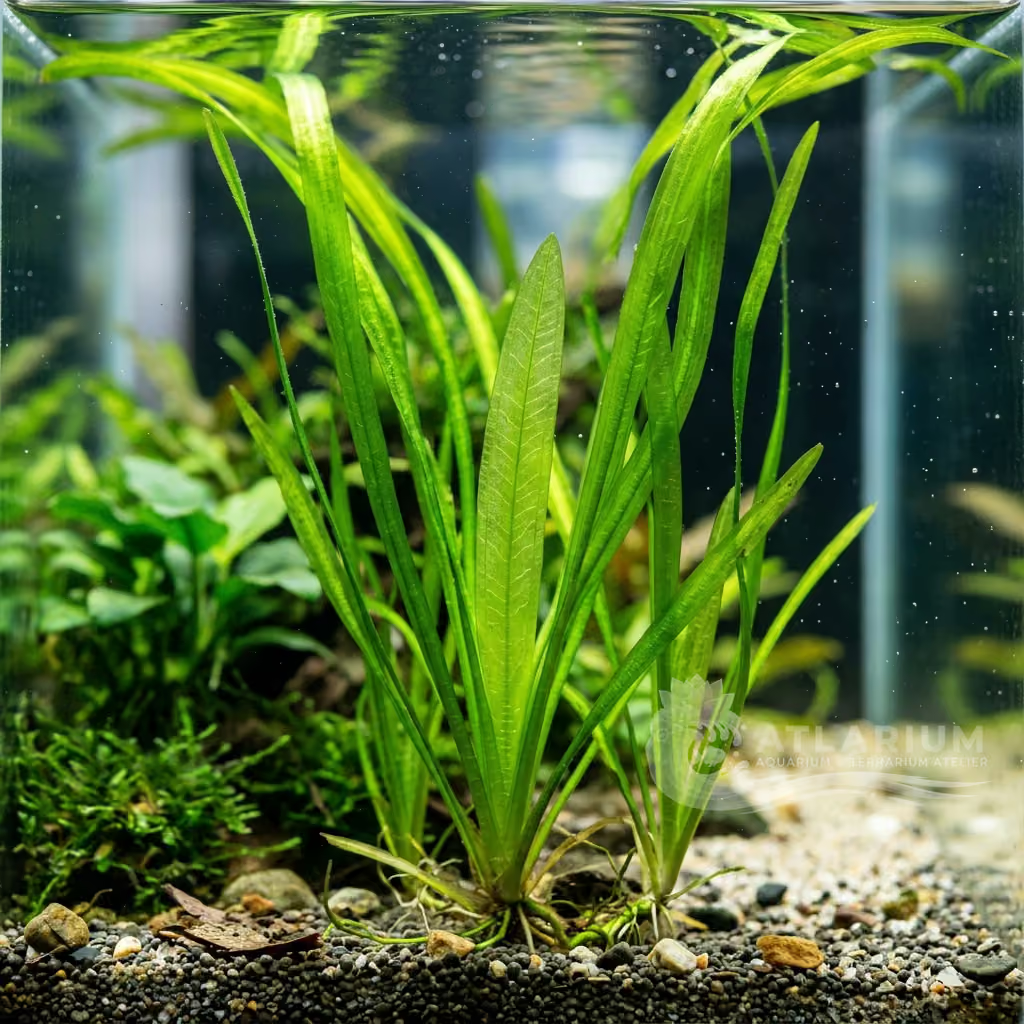
Najas conferta
Najas conferta
Najas conferta is a fast-growing, versatile stem plant suitable for the midground of freshwater aquariums. Its delicate, bushy appearance adds natural texture, thriving in a wide range of lighting conditions from low to high.
Water Temperature
12 - 32 °C
pH Value
5 - 7.5
Water type
Freshwater
Light
Low to High
CO2
High
KH
1 - 14 dKH

Species description
Geographical Origin and Habitat: Najas conferta, like many members of the Najas genus, typically originates from tropical and subtropical regions across various continents. It can be found inhabiting a diverse array of freshwater environments, including still or slow-moving waters of lakes, ponds, and streams. This plant prefers to root in fine substrates or can be found free-floating among other vegetation, thriving in both clear and somewhat turbid waters.
Taxonomy & Genetics: Belonging to the family Hydrocharitaceae, Najas conferta is a true aquatic plant, fully adapted to submerged life. The genus Najas is characterized by its monoecious or dioecious nature and delicate morphology, distinguishing it within its taxonomic group. Its classification underscores its evolutionary specialization for freshwater ecosystems, making it a distinct member among other waterweeds and tape grasses.
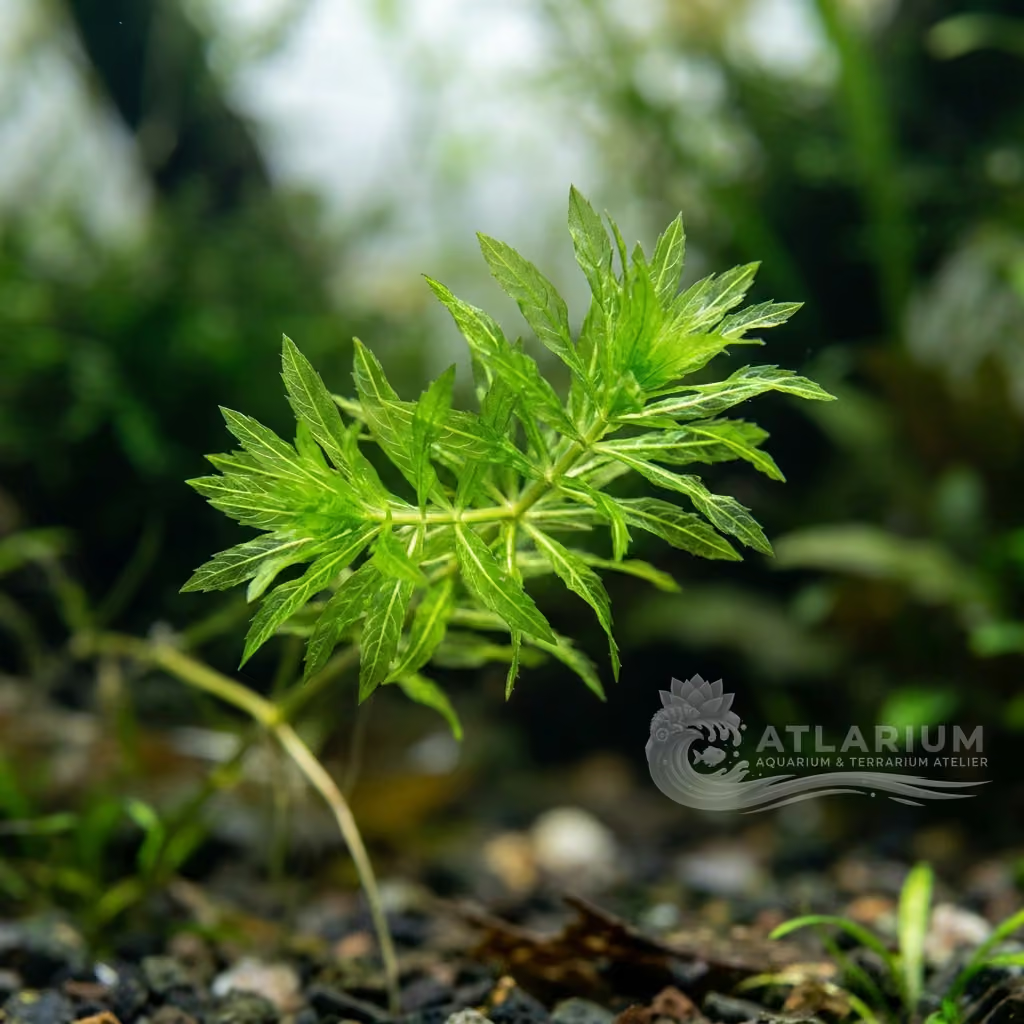
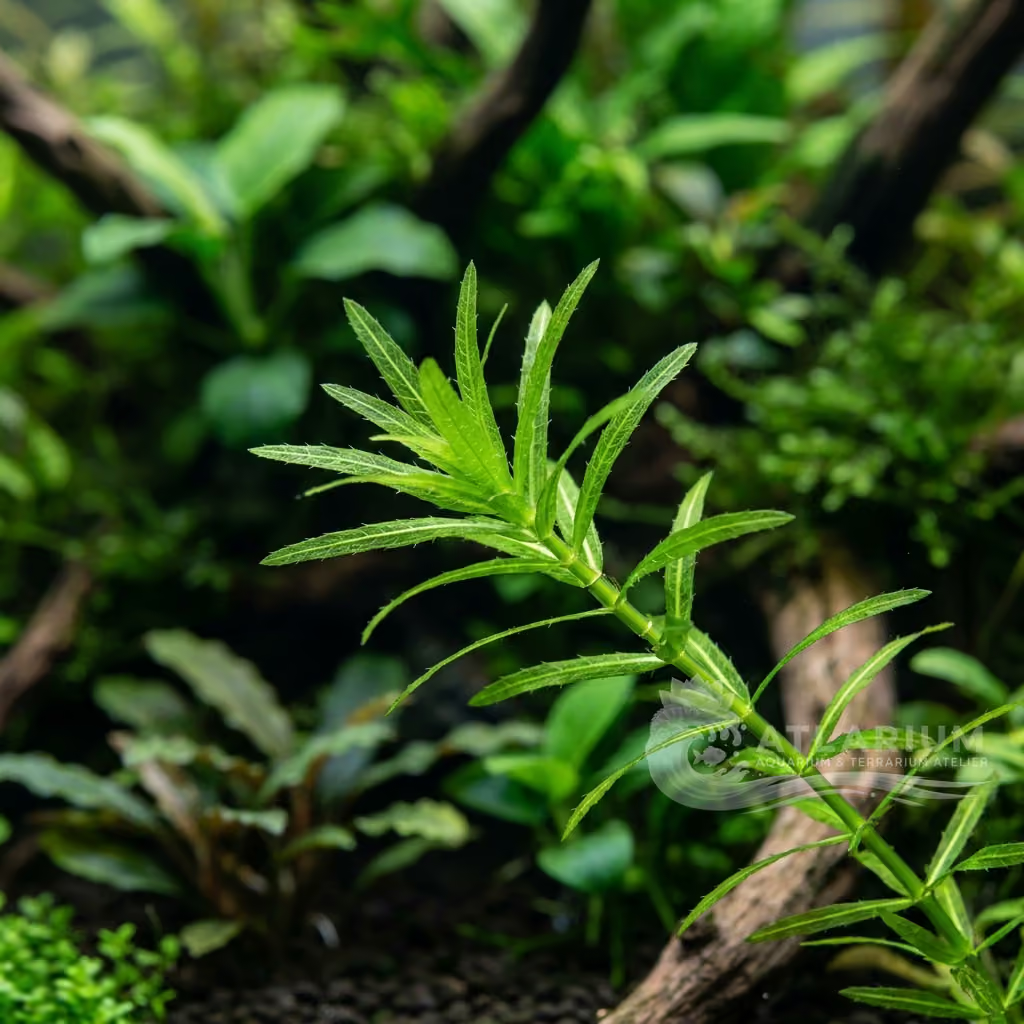
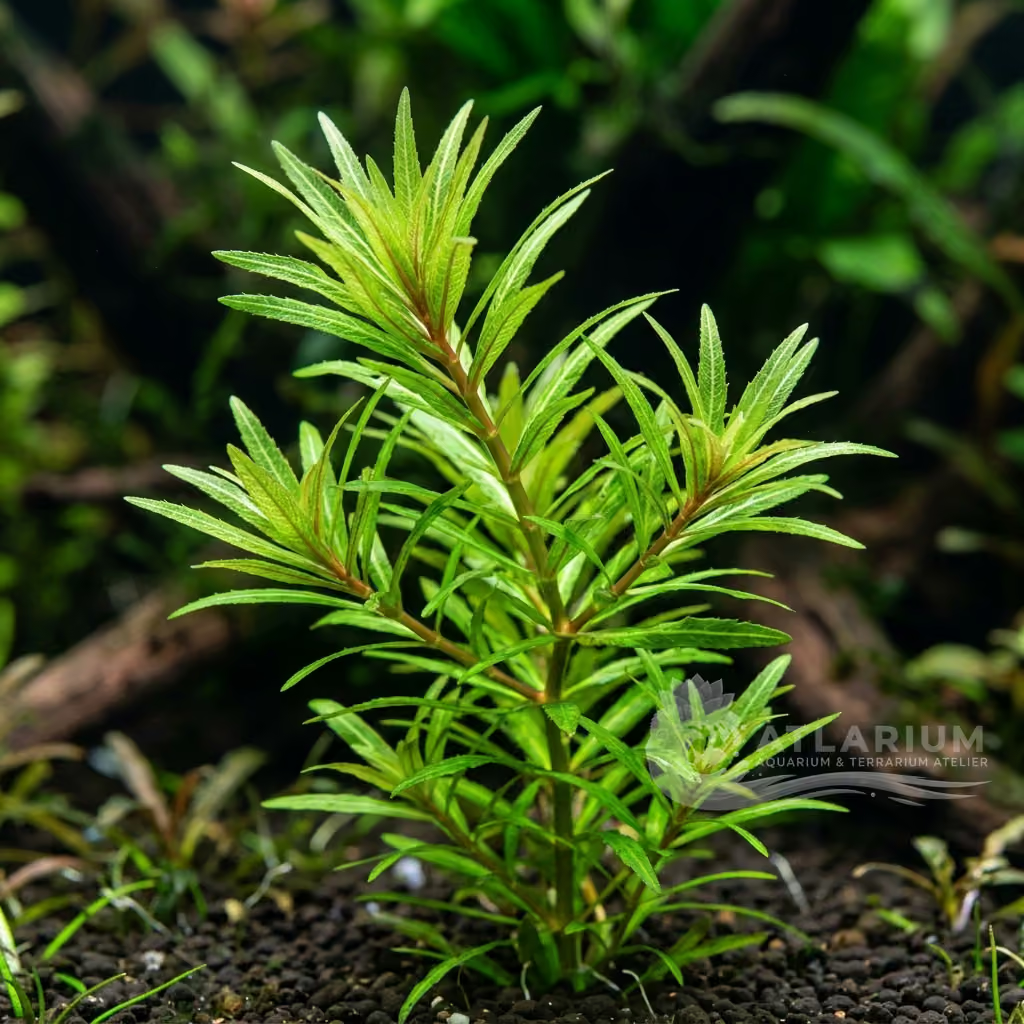
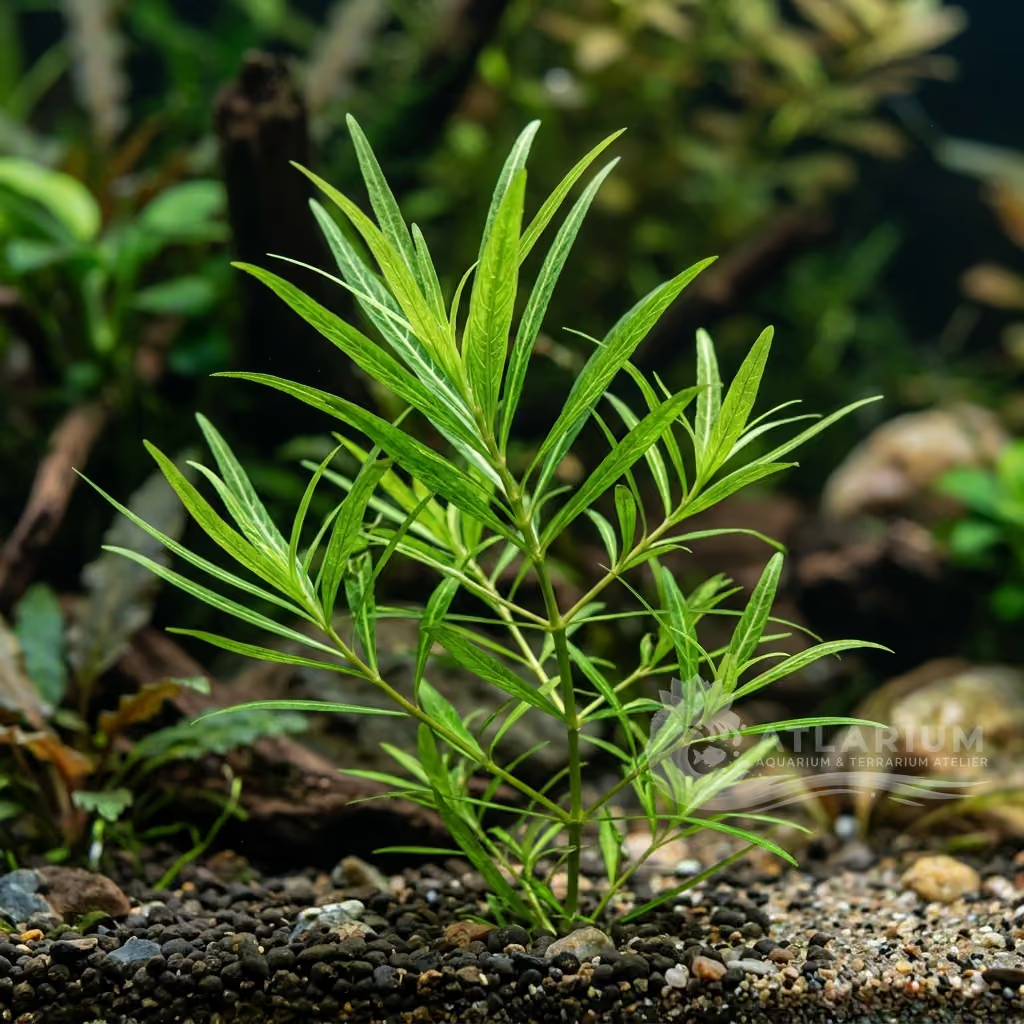
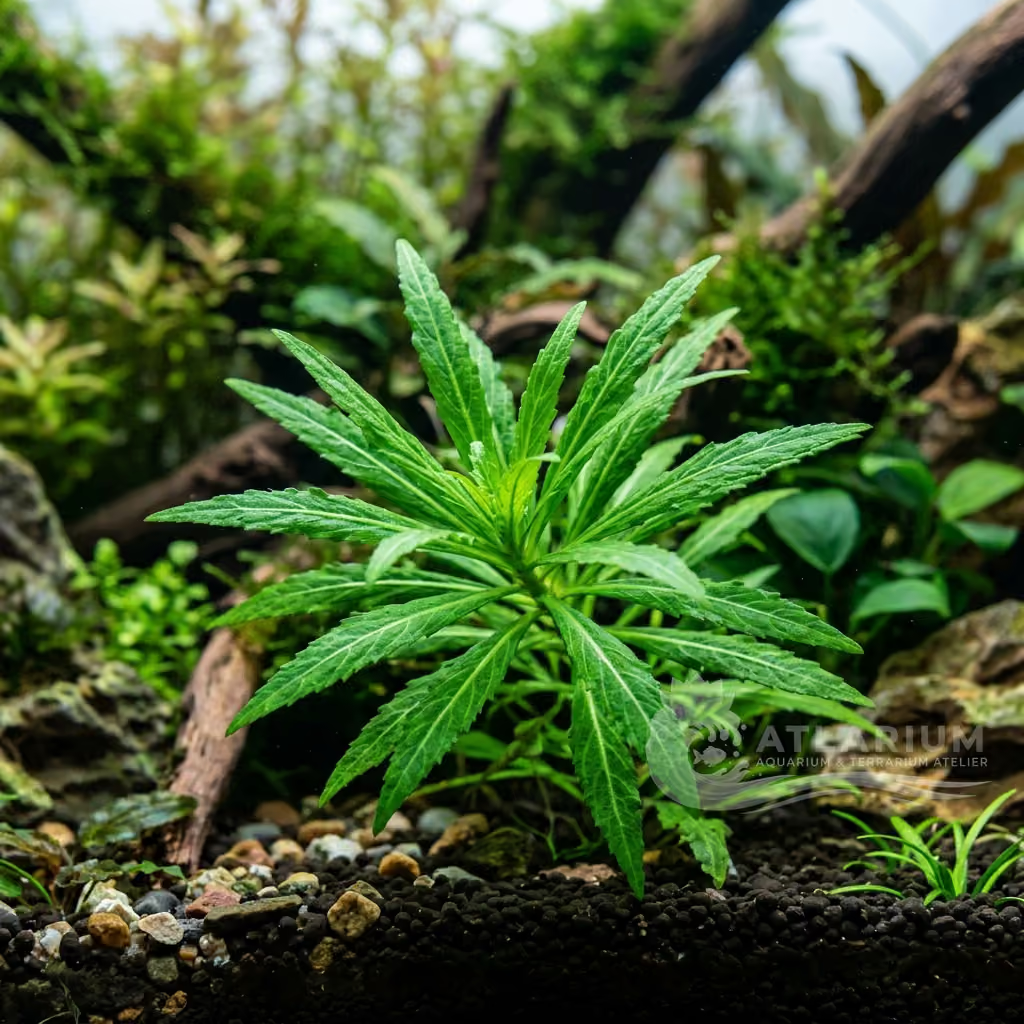
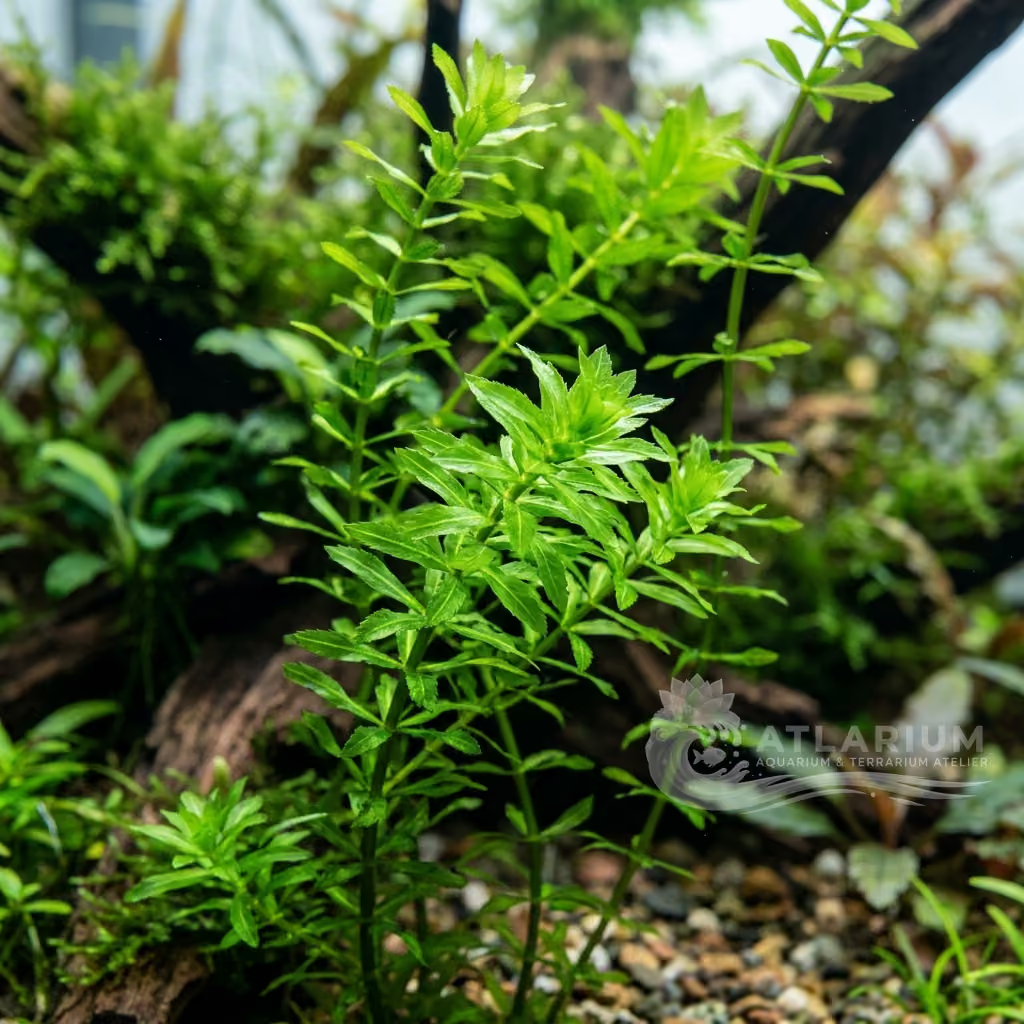
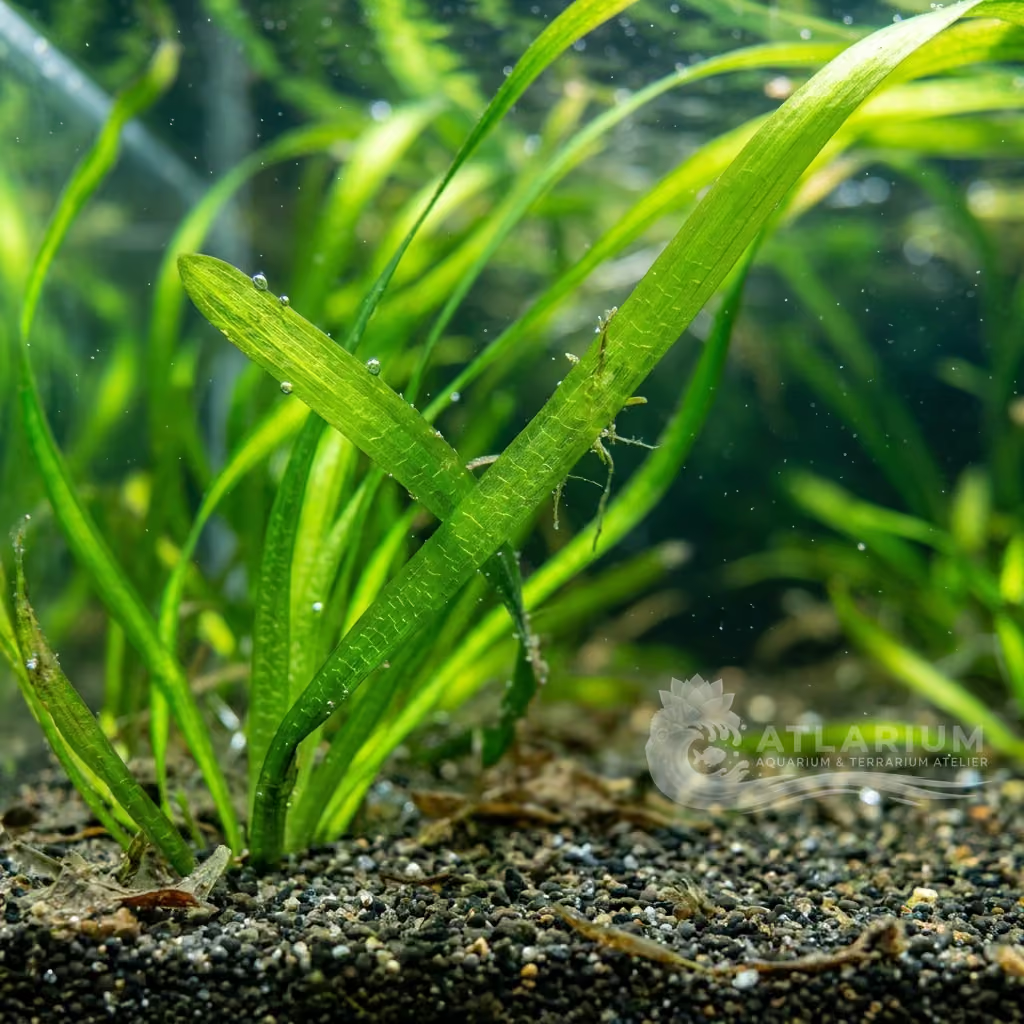
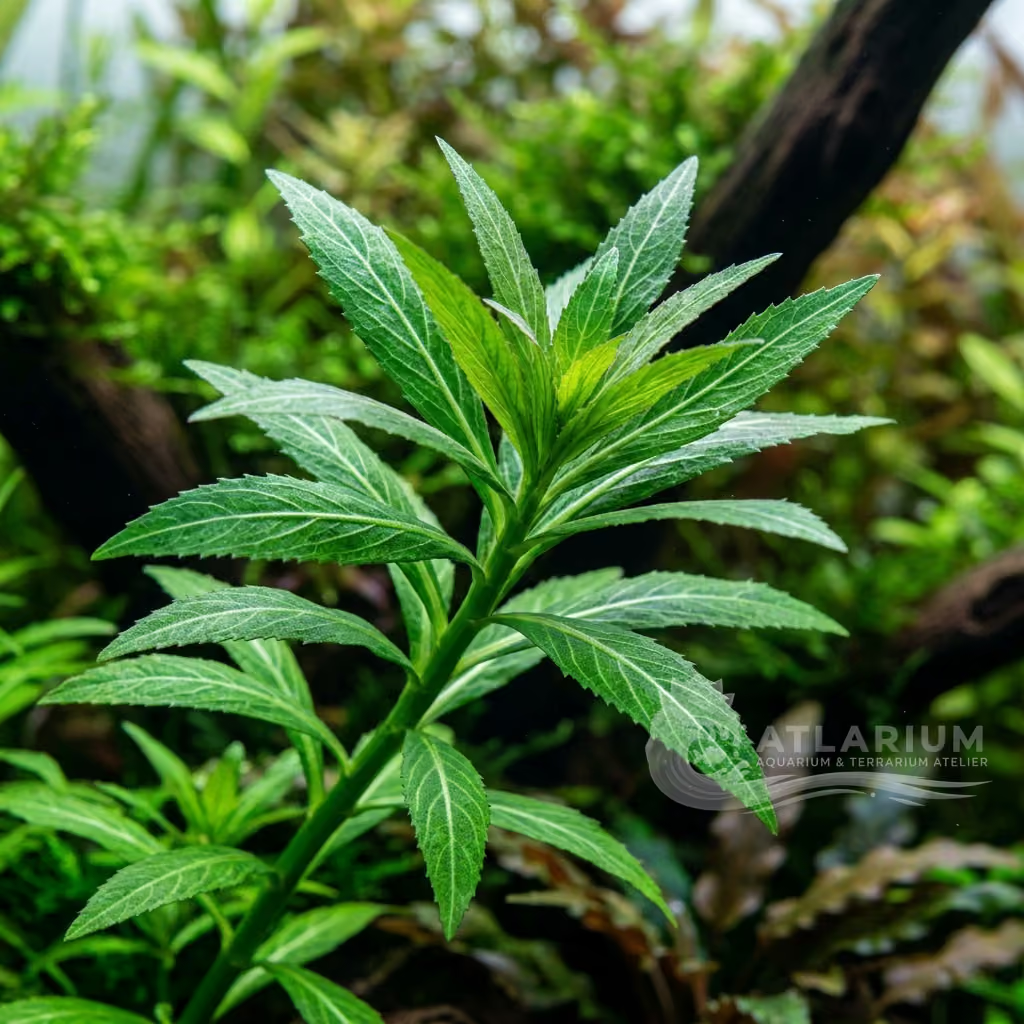
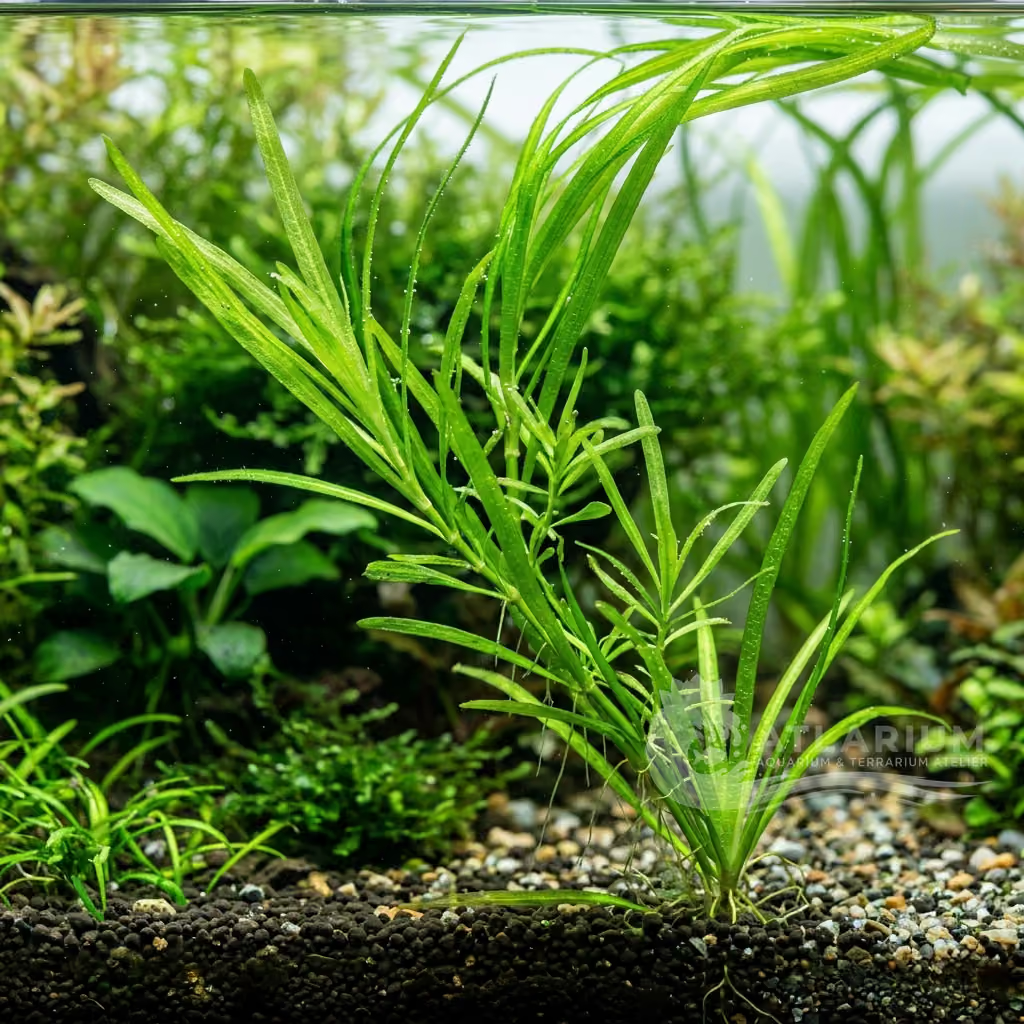
Physical Structure: Najas conferta exhibits a delicate, highly branched stem structure, typical of many Najas species. The slender stems are adorned with numerous finely dissected leaves, usually arranged in whorls or sub-opposite pairs along the length of the stem. This dense foliage creates a bushy and intricate texture, contributing significantly to the plant's overall volume and midground presence in an aquascape.
Color & Texture: The foliage of Najas conferta typically presents in vibrant shades of light to medium green, which can deepen or brighten depending on lighting intensity and nutrient availability. Its leaves are exceptionally fine and needle-like, lending a soft, feathery texture to the plant mass. This delicate texture contrasts beautifully with broader-leaved plants, adding depth and visual interest to the aquatic layout.

Care, breeding and tankmates
Lighting & CO2: Najas conferta is remarkably adaptable, thriving under a wide spectrum of lighting conditions from low to high intensity. In lower light, its growth may be somewhat slower and sparser, while moderate to high light significantly accelerates its already fast growth rate, leading to denser, more compact foliage. While not strictly mandatory, CO2 supplementation is highly beneficial, promoting vigorous growth, stronger stems, and preventing potential nutrient deficiencies in high-light setups.
Nutrition & Substrate: As a fast-growing stem plant, Najas conferta primarily absorbs nutrients from the
Water Chemistry: This species demonstrates a robust tolerance for a broad range of water parameters, flourishing in temperatures between 12.0 and 32.0 C, a pH of 5.0 to 7.5, and a KH from 1.0 to 14.0. Maintaining stable conditions within these ranges, particularly avoiding drastic fluctuations, is key to its sustained health and lush growth. Soft to moderately hard water is generally preferred, although its adaptability allows it to thrive in various setups.
Space Management & Placement: Given its classification as a midground plant and its rapid growth rate, Najas conferta requires careful consideration for placement and space management. It can quickly form dense, bushy thickets, providing excellent cover and spawning sites for fish and invertebrates. Regular monitoring and trimming are essential to prevent it from overgrowing adjacent plants or blocking light to lower areas of the aquarium.
Pruning: Due to its fast growth, Najas conferta benefits significantly from regular and consistent pruning to maintain its desired shape and prevent overgrowth. Trimming the top sections of the stems encourages lateral branching, leading to a denser, bushier appearance. These trimmed sections can be replanted to propagate the plant further, creating new healthy colonies.
Risks & Diseases: While generally hardy, Najas conferta can face risks such as algae overgrowth, especially in unbalanced high-light and low-CO2 environments. Nutrient deficiencies, particularly of iron or nitrogen, may manifest as pale or stunted growth. Melting, characterized by sudden tissue degradation, can occur if subjected to drastic changes in water parameters or during initial adaptation to a new aquarium.

Geographic origin and distribution
Najas conferta, like many members of the Najas genus, typically originates from tropical and subtropical regions across various continents. It can be found inhabiting a diverse array of freshwater environments, including still or slow-moving waters of lakes, ponds, and streams. This plant prefers to root in fine substrates or can be found free-floating among other vegetation, thriving in both clear and somewhat turbid waters.
Origin
Amazon, Orinoco, and GuianasExtra-Amazon South America

Plant profile
- Placement
- Midground
- Due to its somewhat messy and tangled growth habit, it is often best suited for breeding tanks, fry grow-out setups, or the background of naturalistic aquariums. It provides exceptional cover and hiding spots for small fish, fry, and shrimp when allowed to form dense mats. It can be grown planted in the substrate or left to float at the water's surface, where it will create a shaded area.
- Botanical form
- Stem
- The plant forms dense, branching tangles of thin, highly fragile stems with narrow, slightly toothed leaves arranged oppositely or in whorls. Its brittle nature means that stems easily snap when handled, but every broken piece has the potential to grow into a new plant. It has a generally bushy, somewhat chaotic appearance that adds a wild, natural look to the tank.
- Growth
- Fast
- Najas conferta is known for its incredibly fast growth rate, especially in nutrient-rich water. It can quickly overtake an aquarium if left unchecked, requiring frequent and sometimes aggressive harvesting to prevent it from outcompeting other plants for light and nutrients.
- Substrate
- None
- This plant does not rely on a nutrient-rich substrate for survival or growth, as its root system is minimal and primarily serves as a weak anchor. It can be planted in any substrate, from bare bottom setups to fine sand or coarse gravel, or it can be left completely unplanted to float freely. If planted, it only needs to be lightly buried to hold it in place.
- Column fertilization
- Recommended
- Because it draws nearly all its nutrition through its leaves and stems, water column fertilization is the most effective way to feed Najas conferta. In tanks with a decent fish population, fish waste may provide enough macronutrients, but a general all-in-one liquid fertilizer ensures it receives necessary micronutrients like iron and potassium. Regular water changes are also beneficial to replenish depleted minerals.
- Root fertilization
- None
- Root fertilization is entirely unnecessary for this species. Its roots are sparse, hair-like, and function almost exclusively for holding the plant loosely to surfaces or substrate rather than for nutrient uptake. Providing root tabs would be a waste of resources, as the plant will not efficiently utilize them.
- Trimming
- Regular
- Trimming simply involves pulling out handfuls of the excess mass. Care must be taken as the stems break easily, leaving small fragments that will grow into new plants.
- Propagation
- Cuttings
- Propagation is effortless and often happens inadvertently due to the plant's brittle nature. Any broken piece of stem, even a small fragment with just a few leaves, will quickly continue to grow and develop into a new mass. To intentionally propagate, simply break off sections of the stems and let them float or loosely plant them elsewhere in the aquarium.
- Sensitivity
- Moderate
- Sensitive to some liquid carbon supplements and strong chemical treatments. It prefers stable parameters but is generally quite hardy.
- Layout role
- Midground, Background
- Primarily used in breeding tanks or shrimp setups as a functional plant rather than for aesthetics. It provides unparalleled hiding spots for fry and natural grazing areas for invertebrates.

Related species
Recommendations grouped by close relatives, companion choices, and similar care.