Rhynchospora albescens
Rhynchospora albescens
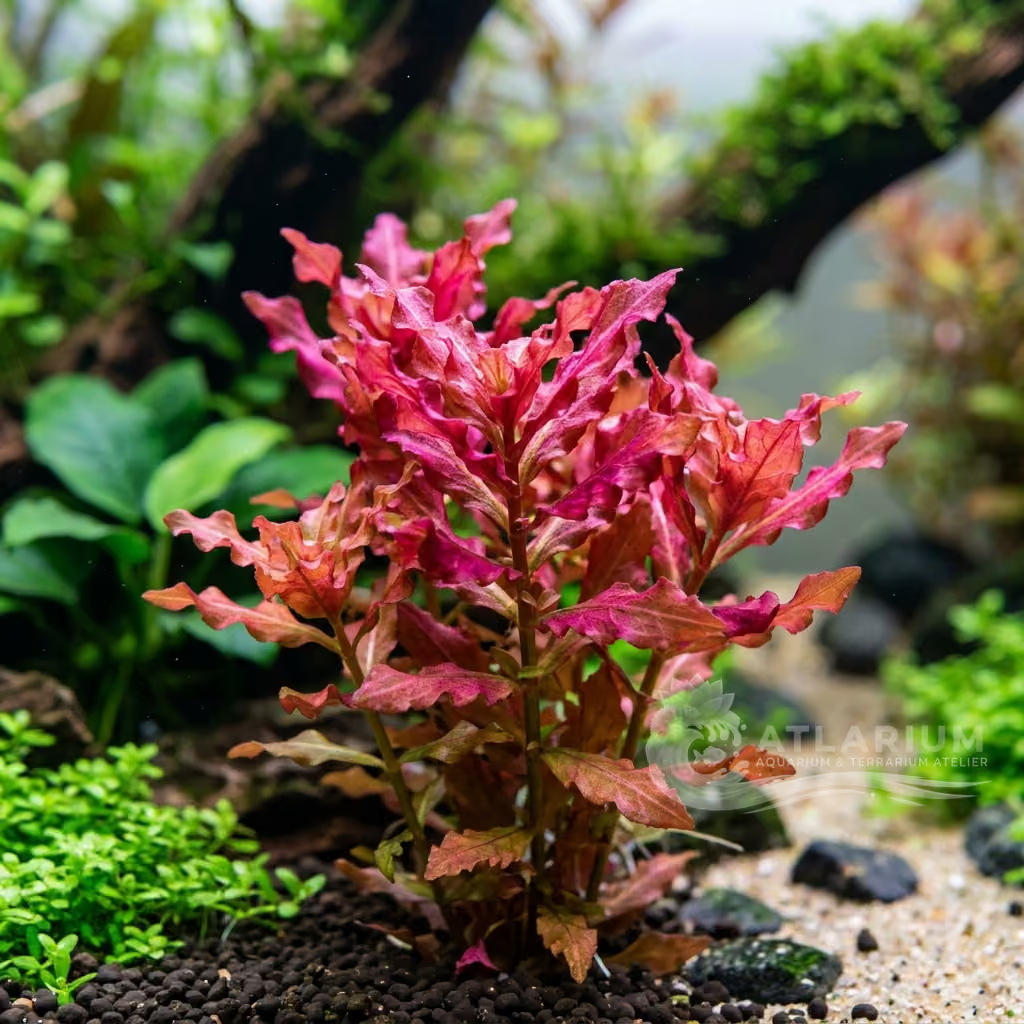
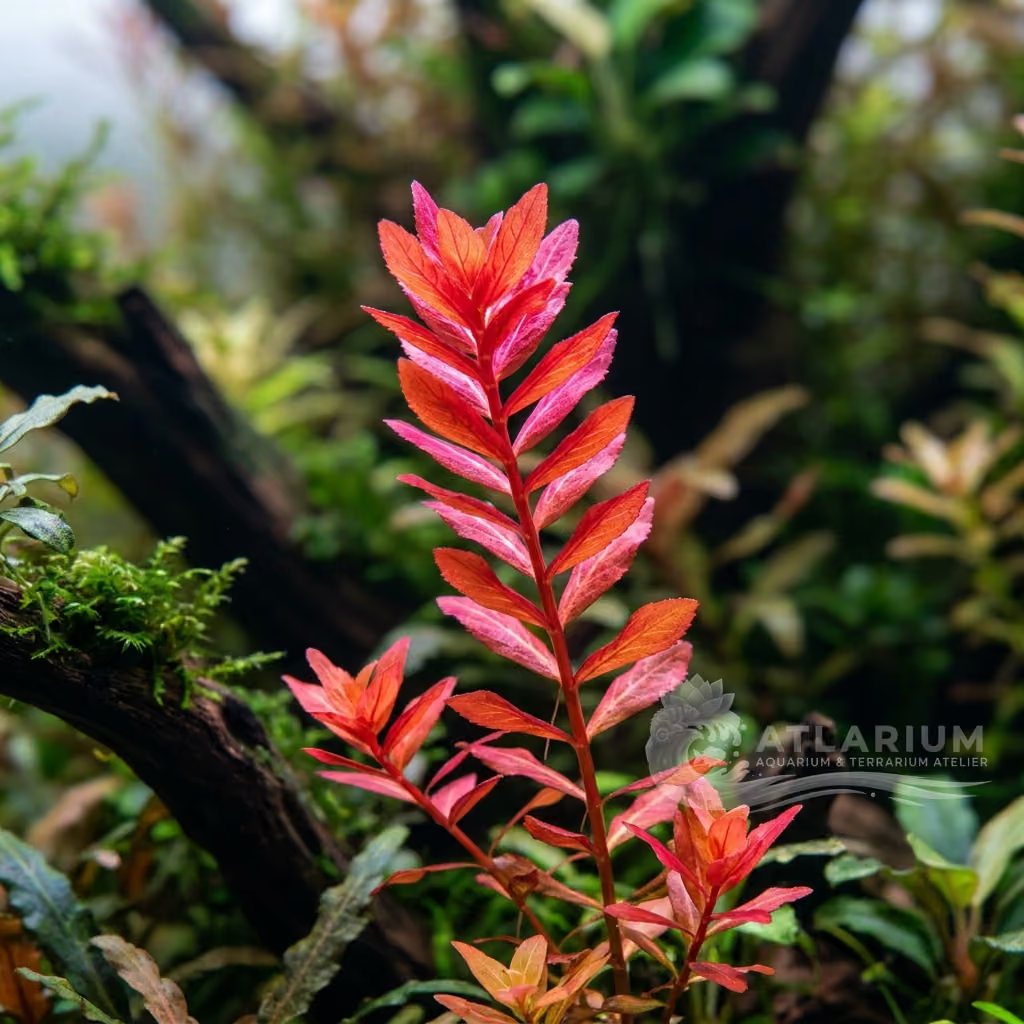
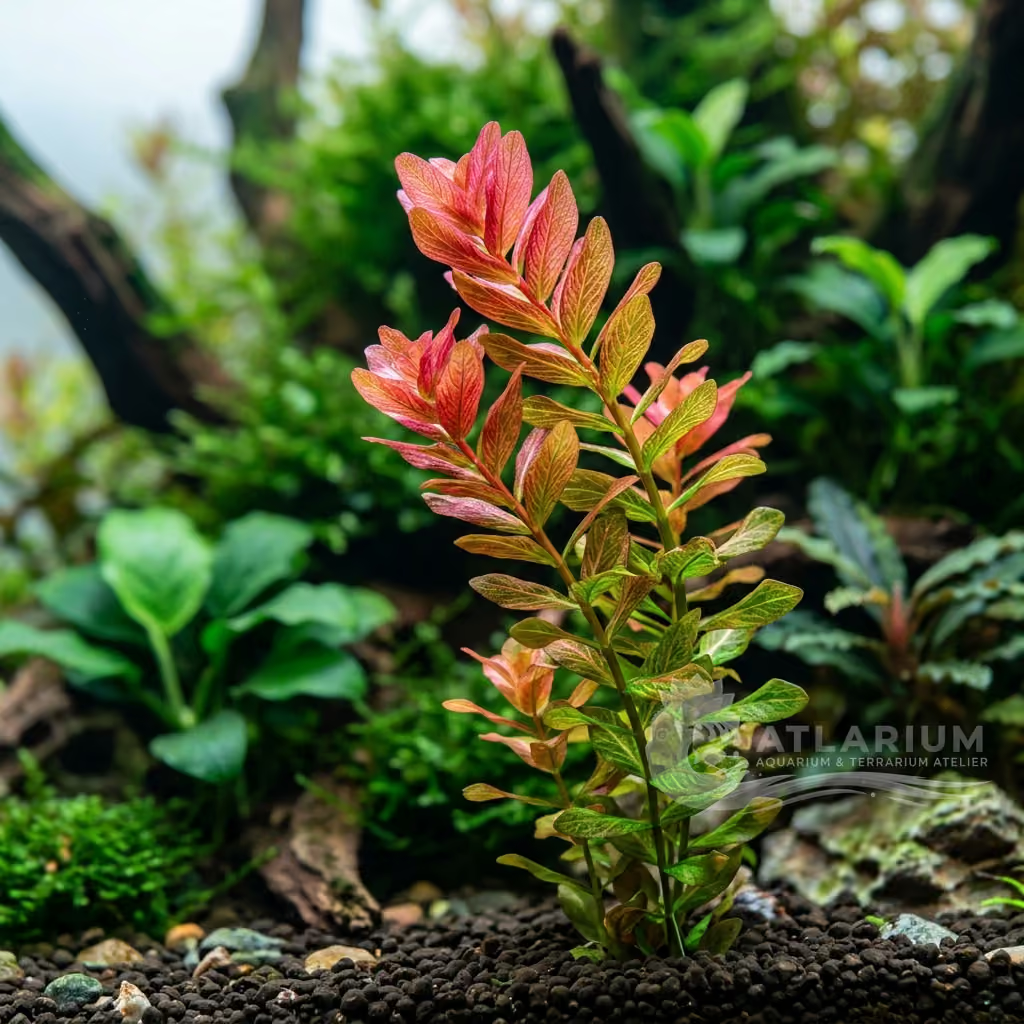
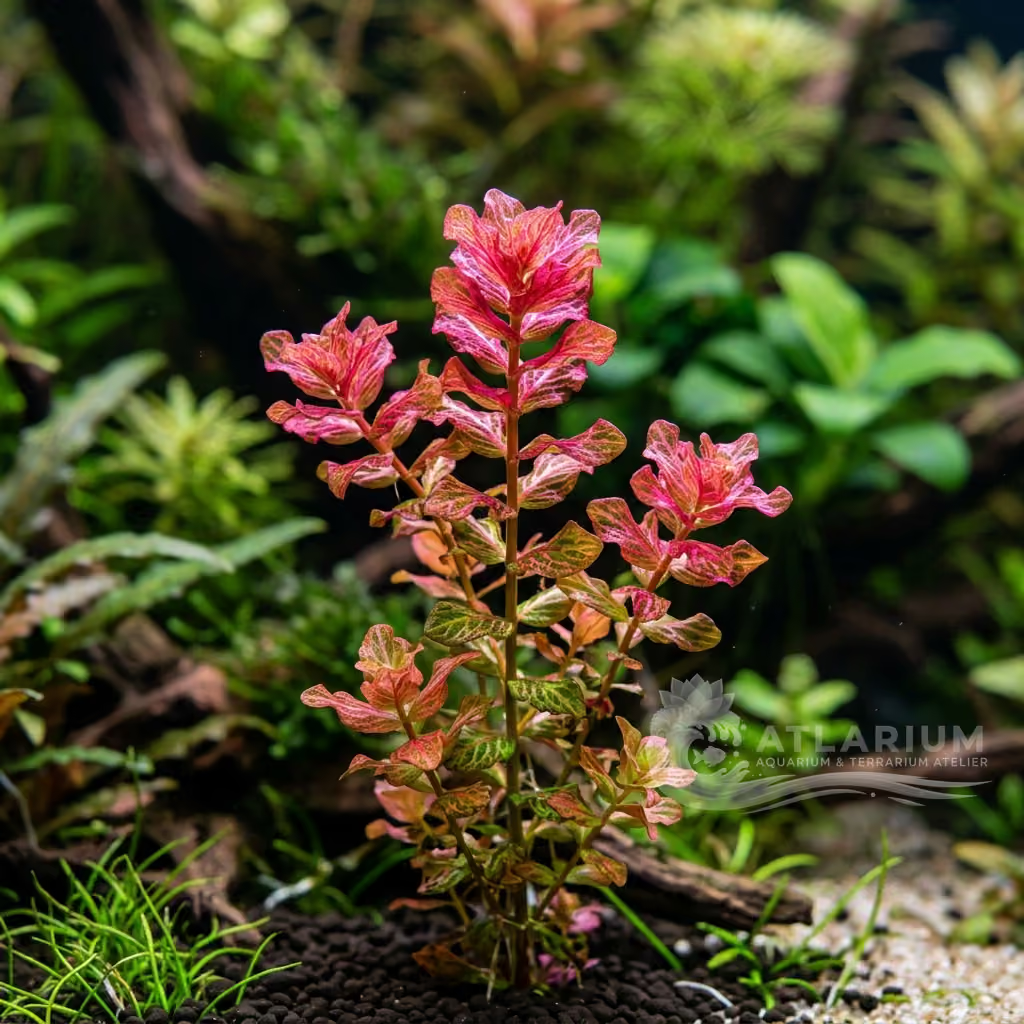
Rhynchospora albescens is a fast-growing, vigorous aquatic plant ideal for midground placement, offering an elegant upright growth habit and the ability to form dense clusters. This species is excellent for aquascapes requiring rapid filling and a seamless visual transition between foreground and background elements.
Water Temperature
20 - 30 °C
pH Value
4.5 - 7
Water type
Freshwater
Light
Medium - High
CO2
High
Expected height
25 cm
Expected width
15 cm
KH
0 - 7 dKH

Species description
Geographical Origin and Habitat: Rhynchospora albescens, a member of the Cyperaceae family, originates from tropical and subtropical regions where it thrives in marshy environments, along stream banks, and in various wetlands. Its natural populations are widespread in areas characterized by acidic soils rich in organic matter, typically under warm and humid climatic conditions. This adaptability to specific environmental niches makes it an intriguing choice for aquariums aiming to replicate similar natural habitats.
Taxonomy & Genetics: The genus Rhynchospora encompasses numerous species of wetland sedges, often colloquially known as "beak-sedges" due to the distinctive pointed shape of their floral spikelets. Taxonomically, it belongs to the Cyperaceae family, which is related to rushes and common grasses but is distinguished by its typically triangular stems and leaves arranged in three ranks. While extensive genetic studies specifically on R. albescens in aquascaping are not widely published, its robust nature in aquatic settings suggests a strong genetic predisposition for adaptation to submerged or semi-submerged conditions.
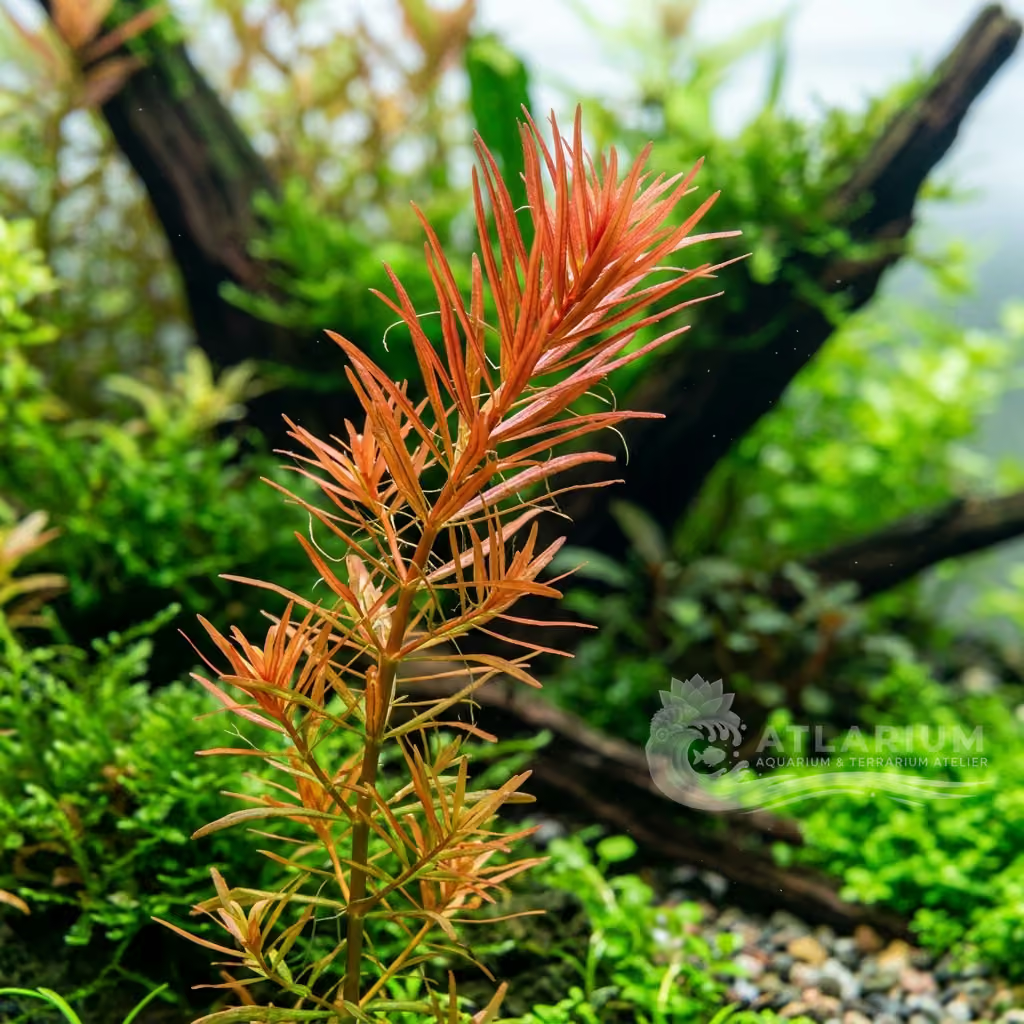
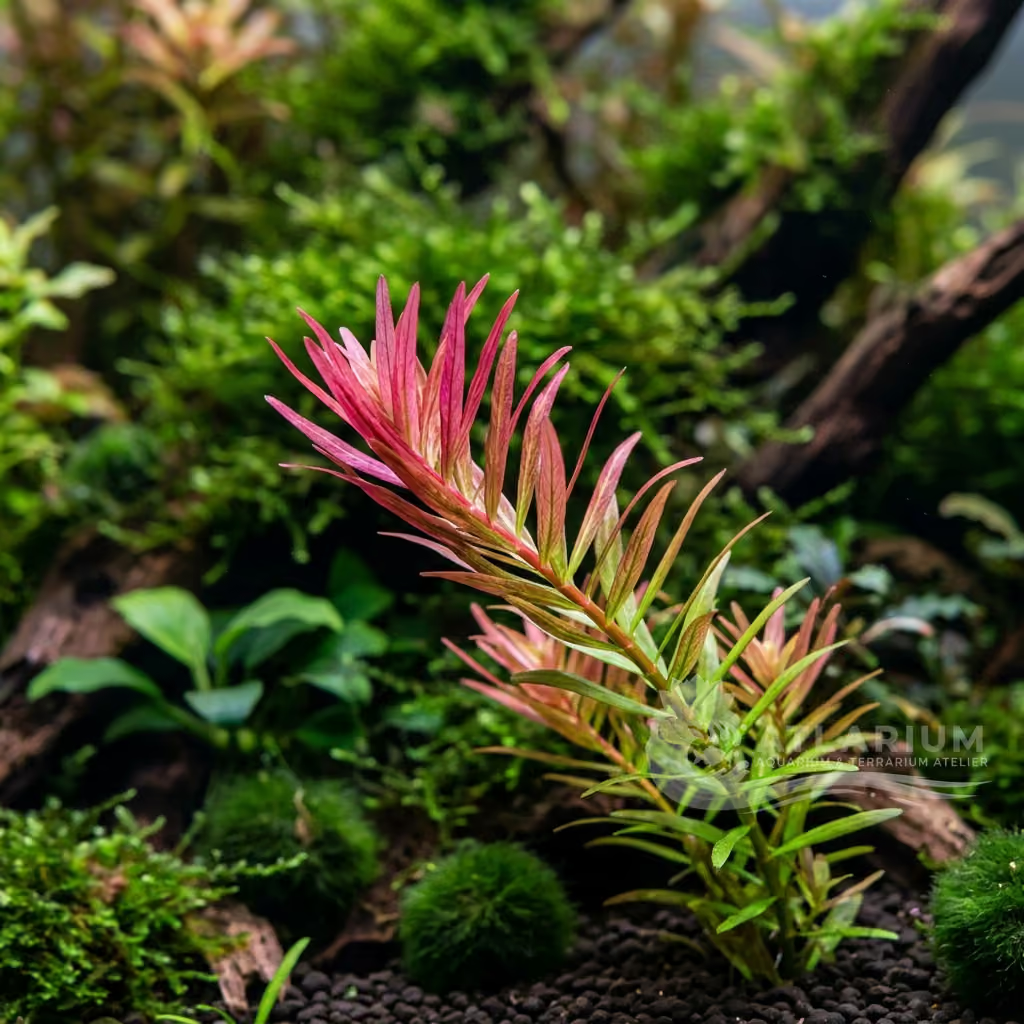
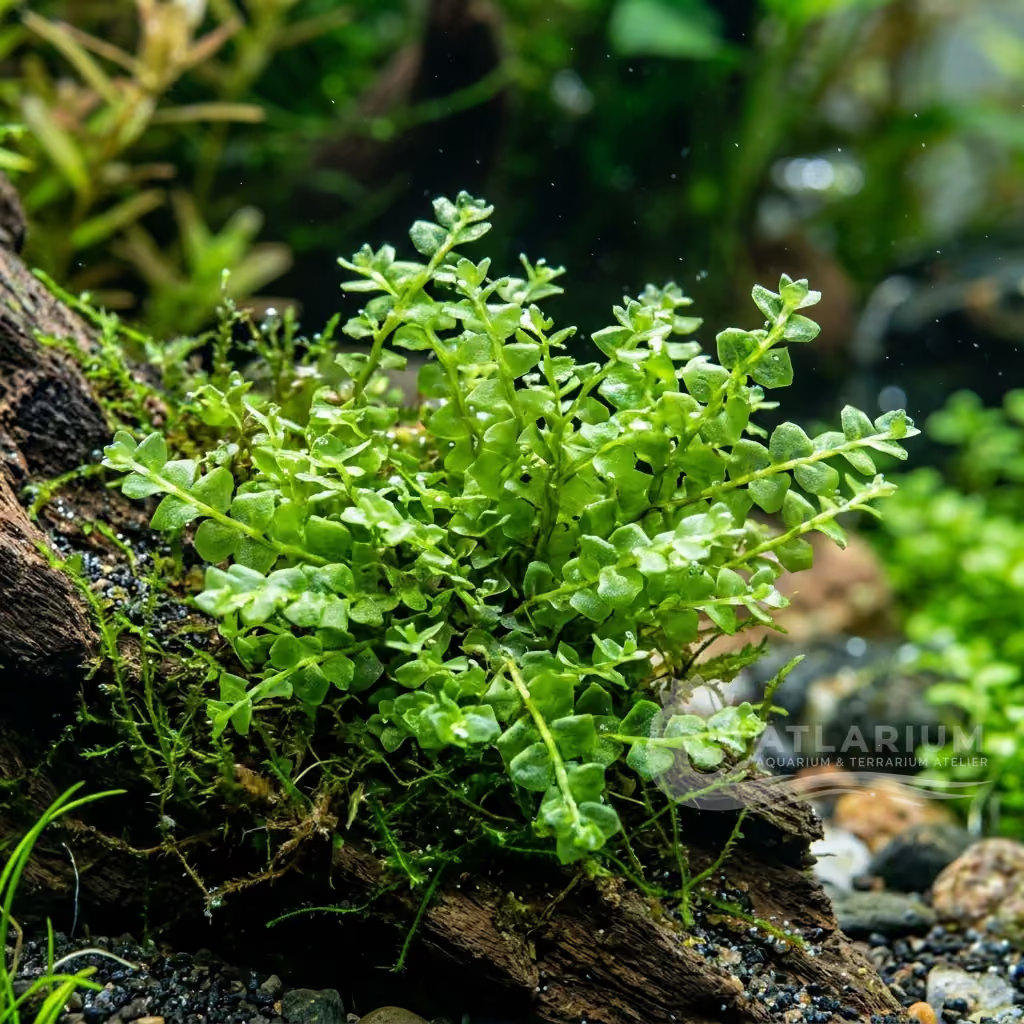
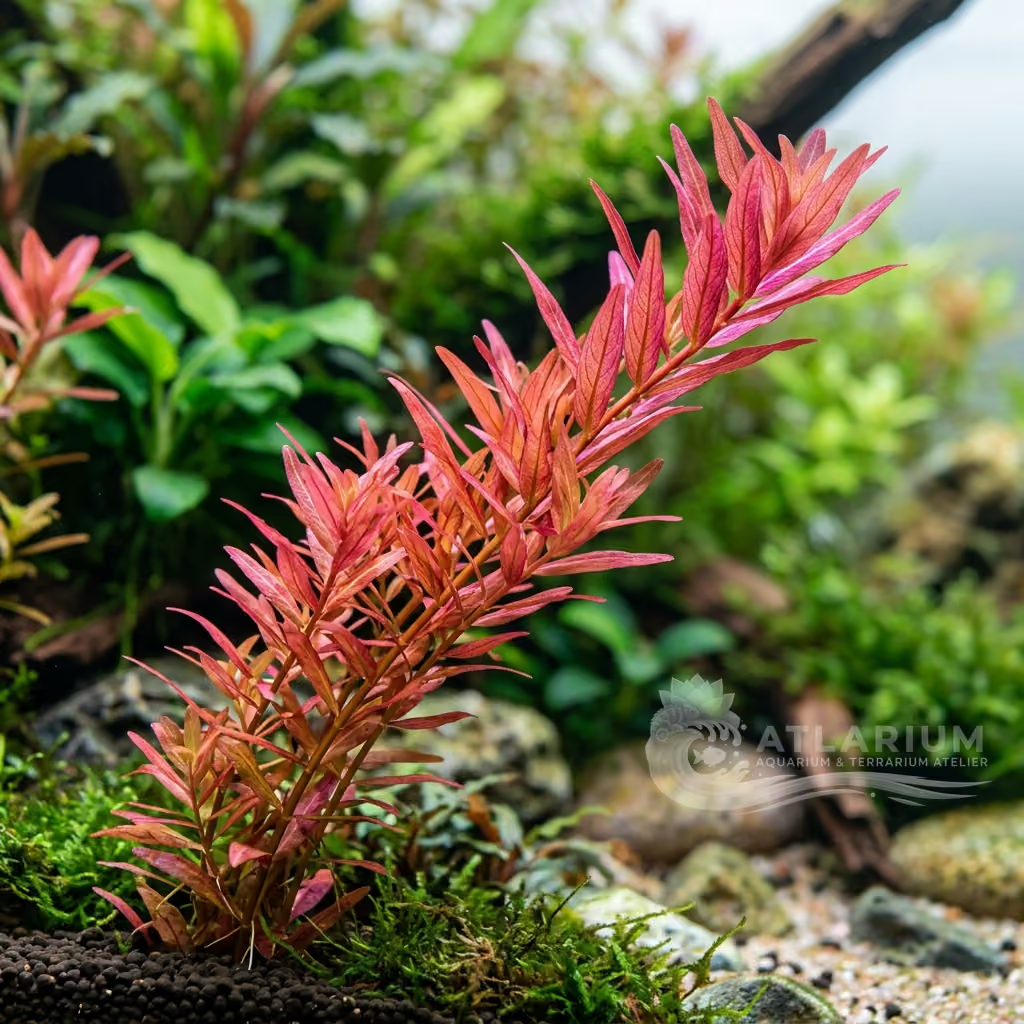
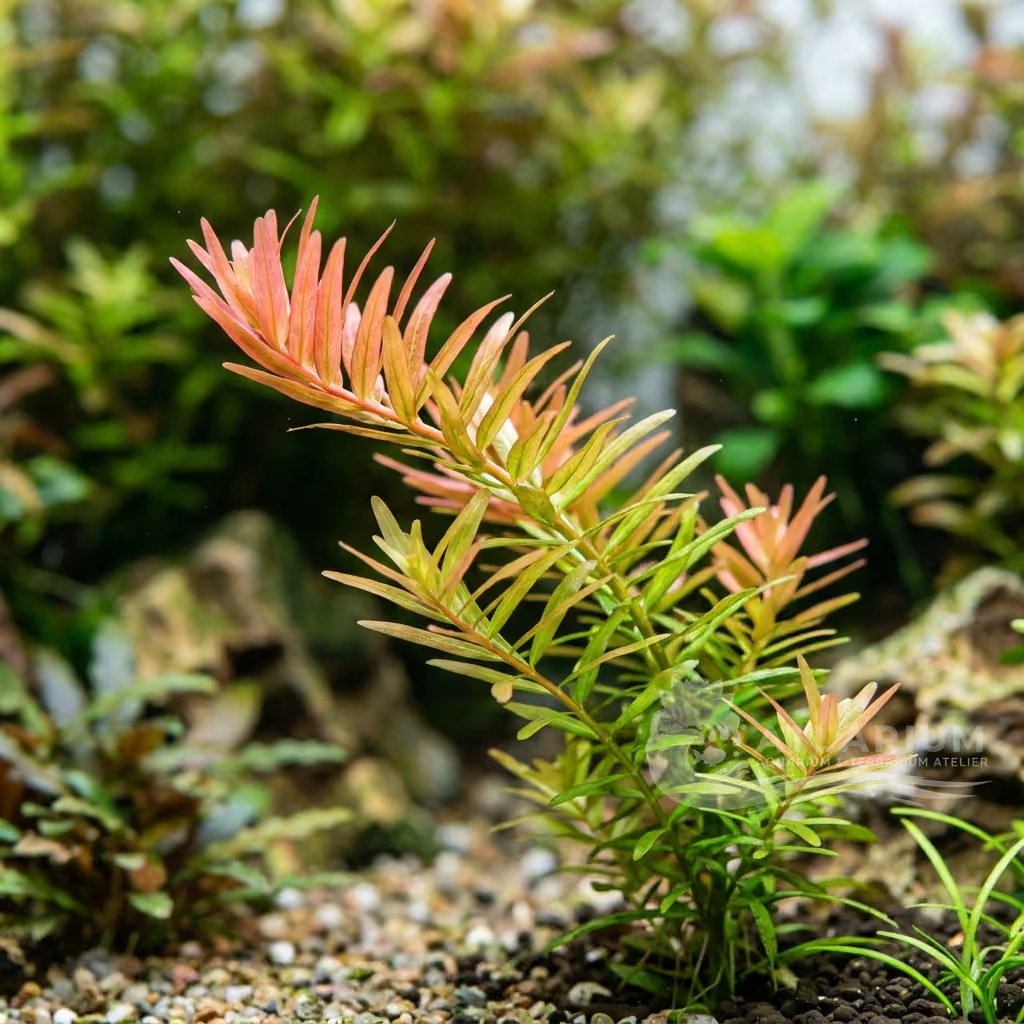
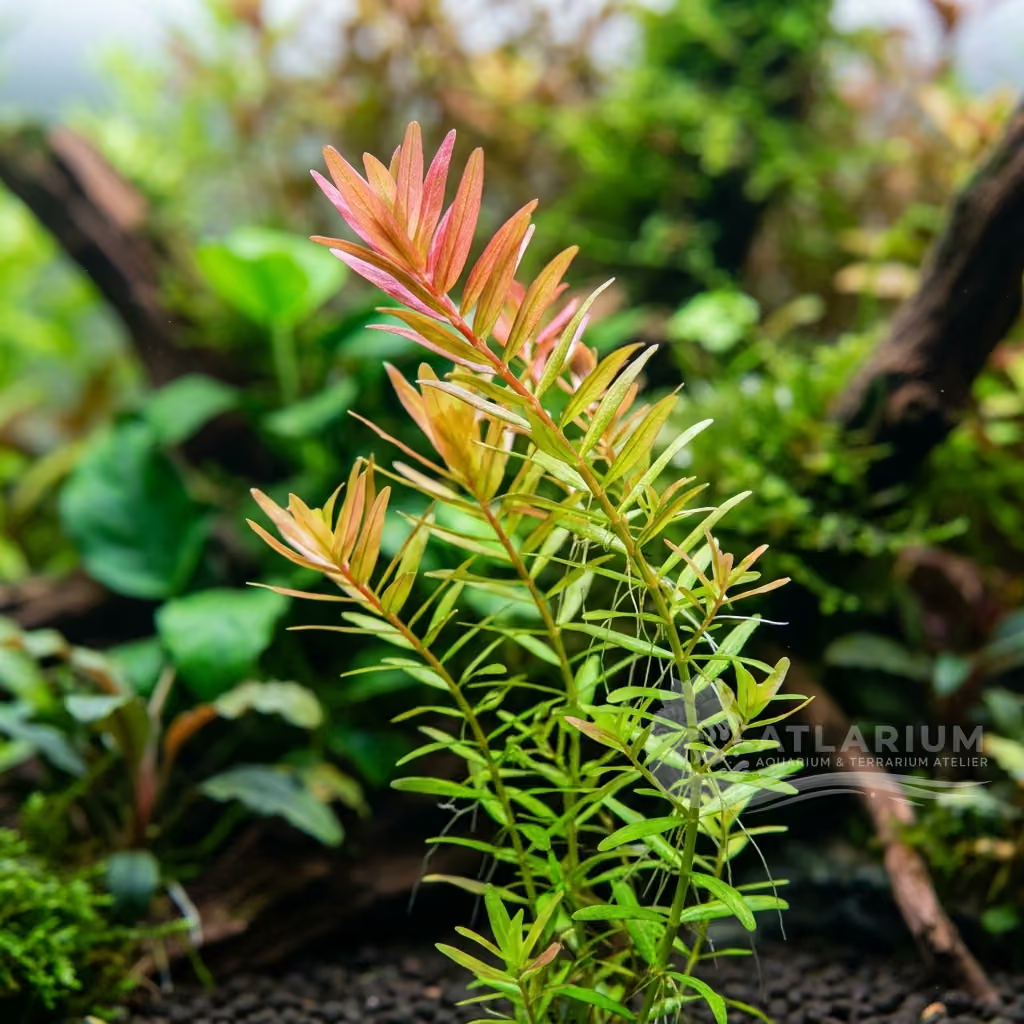
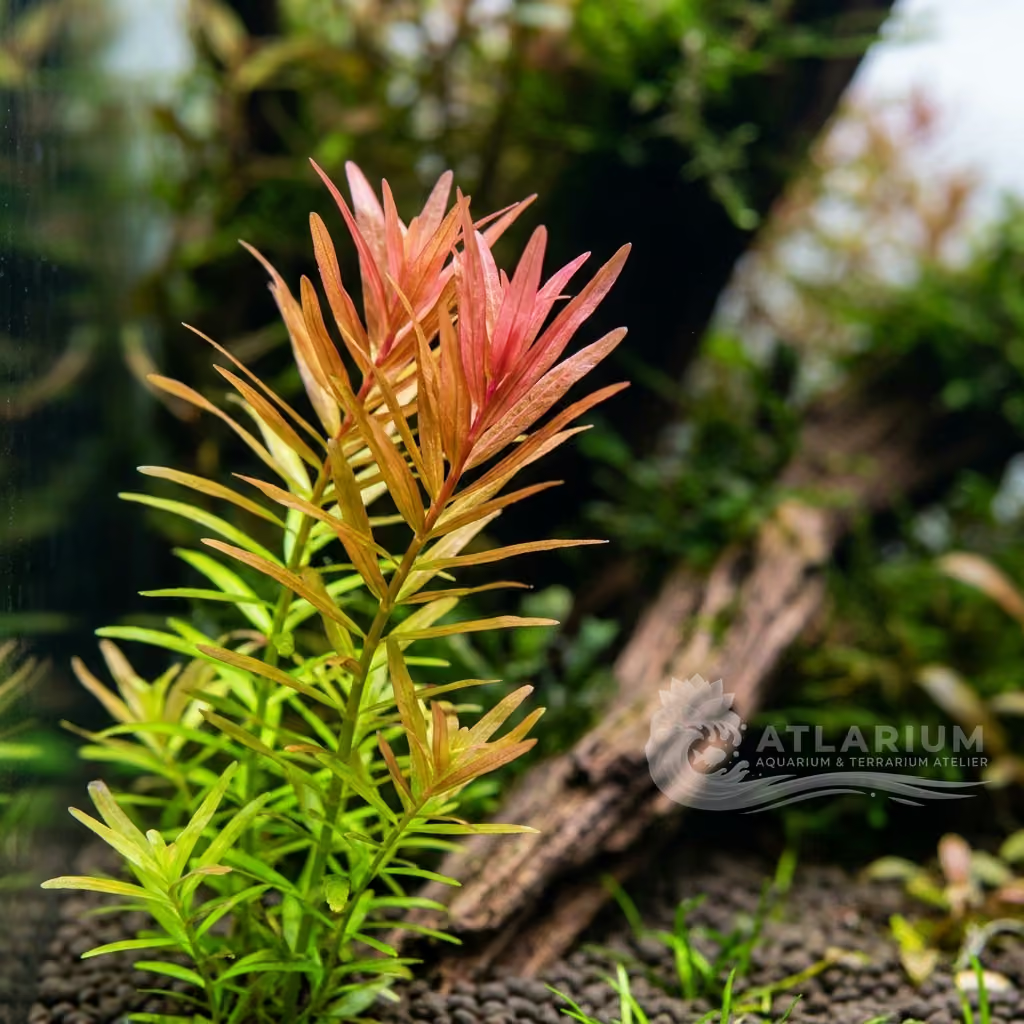
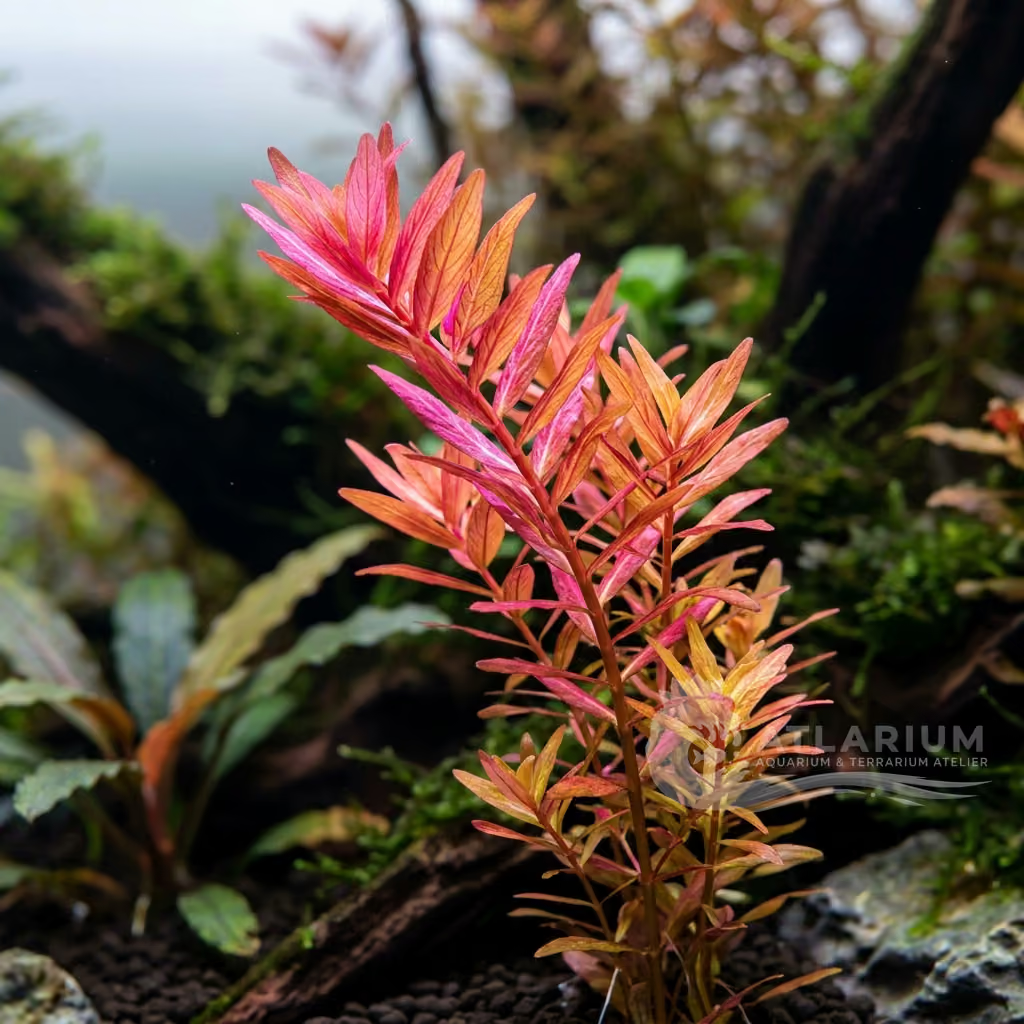
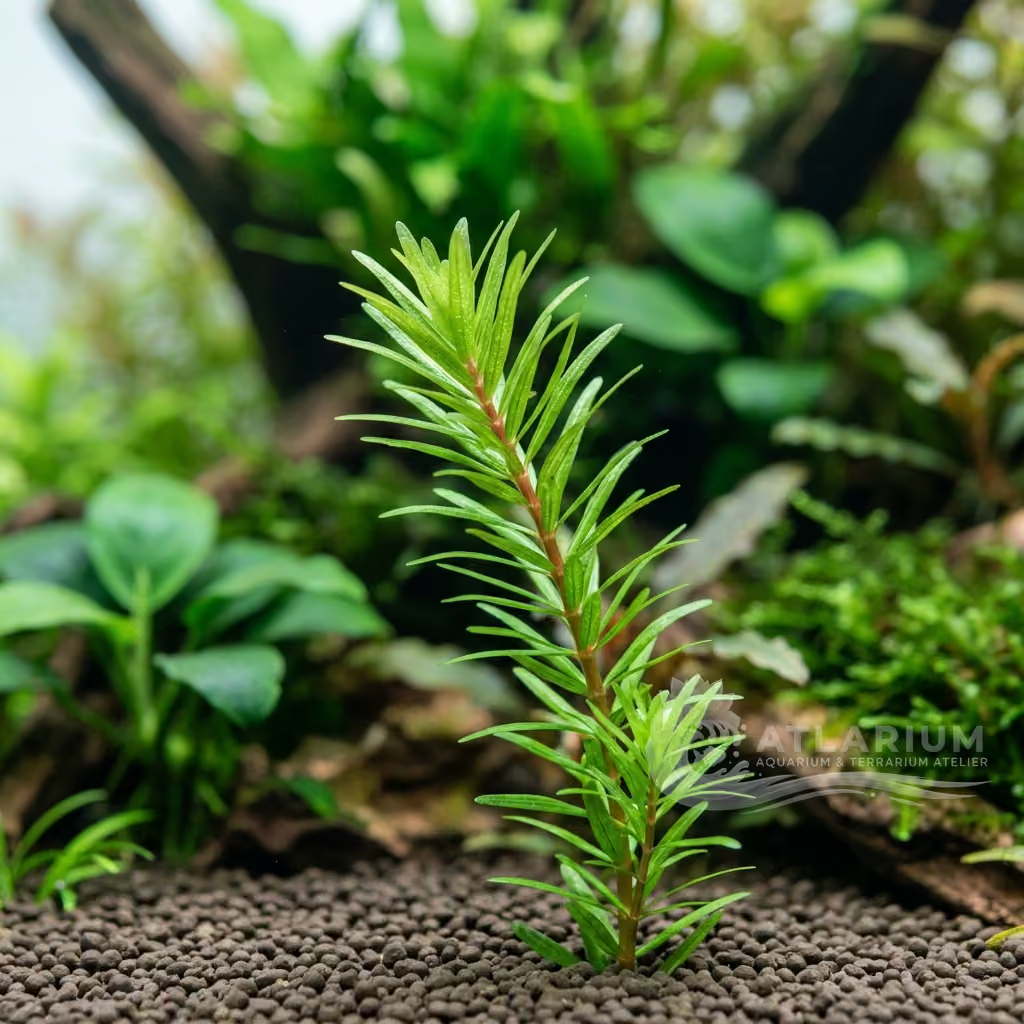
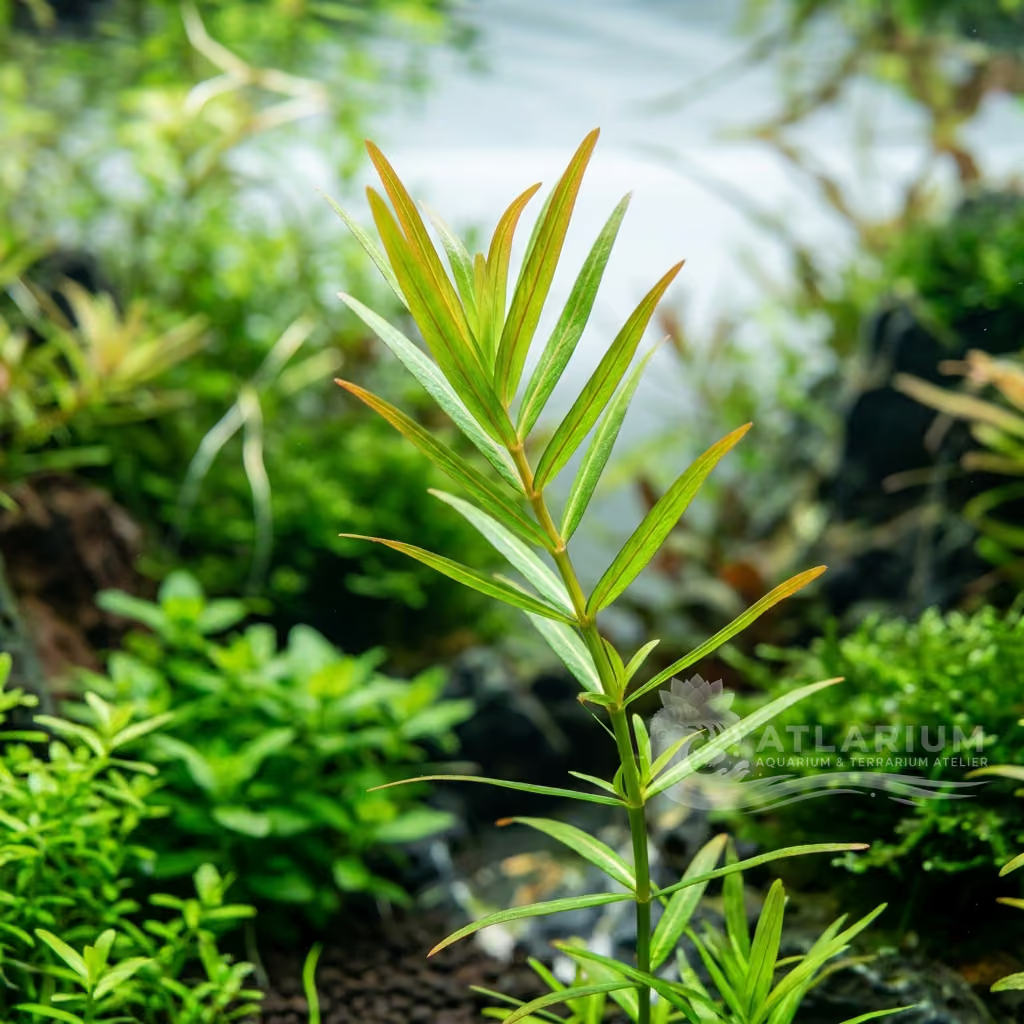
Physical Structure: This plant exhibits a physical structure characterized by slender, linear, and thread-like leaves that emerge from a subterranean rhizome or a dense basal tuft. The leaves can attain significant heights in a submerged environment, lending a grass-like appearance that can resemble a lush meadow or a dense herbaceous thicket. Its fibrous and well-developed root system firmly anchors the plant to the substrate, facilitating its expansion through runners or offsets.
Color & Texture: The predominant color of Rhynchospora albescens is a vibrant, bright green, which can vary in intensity based on lighting conditions and nutrient availability. Its thin, lanceolate leaves contribute a fine and delicate texture to the overall bush-like appearance. Under optimal conditions, new growth may exhibit lighter shades or even a subtle whitish-silver tone, from which its specific epithet "albescens" (meaning whitish) likely derives.

Care, breeding and tankmates
Lighting & CO2: For optimal growth, Rhynchospora albescens requires medium to high lighting, which promotes intense coloration and a compact growth habit. CO2 supplementation is highly recommended, especially in aquariums with brighter light, to prevent deficiencies and encourage rapid, healthy photosynthesis. Good
Water Chemistry: circulation is equally important to ensure uniform distribution of nutrients and CO2 throughout the plant mass.
Nutrition & Substrate: This species benefits greatly from a nutrient-rich substrate, particularly one fortified with micronutrients, though it can tolerate inert substrates with adequate liquid fertilization. The incorporation of clay or laterite into the substrate can significantly support its robust root development. Consistent liquid fertilization with a balanced program of macro and micronutrients is essential to prevent chlorosis and sustain its characteristic fast growth rate.
Water Chemistry: Rhynchospora albescens thrives in soft, acidic water, with a KH range between 0.0 and 7.0 and a pH between 4.5 and 7.0. Maintaining these stable water parameters is critical for its long-term health, as sudden fluctuations can induce significant stress. An optimal water temperature between 20.0 and 30.0 C perfectly aligns with its metabolic requirements, effectively mimicking its native tropical environment.
Space Management & Placement: Given its rapid growth and tendency to form dense clumps, Rhynchospora albescens is ideally suited for midground placement, where it can create a lush green barrier or a structural focal point. It is important to provide sufficient space around initial groupings to allow for its expansion without overshadowing neighboring plants. Its quick colonization can rapidly fill empty spaces, thereby contributing to the stability of the aquarium ecosystem.
Pruning: Regular pruning is indispensable for maintaining the desired aesthetic and preventing excessive density within the clumps, which could potentially shade lower-growing plants. By trimming longer leaves or unwanted lateral shoots, one stimulates bushier growth from the base and preserves the overall shape of the plant. This practice also aids in the removal of any old or damaged foliage, promoting a healthier and more vigorous specimen.
Risks & Diseases: Rhynchospora albescens is generally resilient but can be susceptible to nutrient deficiencies, which typically manifest as yellowing leaves or stunted growth. Excessive exposure to very high light without adequate CO2 can lead to algae growth on its delicate leaves. Diligent monitoring of water parameters and the nutrient balance is the most effective defense against these potential issues, ensuring sustained plant health.

Geographic origin and distribution
Rhynchospora albescens, a member of the Cyperaceae family, originates from tropical and subtropical regions where it thrives in marshy environments, along stream banks, and in various wetlands. Its natural populations are widespread in areas characterized by acidic soils rich in organic matter, typically under warm and humid climatic conditions. This adaptability to specific environmental niches makes it an intriguing choice for aquariums aiming to replicate similar natural habitats.
Origin
Amazon, Orinoco, and GuianasExtra-Amazon South America

Plant profile
- Placement
- Midground
- It is best suited for the foreground or midground of the aquarium, depending on the tank size. Plant small portions a few centimeters apart to allow them to fill in and form a continuous carpet. It requires unobstructed light, so avoid placing it under the shade of larger plants.
- Botanical form
- Stem
- This sedge features a grassy, tufted form with fine, pointed leaves radiating from a central rosette. The foliage is typically a vibrant, light green that contrasts beautifully with darker plants. Its root system is delicate but highly efficient at anchoring the plant and absorbing nutrients.
- Growth
- Fast
- Under high light and CO2 injection, the growth rate is moderately fast. It quickly spreads via runners to form a dense, grassy turf. Without CO2 or sufficient lighting, its growth slows down significantly and the plant may become sparse.
- Substrate
- Medium
- Rhynchospora albescens thrives best in a fine, nutrient-rich substrate like aqua-soil or sand that mimics its natural bog and wetland habitats. A substrate depth of 1.5 to 2 inches is sufficient to allow its delicate, fibrous root system to anchor firmly and establish a healthy network. The roots draw essential nutrients directly from the soil, making a moderately enriched base highly beneficial for robust growth. Ensuring the substrate is relatively soft will help the plant spread easily and form dense, grass-like tufts.
- Column fertilization
- Recommended
- While it draws heavily from the roots, column fertilization provides essential trace elements that promote robust health. Regular dosing of a complete liquid fertilizer ensures the leaves remain vibrant and free of deficiencies. Iron supplementation is particularly beneficial for preserving its bright green hue.
- Root fertilization
- None
- Root fertilization is crucial for this species, as it thrives in an active, nutrient-dense substrate. Using a high-quality aquasoil or inserting root tabs will greatly accelerate its carpeting speed. A well-fed root system leads to thicker, healthier foliage.
- Trimming
- Occasional
- Regular trimming is required to maintain a low, even carpet and prevent the lower layers from dying off due to lack of light. Use curved spring scissors to trim the grass horizontally to your desired height. After trimming, carefully net out the floating clippings to maintain water quality.
- Propagation
- Cuttings
- Propagation is easy and occurs naturally as the plant sends out lateral runners. You can also manually propagate it by dividing mature clumps into smaller portions and replanting them. This division method is excellent for expanding the carpet or starting new patches.
- Sensitivity
- Moderate
- It is quite sensitive to low light conditions and shading, which can cause the leaves to turn yellow and melt. It also requires stable CO2 levels; fluctuations can trigger algae blooms among its fine leaves. Ensure good water circulation to prevent detritus from settling within the dense carpet.
- Layout role
- Midground, Background
- Its primary layout role is as a foreground carpeting plant, creating a lush, lawn-like effect. The fine texture brings a sense of scale and detail to nature-style and Iwagumi aquascapes. It provides a bright, cheerful contrast against dark substrates and hardscape materials.

Related species
Recommendations grouped by close relatives, companion choices, and similar care.