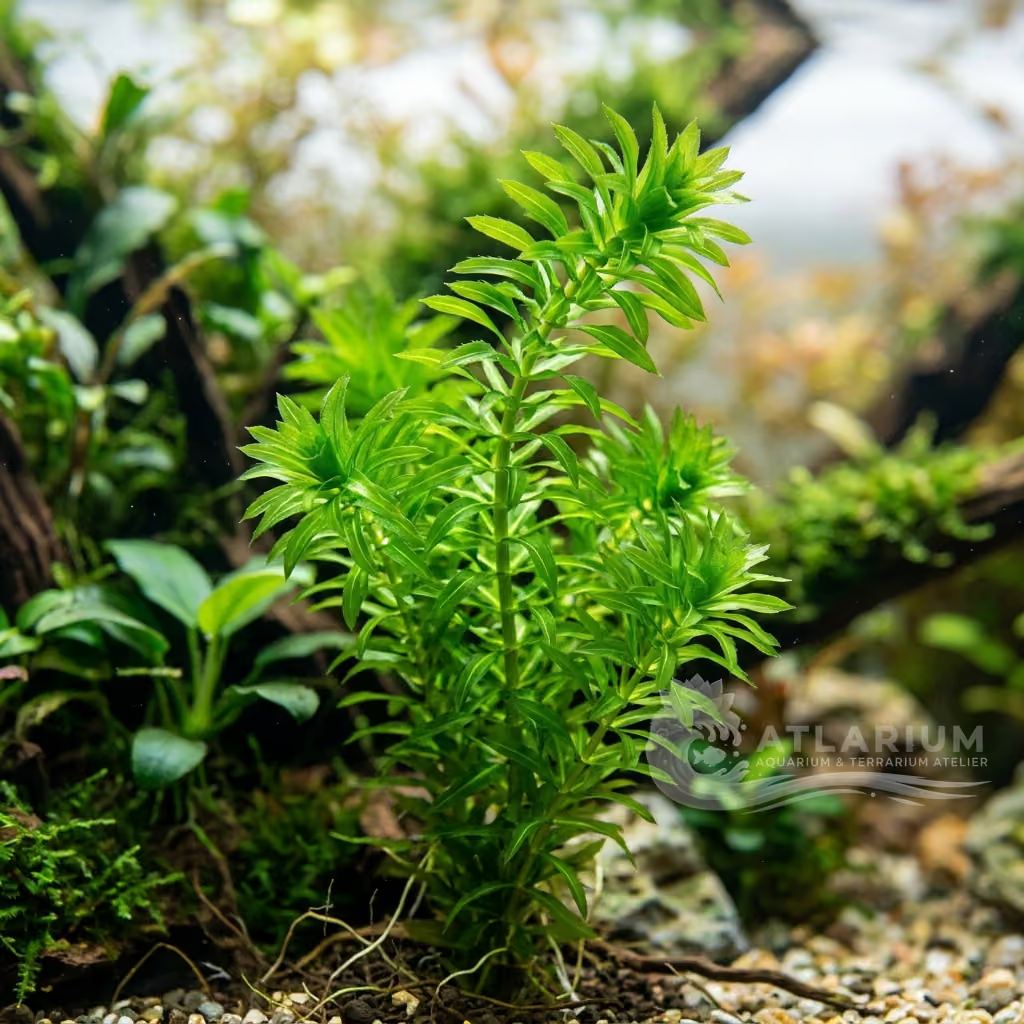
Eleocharis fluctuans
Eleocharis fluctuans
Eleocharis fluctuans is a floating or rooting marsh plant characterized by exceptionally fine stems and fast growth, perfect for the midground of aquariums.
Water Temperature
20 - 32 °C
pH Value
4.5 - 6.5
Water type
Freshwater
Light
High
CO2
Medium - High
Expected height
15 cm
Expected width
20 cm
GH
0 - 20 dGH
KH
0 - 3 dKH

Species description
Geographical Origin and Habitat: This fascinating marsh plant is native to the tropical and subtropical regions of Latin America, particularly Brazil, where it colonizes slow-moving water bodies, canals, and marshy areas subject to seasonal flooding. It lives both submerged and emersed in very soft, acidic waters.
Taxonomy & Genetics: It belongs to the Cyperaceae family and the genus Eleocharis, known for its grassy species. Eleocharis fluctuans is distinguished by its ability to float or root freely, with a genetic structure adapted to low-conductivity wetland environments.
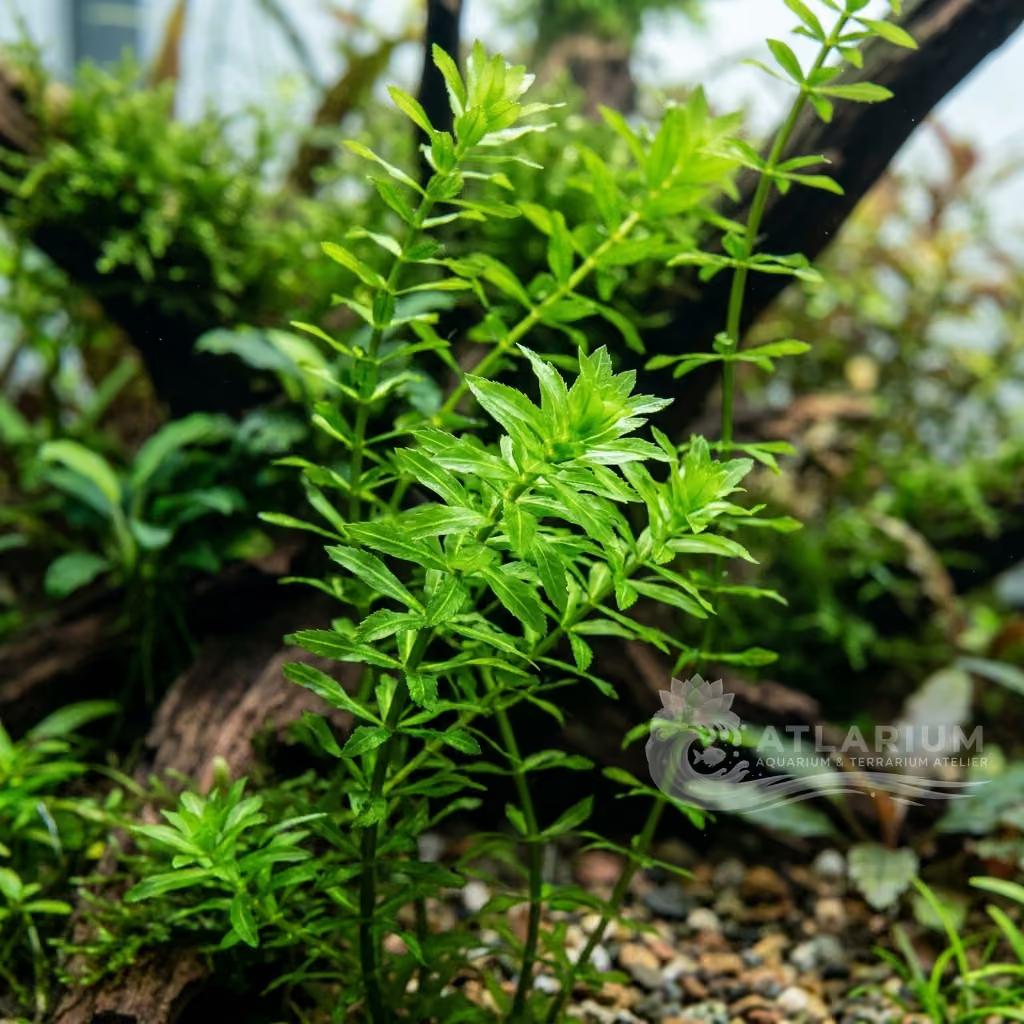
Physical Structure: The plant develops extremely thin, hair-like, flexible stems that grow densely from small creeping rhizomes. It can form dense floating cushions or root in soft substrate, forming a light and branched lawn.
Color & Texture: The color of the stems ranges from bright light green to slightly translucent shades under intense illumination. The texture is incredibly fine and fluffy, giving the aquascape a visual sensation of extreme lightness and continuous movement.

Care, breeding and tankmates
Lighting & CO2: Requires intense and constant lighting to maintain its rapid growth and the compactness of the stems. Regular CO2 injection is warmly recommended to promote photosynthesis and prevent the decay of the finest stems.
Nutrition & Substrate: It benefits significantly from a comprehensive liquid fertilizer in the
Water Chemistry: Prefers very soft and acidic water, with an optimal pH between 4.5 and 6.5 and KH close to zero (0-3). The water temperature should be kept stable within a tropical range between 20 and 32 °C.
Space Management & Placement: It is usually placed in the midground of the aquarium or allowed to float partially to create natural shaded areas. It is an excellent choice for layouts replicating Amazonian blackwater biotopes.
Pruning: Pruning should be done by periodically thinning out the densest clumps to allow light to reach the lower parts. Excess floating stems can be easily removed by hand.
Risks & Diseases: The greatest risk is represented by filamentous algae, which can easily entangle among its thin stems and suffocate it. It is sensitive to sudden changes in water chemical parameters.

Geographic origin and distribution
This fascinating marsh plant is native to the tropical and subtropical regions of Latin America, particularly Brazil, where it colonizes slow-moving water bodies, canals, and marshy areas subject to seasonal flooding. It lives both submerged and emersed in very soft, acidic waters.
Origin
Amazon, Orinoco, and GuianasExtra-Amazon South AmericaCentral America and Caribbean

Plant profile
- Placement
- Midground
- As a floating or surface-dwelling plant, it naturally resides at the top of the aquarium water column. It should be positioned in areas with gentle surface agitation to prevent it from being submerged or battered by strong flow. It can be corralled using floating rings to keep it from shading light-demanding plants below. It provides excellent overhead cover for shy fish.
- Botanical form
- Stem
- This species forms trailing structures or floating rosettes that rest on the water's surface. The roots often hang down into the water column, providing a natural, jungle-like aesthetic. The leaves are adapted to repel water and capture maximum light. Depending on the species, it may also develop small flowers when grown emergently.
- Growth
- Fast
- The growth rate is extremely fast, given its unlimited access to atmospheric CO2 and intense light at the surface. It can cover the entire surface of an aquarium in a short time if left unchecked. Its rapid growth makes it an incredible nutrient sink, ideal for heavily stocked tanks. Regular removal of excess growth is mandatory to maintain balance.
- Substrate
- Low
- Eleocharis fluctuans is a unique, often loosely anchored or floating plant that has minimal substrate requirements compared to other hairgrasses. While it can root in a fine, muddy, or sandy substrate, it frequently grows suspended or tangled among other aquatic vegetation. When planted, an inert sand or fine gravel with a shallow depth of 2-3 centimeters is sufficient to secure its fine roots. It draws most of its required nutrients directly from the water column rather than the soil.
- Column fertilization
- Recommended
- Since it does not root in the substrate, column fertilization is the only way it receives nutrients. A comprehensive liquid fertilizer schedule is required to sustain its fast growth. If nutrients run low, the plant will quickly show signs of deficiency, such as yellowing or disintegrating leaves. Potassium and iron are particularly important for maintaining healthy floating foliage.
- Root fertilization
- None
- Root fertilization is generally not applicable, as Eleocharis fluctuans typically floats freely without substrate contact. Even if it occasionally touches the bottom in shallow setups, its primary feeding mechanism remains the water column. There is no need to provide root tabs or specialized soil for this plant. All focus should be on the liquid nutrient regimen.
- Trimming
- Occasional
- Maintenance involves physically removing excess plants from the surface rather than traditional trimming. This should be done weekly to ensure that light continues to reach the plants below. Avoid crushing the delicate leaves when netting or pulling them out. Discard the removed plants responsibly, never releasing them into local waterways.
- Propagation
- Cuttings
- Propagation occurs prolifically through fragmentation or the production of daughter plants via short runners. A single healthy plant can multiply into dozens within a few weeks. Simply separating the new growth from the parent plant is all that is required. Its effortless propagation makes it very easy to share with other hobbyists.
- Sensitivity
- Moderate
- It is highly sensitive to strong surface currents that can submerge its leaves and cause rotting. Condensation dripping from tight-fitting lids can also damage the upper surface of the leaves. While resilient to many water parameters, it does not tolerate salt or strong algaecides well. Ensure adequate ventilation above the water surface for best results.
- Layout role
- Midground, Floating
- Its layout role is to provide a natural canopy, diffusing light and creating shadowed areas. This is highly beneficial for low-light plants and sensitive livestock like anabantoids or shrimp. The hanging roots add a wild, untamed aesthetic to the upper levels of the tank. It is an essential component for biotope aquariums aiming to replicate natural ponds or slow-moving streams.

Image gallery
Licensed images linked to the species or, when marked, to the closest representative taxon.

Related species
Recommendations grouped by close relatives, companion choices, and similar care.