Eleocharis vivipara
Eleocharis vivipara
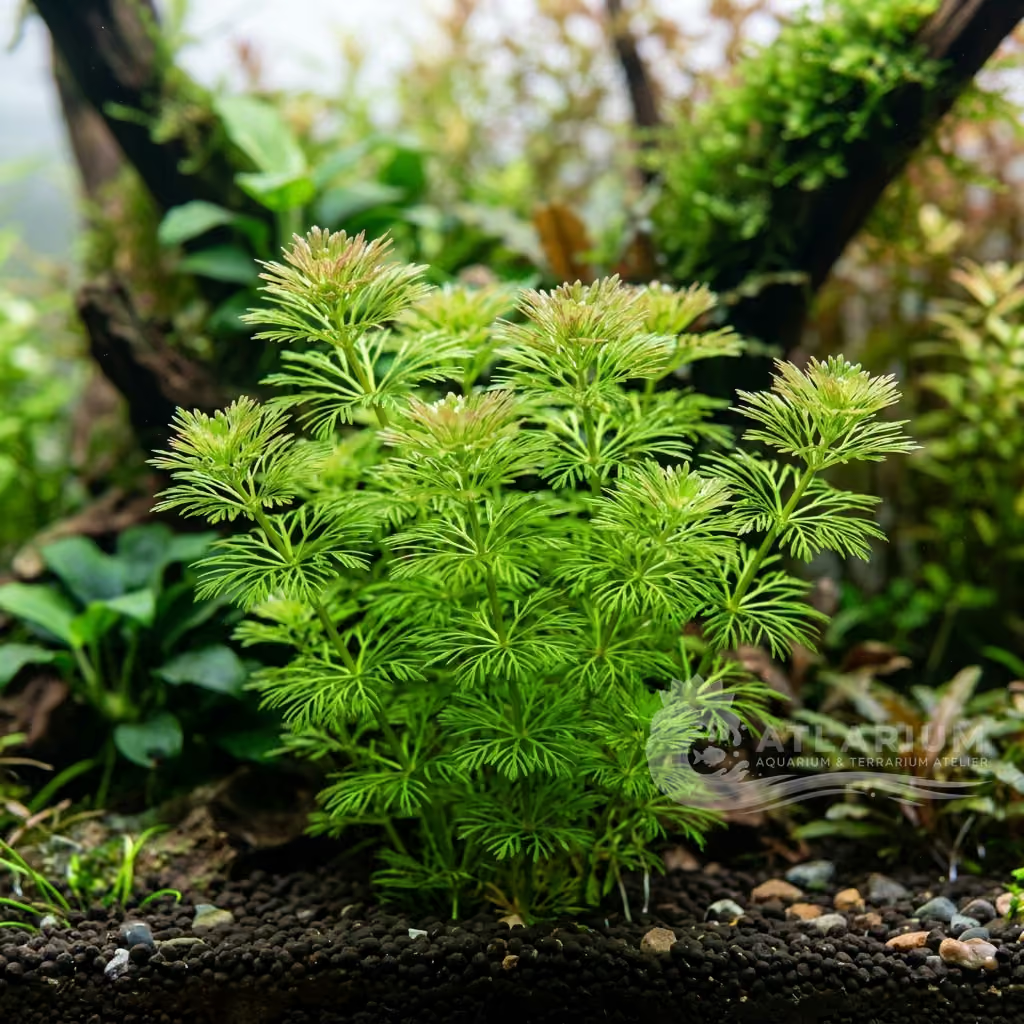
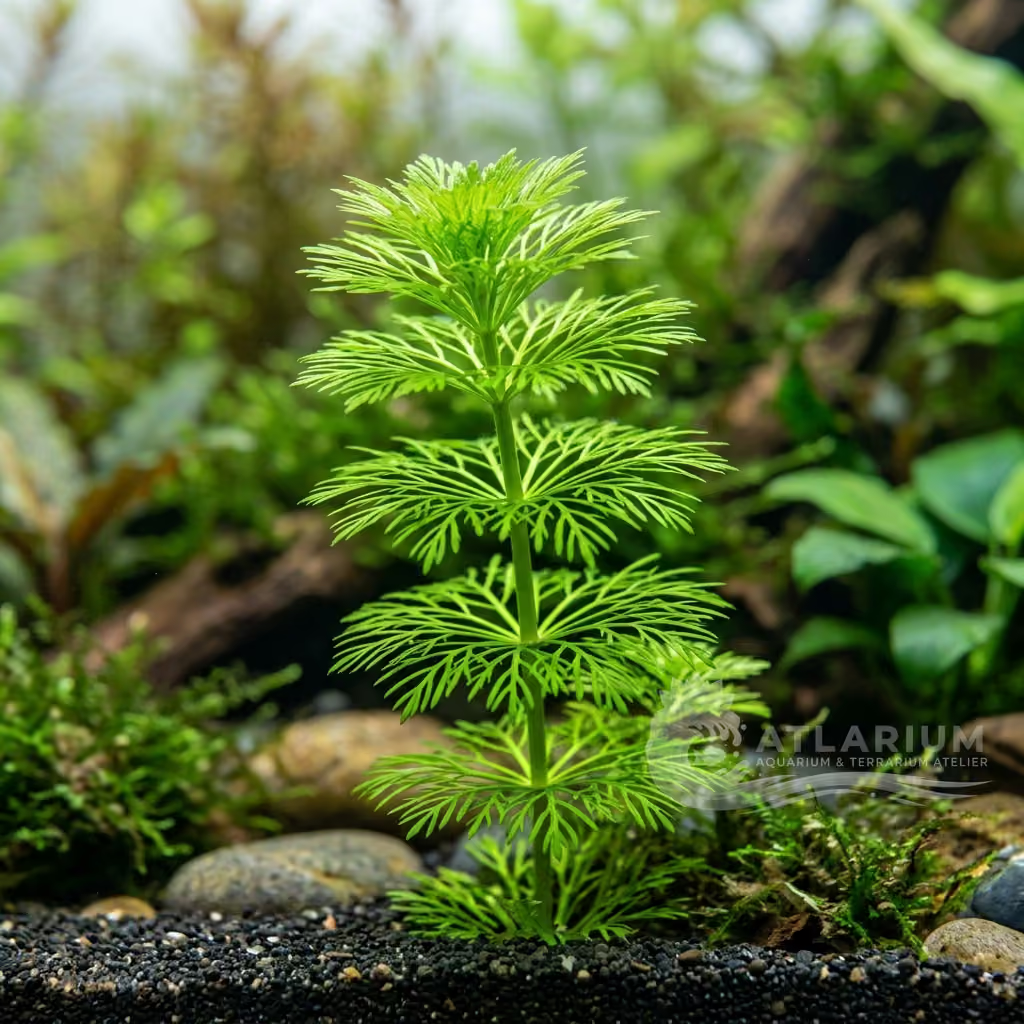
Eleocharis vivipara is an aquarium plant belonging to the Cyperaceae family, characterized by a medium growth rate and ideal for placement in the midground.
Water Temperature
5 - 29 °C
pH Value
4.5 - 7
Water type
Freshwater
Light
Medium - High
CO2
Medium - High
GH
0 - 20 dGH
KH
2 - 5 dKH

Species description
Geographical Origin and Habitat: This fascinating aquatic species has its geographical origin in the warm tropical regions of Asia and South America, where it inhabits clear river systems with weak to moderate current. It is commonly found both submerged and partially emersed along sandy or muddy banks. Additionally, its occurrence is highly associated with shaded banks and shallow water basins.
Taxonomy & Genetics: From a taxonomic point of view, it belongs to the Cyperaceae family and is assigned to the Eleocharis genus. Its genetics reflect a high degree of adaptation to seasonal variations in water and chemical parameters of its native waters, assuring its resilience.
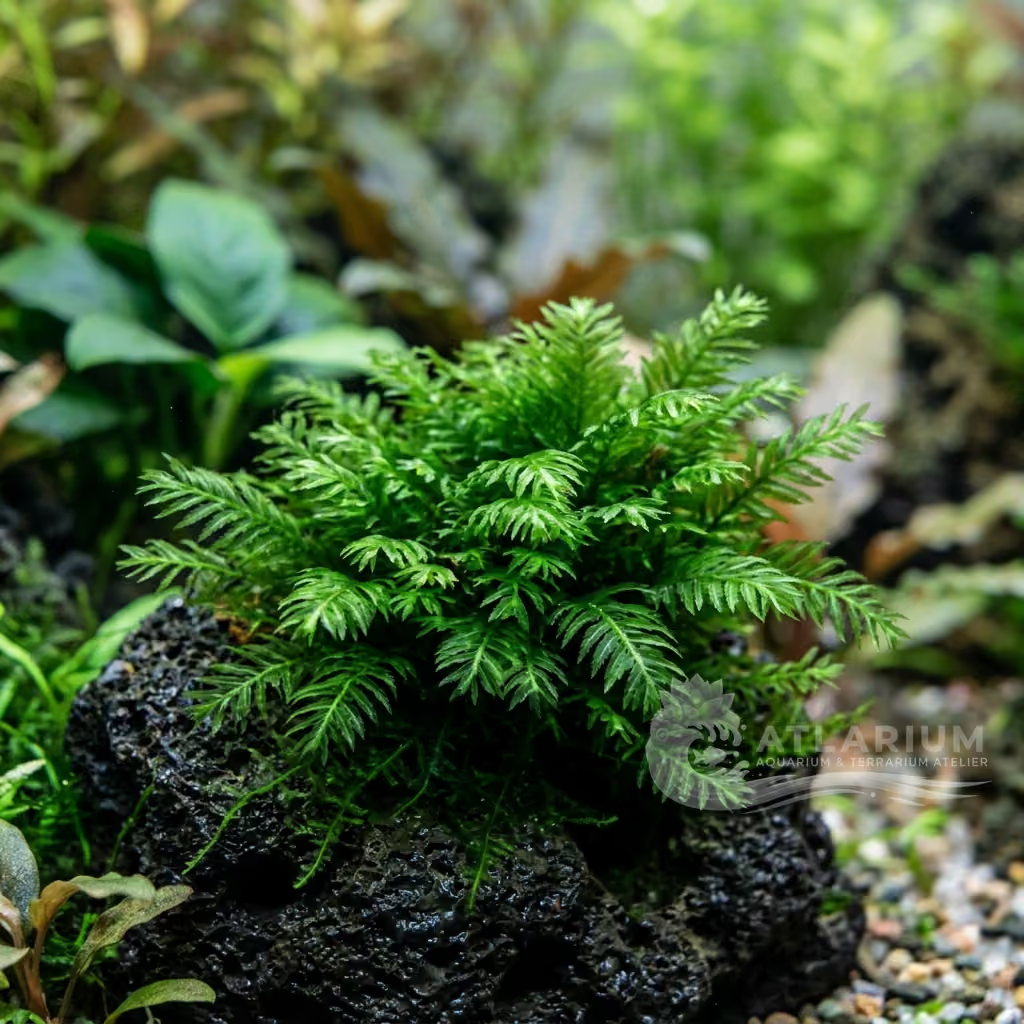
Physical Structure: The physical structure of the plant is characterized by a rosette botanical form with well-proportioned and elastic stems or rosettes. Under proper lighting conditions, it develops a stable root system capable of anchoring firmly into the riverbed.
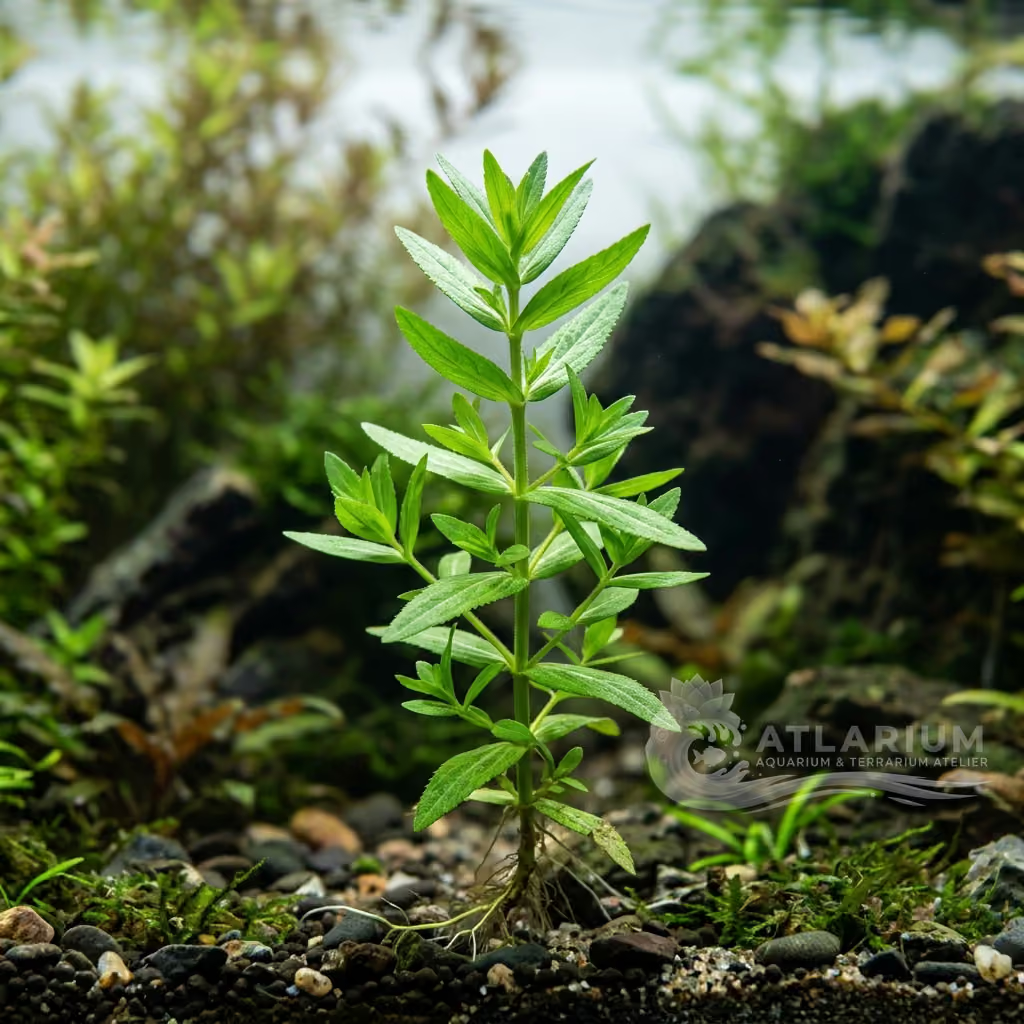
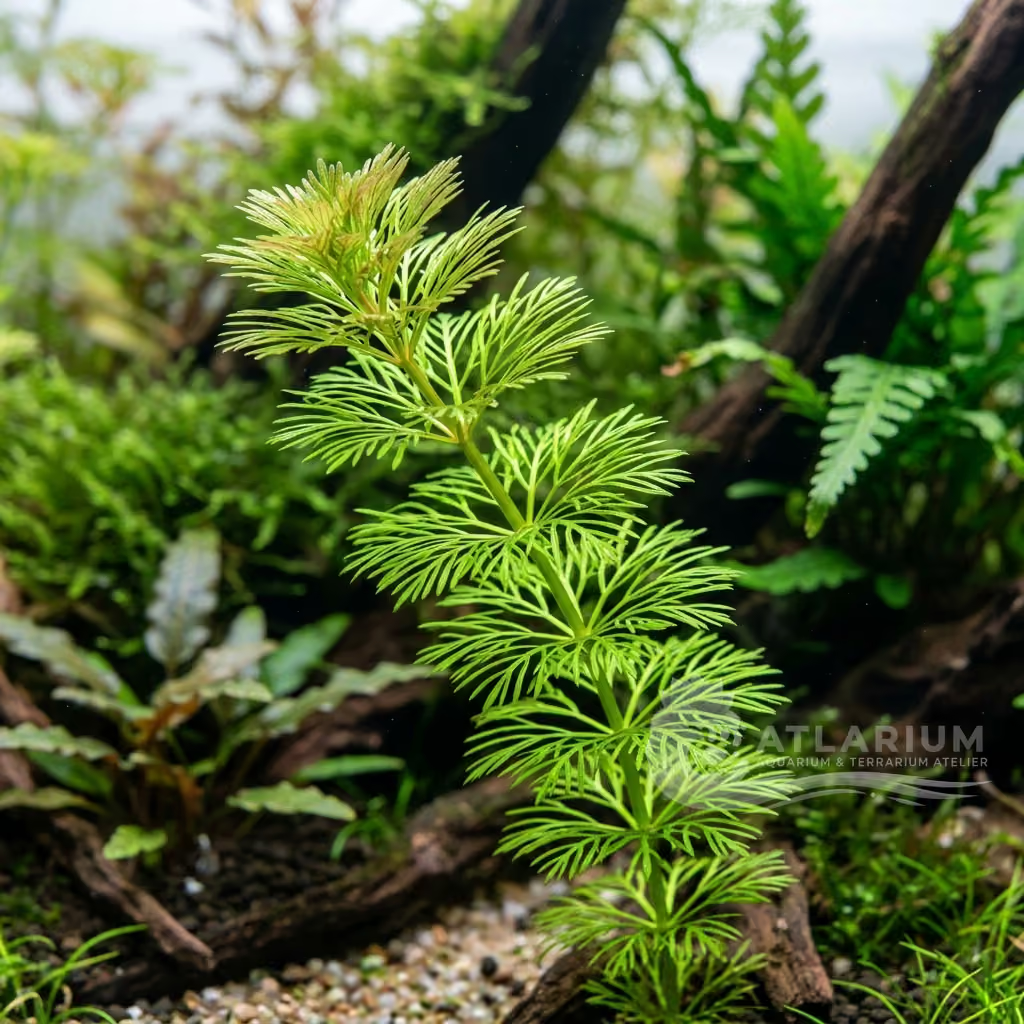
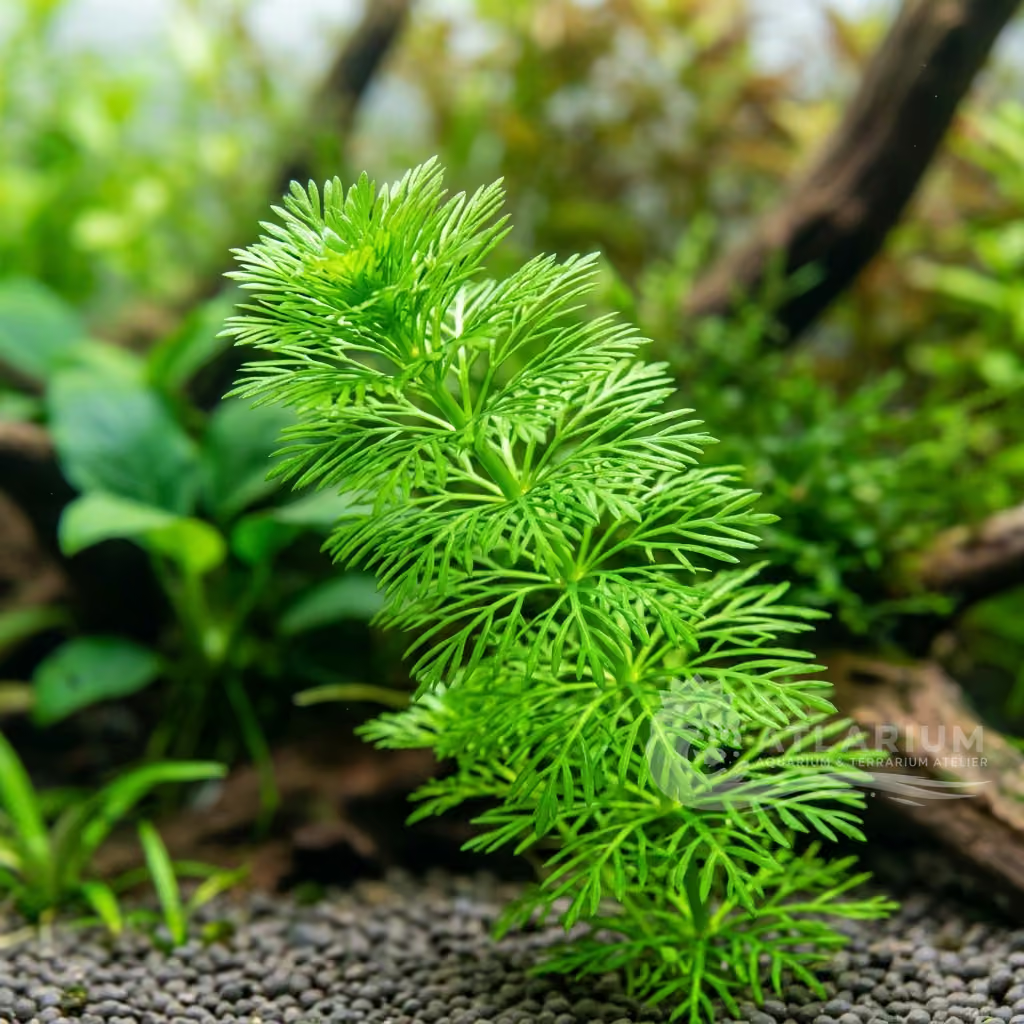
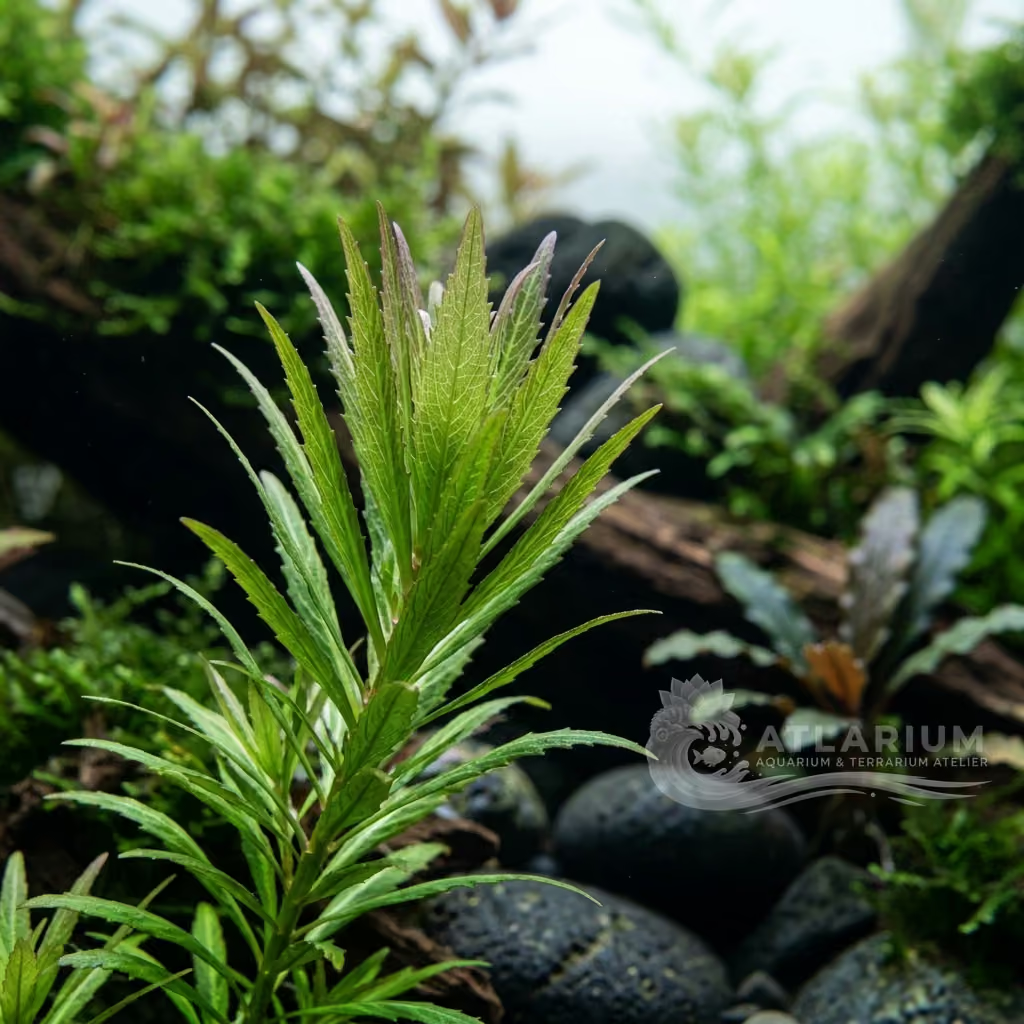
Color & Texture: The color of the leaves presents as a bright and natural green, with translucent shades and fine textures that increase the perception of visual depth. The leaf texture is smooth or slightly wrinkled depending on aquarium conditions.

Care, breeding and tankmates
Lighting & CO2: Optimal lighting to support the plant's development ranges from medium to high, depending on the desired leaf density. Constant CO2 injection is recommended to support effective photosynthesis and prevent tissue decay.
Nutrition & Substrate: The plant benefits from a rich, porous substrate coupled with a balanced liquid fertilization in the
Water Chemistry: The ideal water chemistry includes a slightly acidic or neutral pH (4.5 - 7.0) and a moderate carbonate hardness KH (2.0 - 5.0). The optimal water temperature must be kept stable between 5.0 and 29.0 °C.
Space Management & Placement: Regarding space management, the plant should be positioned in the midground, spacing the stems adequately to avoid shaded areas. It is ideal for creating dynamic layouts in natural aquascaping.
Pruning: Pruning must be performed regularly by topping the upper part or thinning the densest clumps with suitable scissors. Propagation is successfully achieved through cuttings replanted directly into the soil.
Risks & Diseases: The main risks are related to the development of parasitic algae on old leaves and tissue necrosis if essential nutrients are lacking. Good filtration and regular water changes prevent most diseases.

Geographic origin and distribution
This fascinating aquatic species has its geographical origin in the warm tropical regions of Asia and South America, where it inhabits clear river systems with weak to moderate current. It is commonly found both submerged and partially emersed along sandy or muddy banks. Additionally, its occurrence is highly associated with shaded banks and shallow water basins.
Origin
South and Southeast AsiaAmazon, Orinoco, and Guianas

Plant profile
- Placement
- Midground
- Because of its potential to reach the water surface, it is best placed in the background of the aquarium. It can be planted in dense clusters to hide aquarium equipment such as heaters or filter intakes. In taller aquariums, it creates a striking vertical accent. It should be given enough space so it does not overshadow shorter foreground species.
- Botanical form
- Rosette
- Eleocharis vivipara features long, elegant stems or leaves that grow vertically towards the light source. It can form dense thickets that provide excellent hiding spots for fish and fry. The leaves are typically bright green, adding a vibrant splash of color. Its structure is quite flexible, allowing it to sway beautifully in strong water currents.
- Growth
- Medium
- This plant exhibits a rapid growth rate, often reaching the water surface within a matter of weeks. The growth can be accelerated even further with intense lighting and CO2. Its fast growth makes it an excellent candidate for newly set up tanks to combat algae. Frequent trimming will be required to keep it from taking over the tank.
- Substrate
- Medium
- Eleocharis vivipara is a unique, tall-growing species with a moderate substrate demand, easily cultivated in a variety of bottom materials. While it adapts well to plain sand or fine gravel, it benefits significantly from an active aquatic soil that can support its initial root establishment. Because it forms plantlets at the tips of its leaves, much of its nutrient absorption eventually occurs from the water column. However, a solid substrate depth of 4-6 centimeters is still required to anchor the main base plant securely against water currents.
- Column fertilization
- Recommended
- Liquid fertilization is very effective for this species, as it readily absorbs nutrients through its leaves. A balanced liquid fertilizer containing both macros and trace elements should be dosed regularly. Potassium and iron are particularly important to maintain strong stems and vibrant leaf color. Without sufficient water column nutrients, lower leaves may begin to degrade.
- Root fertilization
- None
- While it draws heavily from the water column, a nutrient-rich substrate will produce the most robust specimens. Root tabs placed near the base can provide a secondary nutrient source and anchor the plant securely. A good substrate helps prevent the stems from rotting at the base. However, it can still grow reasonably well in inert substrates with adequate liquid dosing.
- Trimming
- Occasional
- Regular pruning is necessary to manage its height and encourage lateral branching. You can simply cut the upper portion of the plant and replant the healthy tops to increase the density of the group. If the plant reaches the surface, it may bend and shade other plants, so timely trimming is crucial. Discard any old or decaying lower stems during maintenance.
- Propagation
- Cuttings
- Propagation is straightforward and usually achieved through cuttings or division, depending on its specific morphology. If it produces runners or side shoots, these can be separated once they have developed roots. Replanting top cuttings is the easiest way to multiply stem-like growth. It is a highly prolific plant under the right conditions.
- Sensitivity
- Moderate
- It is generally a very resilient plant, adaptable to a wide range of water parameters. However, sudden changes in water chemistry or temperature can sometimes cause melting. It requires adequate light reaching the lower portions; otherwise, it may drop its bottom leaves. It is mostly unaffected by typical aquarium medications.
- Layout role
- Midground, Background
- This plant excels as a background filler, providing a tall, green curtain that adds depth and volume. It contrasts well with red plants or broad-leaved species in the midground. Its vertical lines can help draw the eye upwards, enhancing the sense of scale in the aquascape. It is also highly useful in breeding tanks for fish that require dense cover.

Related species
Recommendations grouped by close relatives, companion choices, and similar care.