Blyxa japonica var. alternifolia
Blyxa japonica var. alternifolia
A fast-growing variant of Blyxa japonica native to Southern Asia. It features taller stems and alternate leaves, perfect for creating dense midground bushes.
Water Temperature
16 - 32 °C
pH Value
5 - 6
Water type
Freshwater
Light
High
CO2
Medium - High
Expected height
20 cm
Expected width
8 cm
GH
4 - 12 dGH
KH
0 - 7 dKH

Species description
Geographical Origin and Habitat: Blyxa japonica var. alternifolia is native to Southern and Eastern Asia, where it inhabits shallow water bodies, rice paddies, and slow-moving streams. It thrives in clear, warm waters, rooted in clay-rich and organic sediment substrates. In nature, it adapts well to seasonal changes in water depth.
Taxonomy & Genetics: Belonging to the family Hydrocharitaceae, it is considered a morphological variety of *Blyxa japonica*. Genetically, it features a more pronounced internodal growth and branching stems with alternate leaf placement, distinguishing it from the typical variety.
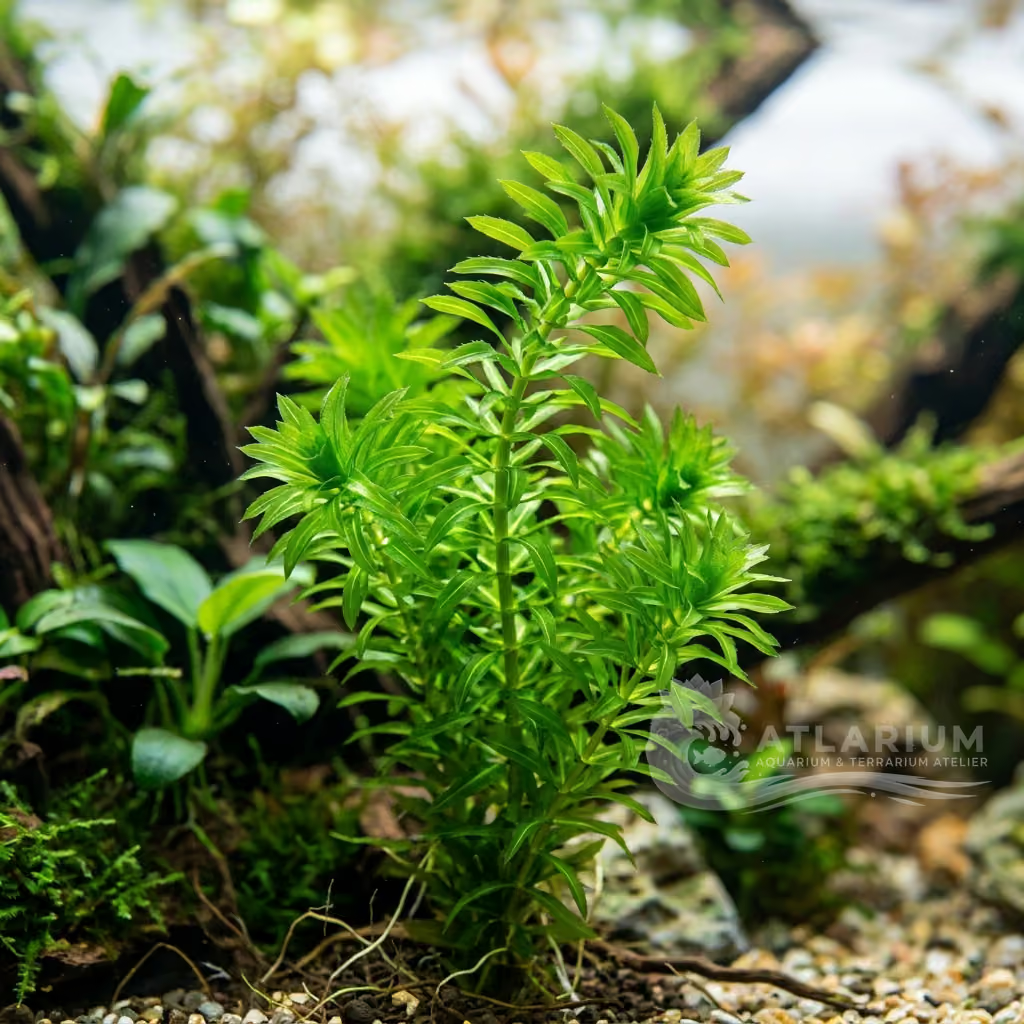
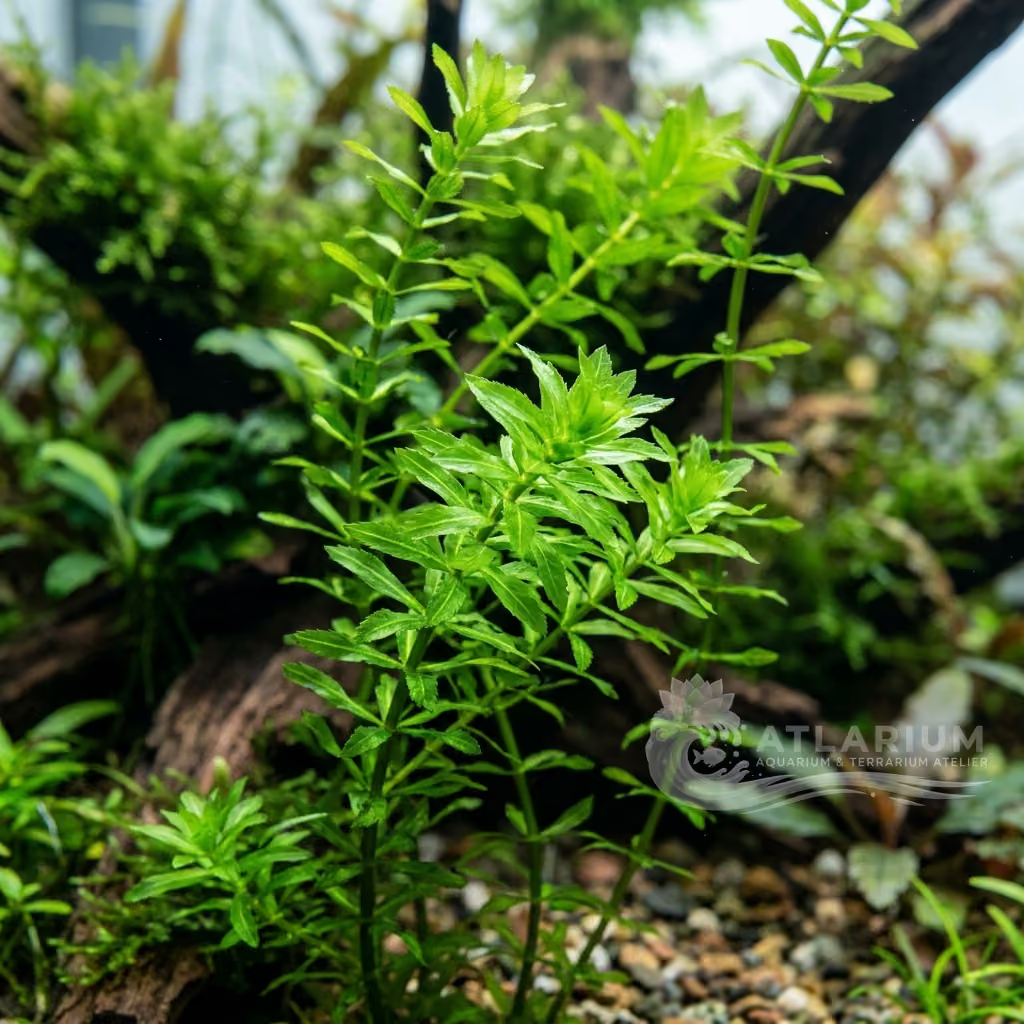
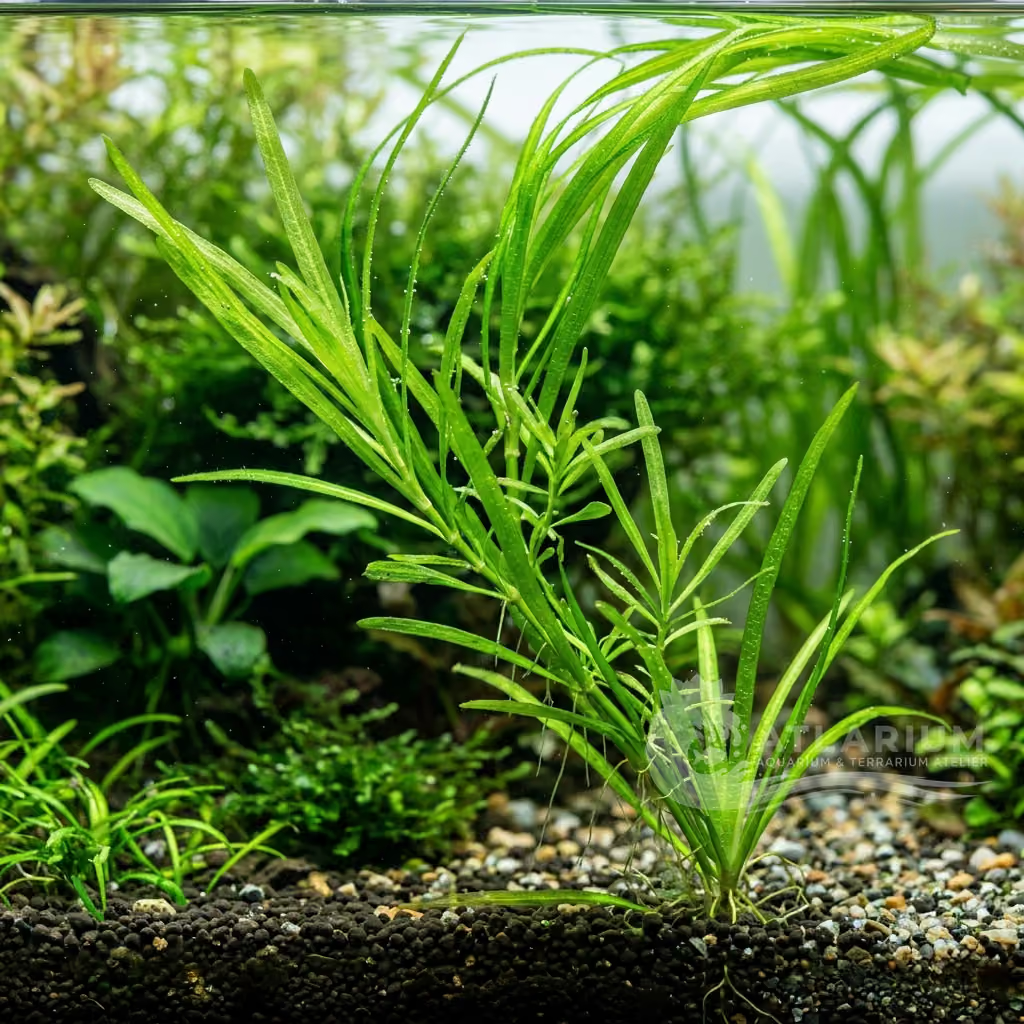
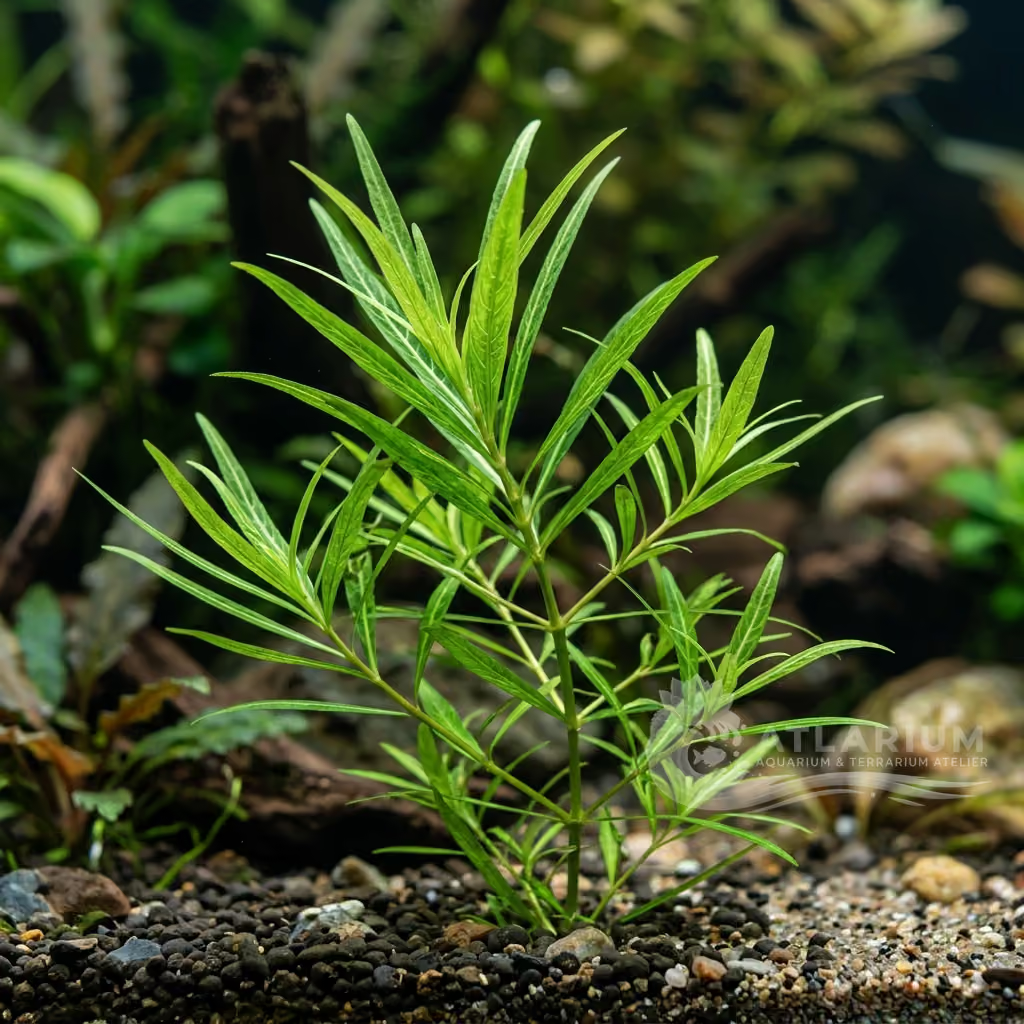
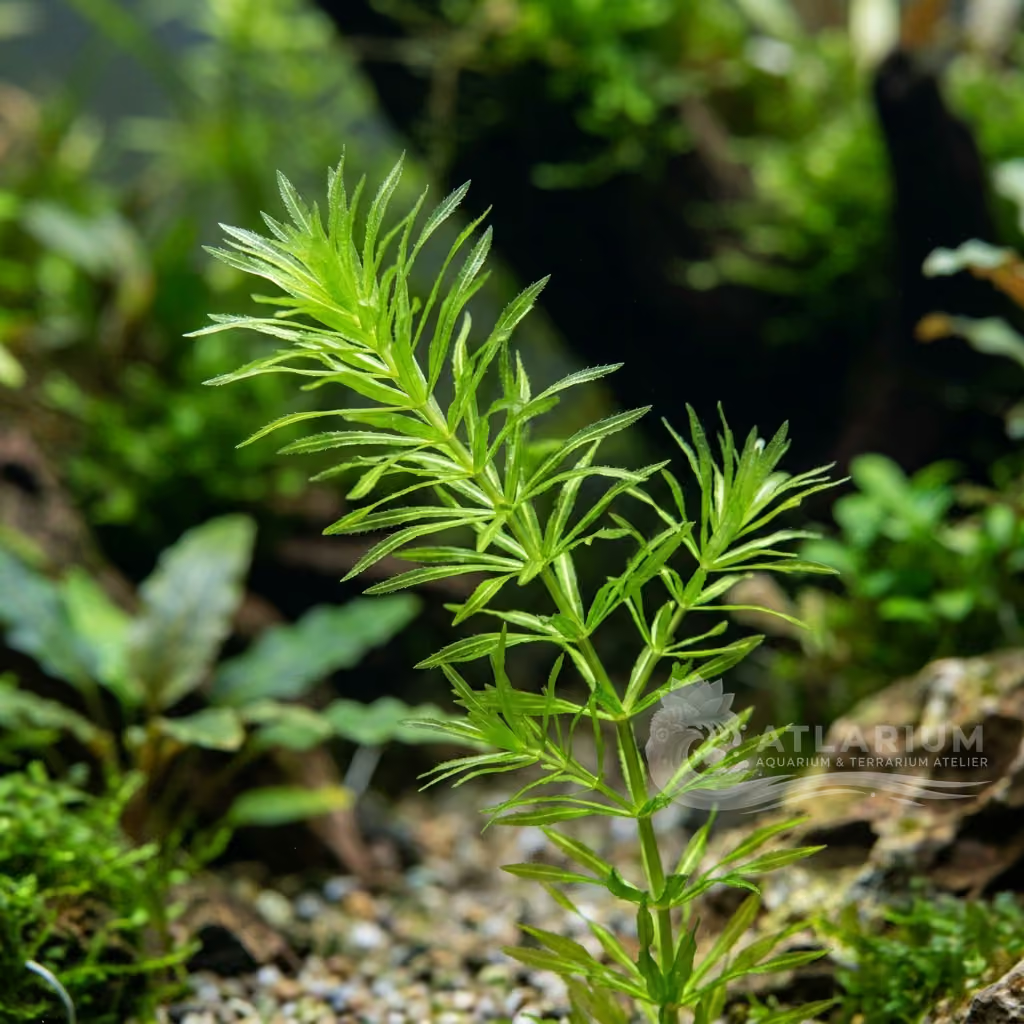
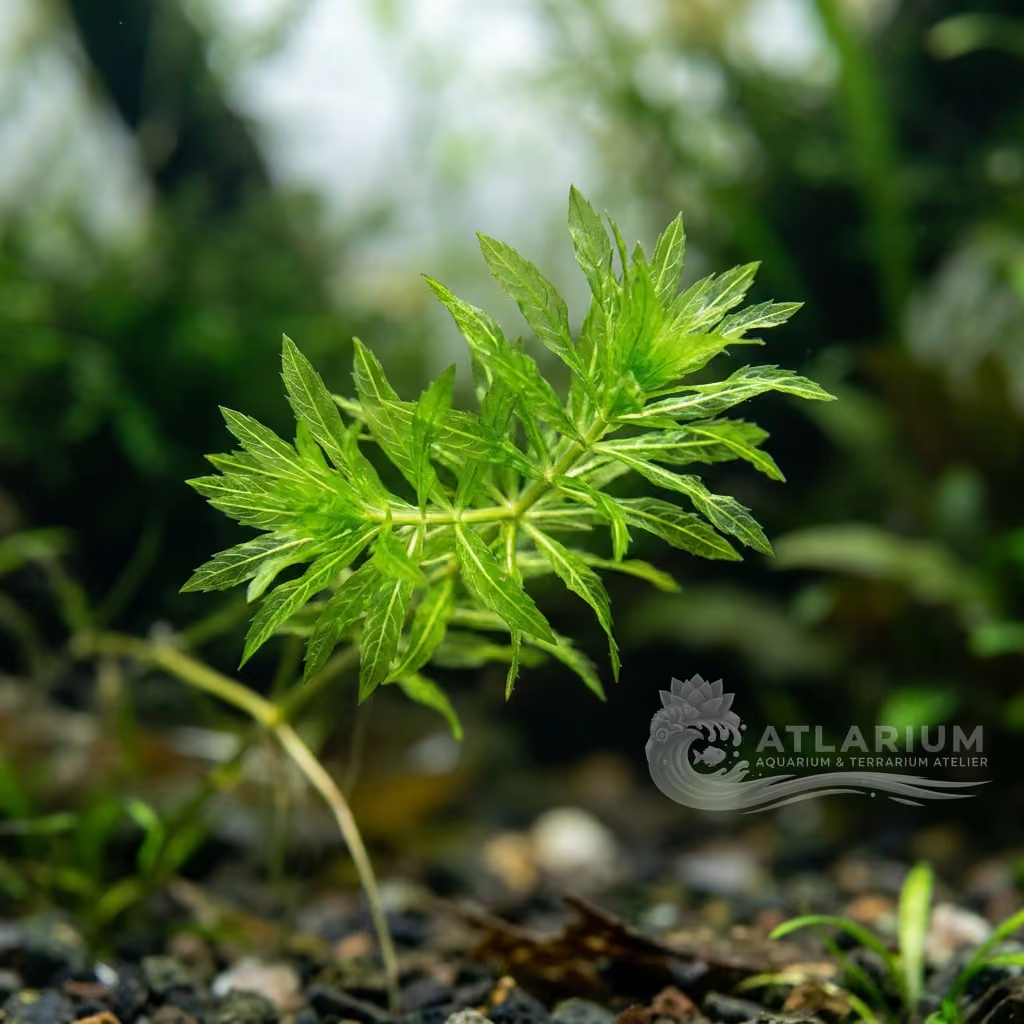
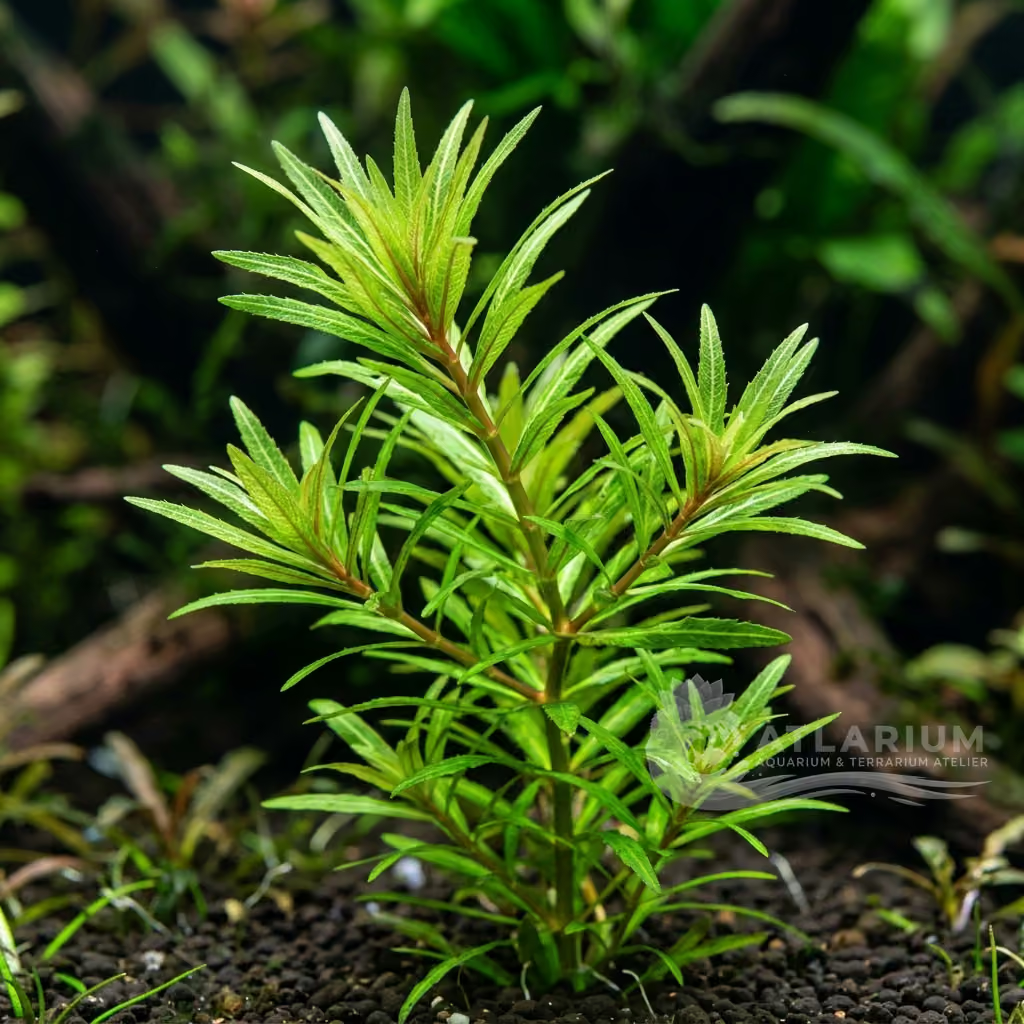
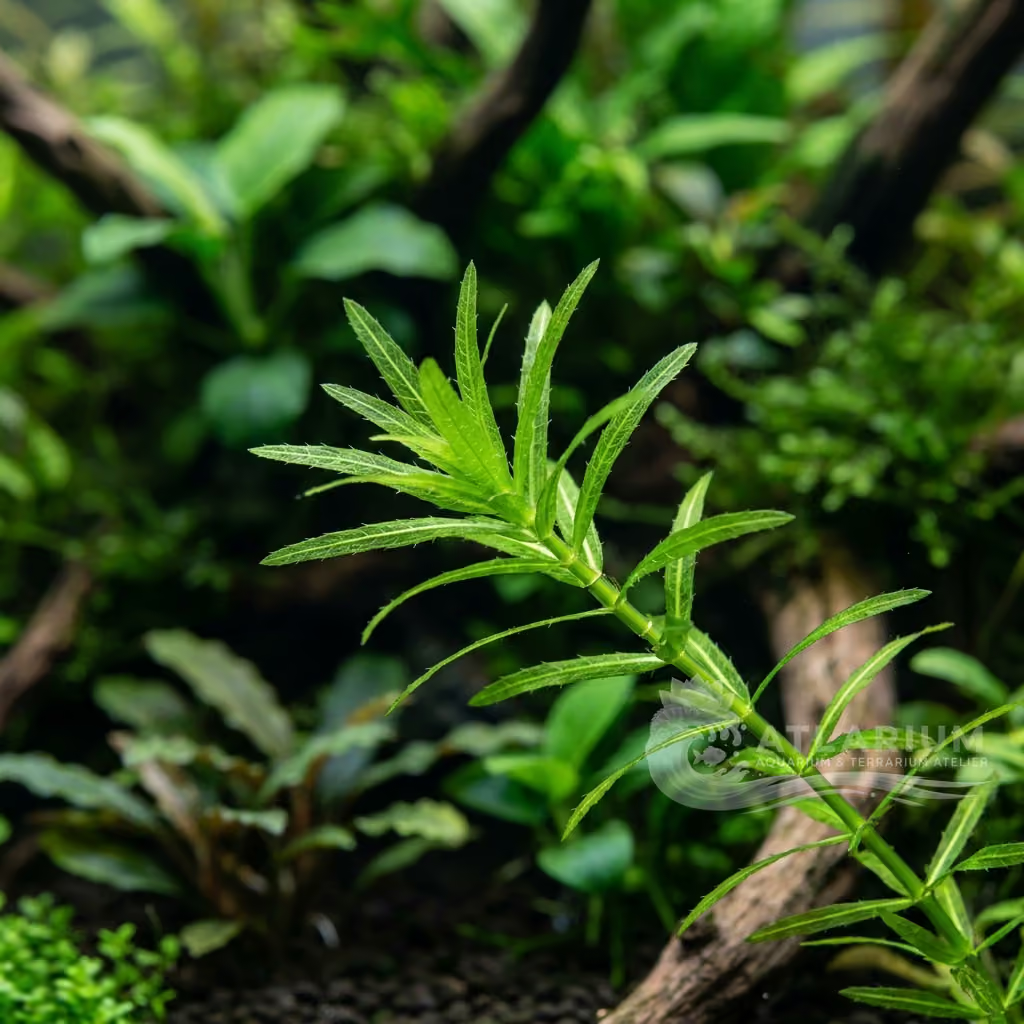
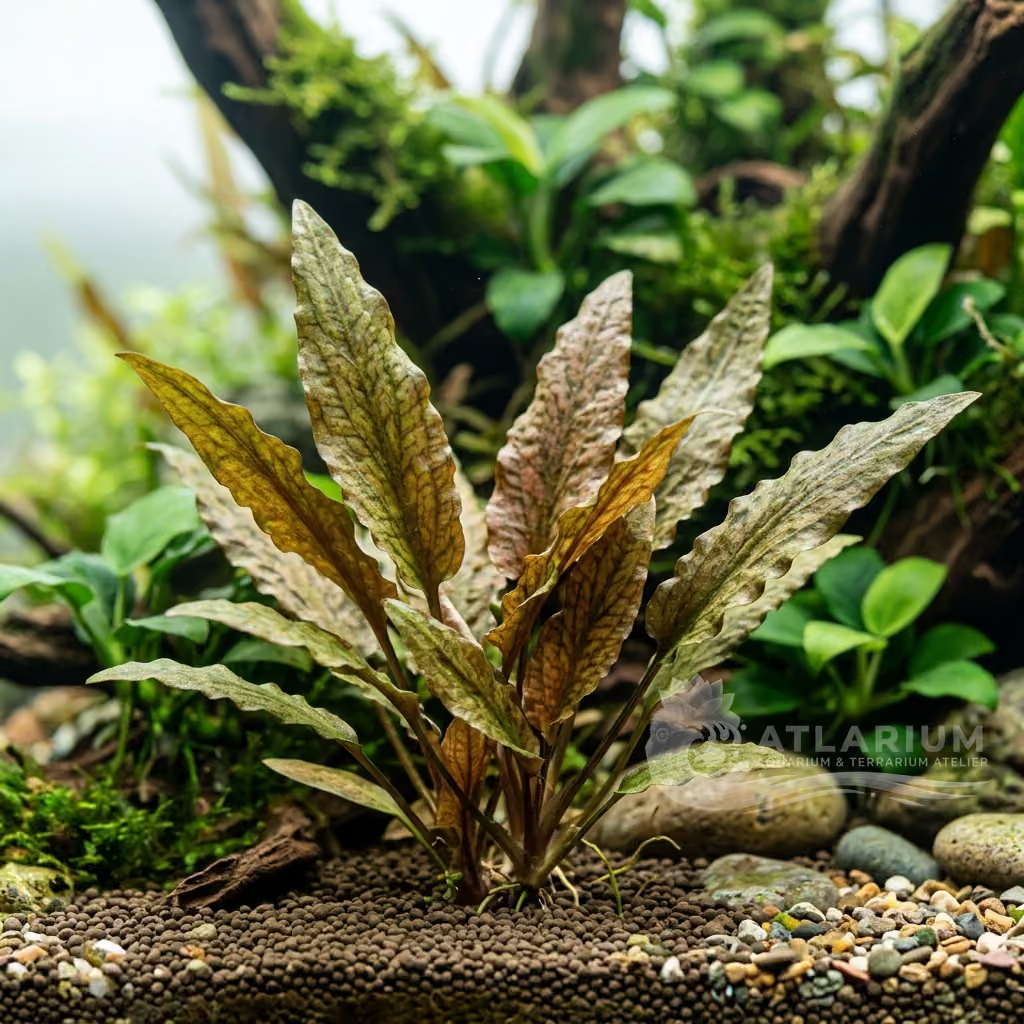
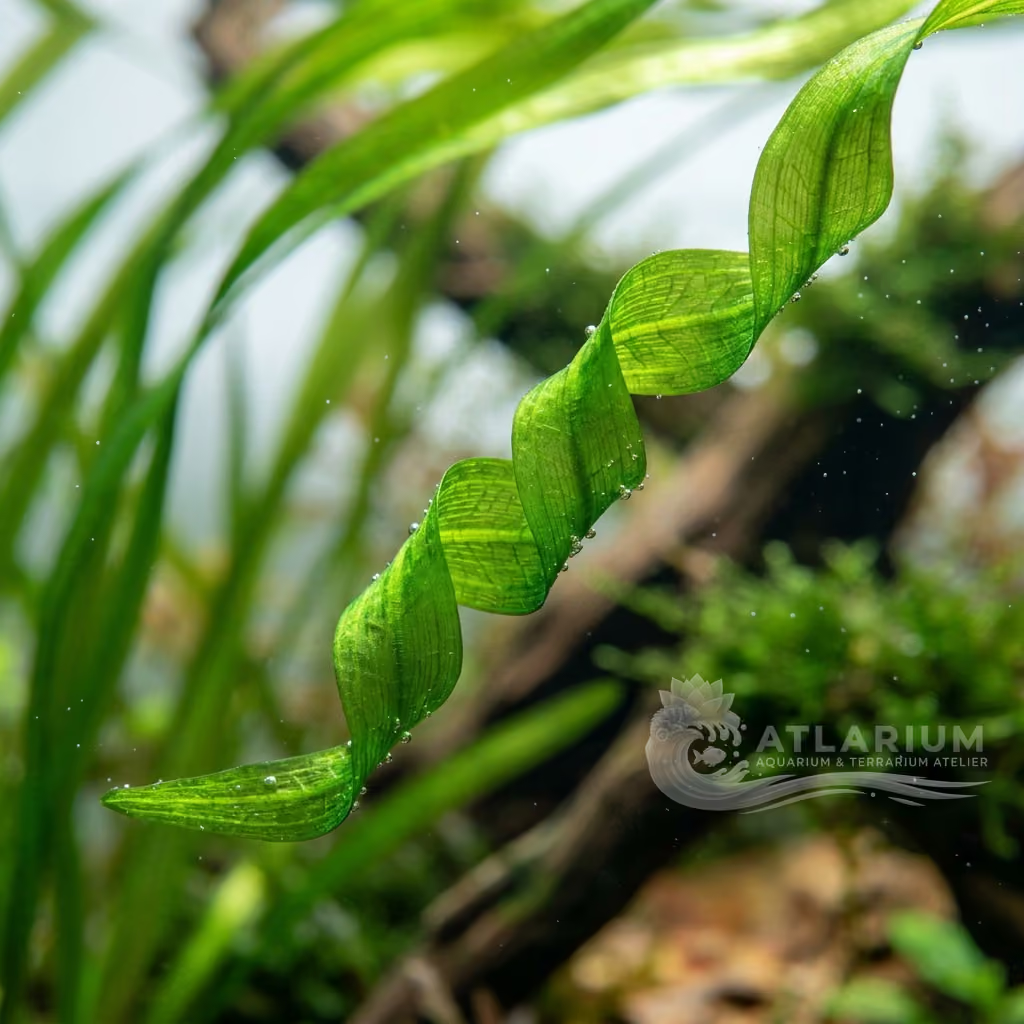
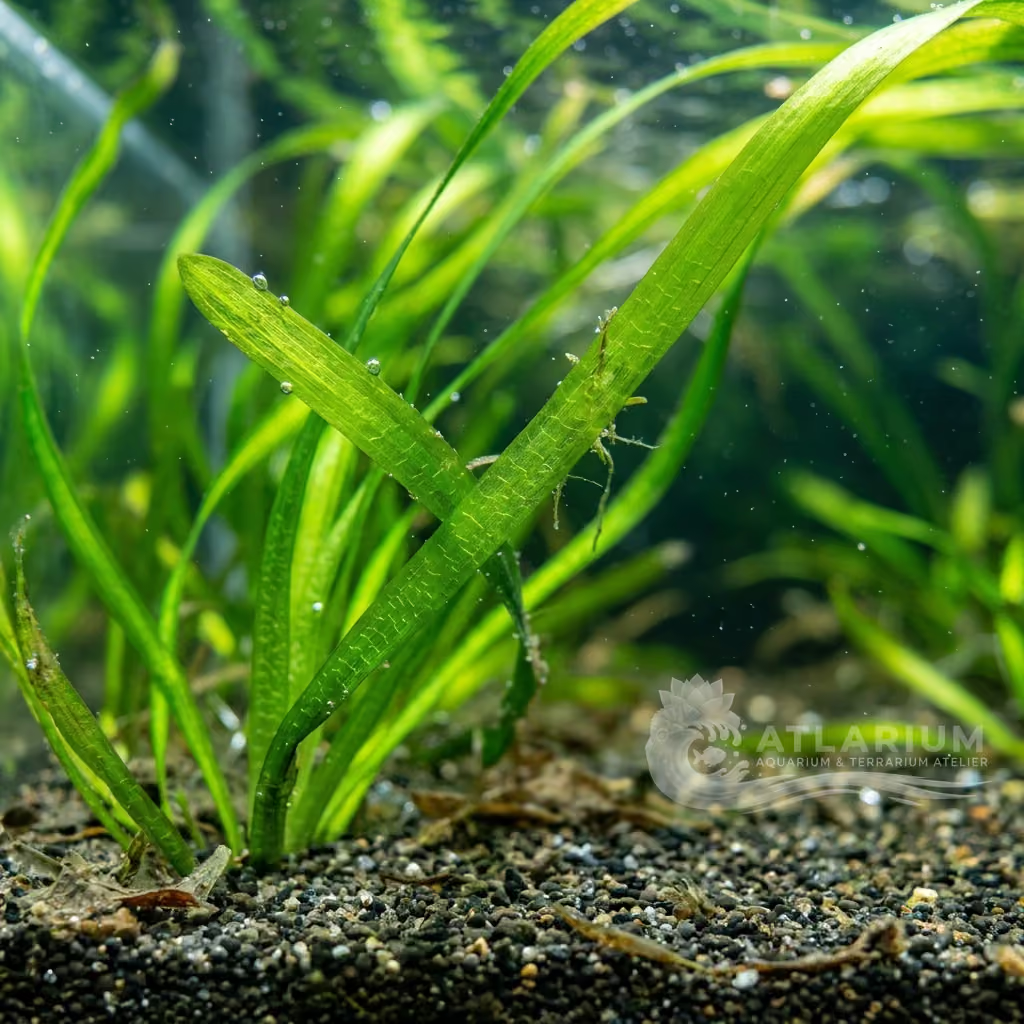
Physical Structure: This plant develops upright, branching stems that grow taller than the classic form, making it suitable for the midground. The leaves are long, thin, and ribbon-like, arranged alternately along the stem. Its flexible structure gives it a dense yet airy and light appearance.
Color & Texture: The leaves range from bright green to golden-green, turning bronze or reddish under high light and iron-rich fertilization. The texture is soft and semi-translucent, making it ideal for creating dynamic contrasts and natural softness in the aquascape.

Care, breeding and tankmates
Lighting & CO2: This variety requires high lighting to prevent leggy growth and maintain a compact, bushy habit. Supplemental CO2 injection is highly recommended to support its fast growth rate and to encourage the development of intense reddish-bronze colors.
Nutrition & Substrate: A fertile substrate is crucial since the plant absorbs a significant portion of its nutrients through its roots. Consistent
Water Chemistry: It prefers soft, acidic water, with an optimal pH between 5.0 and 6.0 and low KH (0-7). It tolerates temperatures from 16°C to 32°C but prefers stable values around 22-26°C. It is moderately sensitive to sudden water parameter shifts, which can lead to melting.
Space Management & Placement: Ideal for the midground or background of smaller tanks, or the midground of large layouts. Plant them in small groups, leaving enough space between stems to prevent shading. It makes a beautiful, soft textured backdrop.
Pruning: Trim the stem tops or excess side shoots with sharp scissors to promote bushy, lateral growth. The trimmed tops can be replanted directly into the substrate for propagation, where they will quickly develop roots.
Risks & Diseases: The main risk is leaf melting due to transplant shock or sudden changes in water quality. Lack of iron leads to chlorosis, causing leaves to become pale, transparent, and fragile. Bottom-dwelling fish may uproot newly planted stems.

Geographic origin and distribution
Blyxa japonica var. alternifolia is native to Southern and Eastern Asia, where it inhabits shallow water bodies, rice paddies, and slow-moving streams. It thrives in clear, warm waters, rooted in clay-rich and organic sediment substrates. In nature, it adapts well to seasonal changes in water depth.
Origin
South and Southeast AsiaEast Asia

Plant profile
- Placement
- Midground
- Blyxa japonica var. alternifolia is best placed in the midground or foreground of the aquarium. It serves as an excellent transitional plant between low carpets and taller background stems. Planting it in small, dense clusters creates a natural, bushy appearance that softens hardscape edges.
- Botanical form
- Stem
- It is a unique stem plant that grows with a very short internodal distance, giving it a distinct rosette-like appearance. The leaves are narrow, linear, and slightly more alternating than the standard japonica variety. Its delicate foliage sways beautifully in the water current, adding a sense of motion to the tank.
- Growth
- Fast
- The growth rate is generally moderate to fast depending on the availability of light and CO2. With optimal fertilization and strong lighting, it will quickly form thick, grassy bushes. In low-tech setups, its growth slows down significantly and its colors remain predominantly green.
- Substrate
- Medium
- Blyxa japonica var. alternifolia requires a nutrient-rich substrate, such as a high-quality aqua soil, to support its extensive root system. A substrate depth of at least 4 to 5 centimeters is recommended to allow the roots to firmly anchor the plant and efficiently absorb essential macronutrients. While it can survive in inert substrates supplemented with root tabs, a soft, slightly acidic soil promotes the most robust growth and vibrant leaf coloration.
- Column fertilization
- Recommended
- Regular liquid fertilization is crucial for maintaining healthy foliage and vibrant colors. It heavily relies on a balanced supply of macronutrients (NPK) and micronutrients in the water column. Sufficient iron and trace elements are particularly important to prevent pale leaves and encourage reddish hues.
- Root fertilization
- Recommended
- A high-quality, nutrient-dense aquasoil is the ideal substrate for this species. It develops a surprisingly extensive root system that benefits greatly from substrate nutrition. Adding root tabs near the base can provide a significant boost, especially in older, depleted substrates.
- Trimming
- Occasional
- Trimming should be done carefully to maintain its natural, bushy shape. Instead of cutting the tops like typical stem plants, it is best to thin out the clump by gently uprooting and dividing it. Older or decaying leaves at the base should be pruned away to prevent rot and encourage new growth.
- Propagation
- Cuttings
- Propagation is straightforward and occurs naturally through the formation of lateral side shoots. These new plantlets grow from the base of the main stem and can be carefully separated once they reach a decent size. Plant the separated shoots directly into the substrate with tweezers, ensuring they are well-anchored.
- Sensitivity
- Moderate
- This variety can be quite sensitive to sudden changes in water parameters, which may cause it to melt. It is also highly susceptible to shading; it requires unobstructed access to light to prevent the lower portions from deteriorating. Stable CO2 levels and regular water changes are essential for its long-term health.
- Layout role
- Midground, Background
- Its primary role in aquascaping is to provide texture and bridge different zones of the layout. The grassy, textured tufts contrast beautifully against broad-leaved plants and hardscape materials like rocks and driftwood. It is a staple in Nature Aquarium style layouts for creating natural-looking, soft transitions.

Image gallery
Licensed images linked to the species or, when marked, to the closest representative taxon.

Related species
Recommendations grouped by close relatives, companion choices, and similar care.