Blyxa japonica var. japonica
Blyxa japonica var. japonica
A highly popular foreground plant resembling a soft, grassy bush. It requires strong light, CO2, and a nutrient-rich substrate to develop golden hues.
Water Temperature
16 - 32 °C
pH Value
5 - 6
Water type
Freshwater
Light
Medium - High
CO2
Medium - High
Expected height
15 cm
GH
4 - 12 dGH
KH
0 - 7 dKH

Species description
Geographical Origin and Habitat: Blyxa japonica var. japonica is widely distributed across East and South Asia, inhabiting paddy fields, slow-flowing ditches, ponds, and shallow river margins. It grows fully submerged in clear, shallow waters, rooted in fine, nutrient-rich soils often rich in iron. Its adaptability allows it to handle marked seasonal temperature fluctuations in its native range.
Taxonomy & Genetics: Belonging to the Hydrocharitaceae family, it is the type variety of the *Blyxa japonica* species. Genetically, it reacts sensitively to iron and phosphate levels, showing immediate pigmentation changes. In the aquascaping community, it is considered an iconic species of the Nature Aquarium style developed by Takashi Amano.
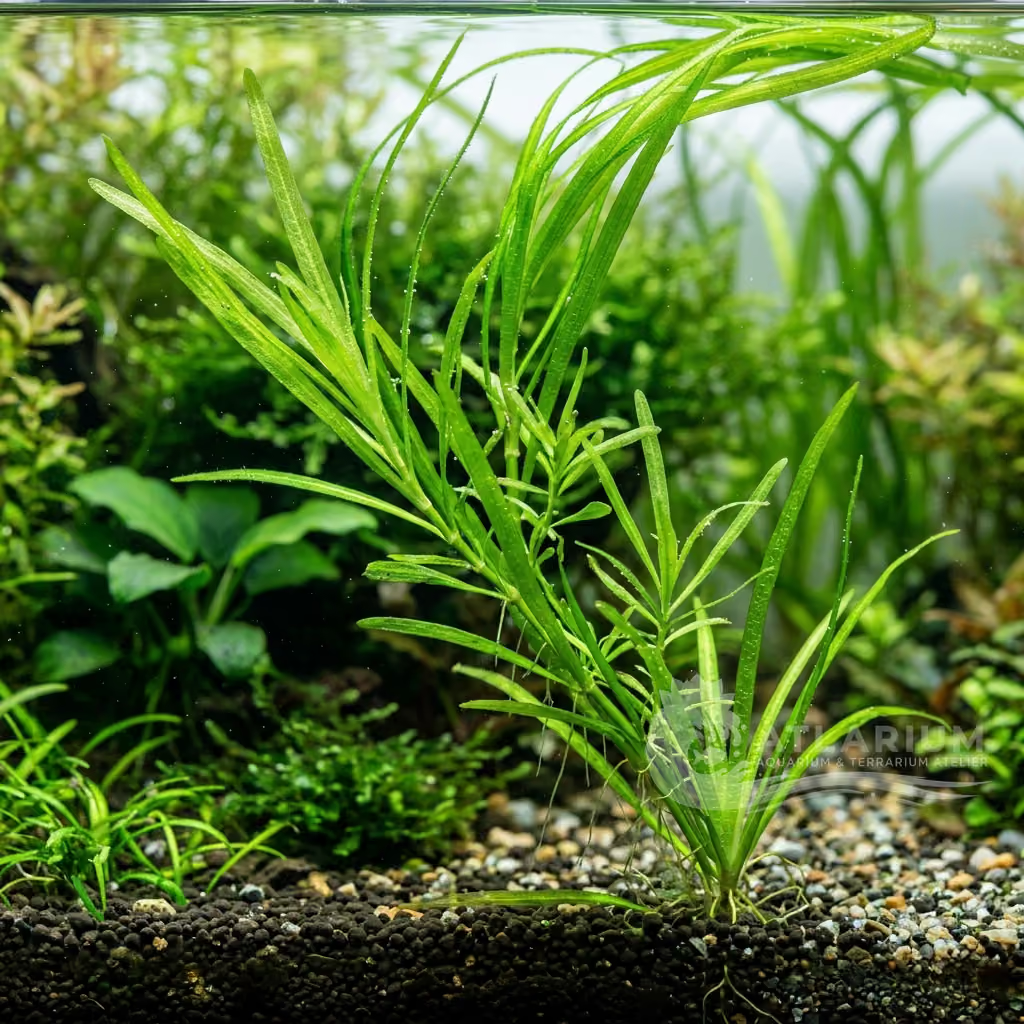
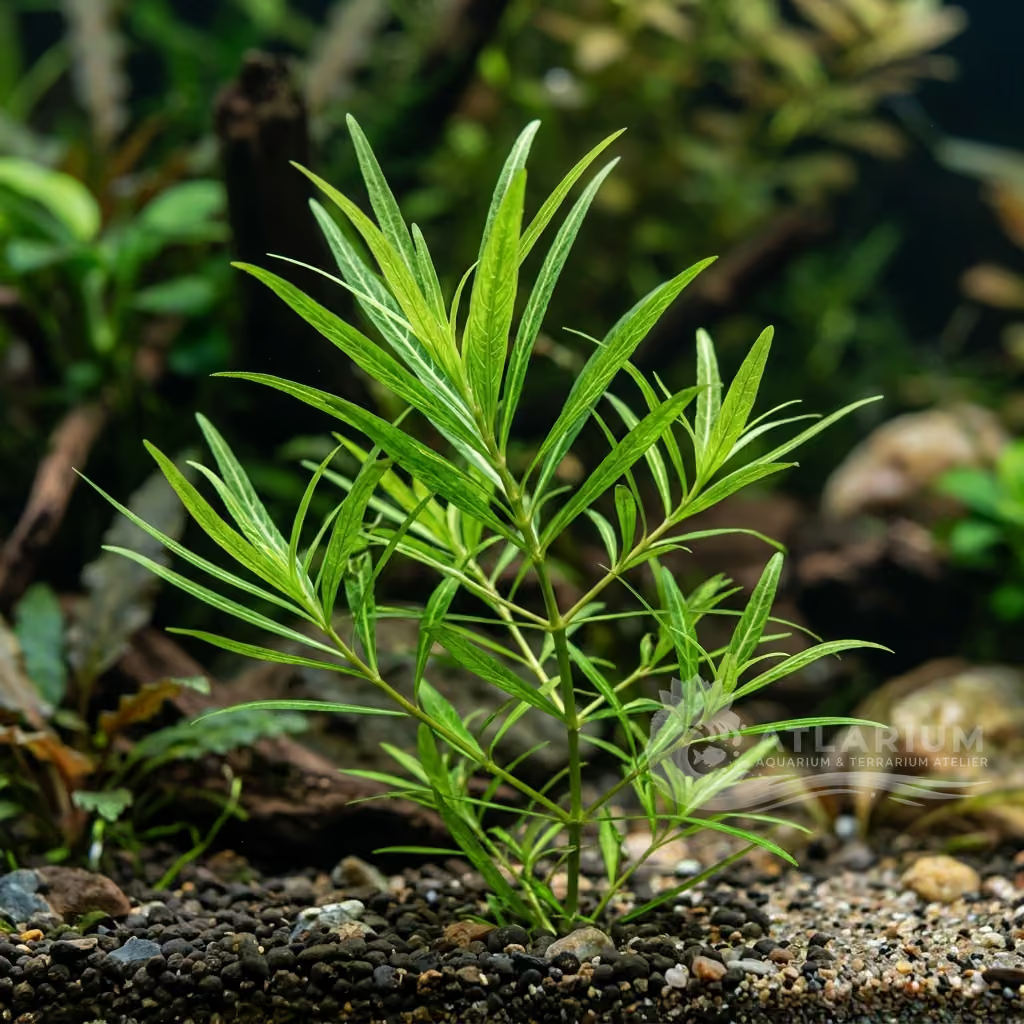
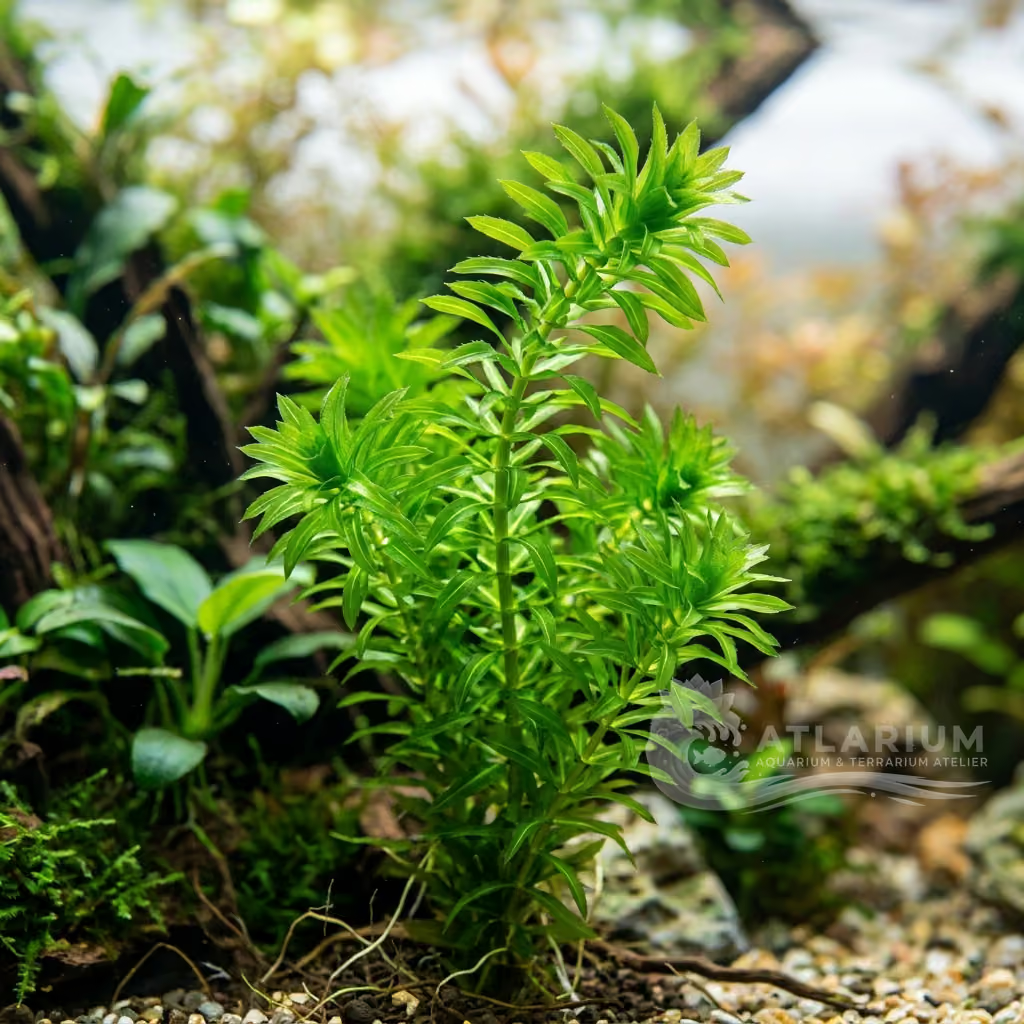
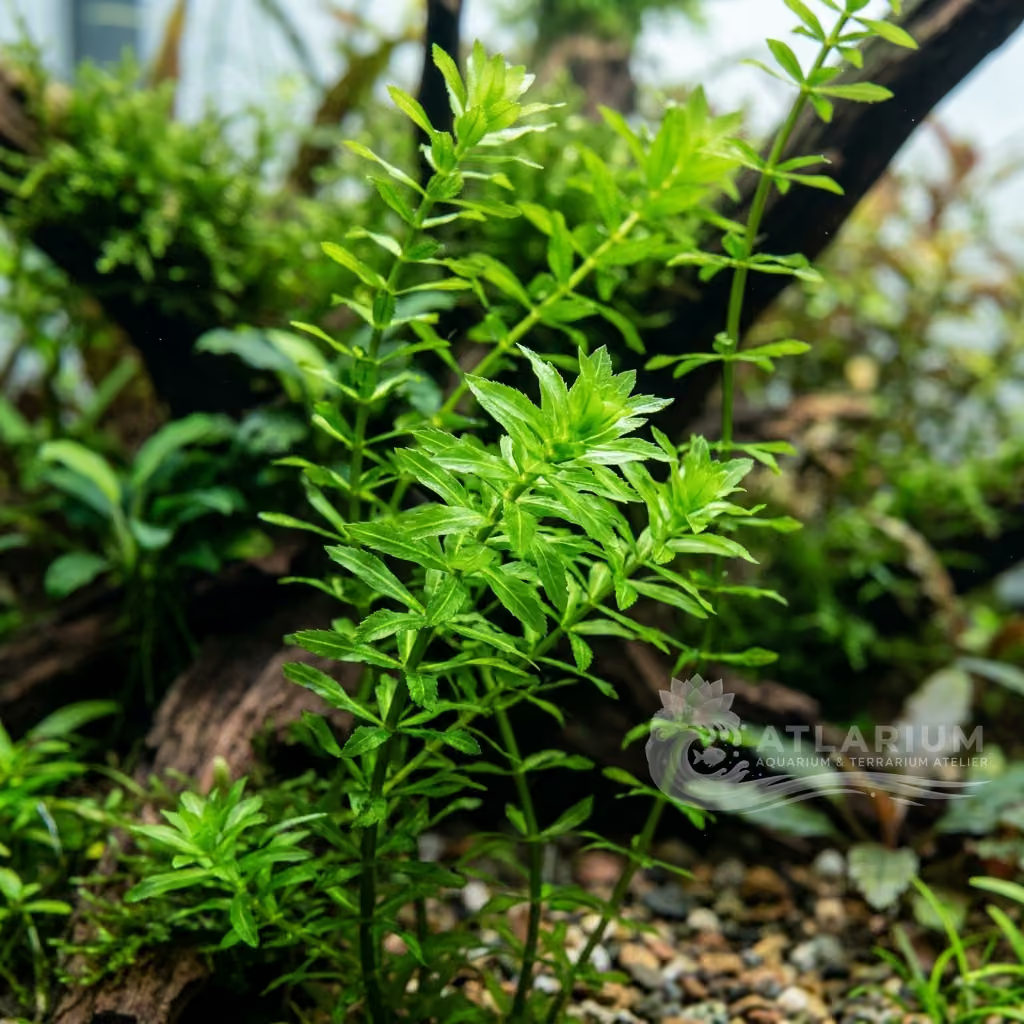
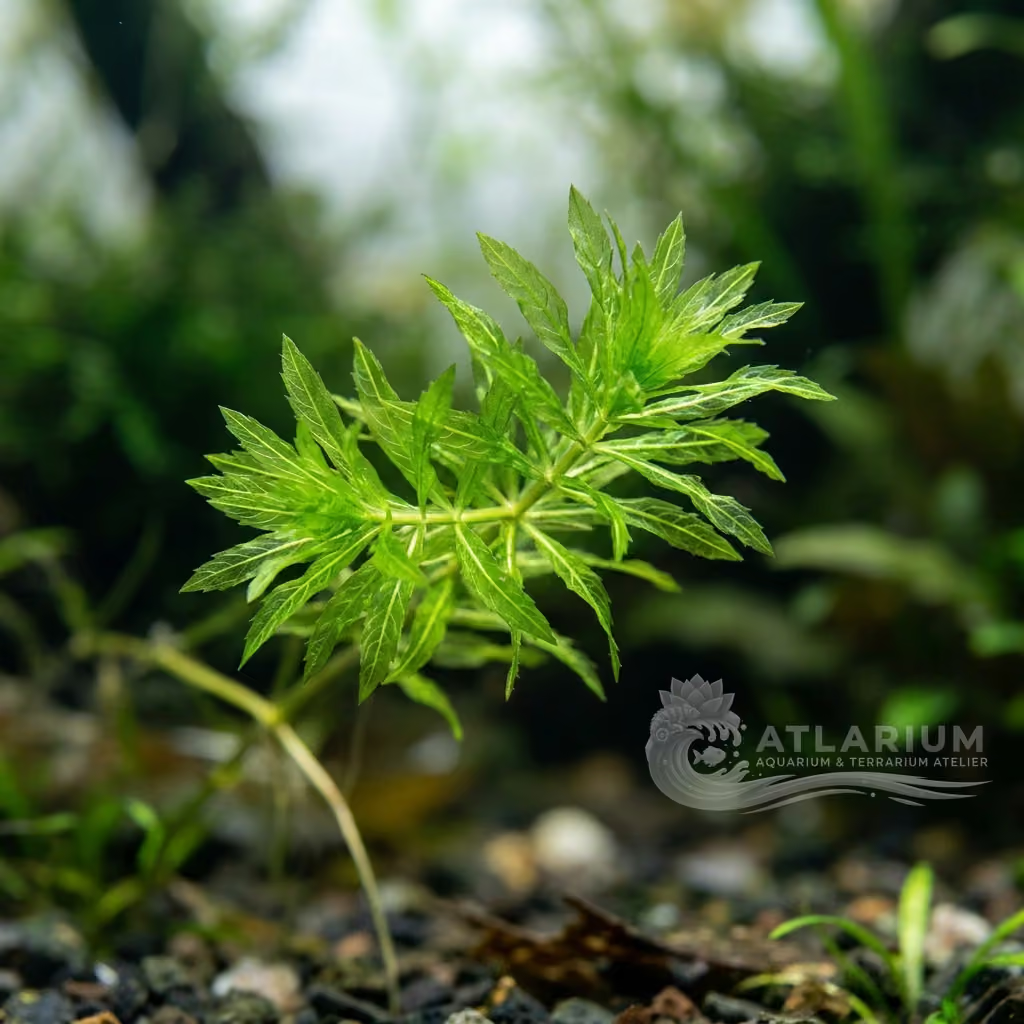
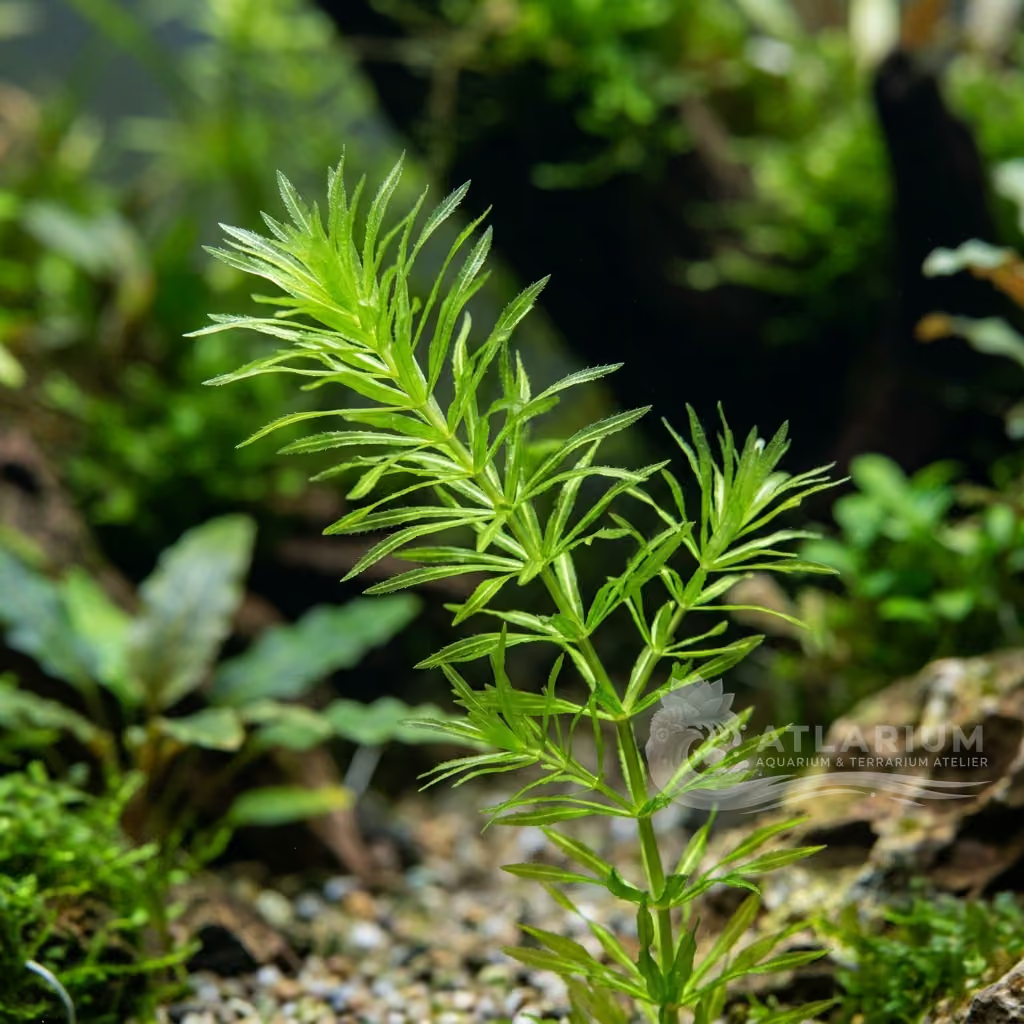
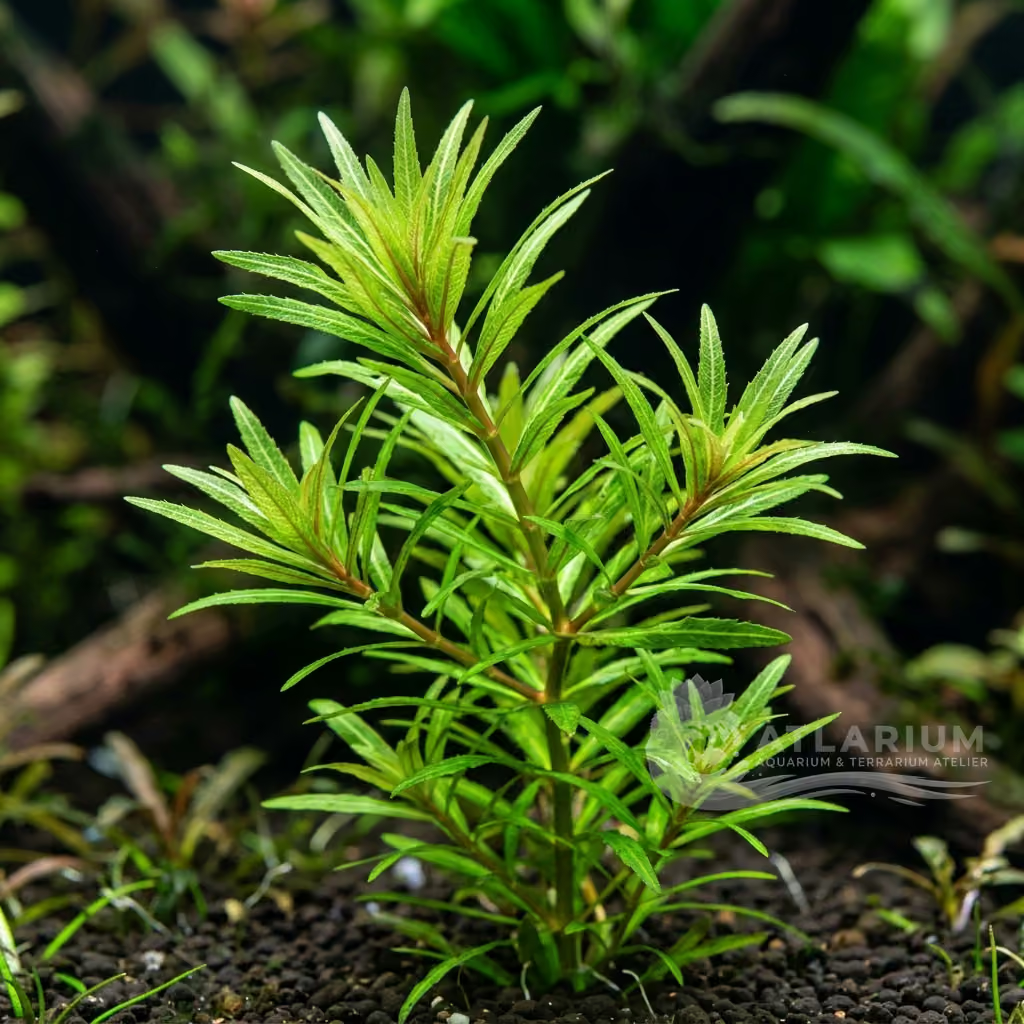
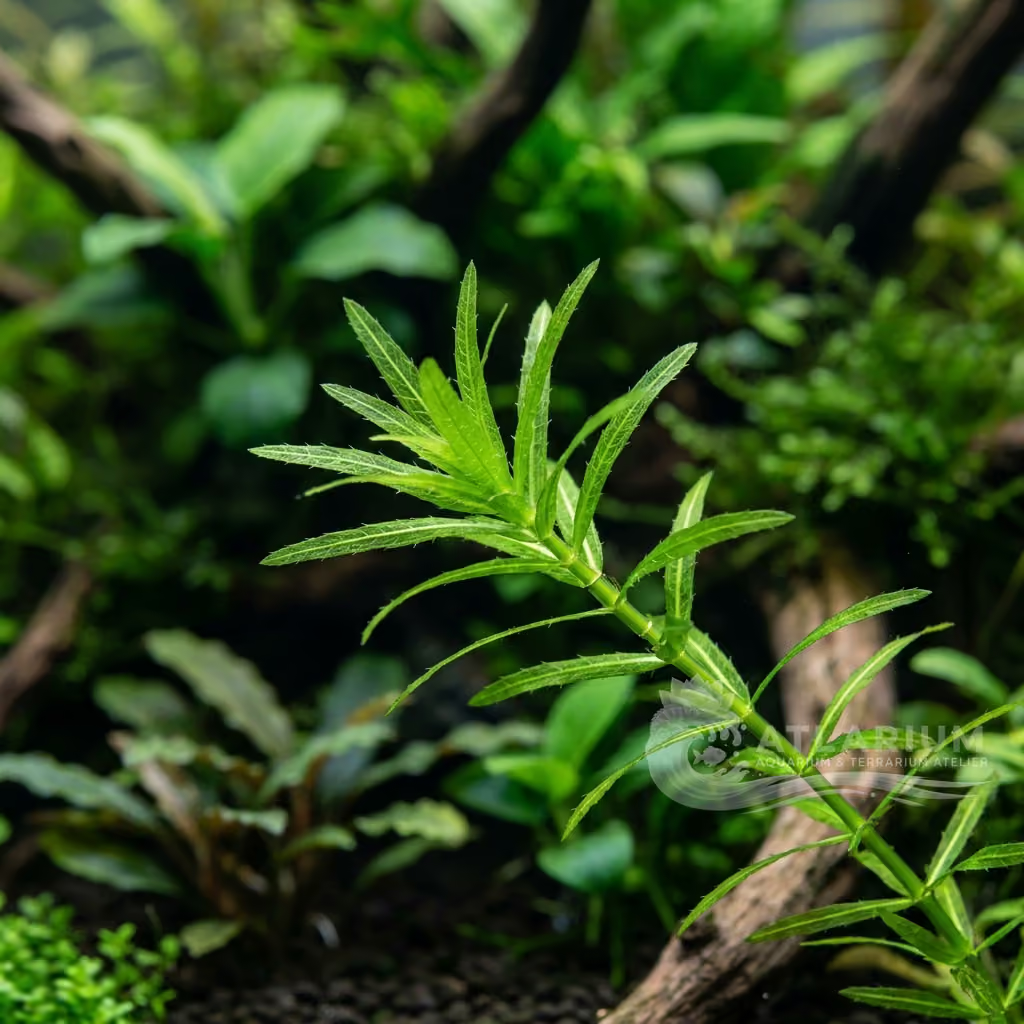
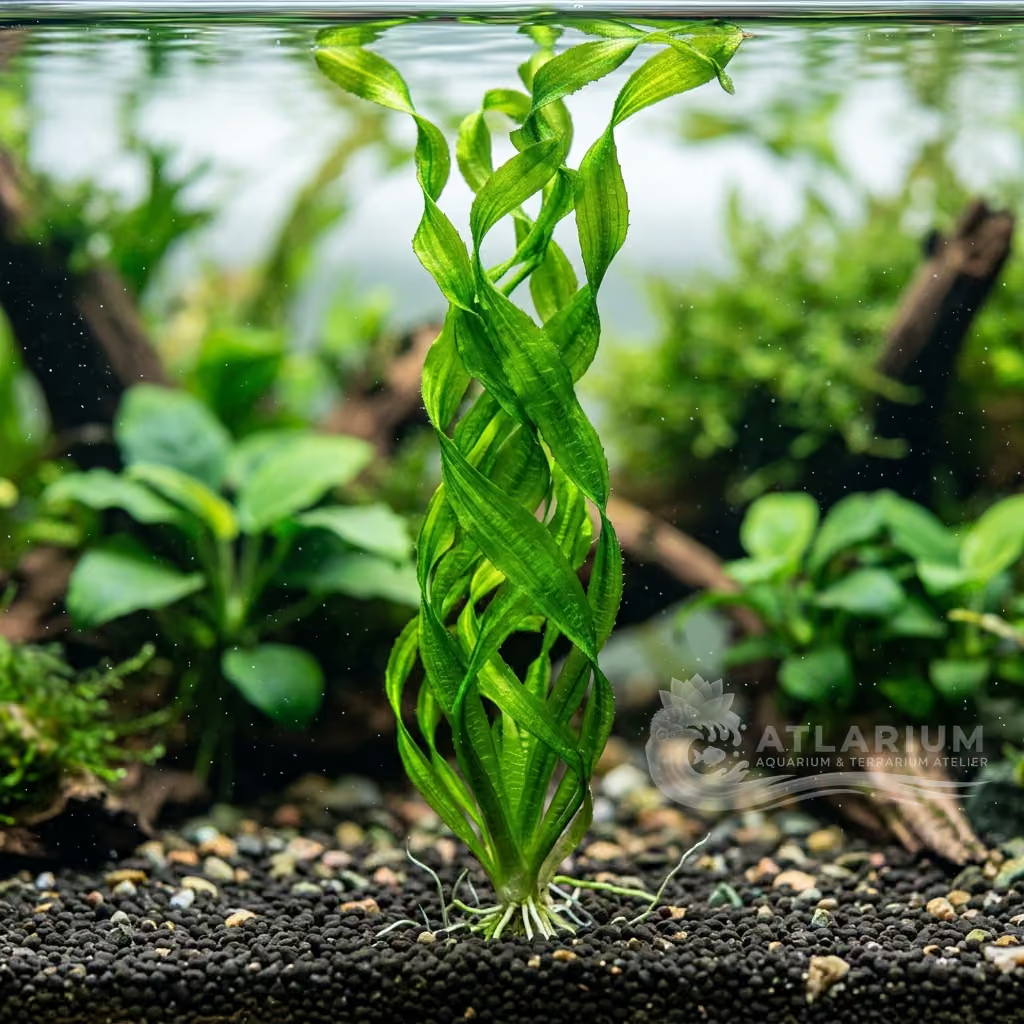
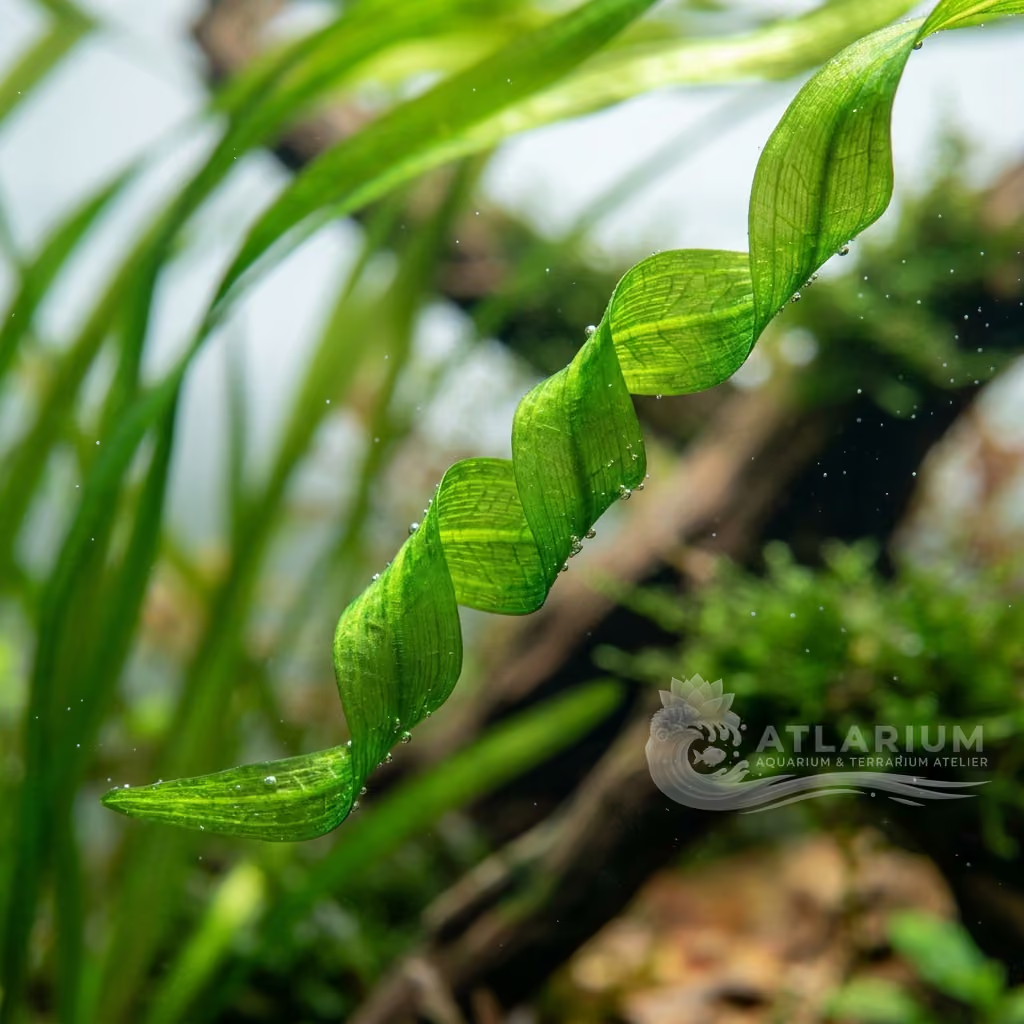
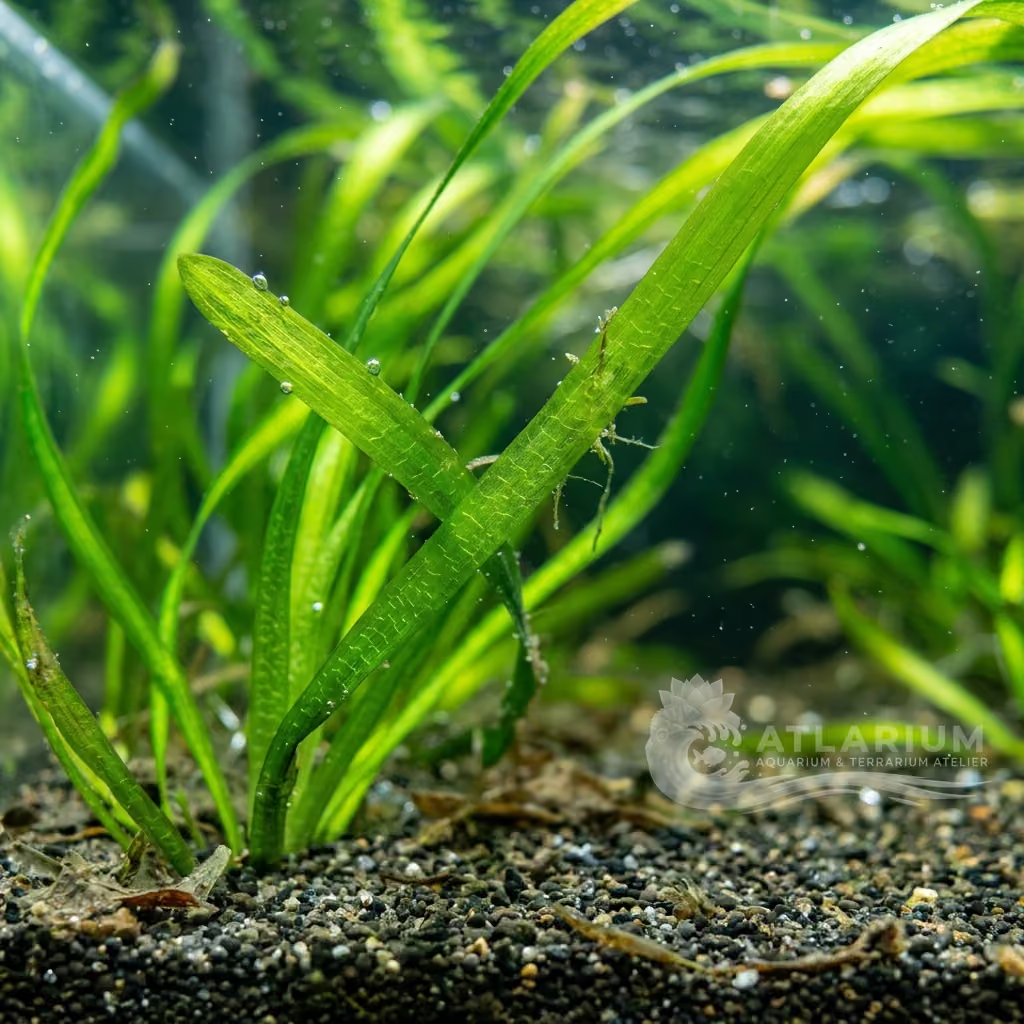
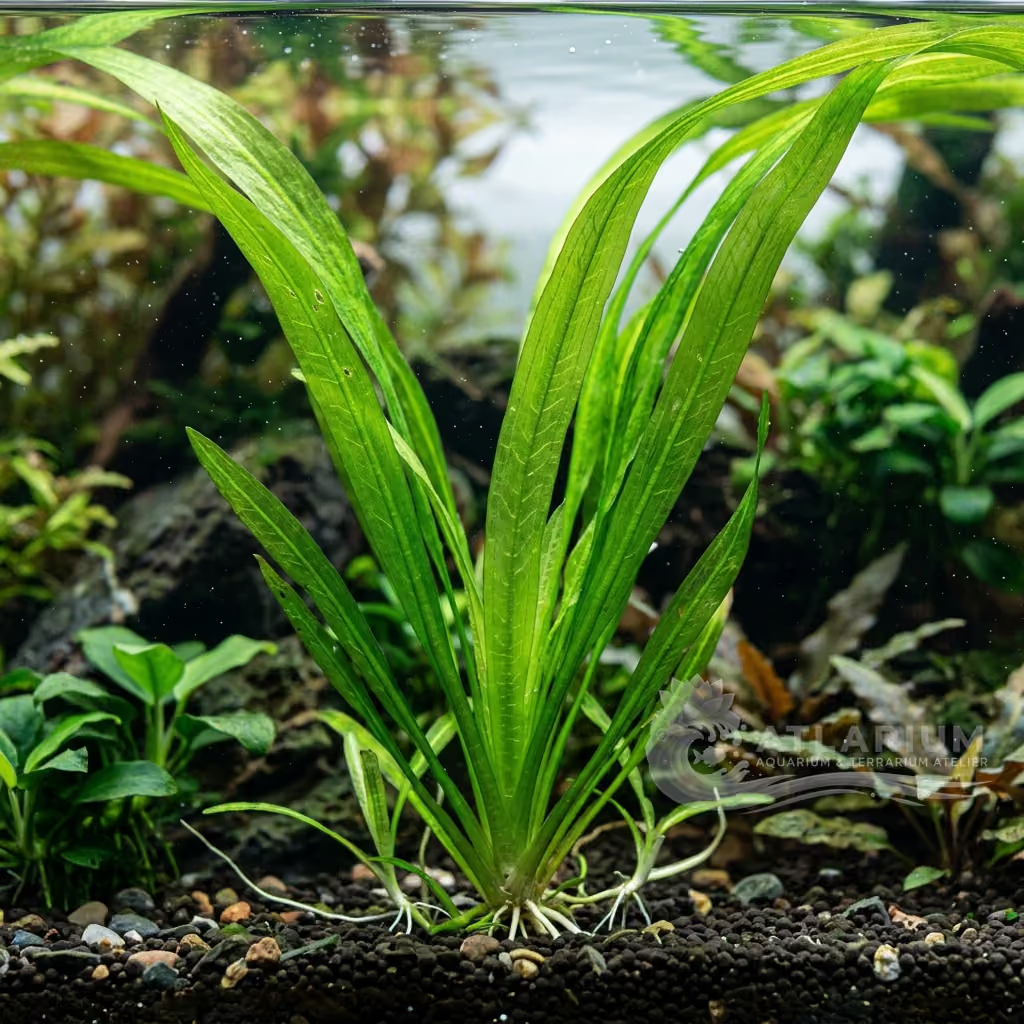
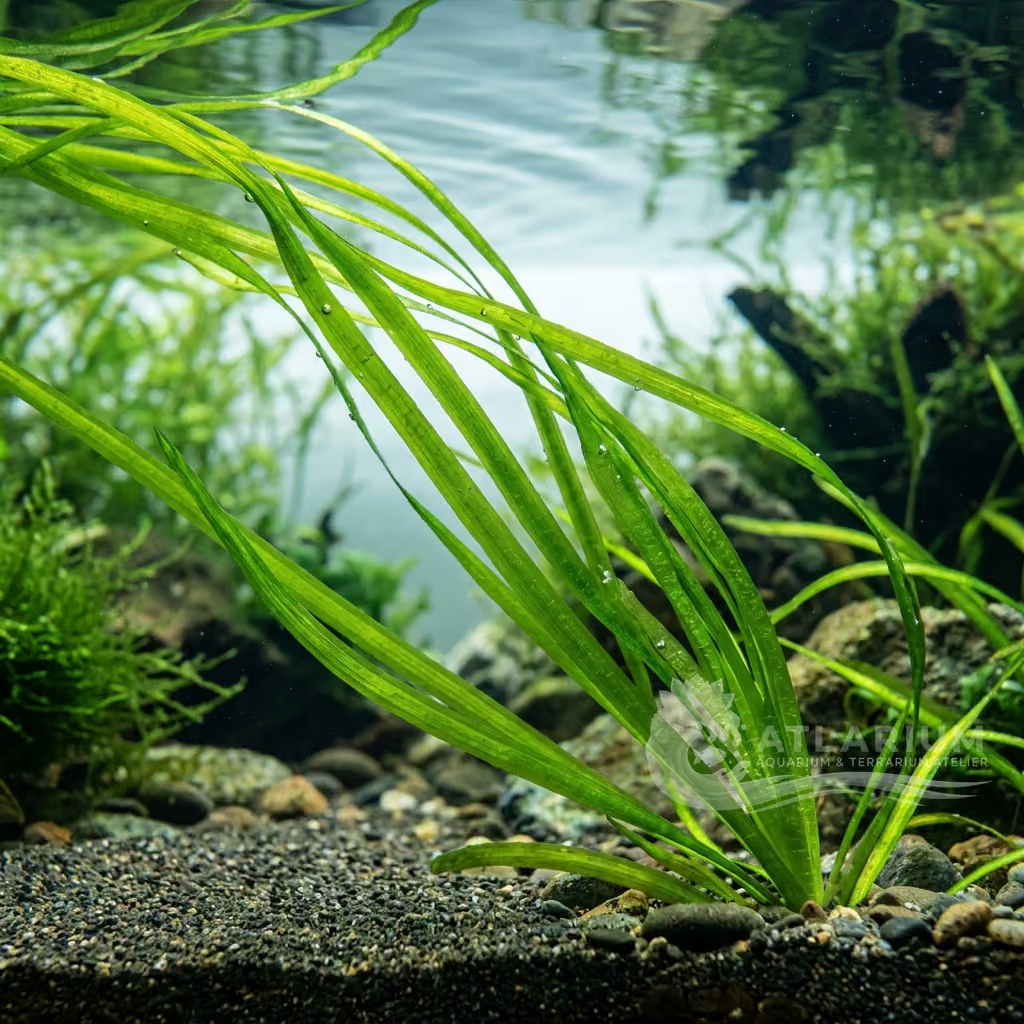
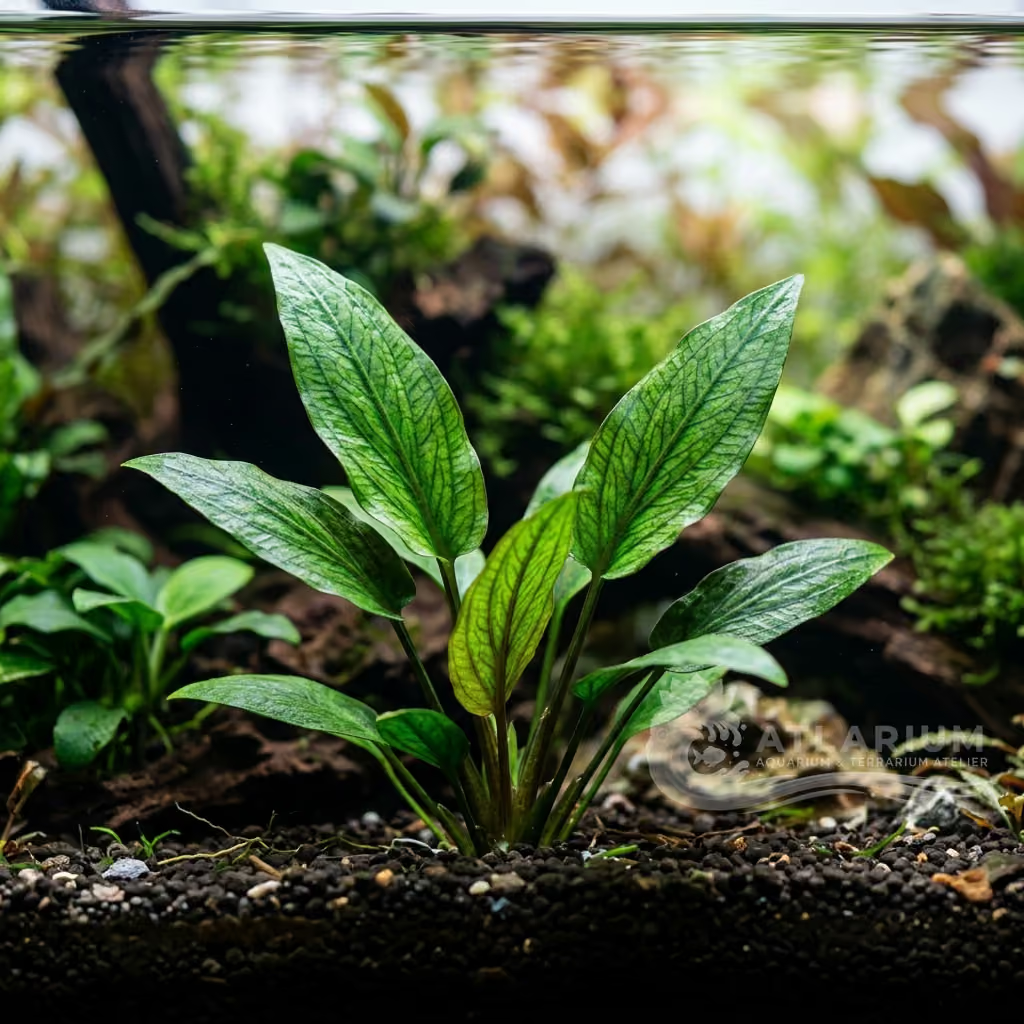
Physical Structure: It features a short stem structure that produces dense, compact rosettes, resembling ornamental grass or small bamboo shoots. The leaves are long, linear, pointed, and densely packed along branching stems. Over time, individual stems grow into rounded bushes reaching 10-15 centimeters in height and spreading outward.
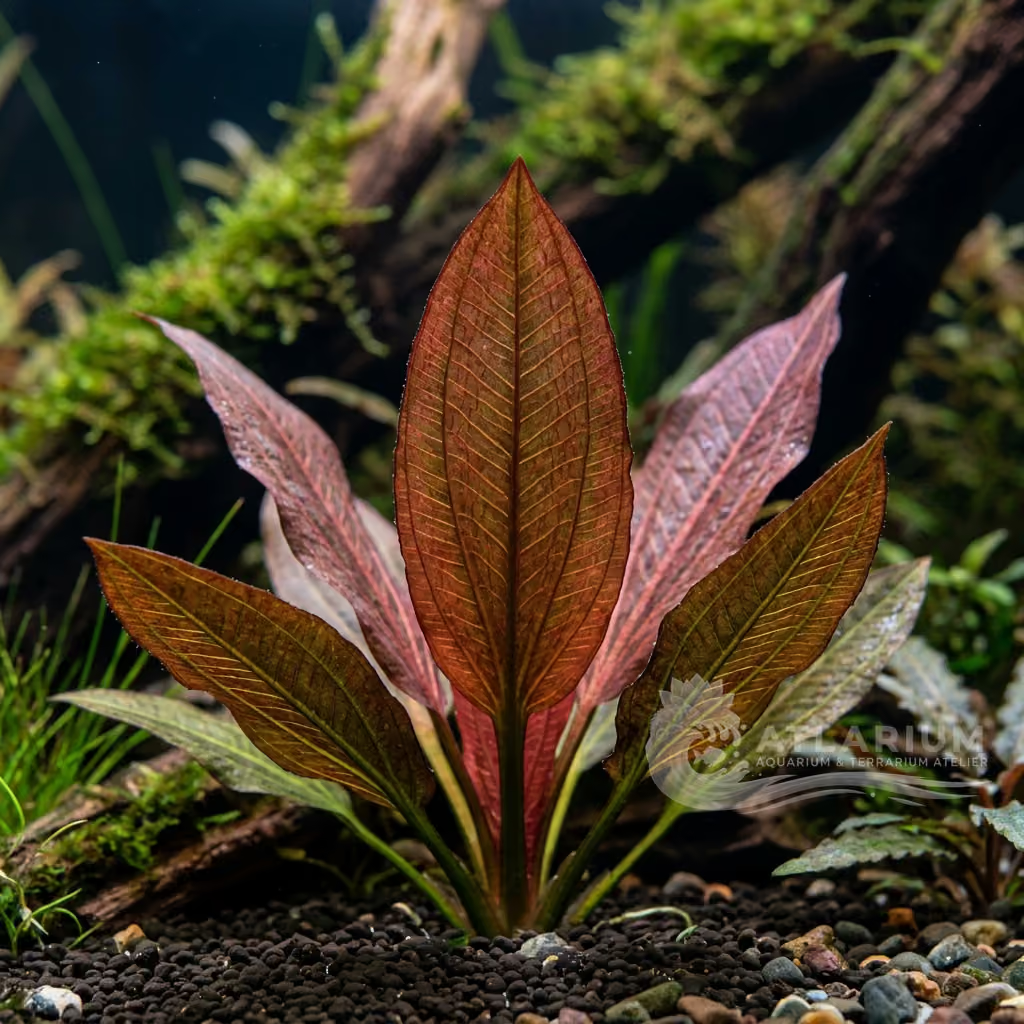
Color & Texture: Leaf color ranges from bright grass green to olive green, turning into vibrant golden, bronze, or reddish shades under high light and rich iron levels. The leaf texture is soft and delicate, adding a unique lightness and organic feel to the aquascape layout as it sways gracefully in the current.

Care, breeding and tankmates
Lighting & CO2: It demands medium to high light levels to maintain its bushy form and promote its signature golden coloration. Consistent CO2 injection (20-30 mg/L) is essential; without it, the plant becomes frail, slows its growth, and eventually declines. A daily photoperiod of 8-10 hours is recommended.
Nutrition & Substrate: A rich, fertile substrate is vital for its demanding root system, which requires abundant iron and micronutrients. Liquid dosing in the
Water Chemistry: This variety prefers soft, acidic water, with a pH range of 5.0 to 6.0 and KH below 7. It tolerates temperatures between 16°C and 32°C but thrives best around 22-26°C. It is sensitive to sudden changes in water parameters, which can trigger rapid leaf melting.
Space Management & Placement: Ideal for the foreground or midground, where it should be planted in dense groups to form soft bushes. It is perfect for softening the edges of hardscape rocks or creating a transition zone to background plants. Avoid planting it in shaded areas of the tank.
Pruning: Trim the plant by clipping older stems or thinning out dense clumps to ensure light reaches the inner leaves. To propagate, simply cut lateral shoots or gently split the rooted clumps and replant them in the substrate a few centimeters apart.
Risks & Diseases: The primary risk is leaf melting following transplantation or sudden shifts in water parameters. Iron deficiency quickly causes chlorosis, resulting in transparent, weak leaves. Large snails or bottom-dwelling fish can easily uproot or damage its delicate stems.

Geographic origin and distribution
Blyxa japonica var. japonica is widely distributed across East and South Asia, inhabiting paddy fields, slow-flowing ditches, ponds, and shallow river margins. It grows fully submerged in clear, shallow waters, rooted in fine, nutrient-rich soils often rich in iron. Its adaptability allows it to handle marked seasonal temperature fluctuations in its native range.
Origin
East AsiaSouth and Southeast Asia

Plant profile
- Placement
- Foreground
- It is ideally suited for the midground of the aquarium, where it can form lush, grassy hedges. It acts as the perfect structural bridge between low foreground carpets and taller stem plants in the background. Grouping several individual plants together creates an immediate impact.
- Botanical form
- Rosette
- It is a true aquatic plant that forms a tight, dense rosette of narrow, pointed leaves. Although technically a stem plant, its extremely short internodes give it the appearance of a grassy tuft. The leaves are soft and delicate, swaying gently with the water's movement.
- Growth
- Medium
- Blyxa japonica has a moderate growth rate when provided with optimal lighting, CO2, and fertilization. It grows consistently without becoming a nuisance that requires constant pruning. In lower tech tanks, its growth will be significantly slower and it may struggle to remain bushy.
- Substrate
- High
- As a demanding rosette plant, Blyxa japonica var. japonica strictly relies on a deep, nutrient-dense aqua soil to thrive in the aquarium. Its delicate, fine roots need a soft substrate of at least 5 centimeters to properly establish, preventing the plant from floating away. Heavy root feeding is crucial for this species, as it draws the majority of its essential minerals directly from the soil rather than the water column.
- Column fertilization
- Recommended
- It requires a steady and continuous supply of macronutrients (NPK) and micronutrients in the water column. Regular dosing of liquid fertilizers is highly recommended to prevent nutrient deficiencies. Iron supplementation is particularly critical for drawing out the plant's best colors.
- Root fertilization
- None
- This species possesses a large, extensive root system that strongly prefers a nutrient-dense aquasoil. Substrate fertilization is just as important as water column dosing for this plant. Inserting root tabs deep into the substrate near the roots will promote robust health and faster propagation.
- Trimming
- Occasional
- Unlike typical stem plants, it should not be trimmed by simply cutting off the top half. Maintenance involves carefully thinning out the clump by removing side shoots or trimming away older, decaying leaves at the base. Overgrown bushes can be entirely uprooted, divided, and replanted to restore a clean look.
- Propagation
- Cuttings
- It reproduces readily by producing numerous side shoots at the base of the mother plant. Once these young plantlets have developed a few roots and leaves, they can be carefully separated with sharp scissors. The newly separated shoots can then be planted individually into the substrate.
- Sensitivity
- Moderate
- It is notorious for melting during the initial transition phase when introduced to a new aquarium. It dislikes being moved frequently, so it is best to plant it once and leave it undisturbed to establish. Insufficient lighting or sudden fluctuations in CO2 levels can also lead to rapid deterioration.
- Layout role
- Midground, Foreground, group
- Its grassy texture makes it a staple in Nature Aquarium style layouts to soften the visual weight of rocks and driftwood. The fine, spiky leaves provide a brilliant contrast to the rounder, broader leaves of Anubias or Bucephalandra. It is exceptional for defining pathways or creating natural-looking midground layers.

Related species
Recommendations grouped by close relatives, companion choices, and similar care.