Stratiotes aloides
Stratiotes aloides
Stratiotes aloides, commonly known as Water Soldier, is a robust, medium-growth floating aquatic plant that forms dense rosettes. It is ideal for creating a mid-ground focal point or providing surface cover in aquariums and ponds.
Water Temperature
4 - 30 °C
pH Value
5 - 7.5
Water type
Freshwater
Light
Medium to High
CO2
Low - High
Expected height
30 cm
Expected width
40 cm
KH
0 - 14 dKH

Species description
Geographical Origin and Habitat: Native to temperate regions of Europe and parts of Northwest Asia, Stratiotes aloides is a perennial aquatic plant predominantly found in still or slow-moving freshwater environments such as ponds, canals, and ditches. It thrives in nutrient-rich waters, often forming dense floating mats that can cover significant surface areas. While typically free-floating, it can anchor itself to the substrate in very shallow conditions, particularly during colder seasons when it may sink. This adaptability allows it to inhabit a diverse range of aquatic ecosystems, from small puddles to large lakes.
Taxonomy & Genetics: Stratiotes aloides belongs to the Hydrocharitaceae family, commonly known as the frogbit family, which includes other well-known aquatic plants like Vallisneria and Egeria. Its genus, Stratiotes, is monotypic, meaning S. aloides is the sole species within it, highlighting its unique evolutionary path and specialized adaptations. The name "Stratiotes" is derived from Greek, meaning "soldier," referring to its sword-like leaves, and "aloides" indicates a resemblance to Aloe. This genetic isolation underscores its distinct morphological and physiological characteristics tailored for aquatic life.
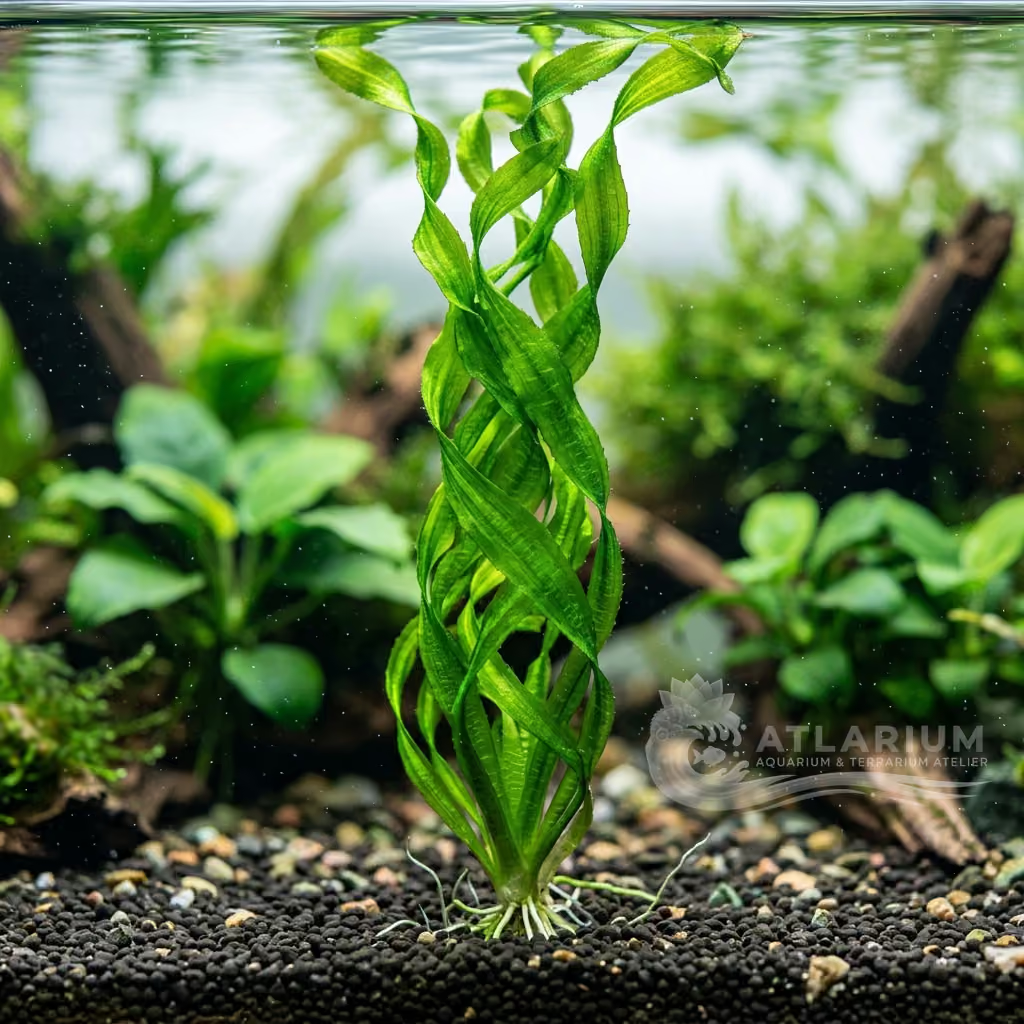
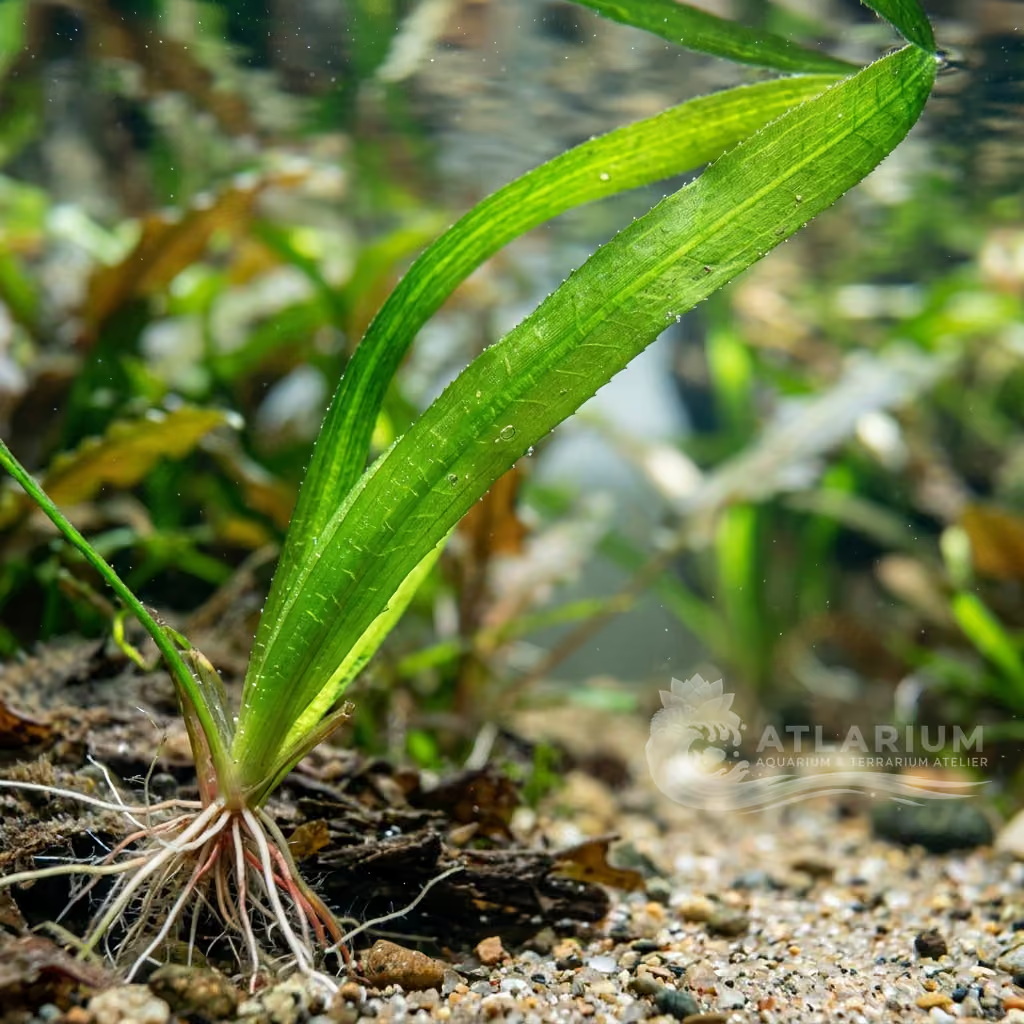
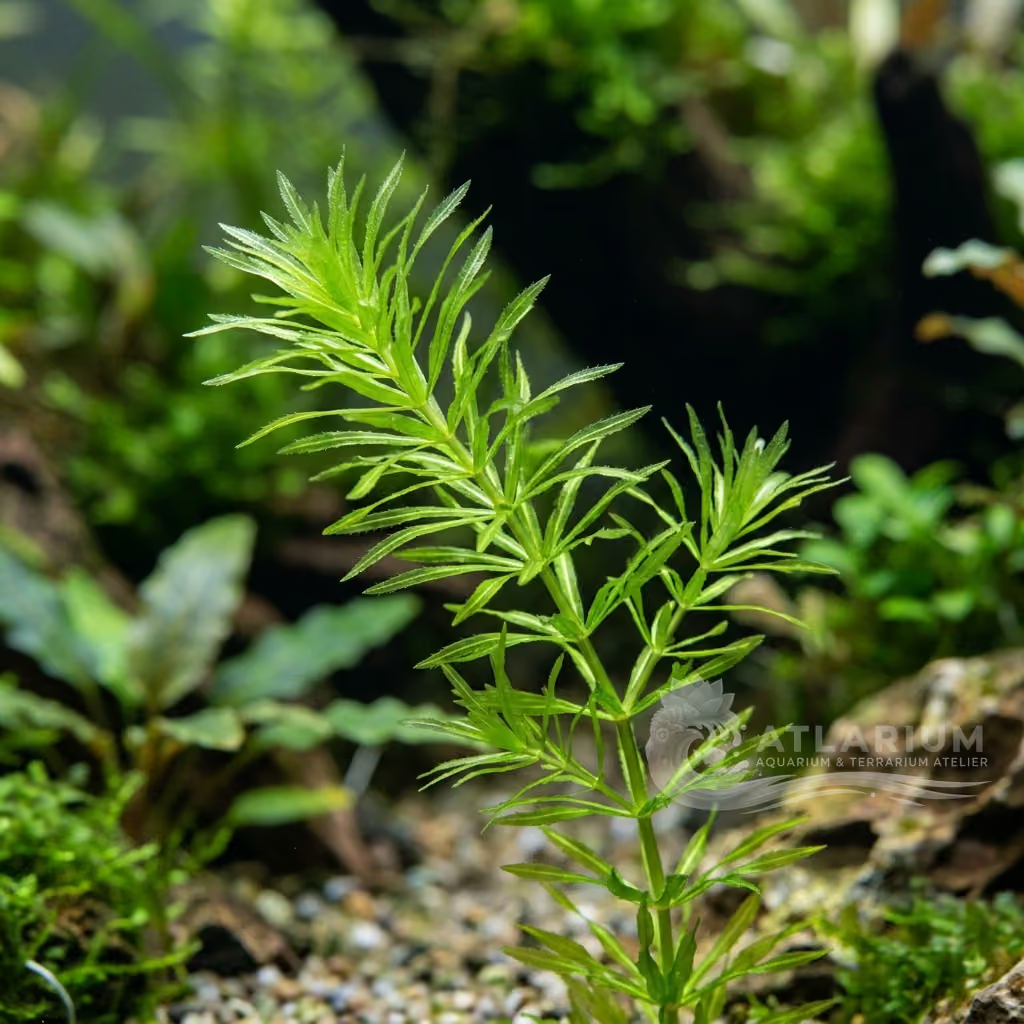
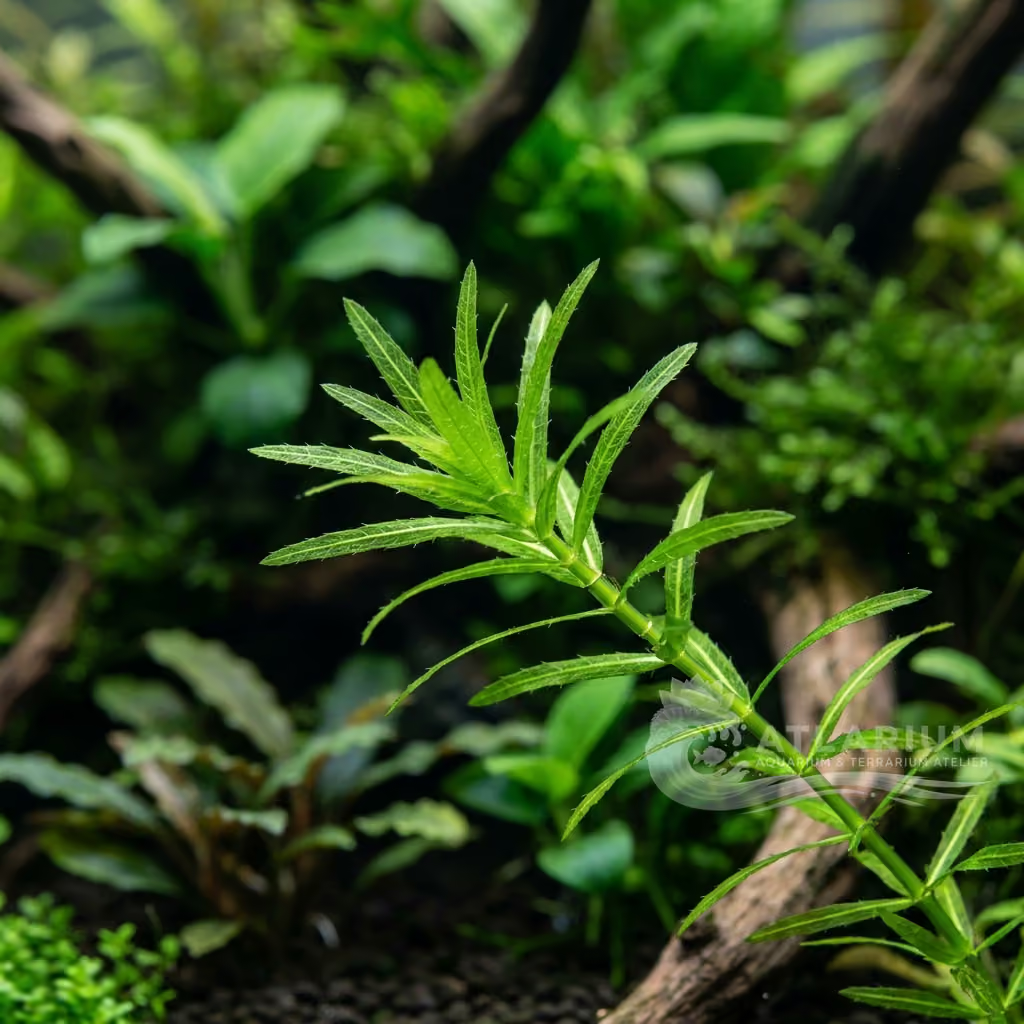
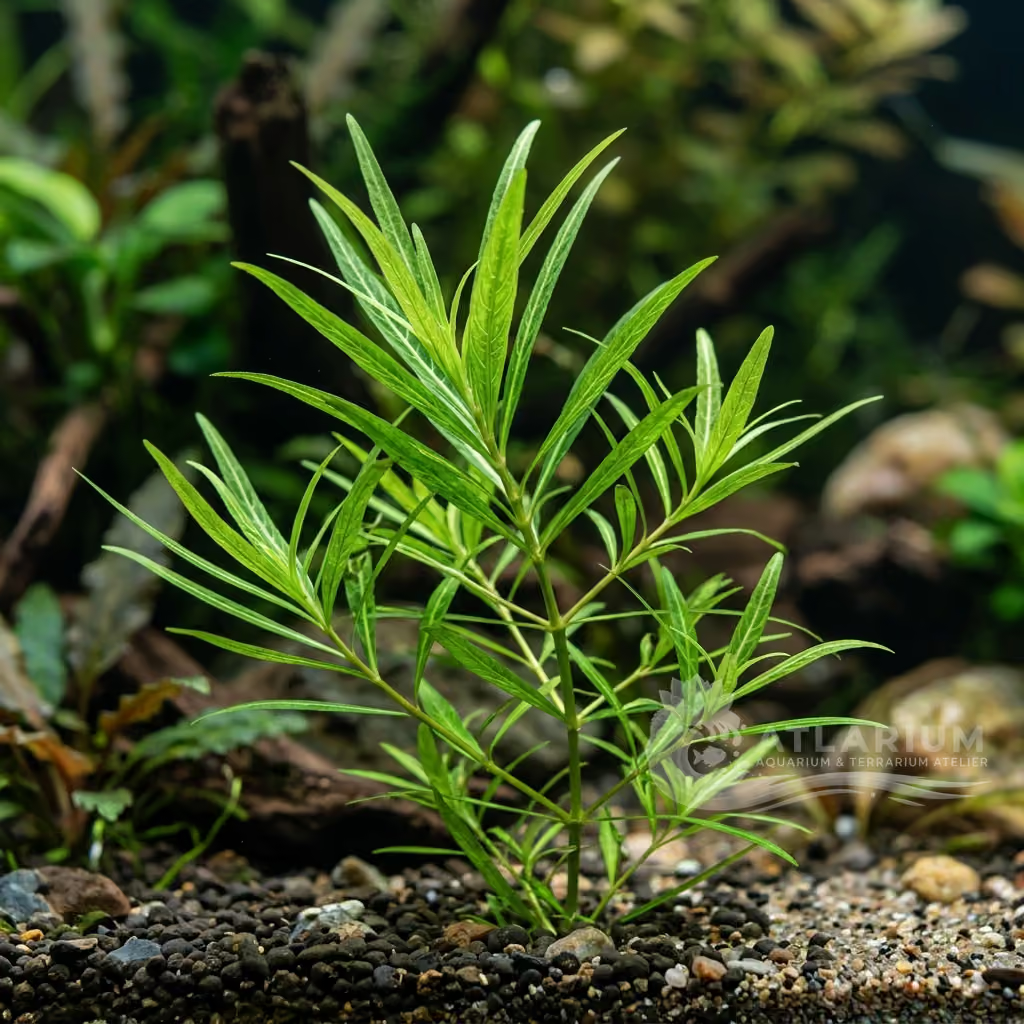
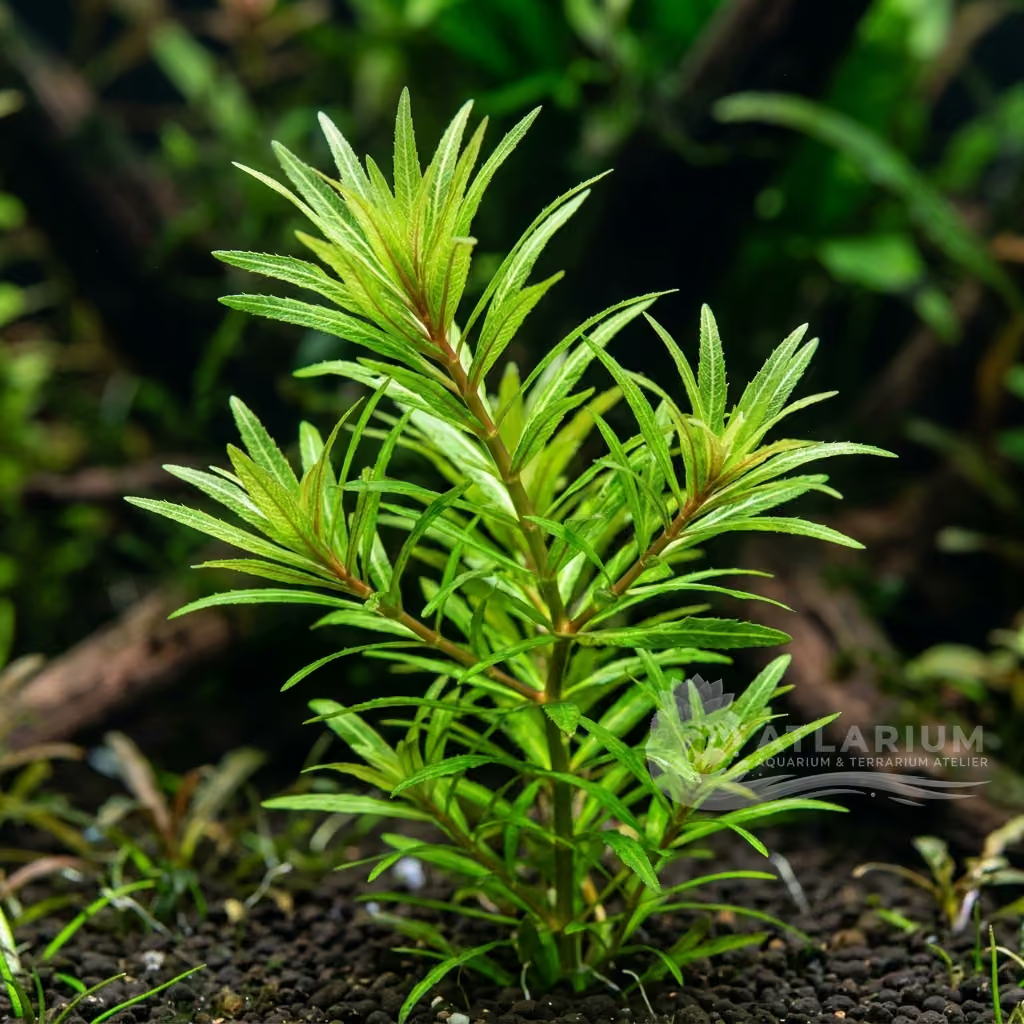
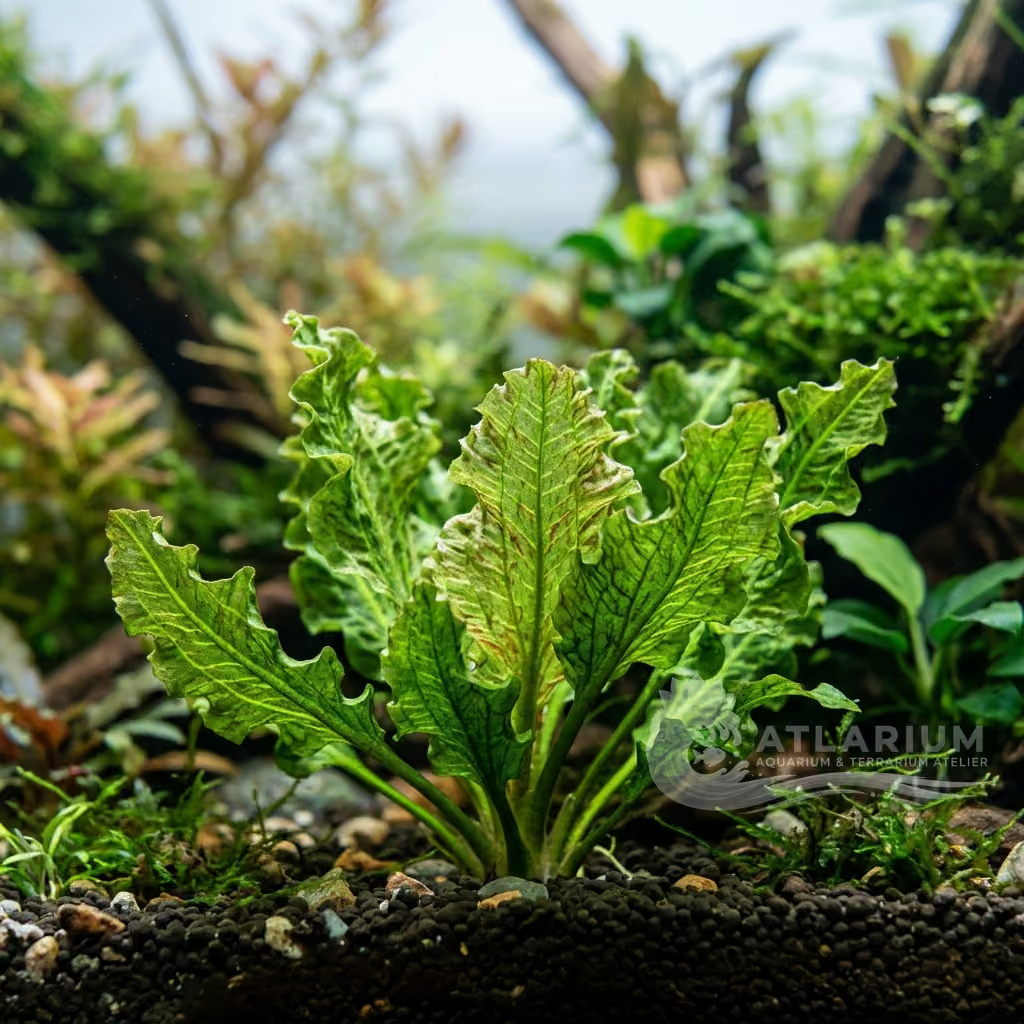
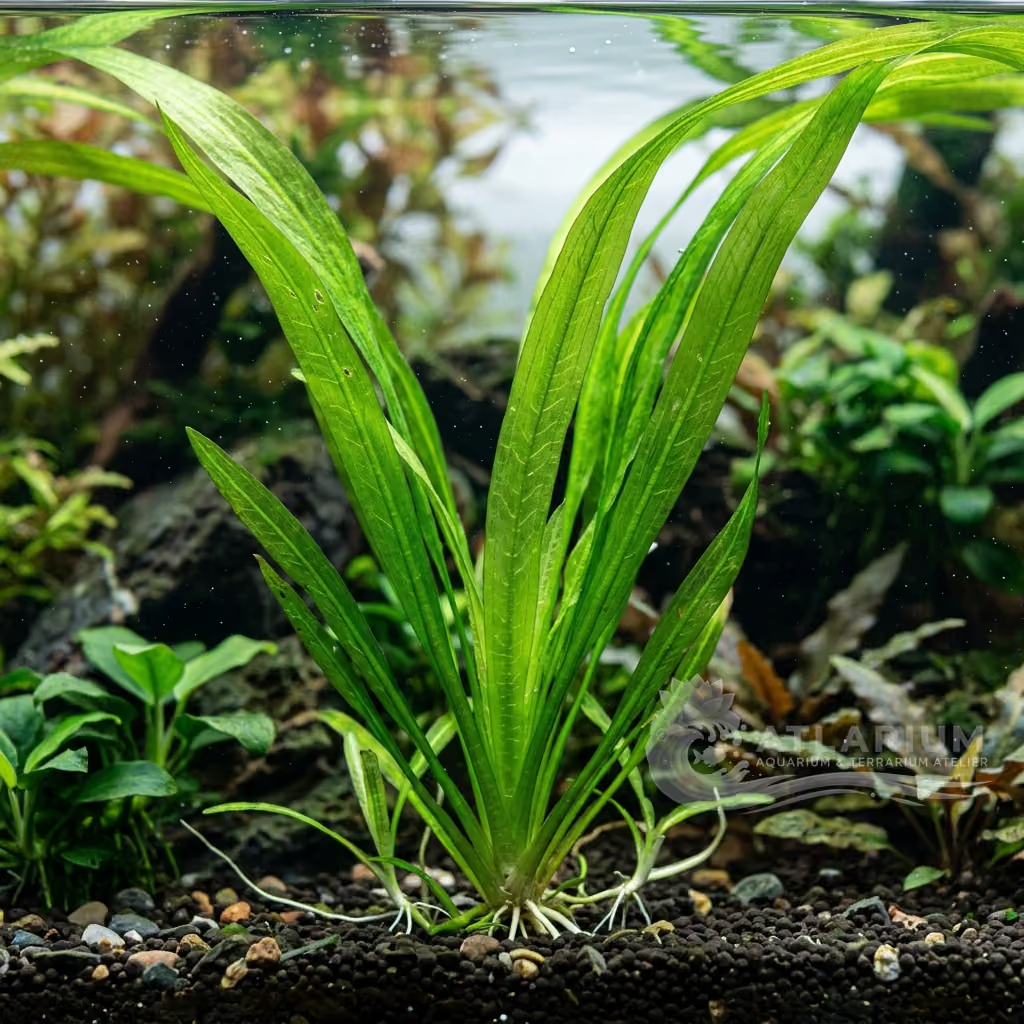
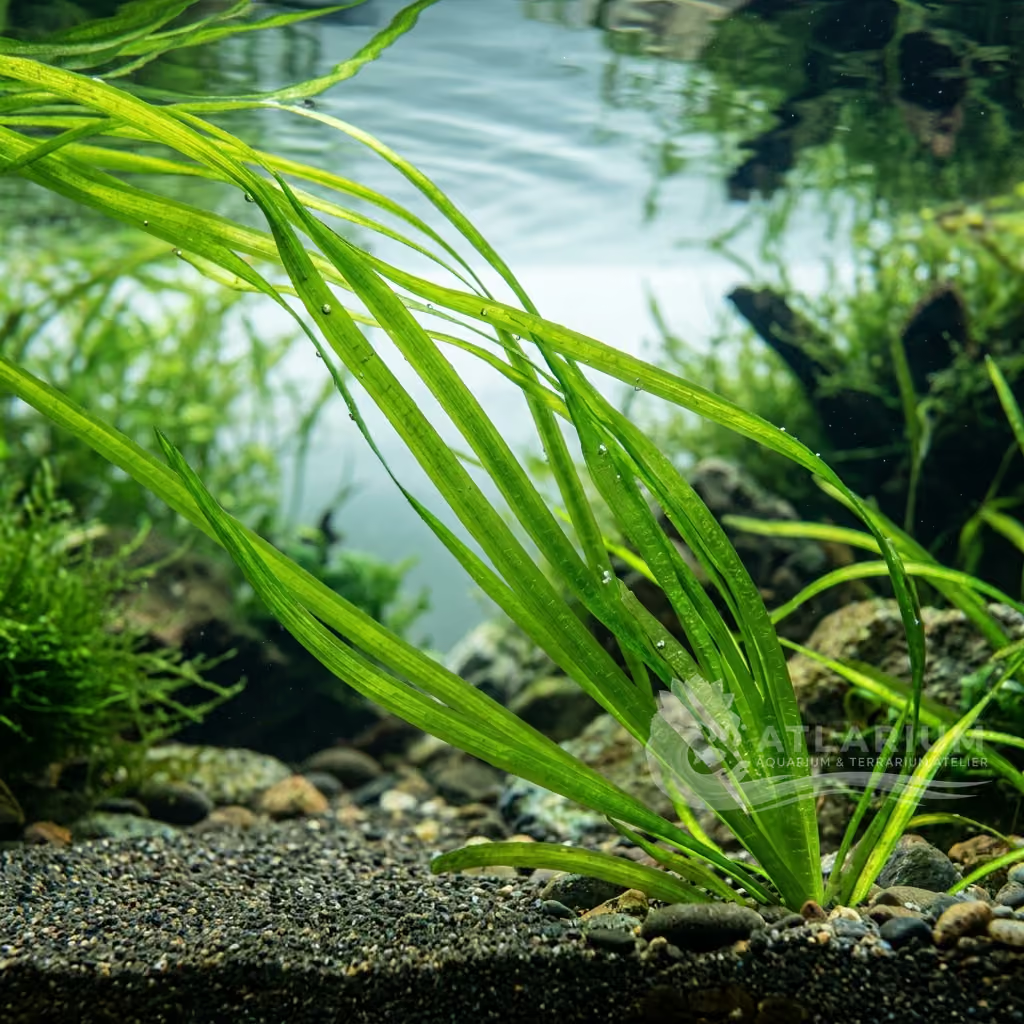
Physical Structure: This species forms a striking rosette of rigid, sword-shaped leaves radiating from a central crown. The leaves are typically thick, leathery, and possess finely serrated margins, giving them a somewhat spiky texture. Mature plants can reach a diameter of 30-50 cm, with individual leaves growing up to 40 cm long. From the central crown, runners are produced, at the ends of which new plantlets (offsets) develop, allowing for prolific vegetative propagation. The submerged portion often consists of a dense network of fine, adventitious roots that absorb nutrients from the water column, even if the plant is not anchored in the substrate.
Color & Texture: The foliage of Stratiotes aloides displays a vibrant spectrum of green, ranging from bright, fresh green in newer growth to a deeper, richer green in older, more mature leaves. Under intense lighting or specific nutrient conditions, the leaf tips can sometimes exhibit a subtle reddish-brown tint, adding a touch of contrast and visual interest. The leaves possess a distinctly leathery and somewhat stiff texture due to their robust structure and serrated edges, which contribute to the plant's common name "Water Soldier" and differentiate it from softer aquatic plants. This robust texture also provides a certain resilience against physical disturbance.

Care, breeding and tankmates
Lighting & CO2: Stratiotes aloides benefits significantly from medium to high lighting conditions to maintain compact growth and vibrant coloration. Insufficient light can lead to leggy growth and a dull appearance, while intense light can sometimes encourage reddish hues on the leaf tips, enhancing its aesthetic appeal. While CO2 injection is not strictly mandatory for its survival, especially in nutrient-rich ponds, supplementing with CO2 in an aquarium setting can dramatically boost its growth rate and overall health, promoting denser rosettes and more vigorous propagation through runners. A photoperiod of 8-10 hours is generally recommended for optimal photosynthesis.
Nutrition & Substrate: As a primarily free-floating plant, Stratiotes aloides draws most of its required nutrients directly from the
Water Chemistry: This species is remarkably adaptable to a broad range of water parameters, tolerating temperatures from 4.0 to 30.0 °C, making it suitable for unheated ponds as well as tropical aquariums. It can thrive in very soft to moderately hard water (KH 0.0-14.0) and acidic to neutral pH levels (5.0-7.5). Despite its wide tolerance, stable water conditions are always preferable, as sudden, drastic changes in pH or hardness can stress the plant and lead to melting. Clean, well-oxygenated water is also highly beneficial, as stagnant, dirty water can lead to algae accumulation on its leaves and hinder growth.
Space Management & Placement: Given its propensity to produce numerous offsets and form dense floating mats, Stratiotes aloides requires ample surface space to truly flourish and avoid shading out other plants. While listed as "midground," its primary nature is free-floating, creating visual density in the middle to upper water column, or rooting in shallow areas. In larger, open-top aquariums or paludariums, it can be allowed to float freely. For a more controlled mid-ground effect in shallow tanks, it can be gently anchored or placed in areas where it won't be swept away, allowing its rosette to provide a naturalistic, bushy appearance. Regular removal of excess plantlets is crucial to prevent overgrowth and maintain aesthetic balance.
Pruning: Pruning Stratiotes aloides is primarily focused on managing its size and preventing overpopulation within the aquatic environment. This involves regularly removing older, yellowing, or decaying outer leaves from the main rosette to maintain plant health and aesthetic appeal. The most common and essential form of "pruning" is the careful separation of new daughter plants (offsets) that develop on runners extending from the mother plant. These plantlets can be carefully detached once they have developed a few leaves and roots, and then either replanted, allowed to float independently, or discarded to control the overall spread and density.
Risks & Diseases: Stratiotes aloides is generally a robust plant, but it can be susceptible to certain issues if conditions are not ideal. Algae can become problematic, particularly on older leaves, if there is an imbalance in light, nutrients, or water flow, obscuring its beauty. Nutritional deficiencies, such as iron deficiency, can manifest as yellowing leaves or stunted growth. While not typically prone to specific diseases in an aquarium setting, sudden changes in water parameters or exposure to harsh chemicals can induce melting or general decline. It's also important to note its potential invasiveness in non-native environments, requiring responsible disposal.

Geographic origin and distribution
Native to temperate regions of Europe and parts of Northwest Asia, Stratiotes aloides is a perennial aquatic plant predominantly found in still or slow-moving freshwater environments such as ponds, canals, and ditches. It thrives in nutrient-rich waters, often forming dense floating mats that can cover significant surface areas. While typically free-floating, it can anchor itself to the substrate in very shallow conditions, particularly during colder seasons when it may sink. This adaptability allows it to inhabit a diverse range of aquatic ecosystems, from small puddles to large lakes.
Origin
Europe, Mediterranean, and West Asia

Plant profile
- Placement
- Floating
- This plant typically floats at or just below the surface, resembling the top of a pineapple. In shallow water or as it matures, it may root itself into the muddy bottom. It is strictly for open-topped, large aquariums, indoor ponds, or outdoor water gardens due to its massive size.
- Botanical form
- Rosette
- It has sharp, serrated, sword-like leaves arranged in a striking rosette pattern, closely resembling the foliage of an aloe or a pineapple. The leaves are rigid and can easily pierce skin, so handling requires care. It produces lovely, three-petaled white flowers that bloom just above the water surface.
- Growth
- Medium
- Growth is highly seasonal, rapid during the warm summer months and slowing to a dormant state in winter. When light and nutrients are plentiful, it quickly produces offsets. It can spread aggressively in suitable outdoor environments.
- Substrate
- None
- Stratiotes aloides is a primarily free-floating plant that absorbs its essential nutrients directly from the water column. While it can occasionally anchor its long, dangling roots into muddy or sandy bottoms in shallow waters, no specialized substrate is required for its care. It adapts perfectly to ponds or large aquariums where it can float unrestrained.
- Column fertilization
- Recommended
- When floating, it relies entirely on dissolved nutrients in the water. In ponds, natural waste usually provides sufficient nourishment. In a large aquarium, standard water column fertilization will support its growth and vibrant green color.
- Root fertilization
- None
- Root fertilization is only applicable if the plant is grown in shallow water where it can anchor itself in the substrate. In such cases, a rich, loamy bottom will result in much larger, more robust rosettes. Floating specimens develop long, feathery roots to absorb water-borne nutrients.
- Trimming
- Occasional
- Trimming is not standard practice; instead, population control is managed by physically removing entire rosettes. Dead or decaying outer leaves should be carefully pulled off to prevent water fouling. Wear gloves to protect against the sharp serrations on the leaves.
- Propagation
- Runners
- Propagation occurs prolifically via lateral runners (offsets) that shoot out from the main rosette during the growing season. These offsets develop into miniature plants that eventually detach or can be manually separated. It can also propagate via seeds after flowering.
- Sensitivity
- LOW
- It requires a period of winter dormancy (sinking to the bottom) for long-term survival, making it difficult to keep year-round in heated tropical aquariums. It is extremely hardy in cold water. Poor light will cause the rosette to become pale and weak.
- Layout role
- Midground, Background, Floating
- It provides exceptional surface cover and acts as a biological filter in ponds. The submerged leaves and root systems offer vital shelter for frog tadpoles, small fish, and dragonfly nymphs. It creates a highly natural, wild aesthetic in large water features.

Related species
Recommendations grouped by close relatives, companion choices, and similar care.