Vallisneria spiralis "Tortifolia"
Vallisneria spiralis
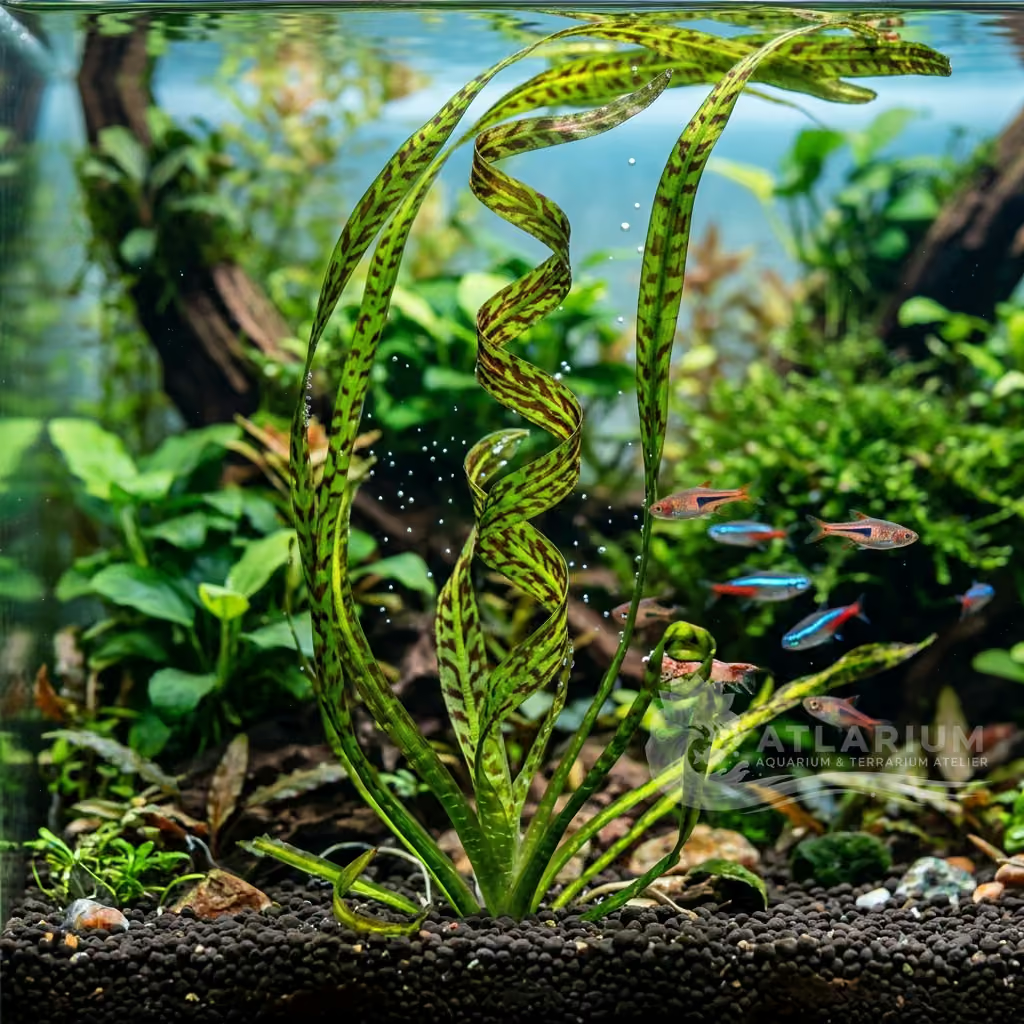
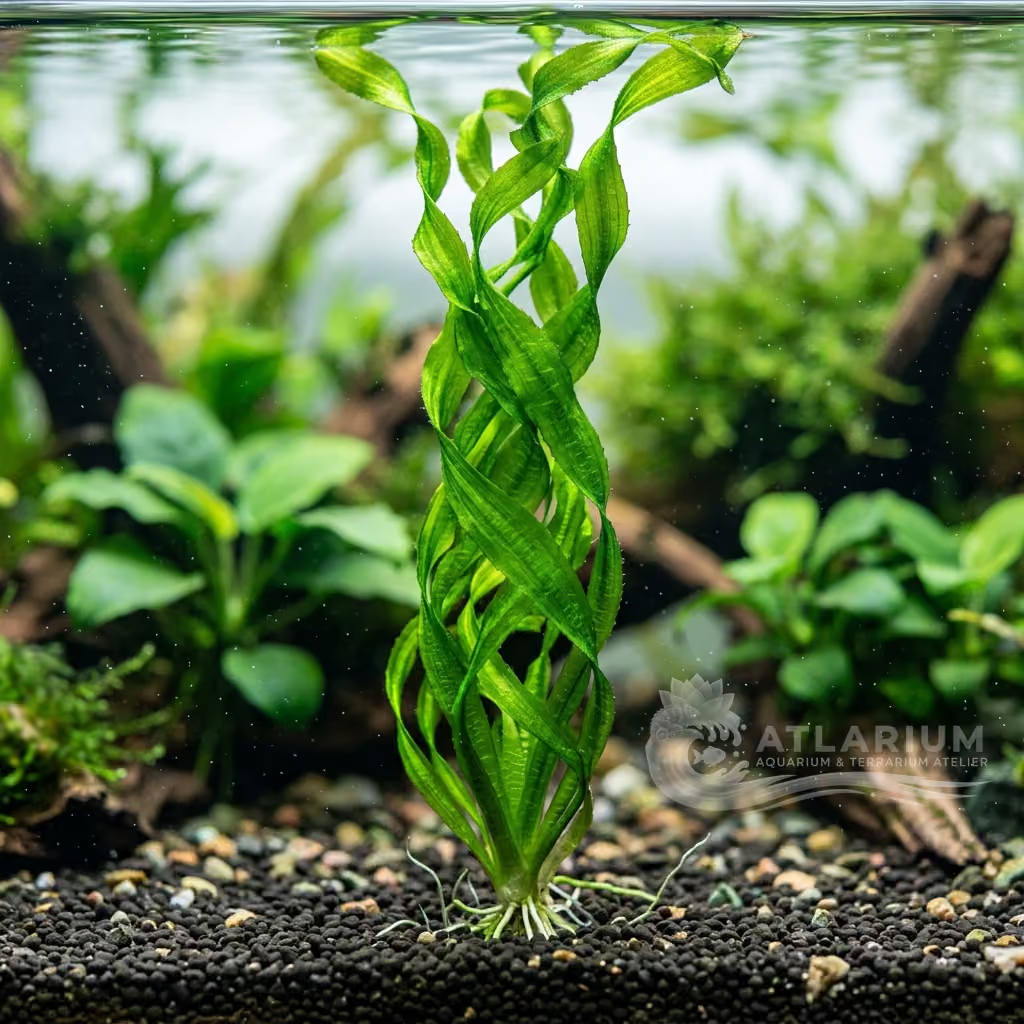
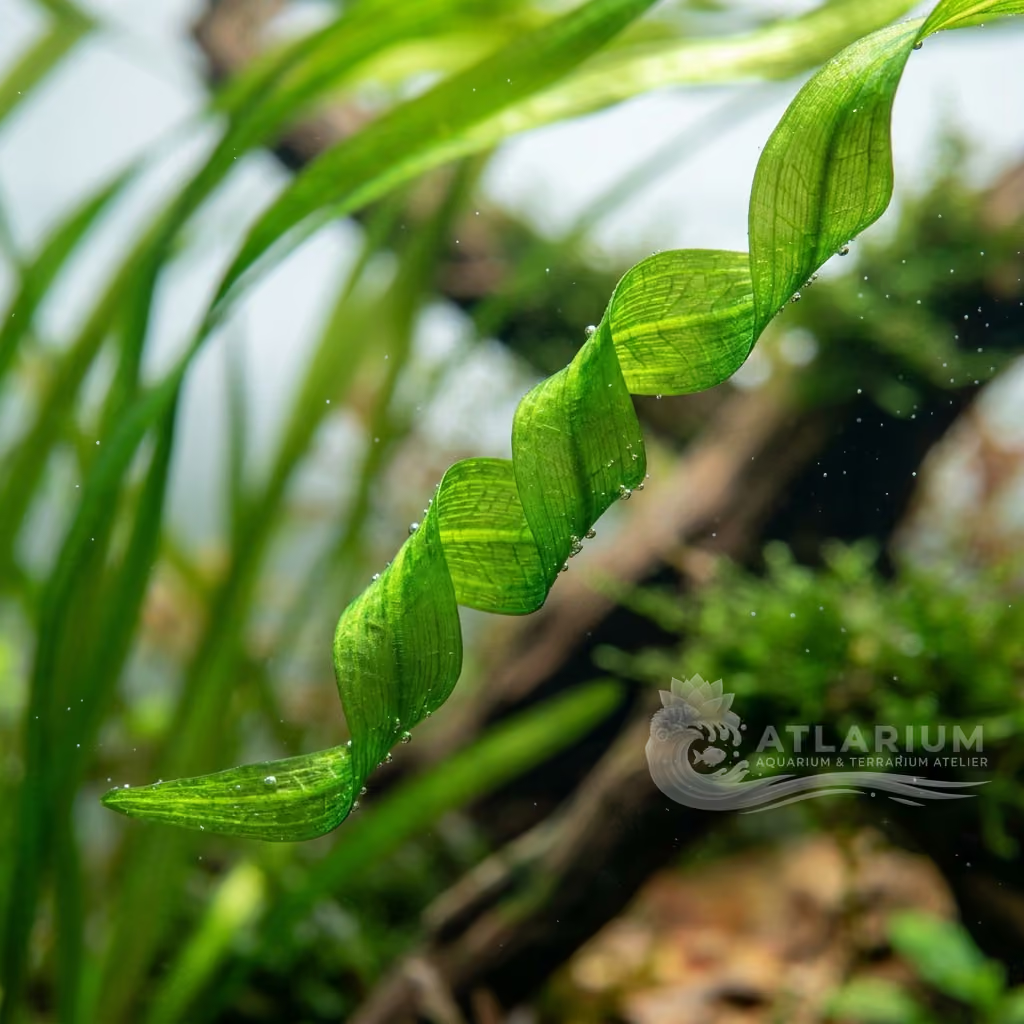
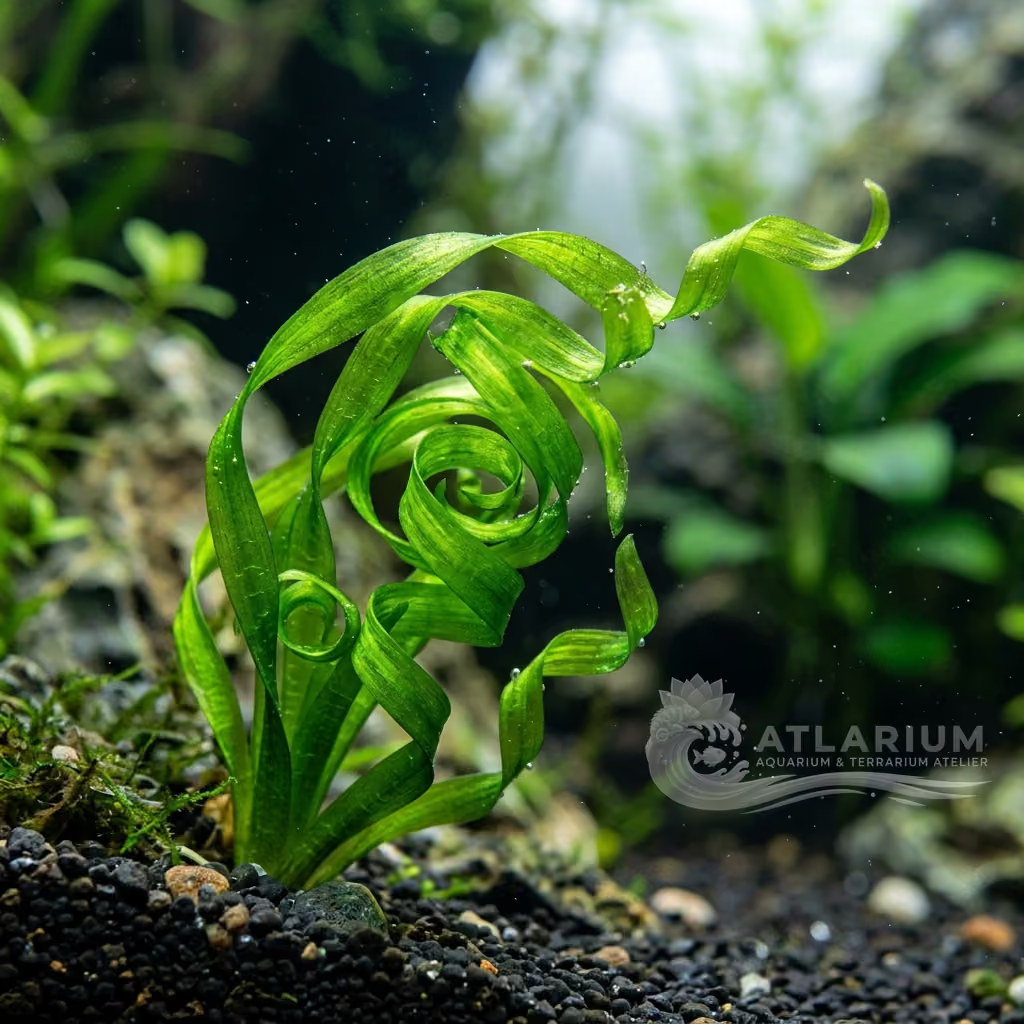
Vallisneria spiralis "Tortifolia" is a fast-growing, versatile aquarium plant ideal for midground placement, adding dynamic visual interest. Its uniquely twisted, ribbon-like leaves create a captivating and active appearance within the aquascape.
Water Temperature
5 - 30 °C
pH Value
6 - 8
Water type
Freshwater
Light
Medium to High
CO2
Low - High
Expected height
50 cm
KH
2 - 21 dKH

Species description
Geographical Origin and Habitat: The genus Vallisneria is widely distributed across tropical and subtropical regions globally, but "Tortifolia" is a cultivated variety, not a wild species with a specific geographical habitat. This particular cultivar was developed in aquaculture for its distinctive spiraled leaves. Nevertheless, it shares the genus's preference for still or slow-moving waters, rooting itself in muddy or sandy substrates. Its adaptability makes it suitable for a broad range of aquatic conditions in captivity.
Taxonomy & Genetics: Belonging to the Hydrocharitaceae family, Vallisneria spiralis "Tortifolia" is a cultivar of the Vallisneria genus, closely related to other aquatic species. Hydrocharitaceae are known for their submerged or floating plants, which primarily reproduce vegetatively through runners. This specific "Tortifolia" was selected for its unique morphological characteristics rather than its natural genetic origins. Its classification underscores its nature as a fully aquatic plant, essential to the ecosystem of its environment.
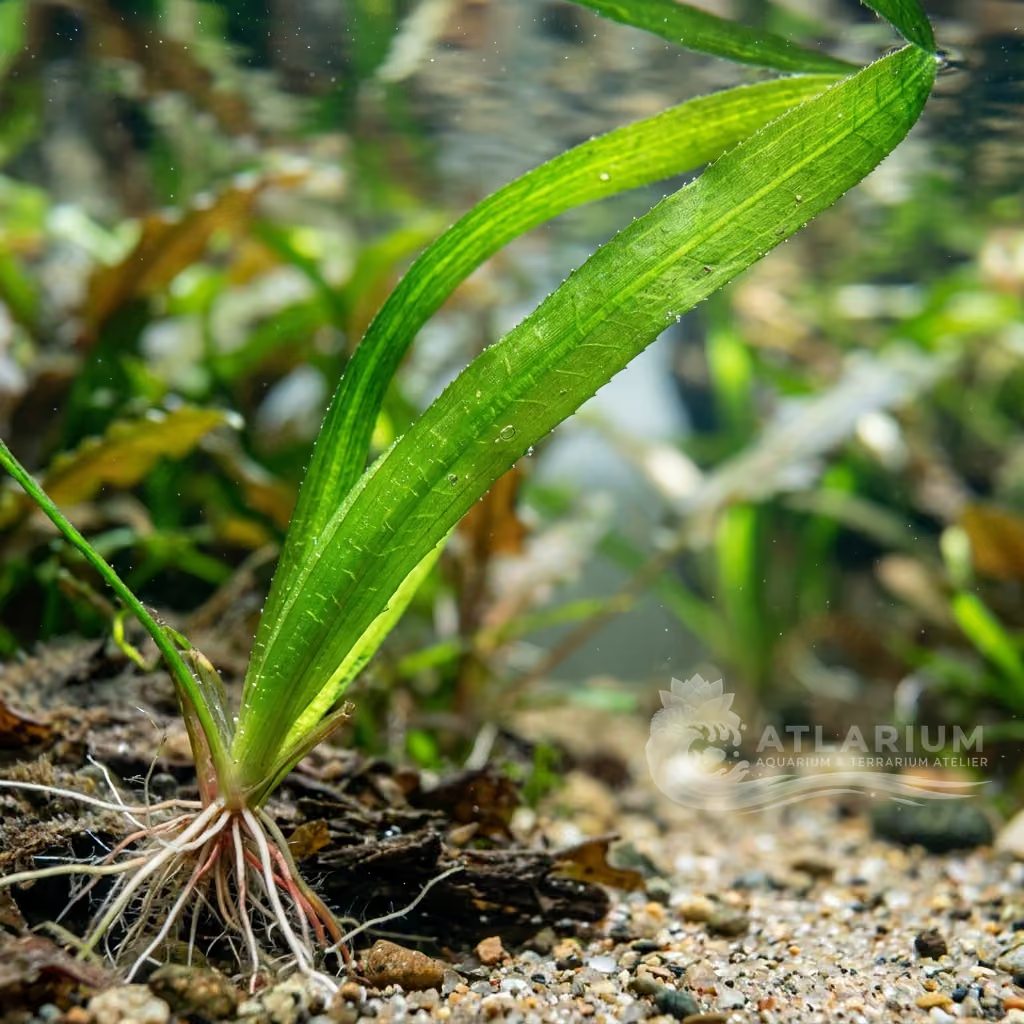
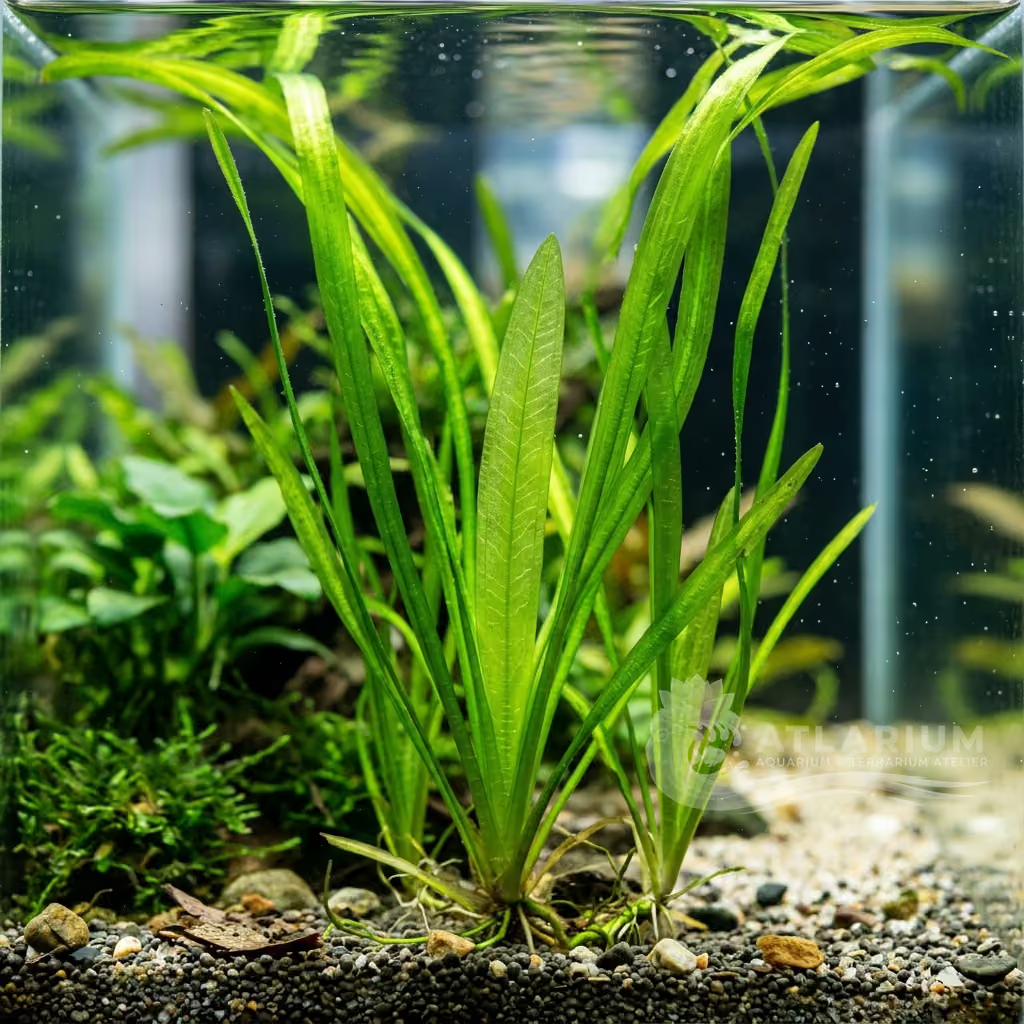
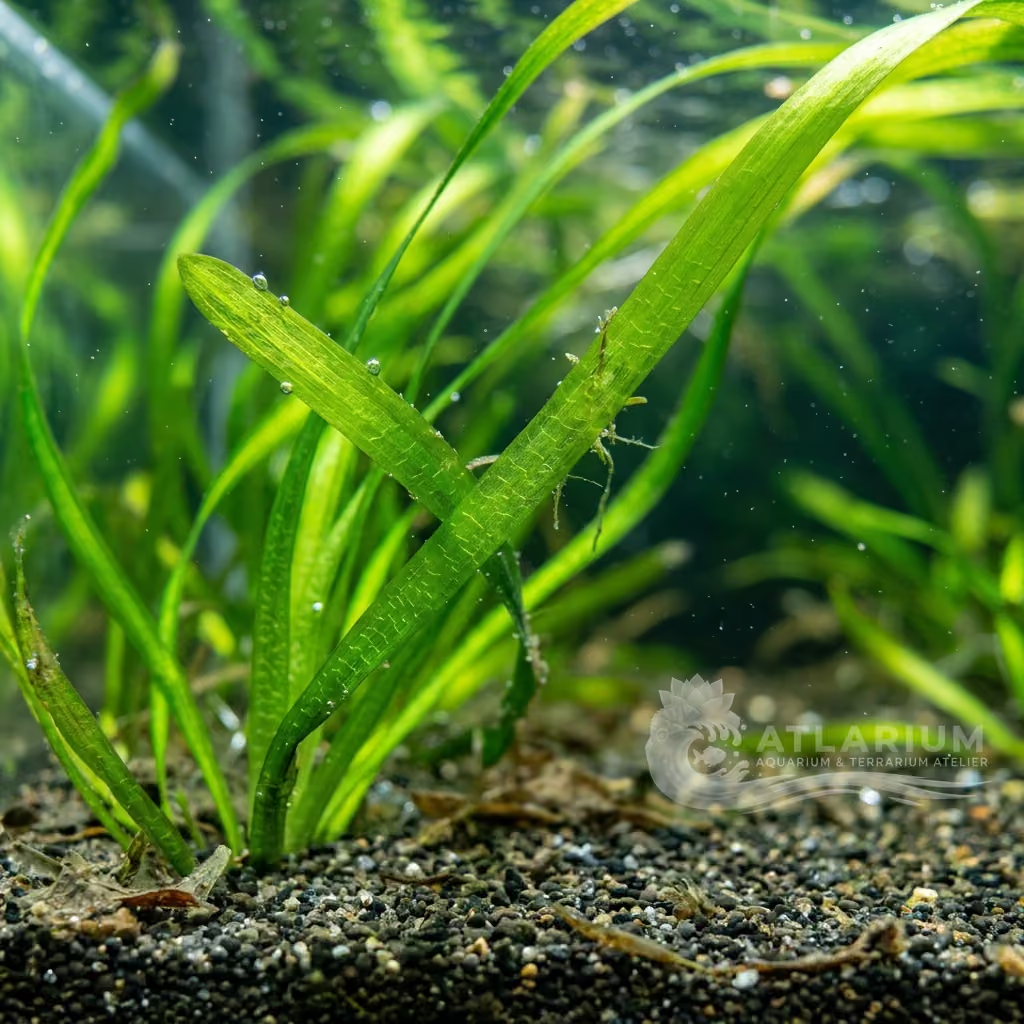
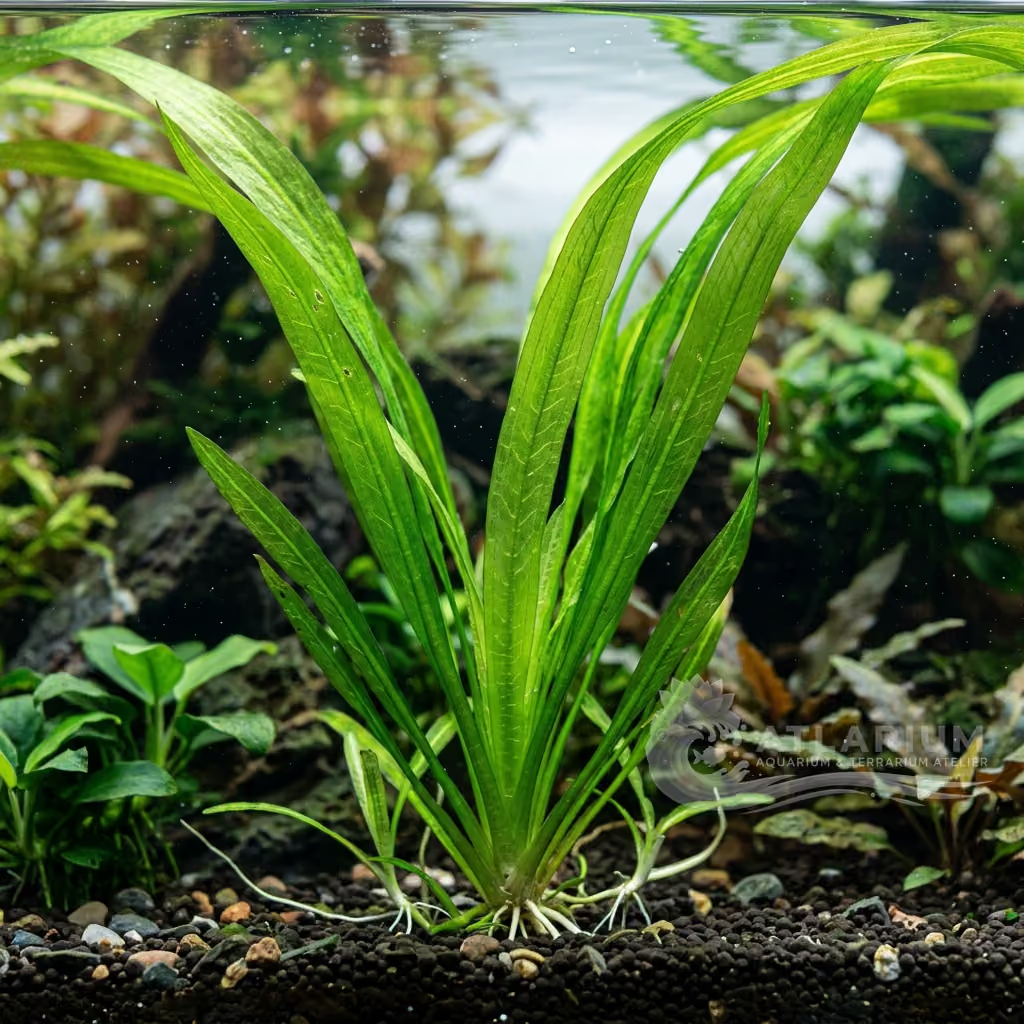
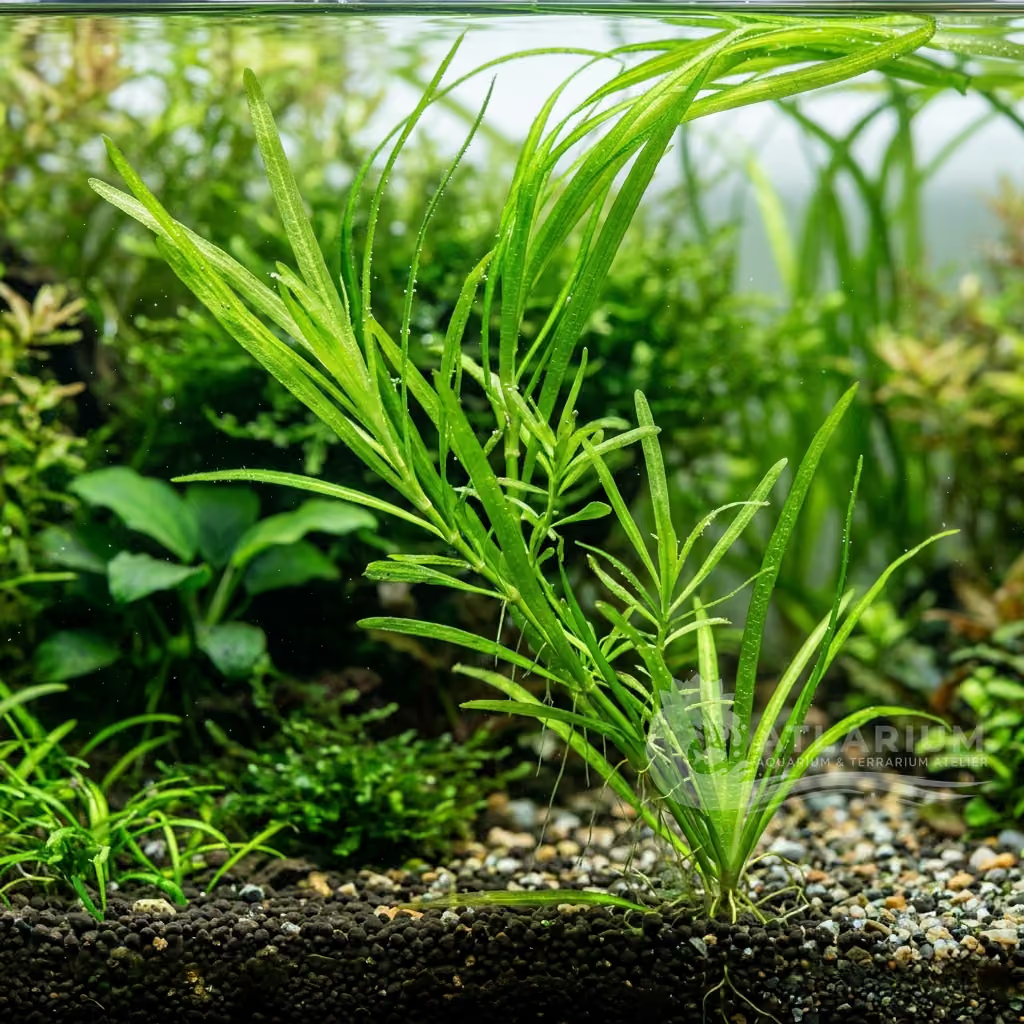
Physical Structure: Vallisneria spiralis "Tortifolia" forms a basal rosette from which long, ribbon-like leaves emerge. Its distinctive feature is the helical and wavy growth of its leaves, imparting a dynamic and twisted appearance to the entire plant. The leaves can reach considerable heights depending on conditions, making it suitable for both midground and background placement in the aquarium. It reproduces rapidly via runners that extend through the substrate, producing new daughter plants.
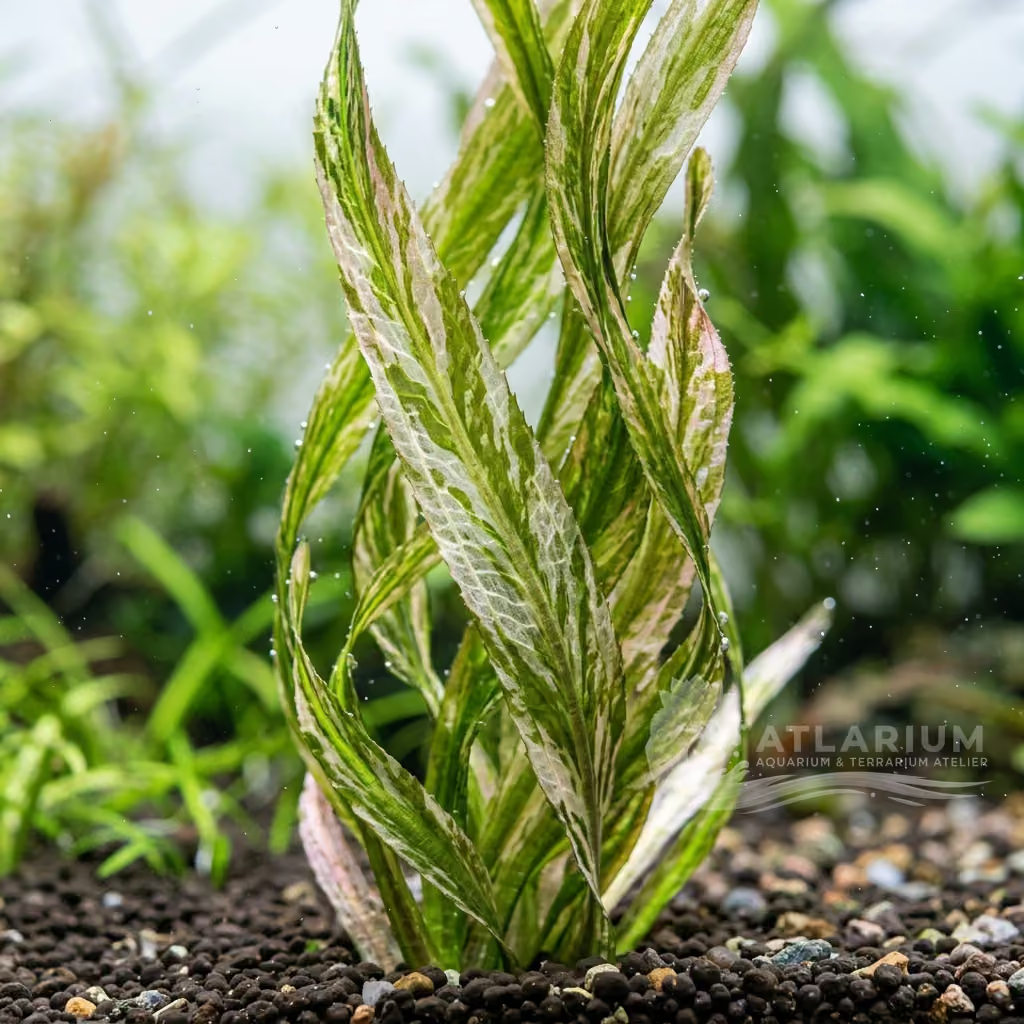
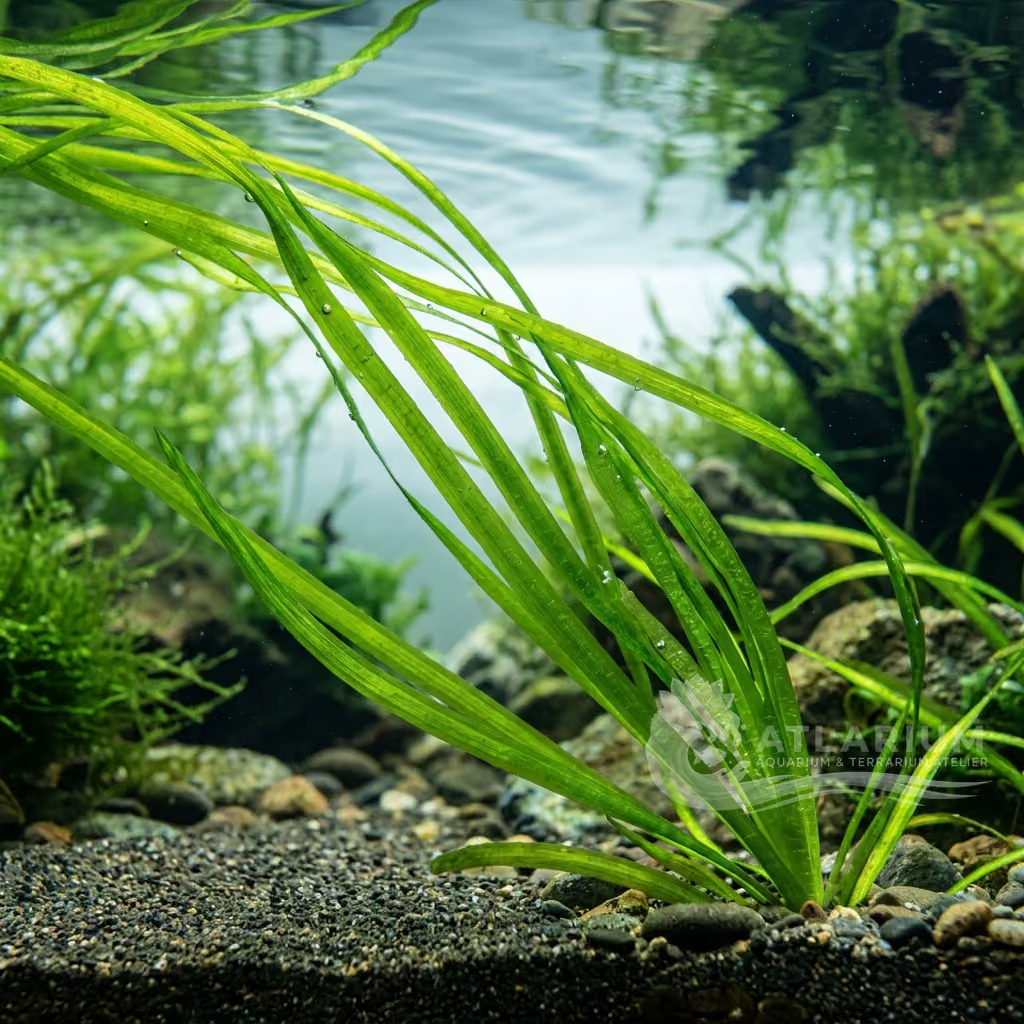
Color & Texture: The leaves of Vallisneria spiralis "Tortifolia" display a vibrant, bright green coloration, which can vary in intensity depending on lighting and nutrient availability. Their surface is smooth and slightly translucent, allowing light to gently filter through. The distinguishing characteristic is their flexible texture and unique spiral pattern, which creates an interesting play of light and shadow and a sense of movement within the aquascape. These contorted leaves add visual depth and a significant aesthetic contrast compared to straight-leaved plants.

Care, breeding and tankmates
Lighting & CO2: For optimal growth, Vallisneria spiralis "Tortifolia" requires medium to high lighting; insufficient light can slow growth and cause leaves to fade. CO2 injection is not strictly necessary but significantly promotes more robust and rapid growth. In aquariums with high lighting and CO2, the plant will thrive, displaying more vibrant colors and accelerated spreading. It is crucial to balance light intensity with nutrient availability to prevent algal growth.
Nutrition & Substrate: As a strong root feeder, Vallisneria spiralis "Tortifolia" greatly benefits from a nutrient-rich substrate or the addition of fertilizer tabs directly beneath its roots. Liquid fertilization can further support growth by providing essential micronutrients absorbed through the leaves. An inert substrate combined with root fertilization is sufficient, but a nutritious bottom layer will help establish new colonies quickly. Ensuring a good iron supply prevents yellowing of the leaves.
Water Chemistry: Vallisneria spiralis "Tortifolia" is remarkably tolerant of a wide range of water chemistry parameters, making it suitable for various aquarium setups. It can thrive in temperatures ranging from 5.0 to 30.0°C, although growth is more vigorous in warmer waters. Acceptable pH values range from 6.0 to 8.0, while carbonate hardness (KH) can be between 2.0 and 21.0. This flexibility makes it an excellent choice for aquarists of all experience levels.
Space Management & Placement: With its fast growth and potential height, Vallisneria spiralis "Tortifolia" is ideal for the midground, where its twisted leaves can create a dynamic focal point. In larger aquariums, it can also be used for the background, forming a dense plant wall. As it propagates vigorously via runners, it is important to provide adequate space for its expansion or actively manage its spread. Planting groups with some spacing will allow them to form a beautiful colony.
Pruning: Pruning Vallisneria spiralis "Tortifolia" primarily aims to contain its growth and maintain the desired aesthetic. Older, outer leaves, or those showing signs of deterioration, should be gently removed at the base with sharp scissors. Runners with new daughter plants can be cut once the new plants have developed a sufficient root system and at least three or four leaves, to be replanted or shared. This helps prevent excessive density and promotes healthy growth.
Risks & Diseases: Vallisneria spiralis "Tortifolia" is generally robust but can experience "melt" if water conditions change drastically or if exposed to aggressive chemicals. Leaves can also become prone to filamentous algae under unbalanced light and nutrient conditions. Regularly monitoring water parameters and providing balanced fertilization are key steps to prevent most problems. It is also sensitive to copper and other heavy metals, so caution is advised with fish medications or algae treatments.

Geographic origin and distribution
The genus Vallisneria is widely distributed across tropical and subtropical regions globally, but "Tortifolia" is a cultivated variety, not a wild species with a specific geographical habitat. This particular cultivar was developed in aquaculture for its distinctive spiraled leaves. Nevertheless, it shares the genus's preference for still or slow-moving waters, rooting itself in muddy or sandy substrates. Its adaptability makes it suitable for a broad range of aquatic conditions in captivity.
Origin
Selective breeding and cultivars

Plant profile
- Placement
- Midground
- Due to its potential size, Vallisneria spiralis "Tortifolia" is best suited for the background of the aquarium. Its tall leaves can reach the surface and beautifully trail along the water flow. It provides excellent shelter for shy fish species and breeding pairs. Placing it in groups creates a stunning, natural-looking aquatic jungle.
- Botanical form
- Rosette
- This plant features long, ribbon-like foliage characteristic of the genus. Its leaves originate from a central basal rosette, growing upwards towards the light. The beautifully twisted, corkscrew-like foliage make it a captivating focal point in any layout. The slightly translucent quality of the leaves adds depth to the aquascape.
- Growth
- Fast
- Vallisneria spiralis "Tortifolia" exhibits a fast to very fast growth rate under optimal conditions. Once acclimated, it quickly sends out runners to colonize available space. CO2 injection and strong lighting can further accelerate this explosive growth. Regular maintenance is required to prevent it from overtaking slower-growing plants.
- Substrate
- High
- Vallisneria spiralis "Tortifolia" possesses a strong root structure that performs best in a fine to medium-grained substrate spanning 2 to 3 inches in depth. It actively draws most of its essential nutrients through its roots, making a rich aquasoil the ideal medium for promoting its characteristic spiraling leaves. When utilizing inert gravel or sand, the frequent insertion of root fertilizers is essential to sustain its high nutritional requirements. A generous substrate depth also facilitates the unimpeded spread of lateral runners.
- Column fertilization
- Recommended
- Water column dosing of liquid fertilizers is beneficial for Vallisneria spiralis "Tortifolia". It readily takes in dissolved potassium, iron, and trace elements through its leaves. A balanced all-in-one liquid fertilizer applied weekly ensures the leaves remain vibrant and healthy. Avoid copper-based medications as they can harm the plant.
- Root fertilization
- Required
- Root fertilization is extremely important for the long-term success of Vallisneria spiralis "Tortifolia". Inserting root tabs containing nitrogen, phosphorus, and iron near the base promotes thick root development. A rich soil substrate like aquasoil will provide sustained nourishment over many months. This prevents the leaves from melting and supports the production of healthy runners.
- Trimming
- Occasional
- Trimming Vallisneria spiralis "Tortifolia" requires cutting the longest leaves near the base of the plant. Avoid cutting the leaves mid-way, as the cut ends will eventually decay and turn brown. Regularly remove old, decaying, or algae-covered leaves to maintain the aesthetic appeal. Managing the runner network by snipping connecting stems keeps the spread in check.
- Propagation
- Runners
- Propagation of Vallisneria spiralis "Tortifolia" occurs naturally and rapidly via side shoots or runners. A healthy parent plant will send out numerous runners across the substrate. Once a new plantlet develops several leaves and its own root system, the connecting runner can be severed. These new plantlets can then be relocated to other areas of the aquarium.
- Sensitivity
- Moderate
- Vallisneria spiralis "Tortifolia" is notoriously sensitive to liquid carbon supplements like glutaraldehyde. Overdosing these chemicals can lead to immediate and severe leaf melt. It also prefers stable water parameters and may suffer during extreme fluctuations in pH or temperature. Ensuring good water flow helps prevent detritus buildup at the basal rosette.
- Layout role
- Midground, Background, accent
- Vallisneria spiralis "Tortifolia" is an archetypal background plant that adds verticality and motion to the layout. Its gracefully arching leaves create a soothing, natural curtain along the back glass. It is highly effective at hiding equipment such as heaters and filter intakes. By letting the beautifully twisted, corkscrew-like foliage flow at the surface, it provides a shadowed, tranquil environment below.

Related species
Recommendations grouped by close relatives, companion choices, and similar care.