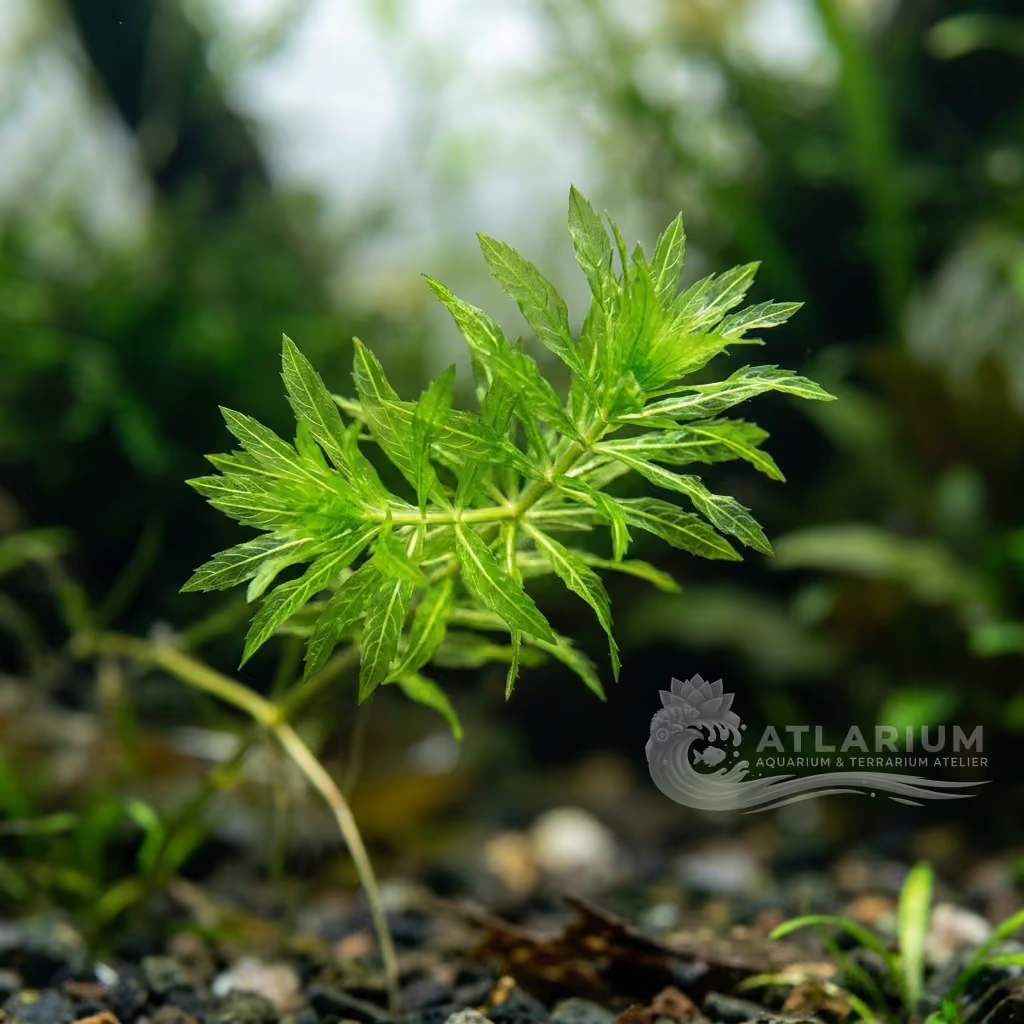
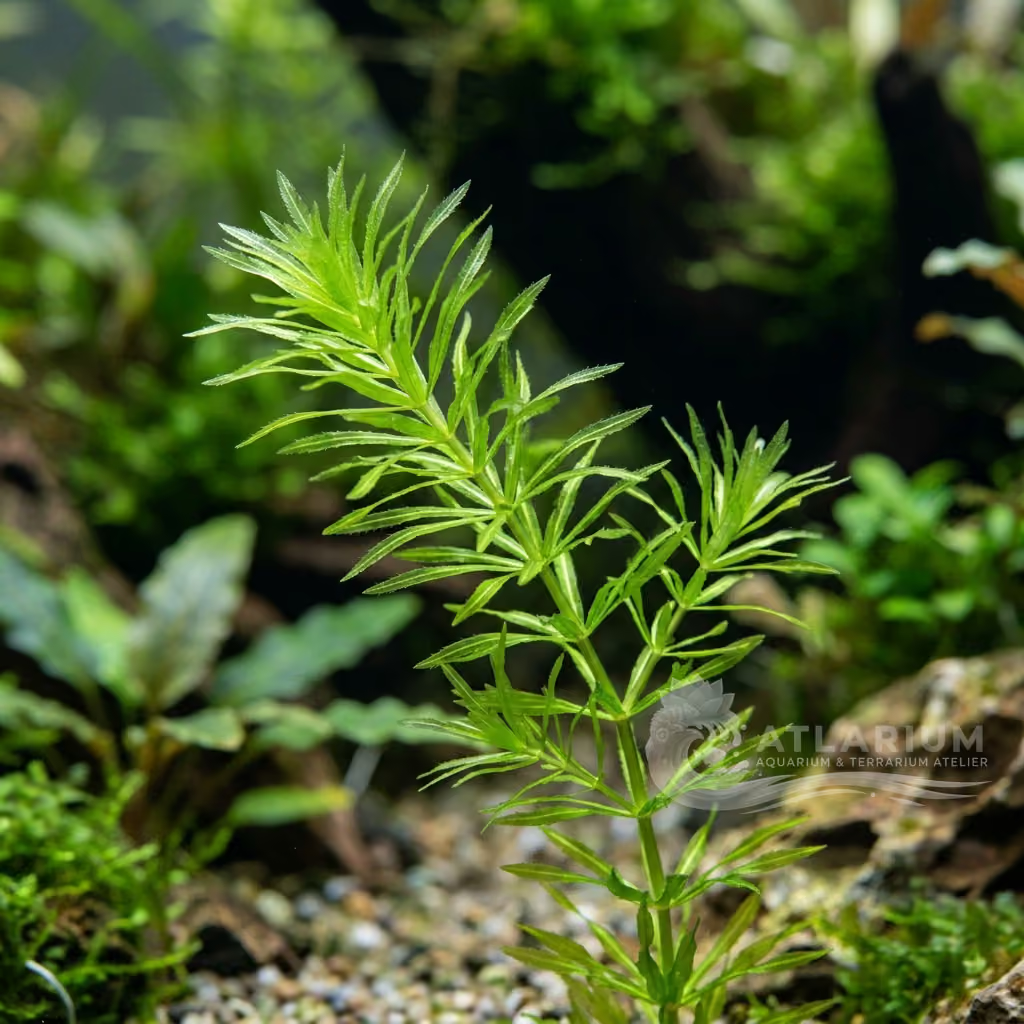
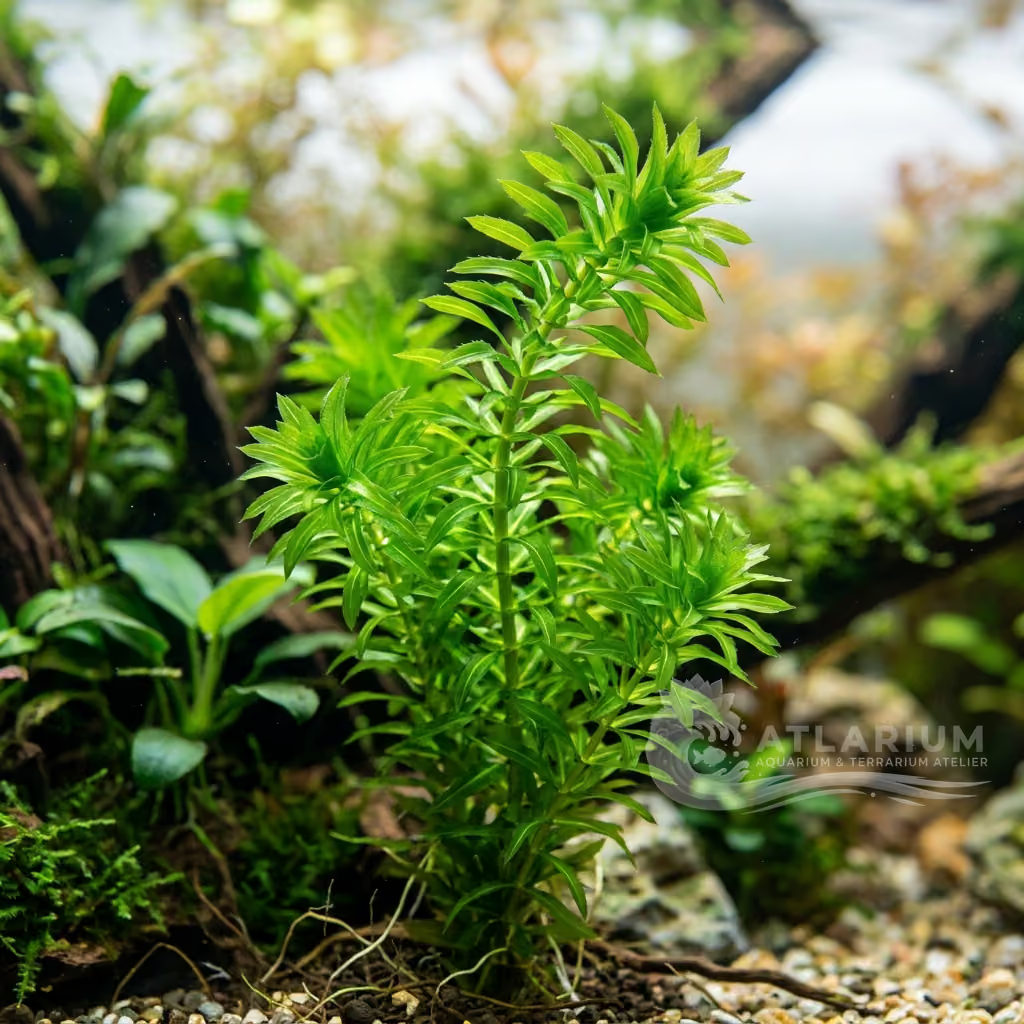
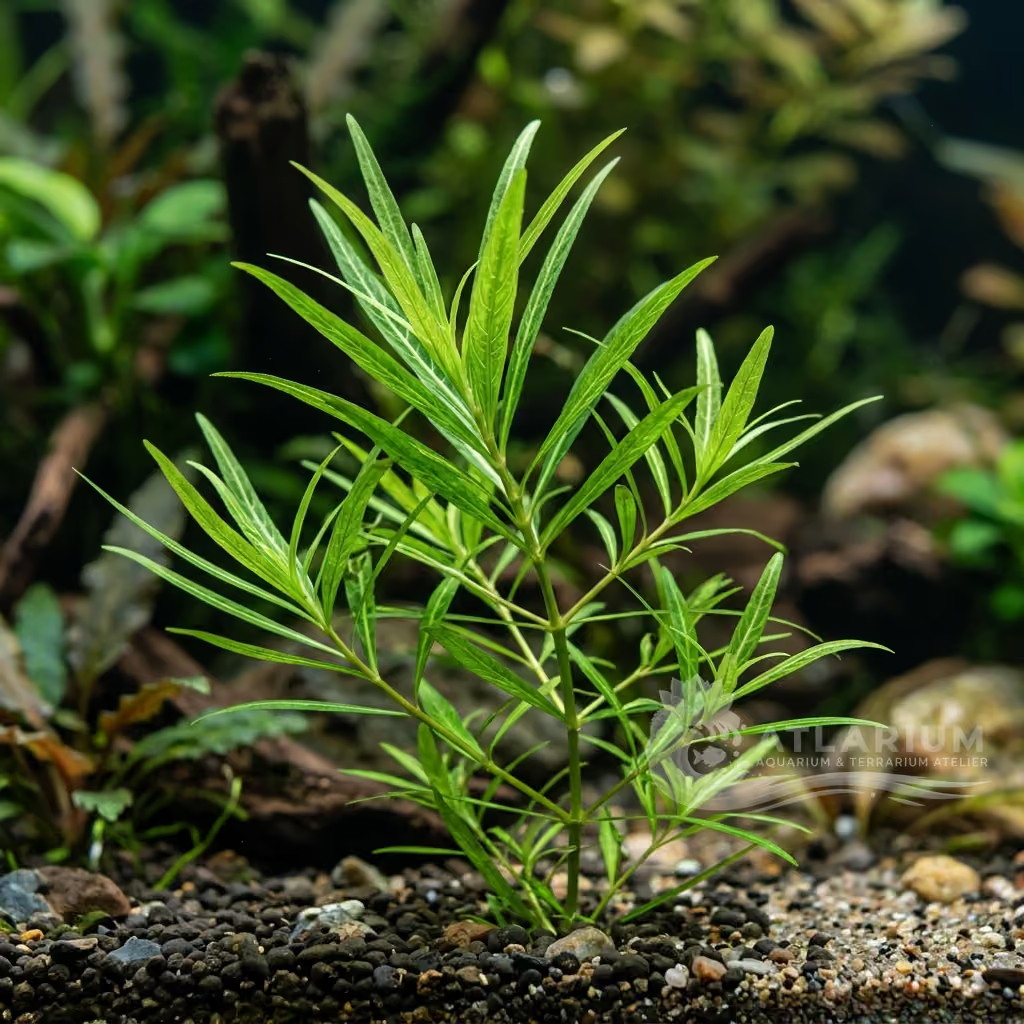
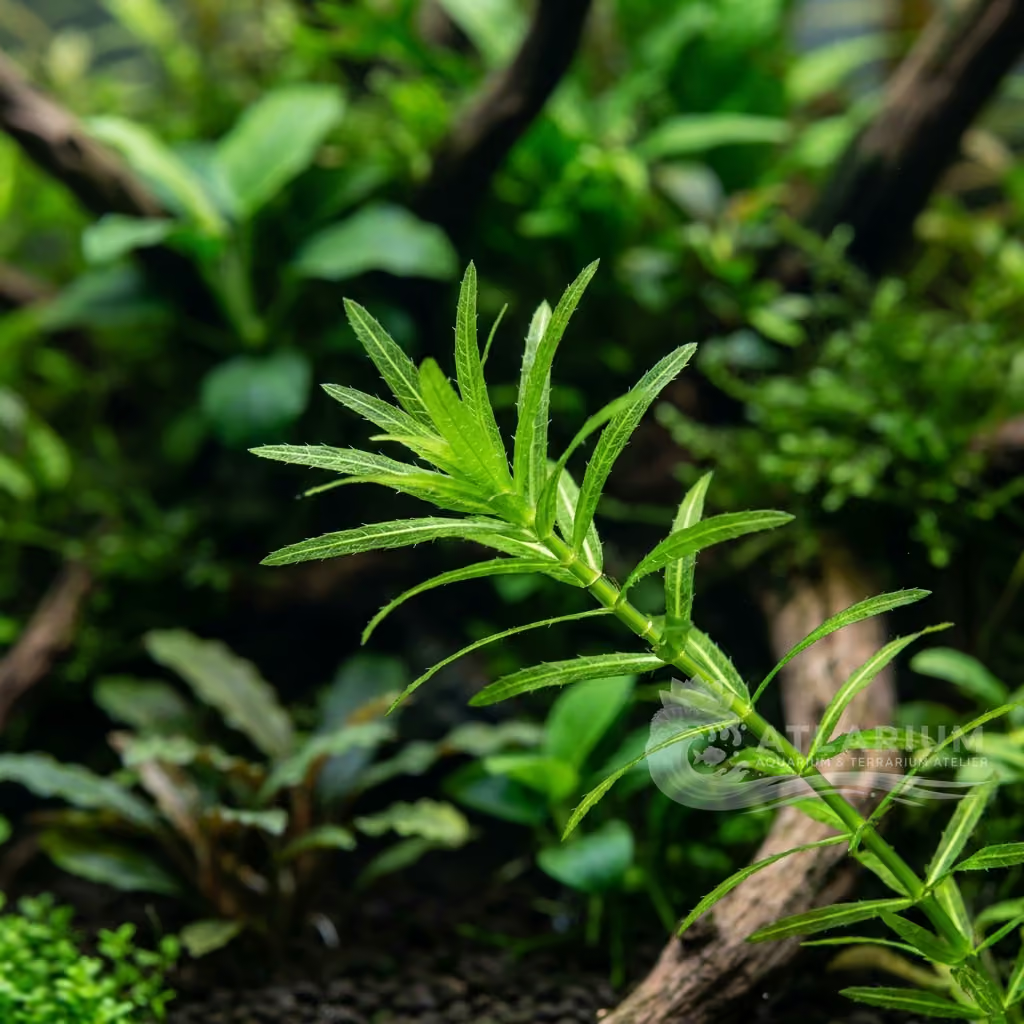
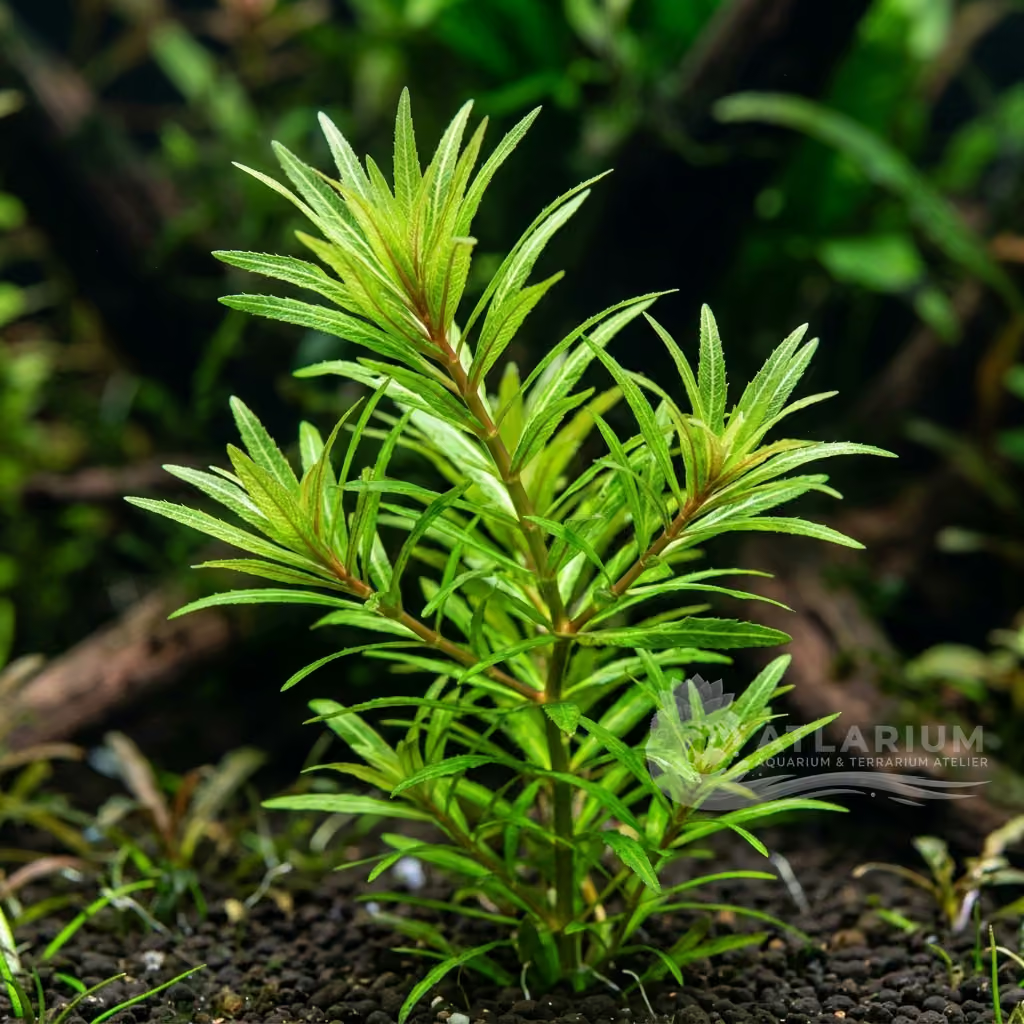
Blyxa aubertii "Red"
Blyxa aubertii
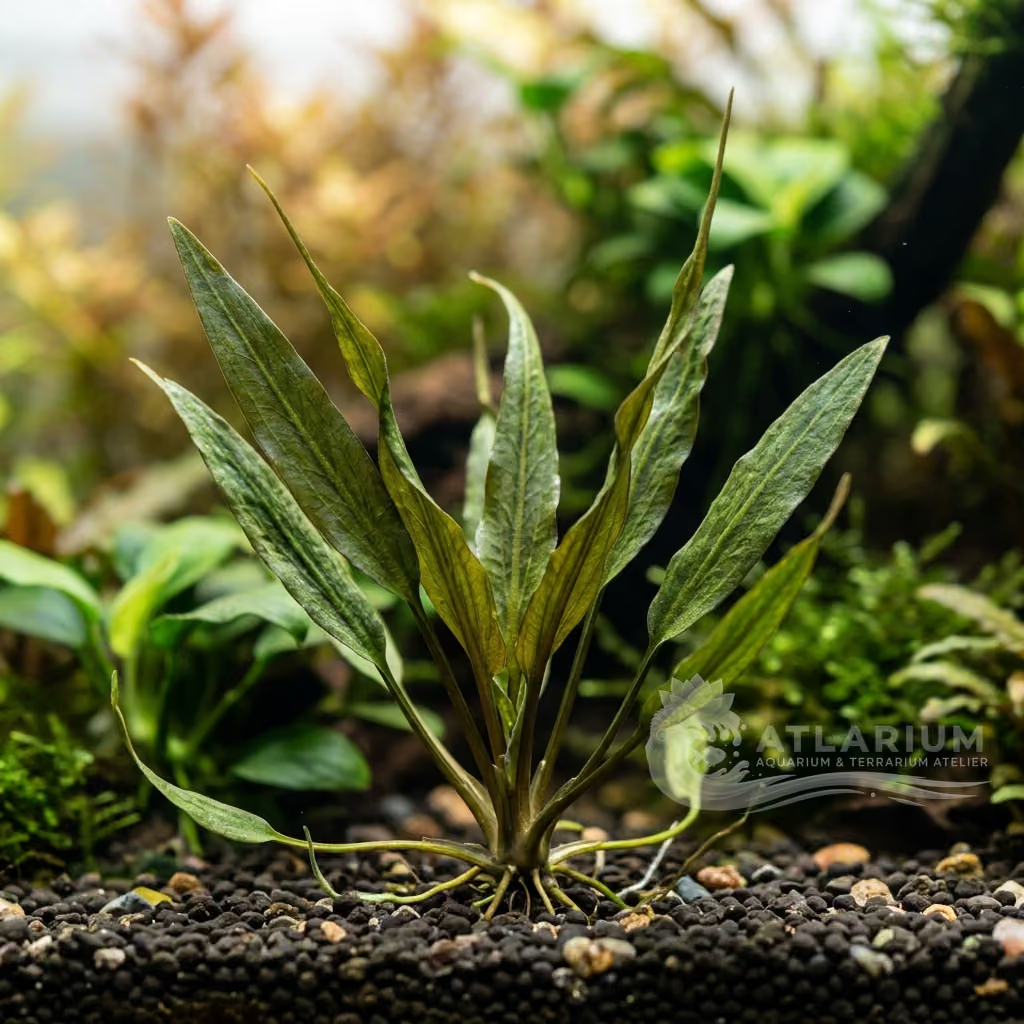
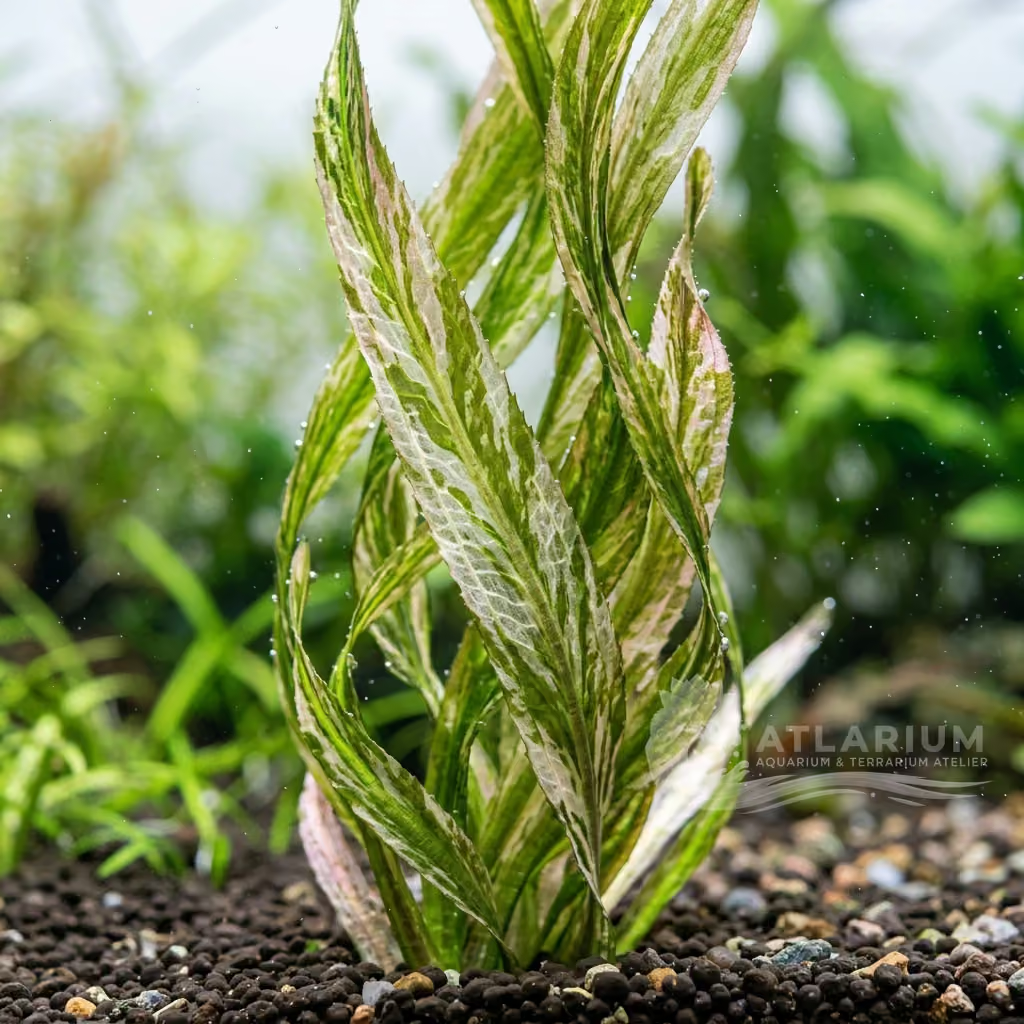
A stunning red-leafed variant of Blyxa aubertii, distinguished by coppery tones and long ribbon-like foliage. Moderate growth suited for backgrounds.
Water Temperature
16 - 32 °C
pH Value
5 - 7.5
Water type
Freshwater
Light
Medium - High
CO2
Medium - High
Expected height
35 cm
Expected width
20 cm
GH
4 - 15 dGH
KH
0 - 14 dKH

Species description
Geographical Origin and Habitat: This red-leafed variant of Blyxa aubertii originates from the warm, tropical zones of Southeast Asia, northern Australia, and East Africa. In the wild, it grows strictly submerged in calm or slow-moving freshwaters, such as shallow pools, marshes, rice fields, and sunlit stream banks. It thrives in muddy, nutrient-rich substrates where direct sunlight can reach its leaves, triggering the production of red pigments.
Taxonomy & Genetics: Belonging to the family Hydrocharitaceae and the genus Blyxa, the "Red" cultivar is a natural genetic selection known for producing anthocyanin pigments under high light. Unlike other Blyxa species which have short stems, Blyxa aubertii grows strictly as a stemless rosette. It propagates vegetatively by producing offsets at the base or sexually via tiny submerged flowers under ideal conditions.
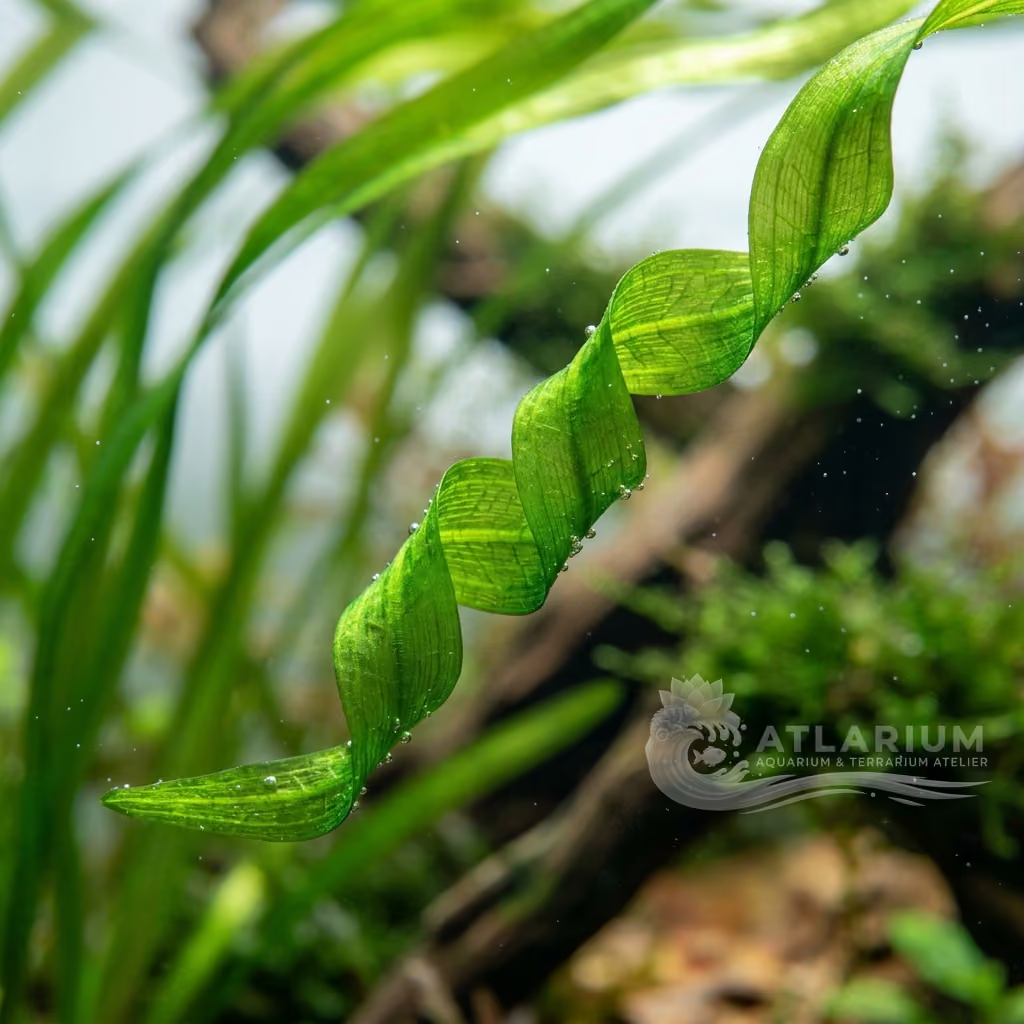
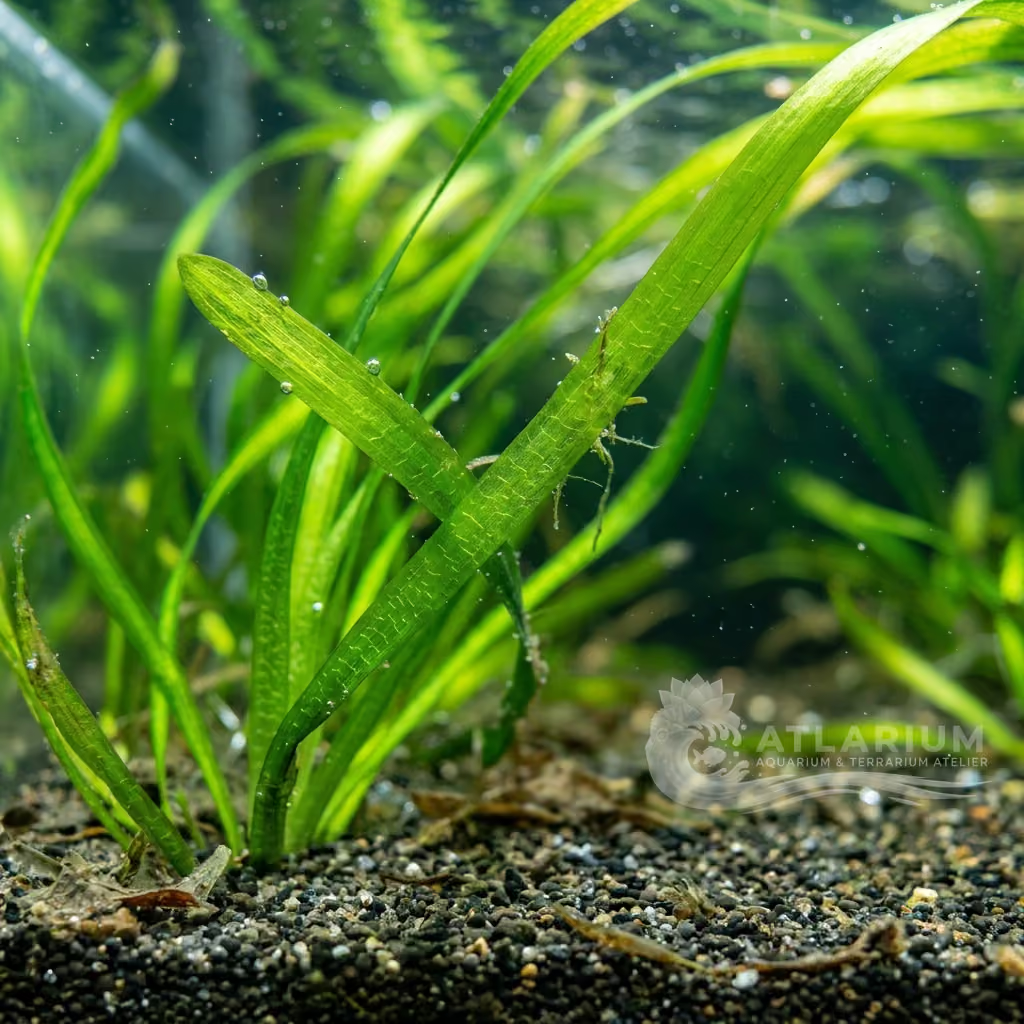
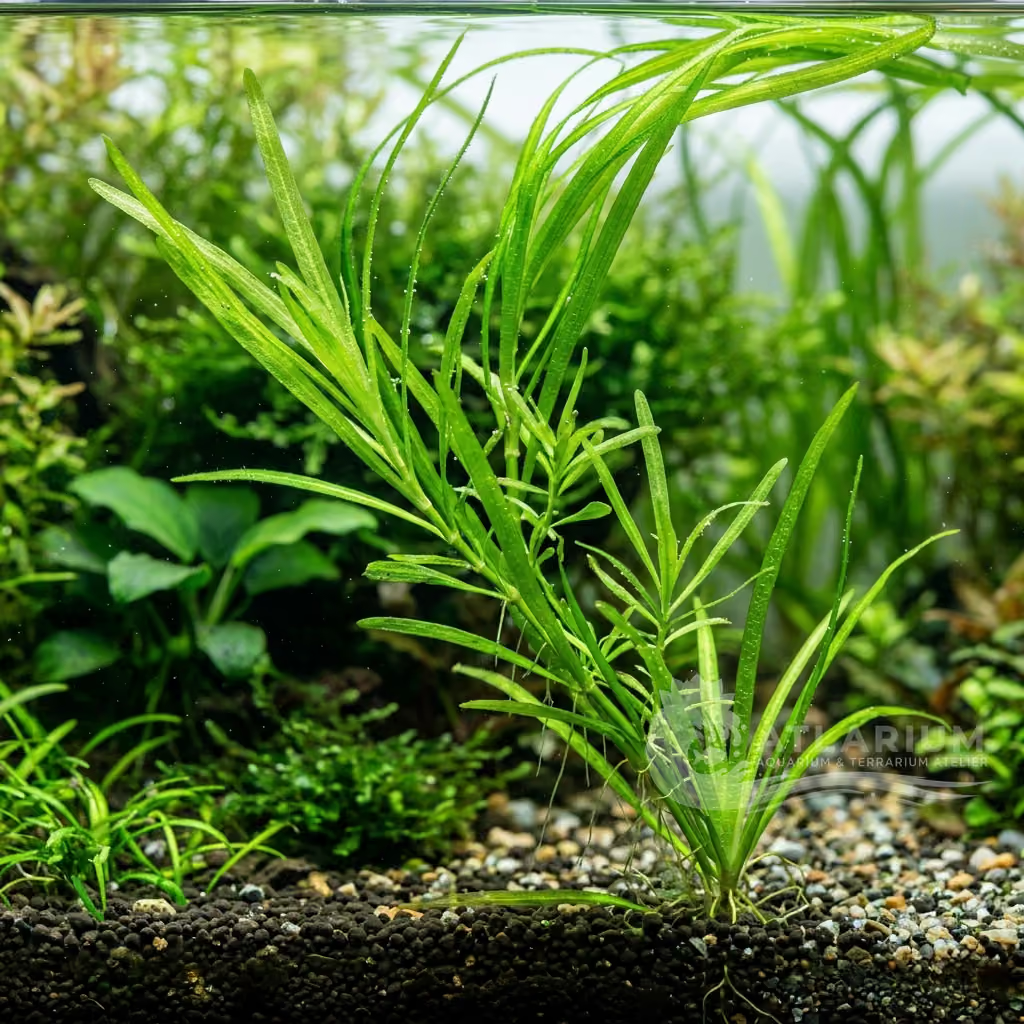
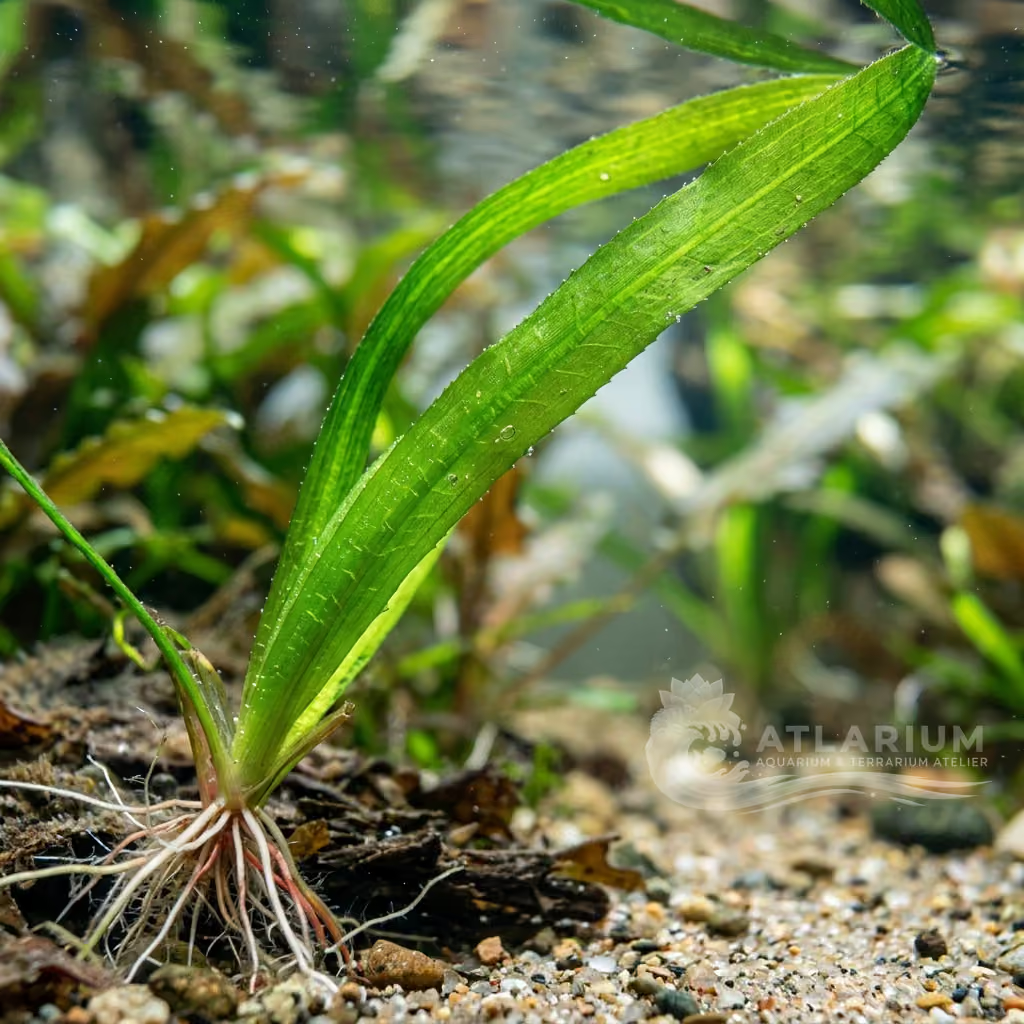
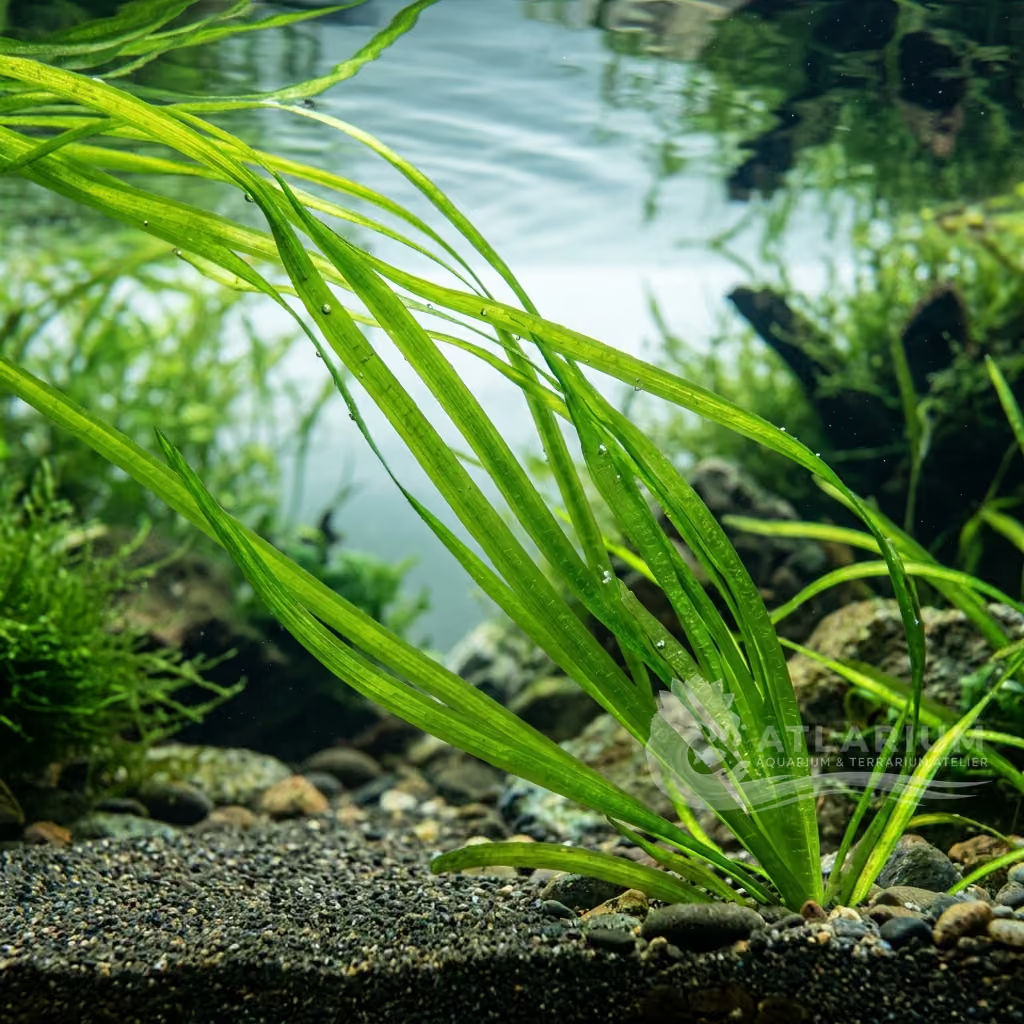
Physical Structure: The plant features a classic rosette structure with no visible stem. Leaves are long, narrow, ribbon-like, and pointed, growing outward from a central crown. They can reach lengths of 30 to 40 cm in the aquarium, making it a prominent focal plant. The root system is highly developed, featuring thick white roots that anchor deep into the substrate.
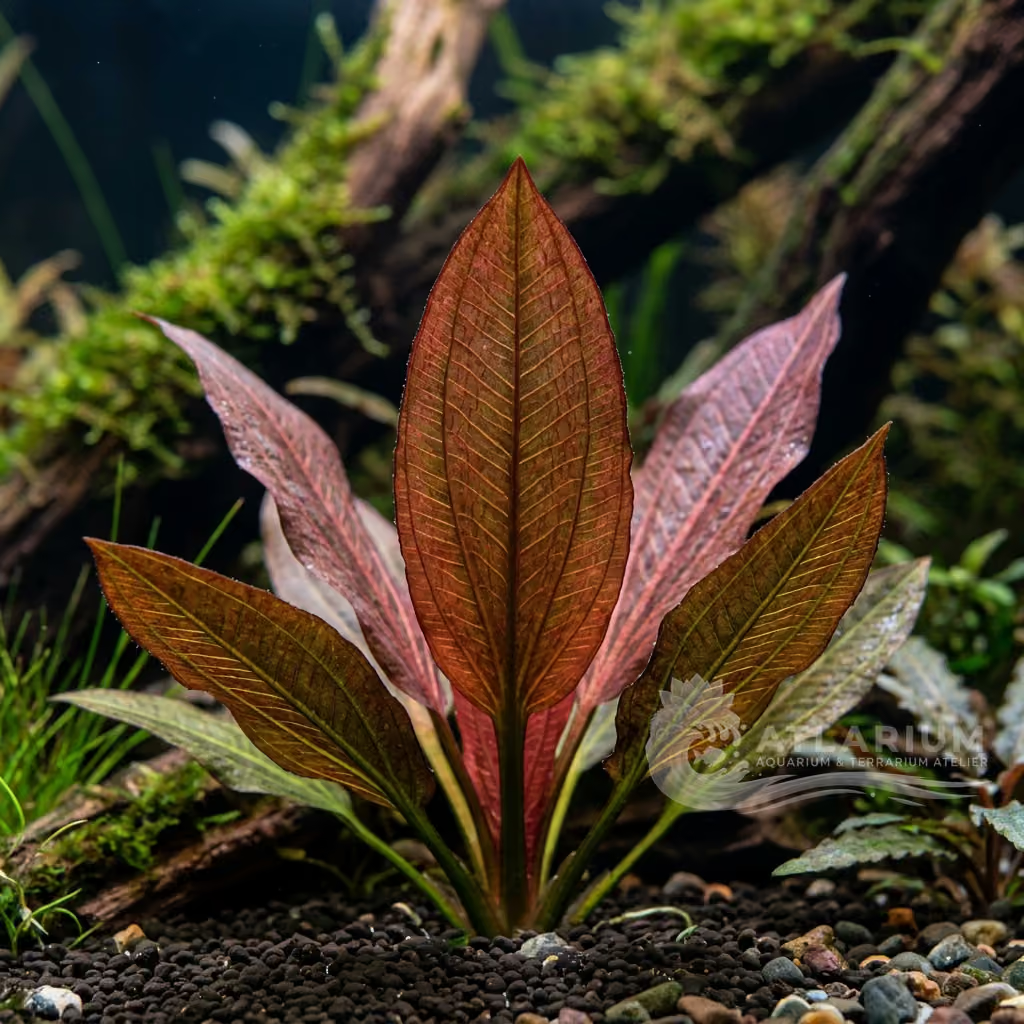
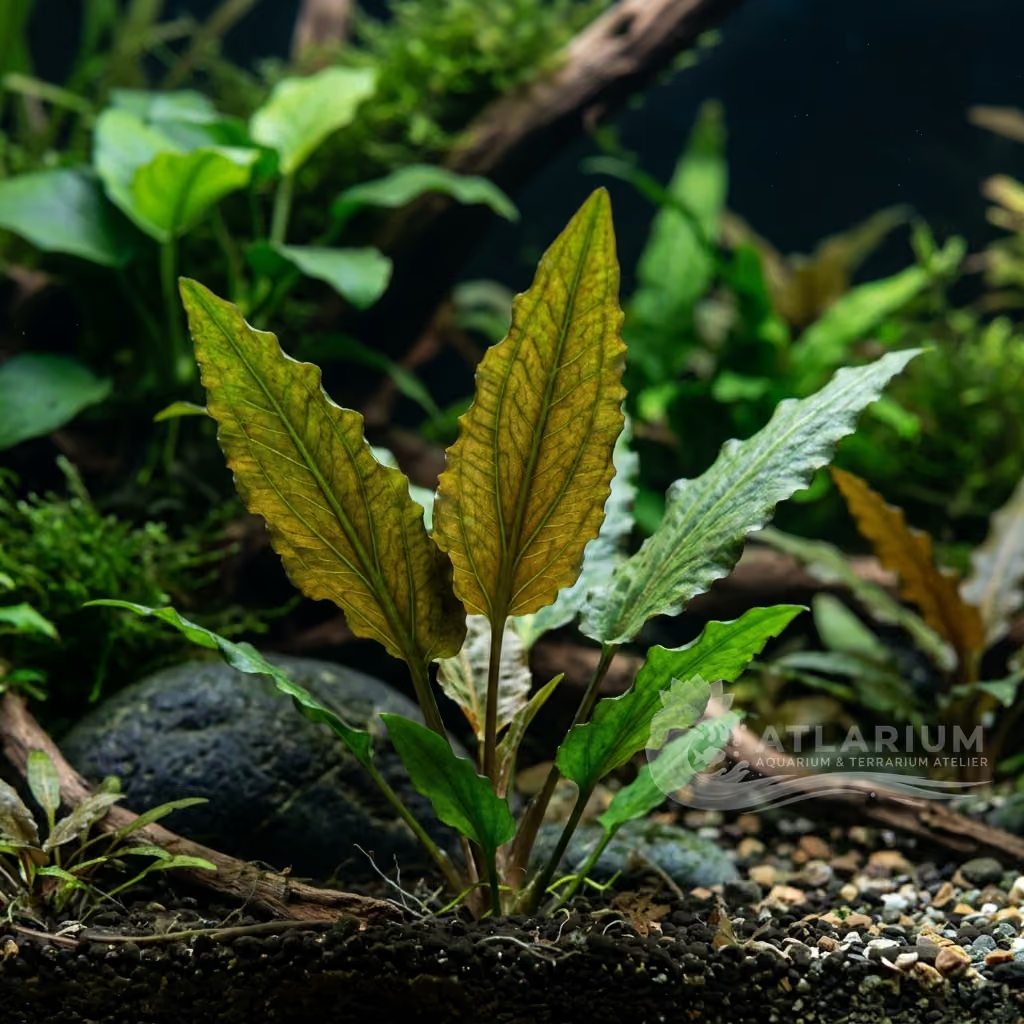
Color & Texture: Leaves exhibit a coloration that ranges from coppery green to deep reddish-brown or dark violet under intense lighting. The leaf texture is thin, translucent, and glass-like, making the leaves fragile and susceptible to physical damage from handling or active fish. Underwater, the long leaves sway gracefully, creating a light and dynamic display.

Care, breeding and tankmates
Lighting & CO2: Requires high light levels to develop and maintain its red coloration. Under weak lighting, the plant will turn green and lose its outer leaves. CO2 injection is highly recommended to promote healthy growth and prevent the crown from melting.
Nutrition & Substrate: This species is a heavy root feeder and demands a nutrient-rich substrate. An active soil substrate or root tabs enriched with iron and nitrogen will greatly benefit growth. Weekly liquid dosing with microelements and iron is recommended to maintain deep red colors.
Water Chemistry: Prefers soft to moderately hard water with a KH range of 0 to 14 dKH and a pH of 5.0 to 7.5. It is sensitive to high organic waste and water column pollutants, requiring efficient filtration and regular water changes. The suitable temperature range is 16°C to 32°C.
Space Management & Placement: Due to the length of its ribbon-like leaves, it is best placed in the midground or background of medium to large aquariums. It should be positioned where it receives unobstructed lighting and is not shaded by taller plants.
Pruning: Pruning consists of removing older, damaged, or decaying outer leaves by cutting them close to the base of the crown. When the rosette produces side offsets, the entire plant can be gently uprooted, divided, and the offsets replanted individually.
Risks & Diseases: Iron and light deficiencies are the primary risks, causing the leaves to turn pale and the crown to decay. The leaves are very delicate and break easily if disturbed. Sudden changes in water chemistry can also cause leaf melting.

Geographic origin and distribution
This red-leafed variant of Blyxa aubertii originates from the warm, tropical zones of Southeast Asia, northern Australia, and East Africa. In the wild, it grows strictly submerged in calm or slow-moving freshwaters, such as shallow pools, marshes, rice fields, and sunlit stream banks. It thrives in muddy, nutrient-rich substrates where direct sunlight can reach its leaves, triggering the production of red pigments.
Origin
South and Southeast AsiaAfrica and MadagascarAustralia, New Guinea, and Oceania

Plant profile
- Placement
- Midground
- It is a striking centerpiece or midground accent plant designed to draw the eye. Because it requires intense light to color up, it must be placed in a prominent, unshaded area. It looks best when contrasted against bright green plants.
- Botanical form
- Rosette
- It shares the same large, grassy rosette form as standard Blyxa aubertii. Under strong light, its leaves develop stunning shades of orange, red, and maroon. The intensity of the color is directly correlated to light intensity.
- Growth
- Medium
- Its growth rate is generally moderate, slightly slower than the standard green variety. With a rich substrate and high CO2, it forms a dense clump over time. Patience is required for it to reach its full potential.
- Substrate
- High
- The "Red" variant of Blyxa aubertii is highly dependent on an iron-rich, nutrient-dense substrate to bring out its striking burgundy and bronze coloration. A deep bed of premium aqua soil is strictly necessary to house its massive root ball and fulfill its intense metabolic demands. Without substantial root-level fertilization, the plant will struggle to grow and its foliage will revert to a washed-out green.
- Column fertilization
- Recommended
- A comprehensive liquid dosing schedule is required, with a strong emphasis on iron and trace elements. Some aquarists find that slight nitrate limitation can further enhance the redness. Balanced nutrients are essential for overall health.
- Root fertilization
- Recommended
- A premium, highly fertile substrate is absolutely essential for this plant. Heavy root feeding with iron-rich root tabs will significantly improve its color. It draws the majority of its essential nutrients through its roots.
- Trimming
- Occasional
- Trim by selectively removing older, faded, or damaged leaves from the outer edges of the rosette. Never top the plant by cutting the leaves in half. Removing old growth encourages vibrant new leaves.
- Propagation
- Division
- Propagation is done by dividing the basal offsets that occasionally develop around the main crown. This process requires patience, as the plant does not propagate rapidly. Ensure the offsets are large enough before separating them.
- Sensitivity
- Moderate
- This is a demanding plant that quickly loses its color if conditions are less than ideal. It is highly susceptible to shading and will melt if light levels drop too low. It also requires very stable water chemistry.
- Layout role
- Midground, Background
- Its primary role is to serve as a dramatic, colorful focal point in high-tech aquascapes. It provides incredible contrast against green plants and dark hardscape materials. It is highly prized by advanced aquascapers.

Related species
Recommendations grouped by close relatives, companion choices, and similar care.