Lagarosiphon cordofanus
Lagarosiphon cordofanus
An African stem plant boasting dense, feathery foliage. Strictly aquatic, it prefers soft, warm water and requires intense light along with CO2 to maintain its delicate, erect growth form.
Water Temperature
22 - 34 °C
pH Value
5 - 7
Water type
Freshwater
Light
High
CO2
Low - High
Expected height
40 cm
GH
4 - 20 dGH
KH
0 - 10 dKH

Species description
Geographical Origin and Habitat: Lagarosiphon cordofanus is native to tropical Africa and Madagascar. It populates warm, stationary, or slowly flowing waters, clear lakes, and temporary pools. It grows completely submerged, forming dense feathery clumps in environments characterized by a low level of dissolved mineral salts.
Taxonomy & Genetics: It belongs to the family Hydrocharitaceae, genus Lagarosiphon. Physiologically, it shows a strong affinity with Heteranthera and Elodea. The leaves have very thin and translucent cell tissues lacking thick protective barriers, allowing very rapid osmotic exchanges but making the plant sensitive to chemical changes.
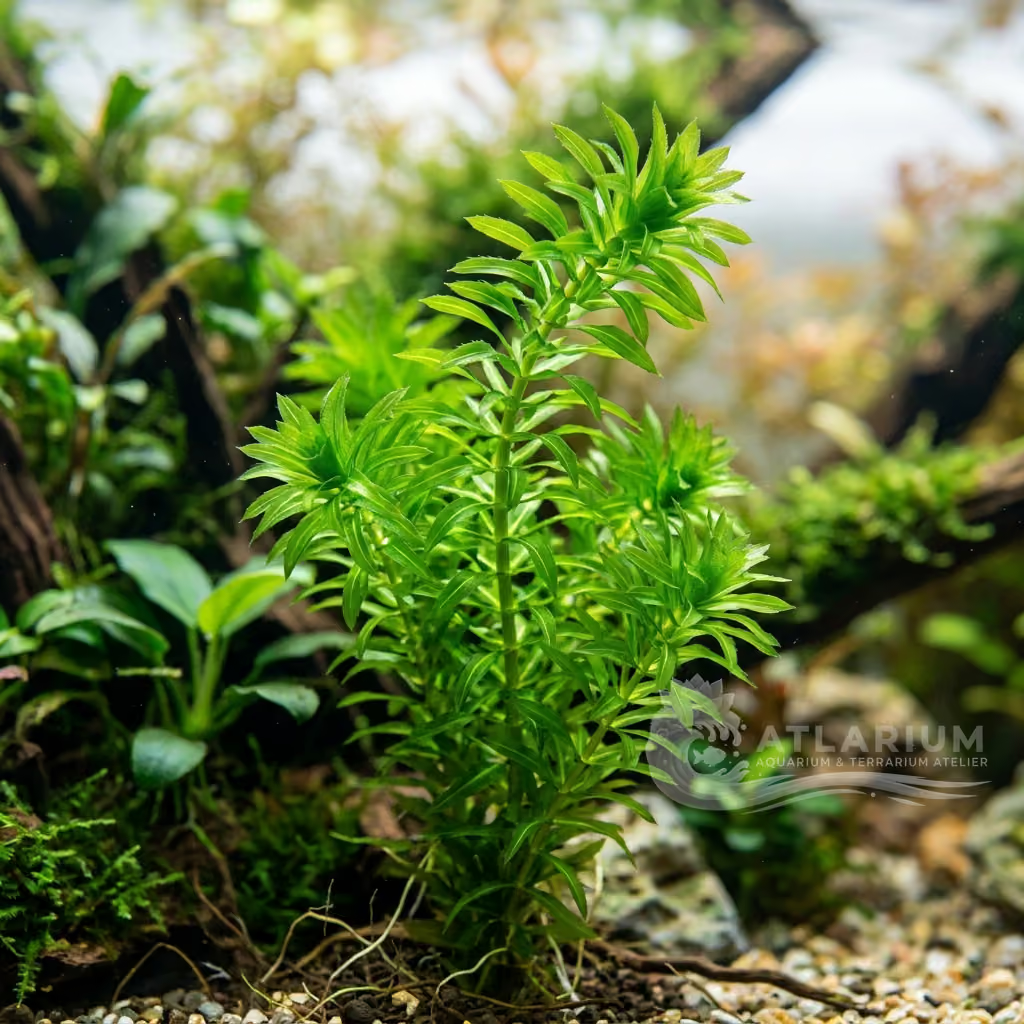
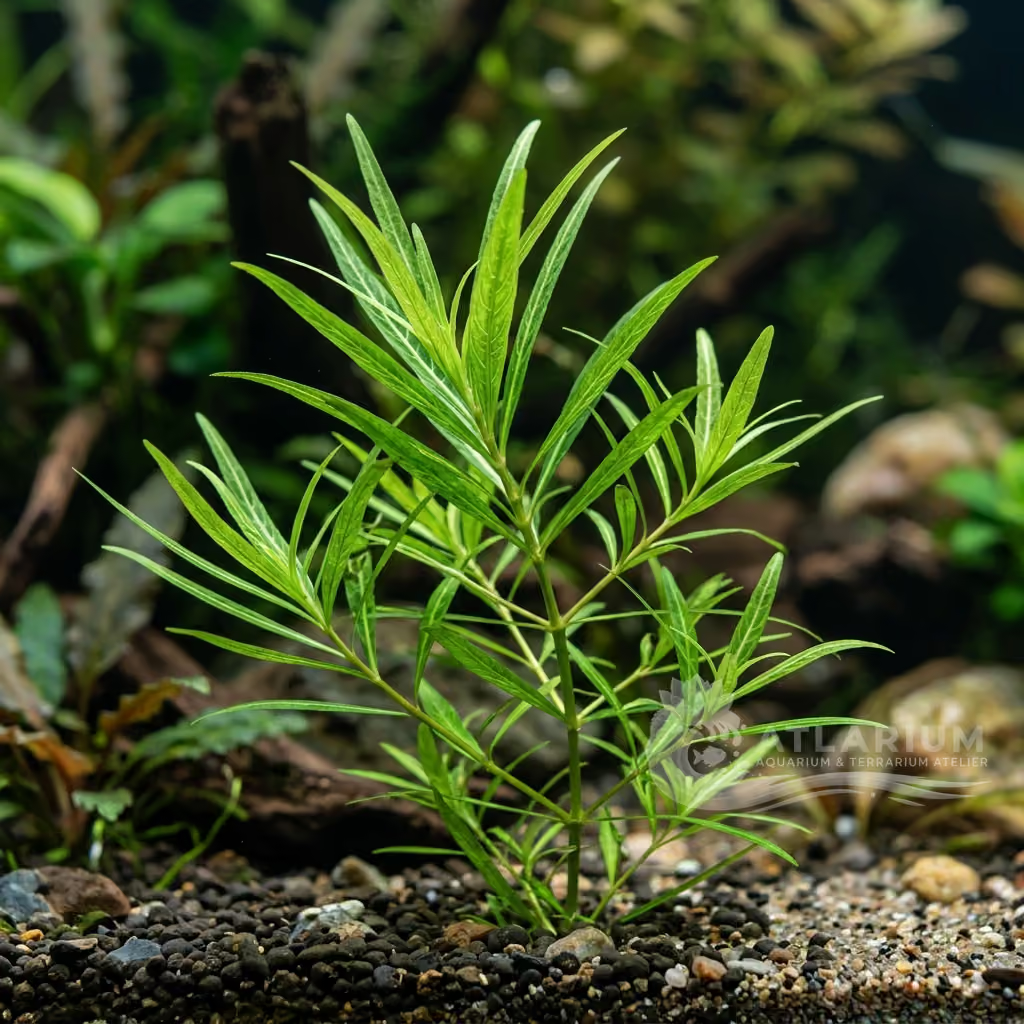
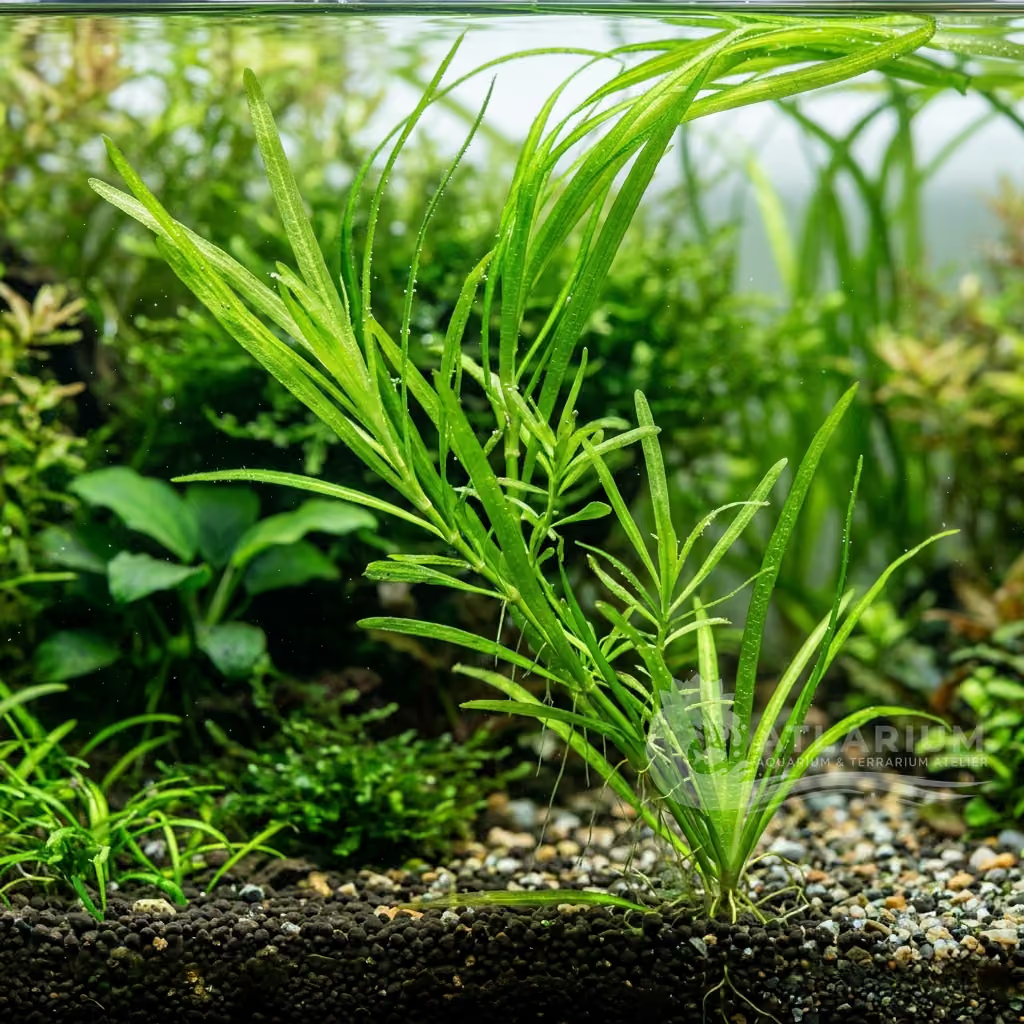
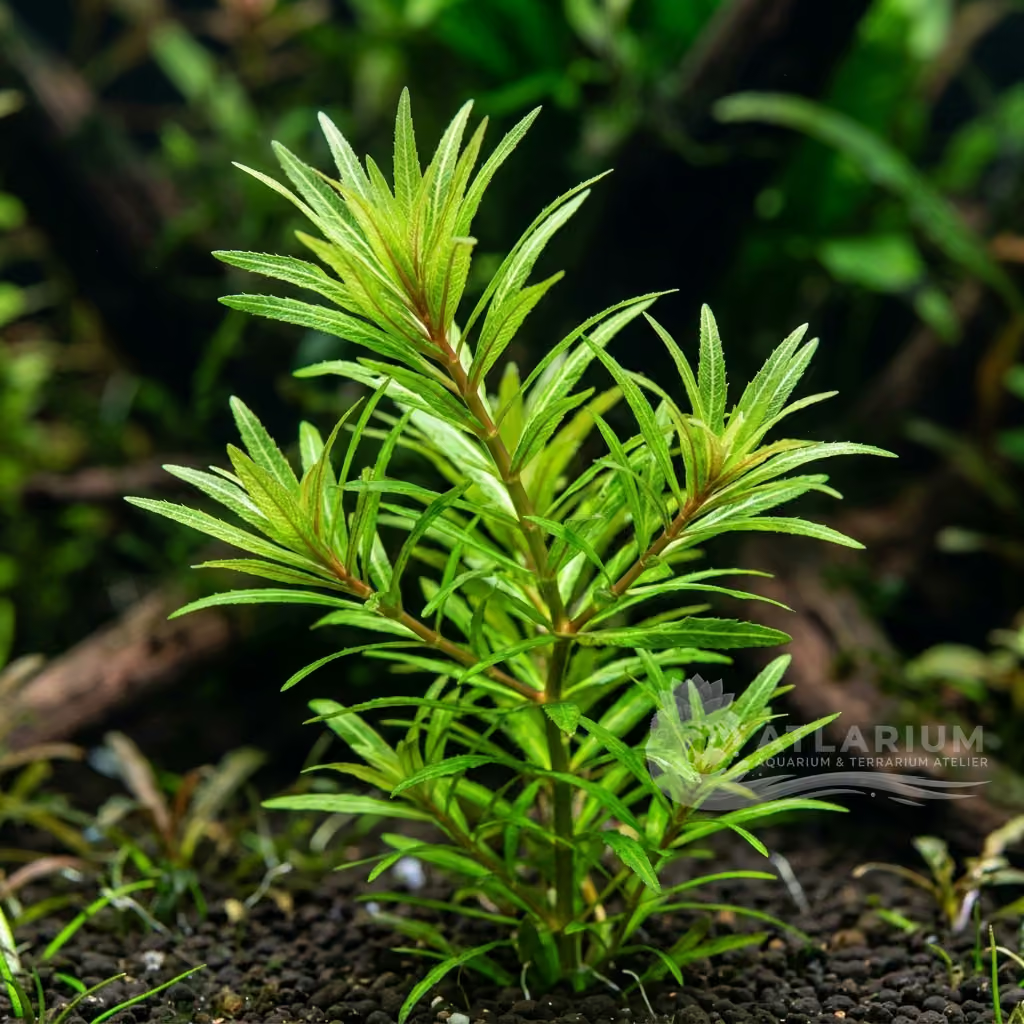
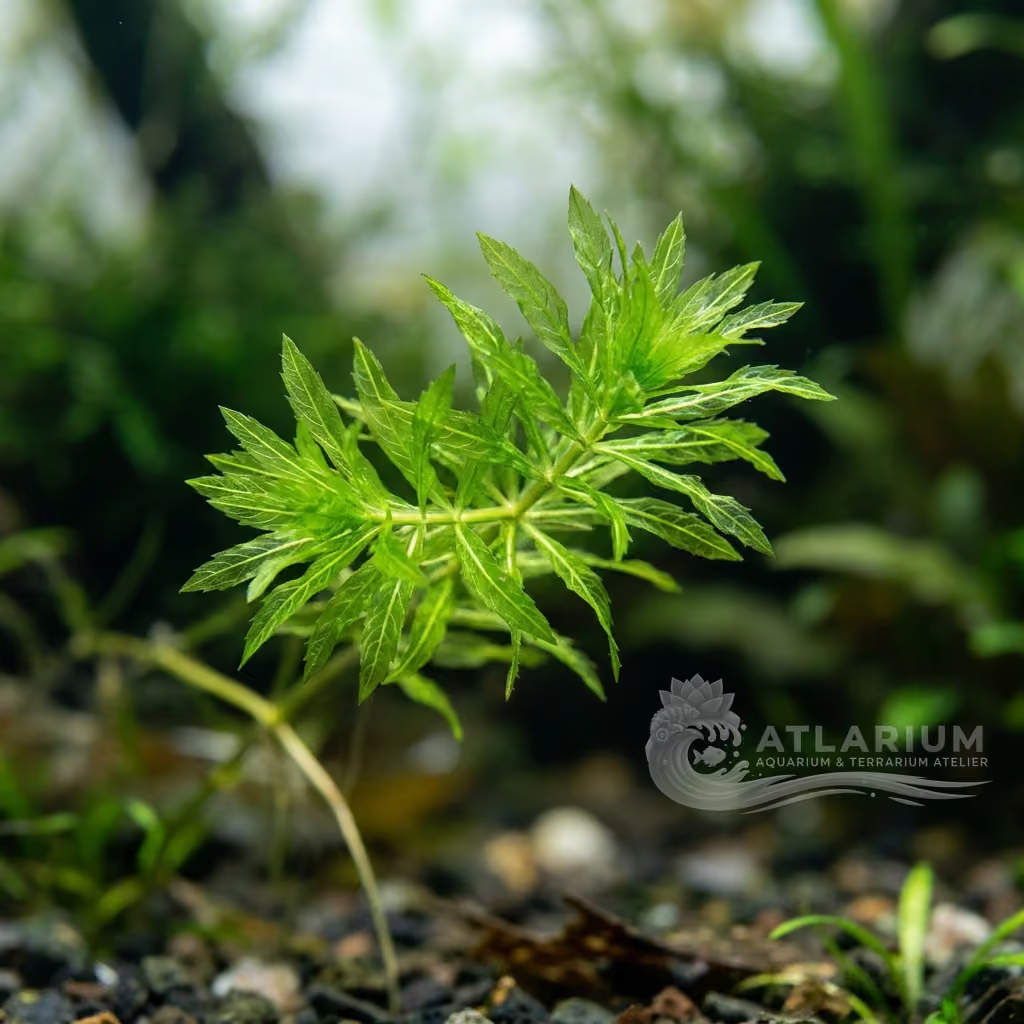
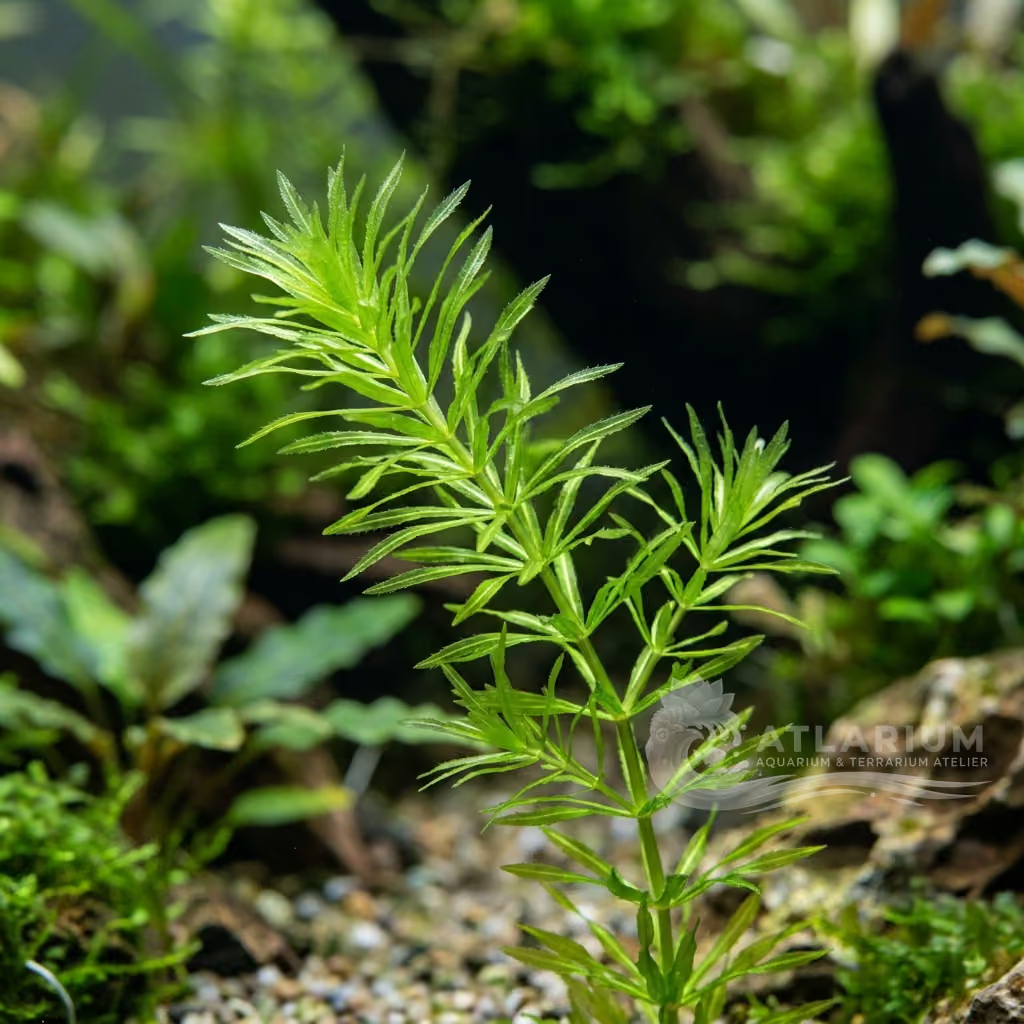
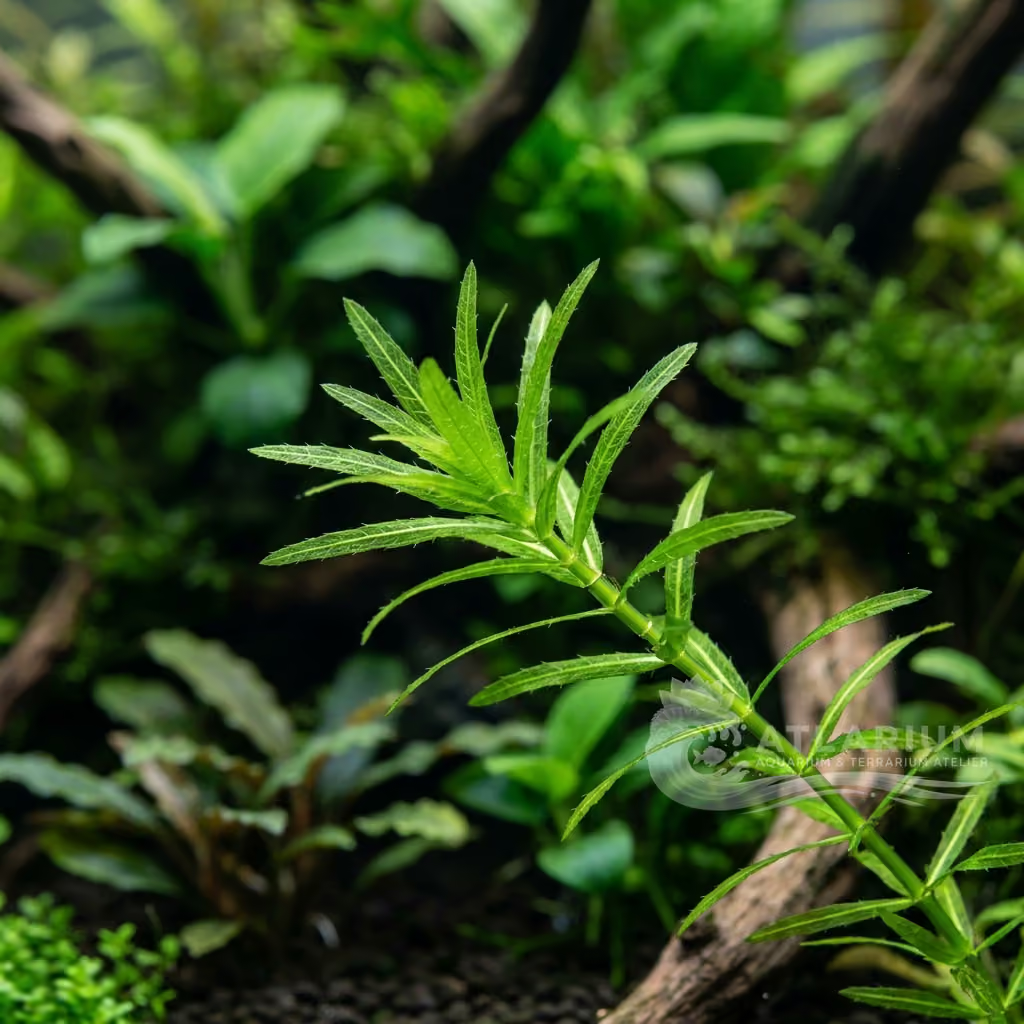
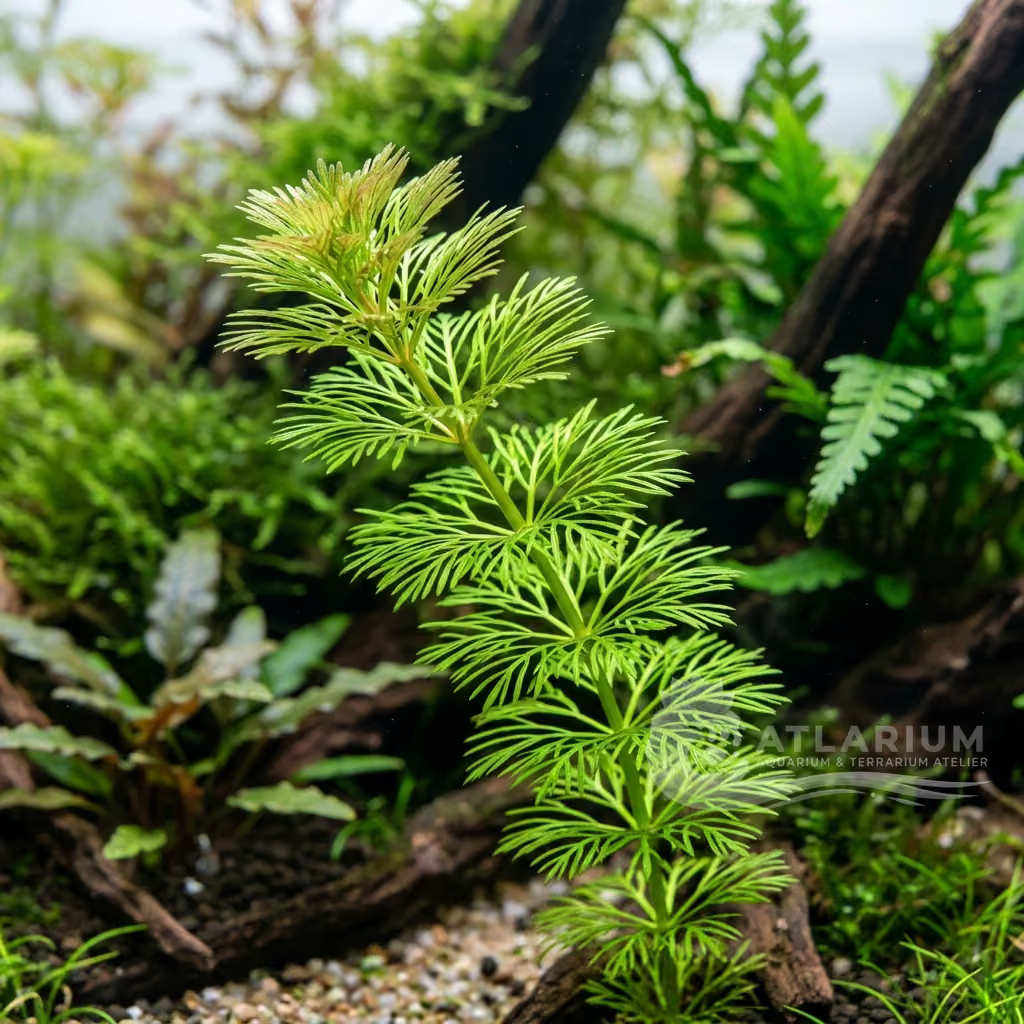
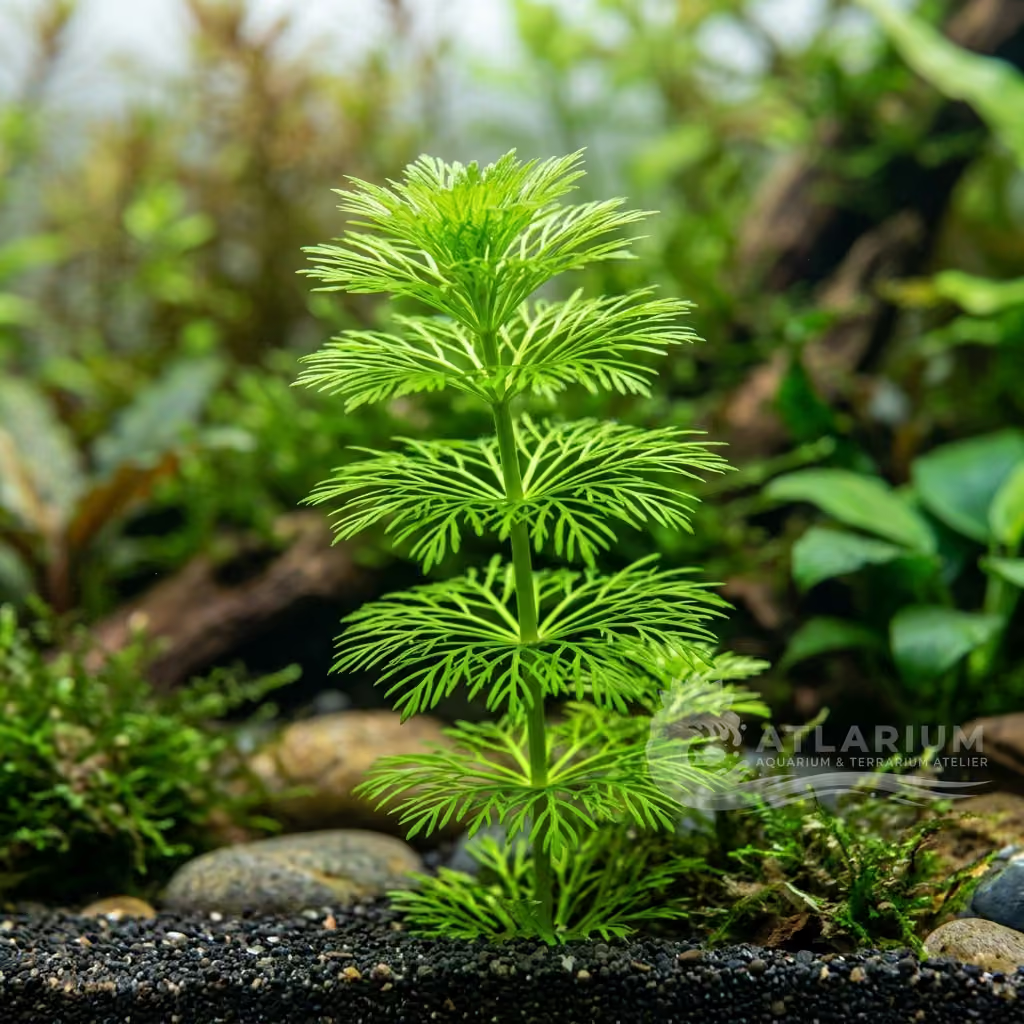
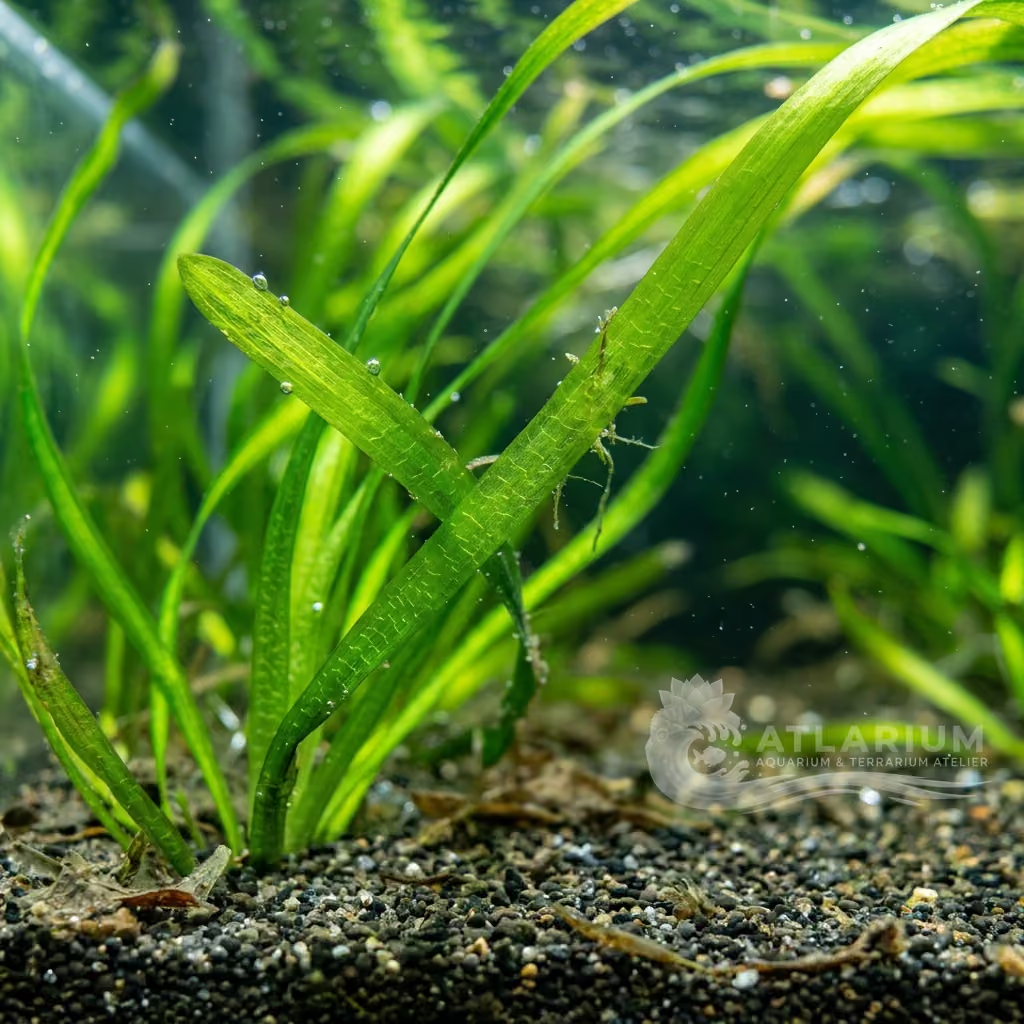
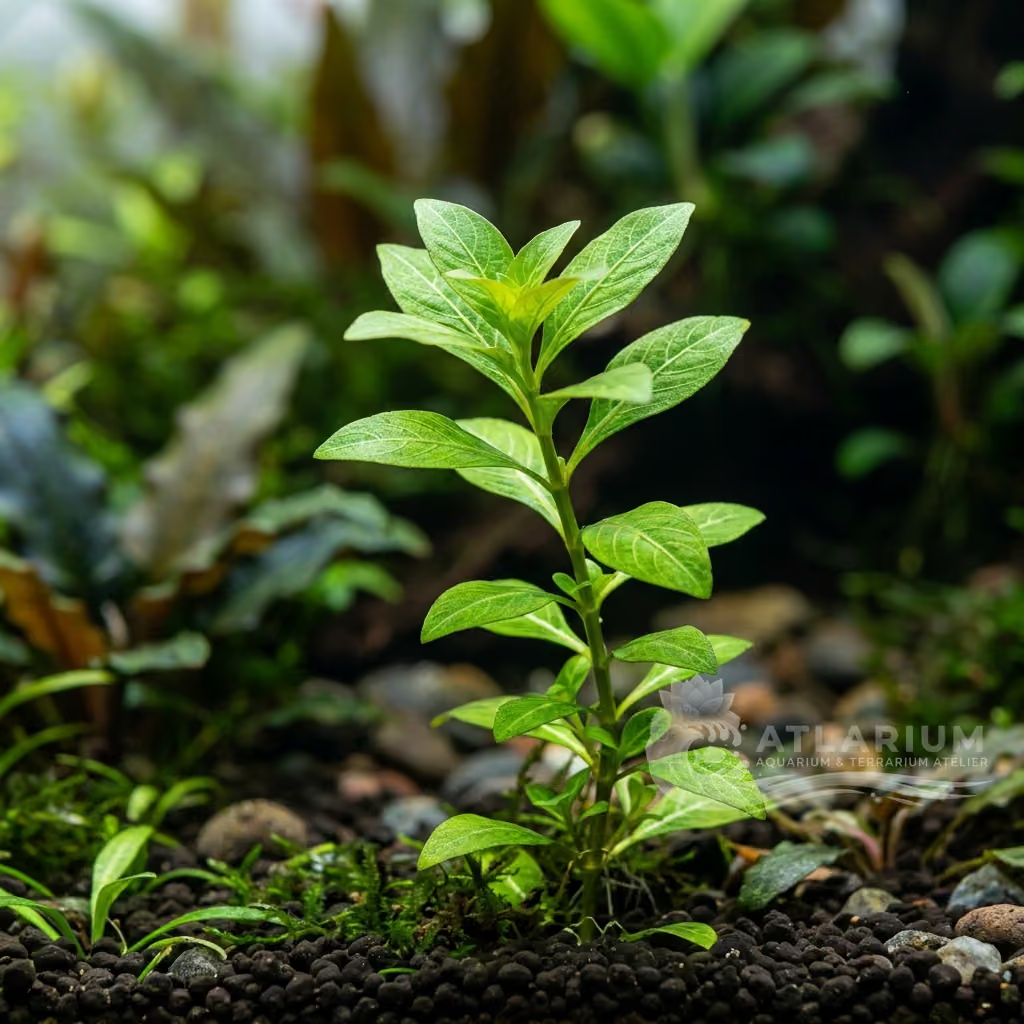
Physical Structure: It develops elongated, thin, and flexible stems that tend to grow in height (up to 30-40 cm). Along the stems develop needle-like, thin, and slightly curled leaves, arranged in a spiral. The consistency is fragile, and the stems can break easily if handled with poor care.
Color & Texture: It presents a golden light green or translucent lime green coloration. The texture is extremely fine and soft, almost glassy. The partial transparency of the leaves allows light to pass through the bushes, creating a very decorative diffused luminosity effect.

Care, breeding and tankmates
Lighting & CO2: Requires very intense lighting (value 3 out of 3). Accelerated photosynthesis requires constant carbon dioxide (CO2) delivery to prevent stem melting and to maintain healthy, erect growth.
Nutrition & Substrate: It absorbs almost all nutrients directly from the
Water Chemistry: Prefers high temperatures (between 22°C and 34°C), soft water (KH 0 to 10 dKH), and slightly acidic conditions (pH 5.0 to 7.0). It requires excellent filtration to keep the water crystal clear and with low conductivity.
Space Management & Placement: Ideally placed in the midground of the aquarium (midground) or in the background. Stems must be planted individually 1-2 cm apart to allow intense light to penetrate to the base of the plant.
Pruning: Prune by cutting the stem tops with very sharp aquascaping scissors so as not to crush the hollow tissues. The removed tops can be replanted directly as cuttings, while the base will develop lateral shoots.
Risks & Diseases: It is very sensitive to drops in CO2 and microelements, which cause rapid melting of the stems in a few days. The fragile stems can be damaged by active fish or excessively strong water currents.

Geographic origin and distribution
Lagarosiphon cordofanus is native to tropical Africa and Madagascar. It populates warm, stationary, or slowly flowing waters, clear lakes, and temporary pools. It grows completely submerged, forming dense feathery clumps in environments characterized by a low level of dissolved mineral salts.
Origin
Africa and Madagascar

Plant profile
- Placement
- Midground
- This plant is best suited for the background or midground of the aquarium depending on the tank size. Its vertical growth pattern can be used to hide equipment or create dense green walls. It should be planted in groups to achieve a bushy and natural look.
- Botanical form
- Stem
- It features delicate, thin, and slightly curled leaves arranged in spirals along the stem. The overall appearance is feathery and elegant, providing a soft texture in the aquascape. Under high light, the internodes become shorter, resulting in a more compact form.
- Growth
- Fast
- It exhibits a very fast growth rate, especially under optimal lighting and CO2 conditions. Frequent trimming is often necessary to prevent it from reaching the water surface too quickly. Its rapid growth makes it excellent for outcompeting algae in newly established tanks.
- Substrate
- None
- Lagarosiphon cordofanus is an undemanding stem plant that easily anchors itself in a variety of substrates, including plain gravel, sand, or commercial aquatic soils. It produces delicate adventitious roots along its stems that pull essential nutrients heavily from the water column, making a nutrient-rich soil helpful but not strictly necessary. Providing a substrate depth of 4 to 5 centimeters ensures the slender stems are held securely in place, even in tanks with moderate water currents.
- Column fertilization
- Recommended
- Column fertilization is the primary method of nutrient uptake for this species. It absorbs most of its required nutrients, including nitrogen, phosphorus, and potassium, directly from the water. A consistent dosing schedule is required to sustain its fast growth rate.
- Root fertilization
- None
- While it can develop roots in the substrate, root fertilization is not strictly necessary for its survival. However, a nutrient-rich substrate or the addition of root tabs can promote stronger anchorage and slightly improve overall health. It primarily relies on the water column for its heavy nutrient needs.
- Trimming
- Occasional
- Trimming should be done by cutting the stem at the desired height, which encourages the plant to develop side shoots. For a denser look, the cut tops can be replanted into the substrate. Regular pruning is essential to prevent the lower parts of the plant from being shaded out.
- Propagation
- Cuttings
- Propagation is straightforward and is achieved simply by taking stem cuttings. Cuttings of about 10-15 cm in length can be pushed directly into the substrate. They will quickly develop roots and begin growing as independent plants within a few days.
- Sensitivity
- Moderate
- It can be somewhat sensitive to sudden changes in water parameters or significant drops in nutrient availability. Very high temperatures or lack of light can cause the lower leaves to melt. It is generally tolerant of a wide range of water hardness but prefers slightly acidic to neutral pH.
- Layout role
- Midground, Background
- It plays a vital role as a fast-growing background filler that adds vertical lines to the layout. The fine texture contrasts beautifully with broad-leaved plants like Echinodorus or Anubias. It is also highly effective in providing hiding spaces for fry and small aquatic creatures.

Related species
Recommendations grouped by close relatives, companion choices, and similar care.