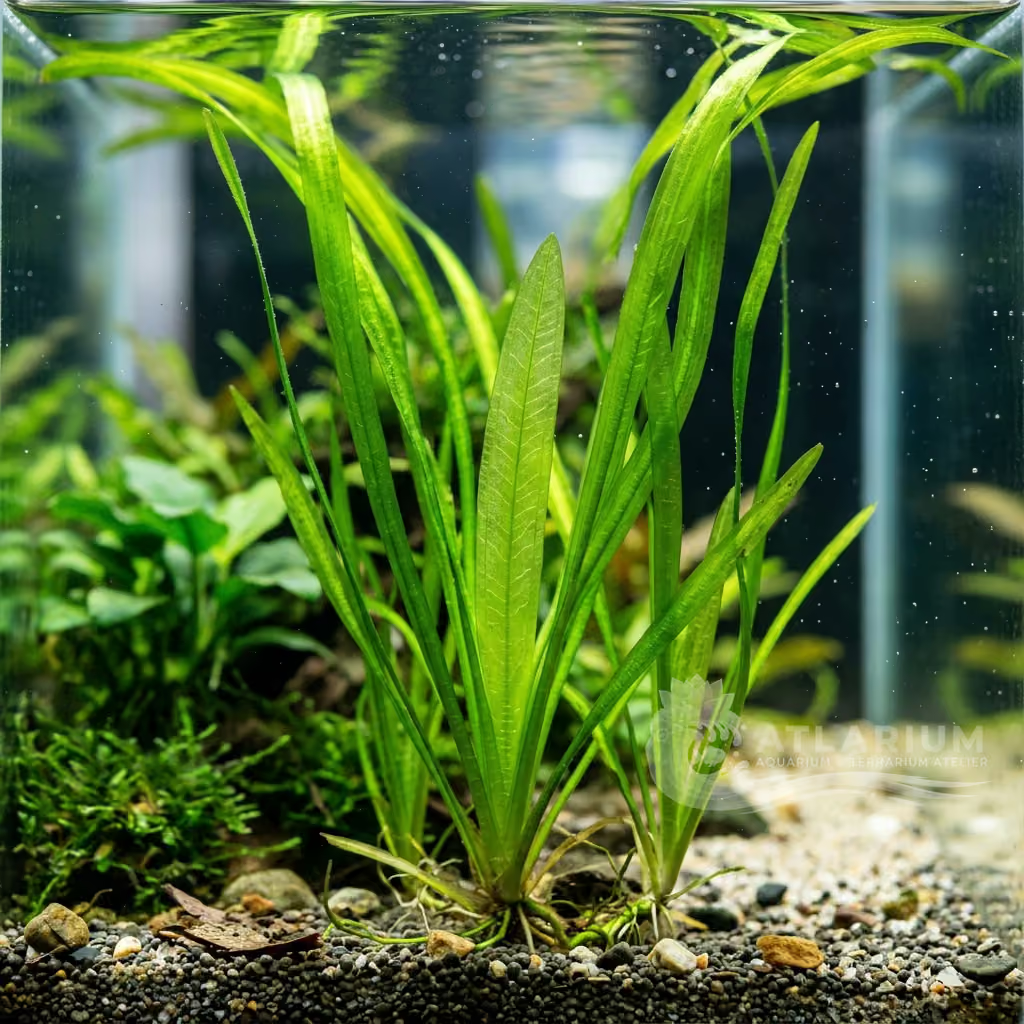
Najas guadalupensis
Najas guadalupensis
Najas guadalupensis is an extremely fast-growing aquatic plant, perfect for filling the midground of an aquarium with dense vegetation. Its adaptability to a wide range of conditions makes it accessible to aquarists of all experience levels.
Water Temperature
4 - 32 °C
pH Value
5 - 8
Water type
Freshwater
Light
Low to High
CO2
High
KH
1 - 21 dKH

Species description
Geographical Origin and Habitat: Najas guadalupensis originates from a vast range covering much of the Americas, extending from southern Canada down to Argentina. It is commonly found in a variety of freshwater aquatic habitats, including ponds, lakes, slow-moving streams, and ditches. This plant is renowned for its incredible adaptability to diverse environmental conditions, thriving in both oligotrophic and eutrophic waters, often forming dense submerged colonies. Its presence is an indicator of rich and biodiverse aquatic ecosystems, where it serves as a refuge and food source for local fauna.
Taxonomy & Genetics: Belonging to the Hydrocharitaceae family, Najas guadalupensis is closely related to other popular aquarium plants such as Elodea and Egeria. The genus Najas is characterized by submerged, often annual plants, with narrow leaves and small unisexual flowers. Its classification is sometimes complicated due to morphological similarities with other Najas species and its tendency to hybridize, but modern genetic studies have helped clarify taxonomic distinctions. This plant is an excellent example of evolutionary adaptation to aquatic environments, possessing a specialized structure for submerged life.
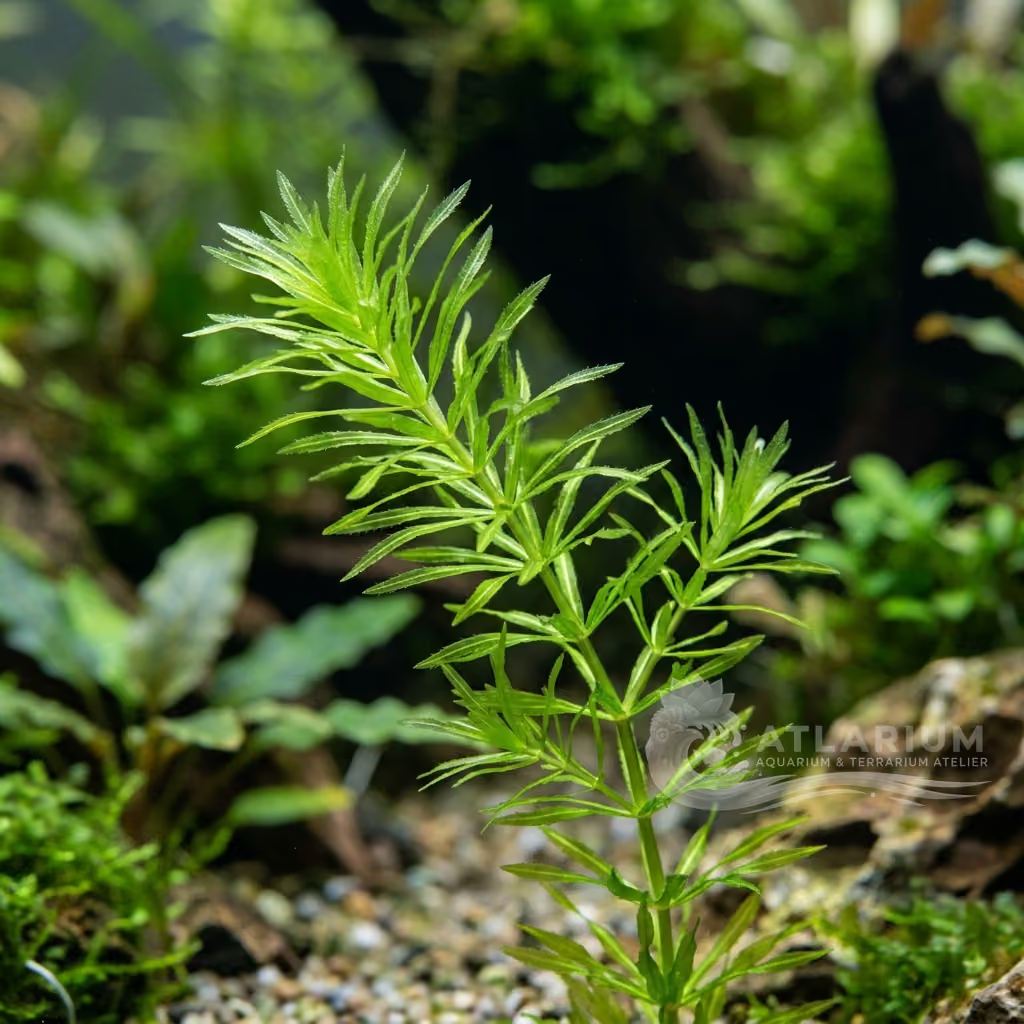
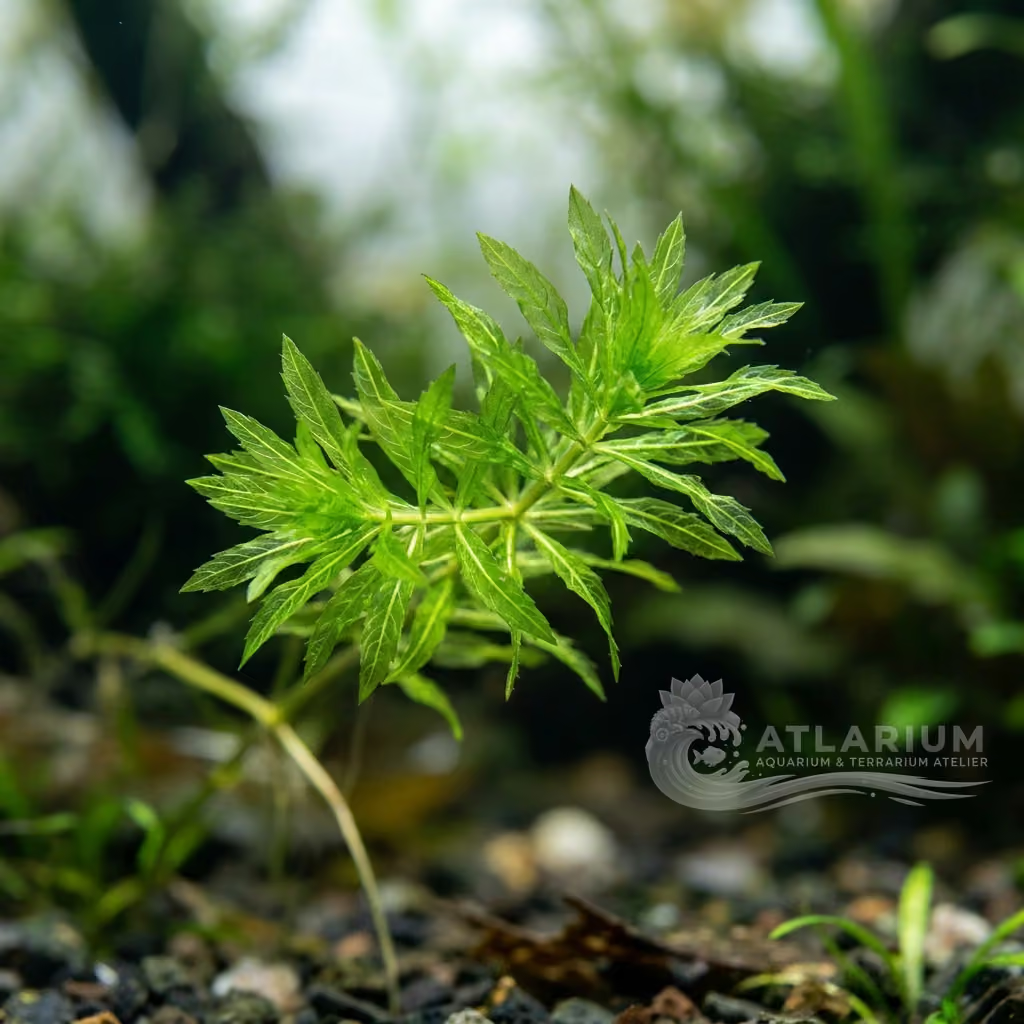
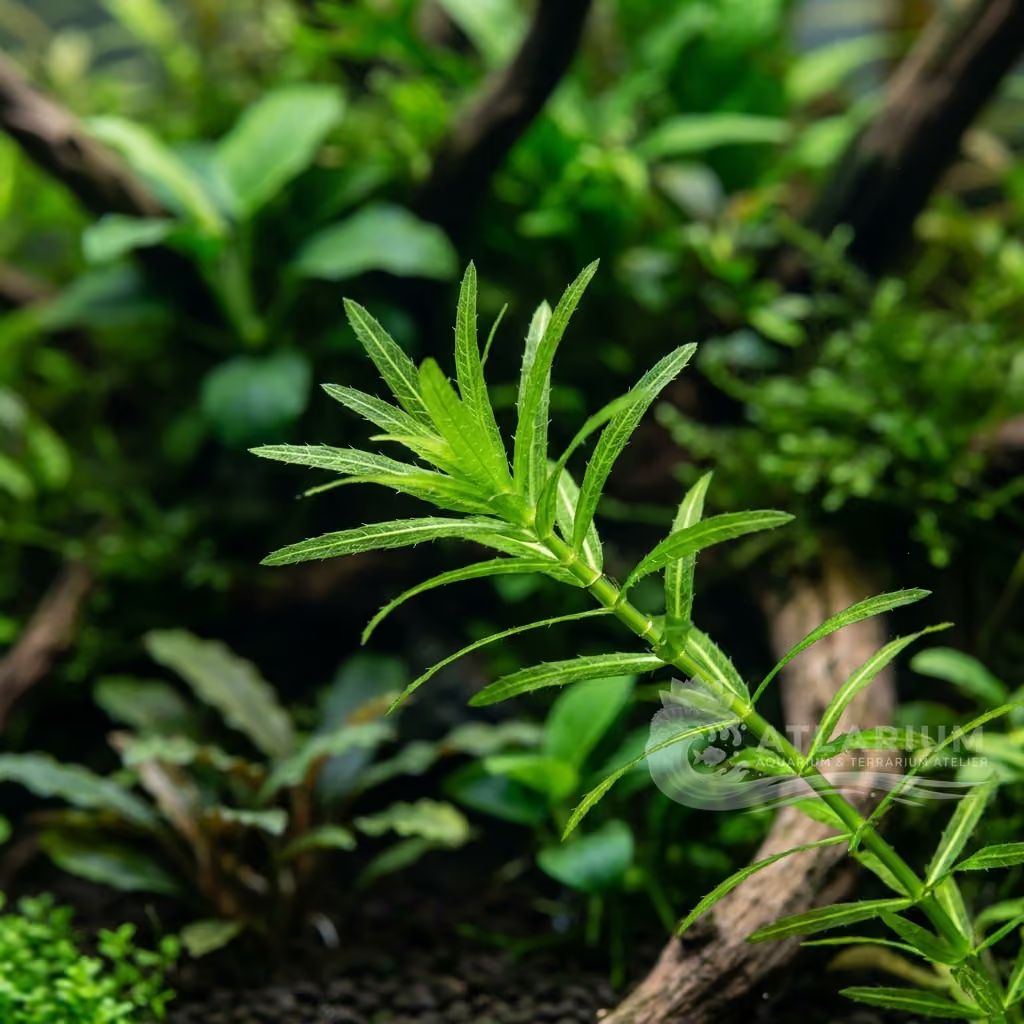
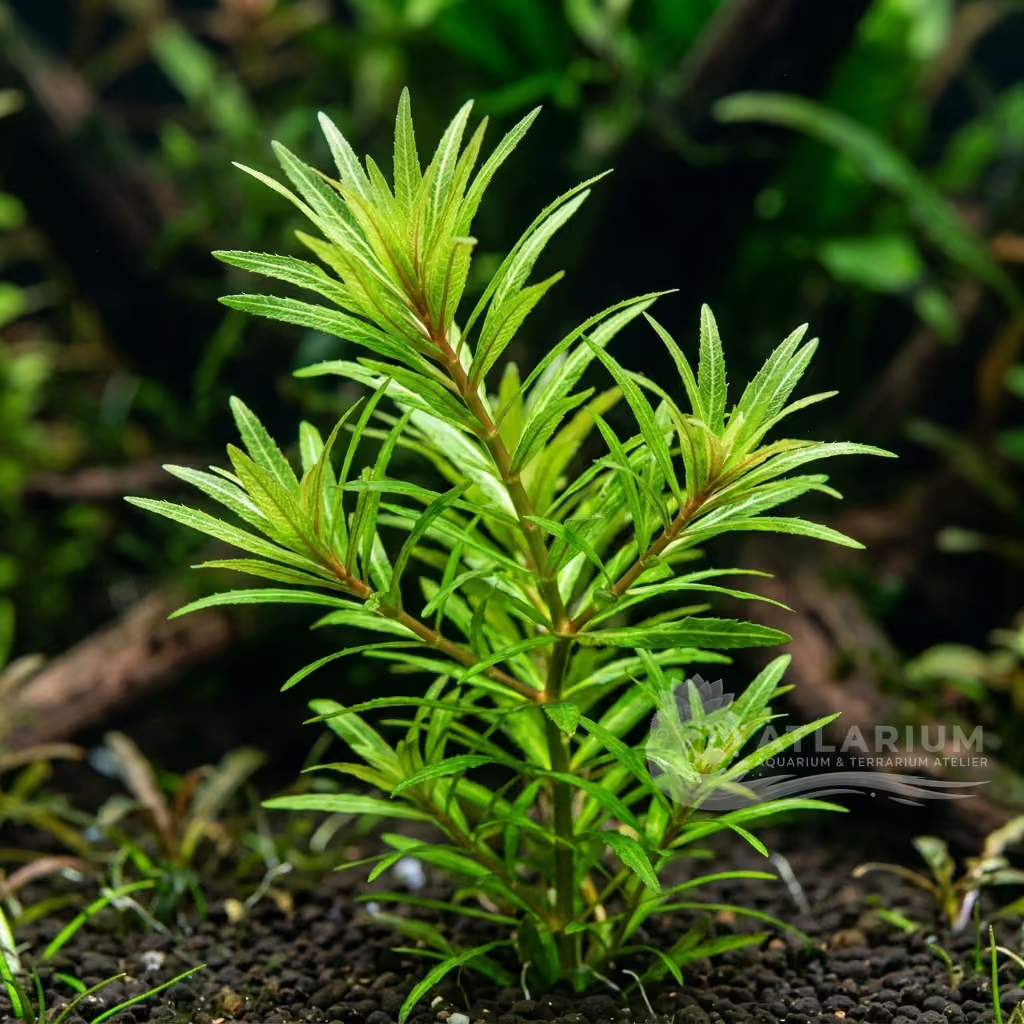
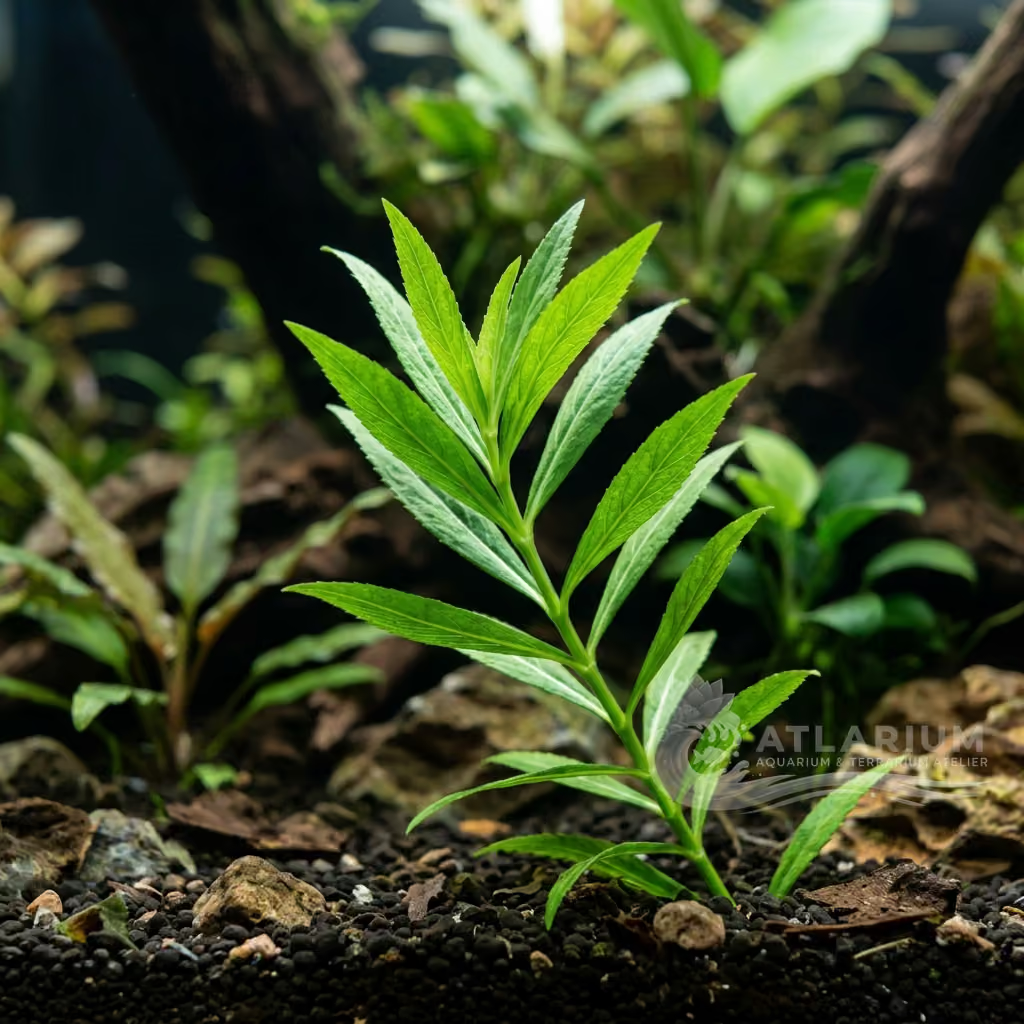
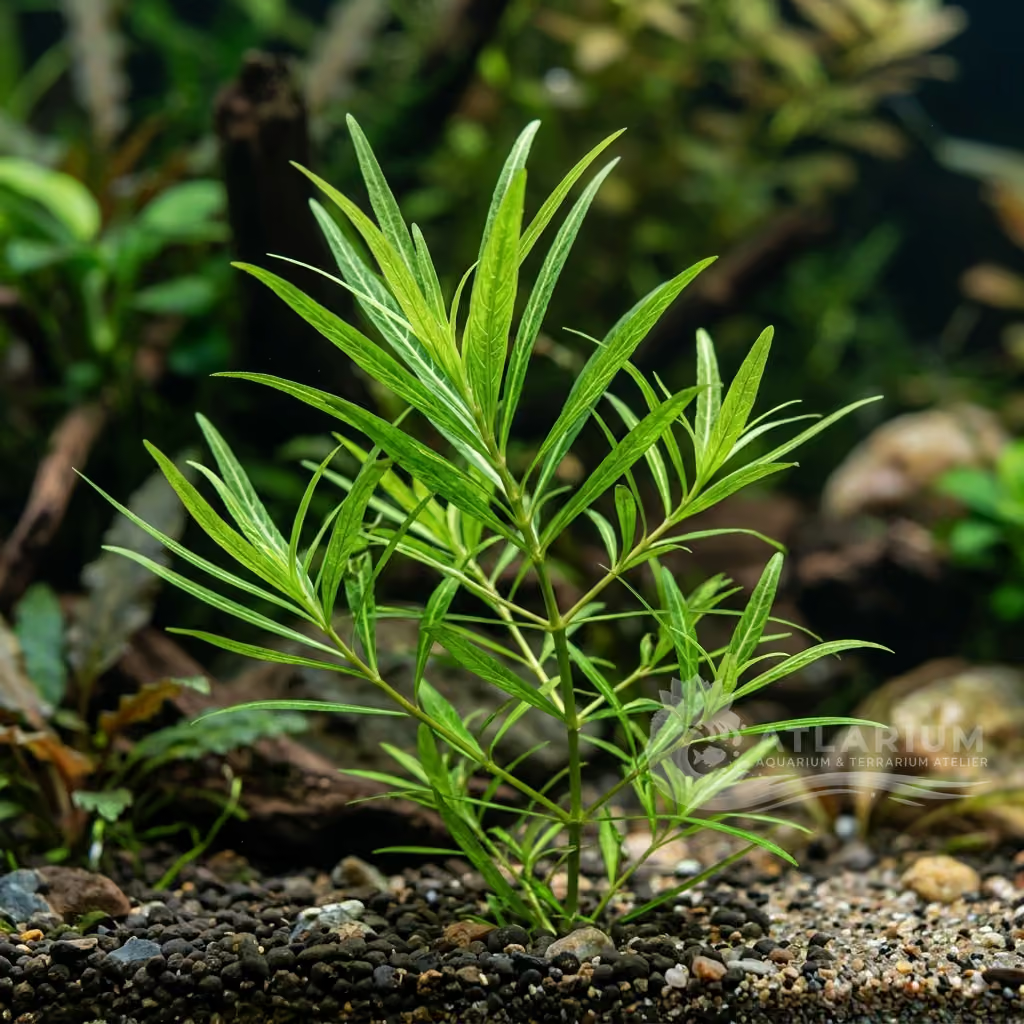
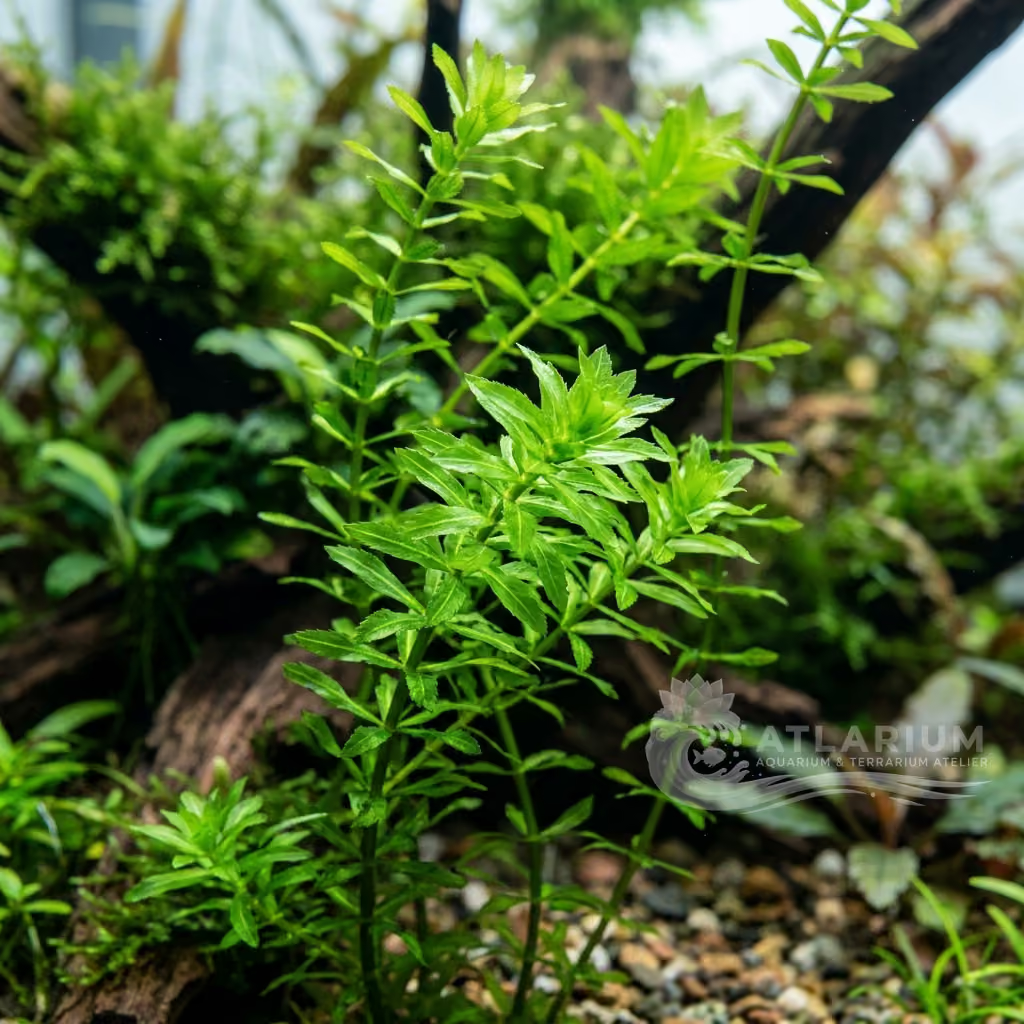
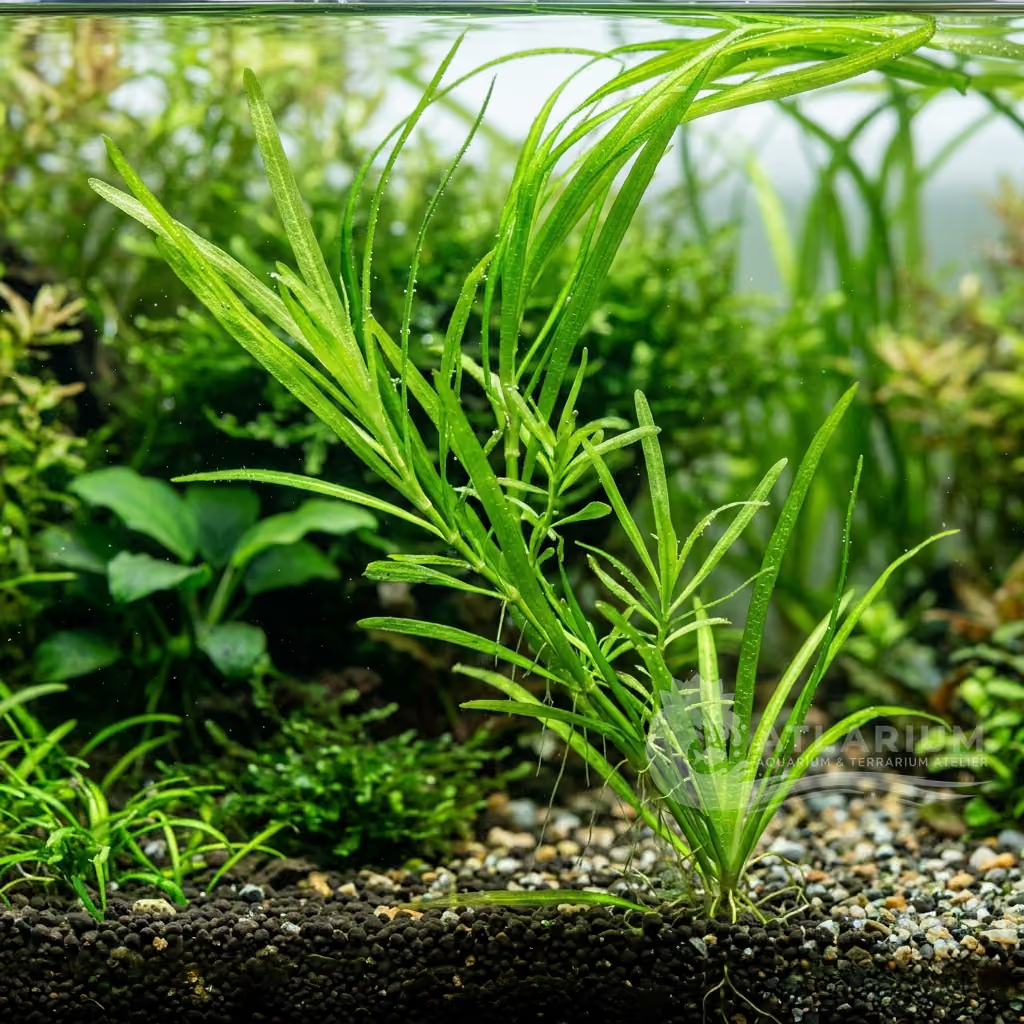
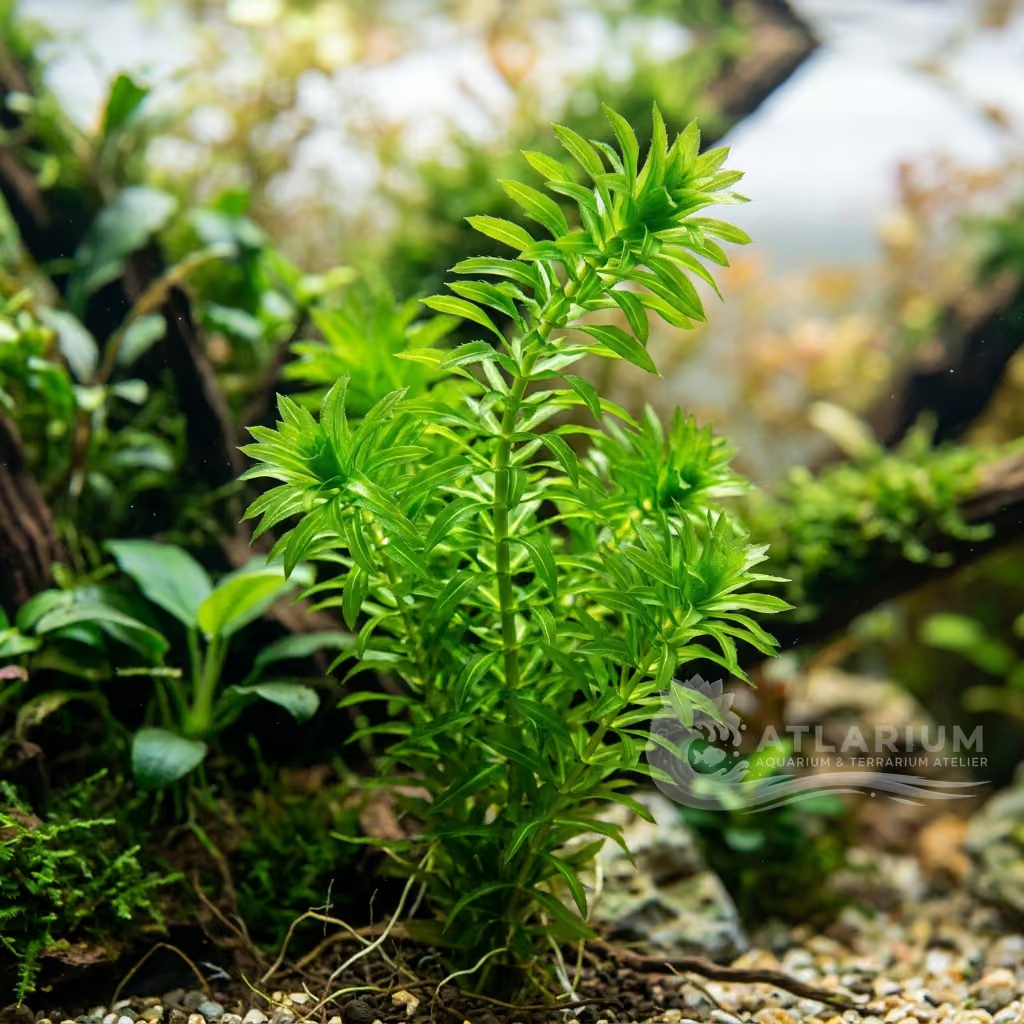
Physical Structure: Najas guadalupensis exhibits a delicate yet resilient physical structure, characterized by slender, branched stems that can reach considerable lengths in the aquarium. Its leaves are narrow and linear, arranged in whorls or sub-whorls along the stem, giving the plant a feathery and dense appearance. While it can develop a fine, filamentous root system for anchoring to the substrate, Najas is primarily a water column feeder and can even float freely. Its rapid growth results in a constant production of new leaves and lateral shoots, contributing to a compact plant mass.
Color & Texture: The predominant color of Najas guadalupensis ranges from bright green to medium green, with shoot tips potentially taking on lighter, more vibrant shades under intense lighting. The leaf surface is smooth and slightly translucent, giving the plant an ethereal and lightweight appearance underwater. The overall texture is extremely fine and delicate, making it an excellent hiding place for fry and small invertebrates, while also adding interesting visual contrast with broader-leaved plants. Its vibrant green mass can create a significant visual impact, especially when well-cared for and thriving.

Care, breeding and tankmates
Lighting & CO2: Najas guadalupensis is extremely tolerant of lighting conditions, thriving in both low and high light, although greater light intensity stimulates even faster and denser growth. Under high light, the plant can display more intense colors and denser branching, adopting a more compact form. CO2 supplementation is not strictly necessary for this species' survival but is strongly recommended to support its "very-fast" growth rate and ensure optimal health, preventing biogenic decalcification in hard
Water Chemistry: Good surface agitation is also helpful for gas exchange, but CO2 injection is the most effective method for maximizing growth.
Nutrition & Substrate: As primarily a water column feeder, Najas guadalupensis greatly benefits from regular dosing of complete liquid fertilizers, rich in macro and micronutrients. Although it can anchor itself with small roots, the substrate plays a marginal role in its nutrition. It is essential to ensure adequate availability of nitrogen (nitrates) and phosphorus (phosphates), along with potassium and trace elements like iron, to prevent deficiencies that could manifest as yellowing or slowed growth. A balanced fertilization regimen is crucial for maintaining its vigorous development and bright green color.
Water Chemistry: Najas guadalupensis is incredibly adaptable to a wide range of water parameters, making it an excellent choice for many aquarists. The ideal temperature varies broadly from 4.0 to 32.0 C, though for optimal growth, temperatures between 20 and 28 C are recommended. Similarly, it tolerates a pH from 5.0 to 8.0 and a carbonate hardness (KH) from 1.0 to 21.0, demonstrating remarkable flexibility. Stable and well-oxygenated water is always preferable, and the plant benefits from good circulation that evenly distributes nutrients and carbon dioxide. Avoiding sudden shifts in chemical parameters is crucial to prevent stress.
Space Management & Placement: With its "midground" classification and "very-fast" growth rate, Najas guadalupensis is perfect for creating dense thickets and providing visual structure to the layout. It can be planted in small groups to form a lush green wall or left to float to provide surface cover. Given its vigorous growth, it requires sufficient space to expand without suffocating other slower-growing plants. To maintain a tidy appearance and prevent it from becoming too invasive, it is advisable to place it in areas where it can be easily pruned and managed. Its flexible nature also makes it suitable as a filler for empty areas or to soften transitions between rocks and wood.
Pruning: Pruning Najas guadalupensis is a crucial aspect of its aquarium management, given its extremely rapid growth. Regular trimming, even weekly, is necessary to control its expansion and maintain the desired shape, preventing it from excessively shading underlying plants. Simply cutting the upper sections of the stems will stimulate lateral branching, making the plant even denser and bushier. The trimmed fragments can be replanted to propagate the plant or removed to prevent them from accumulating at the surface, blocking light and potentially causing decomposition issues.
Risks & Diseases: Despite its toughness, Najas guadalupensis can face some common aquarium risks and diseases. It is particularly susceptible to the accumulation of filamentous and brush algae on its delicate leaves, especially under conditions of nutrient imbalance or excessive light. Nutrient deficiencies, such as iron or nitrogen, can manifest as leaf yellowing or stunted growth. It is also important to monitor for herbivorous snails or fish that may damage its delicate structures. Maintaining stable water parameters and a balanced fertilization regimen is the best prevention against most issues.

Geographic origin and distribution
Najas guadalupensis originates from a vast range covering much of the Americas, extending from southern Canada down to Argentina. It is commonly found in a variety of freshwater aquatic habitats, including ponds, lakes, slow-moving streams, and ditches. This plant is renowned for its incredible adaptability to diverse environmental conditions, thriving in both oligotrophic and eutrophic waters, often forming dense submerged colonies. Its presence is an indicator of rich and biodiverse aquatic ecosystems, where it serves as a refuge and food source for local fauna.
Origin
North AmericaAmazon, Orinoco, and GuianasExtra-Amazon South AmericaCentral America and Caribbean

Plant profile
- Placement
- Midground
- Guppy Grass is typically used as a floating plant or allowed to form tangled thickets in the background or corners of the aquarium. It is renowned for providing unparalleled cover and hiding spaces for fry, small fish, and invertebrates. Because it can quickly block light from reaching lower levels, its placement should be monitored, and it should be thinned out regularly.
- Botanical form
- Stem
- It features long, highly branching, and somewhat brittle stems adorned with narrow, light-green leaves that have microscopic serrations along the edges. The stems form intricate, chaotic webs that provide a dense, three-dimensional habitat for tank inhabitants. The overall appearance is loose and grassy, contributing to a very natural, unmanicured aesthetic.
- Growth
- VERY_FAST
- This species possesses a notoriously fast growth rate, capable of doubling in mass within a very short period under favorable conditions. Its vigorous growth makes it an excellent choice for combatting algae, as it outcompetes them for available nutrients in the water column.
- Substrate
- None
- The plant is completely indifferent to the type of substrate used in the aquarium. It can be lightly planted in sand, gravel, or soil, but it is equally happy growing as a dense, free-floating mass in a bare-bottom tank. Its root system is weak and fine, serving only to gently tether the plant to decor or the substrate rather than for significant nutrient absorption.
- Column fertilization
- Recommended
- Water column fertilization is the primary and most efficient method for providing nutrients to Najas guadalupensis. Dosing a comprehensive liquid fertilizer will ensure it receives essential micronutrients, particularly iron and potassium, to maintain its bright green color. However, it is very forgiving and can often thrive on the ambient nutrients present in a typical community aquarium.
- Root fertilization
- None
- There is no need to provide root tabs or specialized substrate fertilizers for this plant. Its nutrient uptake is overwhelmingly foliar and through its stems. Adding fertilizers to the substrate will provide no noticeable benefit to Najas guadalupensis and is better saved for heavy root-feeding species.
- Trimming
- Regular
- Maintenance is as simple as grabbing a handful and snapping or cutting it away. Because the stems are so brittle, be prepared to net out small floating fragments after trimming. Regular thinning prevents it from choking out other species.
- Propagation
- Cuttings
- Propagation could not be simpler; it occurs naturally as the brittle stems easily snap and every resulting fragment continues to grow independently. To actively propagate, one merely needs to break or cut a stem and place the fragment anywhere in the tank. It will quickly develop into a new, tangled mat of growth.
- Sensitivity
- Moderate
- Known to be very sensitive to liquid carbon products (like glutaraldehyde), which can cause it to melt rapidly. It is otherwise incredibly hardy and tolerates a wide range of water parameters and temperatures.
- Layout role
- Midground, Background
- Ideal as a functional utility plant for fry survival, shrimp grazing, and water quality management. While less common in formal aquascapes due to its messy growth habit, it provides a natural, wild look when allowed to bush out.

Related species
Recommendations grouped by close relatives, companion choices, and similar care.