Vallisneria australis
Vallisneria australis
Vallisneria australis is a robust and fast-growing aquatic plant, ideal for the mid to background of an aquarium, where it forms lush green walls with its long, ribbon-like leaves. Its easy propagation via runners makes it perfect for quickly filling large areas, offering refuge and a natural look to the aquascape.
Water Temperature
4 - 32 °C
pH Value
6 - 8
Water type
Freshwater
Light
Medium - High
CO2
Low - High
Expected height
60 cm
KH
2 - 21 dKH

Species description
Geographical Origin and Habitat:
Taxonomy & Genetics:
Physical Structure:
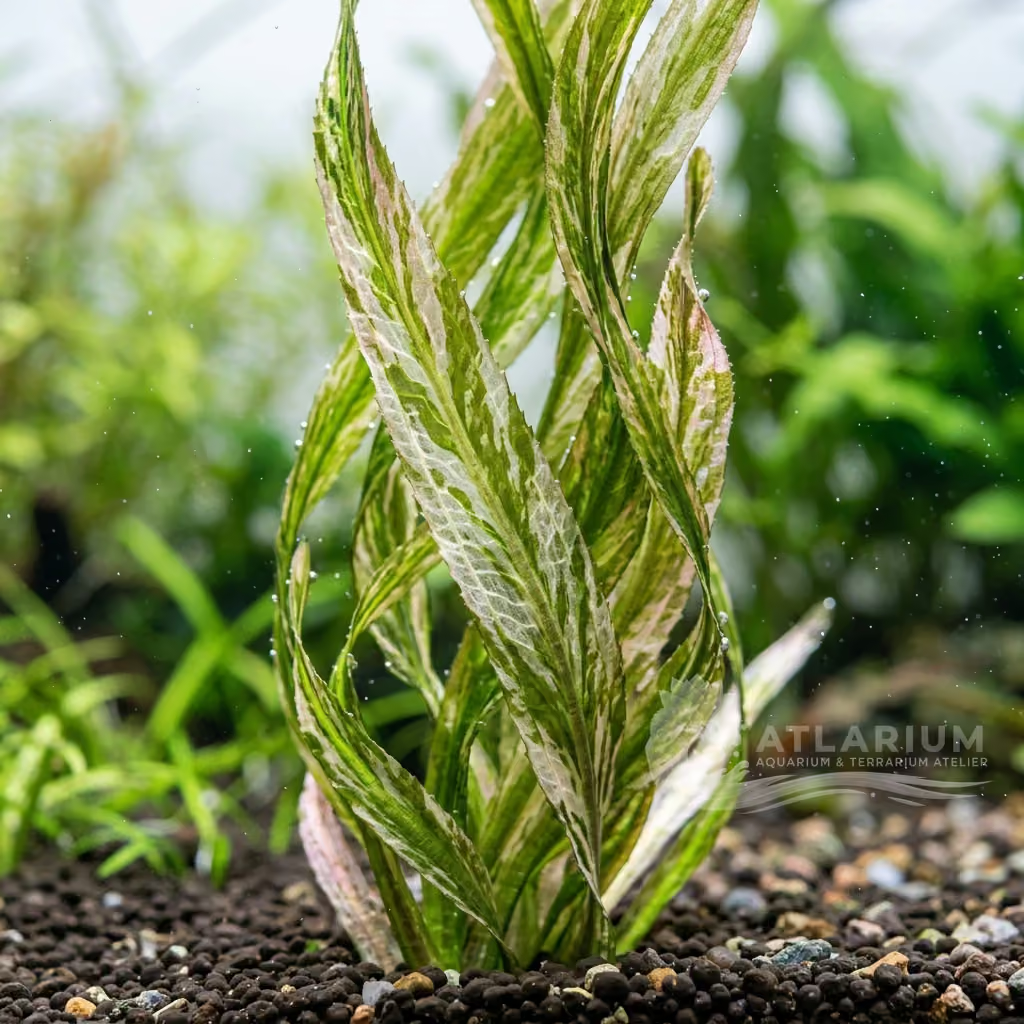
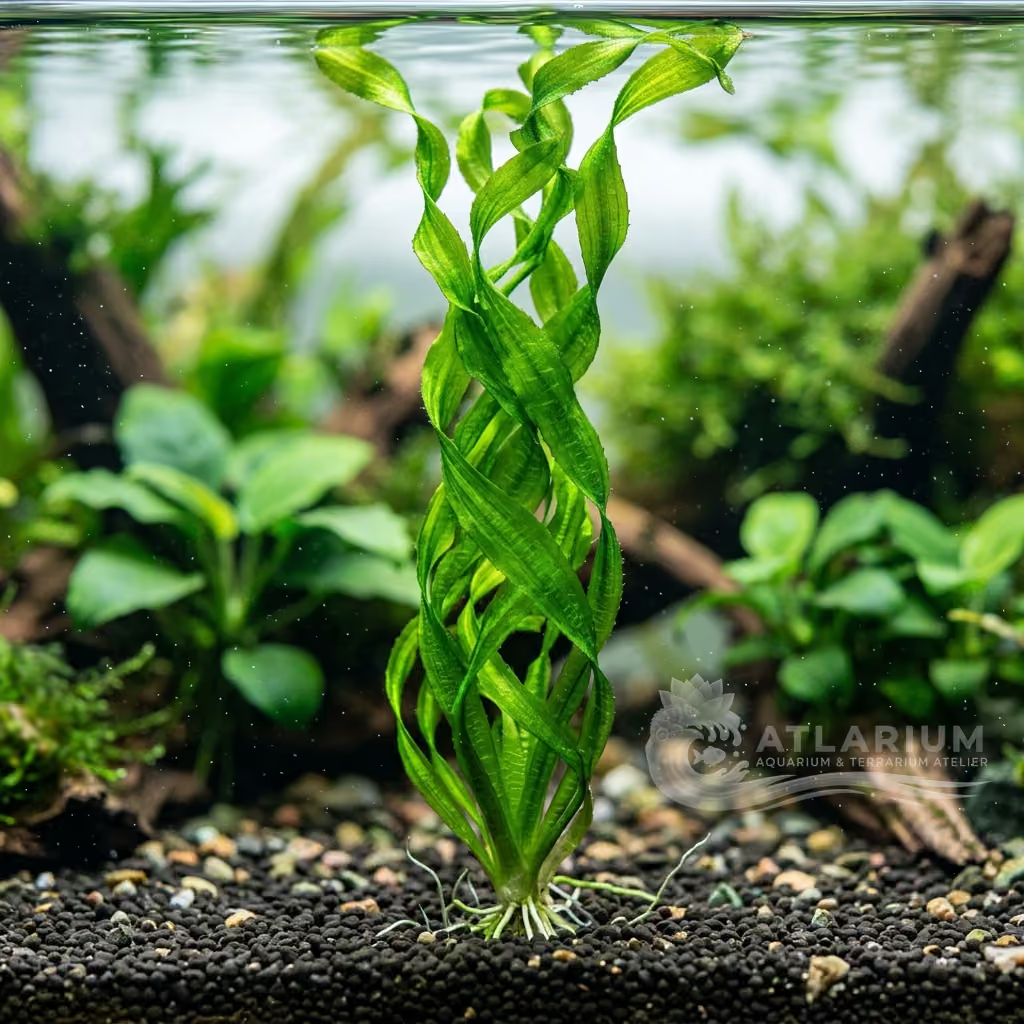
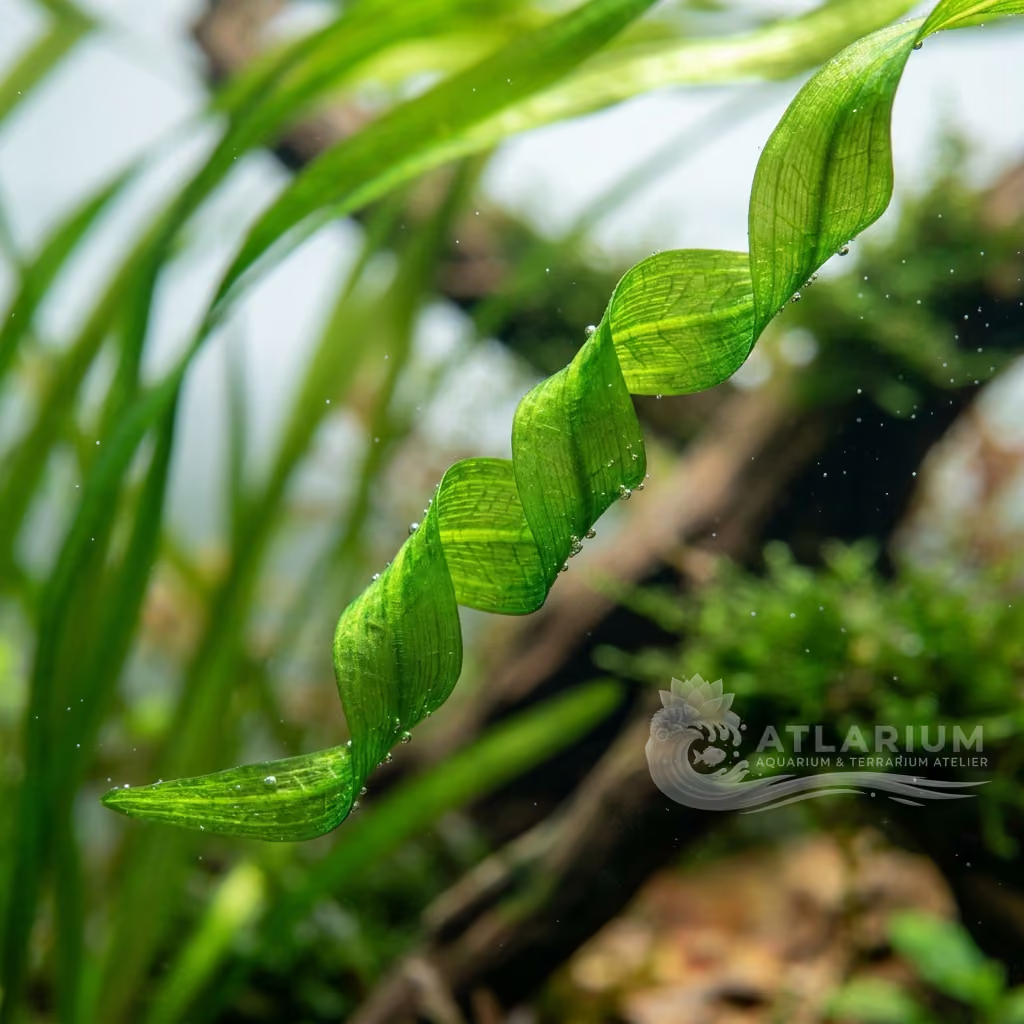
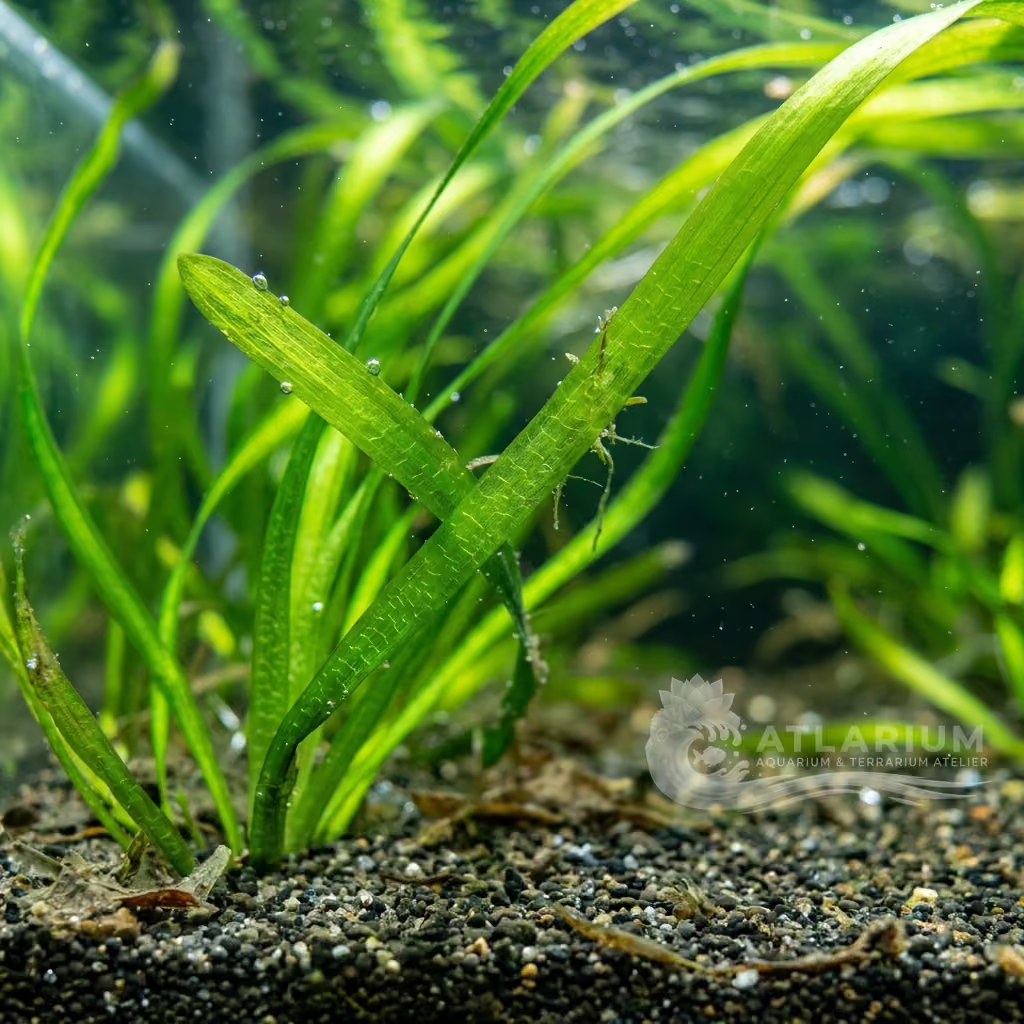
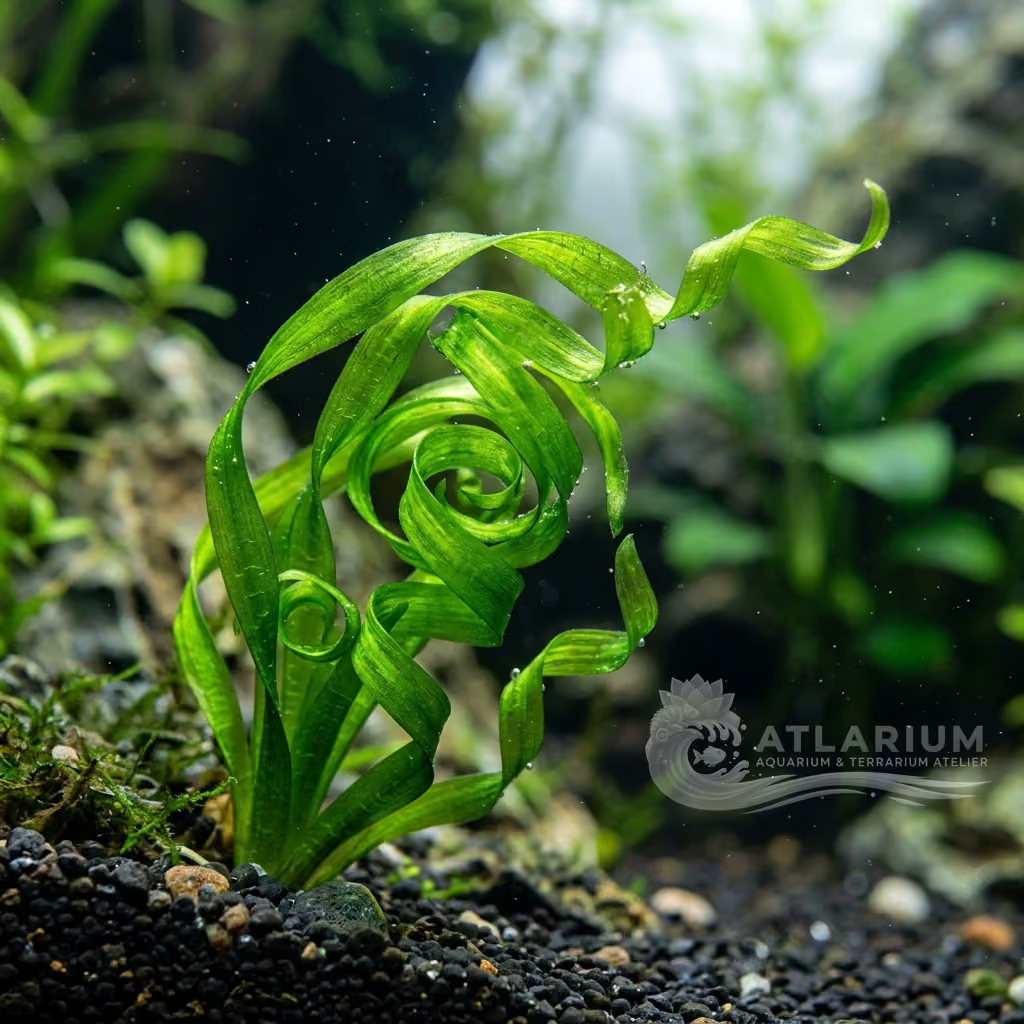
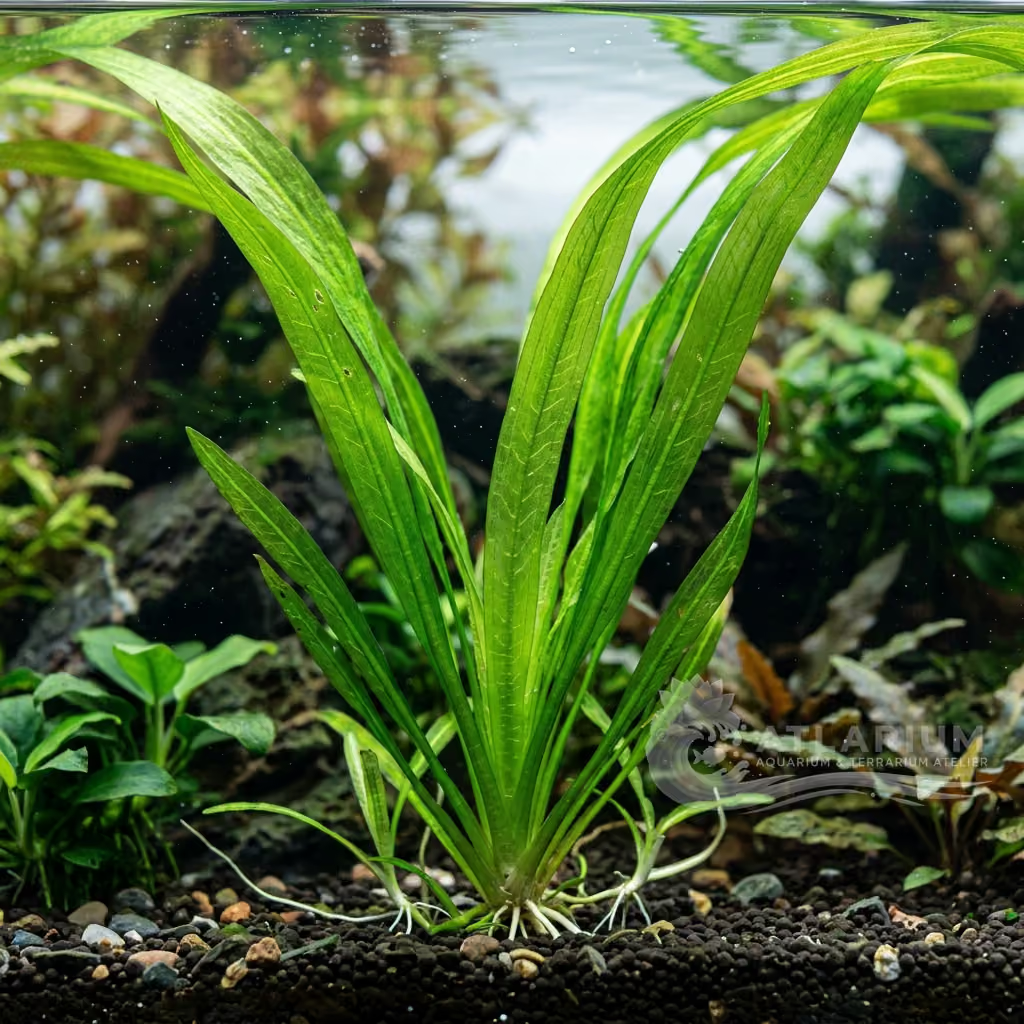
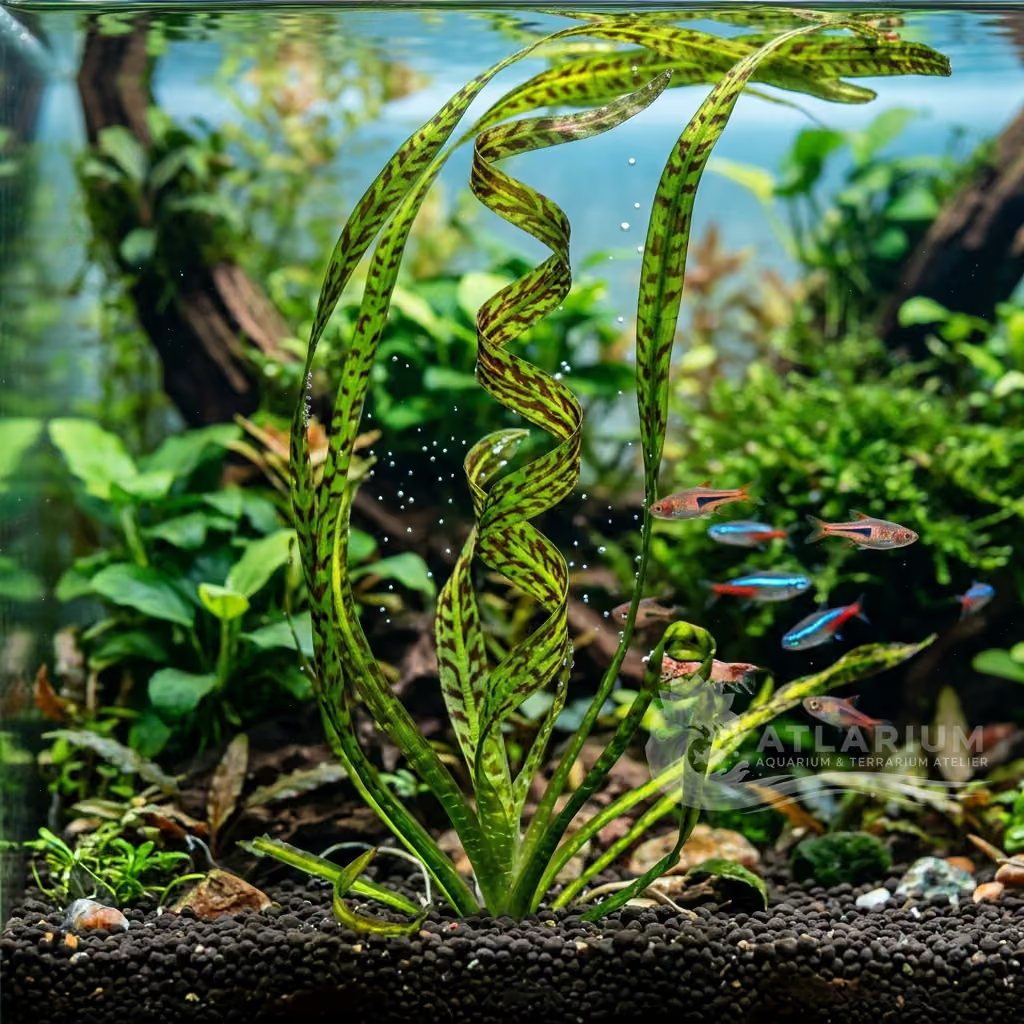
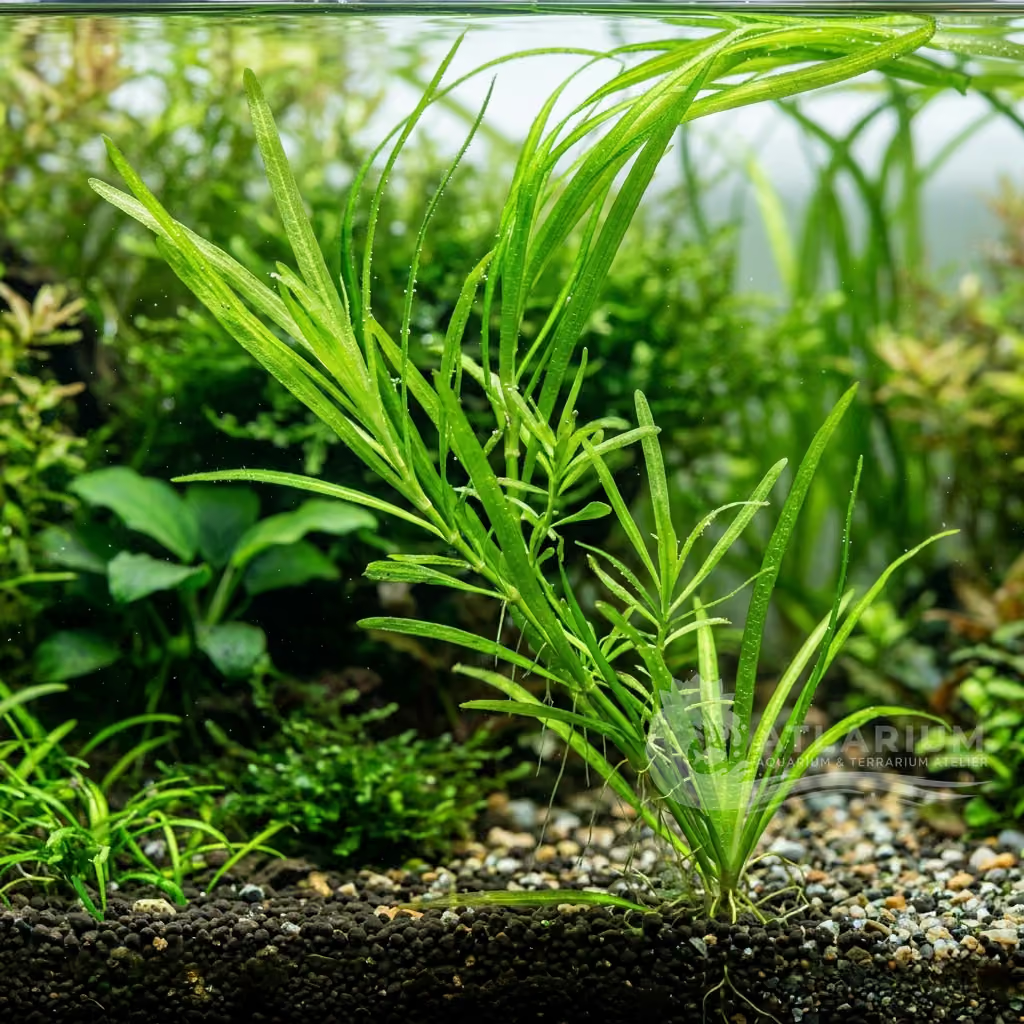
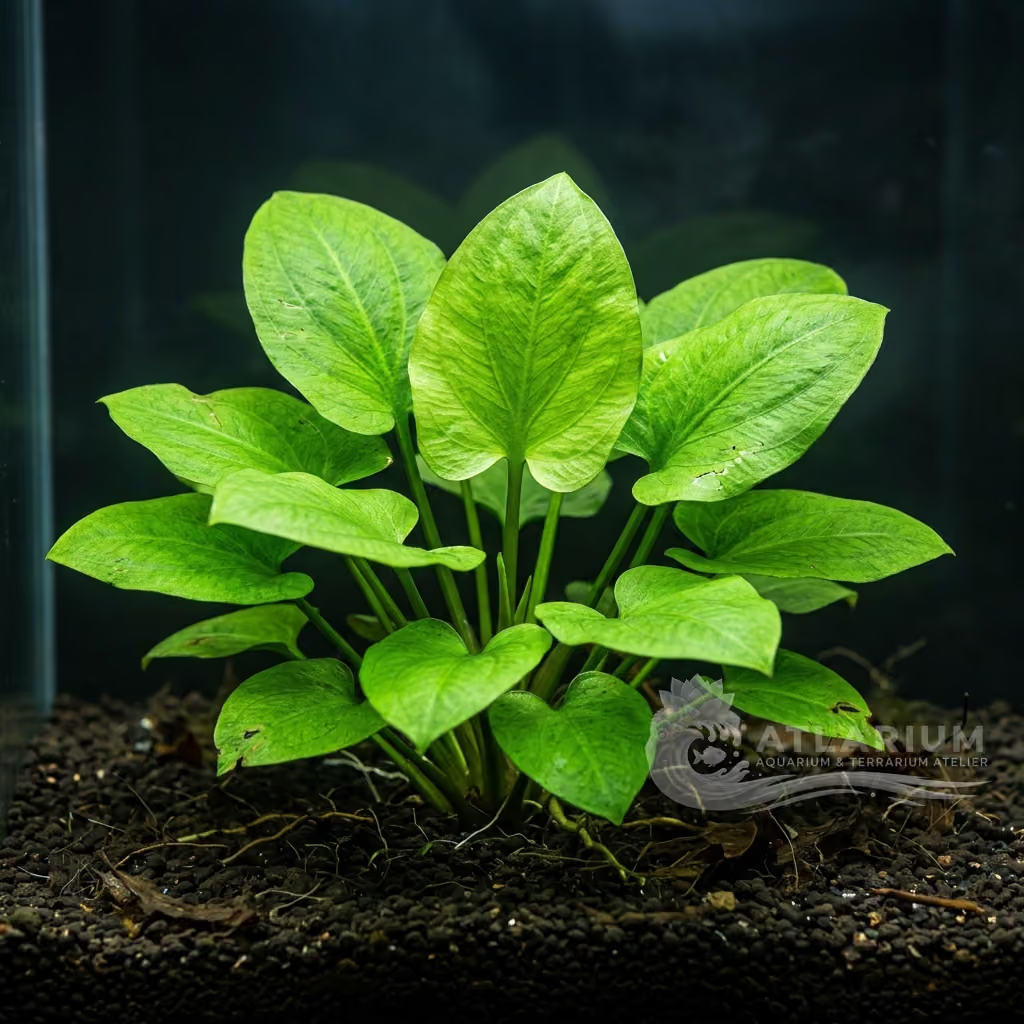
Color & Texture: The leaf color of Vallisneria australis typically ranges from bright light green to medium green, depending on lighting conditions and nutrient availability. With more intense light and good fertilization, the leaves can acquire richer, more vibrant hues. Their texture is smooth and slightly fleshy, offering an elegant appearance and a pleasing visual contrast with other finer-leafed or darker plants in the aquarium.

Care, breeding and tankmates
Lighting & CO2: Vallisneria australis is categorized as a plant with medium light requirements, meaning it thrives well under moderate illumination but positively responds to more intense conditions. Good lighting promotes more vigorous growth and brighter leaf coloration. Although not strictly necessary, CO2 supplementation can significantly accelerate the growth rate and enhance the plant's robustness, especially in high-light setups.
Nutrition & Substrate: For optimal growth, Vallisneria australis benefits from a nutrient-rich substrate, although it can tolerate less fertile substrates due to its ability to absorb nutrients from the
Water Chemistry: This plant is extremely tolerant of a wide range of water chemistry parameters, making it suitable for many freshwater aquariums. It prefers temperatures between 4.0 and 32.0 C, a pH ranging from 6.0 to 8.0, and carbonate hardness (KH) between 2.0 and 21.0. Such flexibility makes it an excellent choice for both beginner and experienced aquarists, adapting easily to hard or soft water conditions.
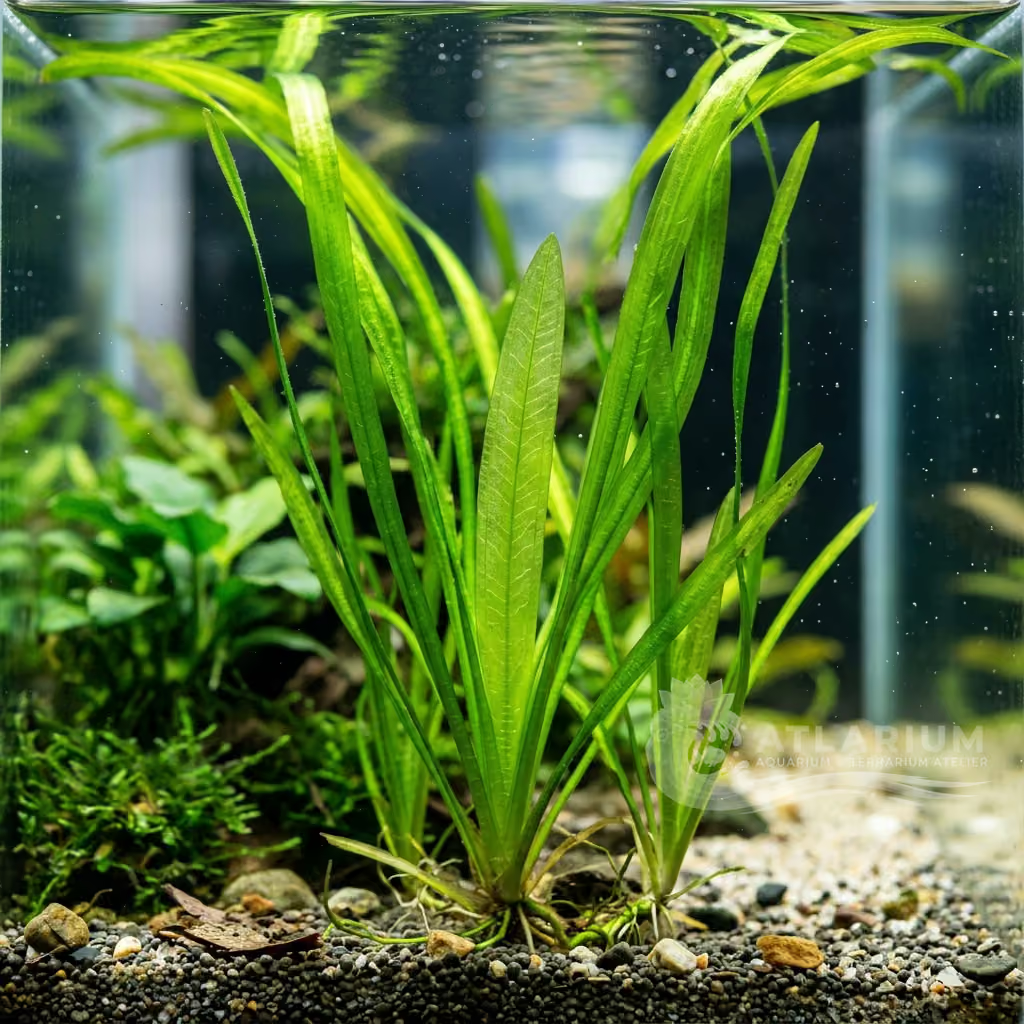
Space Management & Placement: Due to its rapid growth and ability to reach considerable lengths, Vallisneria australis is ideal for the mid- or background of the aquarium, where it can create a "green wall" effect or a natural screen. It is crucial to monitor its spread via runners, as it can quickly colonize large areas of the aquarium if not managed. Allowing sufficient space for its lateral and vertical expansion will ensure it does not smother neighboring plants or obstruct fish swimming paths.
Pruning:
Risks & Diseases: Vallisneria australis is generally a hardy plant, but it can be susceptible to nutrient deficiencies, manifesting as yellowing or deterioration of leaves. Excessive exposure to chemicals, such as some algae treatments containing copper, can cause rapid deterioration ("melting"). Regularly monitoring leaf health and water quality is essential to prevent problems and ensure the plant's well-being.

Geographic origin and distribution
This species originates from: Australia.
Origin
Australia, New Guinea, and Oceania

Plant profile
- Placement
- Midground
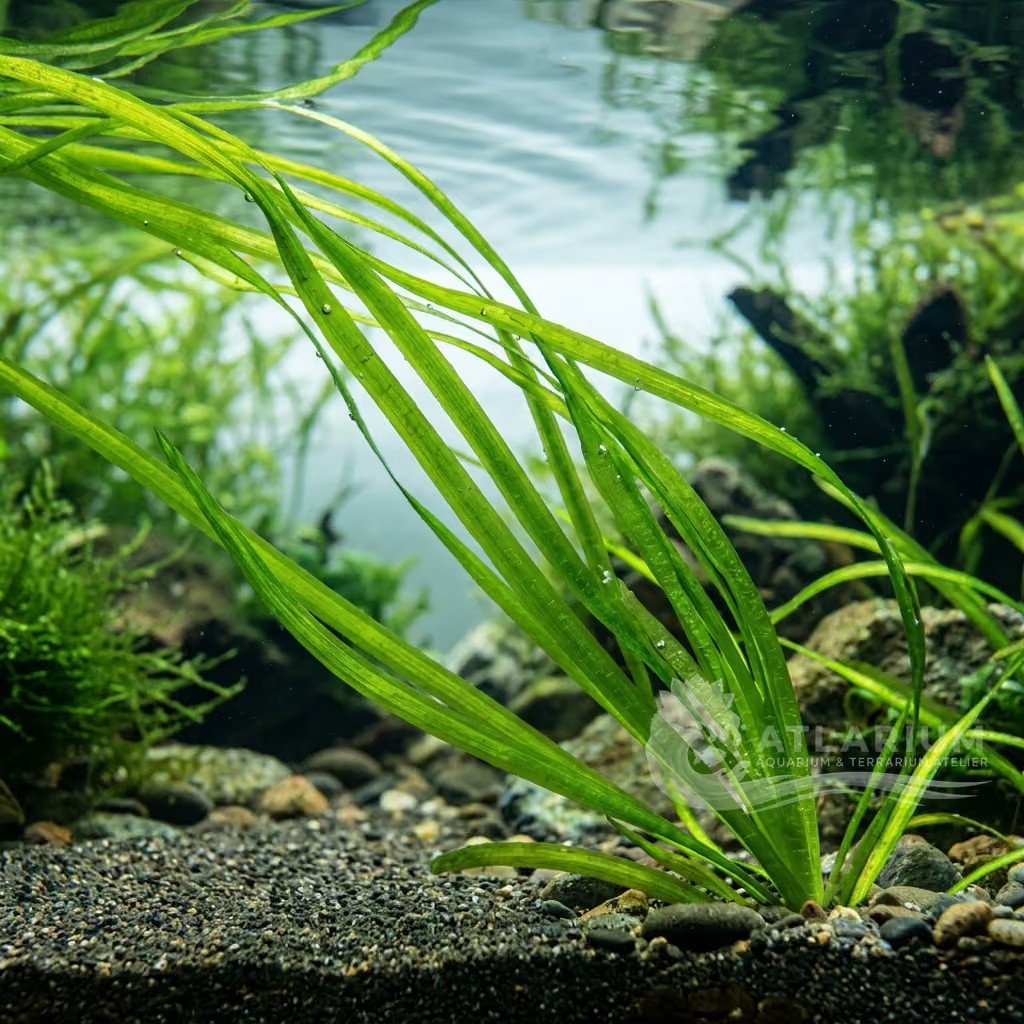
- These plants are overwhelmingly utilized as background vegetation due to their towering leaf span. They should be planted directly into the substrate at the rear of the aquarium. The leaves will gracefully arch across the water surface, creating a dynamic visual flow.
- Botanical form
- Rosette
- Vallisneria australis is a giant among its genus, possessing extraordinarily long and wide strap-like leaves. The thick, tough foliage features prominent veins and a deep green hue. Its massive size makes it a dominant structural element in any layout.
- Growth
- Fast
- The growth rate is exceptionally fast, especially when the roots have established in a mature substrate. It continuously sends out runners to colonize available space. Frequent maintenance may be required to keep it from shading the entire tank.
- Substrate
- High
- As a particularly large and fast-growing species, *Vallisneria australis* relies on a deep, nutrient-loaded substrate for its sustained health. The root system must be buried in at least 6 to 8 cm of sandy or gravelly soil enriched with fertilizers to prevent the plant from uprooting. It is a quintessential root feeder that effectively mines the substrate for iron and macronutrients rather than taking them from the water. Maintaining a consistently fertile bed is critical for producing its long, strap-like leaves and strong runner system.
- Column fertilization
- Recommended
- Liquid fertilization is beneficial as a supplement but not the primary driver of growth. Regular dosing ensures the leaves remain vibrant and free of nutrient deficiencies. However, it will adapt well even in setups with minimal water column fertilization if the roots are fed.
- Root fertilization
- None
- Root fertilization is paramount for the long-term success and vitality of this species. It develops a massive root system that rapidly depletes substrate nutrients. Providing root tabs or a rich aquasoil will dramatically improve leaf size and overall health.
- Trimming
- Occasional
- Trimming leaves by cutting them across the middle can lead to tissue decay at the cut site. It is better to remove older, overgrown leaves completely at the base. To control spreading, simply sever the runners and remove the unwanted daughter plants.
- Propagation
- Runners
- Propagation is incredibly easy and happens naturally via lateral runners. A healthy mother plant will continuously push out runners that root nearby to form new plants. These can be separated with sharp scissors once the daughter plant has established a few leaves.
- Sensitivity
- Moderate
- Like many tapegrasses, it is notoriously sensitive to liquid carbon supplements like glutaraldehyde. Dosing these products frequently causes the plant to melt away completely. It is otherwise very hardy and tolerates a wide range of water parameters and temperatures.
- Layout role
- Midground, Background
- It is a quintessential background plant that adds height and vertical motion to the aquascape. The trailing leaves create beautiful overhead shading that mimics natural river margins. It is also excellent for concealing hardware like filters and heaters at the back.

Related species
Recommendations grouped by close relatives, companion choices, and similar care.