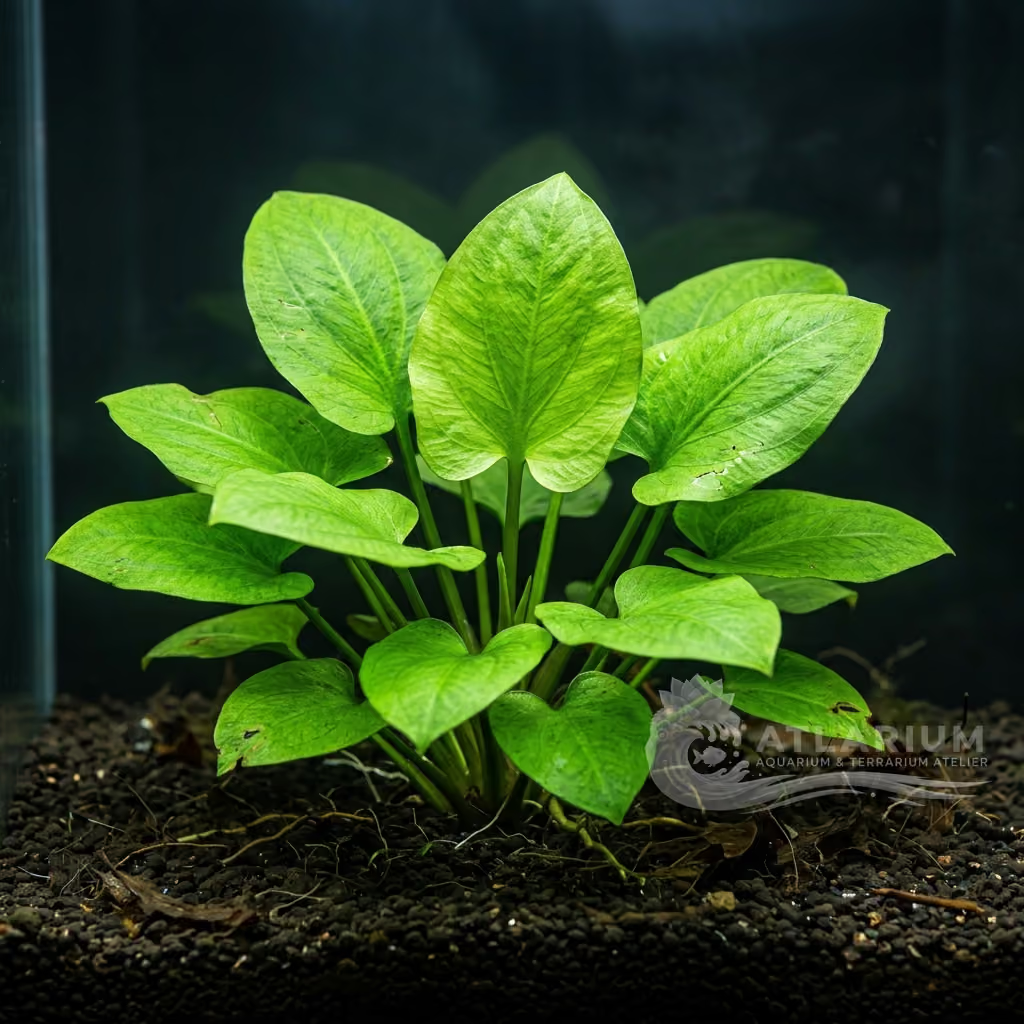
Vallisneria gigantea 'Marmor'
Vallisneria gigantea
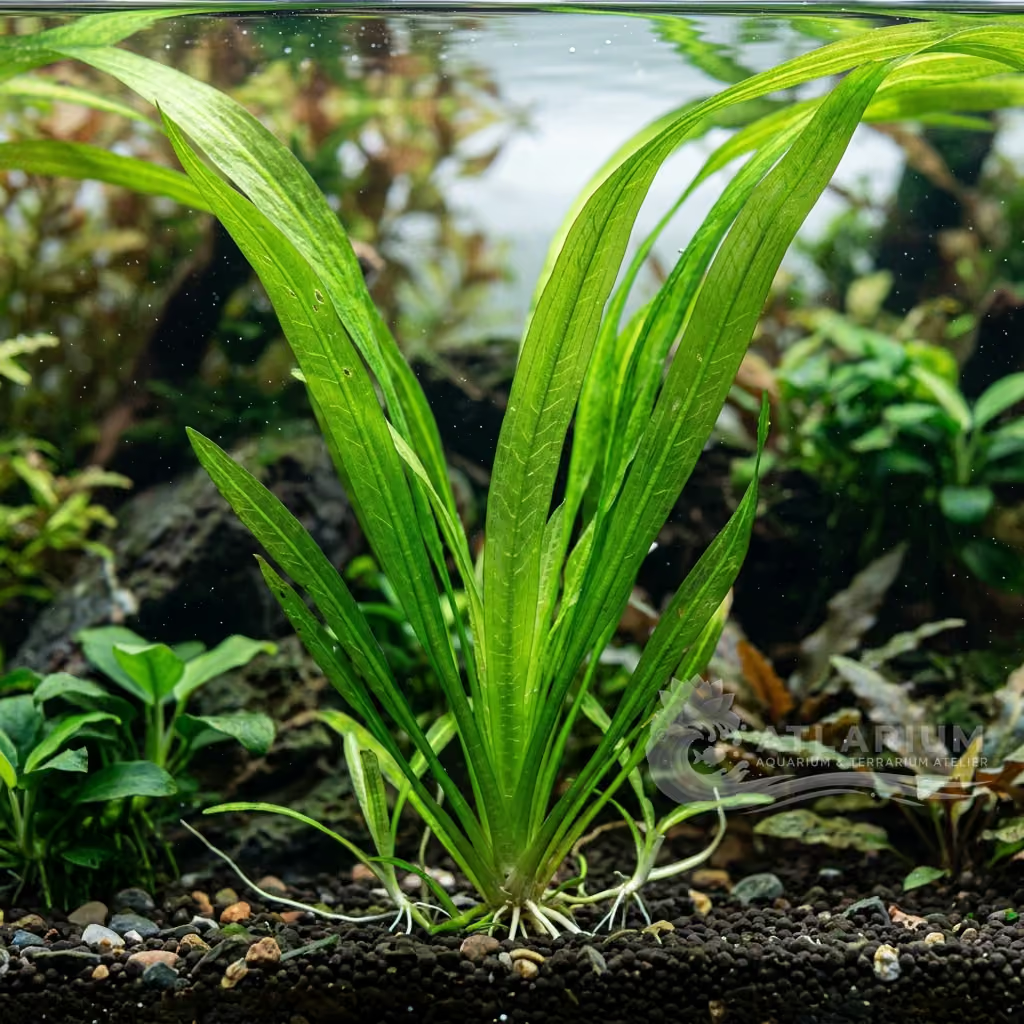
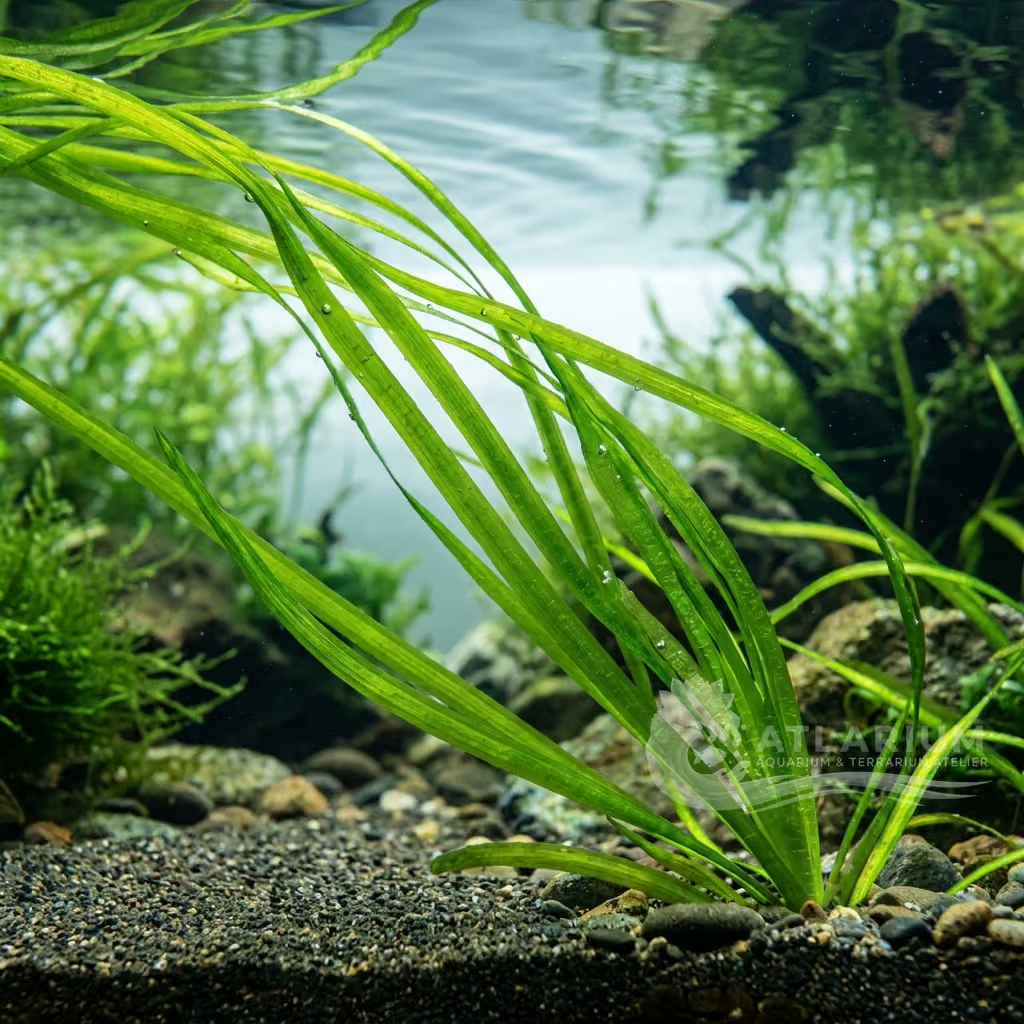
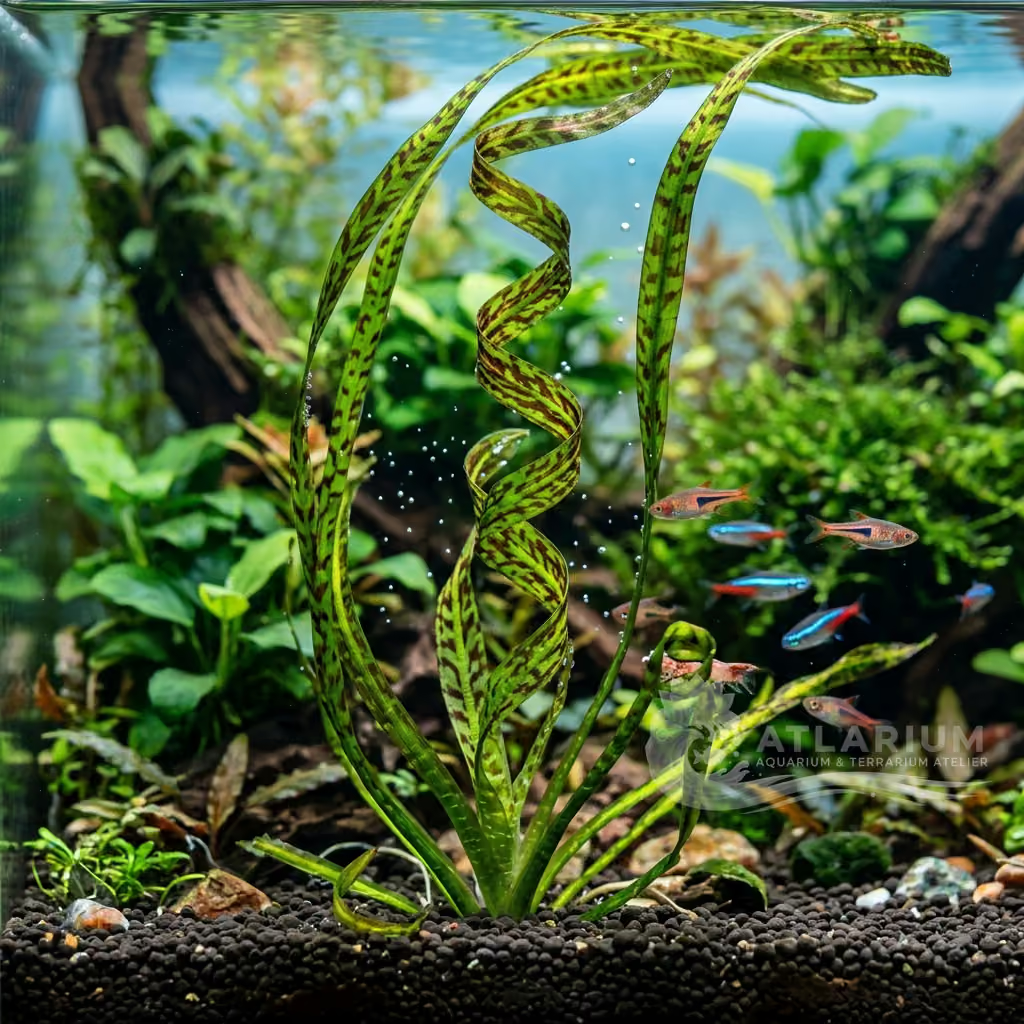
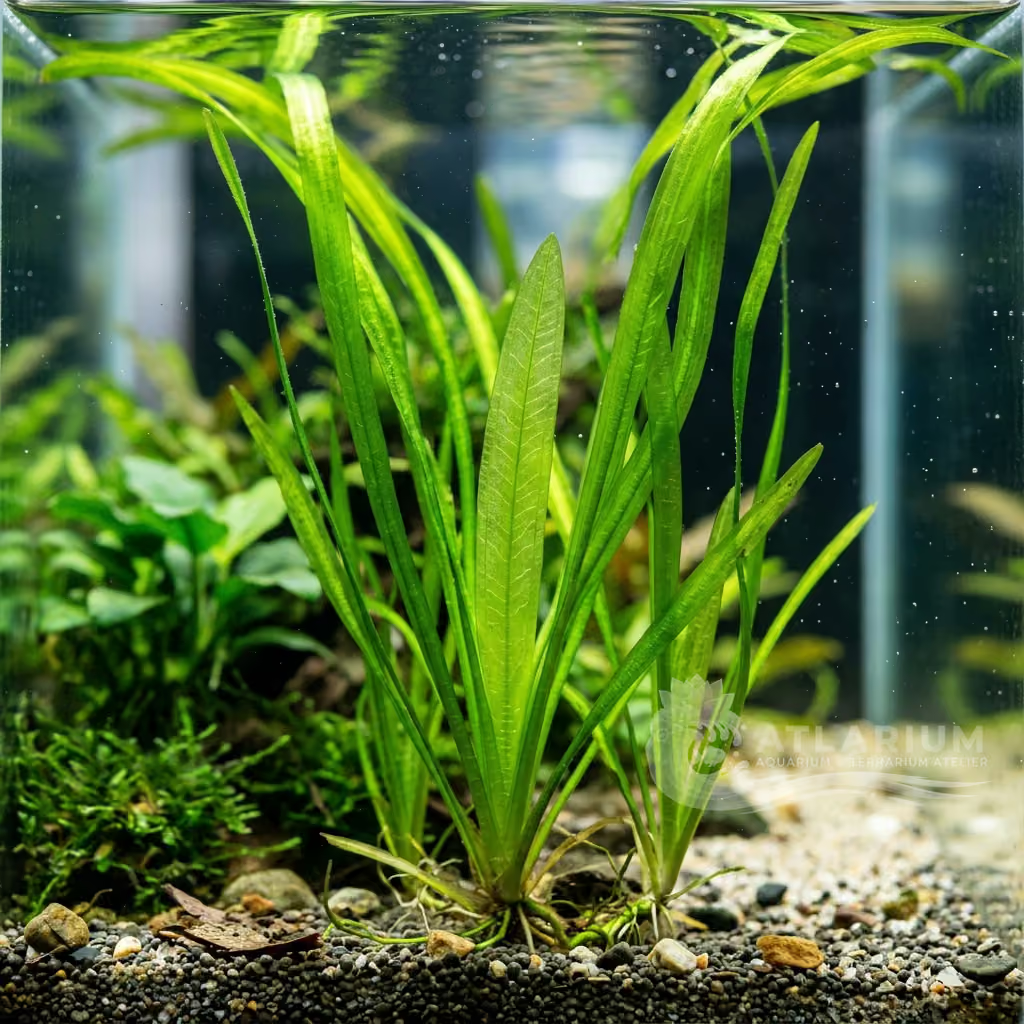
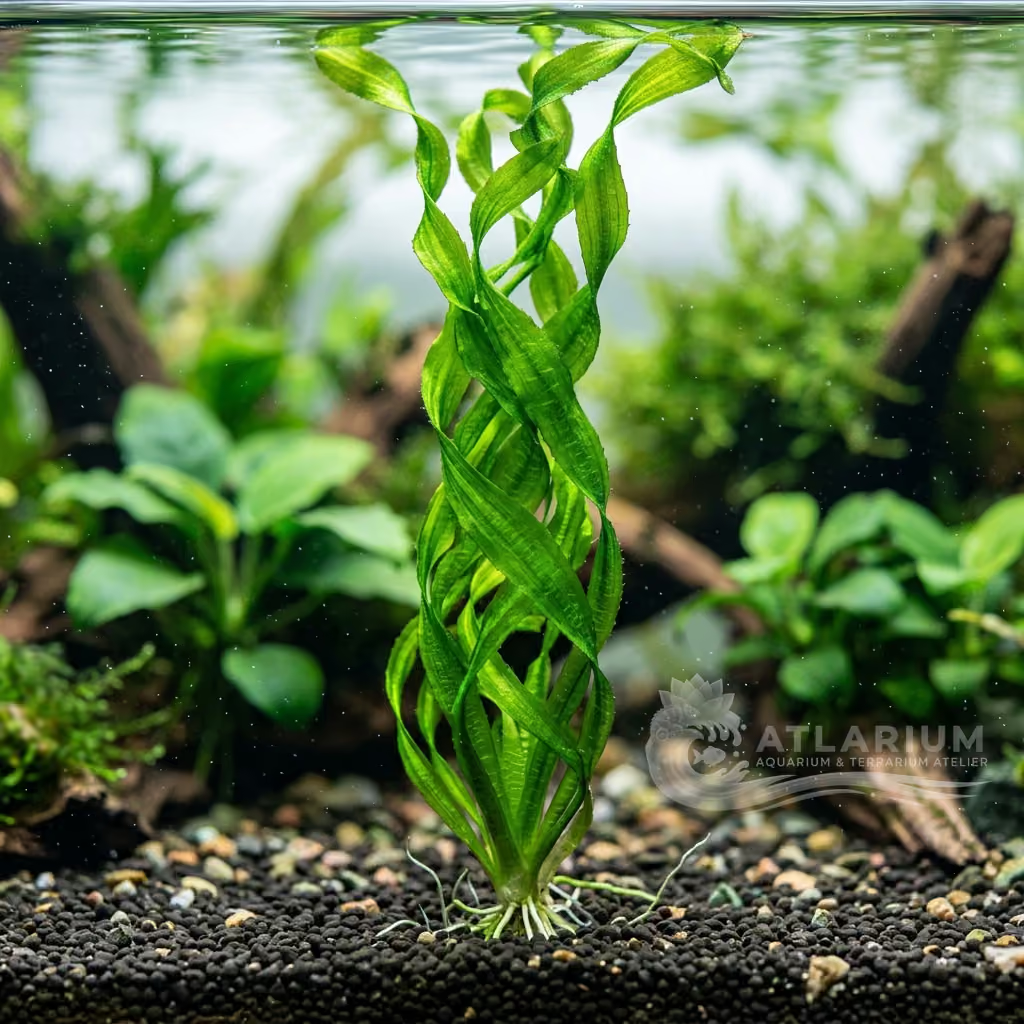
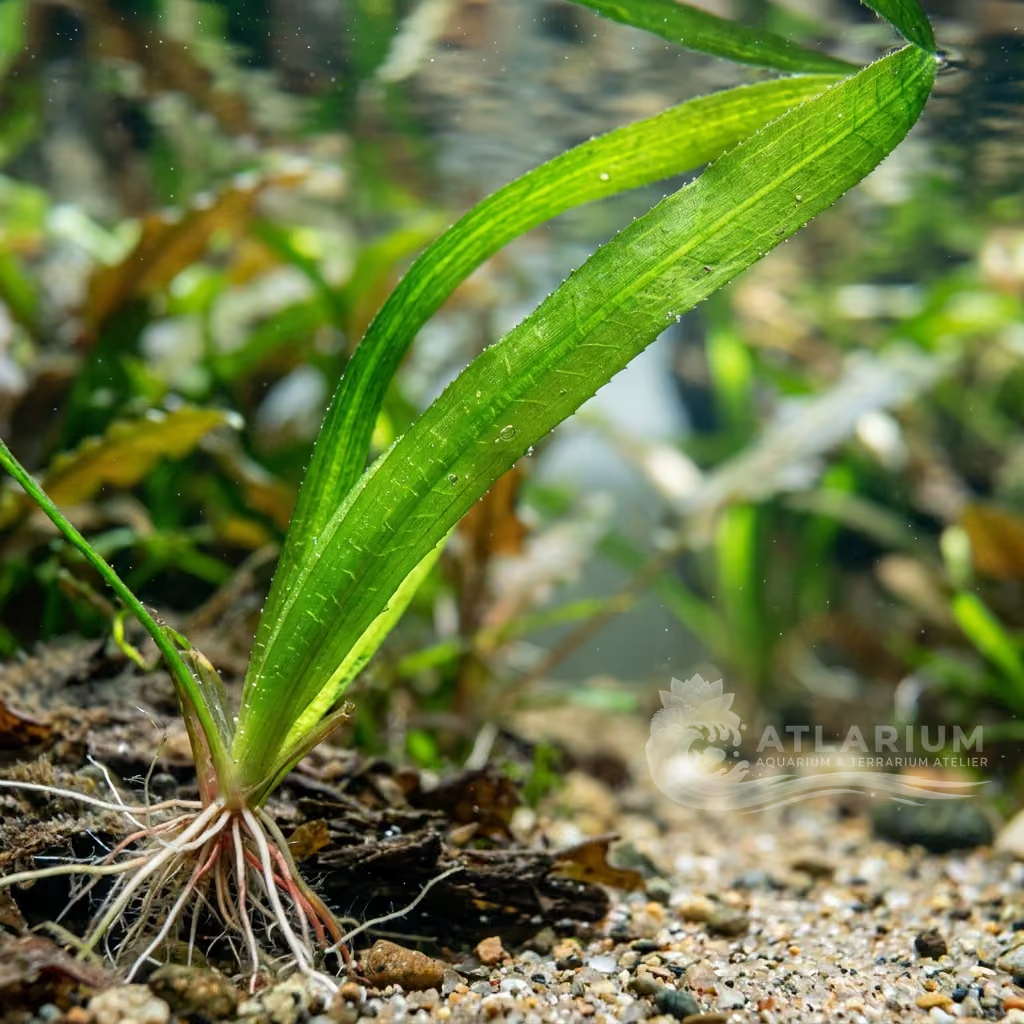
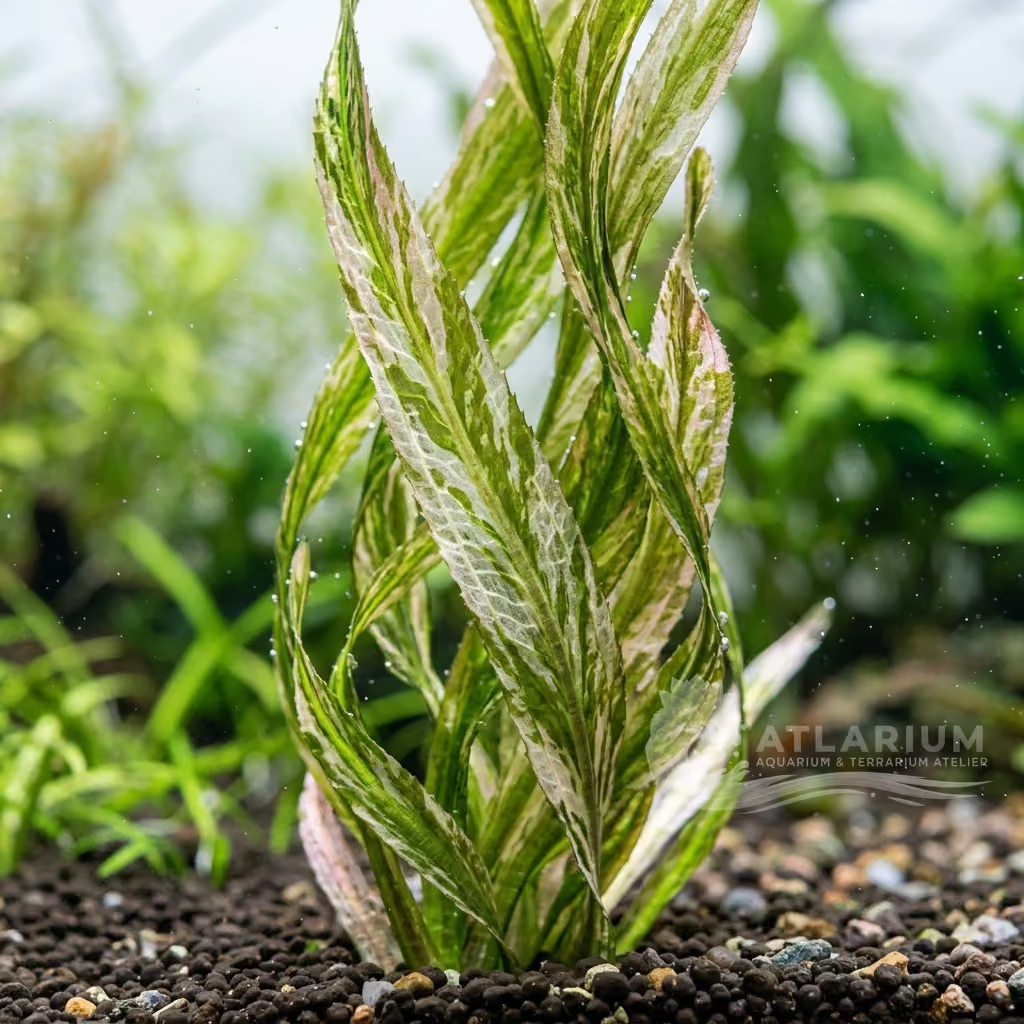
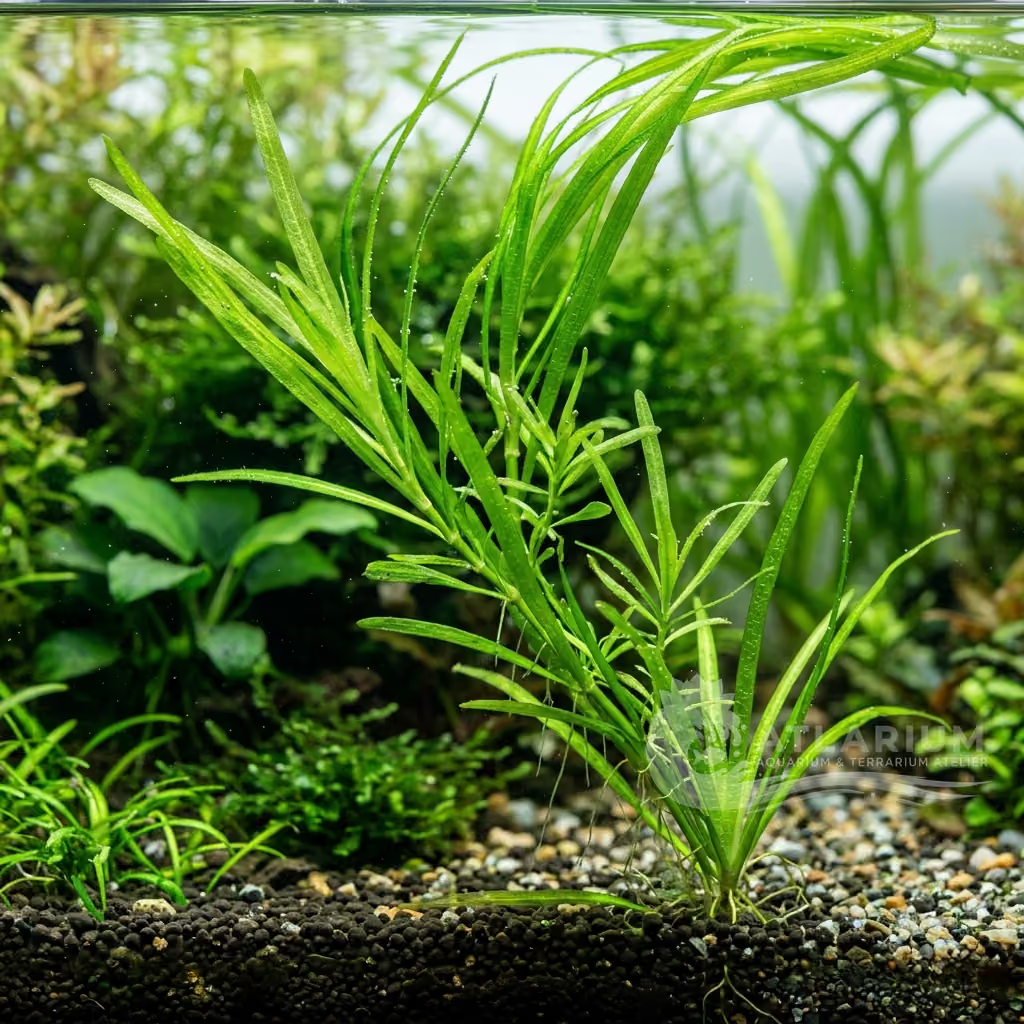
Vallisneria gigantea 'Marmor' is an attractive cultivar featuring long, variegated leaves, perfect for creating depth and structure in a freshwater aquarium layout. Its medium growth rate and relatively easy care make it suitable for many aquarists seeking a natural and dynamic effect.
Water Temperature
22 - 28 °C
pH Value
6 - 7.5
Water type
Freshwater
Light
Medium - High
CO2
Medium - High
KH
2 - 10 dKH

Species description
Geographical Origin and Habitat: While Vallisneria gigantea, from which 'Marmor' originates, is native to tropical and subtropical regions of Asia and Oceania, thriving in rivers, lakes, and slow-moving streams, the 'Marmor' cultivar is a horticultural selection. In its natural habitat, these plants form dense underwater meadows, offering shelter and food to numerous aquatic species, adapting to varying light conditions and nutrient-rich substrates. Its robustness makes it an excellent choice for replicating these natural environments within the aquarium.
Taxonomy & Genetics: Vallisneria gigantea 'Marmor' belongs to the Hydrocharitaceae family, a group of aquatic plants distributed globally. Specifically, it is a cultivated variety of the species Vallisneria gigantea, known for its considerable size. The 'Marmor' designation refers to the distinctive marbling or variegation of its leaves, achieved through selective breeding and cultivation in controlled environments, as this variegated form is not naturally found in the wild. This genetic specificity is what gives it its unique and highly valued appearance in aquascaping.
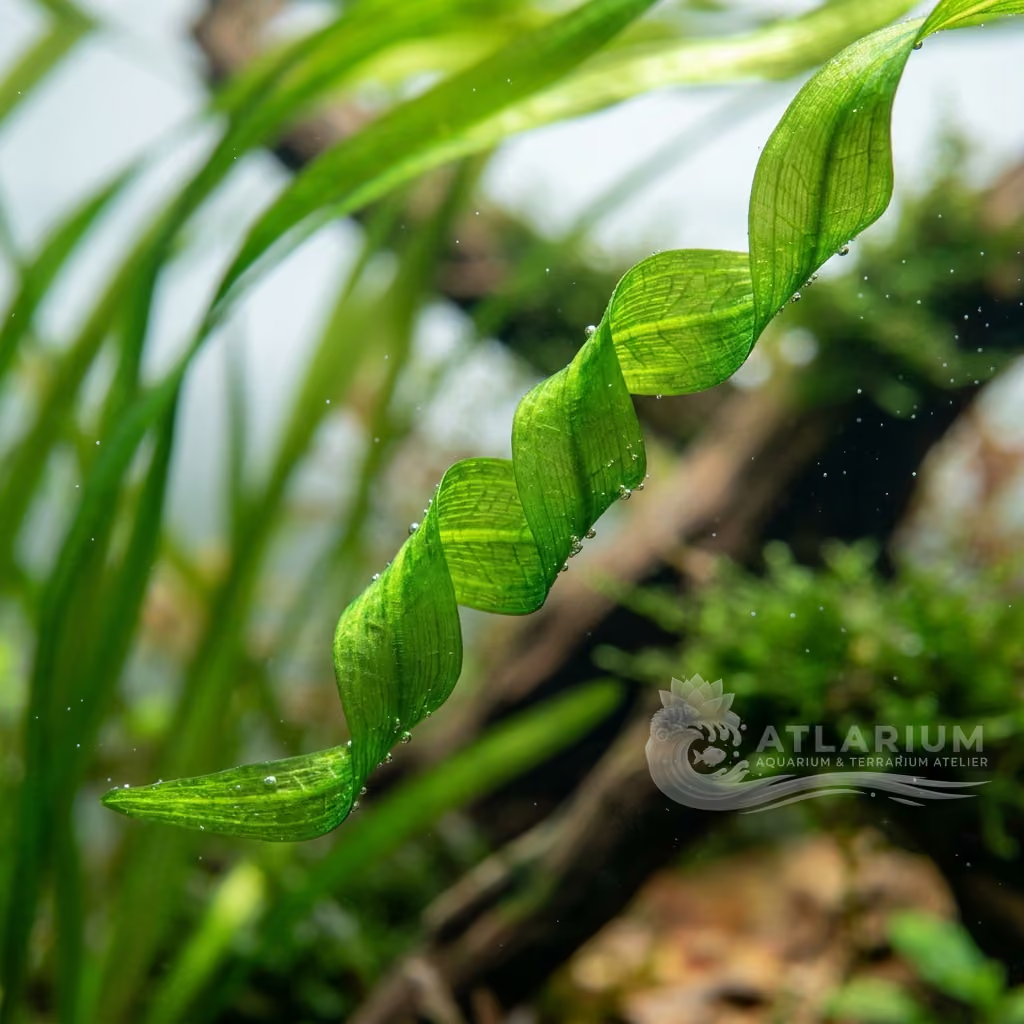
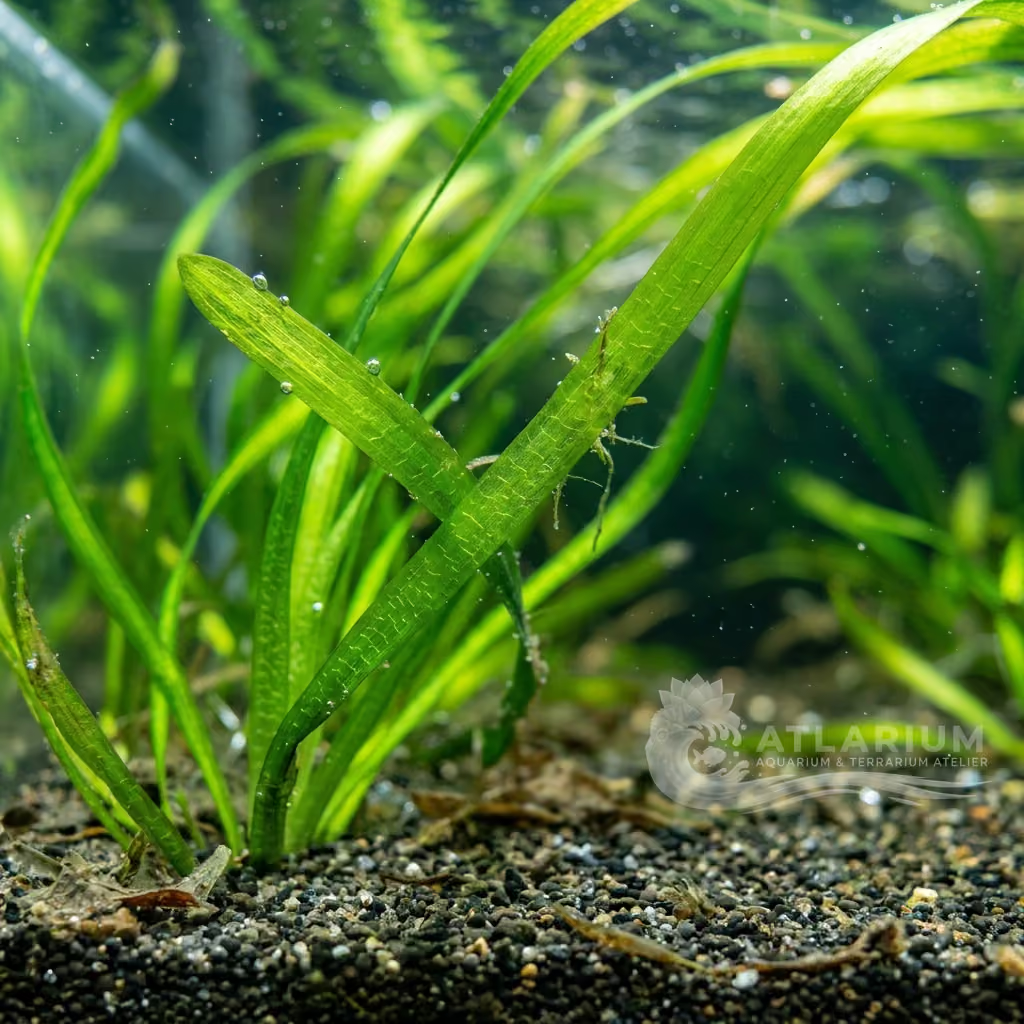
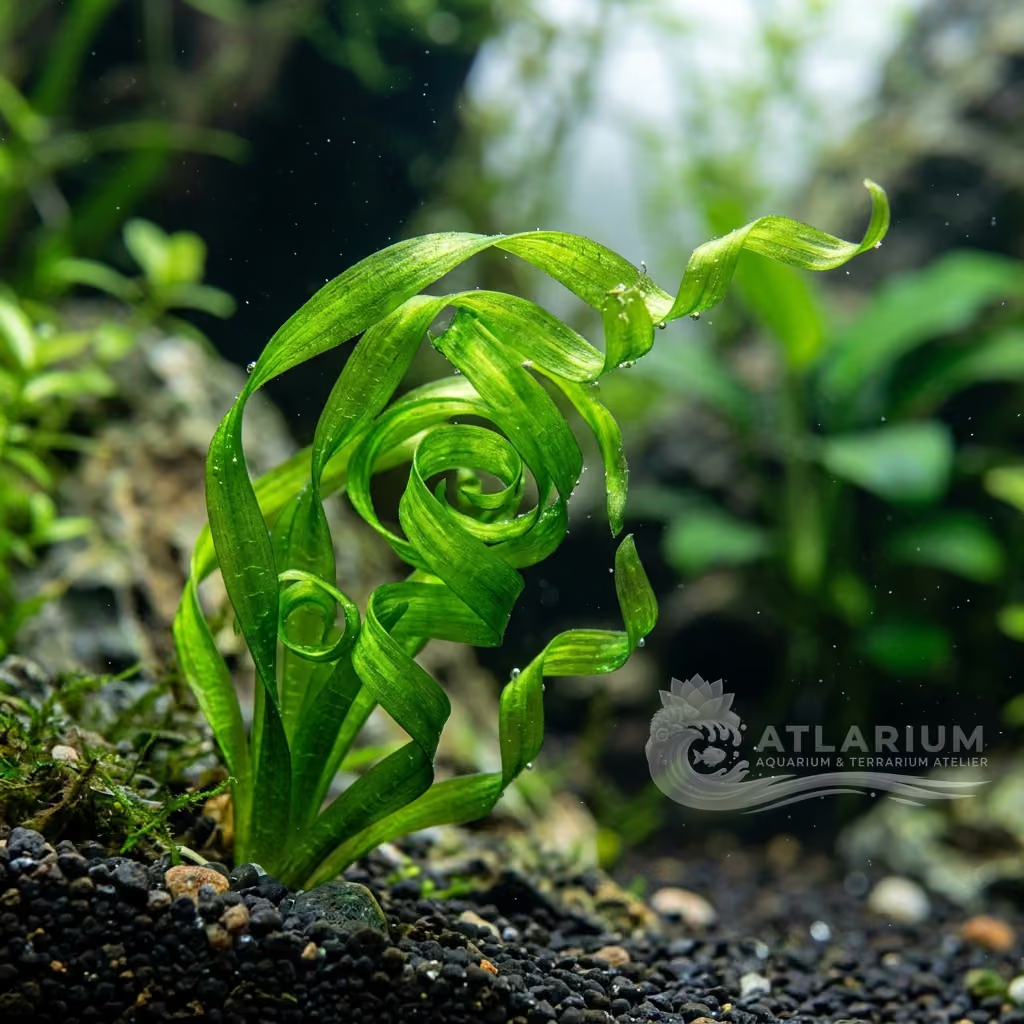
Physical Structure: This cultivar features long, narrow, ribbon-like leaves that emerge from a basal rosette, capable of reaching considerable lengths even in a medium-sized aquarium. Its robust root system anchors firmly to the substrate, from which it absorbs most of the nutrients essential for growth. The plant actively propagates via runners that extend horizontally beneath the substrate, producing new satellite plants and quickly forming a dense colony if not managed. The texture of the leaves is relatively flexible yet durable, adapting well to water currents.
Color & Texture: The most distinctive feature of Vallisneria gigantea 'Marmor' is its marbled variegation, which breaks up the uniform green typical of the species. The leaves display shades of light green, creamy white, or yellowish tones intertwined with darker green, creating a unique and painterly effect. This coloration can vary in intensity depending on light and nutrient conditions, becoming more pronounced and defined with adequate illumination and good iron availability. The surface of the leaves is smooth and slightly glossy, attractively reflecting light.

Care, breeding and tankmates
Lighting & CO2: Vallisneria gigantea 'Marmor' requires medium intensity lighting to thrive and maintain its distinctive variegation; insufficient light might reduce the visibility of the marbled patterns or cause the leaves to become paler. Although not strictly dependent on CO2 injection, supplementary carbon dioxide is strongly recommended to promote more vigorous growth, brighter colors, and to help prevent algae formation. A photoperiod of 8-10 hours per day is generally ideal for stimulating optimal photosynthesis without excessively encouraging algal growth.
Nutrition & Substrate: As a typical "root feeder," Vallisneria gigantea 'Marmor' draws most of its nutrients directly from the substrate, making a rich and fertile substrate essential. The use of specific planted tank substrates or supplementing with root tabs is highly recommended to ensure a constant supply of micro and macro elements. While it can benefit from general liquid fertilization, the emphasis should remain on substrate nutrition to avoid deficiencies that could manifest as yellowing leaves or stunted growth. It is important to ensure the substrate is not compacted to allow for healthy root and runner expansion.
Water Chemistry: For Vallisneria gigantea 'Marmor', it is crucial to maintain stable water parameters within the indicated ranges: a temperature between 20 and 28 C, a pH between 6.0 and 7.5, and a carbonate hardness (KH) between 2 and 12. Sudden fluctuations in these values can cause stress to the plant, manifesting as melting or disintegration of the leaves. Regular monitoring of water values and consistent partial water changes are advisable to maintain optimal water quality, fostering a stable and prosperous environment for growth.
Space Management & Placement: Despite the suggested midground placement, Vallisneria gigantea 'Marmor' has the potential to reach considerable sizes, requiring adequate space to expand both in height and width via its runners. In smaller aquariums, more assiduous control of its growth may be necessary to prevent it from overwhelming other plants, making it more suited for the background. For an optimal midground effect, dense groups can be created to act as a visual barrier or a backdrop for other smaller plants, ensuring sufficient space for its lateral expansion through numerous runners.
Pruning: Pruning Vallisneria gigantea 'Marmor' is essential for managing its size and vigor, especially in moderately sized aquariums. The outermost leaves, or those that become brown, damaged, or excessively long, can be gently removed at the base using sharp scissors. It is important to avoid cutting the tips of green, healthy leaves, as this can slow growth and cause rot. Managing runners is equally important: new plantlets can be allowed to grow to thicken the area or separated from the mother plant and replanted elsewhere for propagation, thus keeping its spread under control.
Risks & Diseases: Vallisneria gigantea 'Marmor' is generally robust, but it can encounter some common risks or diseases typical of aquatic plants. Nutrient deficiencies, particularly iron and potassium, can manifest as yellowing leaves or holes. Insufficient lighting or unstable water parameters can promote algal growth on its leaves, suffocating it. The sudden "melting" of leaves is common after introduction to a new aquarium or following drastic environmental changes, an adaptation process that requires patience and stability. It is crucial to maintain a regular maintenance routine and carefully monitor the plant for signs of stress or illness.

Geographic origin and distribution
While Vallisneria gigantea, from which 'Marmor' originates, is native to tropical and subtropical regions of Asia and Oceania, thriving in rivers, lakes, and slow-moving streams, the 'Marmor' cultivar is a horticultural selection. In its natural habitat, these plants form dense underwater meadows, offering shelter and food to numerous aquatic species, adapting to varying light conditions and nutrient-rich substrates. Its robustness makes it an excellent choice for replicating these natural environments within the aquarium.
Origin
South and Southeast AsiaAustralia, New Guinea, and OceaniaSelective breeding and cultivars

Plant profile
- Placement
- Background
- Due to its monumental size, it is meant only for the background of very large aquariums. Its massive, floating leaves will quickly shade out plants beneath them, so placement must be considered carefully. It is an ideal backdrop for large setups, particularly for robust fish like cichlids.
- Botanical form
- Rosette
- It possesses the same towering height and wide, thick leaves as the standard gigantea, but with a unique visual twist. The leaves display distinct dark and light green marbling or mottling throughout their length. This patterned foliage adds an extra layer of depth to the plant's massive profile.
- Growth
- Medium
- This variety shares the explosive growth rate of the standard Vallisneria gigantea. Once its root system is fully established, it will produce new leaves and runners at an astonishing pace. You must be prepared for frequent thinning to prevent it from overtaking the entire water column.
- Substrate
- High
- *Vallisneria gigantea* 'Marmor' requires a deeply enriched substrate layer of at least 3 inches (8 cm) to provide adequate anchoring for its massive, beautifully marbled leaves. As a dedicated root feeder, it thrives best in aquatic soils or gravel supplemented regularly with root tabs. The extensive root system extracts necessary macronutrients directly from the soil bed, fueling its rigorous growth and rapid multiplication through runners.
- Column fertilization
- Recommended
- Liquid fertilization is crucial for maintaining the contrast of the marbled pattern. Dosing a comprehensive fertilizer that includes iron and trace elements prevents the leaves from fading to a solid green. It readily absorbs these nutrients through the water column to supplement root feeding.
- Root fertilization
- Recommended
- A nutrient-rich substrate is non-negotiable for achieving its maximum size and health. Providing heavy root tabs will ensure the base of the plant remains strong and the leaves grow wide. Deep, well-fed roots also anchor the massive plant securely against strong currents.
- Trimming
- Occasional
- Pruning involves cutting the oldest, longest leaves at the very base of the rosette. Never snip the leaves in the middle, as the exposed cut will slowly rot and ruin the plant's appearance. Aggressive removal of errant runners is essential to keep the plant confined to its designated background space.
- Propagation
- Runners
- It propagates enthusiastically via robust runners that creep along and under the substrate. These runners rapidly produce fully formed daughter plants. Once a daughter plant has a few roots of its own, the runner can simply be snipped and the plant relocated.
- Sensitivity
- Moderate
- Like its relatives, it is incredibly sensitive to liquid carbon supplements like glutaraldehyde. Even a small dose can cause a catastrophic melting of the foliage. It favors hard, alkaline water and may struggle significantly in very soft, acidic environments.
- Layout role
- Background
- It serves as a commanding background feature, providing a dense, flowing curtain of textured leaves. The marbled pattern helps break up the monotony of a solid green backdrop in large tanks. It is exceptionally effective at hiding large aquarium equipment like heaters and filter intakes.

Related species
Recommendations grouped by close relatives, companion choices, and similar care.