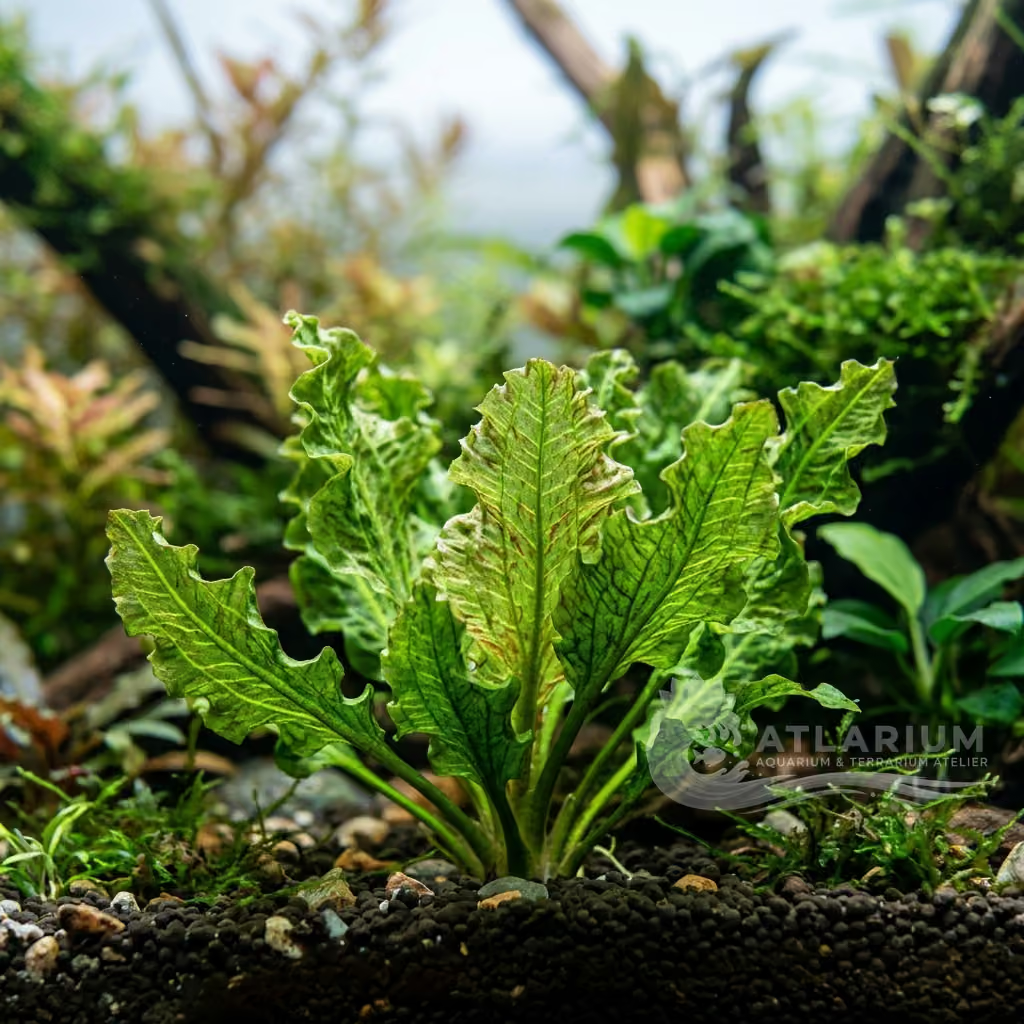
Vallisneria sp. 'Natans'
Vallisneria sp. 'Natans'
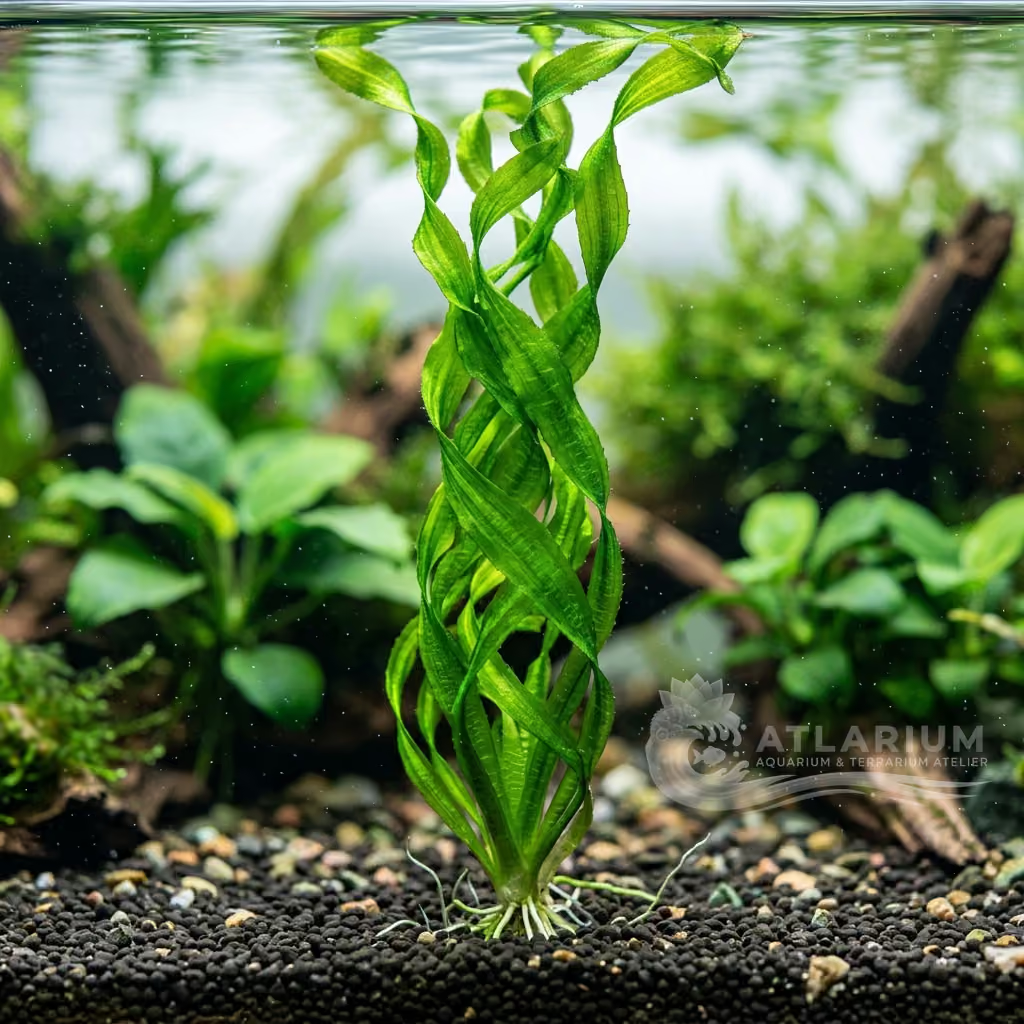
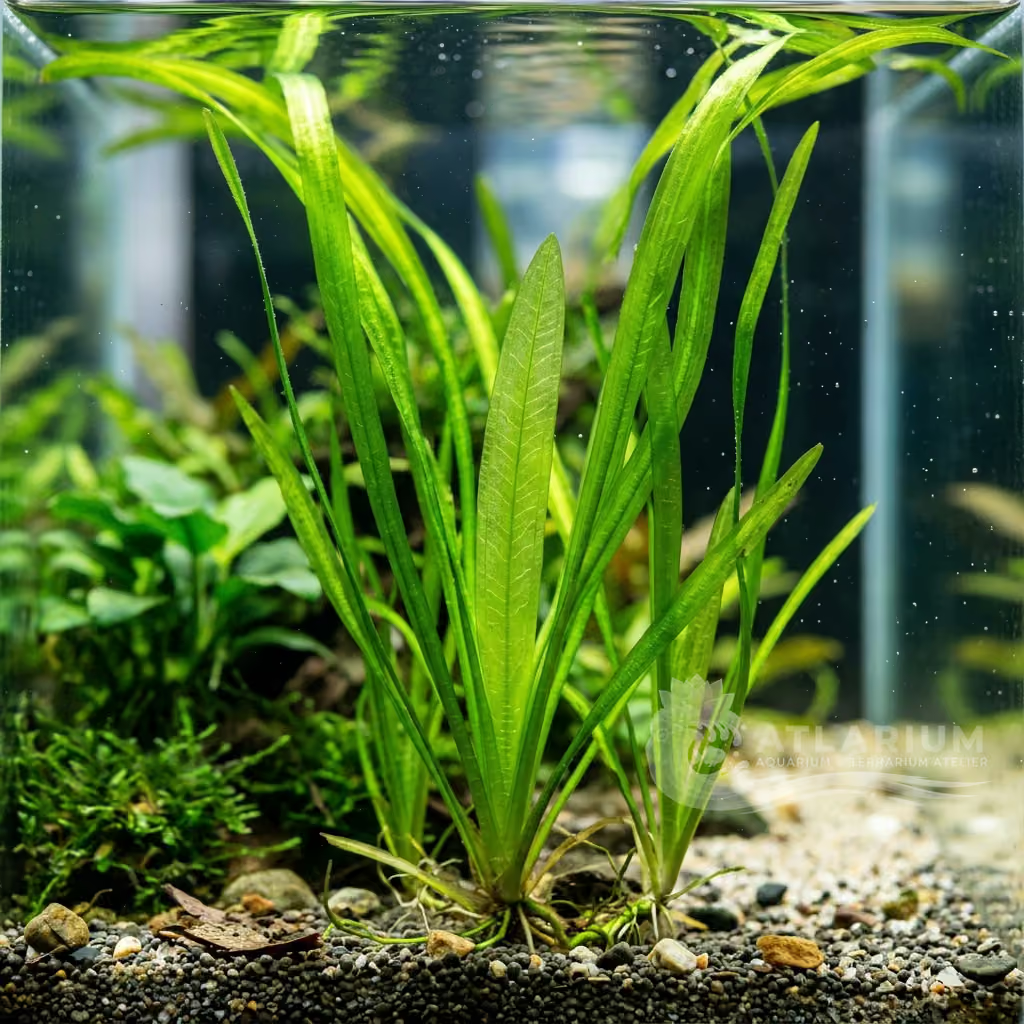
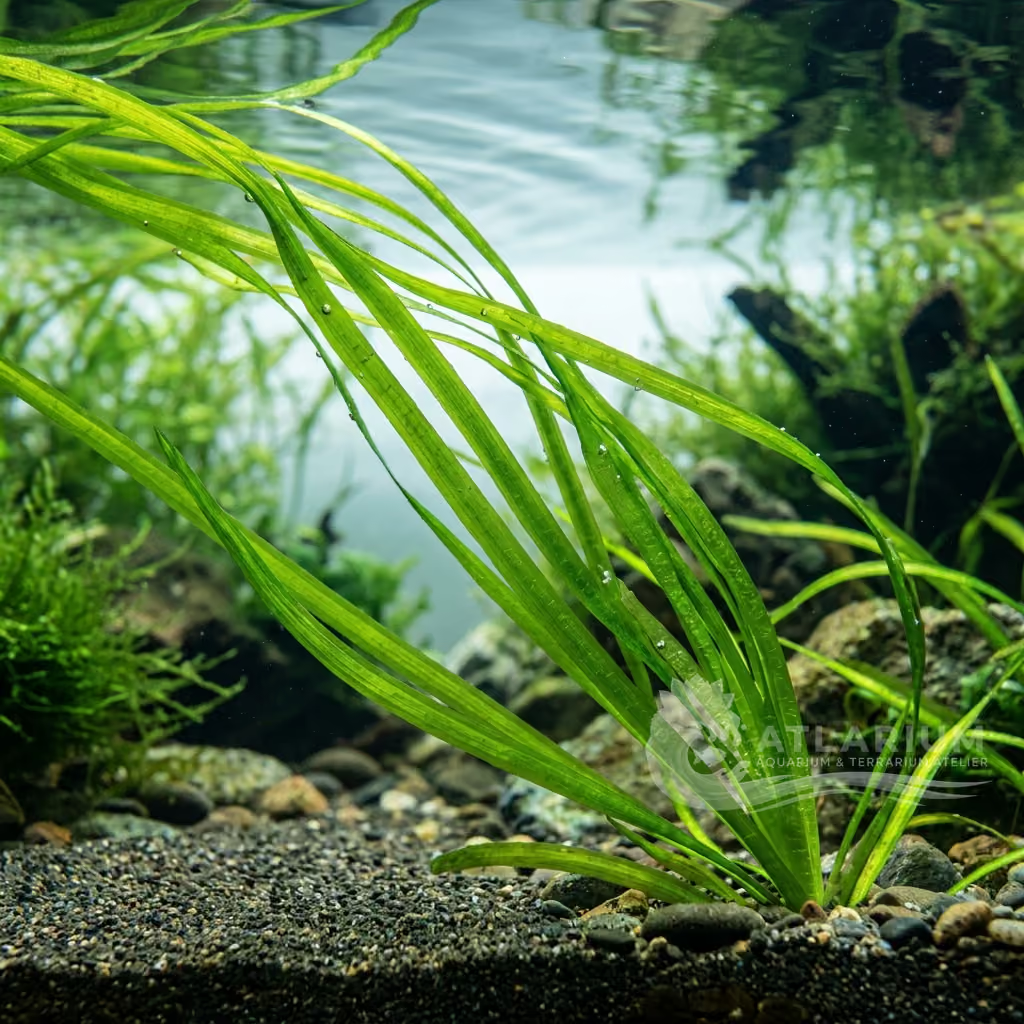
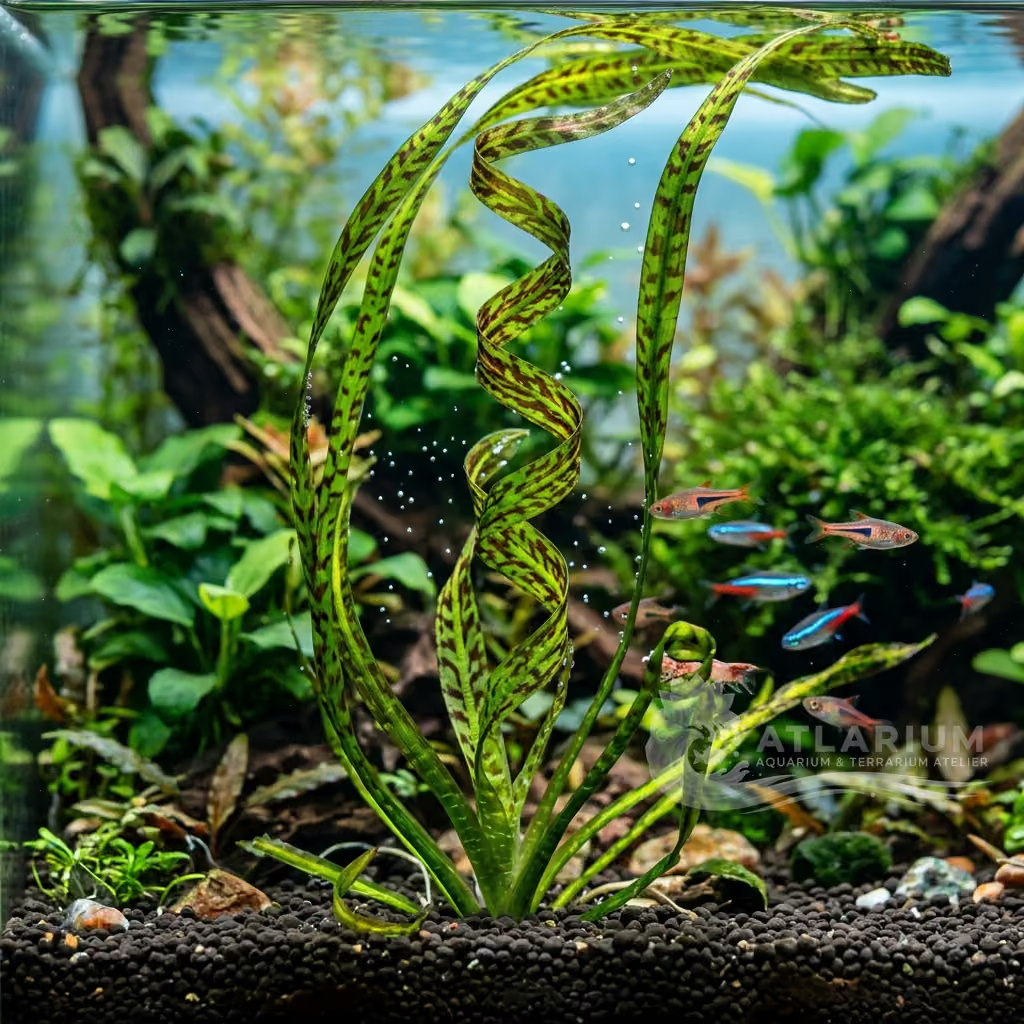
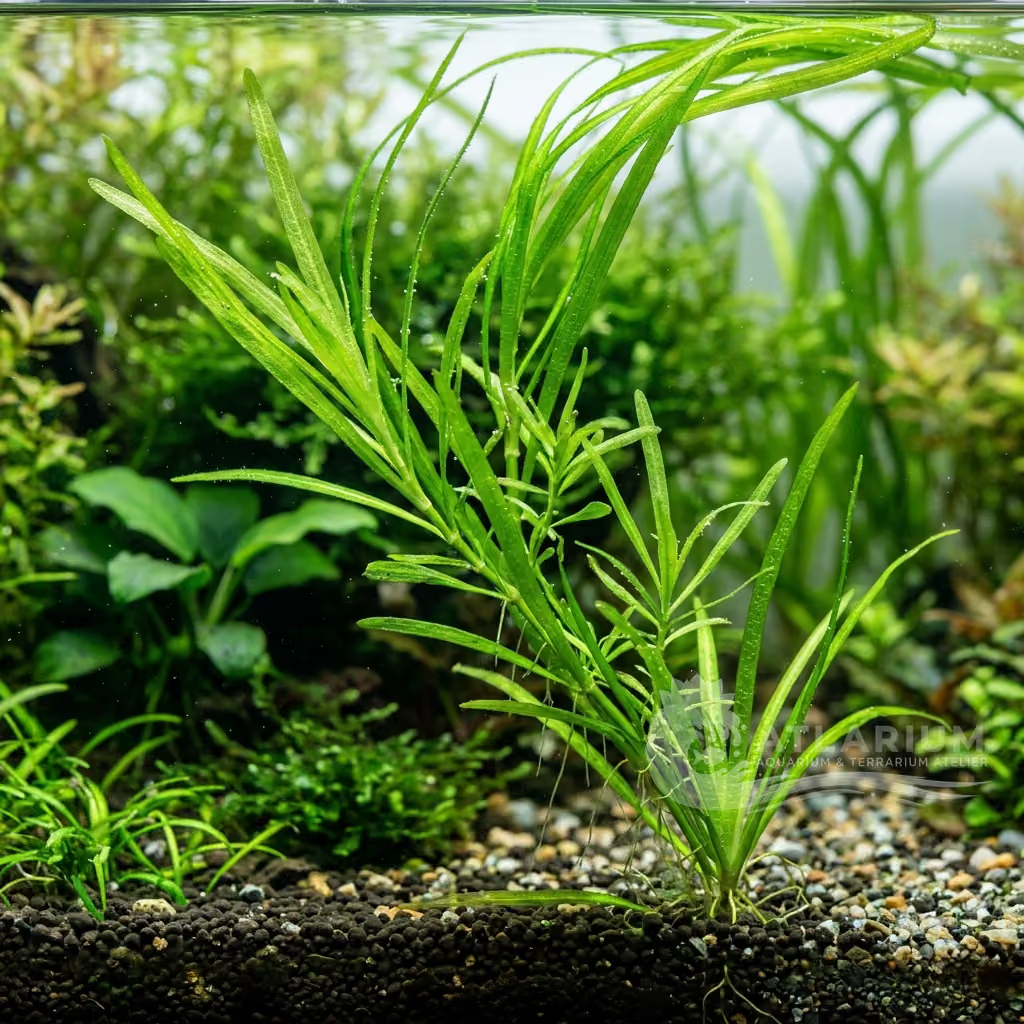
Vallisneria sp. 'Natans' is a fast-growing aquatic plant, perfect for the aquarium background, forming lush green curtains with its long, ribbon-like leaves. It readily propagates through runners, making it an excellent choice for quickly filling in spaces and creating natural-looking aquascapes.
Water Temperature
18 - 28 °C
pH Value
6 - 8
Water type
Freshwater
Light
Medium to High
CO2
Low - High
Expected height
100 cm
KH
2 - 21 dKH

Species description
Geographical Origin and Habitat: Vallisneria species, including the 'Natans' variety, are indigenous to tropical and subtropical regions across the globe, where they naturally thrive submerged in slow-moving or still freshwater bodies like lakes and rivers. They prefer soft, nutrient-rich substrates where their root systems can firmly establish themselves. Their widespread geographical distribution underscores their remarkable adaptability to various aquatic environmental conditions, though stable aquarium parameters are typically maintained for optimal growth.
Taxonomy & Genetics: Vallisneria sp. 'Natans' belongs to the Hydrocharitaceae family, a group of fully or partially submerged aquatic plants renowned for their efficient vegetative propagation. While "Natans" traditionally implies a species or variety that tends to float or features leaves reaching the water's surface, in aquariums, it is valued for its submerged, upright growth habit. The precise classification of different Vallisneria species can be complex due to their morphological plasticity and tendency to hybridize, yet all share the characteristic propagation via subterranean runners.
Physical Structure:
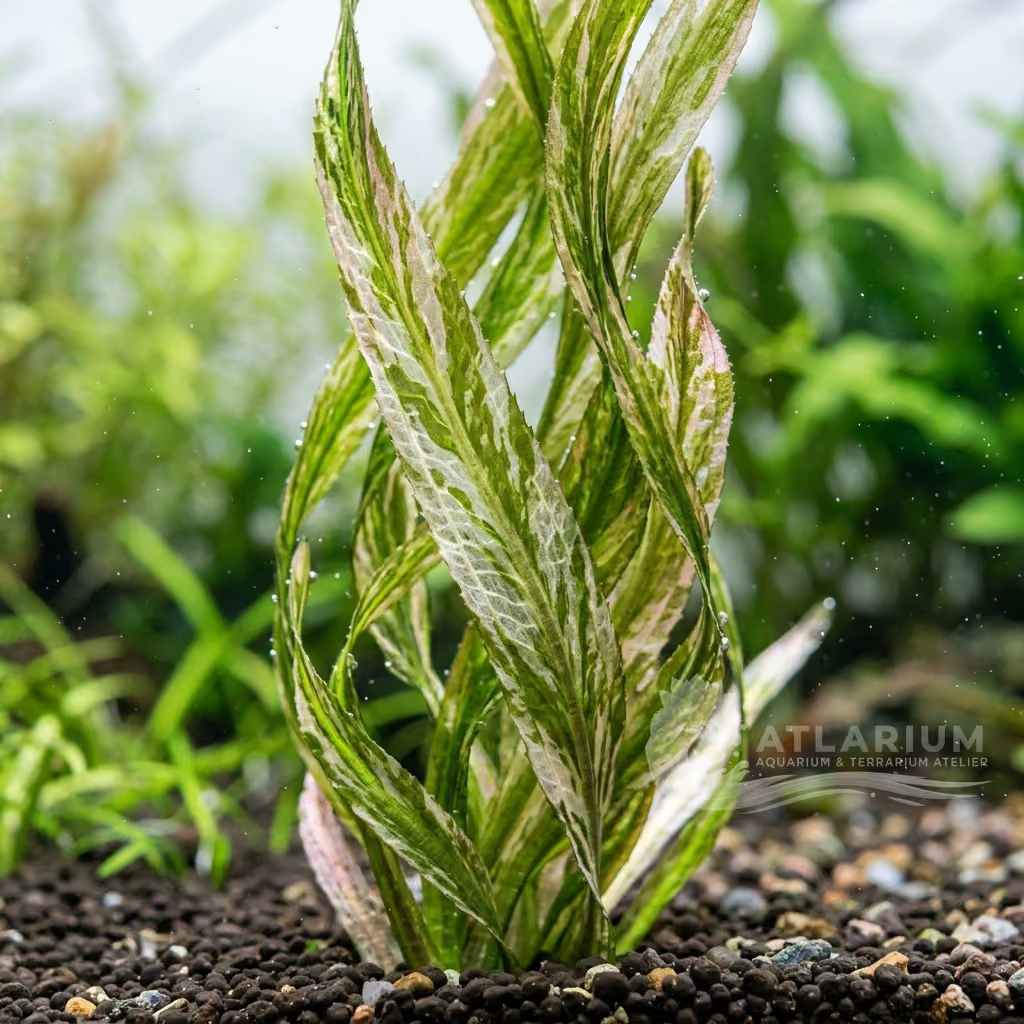
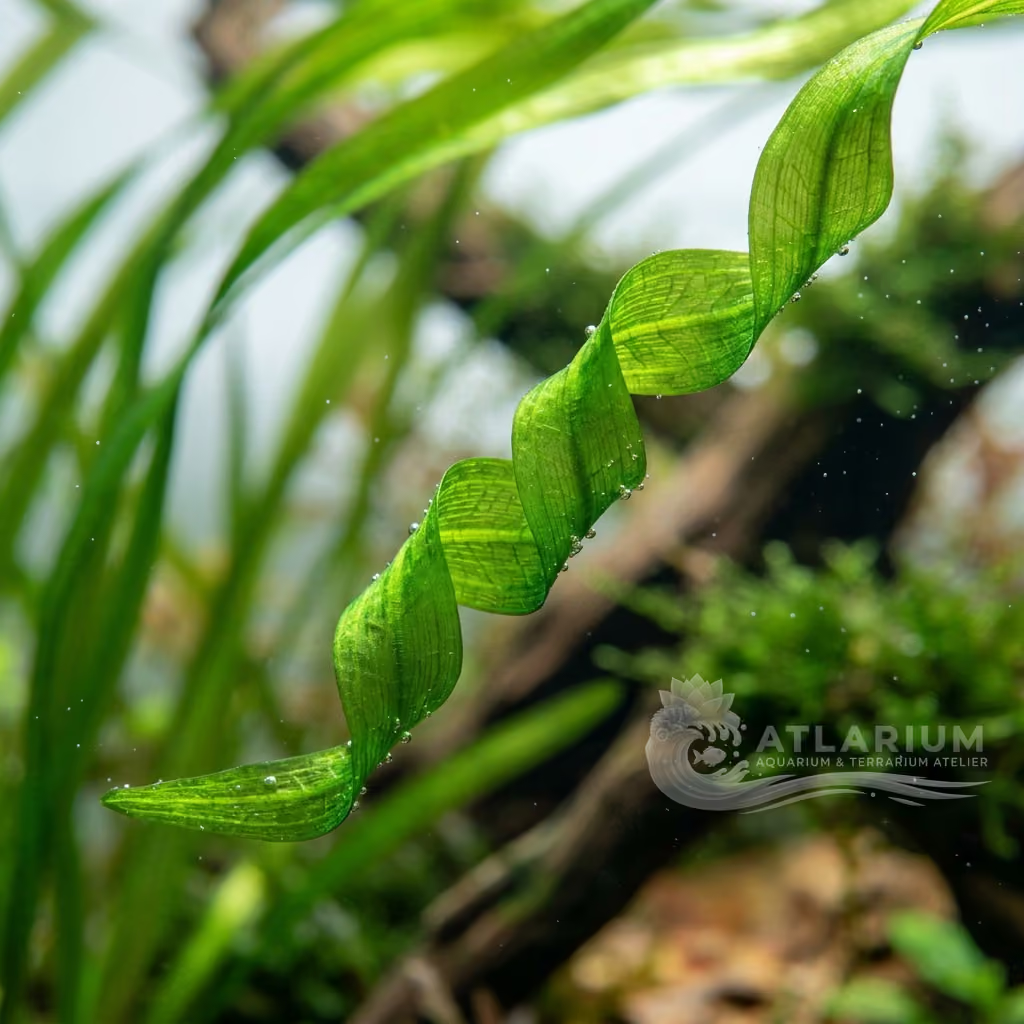
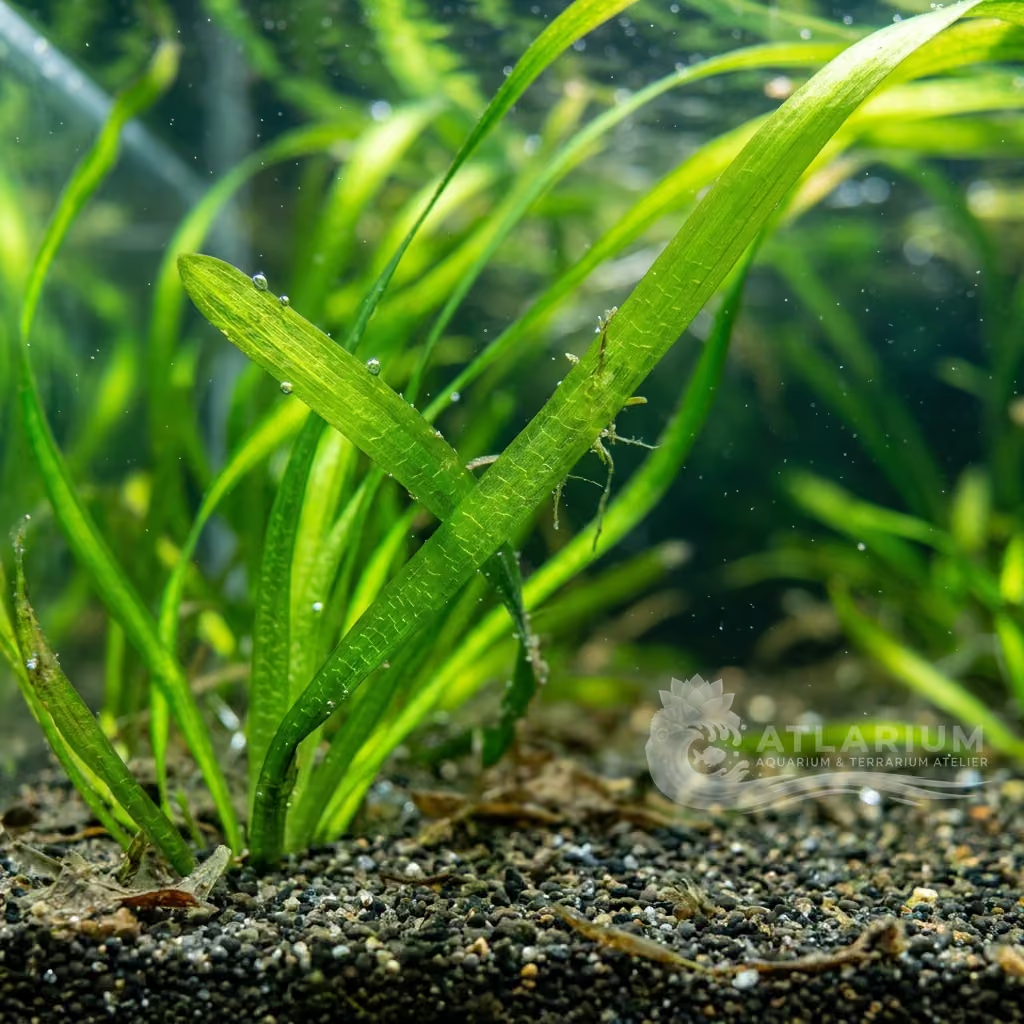
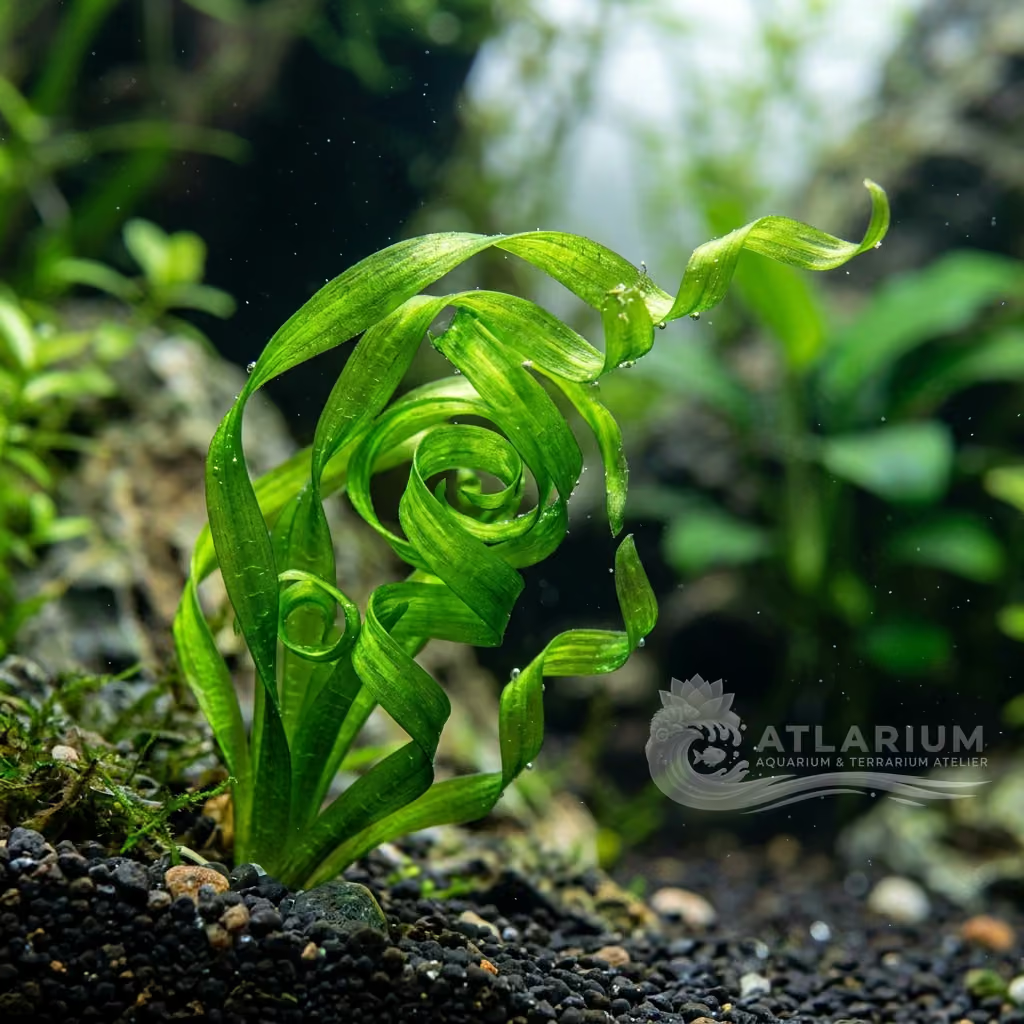
Color & Texture: The leaves of Vallisneria sp. 'Natans' display a coloration ranging from bright to medium green, which can deepen or lighten depending on light intensity and nutrient availability. Under strong illumination, the tips or younger leaves might occasionally develop subtle reddish or bronze hues. Their texture is smooth and flexible, characteristic of ribbon-leaved aquatic plants, allowing them to sway elegantly with water movement and adding a dynamic element to the aquarium layout.

Care, breeding and tankmates
Lighting & CO2: Vallisneria sp. 'Natans' benefits significantly from medium to high lighting conditions to fully express its rapid growth potential and maintain a healthy, dense foliage. Under insufficient light, leaves may become more etiolated and less vigorous, stretching excessively in search of light. While not strictly essential, CO2 supplementation in the aquarium will markedly boost growth, leading to more robust leaves and even faster propagation, making the plant a formidable nutrient consumer.
Nutrition & Substrate: As primarily a root feeder, Vallisneria sp. 'Natans' thrives in a fertile, nutrient-rich substrate, which provides a consistent supply of essential elements. Supplementation with root tabs (fertilizer tablets inserted into the substrate) is highly recommended to ensure the roots have access to iron, potassium, and other crucial micro and macronutrients for its vigorous growth. If the substrate is lean, the plant will also respond to liquid fertilization of the
Water Chemistry: This Vallisneria species is remarkably tolerant of a broad spectrum of water parameters, making it a versatile choice for many aquarists. It adapts well to temperatures between 18.0 and 28.0 C, and can flourish in water with a carbonate hardness (KH) ranging from 2.0 to 21.0. It prefers a pH from slightly acidic to slightly alkaline, specifically between 6.0 and 8.0, demonstrating notable resilience to fluctuations that might stress more sensitive plants.
Space Management & Placement: Vallisneria sp. 'Natans' is ideally suited for placement in the background of an aquarium, where its tall, vertical leaves can create a natural barrier or a lush green backdrop. Its rapid propagation via runners allows it to quickly fill large areas, establishing dense zones and perfect hiding spots for shy fish or fry. It is crucial to consider the available vertical space, as its leaves can reach the water surface, as well as the horizontal area it will colonize through its expansion.
Pruning: Due to its fast growth rate and tendency to produce numerous runners, Vallisneria sp. 'Natans' requires regular pruning to maintain its shape and prevent overcrowding in the aquarium. Pruning primarily involves removing older, outer leaves and any damaged foliage by cutting them at the base of the rosette with sharp scissors. It is also necessary to manage runners to control the expansion and density of colonies, replanting or removing new plantlets as required by the aquascape design.
Risks & Diseases: While Vallisneria sp. 'Natans' is generally robust, it can be susceptible to "melting" following significant environmental stresses, such as drastic changes in water parameters or a transition from emersed to submerged cultivation. It is also notably sensitive to certain chemical agents, like glutaraldehyde-based products used as "liquid carbon" if overdosed. Nutritional deficiencies, particularly of iron, can manifest as yellowish or pale leaves, while poor circulation might encourage algae growth on its foliage.

Geographic origin and distribution
Vallisneria species, including the 'Natans' variety, are indigenous to tropical and subtropical regions across the globe, where they naturally thrive submerged in slow-moving or still freshwater bodies like lakes and rivers. They prefer soft, nutrient-rich substrates where their root systems can firmly establish themselves. Their widespread geographical distribution underscores their remarkable adaptability to various aquatic environmental conditions, though stable aquarium parameters are typically maintained for optimal growth.
Origin
Cosmopolitan or introduced

Plant profile
- Placement
- Background
- Due to its potential size, Vallisneria sp. 'Natans' is best suited for the background of the aquarium. Its tall leaves can reach the surface and beautifully trail along the water flow. It provides excellent shelter for shy fish species and breeding pairs. Placing it in groups creates a stunning, natural-looking aquatic jungle.
- Botanical form
- Rosette
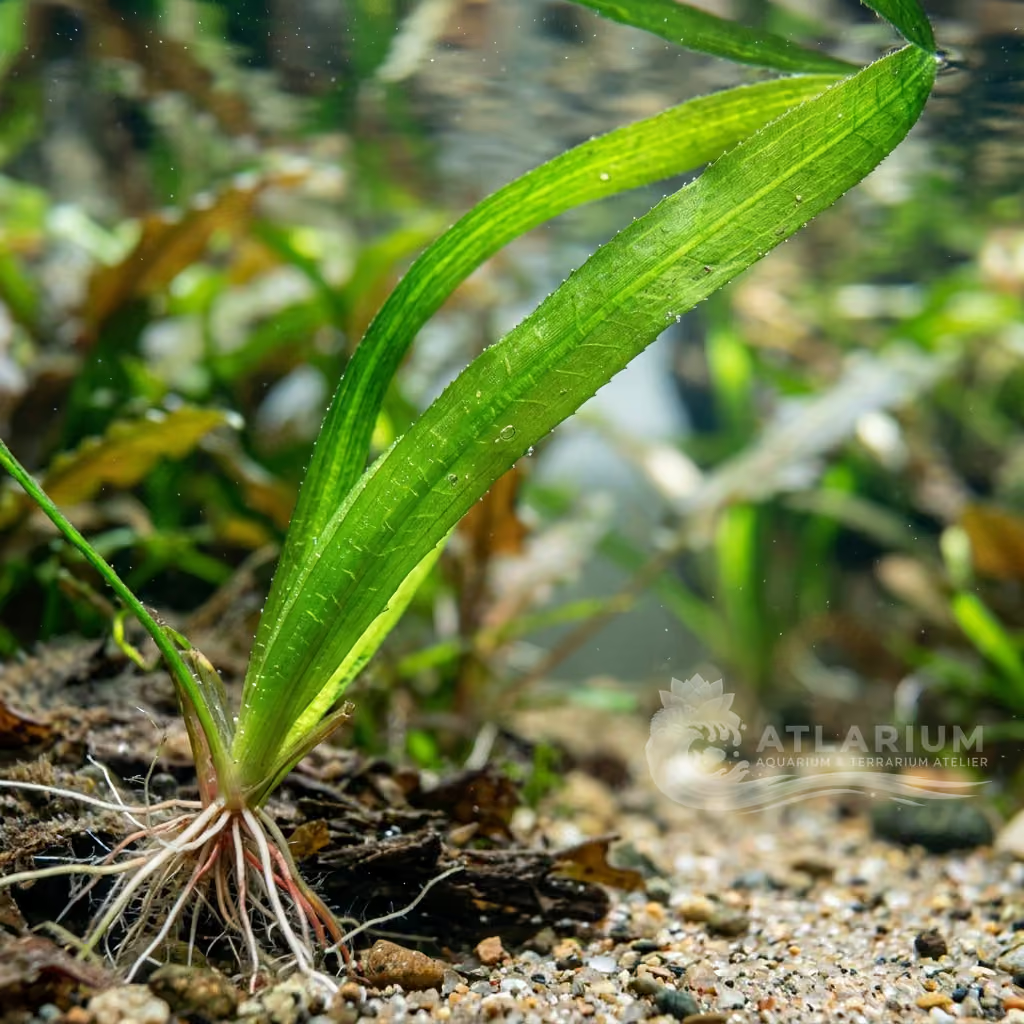
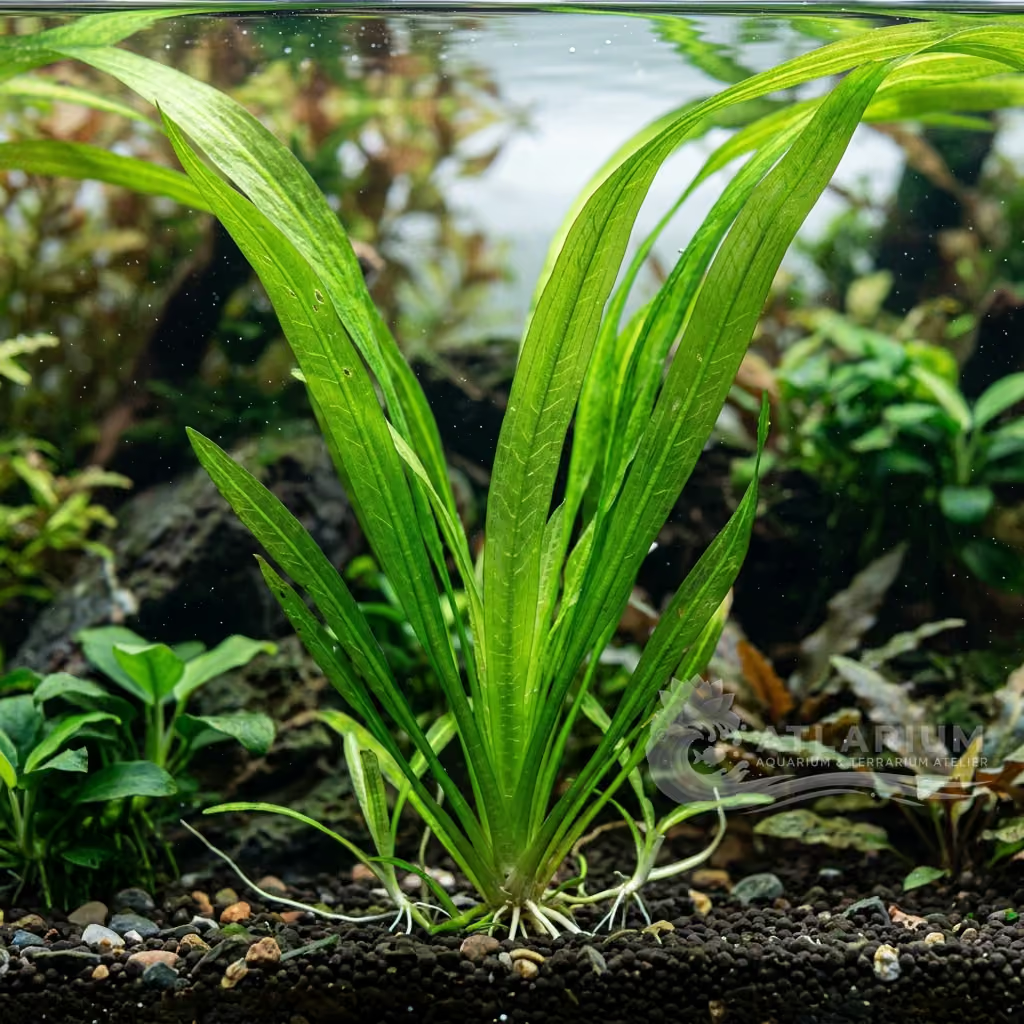
- This plant features long, ribbon-like foliage characteristic of the genus. Its leaves originate from a central basal rosette, growing upwards towards the light. The floating tape-like leaves make it a captivating focal point in any layout. The slightly translucent quality of the leaves adds depth to the aquascape.
- Growth
- Fast
- Vallisneria sp. 'Natans' exhibits a fast to very fast growth rate under optimal conditions. Once acclimated, it quickly sends out runners to colonize available space. CO2 injection and strong lighting can further accelerate this explosive growth. Regular maintenance is required to prevent it from overtaking slower-growing plants.
- Substrate
- High
- Vallisneria sp. 'Natans' features a substantial root structure that demands a thick, nutrient-dense substrate to flourish. Providing a bottom layer of 2 to 3 inches of aquasoil or enriched gravel gives the roots ample room to penetrate deeply and stabilize the long leaves. Heavy root feeding is characteristic of this species, so inert substrates will require regular fertilization with root capsules to prevent nutrient deficiencies. A proper bed encourages the plant to quickly propagate through creeping runners across the tank floor.
- Column fertilization
- Recommended
- Water column dosing of liquid fertilizers is beneficial for Vallisneria sp. 'Natans'. It readily takes in dissolved potassium, iron, and trace elements through its leaves. A balanced all-in-one liquid fertilizer applied weekly ensures the leaves remain vibrant and healthy. Avoid copper-based medications as they can harm the plant.
- Root fertilization
- Required
- Root fertilization is extremely important for the long-term success of Vallisneria sp. 'Natans'. Inserting root tabs containing nitrogen, phosphorus, and iron near the base promotes thick root development. A rich soil substrate like aquasoil will provide sustained nourishment over many months. This prevents the leaves from melting and supports the production of healthy runners.
- Trimming
- Occasional
- Trimming Vallisneria sp. 'Natans' requires cutting the longest leaves near the base of the plant. Avoid cutting the leaves mid-way, as the cut ends will eventually decay and turn brown. Regularly remove old, decaying, or algae-covered leaves to maintain the aesthetic appeal. Managing the runner network by snipping connecting stems keeps the spread in check.
- Propagation
- Runners
- Propagation of Vallisneria sp. 'Natans' occurs naturally and rapidly via side shoots or runners. A healthy parent plant will send out numerous runners across the substrate. Once a new plantlet develops several leaves and its own root system, the connecting runner can be severed. These new plantlets can then be relocated to other areas of the aquarium.
- Sensitivity
- Moderate
- Vallisneria sp. 'Natans' is notoriously sensitive to liquid carbon supplements like glutaraldehyde. Overdosing these chemicals can lead to immediate and severe leaf melt. It also prefers stable water parameters and may suffer during extreme fluctuations in pH or temperature. Ensuring good water flow helps prevent detritus buildup at the basal rosette.
- Layout role
- Background
- Vallisneria sp. 'Natans' is an archetypal background plant that adds verticality and motion to the layout. Its gracefully arching leaves create a soothing, natural curtain along the back glass. It is highly effective at hiding equipment such as heaters and filter intakes. By letting the floating tape-like leaves flow at the surface, it provides a shadowed, tranquil environment below.

Related species
Recommendations grouped by close relatives, companion choices, and similar care.