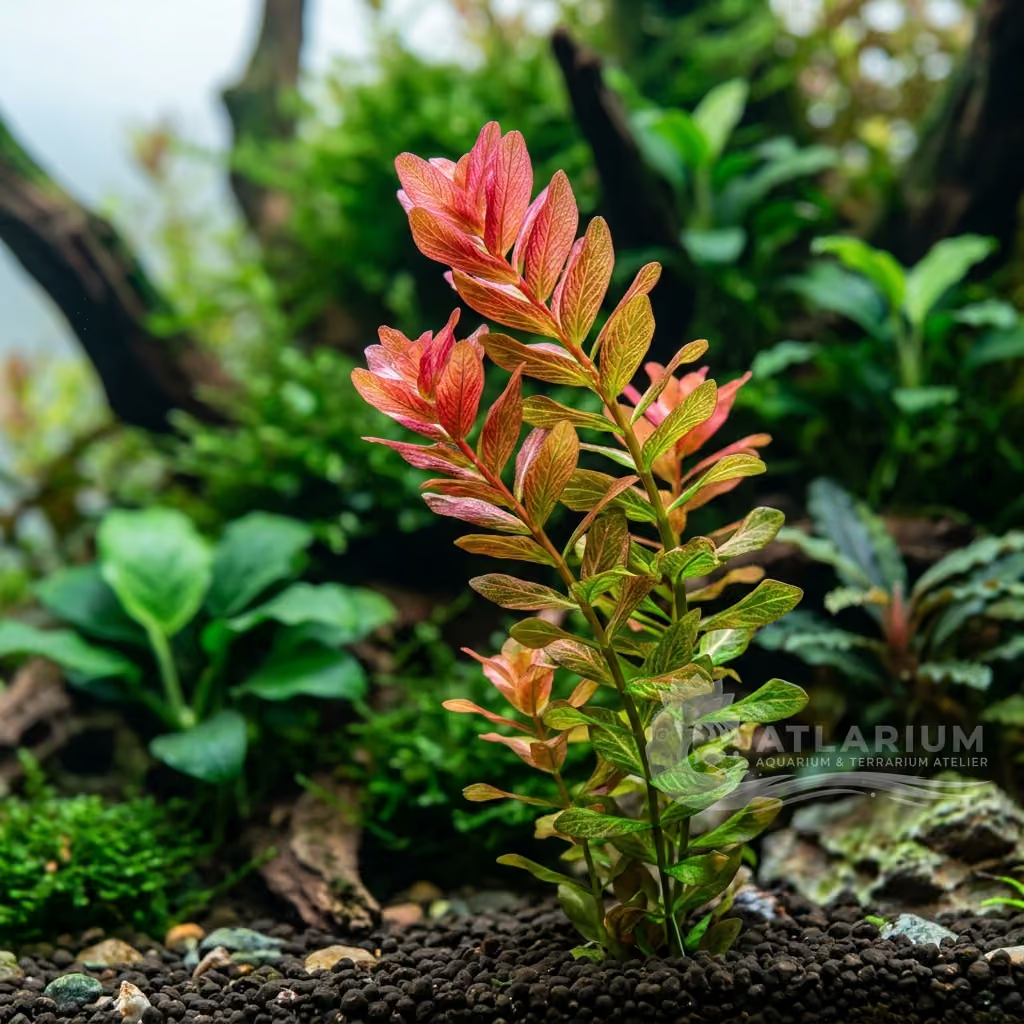
Nechamandra alternifolia subsp. angustifolia
Nechamandra alternifolia subsp. angustifolia
Nechamandra alternifolia subsp. angustifolia grows fast in Southern Asia. It requires moderate to high lighting and benefits greatly from CO2 to thrive and prevent algae.
Water Temperature
18 - 30 °C
pH Value
5 - 7
Water type
Freshwater
Light
Medium to High
CO2
High
KH
0 - 14 dKH

Species description
Geographical Origin and Habitat: This subspecies of Nechamandra alternifolia is native to the tropical regions of Southern Asia, primarily India and Sri Lanka. It grows in warm, still or slow-moving waters such as ponds, canals, and sluggish rivers. It is adapted to living fully submerged, often forming dense stands that reach the water surface where the top leaves float or sway with the gentle current.
Taxonomy & Genetics: Belonging to the family Hydrocharitaceae (the same family as Vallisneria and Elodea) and the monotypic genus Nechamandra, the subspecies "angustifolia" is characterized by narrower leaves compared to the typical form. Genetically, it is programmed for extremely rapid vegetative growth, allowing it to quickly colonize available spaces. It is easily propagated via stem cuttings.
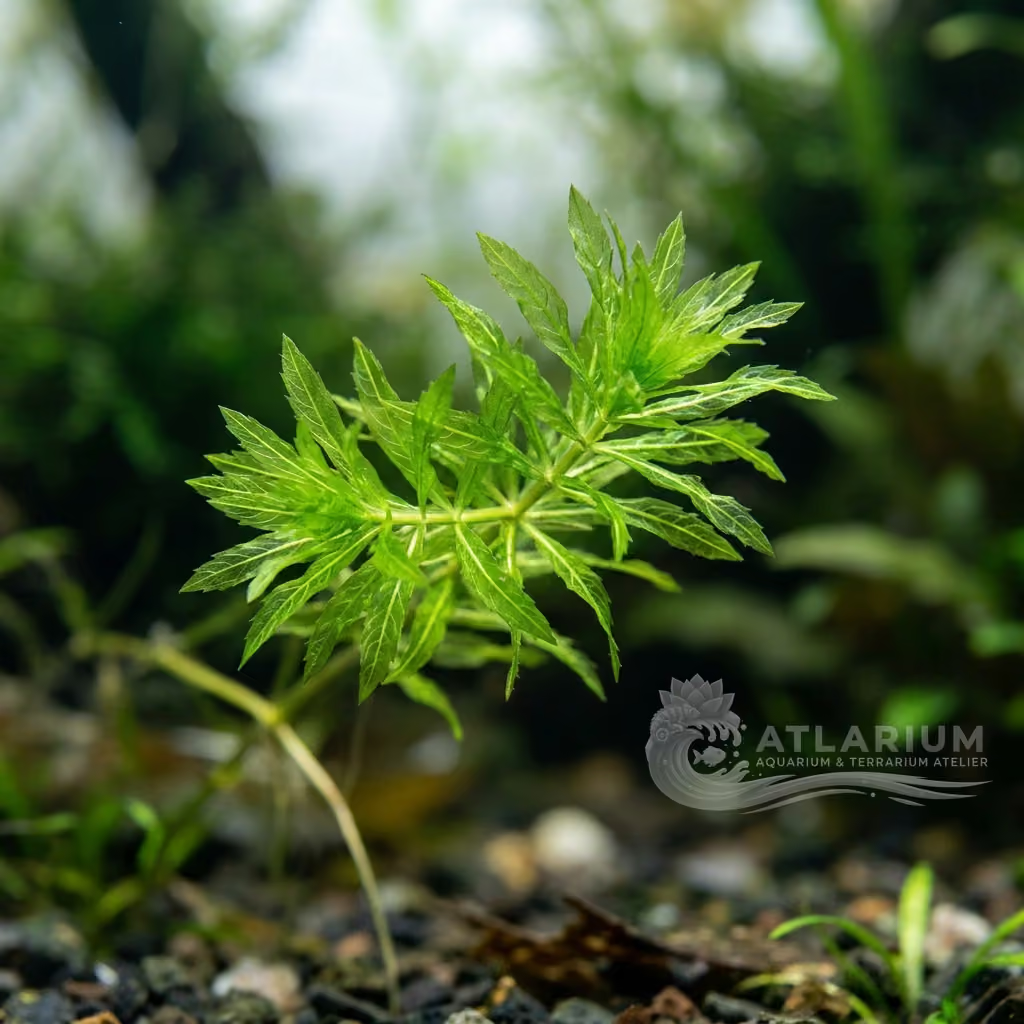
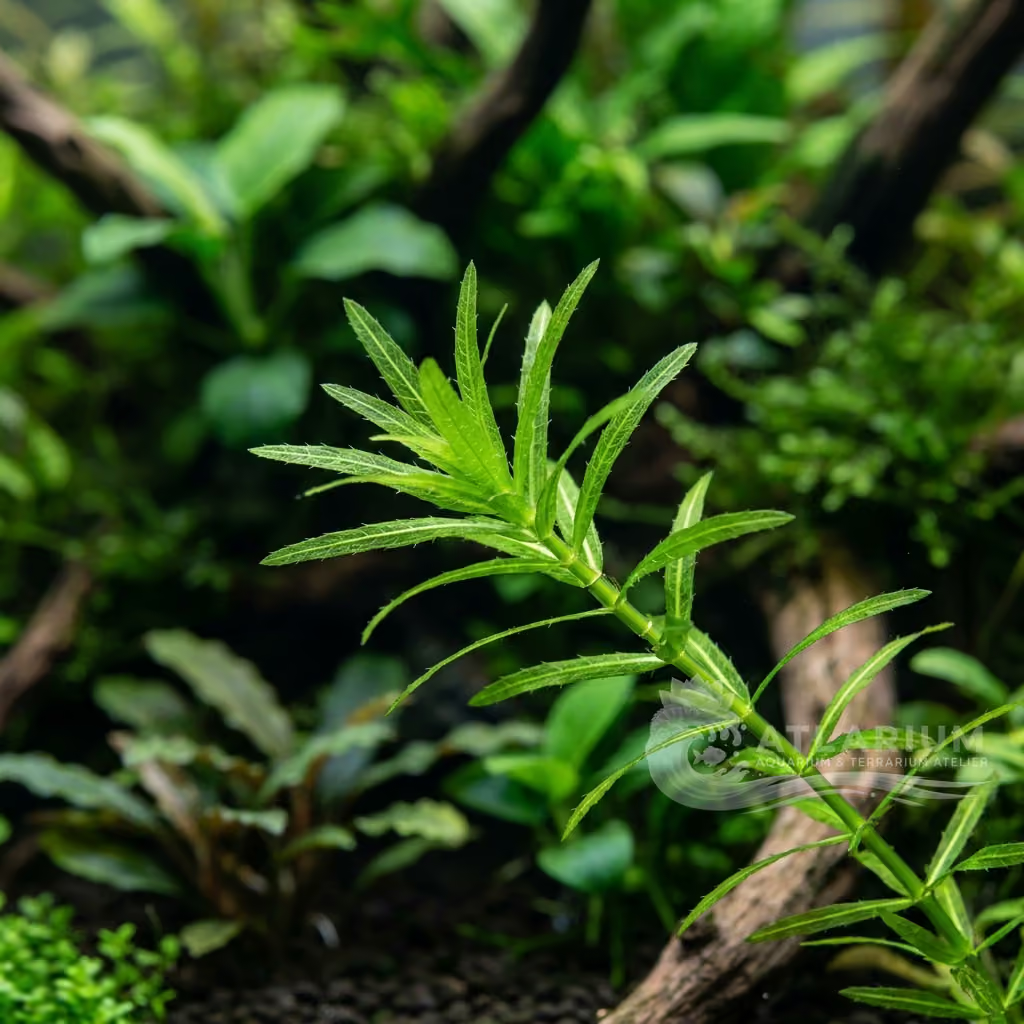
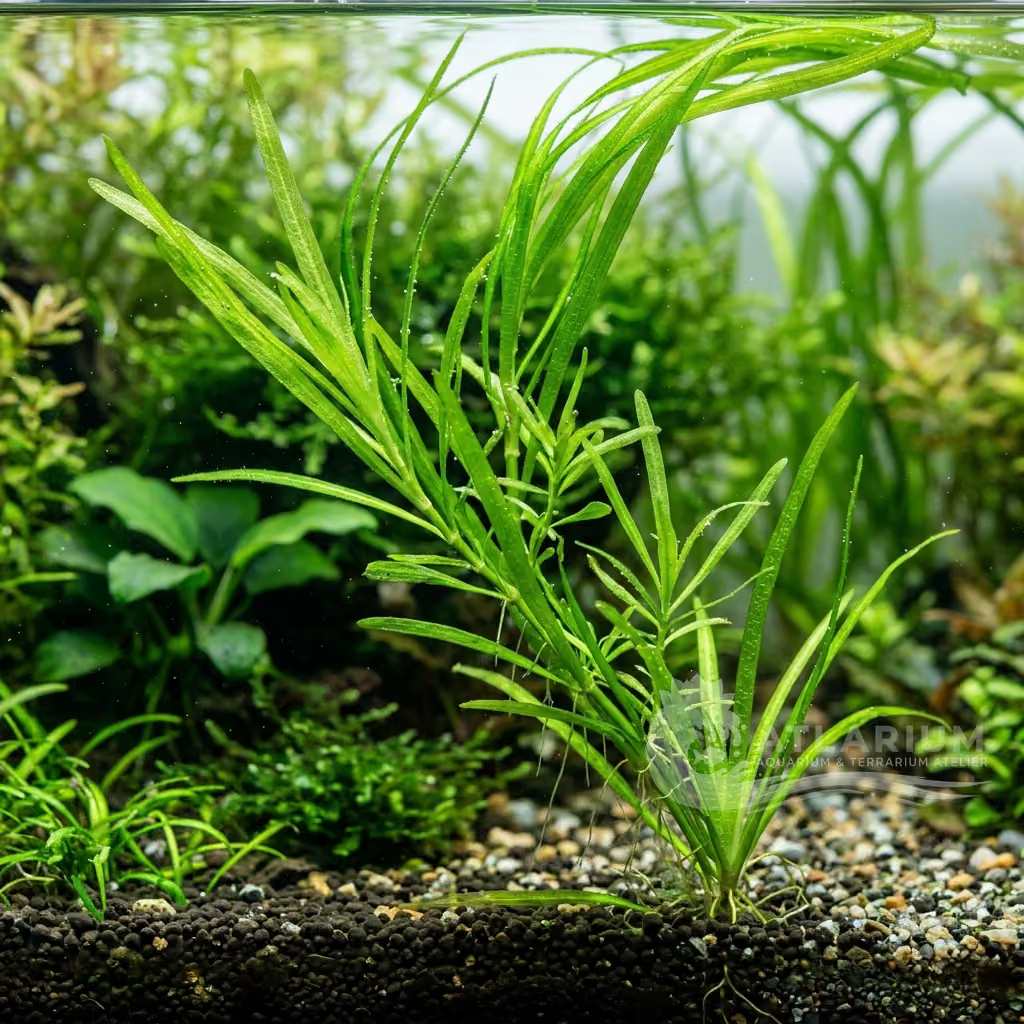
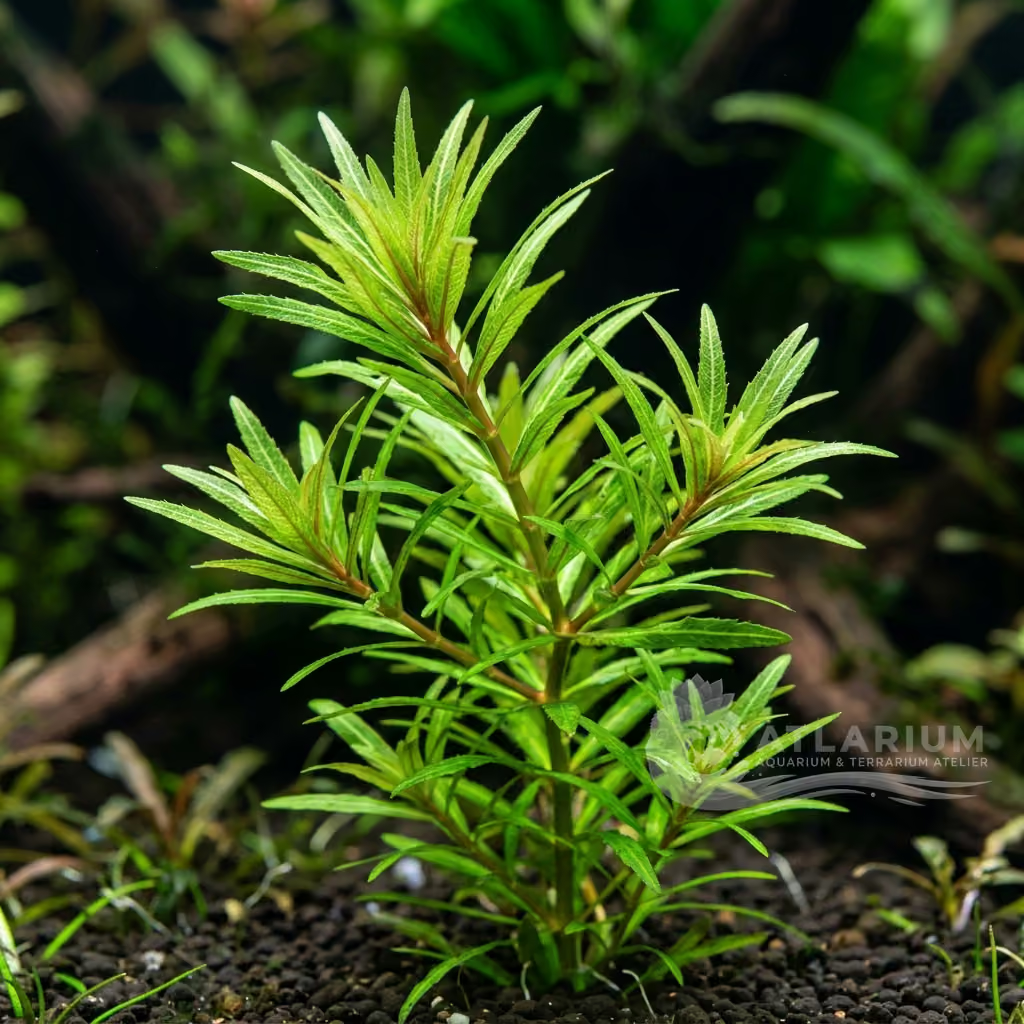
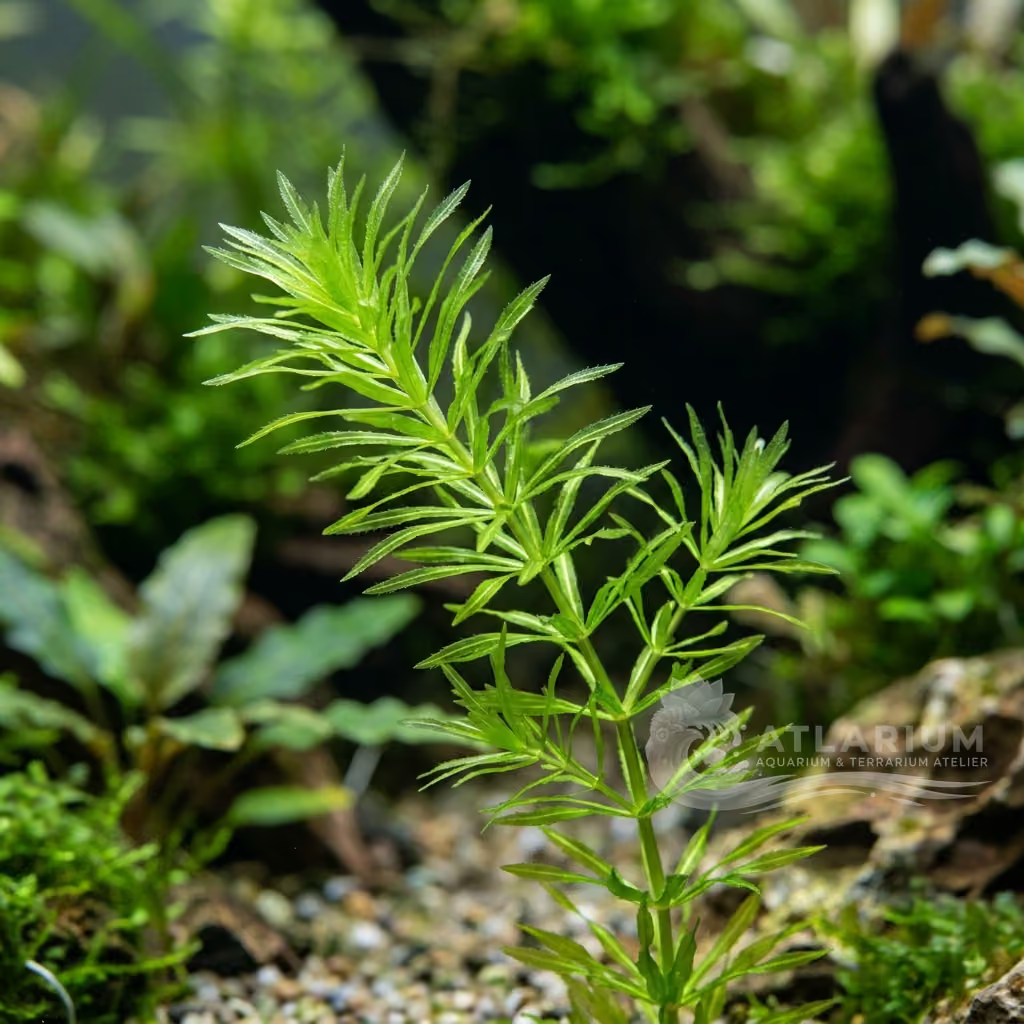
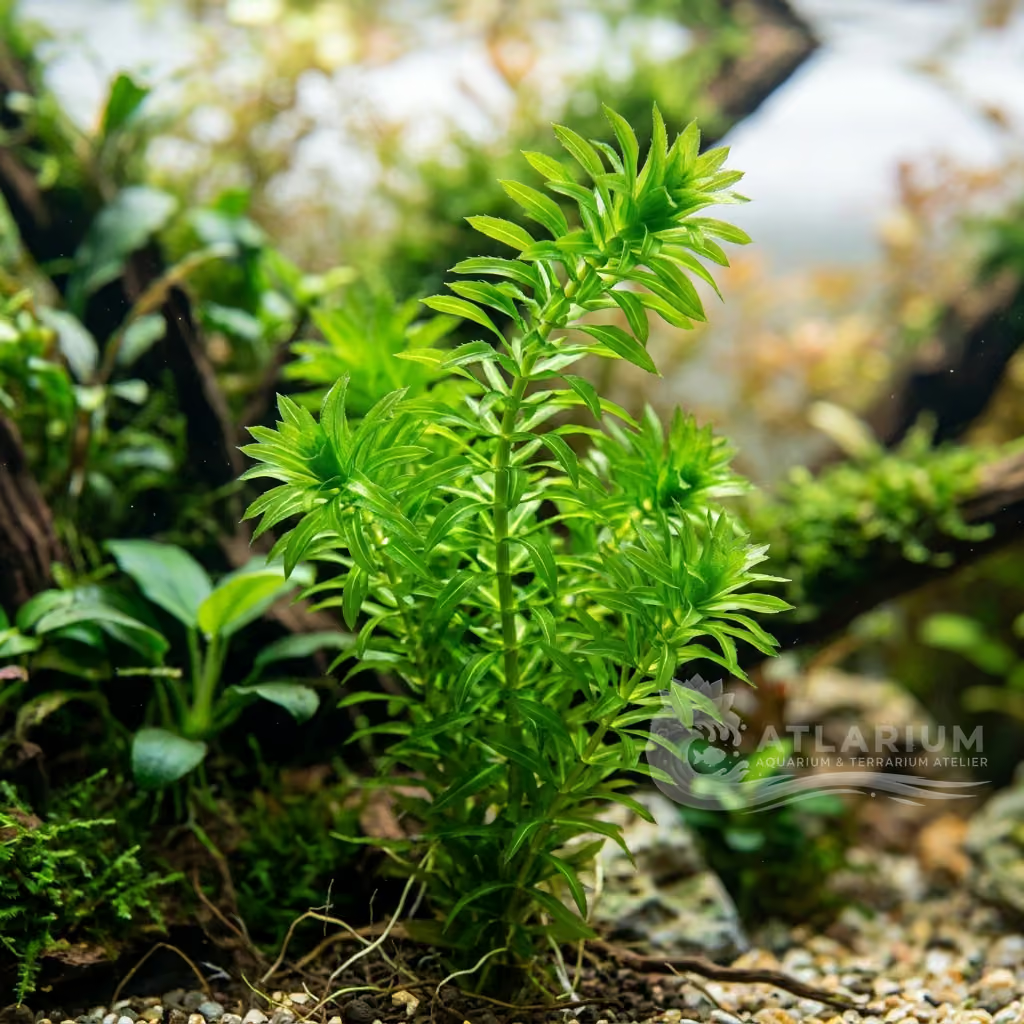
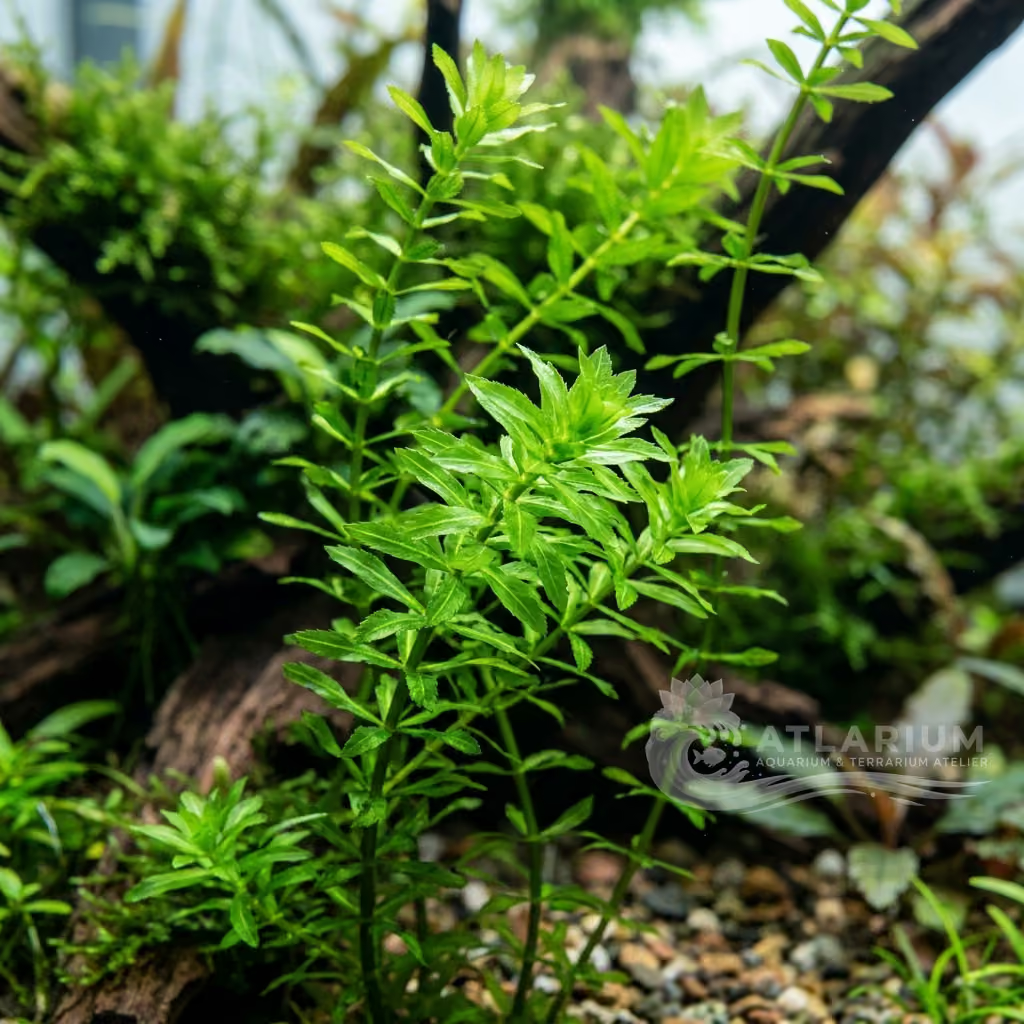
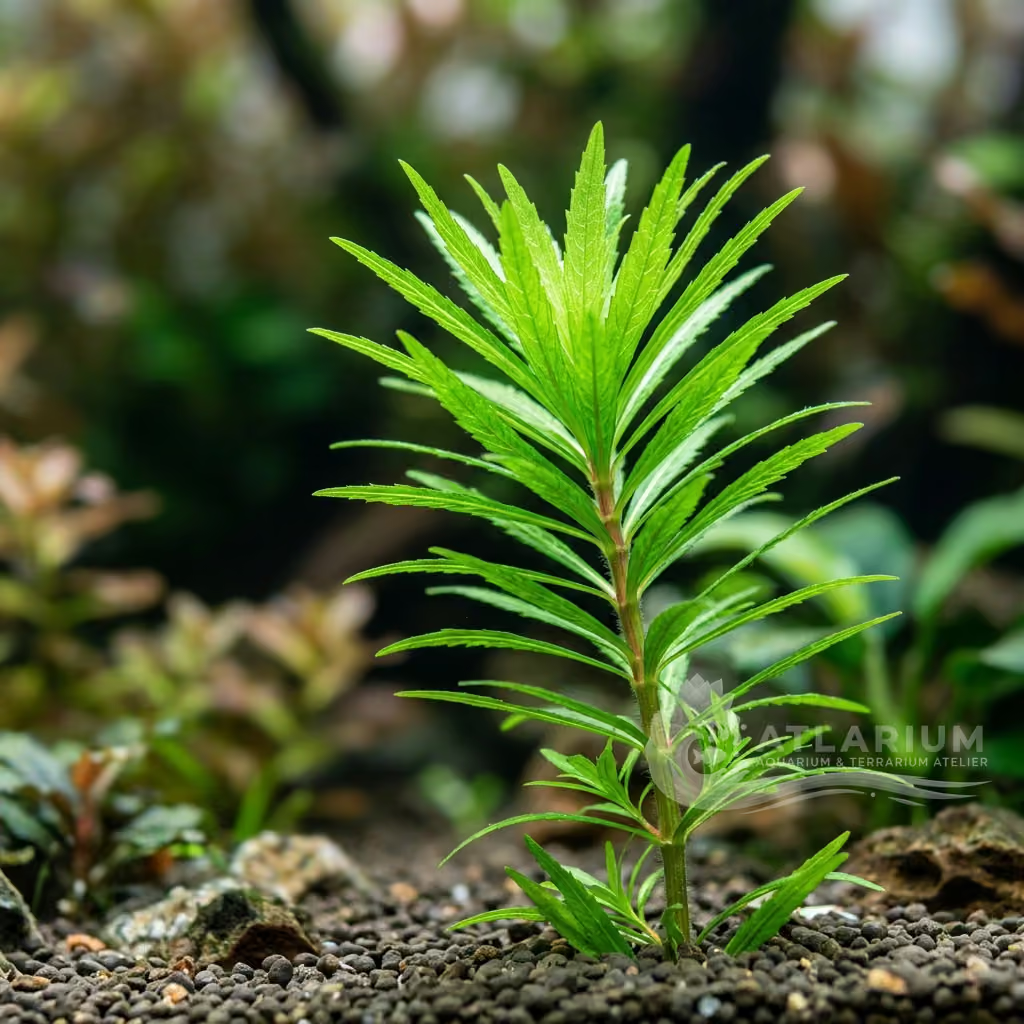
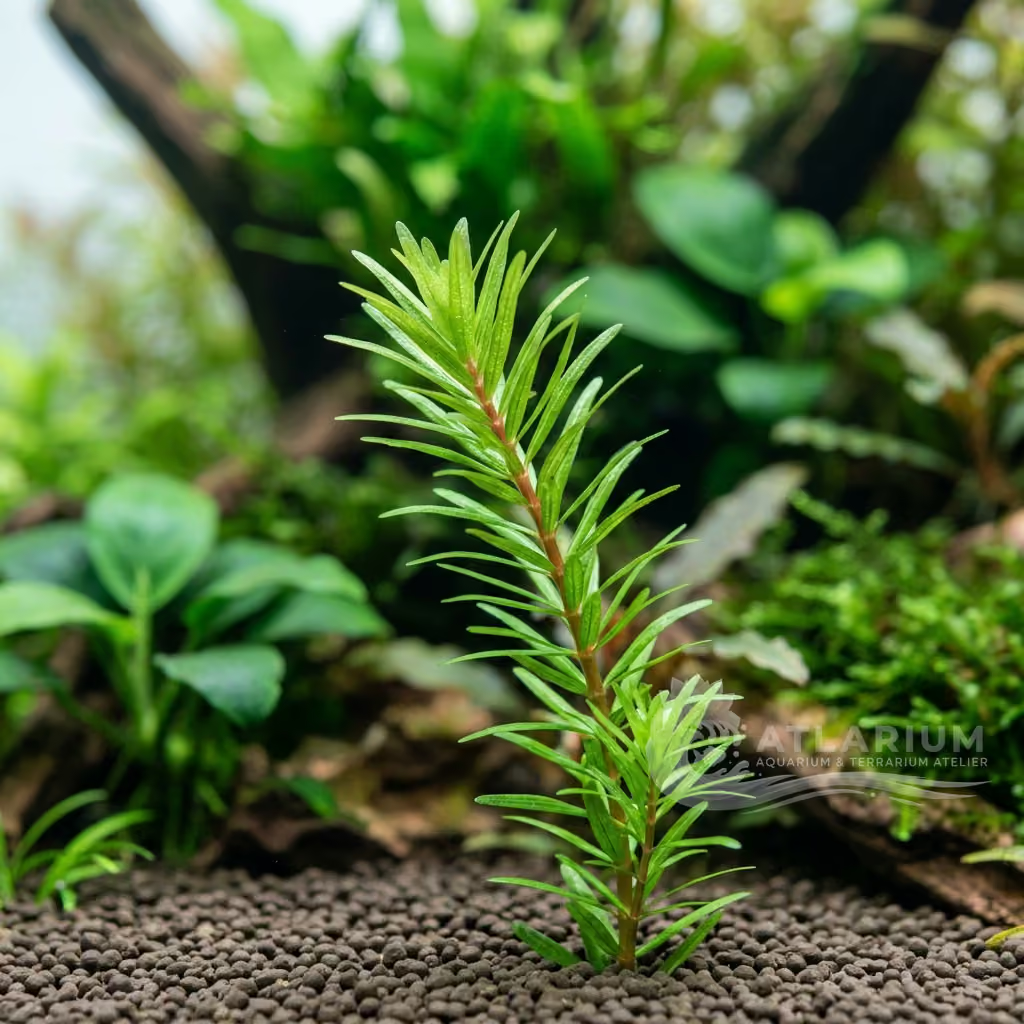
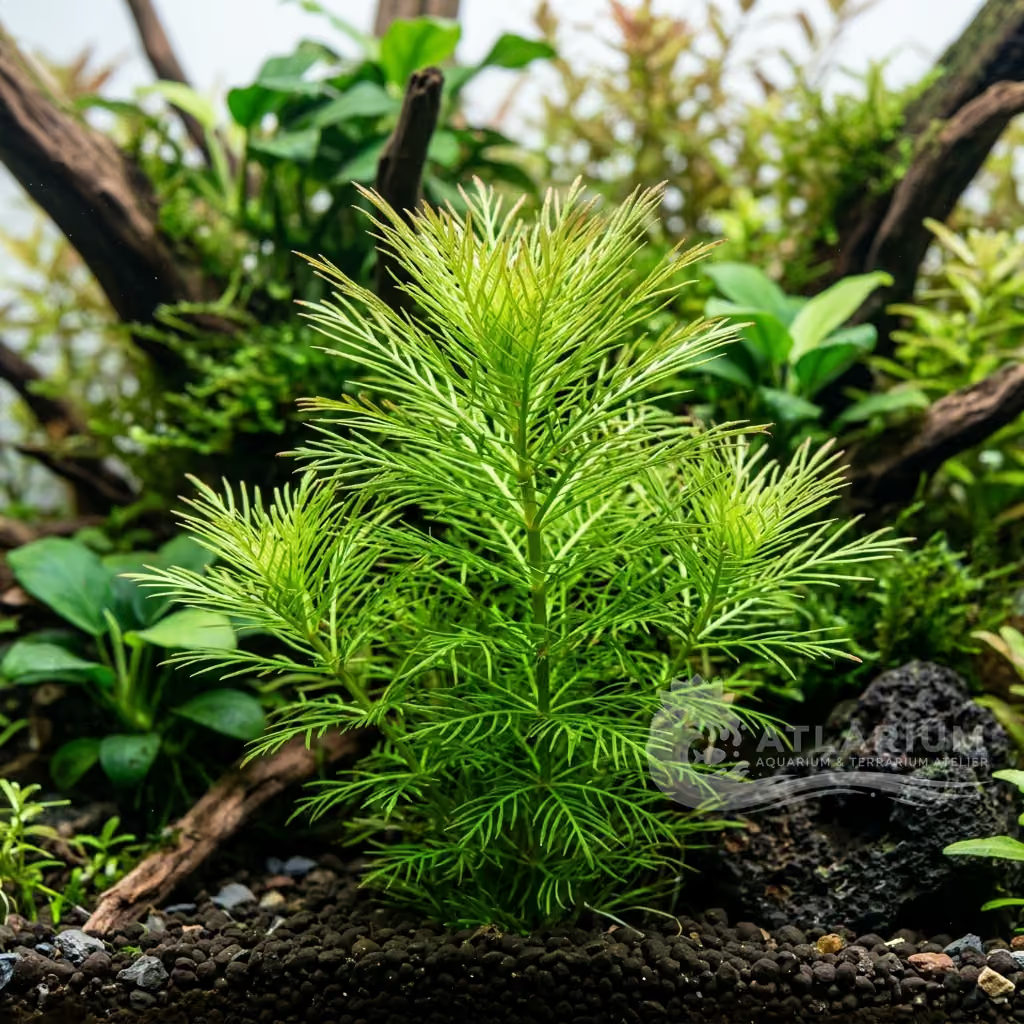
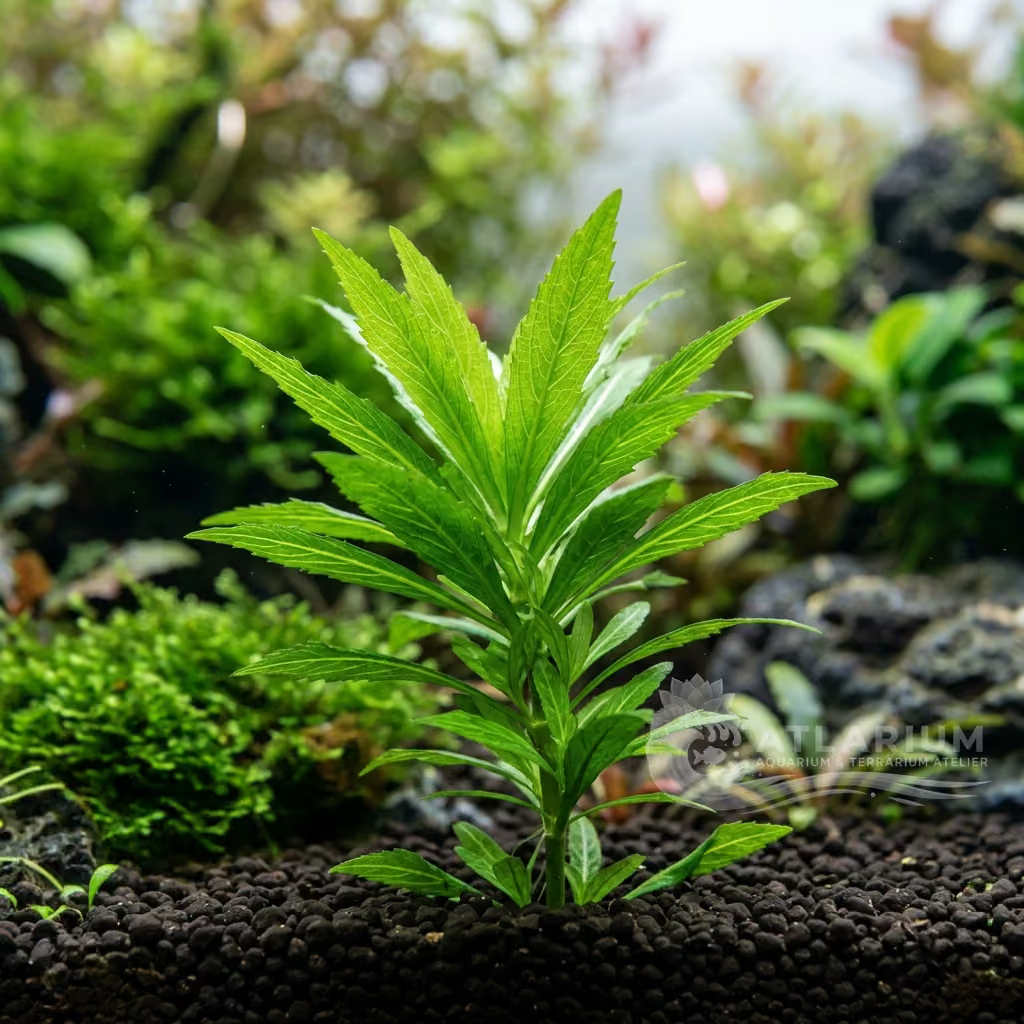
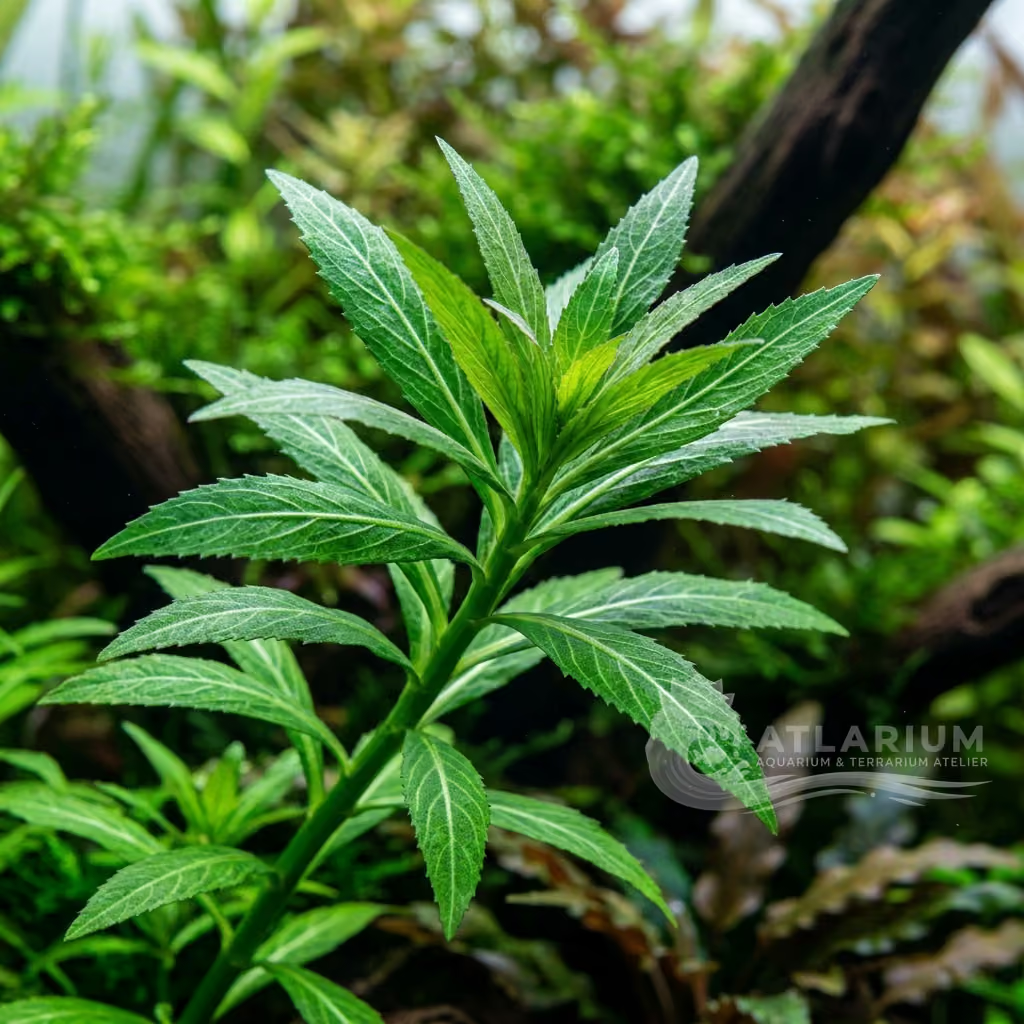
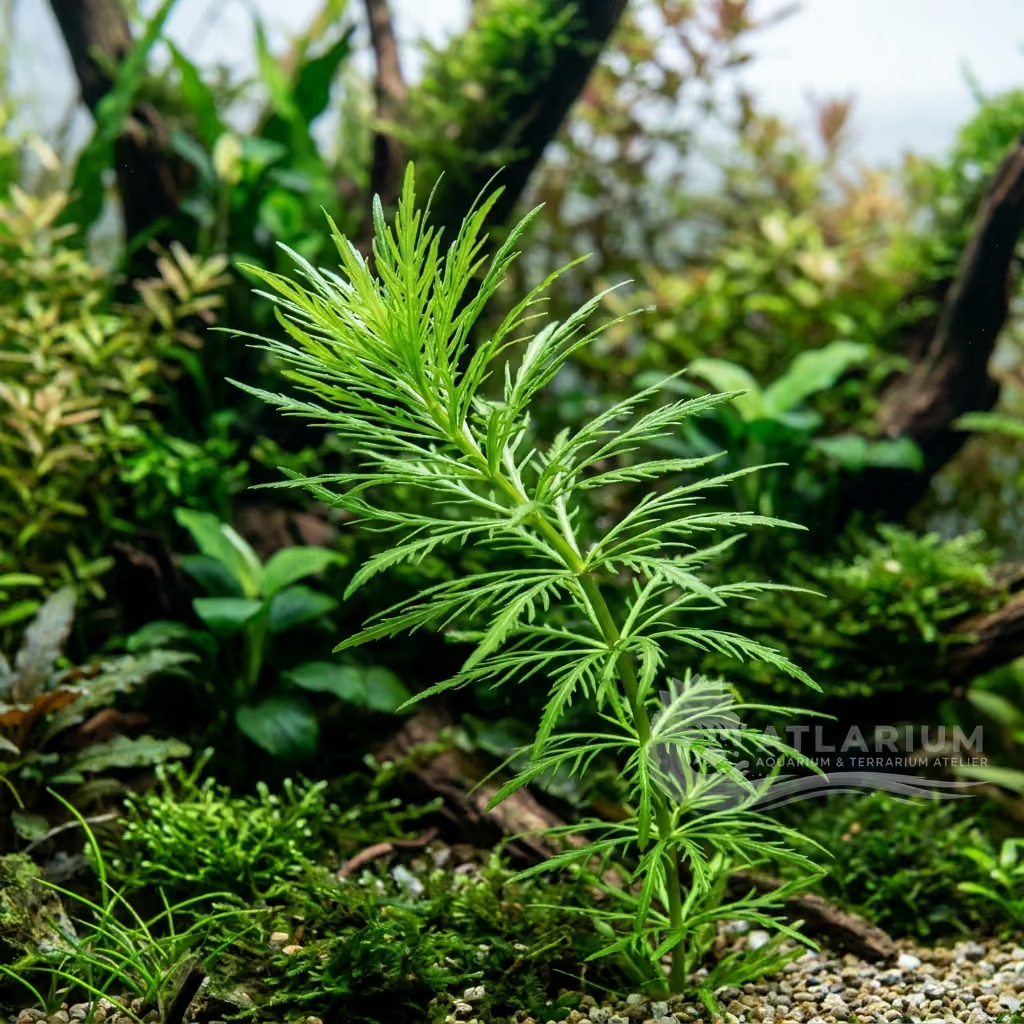
Physical Structure: The plant features long, flexible, and branched stems that grow vertically toward the surface. Leaves are arranged alternately along the stem, sessile (without a petiole), narrow, and ribbon-like. This structure closely resembles some Lagarosiphon or Elodea species, but with longer, alternately arranged leaves. The root system is fibrous and anchors easily into the substrate.
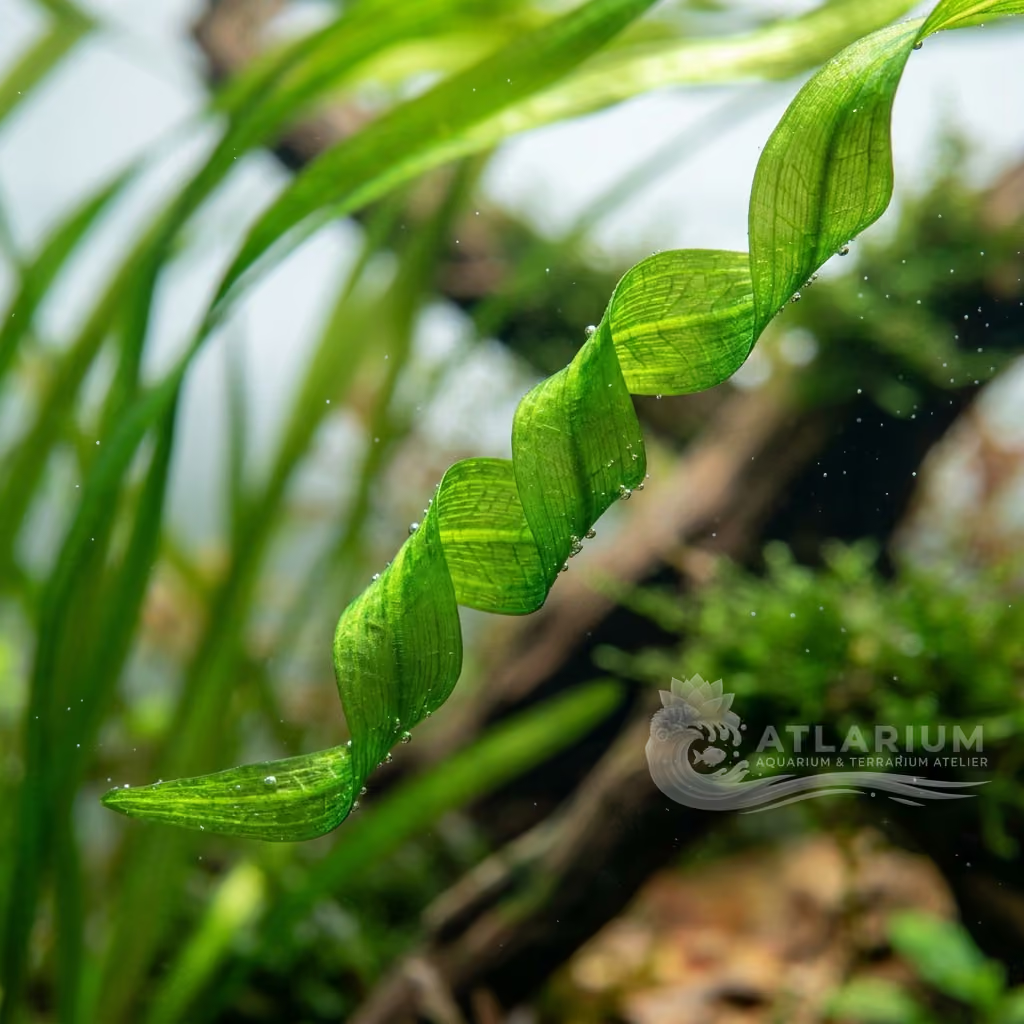
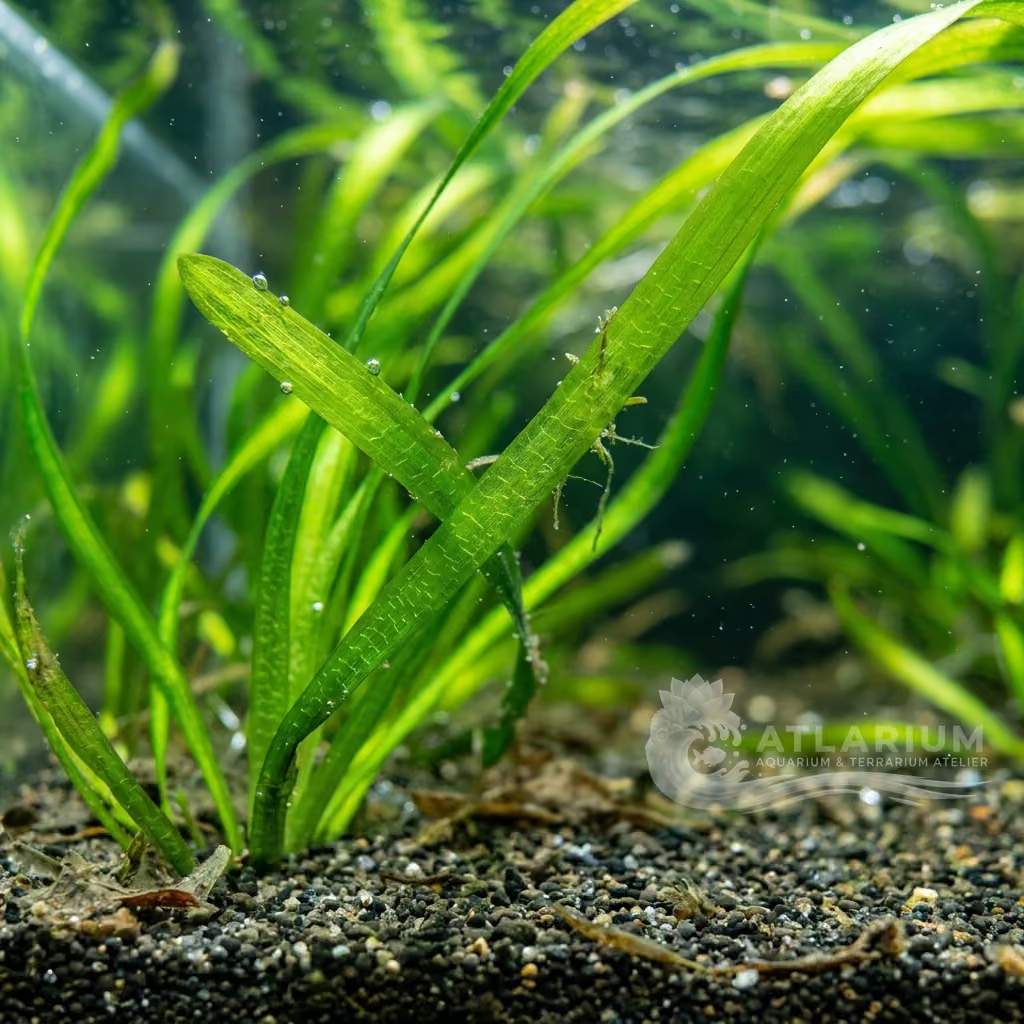
Color & Texture: Leaves are a bright grass-green, which can develop gold or coppery undertones under intense lighting. The leaf texture is thin, membranous, and highly flexible, allowing the plant to bend with water currents without breaking. The leaf surface is smooth and slightly translucent when backlit.

Care, breeding and tankmates
Lighting & CO2: Requires moderate to high lighting to support its fast growth rate. CO2 injection, though not strictly mandatory, promotes much healthier growth and prevents the lower stem sections from defoliating. Stronger lighting will result in shorter internodes and a more compact growth form.
Nutrition & Substrate: As a fast grower, it is a heavy consumer of nutrients from both the
Water Chemistry: Prefers soft to moderately hard water with a KH range of 0 to 14 dKH and a slightly acidic to neutral pH (5.0 - 7.0). It requires warm temperatures between 18°C and 30°C. It is relatively tolerant of water parameter changes but benefits from regular water changes.
Space Management & Placement: Best suited for the background or midground of medium to large aquariums. Because of its fast growth rate, it will quickly reach the surface, so it must be positioned carefully to avoid shading slower-growing plants underneath.
Pruning: Regular pruning is required to keep it in check. Simply cut the top portion of the stem to the desired length using sharp scissors. Replant the cut tops into the substrate to expand the group; the remaining bottom stem will quickly shoot new lateral branches.
Risks & Diseases: The main risk is the rot of lower stems if light cannot penetrate the dense upper canopy. Nutrient deficiencies will quickly manifest as defoliation at the base of the stems. It is not particularly prone to diseases but can be eaten by herbivorous fish if they are not well-fed.

Geographic origin and distribution
This subspecies of Nechamandra alternifolia is native to the tropical regions of Southern Asia, primarily India and Sri Lanka. It grows in warm, still or slow-moving waters such as ponds, canals, and sluggish rivers. It is adapted to living fully submerged, often forming dense stands that reach the water surface where the top leaves float or sway with the gentle current.
Origin
South and Southeast Asia

Plant profile
- Placement
- Midground
- This plant is well-suited for the midground or background of the aquarium, depending on the tank size. It grows vertically towards the light, forming dense stands that can create a beautiful green backdrop. In smaller aquariums, it should be placed in the background to avoid obscuring other plants.
- Botanical form
- Stem
- It possesses long, narrow, alternating leaves that are a vibrant, translucent green. The stems are relatively thin but flexible, allowing the plant to sway gracefully in the water current. The delicate appearance of the foliage adds a soft texture to the overall aquascape.
- Growth
- VERY_FAST
- Its growth rate is moderate to fast, particularly when provided with strong lighting and CO2 injection. Under optimal conditions, it will rapidly reach the water surface and may require regular trimming to keep it manageable. Without CO2, the growth is slower but still steady.
- Substrate
- Medium
- Nechamandra alternifolia subsp. angustifolia benefits from a moderately rich substrate to support its ongoing growth and root development. Its roots serve both as an anchor in the aquarium floor and as an active channel for nutrient assimilation from the soil. A substrate depth of 2 to 3 inches consisting of fine gravel or a commercial aquasoil provides the ideal environment for the root network to expand. The periodic addition of root tabs can help maintain necessary mineral levels in the substrate, promoting robust, healthy foliage over time.
- Column fertilization
- Recommended
- As a stem plant, it efficiently absorbs nutrients from the water column through its leaves. A comprehensive liquid fertilizer dosed regularly is ideal for promoting vigorous and healthy growth. Maintaining adequate levels of potassium and nitrogen is especially important for this species.
- Root fertilization
- Recommended
- While it draws many nutrients from the water, it also develops a substantial root system and benefits significantly from a nutrient-rich substrate. Root tabs can be a helpful addition if the substrate is old or inert. Good root fertilization often results in thicker stems and more robust overall growth.
- Trimming
- Regular
- Trimming is straightforward; simply cut the stem at the desired height using sharp aquascaping scissors. The lower portion will typically develop new side shoots, leading to a bushier appearance over time. To maintain a tidy look, regular pruning of the tops is recommended once they reach the surface.
- Propagation
- Cuttings
- Propagation is easily achieved through stem cuttings. Snip a healthy top shoot, at least a few inches long, and replant it directly into the substrate. Stripping the bottom leaves before planting helps prevent rotting and encourages faster root development.
- Sensitivity
- Moderate
- This species is generally quite robust, but it can be sensitive to very hard water or exceptionally high temperatures. It may also suffer if suddenly subjected to a drastic reduction in light intensity. It is typically resilient to minor fluctuations in water parameters once established.
- Layout role
- Midground, Background
- Nechamandra alternifolia subsp. angustifolia serves as an excellent background filler, creating a lush, grassy texture. Its bright green color contrasts nicely with darker green or red plants, adding depth to the layout. It is also a good choice for creating natural-looking thickets that provide shelter for shy fish.

Related species
Recommendations grouped by close relatives, companion choices, and similar care.