Pogostemon helferi
Pogostemon helferi
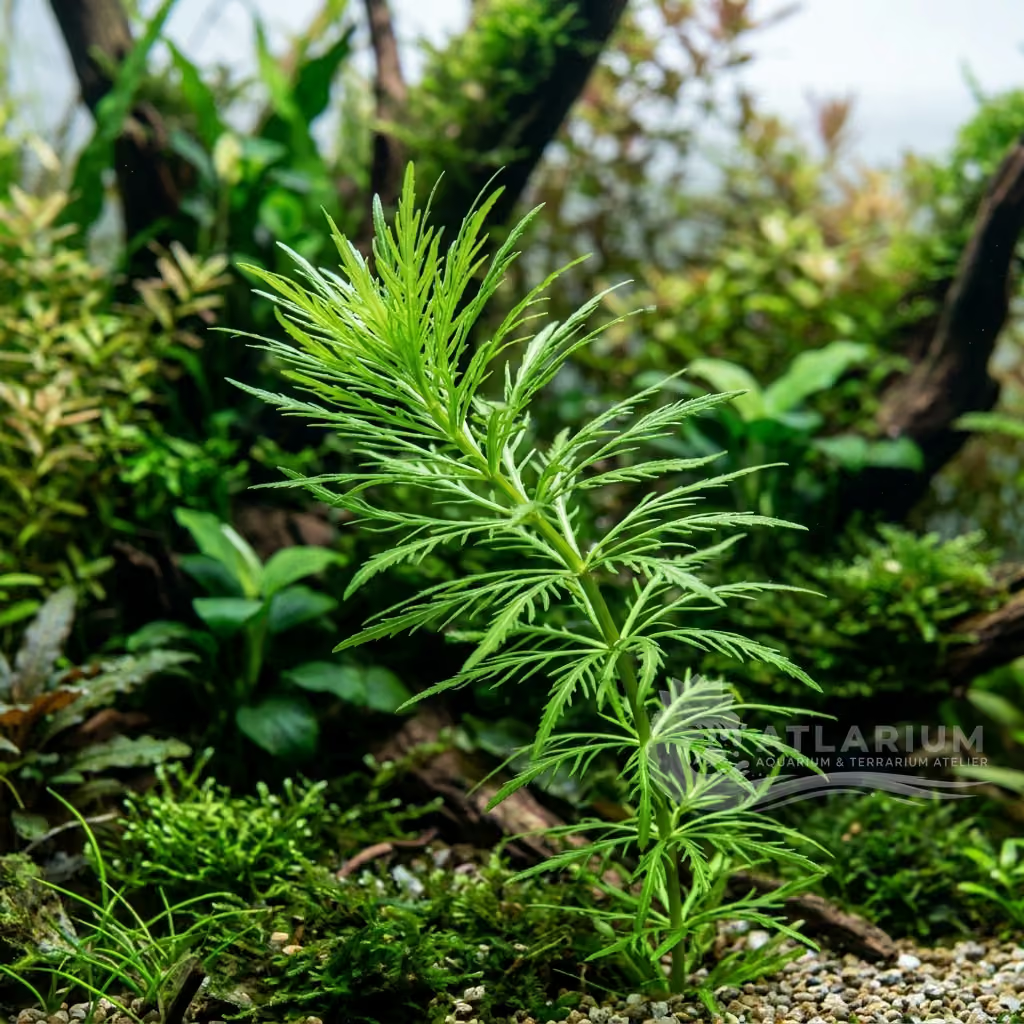
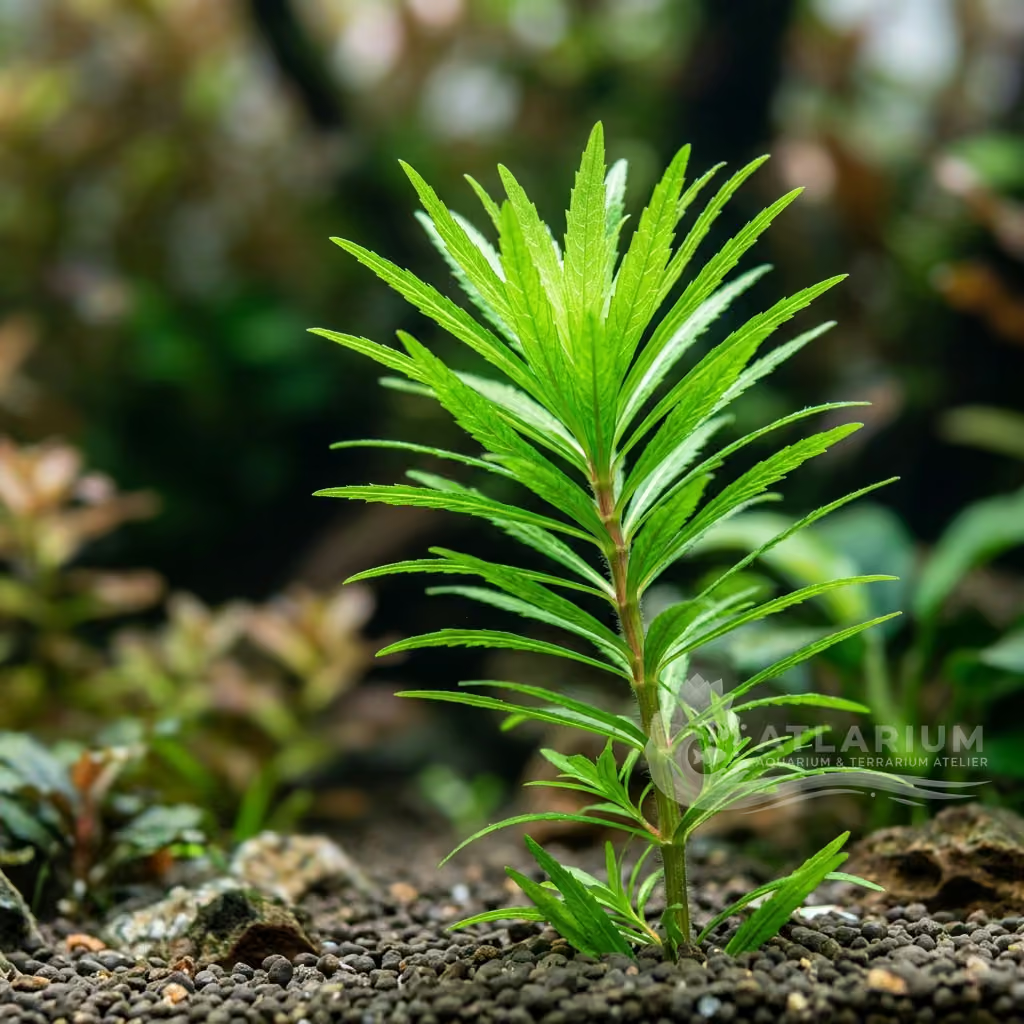
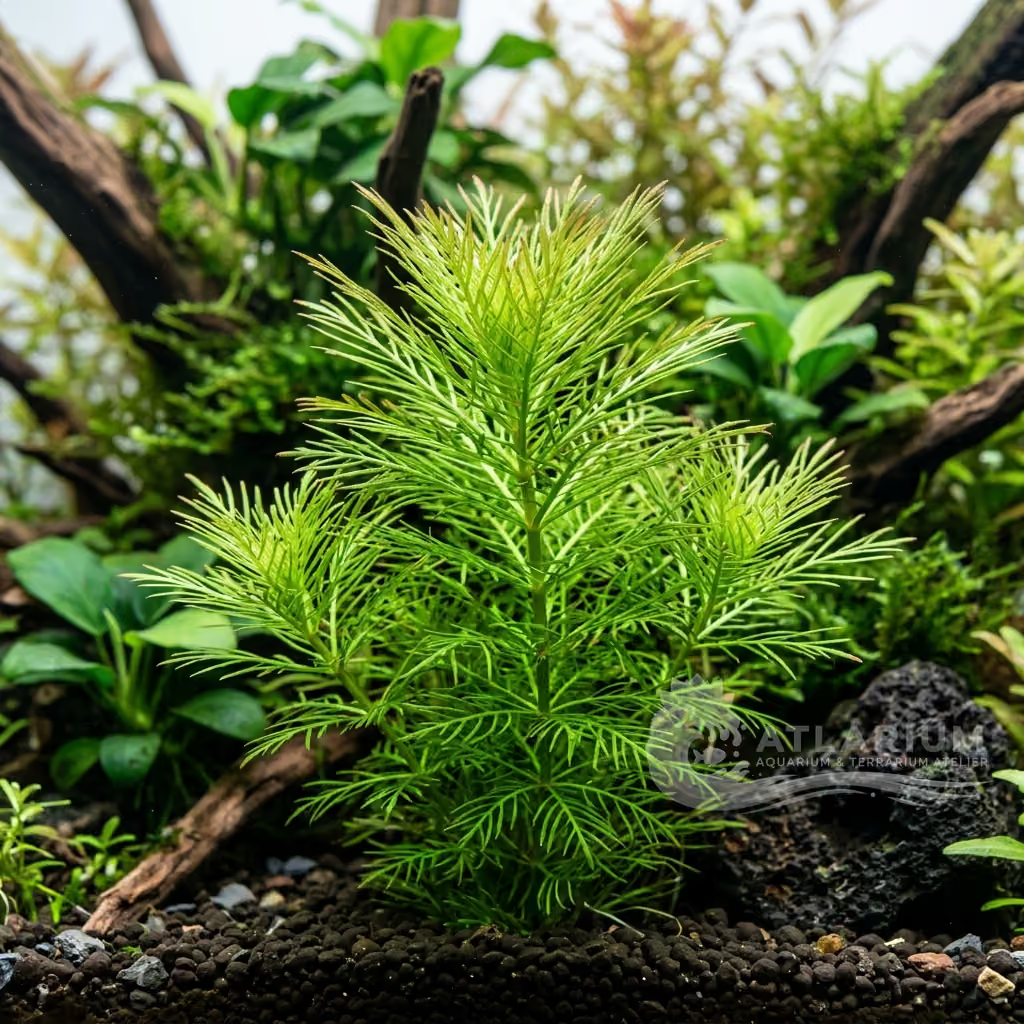
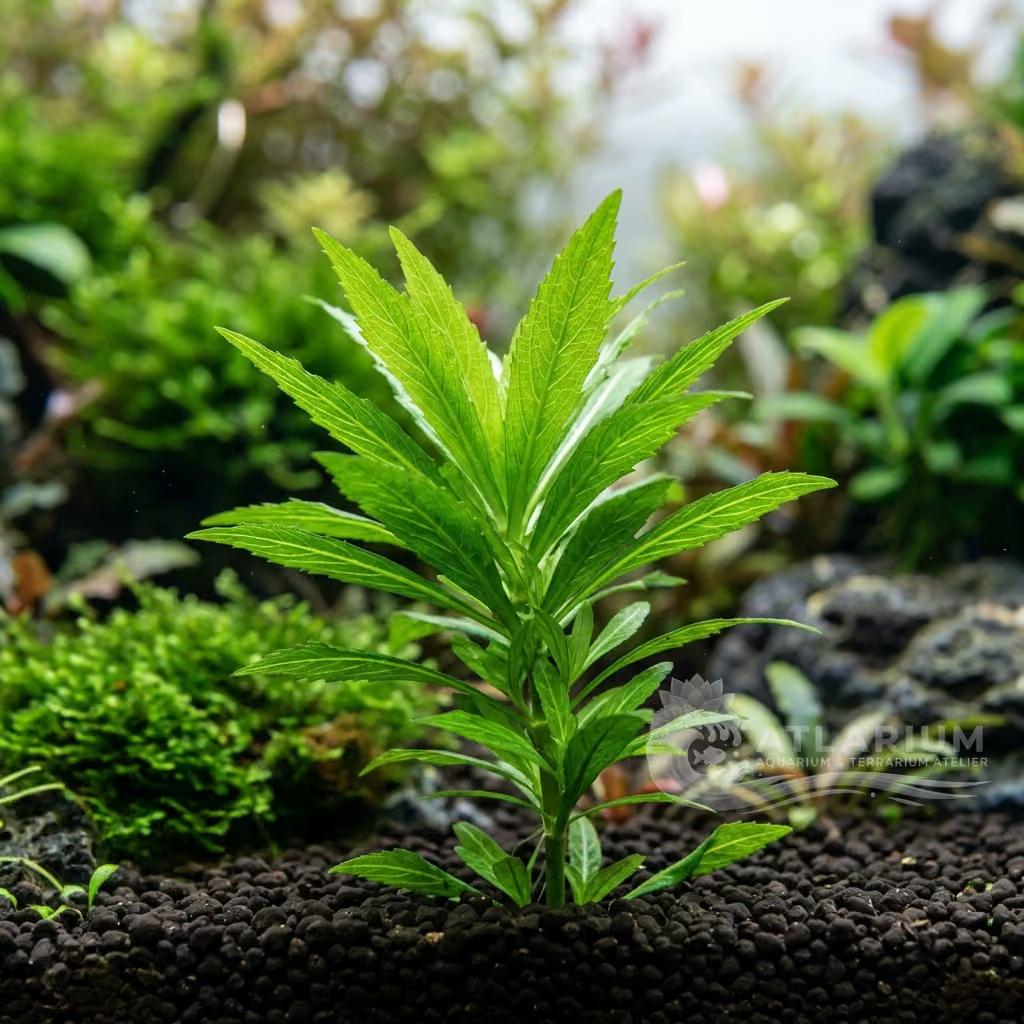
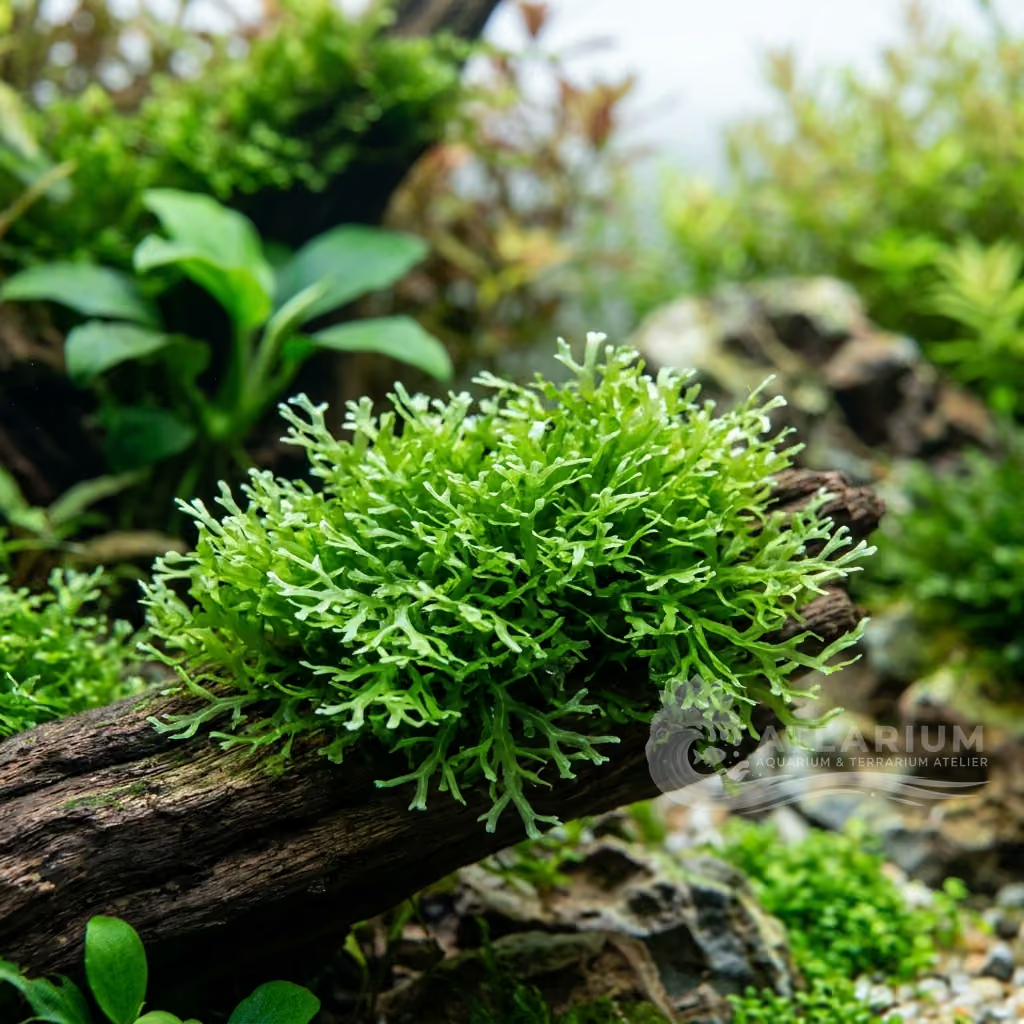
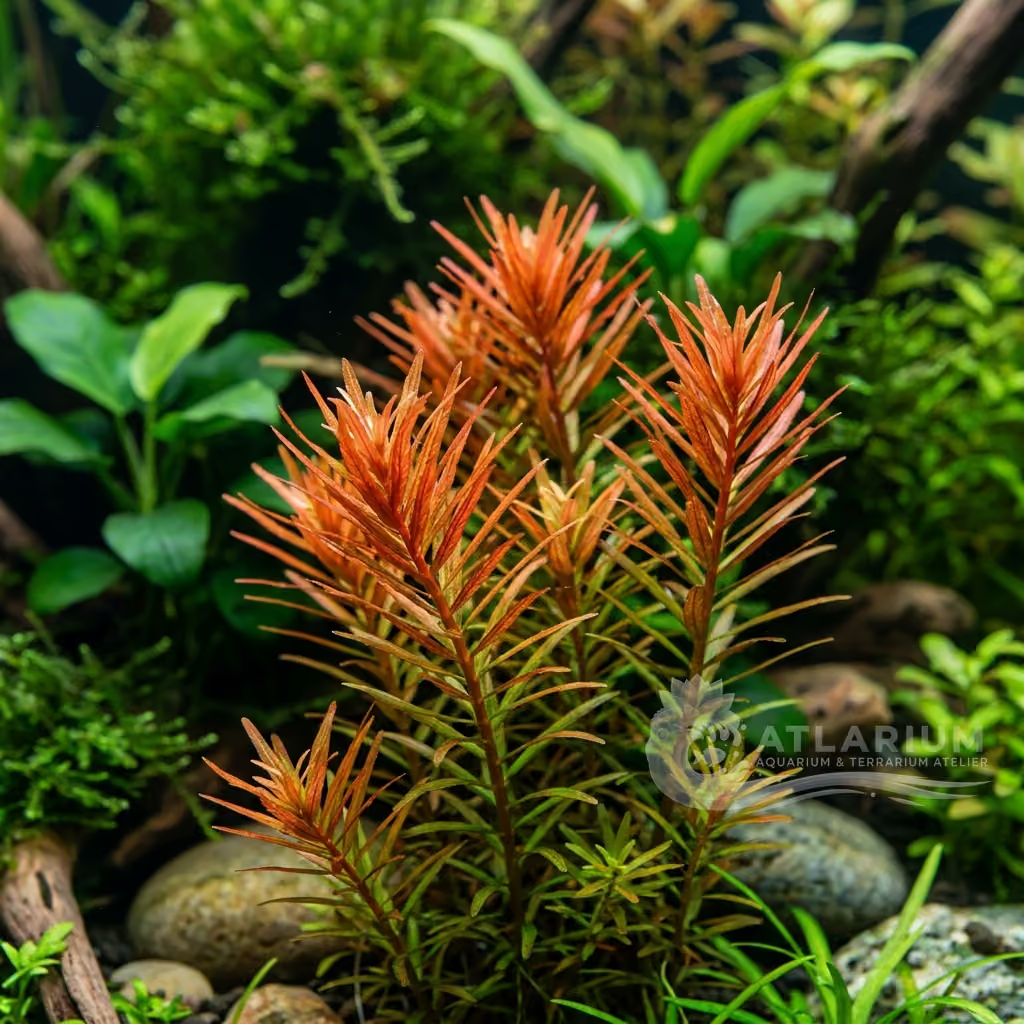
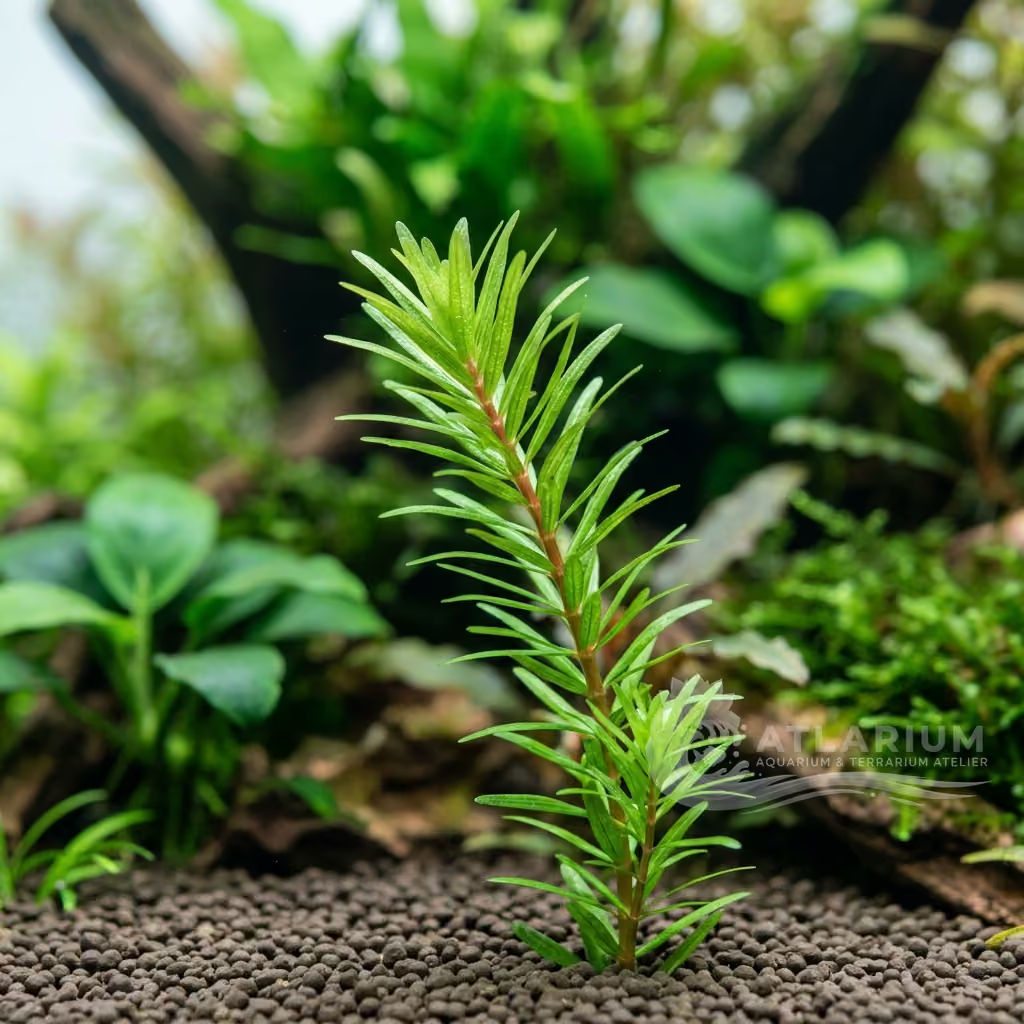
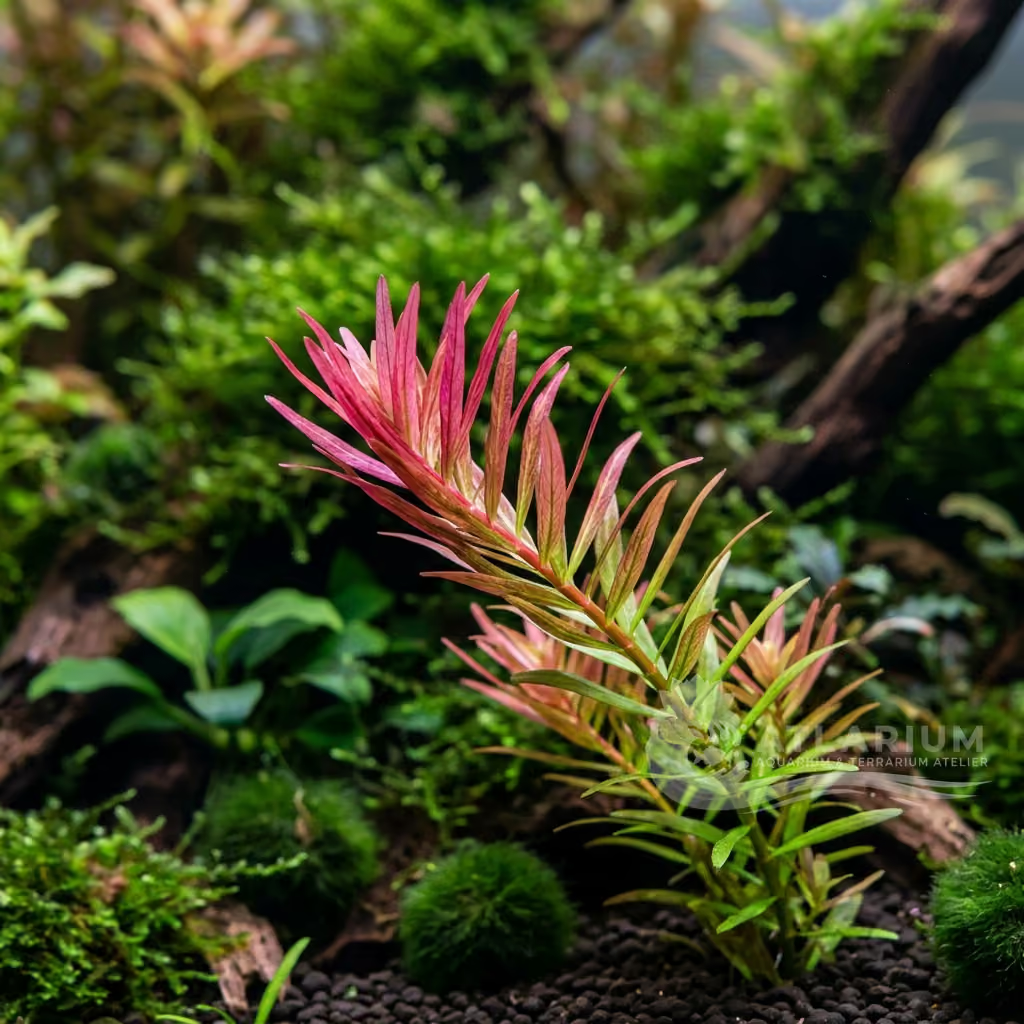
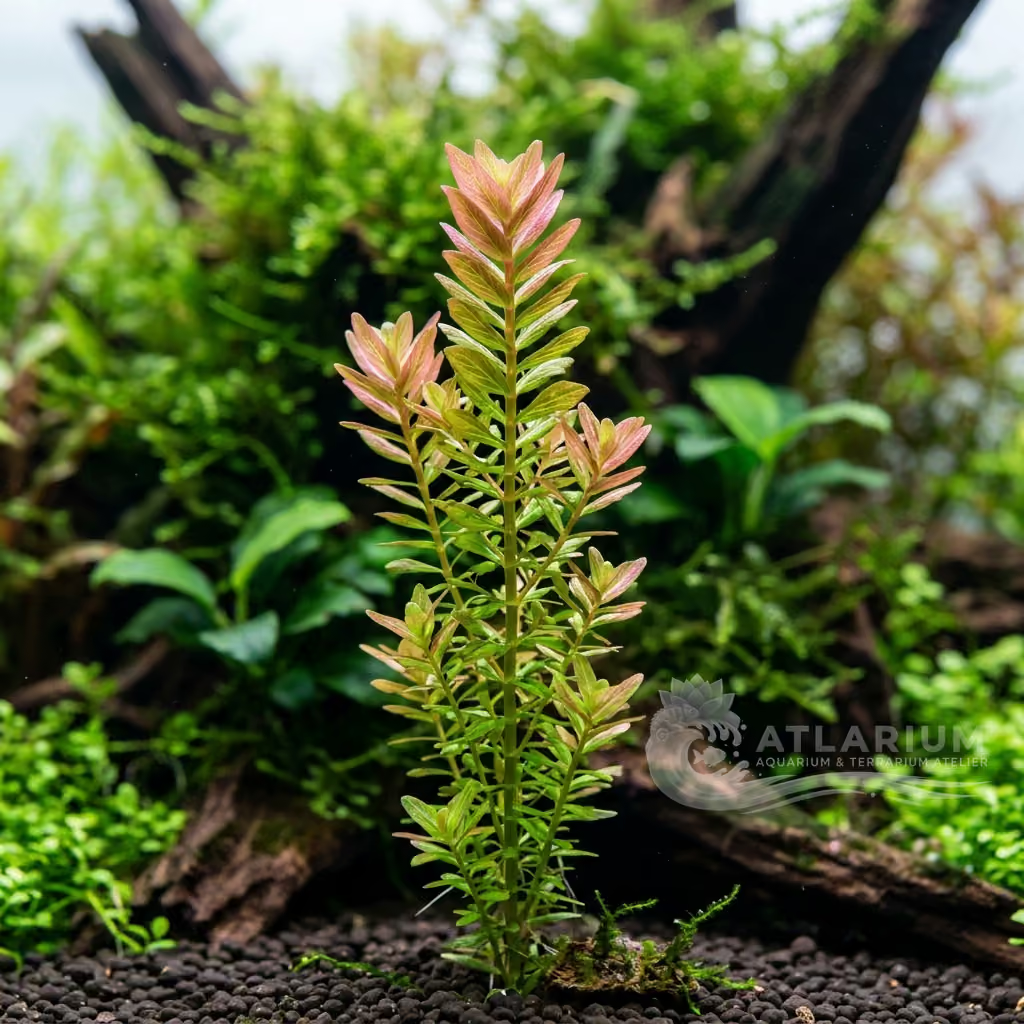
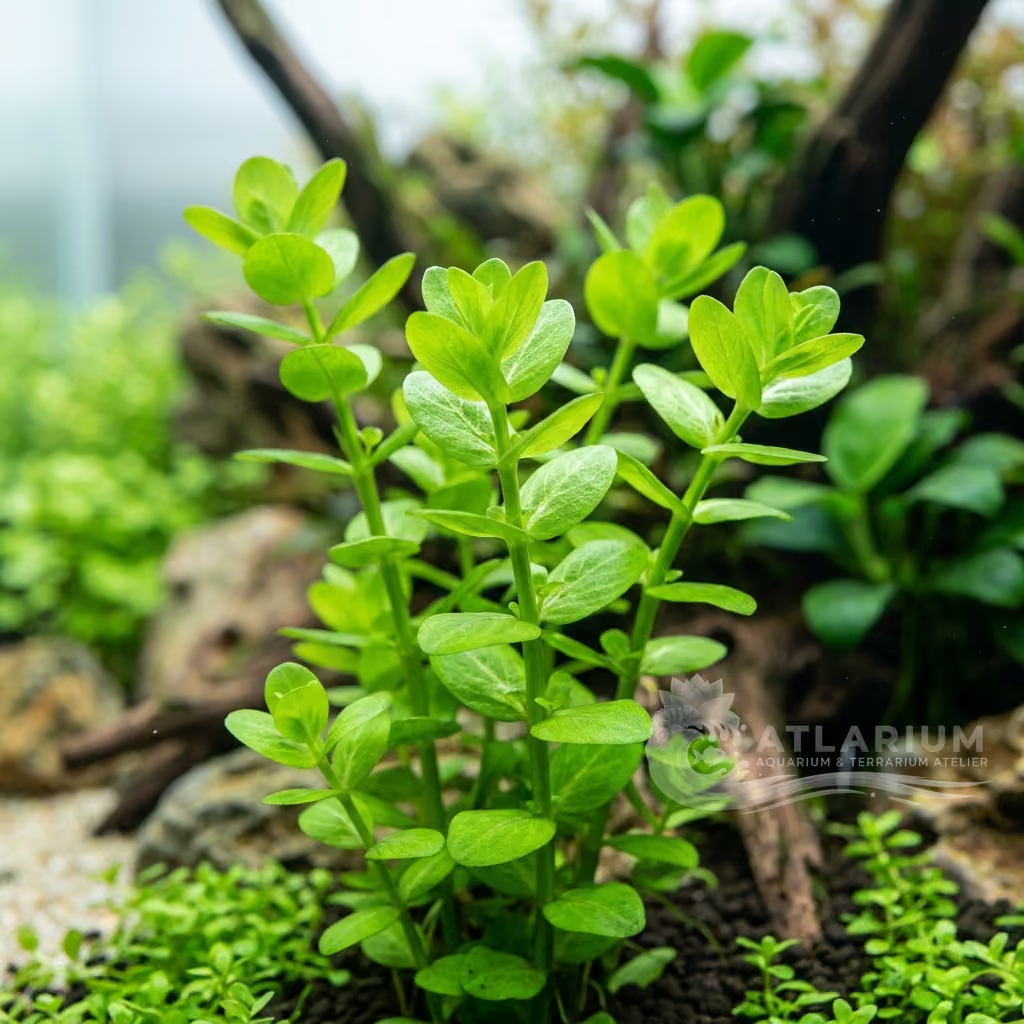
Pogostemon helferi is a distinctive foreground plant with a medium growth rate, perfect for creating lush, compact carpets or unique accent features in the aquascape. Its unique 'downoi' appearance and vibrant green leaves make it a captivating addition.
Water Temperature
15 - 28 °C
pH Value
5 - 7.5
Water type
Freshwater
Light
Medium - High
CO2
High
KH
2 - 14 dKH

Species description
Geographical Origin and Habitat: Pogostemon helferi, affectionately known as "Downoi" or "Little Star," originates from Southeast Asia, specifically found in the rivers and streams of Thailand and Myanmar. This fascinating plant thrives submersed in shallow, clear, and often fast-flowing waters, typically rooting itself into sandy or rocky substrates. Its natural habitat is characterized by strong currents, indicating its resilience and preference for oxygen-rich environments.
Taxonomy & Genetics: Belonging to the Lamiaceae family, which also includes many aromatic herbs like mint and basil, Pogostemon helferi is a unique member of its genus. Its specific epithet "helferi" honors the botanist Johann Wilhelm Helfer, who collected specimens in the region. This plant showcases distinct genetic traits that allow it to maintain its compact, star-like rosette form even under varying conditions, distinguishing it from other Pogostemon species that are typically stem plants.
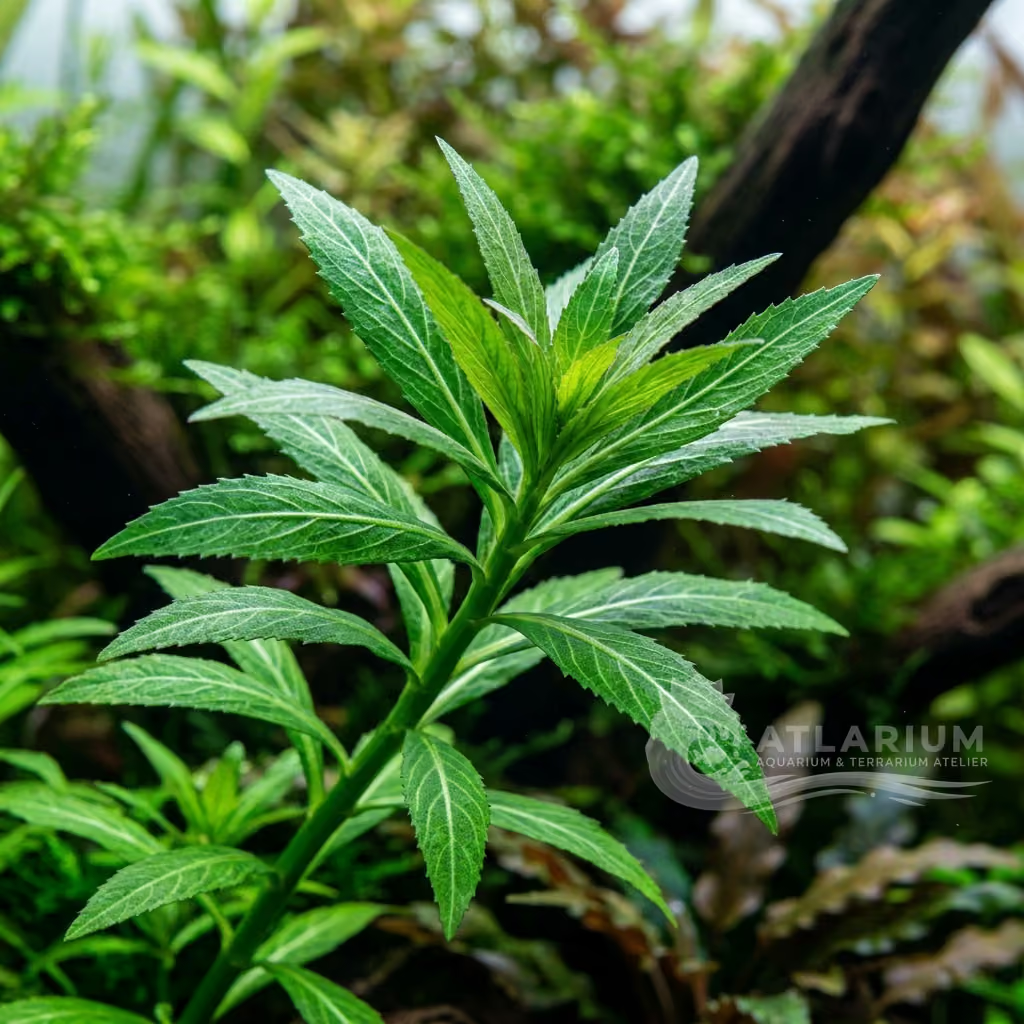
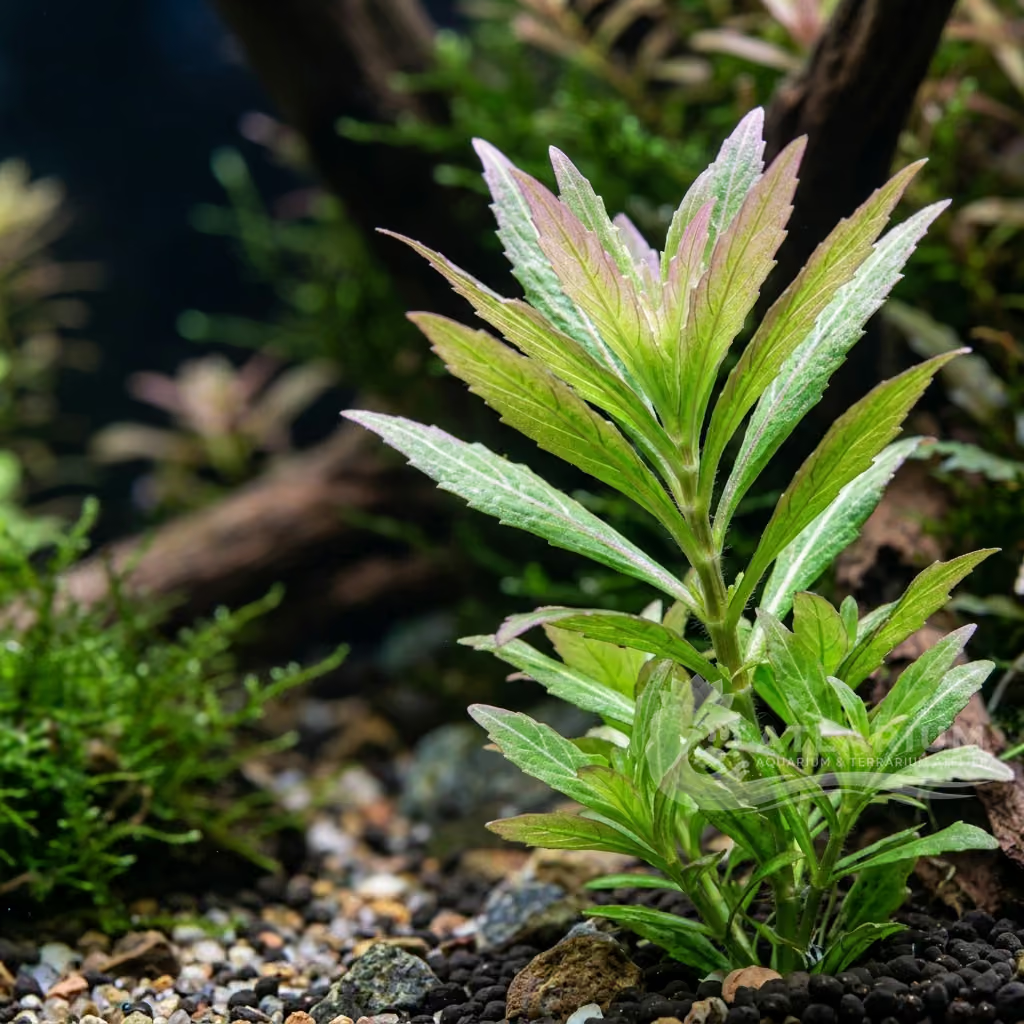
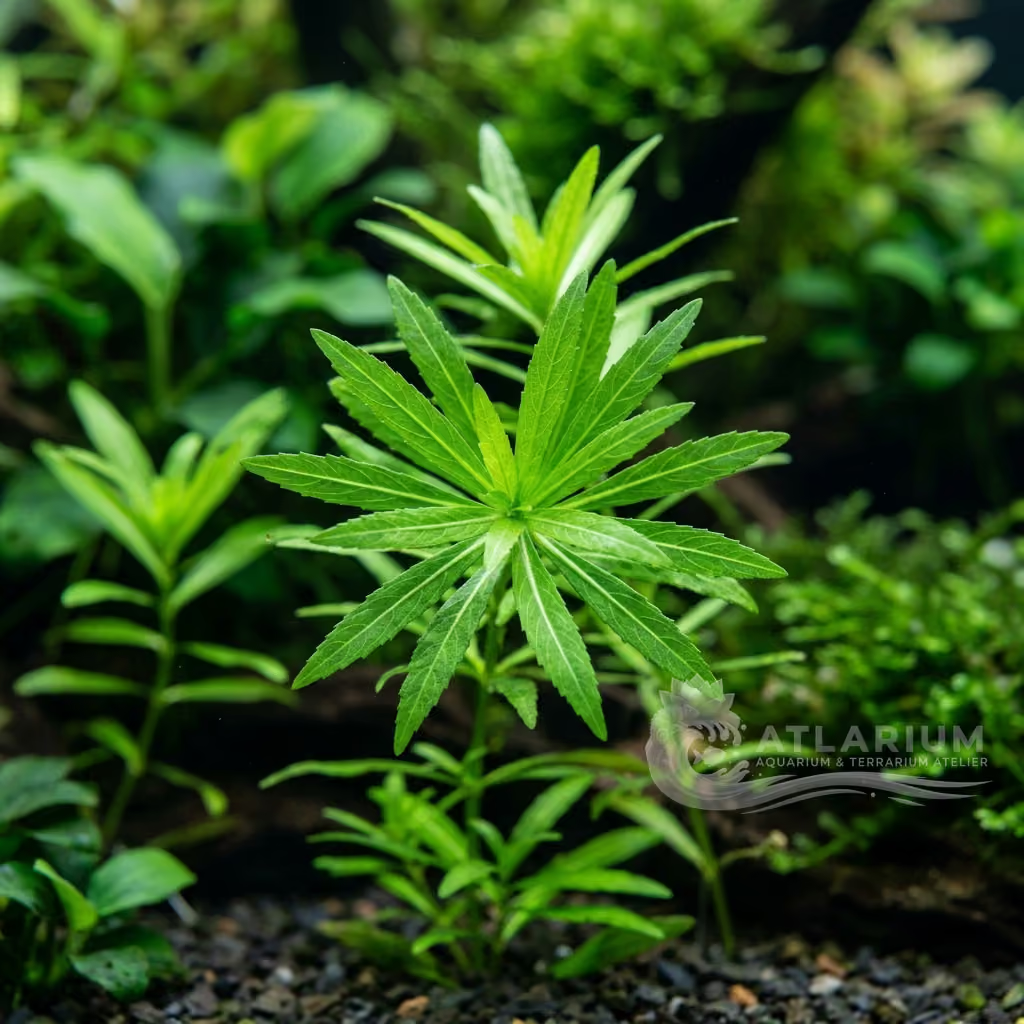
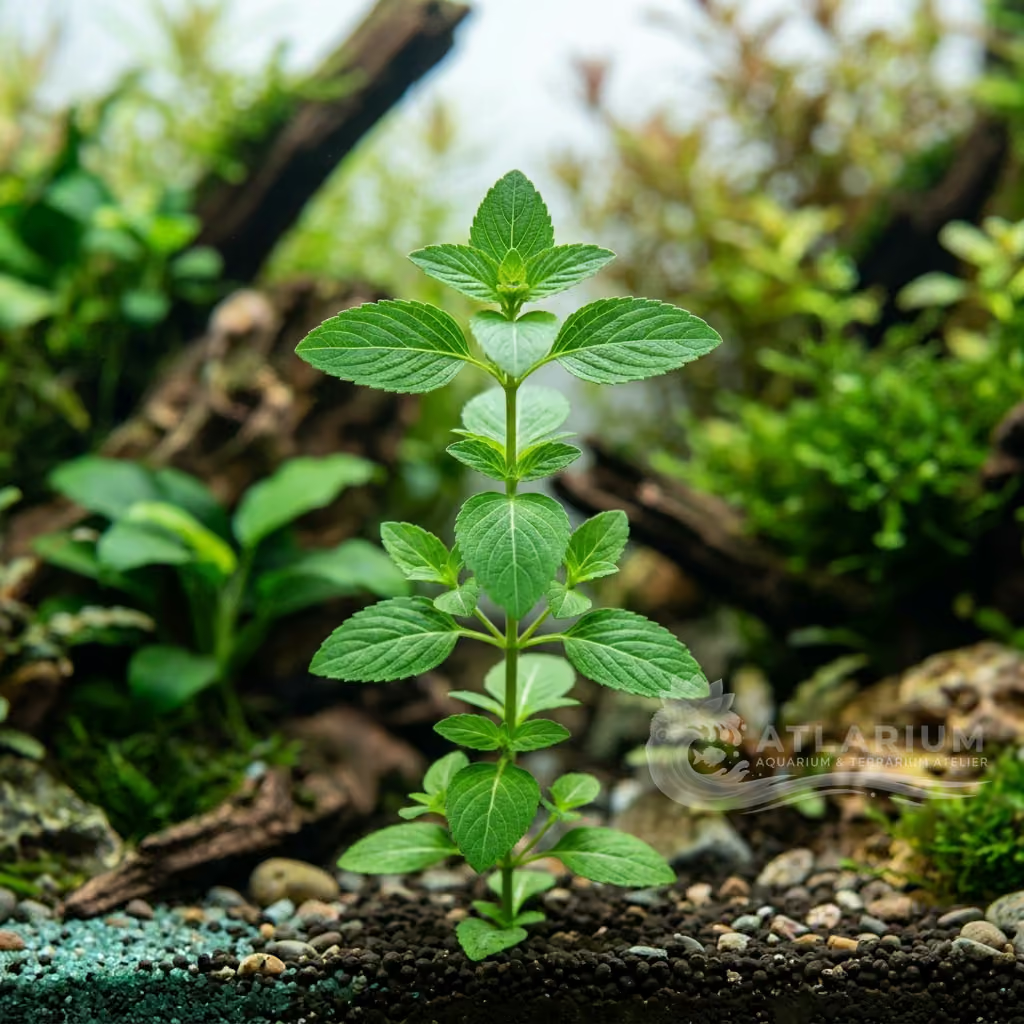
Physical Structure: Pogostemon helferi develops a robust, compact rosette structure, featuring numerous individual stems that remain relatively short and branch frequently. The leaves emerge from these stems in a decussate (opposite and perpendicular) arrangement, giving the plant a dense, bushy appearance. Its strong fibrous root system anchors it firmly to the substrate, efficiently absorbing essential nutrients directly from the rich sediment below.
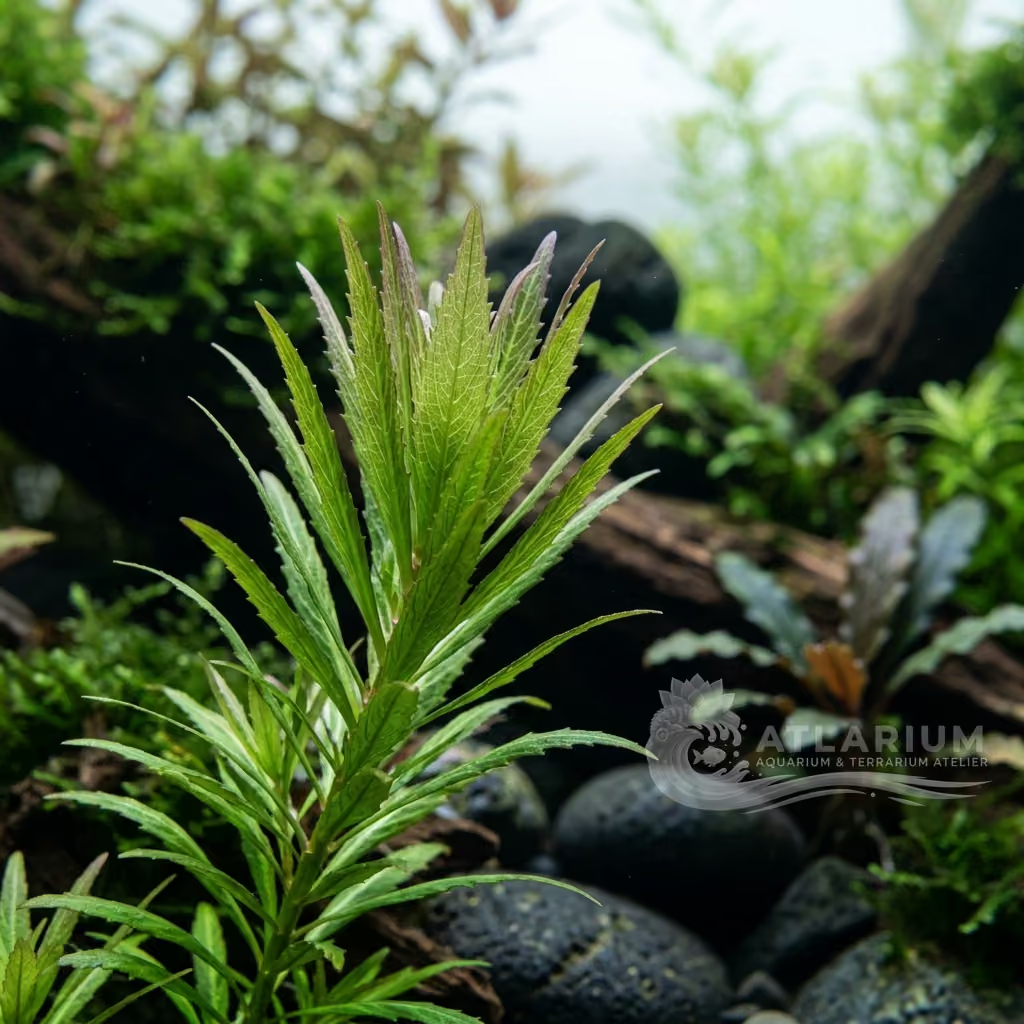
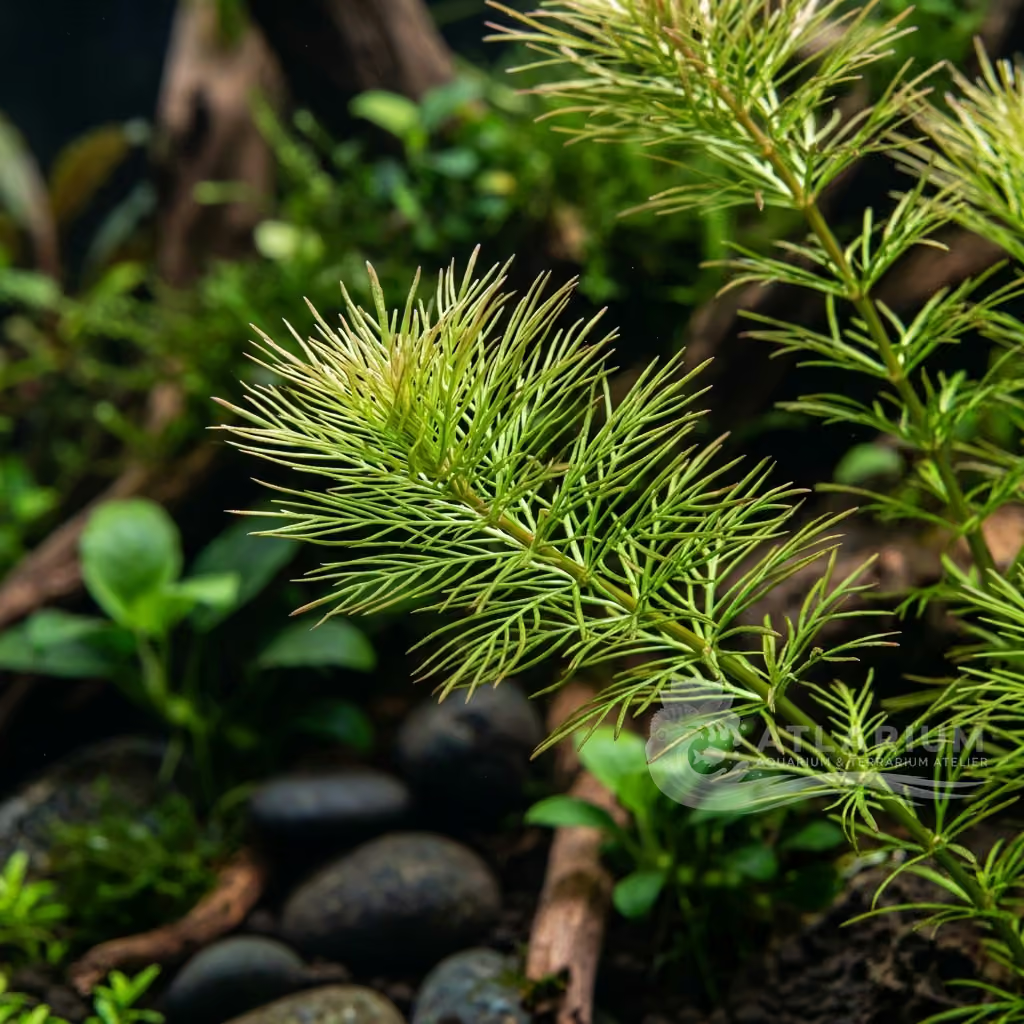
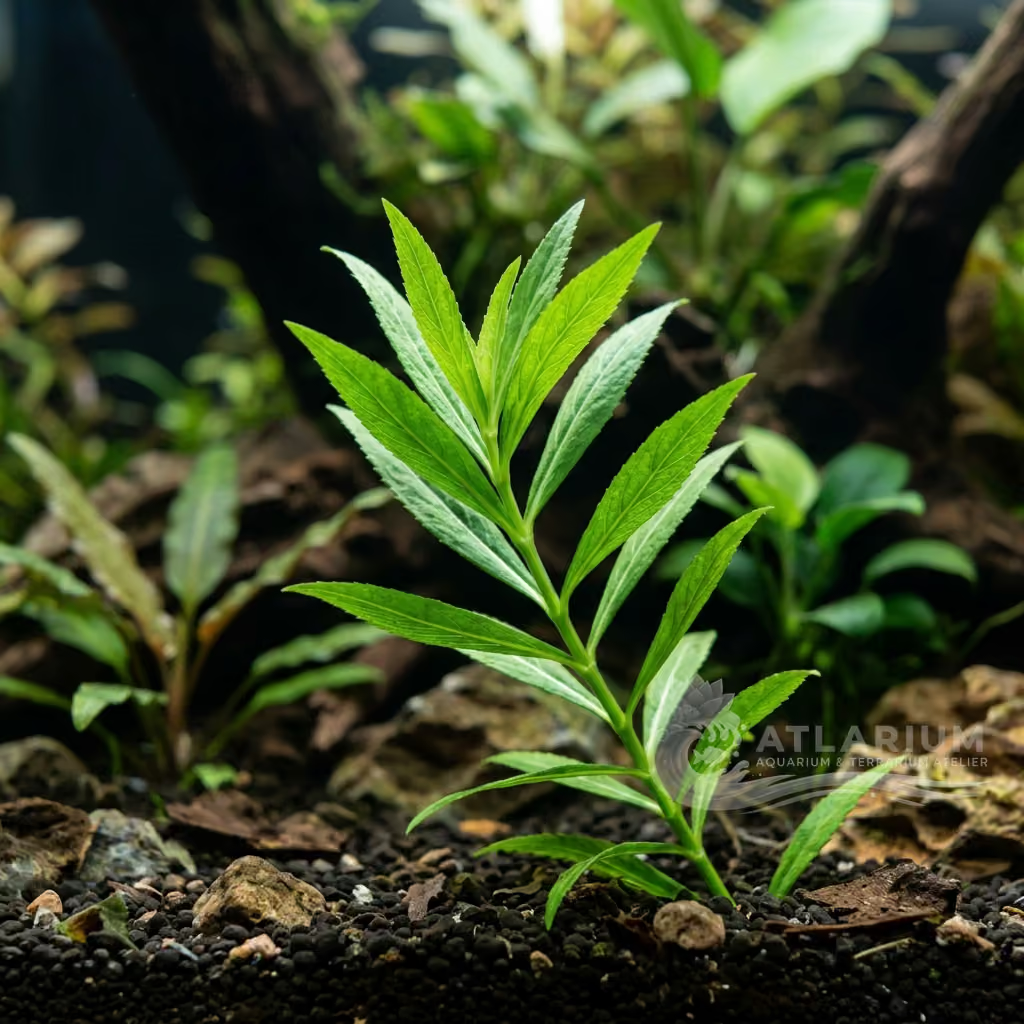
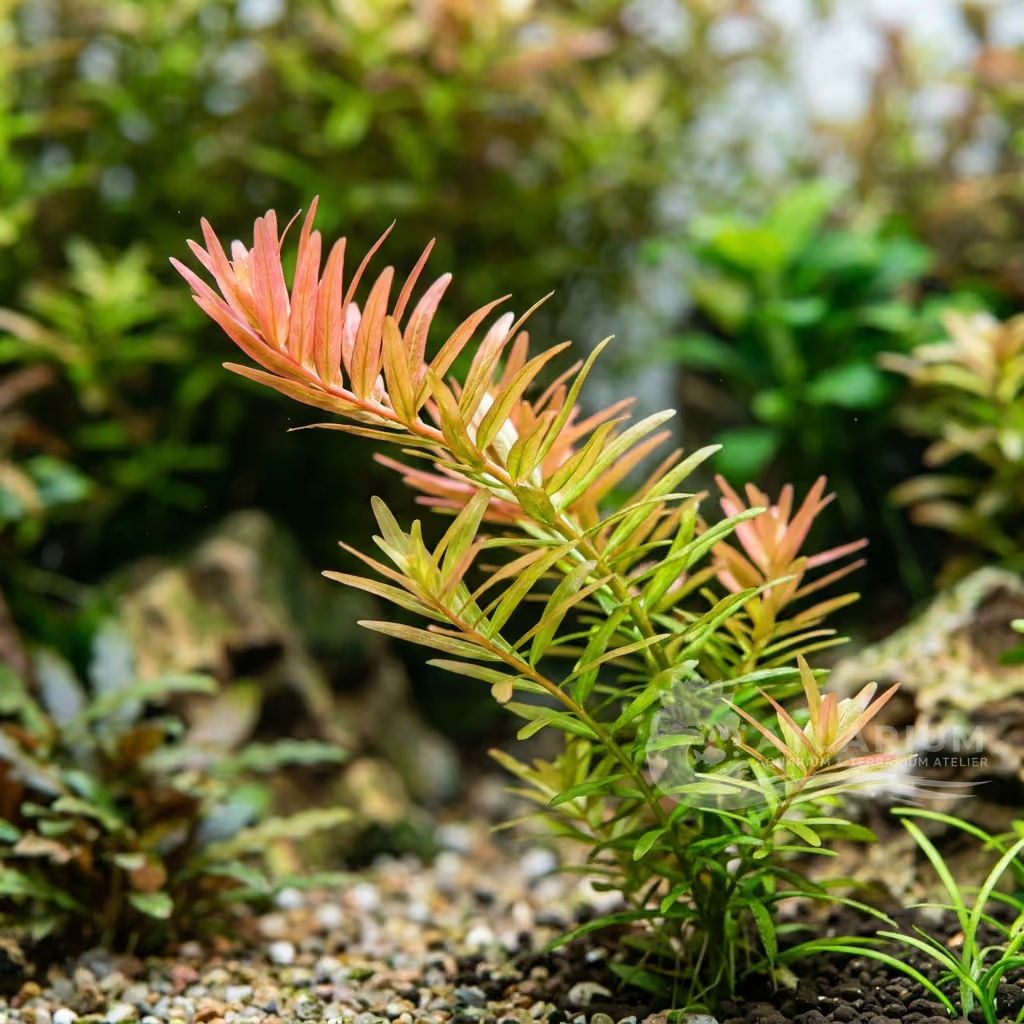
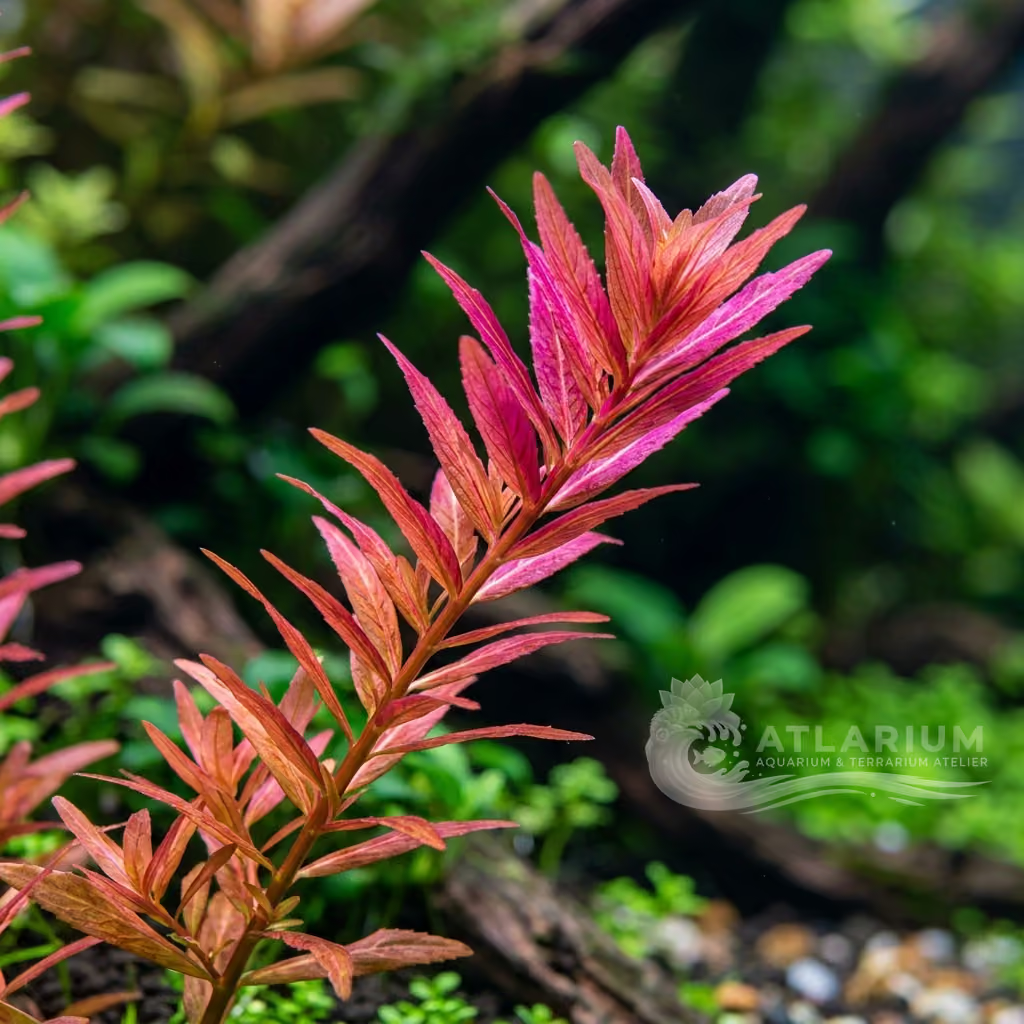
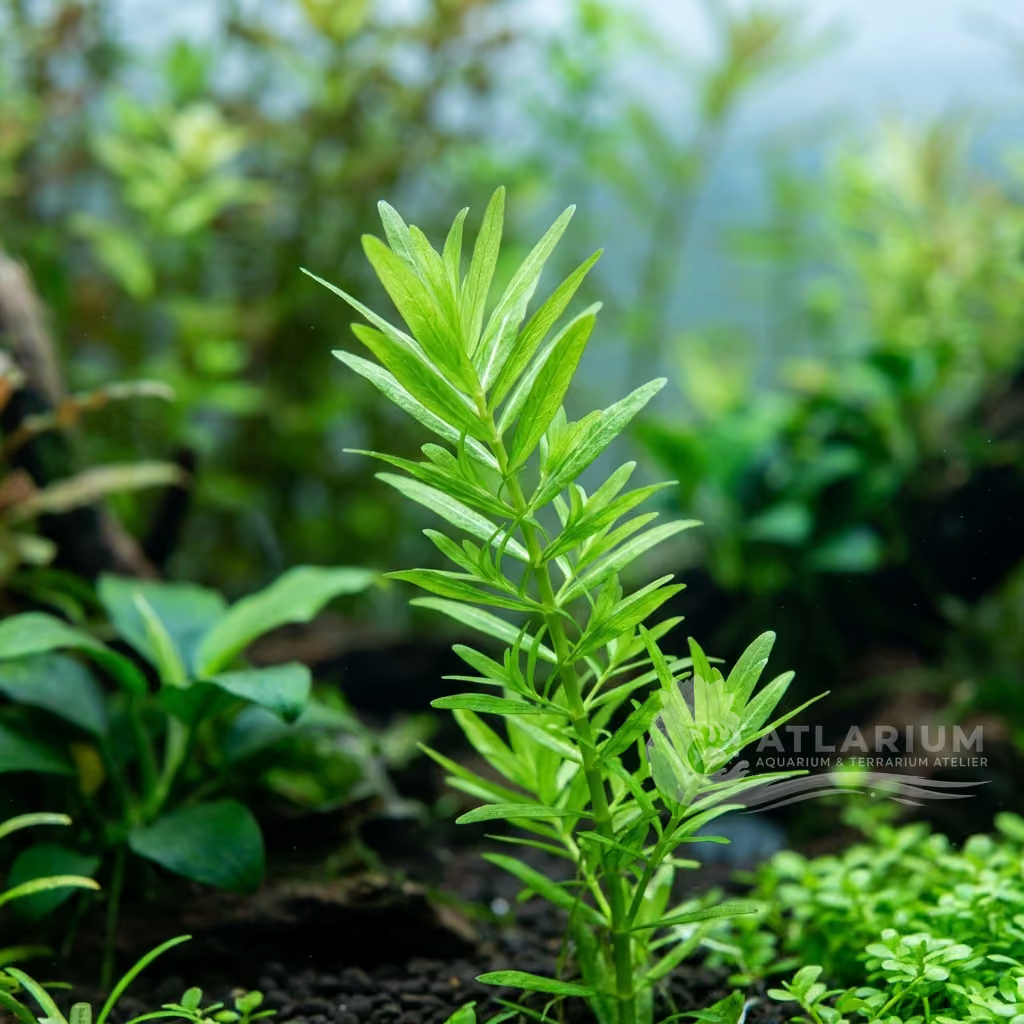
Color & Texture: The foliage of Pogostemon helferi typically presents a vibrant, fresh green coloration, though under intense lighting and optimal conditions, it can develop subtle reddish or brownish hues, particularly on newer growth and leaf margins. Its most striking feature is the highly textured, crimped, or wavy margins of its leaves, which resemble crinkled potato chips, adding unique visual interest and tactile appeal to the aquascape design.

Care, breeding and tankmates
Lighting & CO2: Pogostemon helferi requires medium to high intensity lighting to truly thrive and exhibit its characteristic compact growth and unique leaf structure, preventing leggy development. Insufficient light will cause it to stretch and lose its distinctive form, potentially leading to etiolation and diminished color. CO2 supplementation is absolutely crucial for optimal health, vigorous growth, and vibrant coloration, significantly preventing melting and promoting dense, robust development.
Nutrition & Substrate: As a heavy root feeder, Pogostemon helferi benefits immensely from a nutrient-rich aquarium substrate, such as aquasoil or clay-based substrates, which provide a stable nutrient base. Regular supplementation with root tabs placed directly beneath the plants is highly recommended to provide a steady supply of macronutrients and trace elements directly to its extensive root system. Additionally, a comprehensive liquid fertilizer regimen supports overall health and vibrant foliage, addressing column feeder requirements.
Water Chemistry: This plant adapts well to a broad range of water parameters, preferring temperatures between 15.0 and 28.0 C, a pH of 5.0 to 7.5, and a KH between 2.0 and 14.0. Maintaining stable water parameters is more critical than hitting exact values, as sudden fluctuations can induce significant stress and lead to rapid melting or stunted growth. Regular water changes help to replenish essential minerals and prevent the buildup of harmful nitrates, contributing to a healthy, balanced environment.
Space Management & Placement: Ideal for foreground placement, Pogostemon helferi excels when planted in small groups to form a dense, lush carpet or distinct accent clumps within the aquascape, creating natural focal points. Due to its compact growth and relatively slow to medium growth rate, it is perfect for creating intricate details and providing appealing textural contrast to finer-leaved plants. Ensure sufficient space around each plant initially to allow for lateral growth and good water circulation, preventing overcrowding and decay.
Pruning: Regular pruning is essential to maintain the desired compact shape and encourage denser side shoot development, fostering a fuller appearance. Trimming the taller stems back to a desired height will stimulate bushier growth from the base, creating a more cohesive and visually appealing foreground carpet. Promptly remove any yellowing or decaying leaves to prevent nutrient drain, maintain overall plant health, and reduce the risk of algae accumulation.
Risks & Diseases: Pogostemon helferi can be susceptible to common aquarium plant issues such as algae growth, particularly if lighting and CO2 are not adequately balanced with nutrient levels. Melting, often triggered by environmental changes or CO2 deficiency, is a significant risk upon introduction to a new tank or during periods of unstable parameters. Nutrient deficiencies can manifest as stunted growth or discoloration, highlighting the critical need for a comprehensive and consistent fertilization plan.

Geographic origin and distribution
Pogostemon helferi, affectionately known as "Downoi" or "Little Star," originates from Southeast Asia, specifically found in the rivers and streams of Thailand and Myanmar. This fascinating plant thrives submersed in shallow, clear, and often fast-flowing waters, typically rooting itself into sandy or rocky substrates. Its natural habitat is characterized by strong currents, indicating its resilience and preference for oxygen-rich environments.
Origin
South and Southeast Asia

Plant profile
- Placement
- Foreground
- Ideal as a foreground or midground accent plant. It can be planted directly into the substrate or attached to porous rocks and driftwood. When planted in groups, it forms a striking, textured carpet.
- Botanical form
- Rosette
- It is a unique foreground plant with highly crinkled, curly leaves. The leaves form tight rosettes that look like small, green stars on the substrate. It has a creeping growth habit when light is sufficient.
- Growth
- Medium
- The growth rate is moderate under high light and CO2 injection. In lower light setups, it grows slowly and tends to stretch upwards rather than staying compact. Once established, it steadily spreads via runners.
- Substrate
- High
- Pogostemon helferi, commonly known as Downoi, demands a nutrient-rich aqua soil with a slightly fine but highly breathable texture to prevent root rot. This unique foreground plant anchors itself via a shallow but dense root network, drawing heavily on substrate fertilization for its distinct, crinkled leaves and compact form. A substrate depth of 3 to 4 centimeters is sufficient to secure its small base while allowing delicate runners to easily spread and colonize the bottom.
- Column fertilization
- Recommended
- Benefits from regular dosing of liquid fertilizers. Consistent nutrient availability in the water column helps maintain its vibrant green color. Micronutrient supplementation is key to preventing leaf chlorosis.
- Root fertilization
- Recommended
- It is an exceptionally heavy root feeder. A nutrient-rich substrate like aqua soil is highly recommended for optimal health. Root tabs can be used to significantly boost growth in inert substrates.
- Trimming
- Occasional
- Trimming involves cutting the top rosette and replanting it. The remaining base will sprout new shoots. It can also be trimmed by cutting the runners that it sends out.
- Propagation
- Cuttings
- Propagates naturally by sending out lateral runners which form new plantlets. These plantlets can be separated from the mother plant once they have developed their own roots. Alternatively, the main stem can be cut and replanted.
- Sensitivity
- Moderate
- Very sensitive to sudden changes in water parameters and poor water quality. It can easily melt if shaded by larger plants or if detritus accumulates on its leaves. Requires stable CO2 levels to thrive.
- Layout role
- group, Epiphyte, Midground, Nano, Foreground
- Serves as a magnificent foreground carpet or a detailed midground accent. Its unique crinkled texture creates a beautiful contrast with smooth rocks or fine grassy plants. Often used in Iwagumi and nature-style layouts.

Related species
Recommendations grouped by close relatives, companion choices, and similar care.