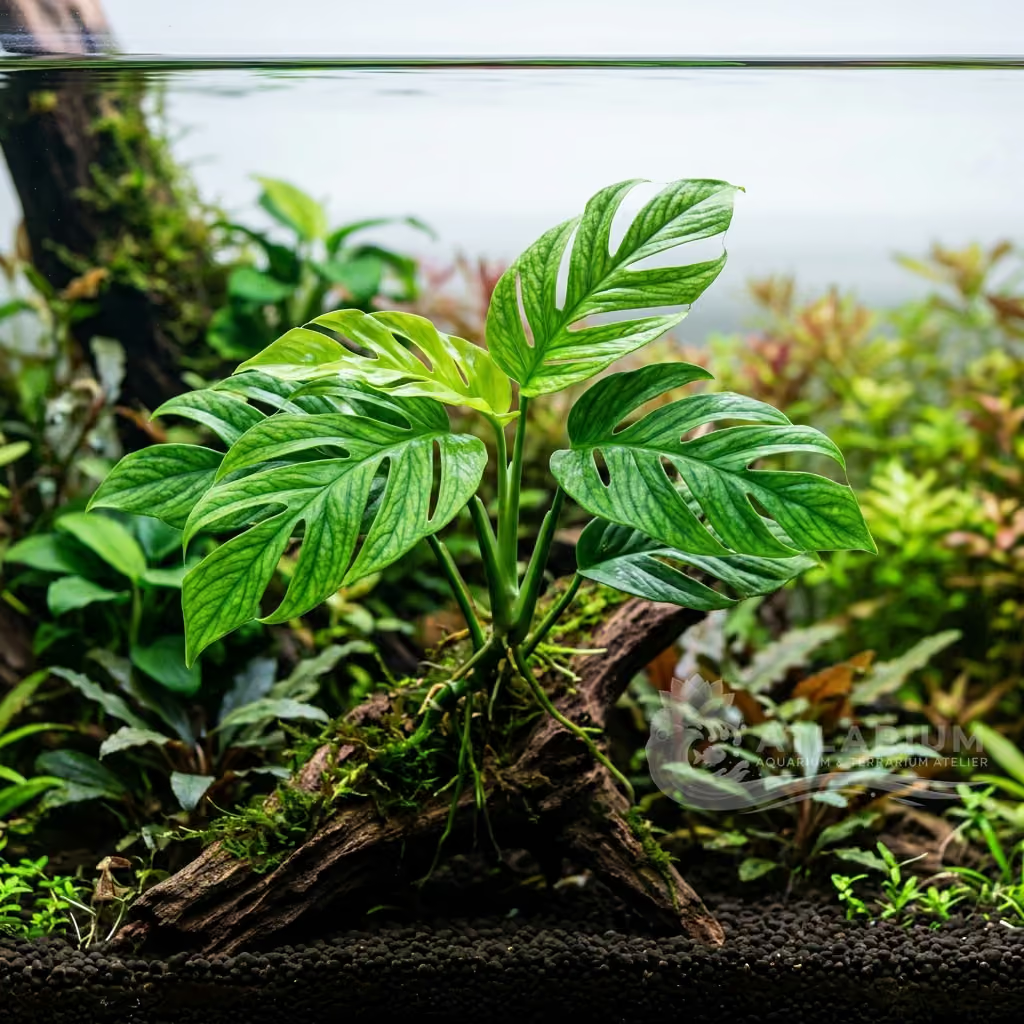
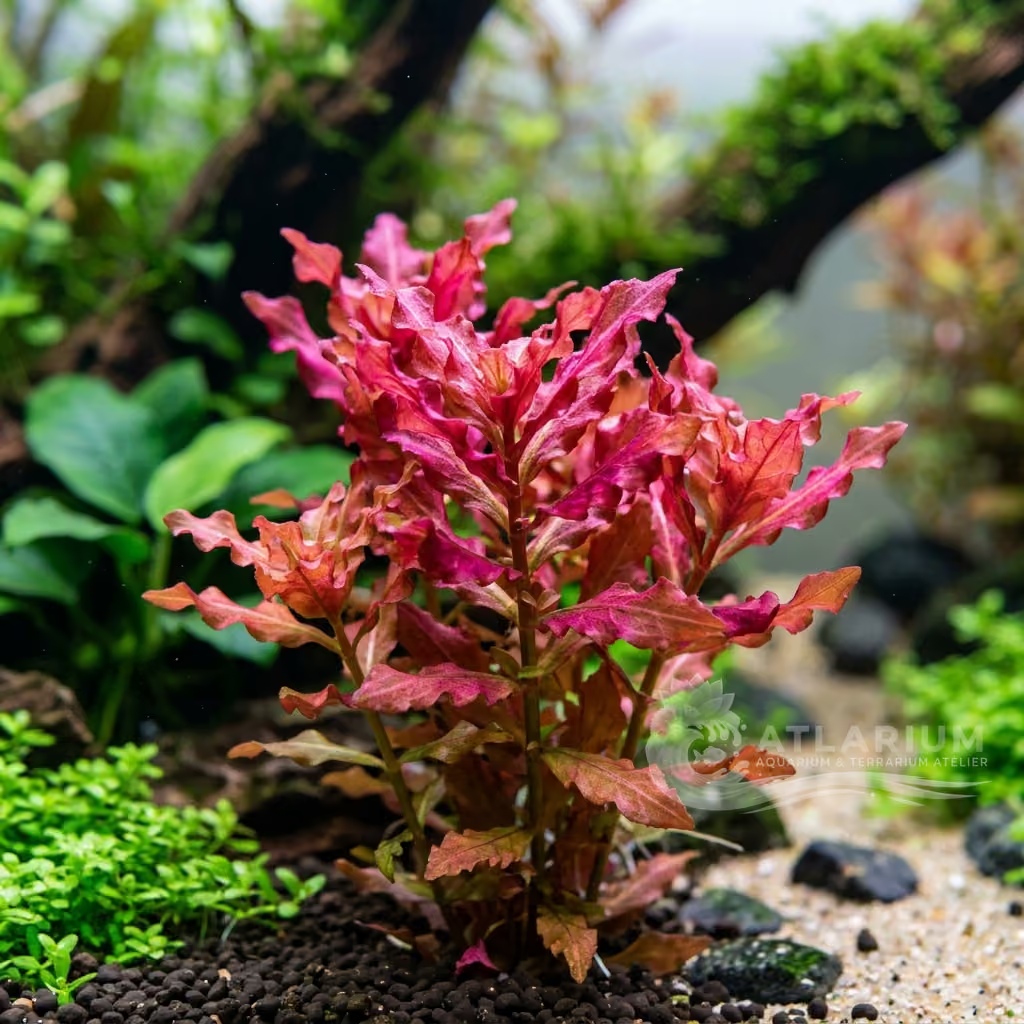
Pogostemon cf. pumilus
Pogostemon cf. pumilus
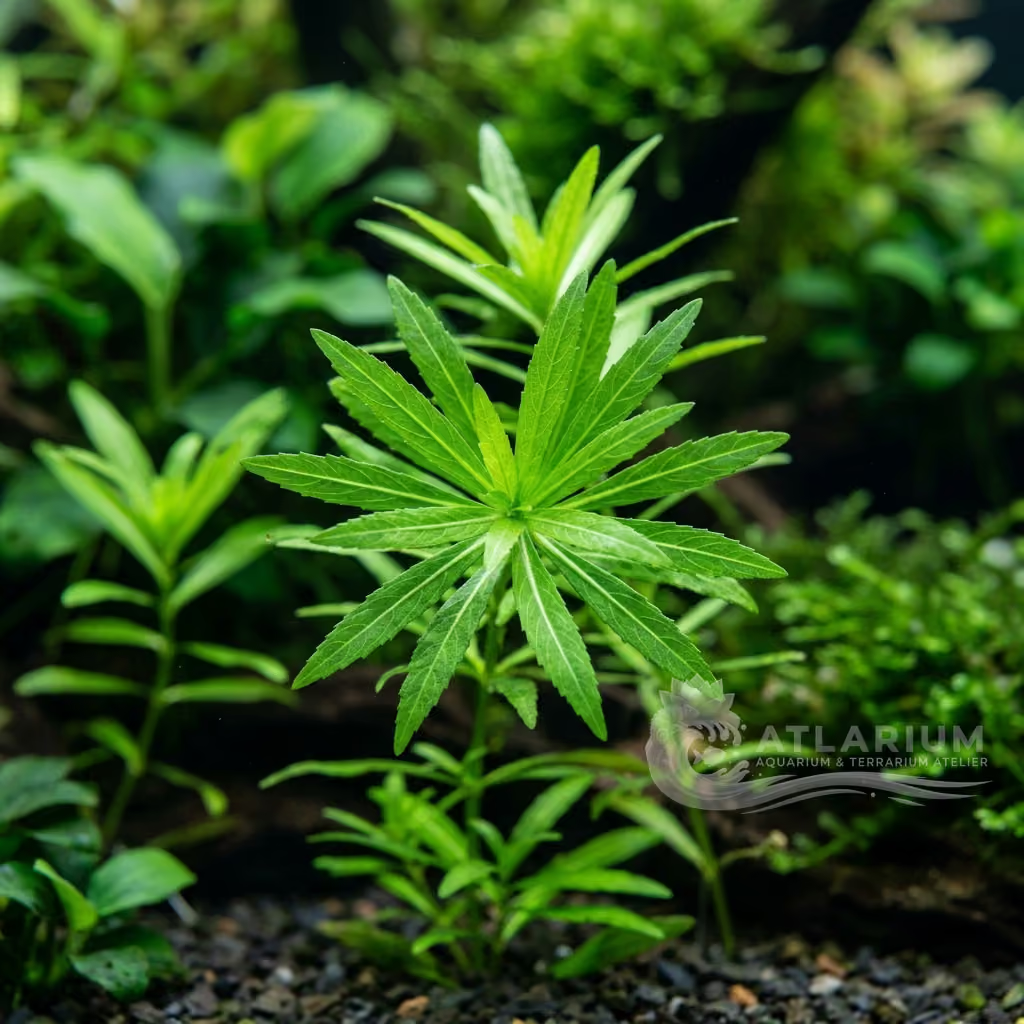
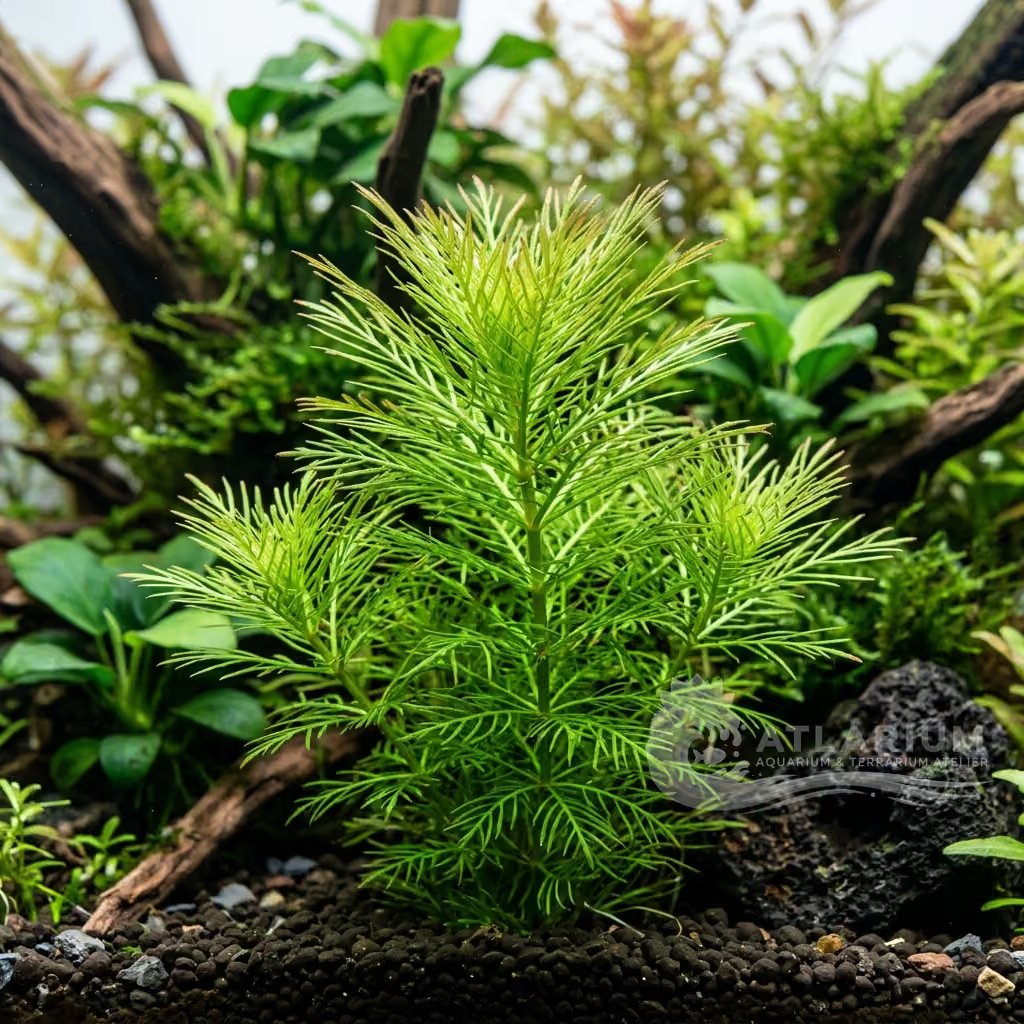
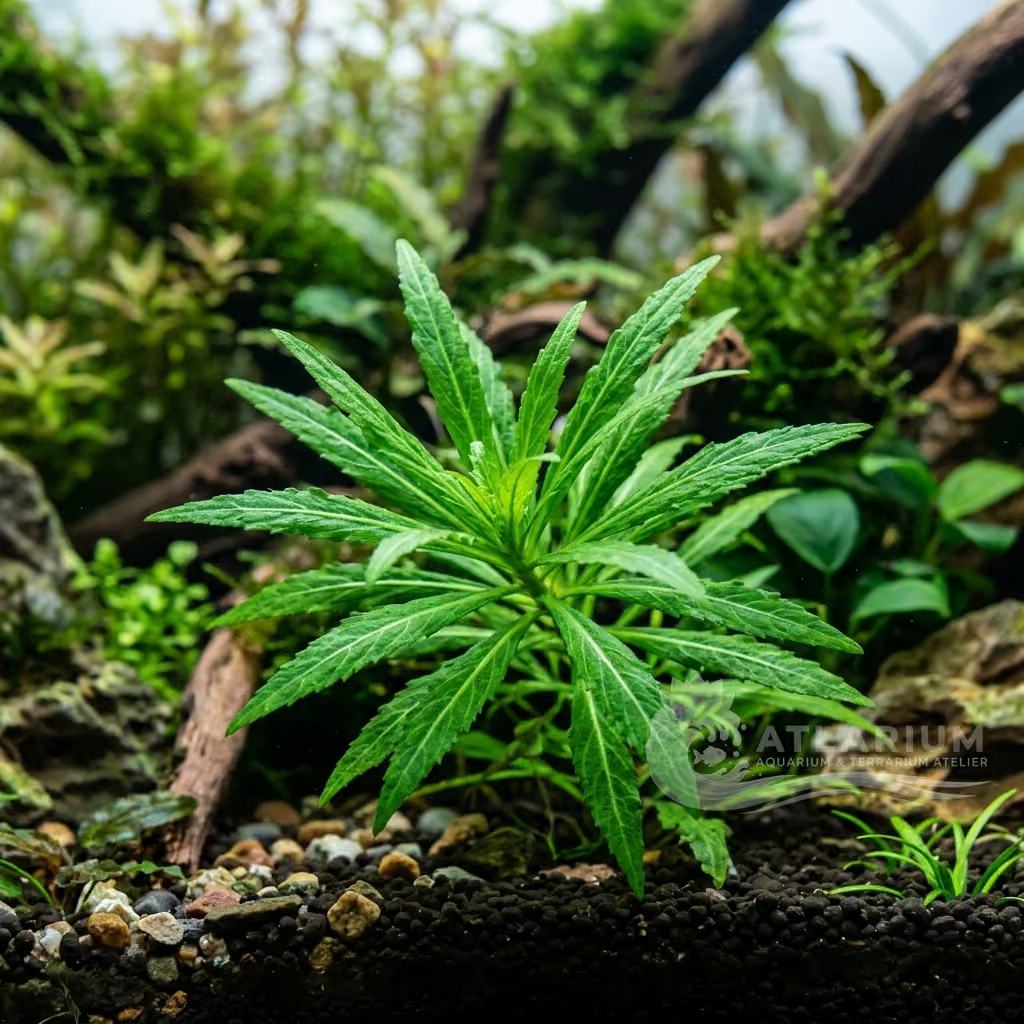
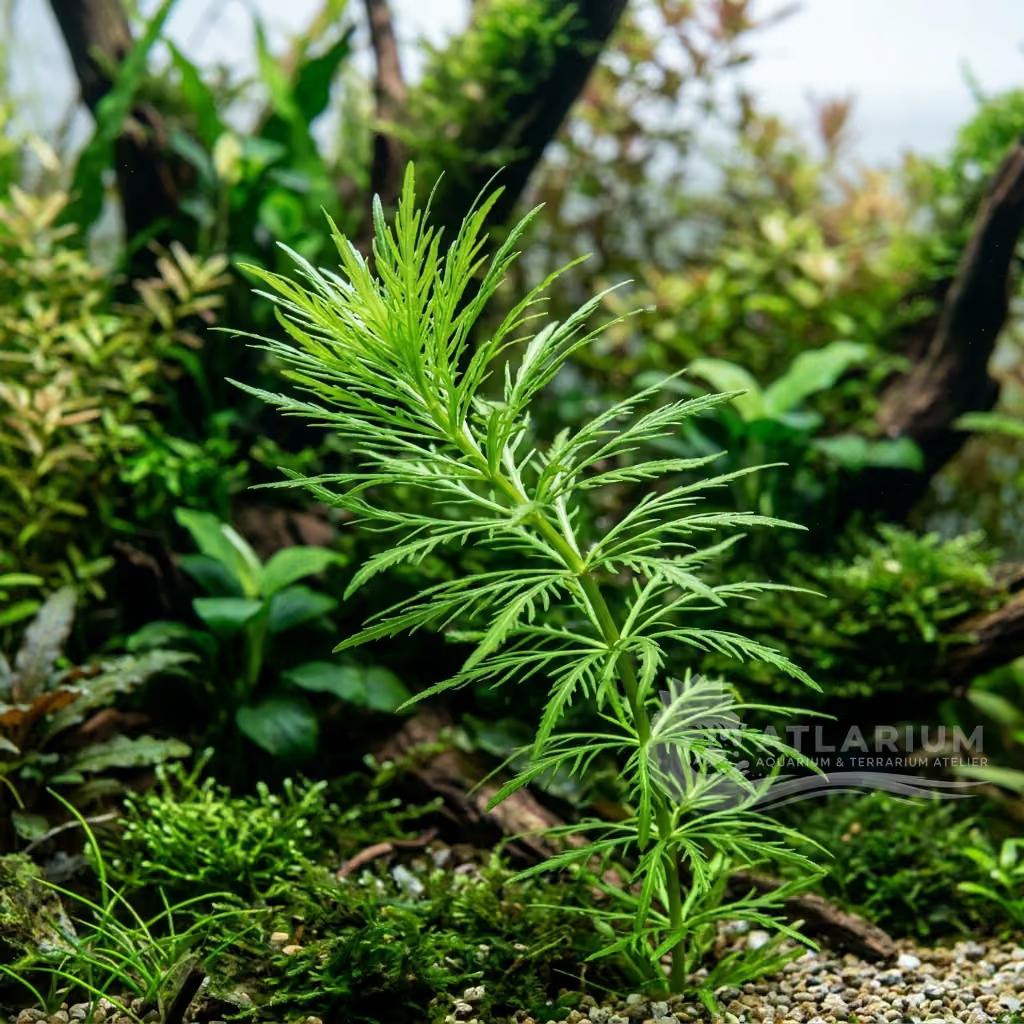
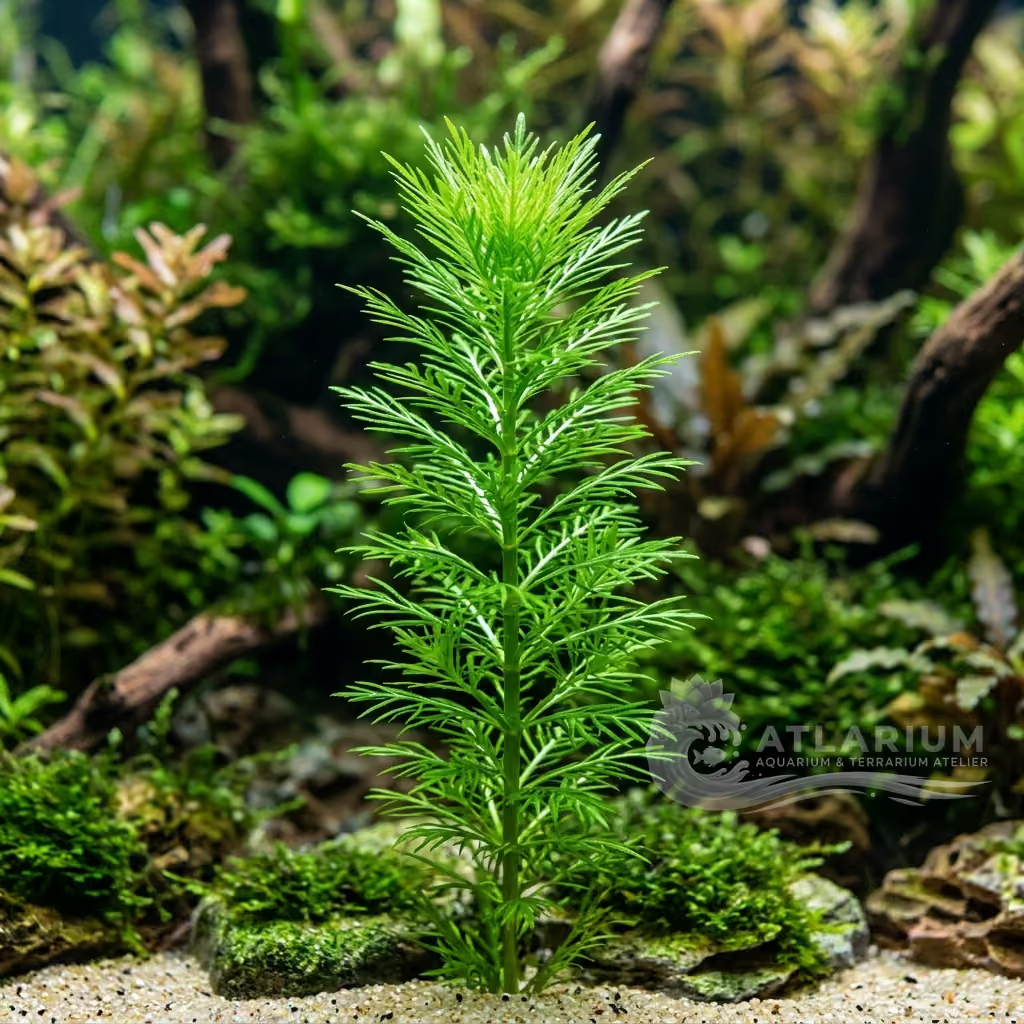
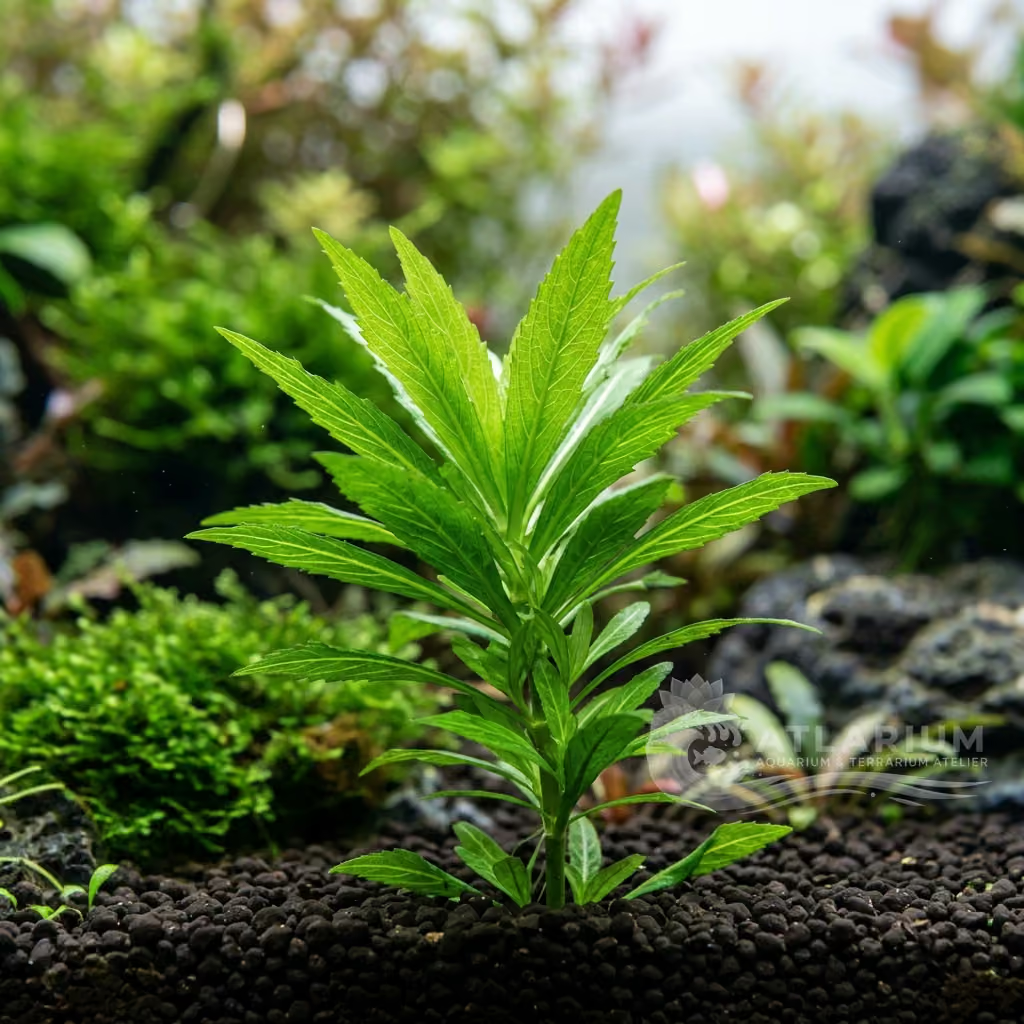
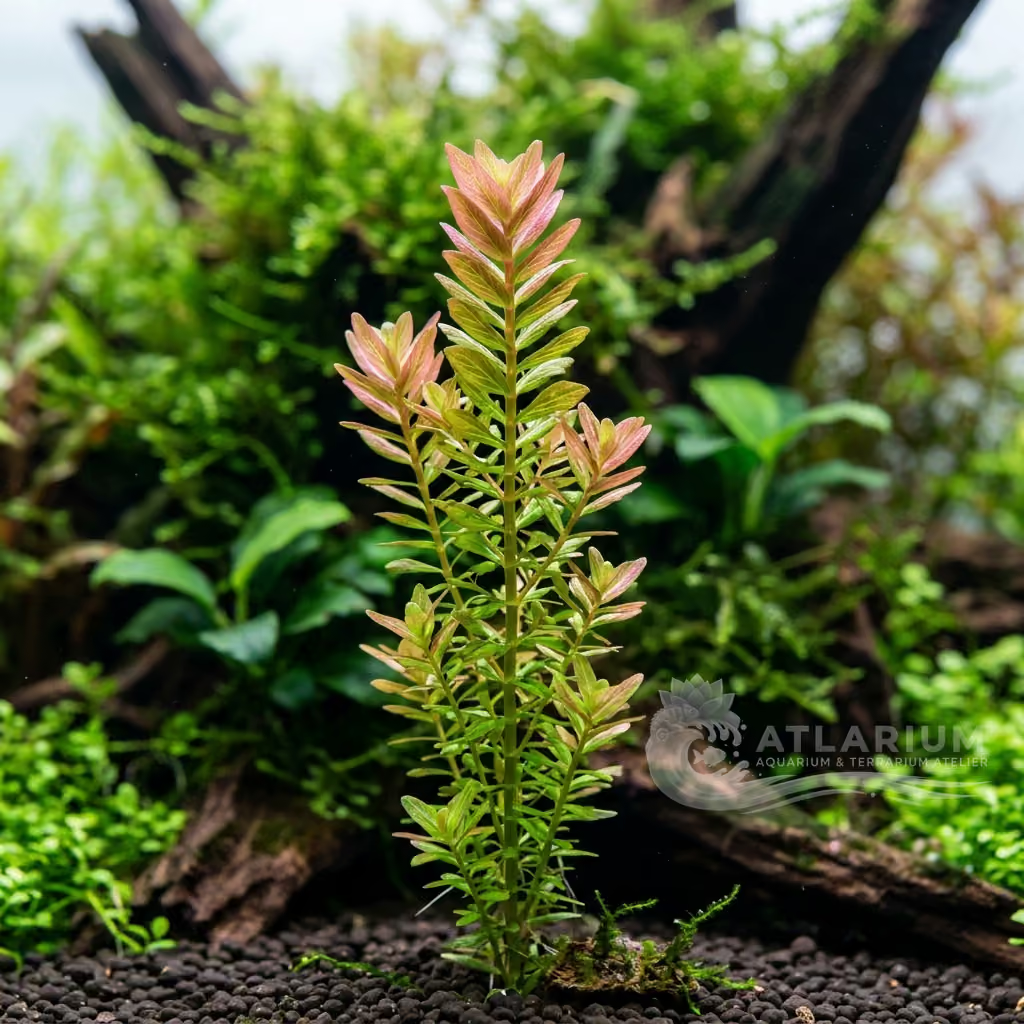
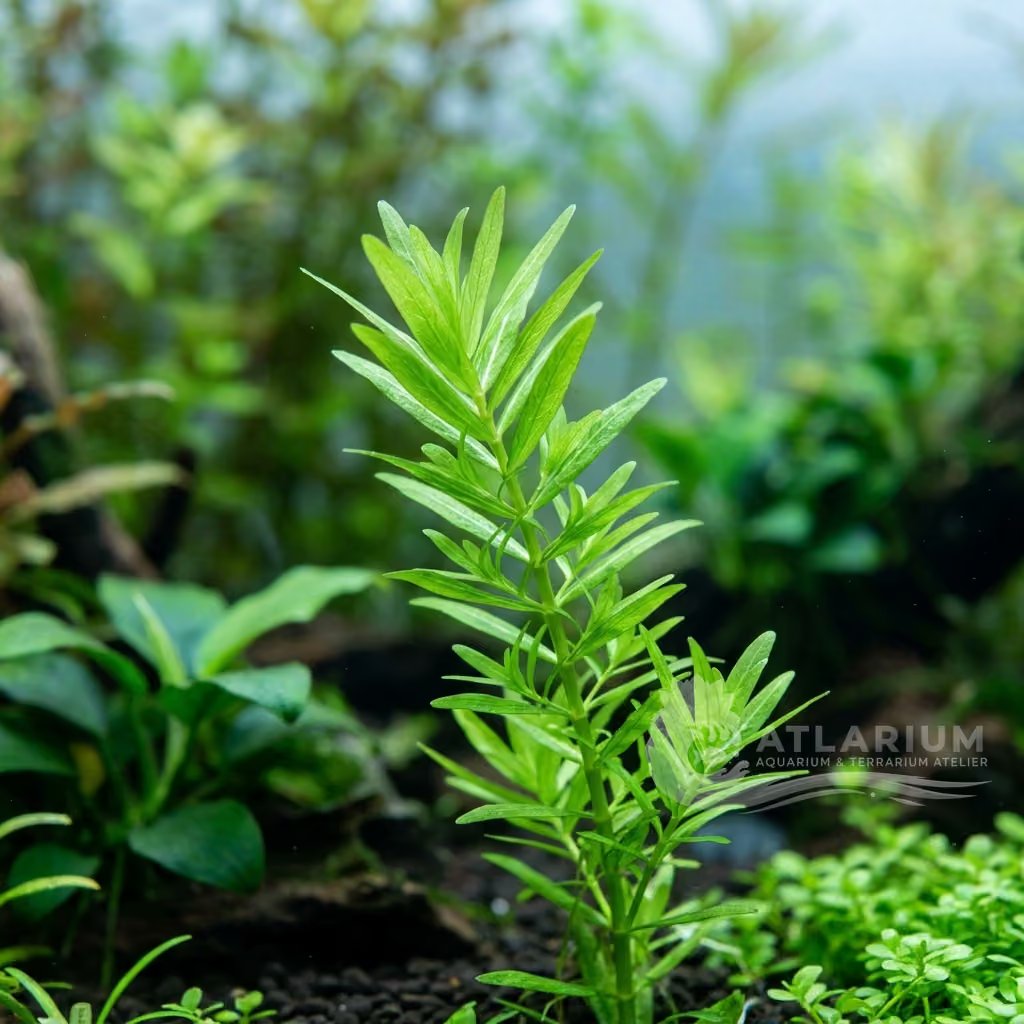
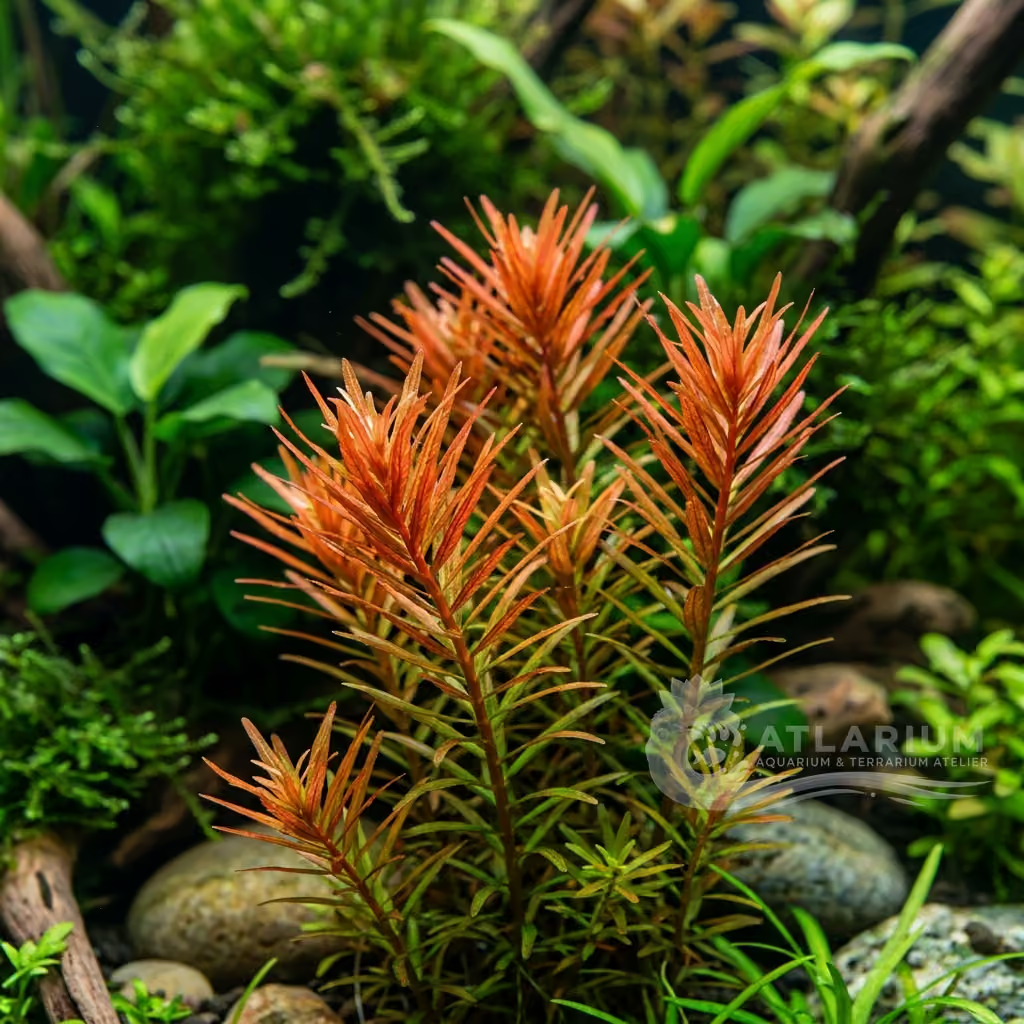
Pogostemon cf. pumilus is a medium-growing stem plant perfectly suited for midground placement, where it forms dense, vigorous bushes. Its strategic positioning helps create depth and structure in the aquascape.
Water Temperature
22 - 28 °C
pH Value
6 - 7.5
Water type
Freshwater
Light
Medium - High
CO2
Medium - High
KH
2 - 10 dKH

Species description
Geographical Origin and Habitat: Pogostemon cf. pumilus, with the "cf." denoting a similarity but not a definitive identification with Pogostemon pumilus, traces its geographical roots to the tropical and subtropical regions of Asia, much like many other Pogostemon species. In its natural habitat, these plants are often found in aquatic or semi-aquatic environments, colonizing the banks of slow-moving streams, marshes, and humid areas. Their remarkable ability to thrive both submerged and emergent highlights their adaptability, making them excellent candidates for aquascaping. This natural resilience contributes to its moderate care requirements in a well-maintained aquarium.
Taxonomy & Genetics: Belonging to the Lamiaceae family, the same as aromatic mint and basil, Pogostemon cf. pumilus shares several morphological characteristics with its terrestrial relatives, including typically square stems and leaves arranged oppositely or in whorls. The "cf." in its name, an abbreviation for "confer" (compare with), suggests that this plant is closely related to or very similar to Pogostemon pumilus but might represent a local variant or a species not yet formally described. This designation underscores the complexity of aquatic plant taxonomy and the need for further genetic and morphological studies for definitive classification within the vast and diverse Pogostemon genus.
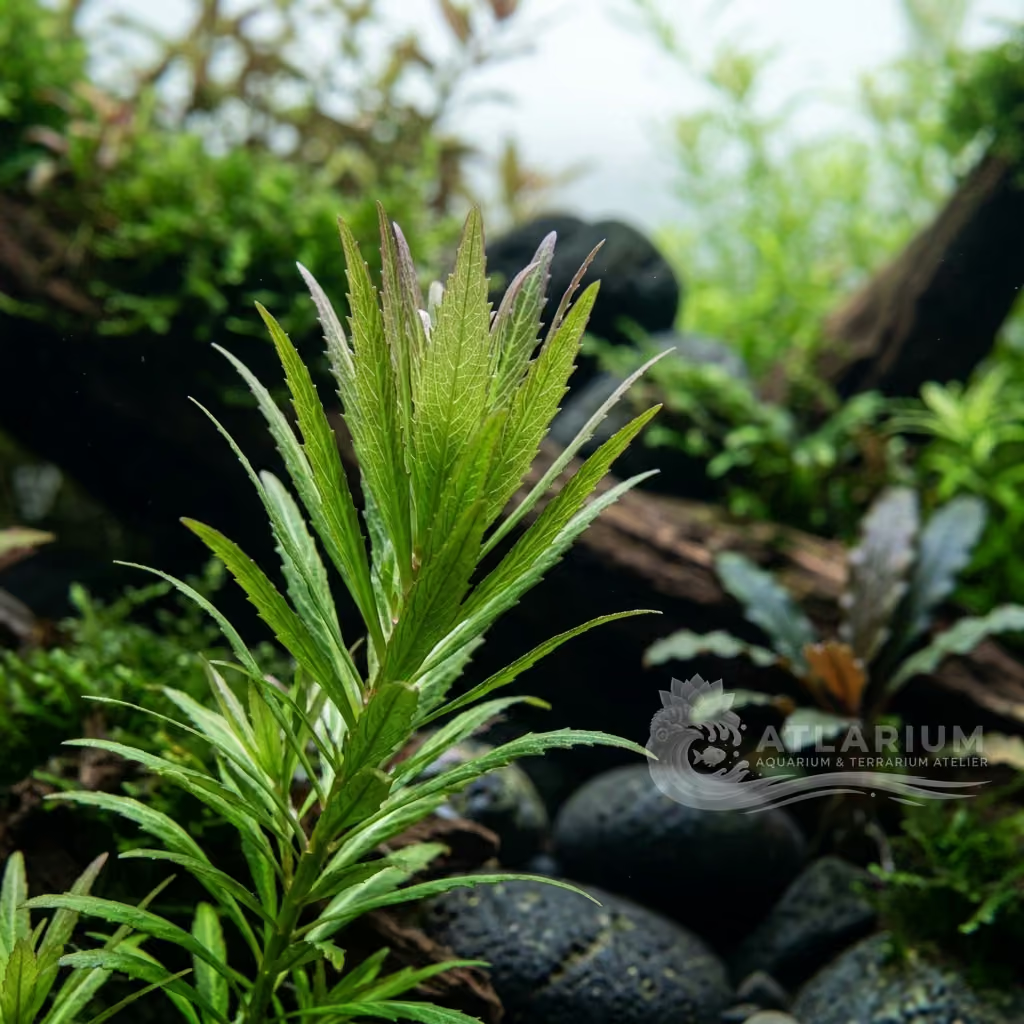
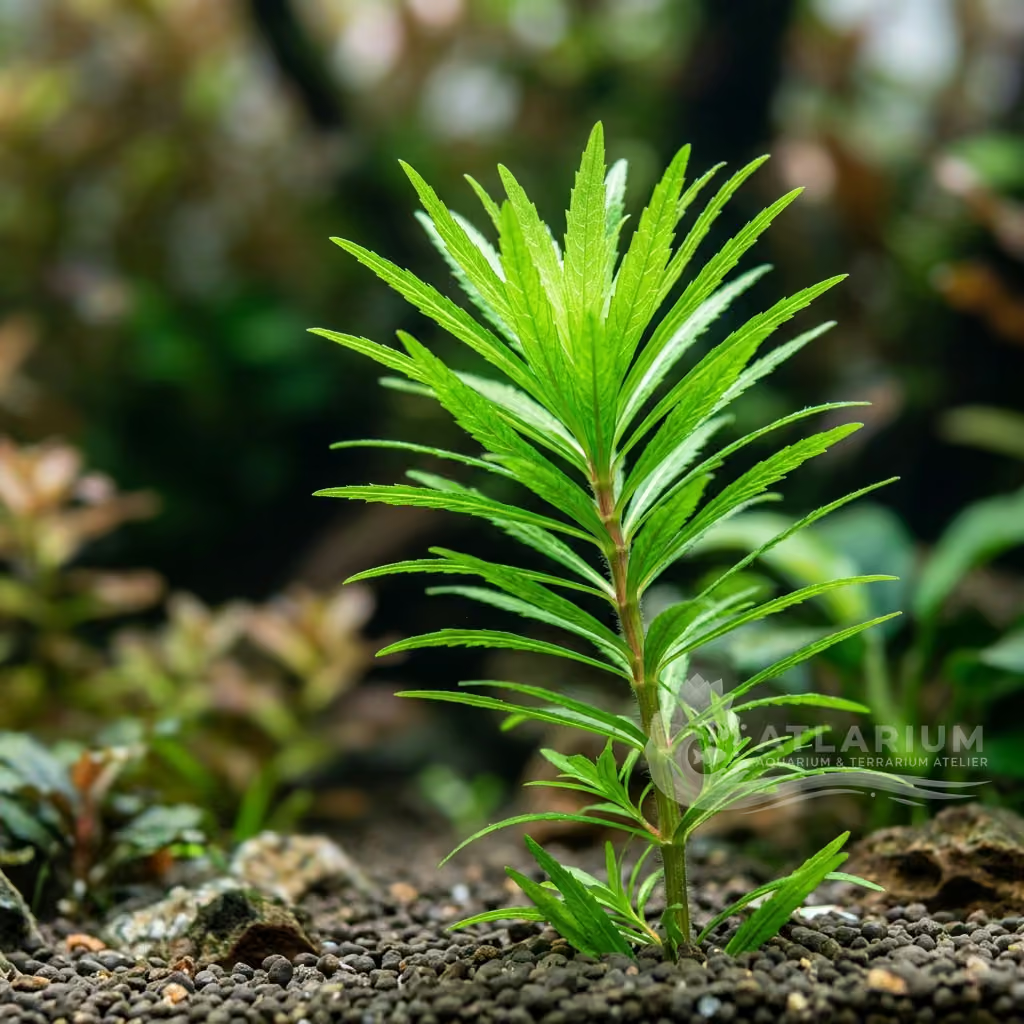
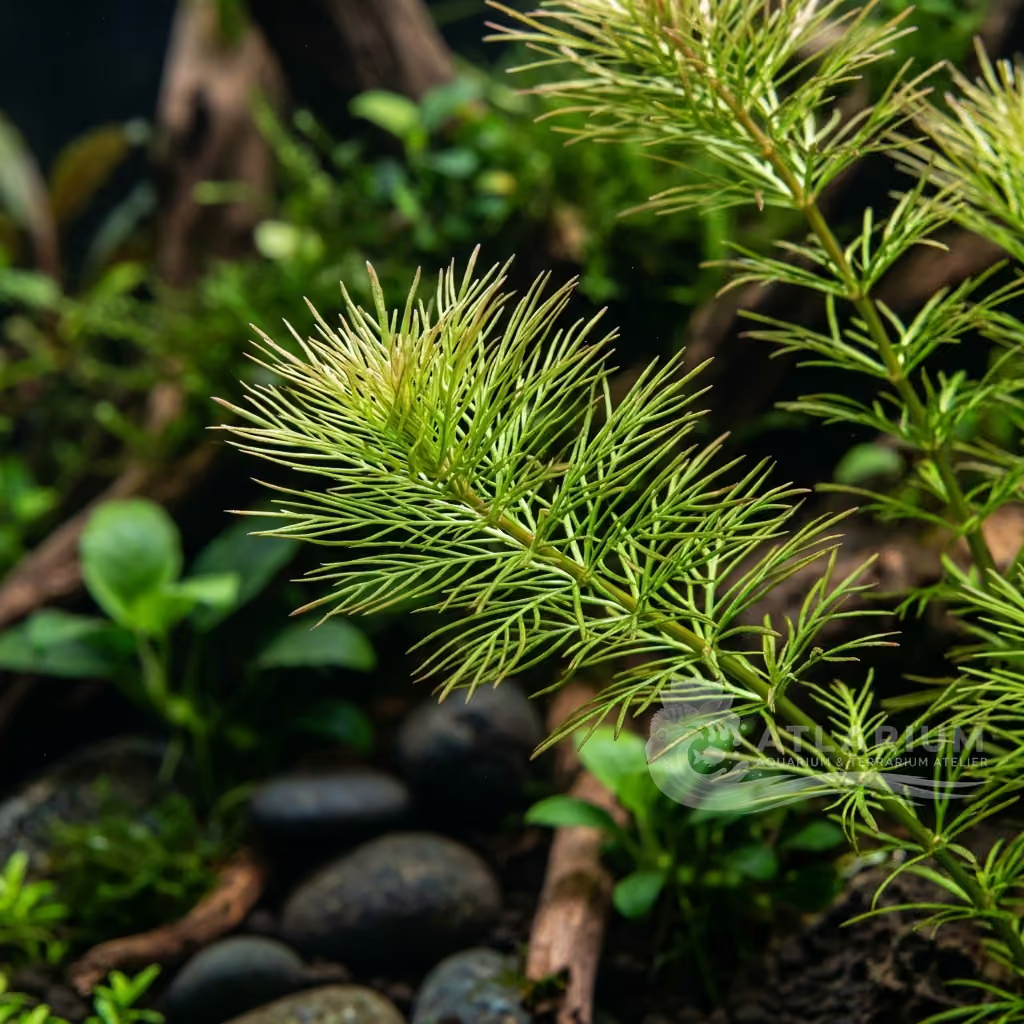
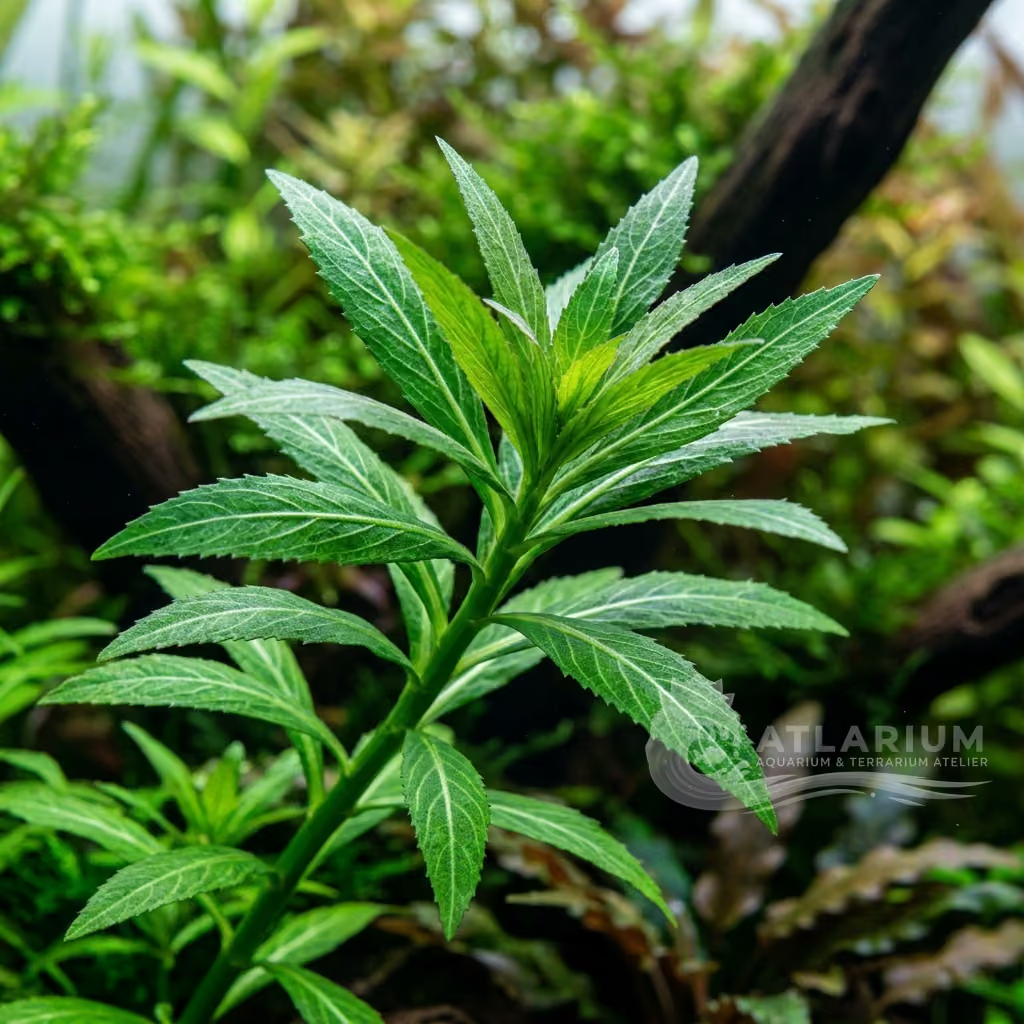
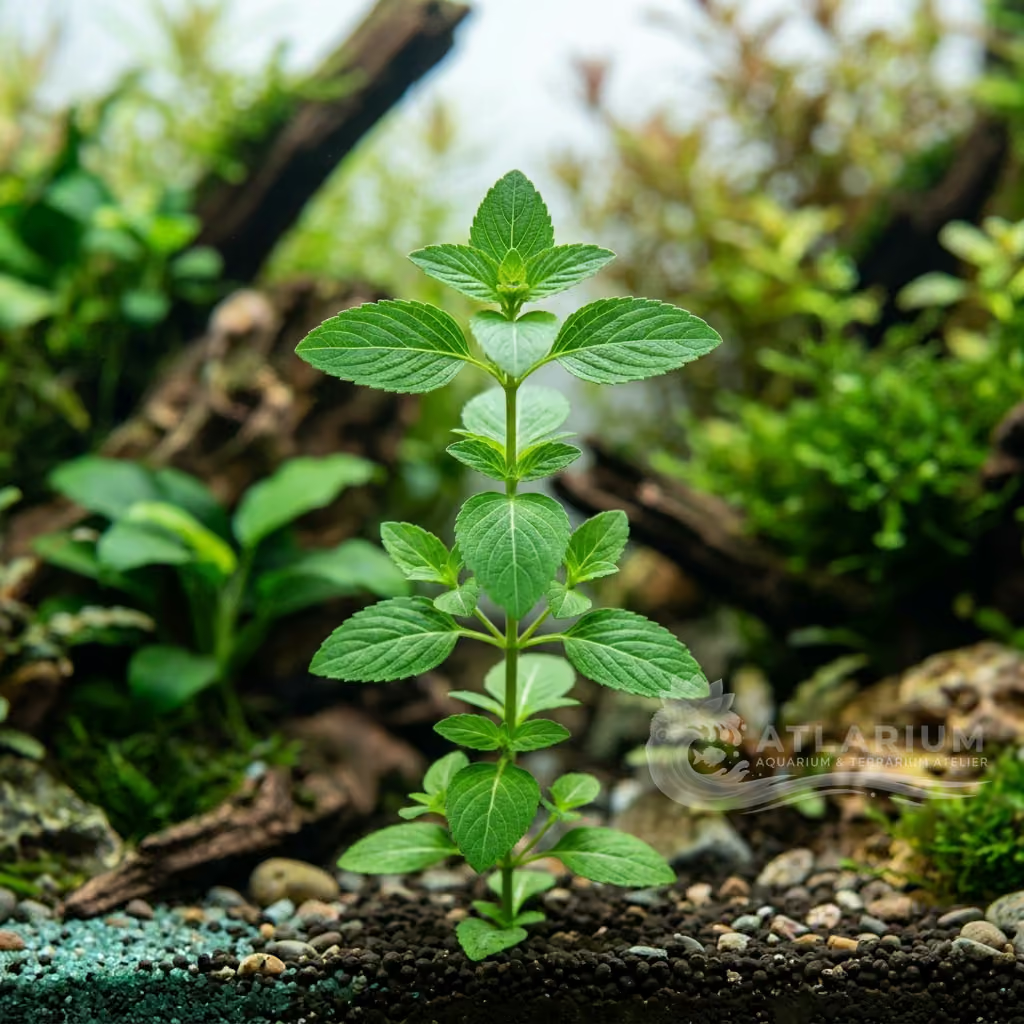
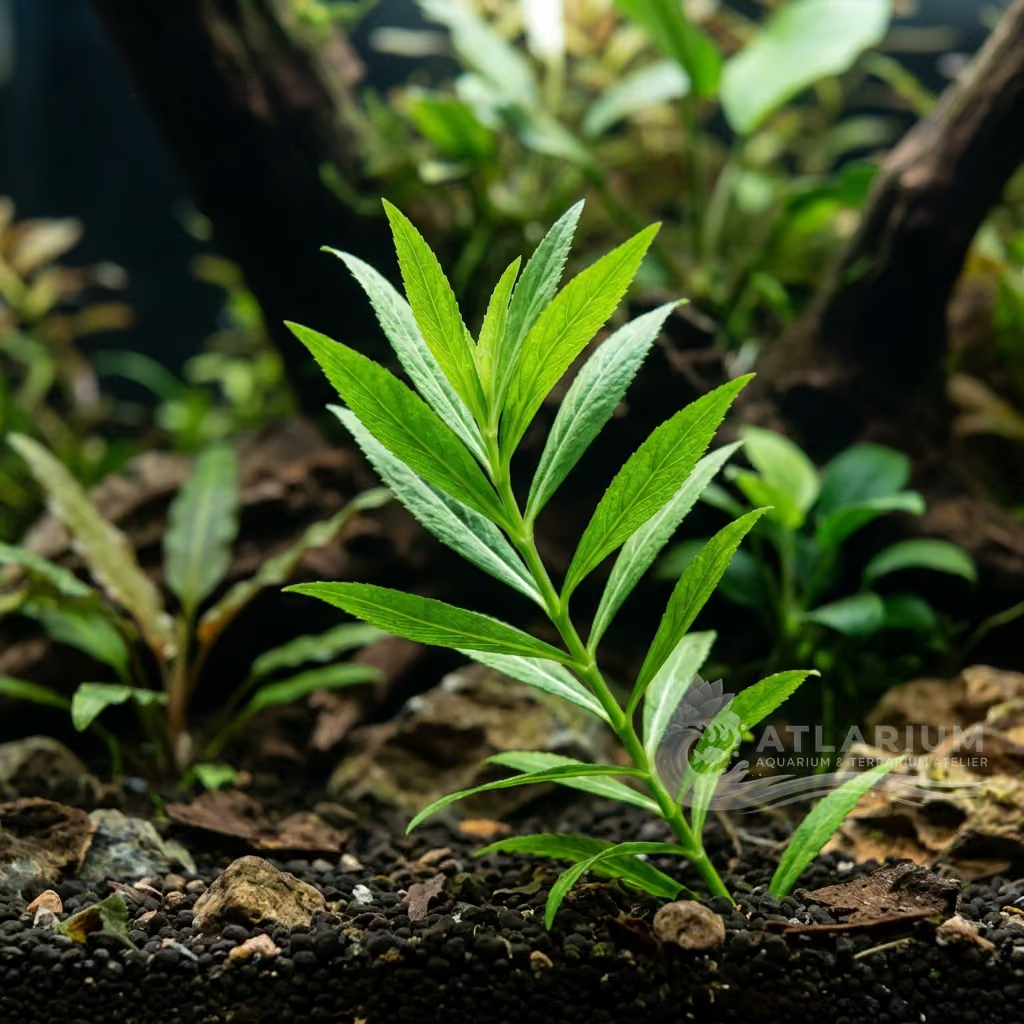
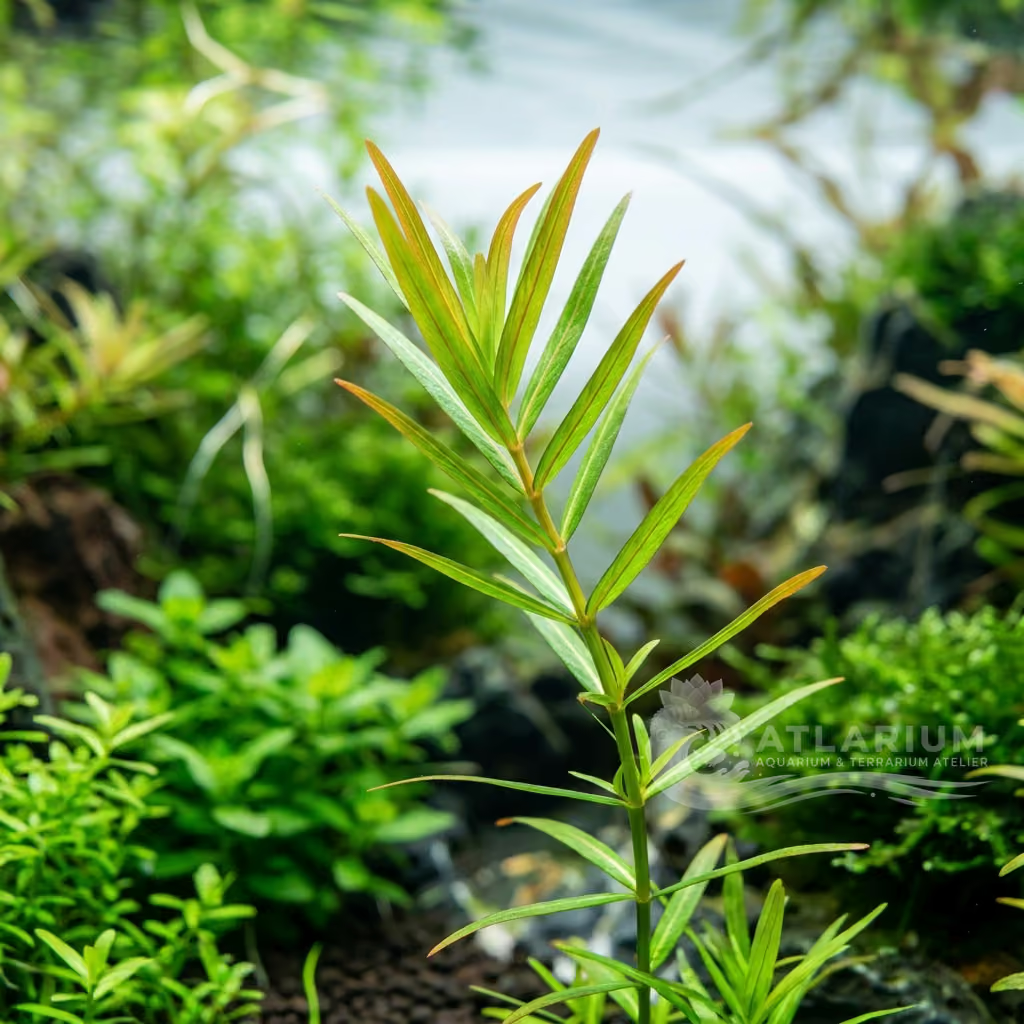
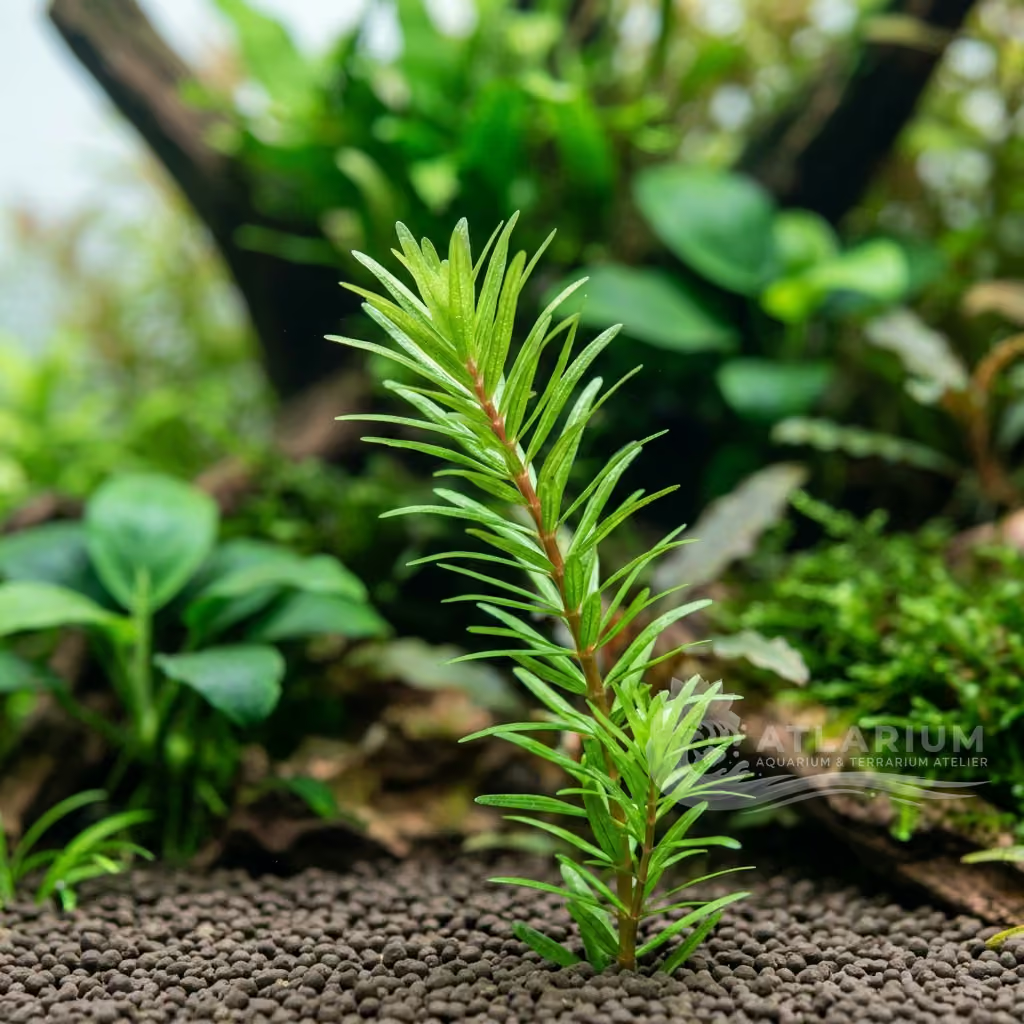
Physical Structure: The physical structure of Pogostemon cf. pumilus is characterized by erect stems that branch easily, giving it a bushy and compact appearance when regularly pruned. Its leaves, typically small and oblong or lance-shaped, are arranged in whorls or opposite pairs along the stem, creating a dense, leafy effect. This architecture allows the plant to effectively fill spaces in the midground of the aquarium, providing hiding spots and a structured environment for tank inhabitants. The root system is relatively modest, with fine, fibrous roots anchoring it to the substrate, but the plant primarily absorbs nutrients through its submerged stems and leaves.
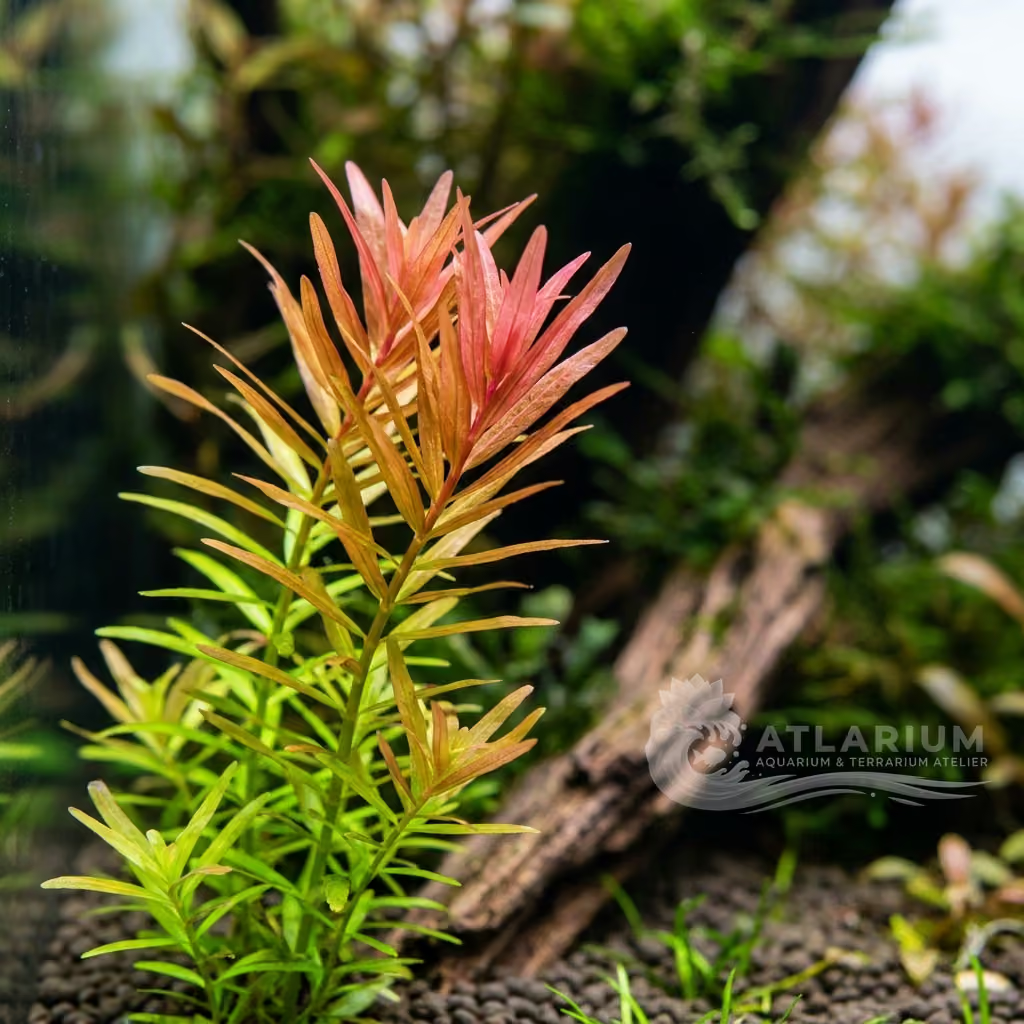
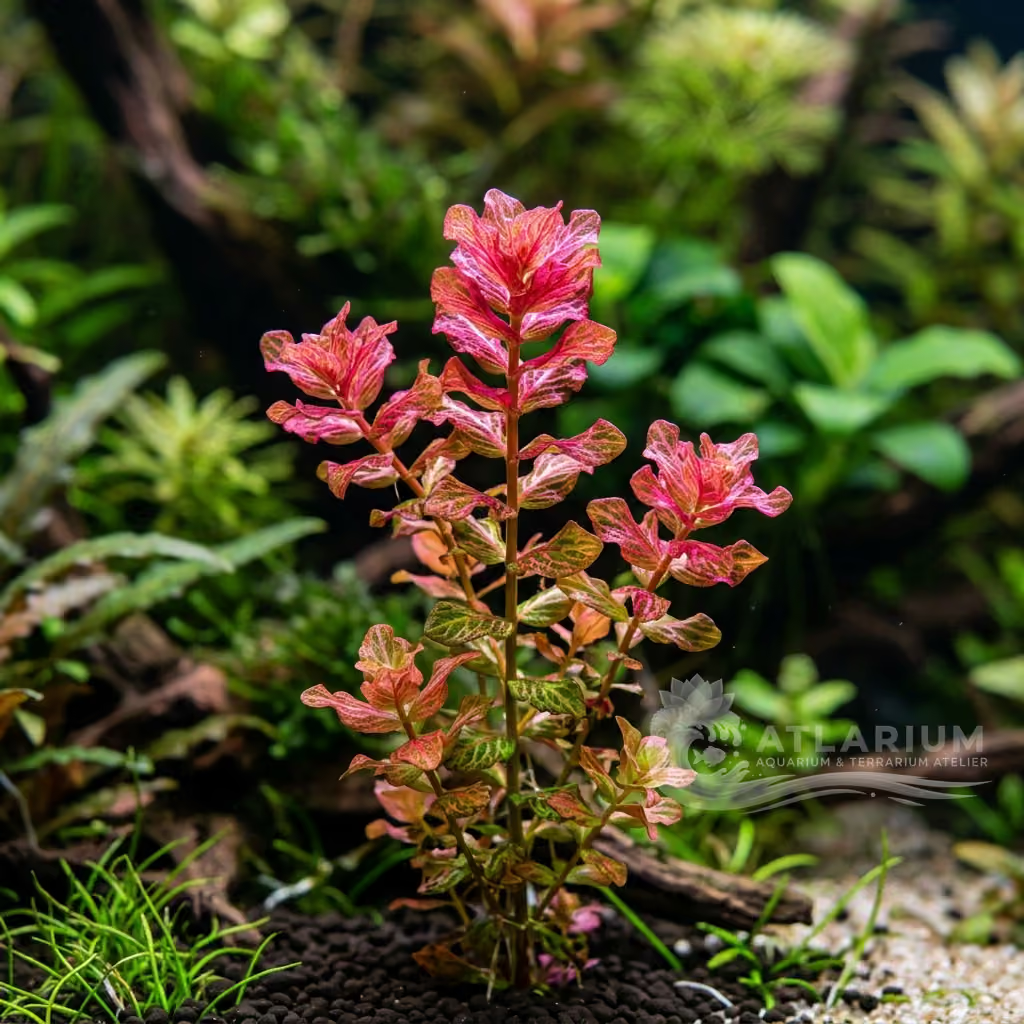
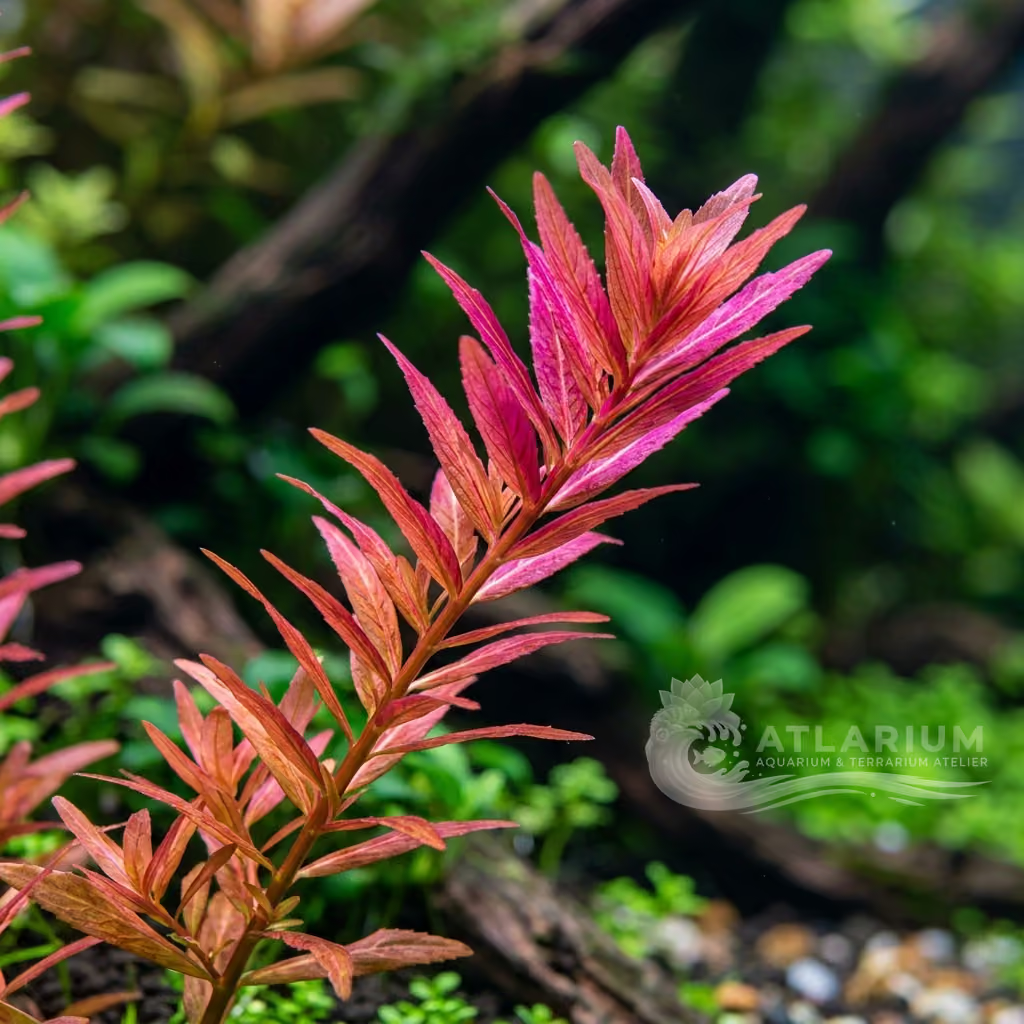
Color & Texture: The predominant color of Pogostemon cf. pumilus is a vibrant light to medium green, which can intensify and shift towards warmer tones, sometimes with coppery or reddish hues on the stem tips, under intense lighting conditions and adequate nutrient availability, particularly iron. The texture of the leaves is generally soft and delicate to the touch, lending a lush and natural appearance to the aquarium. This chromatic contrast and the fineness of the leaves make it an aesthetically impactful element, capable of softening transitions between different plant species and adding a touch of visual elegance to the overall aquascape.

Care, breeding and tankmates
Lighting & CO2: For Pogostemon cf. pumilus, medium-intensity lighting is ideal to support healthy growth and optimal coloration, preventing both excessive leggy growth and potential algal blooms. A photoperiod of 8-10 hours per day with adequate PAR (Photosynthetically Active Radiation) for this light category will promote efficient photosynthesis. Although not strictly necessary, CO2 injection is highly recommended to maximize growth rate, foliage density, and color intensity, especially if a more robust and bushy appearance is desired. The combination of appropriate light and stable CO2 prevents growth stunting and keeps the plant vigorous.
Nutrition & Substrate: Balanced nutrition is crucial for the well-being of Pogostemon cf. pumilus. Although it primarily absorbs nutrients from the
Water Chemistry: Pogostemon cf. pumilus thrives in stable and well-maintained water conditions. The ideal water temperature ranges between 20 and 28 degrees Celsius, a typical range for tropical aquariums, ensuring optimal metabolism. The pH should be maintained in a slightly acidic to neutral range, between 6.0 and 7.5, to facilitate nutrient absorption and CO2 availability. Ideal carbonate hardness (KH) ranges from 2 to 12 dKH, indicating good buffering capacity without being excessively hard. Maintaining these parameters stable through regular water changes and constant monitoring prevents plant stress and promotes robust growth.
Space Management & Placement: Due to its moderate height and tendency to form dense bushes, Pogostemon cf. pumilus is perfectly suited for midground placement. Here it can serve as a focal point or as a transitional element between shorter foreground plants and taller background species, creating harmonious visual depth. For an optimal effect, it is recommended to plant several stems close together, forming a compact group that will maximize its aesthetic impact. Ensuring sufficient space between groups or individual plants is crucial to allow good water circulation and uniform light penetration, preventing mutual shading and legginess of the lower parts.
Pruning: Regular pruning is essential to maintain Pogostemon cf. pumilus in a desirable shape and to promote healthy, bushy growth. Without pruning, the plant will tend to stretch out and lose its lower leaves due to shading and poor circulation. By trimming the stem tips with sharp scissors just above a node, lateral branching is encouraged, resulting in a fuller and more vigorous appearance. The trimmed sections can be replanted directly into the substrate, creating new plants and increasing the bush's density. Consistent pruning every 2-4 weeks, depending on growth rate, will help maintain the desired layout.
Risks & Diseases: Like many aquatic plants, Pogostemon cf. pumilus can be susceptible to various risks and diseases, primarily related to environmental imbalances or nutrient deficiencies. Excessive algal growth on the foliage can indicate an excess of nutrients or unbalanced light, suffocating the plant and inhibiting photosynthesis. Macro or micronutrient deficiencies manifest as yellowing, holes, or stunted leaf growth. "Melting" is common during the transition from emersed to submersed form, or in response to drastic changes in water parameters. To prevent these issues, it is crucial to maintain stable conditions, adequate lighting and fertilization, and good water circulation in the aquarium.

Geographic origin and distribution
Pogostemon cf. pumilus, with the "cf." denoting a similarity but not a definitive identification with Pogostemon pumilus, traces its geographical roots to the tropical and subtropical regions of Asia, much like many other Pogostemon species. In its natural habitat, these plants are often found in aquatic or semi-aquatic environments, colonizing the banks of slow-moving streams, marshes, and humid areas. Their remarkable ability to thrive both submerged and emergent highlights their adaptability, making them excellent candidates for aquascaping. This natural resilience contributes to its moderate care requirements in a well-maintained aquarium.
Origin
South and Southeast Asia

Plant profile
- Placement
- Midground
- This species is generally placed in the midground or background of the aquascape. Its bushy growth habit allows it to form dense clusters that provide excellent depth and texture. It should be planted with enough space between individual stems to allow light penetration to the lower leaves.
- Botanical form
- Stem
- It is a stem plant with serrated, light green leaves that grow in a whorled or opposite arrangement along the stem. The leaves are relatively narrow and have a delicate, almost feathery appearance. It readily forms side shoots when trimmed, creating a dense, bushy structure.
- Growth
- Medium
- The growth rate is considered moderate under optimal conditions with CO2 injection and strong lighting. Without CO2, it will grow significantly slower and may appear less robust. Regular trimming is necessary to maintain its shape and encourage lateral branching.
- Substrate
- High
- Pogostemon cf. pumilus thrives best when planted in a fine-grained, nutrient-rich aqua soil that supports the development of its delicate root system. As a plant with a high substrate nutrient demand, it relies heavily on bottom fertilization to maintain healthy, dense foliage and compact growth. A substrate depth of 3 to 4 centimeters is ideal for properly anchoring the fragile stems while giving roots easy access to essential minerals.
- Column fertilization
- Recommended
- Regular water column fertilization is essential to supply the necessary nutrients for continuous growth. A comprehensive liquid fertilizer that includes potassium, nitrogen, and phosphorus is highly recommended. Micronutrient dosing will prevent the new leaves from appearing pale or stunted.
- Root fertilization
- None
- While it draws a significant amount of nutrients from the water column, a nutrient-rich substrate is beneficial. Using root tabs or a quality aquatic soil will promote strong root development and overall plant vigor. A healthy root system is crucial for anchoring the plant and accessing additional nutrients.
- Trimming
- Occasional
- Trimming should involve cutting the top portions of the stems and replanting them if desired. The rooted bottom sections will typically sprout new side shoots, leading to a bushier plant. Frequent pruning helps maintain a compact shape and prevents the lower leaves from being shaded out.
- Propagation
- Cuttings
- Propagation is easily achieved through stem cuttings. Snip a healthy top shoot and plant it directly into the substrate, ensuring a few leaf nodes are buried. The cutting will quickly develop roots and begin growing as a new individual plant.
- Sensitivity
- Moderate
- Pogostemon cf. pumilus can be sensitive to sudden fluctuations in water parameters, particularly pH and temperature. It requires stable conditions and adequate lighting to prevent the lower leaves from melting or dropping off. Good water circulation is also necessary to keep the delicate leaves free of debris.
- Layout role
- Midground, Background, group
- It plays a excellent role as a midground bush or background filler in various aquascaping styles. Its bright green, textured leaves offer a nice contrast against darker plants or hardscape materials. It is particularly effective in nature-style layouts for creating lush, dense thickets.

Related species
Recommendations grouped by close relatives, companion choices, and similar care.