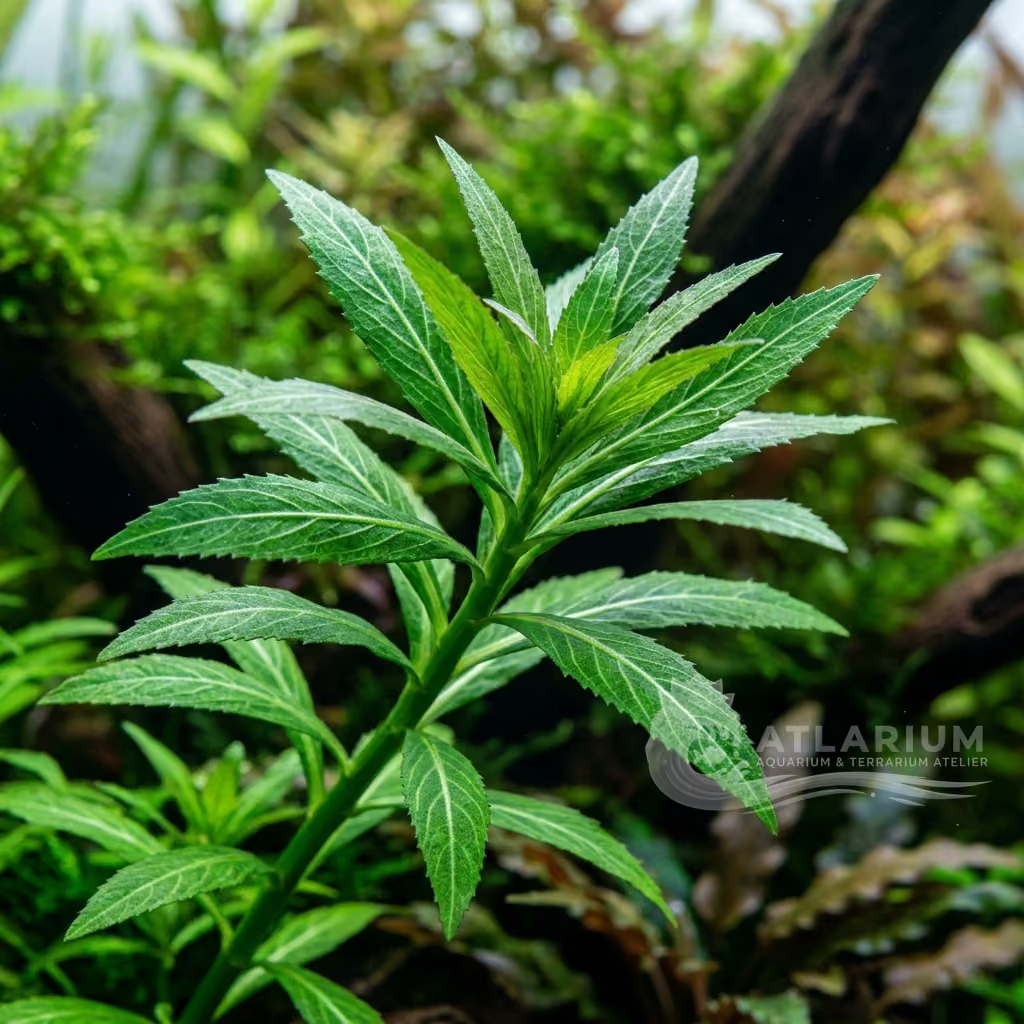
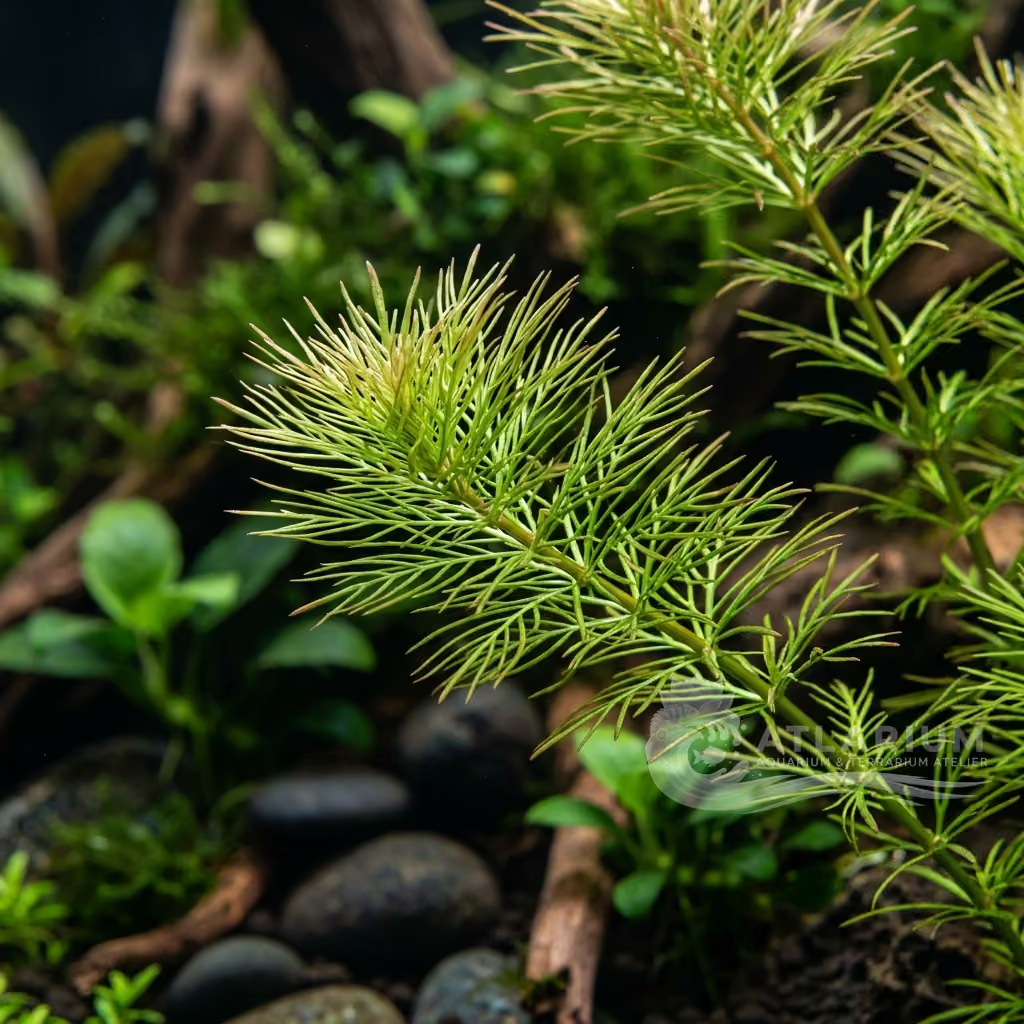
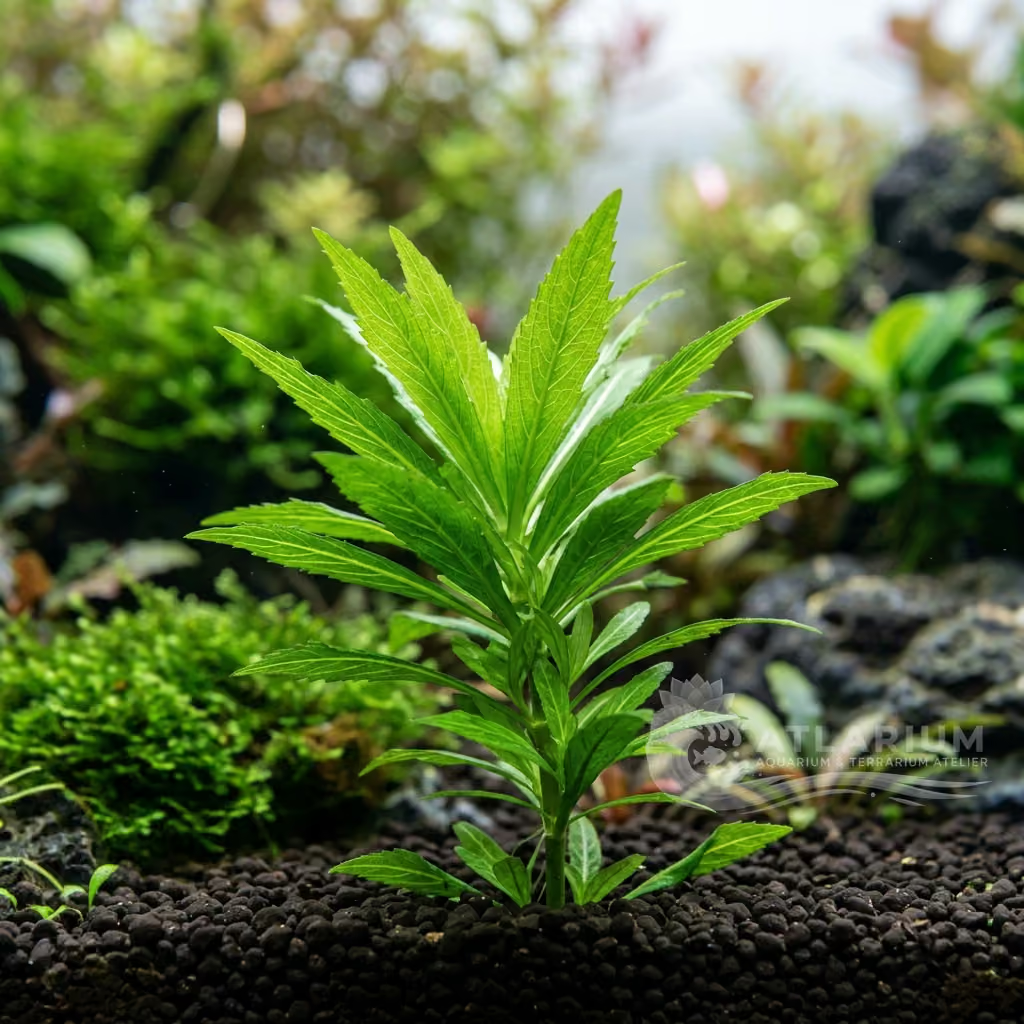
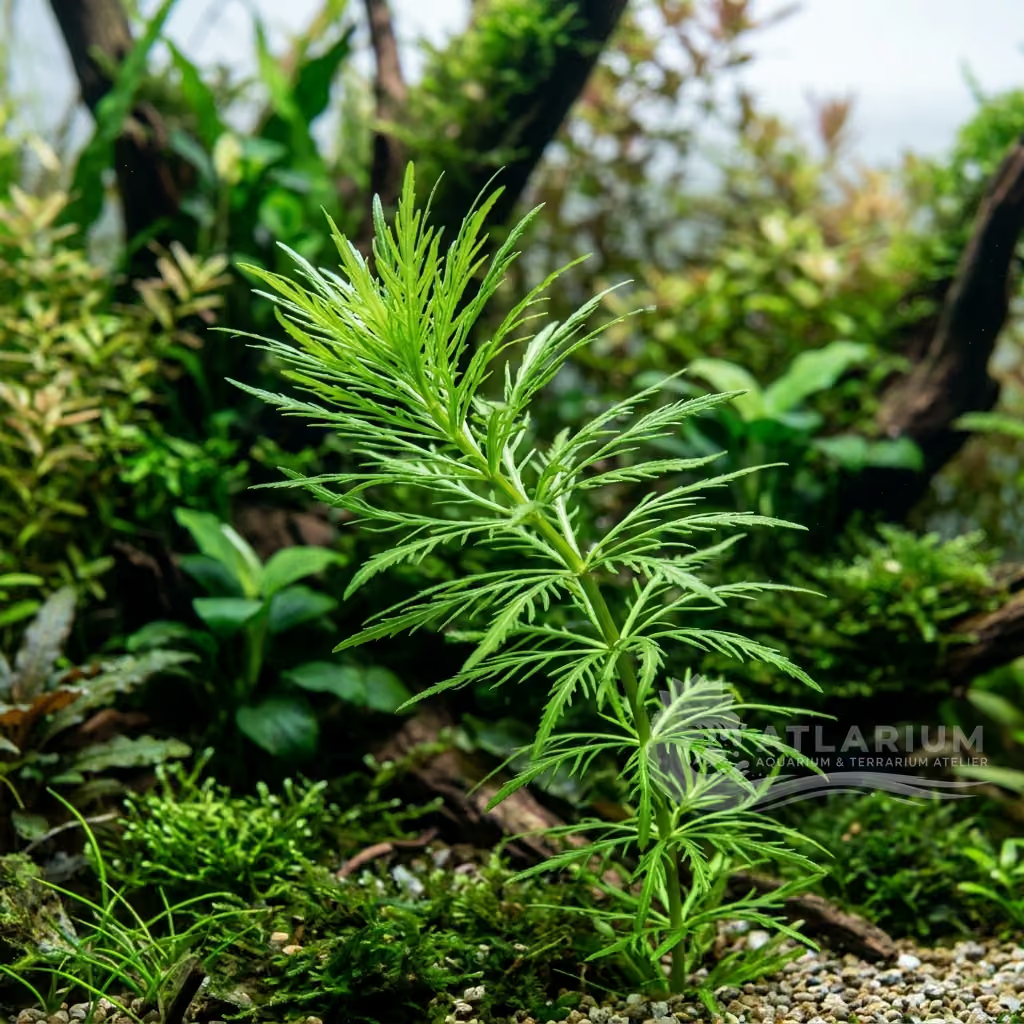
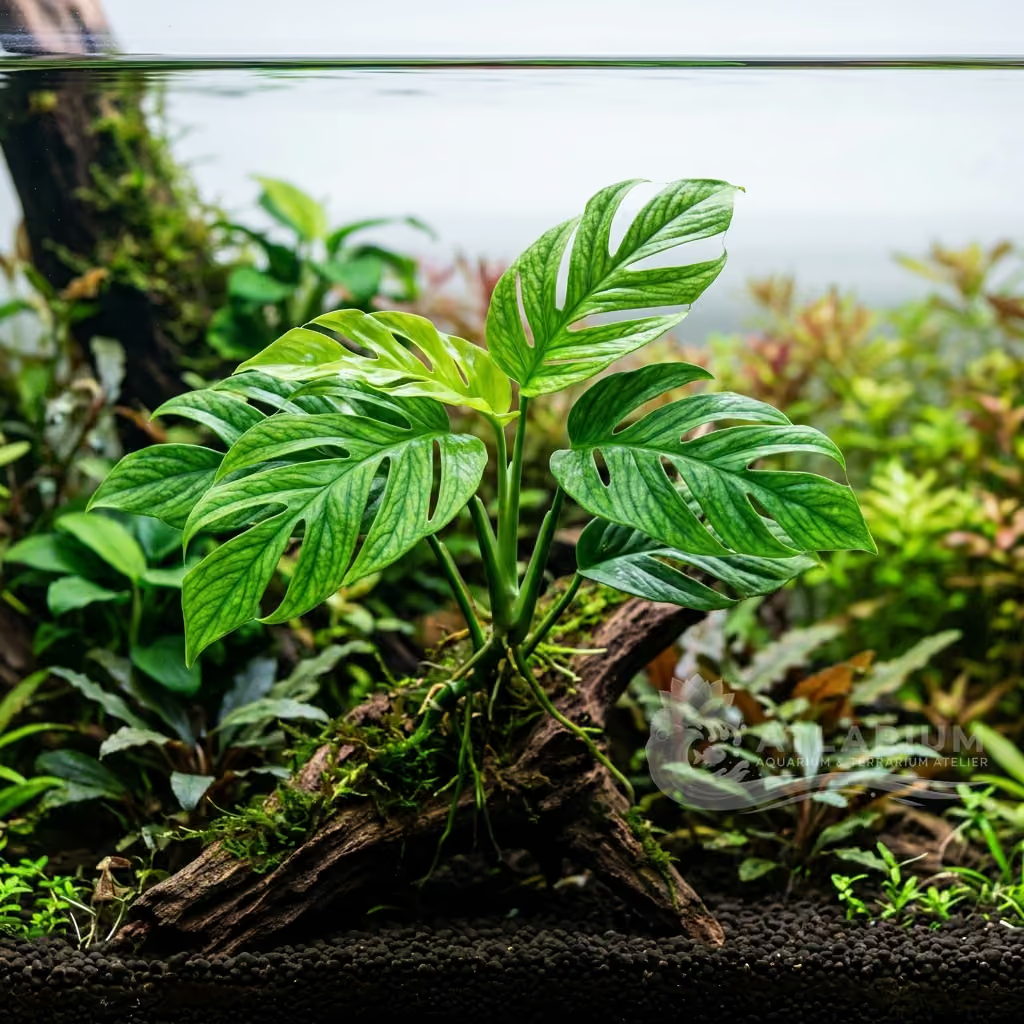
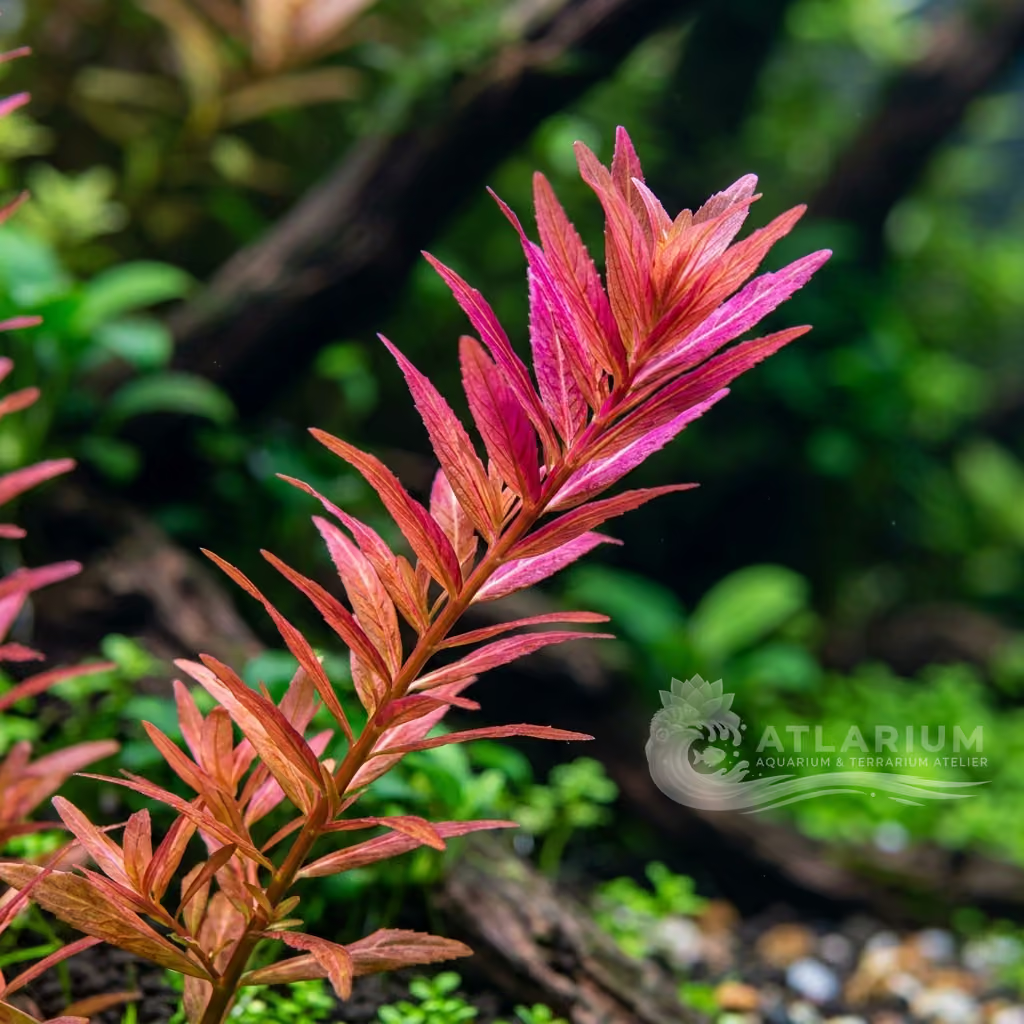
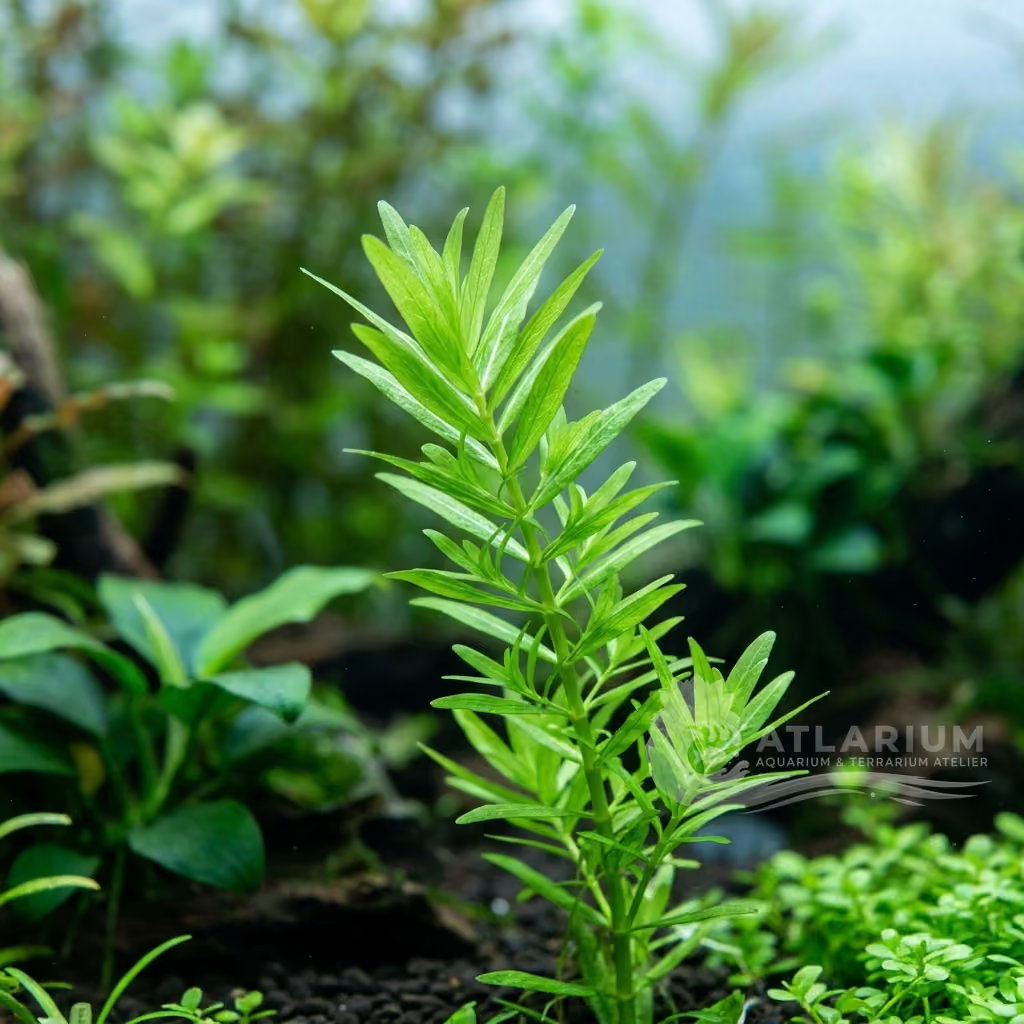
Pogostemon stellatus 'Broad Leaf'
Pogostemon stellatus
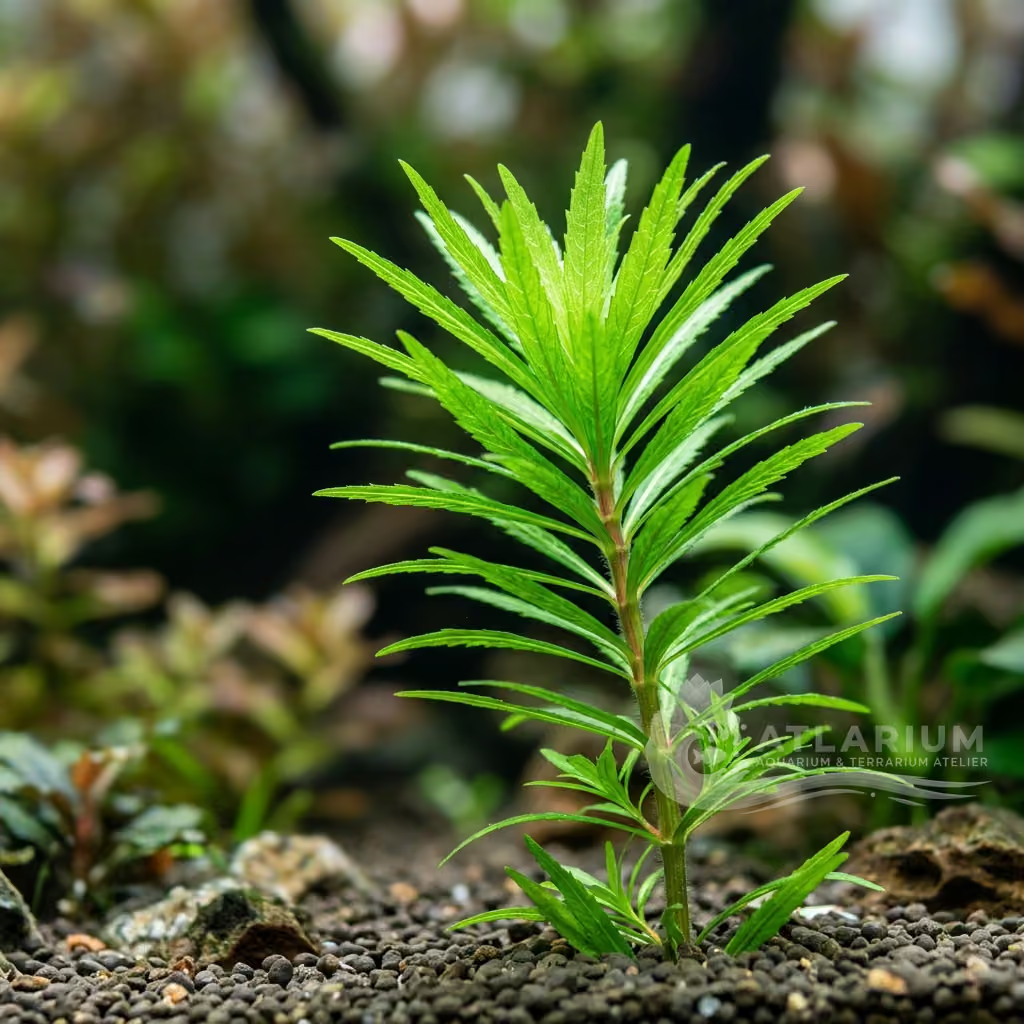
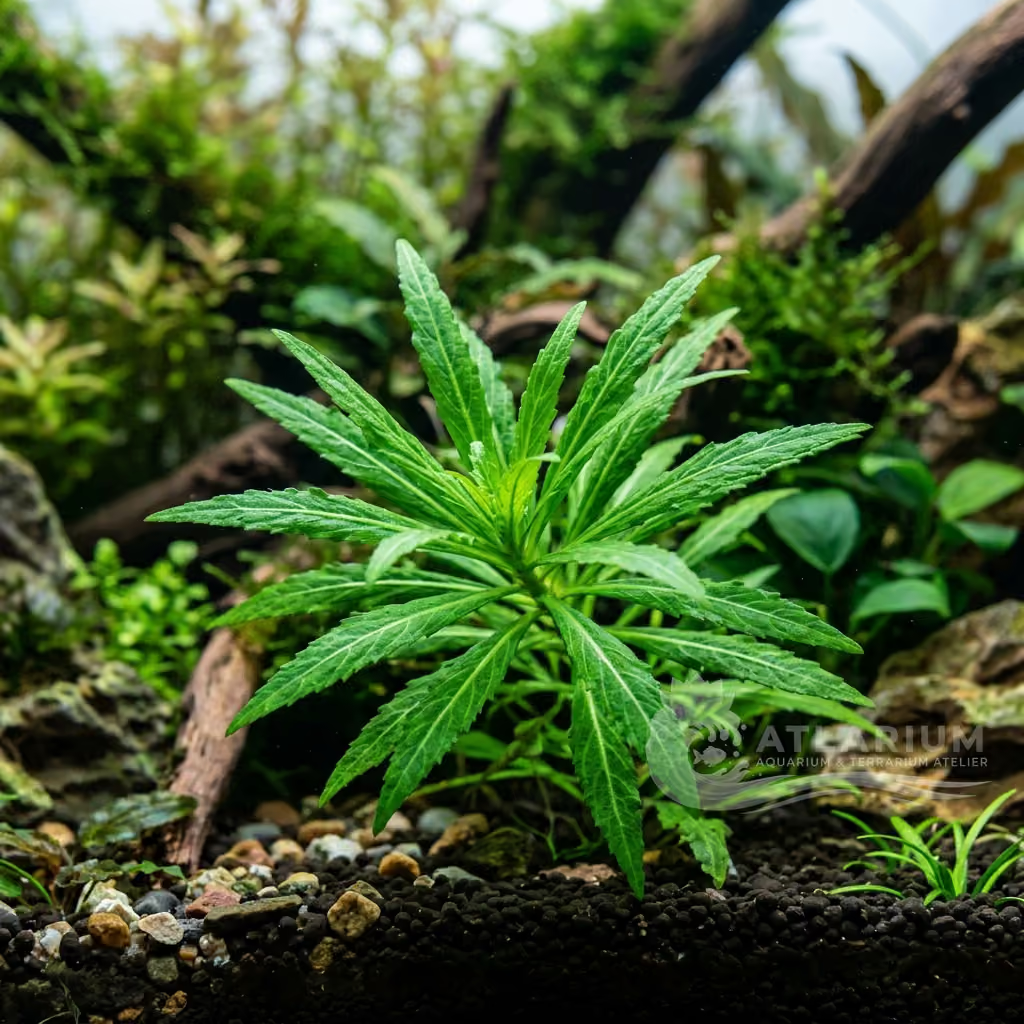
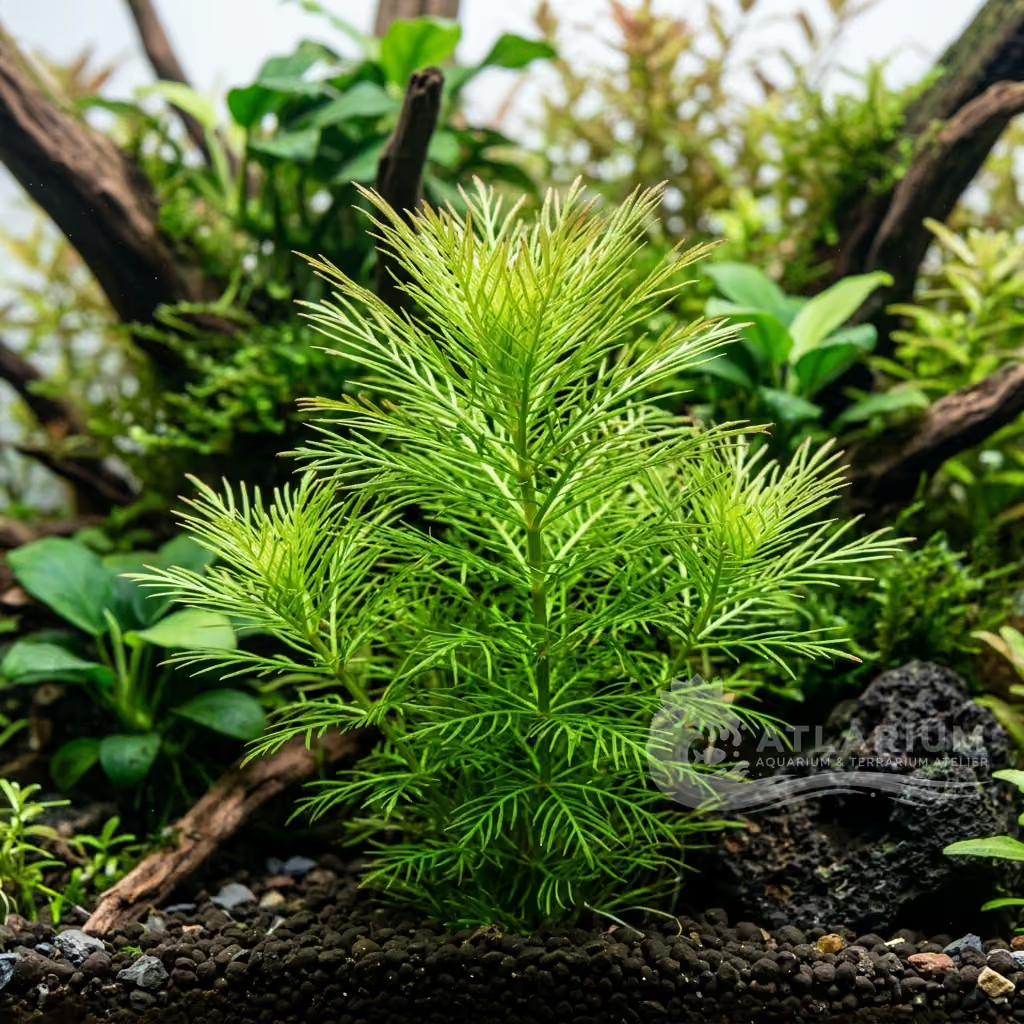
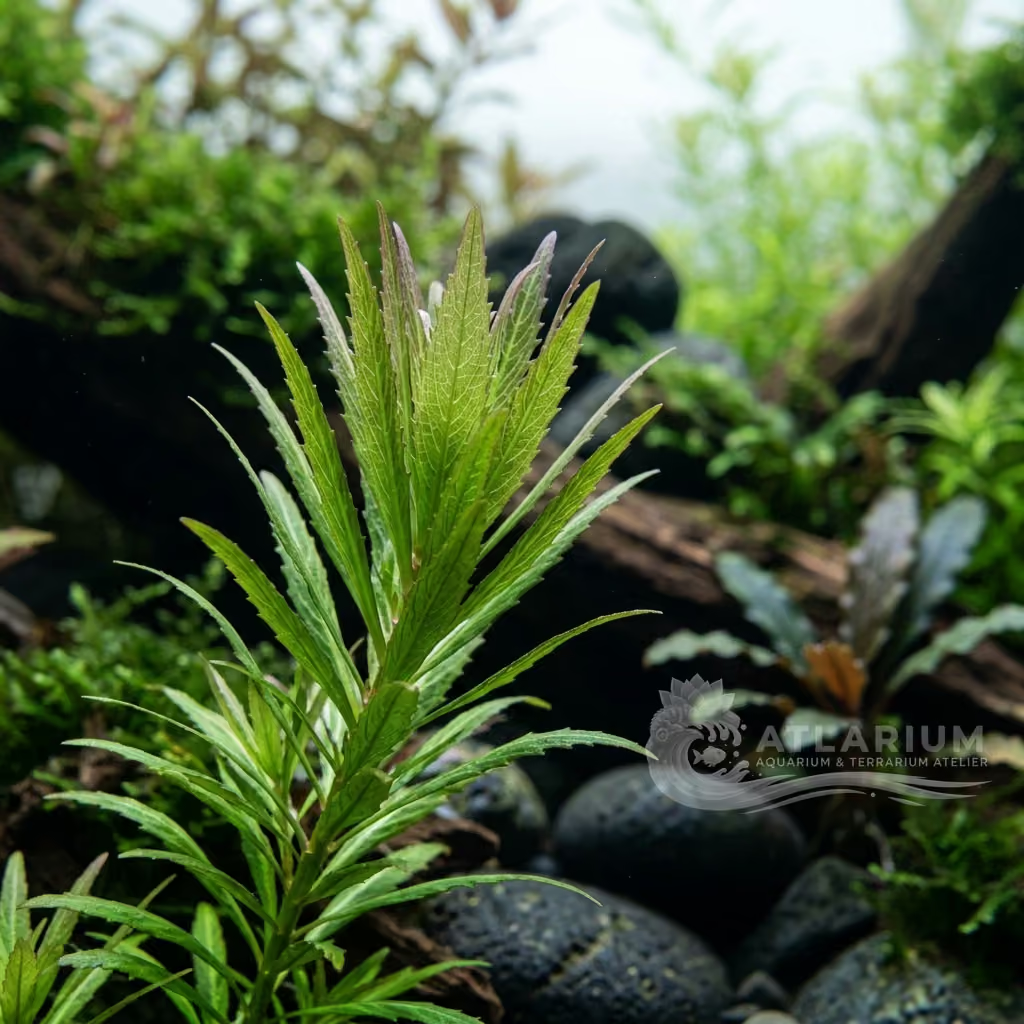
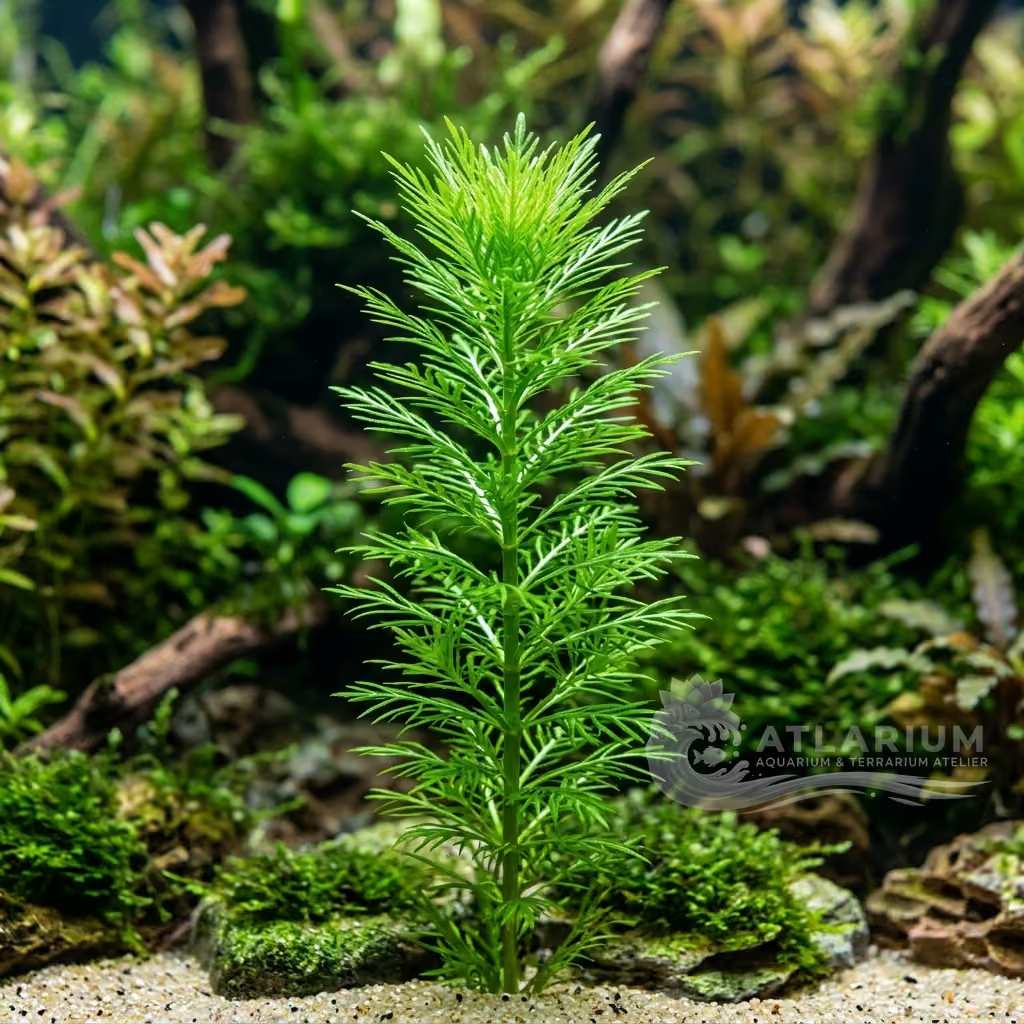
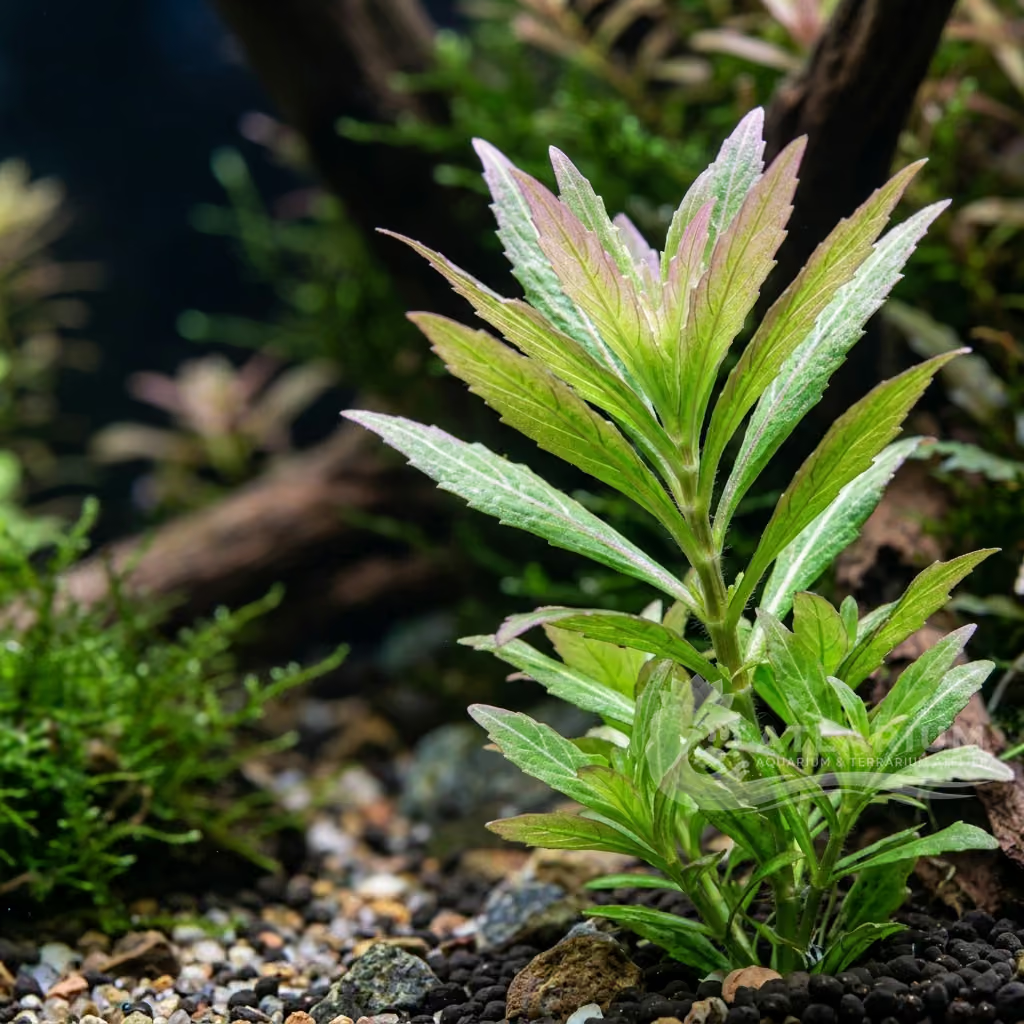
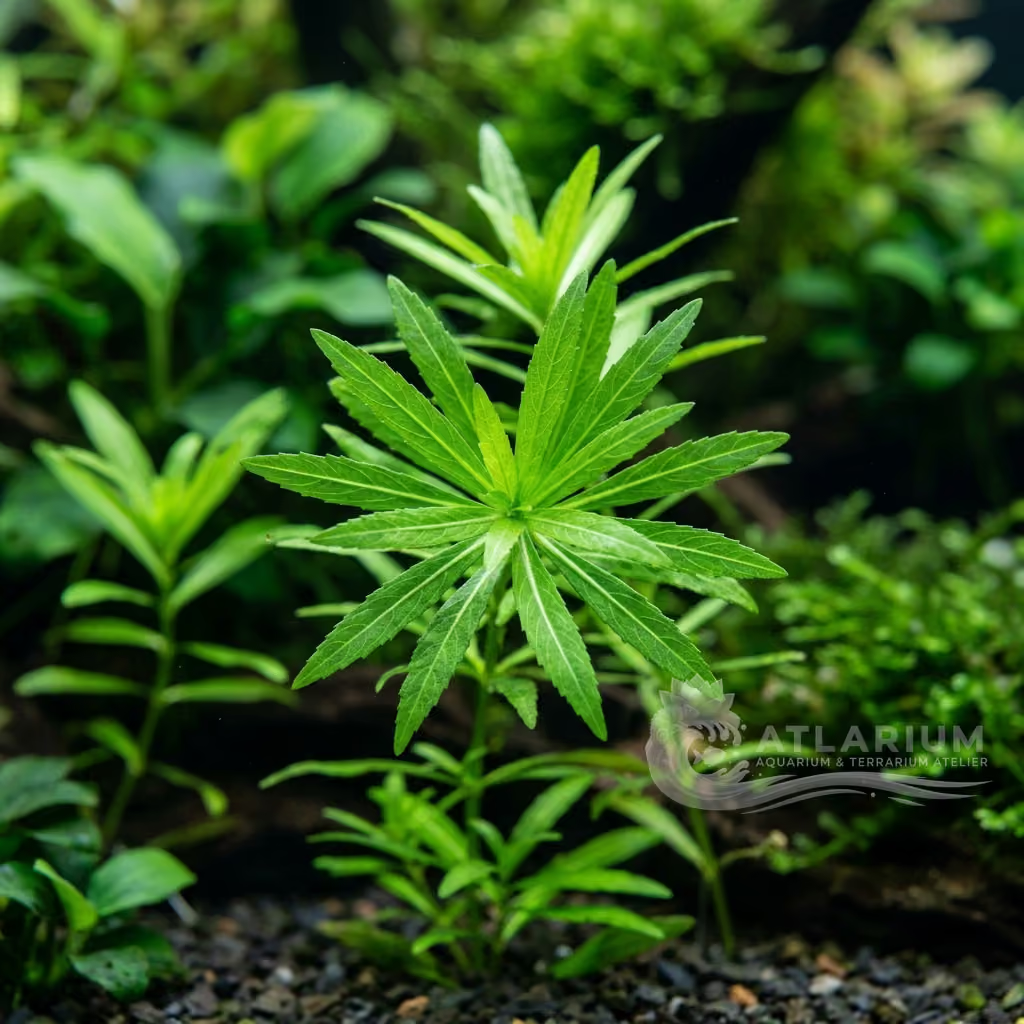
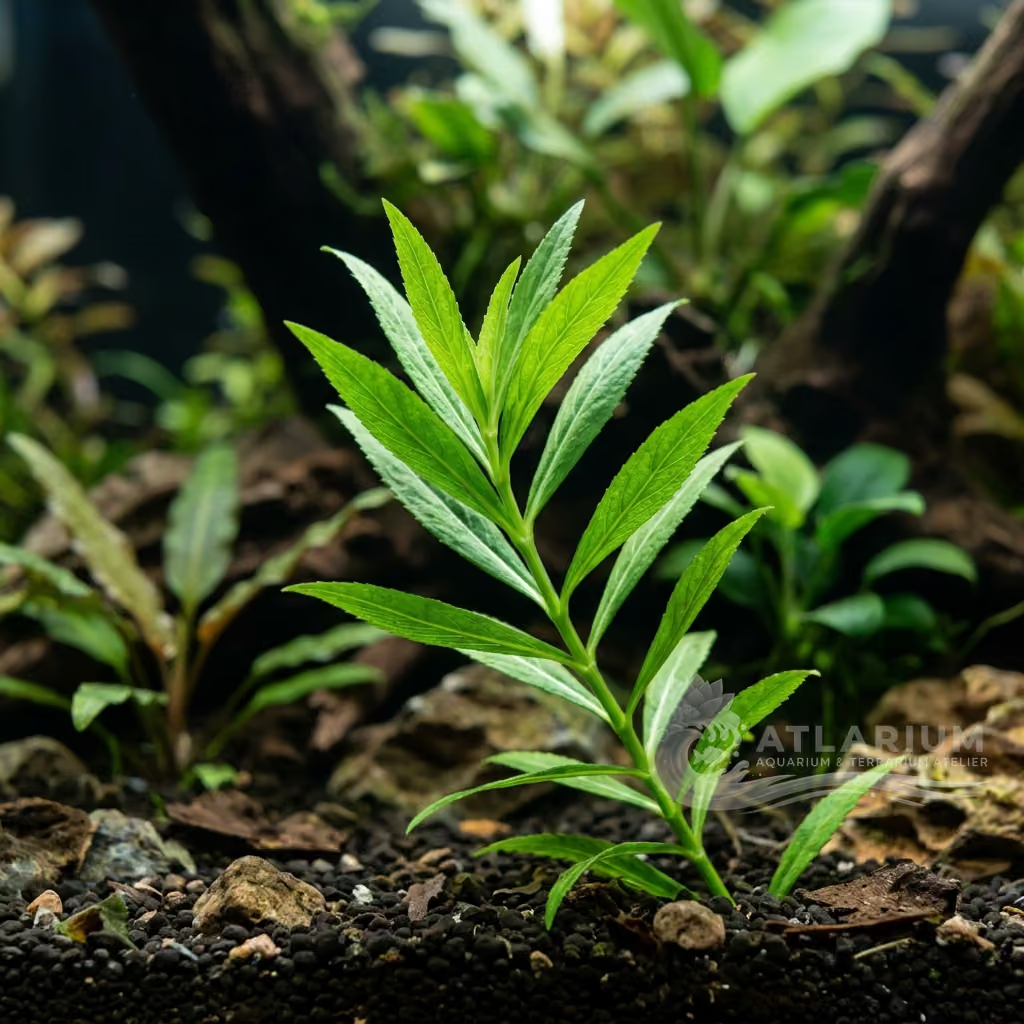
Pogostemon stellatus 'Broad Leaf' is a vibrant, fast-growing stem plant best suited for the midground of an aquascape, forming dense, colorful bushes. It demands high light and CO2 injection to thrive and exhibit its characteristic broad leaves and rich coloration.
Water Temperature
15 - 32 °C
pH Value
5 - 7
Water type
Freshwater
Light
High
CO2
High
KH
1 - 18 dKH

Species description
Geographical Origin and Habitat: Pogostemon stellatus, including its 'Broad Leaf' variant, originates from the wetlands and slow-moving waterways of Southeast Asia, particularly regions like India, Thailand, and Vietnam. In its natural habitat, it can be found growing both submerged and emersed along riverbanks, in marshes, and in rice paddies, adapting to fluctuating water levels. This adaptability to varying conditions highlights its resilience, though it prefers stable, nutrient-rich aquatic environments for optimal growth in an aquarium setting.
Taxonomy & Genetics: Belonging to the Lamiaceae family, commonly known as the mint family, Pogostemon stellatus 'Broad Leaf' is a specific cultivar or ecotype of the species, distinguished by its broader leaf structure compared to the more commonly available fine-leaved forms. The genetic lineage of this variant likely arises from natural selection or cultivation efforts to enhance certain aesthetic traits desirable in aquascaping. Its systematic classification places it within a genus known for several other popular aquatic plants, sharing common characteristics such as square stems and opposite or whorled leaf arrangements.
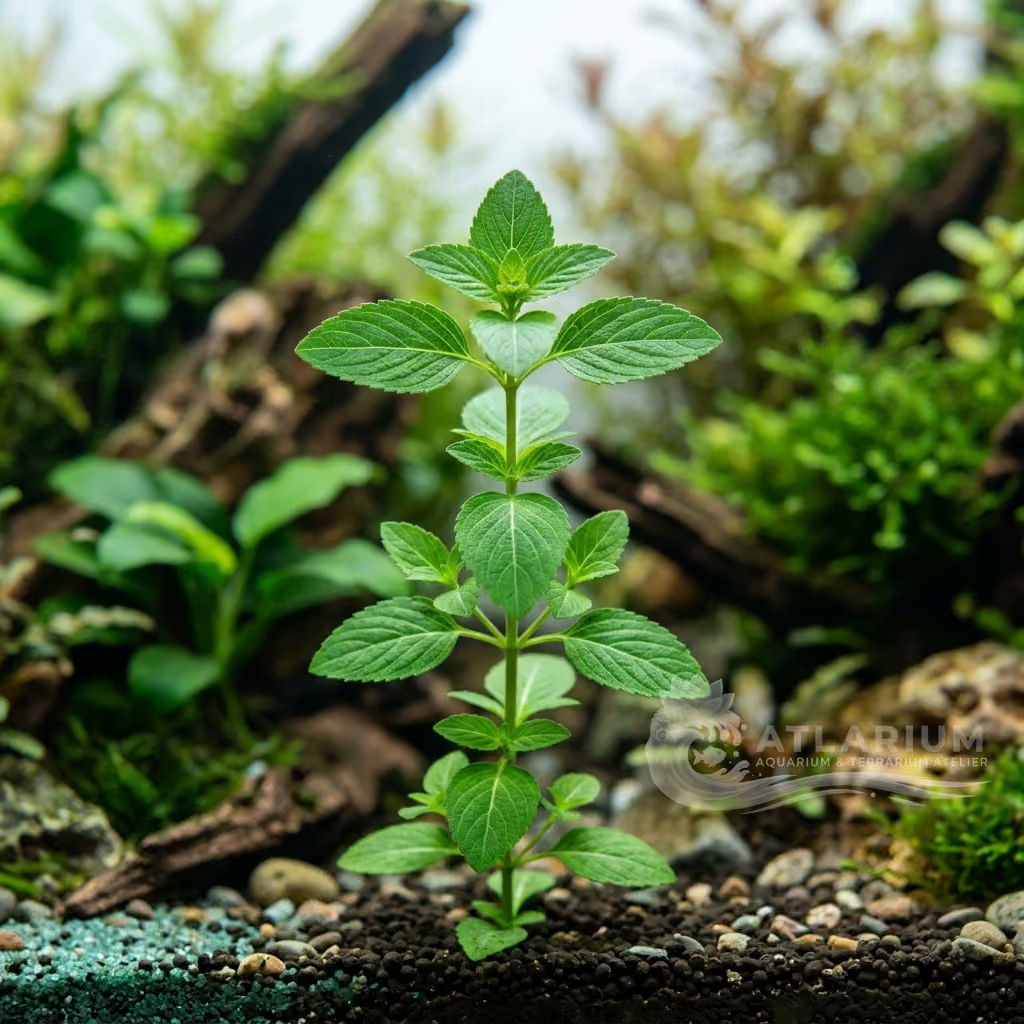
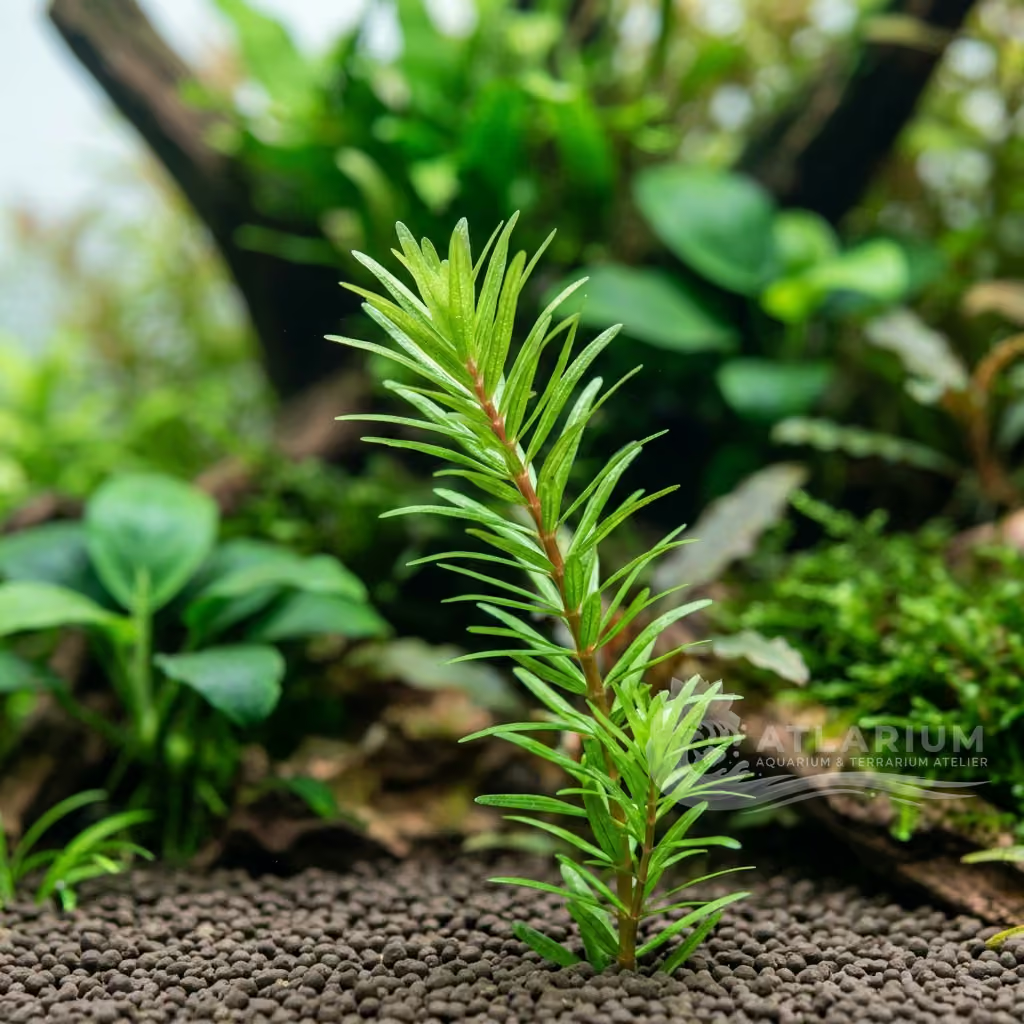
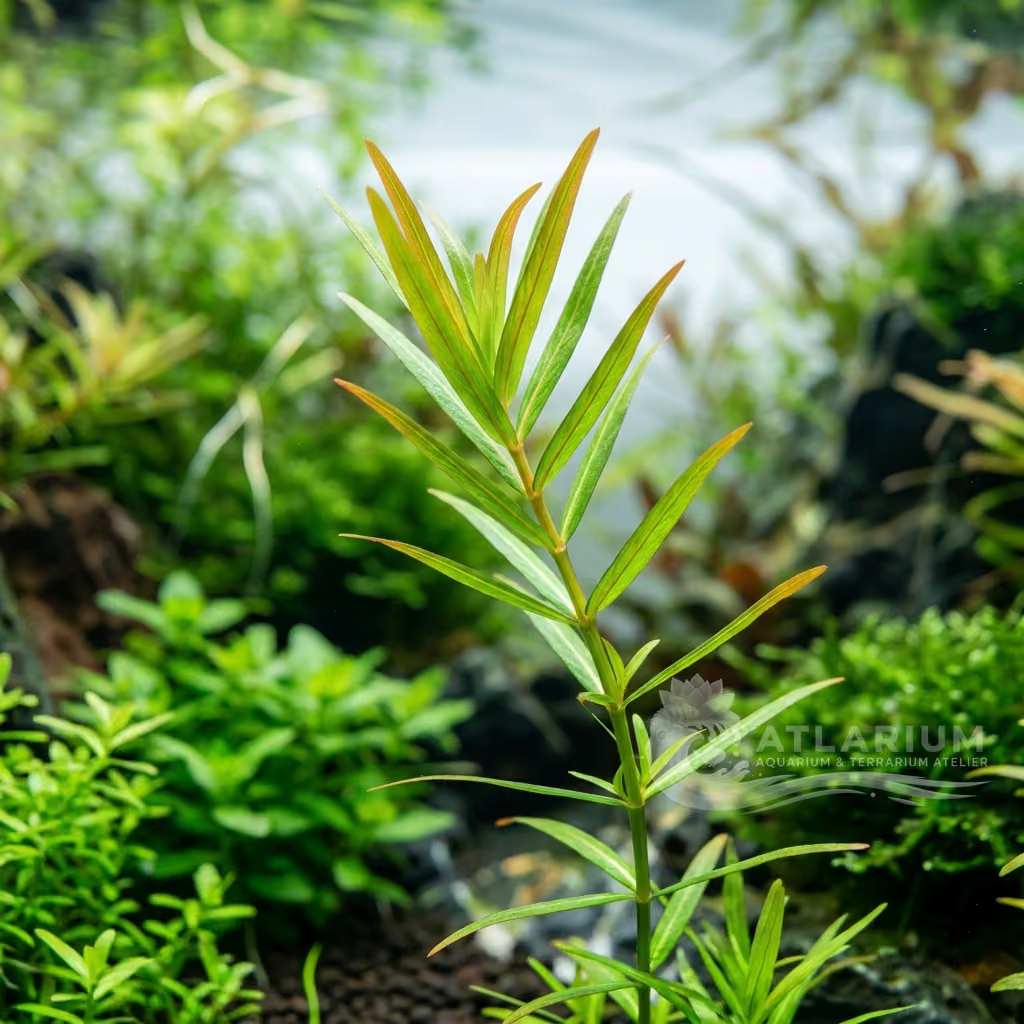
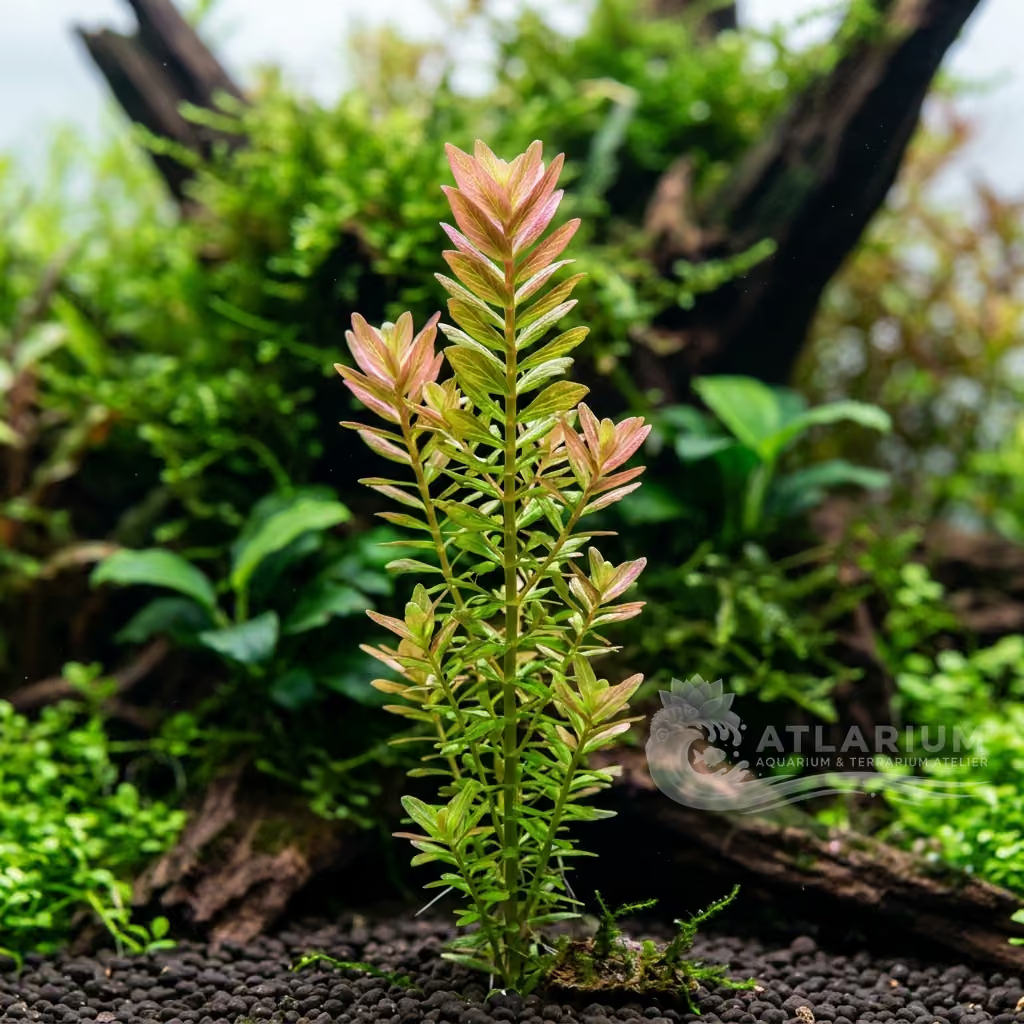
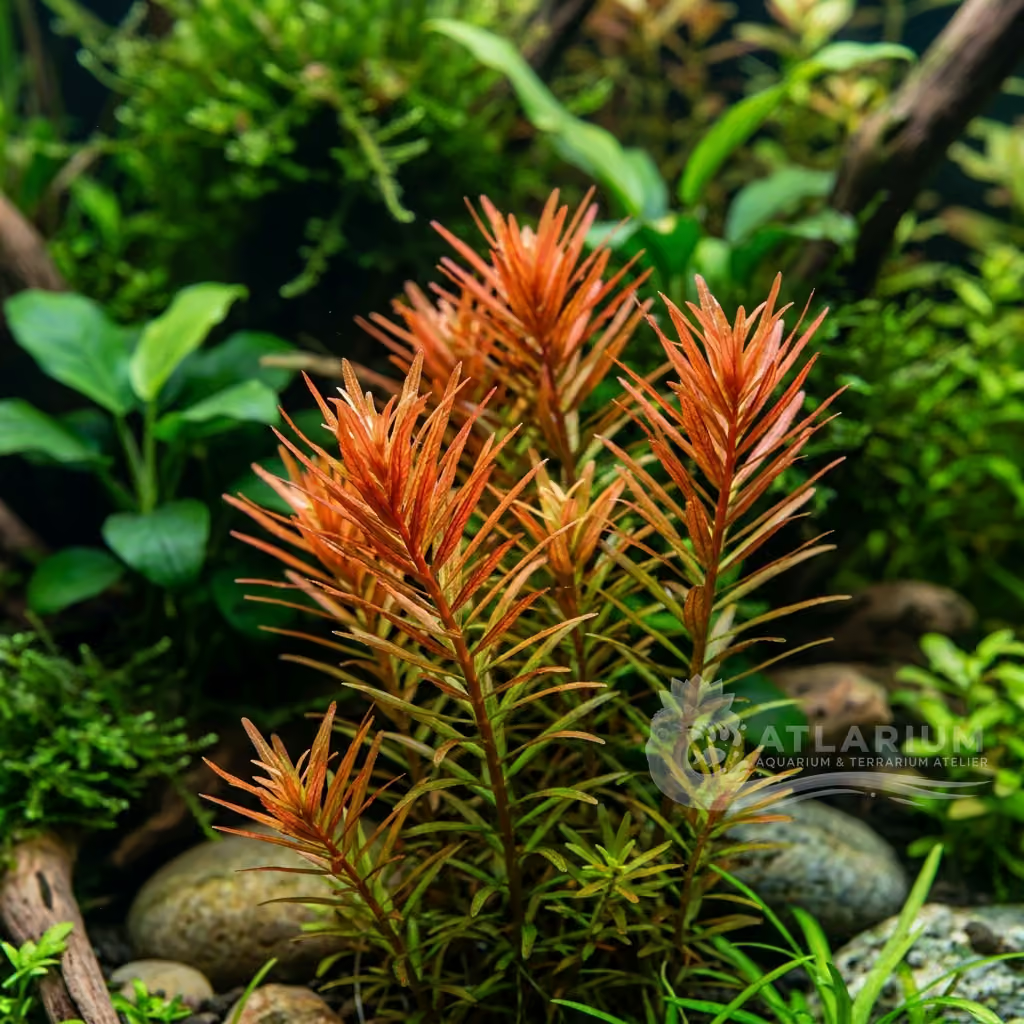
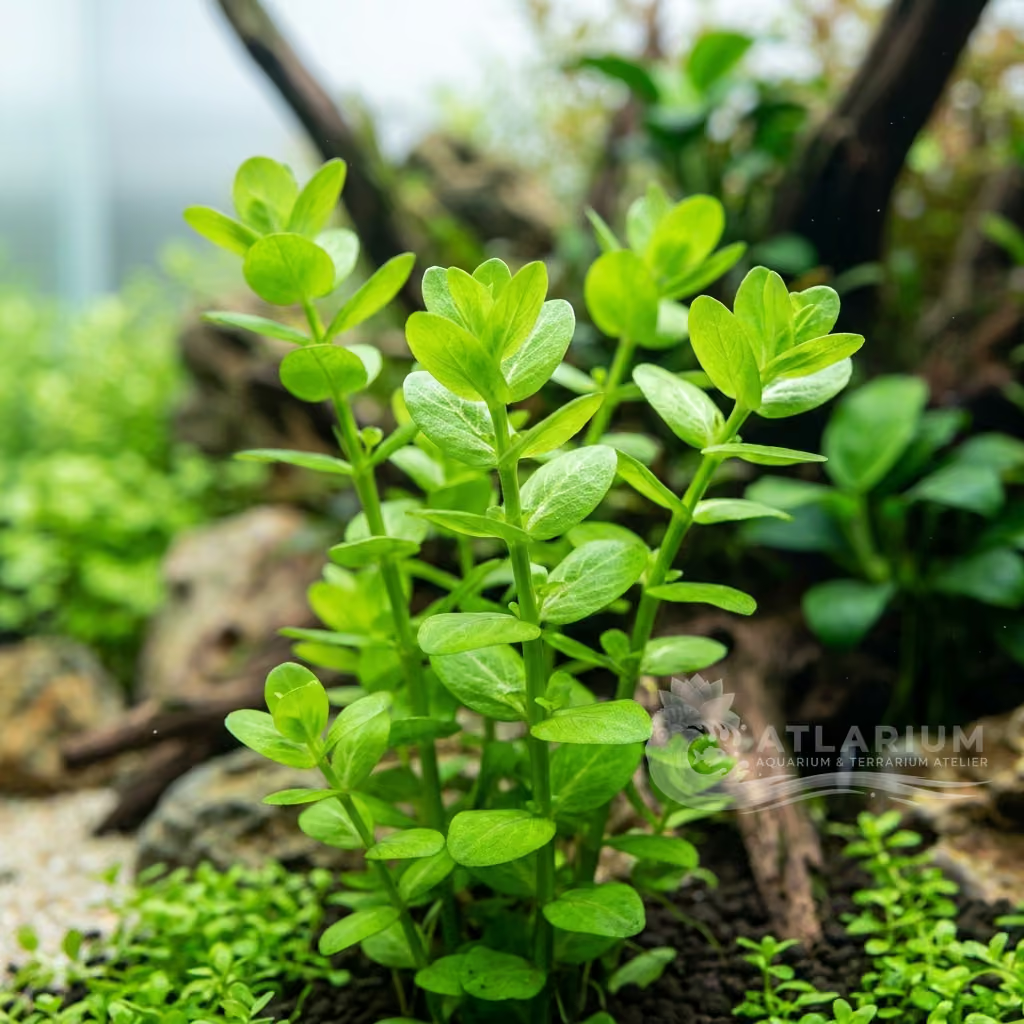
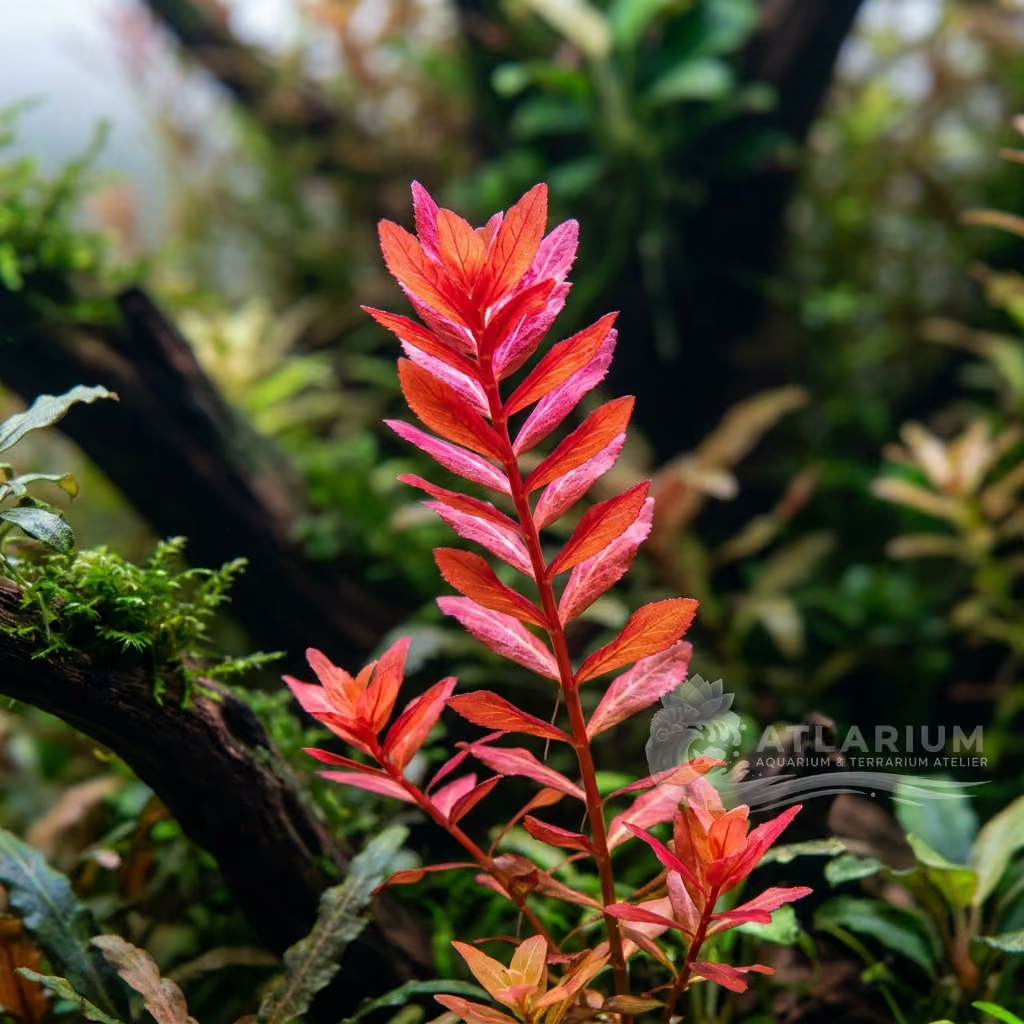
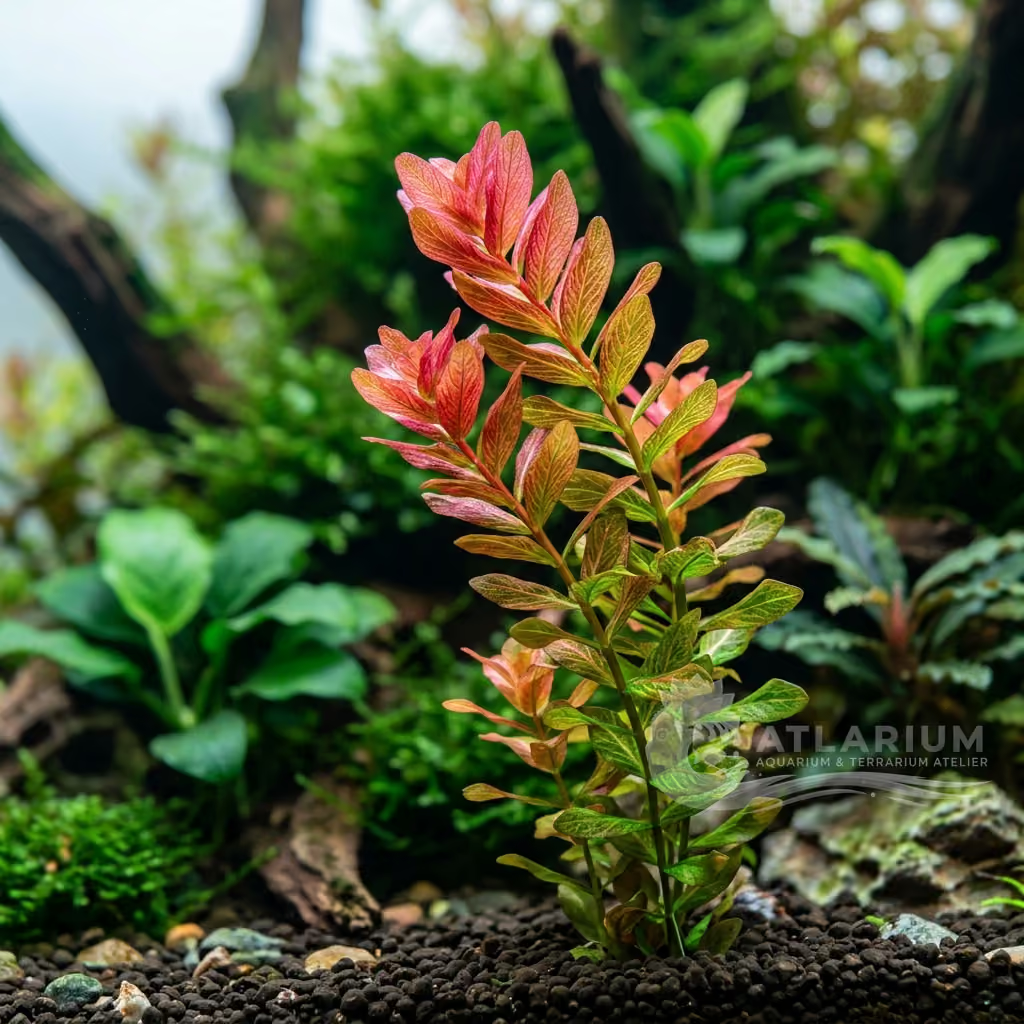
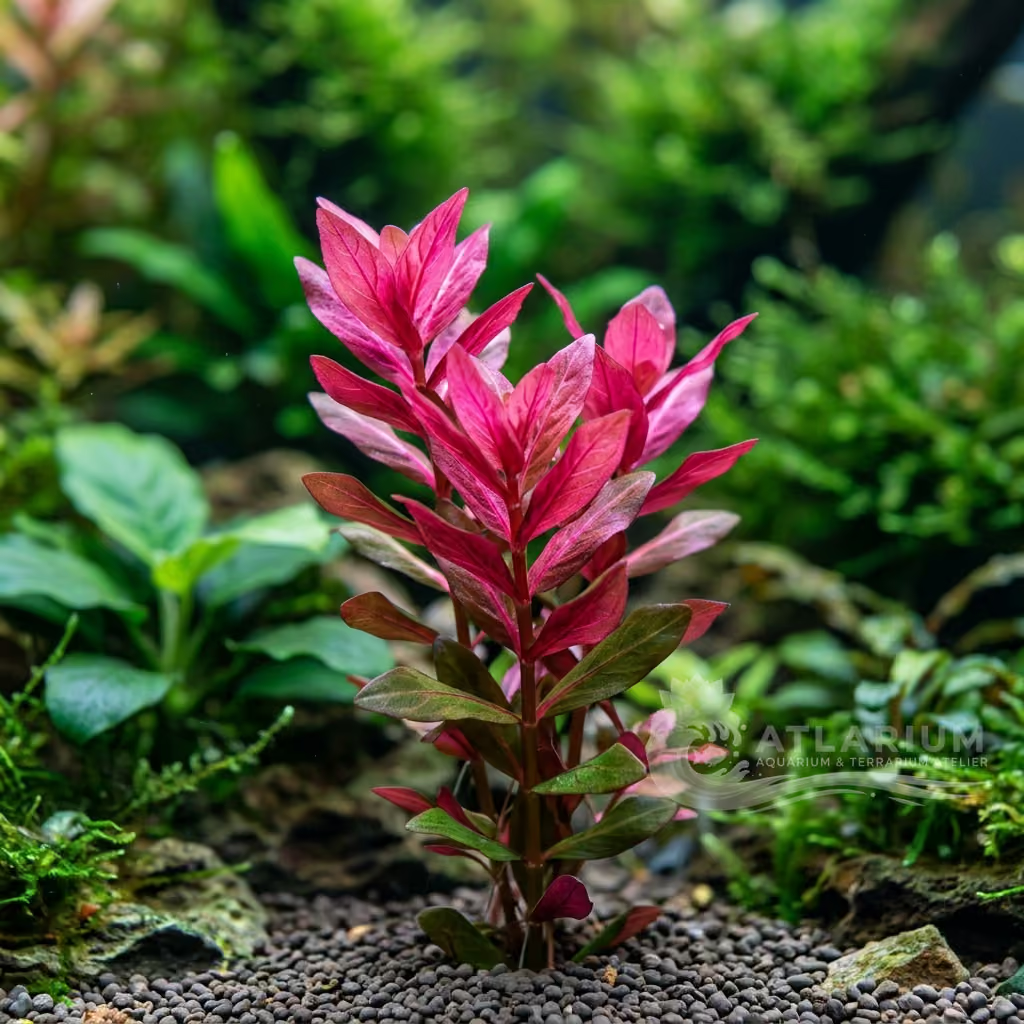
Physical Structure: Pogostemon stellatus 'Broad Leaf' exhibits a classic stem plant morphology, characterized by a robust, upright stem that can reach significant heights under favorable conditions. The leaves are typically arranged in whorls around the stem, often displaying a slightly broader and more rounded shape than the typical P. stellatus, providing a fuller appearance. Healthy growth results in strong, unbranched stems with closely set leaves, creating a dense, bushy effect when planted in groups.
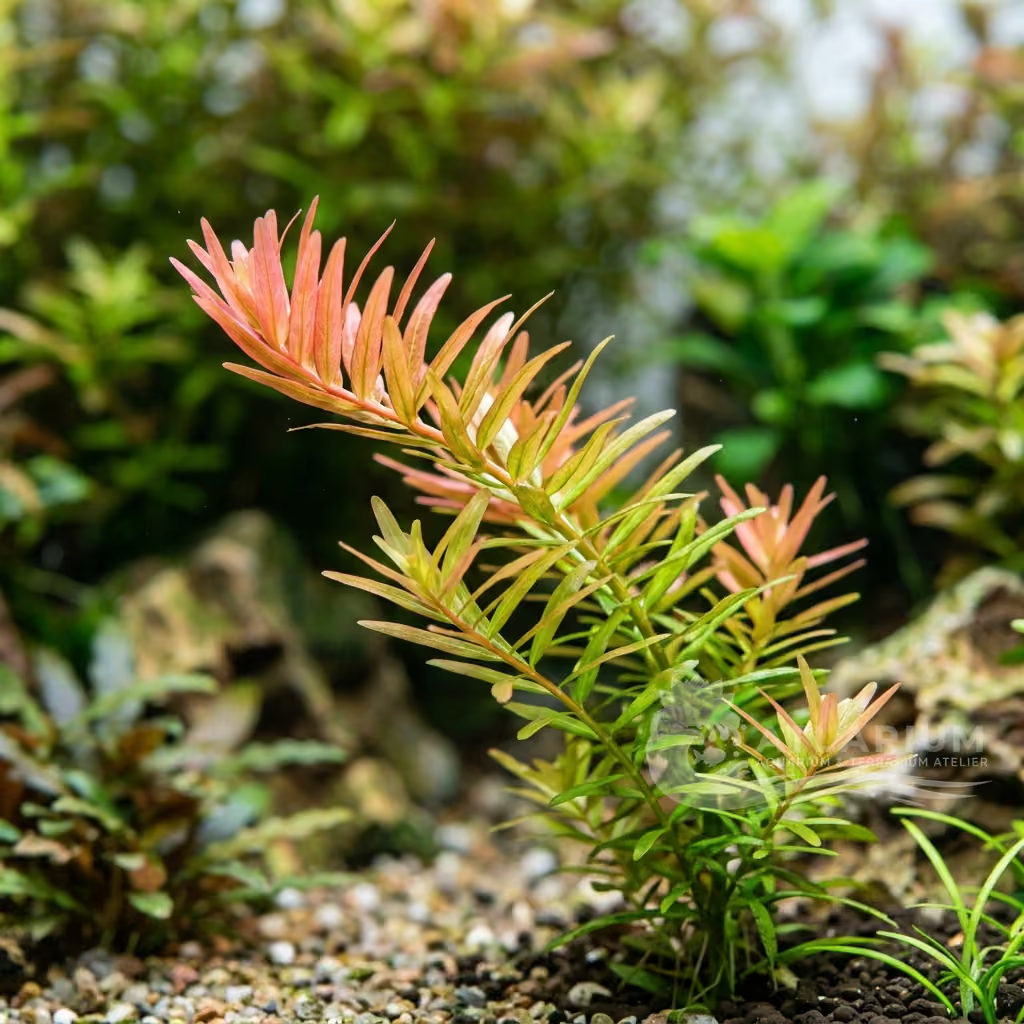
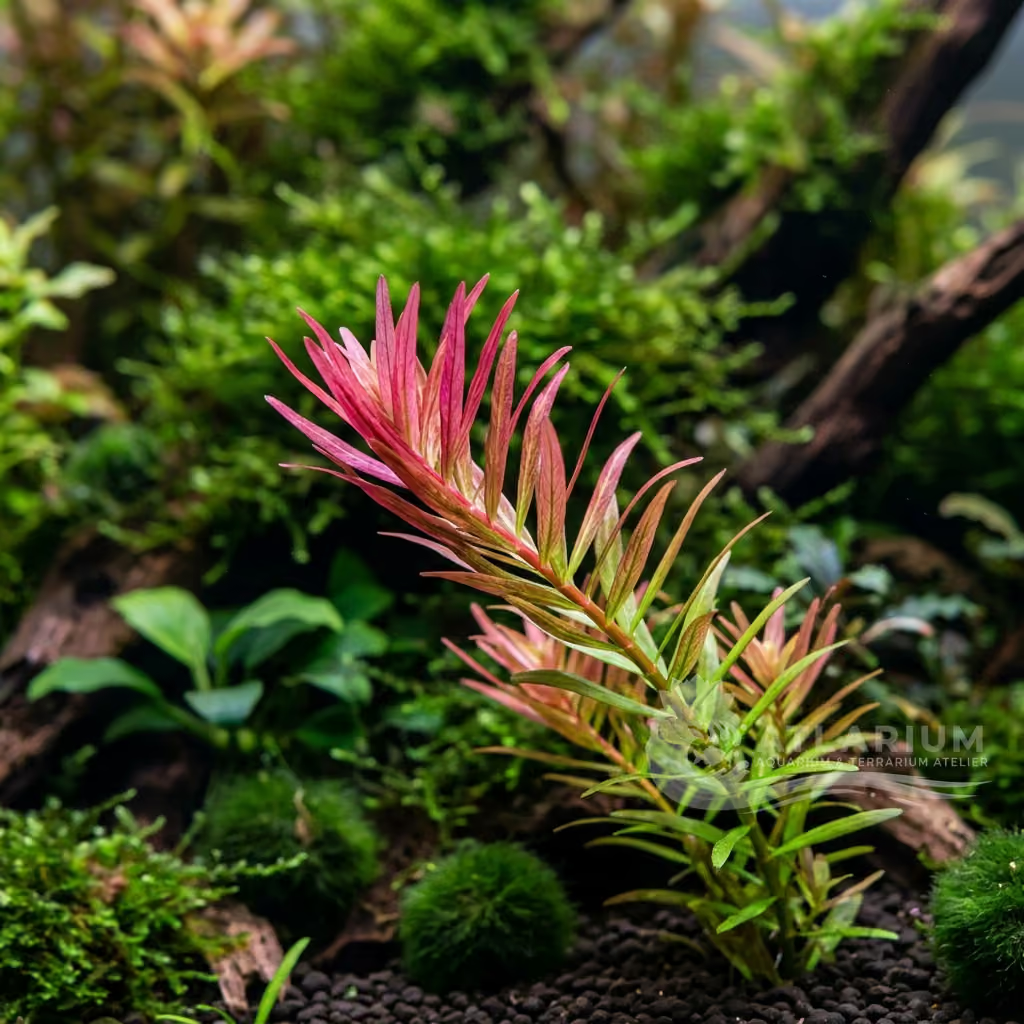
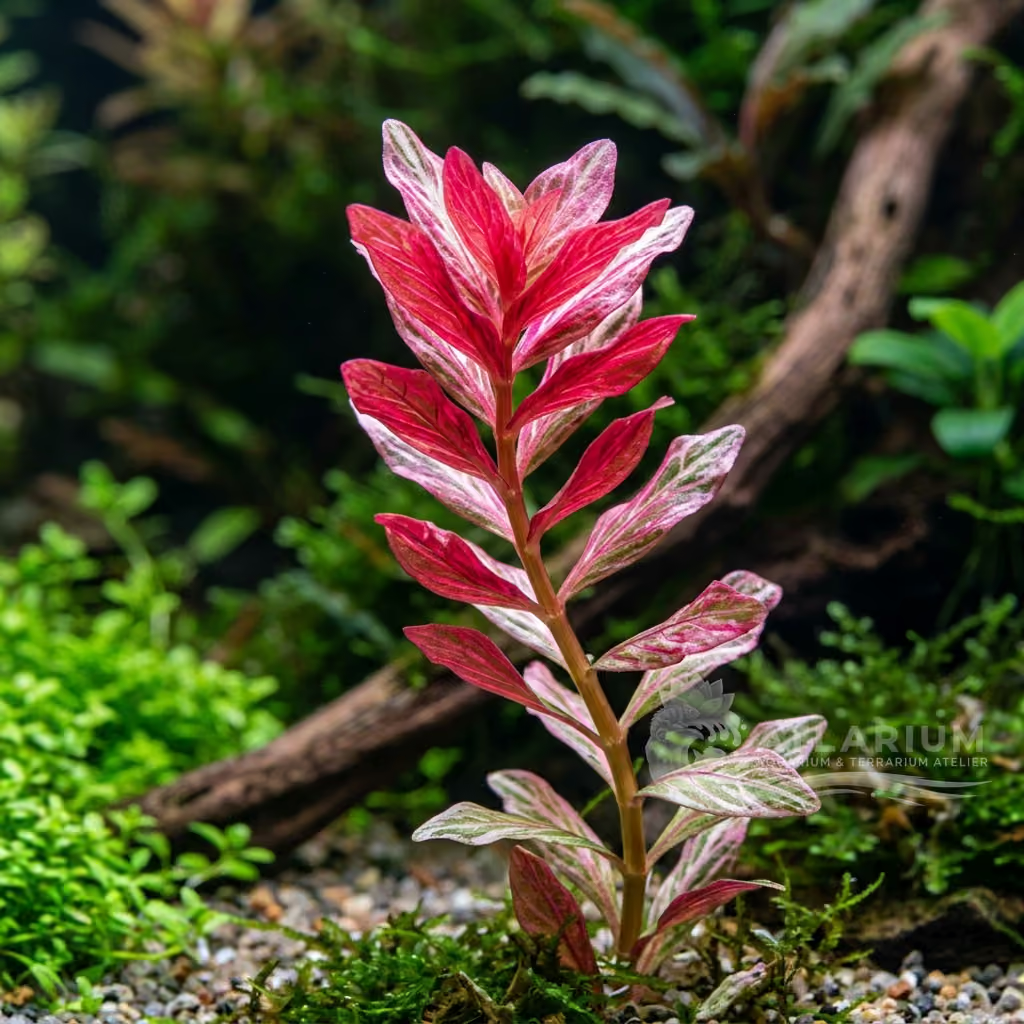
Color & Texture: Under optimal conditions, including high light intensity and ample CO2, Pogostemon stellatus 'Broad Leaf' presents a spectacular range of colors from vibrant green at the base to striking reddish-pink or even deep purple hues at the growing tips. The leaves possess a smooth, somewhat delicate texture, appearing almost translucent in strong light, which contributes to its ethereal beauty. The intensity of its coloration is a direct indicator of its health and the quality of its environment, making it a prized visual element in planted tanks.

Care, breeding and tankmates
Lighting & CO2: High light is paramount for Pogostemon stellatus 'Broad Leaf' to achieve its vibrant coloration and compact growth habit, with an intensity of at least 0.7-1.0 PAR watts per liter being ideal. Adequate CO2 injection (20-30 ppm) is equally crucial, as it directly influences photosynthetic efficiency, preventing stunting and promoting robust development. Without sufficient light and CO2, the plant tends to become leggy, lose its intense colors, and exhibit diminished growth, compromising its aesthetic appeal.
Nutrition & Substrate: While Pogostemon stellatus 'Broad Leaf' primarily absorbs nutrients from the
Water Chemistry: This plant thrives in soft to moderately hard water, with a recommended KH range of 1.0 to 18.0 and a slightly acidic to neutral pH between 5.0 and 7.0. Maintaining stable water parameters within these ranges is critical; sudden fluctuations can stress the plant and lead to melting or stunted growth. The ideal water temperature for Pogostemon stellatus 'Broad Leaf' spans a broad range from 15.0 to 32.0 C, making it adaptable to various tropical aquarium setups, though consistent temperatures are preferred.
Space Management & Placement: As a fast-growing stem plant, Pogostemon stellatus 'Broad Leaf' is best positioned in the midground of an aquascape, where its bushy growth can create a lush, dense area of color and texture. When planting, individual stems should be spaced sufficiently (about 1-2 cm apart) to allow for adequate light penetration and water circulation around each plant, preventing shading and promoting lateral branching. Regular trimming is necessary to manage its height and encourage a compact, appealing form suitable for its placement.
Pruning: Regular and strategic pruning is vital for maintaining the health and aesthetic appeal of Pogostemon stellatus 'Broad Leaf'. When the stems reach the water surface or become too tall, they should be trimmed back to a desired height, cutting just above a leaf node to encourage new side shoots. This practice promotes a bushier growth habit and prevents the lower leaves from suffering from light deprivation and eventually melting away, ensuring a vibrant and full display.
Risks & Diseases: Pogostemon stellatus 'Broad Leaf' is generally robust but can suffer from common aquatic plant ailments if conditions are not optimal. Common risks include algae accumulation on leaves due to nutrient imbalances or excessive light, and stunted growth or pale coloration indicative of CO2 or nutrient deficiencies. Melting can occur during acclimation to new environments or from sudden shifts in water parameters. Consistent care and monitoring of water parameters and nutrient levels are key to preventing these issues.

Geographic origin and distribution
Pogostemon stellatus, including its 'Broad Leaf' variant, originates from the wetlands and slow-moving waterways of Southeast Asia, particularly regions like India, Thailand, and Vietnam. In its natural habitat, it can be found growing both submerged and emersed along riverbanks, in marshes, and in rice paddies, adapting to fluctuating water levels. This adaptability to varying conditions highlights its resilience, though it prefers stable, nutrient-rich aquatic environments for optimal growth in an aquarium setting.
Origin
South and Southeast Asia

Plant profile
- Placement
- Midground
- Ideal for the background of medium to large aquariums. Its large, whorled leaves take up significant space and create a bold visual impact. Plant stems with some distance between them to allow light to reach the lower foliage.
- Botanical form
- Stem
- A large stem plant characterized by broad, elongated leaves arranged in whorls around the thick stem. The leaves are typically green with pink to reddish undersides and tips under strong light. It forms a very substantial and impressive structure.
- Growth
- Fast
- It exhibits a fast growth rate under optimal high-light and CO2 conditions. Frequent trimming is required to keep it from shading other plants. Growth slows down in low-tech setups, but it generally remains robust.
- Substrate
- High
- Pogostemon stellatus 'Broad Leaf' relies heavily on a nutrient-dense substrate like aqua soil to fuel the development of its large, colorful foliage. The robust stems produce thick roots that aggressively anchor the plant while serving as the primary intake for essential substrate-bound minerals. Ensure a deep substrate layer of at least 5 centimeters to properly weigh down the buoyant tops and provide the root zone with uninterrupted nutrient access.
- Column fertilization
- Recommended
- Requires regular liquid fertilization to support its large biomass. A balanced supply of all essential nutrients is needed to prevent deficiencies. Supplemental iron will enhance the reddish coloration on the top leaves.
- Root fertilization
- Recommended
- A nutrient-rich substrate is highly beneficial for this large plant. It develops an extensive root system that thrives in aqua soil. Root tabs can provide a significant boost to its growth and coloration.
- Trimming
- Regular
- Trim by cutting the top portion and replanting it. The remaining rooted stem will usually produce multiple side shoots, making the plant very bushy. It tolerates heavy pruning well.
- Propagation
- Cuttings
- Easily propagated via stem cuttings. Cut a healthy shoot and plant it directly into the substrate. The thick stems root quickly and easily.
- Sensitivity
- Moderate
- Less prone to stunting than the fine-leaved P. stellatus, but still sensitive to severe shading. Requires good water flow to prevent detritus buildup on its large leaves. Tolerates a wider range of parameters than the standard variety.
- Layout role
- Midground
- Serves as an excellent, bold background plant. Its large leaves provide strong textural contrast against fine-leaved plants. It is very effective for hiding aquarium equipment.

Related species
Recommendations grouped by close relatives, companion choices, and similar care.