Eusteralis species E 401
Eusteralis species E 401
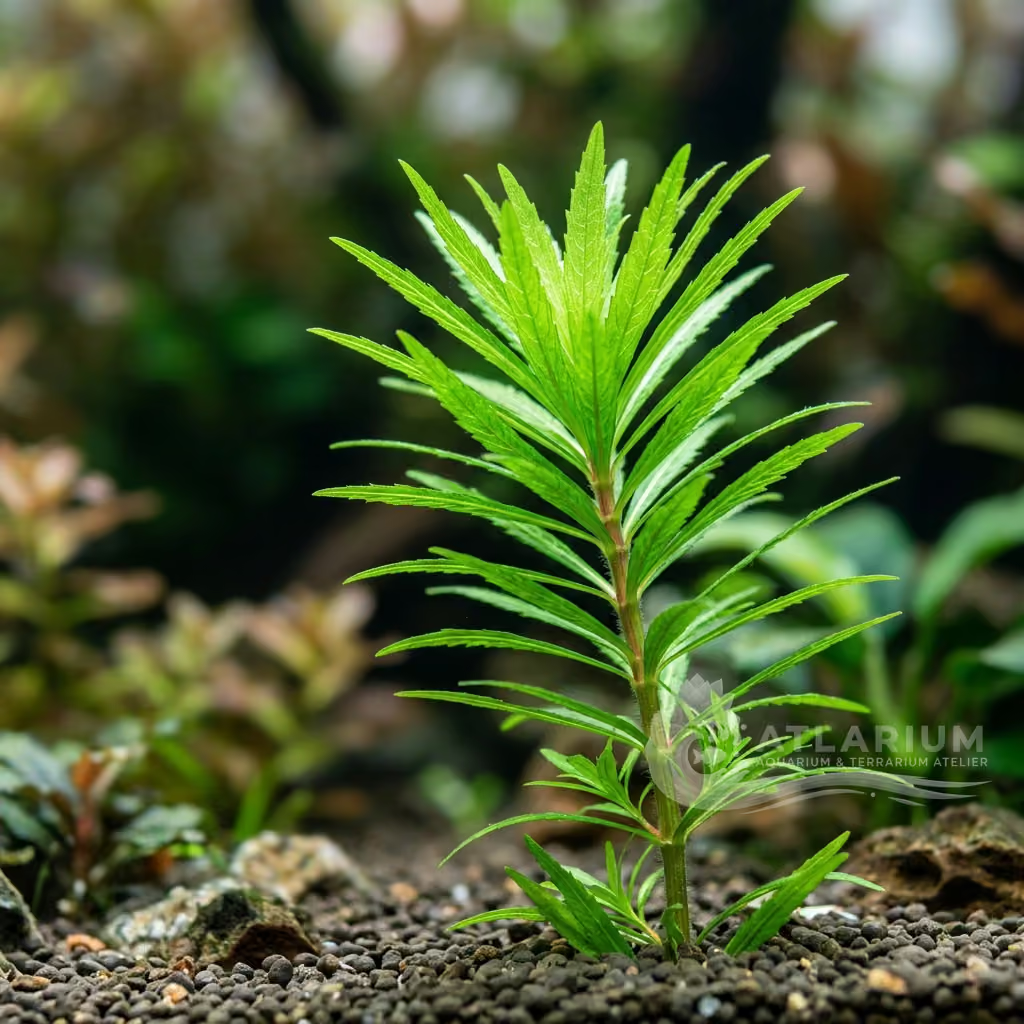
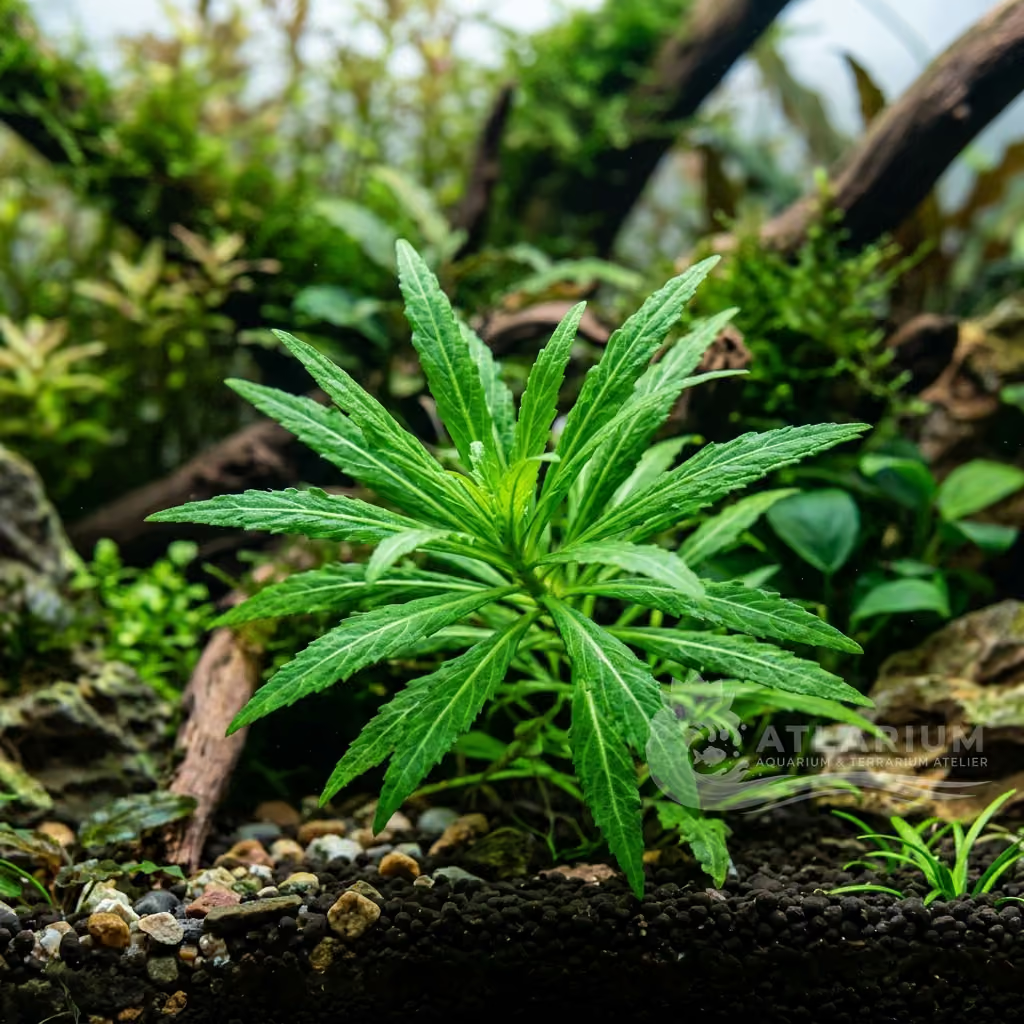
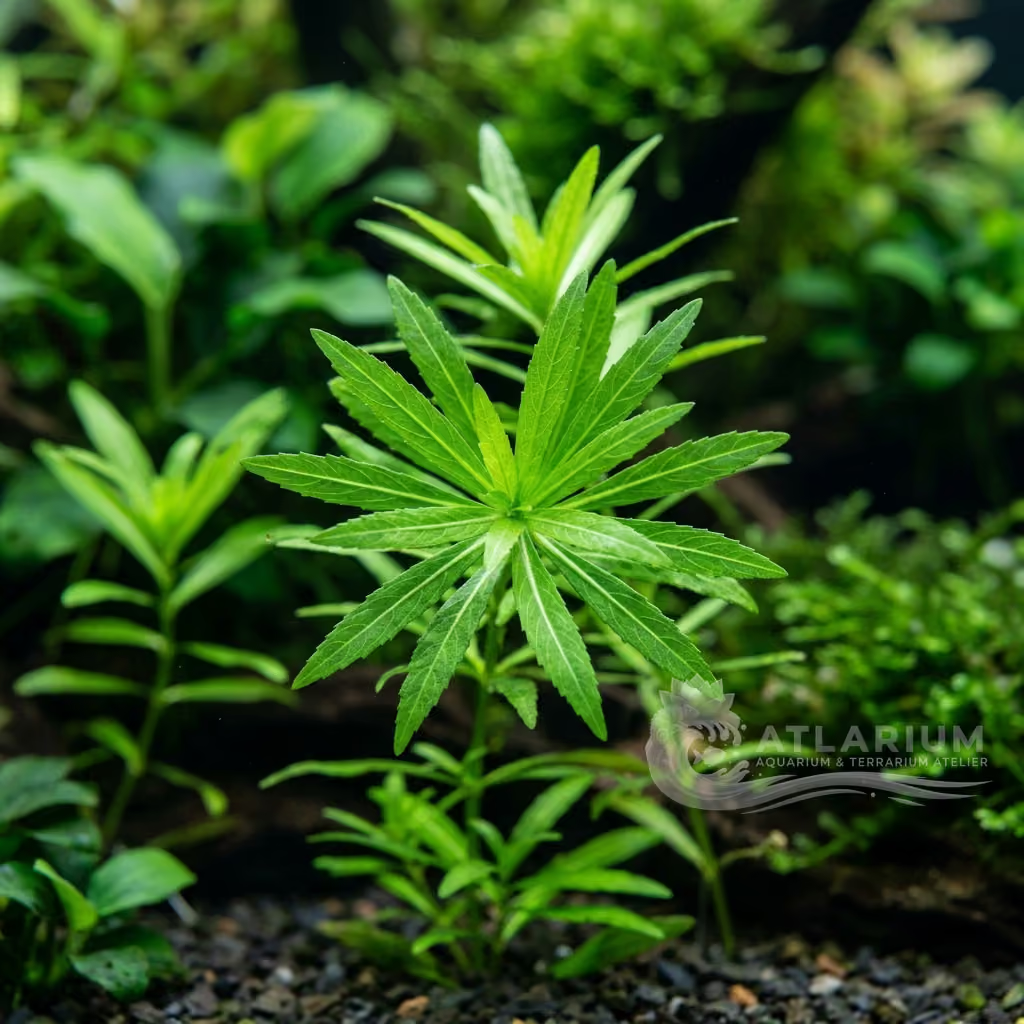
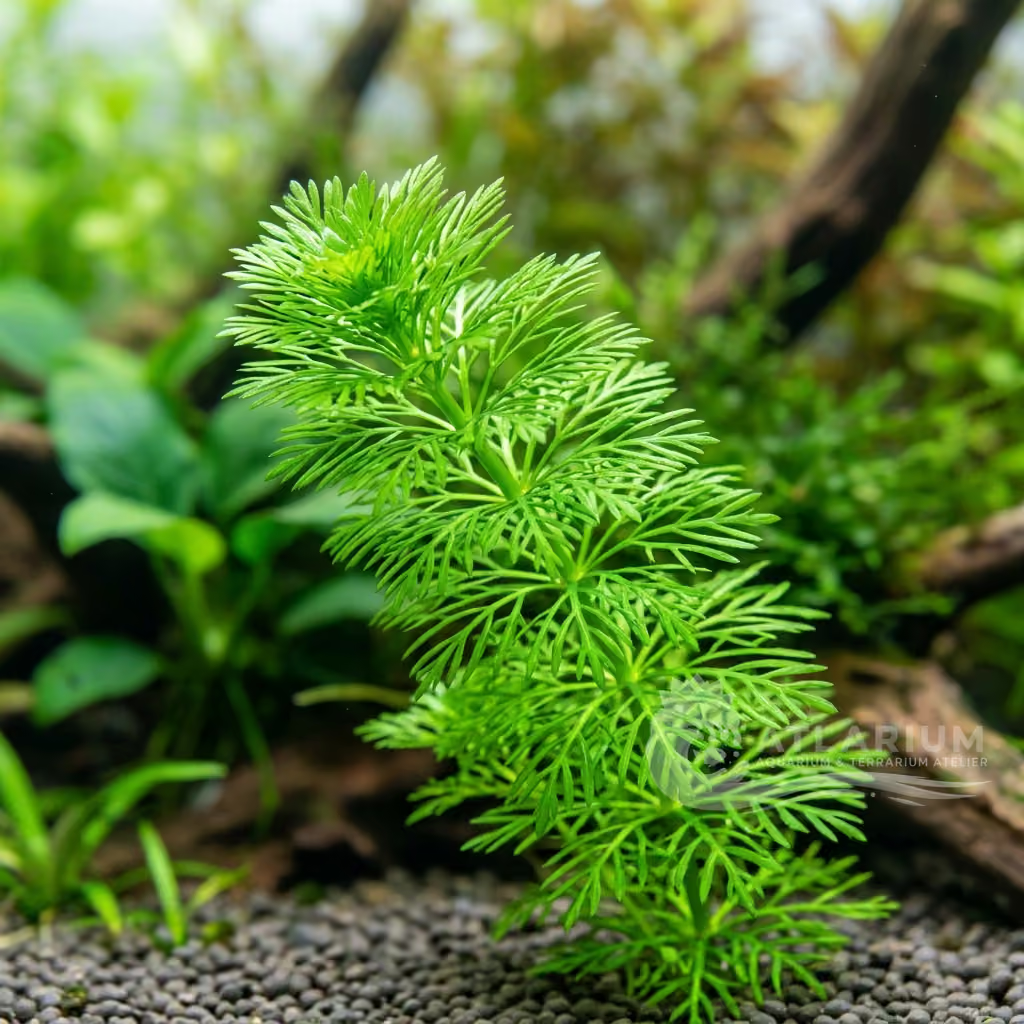
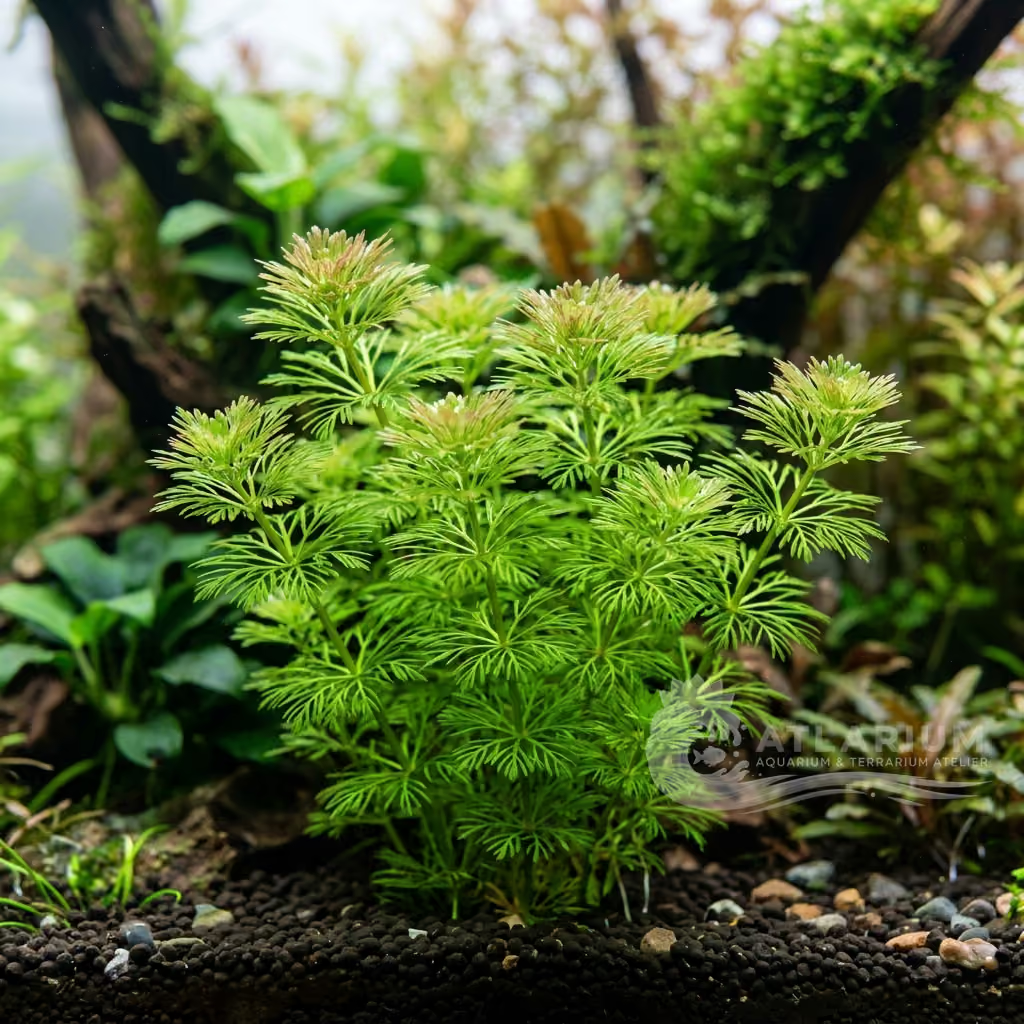
Rare stem plant from Southeast Asia with thin, needle-like leaves that develop warm pink and purple hues under intense lighting and CO2.
Water Temperature
22 - 28 °C
pH Value
5 - 7
Water type
Freshwater
Light
High
CO2
High
GH
0 - 15 dGH
KH
0 - 10 dKH

Species description
Geographical Origin and Habitat: This rare variety of the Eusteralis genus originates from the tropical wetlands and streams of Southeast Asia. It grows mainly in shallow freshwater marsh environments, adapting perfectly to seasonal submersion cycles.
Taxonomy & Genetics: It belongs to the Lamiaceae family, closely related to the Pogostemon genus. The temporary code E 401 indicates a specific botanical selection, appreciated by hobbyists for its unique morphological characteristics and
Color & Texture: reaction to light.
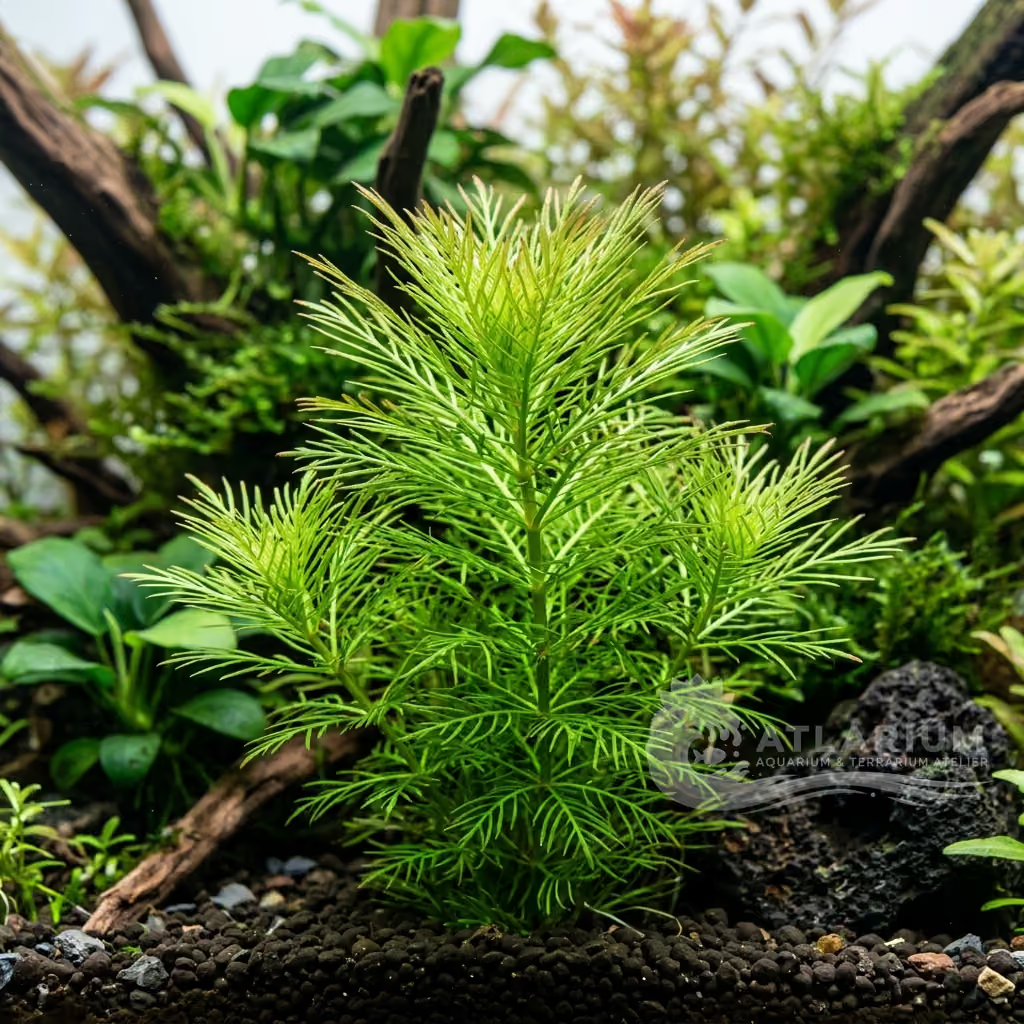
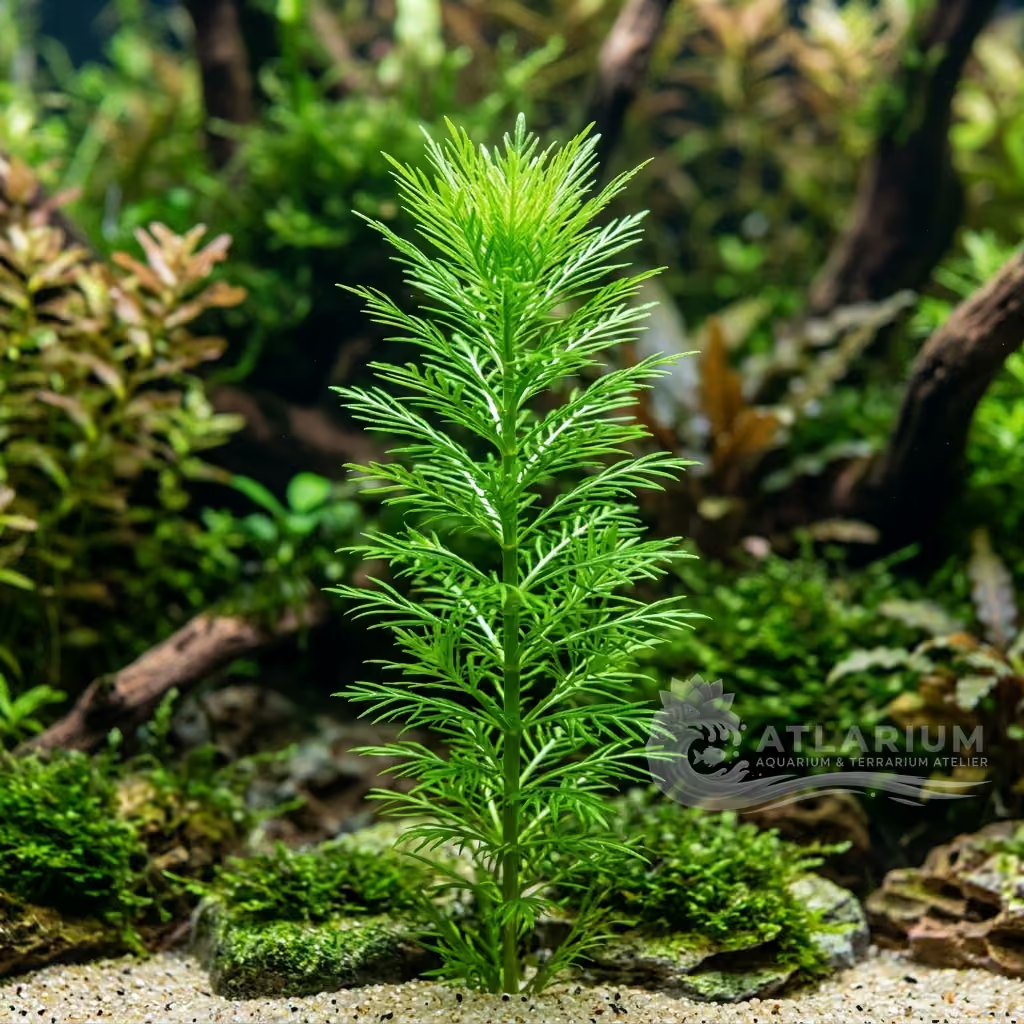
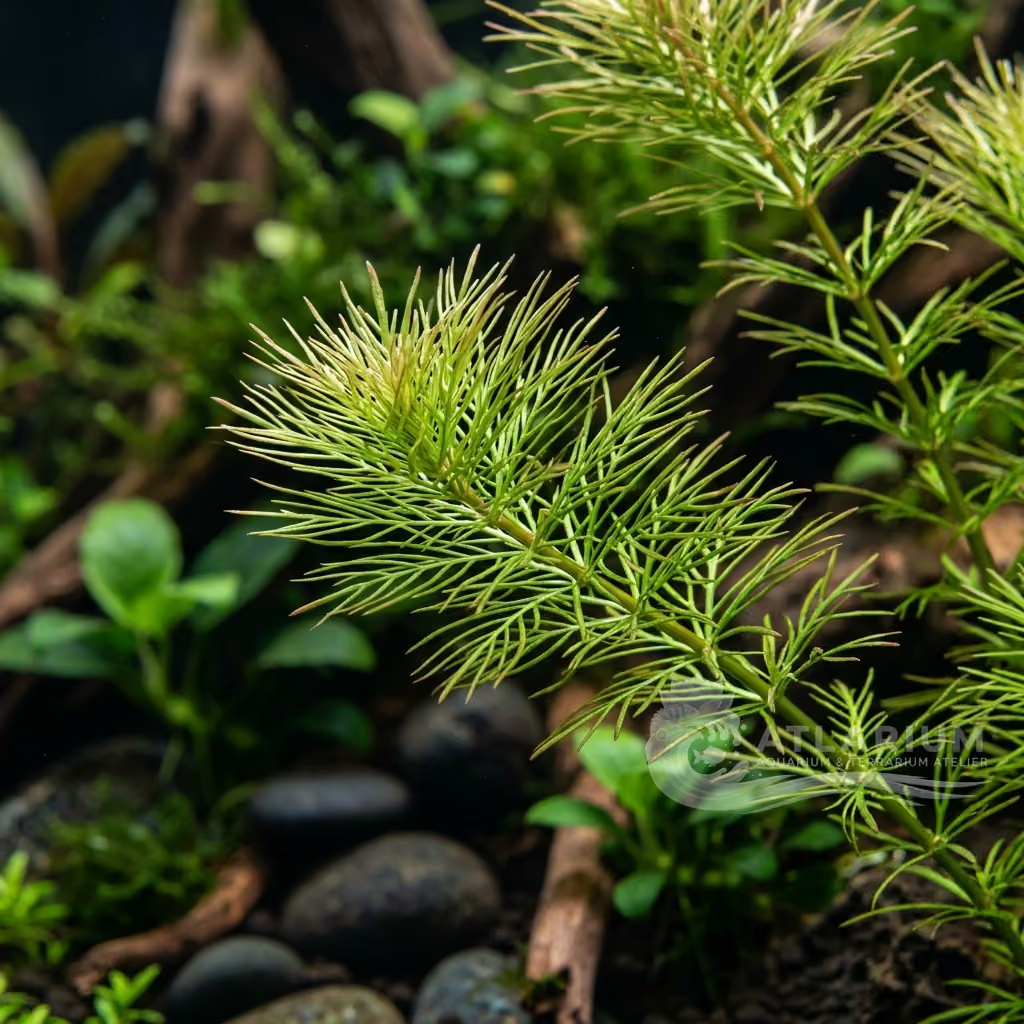
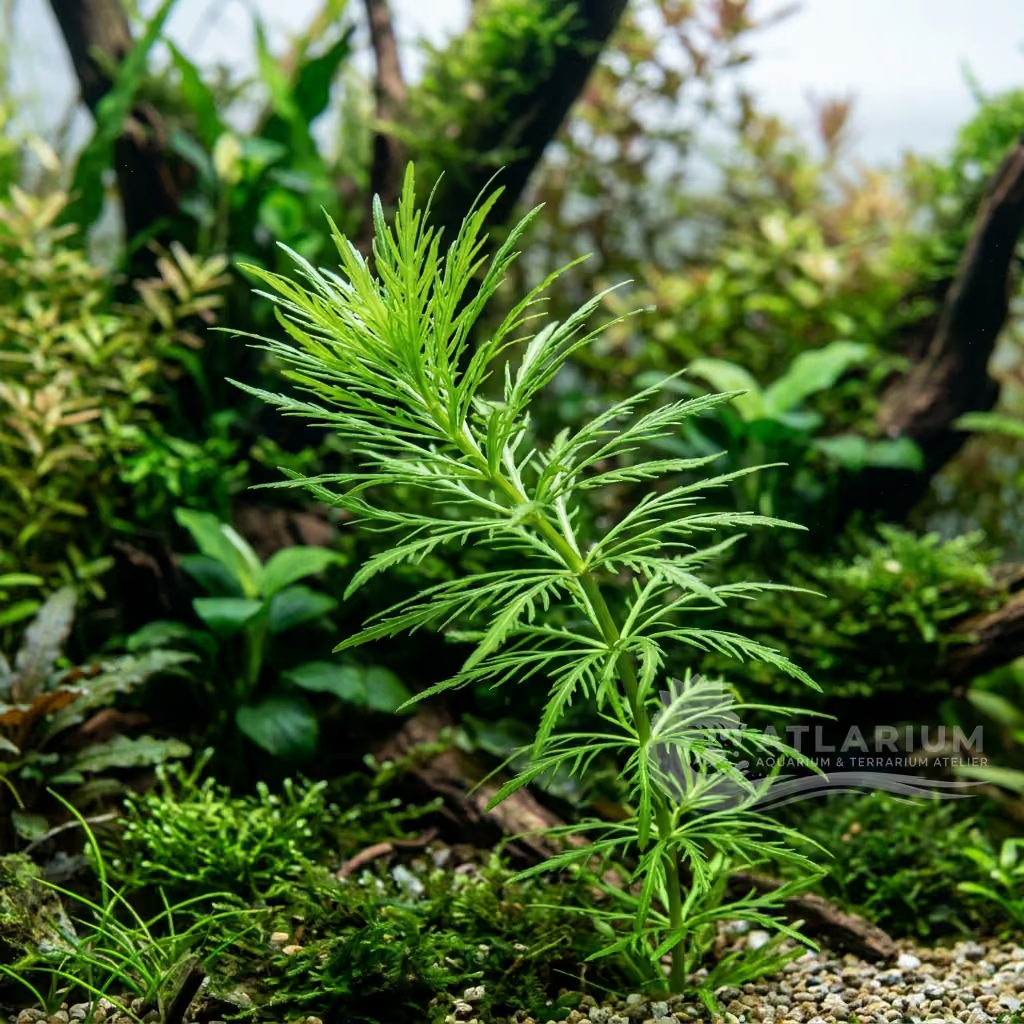
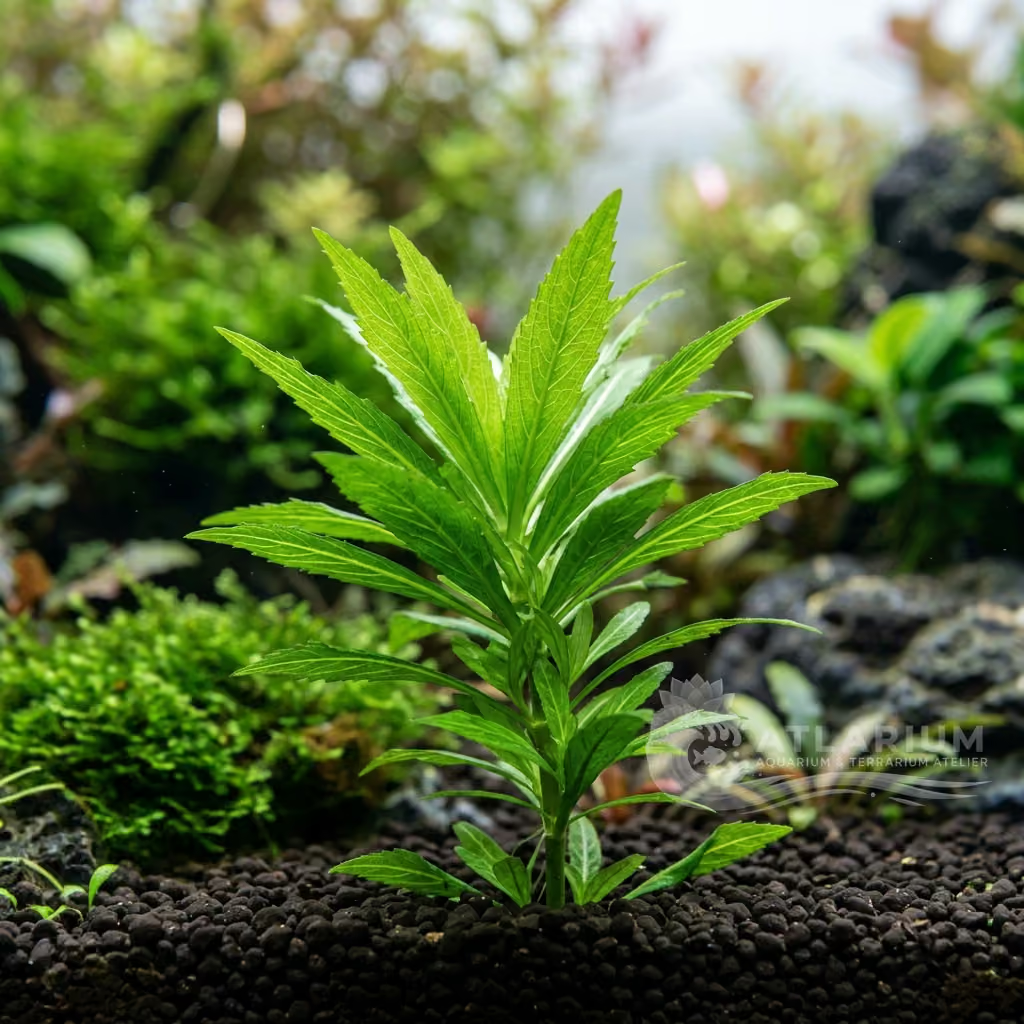
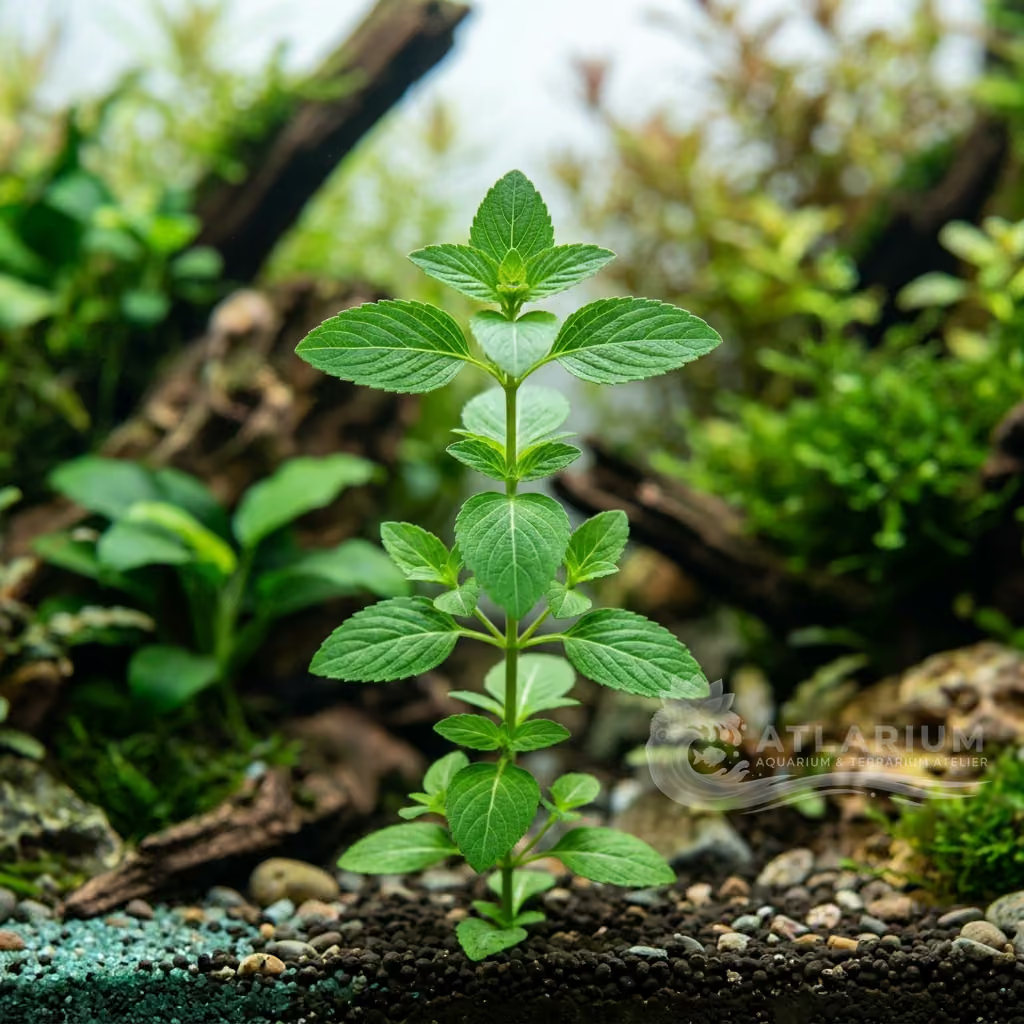
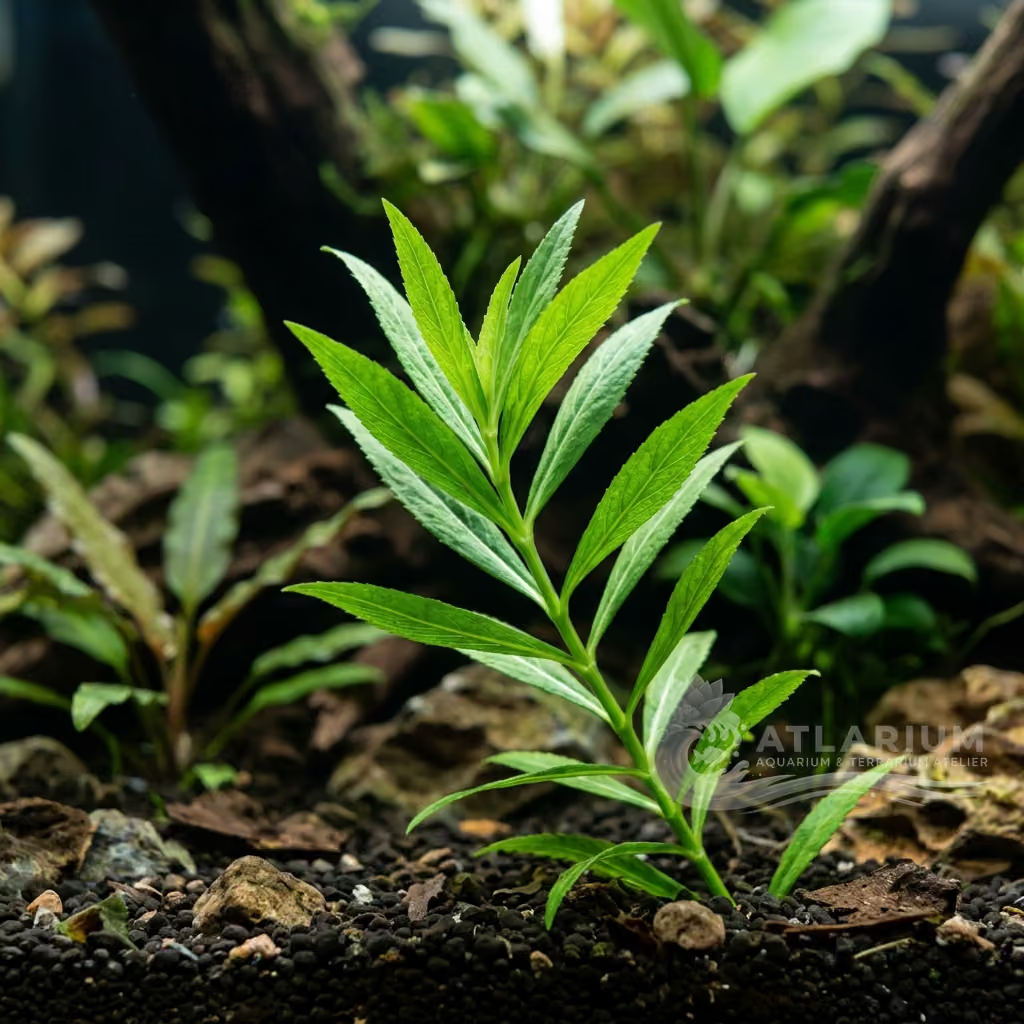
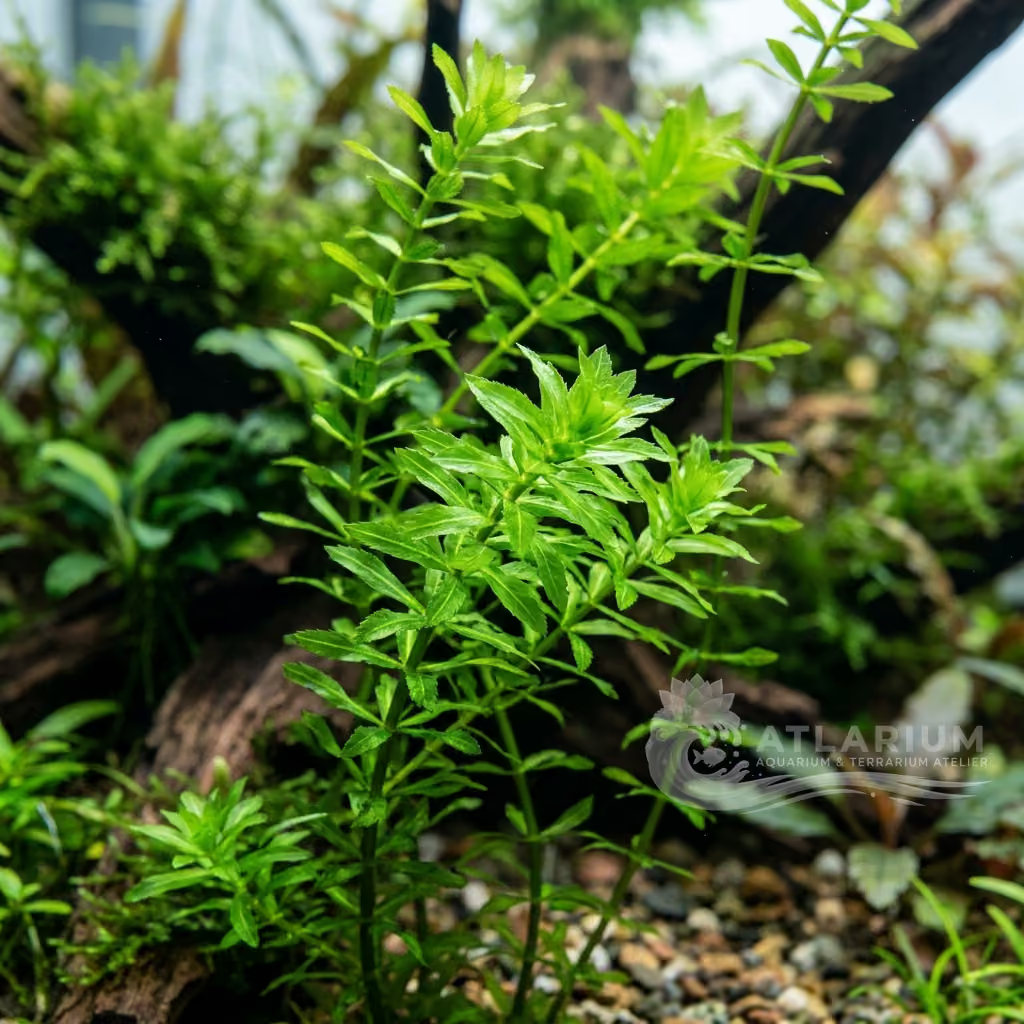
Physical Structure: It features an upright habit with sturdy stems from which whorls of needle-like, extremely thin leaves branch out. It develops a moderate root system and tends to branch in the upper part if the tops are trimmed regularly.
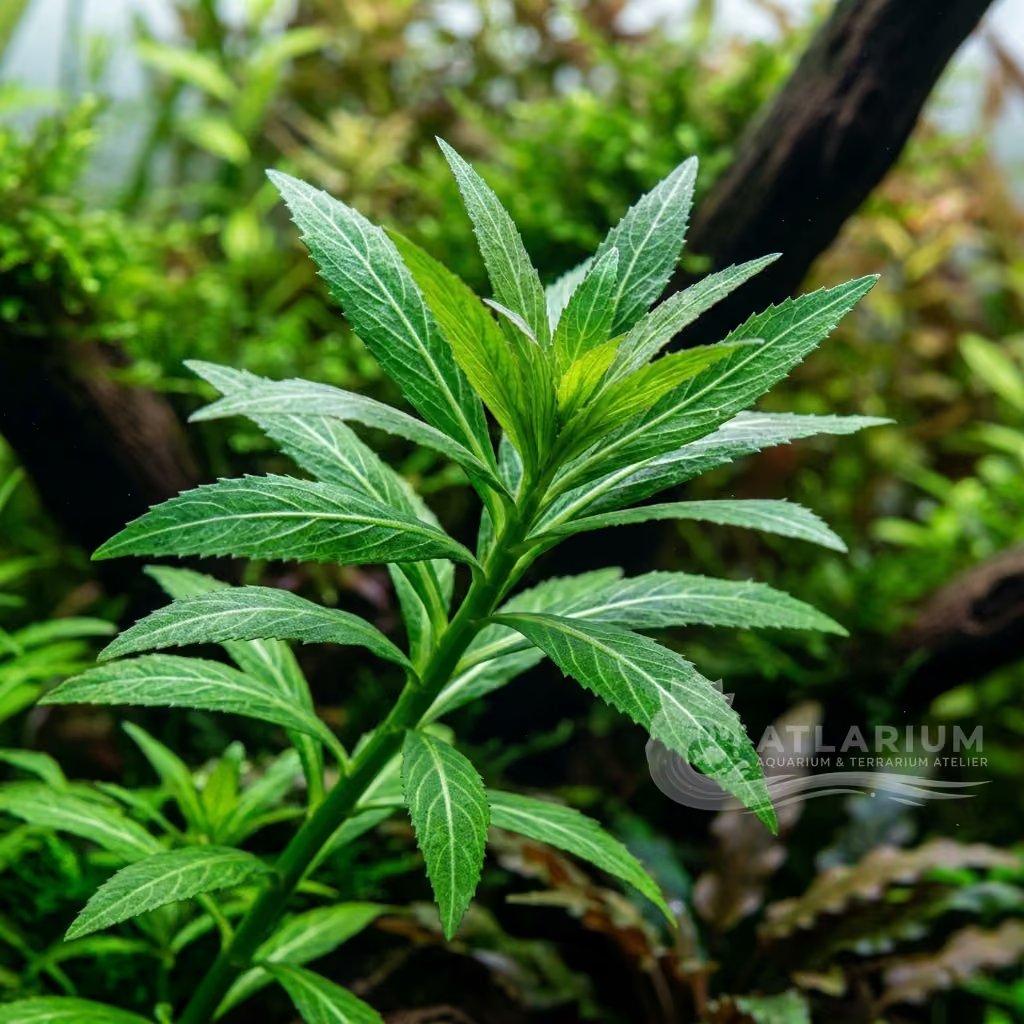
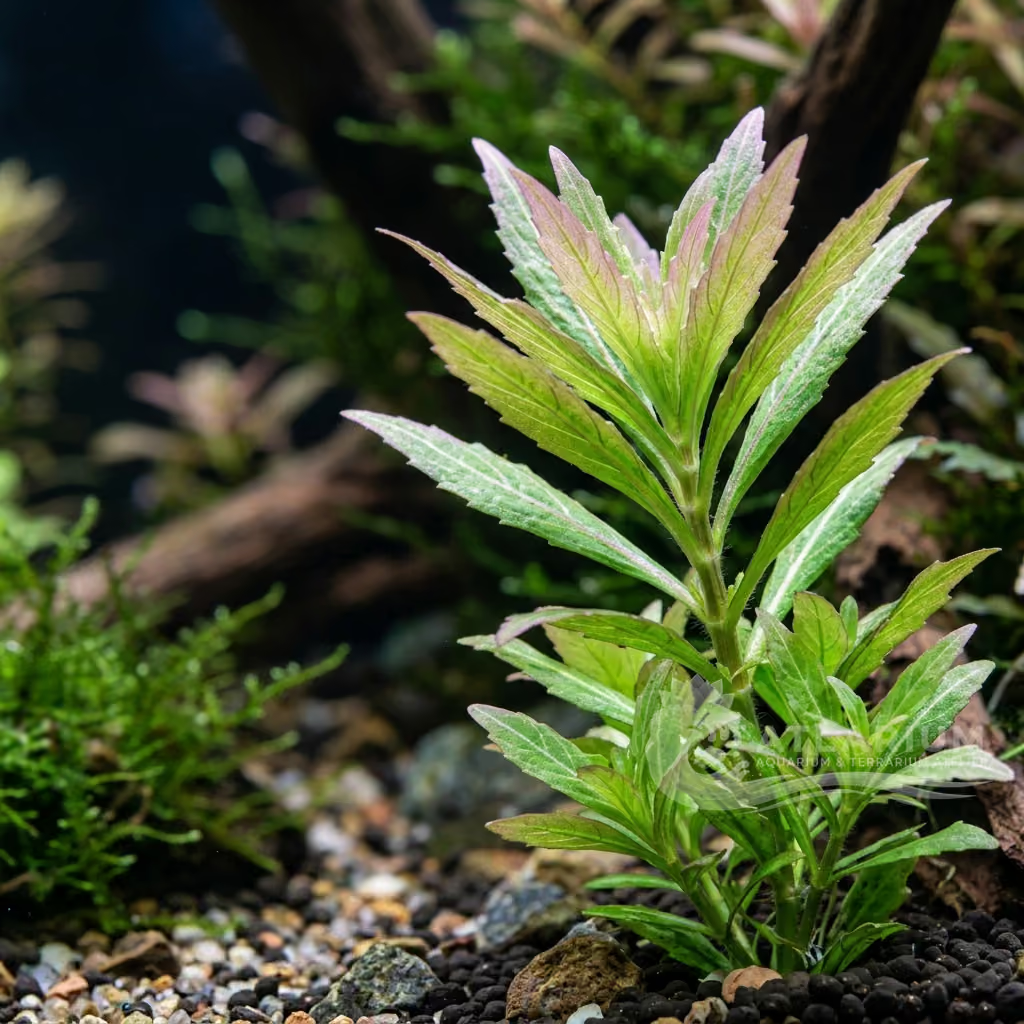
Color & Texture: The leaf color ranges from delicate olive green in shaded areas to intense pink, orange, and purple hues at the apex under strong light. The fine, dense texture of its whorls creates a soft, feathery visual contrast.

Care, breeding and tankmates
Lighting & CO2: Lighting must be medium-high to stimulate intense coloring of the tips and prevent the plant from shedding lower leaves. Carbon dioxide (CO2) supplementation is essential to support healthy and consistent growth.
Nutrition & Substrate: Requires a balanced fertilization in the
Water Chemistry: Prefers stable water parameters, with a slightly acidic or neutral pH (5.5 - 7.0) and low to medium KH (1-8). The optimal water temperature must be maintained between 22 and 28 °C to prevent growth stagnation.
Space Management & Placement: It is usually planted in the midground or background of the aquarium, preferably in groups of several stems spaced a few centimeters apart to prevent shading each other.
Pruning: Pruning is done by topping the upper part of the stem with sharp scissors. The cut portion can be replanted directly into the substrate to establish a new plant, while the remaining stem will produce new side shoots.
Risks & Diseases: The plant is highly affected by sudden changes in chemical parameters and excessive organic waste accumulation. The lower leaves may rot if light fails to penetrate due to excessive stem density.

Geographic origin and distribution
This rare variety of the Eusteralis genus originates from the tropical wetlands and streams of Southeast Asia. It grows mainly in shallow freshwater marsh environments, adapting perfectly to seasonal submersion cycles.
Origin
South and Southeast Asia

Plant profile
- Placement
- Midground
- It is best planted in the background or midground. Group several stems closely together to create a dense, colorful bush that stands out in the aquascape.
- Botanical form
- Stem
- It is an upright stem plant with whorls of very fine, needle-like leaves. Under high light intensity, the delicate tips can develop beautiful purplish or pinkish hues.
- Growth
- Medium
- It exhibits a fast growth rate when provided with ideal conditions. It requires frequent trimming to prevent it from reaching the surface and blocking light from other plants.
- Substrate
- High
- Eusteralis species E 401 is a fast-growing stem plant that benefits immensely from a nutrient-rich substrate, particularly one containing active aqua soil. While it can absorb nutrients from the water column, a fertile base encourages the development of a strong root system that anchors the plant securely. A substrate depth of 4-6 cm is ideal to support the thick stems and provide a stable foundation as the plant reaches toward the light. Incorporating root tabs into the soil can further boost its growth rate and enhance the vibrant coloration of its foliage.
- Column fertilization
- Recommended
- This plant is extremely dependent on water column fertilization. A strict regime, such as the Estimative Index, and high CO2 injection are necessary to prevent stunting.
- Root fertilization
- None
- While it absorbs heavily from the water, planting it in a nutrient-rich substrate supports healthier base growth, stronger roots, and better overall plant stability.
- Trimming
- Occasional
- Tops can be cut and replanted to propagate. The lower portion will easily branch out into multiple new shoots if the plant is healthy and receives unobstructed light.
- Propagation
- Cuttings
- It is easily propagated by stem cuttings. Snip the healthy top portion of a stem and plant it directly into the substrate, discarding the old woody base if necessary.
- Sensitivity
- Moderate
- It is very sensitive to low CO2, poor water circulation, and nutrient fluctuations. Stunting or twisting of the growing tip is a common reaction to parameter instability.
- Layout role
- Midground, Background
- It is excellent for adding fine texture and subtle, warm coloration to the background. It creates a beautiful, eye-catching contrast against broader, standard green leaves.

Related species
Recommendations grouped by close relatives, companion choices, and similar care.