Physostegia purpurea
Physostegia purpurea
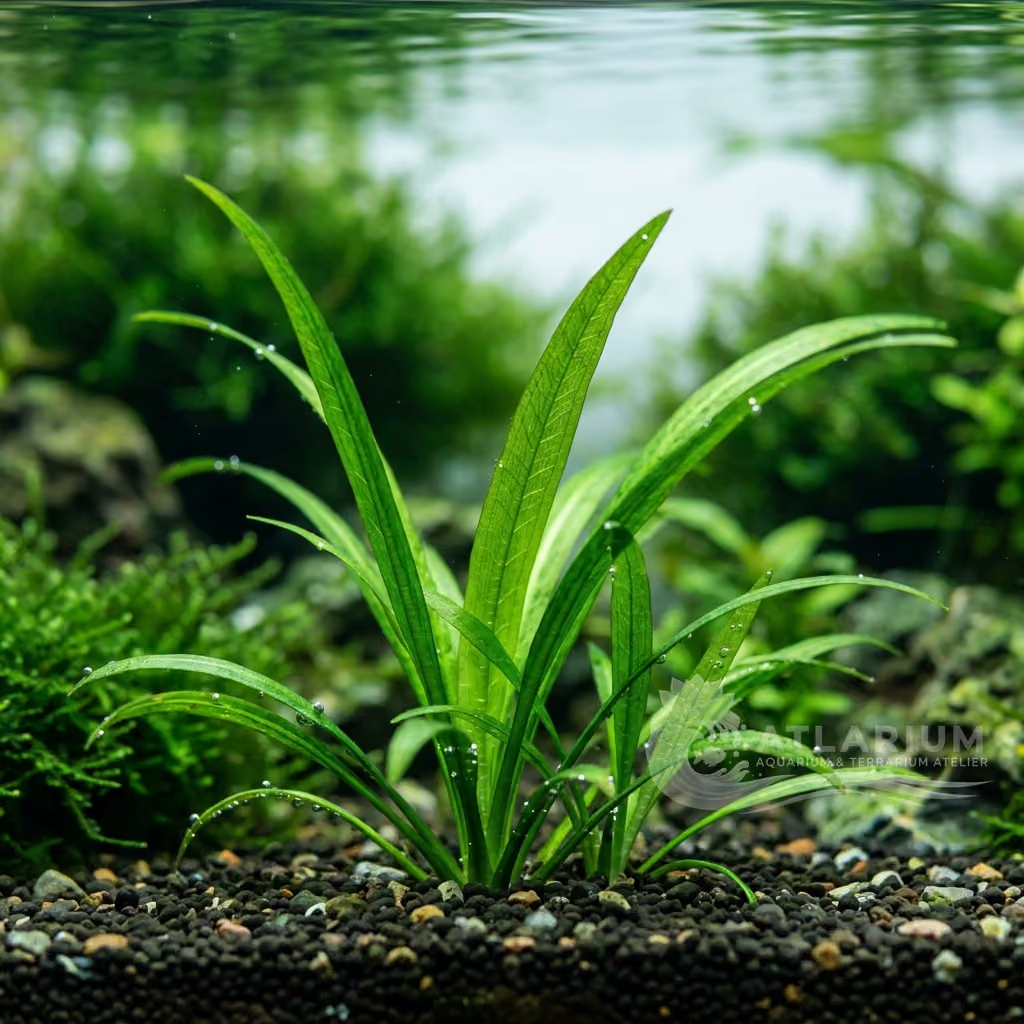
Physostegia purpurea is a very slow-growing foreground plant, ideal for creating dense, compact carpets or accentuating specific areas of the aquarium with its decorative foliage. Its contained growth makes it perfect for layouts that require minimal maintenance and a stable design over time.
Water Temperature
4 - 25 °C
pH Value
5 - 7.5
Water type
Freshwater
Light
Medium to High
CO2
High
KH
0 - 14 dKH

Species description
Geographical Origin and Habitat: Physostegia purpurea, although often associated with the marshy and humid habitats of North America, exhibits remarkable adaptability that allows for its submerged cultivation in aquariums. This species generally favors riverbanks, ditches, and seasonally flooded meadow areas, where it can root in organic-rich substrates. In the aquatic context, it emulates these conditions by thriving in well-maintained environments that replicate its natural habitat, demonstrating its ecological versatility.
Taxonomy & Genetics: Belonging to the Lamiaceae family, Physostegia purpurea shares distinctive characteristics with other species in this family, such as square stems and opposite leaves. Within the genus Physostegia, "purpurea" suggests a
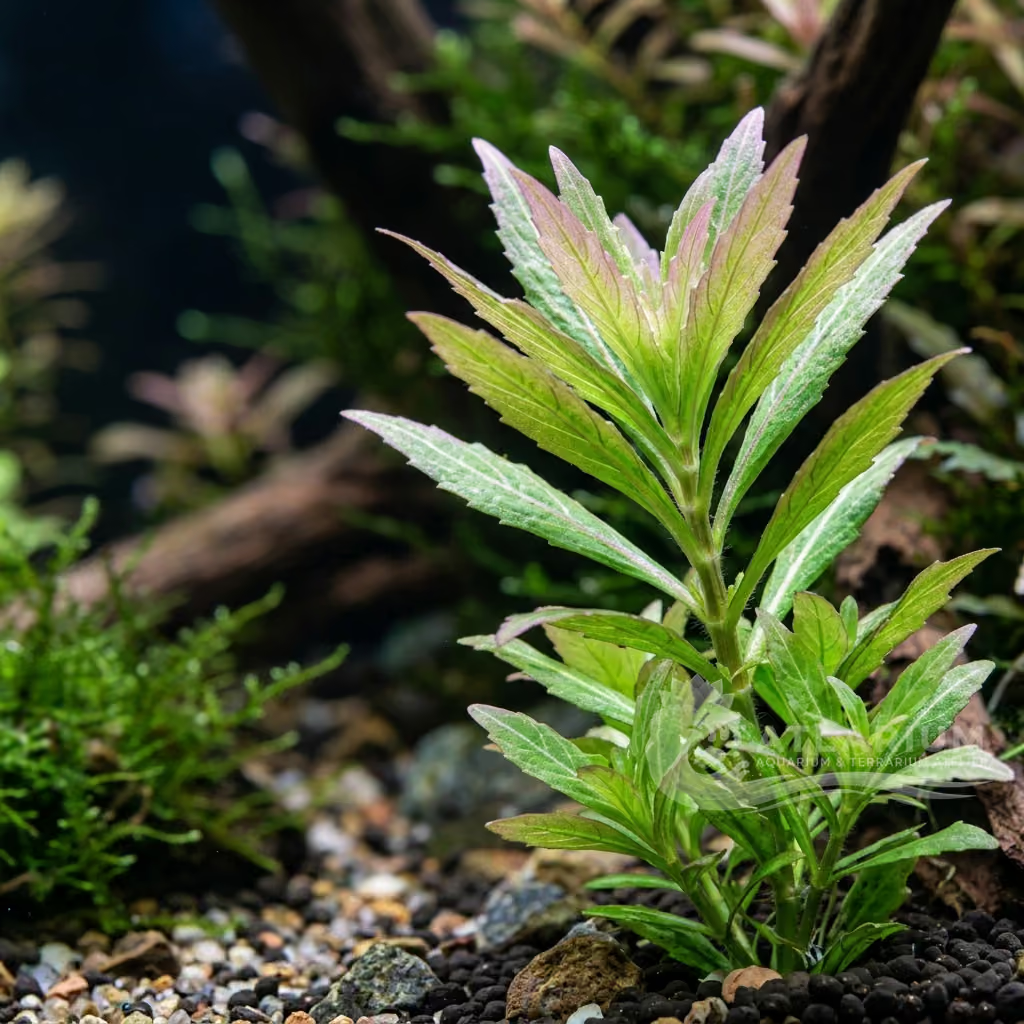
Color & Texture: ation that can manifest with purplish or reddish hues, especially under intense light conditions. Its botanical classification places it in a group of plants often called "obedient plants" for the peculiar ability of their flowers to maintain the position into which they are pushed, although this characteristic is less relevant in a submerged aquatic environment.
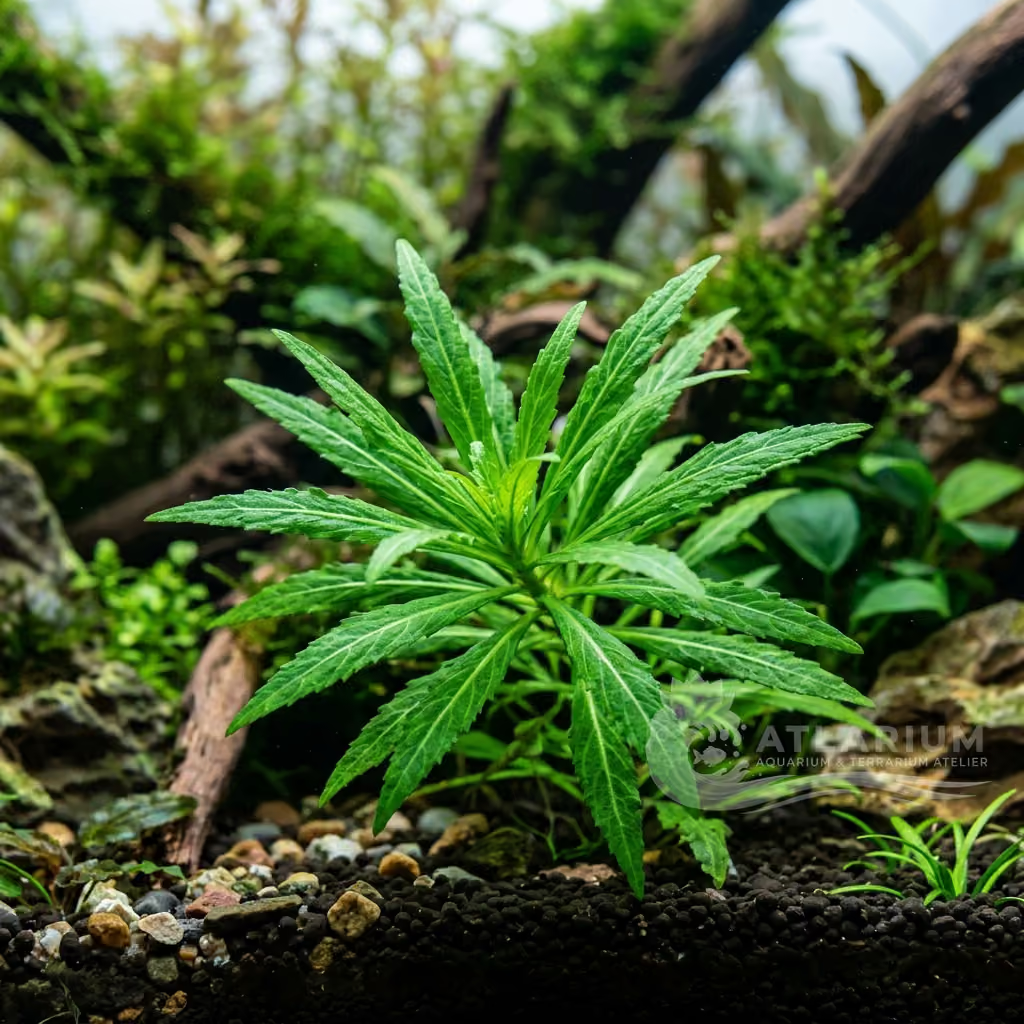
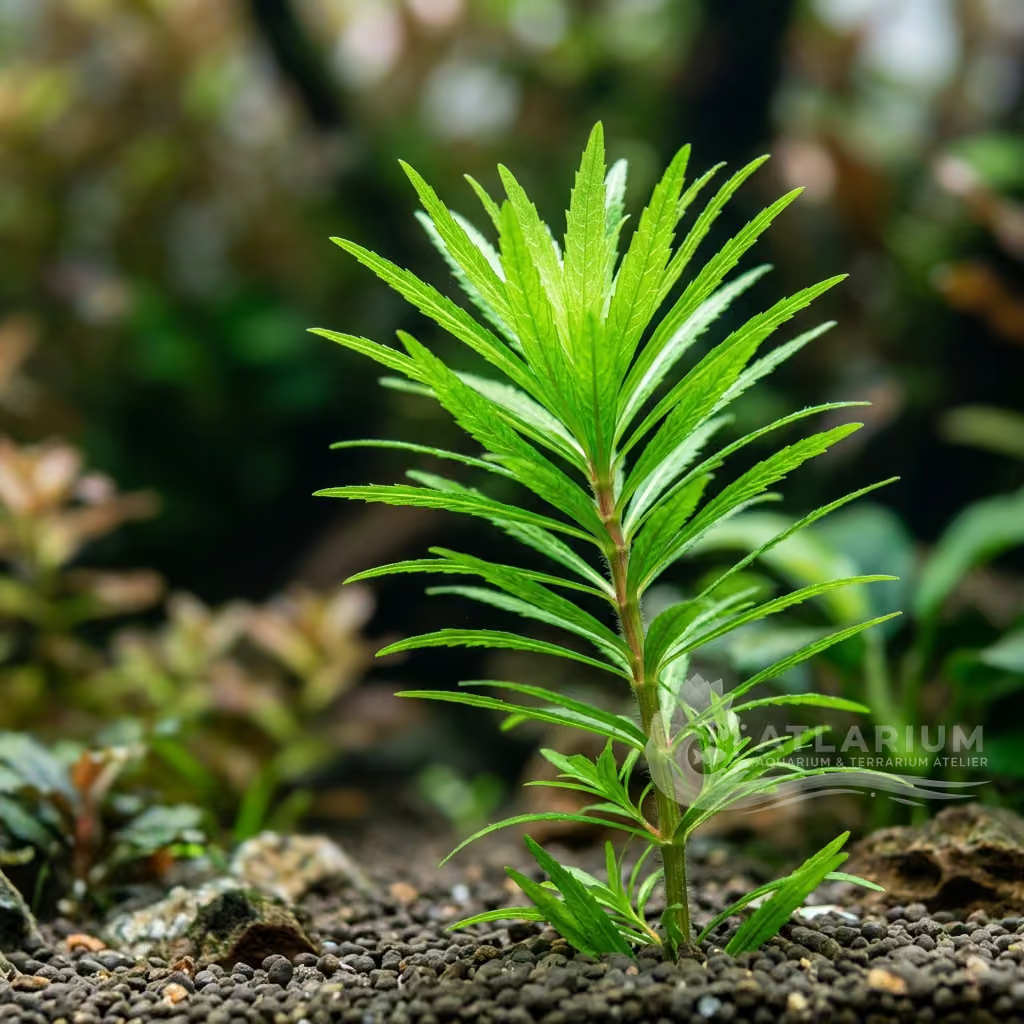
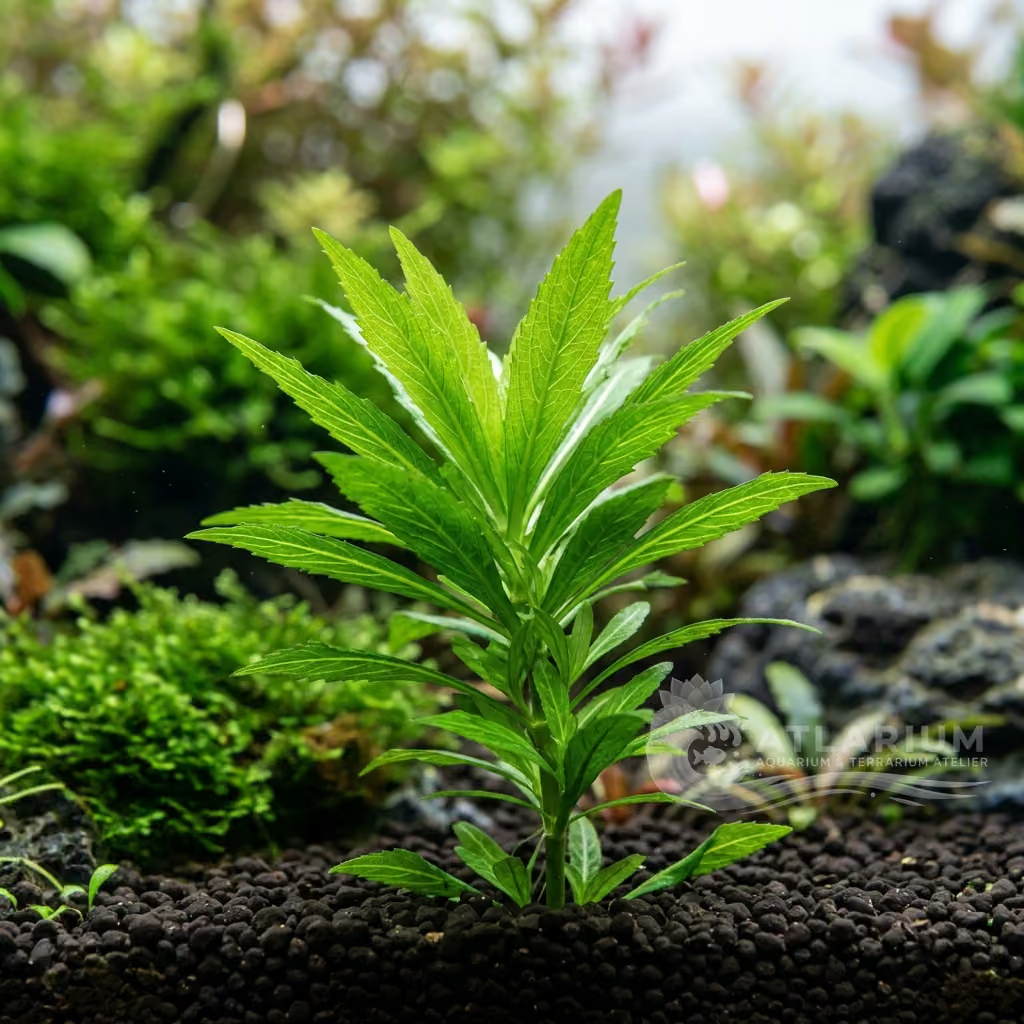
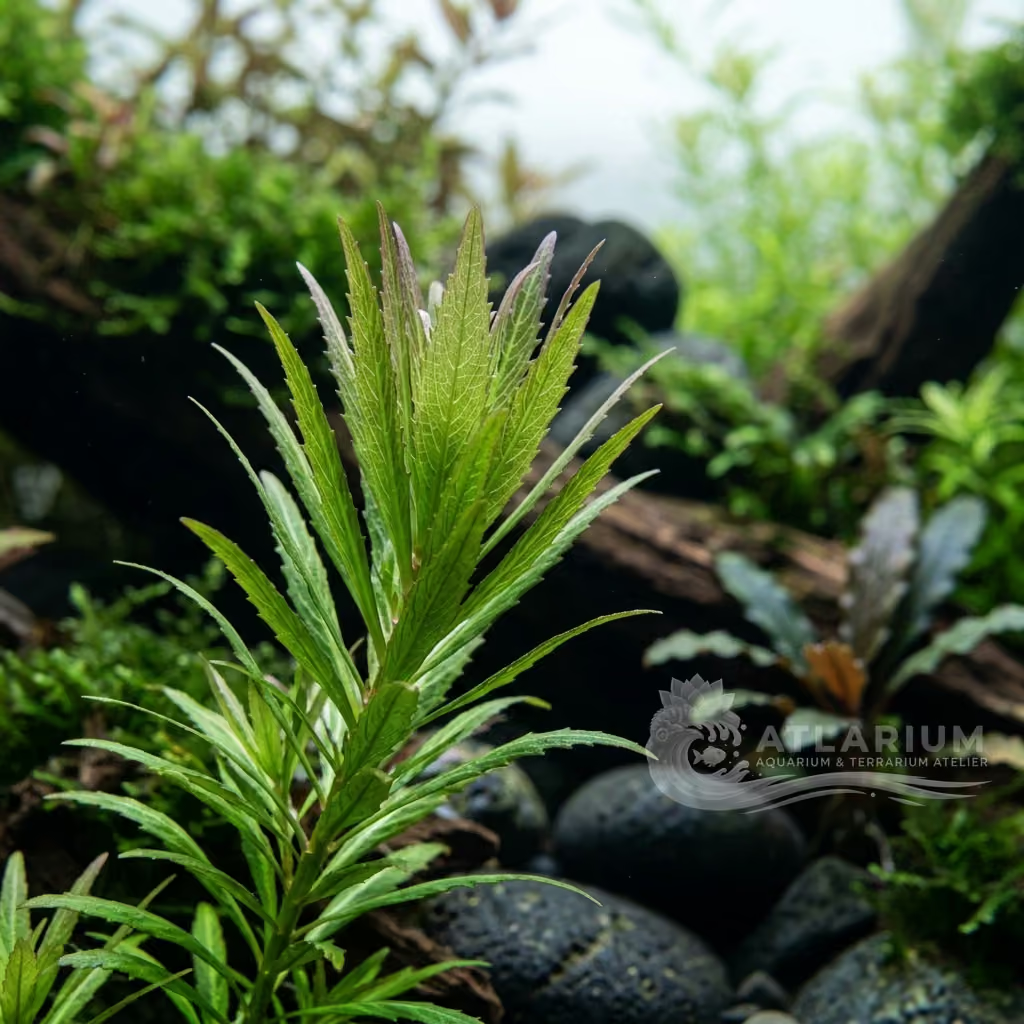
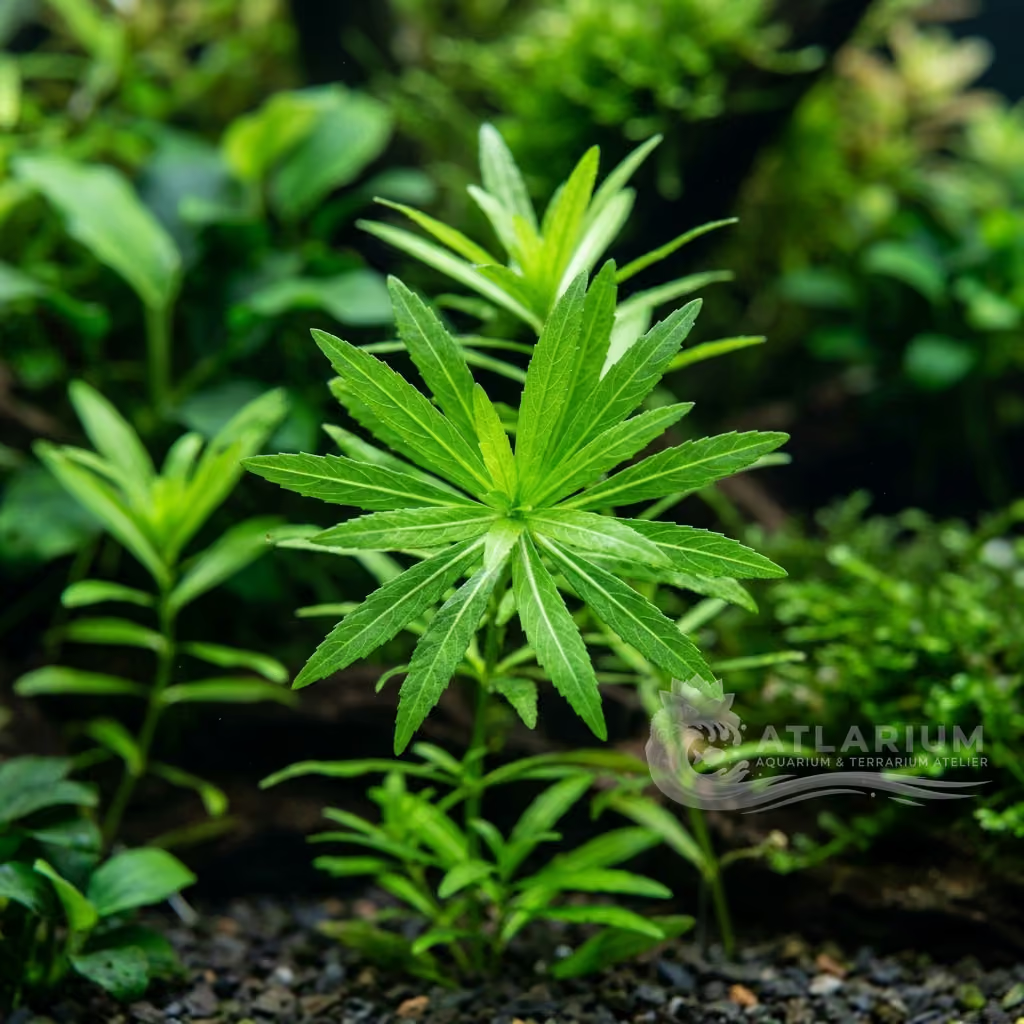
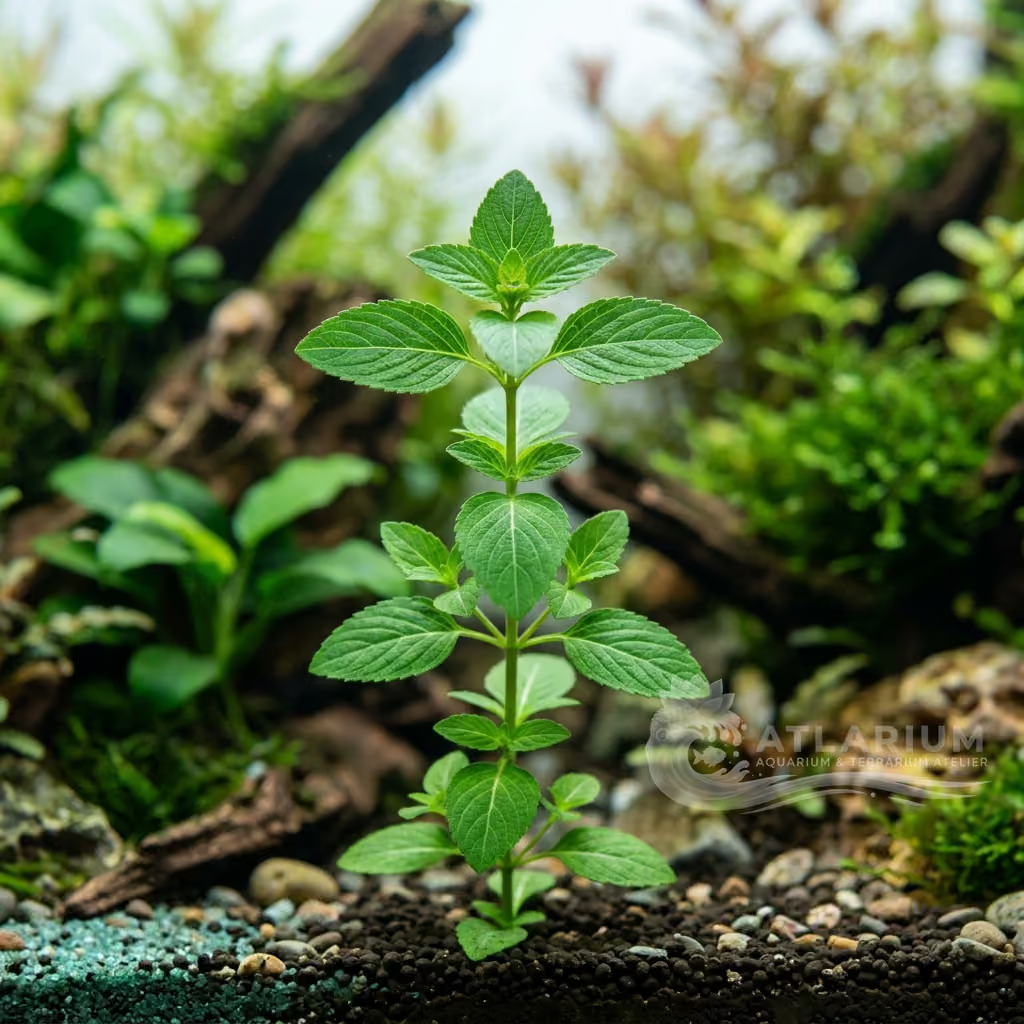
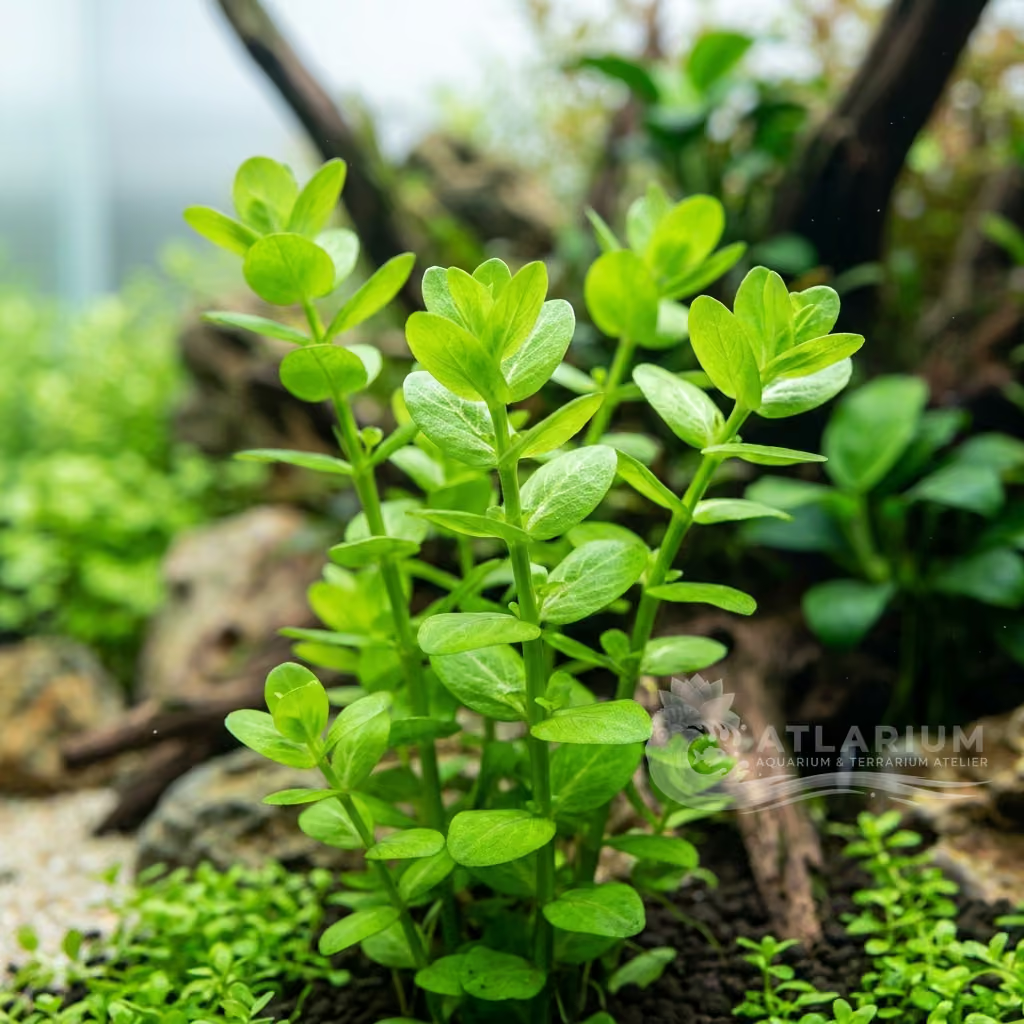
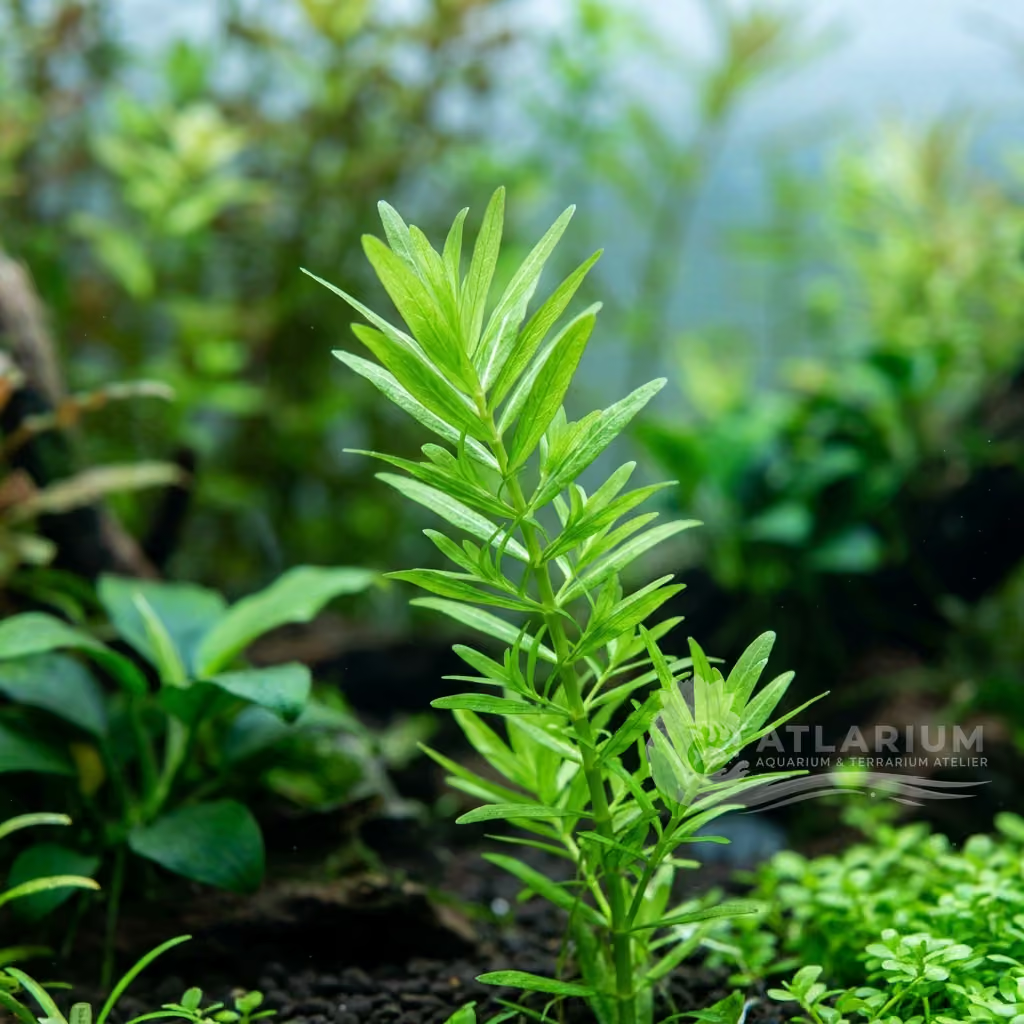
Physical Structure: Physostegia purpurea develops erect and robust stems, typical of Lamiaceae plants, with leaves arranged oppositely along the stem. Its compact size and tendency to branch from the base make it ideal for the aquarium foreground, where it forms a dense and relatively low carpet. Although its growth is very slow, the plant develops an effective root system that anchors firmly to the substrate, contributing to the stability of the entire plant structure.
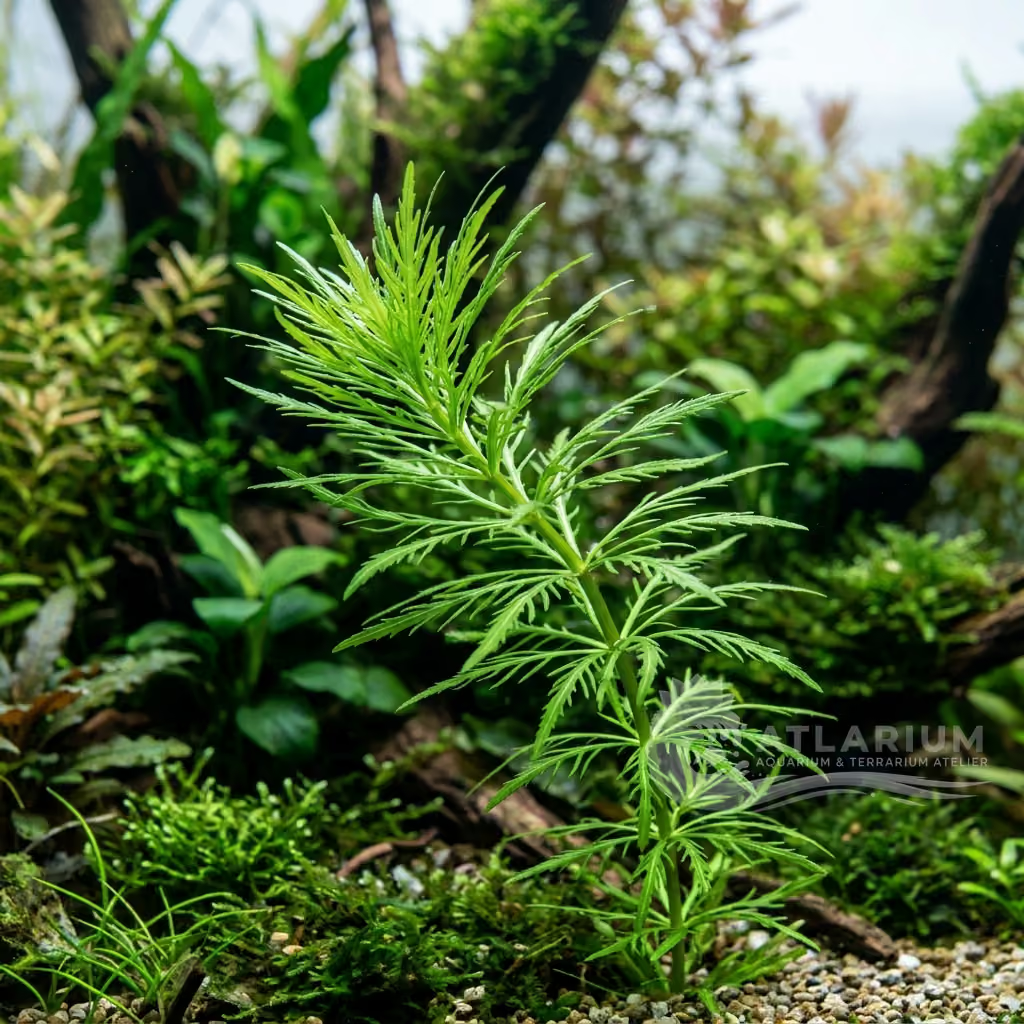
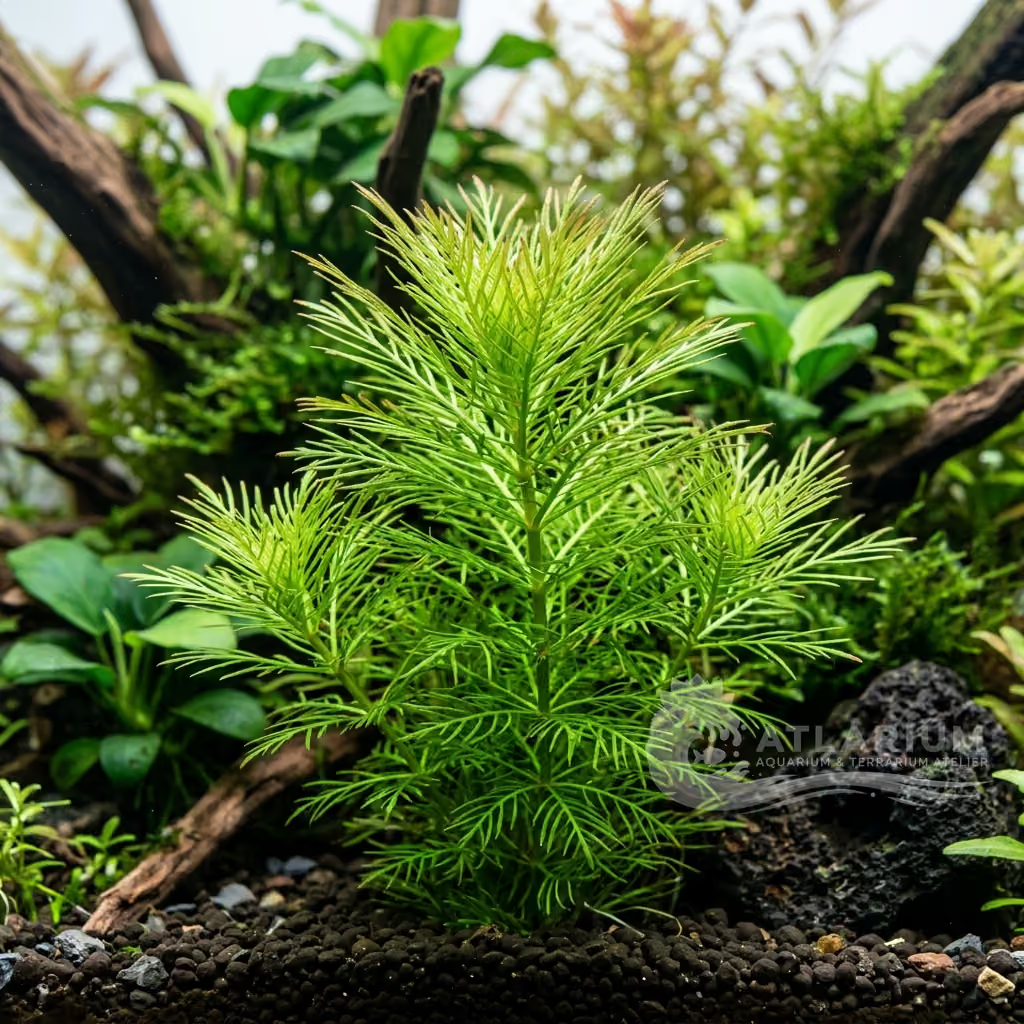
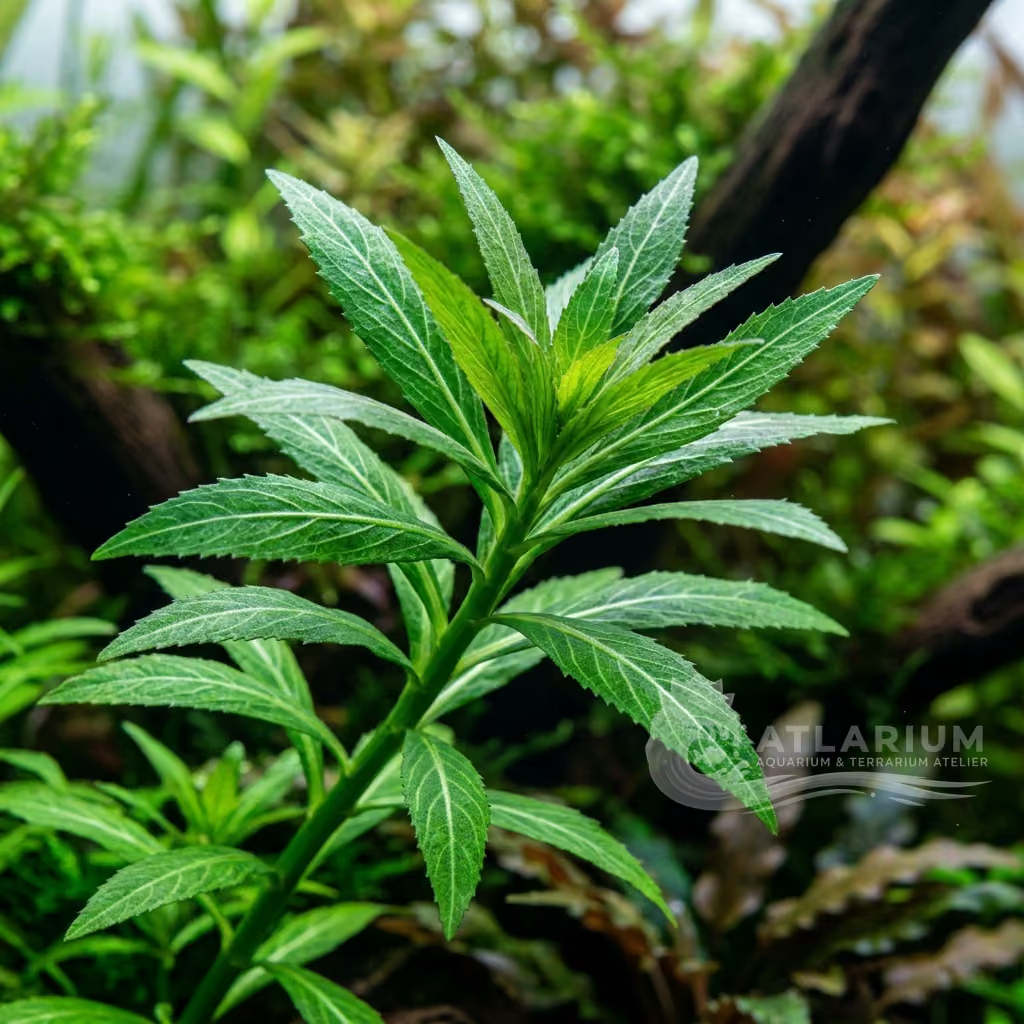
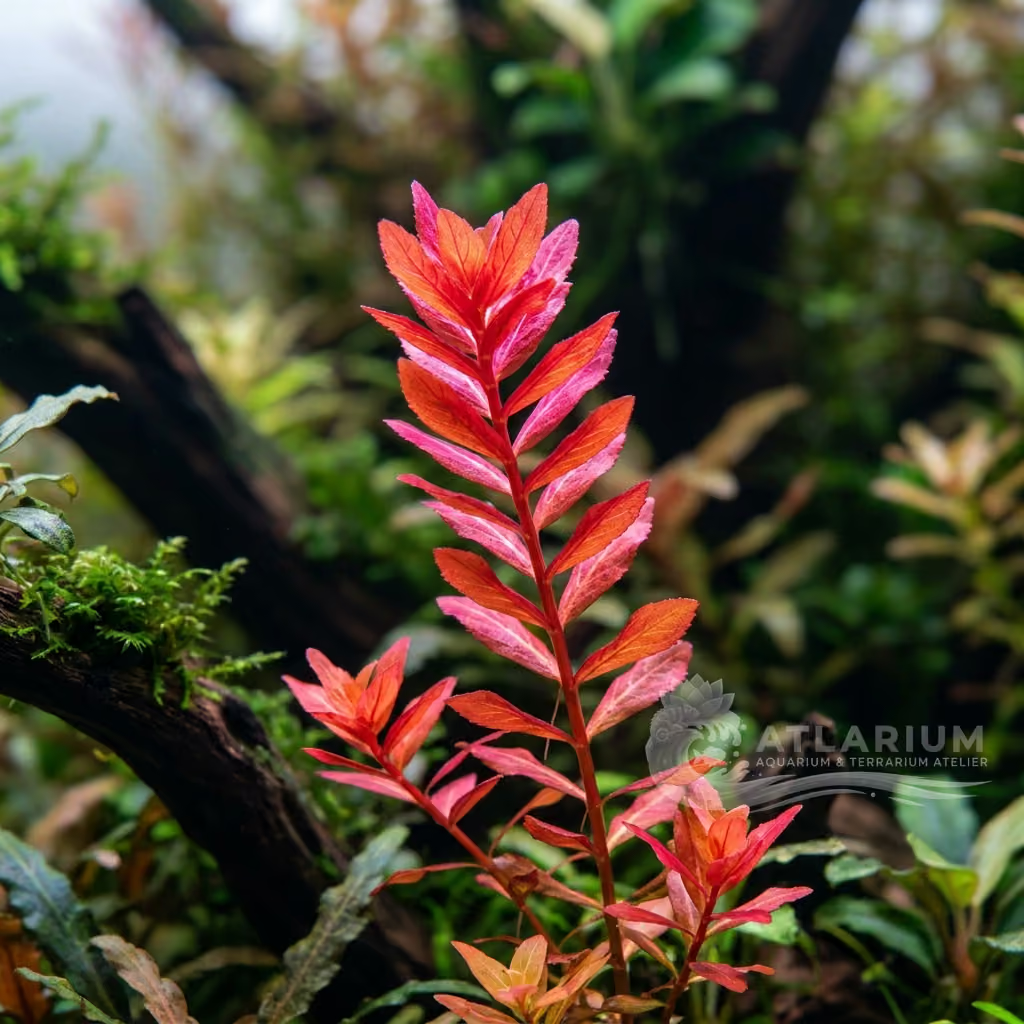
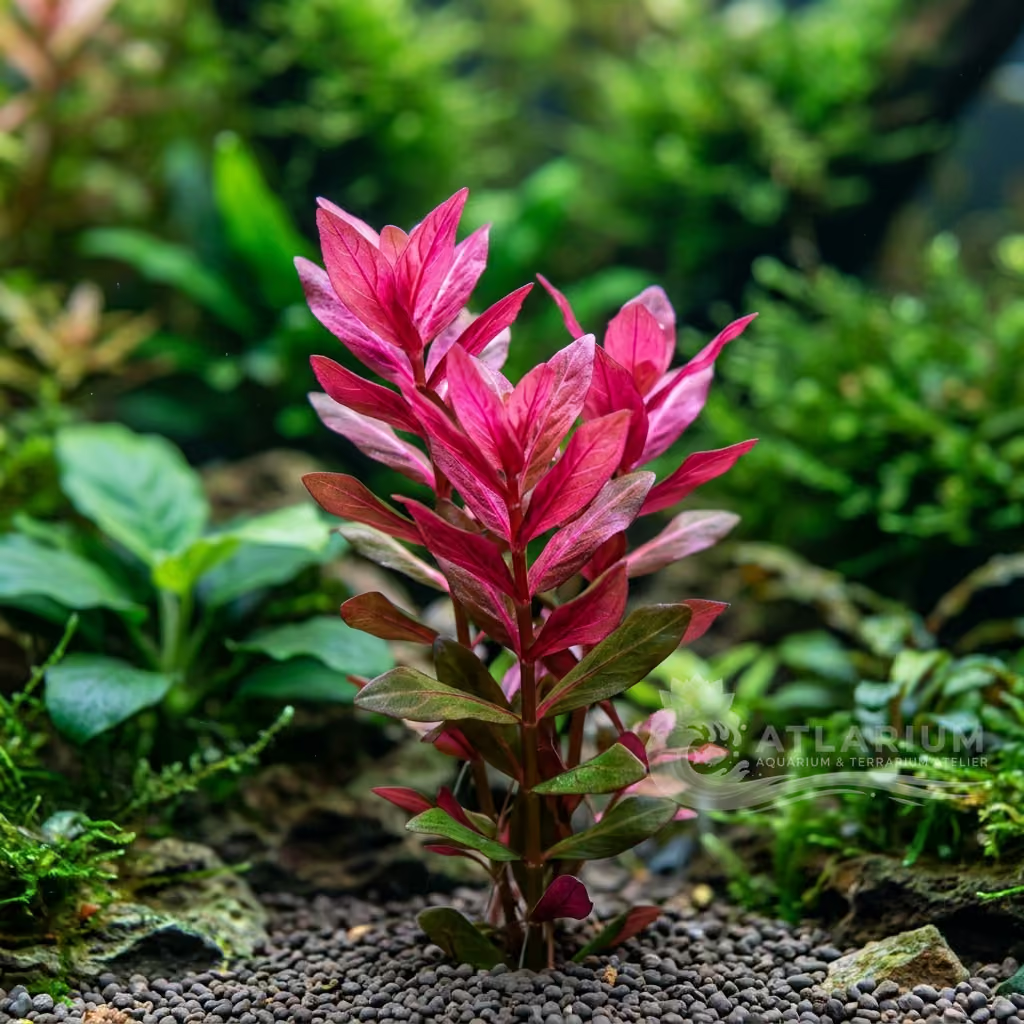
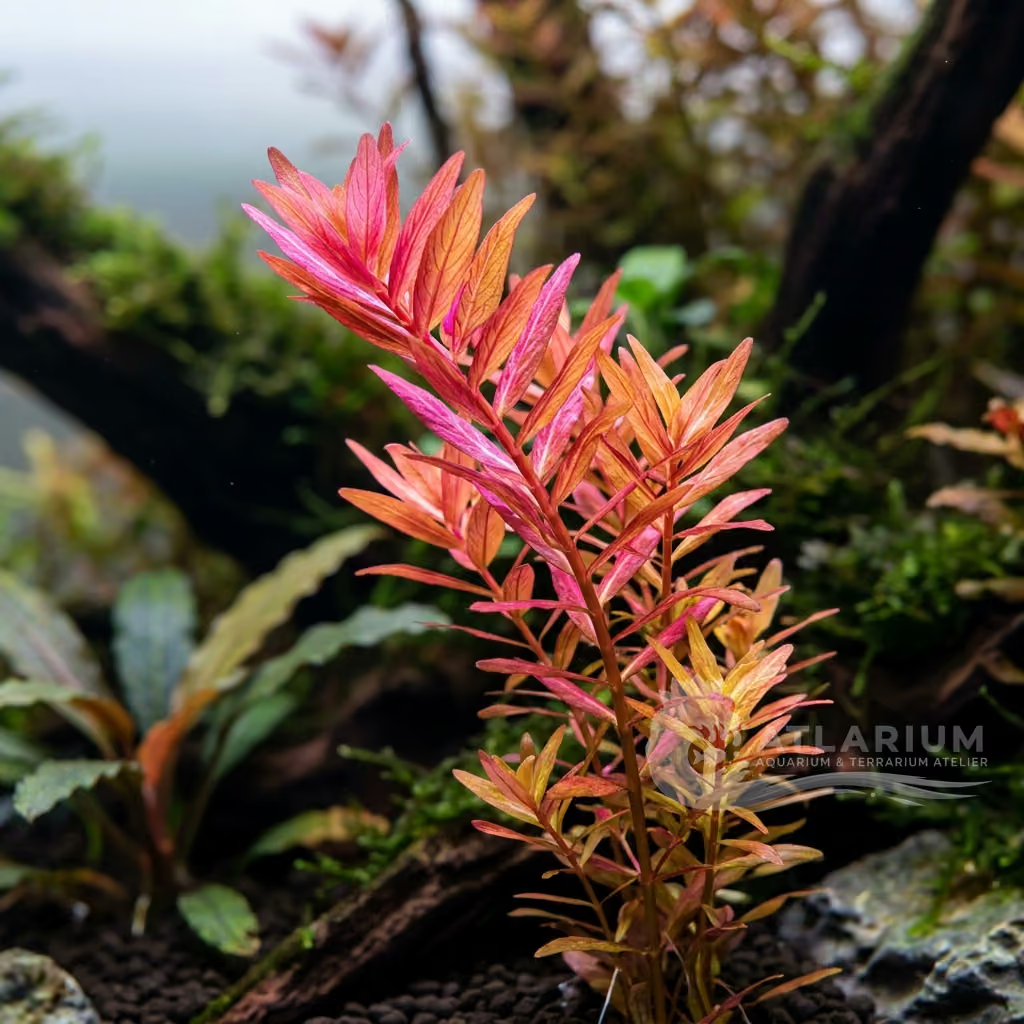
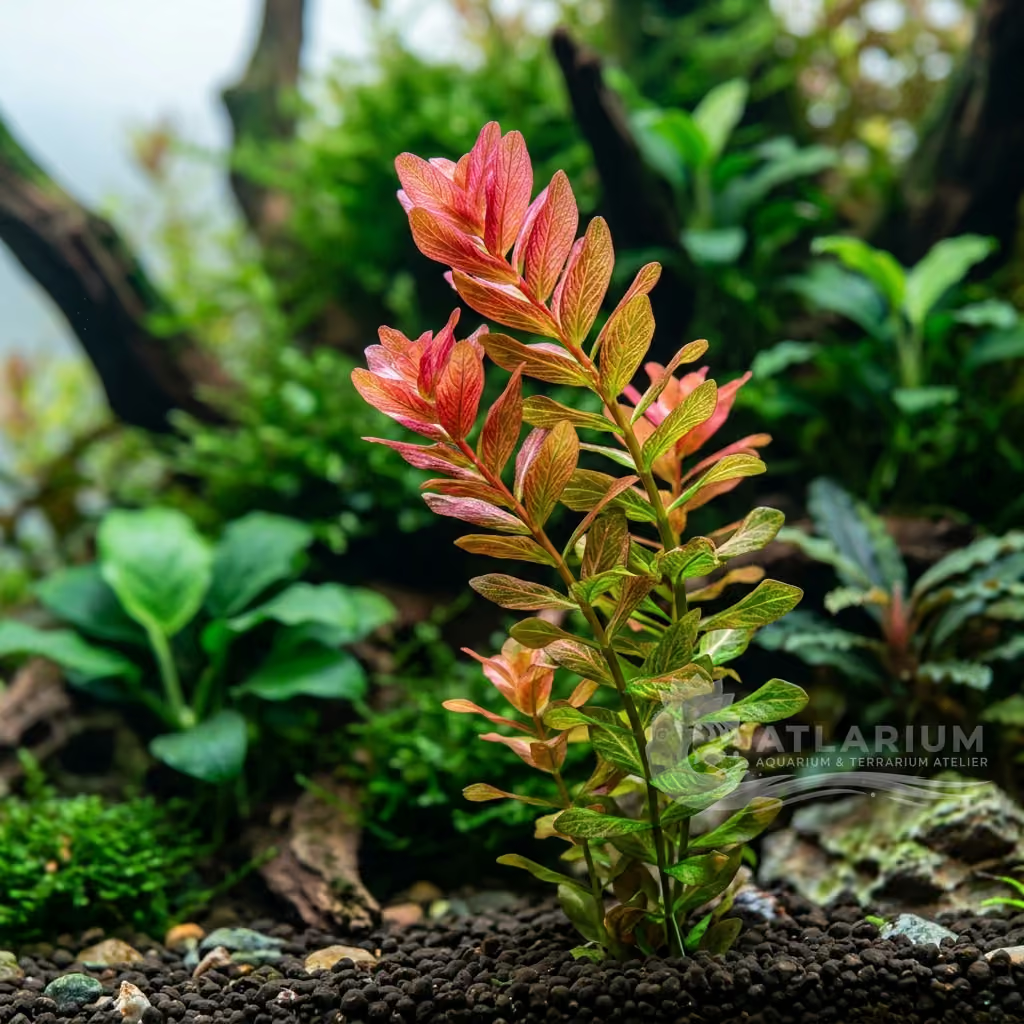
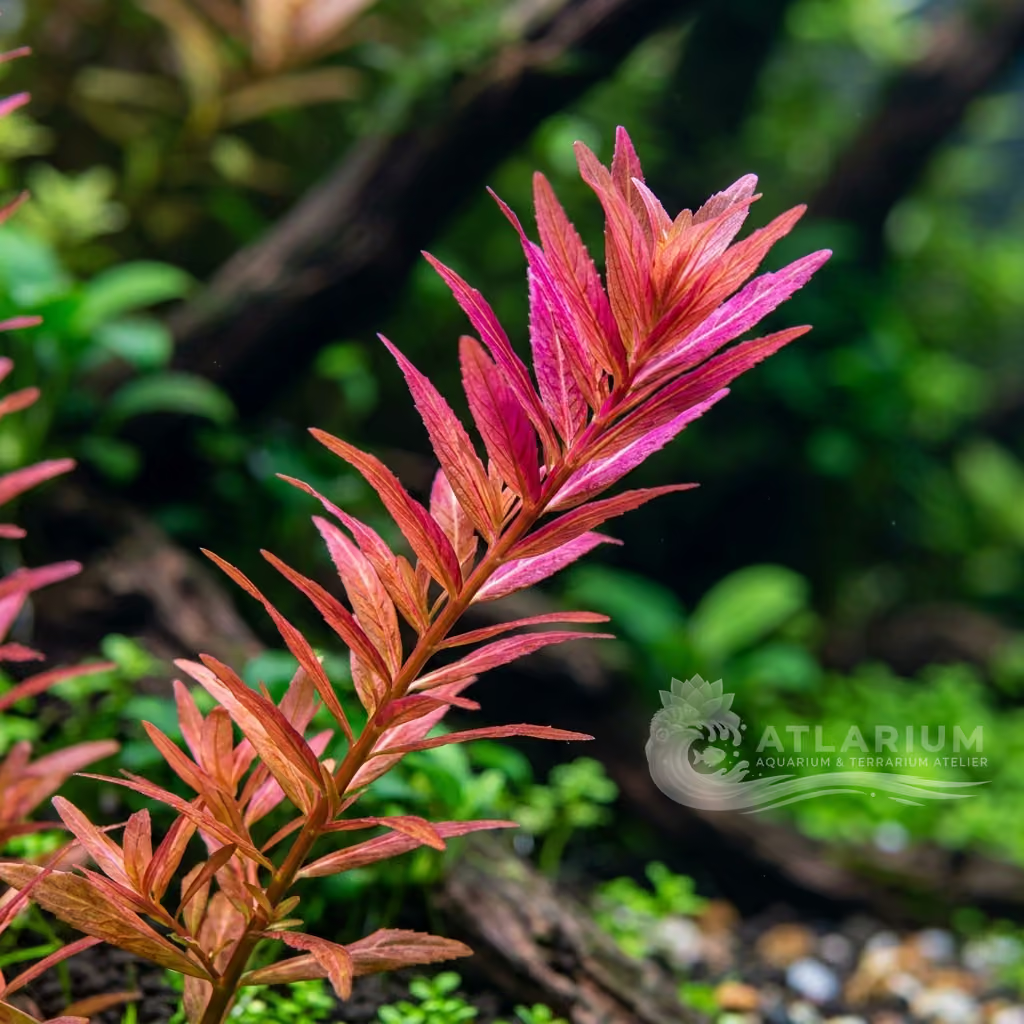
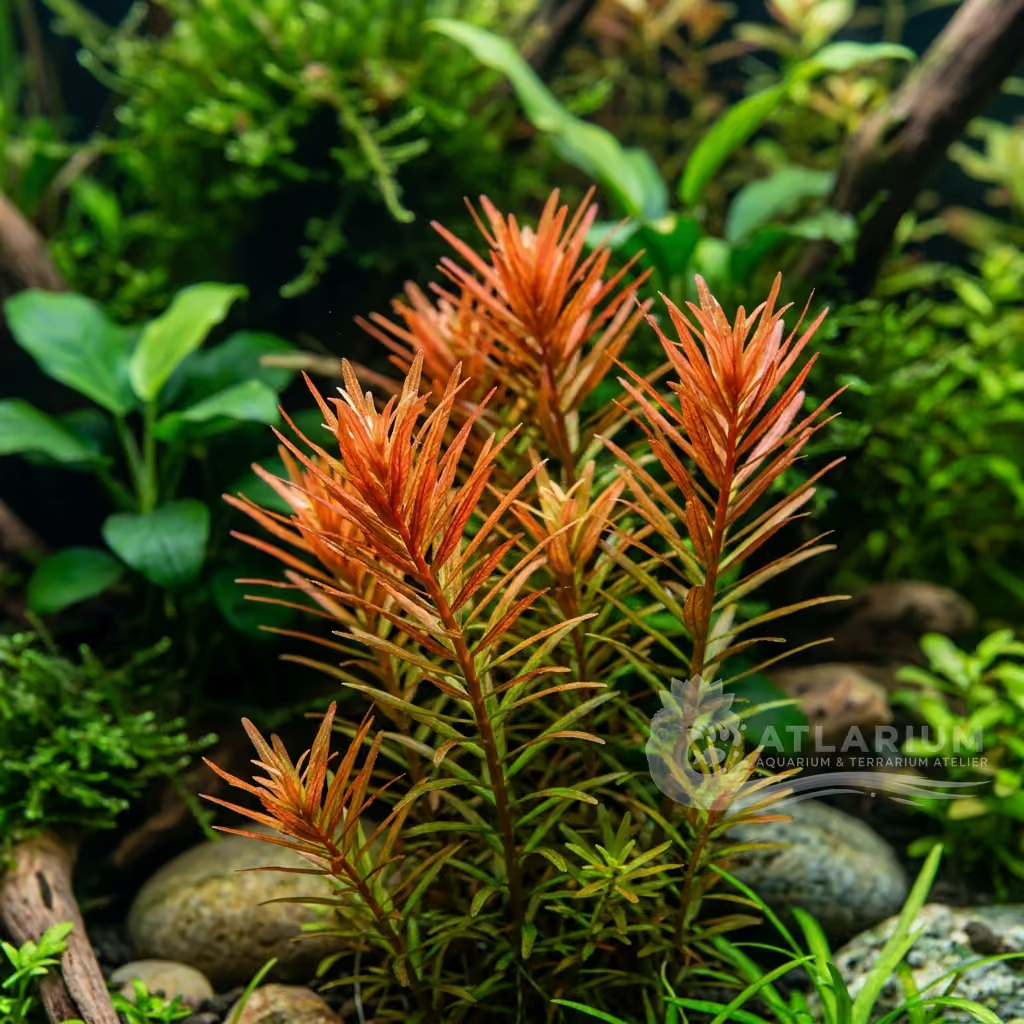
Color & Texture: The foliage of Physostegia purpurea typically presents as a vibrant green, but under optimal lighting and with adequate nutrient supply, it can develop fascinating reddish or purplish hues, justifying its specific epithet "purpurea." The leaves are lanceolate or oblong, with finely serrated margins and a slightly fleshy texture that adds visual interest. The combination of color and structure makes it a distinctive and refined element in the aquascape landscape.

Care, breeding and tankmates
Lighting & CO2: Physostegia purpurea requires medium to high illumination to fully express its chromatic potential and maintain compact growth. Insufficient light intensity could further slow its already slow growth and weaken its coloration. CO2 supplementation is strongly recommended to stimulate the plant's metabolism, promoting more vigorous growth and greater foliage density, even though the plant inherently remains slow-growing.
Nutrition & Substrate: For Physostegia purpurea, a fertile, nutrient-rich substrate is essential to support its very slow growth and encourage the development of a healthy root system. The integration of balanced liquid fertilizers, containing both macro and micronutrients, should be regular but moderate, given its low assimilation rate. It is advisable to use a specialized aquarium substrate that slowly releases nutrients, ensuring a constant supply.
Water Chemistry: This species thrives in a rather broad temperature range, from 4.0 to 25.0 °C, although more stable and moderate temperatures (around 20-24°C) are ideal for optimal growth. The pH should be maintained between 5.0 and 7.5, reflecting its preference for slightly acidic to neutral waters. Carbonate hardness (KH) can range from 0.0 to 14.0, indicating good tolerance to various water compositions, provided the values are stable and not subject to extreme fluctuations.
Space Management & Placement: Positioned in the aquarium foreground, Physostegia purpurea excels as a carpeting plant or for creating subtle, well-defined borders. Its extremely slow growth means that once planted, it will require very little maintenance in terms of
Pruning: Pruning of Physostegia purpurea is an infrequent operation due to its very slow growth, but it is necessary to maintain the desired shape and stimulate denser growth. It is recommended to only remove older or damaged leaves at the base of the stem to encourage new branching. To maintain a compact carpet, stems that tend to grow excessively tall can be trimmed, and the trimmed tops can be replanted to further densify the cluster.
Risks & Diseases: Physostegia purpurea is generally a robust plant, but like all aquatic plants, it can be subject to stress and diseases if aquarium conditions are not optimal. Nutritional deficiencies manifest as yellowing or discoloration of leaves, while algae growth may indicate an imbalance between light and nutrients. Excessive exposure to strong water currents or poor circulation can also cause stress, making the plant more vulnerable to phytosanitary problems.

Geographic origin and distribution
Physostegia purpurea, although often associated with the marshy and humid habitats of North America, exhibits remarkable adaptability that allows for its submerged cultivation in aquariums. This species generally favors riverbanks, ditches, and seasonally flooded meadow areas, where it can root in organic-rich substrates. In the aquatic context, it emulates these conditions by thriving in well-maintained environments that replicate its natural habitat, demonstrating its ecological versatility.
Origin
North America

Plant profile
- Placement
- Foreground
- This visually striking plant belongs in the midground or background of the aquascape. Planting it in dense groups creates a powerful focal point of color. Ensure it is placed in a location where it receives unobstructed, intense lighting. Trimming it into a neat, sloping bush enhances the overall depth of the aquarium.
- Botanical form
- Stem
- Botanically, Physostegia purpurea exhibits lanceolate leaves with serrated edges along an upright, fleshy stem. The leaves undergo significant morphological changes depending on environmental conditions, often becoming more intricate under high light. The dramatic purplish-green hues appear most intensely on the newest top growth. Its robust structure provides excellent contrast against plain green species.
- Growth
- Very slow
- Its growth rate is relatively fast when provided with high light, CO2 injection, and rich nutrients. It will rapidly race toward the water surface, necessitating frequent trimming to maintain its shape. Without CO2 or strong light, growth slows down considerably and the stems may become leggy. Consistent pruning encourages branching and a thicker bush.
- Substrate
- High
- A nutrient-rich aqua soil is highly recommended to support the extensive root network of this stem plant. A deep, fertile substrate allows it to anchor firmly and draw up essential macronutrients. While it can survive in inert substrates, it will require aggressive root tab supplementation. Fine to medium grain sizes work best for delicate stem insertion.
- Column fertilization
- Recommended
- Liquid fertilization is crucial to supplement the micronutrients and potassium not fully provided by the substrate. Dosing a comprehensive fertilizer ensures the leaves remain robust and free of pinholes. Specialized iron supplements are highly beneficial to enhance its vivid red pigments. Consistent water column nutrients prevent the lower leaves from deteriorating.
- Root fertilization
- None
- As a heavy root feeder, Physostegia purpurea thrives when its roots have access to concentrated nutrients. Using a high-quality aqua soil or inserting root tabs deeply into the substrate promotes thick, healthy stems. Replenish root tabs every few months to ensure uninterrupted growth. A well-fed root system is the foundation for its striking upper foliage.
- Trimming
- Occasional
- Trimming Physostegia purpurea requires a careful approach to encourage bushy and attractive regrowth. Use sharp aquascaping scissors to make clean cuts just above a healthy set of leaves or nodes. Regular pruning prevents the lower portions from becoming shaded and bare. The cuttings can often be replanted to propagate the species further.
- Propagation
- Cuttings
- Propagation is performed simply by taking stem cuttings. Cut the top portion of a healthy stem and gently replant it into the substrate. The newly planted top will quickly develop roots, while the original cut stem will sprout multiple new side shoots. This process is key to achieving a dense, colorful thicket.
- Sensitivity
- Moderate
- Physostegia purpurea can be somewhat sensitive to sudden fluctuations in water parameters, particularly large pH or temperature swings. Algaecides and certain chemical treatments should be used with extreme caution. It requires a stable environment with consistent CO2 levels to prevent melting. Maintaining excellent water quality through regular changes is essential for its well-being.
- Layout role
- Foreground, Midground, group
- In terms of aquascaping, Physostegia purpurea plays a vital role as a structural or accent element. Its stem nature and bright green appearance make it perfect for creating focal points or softening hardscape lines. By grouping several stems or patches together, you can achieve a dense and visually striking effect. It seamlessly bridges the gap between different zones in the aquarium.

Related species
Recommendations grouped by close relatives, companion choices, and similar care.