Pogostemon quadrifolius
Pogostemon quadrifolius
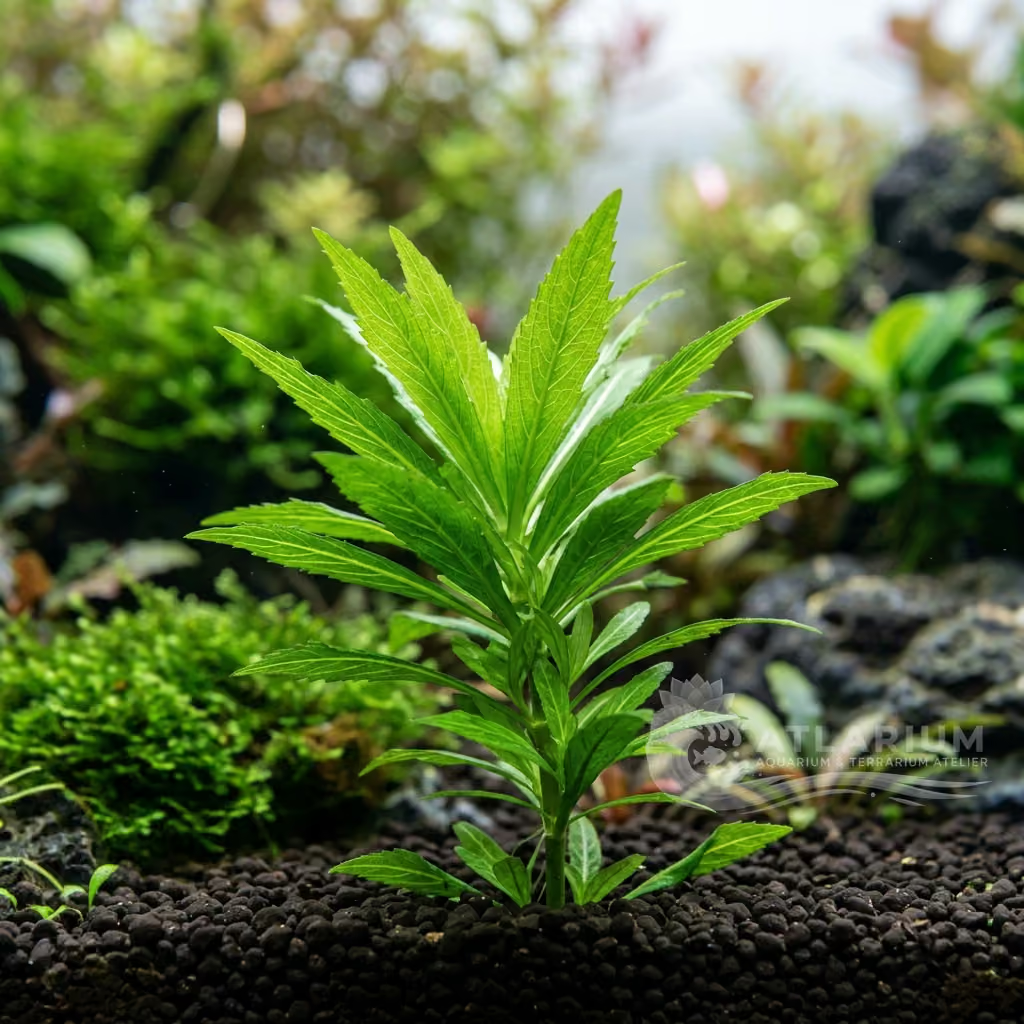
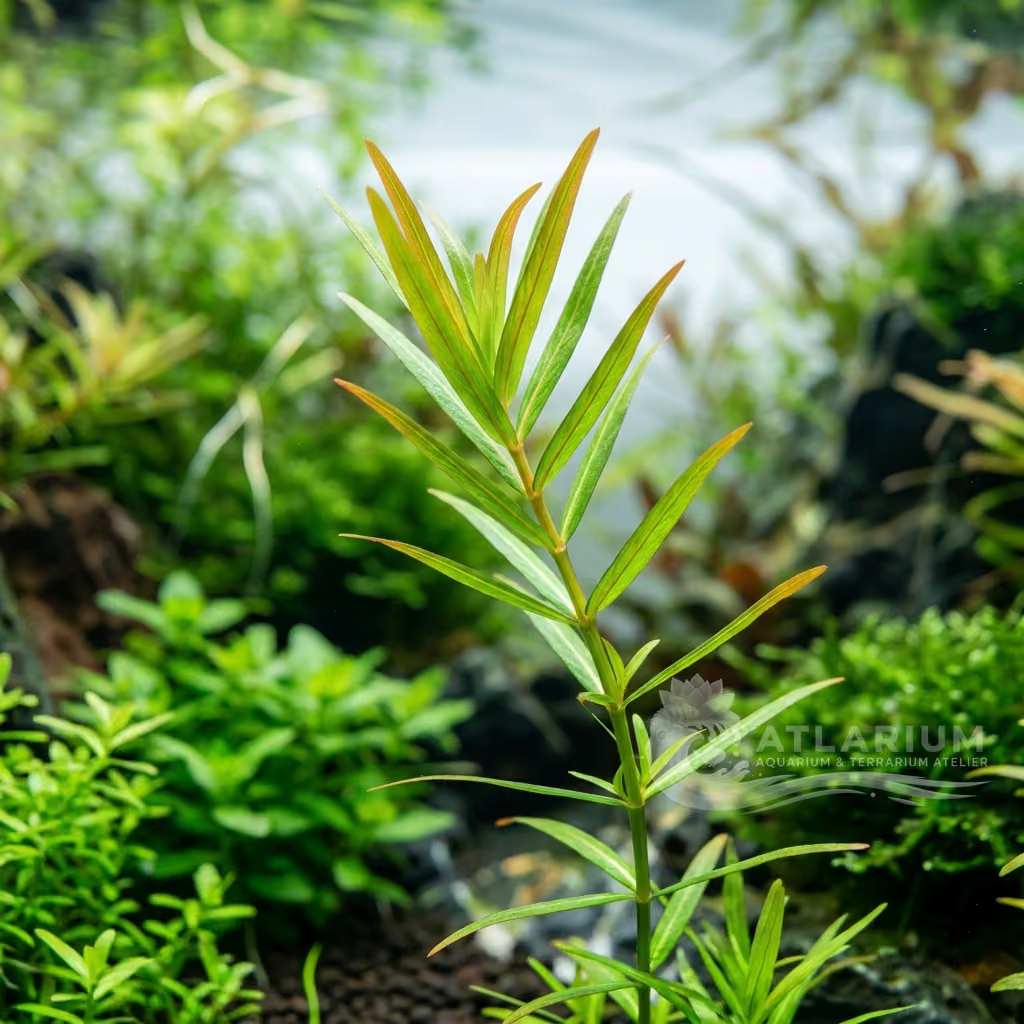
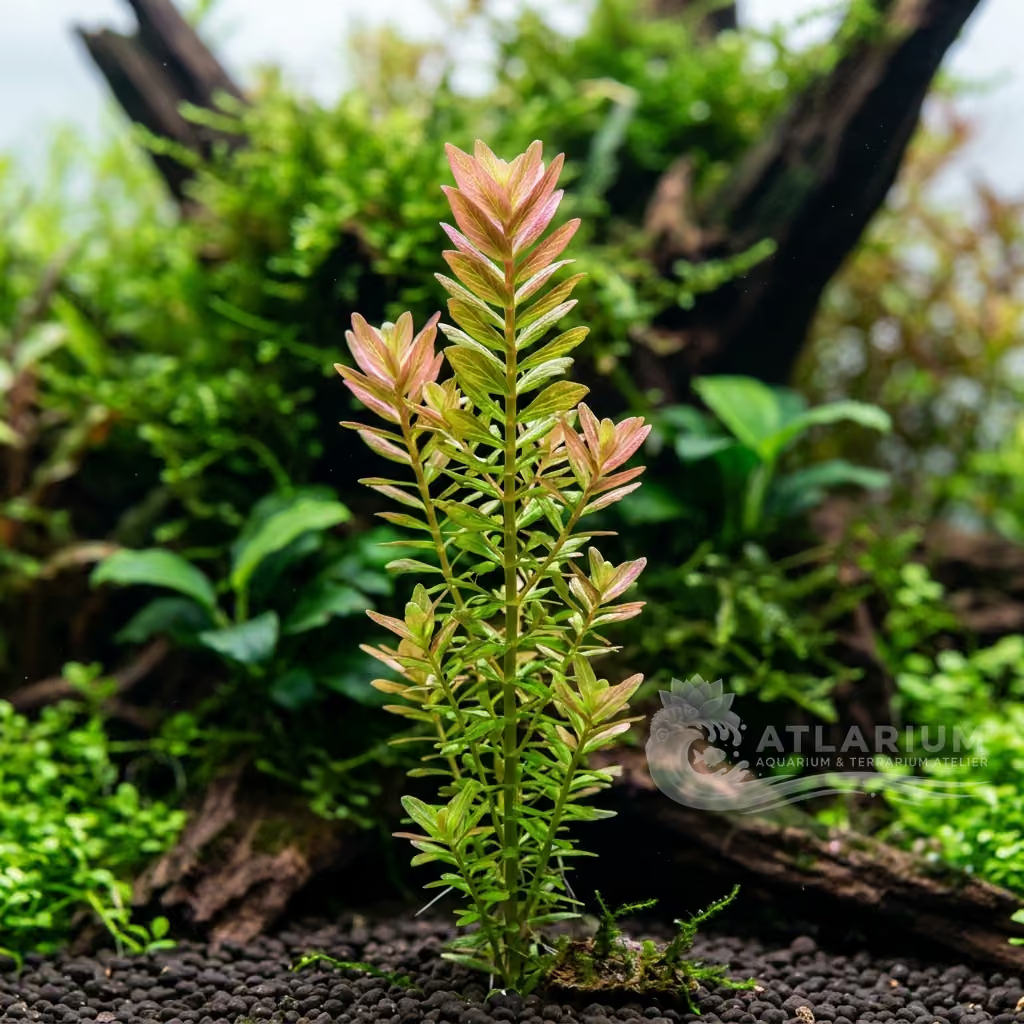
Pogostemon quadrifolius is a very fast-growing stem plant, ideal for the midground, forming dense and vibrant clusters. It thrives with medium to high light, CO2, and adequate fertilization.
Water Temperature
22 - 28 °C
pH Value
6.5 - 7.5
Water type
Freshwater
Light
Medium - High
CO2
High
KH
1 - 18 dKH

Species description
Geographical Origin and Habitat: Pogostemon quadrifolius originates from the humid and tropical regions of Southeast Asia, specifically from countries like India and Sri Lanka. In its natural habitat, this species flourishes along the banks of rivers, streams, and in marshy areas, often found in both submerged and emergent forms depending on the season and water levels. These natural conditions, characterized by nutrient-rich waters and warm temperatures, inform its cultivation requirements in the aquarium. Its adaptability to various aquatic contexts makes it a versatile choice for the attentive aquarist seeking a robust plant.
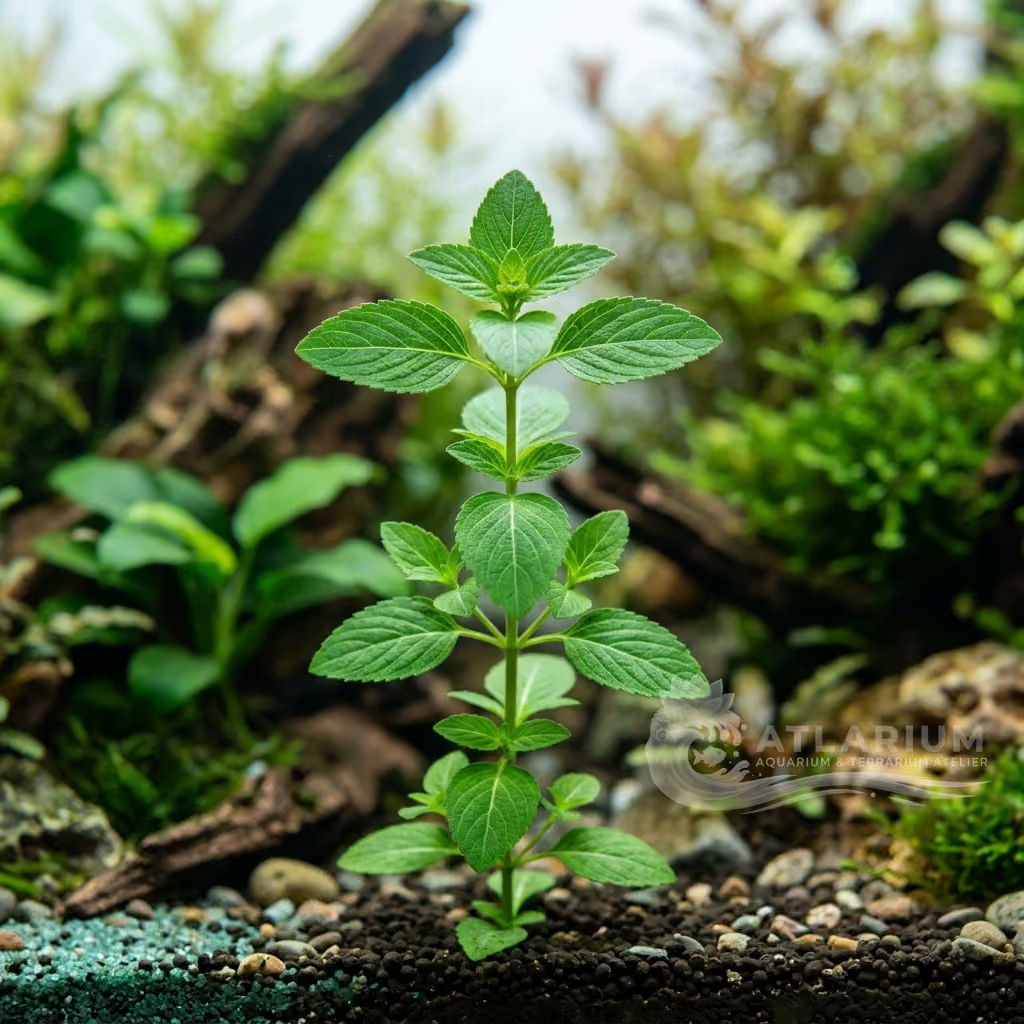
Taxonomy & Genetics: Belonging to the Lamiaceae family, the same as well-known aromatic plants like mint and rosemary, the genus Pogostemon includes several species prized in aquascaping for their beauty and vitality. The name "quadrifolius" typically refers to the leaf arrangement, often in whorls of four in its emergent form, although in submerged environments, the arrangement can vary, sometimes appearing in whorls of three or five, or even opposite. This classification highlights its kinship with other popular aquatic plants such as Pogostemon helferi and Pogostemon erectus, sharing some morphological characteristics and general care requirements. Its genetic makeup provides it with remarkable robustness under optimal conditions.
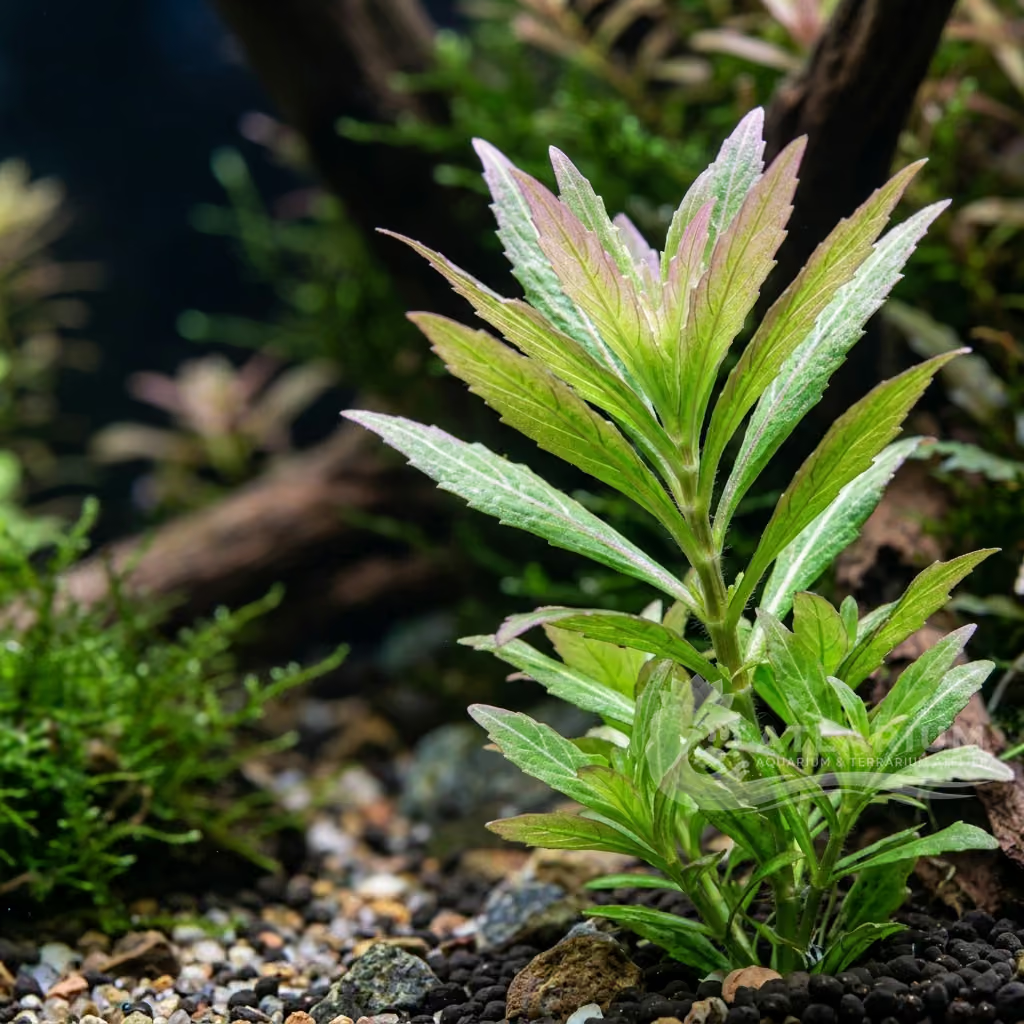
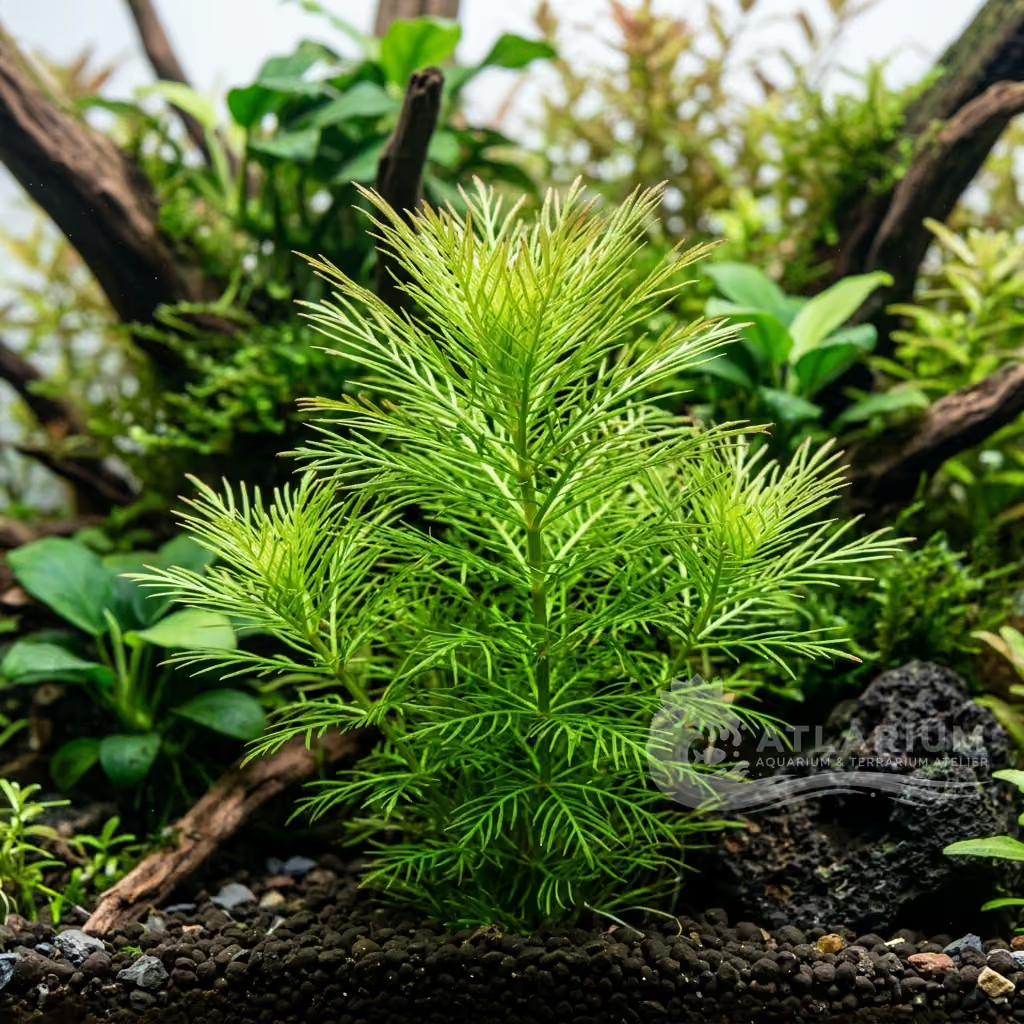
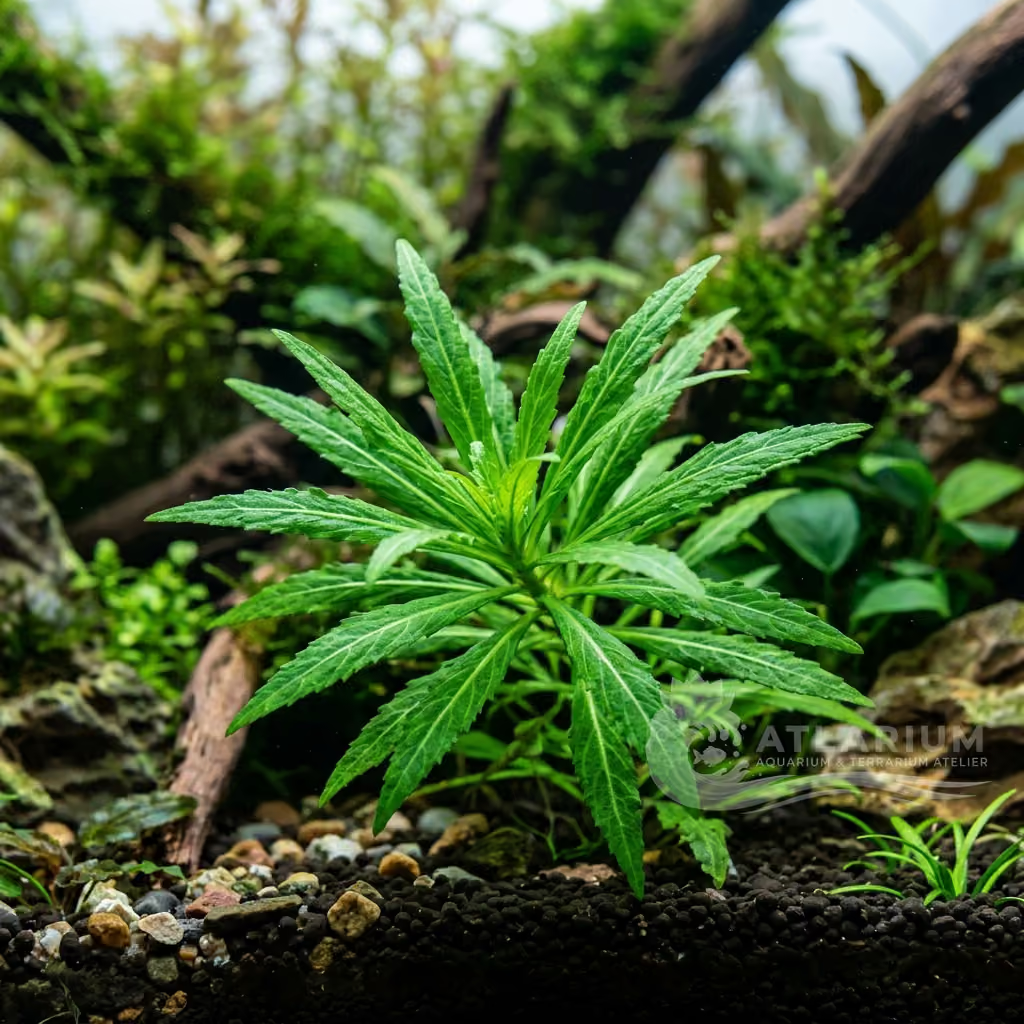
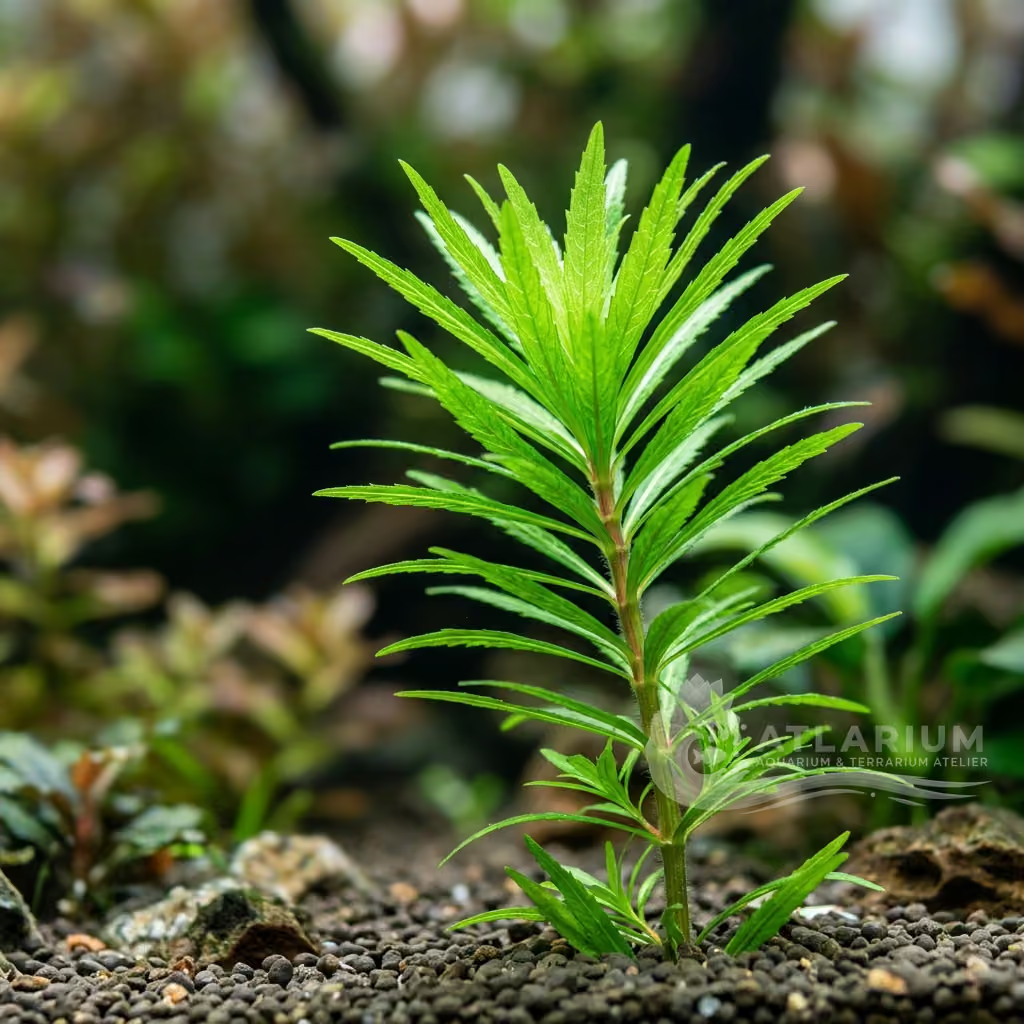
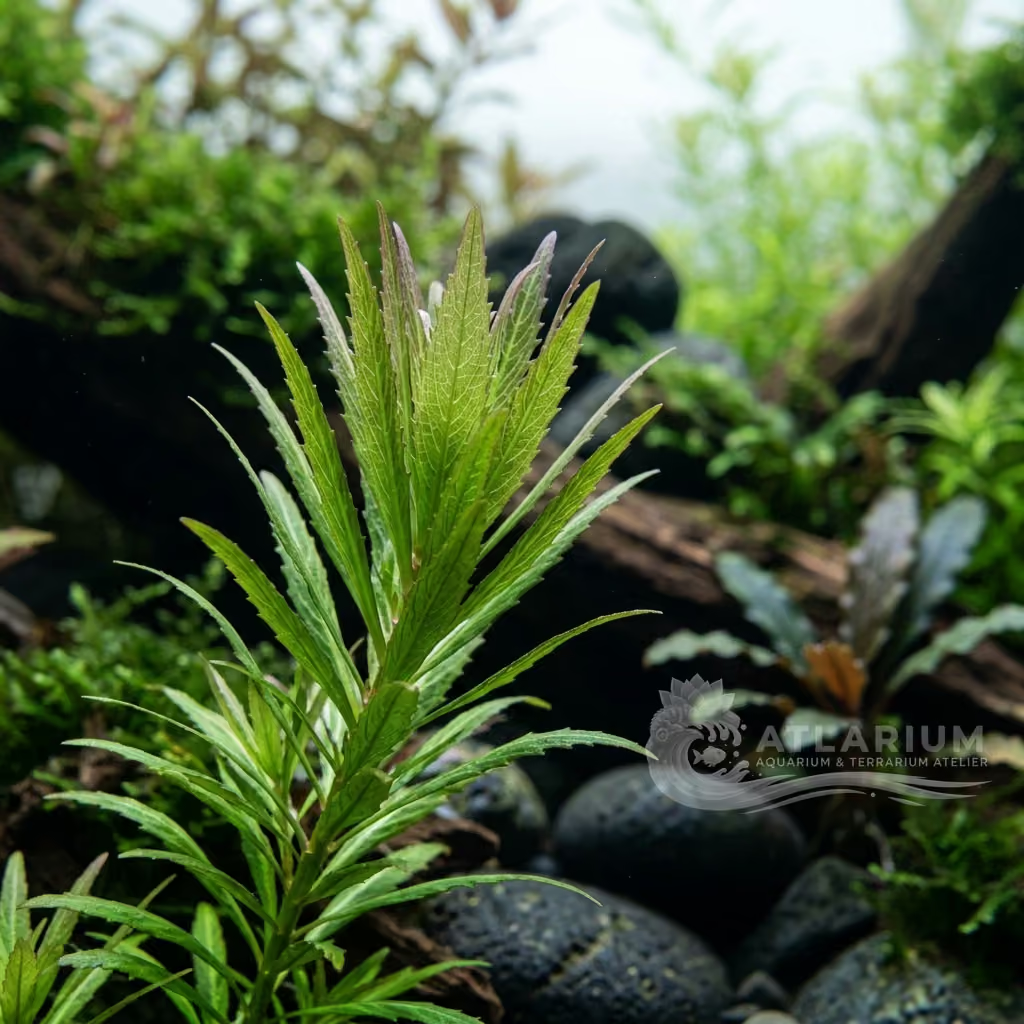
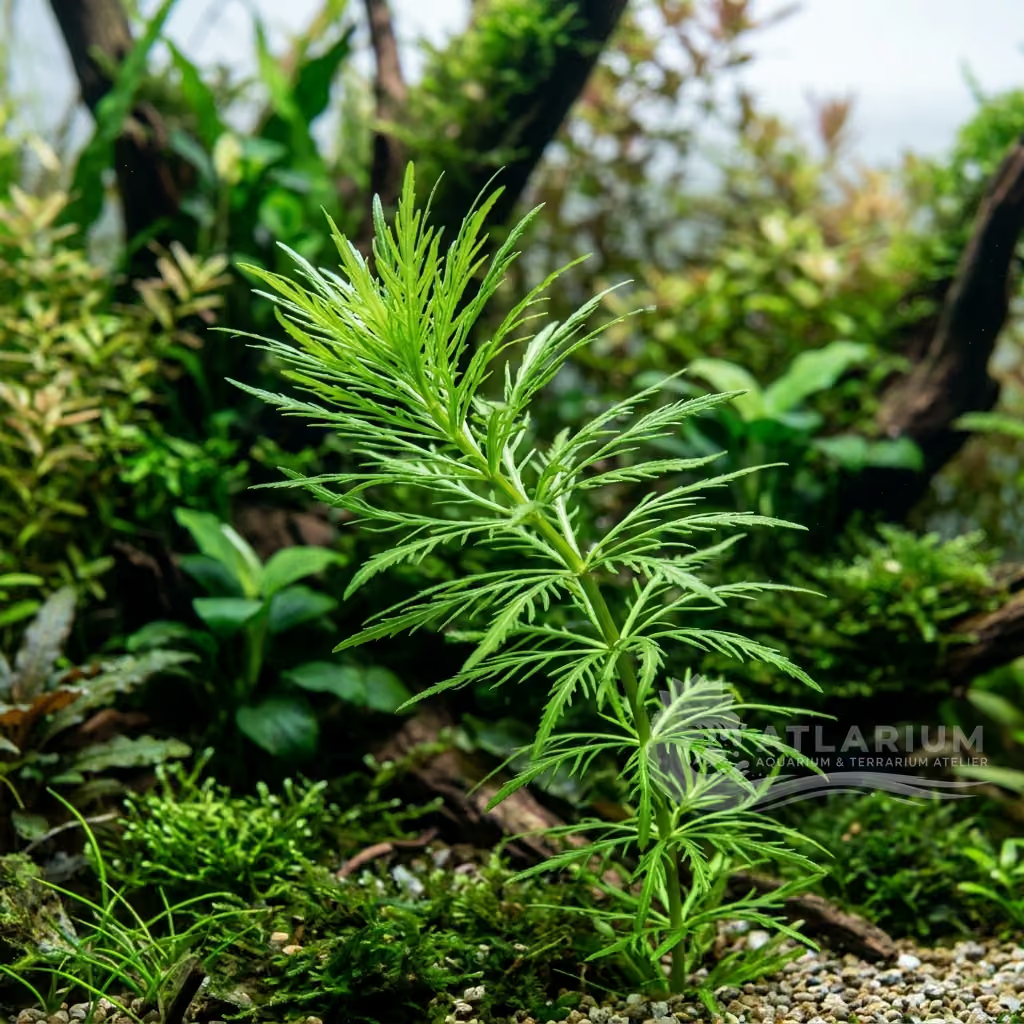
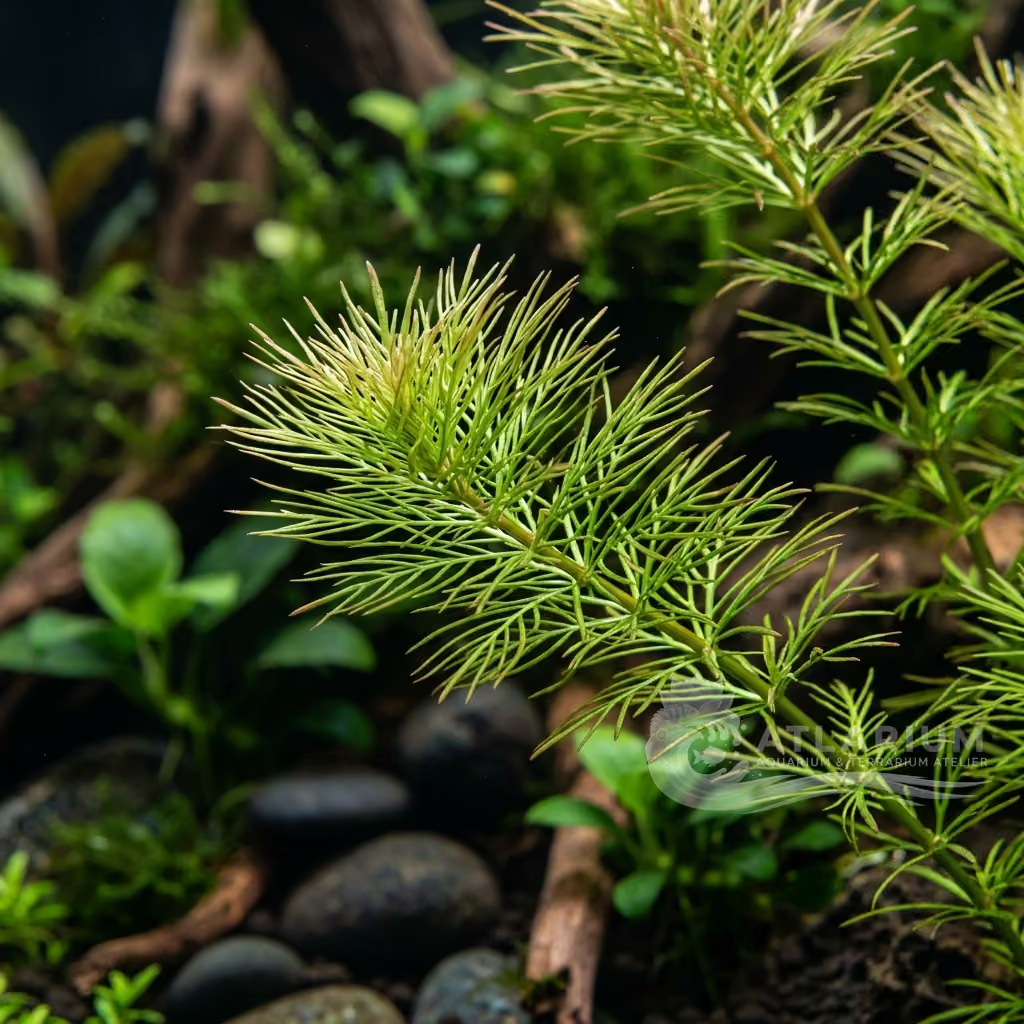
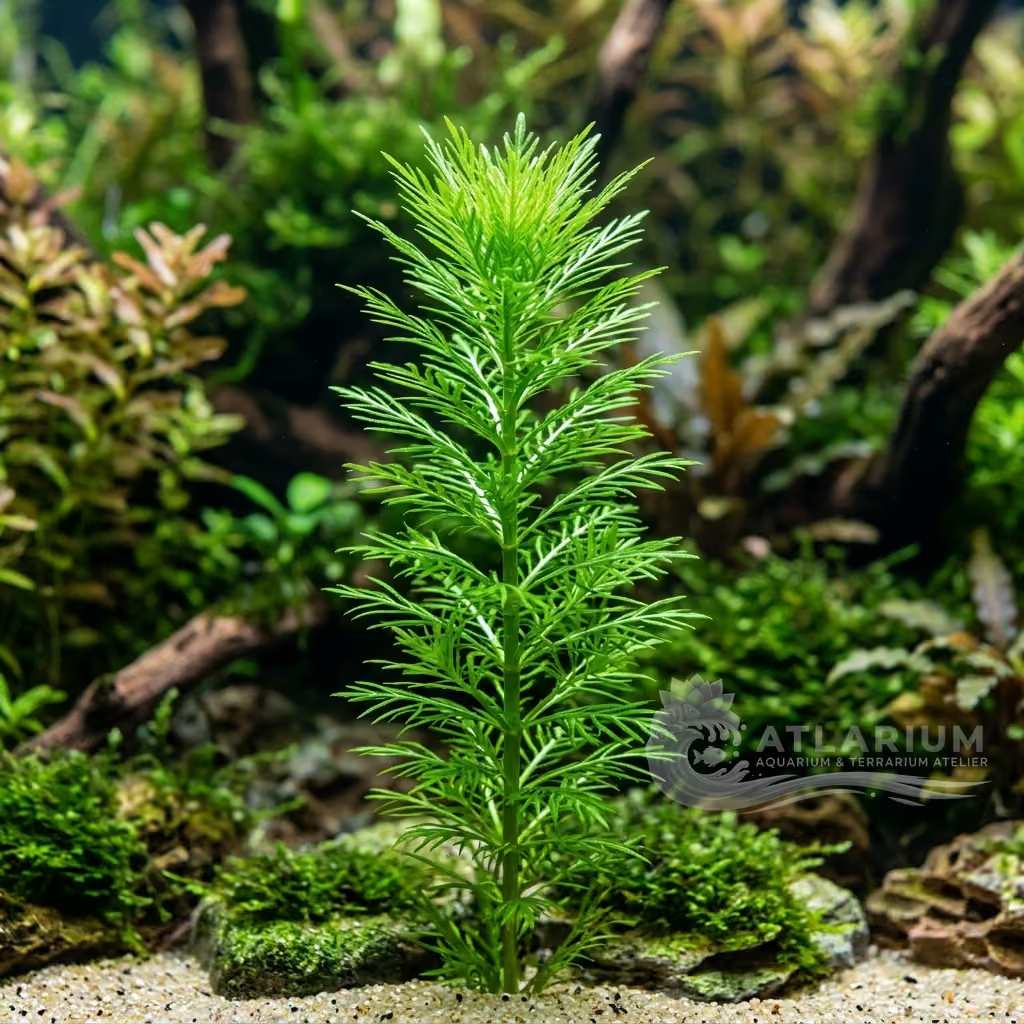
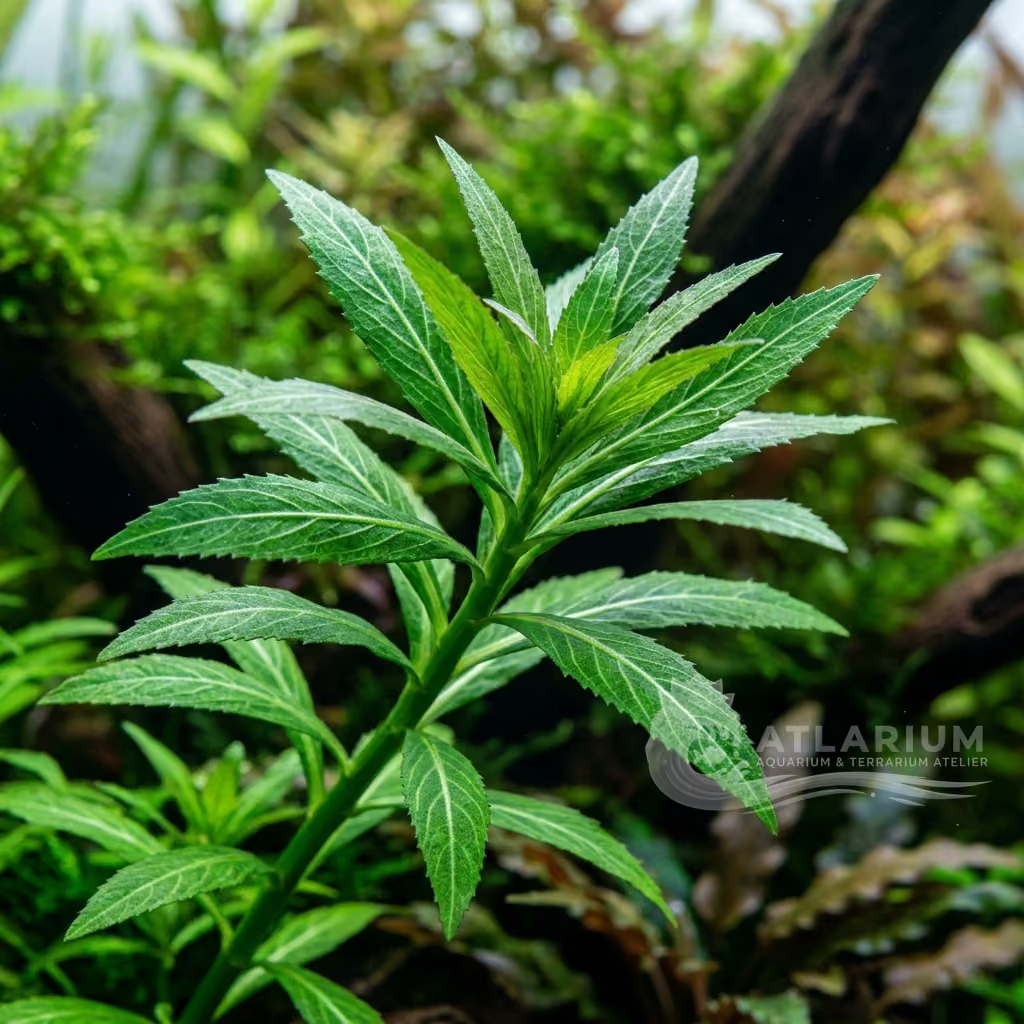
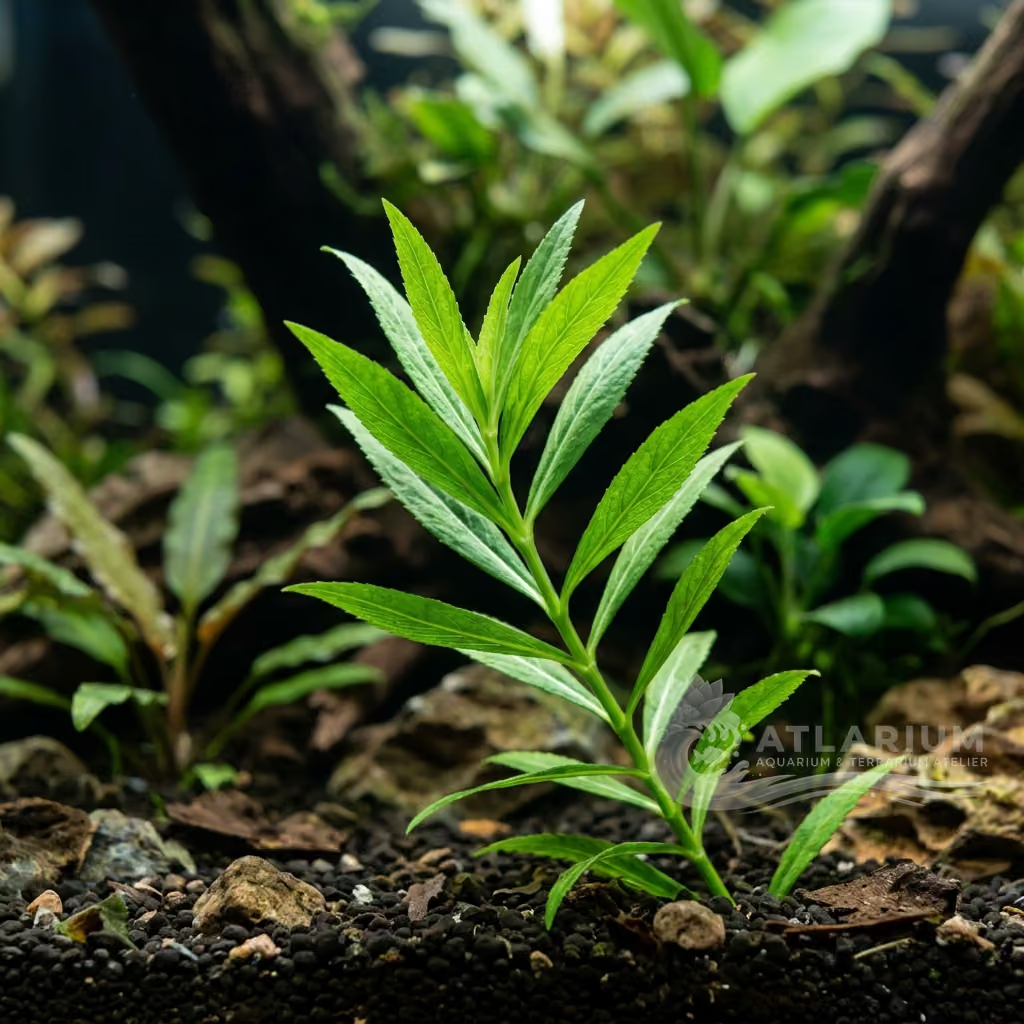
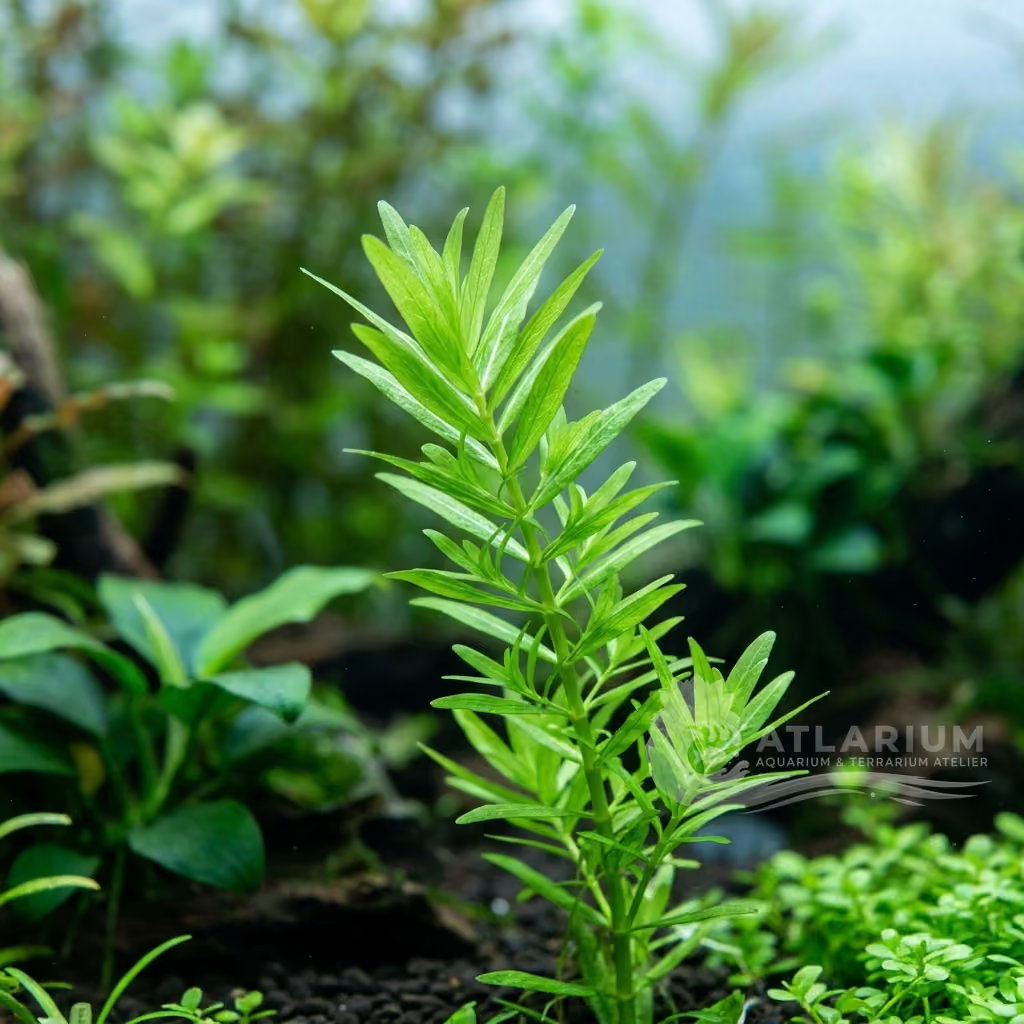
Physical Structure: Pogostemon quadrifolius is a robust, vertically growing stem plant characterized by relatively thick stems and an erect habit that can reach considerable heights. The submerged leaves are generally lanceolate or linear, bright green, and develop in whorls or opposite pairs along the stem, though the specific number of leaves per node can vary from the "quadrifolius" indication. With its rapid and vigorous growth, this plant can quickly fill its allocated space, creating a lush and dense appearance. Its sturdy structure makes it less fragile than some other stem plants, facilitating pruning and replanting operations.
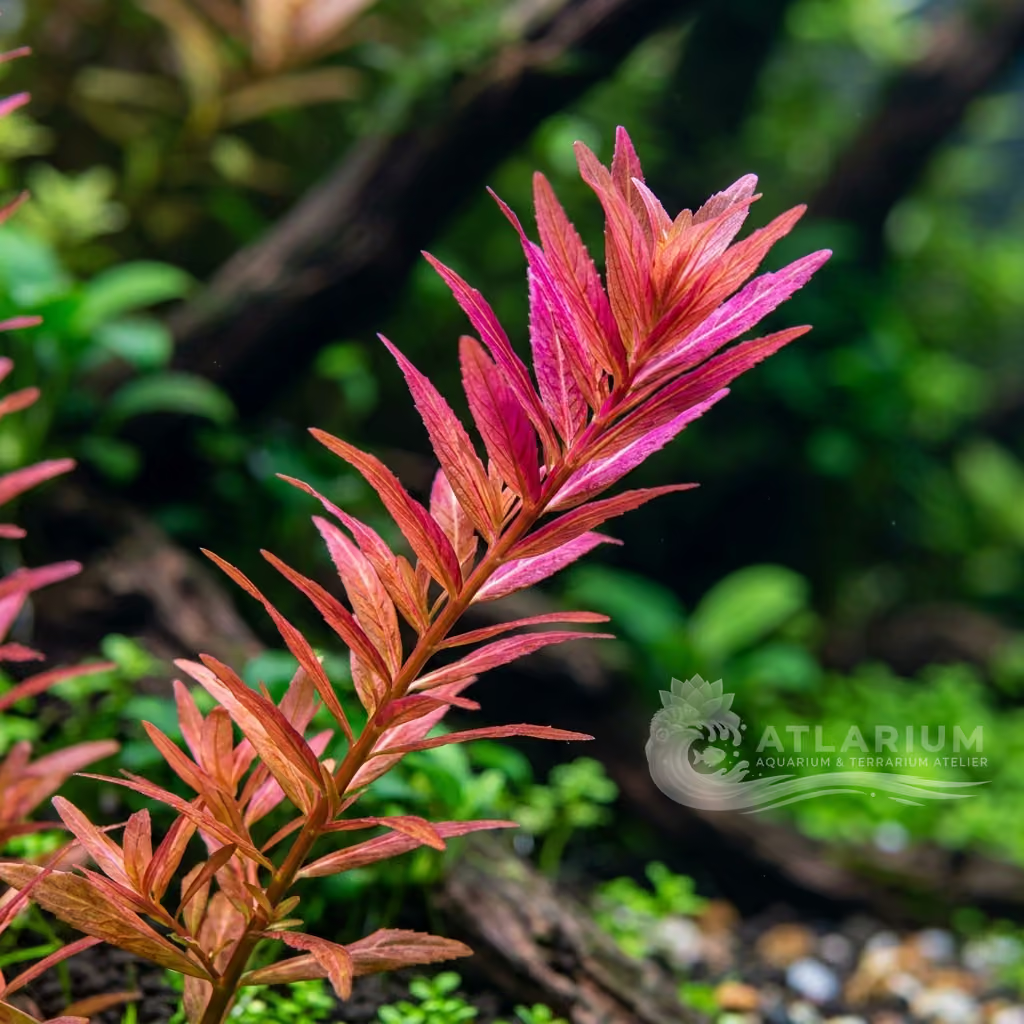
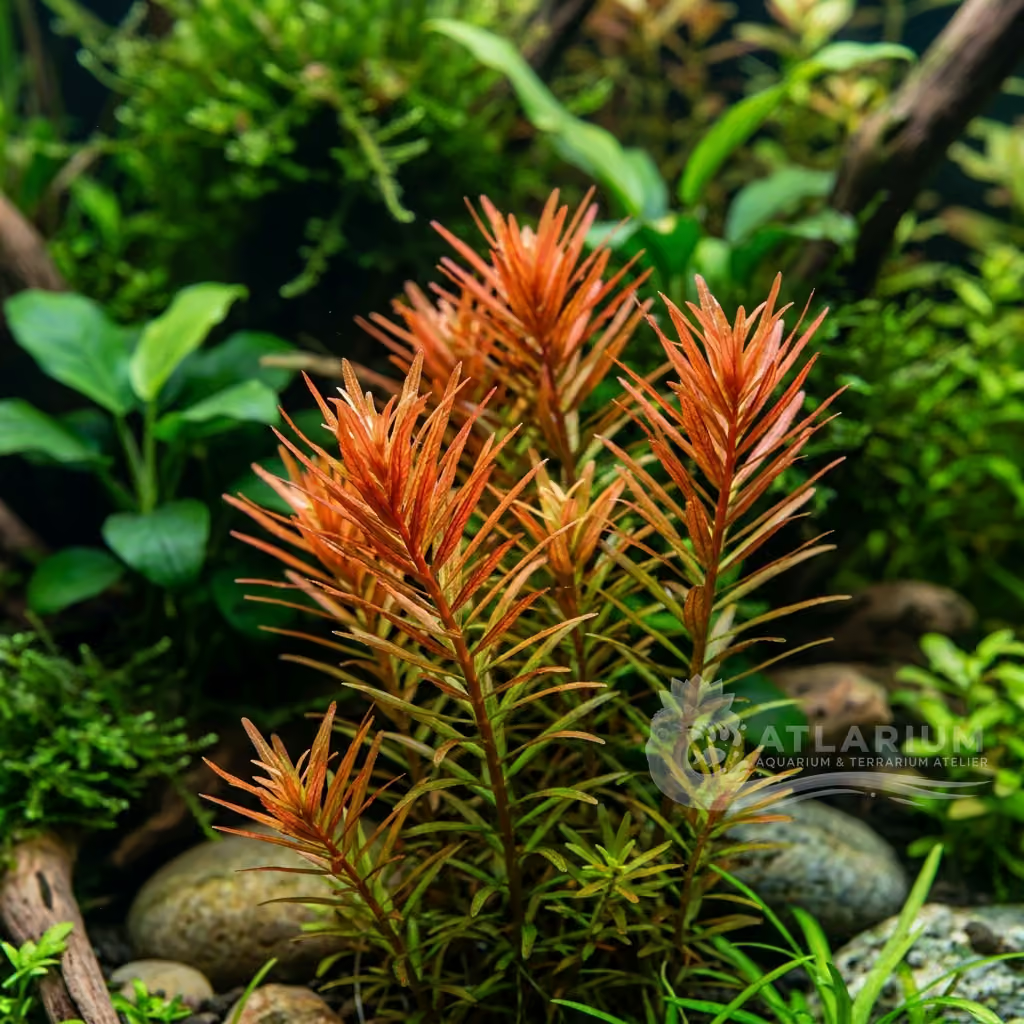
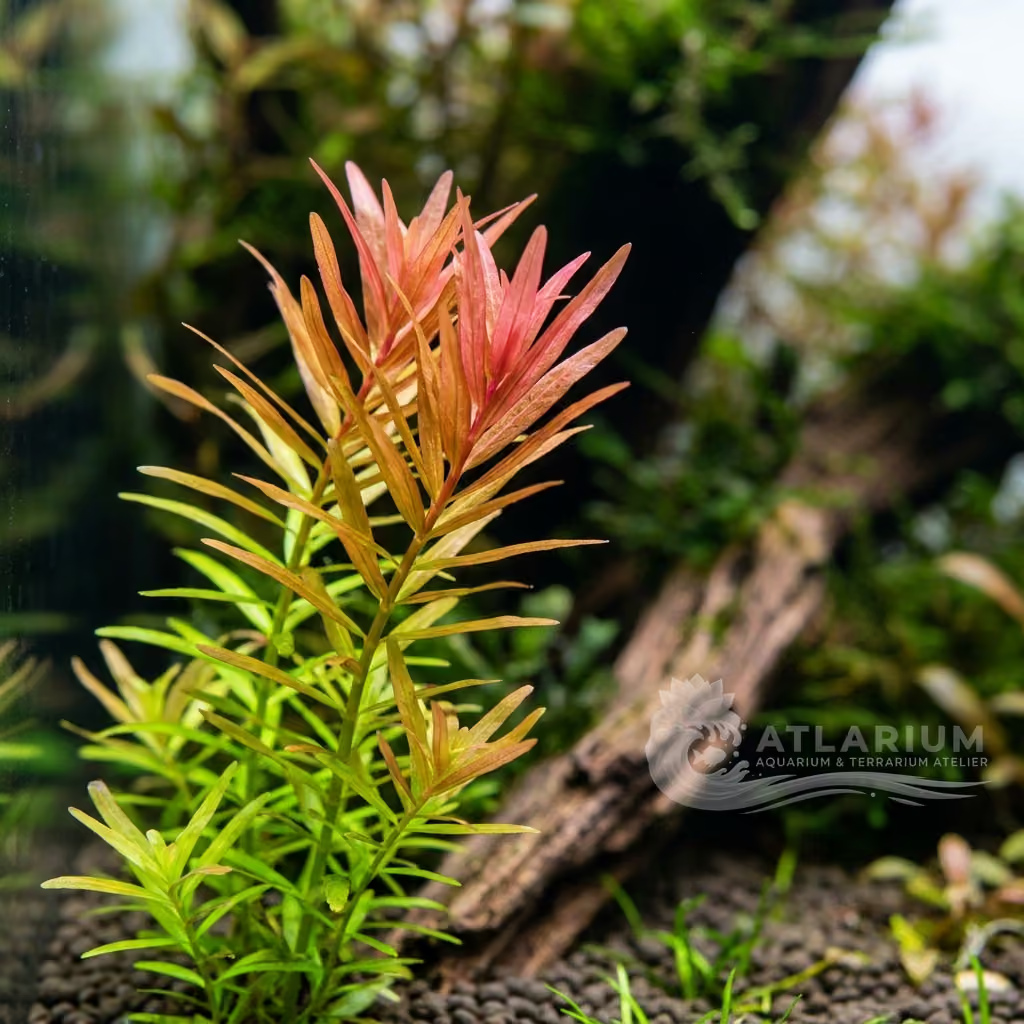
Color & Texture: The foliage of Pogostemon quadrifolius primarily displays a bright and vibrant green hue, which can take on more intense shades and sometimes a hint of reddish or orange under very intense lighting conditions and with good iron availability. The leaves have a relatively delicate texture to the touch but are resilient and maintain a well-defined shape, contributing to a lush and dense appearance within the aquarium. The leaf surface is smooth and slightly glossy, reflecting light pleasingly and adding visual depth. The uniformity of color and leaf density make it an attractive focal point in any aquascape.

Care, breeding and tankmates
Lighting & CO2: This species requires medium to high illumination to fully express its growth potential and vibrant color. Insufficient lighting can lead to leggy stems, faded leaves, and stunted growth, compromising the desired density, while strong lighting enhances its robustness and potential reddish coloration. CO2 supplementation is considered essential to support its "very fast" growth rate and to prevent calcium carbonate precipitation on the leaves, a common issue in harder
Water Chemistry: A consistent supply of carbon dioxide optimizes nutrient assimilation and promotes efficient photosynthesis, leading to healthier and more vigorous growth.
Nutrition & Substrate: Given its extremely rapid growth, Pogostemon quadrifolius is a highly demanding plant in terms of nutrition and greatly benefits from a rich environment. A fertile substrate, enriched with slow-release nutrients or supplemented with root tabs placed directly beneath the roots, is strongly recommended. Regular use of liquid fertilizers that provide both macronutrients (nitrogen, phosphorus, potassium) and micronutrients, particularly iron and magnesium, is crucial to prevent deficiencies. A lack of these elements can manifest as yellowing of older or new leaves, holes, or significantly slowed growth, impacting the plant's overall health and aesthetic appeal.
Water Chemistry: Pogostemon quadrifolius adapts to a water temperature range between 20 and 28 °C (68-82°F), demonstrating good tolerance to variations within this range, although stable conditions are always preferable for optimal health. Regarding pH, it prefers slightly acidic to neutral values, between 6.5 and 7.5, though it can tolerate slight deviations if other conditions are optimal and consistent. Carbonate hardness (KH) can vary widely, from 1.0 to 18.0, indicating remarkable adaptability to different water compositions, provided that parameters are maintained stably and sudden fluctuations that could stress the plant are avoided.
Space Management & Placement: As a fast-growing stem plant that can reach considerable dimensions, Pogostemon quadrifolius is ideally placed in the midground or background of the aquarium, depending on the desired final height and the overall aquascape layout. To create a bushy and dense effect, it is advisable to plant several stems close together, but maintaining sufficient space to allow light to reach the lower leaves and promote good water circulation among the plants. Proper placement prevents self-shading of the underlying stems and encourages uniform and healthy growth of the entire group, contributing to a fuller, more impactful display.
Pruning: Due to its "very fast" growth, pruning is a fundamental and recurring aspect of caring for Pogostemon quadrifolius to maintain the desired shape and prevent excessive density. It is necessary to regularly trim the tips of the stems to control their height, encourage lateral branching, and stimulate a bushier, more compact growth habit. Cuts should be made just above a leaf node to maximize the stimulation of new shoot growth from that point. This process not only keeps the plant healthy but also significantly enhances its overall aesthetic within the aquarium, allowing light to reach all parts.
Risks & Diseases: Pogostemon quadrifolius is generally robust but can suffer under suboptimal conditions, exhibiting various signs of stress or disease. Nutritional deficiencies, particularly of iron or potassium, can cause chlorosis (yellowing of leaves) or holes, while poor water circulation or an excess of debris can lead to algae accumulation on the leaf surface. A sudden change in water parameters or lighting, especially during the initial adaptation phase in a new aquarium, can induce leaf "melting," which is a process of decomposition. Careful monitoring of parameters and growth conditions is crucial to prevent these issues and maintain plant health.

Geographic origin and distribution
Pogostemon quadrifolius originates from the humid and tropical regions of Southeast Asia, specifically from countries like India and Sri Lanka. In its natural habitat, this species flourishes along the banks of rivers, streams, and in marshy areas, often found in both submerged and emergent forms depending on the season and water levels. These natural conditions, characterized by nutrient-rich waters and warm temperatures, inform its cultivation requirements in the aquarium. Its adaptability to various aquatic contexts makes it a versatile choice for the attentive aquarist seeking a robust plant.
Origin
South and Southeast Asia

Plant profile
- Placement
- Midground
- Due to its size, it is best suited for the background of larger aquariums. It can be used to hide equipment or create a lush green backdrop. Plant stems in groups to achieve a dense, bushy effect.
- Botanical form
- Stem
- It is a robust stem plant with four leaves per node, hence the name 'quadrifolius'. The leaves are elongated, light green, and have slightly serrated edges. The stems can become quite thick to support the rapid upward growth.
- Growth
- VERY_FAST
- This plant has a very fast growth rate, especially with CO2 and good lighting. It will quickly reach the surface and requires frequent pruning. In low-tech tanks, growth is slower but still steady.
- Substrate
- High
- Pogostemon quadrifolius possesses a vigorous root system that greatly benefits from a deep bed of nutrient-dense aqua soil. To sustain its rapid growth and large whorls of leaves, it vigorously extracts micro and macronutrients from the substrate environment. Providing a substrate depth of 4 to 6 centimeters ensures the tall stems remain securely planted and provides ample space for its sprawling roots to forage.
- Column fertilization
- Recommended
- Regular liquid fertilization supports its rapid growth. It can quickly deplete the water column of nutrients if not supplemented. A comprehensive all-in-one fertilizer is usually sufficient.
- Root fertilization
- Recommended
- While it can survive in plain gravel, a nutrient-rich substrate greatly enhances its growth and overall health. Root tabs are very effective for providing long-term nutrition. A strong root system helps anchor its large structure.
- Trimming
- Regular
- Requires frequent trimming to prevent it from outgrowing the tank. Cut the stems at the desired height and replant the tops. The bottom portions will sprout multiple side shoots, increasing density.
- Propagation
- Cuttings
- Propagation is very easy through stem cuttings. Simply cut a healthy top or side shoot and plant it. It roots very quickly and begins growing almost immediately.
- Sensitivity
- Moderate
- It is generally a hardy and adaptable plant. However, extreme shading will cause the lower leaves to drop. It tolerates a wide range of water parameters but prefers stable conditions.
- Layout role
- Midground, Background
- Excellent as a fast-growing background plant to fill large spaces. It provides a dense green background that contrasts well with colorful midground plants. Its rapid growth makes it useful for absorbing excess nutrients in newly set up tanks.

Related species
Recommendations grouped by close relatives, companion choices, and similar care.