Hyptis lorentziana
Hyptis lorentziana
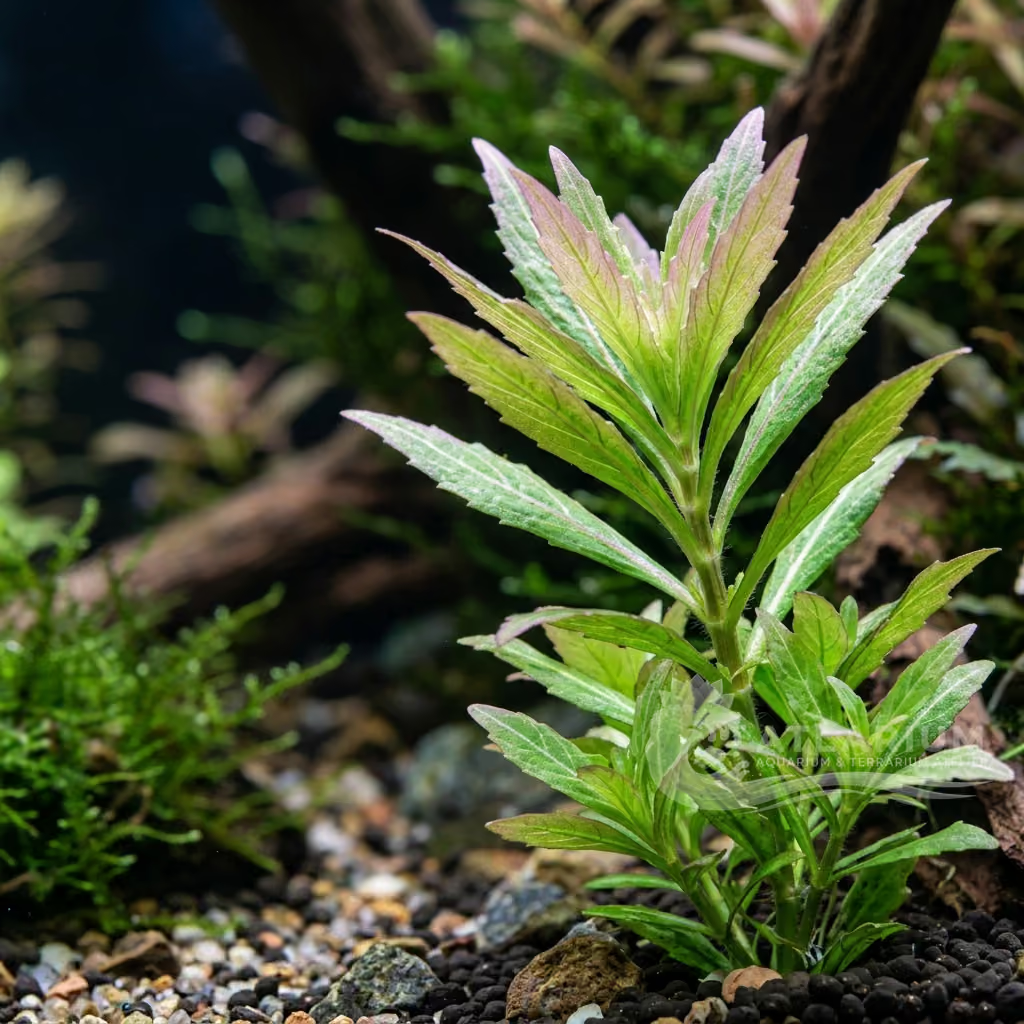
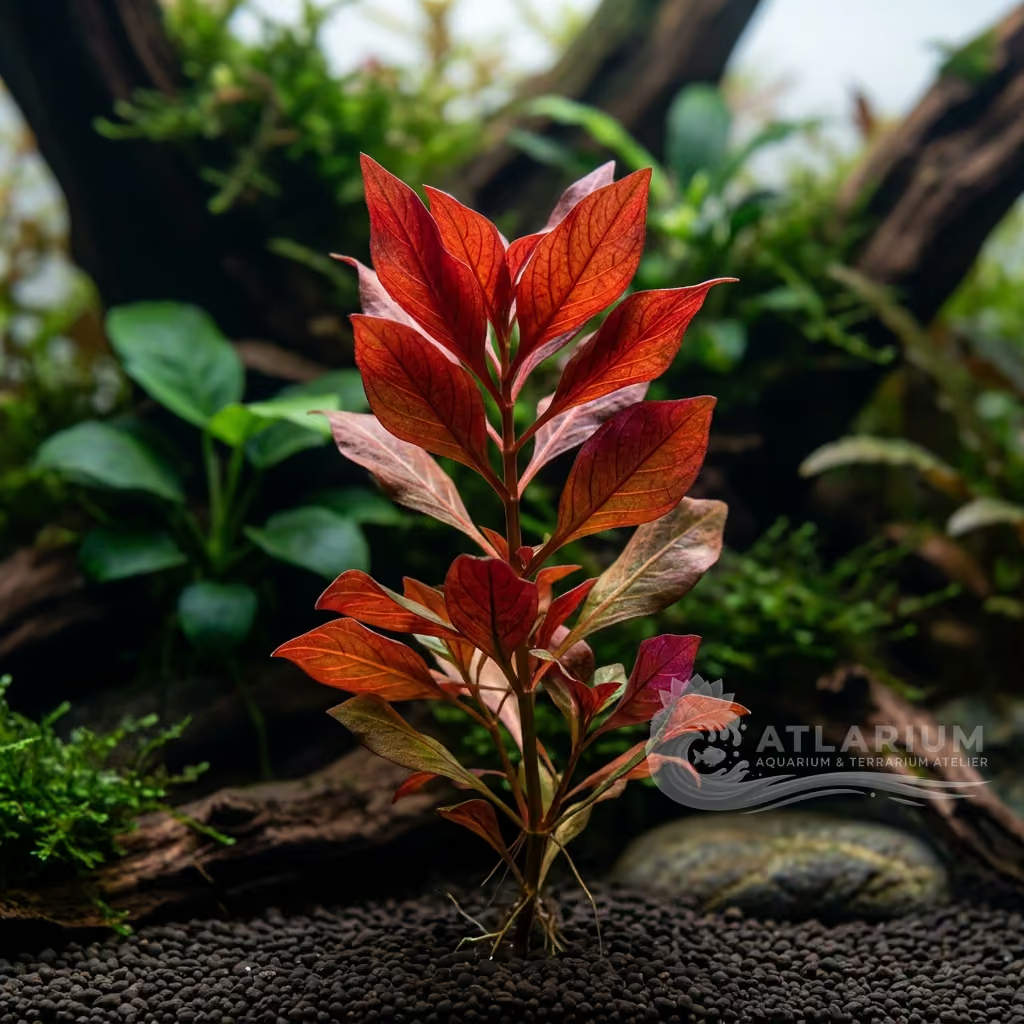
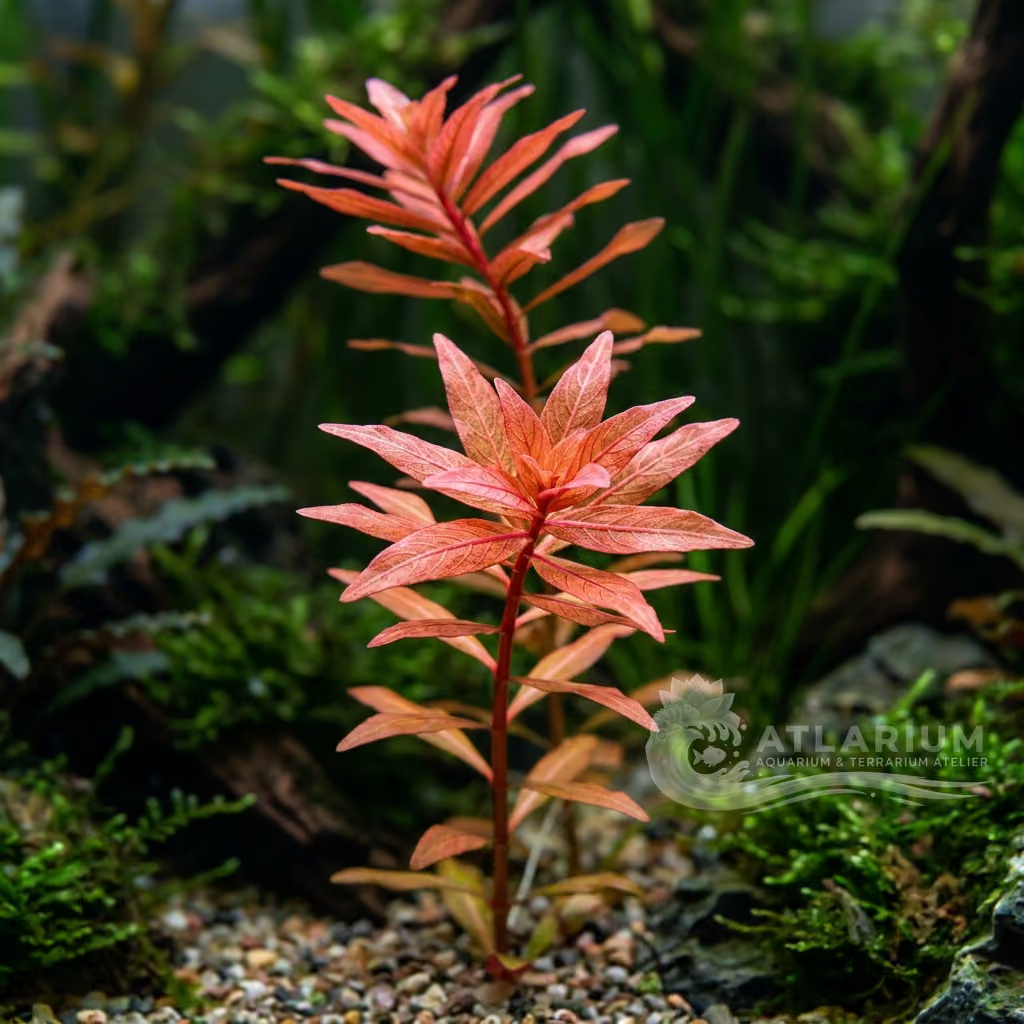
Hyptis lorentziana: a vigorous stem plant for the midground or background. Under high light it develops spectacular purple leaves, ideal as a focal point.
Water Temperature
18 - 30 °C
pH Value
6 - 7
Water type
Freshwater
Light
High
CO2
Medium - High
Expected height
50 cm
Expected width
15 cm
GH
4 - 15 dGH
KH
2 - 12 dKH

Species description
Geographical Origin and Habitat: Hyptis lorentziana is native to South America, specifically southern Brazil, Uruguay, and northern Argentina. It grows primarily in marshy environments, riverbanks, wetlands, and areas subject to periodic flooding, developing both emersed and submerged forms according to the season.
Taxonomy & Genetics: It belongs to the Lamiaceae family (the mint family) and is one of the few species in this genus to have successfully adapted to submerged life in aquariums. A notable genetic feature is the presence of aromatic glands on the leaves, which release a strong scent resembling mint or oregano when crushed.
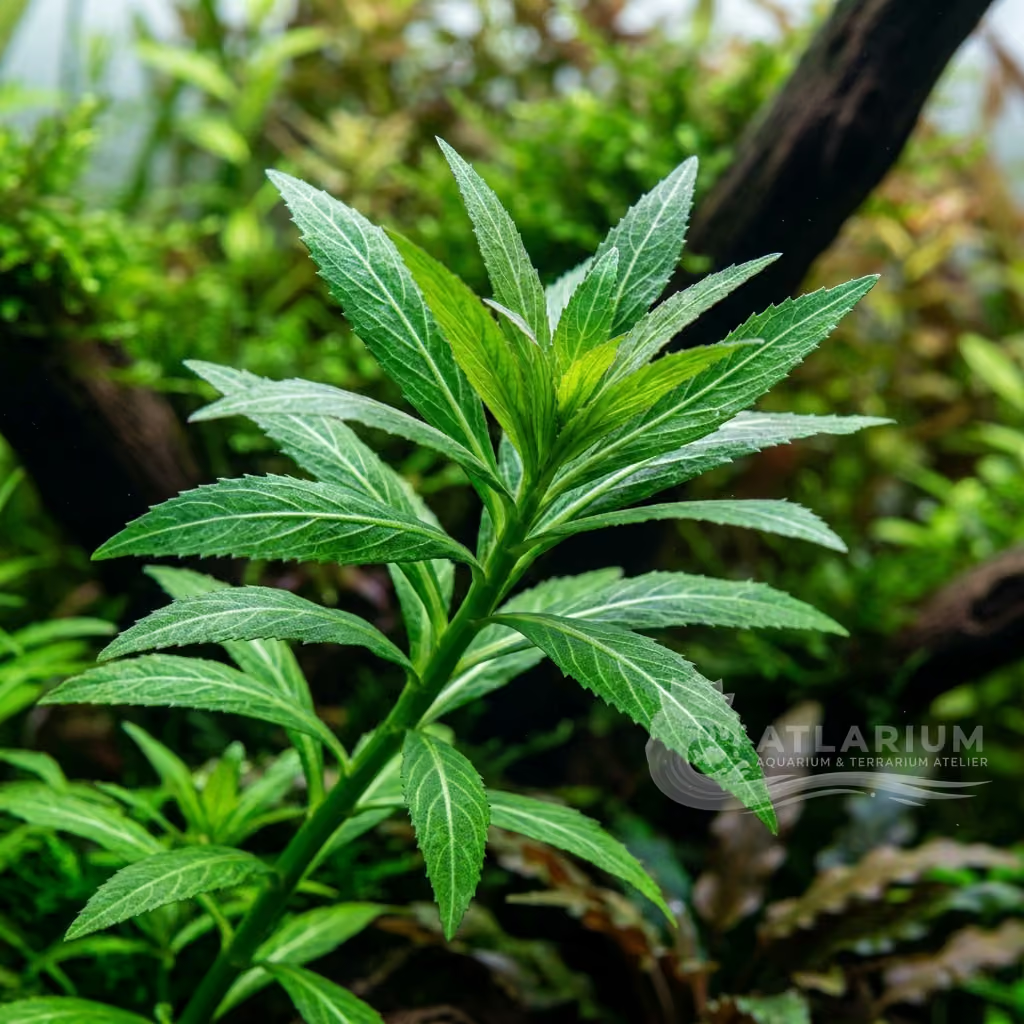
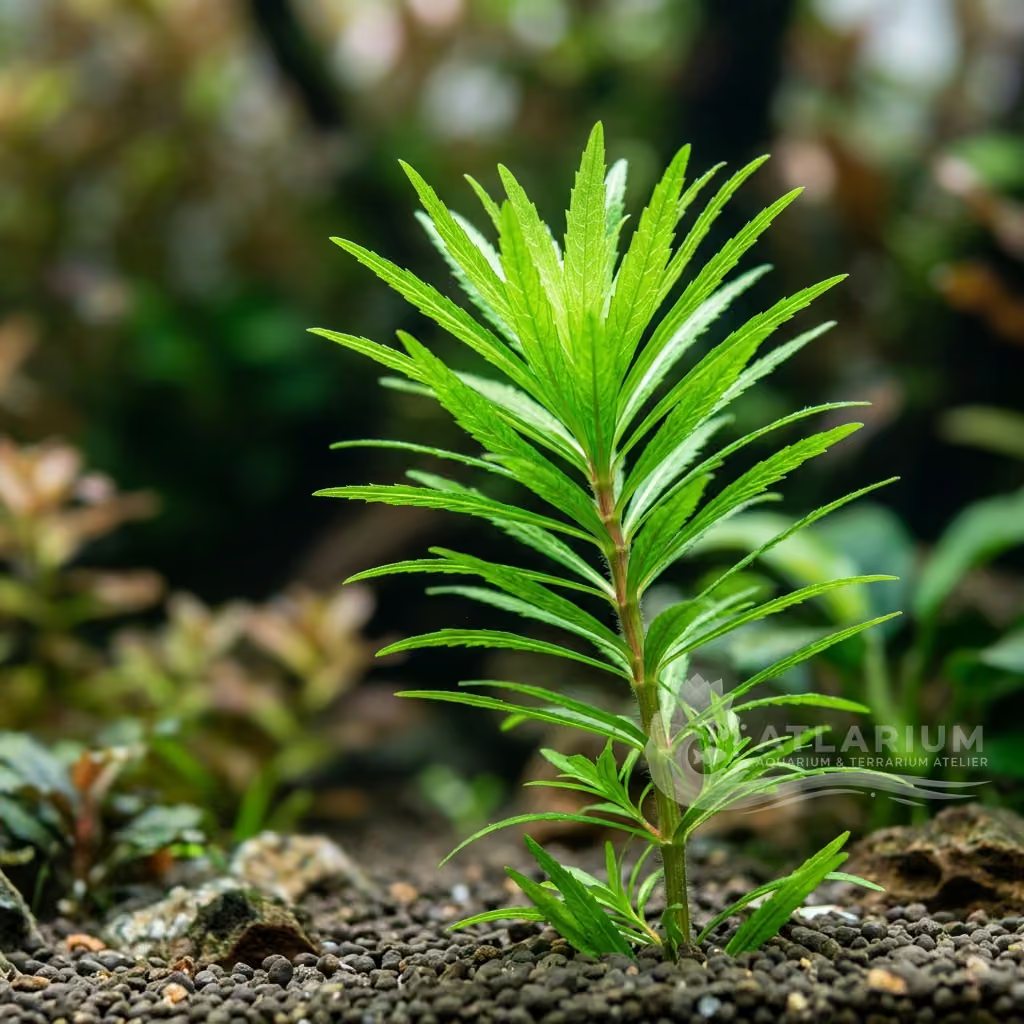
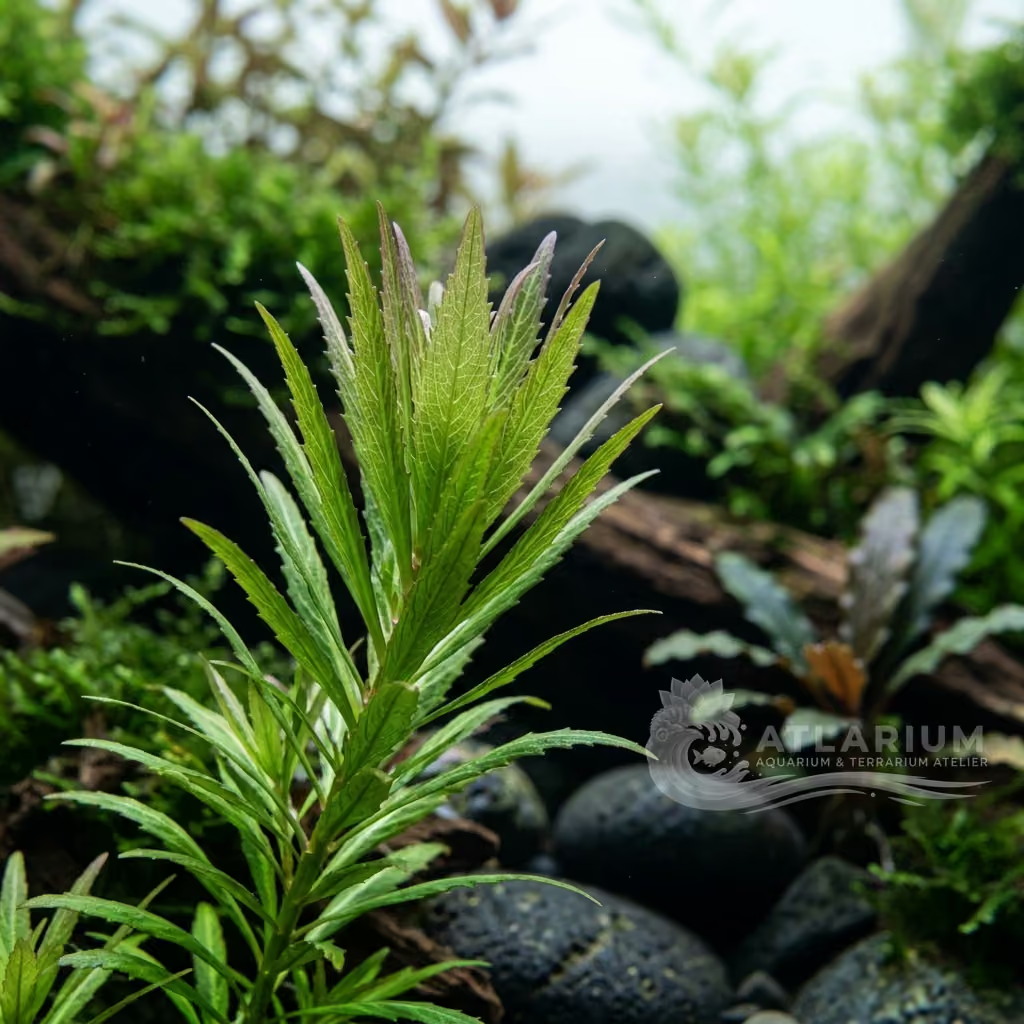
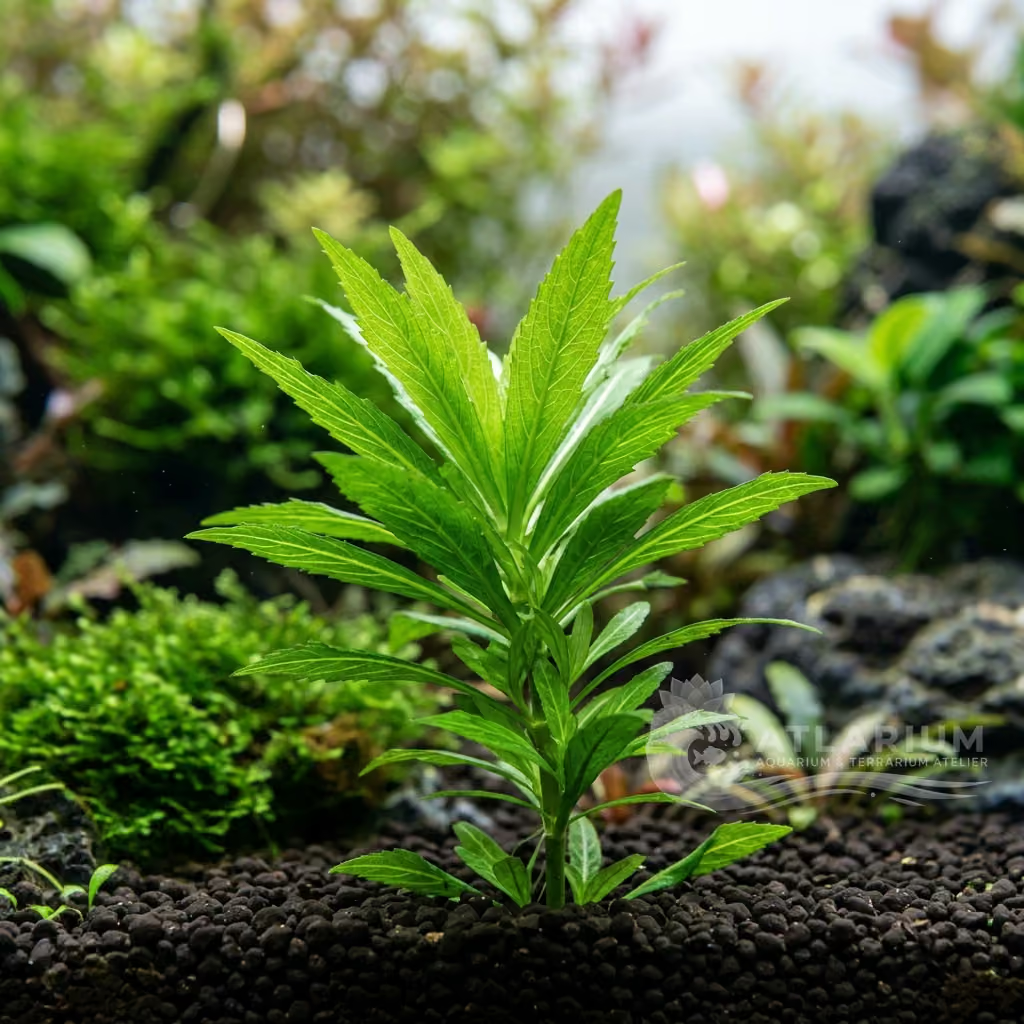
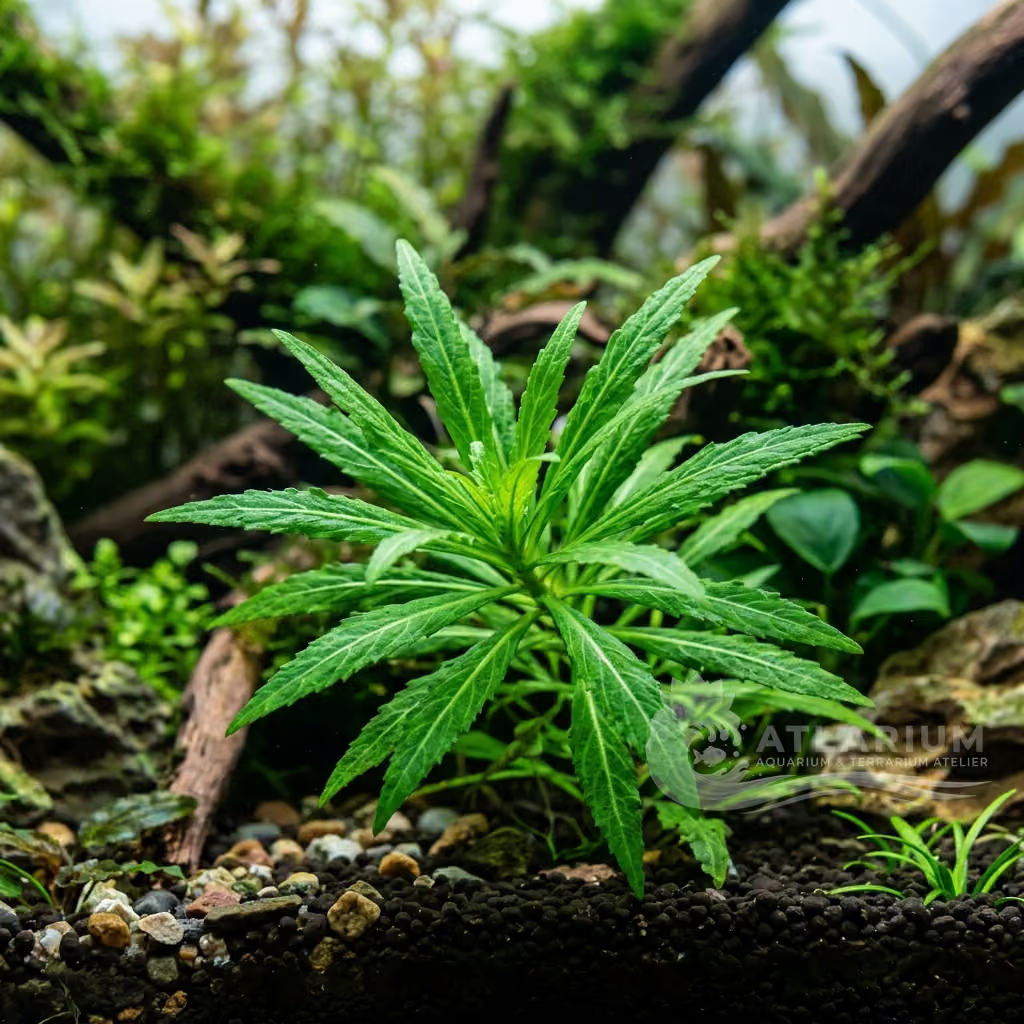
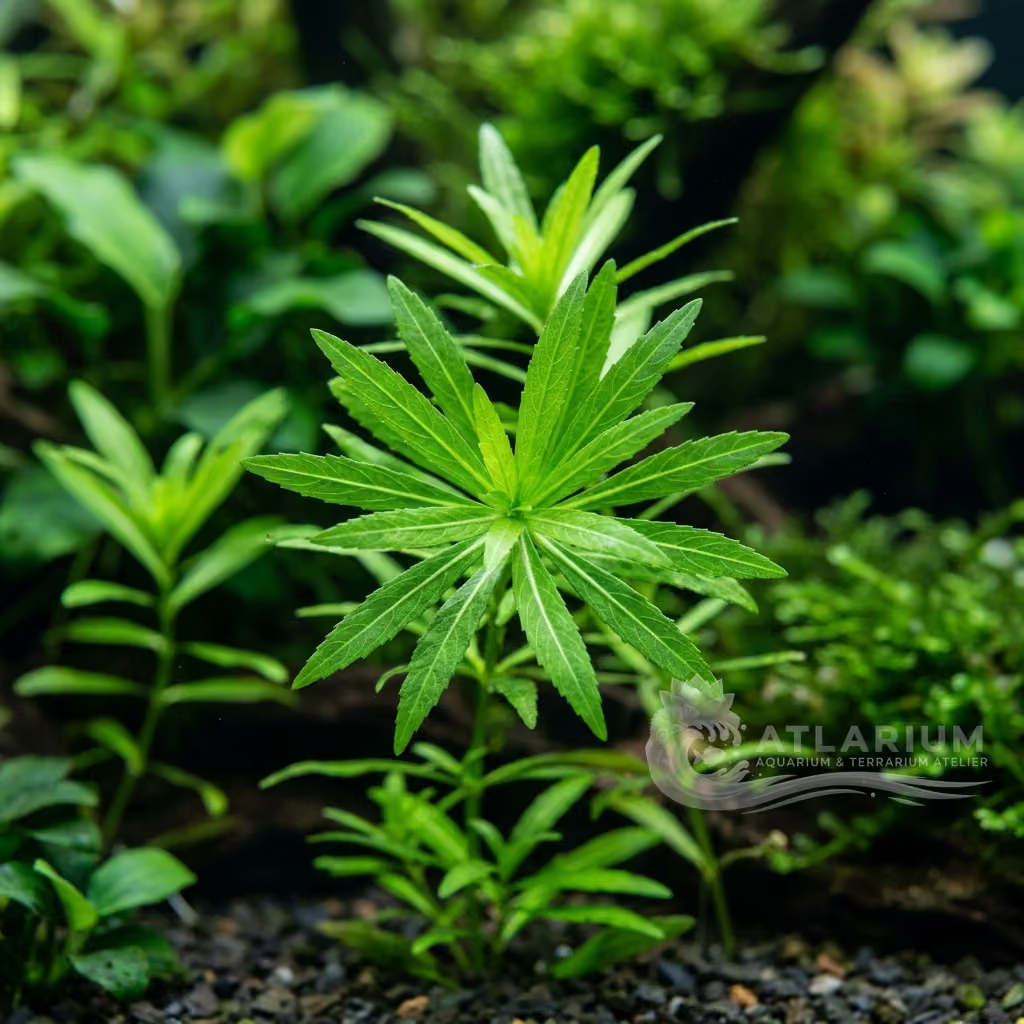
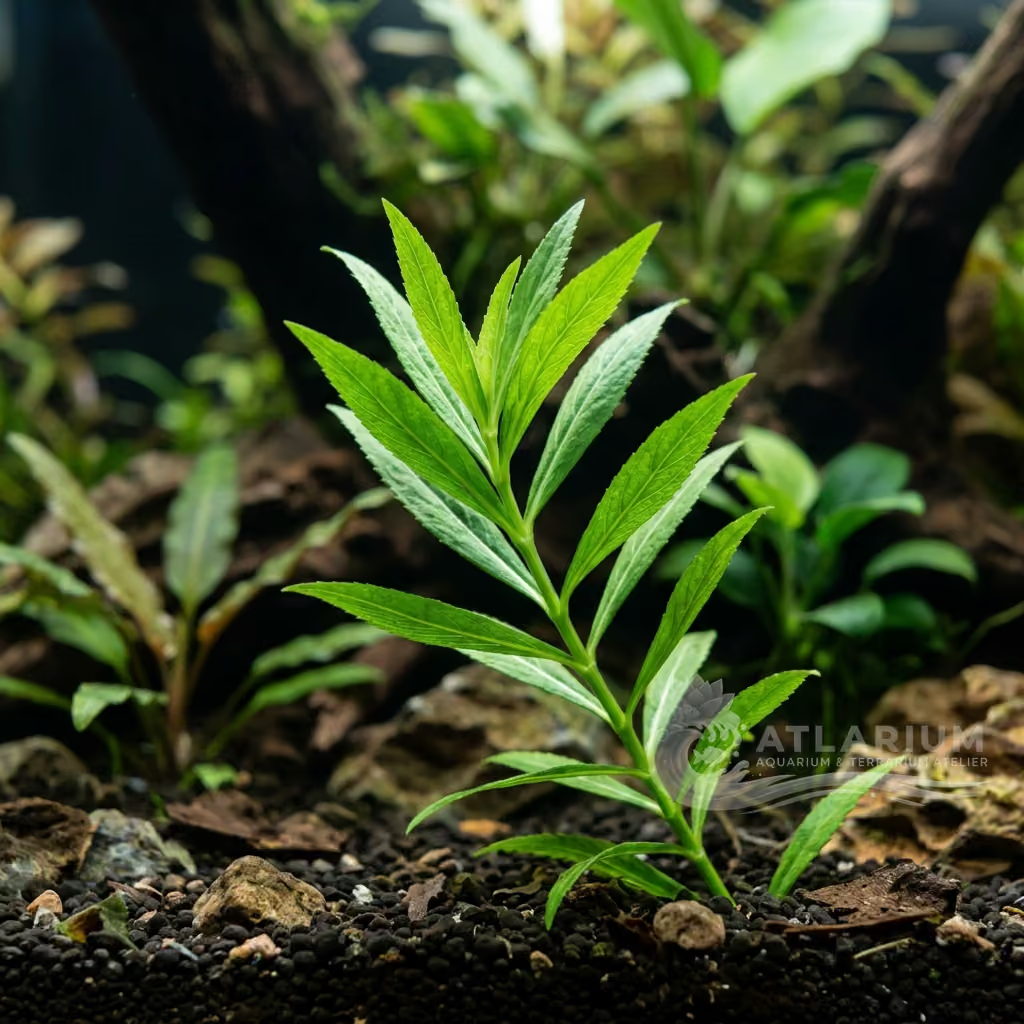
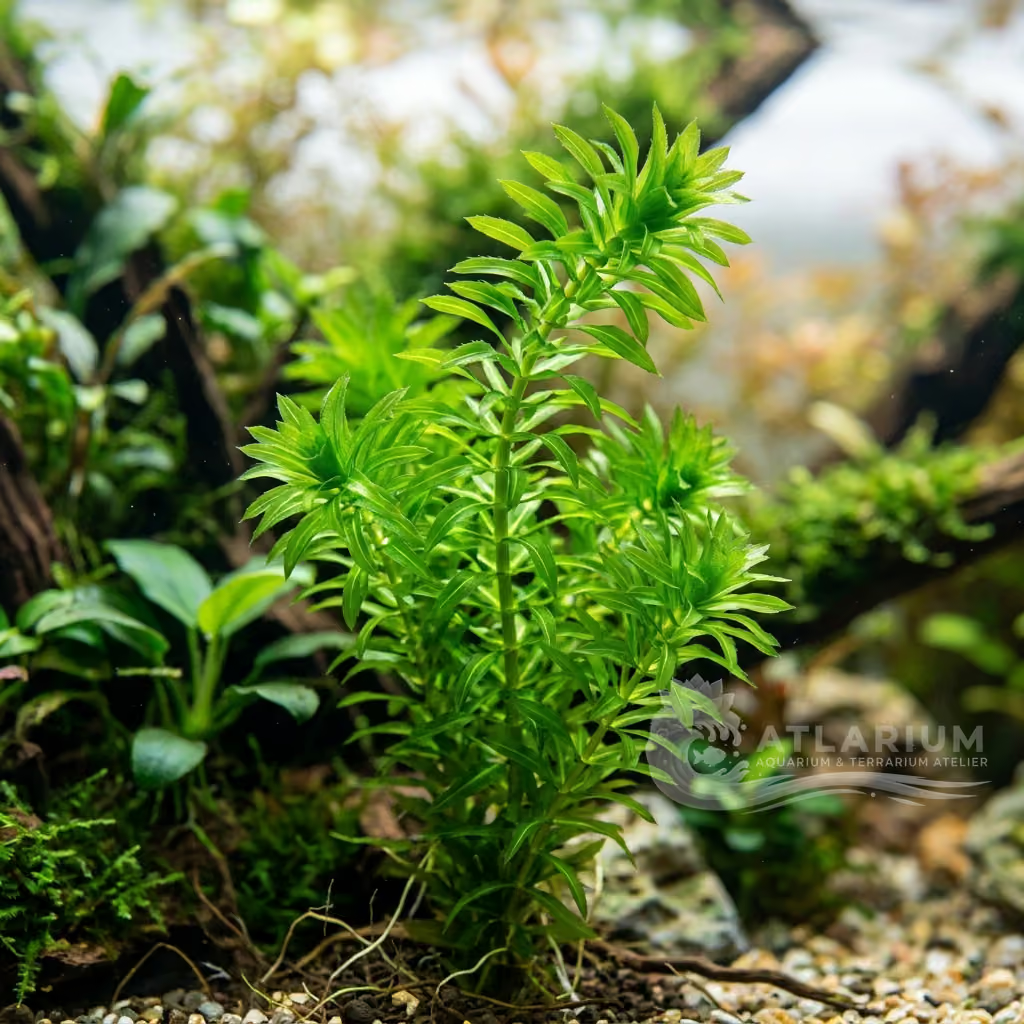
Physical Structure: It is a robust stem plant, woody at the base, with erect square-section stems that can grow rapidly to over 50 cm in height. The leaves are arranged oppositely along the stem, are lanceolate-ovate, and display strongly serrated margins and a slightly leathery texture that makes them resistant to herbivorous fish.
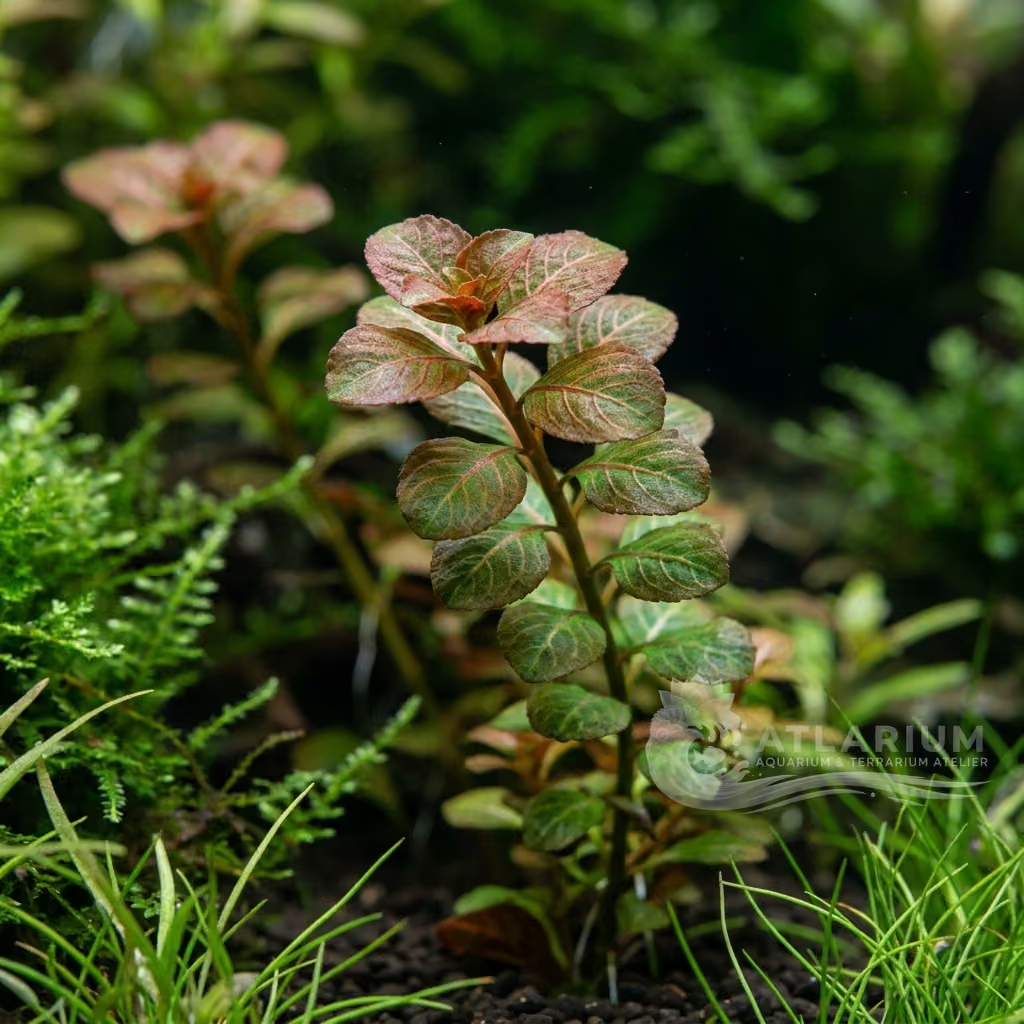
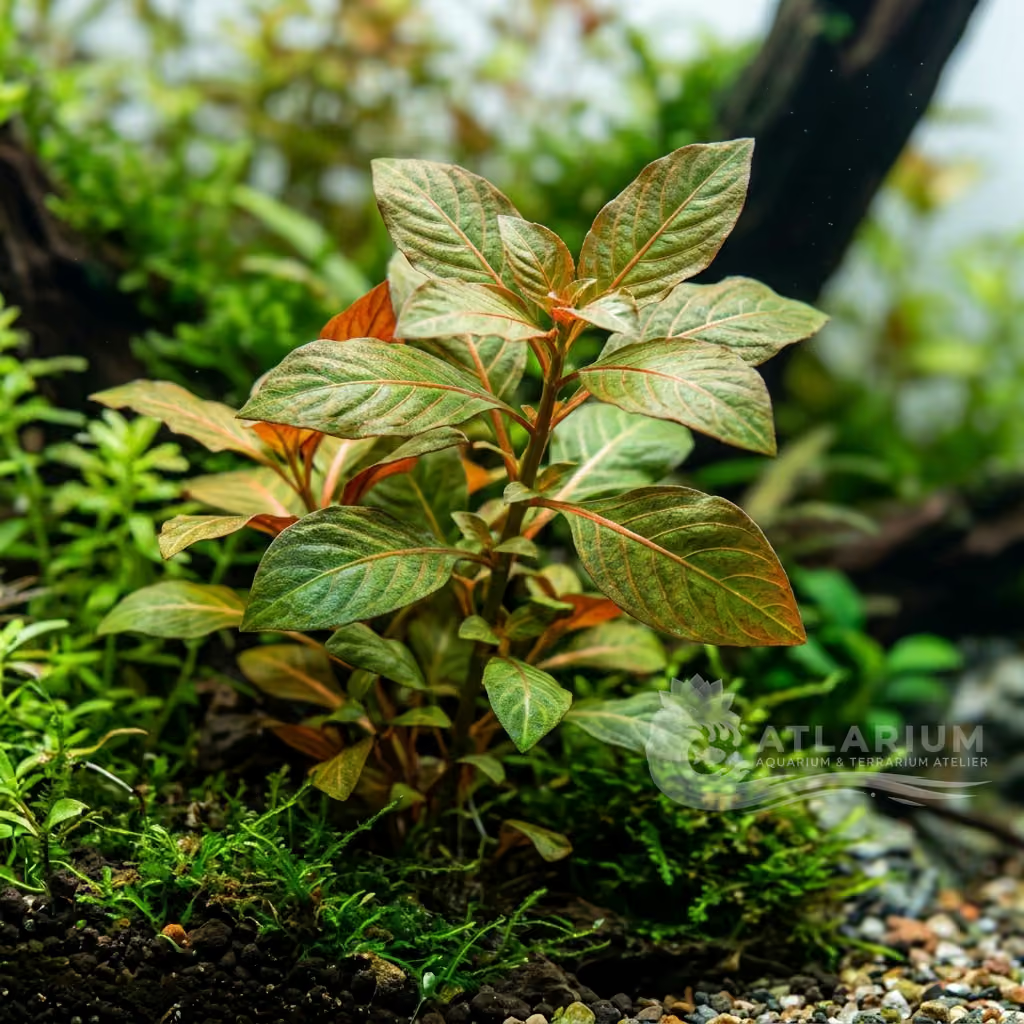
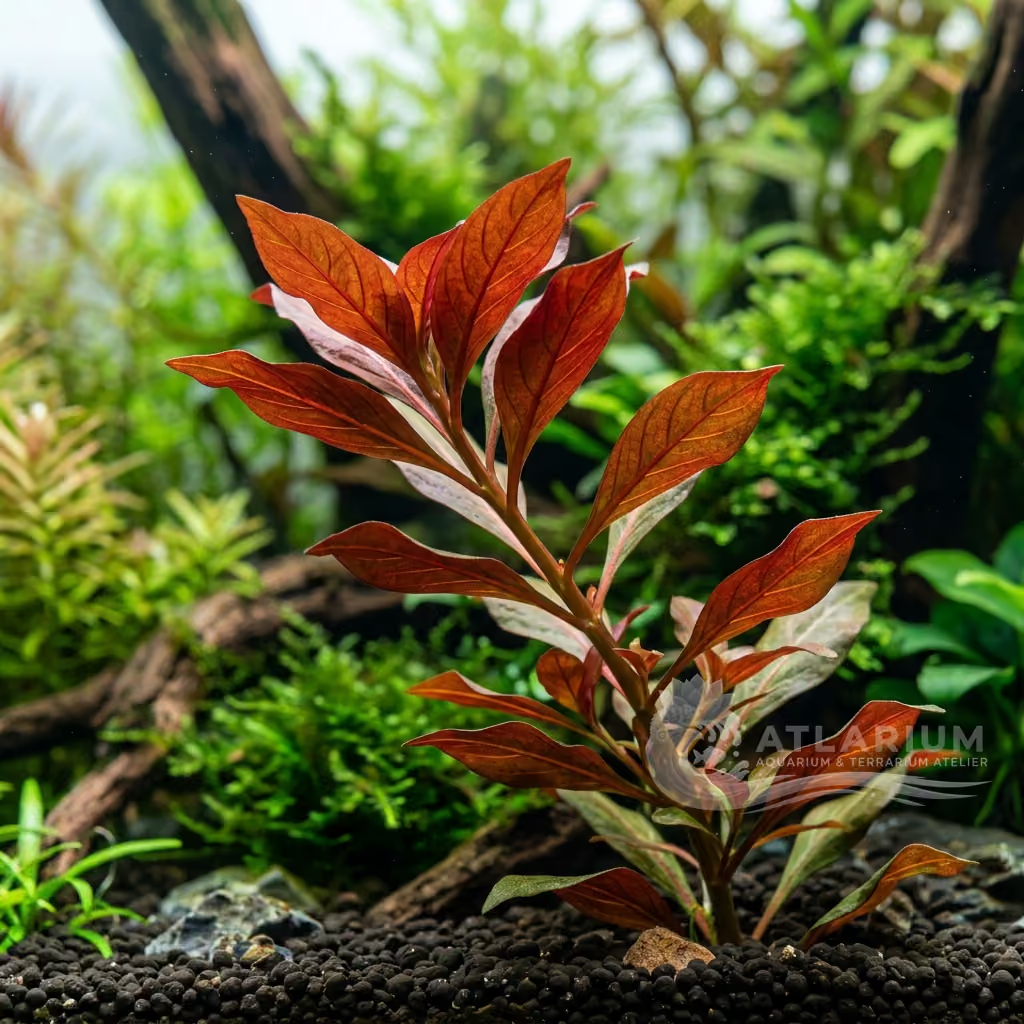
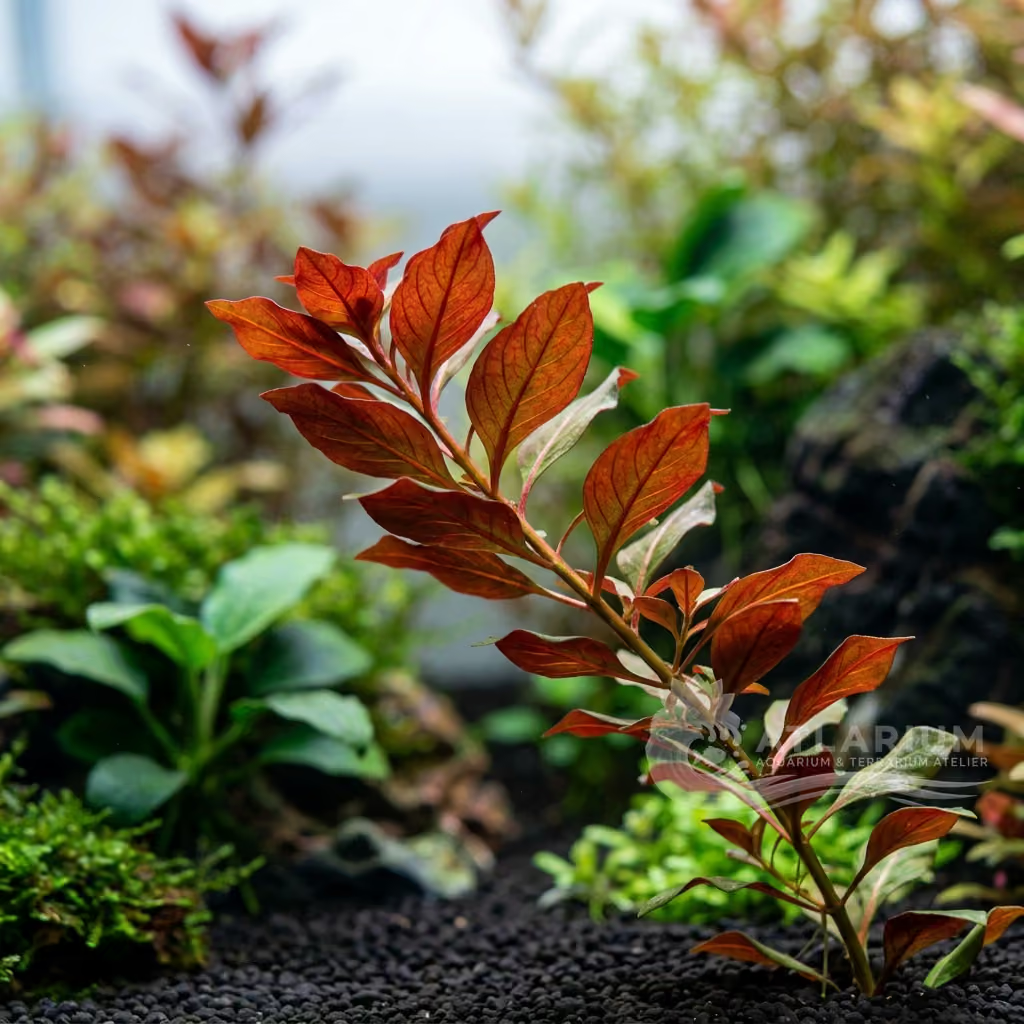
Color & Texture: Under intense lighting, the plant develops an extraordinary coloration ranging from purple-red to deep violet, whereas in moderate light, it takes on olive green or coppery hues. The leaf texture is thick and rugose, providing the aquascape with excellent structural and color contrast when placed near fine-leaved green plants.

Care, breeding and tankmates
Lighting & CO2: Requires intense lighting (at least 0.7-1 watt per liter) to fully develop its purple color. CO2 injection is highly recommended to support rapid growth and prevent the internodes from becoming too distant.
Nutrition & Substrate: It is a demanding plant that benefits from both a fertile substrate rich in iron and regular liquid fertilization in the
Water Chemistry: Adapts to a wide range of water values, but prefers soft to moderately hard water with a pH between 6.0 and 7.5. The optimal temperature is between 18 and 30 °C; it tolerates thermal variations well if they are gradual.
Space Management & Placement: Due to its size and vibrant color, it is ideal as a background plant or for the midground of large aquariums as a focal point. It should be planted in small, spaced groups to prevent the lower leaves from shading each other.
Pruning: Grows very fast and requires frequent trimming. Prune by cutting the stems to the desired height; the cut tops can be replanted directly to generate new plants, while the remaining stem will quickly produce lateral branches.
Risks & Diseases: Under insufficient light, the plant tends to drop its lower leaves and fade, turning a dull green color. The leaves can collect black brush algae or filamentous algae if the tank's nutrients are not balanced correctly.

Geographic origin and distribution
Hyptis lorentziana is native to South America, specifically southern Brazil, Uruguay, and northern Argentina. It grows primarily in marshy environments, riverbanks, wetlands, and areas subject to periodic flooding, developing both emersed and submerged forms according to the season.
Origin
Extra-Amazon South America

Plant profile
- Placement
- Midground
- This plant is best suited for the midground to background of the aquarium where it can be properly admired. Its unique leaf shape makes it an exceptional focal point. Plant it in small, spaced groups to allow its large leaves room to spread. Ensure it receives strong, unobstructed light for the best visual impact.
- Botanical form
- Stem
- It features broadly ovate leaves with heavily textured, serrated edges, almost resembling mint or nettle leaves. The thick stems grow firmly upright. Under strong light, the leaves develop deep purplish-red hues, especially near the surface. Its overall form adds a highly decorative, bold touch to any layout.
- Growth
- Fast
- It exhibits a moderate growth rate when grown under optimal conditions. Intense light and CO2 injection will accelerate its vertical growth slightly, but it remains manageable. In lower tech setups, it grows much slower and may stay strictly green. Regular maintenance is required to keep its canopy tidy.
- Substrate
- High
- Hyptis lorentziana thrives when planted in a nutrient-rich, deep aqua soil that can sustain its vigorous growth and distinct foliage coloration. It develops a thick and extensive root system capable of drawing large amounts of macro and micro-nutrients, particularly iron, from the substrate bed. A minimum substrate depth of 5 to 7 centimeters is recommended to securely hold its thick, fleshy stems and to provide an ample nutrient reserve for long-term health.
- Column fertilization
- Recommended
- Liquid column fertilization is highly recommended for this stunning stem plant. It absorbs a majority of its nutrients directly from the water column. A comprehensive liquid fertilizer applied regularly will yield the best color saturation and leaf texture. Watch for stunted new leaves as a sign of deficiency.
- Root fertilization
- None
- While it feeds heavily from the water column, a nutrient-rich substrate provides an excellent backup source. Root tabs help establish a strong root system rapidly, supporting its thick stems. The roots firmly anchor the plant in the substrate. Root feeding is very beneficial and encourages thicker growth.
- Trimming
- Occasional
- Regular trimming is essential to encourage lateral branching and prevent the lower stems from losing leaves. Cut the stem just above a node to promote new, bushy side shoots. The thick trimmed tops can be replanted to propagate the plant. Ensure you use sharp scissors to avoid crushing the thick stem.
- Propagation
- Cuttings
- Propagation is straightforward and typical of stem plants. Simply cut a healthy top shoot and replant it directly into the substrate. The cutting will take a few days to develop new roots but will establish firmly. The rooted bottom portion will usually produce multiple new side branches.
- Sensitivity
- Moderate
- This species can be quite sensitive to sudden fluctuations in water parameters or temperature. It may shed lower leaves if light is insufficient or if overshadowed by taller neighbors. It can also be susceptible to green spot algae on its older leaves if phosphates drop. Ensure strong light and balanced nutrients.
- Layout role
- accent, Midground, Background
- It serves perfectly as a striking midground or background focal point. Its unique, textured leaves contrast beautifully with delicate, fine-leaved stem plants. It draws the eye effortlessly and provides a strong, bold visual weight. It pairs exceptionally well with bright green carpeting plants.

Image gallery
Licensed images linked to the species or, when marked, to the closest representative taxon.

Related species
Recommendations grouped by close relatives, companion choices, and similar care.