Nymphaea minuta
Nymphaea dimorpha
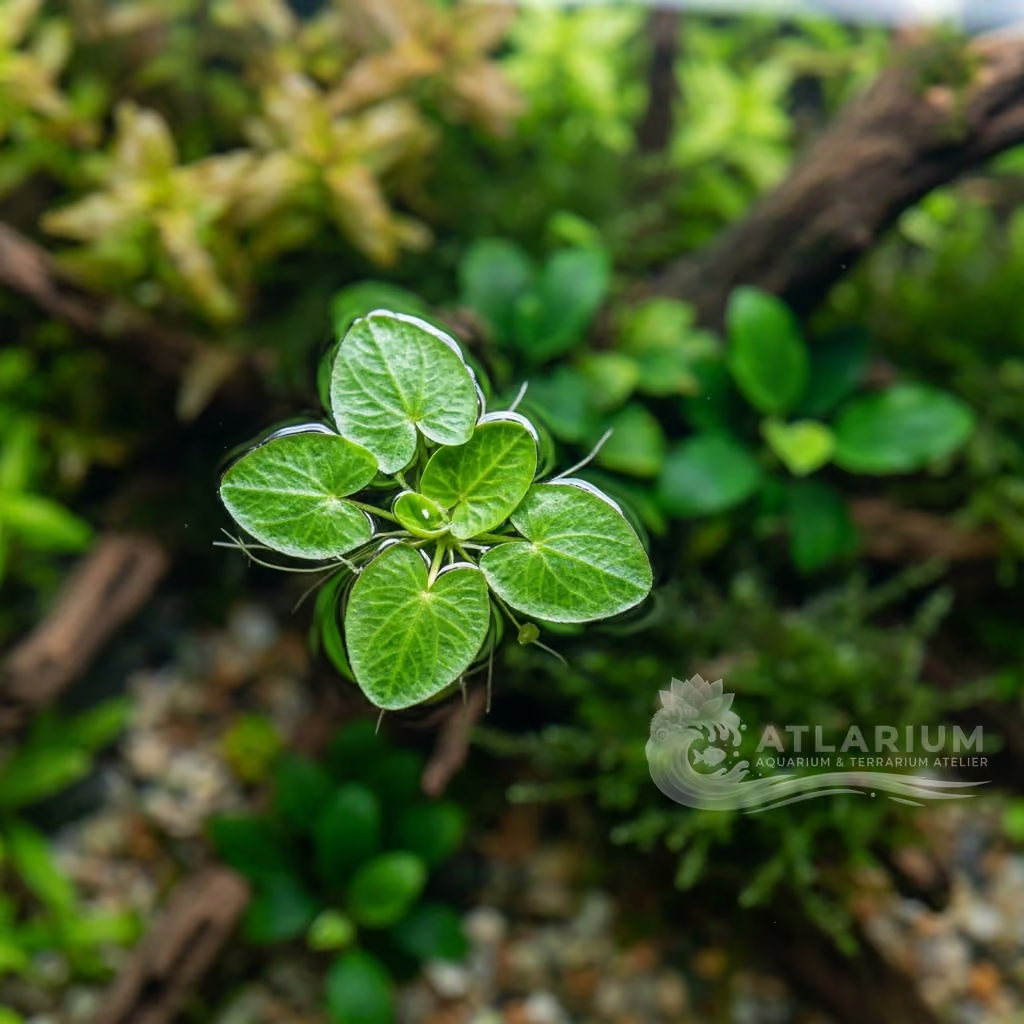
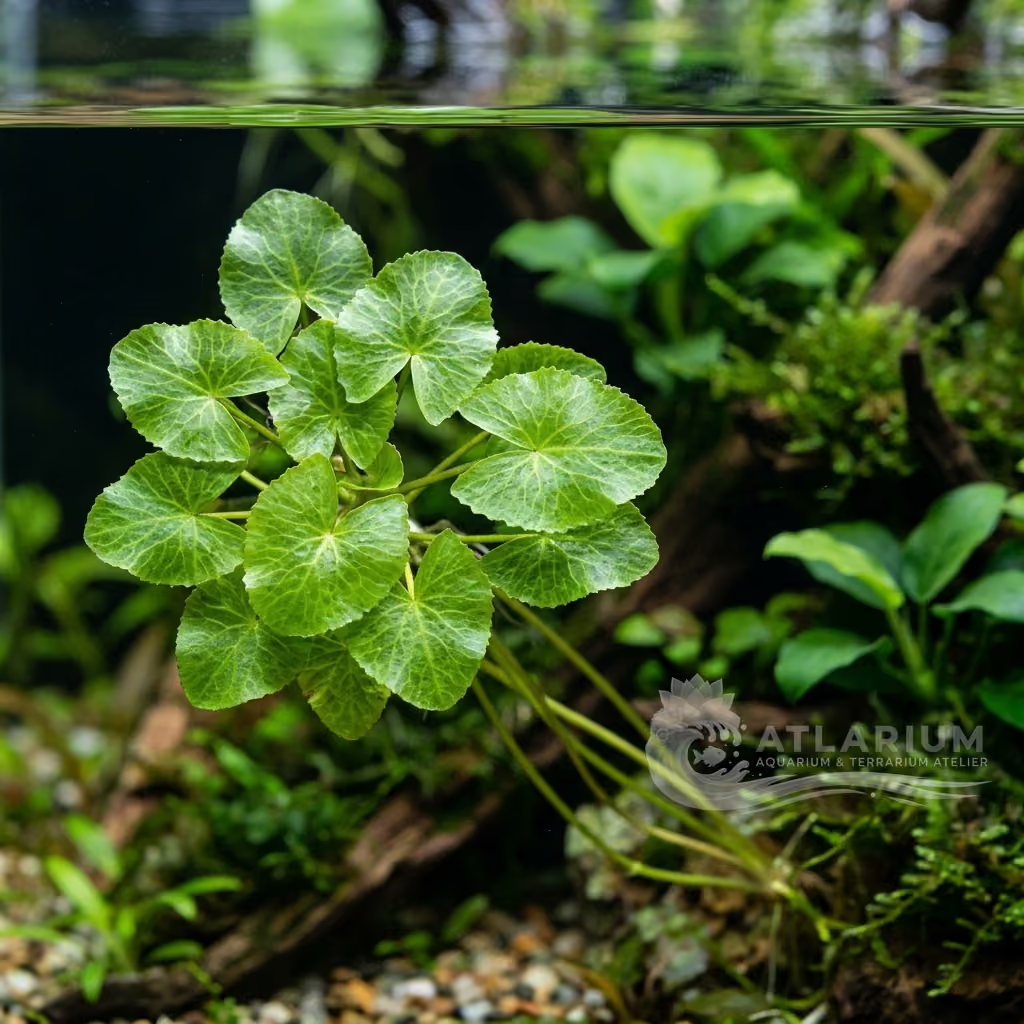
Nymphaea minuta is a compact aquatic lily prized for its manageable size and medium growth rate, making it an ideal choice for midground placement in planted aquariums. Its striking submerged foliage, often displaying captivating hues, provides a significant visual impact without overwhelming the overall aquascape.
Water Temperature
18 - 30 °C
pH Value
5 - 7.5
Water type
Freshwater
Light
Medium to High
CO2
High
Expected height
30 cm
Expected width
30 cm
KH
0 - 14 dKH

Species description
Geographical Origin and Habitat: Nymphaea minuta originates from the tropical and subtropical regions of South America, particularly Brazil, where it thrives in freshwater aquatic habitats such as ponds, marshes, and slow-moving river areas. In its natural environment, this plant flourishes in shallow, warm waters, often anchored to nutrient-rich organic substrates. Its adaptability to varying light and nutrient conditions has enabled its distribution across diverse aquatic biomes.
Taxonomy & Genetics: Belonging to the Nymphaeaceae family, Nymphaea minuta shares the genetic and morphological characteristics typical of water lilies, yet it is distinguished by its more contained dimensions, as suggested by the epithet "minuta." This species is genetically adapted to develop both submerged leaves and, under ideal conditions and sufficient space, floating leaves, demonstrating remarkable phenotypic plasticity. Its classification underscores the ancient evolutionary lineage of water lilies, plants renowned for their beauty and ecological importance in aquatic ecosystems.
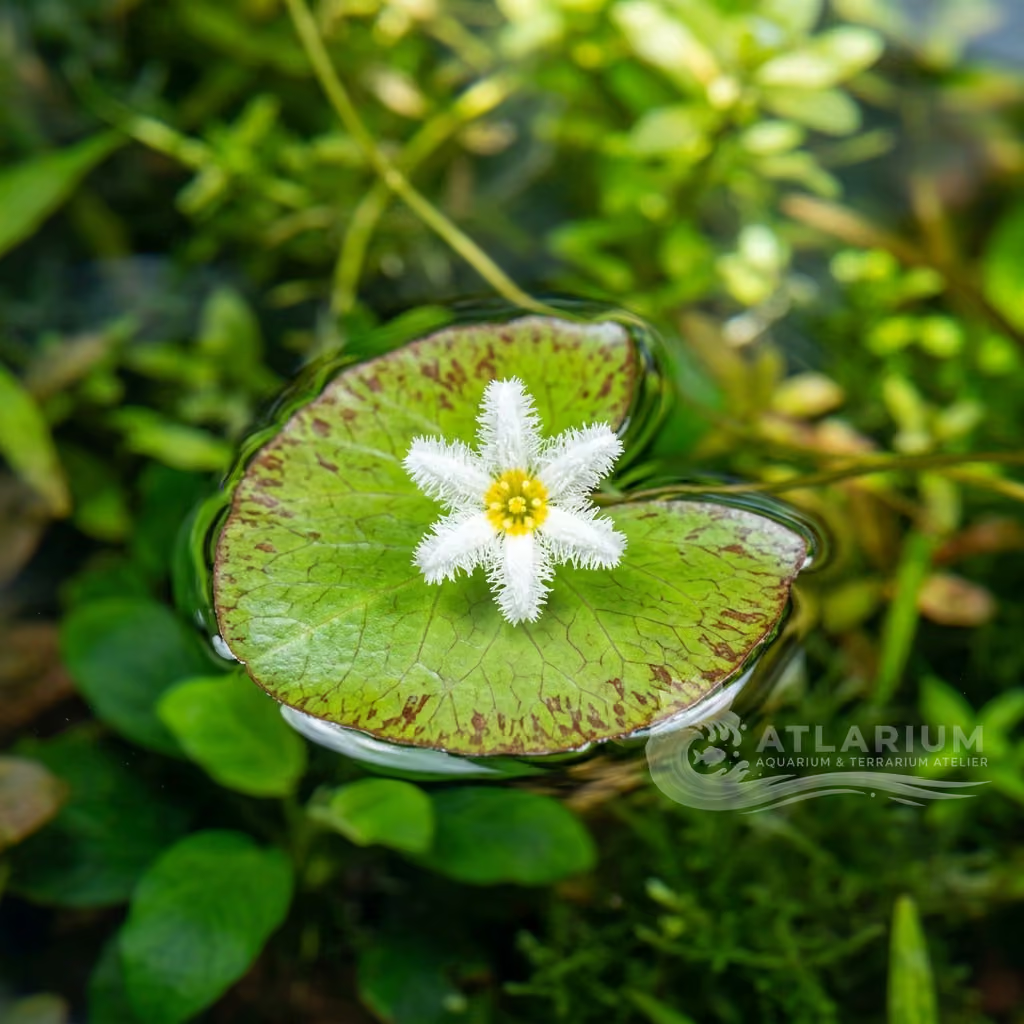
Physical Structure: Nymphaea minuta is characterized by a subterranean rhizome from which both leaves and fibrous roots emerge, anchoring securely into the substrate. The submerged leaves are the most valued feature in aquascaping, typically ovate or rounded in shape, supported by long petioles that extend towards the water surface. Under optimal conditions, the plant can also produce floating leaves and, occasionally, small emergent flowers that add an extra element of charm.
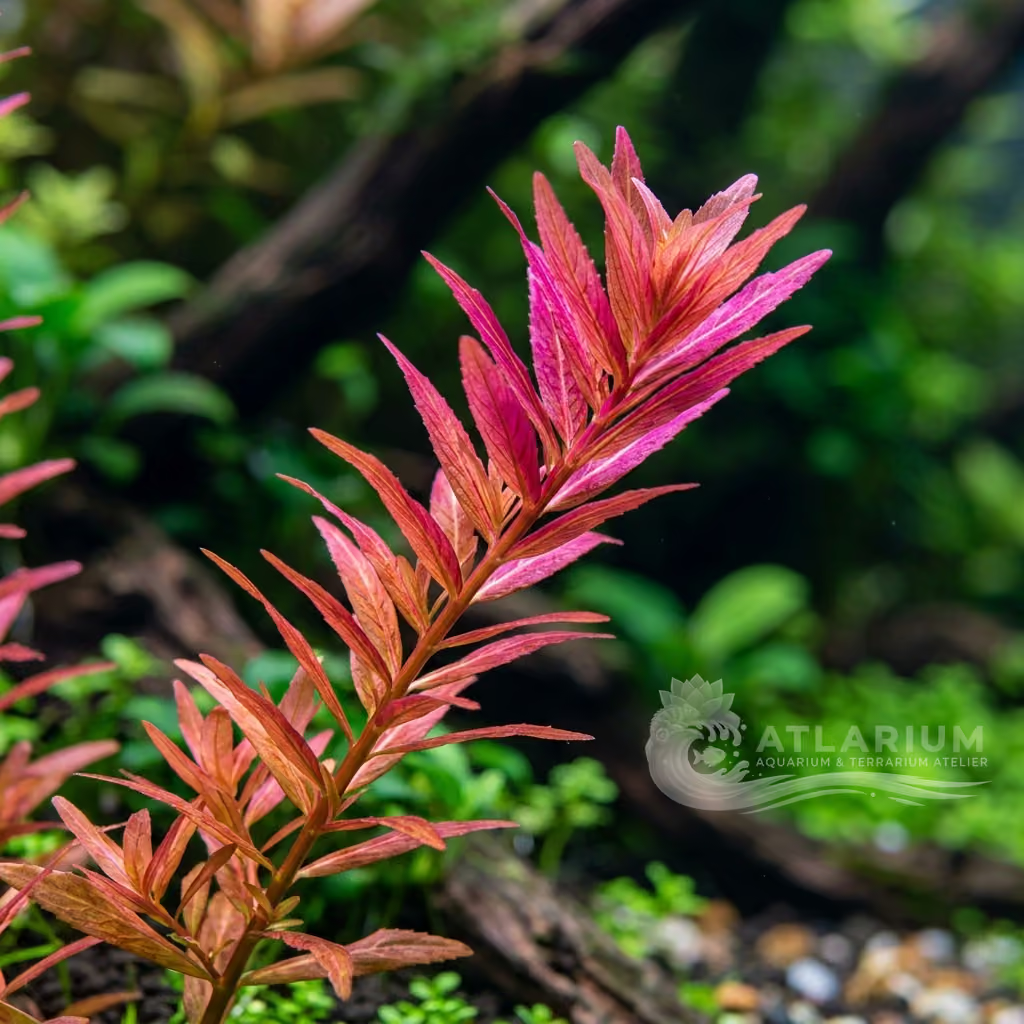
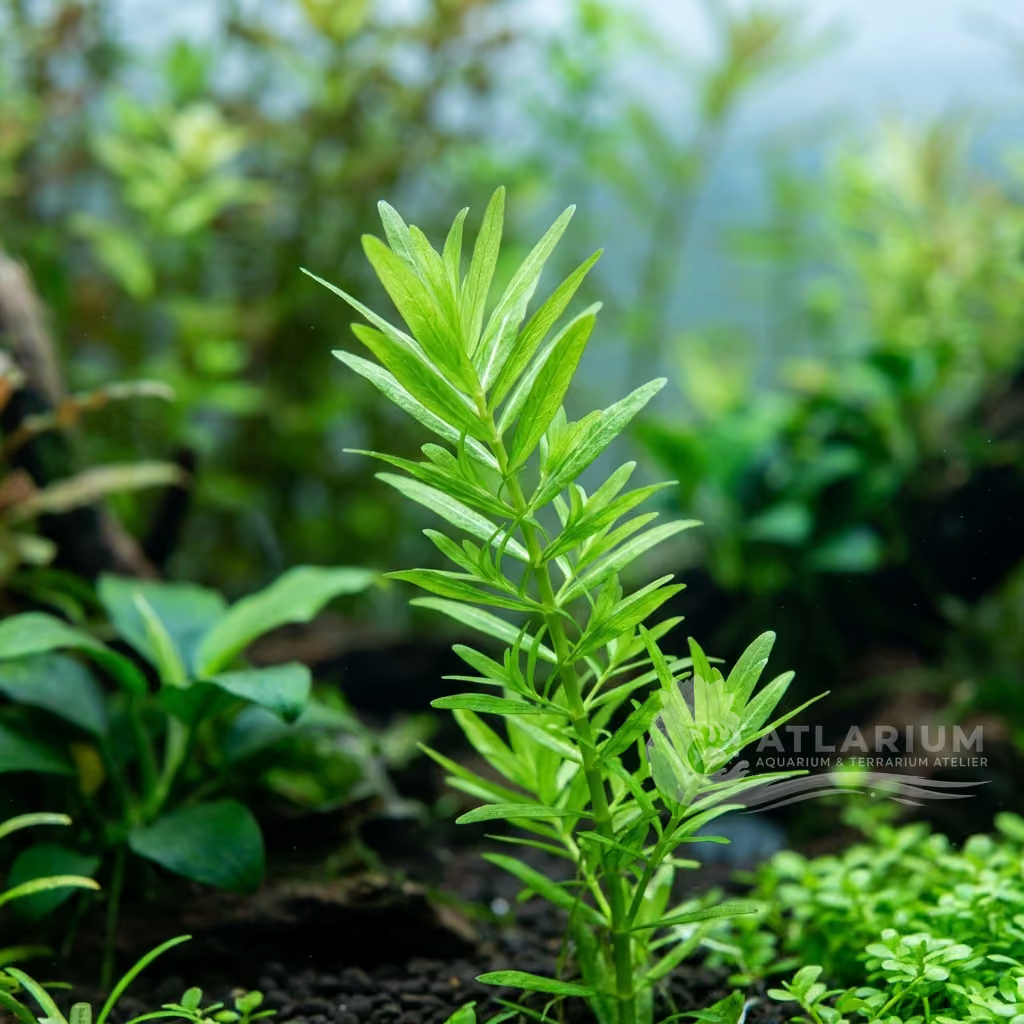
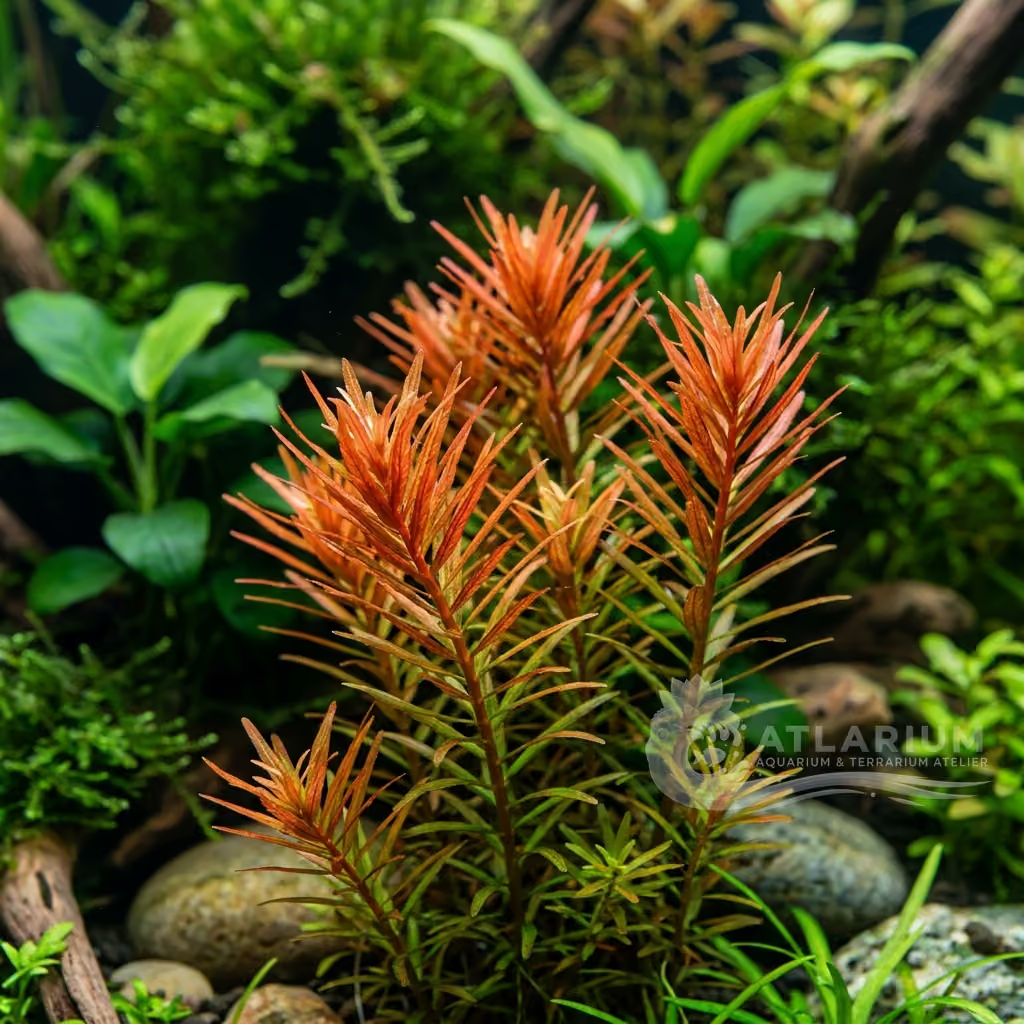
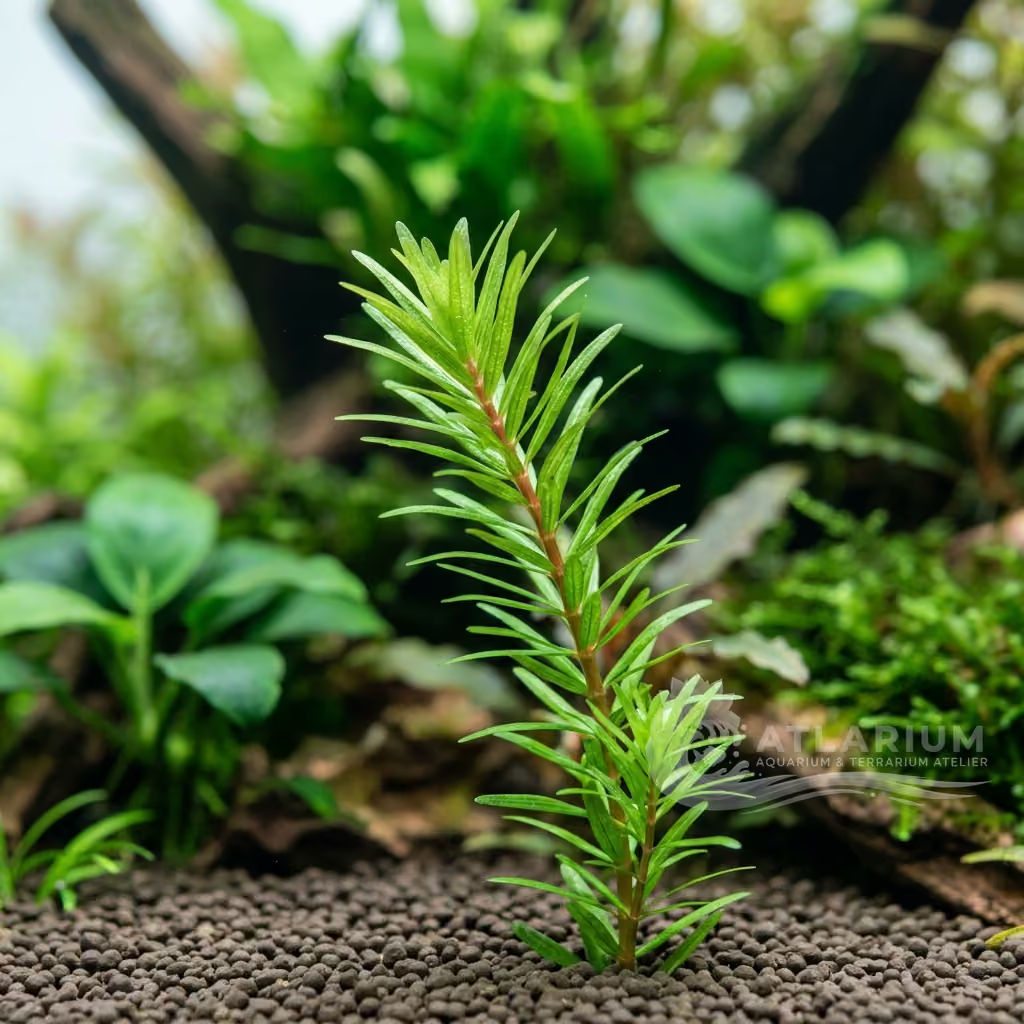
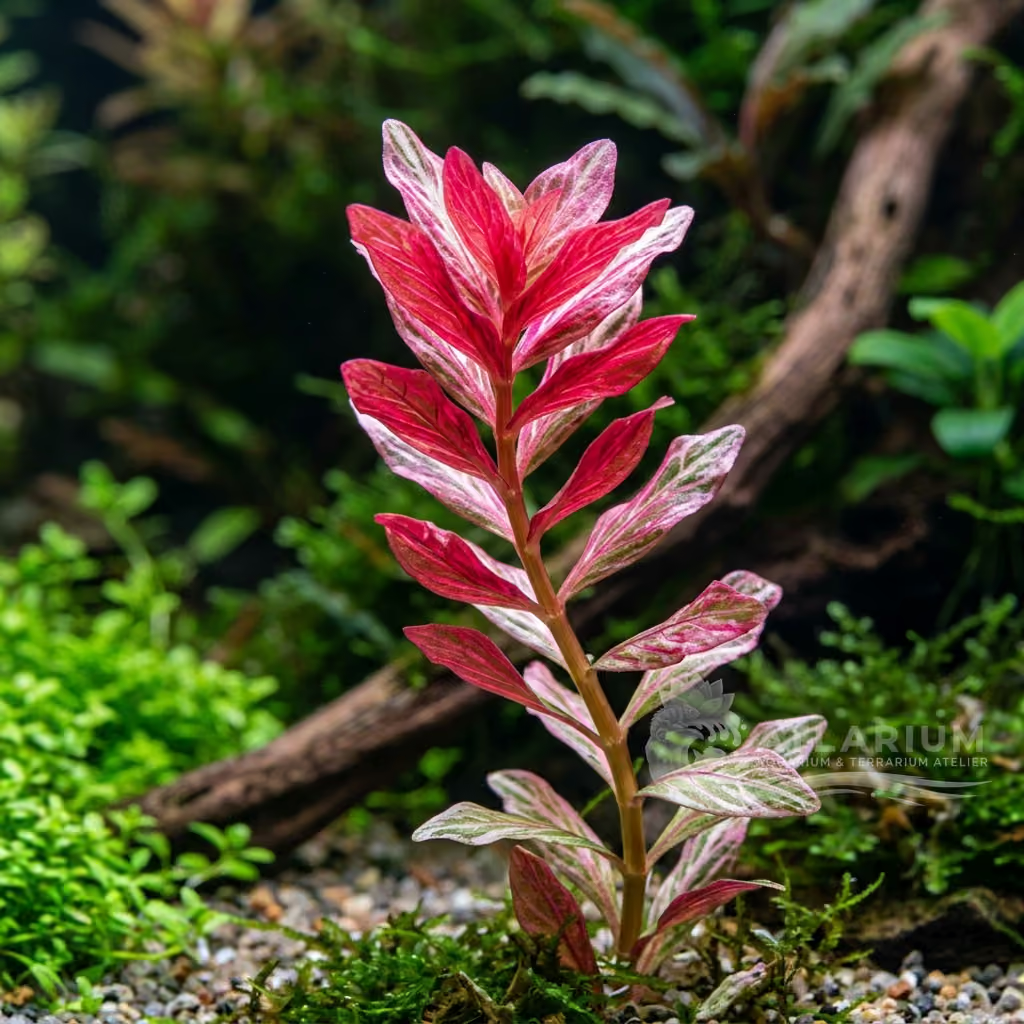
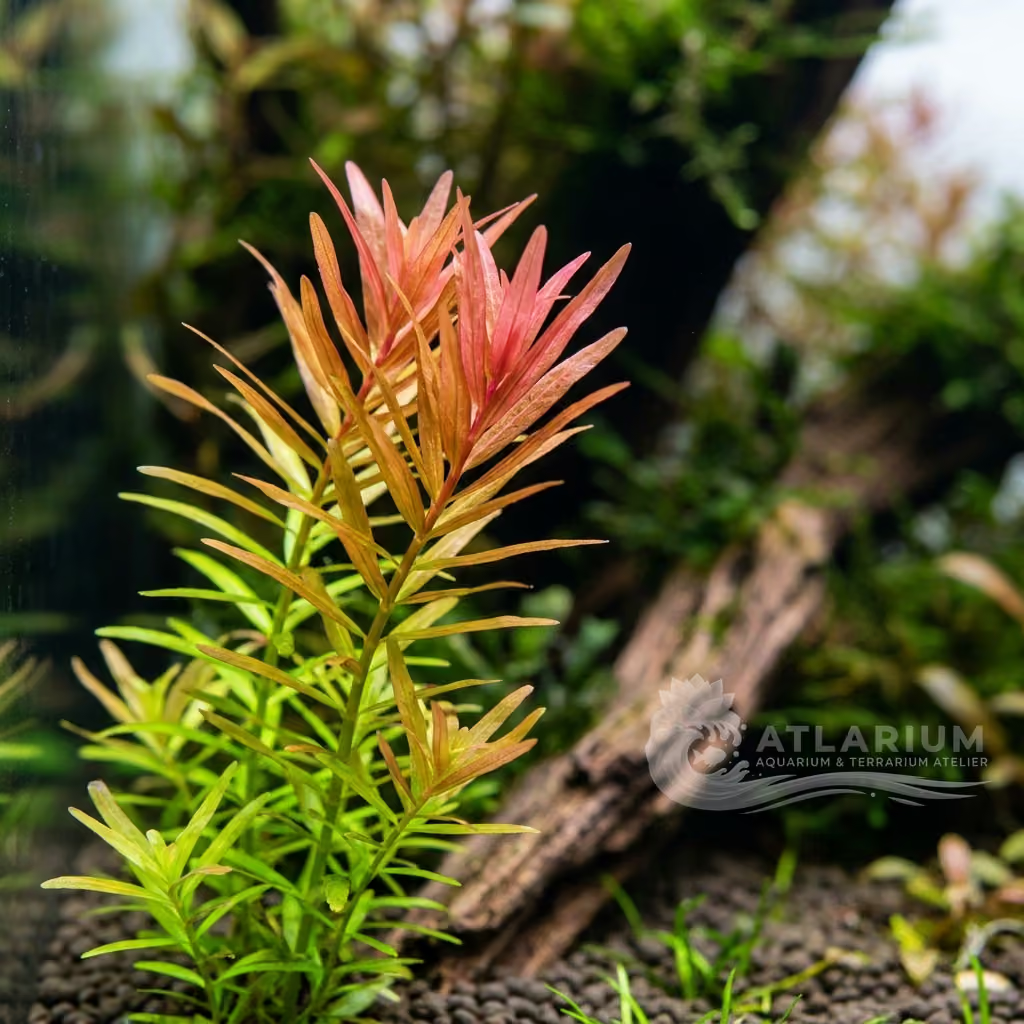
Color & Texture: The leaves of Nymphaea minuta exhibit a coloration ranging from bright green to bronze-reddish, especially under intense lighting and an appropriate light spectrum. Many varieties also display fascinating dark mottling or contrasting venation that enhances their aesthetic appeal. The leaf texture is typically smooth and slightly waxy, with an upper surface that reflects light, contributing to its visual beauty within the aquarium.

Care, breeding and tankmates
Lighting & CO2: Nymphaea minuta thrives under medium to high light intensity to best express its coloration and maintain a compact growth habit, preventing excessive petiole elongation. Strong illumination is crucial for stimulating the reddish pigmentation of the leaves and preventing the plant from etiolating or primarily producing floating leaves. CO2 supplementation is highly recommended to promote vigorous and healthy growth, maximizing the photosynthetic potential and resilience of the plant in a controlled aquatic environment.
Nutrition & Substrate: For optimal growth, Nymphaea minuta requires a nutrient-rich substrate, being primarily a root-feeding plant that absorbs a significant portion of its nutrients through its root system. It is advisable to use a fertile substrate specifically designed for planted aquariums or to supplement inert substrates with root tabs and fertilizer capsules inserted into the substrate. Regular administration of macro and micronutrients through the substrate ensures robust development and prevents deficiencies that could compromise the plant's health and aesthetic appeal.
Water Chemistry: Water parameters must be kept stable for the health of Nymphaea minuta, with an ideal temperature range between 18.0 and 30.0 °C to support its metabolism. The pH should be acidic to slightly acidic, between 5.0 and 7.5, while carbonate hardness (KH) can range from 0.0 to 14.0. Although tolerant of a wide KH range, stability is crucial; strong fluctuations can stress the plant, making it vulnerable to growth problems and diseases.
Space Management & Placement: Nymphaea minuta is perfectly suited for placement in the midground of the aquarium, where its contained size and rounded leaf shape can create a focal point or an interesting contrast. It is important to allow sufficient space around the base of the plant for its leaves to expand without overshadowing neighboring species. Should the plant grow excessively or produce too many floating leaves, targeted
Pruning: Pruning Nymphaea minuta is essential for maintaining its aesthetic appeal and promoting the growth of new submerged leaves, preventing excessive shading of underlying plants. It is recommended to regularly remove old, damaged, or surface-reaching leaves by cutting them at the base of the petiole with sharp scissors. This practice encourages the plant to focus its energy on producing younger, more vibrant submerged leaves, helping to maintain a compact and desirable appearance in the midground.
Risks & Diseases: Despite its robustness, Nymphaea minuta can be susceptible to nutritional deficiencies, manifesting as yellowing leaves or stunted growth, and to algal proliferation if the light-CO2-nutrient balance is not optimal. Particular attention should be paid to avoiding excessive detritus accumulation in the substrate, which can lead to root problems and rot. Infestations by herbivorous snails can also damage the leaves; therefore, it is advisable to carefully monitor the plant for signs of stress or attacks.

Geographic origin and distribution
Nymphaea minuta originates from the tropical and subtropical regions of South America, particularly Brazil, where it thrives in freshwater aquatic habitats such as ponds, marshes, and slow-moving river areas. In its natural environment, this plant flourishes in shallow, warm waters, often anchored to nutrient-rich organic substrates. Its adaptability to varying light and nutrient conditions has enabled its distribution across diverse aquatic biomes.
Origin
Amazon, Orinoco, and Guianas

Plant profile
- Placement
- Midground
- This compact plant is perfectly suited for the midground or even the foreground in larger aquarium setups. It acts as an excellent focal point when planted among low-growing carpets or contrasting green plants. If floating leaves are permitted to reach the surface, it provides a beautiful natural canopy that offers shade for shy aquatic life.
- Botanical form
- Rosette
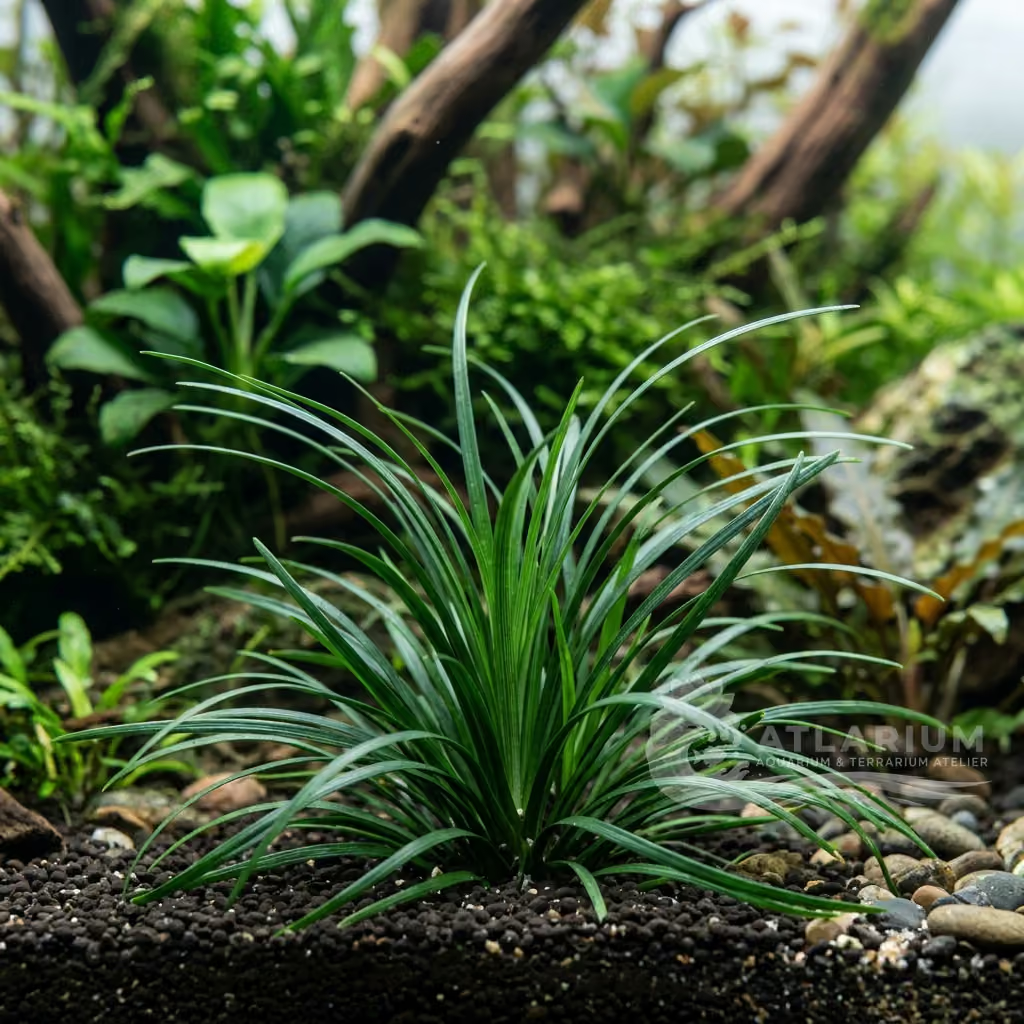
- This species forms a classic rosette structure with delicate, semi-translucent leaves emerging from a central tuber. The submerged leaves often display attractive reddish to bronze patterns, while surface leaves are typically green and rounded. It occasionally produces delicate white flowers that bloom just above the water surface.
- Growth
- Medium
- Under high lighting and carbon dioxide injection, Nymphaea minuta exhibits a fast growth rate and rapidly produces new foliage. In lower tech environments, the growth is considerably slower but remains relatively steady. Regular pruning of floating leaves helps keep the submerged rosette compact and manageable.
- Substrate
- High
- A nutrient-rich substrate is highly recommended for cultivating this miniature water lily effectively in an aquarium. Soil-based aquasoils or laterite-enriched gravel provide the necessary foundation for its extensive root system. If grown in plain sand or gravel, heavy supplementation with root tabs is absolutely essential.
- Column fertilization
- Recommended
- Liquid fertilization is highly beneficial to supplement the nutrients absorbed through its root system. A comprehensive liquid fertilizer containing iron and potassium promotes strong leaf development and intense coloration. Dosing should be carefully balanced with lighting to prevent unwanted algae growth on the broad leaves.
- Root fertilization
- Required
- Root fertilization is the most critical aspect of maintaining the health of this tuberous plant over the long term. Placing nutrient-rich root tabs directly beneath the plant's crown ensures a constant supply of essential elements. Replenishing these tabs every few months prevents the plant from exhausting its local substrate reserves.
- Trimming
- Occasional
- To maintain a compact submerged form, promptly trim any leaves that reach for the surface. Cut the stems as close to the base as possible to encourage bushy new growth. Remove any decaying or damaged leaves to prevent water quality degradation. If you want floating leaves, simply allow the longest stems to reach the top undisturbed.
- Propagation
- Seeds
- Propagation naturally occurs through the formation of lateral runners or small plantlets attached to the main tuber. These young shoots can be gently separated once they have developed their own root systems. Alternatively, healthy seeds from successful blooms can be sprouted in shallow, nutrient-rich water to grow new specimens.
- Sensitivity
- Moderate
- This species can be sensitive to sudden changes in water parameters or temperature. It is generally not tolerant of harsh chemical treatments, such as certain algae medications. Ensure the rhizome or tuber is not fully buried, as it may rot. Herbivorous fish and snails might occasionally nibble on the tender new leaves.
- Layout role
- Midground
- This plant serves as an excellent solitary centerpiece in many aquascaping styles. Its distinct leaf shape and color break up the monotony of typical stem plant groupings. It is widely used in Dutch-style aquariums to provide a strong visual anchor. In nature aquariums, it adds a wild, unruly element to the background or midground.

Related species
Recommendations grouped by close relatives, companion choices, and similar care.