Nymphaea glandulifera
Nymphaea glandulifera
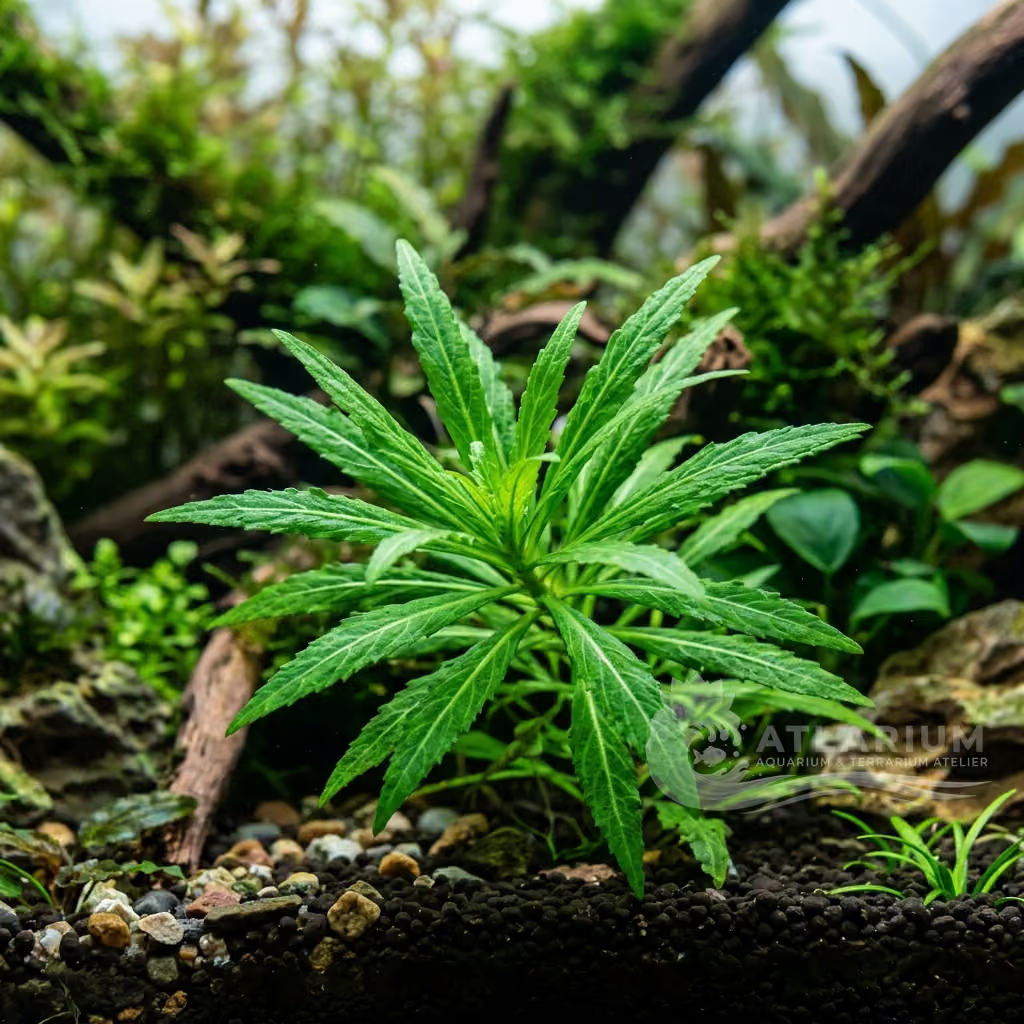
Nymphaea glandulifera is a medium-growing water lily, well-suited for the foreground of spacious aquariums, where it can develop distinctive and compact submerged foliage with proper management. It is an engaging plant that adds texture and color with its unique leaves, adapting well to various conditions when properly nourished.
Water Temperature
18 - 30 °C
pH Value
5 - 7
Water type
Freshwater
Light
Medium to High
CO2
High
Expected height
30 cm
Expected width
30 cm
KH
0 - 10 dKH

Species description
Geographical Origin and Habitat: Nymphaea glandulifera is native to the tropical and subtropical regions of the Americas, commonly found in shallow, slow-moving freshwater bodies such as ponds, lakes, and marshes. Its natural habitat is characterized by warm temperatures and waters ranging from slightly acidic to neutral, often with a rich organic sediment substrate. This water lily is well-adapted to intense light conditions, thriving in open environments where it can receive abundant solar radiation, a key factor for its vigorous growth and foliage
Color & Texture: ation.
Taxonomy & Genetics: Nymphaea glandulifera belongs to the Nymphaeaceae family, a group of ancient and morphologically distinct aquatic plants commonly known as water lilies. Within the genus Nymphaea, which includes over 50 species, this plant is distinguished by specific genetic and morphological characteristics that set it apart from other water lilies. Its classification underscores its identity as a true water lily, characterized by rhizomatous growth and the ability to produce both submerged and floating leaves, as well as unique flowers. The genetics of these plants are fascinating, often revealing a remarkable capacity for adaptation to diverse aquatic environments.
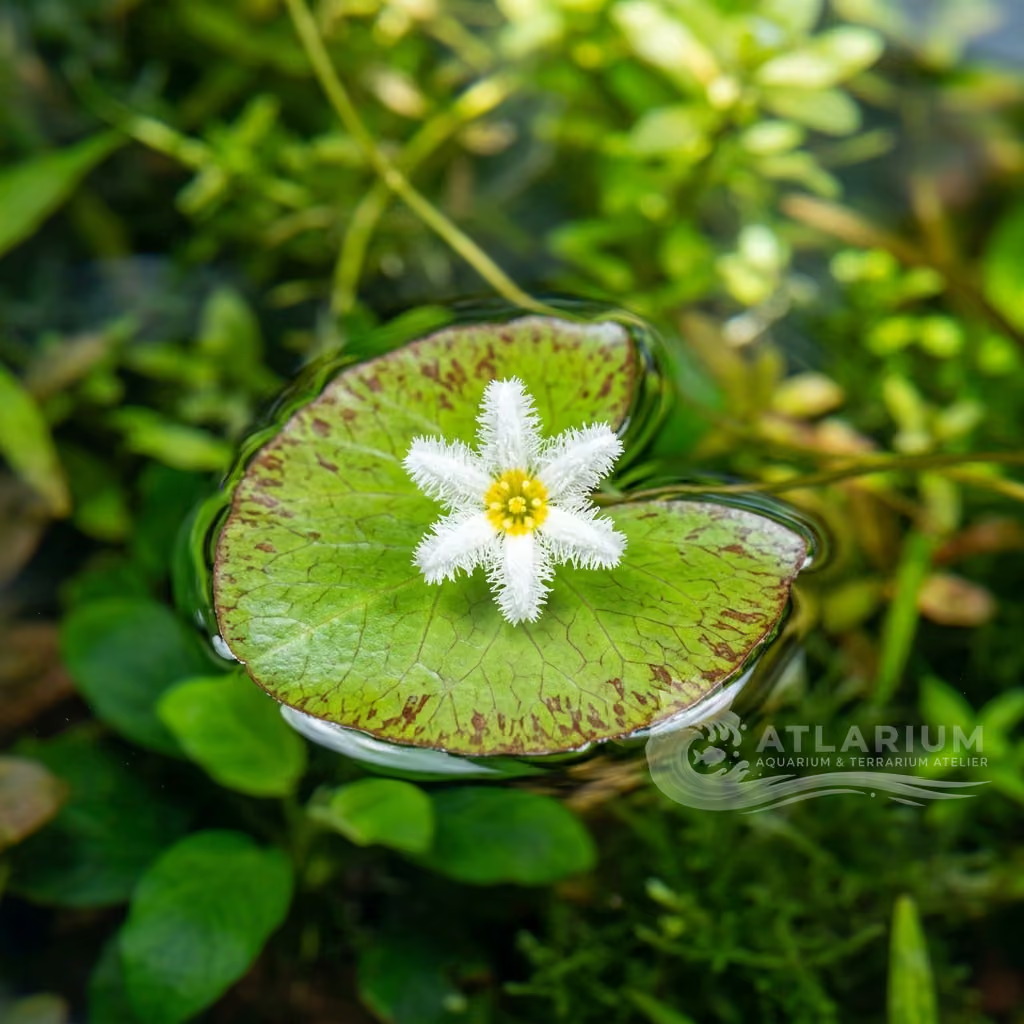
Physical Structure: This species develops a robust rhizome from which leaves and, given suitable conditions, flower stalks emerge. The submerged leaves of Nymphaea glandulifera are typically orbicular or heart-shaped, supported by long petioles that can extend towards the water's surface. Under optimal conditions, the leaves can reach considerable sizes; however, with proper pruning, a more compact and submerged habit can be maintained. The plant is also capable of producing floating leaves, which are thicker and waxy, and nocturnal, usually white, flowers that emerge above the water's surface, adding another element of beauty to its life cycle.
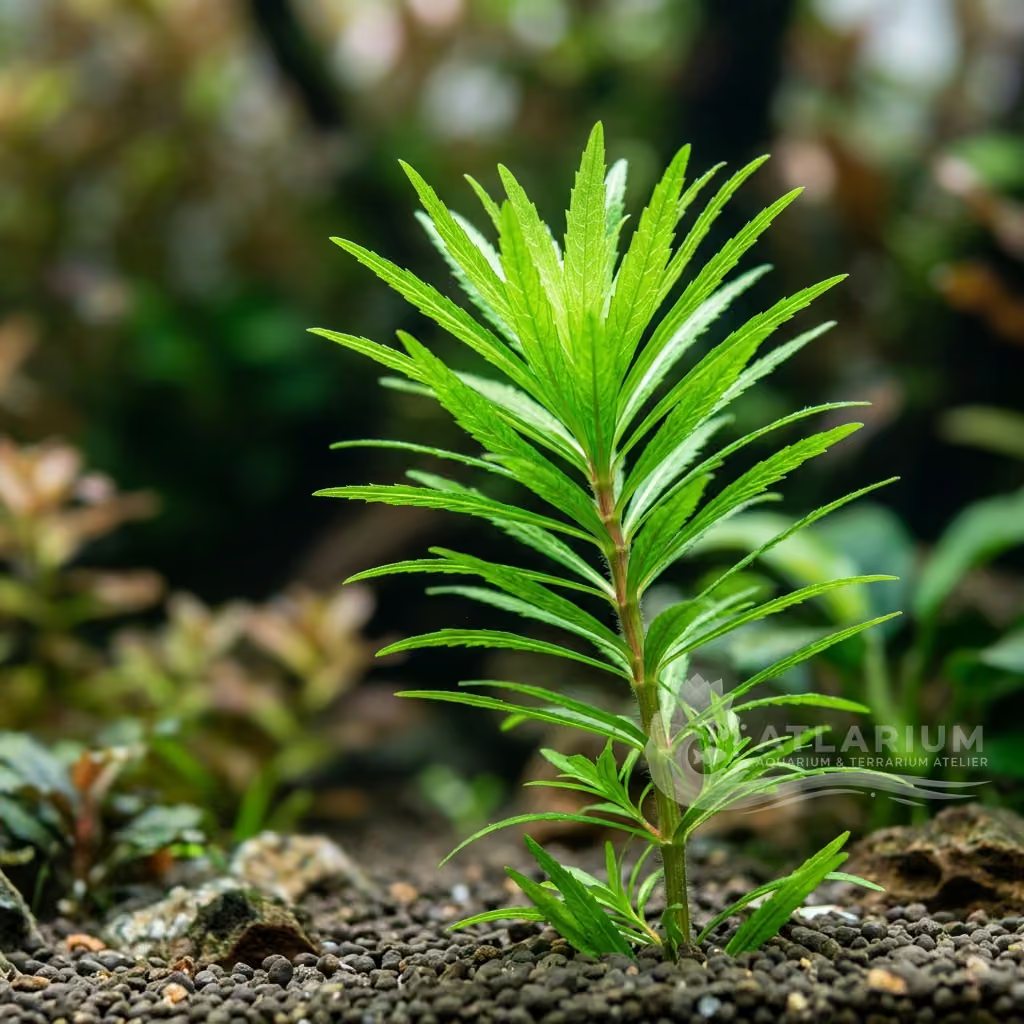
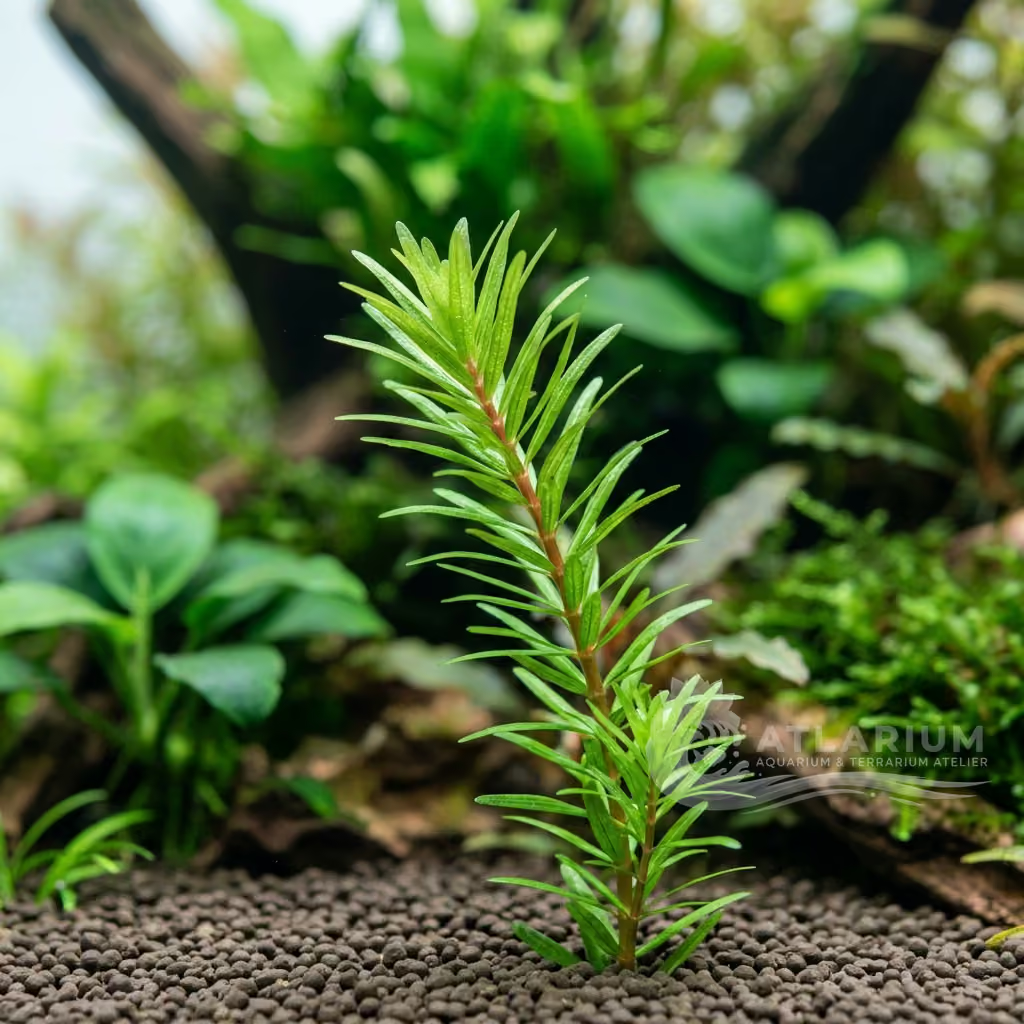
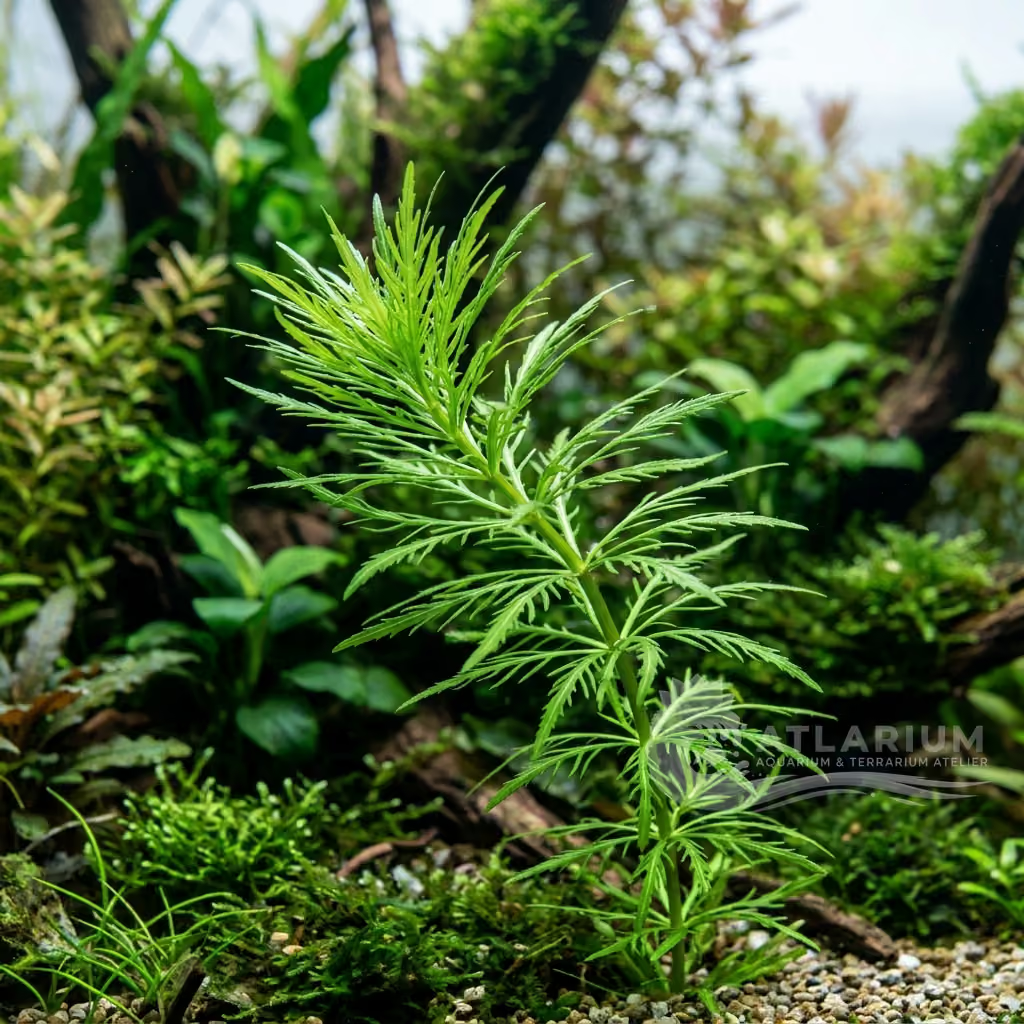
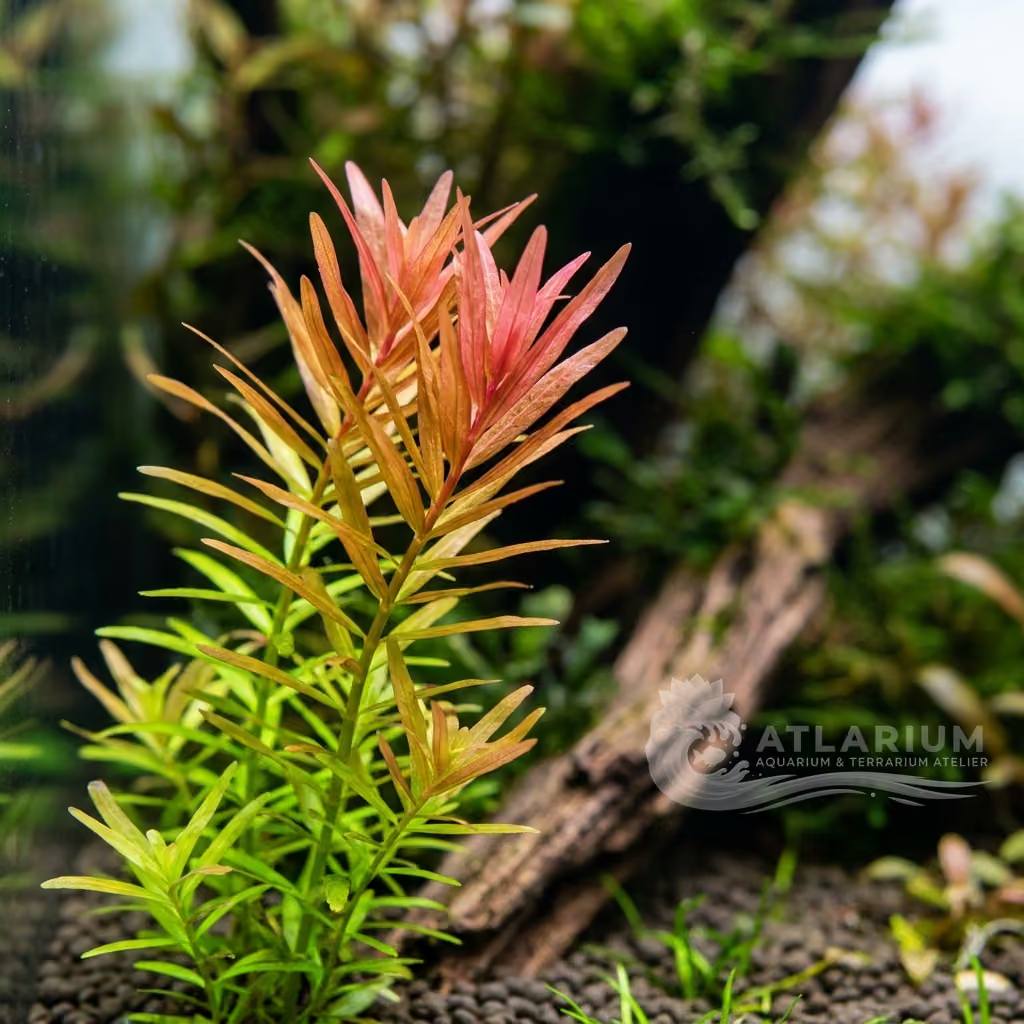
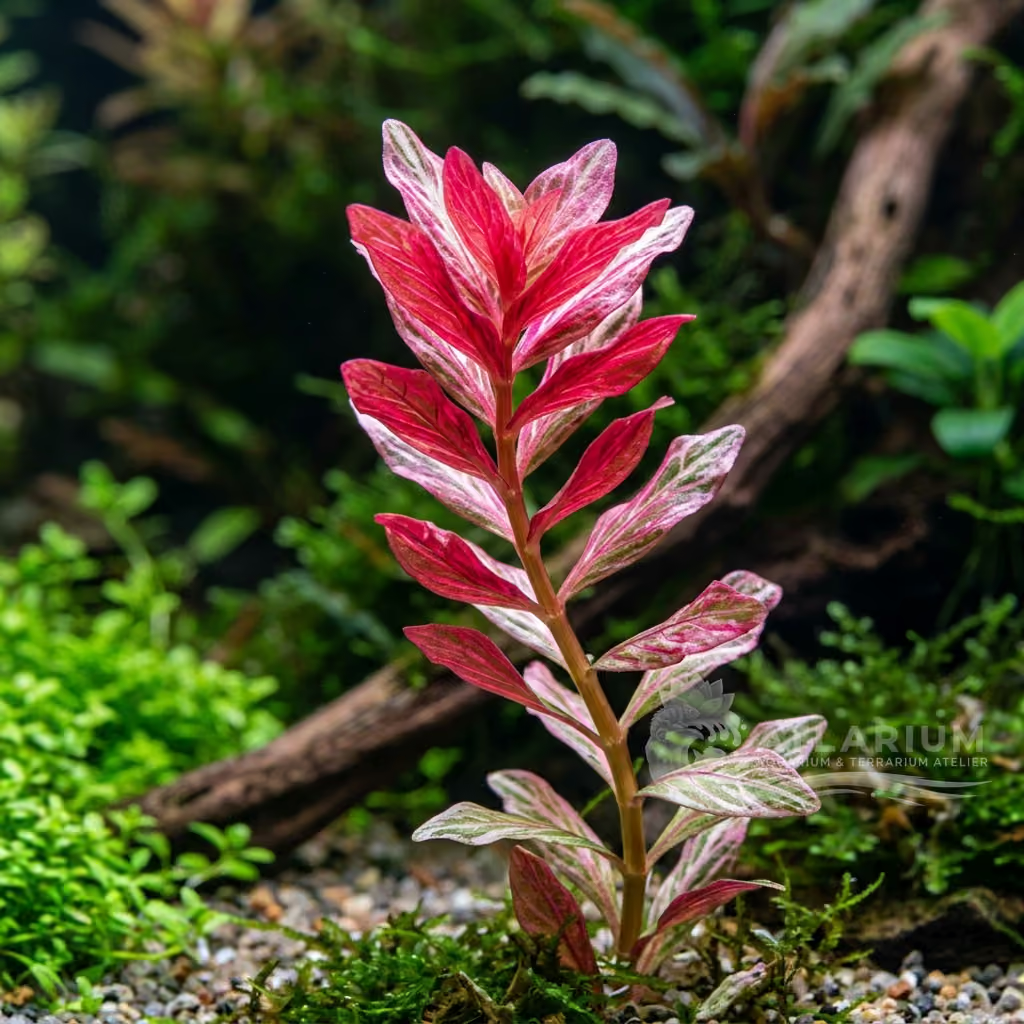
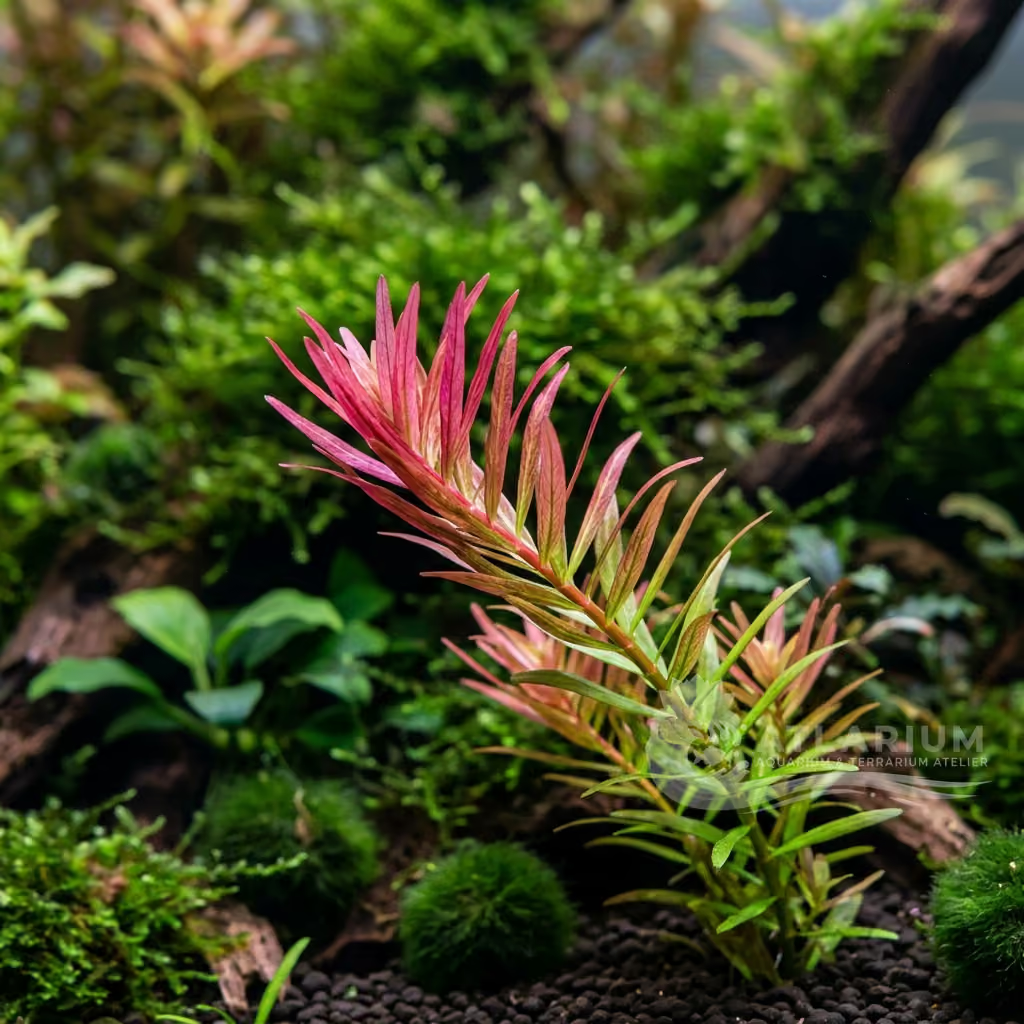
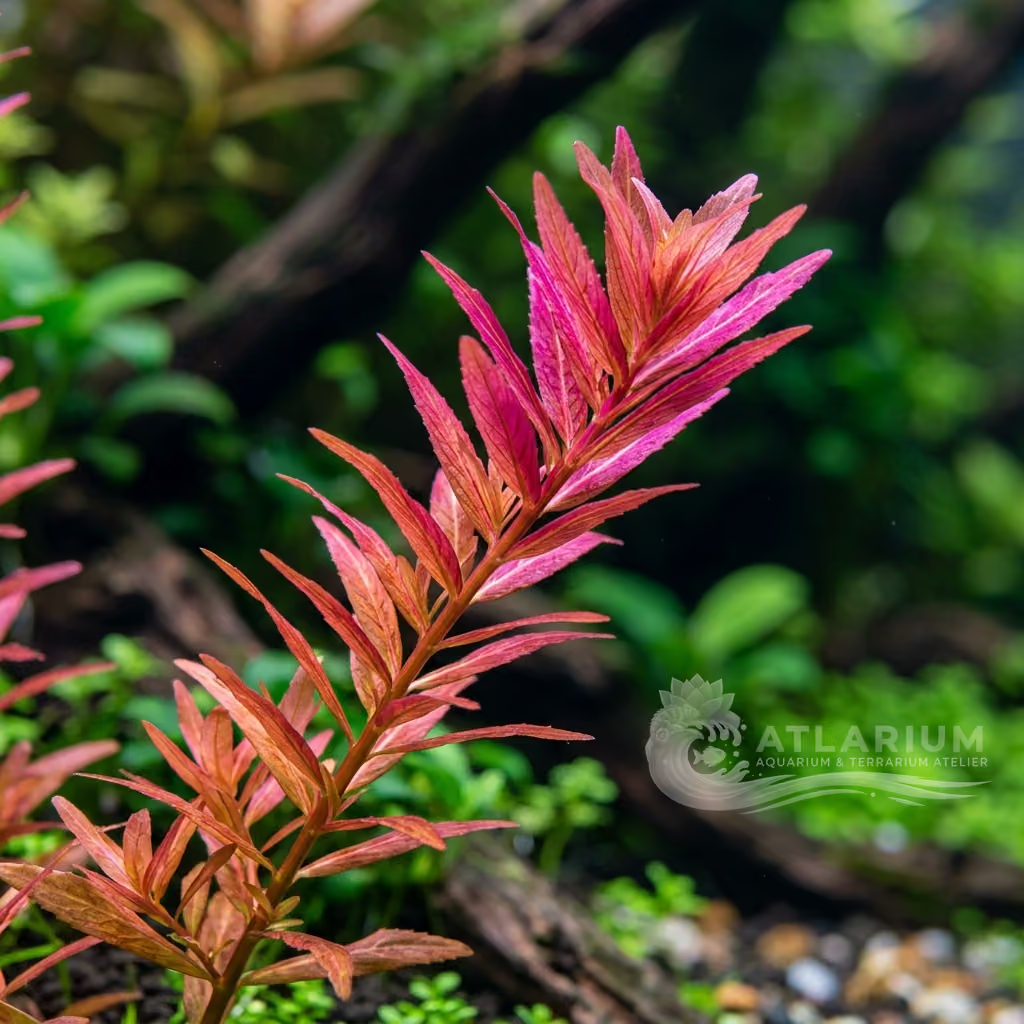
Color & Texture: The submerged leaves of Nymphaea glandulifera exhibit coloration ranging from bright green to dark green, often with reddish or brownish tinges, especially in younger leaves or under intense illumination. Some specimens may also develop darker spots or stripes, which add depth and visual interest. The texture of the leaves is generally smooth and slightly waxy, giving them a subtle sheen underwater. Emergent leaves, in contrast, tend to be a darker green and have a more leathery texture, offering an aesthetic contrast to the submerged foliage.

Care, breeding and tankmates
Lighting & CO2: For optimal growth of Nymphaea glandulifera, medium to high lighting is required; more intense light will promote brighter colors and a more compact growth habit, preventing excessive elongation of petioles towards the surface. CO2 injection is highly recommended, especially in aquariums with intense lighting, as it supports photosynthesis, promotes robust growth, and helps maintain smaller, intensely colored submerged leaves. The combination of adequate light and stable CO2 is crucial for preventing algae growth on the leaves and ensuring the plant's overall health.
Nutrition & Substrate: Nymphaea glandulifera is a heavy root feeder and thrives in a nutrient-rich substrate, such as aqua soil or a mixture of inert gravel with a fertile base layer. Supplementation with root tabs directly under the rhizome is almost essential to provide the necessary macronutrients and micronutrients, such as iron and potassium, which promote vigorous growth and prevent deficiencies. Although absorption primarily occurs through the roots, a balanced liquid fertilization can supplement nutrients available in the
Water Chemistry: For Nymphaea glandulifera, maintaining stable water parameters within the specified ranges is crucial. Water temperature should be kept between 18.0 and 30.0 C, with an ideal range around 24-26 C to stimulate healthy growth. The pH should be acidic to neutral, between 5.0 and 7.0, while carbonate hardness (KH) needs to be low, between 0.0 and 10.0, to mimic its natural conditions. Avoiding sudden fluctuations in these parameters is critical, as the plant can be sensitive to osmotic shock and abrupt changes in the chemical environment, which could lead to stress or leaf melt.
Space Management & Placement: While designated for the foreground, Nymphaea glandulifera requires careful space management, especially in moderately sized aquariums, given its potential growth. In larger aquariums, it can create an impressive focal point in the foreground or midground, whereas in smaller tanks, regular leaf
Pruning: Pruning Nymphaea glandulifera is a fundamental aspect of its care, especially when aiming to maintain it as a foreground plant with submerged foliage. It is necessary to regularly remove older, yellowing, or deteriorating leaves by cutting them at the base of the petiole as close as possible to the rhizome. Furthermore, any leaves that are excessively elongating towards the surface, or that have already reached the water and transformed into floating leaves, should be removed. This practice not only prevents shading of underlying plants but also stimulates the production of new, smaller, and more compact submerged leaves, maintaining the desired shape and vitality of the plant.
Risks & Diseases: Nymphaea glandulifera can be susceptible to some common aquarium plant risks and diseases if conditions are not optimal. Nutrient deficiencies often manifest as yellowing leaves, holes, or stunted growth, indicating the need to supplement root or liquid fertilizers. Excessive algae growth on leaves can occur with imbalances between light, CO2, and nutrients, or poor water circulation, impairing the plant's photosynthesis. While less common in well-maintained aquariums, attacks by pests such as snails or aquatic slugs can damage foliage, requiring monitoring and, if necessary, specific interventions. Abrupt changes in water parameters can cause a phenomenon known as "melting," where leaves rapidly decompose.

Geographic origin and distribution
Nymphaea glandulifera is native to the tropical and subtropical regions of the Americas, commonly found in shallow, slow-moving freshwater bodies such as ponds, lakes, and marshes. Its natural habitat is characterized by warm temperatures and waters ranging from slightly acidic to neutral, often with a rich organic sediment substrate. This water lily is well-adapted to intense light conditions, thriving in open environments where it can receive abundant solar radiation, a key factor for its vigorous growth and foliage
Origin
Central America and CaribbeanAmazon, Orinoco, and GuianasExtra-Amazon South America

Plant profile
- Placement
- Foreground
- With its broad, showy leaves, this plant is an excellent choice for a dramatic focal point in the midground to background of larger aquariums. Because its leaves can cast deep shade, careful consideration must be given to the placement of neighboring plants to ensure they are not starved of light. To keep the plant primarily submerged and bushy, any leaves that begin to rapidly stretch toward the surface should be pruned away.
- Botanical form
- Rosette
- It is a tuberous, rosette-forming plant that produces large, somewhat arrow-shaped or heart-shaped leaves with distinctively wavy or ruffled margins. The submerged leaves often exhibit a beautiful pale green to light yellowish-green hue, providing a soft contrast to darker plants. If permitted to reach the surface, it will develop floating lily pads and may produce small, delicate white flowers.
- Growth
- Medium
- The plant boasts a fast growth rate, especially when its root system has access to ample nutrition. It will frequently generate new leaves from the central bulb, steadily increasing its size and the visual impact it has on the aquascape.
- Substrate
- High
- A deep, highly nutritious substrate is non-negotiable for the long-term health of this plant. It develops a substantial tuber and a massive root system designed to extract heavy loads of nutrients from the soil. Cultivating it in a high-quality, mineral-rich aquasoil is the best approach; attempting to grow it in an inert substrate like plain gravel will lead to severe nutrient deficiencies and poor growth.
- Column fertilization
- Recommended
- Although it is primarily a root feeder, water column fertilization provides necessary supplementary nutrients. Dosing a high-quality liquid fertilizer that includes potassium and a full spectrum of trace elements—especially iron—helps prevent leaf yellowing and keeps the foliage looking vibrant and healthy.
- Root fertilization
- Required
- Aggressive, consistent root fertilization is the most critical aspect of caring for Nymphaea glandulifera. The plant's voracious appetite means it will quickly deplete the nutrients immediately surrounding its roots. Inserting comprehensive, nutrient-dense root tabs deep into the substrate right next to the bulb on a monthly basis is essential to sustain its fast growth and large leaf size.
- Trimming
- Occasional
- To maintain a compact submerged form, promptly trim any leaves that reach for the surface. Cut the stems as close to the base as possible to encourage bushy new growth. Remove any decaying or damaged leaves to prevent water quality degradation. If you want floating leaves, simply allow the longest stems to reach the top undisturbed.
- Propagation
- Runners
- Propagation is generally achieved through the separation of adventitious plantlets or daughter bulbs that form around the main tuber. Once these new plants have sprouted several leaves and grown a substantial root system of their own, they can be gently separated from the parent plant and relocated. Propagation via seeds is also possible following successful flowering.
- Sensitivity
- Moderate
- This species can be sensitive to sudden changes in water parameters or temperature. It is generally not tolerant of harsh chemical treatments, such as certain algae medications. Ensure the rhizome or tuber is not fully buried, as it may rot. Herbivorous fish and snails might occasionally nibble on the tender new leaves.
- Layout role
- Foreground, Midground, group
- This plant serves as an excellent solitary centerpiece in many aquascaping styles. Its distinct leaf shape and color break up the monotony of typical stem plant groupings. It is widely used in Dutch-style aquariums to provide a strong visual anchor. In nature aquariums, it adds a wild, unruly element to the background or midground.

Related species
Recommendations grouped by close relatives, companion choices, and similar care.