Nymphaea lotus 'rot'
Nymphaea lotus 'rot'
Nymphaea lotus 'rot', also known as the red lotus lily, is a captivating aquatic plant prized for its vibrant foliage and rapid growth rate. This species thrives as a midground plant in aquariums, where its submerged and floating leaves create a striking visual centerpiece.
Water Temperature
15 - 30 °C
pH Value
5 - 8
Water type
Freshwater
Light
Medium to High
CO2
High
Expected height
50 cm
Expected width
50 cm
KH
2 - 14 dKH

Species description
Geographical Origin and Habitat: The wild Nymphaea lotus species originates from the tropical and subtropical regions of Africa and Southeast Asia, where it flourishes in slow-moving rivers, ponds, and lakes. The 'rot' variety is a specific cultivar selected for its distinctive reddish hues, not being a native species of a particular geographical location with these exact characteristics. In its natural habitat, water lilies typically colonize areas with muddy substrates and calm waters, benefiting from abundant sunlight.
Taxonomy & Genetics: Nymphaea lotus 'rot' belongs to the Nymphaeaceae family, an ancient lineage of aquatic plants. This particular cultivar, 'rot' (meaning 'red' in German), has been artificially selected to enhance the red pigmentation in its leaves, making it especially appealing to aquascapers. Reproduction typically occurs vegetatively, ensuring the preservation of its unique genetic traits and desired phenotype.
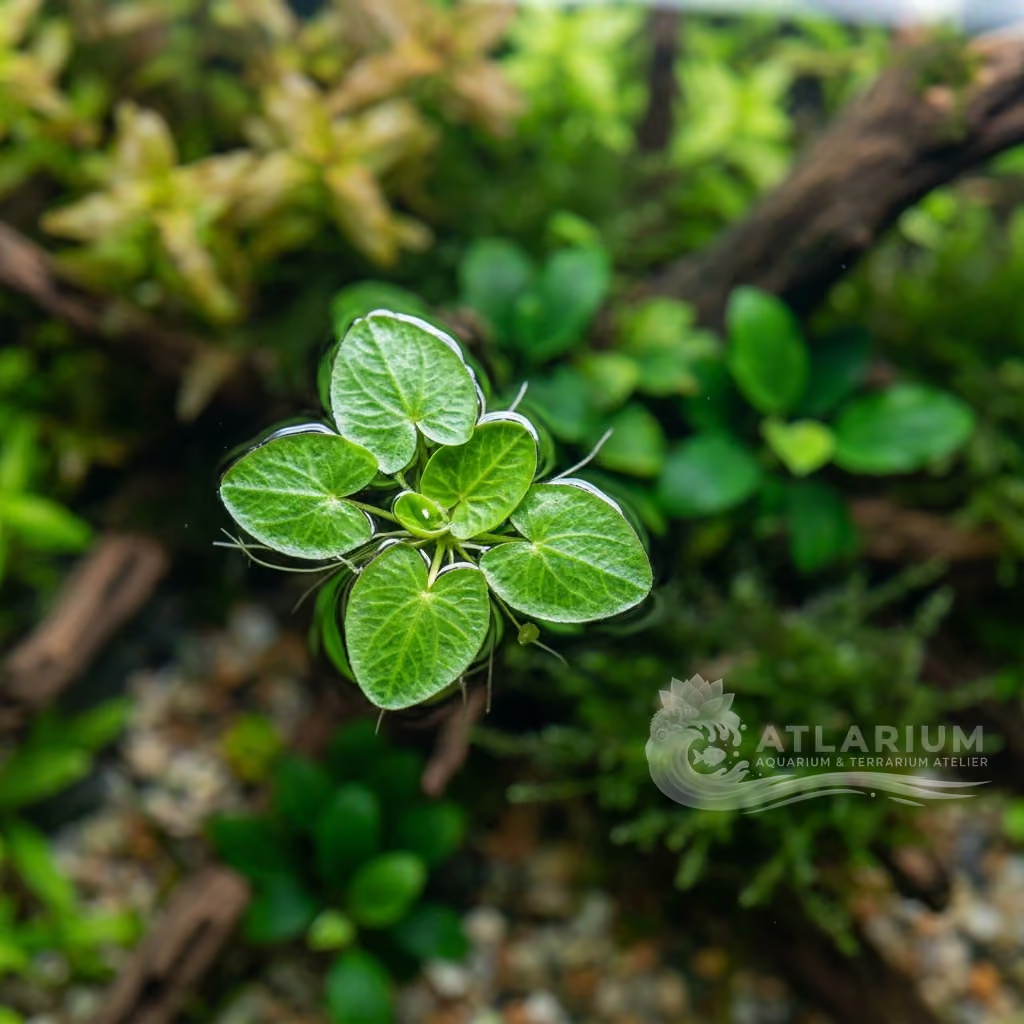
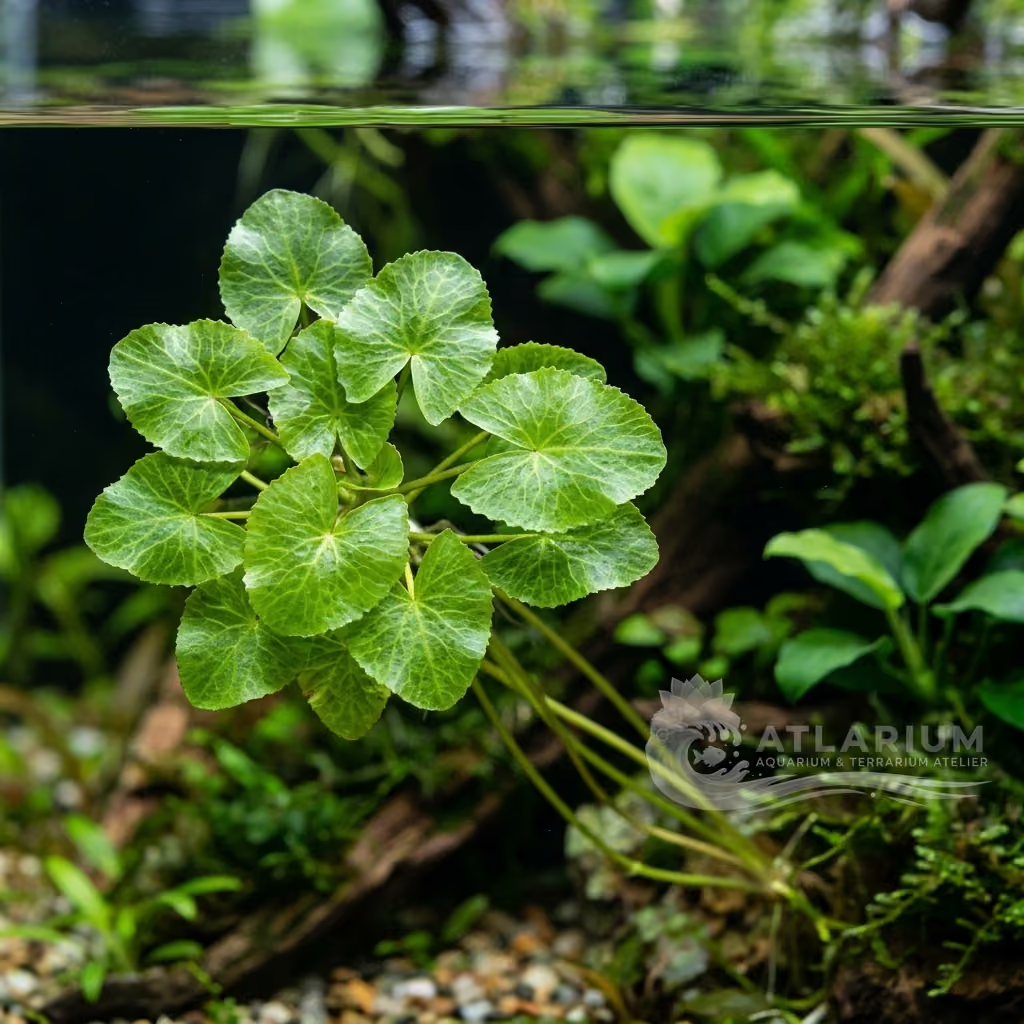
Physical Structure: This water lily develops a robust underground rhizome from which long-petioled leaves emerge, capable of being either submerged or floating. Submerged leaves are usually ovate or rounded, while floating leaves tend to be larger and heart-shaped, often reaching the water's surface. Under optimal conditions, the plant can also produce spectacular flowers that open above the water.
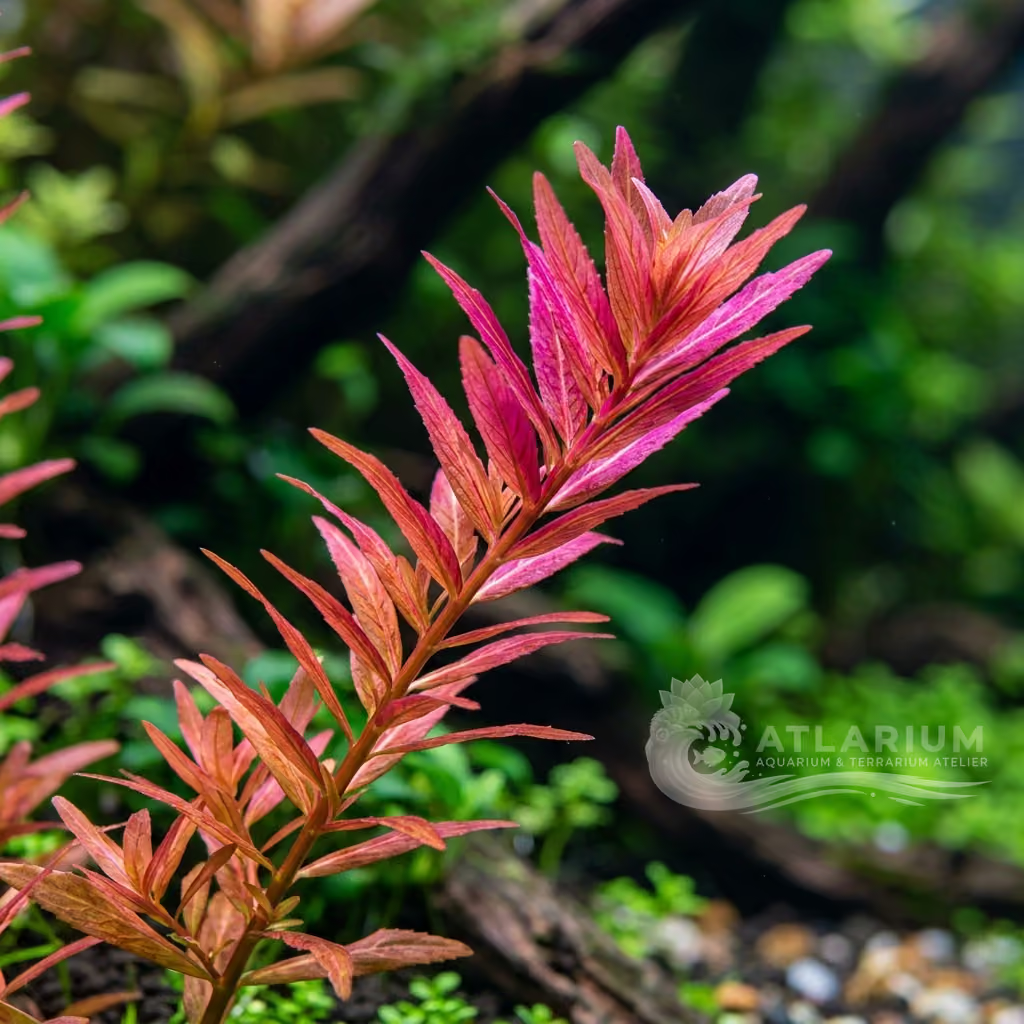
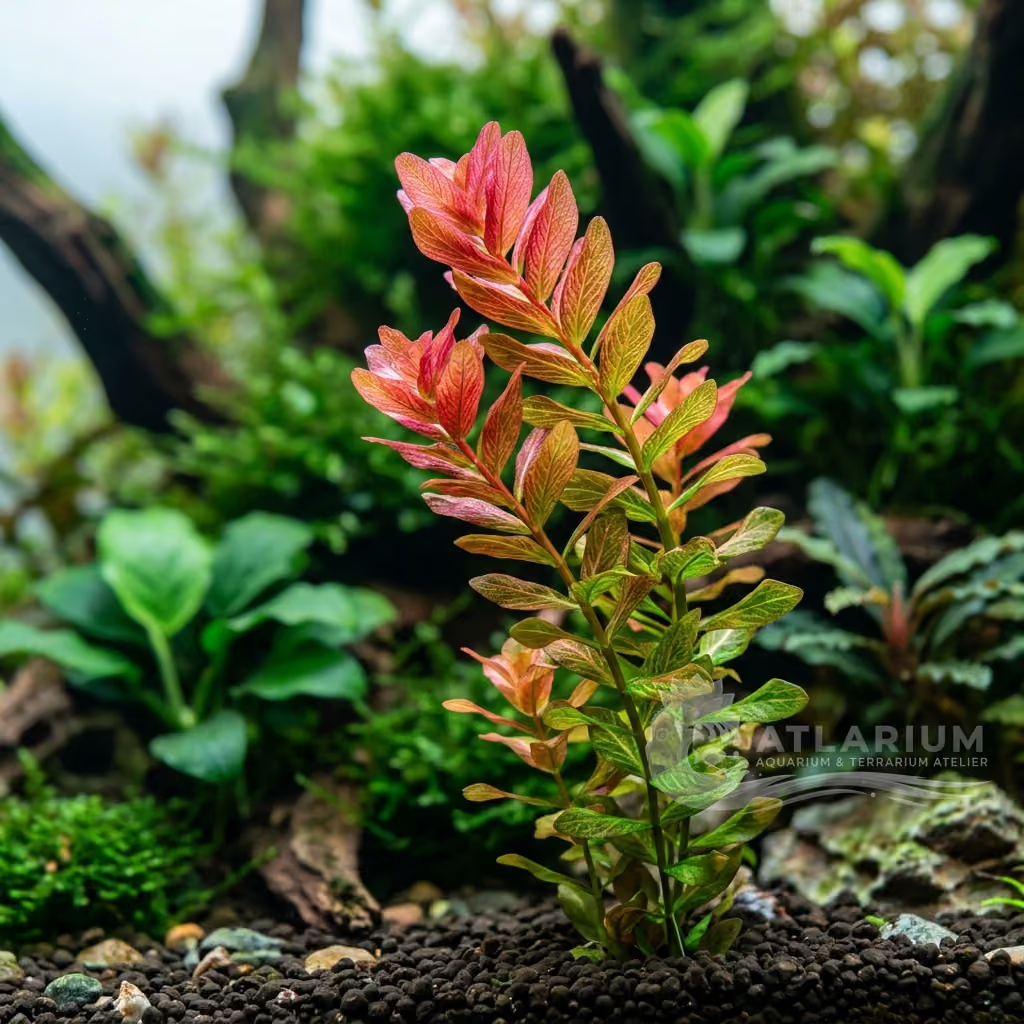
Color & Texture: The defining characteristic of Nymphaea lotus 'rot' is the intense color of its leaves, which ranges from red-brown to deep burgundy, especially under strong illumination. The upper surface of the leaves may exhibit darker spots or accentuated veins, adding further visual complexity. The leaf texture is generally smooth and waxy, contributing to their resilience in an aquatic environment.

Care, breeding and tankmates
Lighting & CO2: Nymphaea lotus 'rot' requires medium to high lighting to best express its red coloration and maintain a compact growth habit. Insufficient lighting can lead to pale leaves and excessive elongation of petioles in search of light, resulting in the formation of numerous floating leaves. CO2 supplementation is highly recommended to promote vigorous, healthy growth, maximizing nutrient uptake and intensifying pigmentation.
Nutrition & Substrate: As a rhizomatous plant, Nymphaea lotus 'rot' is a heavy root feeder, absorbing most of its nutrients through its root system. It is crucial to use a nutrient-rich substrate containing clay and iron, or to supplement with fertilizer tabs placed directly beneath the rhizome. Iron deficiency, in particular, can manifest as lighter leaves or reduced intensity of the red color.
Water Chemistry: This water lily is quite tolerant of various water chemistry conditions, thriving in temperatures between 15.0 and 30.0 C, with a pH range of 5.0 to 8.0, and a carbonate hardness (KH) of 2.0 - 14.0. However, for optimal growth and vivid colors, it is preferable to maintain stable values within the suggested range. Slightly acidic and softer waters are often associated with improved pigmentation.
Space Management & Placement: Due to its potential size and rapid growth, Nymphaea lotus 'rot' is ideally suited for the midground in medium to large aquariums. It is important to ensure ample space for its leaf expansion, preventing it from overshadowing other plants or excessively shading the aquarium. Its placement should allow leaves to reach the surface if desired, or be kept submerged through regular
Pruning: Pruning is essential to control the plant's size and prevent floating leaves from excessively shading the aquarium. Leaves that reach the surface and older or damaged leaves should be removed regularly by cutting them at the base of the petiole. This encourages the plant to produce new submerged leaves and maintain a more compact habit.
Risks & Diseases: Nymphaea lotus 'rot' is generally robust, but it can suffer from nutrient deficiencies, particularly iron, leading to leaf discoloration. Insufficient lighting or excessive competition can weaken it, making it more susceptible to algal growth on its leaves or attacks by snails and herbivorous fish. Maintaining optimal conditions and a good maintenance routine is the best prevention.

Geographic origin and distribution
The wild Nymphaea lotus species originates from the tropical and subtropical regions of Africa and Southeast Asia, where it flourishes in slow-moving rivers, ponds, and lakes. The 'rot' variety is a specific cultivar selected for its distinctive reddish hues, not being a native species of a particular geographical location with these exact characteristics. In its natural habitat, water lilies typically colonize areas with muddy substrates and calm waters, benefiting from abundant sunlight.
Origin
Africa and MadagascarSouth and Southeast AsiaSelective breeding and cultivars

Plant profile
- Placement
- Midground
- Due to its striking red color and huge leaves, it serves as an unparalleled focal point in the midground or background of the aquascape. Because its massive canopy casts intense shadows, it must be positioned strategically to avoid killing smaller, light-loving plants beneath it. To maintain its highly desired submerged, bushy appearance, any leaf that aggressively shoots toward the surface should be immediately pruned near the bulb.
- Botanical form
- Rosette
- This is a bulbous, rosette-forming plant known for its spectacular, large, arrow-shaped leaves with intensely wavy or ruffled margins. The 'rot' variant boasts a stunning base coloration ranging from rusty brownish-red to a deep, vibrant crimson, heavily mottled with darker purple or blackish spots. If permitted, it will develop floating lily pads and may produce large, fragrant, nocturnal flowers ranging from white to deep pink.
- Growth
- Fast
- The growth rate of the Red Tiger Lotus is incredibly fast when its substantial root requirements are met. It will rapidly continuously unfurl large new leaves, quickly dominating its area of the aquarium and requiring diligent maintenance to keep its size under control.
- Substrate
- High
- A deep, heavily enriched, and mature substrate is absolutely mandatory. The Red Tiger Lotus possesses a large bulb from which a vast, aggressive root system emerges, designed to pull heavy nutrient loads directly from the soil. Planting it in a high-quality, nutrient-dense aquasoil is the ideal approach; inert substrates will utterly fail to support this plant without massive and continuous root tab supplementation.
- Column fertilization
- Recommended
- Although it is overwhelmingly a root feeder, water column fertilization provides an essential supplementary role. Dosing a comprehensive liquid fertilizer ensures the plant receives adequate potassium and micronutrients. Generous iron dosing is particularly crucial to maintain the intense, deep red pigmentation of the foliage and prevent the leaves from looking washed out.
- Root fertilization
- Required
- Aggressive, unyielding root fertilization is the key to successfully cultivating Nymphaea lotus 'rot'. The plant will rapidly devour the nutrient reserves in its immediate vicinity, even in premium soils. It is critical to insert several large, nutrient-rich root tabs deep into the substrate, directly adjacent to the bulb, every 3 to 4 weeks to sustain its voracious appetite and vibrant colors.
- Trimming
- Occasional
- To maintain a compact submerged form, promptly trim any leaves that reach for the surface. Cut the stems as close to the base as possible to encourage bushy new growth. Remove any decaying or damaged leaves to prevent water quality degradation. If you want floating leaves, simply allow the longest stems to reach the top undisturbed.
- Propagation
- Runners
- Propagation is straightforward and happens naturally as the parent bulb produces smaller daughter bulbs around its base. Once these lateral shoots have formed a distinct root system and several robust leaves, they can be carefully cut away from the main plant and repositioned. If the plant is allowed to reach the surface and flower, sexual reproduction via seeds is also a viable propagation method.
- Sensitivity
- Moderate
- This species can be sensitive to sudden changes in water parameters or temperature. It is generally not tolerant of harsh chemical treatments, such as certain algae medications. Ensure the rhizome or tuber is not fully buried, as it may rot. Herbivorous fish and snails might occasionally nibble on the tender new leaves.
- Layout role
- Midground, Background
- This plant serves as an excellent solitary centerpiece in many aquascaping styles. Its distinct leaf shape and color break up the monotony of typical stem plant groupings. It is widely used in Dutch-style aquariums to provide a strong visual anchor. In nature aquariums, it adds a wild, unruly element to the background or midground.

Related species
Recommendations grouped by close relatives, companion choices, and similar care.