Nymphaea pubescens
Nymphaea pubescens
Nymphaea pubescens is a striking midground water lily, offering a medium growth rate and distinctive foliage to create a captivating focal point or lush filler in aquascape designs. Its adaptability and aesthetic appeal make it a popular choice for enriching the visual depth of various aquarium setups.
Water Temperature
15 - 30 °C
pH Value
5 - 8
Water type
Freshwater
Light
Medium to High
CO2
High
Expected height
50 cm
Expected width
50 cm
KH
2 - 14 dKH

Species description
Geographical Origin and Habitat: Nymphaea pubescens originates from a vast expanse across tropical and subtropical Asia, encompassing countries such as India, Bangladesh, Sri Lanka, Thailand, and Indonesia. In its native habitats, this species thrives in a variety of freshwater aquatic environments, including ponds, slow-moving lakes, marshes, ditches, and flooded rice paddies. Its inherent hardiness and adaptability allow it to colonize both shallow and moderately deep waters, often forming dense submerged or floating colonies.
Taxonomy & Genetics: Belonging to the Nymphaeaceae family, Nymphaea pubescens is classified within the Nymphaea genus, which comprises numerous species commonly known as water lilies. Its classification is sometimes debated due to extensive intraspecific morphological variability and potential natural hybridization with other water lily species. Genetically, like many widespread aquatic plants, it exhibits remarkable resilience and adaptability to differing environmental conditions, making it an interesting subject for phylogenetic studies. The epithet "pubescens" in its scientific name refers to the presence of fine hairs, often observable on the petioles or the underside of its leaves.
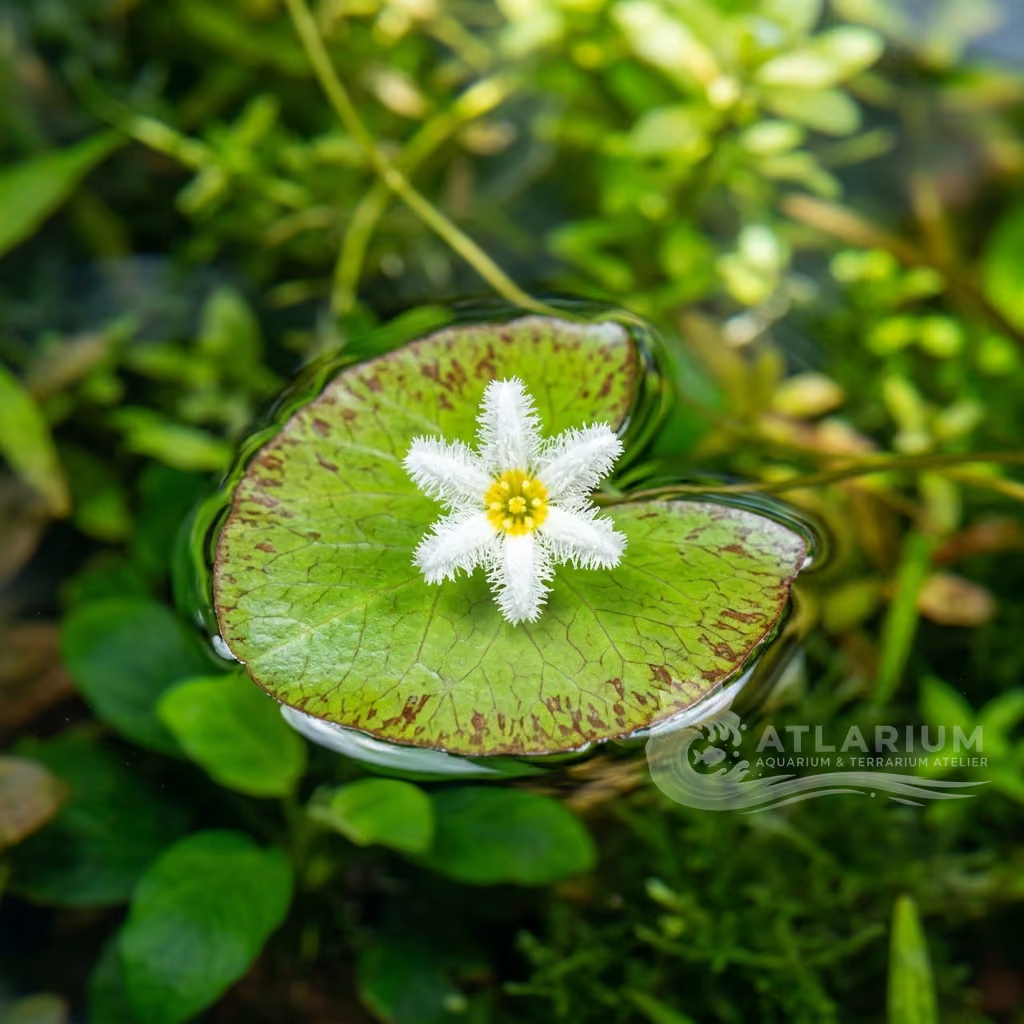
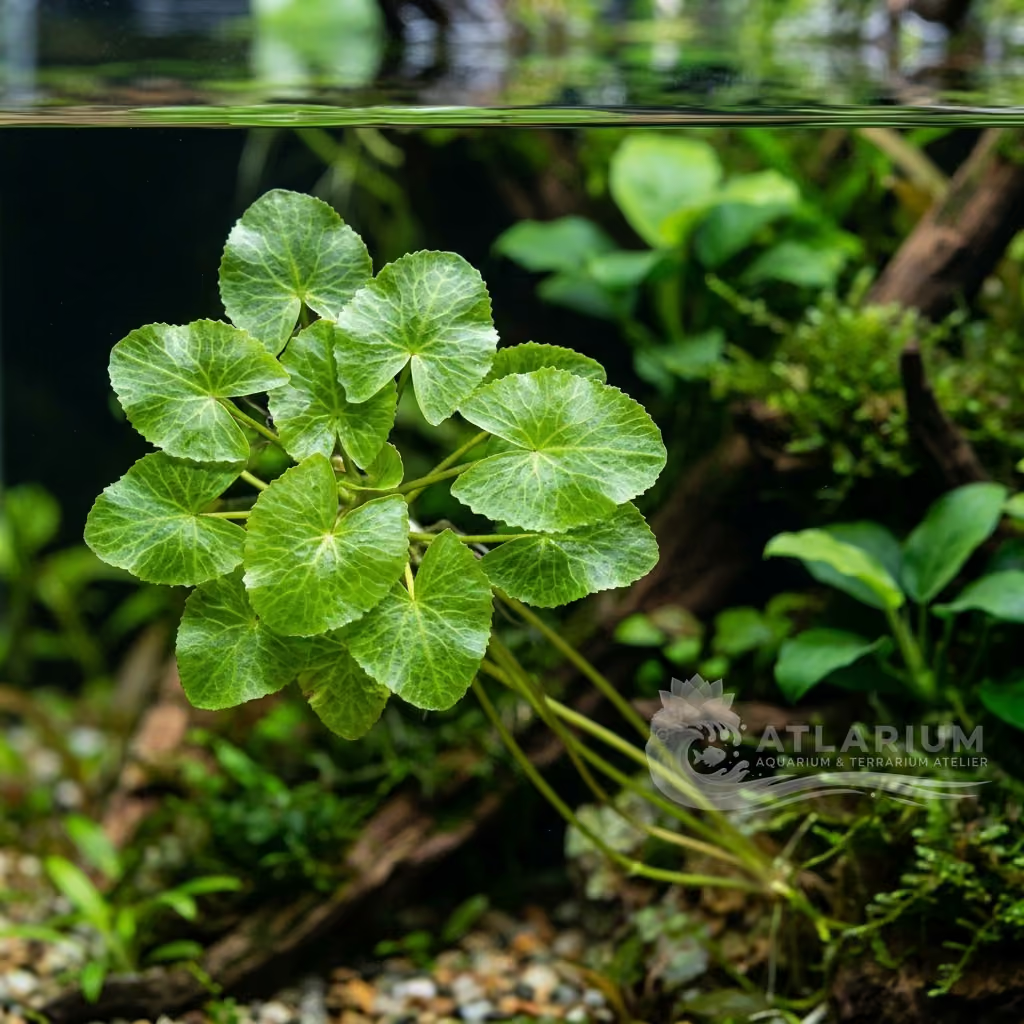
Physical Structure: The physical structure of Nymphaea pubescens is characterized by a robust, fleshy rhizome from which petioles emerge to support the leaves. Submerged leaves are typically sagittate or cordate with sometimes wavy margins, and develop in a compact rosette under adequate lighting. If allowed to grow freely or in insufficient light conditions, it can produce emergent or floating leaves, which are generally larger and more rounded in shape, akin to those of ornamental garden water lilies. The plant is also capable of producing spectacular flowers, often white or pinkish, that emerge above the water surface, adding a distinctive element to its overall morphology.
Color & Texture: The color of Nymphaea pubescens's submerged leaves can range from deep green to reddish-brown, often featuring captivating darker mottling that adds visual depth. The underside of the leaves may display purplish or reddish hues, especially under good lighting and nitrate-limited conditions. The texture of submerged leaves is typically softer and more flexible compared to floating leaves, which tend to be thicker, waxy, and leathery to withstand direct air and sun exposure. The "pubescens" characteristic is sometimes visible as a fine hairiness on the petioles and lower veins of the leaves, imparting a unique tactile and visual texture.

Care, breeding and tankmates
Lighting & CO2: Nymphaea pubescens significantly benefits from medium to high lighting to fully express its vibrant coloration and maintain a compact submerged leaf growth. Insufficient light will cause leaf petioles to elongate excessively and encourage the formation of floating leaves, at the expense of submerged foliage. CO2 injection is highly recommended, particularly in aquariums with intense lighting, as it supports faster growth, efficient photosynthesis, and more vivid, intense colors. Without additional CO2, its growth may slow, and its response to high light could be less optimal, potentially leading to increased algae growth on the leaves.
Nutrition & Substrate: As a typical heavy root feeder, Nymphaea pubescens requires a nutrient-rich substrate for optimal health and growth. A fertile bottom layer, such as aquasoil or a clay-based substrate enriched with iron and other trace elements, is crucial for its prosperity. Regular supplementation with root tabs, placed near the rhizome, is essential to ensure a consistent supply of macro and micronutrients. While it can benefit from general liquid fertilization for the entire
Water Chemistry: Nymphaea pubescens demonstrates impressive tolerance to a wide range of water parameters, making it suitable for numerous aquarium setups. It thrives in temperatures between 15.0 and 30.0 °C, adapting well to both tropical aquariums and slightly cooler configurations, although consistent temperatures around 22-26°C are optimal for vigorous growth. Regarding water chemistry, it is tolerant of KH values between 2.0 and 14.0 and pH levels between 5.0 and 8.0, indicating its ability to flourish in both soft, acidic and hard, alkaline waters. Maintaining stable parameters is always preferable to extreme fluctuations, which can stress the plant and foster health or algal issues.
Space Management & Placement: Nymphaea pubescens is ideally positioned in the midground of the aquarium, where its leaves can expand without overshadowing smaller plants. Due to its medium growth rate and potential leaf size, it requires sufficient space to develop a broad and appealing rosette. It is advisable to plant it individually or in small, well-spaced clusters to allow for adequate water circulation and light penetration for each plant. Avoid planting it too close to the front glass or other dominant plants, as its large floating leaves, if not managed, can excessively shade underlying areas, compromising the growth of other species.
Pruning: Pruning Nymphaea pubescens is essential to maintain its desired form and prevent its floating leaves from excessively shading the aquarium. It is important to regularly remove older outer leaves that begin to yellow or show signs of deterioration, by cutting them at the base of the rhizome with sharp scissors. If the plant starts producing leaves that reach the surface or float, it is crucial to trim them promptly to redirect energy towards the production of more compact and colorful submerged leaves. Spent flowers, once withered, can also be removed to encourage vegetative growth and prevent unwanted seed dispersion.
Risks & Diseases: Despite its hardiness, Nymphaea pubescens can be susceptible to risks and diseases if environmental conditions are not optimal. Nutritional deficiencies, particularly of iron or potassium, can manifest as yellowing leaves or pinholes. Algae growth on leaves is a common indicator of system imbalance, often related to excessive light, CO2 deficiency, or insufficient nutrients for the plant itself. A sudden change in water parameters or severe transplant stress can induce a "melting" phenomenon, where leaves rapidly dissolve. It is crucial to closely monitor the plant to detect these signs early and intervene with appropriate corrections.

Geographic origin and distribution
Nymphaea pubescens originates from a vast expanse across tropical and subtropical Asia, encompassing countries such as India, Bangladesh, Sri Lanka, Thailand, and Indonesia. In its native habitats, this species thrives in a variety of freshwater aquatic environments, including ponds, slow-moving lakes, marshes, ditches, and flooded rice paddies. Its inherent hardiness and adaptability allow it to colonize both shallow and moderately deep waters, often forming dense submerged or floating colonies.
Origin
South and Southeast Asia

Plant profile
- Placement
- Midground
- Given its enormous potential size, this plant is best suited as a background or centerpiece in very large aquariums. It will effortlessly send thick petioles to the surface, creating large floating lily pads. Pruning these surface leaves is essential if you wish to maintain a submerged rosette and protect other plants from being shaded.
- Botanical form
- Rosette
- Nymphaea pubescens features large, textured leaves with distinct toothed or wavy margins. The submerged leaves often have a purplish or reddish-brown tint, while the floating pads are green with hairy undersides. It produces stunning, large white to pinkish night-blooming flowers when allowed to reach the water surface.
- Growth
- Medium
- With optimal lighting and nutrient availability, the growth rate is aggressively fast. It can produce several large leaves per week, quickly taking over its section of the tank. Regular and sometimes heavy pruning is required to keep this vigorous grower under control.
- Substrate
- High
- A very deep and highly enriched substrate is critical for the success of Nymphaea pubescens. The root system is extensive and requires a solid foundation of soil-based medium or heavy laterite. Gravel alone will stunt its growth unless heavily fortified with robust root fertilization products.
- Column fertilization
- Recommended
- While mostly reliant on its roots, it does extract necessary micronutrients from the water column. Adding liquid fertilizers helps ensure the broad leaves remain healthy and intensely colored. Potassium and trace elements are particularly useful in preventing structural defects in the rapidly growing foliage.
- Root fertilization
- Required
- Frequent and generous root fertilization is absolutely vital for this heavy root feeder. Driving multiple nutrient-dense root tabs deep into the substrate near the crown promotes massive leaf development. Failing to maintain substrate fertility will quickly cause the plant to decline and lose its vigor.
- Trimming
- Occasional
- To maintain a compact submerged form, promptly trim any leaves that reach for the surface. Cut the stems as close to the base as possible to encourage bushy new growth. Remove any decaying or damaged leaves to prevent water quality degradation. If you want floating leaves, simply allow the longest stems to reach the top undisturbed.
- Propagation
- Runners
- It primarily propagates by producing side shoots or daughter tubers adjacent to the main crown. These can be sliced or gently broken off once they exhibit significant root and leaf development. Seeds can also be harvested from the flowers and germinated in shallow water setups.
- Sensitivity
- Moderate
- This species can be sensitive to sudden changes in water parameters or temperature. It is generally not tolerant of harsh chemical treatments, such as certain algae medications. Ensure the rhizome or tuber is not fully buried, as it may rot. Herbivorous fish and snails might occasionally nibble on the tender new leaves.
- Layout role
- Midground, accent, Background
- This plant serves as an excellent solitary centerpiece in many aquascaping styles. Its distinct leaf shape and color break up the monotony of typical stem plant groupings. It is widely used in Dutch-style aquariums to provide a strong visual anchor. In nature aquariums, it adds a wild, unruly element to the background or midground.

Related species
Recommendations grouped by close relatives, companion choices, and similar care.