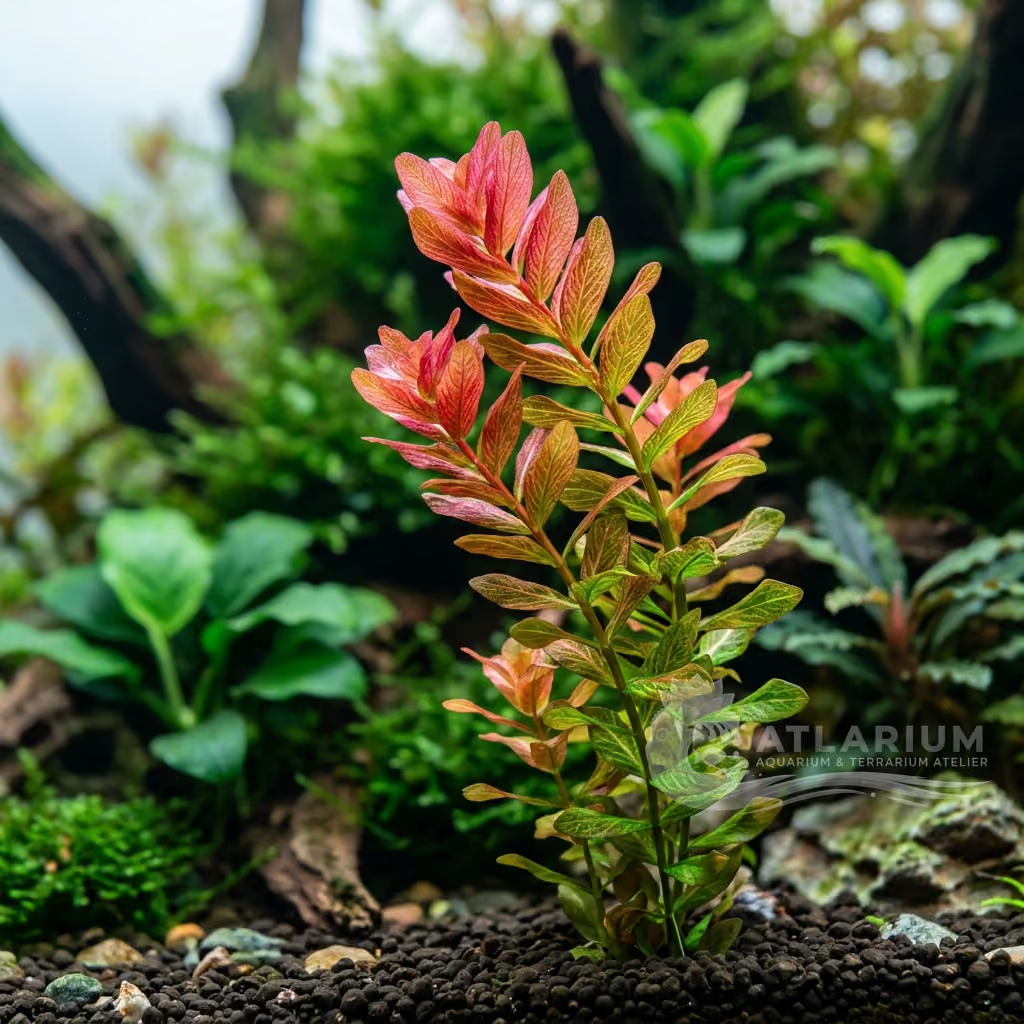
Nymphaea nouchali "Sri Lanka"
Nymphaea nouchali "Sri Lanka"
Nymphaea nouchali "Sri Lanka" is a magnificent aquatic lily celebrated for its vigorous growth and captivating foliage, making it an excellent focal point or transitional element in the aquarium midground. Its adaptable nature and ability to thrive across a wide range of conditions render it a rewarding choice for aquarists of varying experience levels.
Water Temperature
18 - 30 °C
pH Value
5 - 8
Water type
Freshwater
Light
Medium to High
CO2
High
Expected height
60 cm
Expected width
60 cm
KH
2 - 14 dKH

Species description
Geographical Origin and Habitat: This specific variety of Nymphaea nouchali originates from the tropical island of Sri Lanka, a biodiversity hotspot renowned for its lush freshwater environments. In its natural habitat, these water lilies are commonly found in lakes, ponds, and slow-moving streams, where their roots are anchored in the mud and leaves either remain submerged or emerge to float on the water surface. The warm, humid climate of this tropical region contributes significantly to its fast-growing nature and inherent robustness. Its presence in these waters plays a vital role in the local ecosystem, providing shelter and sustenance for various aquatic species.
Taxonomy & Genetics: Nymphaea nouchali belongs to the Nymphaeaceae family, an ancient and distinct group of aquatic plants commonly known as water lilies. The designation "Sri Lanka" does not denote a separate species, but rather a specific cultivar or ecotype that has either been selected or naturally predominates in that particular region, often characterized by distinct
Color & Texture: ations or leaf shapes. The taxonomy of Nymphaea can be intricate, encompassing numerous species and hybrids, but N. nouchali is broadly recognized for its extensive distribution and morphological variations. Ongoing genetic studies continue to unveil the close relationships between different populations of this cosmopolitan species.
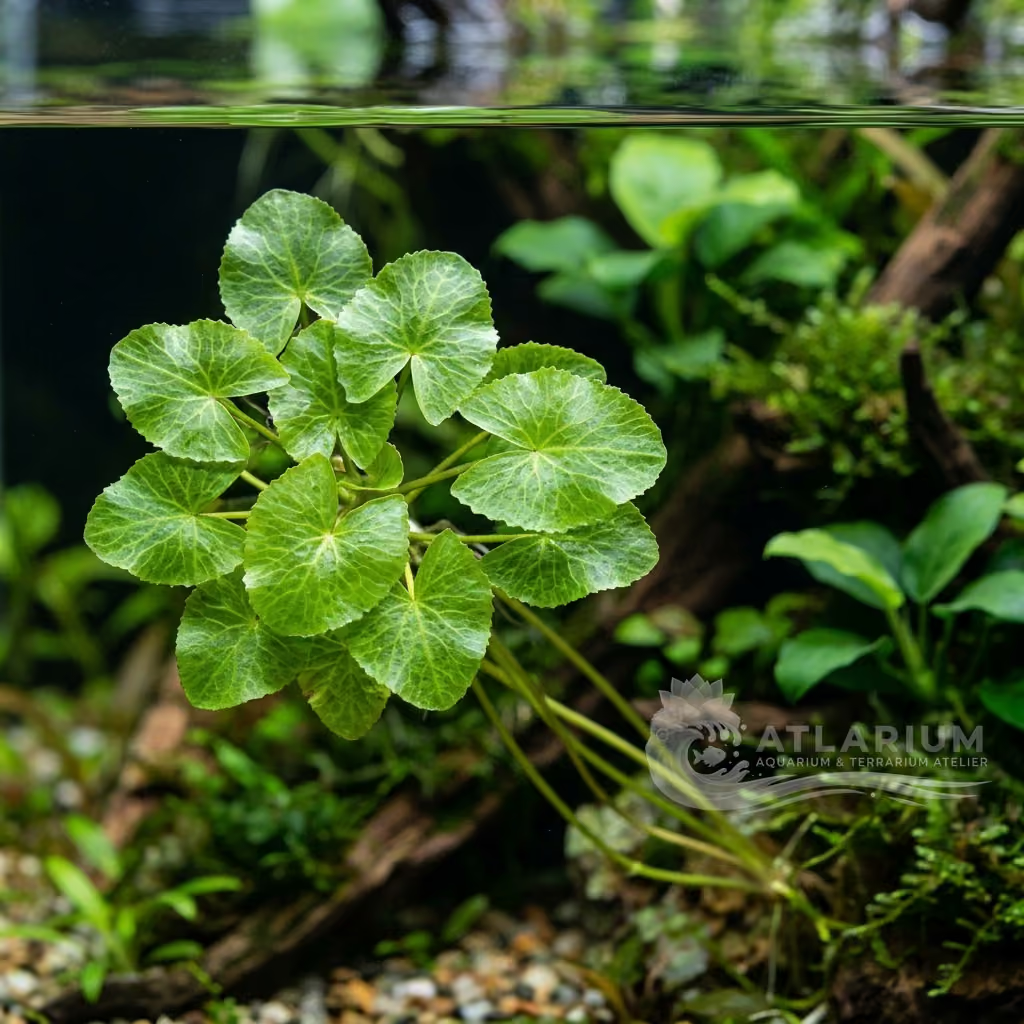
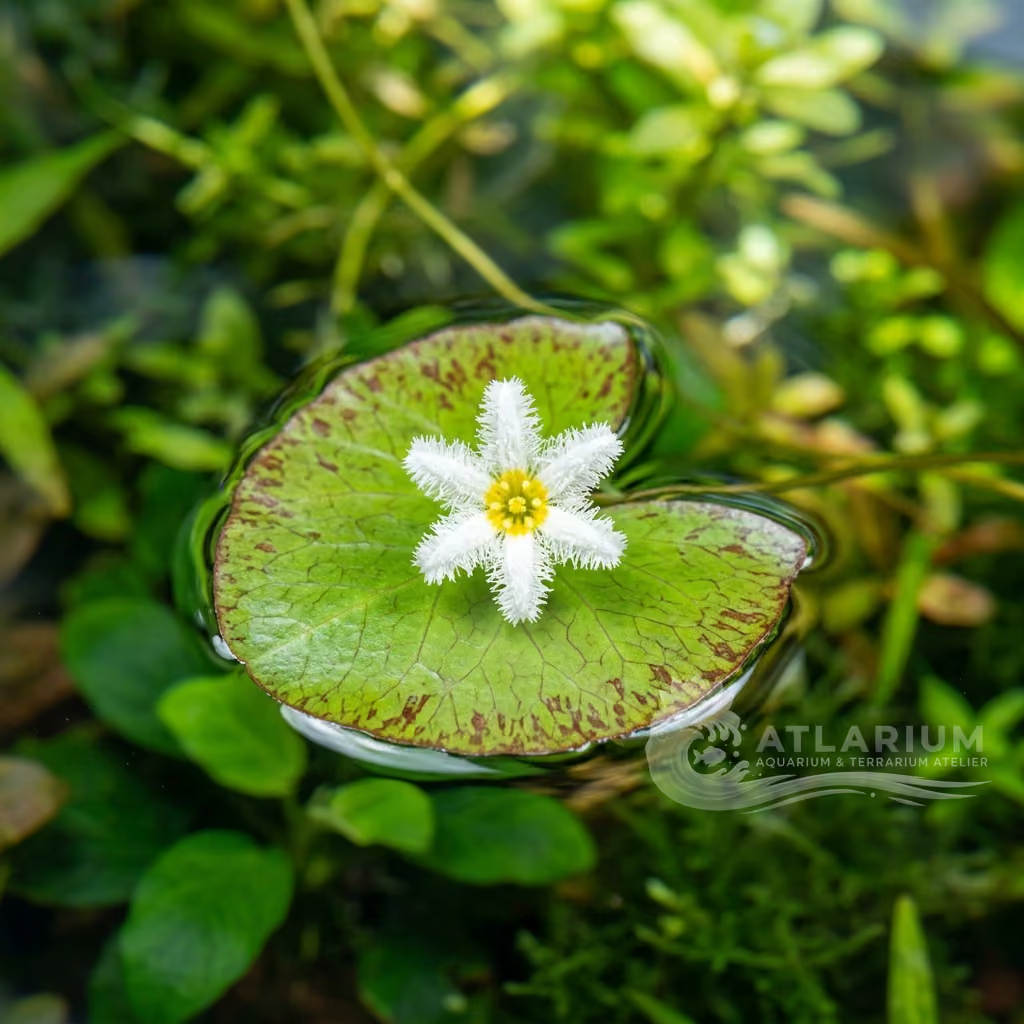
Physical Structure: The physical structure of Nymphaea nouchali "Sri Lanka" is defined by a robust rhizome or tuber, from which roots and leaf petioles emerge. Submerged leaves tend to be thinner, often lanceolate or elongated heart-shaped, whereas the floating leaves that emerge to the surface are typically round or oval with a deep basal sinus. The petioles are strong and can attain considerable lengths, allowing the leaves to reach the water's surface. Under optimal conditions, the plant may also produce striking flowers, which rise above the water, adding an extra dimension of beauty to the aquarium.
Color & Texture: Nymphaea nouchali "Sri Lanka" is highly prized for the wide spectrum of colors and textures it can display, depending on growing conditions and the specific cultivar. Submerged leaves can range from vibrant green to reddish-bronze, often adorned with darker speckles that add significant visual interest. The leaf surface may be smooth and slightly waxy, with prominent venation creating a subtle texture. When floating leaves emerge, they are typically a deeper green on the upper side and sometimes reddish or purplish on the underside, offering a captivating contrast to the submerged foliage and other aquatic plants.

Care, breeding and tankmates
Lighting & CO2: For Nymphaea nouchali "Sri Lanka", medium to high lighting is paramount to foster healthy growth and intensify the vibrant coloration of its leaves. Insufficient light can lead to elongated petioles and pale leaves, as the plant strains to reach the surface. While not strictly mandatory, CO2 supplementation is highly recommended to stimulate more vigorous growth, minimize algal buildup on leaves, and ensure optimal coloration, especially if you aim to fully exploit its rapid growth potential. An 8-10 hour photoperiod daily is ideal for maintaining the plant's health without excessively promoting algae growth.
Nutrition & Substrate: This
Water Chemistry: Nymphaea nouchali "Sri Lanka" exhibits remarkable tolerance to a broad spectrum of water parameters, making it a robust choice for many aquarists. The ideal temperature range spans from 18°C to 30°C, reflecting its tropical origins, although warmer temperatures will generally encourage faster growth. Regarding carbonate hardness (KH), it can thrive in waters with values from 2 to 14, while its pH tolerance extends from 5.0 to 8.0, accommodating both acidic and alkaline conditions. Maintaining clean, well-oxygenated water through regular water changes is fundamental for its overall vitality and to prevent the accumulation of harmful substances.
Space Management & Placement: Due to its rapid growth rate and potential size, Nymphaea nouchali "Sri Lanka" requires careful space management to avoid overwhelming other plants or the entire aquarium. Placing it in the midground allows it to form a lush focal point, but it is crucial to ensure ample room for expansion without excessively shading underlying plants. In larger aquariums, it can even be utilized in the background, while in smaller tanks, it might quickly dominate. Monitoring the development of floating leaves is advisable to prevent them from blocking light to submerged plants and to maintain the desired aesthetic of the aquascape.
Pruning: Pruning is a critical aspect of caring for Nymphaea nouchali "Sri Lanka" to maintain its desired shape and prevent excessive shading of underlying plants. Older or damaged leaves, particularly those showing signs of deterioration or algal growth, should be removed by cutting the petiole at the base of the rhizome with sharp aquascaping scissors. It is especially important to manage the production of floating leaves; if not desired, they should be removed as soon as they begin to develop, encouraging the plant to produce more submerged leaves and maintain a more compact, dense appearance. Regular pruning also stimulates the plant to produce new, healthy foliage.
Risks & Diseases: Although robust, Nymphaea nouchali "Sri Lanka" can be susceptible to certain risks if conditions are not optimal. Nutrient deficiencies, particularly iron, can cause leaf yellowing and stunted growth. Insufficient lighting or an excess of organic matter in the water can encourage algal growth on leaves, compromising both their health and aesthetic appeal. Regarding diseases, like many aquatic plants, it is generally resilient, but prolonged stress from unstable water parameters or poor aquarium hygiene can weaken it. It is always advisable to quarantine new plants and carefully monitor water parameters to prevent potential issues.

Geographic origin and distribution
This specific variety of Nymphaea nouchali originates from the tropical island of Sri Lanka, a biodiversity hotspot renowned for its lush freshwater environments. In its natural habitat, these water lilies are commonly found in lakes, ponds, and slow-moving streams, where their roots are anchored in the mud and leaves either remain submerged or emerge to float on the water surface. The warm, humid climate of this tropical region contributes significantly to its fast-growing nature and inherent robustness. Its presence in these waters plays a vital role in the local ecosystem, providing shelter and sustenance for various aquatic species.
Origin
South and Southeast AsiaSelective breeding and cultivars

Plant profile
- Placement
- Midground
- This species serves as a breathtaking focal point in the midground or background of the aquarium. Its broad leaves demand substantial space, making it ideal for larger, spacious setups. Allowing a few leaves to reach the surface creates beautiful shading, though it may block light for shorter plants below.
- Botanical form
- Rosette
- The plant grows from a central tuber, forming a rosette of slightly crinkled, arrow-shaped submerged leaves. These leaves often boast a mesmerizing blend of green, pink, and deep red hues. The floating leaves are broad and round, sometimes accompanying stunning blue or purple flowers above the water.
- Growth
- Fast
- When provided with high light and CO2 injection, this plant exhibits an exceptionally fast and vigorous growth rate. It can quickly dominate its area if left unpruned, sending numerous lily pads to the surface. In low-tech tanks, its growth is more subdued, allowing for easier maintenance.
- Substrate
- High
- A deep, nutrient-packed substrate is crucial for supporting the robust root system of this aquatic lily. Utilizing a high-quality aquasoil or a laterite-based medium ensures optimal nutrient availability at the roots. In inert substrates like sand, the addition of heavy root tabs is absolutely mandatory.
- Column fertilization
- Recommended
- Supplementing the water column with a comprehensive liquid fertilizer promotes lush growth and vibrant leaf colors. Liquid iron is especially beneficial to enhance the pinkish pigmentation of the submerged foliage. Care must be taken not to overdose, as the broad leaves are susceptible to spot algae.
- Root fertilization
- Required
- Strong root fertilization is the cornerstone of keeping this tuberous plant healthy and vibrant. Deeply burying rich root tabs near the tuber provides the primary nutritional foundation it requires. These supplements should be refreshed every two to three months to prevent nutrient exhaustion.
- Trimming
- Occasional
- To maintain a compact submerged form, promptly trim any leaves that reach for the surface. Cut the stems as close to the base as possible to encourage bushy new growth. Remove any decaying or damaged leaves to prevent water quality degradation. If you want floating leaves, simply allow the longest stems to reach the top undisturbed.
- Propagation
- Seeds
- Propagation is typically achieved by carefully detaching young plantlets that form via runners from the parent tuber. These daughter plants should have their own distinct root systems before separation is attempted. The plant can also be grown from seeds if it successfully flowers and pollinates above the surface.
- Sensitivity
- Moderate
- This species can be sensitive to sudden changes in water parameters or temperature. It is generally not tolerant of harsh chemical treatments, such as certain algae medications. Ensure the rhizome or tuber is not fully buried, as it may rot. Herbivorous fish and snails might occasionally nibble on the tender new leaves.
- Layout role
- Midground, Background
- This plant serves as an excellent solitary centerpiece in many aquascaping styles. Its distinct leaf shape and color break up the monotony of typical stem plant groupings. It is widely used in Dutch-style aquariums to provide a strong visual anchor. In nature aquariums, it adds a wild, unruly element to the background or midground.

Related species
Recommendations grouped by close relatives, companion choices, and similar care.