Nymphaea gardneriana
Nymphaea gardneriana
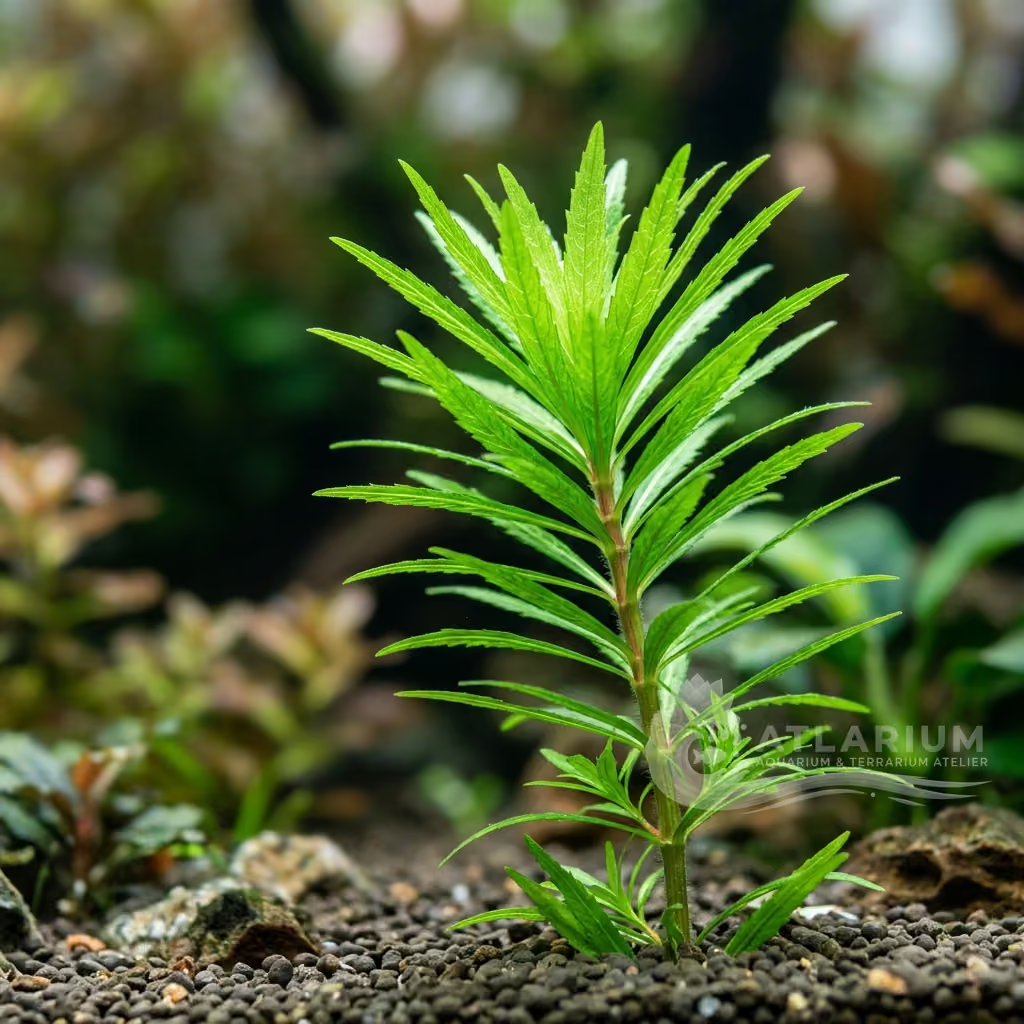
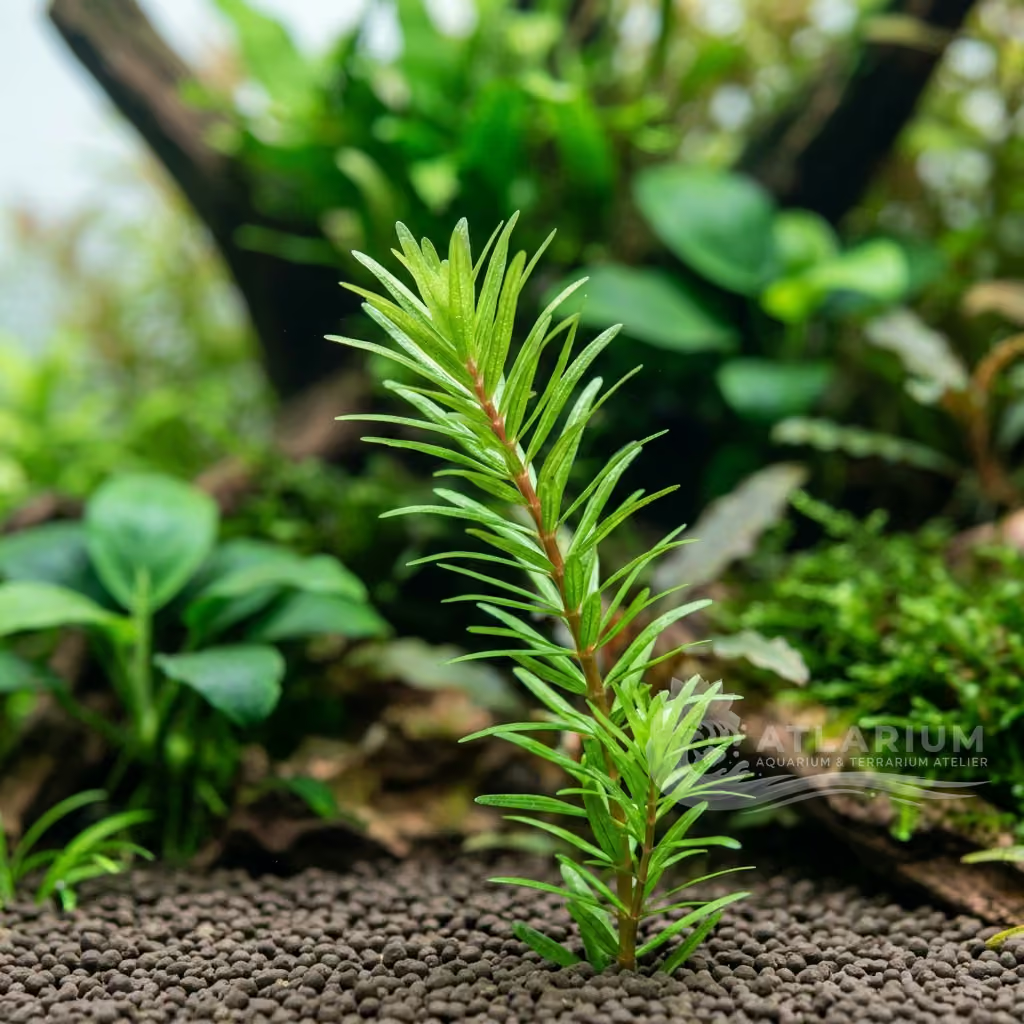
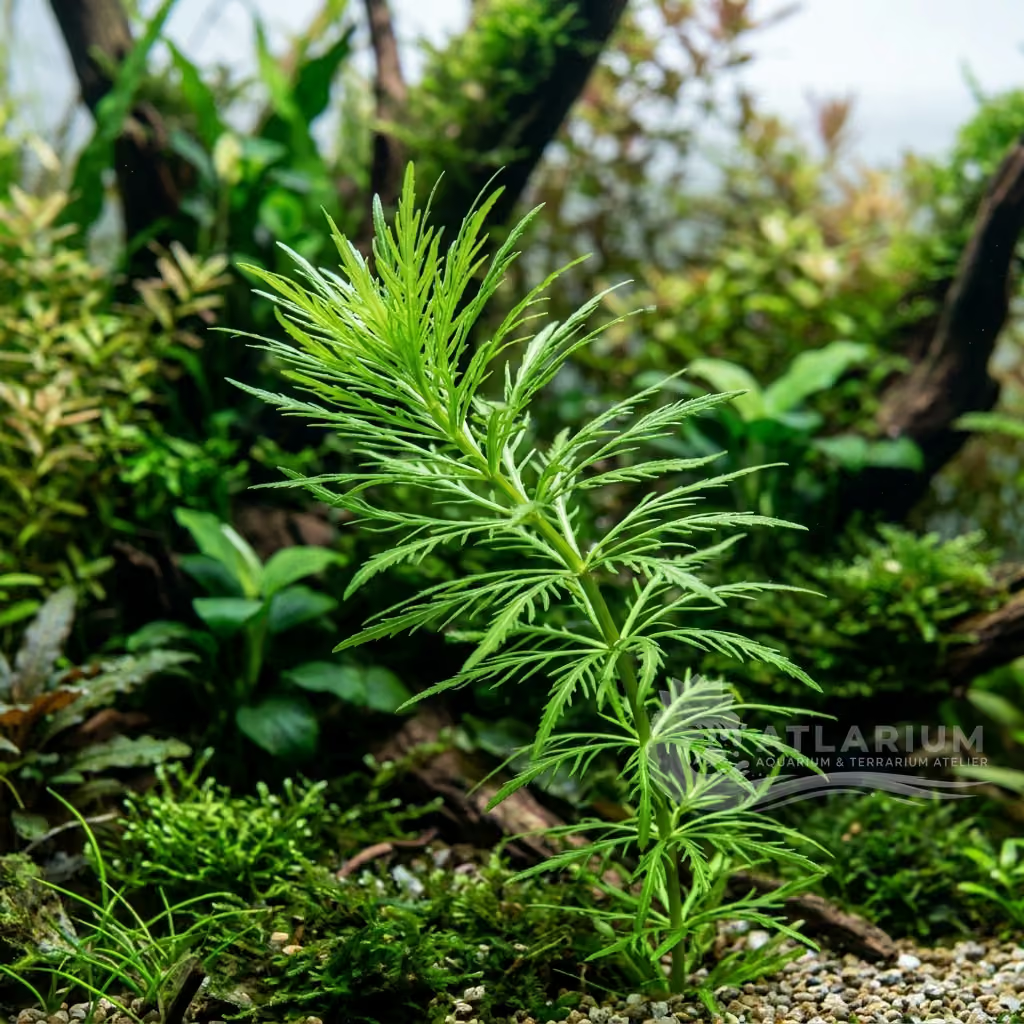
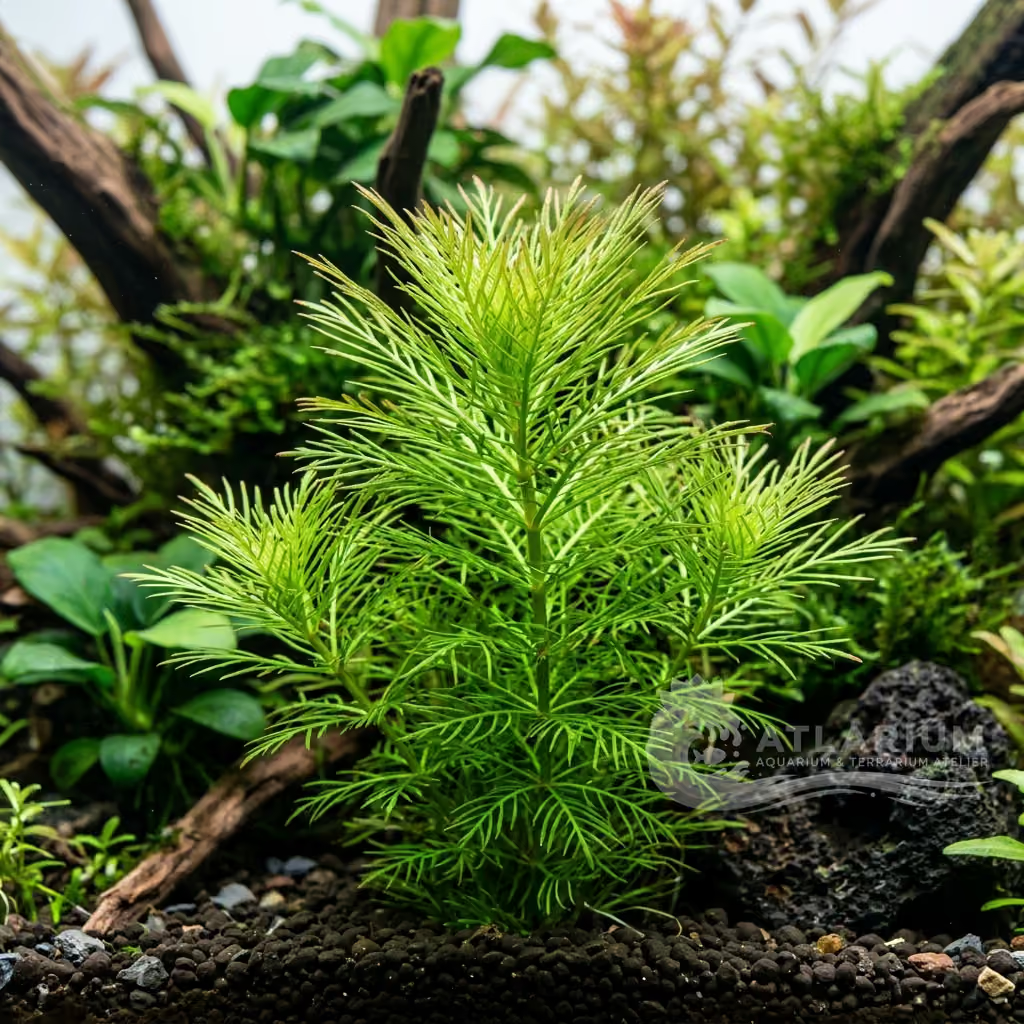
Nymphaea gardneriana is a distinctive aquatic lily, prized for its rapid growth and its ability to create a dynamic focal point in the midground of an aquarium. Its often captivatingly colored submerged leaves make it an excellent choice for enriching the aesthetic appeal of the tank.
Water Temperature
18 - 30 °C
pH Value
5 - 7
Water type
Freshwater
Light
Medium to High
CO2
High
Expected height
40 cm
Expected width
40 cm
KH
0 - 10 dKH

Species description
Geographical Origin and Habitat: Nymphaea gardneriana is a species native to the tropical and subtropical regions of South America, particularly Brazil, where it colonizes freshwater environments such as slow-moving rivers, ponds, and lakes. It adapts to muddy or sandy substrates rich in nutrients, firmly anchoring its rhizome to develop its characteristic leaves and blooms. This water lily thrives in warm climates, where abundant sunlight is available and water temperatures are consistent.
Taxonomy & Genetics: Belonging to the Nymphaeaceae family, Nymphaea gardneriana is classified within the genus Nymphaea, which comprises numerous water lily species renowned for their beauty and ecological importance. The name "gardneriana" honors the English botanist George Gardner, who significantly contributed to the knowledge of Brazilian flora. Genetically, like many water lilies, it exhibits a complex structure allowing it to adapt to both submerged and floating life, showcasing remarkable phenotypic plasticity based on environmental conditions.
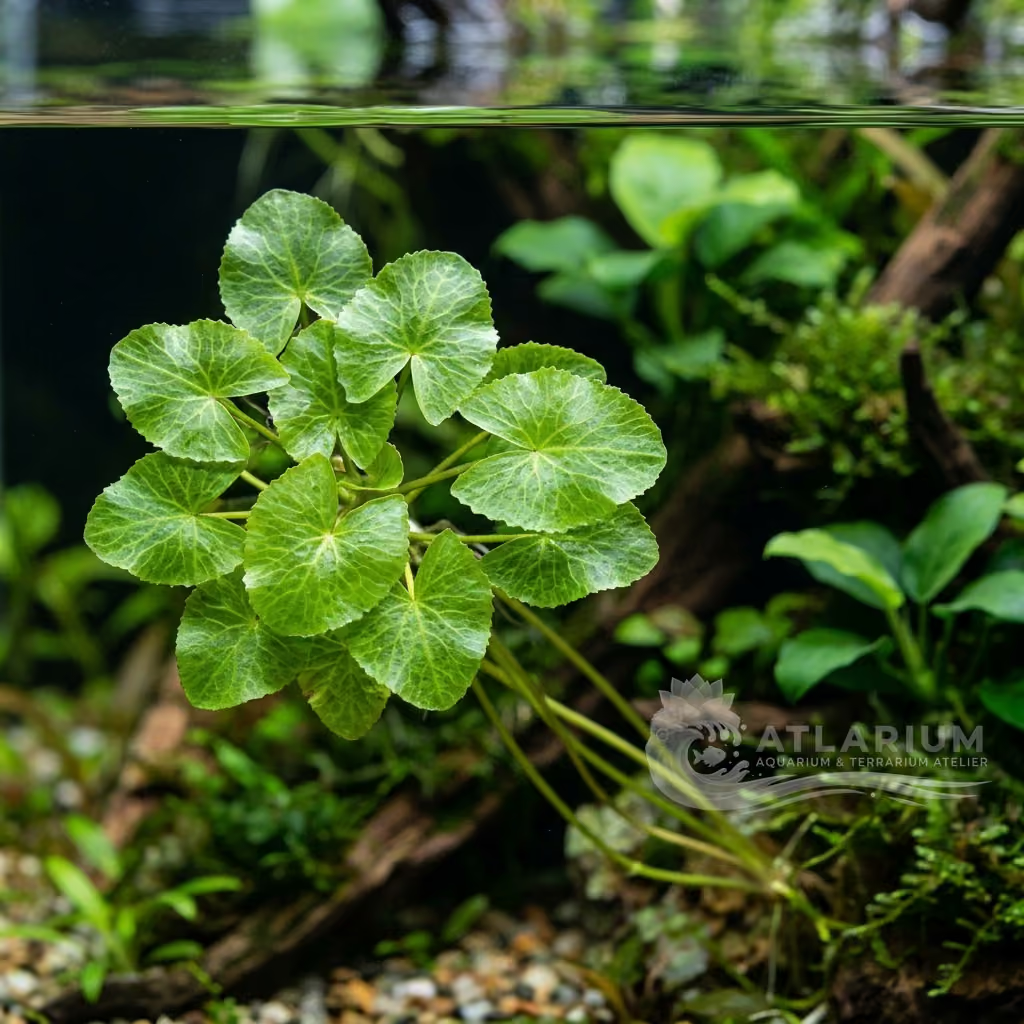
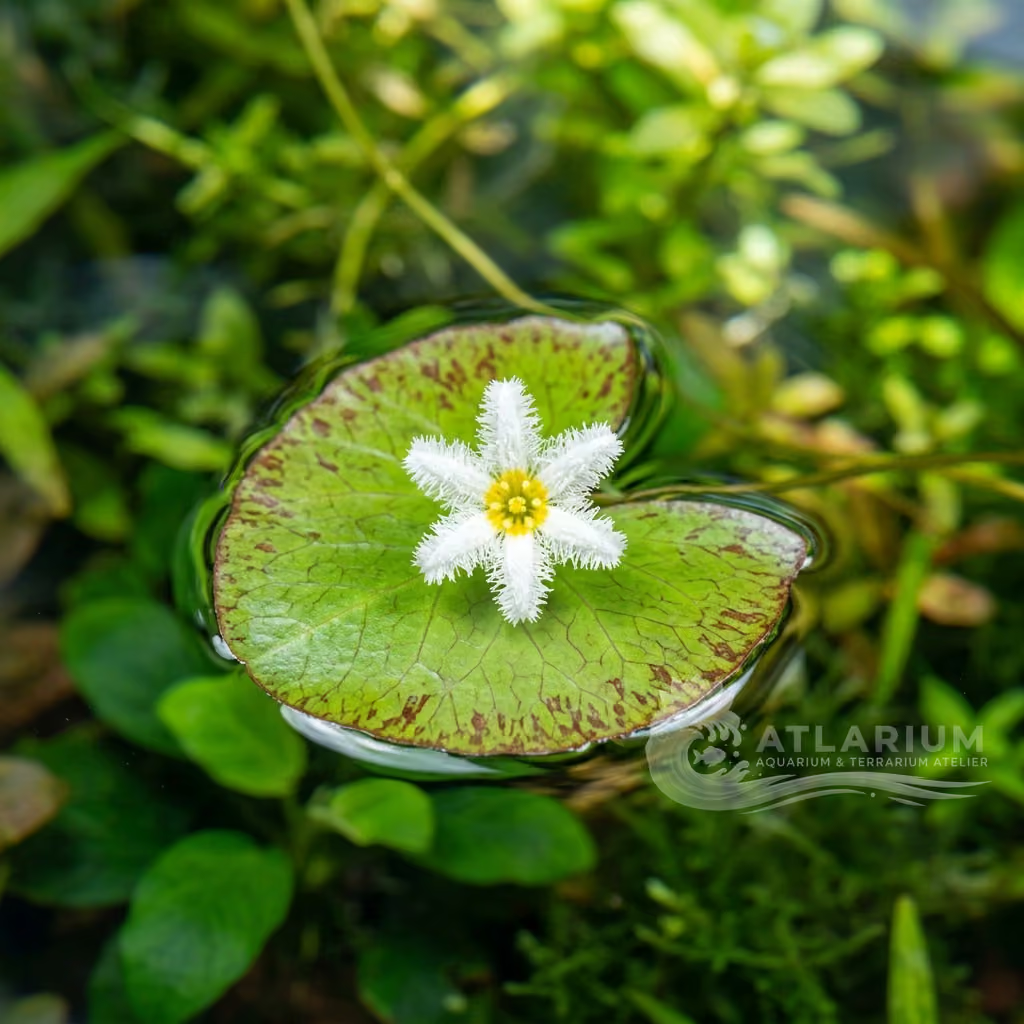
Physical Structure: The physical structure of Nymphaea gardneriana is characterized by a robust subterranean rhizome from which long, fibrous roots emerge, anchoring securely to the substrate. Long petioles extend from this rhizome, supporting the leaves, which can appear either submerged or floating. Submerged leaves tend to be thinner and more elongated, while floating leaves are typically roundish or oval, with a more leathery texture. The flowers, often visually striking, emerge above the water surface, with petals that can vary in
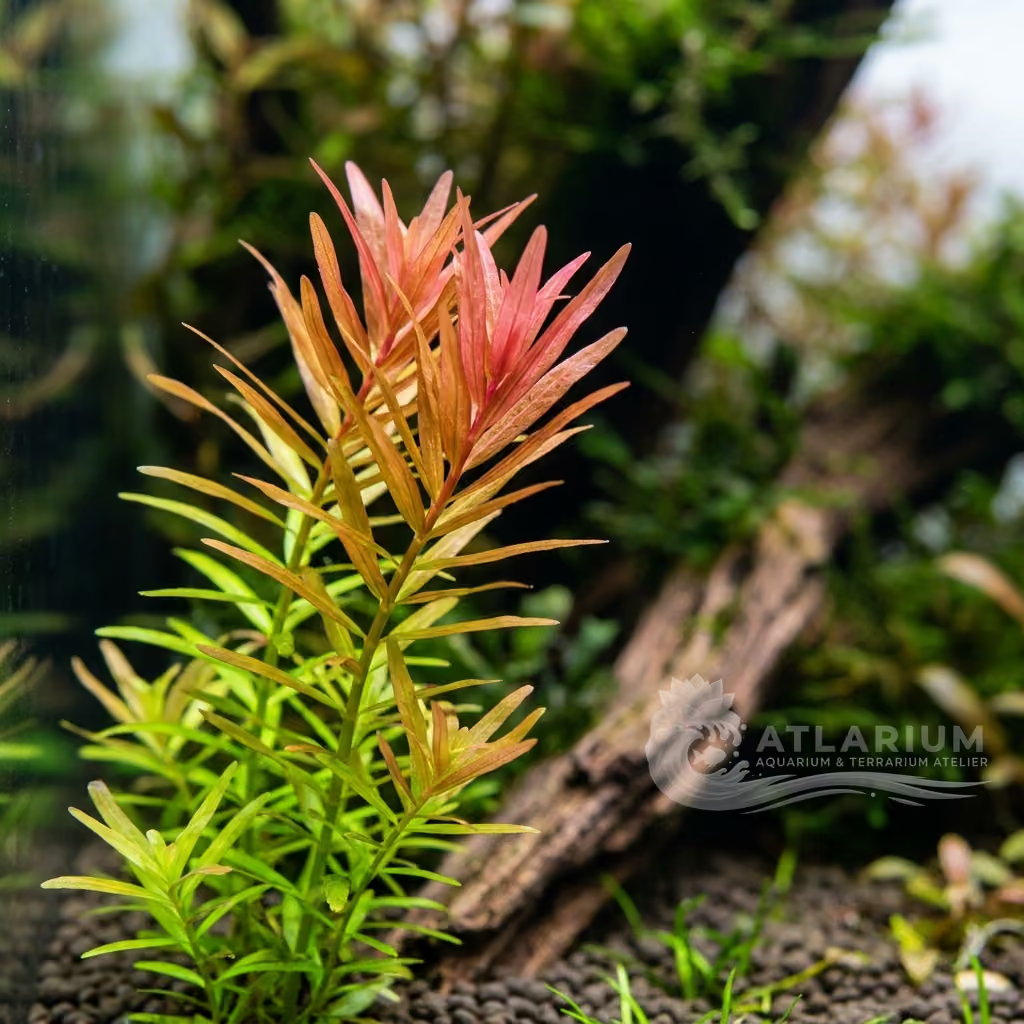
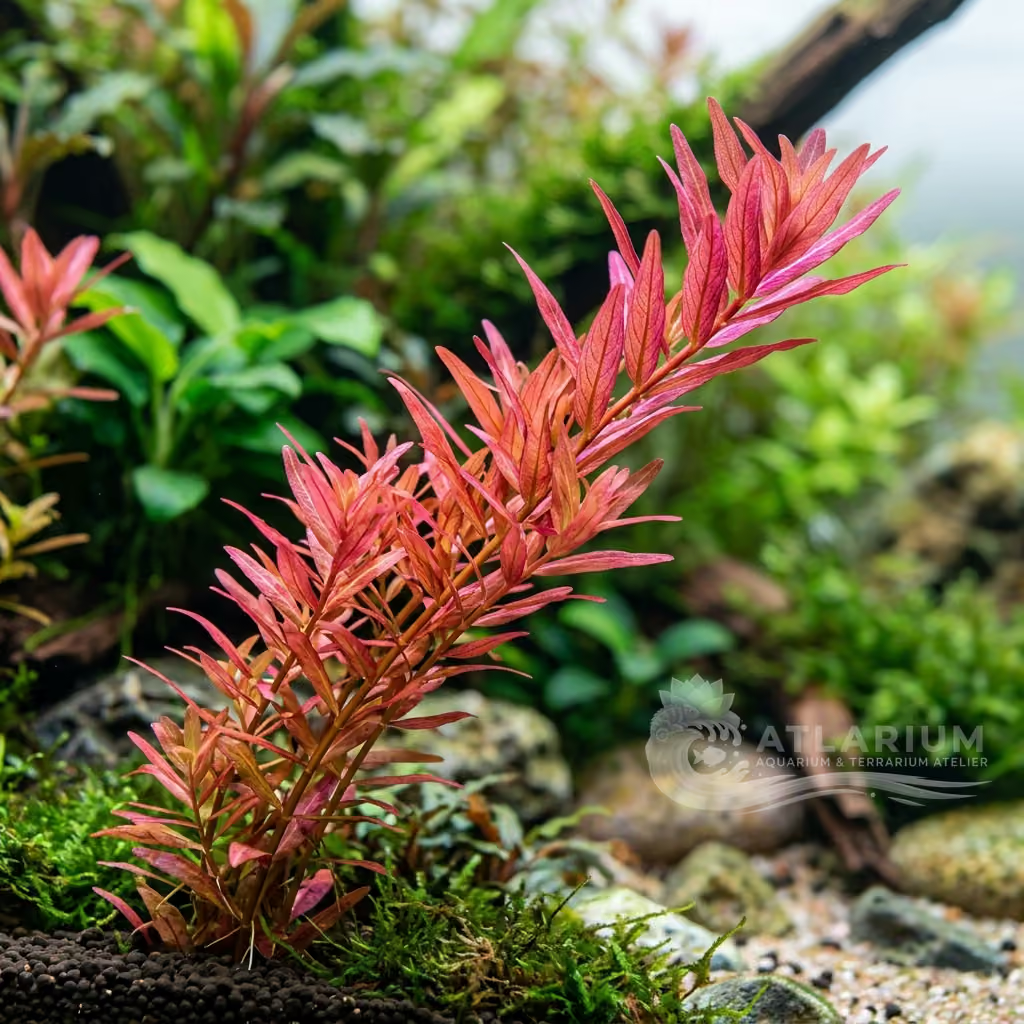
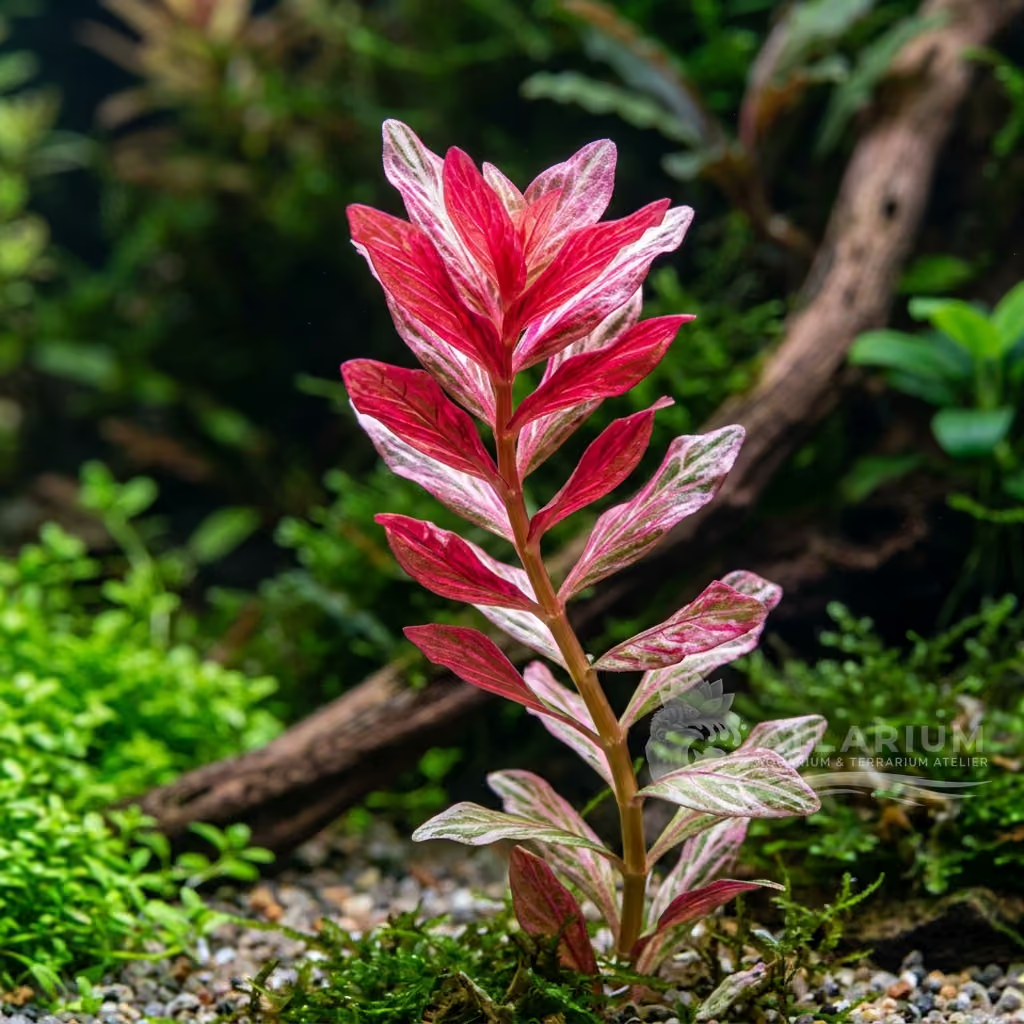
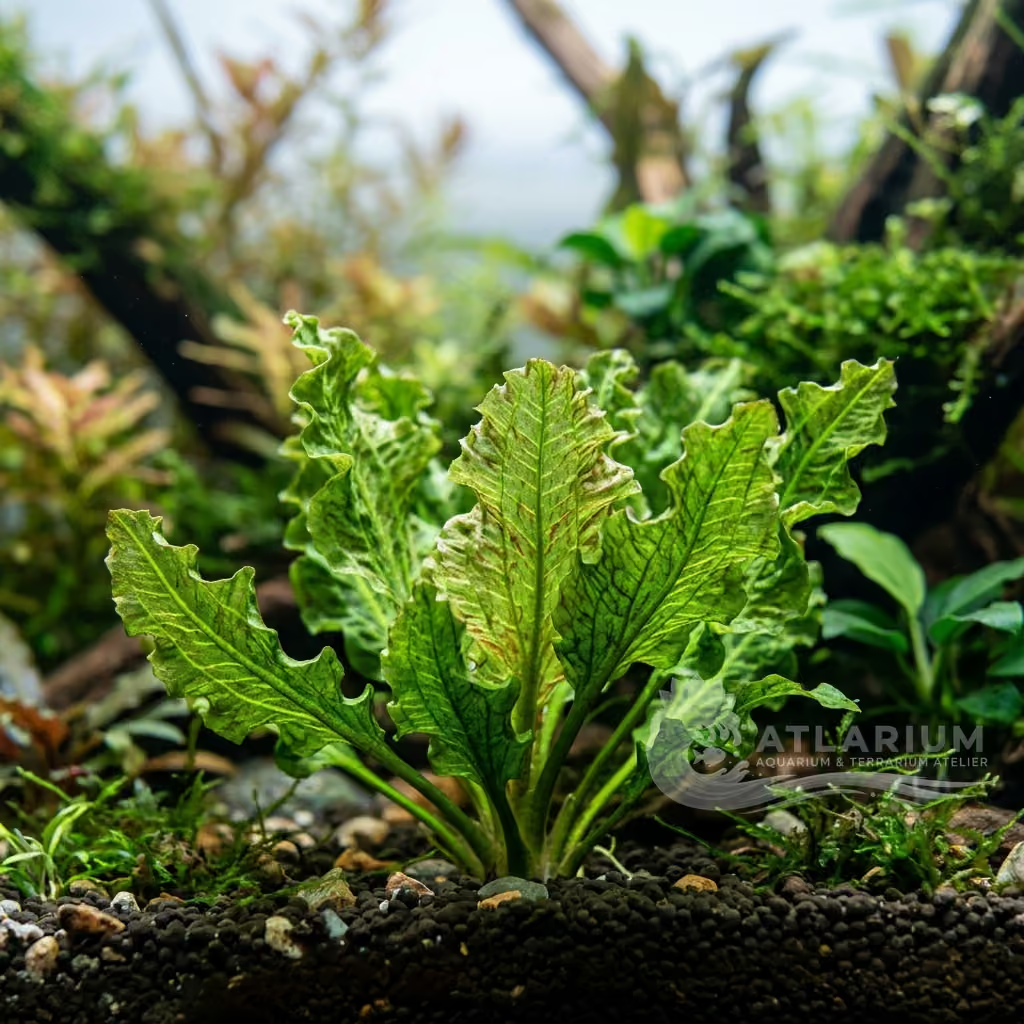
Color & Texture: The submerged leaves of Nymphaea gardneriana can display a remarkable variety of colors and textures, ranging from bright green to more reddish or bronze tones, often enriched with dark mottling that enhances their appeal. The leaf surface can be smooth or slightly undulated, depending on growth conditions and the specific variety. Floating leaves, on the other hand, exhibit a thicker, waxy texture, useful for buoyancy and water resistance. This chromatic and structural spectrum contributes to creating an interesting visual contrast within the aquarium.

Care, breeding and tankmates
Lighting & CO2: For optimal growth and vivid coloration of Nymphaea gardneriana, providing medium to high lighting is essential, preferably with a full spectrum that encourages photosynthesis and the synthesis of red pigments. Insufficient light can lead to leggy stems and paler leaves, while strong light stimulates more compact growth and intense colors. CO2 injection is highly recommended for this fast-growing species, as it significantly enhances the rate of photosynthesis, accelerating overall plant growth and robustness.
Nutrition & Substrate: As a rooted
Water Chemistry: Nymphaea gardneriana thrives in stable, slightly acidic to neutral water conditions, with an ideal pH range between 5.0 and 7.0. Carbonate hardness (KH) should be maintained between 0.0 and 10.0, indicating a preference for softer waters. Water temperature is critical and should fall between 18.0 and 30.0 °C; temperatures outside this range can slow growth or cause stress to the plant. It is important to avoid abrupt parameter fluctuations to prevent shock and potential leaf "melting."
Space Management & Placement: Given its fast-growing nature and potential leaf size, Nymphaea gardneriana is ideally placed in the midground area, where it can serve as a focal point without overly dominating the space. It is essential to consider the ultimate size of its leaves and the potential development of floating leaves that could shade out other plants below. For smaller aquariums, regular
Pruning: Pruning Nymphaea gardneriana is a fundamental operation to maintain the desired shape and prevent excessive spread. Older, damaged, or yellowing leaves should be removed regularly by cutting the petiole at its base, close to the rhizome, using sharp scissors. If the goal is to encourage submerged leaf growth and discourage floating leaves, it is advisable to systematically remove any shoots attempting to reach the surface. Careful pruning helps redirect the plant's energy towards denser, more compact growth in the water column.
Risks & Diseases: Although Nymphaea gardneriana is generally robust, it can be susceptible to nutrient deficiencies, particularly iron and potassium, which may manifest as yellowing or holes in the leaves. Insufficient lighting or unstable water parameters can cause stress, leading to stunted growth or leaf "melting." It is also important to monitor for the presence of algae, especially filamentous types, which can colonize the leaves if the nutrient and light balance is not optimal. Rhizome rot is rare but can occur in anaerobic substrates or in the presence of excessive decaying organic matter.

Geographic origin and distribution
Nymphaea gardneriana is a species native to the tropical and subtropical regions of South America, particularly Brazil, where it colonizes freshwater environments such as slow-moving rivers, ponds, and lakes. It adapts to muddy or sandy substrates rich in nutrients, firmly anchoring its rhizome to develop its characteristic leaves and blooms. This water lily thrives in warm climates, where abundant sunlight is available and water temperatures are consistent.
Origin
Amazon, Orinoco, and Guianas

Plant profile
- Placement
- Midground
- Given its size and broad leaf structure, Nymphaea gardneriana serves best as a dominant focal point in the midground or background of the aquascape. Its large leaves cast considerable shadows, so it should be positioned where it will not overshadow smaller, light-demanding carpet plants. To maintain its bushy, submerged form, any leaves that attempt to shoot up to the water's surface should be pruned at the base.
- Botanical form
- Rosette
- It is a bulbous rosette plant characterized by broad, roughly heart-shaped or rounded leaves with slightly undulated margins. The underwater foliage is renowned for its stunning coloration, often displaying a mix of deep green and intense reddish-brown or burgundy mottling. If allowed to mature without trimming, it will send up floating pads and can produce beautiful, nocturnal white flowers.
- Growth
- Fast
- This plant exhibits a fast growth rate, especially when its root system is well-established in a nutrient-rich environment. It continuously produces new leaves from its central rosette, quickly filling out its designated space in the aquarium.
- Substrate
- High
- A deep, heavily enriched substrate is critical for the cultivation of this species. It possesses a large bulb and an extensive, demanding root system that draws the vast majority of its nutrition directly from the soil. Planting it in a high-quality, nutrient-dense aquasoil is highly recommended; attempting to grow it in sterile sand or gravel without heavy root supplementation will result in stunted growth and eventual decline.
- Column fertilization
- Recommended
- While the roots handle the bulk of nutrient uptake, water column fertilization provides essential secondary support. Regular dosing of a comprehensive liquid fertilizer containing potassium and a full suite of trace elements, especially iron, is necessary to maintain the plant's vivid reddish coloration and prevent leaf deterioration.
- Root fertilization
- Recommended
- Frequent and generous root fertilization is the absolute key to keeping Nymphaea gardneriana thriving. Even in a rich aquasoil, the plant's heavy feeding habits will deplete local nutrients over time. Inserting robust, comprehensive root tabs deep into the substrate near the bulb every 4 to 6 weeks is highly recommended to ensure a continuous supply of vital elements.
- Trimming
- Occasional
- To maintain a compact submerged form, promptly trim any leaves that reach for the surface. Cut the stems as close to the base as possible to encourage bushy new growth. Remove any decaying or damaged leaves to prevent water quality degradation. If you want floating leaves, simply allow the longest stems to reach the top undisturbed.
- Propagation
- Runners
- The most common method of propagation is by separating daughter plants that naturally form around the base of the mother bulb. Once these offsets have grown several of their own leaves and established a distinct root system, they can be carefully cut away and transplanted. It may also be propagated by seed if it successfully flowers and pollinates.
- Sensitivity
- Moderate
- This species can be sensitive to sudden changes in water parameters or temperature. It is generally not tolerant of harsh chemical treatments, such as certain algae medications. Ensure the rhizome or tuber is not fully buried, as it may rot. Herbivorous fish and snails might occasionally nibble on the tender new leaves.
- Layout role
- Midground, accent
- This plant serves as an excellent solitary centerpiece in many aquascaping styles. Its distinct leaf shape and color break up the monotony of typical stem plant groupings. It is widely used in Dutch-style aquariums to provide a strong visual anchor. In nature aquariums, it adds a wild, unruly element to the background or midground.

Related species
Recommendations grouped by close relatives, companion choices, and similar care.