Nymphaea × daubenyana
Nymphaea × daubenyana
Nymphaea × daubenyana is a captivating midground aquatic plant known for its medium growth rate and striking foliage. This adaptable water lily hybrid thrives in a wide range of conditions, making it a popular choice for aquascapers seeking a vibrant focal point.
Water Temperature
5 - 32 °C
pH Value
5 - 8
Water type
Freshwater
Light
Medium to High
CO2
High
Expected height
50 cm
Expected width
40 cm
KH
2 - 14 dKH

Species description
Geographical Origin and Habitat: Although Nymphaea × daubenyana is a cultivated hybrid and thus lacks a natural wild habitat, its genetic lineage traces back to African water lily species. Specifically, its parent plants, *Nymphaea micrantha* and *Nymphaea caerulea*, originate from West and East Africa respectively, thriving in still or slow-moving tropical waters such as ponds, lakes, and river backwaters. This heritage contributes to its adaptability and preference for warmer water conditions despite its broad temperature tolerance.
Taxonomy & Genetics: Nymphaea × daubenyana is a fascinating horticultural hybrid, resulting from the cross-pollination of *Nymphaea micrantha* and the renowned "Blue Lotus," *Nymphaea caerulea*. This particular hybrid was developed by Dr. Henry S. Conard in 1913, distinguishing it as one of the earlier successful interspecific crosses in the Nymphaea genus. As a sterile hybrid, it does not produce viable seeds, meaning propagation is exclusively vegetative, often through adventitious plantlets or rhizome division.
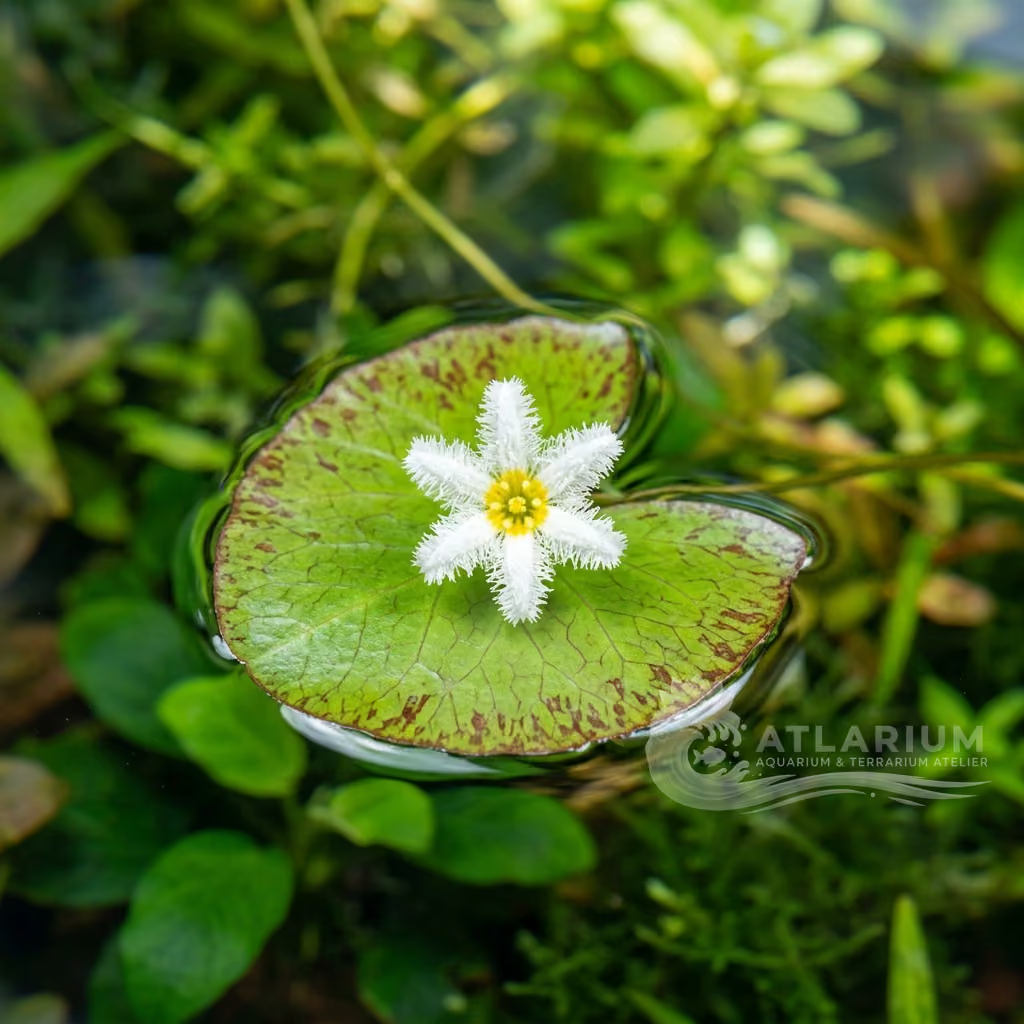
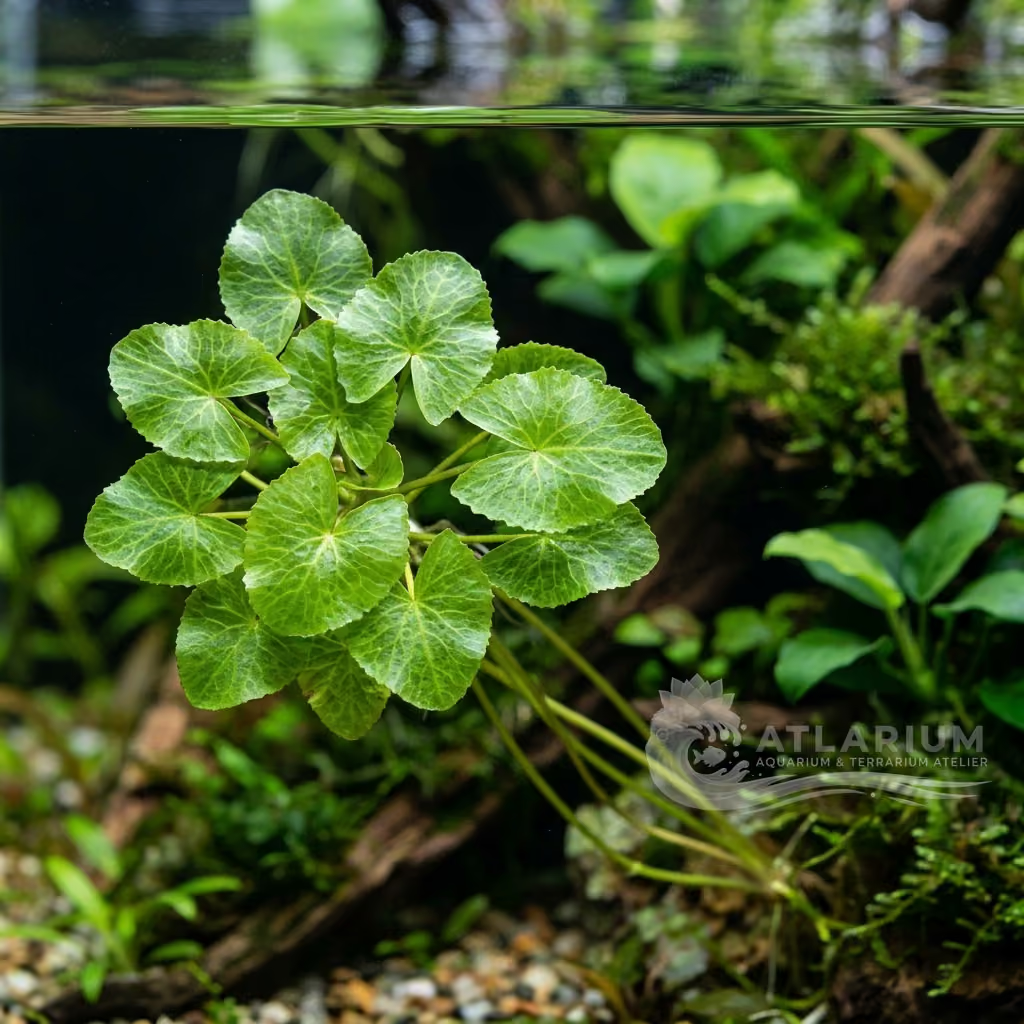
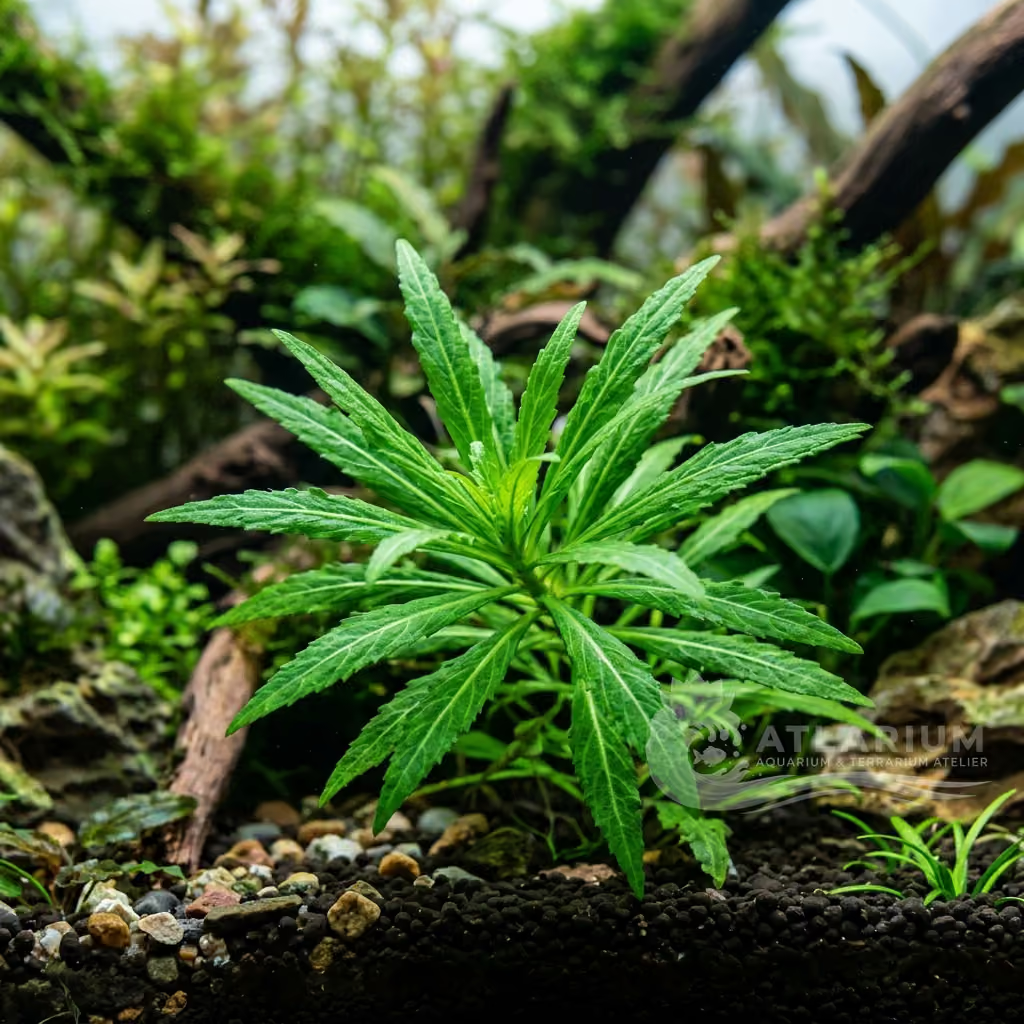
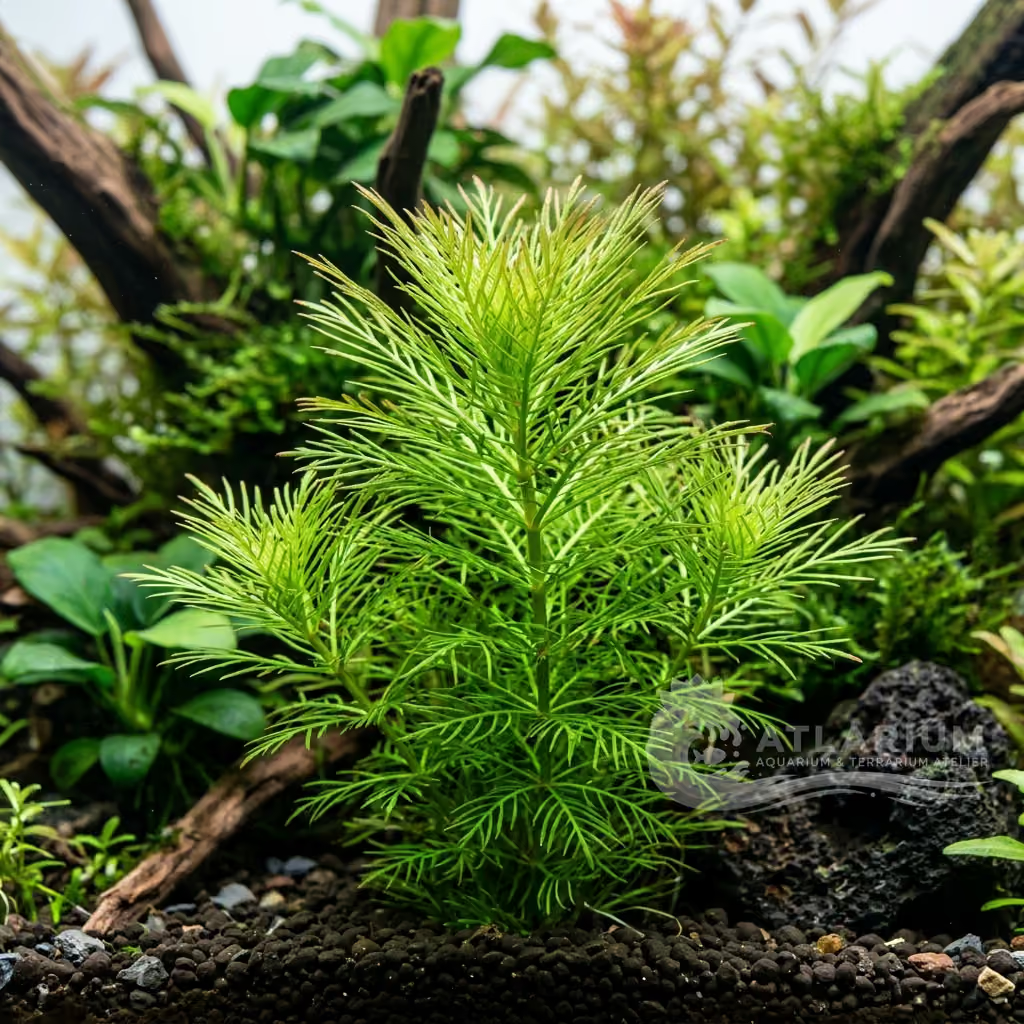
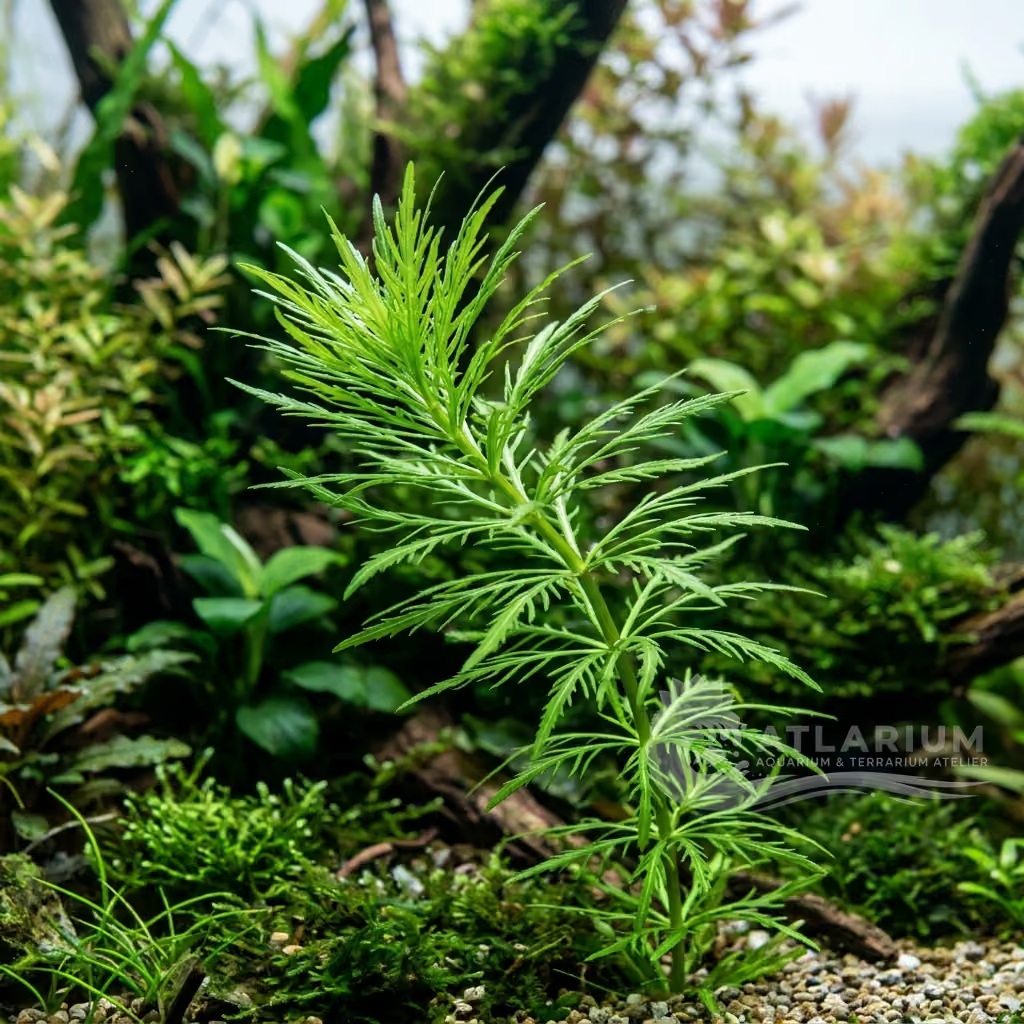
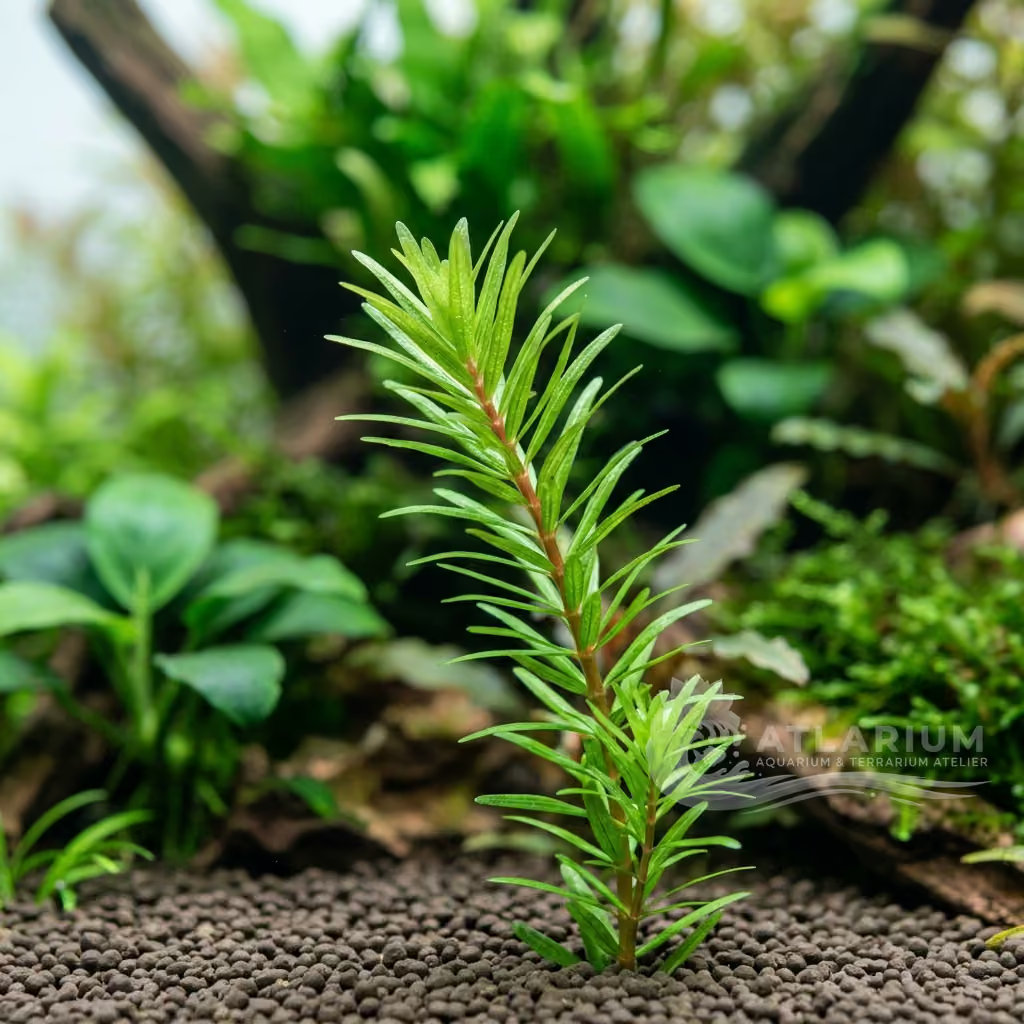
Physical Structure: The physical structure of Nymphaea × daubenyana is characterized by a robust rhizome from which numerous petioles emerge, supporting both submerged and floating leaves. Submerged leaves are typically more elongated or sagittate, offering a dense, bushy appearance in the midground, while floating leaves develop a more classic rounded or heart-shaped pad, often reaching the water surface. When conditions are optimal, this plant can produce exquisite, star-shaped flowers that rise above the water, adding an exceptional aesthetic dimension to the aquarium.
Color & Texture: The coloration of Nymphaea × daubenyana leaves can vary, typically presenting in shades of green, often adorned with intriguing reddish-brown mottling, especially on younger submerged leaves or under higher light intensity. The underside of the leaves may exhibit a purplish or reddish hue, adding to its visual appeal. The texture of the leaves is generally smooth and somewhat leathery, providing a distinct contrast against finer-leaved aquatic plants. Its flowers, if produced, are usually a delicate pale blue to lavender, contributing to its "blue lotus" reputation.

Care, breeding and tankmates
Lighting & CO2: Nymphaea × daubenyana thrives under medium to high lighting conditions, which are crucial for developing vibrant leaf coloration and promoting robust growth. While it can tolerate medium light, higher intensity light often encourages more compact submerged growth and reduces the tendency for leaves to quickly reach the surface. CO2 supplementation is highly beneficial, significantly enhancing growth rate, nutrient uptake, and the overall health of the plant, often resulting in larger, more vigorous foliage and increasing the likelihood of flowering.
Nutrition & Substrate: As a heavy root feeder, Nymphaea × daubenyana absolutely necessitates a nutrient-rich substrate for optimal health and development. The integration of root tabs or a high-quality aquascaping soil beneath the gravel layer is essential to supply the required macro and micronutrients directly to its extensive root system. While primarily a root feeder, it also benefits from regular dosing of liquid fertilizers in the
Water Chemistry: This adaptable water lily exhibits remarkable tolerance to a broad range of water parameters, making it suitable for various aquarium setups. It flourishes in water temperatures between 5.0 and 32.0 C, though consistent tropical temperatures (22-28 C) are ideal for vigorous growth. A pH range of 5.0 to 8.0 is acceptable, with slightly acidic to neutral conditions often preferred, and a KH tolerance of 2.0 to 14.0 ensures it can adapt to both soft and moderately hard water. Stability in chosen parameters is more critical than aiming for specific extremes within these ranges.
Space Management & Placement: Given its potential size and leaf spread, Nymphaea × daubenyana is ideally positioned in the midground of larger aquariums, where it can serve as a striking focal point. Ensure ample space around the plant to accommodate its radiating leaves and prevent it from overshadowing smaller neighboring flora. Regular management of its surface leaves is important to maintain light penetration for other plants and to keep the aquascape balanced and aesthetically pleasing.
Pruning: Pruning Nymphaea × daubenyana is essential for maintaining its desired form and controlling its growth within the aquarium. Regularly remove older, decaying, or yellowing leaves by tracing the petiole back to the rhizome and cutting it cleanly at the base. Crucially, any leaves that reach the surface and begin to form pads should also be trimmed unless flowering is desired, as these pads can significantly shade out underlying plants. This proactive pruning encourages the growth of new, vibrant submerged foliage.
Risks & Diseases: Nymphaea × daubenyana is generally hardy but can be susceptible to common aquarium issues if not properly maintained. Insufficient light or nutrient deficiencies, particularly iron, can lead to yellowing or stunted growth. Algae can sometimes grow on its broad leaves if light and nutrient balance are off, requiring manual removal or parameter adjustment. Rhizome rot, though less common, can occur in poorly oxygenated or excessively disturbed substrates, manifesting as softening of the rhizome and general plant decline.

Geographic origin and distribution
Although Nymphaea × daubenyana is a cultivated hybrid and thus lacks a natural wild habitat, its genetic lineage traces back to African water lily species. Specifically, its parent plants, *Nymphaea micrantha* and *Nymphaea caerulea*, originate from West and East Africa respectively, thriving in still or slow-moving tropical waters such as ponds, lakes, and river backwaters. This heritage contributes to its adaptability and preference for warmer water conditions despite its broad temperature tolerance.
Origin
Africa and MadagascarSelective breeding and cultivars

Plant profile
- Placement
- Midground
- Due to its potential to grow extremely large, it should be placed in the midground or background of large aquariums as a dramatic focal point. Its large, broad leaves create significant shade, so it must be positioned carefully so as not to block light from smaller foreground plants. If floating leaves are allowed to reach the surface, they can cover a massive area, so regular pruning of surface-reaching stems is often required to keep it submerged.
- Botanical form
- Rosette
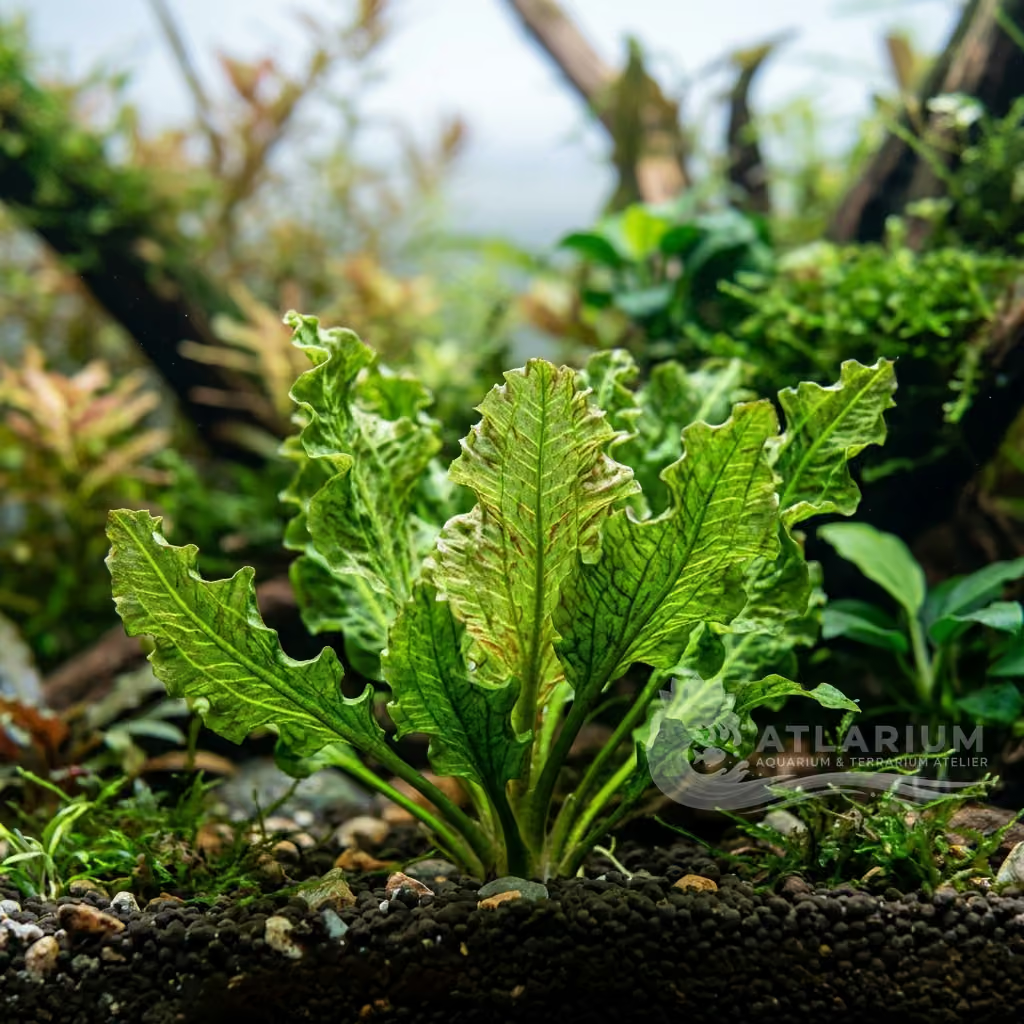
- This is a bulbous, rosette-style plant that produces large, rounded, and often wavy-edged leaves on long petioles. The underwater leaves are typically a bright, vibrant green, sometimes exhibiting subtle reddish or brownish mottling under intense light. If permitted, it will produce floating lily pads and, eventually, beautiful, fragrant, pale-blue to violet flowers above the water surface.
- Growth
- Medium
- When provided with a rich substrate and adequate light, the growth rate is very fast. It will continuously send up new leaves, quickly expanding its footprint in the aquarium and frequently attempting to send leaves to the water's surface to maximize light absorption.
- Substrate
- REQUIRED
- A deep, nutrient-rich substrate is absolutely essential for the long-term success of this water lily. It develops a massive, tuberous root system that deeply penetrates the substrate to draw up immense amounts of nutrients. Planting it in a high-quality aquasoil, often supplemented with clay or laterite, is crucial; inert substrates like plain sand will severely stunt its growth unless heavily fertilized with root tabs.
- Column fertilization
- Recommended
- While its primary nutrient source is the substrate, supplemental water column fertilization is highly recommended to ensure no deficiencies occur, particularly concerning micronutrients. Dosing a comprehensive liquid fertilizer containing iron and potassium helps maintain the vibrant green coloration of the large leaves and prevents them from developing pinholes or yellowing edges.
- Root fertilization
- Required
- Aggressive root fertilization is the cornerstone of cultivating Nymphaea × daubenyana. Even when planted in a nutrient-rich aquasoil, the plant's massive appetite will quickly deplete local reserves. Pushing several nutrient-dense root tabs deep into the substrate directly beneath the plant's bulb every month is strongly advised to maintain vigorous growth and encourage flowering.
- Trimming
- Occasional
- To maintain a compact submerged form, promptly trim any leaves that reach for the surface. Cut the stems as close to the base as possible to encourage bushy new growth. Remove any decaying or damaged leaves to prevent water quality degradation. If you want floating leaves, simply allow the longest stems to reach the top undisturbed.
- Propagation
- Division
- Propagation typically occurs naturally when the main tuber produces smaller daughter tubers or side shoots around its base. Once these plantlets have developed their own distinct root systems and several leaves, they can be carefully detached from the mother plant and replanted elsewhere. The plant can also reproduce via seeds if it successfully flowers and is pollinated.
- Sensitivity
- Moderate
- This species can be sensitive to sudden changes in water parameters or temperature. It is generally not tolerant of harsh chemical treatments, such as certain algae medications. Ensure the rhizome or tuber is not fully buried, as it may rot. Herbivorous fish and snails might occasionally nibble on the tender new leaves.
- Layout role
- Midground, Background, accent
- This plant serves as an excellent solitary centerpiece in many aquascaping styles. Its distinct leaf shape and color break up the monotony of typical stem plant groupings. It is widely used in Dutch-style aquariums to provide a strong visual anchor. In nature aquariums, it adds a wild, unruly element to the background or midground.

Related species
Recommendations grouped by close relatives, companion choices, and similar care.