Persicaria sp. 'Sao Paulo'
Persicaria sp. 'Sao Paulo'
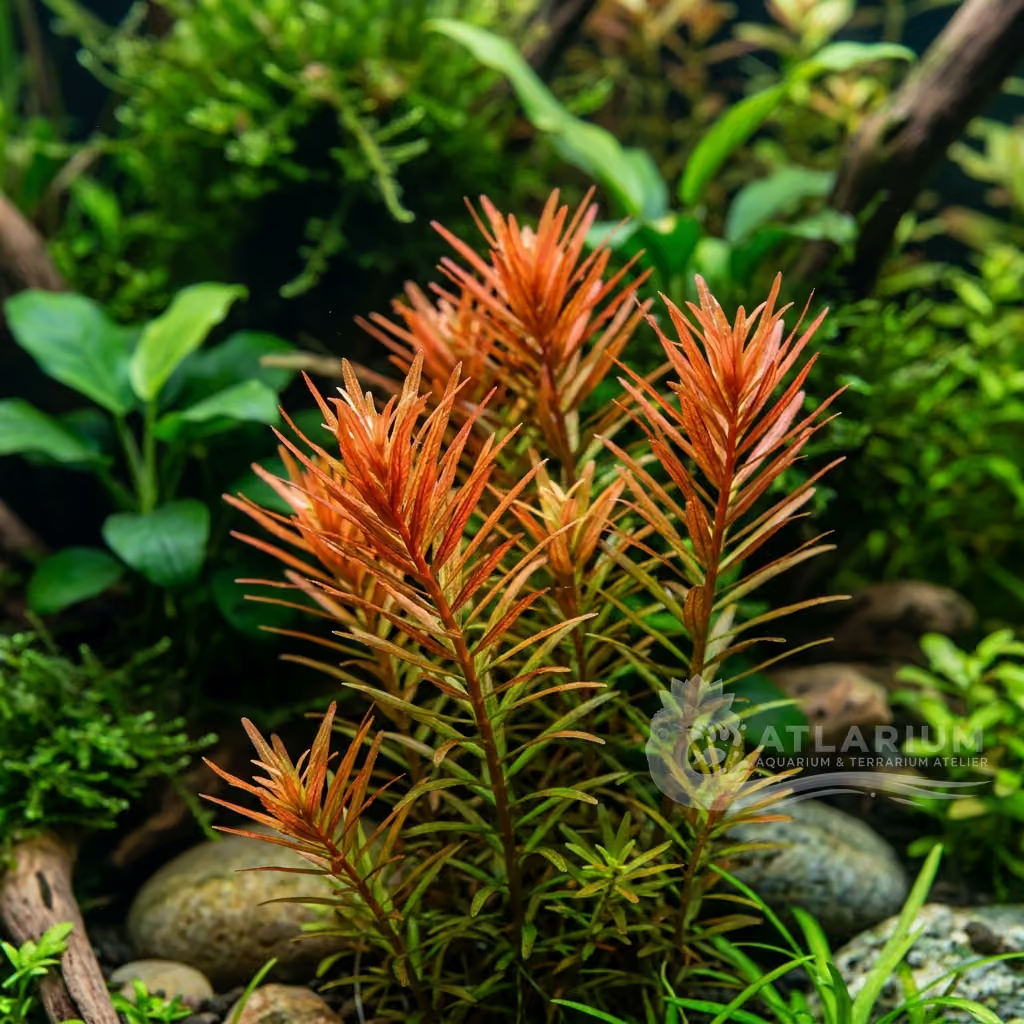
Persicaria sp. 'Sao Paulo' is a fast-growing, striking midground plant known for its vibrant coloration, making it an excellent focal point in any aquascape. Its ability to form dense bushes adds significant volume and chromatic contrast to aquatic layouts.
Water Temperature
18 - 30 °C
pH Value
5 - 7
Water type
Freshwater
Light
Medium to High
CO2
High
KH
0 - 14 dKH

Species description
Geographical Origin and Habitat: The designation 'Sao Paulo' likely indicates a specific origin or selection from Brazil, though the genus Persicaria is a cosmopolitan group thriving in various wetland and marshy environments globally. Persicaria species typically inhabit the margins of rivers, lakes, ditches, and other tropical and subtropical wet areas, where they flourish in nutrient-rich substrates and under ample light. This particular cultivar or variant was likely chosen for its exceptional ornamental qualities suitable for aquascaping. While adaptable to a broad range of conditions, its most vibrant
Color & Texture: s are achieved in specific, optimized environments, reflecting its natural habitat preferences.
Taxonomy & Genetics: Persicaria sp. 'Sao Paulo' belongs to the Polygonaceae family, which encompasses numerous genera with diverse aquatic and marsh-dwelling species. The 'sp.' suffix denotes an unidentified or undescribed species, or a horticultural variety whose precise classification is still under investigation. The genus Persicaria is renowned for its morphological and genetic variability, often making the exact identification of individual species complex. Despite this, its distinct characteristics ensure it is easily recognizable and highly valued within the aquarium hobby for its unique aesthetic appeal.
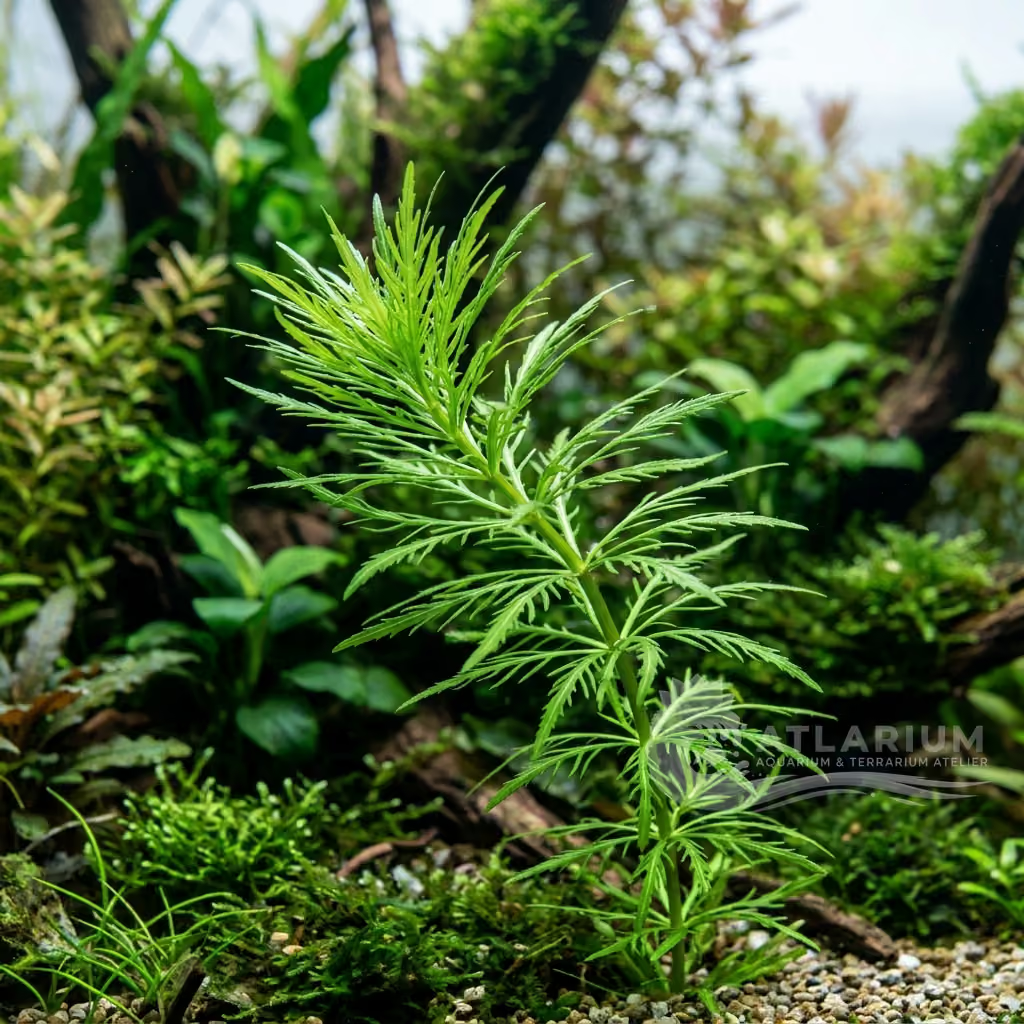
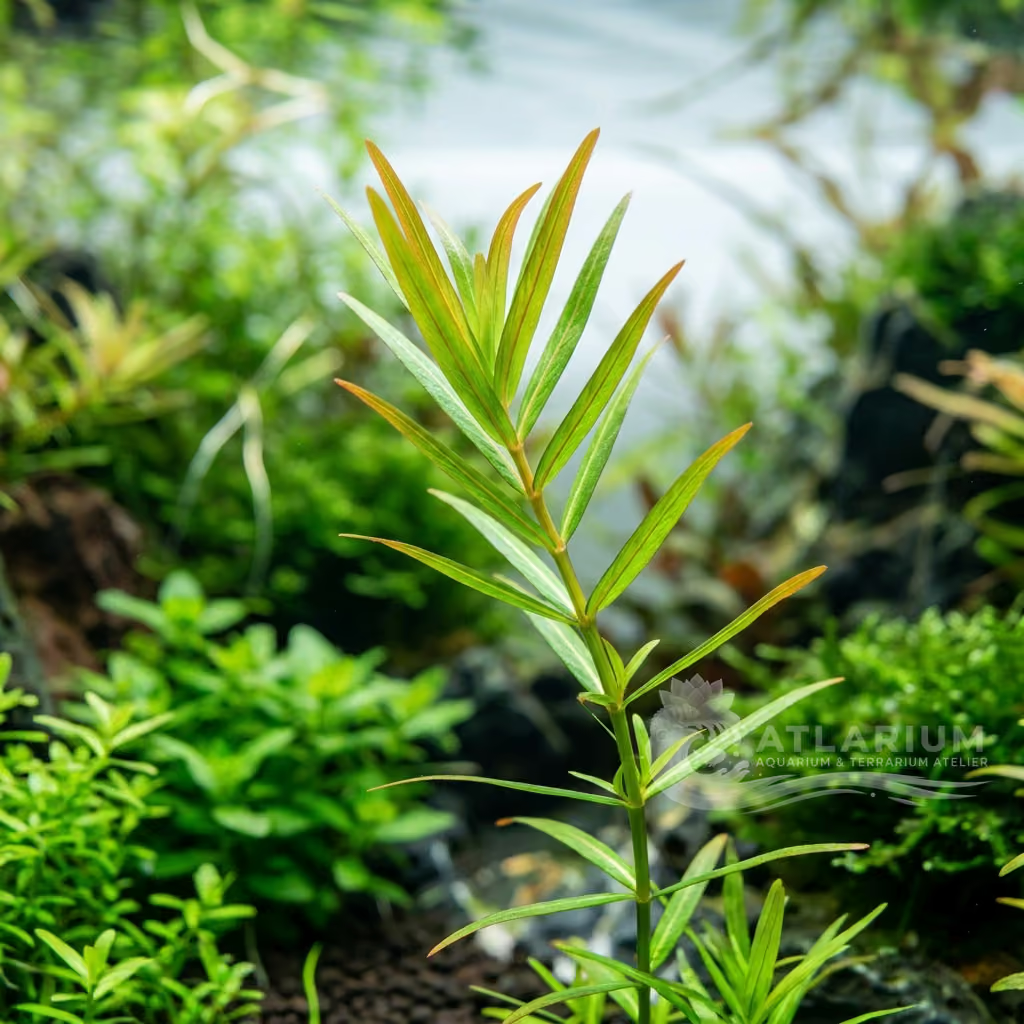
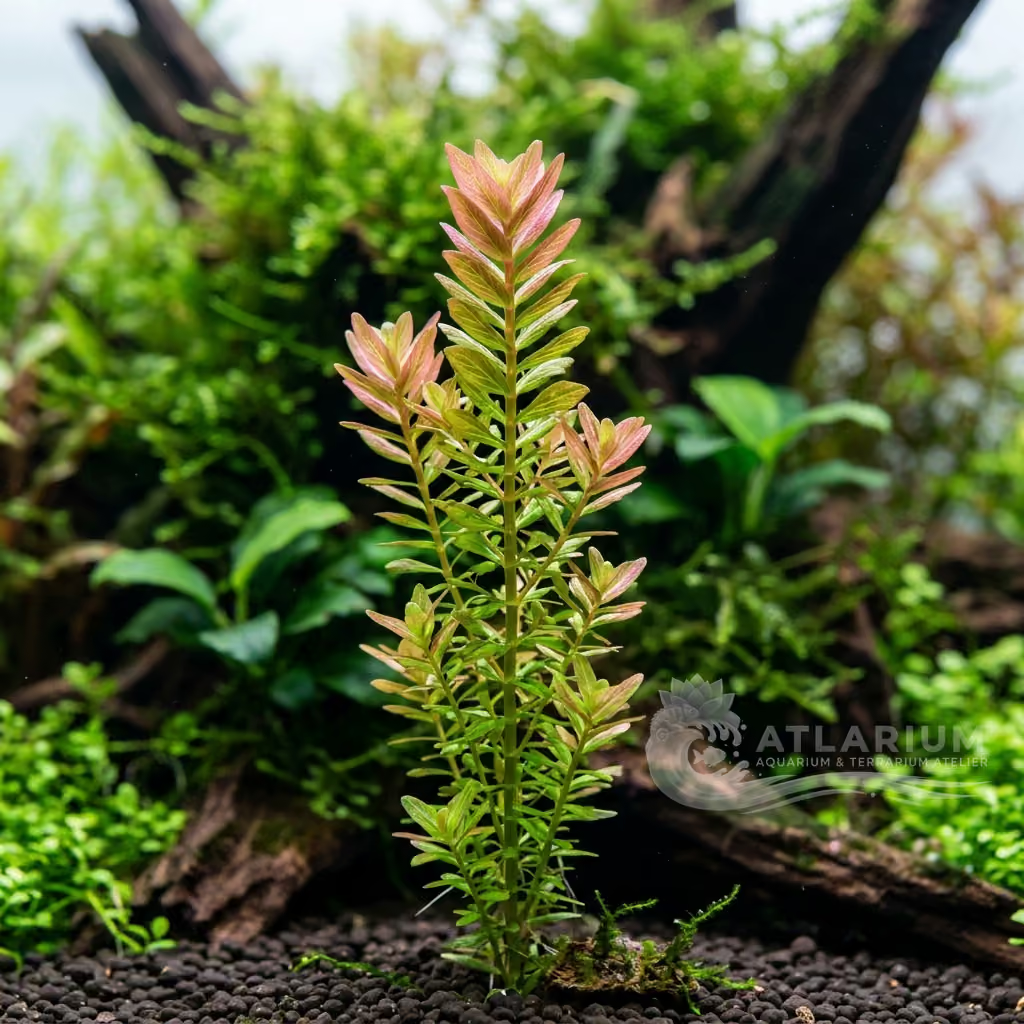
Physical Structure: Persicaria sp. 'Sao Paulo' features robust, upright stems that can reach considerable heights in the aquarium, tending to branch out with consistent pruning. Its leaves are arranged alternately along the stem, typically having a lanceolate to ovate shape, and become denser towards the apex. Each stem node is well-defined, and adventitious roots can often emerge from these points, especially during vigorous growth. The plant develops a strong, fibrous root system that firmly anchors it to the substrate, contributing to its stability and efficient nutrient absorption from the substrate.
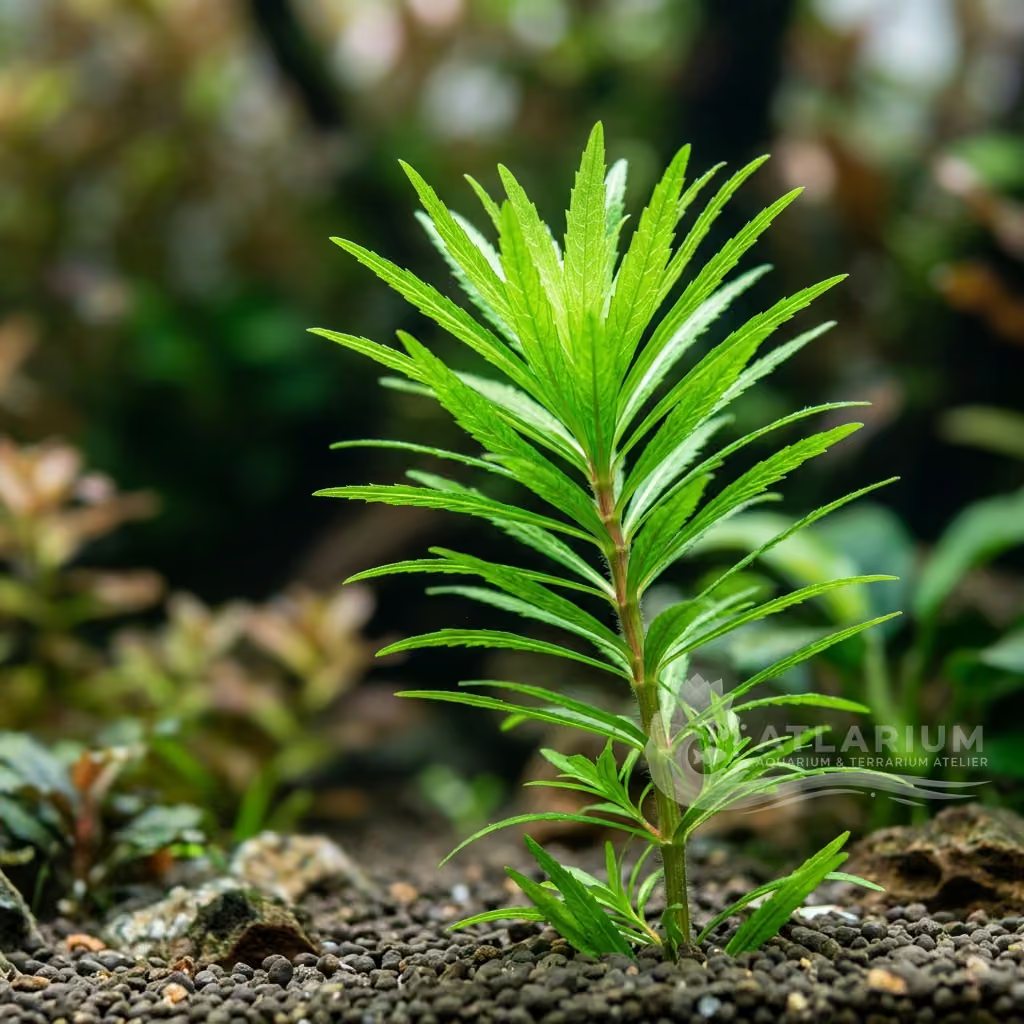
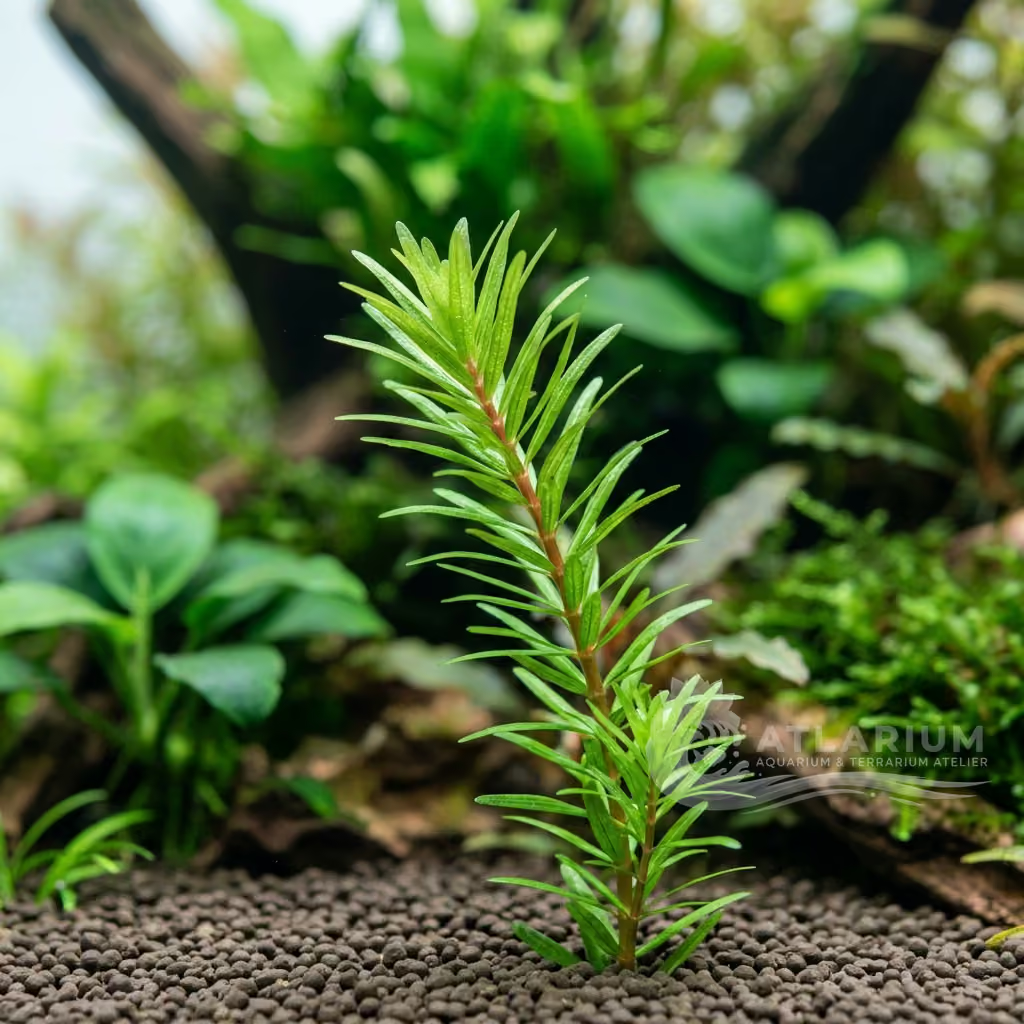
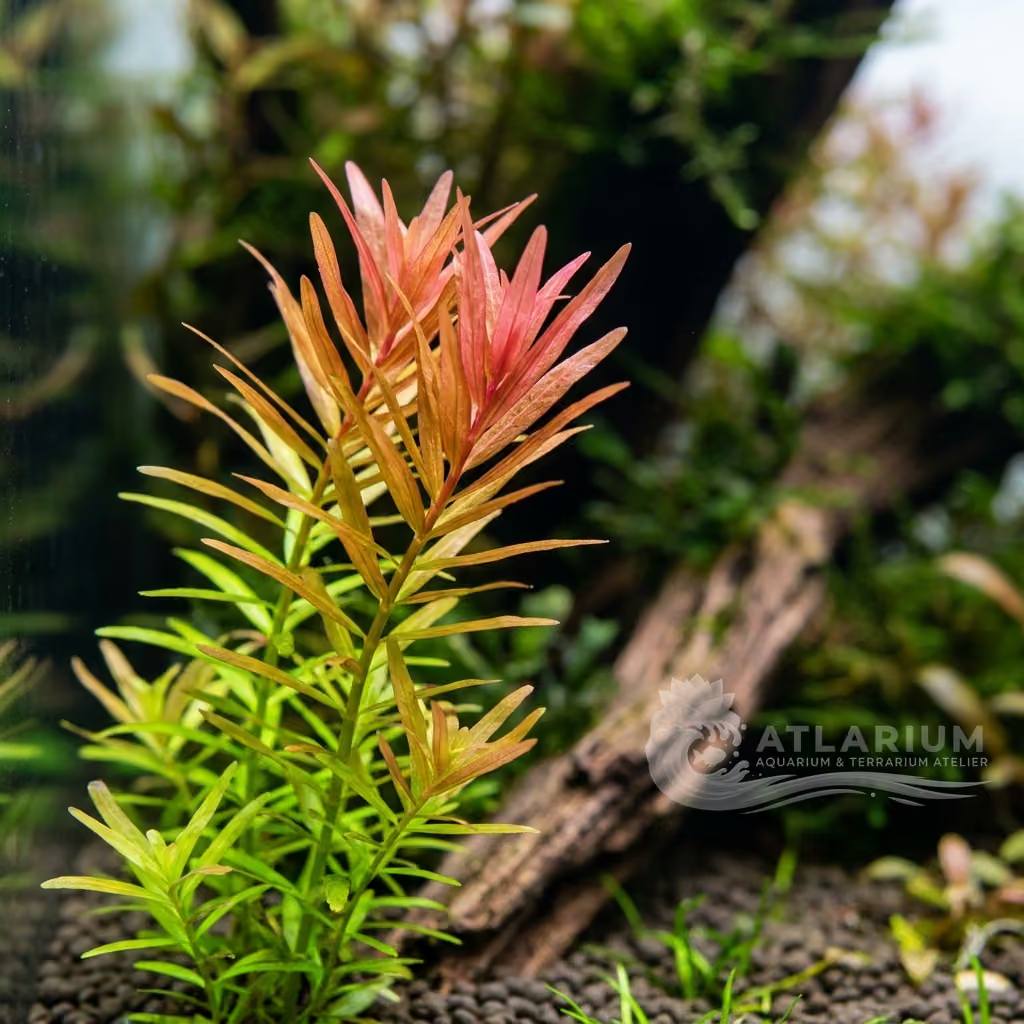
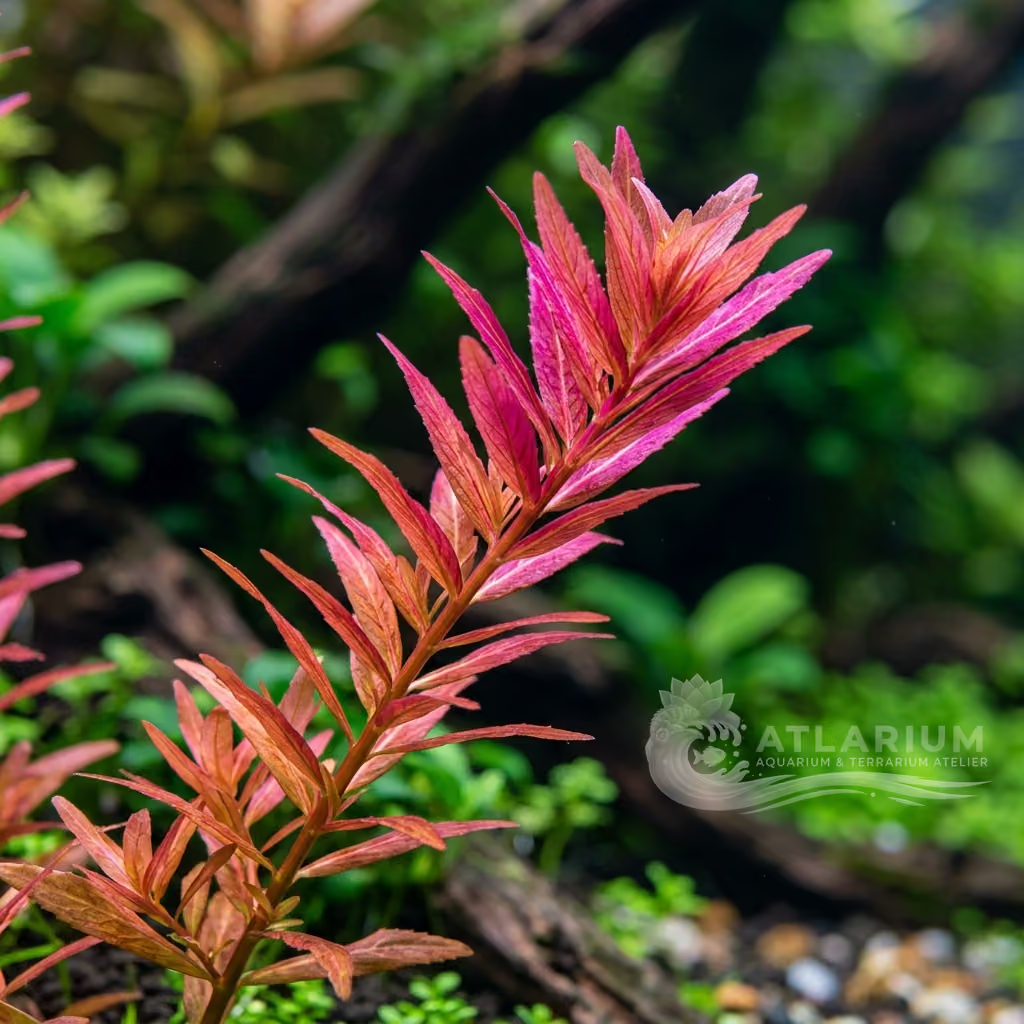
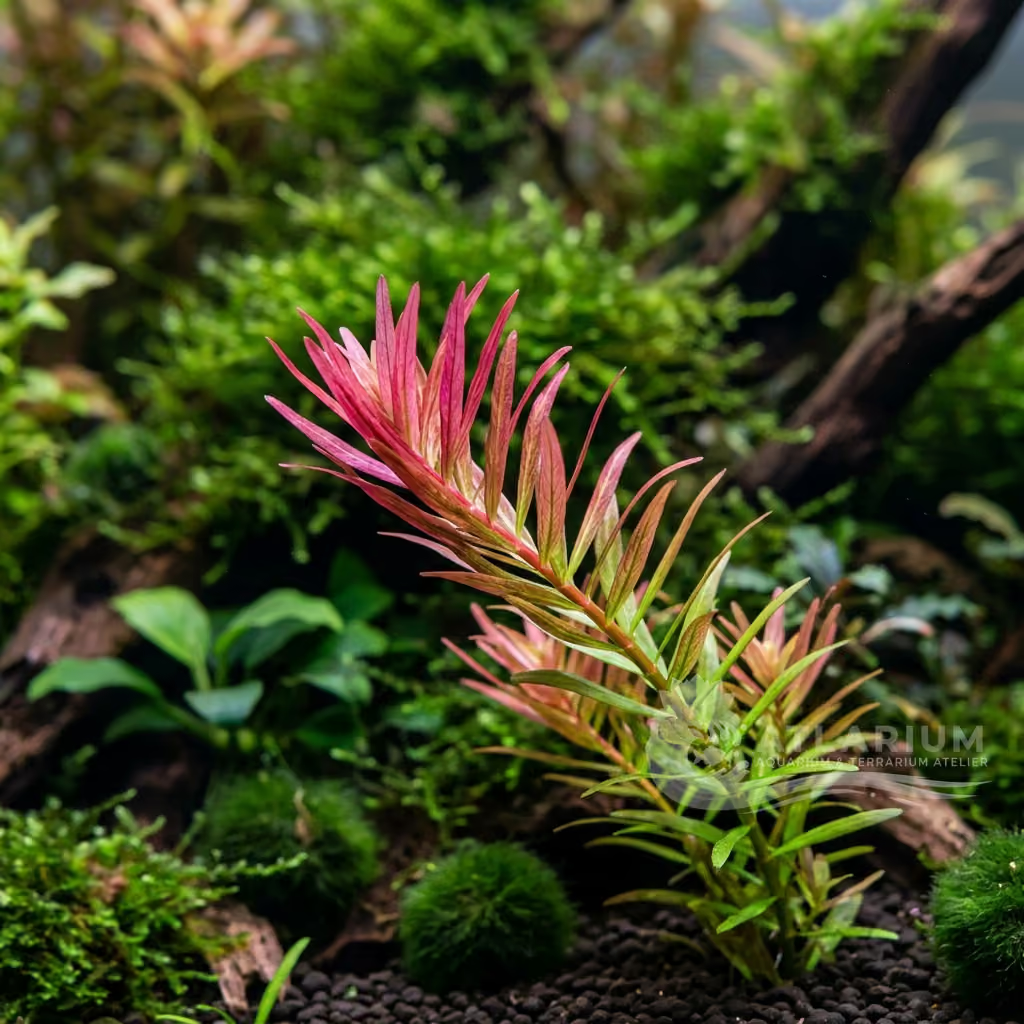
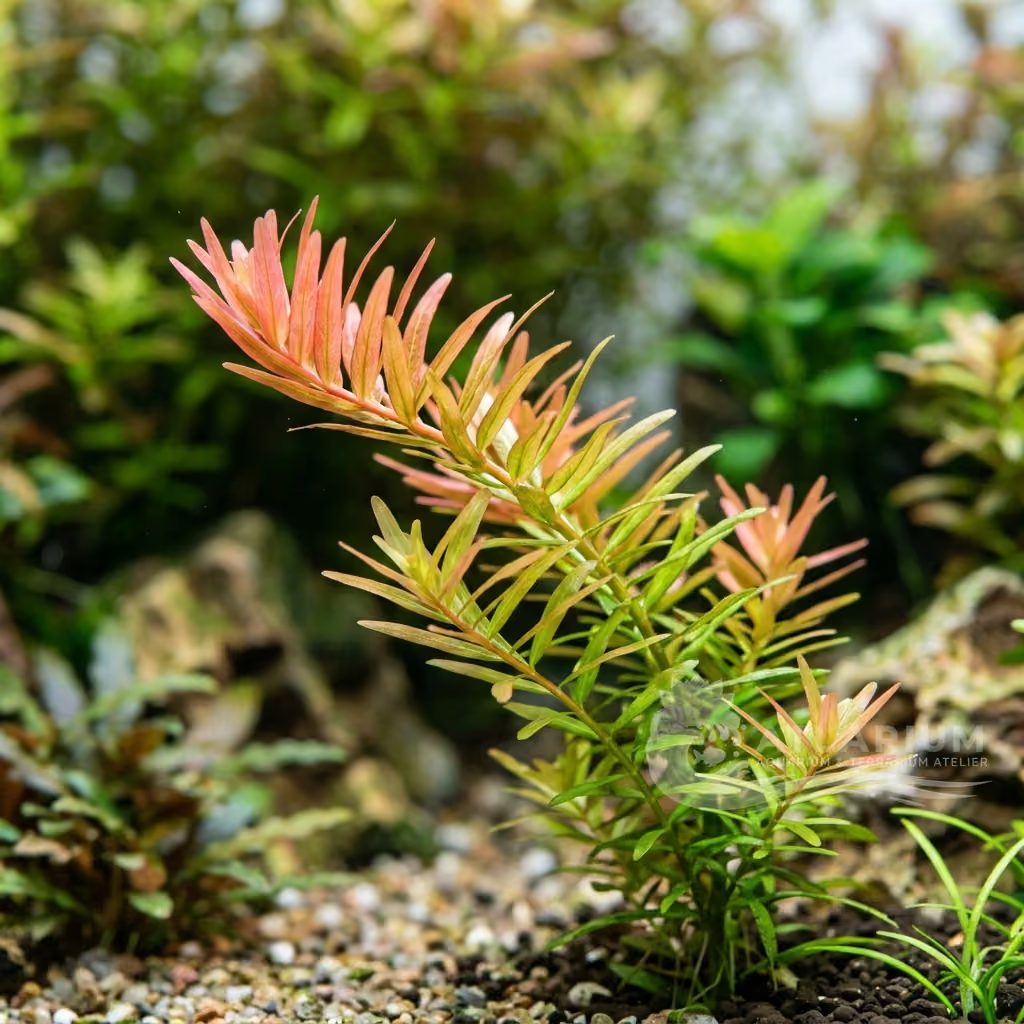
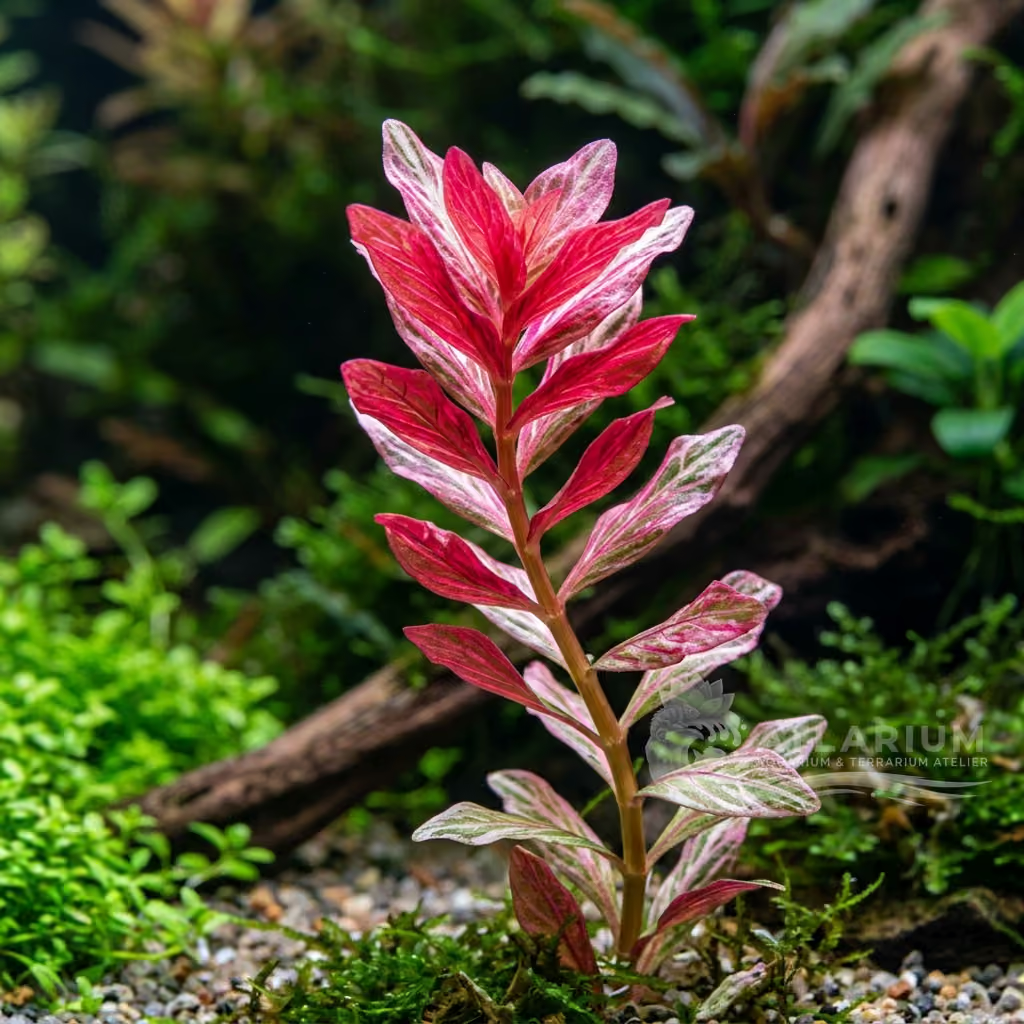
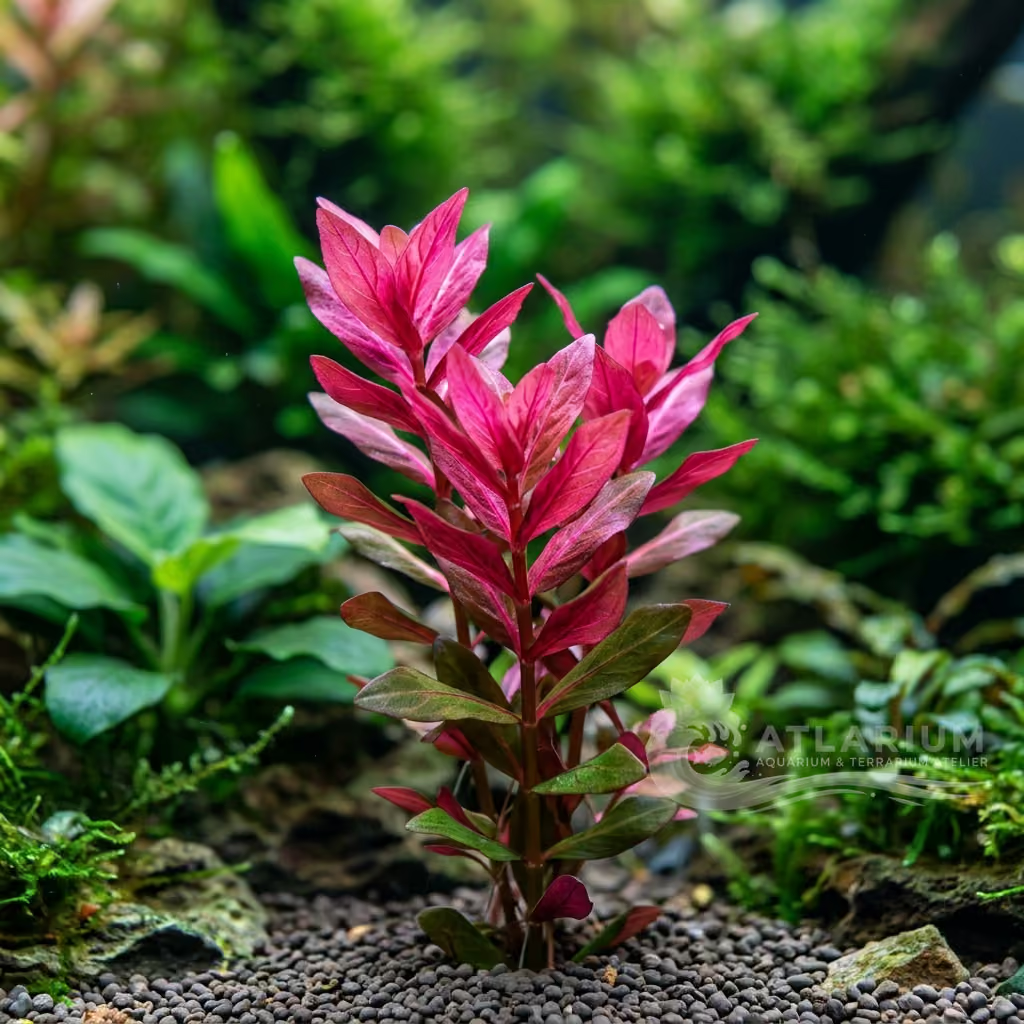
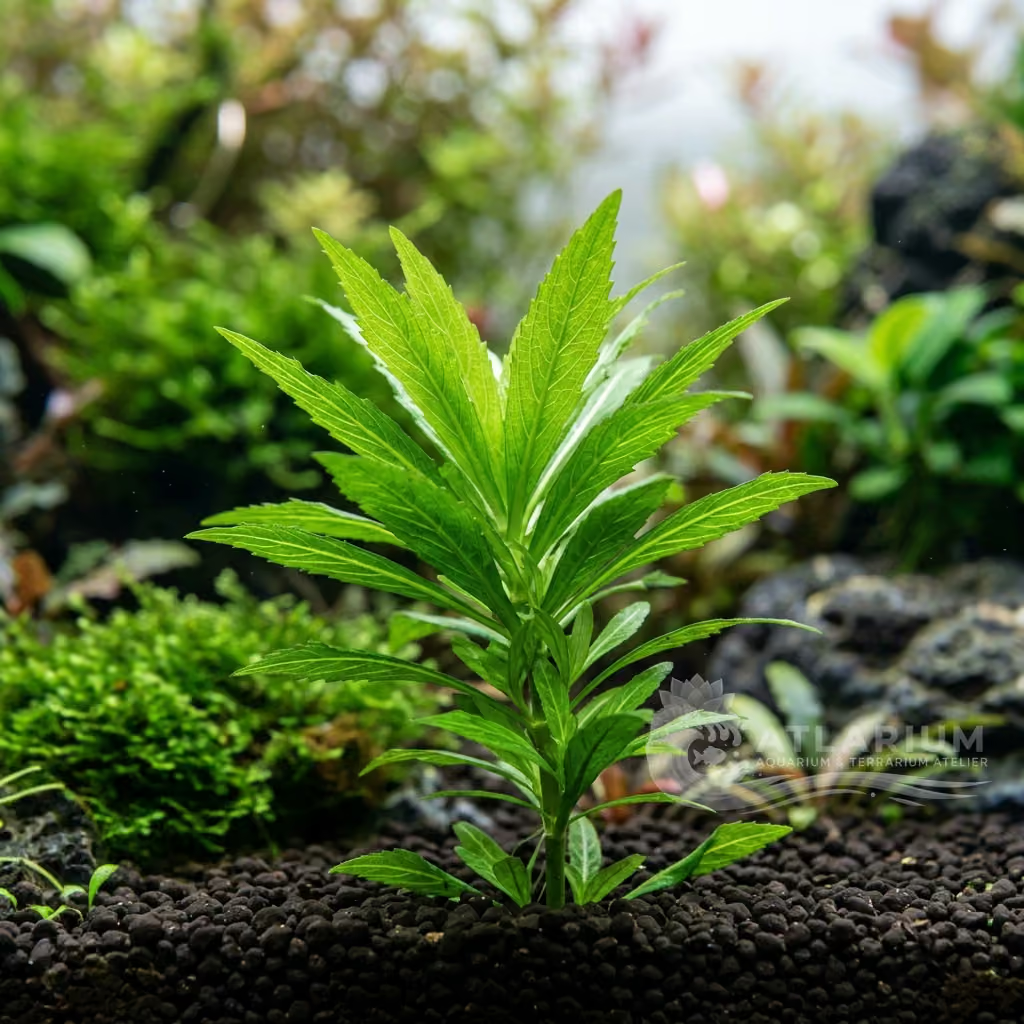
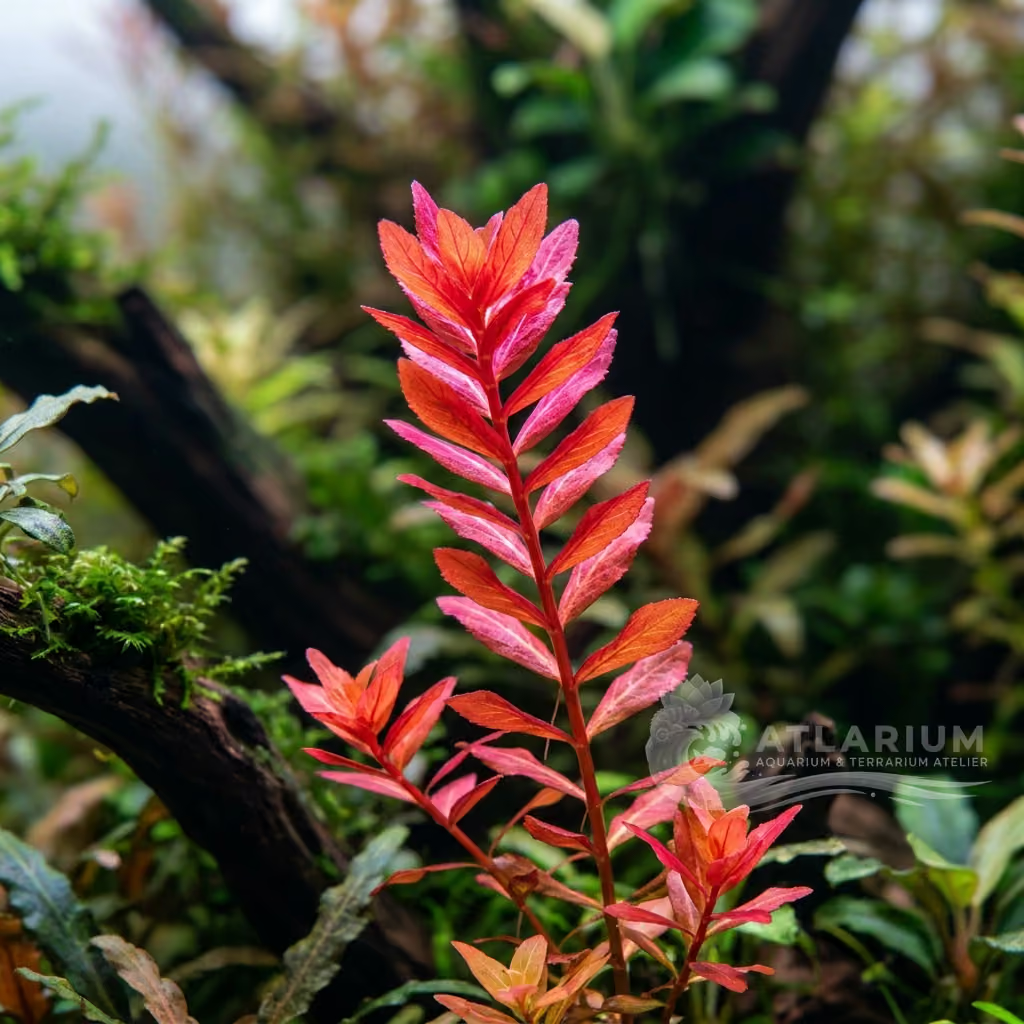
Color & Texture: This Persicaria variety is highly prized for its astonishing coloration, which ranges from reddish-green to intense red and even deep purple, particularly under high lighting conditions. The upper surface of the leaves often displays warmer and brighter hues, while the undersides may retain a more pinkish or purplish tone. The leaf surface is smooth and slightly glossy, reflecting light attractively and adding visual depth to the aquascape. This combination of vibrant colors makes it an excellent contrasting element against green plants and a captivating focal point for the observer's eye.

Care, breeding and tankmates
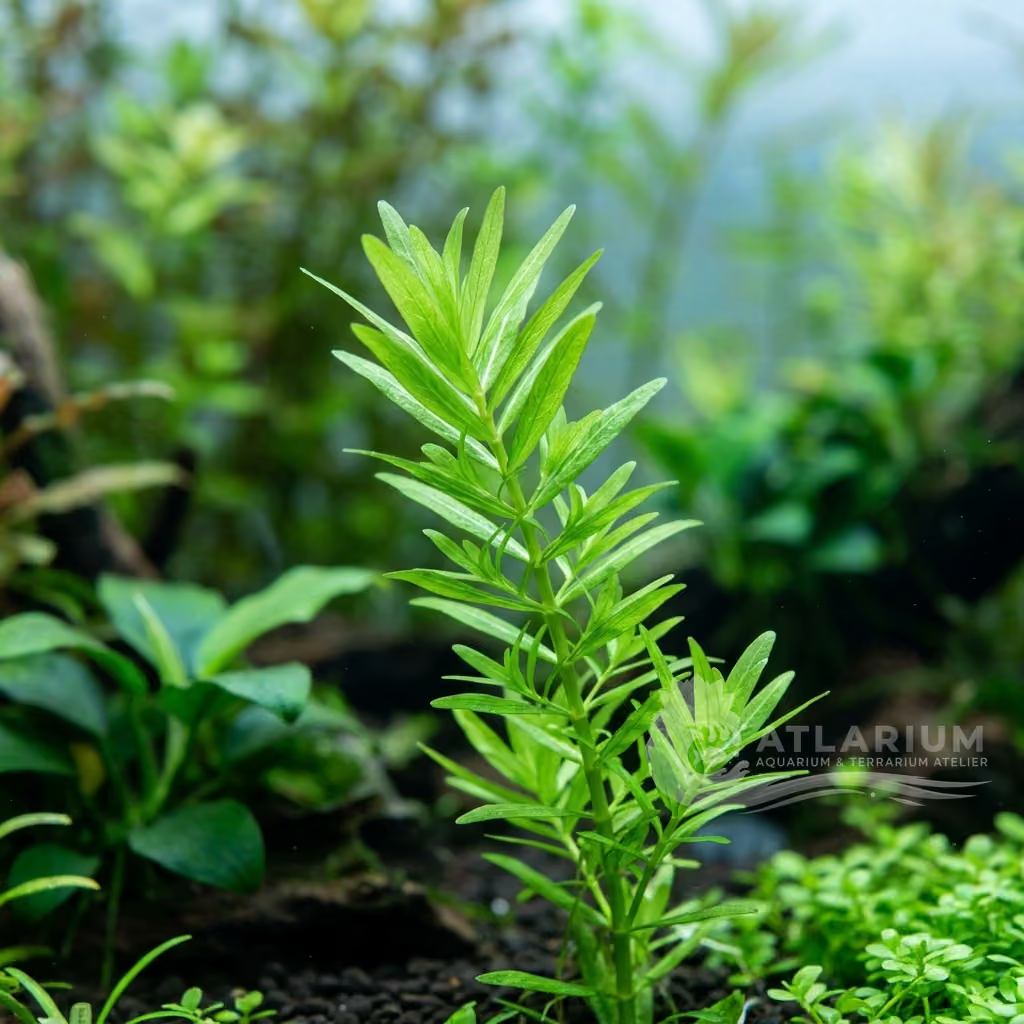
Lighting & CO2: To achieve its best coloration and maintain a rapid growth rate, Persicaria sp. 'Sao Paulo' requires medium to high lighting. Insufficient lighting will result in greener leaves and elongated internodes, compromising the desired compact appearance. CO2 injection is almost indispensable for this fast-growing plant, especially under intense light, as it supports photosynthesis and prevents carbon deficiency, which could lead to stunted growth or algae formation. A stable and adequate supply of CO2 is crucial for its overall health and the vibrancy of its colors.
Nutrition & Substrate: As a fast-growing plant, Persicaria sp. 'Sao Paulo' is a heavy nutrient consumer and benefits immensely from a comprehensive fertilization regimen. It is advisable to use a nutrient-rich substrate or supplement with root tabs to supply essential nutrients directly to the root system. Liquid fertilization of the
Water Chemistry: Persicaria sp. 'Sao Paulo' exhibits remarkable tolerance to various water chemistry conditions, thriving in temperatures between 18.0 and 30.0 °C, which makes it suitable for most tropical aquariums. The ideal pH range is between 5.0 and 7.0, indicating a preference for slightly acidic to neutral water. Carbonate hardness (KH) can range from 0.0 to 14.0, suggesting adaptability to both very soft and moderately hard water. Maintaining stable parameters within these ranges is crucial to prevent stress and promote robust, healthy growth in your aquatic environment.
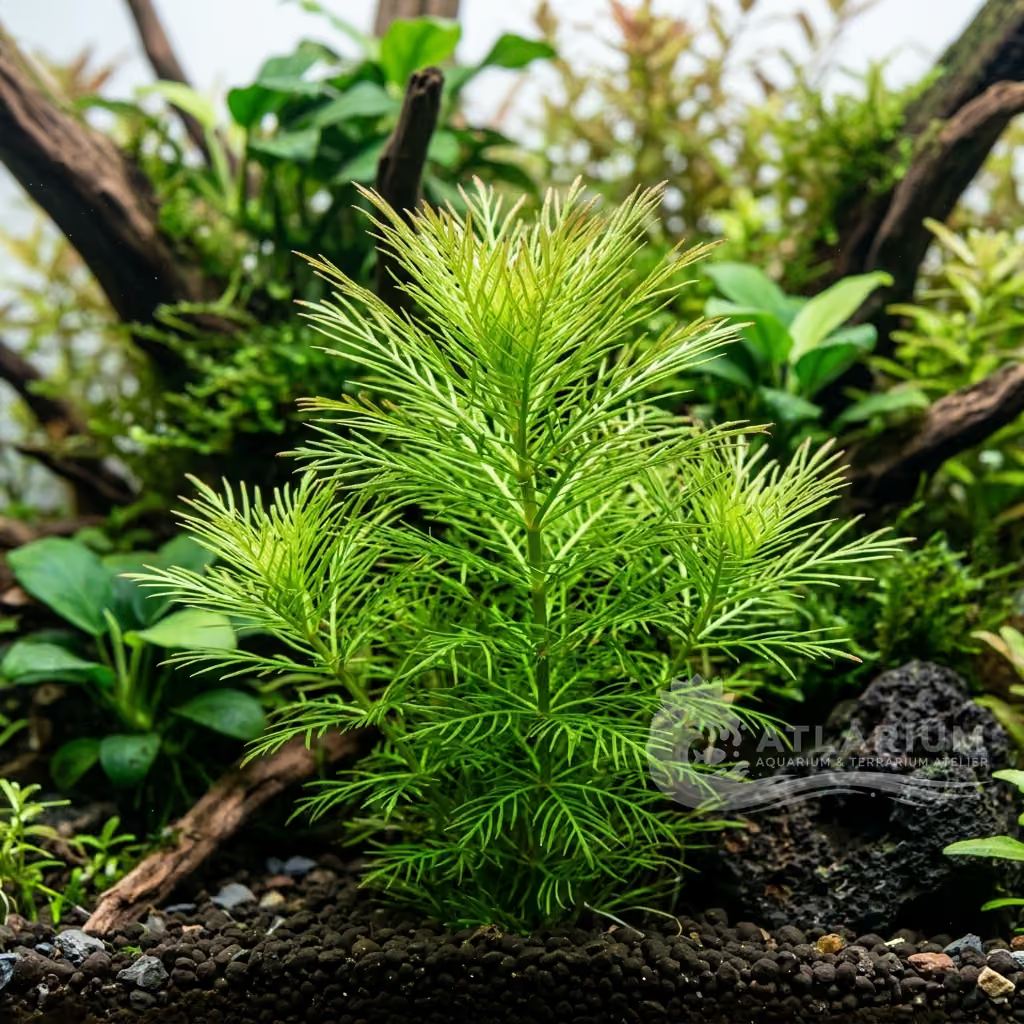
Space Management & Placement: Due to its rapid growth rate and potential height, Persicaria sp. 'Sao Paulo' is best suited for midground placement, where it can form a dense, colorful bush. If left untrimmed, it can quickly grow to the surface, shading lower plants and occupying significant space. It's important to consider its expansive growth when planning your aquascape layout, ensuring ample room to prevent overcrowding and allow for proper water circulation and light penetration. Strategic placement enables it to create strong visual contrast and a dynamic focal point.
Pruning: Regular pruning is essential to keep Persicaria sp. 'Sao Paulo' compact, dense, and to encourage lateral branching. The tops can be cut and replanted to propagate the plant, forming new robust clusters. Removing yellowing or dying lower leaves due to shading is important to prevent detritus buildup and improve water circulation. Frequent trimming also helps to prevent the plant from becoming too woody at the base and maintains a healthy, vigorous appearance, promoting the growth of fresh, colorful foliage.
Risks & Diseases: While robust, Persicaria sp. 'Sao Paulo' can be susceptible to common aquarium issues, especially if growing conditions are not optimal. Nutrient deficiencies manifest as pale leaves, stunted growth, or holes in the foliage, necessitating a review of the fertilization regimen. Insufficient lighting or inadequate CO2 supply can encourage algal growth on the plant's leaves, compromising its health and aesthetic appeal. Like many aquatic plants, it may experience a "melting" phase during adaptation to new conditions, but typically recovers quickly with appropriate care and stable parameters.

Geographic origin and distribution
The designation 'Sao Paulo' likely indicates a specific origin or selection from Brazil, though the genus Persicaria is a cosmopolitan group thriving in various wetland and marshy environments globally. Persicaria species typically inhabit the margins of rivers, lakes, ditches, and other tropical and subtropical wet areas, where they flourish in nutrient-rich substrates and under ample light. This particular cultivar or variant was likely chosen for its exceptional ornamental qualities suitable for aquascaping. While adaptable to a broad range of conditions, its most vibrant
Origin
Extra-Amazon South America

Plant profile
- Placement
- Midground
- This plant is an ultimate focal point species, best utilized as a stunning midground to background centerpiece. Its bold, purple-red coloration creates a dramatic, eye-catching contrast against bright green background plants. It should be planted in areas with unimpeded access to the light, as shading will quickly ruin its coloration.
- Botanical form
- Stem
- It possesses thick, upright stems adorned with striking, lance-shaped leaves that can appear almost fluorescent under the right lighting. The coloration is among the most intense in the aquarium hobby, ranging from bright magenta to deep, vibrant purple. The leaves have a distinctive veining pattern and a slightly wavy edge that adds to its exotic appearance.
- Growth
- Fast
- Under the requisite high light and CO2 injection, the plant exhibits a moderately fast and very powerful growth rate. The thick stems grow straight up toward the light source and will emerge from the water if not trimmed. Consistent, careful pruning is necessary to maintain a beautiful, bushy stand rather than leggy individual stems.
- Substrate
- High
- A premium, nutrient-heavy aquasoil is virtually mandatory for the successful long-term cultivation of this demanding species. The deep, rich substrate allows the thick stems to anchor firmly and access essential minerals directly from the soil. Cultivating this plant in sand or plain gravel is highly difficult and requires aggressive use of root fertilizers.
- Column fertilization
- Recommended
- A heavy and meticulous liquid fertilization regimen is required to meet the high metabolic demands of this plant. Consistent dosing of micronutrients, especially iron, is critical to maintaining the deeply saturated purple colors. Imbalances in column nutrients will quickly manifest as stunted tips or the shedding of lower leaves.
- Root fertilization
- None
- Extensive root fertilization is the secret to producing the thickest, healthiest stems possible for this Persicaria species. Burying rich root tabs under the stand provides a reliable nutrient buffer that supplements the heavy column dosing. A well-fed root system is crucial to prevent the lower portions of the thick stems from rotting away.
- Trimming
- Occasional
- Trimming Persicaria sp. 'Sao Paulo' requires a careful approach to encourage bushy and attractive regrowth. Use sharp aquascaping scissors to make clean cuts just above a healthy set of leaves or nodes. Regular pruning prevents the lower portions from becoming shaded and bare. The cuttings can often be replanted to propagate the species further.
- Propagation
- Cuttings
- Propagation is done by taking top cuttings of healthy stems and carefully replanting them into the rich substrate. The cut mother stem will often sprout multiple intensely colored side shoots, which can be used to thicken the bush. Because the stems are very buoyant, ensure the cuttings are planted deeply to prevent them from floating.
- Sensitivity
- Moderate
- Persicaria sp. 'Sao Paulo' can be somewhat sensitive to sudden fluctuations in water parameters, particularly large pH or temperature swings. Algaecides and certain chemical treatments should be used with extreme caution. It requires a stable environment with consistent CO2 levels to prevent melting. Maintaining excellent water quality through regular changes is essential for its well-being.
- Layout role
- Midground, accent, Background
- In terms of aquascaping, Persicaria sp. 'Sao Paulo' plays a vital role as a structural or accent element. Its stem nature and intense magenta and purple appearance make it perfect for creating focal points or softening hardscape lines. By grouping several stems or patches together, you can achieve a dense and visually striking effect. It seamlessly bridges the gap between different zones in the aquarium.

Related species
Recommendations grouped by close relatives, companion choices, and similar care.