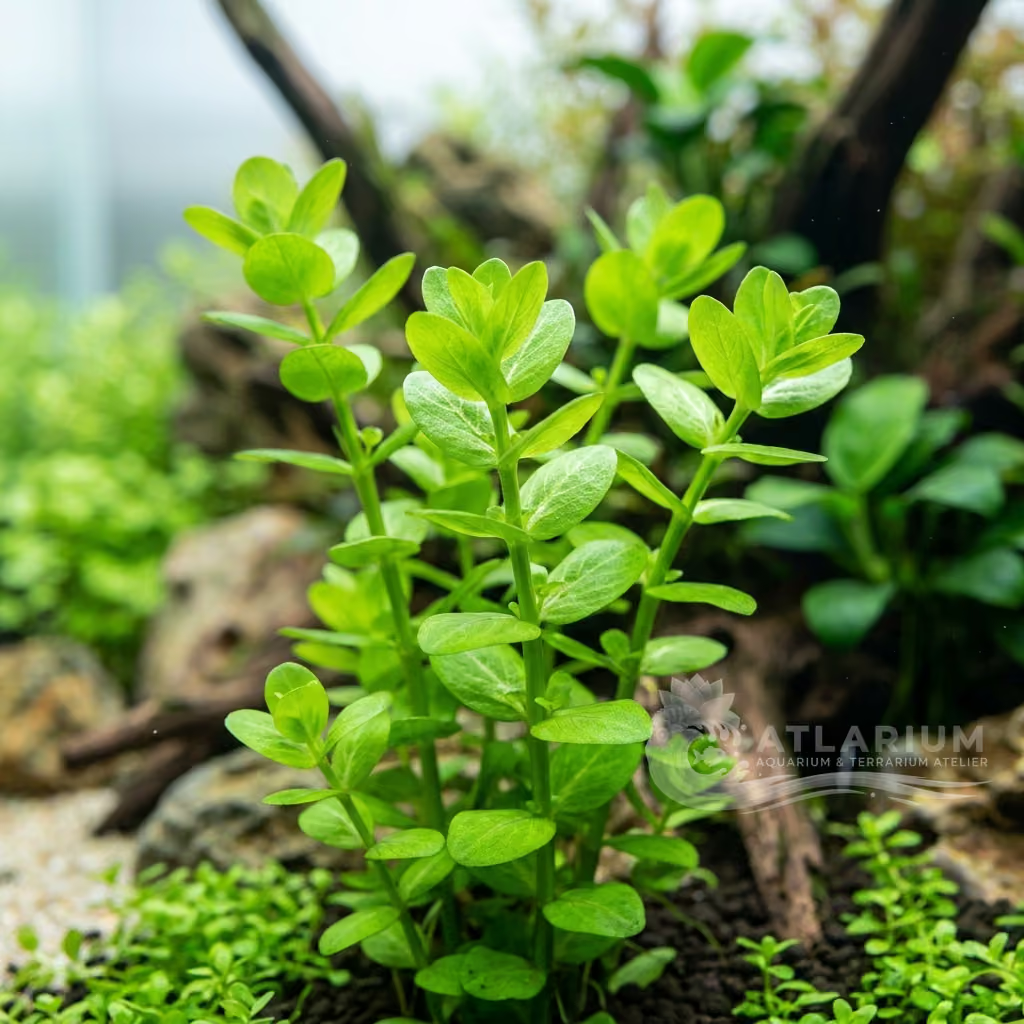
Persicaria sp. 'Kawagoeanum'
Persicaria sp. 'Kawagoeanum'
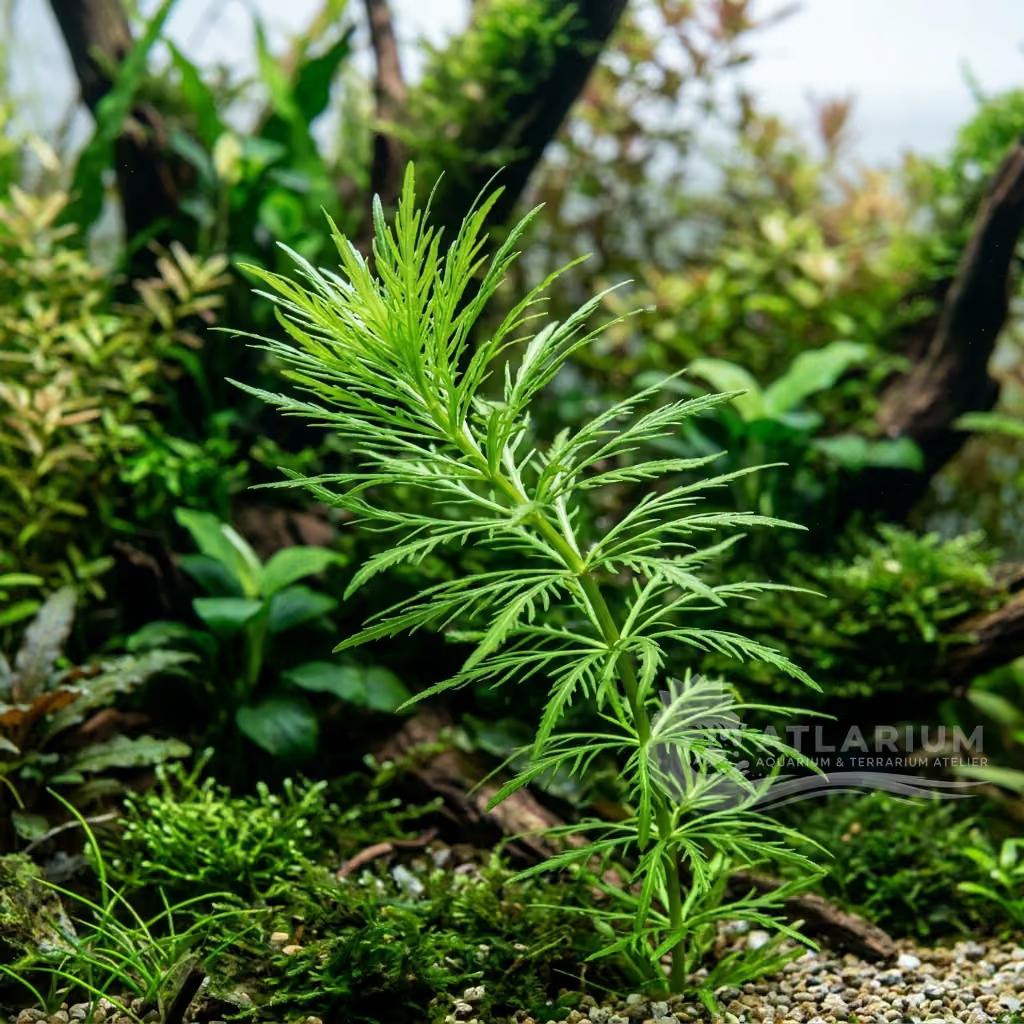
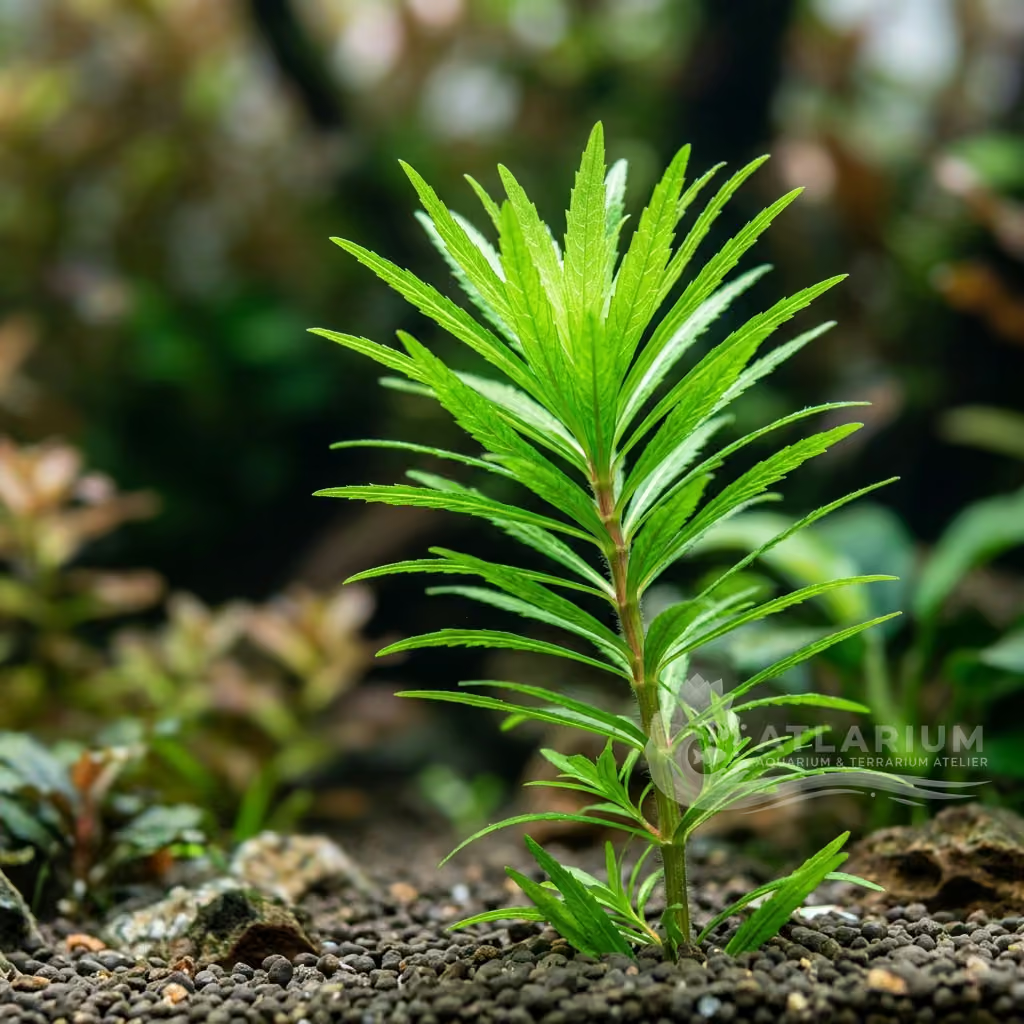
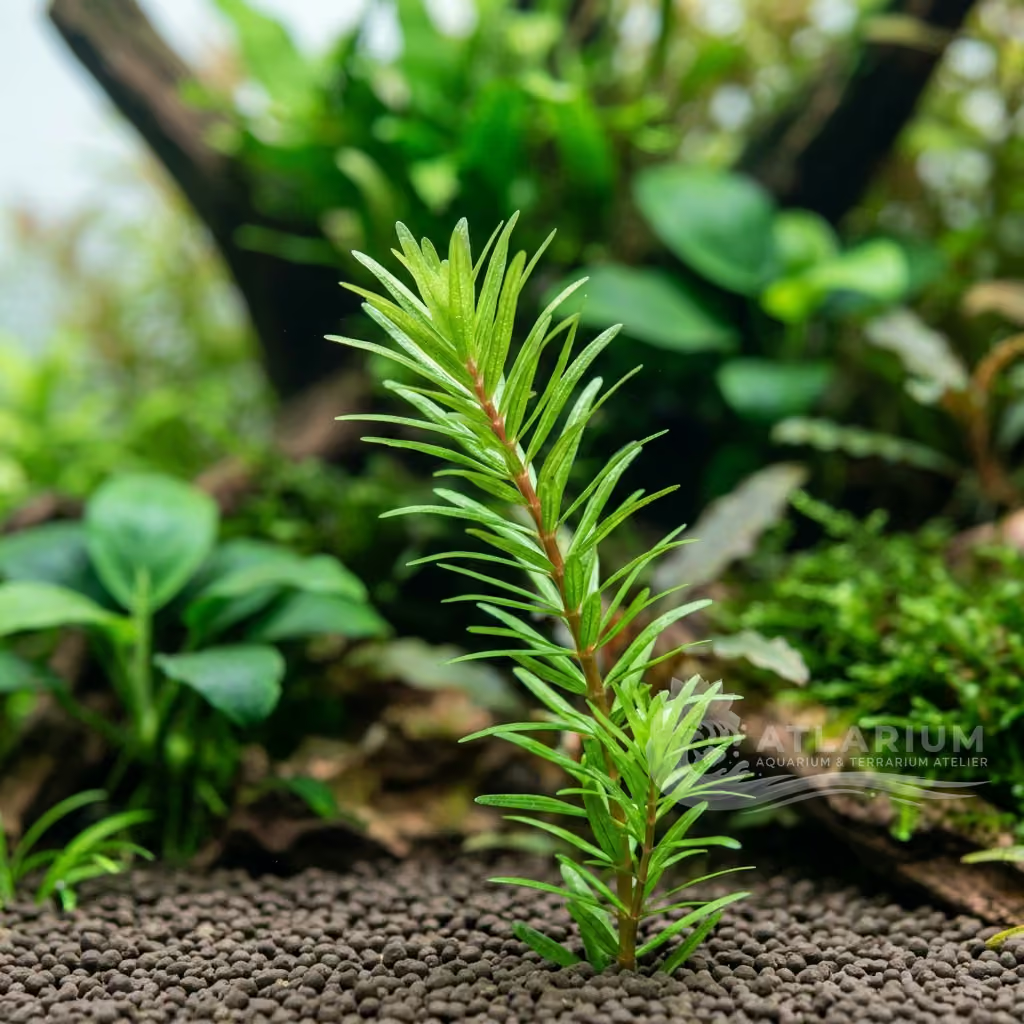
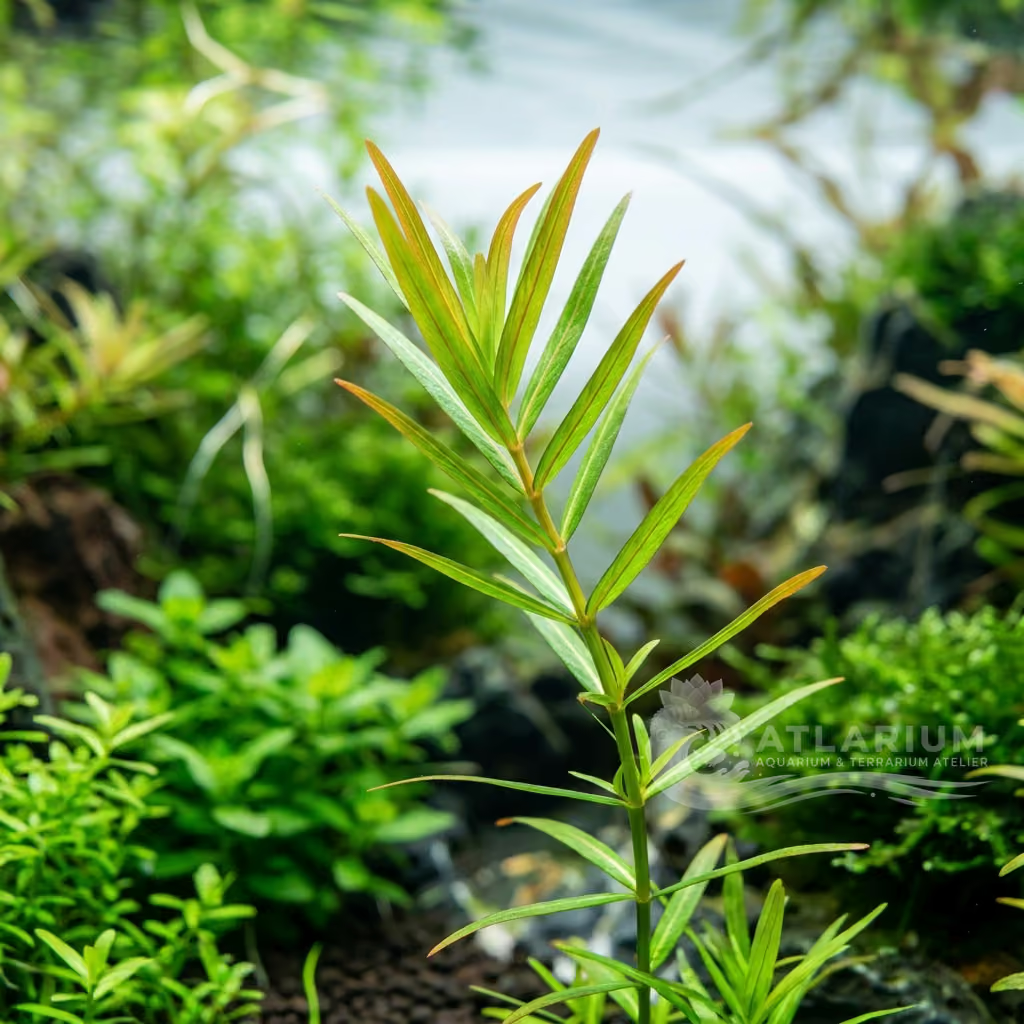
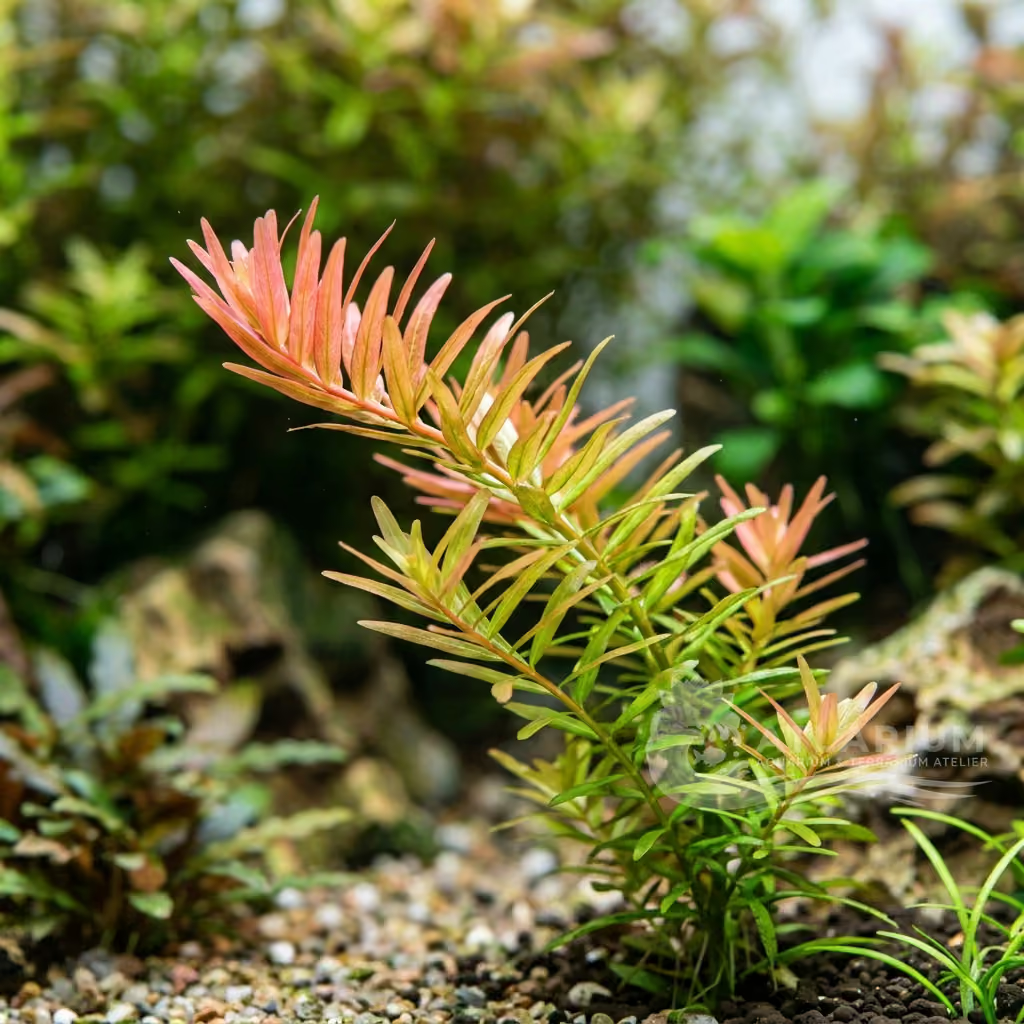
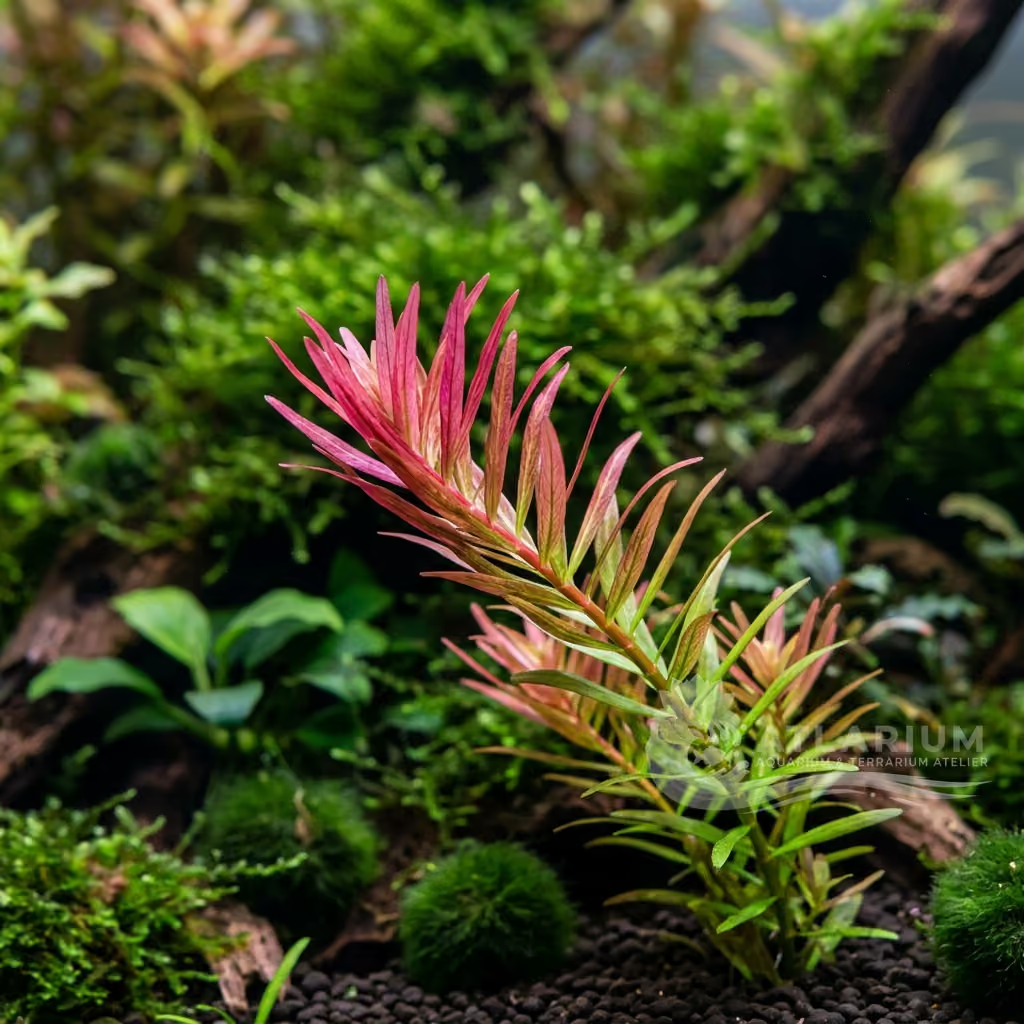
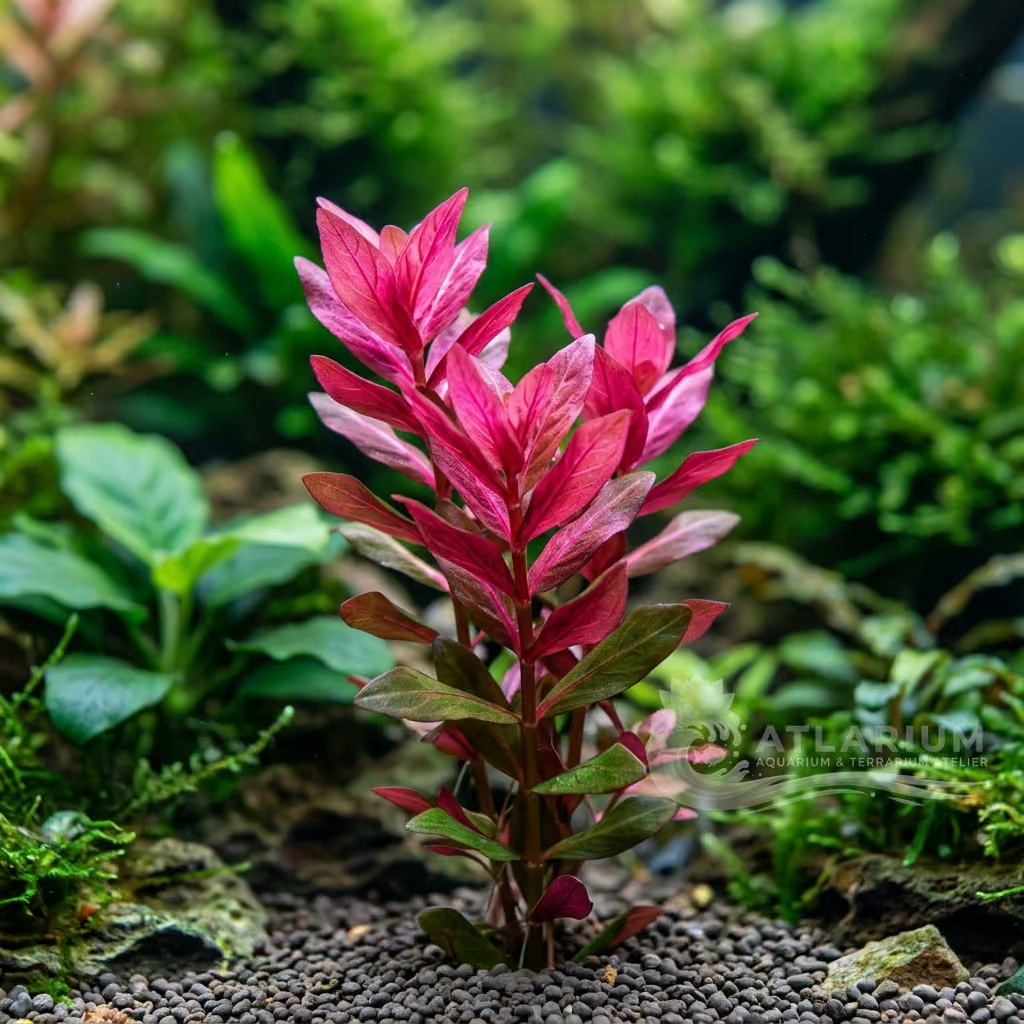
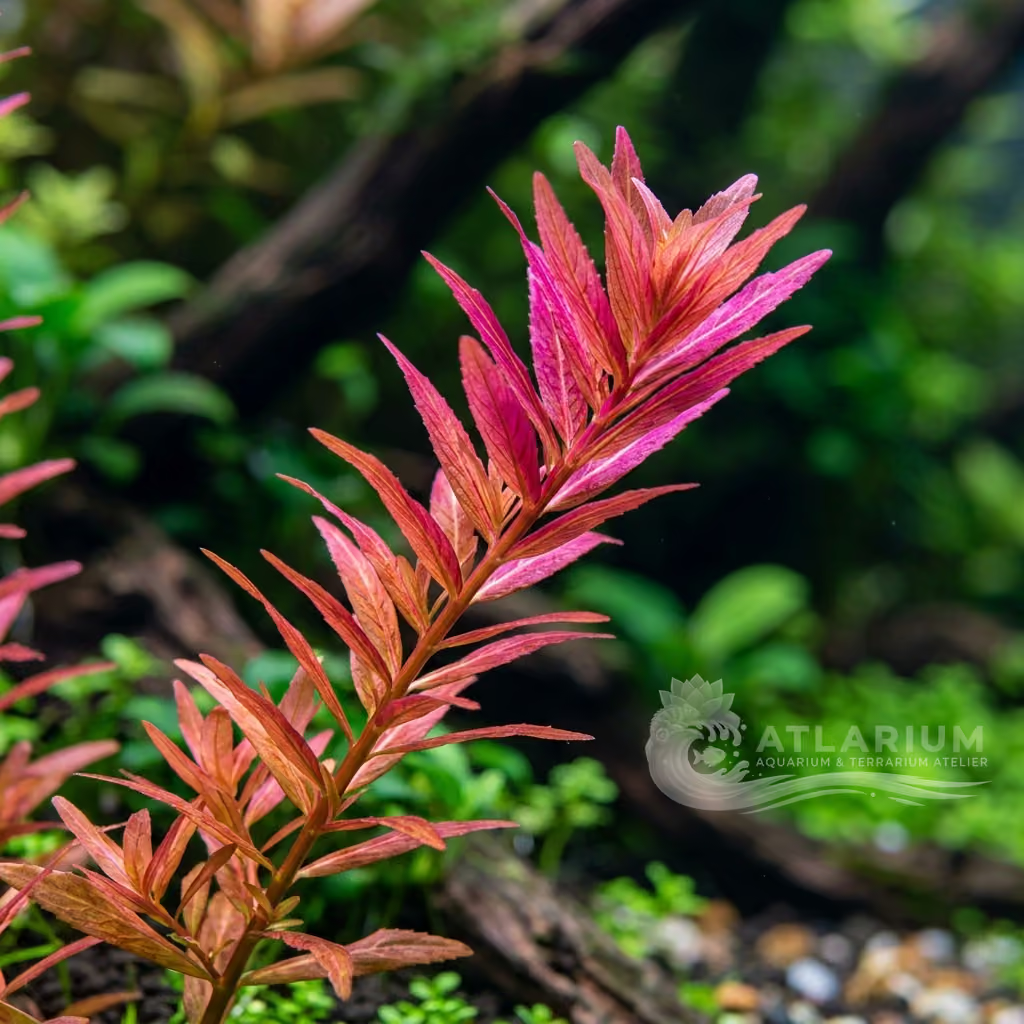
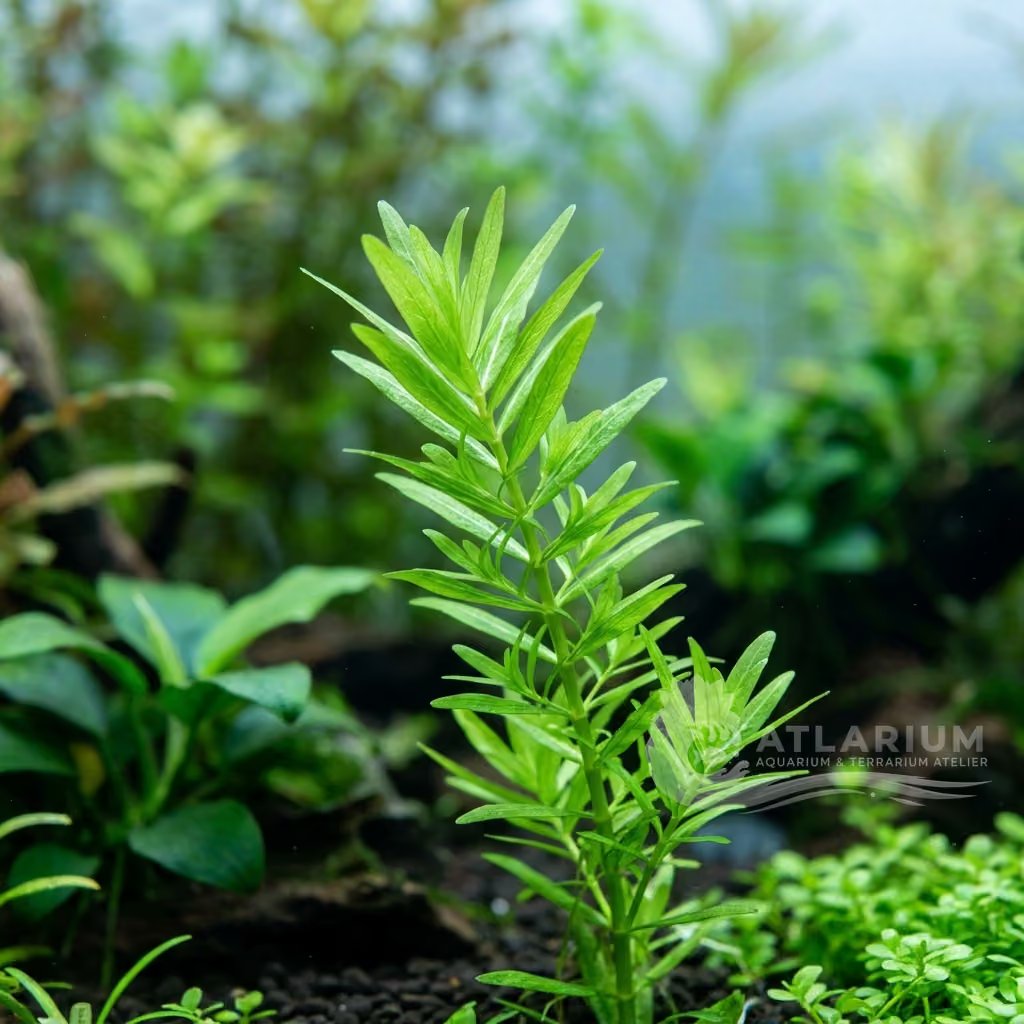
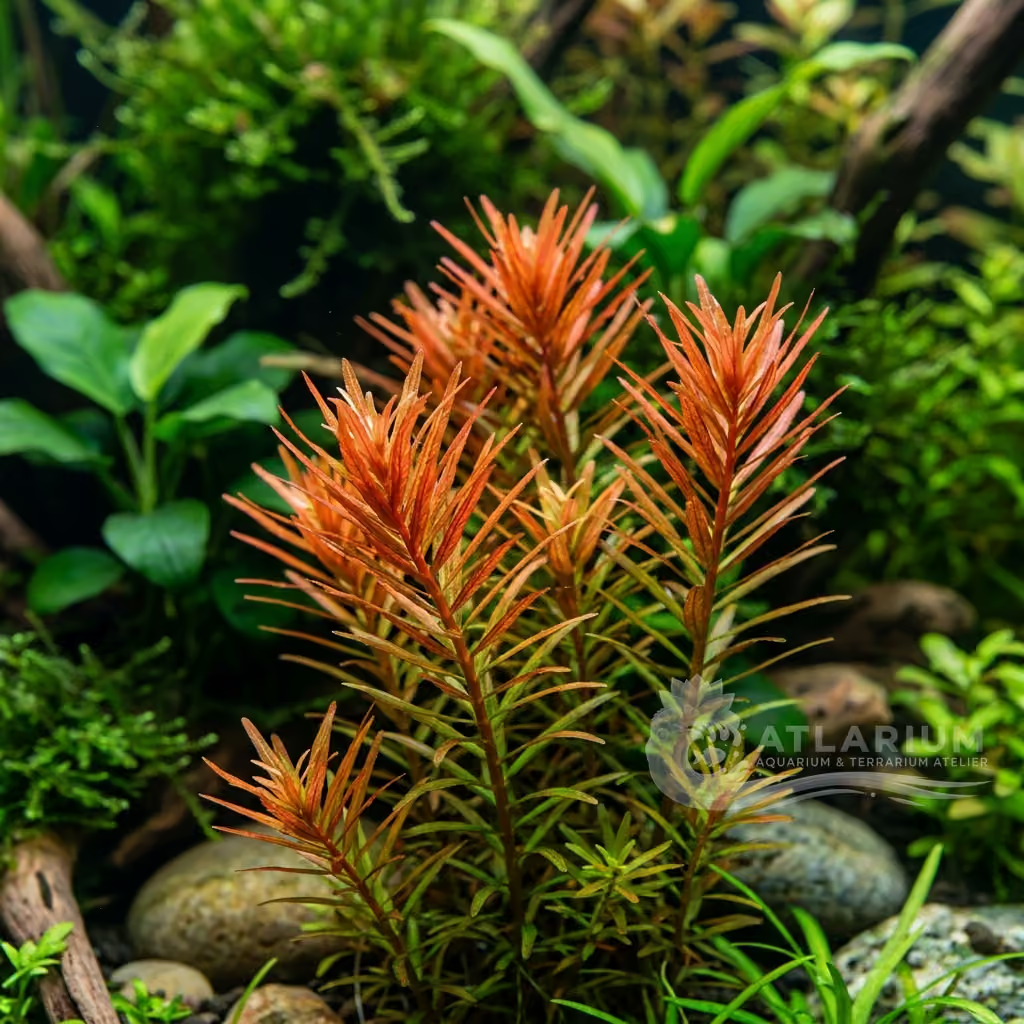
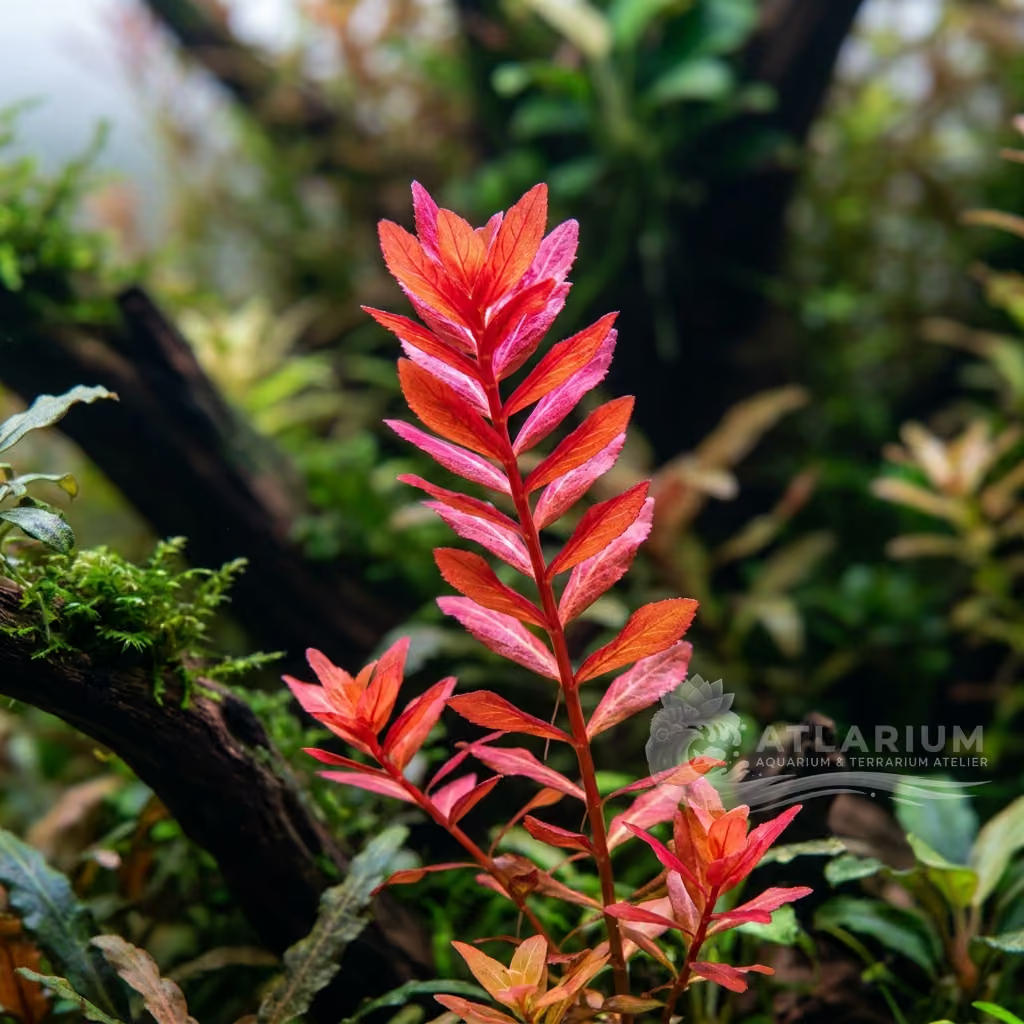
Persicaria sp. 'Kawagoeanum' is a stunning stem plant with narrow, willow-like leaves displaying vibrant pink to orange-red hues. Perfect for high-tech setups, it provides a striking color contrast in the midground or background of the aquarium.
Water Temperature
18 - 30 °C
pH Value
5 - 7
Water type
Freshwater
Light
Medium to High
CO2
High
KH
0 - 14 dKH

Species description
Origin & Habitat: Persicaria sp. 'Kawagoeanum' originates from Japan, where it grows naturally along the banks of streams, rice paddies, and wetland areas. In the wild, it thrives as a semi-aquatic plant, colonizing periodically flooded terrain and pond margins with clay or silty substrates. Its natural habitat is characterized by soft, slightly acidic freshwater with moderate temperatures typical of temperate Asian regions. This origin makes it particularly well-suited for aquariums recreating Asian biotope layouts, adding a touch of geographical authenticity.
Taxonomy & Genetics: Belonging to the Polygonaceae family, Persicaria sp. 'Kawagoeanum' is closely related to other Persicaria species used in the aquarium hobby, such as Persicaria praetermissa and Persicaria hydropiperoides. The 'sp.' designation indicates that the species-level taxonomic classification has not yet been formalized, and the trade name 'Kawagoeanum' refers to the Japanese region from which the original material was collected. Genetically, aquatic Polygonaceae share the ability to produce anthocyanins, the pigments responsible for the pink and orange hues that make these plants so prized. Future studies may clarify its exact taxonomic placement within the genus.
Physical Structure: Persicaria sp. 'Kawagoeanum' presents as an upright stem plant capable of reaching 15 to 30 centimeters in height in the aquarium. The leaves are narrow and lanceolate, arranged alternately along the stem, giving the plant an elegant and slender appearance. Internodes remain relatively compact under intense lighting, creating a dense and bushy habit, while they elongate noticeably under insufficient light. The root system is moderately developed and contributes to anchoring the plant in the substrate, although most nutrient absorption occurs through the foliage.
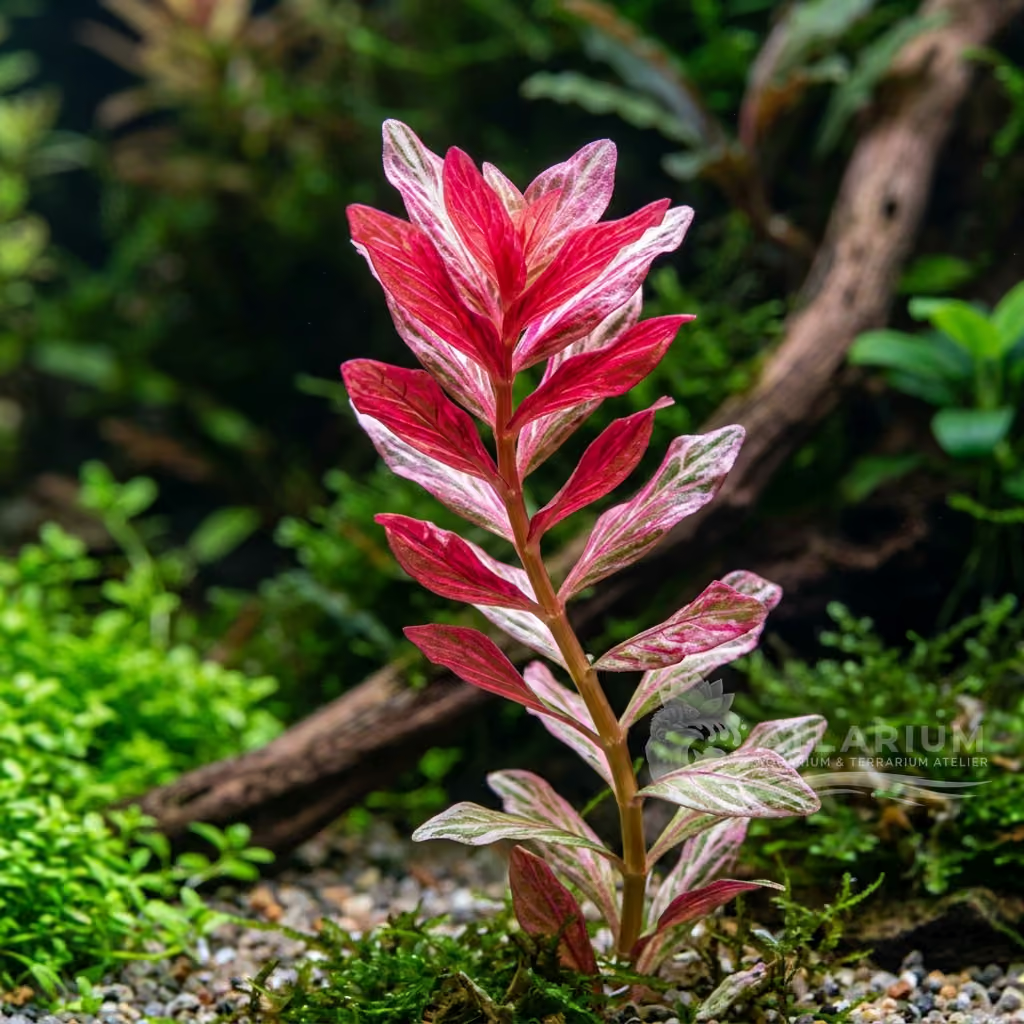
Color & Texture: The most distinctive feature of Persicaria sp. 'Kawagoeanum' is its coloration, which ranges from intense pink to orange-red under optimal light and nutrient conditions. Young leaves, particularly the apical tips, display the most vivid hues, creating a fascinating chromatic gradient along the stem. The leaf surface is smooth and slightly glossy, with a fine texture that reflects light in a delicate manner. Under medium light or iron deficiency, the red tones may fade to a green-bronze, making micronutrient supplementation critical for maintaining color vibrancy.

Care, breeding and tankmates
Water Parameters: Persicaria sp. 'Kawagoeanum' thrives in a temperature range of 20 to 28 °C (68-82 °F), making it compatible with most tropical aquarium setups. It prefers slightly acidic to neutral pH levels between 6.0 and 7.5, and soft to moderately hard water. Stable parameters are essential for this species: sudden swings in pH or temperature can cause lower leaf melt and stunted growth. Regular weekly water changes of 20-30% help maintain optimal water quality and prevent nutrient buildup.
Lighting: To achieve the most intense pink-to-orange coloration, moderate to high lighting with a photoperiod of 8-10 hours is recommended. Under strong light, internodes remain compact and leaves develop their most vivid and striking hues. In low-light conditions, the plant tends to stretch toward the surface, losing its compact form and characteristic red tones. A modern full-spectrum LED light is the ideal solution for this species.
CO₂ & Fertilization: CO₂ injection is highly recommended for Persicaria sp. 'Kawagoeanum', as it significantly accelerates growth and intensifies coloration. A stable level of 20-30 ppm CO₂ is ideal for optimal results. Regular liquid fertilization with macro and micronutrients is essential, with particular emphasis on chelated iron, which plays a key role in maintaining red tones. A daily or every-other-day dosing regimen ensures a constant supply of nutrients.
Space Management & Placement: Thanks to its upright habit and vibrant coloration, Persicaria sp. 'Kawagoeanum' is ideal for midground or background placement in the aquarium. Planting groups of 5-7 closely spaced stems creates an impactful visual effect, forming a colorful bush that serves as a focal point in the layout. It is advisable to maintain adequate spacing from surrounding plants to ensure even light penetration and good water circulation around the stems. In smaller tanks it can serve as a background plant, while in larger aquariums it is most effective in the midground.
Pruning: Regular pruning is essential to maintain the compact, bushy form of Persicaria sp. 'Kawagoeanum'. Trimming the stem tops stimulates the growth of lateral shoots, making the plant denser and more branched over time. The trimmed apical cuttings can be easily replanted in the substrate to propagate the species, rooting quickly under favorable conditions. It is recommended to prune when stems reach the water surface, also removing any deteriorated lower leaves to maintain a tidy appearance.
Risks & Diseases: Persicaria sp. 'Kawagoeanum' is moderately sensitive and may suffer from leaf melt when subjected to sudden changes in water parameters or lighting. Nutrient deficiencies, particularly in iron and potassium, manifest as pale leaves, yellowing, or stunted growth. The proliferation of filamentous algae or diatoms on the leaves is a common indicator of imbalances between light and nutrients, requiring adjustments to the fertilization regimen. Consistent monitoring of water parameters and regular maintenance are the best preventive strategies for ensuring the long-term health of this species.

Geographic origin and distribution
This species originates from: Asia orientale.
Origin
East Asia

Plant profile
- Placement
- Midground
- When deciding where to place Persicaria sp. 'Kawagoeanum', the midground to background is generally the most ideal location. This placement allows the plant to showcase its unique form without being completely overshadowed by larger species. Ensure it receives adequate light penetration and water flow in this spot. Thoughtful positioning will greatly enhance the visual depth and balance of your aquascape.
- Botanical form
- Stem
- Botanically, Persicaria sp. 'Kawagoeanum' grows as a stem plant, forming interesting structures as it matures. Its leaf morphology and overall geometry add a beautiful texture to the aquatic layout. The distinct pinkish-red hues provide excellent contrast against traditional green foliage. Understanding its natural growth habit is key to trimming and maintaining its shape.
- Growth
- Fast
- The growth rate of Persicaria sp. 'Kawagoeanum' can be described as fast under optimal conditions. Providing high light and stable CO2 injection will help maintain a consistent and healthy growth pace. In lower light or nutrient-poor setups, its development will noticeably slow down. Regular monitoring is advised to keep its growth pattern well-managed.
- Substrate
- None
- Persicaria sp. 'Kawagoeanum' is highly adaptable and can draw most of its required nutrients directly from the water column, meaning it does not strictly demand a rich substrate. While it can be grown as a floating plant or loosely rooted in inert gravel or sand, it performs exceptionally well when softly anchored. If planted, a shallow substrate of 3 to 4 centimeters is sufficient to simply hold the stems in place without the need for additional soil fertilization.
- Column fertilization
- Recommended
- Liquid water column fertilization is highly beneficial for Persicaria sp. 'Kawagoeanum'. It absorbs a significant portion of its required nutrients directly through its leaves. Dosing a balanced liquid fertilizer daily or weekly promotes vigorous growth and intense coloration. Be sure to provide ample potassium and trace elements to support its metabolic processes.
- Root fertilization
- None
- While water column dosing is crucial, Persicaria sp. 'Kawagoeanum' also benefits greatly from a nutrient-rich substrate. Root tabs can be inserted near its base to supply a steady stream of long-lasting nutrients. A good soil substrate encourages the development of a strong root system, anchoring the plant securely. This dual-feeding approach ensures maximum vitality and resilience.
- Trimming
- Occasional
- Trimming Persicaria sp. 'Kawagoeanum' requires a careful approach to encourage bushy and attractive regrowth. Use sharp aquascaping scissors to make clean cuts just above a healthy set of leaves or nodes. Regular pruning prevents the lower portions from becoming shaded and bare. The cuttings can often be replanted to propagate the species further.
- Propagation
- Cuttings
- Propagating Persicaria sp. 'Kawagoeanum' is most commonly achieved through cuttings. By taking healthy sections and replanting or reattaching them, you can easily multiply your stock. Ensure the new pieces have access to sufficient light and nutrients to establish themselves quickly. Over time, these propagated sections will grow into entirely independent and lush plants.
- Sensitivity
- Moderate
- Persicaria sp. 'Kawagoeanum' can be somewhat sensitive to sudden fluctuations in water parameters, particularly large pH or temperature swings. Algaecides and certain chemical treatments should be used with extreme caution. It requires a stable environment with consistent CO2 levels to prevent melting. Maintaining excellent water quality through regular changes is essential for its well-being.
- Layout role
- Midground, accent, Background
- In terms of aquascaping, Persicaria sp. 'Kawagoeanum' plays a vital role as a structural or accent element. Its stem nature and pinkish-red appearance make it perfect for creating focal points or softening hardscape lines. By grouping several stems or patches together, you can achieve a dense and visually striking effect. It seamlessly bridges the gap between different zones in the aquarium.

Related species
Recommendations grouped by close relatives, companion choices, and similar care.