Polygonum sp. 'Porto Velho'
Polygonum sp. 'Porto Velho'
Polygonum sp. 'Porto Velho' is a medium-growing stem plant ideal for midground placement, known for its vibrant coloration and attractive foliage. It serves as an excellent focal point, adding striking color and texture to freshwater aquascapes.
Water Temperature
23 - 27 °C
pH Value
5 - 7
Water type
Freshwater
Light
High
CO2
High
KH
0 - 14 dKH

Species description
Geographical Origin and Habitat: The designation "Porto Velho" points to a geographical origin near the Brazilian city of Porto Velho, the capital of Rondônia state, deep within the Amazon basin. In its natural habitat, this plant likely thrives in aquatic or semi-aquatic environments such as the margins of slow-moving rivers, temporary floodplains, or calm backwaters. These areas typically feature nutrient-rich substrates and soft, often slightly acidic water, conditions that inform its cultivation requirements in the aquarium.
Taxonomy & Genetics: Polygonum sp. 'Porto Velho' belongs to the Polygonaceae family, a diverse group of plants encompassing both aquatic and terrestrial species. The 'sp.' indicates that it is a species not yet formally described or definitively identified with a specific scientific name, but rather a cultivated variant selected for its distinctive ornamental characteristics and geographic origin. The family is generally recognized by prominent nodes on its stems and characteristic membranous stipules, traits often observed in this particular aquatic form.
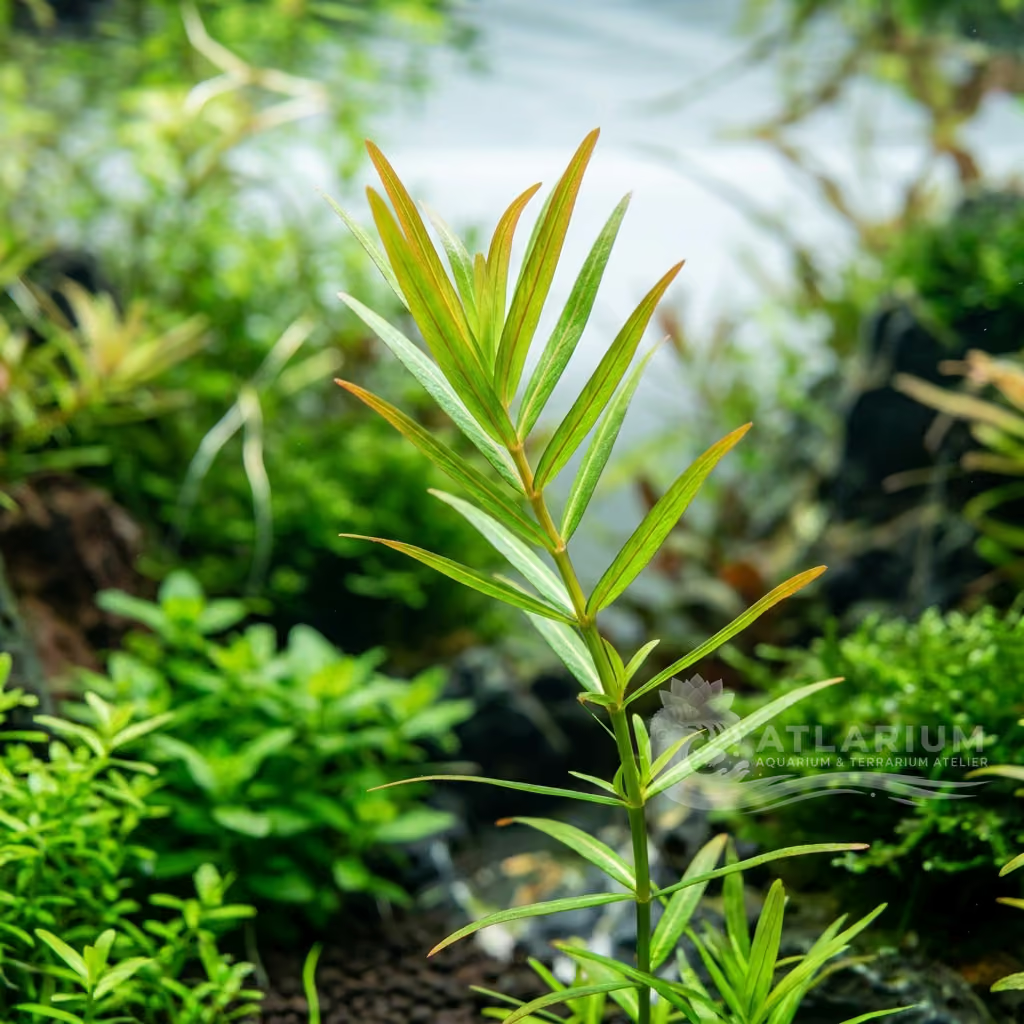
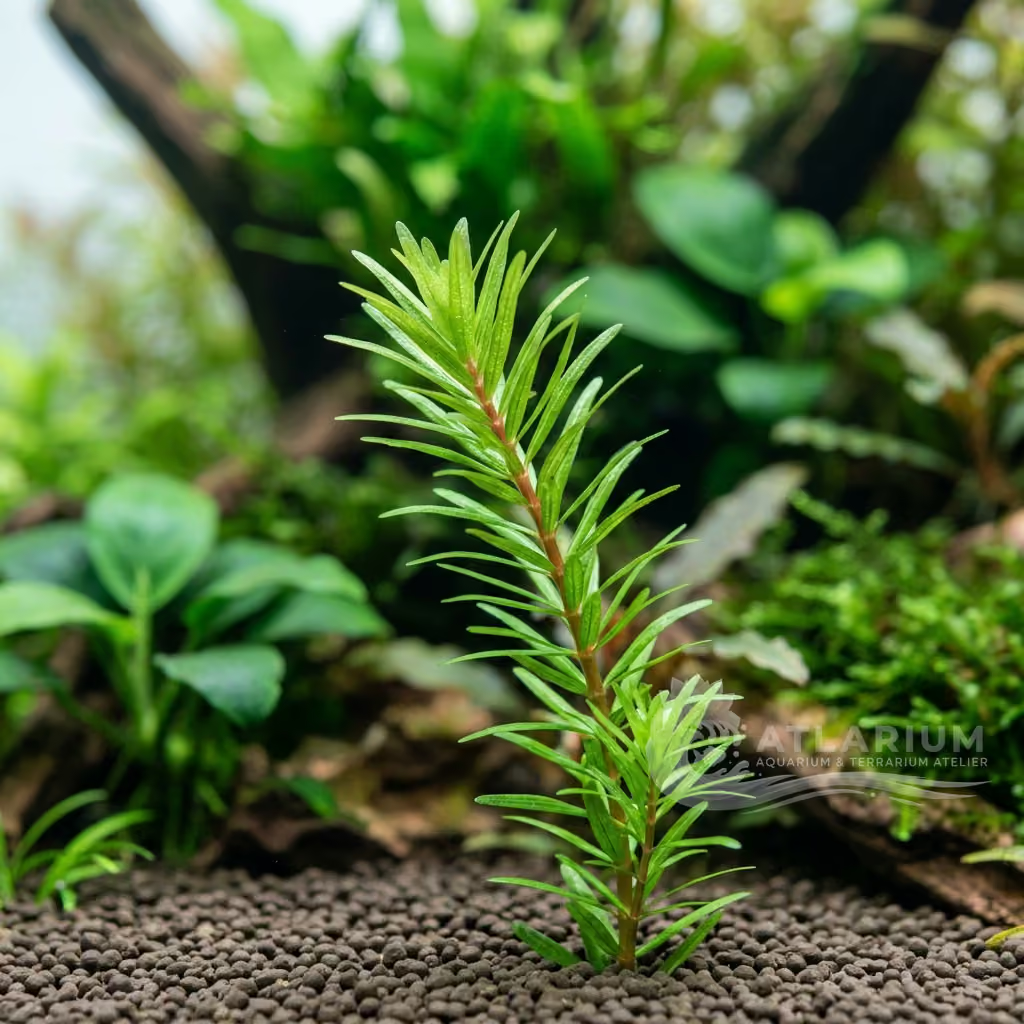
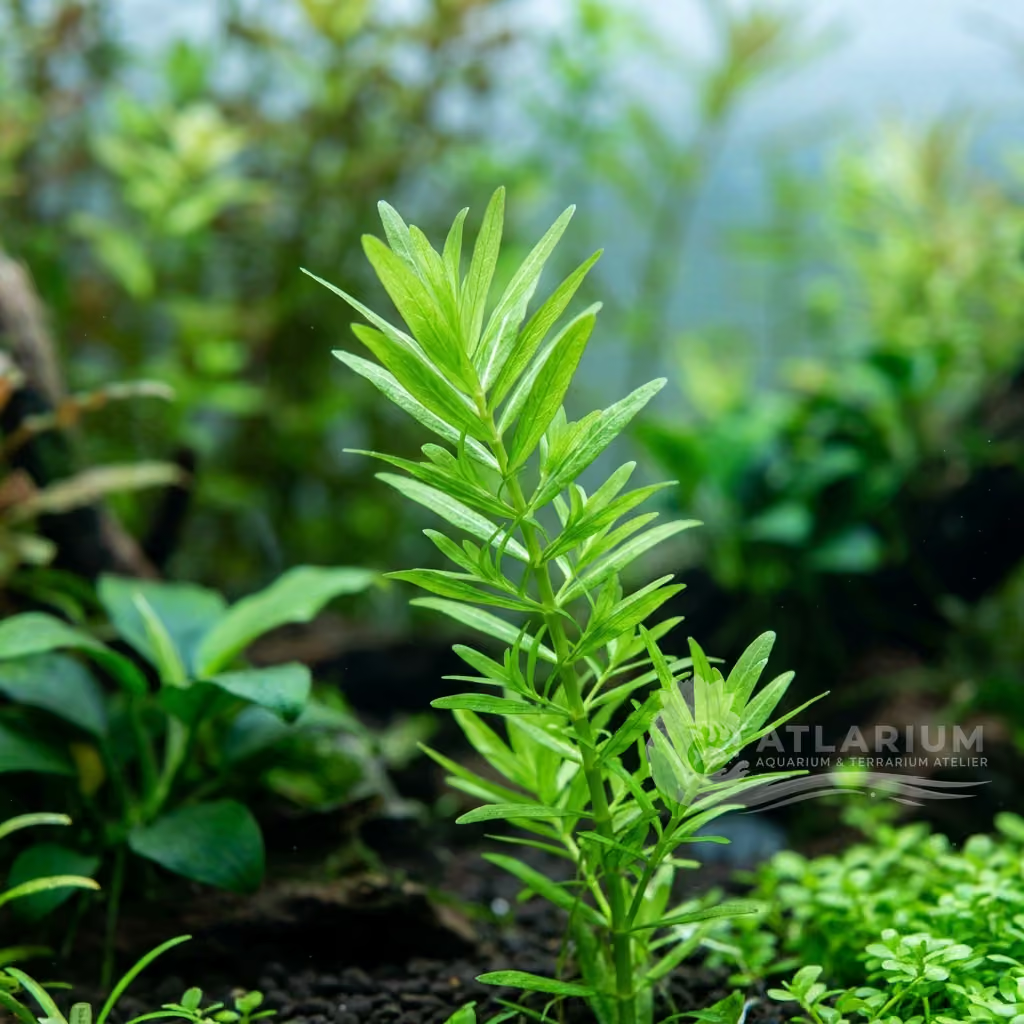
Physical Structure: This stem plant typically develops an upright, sturdy yet flexible stem from which leaves emerge in an alternate or sometimes opposite arrangement, characteristic of the Polygonum genus. The leaves are generally lanceolate to elliptical in shape, featuring smooth margins and a distinct central vein. Their size can vary based on growing conditions, but they tend to remain compact in submerged environments, forming a lush, dense column of vegetation.
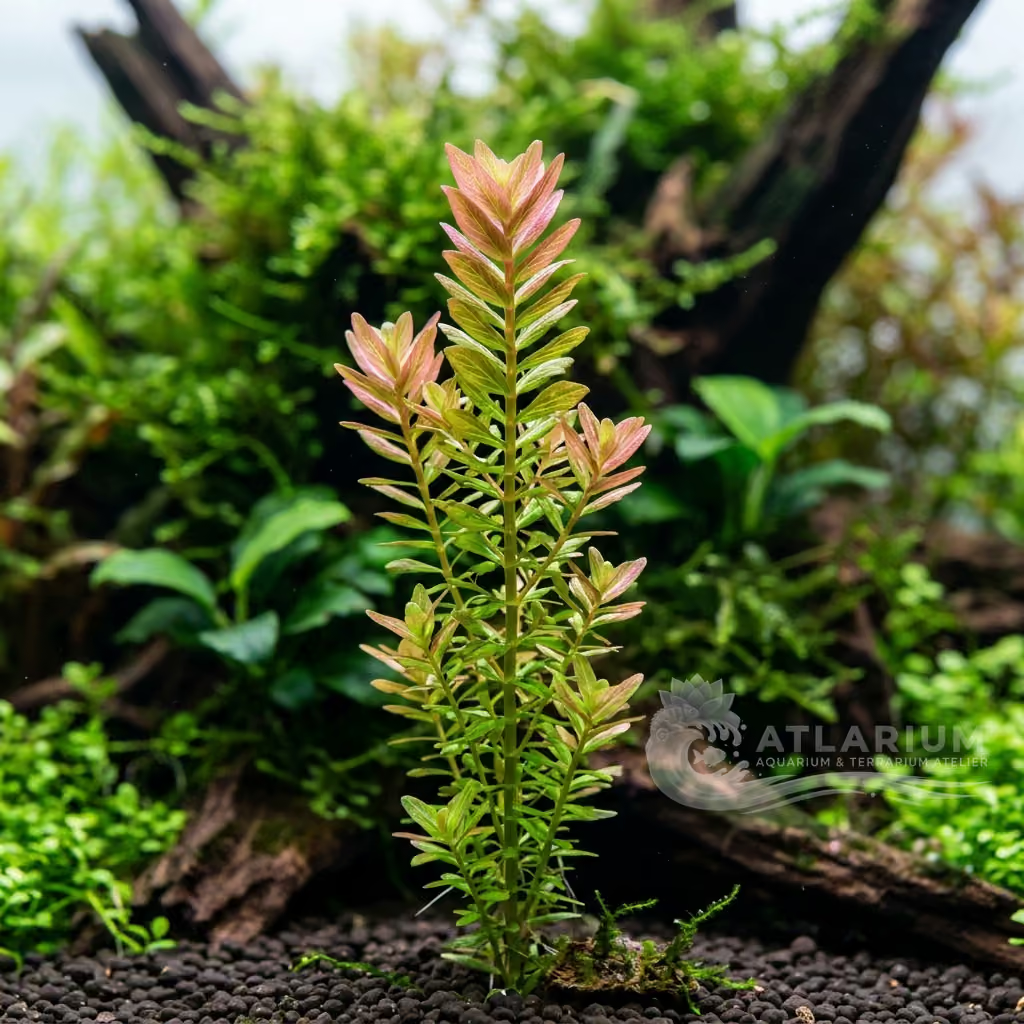
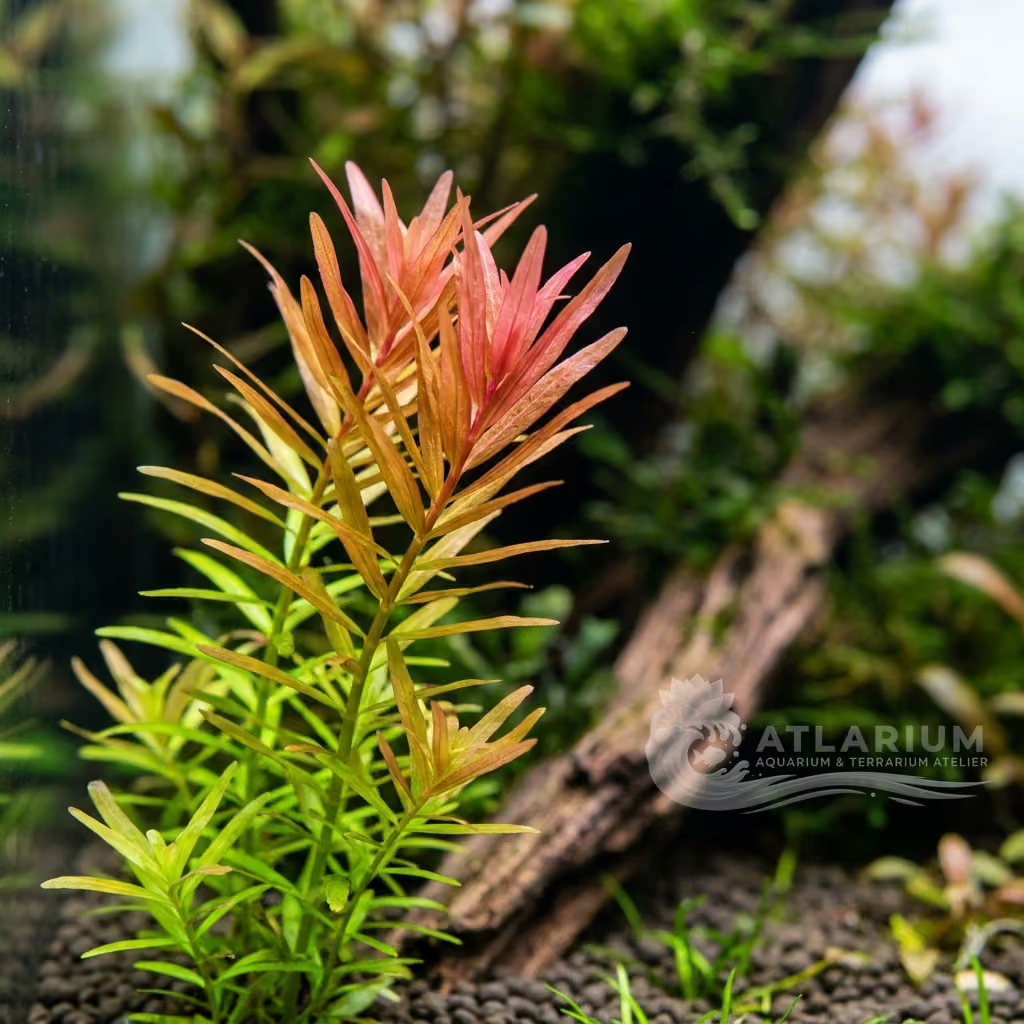
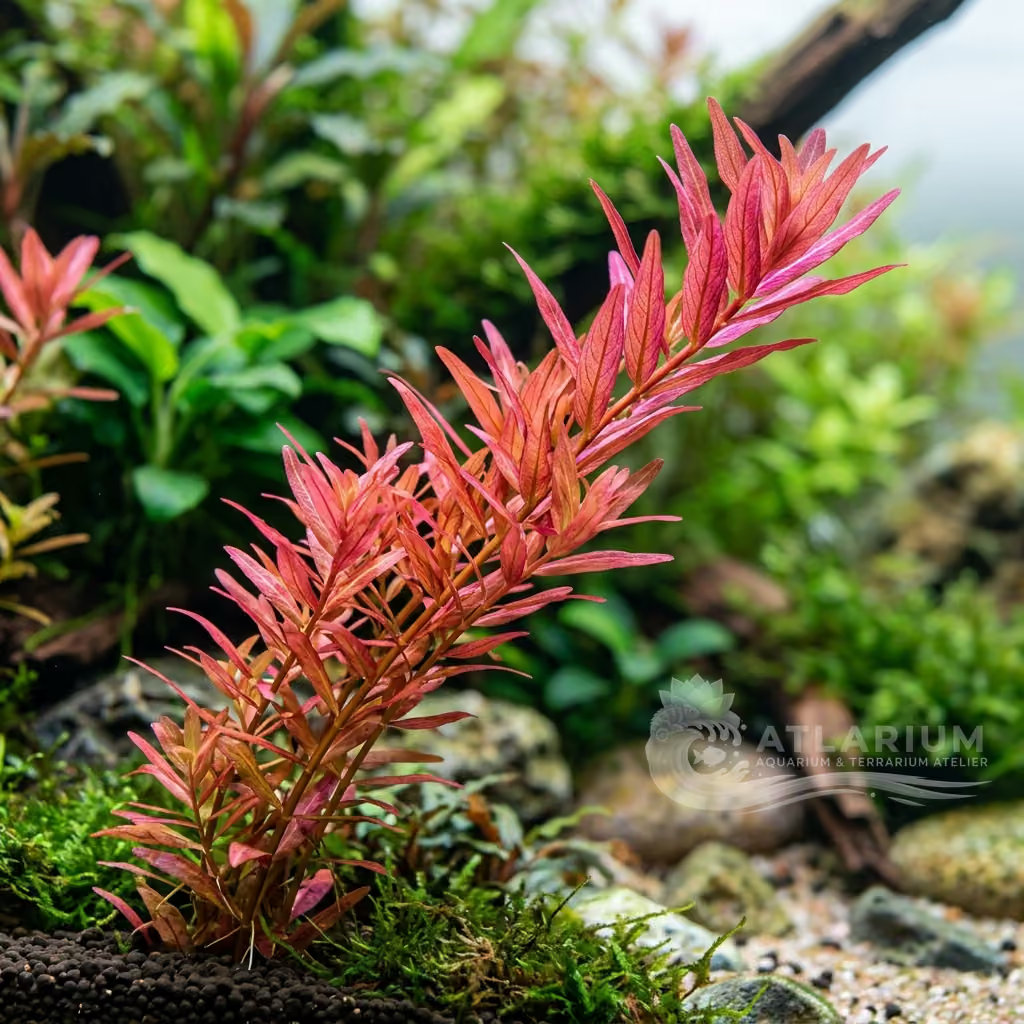
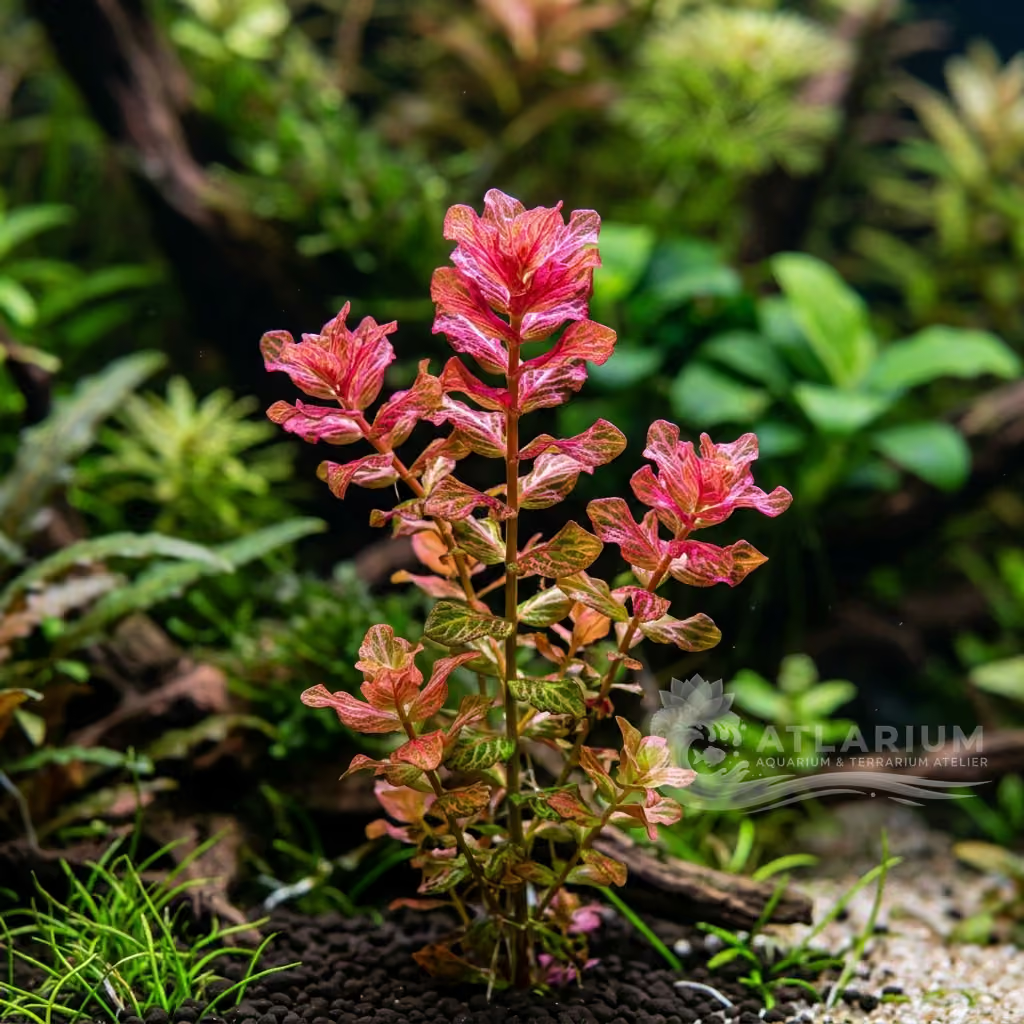
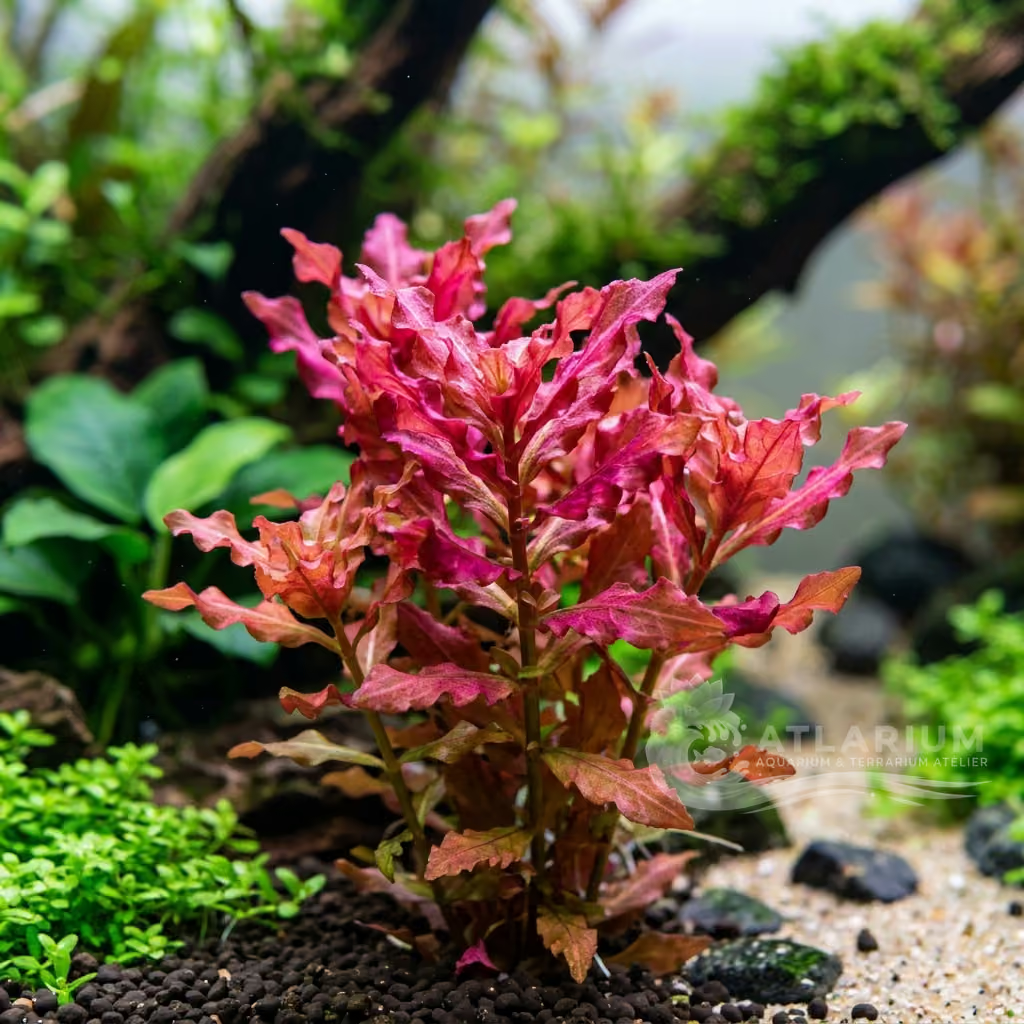
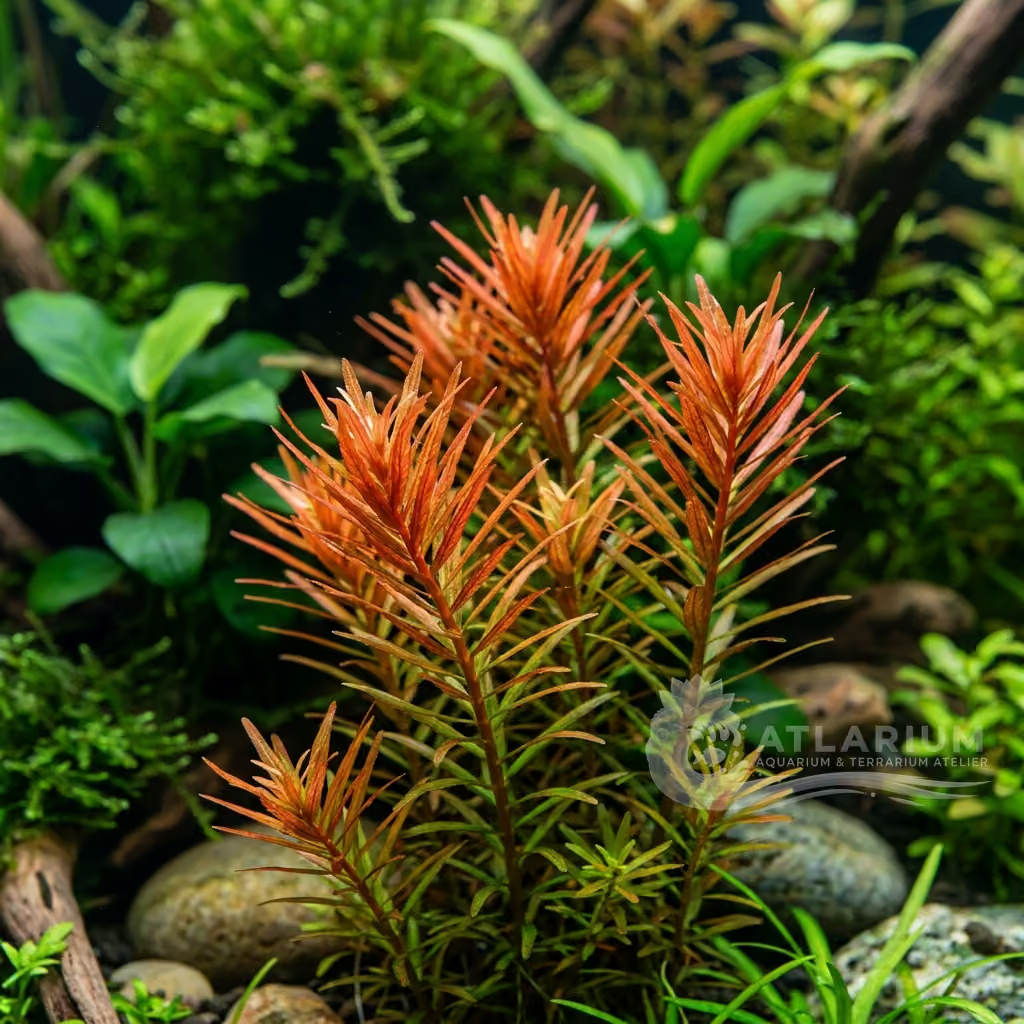
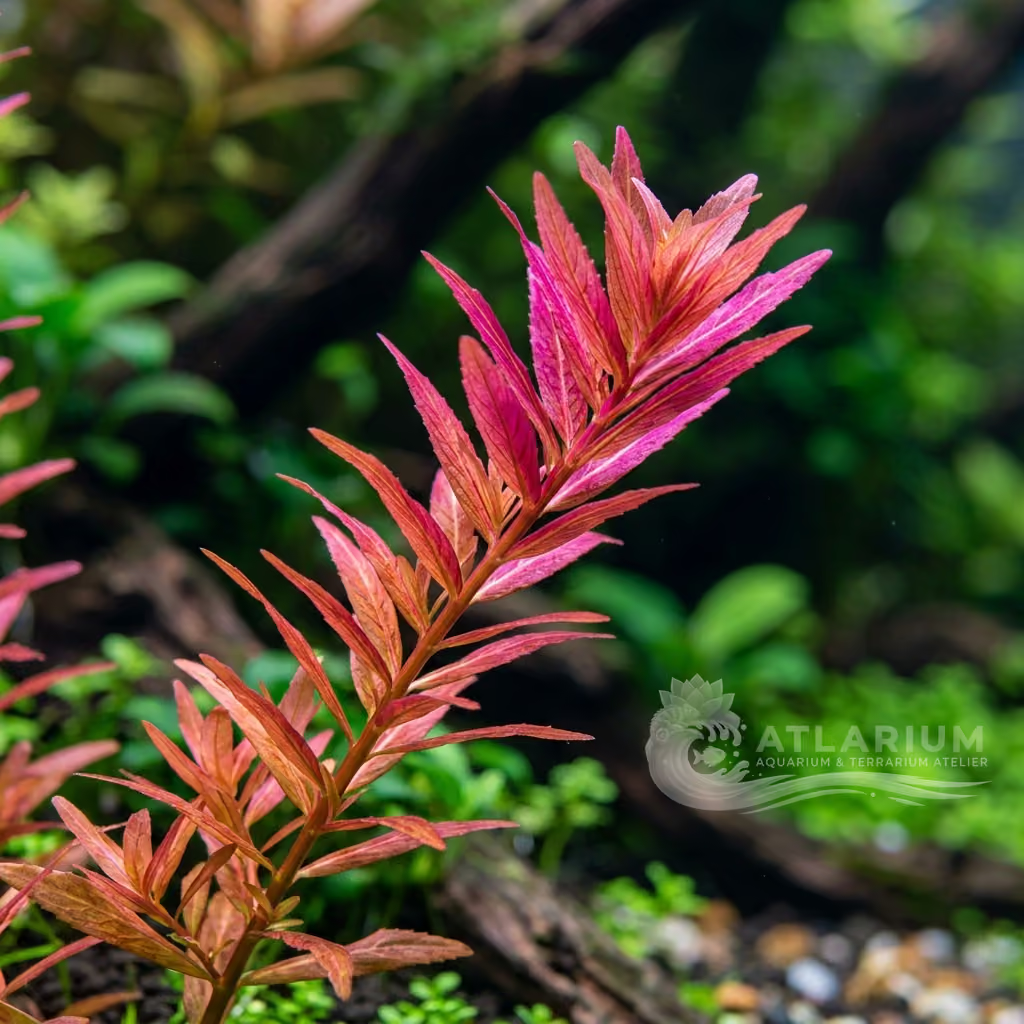
Color & Texture: The most captivating feature of Polygonum sp. 'Porto Velho' is its remarkable coloration, which ranges from olive-green to deep red, often displaying enchanting pink-orange or purplish hues, particularly under adequate lighting and CO2 supplementation. The undersides of the leaves can frequently exhibit more intense colors than the upper surfaces, creating a delightful contrast. The leaves possess a smooth, slightly fleshy texture, contributing to a velvety and appealing appearance that makes it an outstanding focal point in any aquatic layout.

Care, breeding and tankmates
Lighting & CO2: To achieve optimal coloration and robust growth for Polygonum sp. 'Porto Velho', medium-intensity lighting is required, though it benefits significantly from brighter conditions. Carbon dioxide (CO2) injection is almost essential to unlock its most vibrant hues and maintain a healthy growth rate, preventing stunted growth or leaf discoloration. A photoperiod of 8-10 hours daily is generally sufficient to meet its light requirements.
Nutrition & Substrate: As a stem plant that draws nutrients from both the substrate and the
Water Chemistry: Maintaining stable water parameters is paramount for the health of Polygonum sp. 'Porto Velho'. Water temperature should be kept between 20 and 28 °C (68-82 °F), with a slightly acidic to neutral pH, ideally between 6.0 and 7.5. Carbonate hardness (KH) can range from 2 to 12, indicating good adaptability, but lower values tend to facilitate CO2 assimilation. Regular water changes are essential to maintain high water quality and prevent nitrate accumulation.
Space Management & Placement: This plant is perfectly suited for midground placement, where its height and striking coloration can create a captivating visual contrast with surrounding green plants. For maximum aesthetic impact, it is advisable to plant it in dense groups of several stems, ensuring sufficient space between each group to allow for good water circulation and light penetration. Its medium growth rate ensures it integrates harmoniously without becoming overly dominant too quickly.
Pruning: Pruning Polygonum sp. 'Porto Velho' is necessary to maintain its desired shape, promote bushier growth, and prevent the lower parts of the plant from becoming bare. The tops of the stems can be trimmed, and these cuttings can then be replanted into the substrate to propagate the plant and increase density. Removing old or damaged leaves from the base also helps maintain plant health and encourages the development of new side shoots.
Risks & Diseases: While generally hardy, Polygonum sp. 'Porto Velho' can be susceptible to nutrient deficiencies, manifesting as yellowing or fading leaves, and to algae growth if the light/nutrient/CO2 balance is not optimal. Issues like "melting" or deterioration can occur following sudden changes in water parameters or environmental stress. It is important to carefully monitor the plant for any signs of distress and intervene promptly to correct any problems.

Geographic origin and distribution
The designation "Porto Velho" points to a geographical origin near the Brazilian city of Porto Velho, the capital of Rondônia state, deep within the Amazon basin. In its natural habitat, this plant likely thrives in aquatic or semi-aquatic environments such as the margins of slow-moving rivers, temporary floodplains, or calm backwaters. These areas typically feature nutrient-rich substrates and soft, often slightly acidic water, conditions that inform its cultivation requirements in the aquarium.
Origin
Amazon, Orinoco, and Guianas

Plant profile
- Placement
- Midground
- This species is best suited for the midground or background of the aquascape. Its vertical growth pattern allows it to create beautiful, dense bushes when grouped together. Positioning it where it receives unshaded light will promote the most vibrant foliage. It can be used to hide aquarium equipment effectively. Ensure adequate spacing so that lower leaves receive enough light.
- Botanical form
- Stem
- Polygonum sp. 'Porto Velho' features distinctive, beautifully shaped leaves that add unique texture to the planted tank. The stem is sturdy, supporting the delicate and complex leaf structures. Its coloration ranges from bright green to stunning reddish hues depending on the environment. The elegant form creates a dynamic contrast with broad-leaved species. It truly stands out as a focal point in any arrangement.
- Growth
- Medium
- Under optimal conditions with high light and CO2, Polygonum sp. 'Porto Velho' exhibits a relatively fast growth rate. It can quickly reach the water surface if left unchecked. In lower tech setups, the growth is considerably slower but remains steady. Regular pruning is necessary to manage its height. Its vigorous growth makes it excellent for nutrient export.
- Substrate
- Medium
- Polygonum sp. 'Porto Velho' strongly prefers a soft, nutrient-rich aqua soil to accommodate its lateral growing habit and intensive nutrient requirements. The plant forms a dense web of fine roots that effectively anchor the creeping stems along the bottom of the aquarium while absorbing essential minerals. A substrate depth of at least 2 inches (5 cm) allows for proper root anchoring and encourages the plant to spread out horizontally. When placed in inert substrates, supplementing with root tabs becomes necessary to avoid stunted growth.
- Column fertilization
- Recommended
- Liquid column fertilization is highly recommended for Polygonum sp. 'Porto Velho'. It readily absorbs essential elements like potassium and trace minerals directly from the water. Consistent dosing prevents the lower portions of the stem from deteriorating. Dosing liquid iron specifically enhances any red or pink coloration. A regular schedule yields the most consistent and beautiful results.
- Root fertilization
- None
- While it can survive on water column nutrients alone, a rich substrate vastly improves its overall health. Adding root tabs directly beneath the plant encourages a strong, deep root system. A fertile base promotes thicker stems and larger, healthier leaves. Robust roots also help anchor the plant against strong water currents. Substrate fertilization is especially vital in older, depleted soils.
- Trimming
- Occasional
- Frequent trimming is required to maintain the desired shape and height of Polygonum sp. 'Porto Velho'. Cutting the stem just above a healthy internode encourages lateral branching. The resulting bushy growth is highly desirable in most aquascapes. The trimmed tops can be easily replanted to increase the plant density. Regular pruning also ensures light penetrates to the lower leaves.
- Propagation
- Cuttings
- Propagation of Polygonum sp. 'Porto Velho' is straightforward through stem cuttings. Simply cut a healthy top shoot and insert it directly into the substrate. The cutting will develop new roots within a matter of days. The remaining bottom portion will often sprout multiple new side shoots. This easy propagation method allows for rapid multiplication of the plant.
- Sensitivity
- Moderate
- Polygonum sp. 'Porto Velho' can be sensitive to sudden fluctuations in water parameters like pH or temperature. It may temporarily melt or shed leaves if conditions change too rapidly. It is also somewhat sensitive to high doses of liquid carbon or certain algaecides. Maintaining a stable and clean environment is key to keeping it healthy. Extreme shading will quickly cause the lower stem to rot.
- Layout role
- Midground, group, accent
- Its unique texture and color make Polygonum sp. 'Porto Velho' a fantastic background filler or focal plant. It softens the hard edges of rocks and driftwood with its graceful form. The contrasting leaf shape adds depth and complexity to the overall layout. It is perfect for creating dense, natural-looking thickets. Aquascapers frequently use it to draw the eye to specific areas of the tank.

Related species
Recommendations grouped by close relatives, companion choices, and similar care.