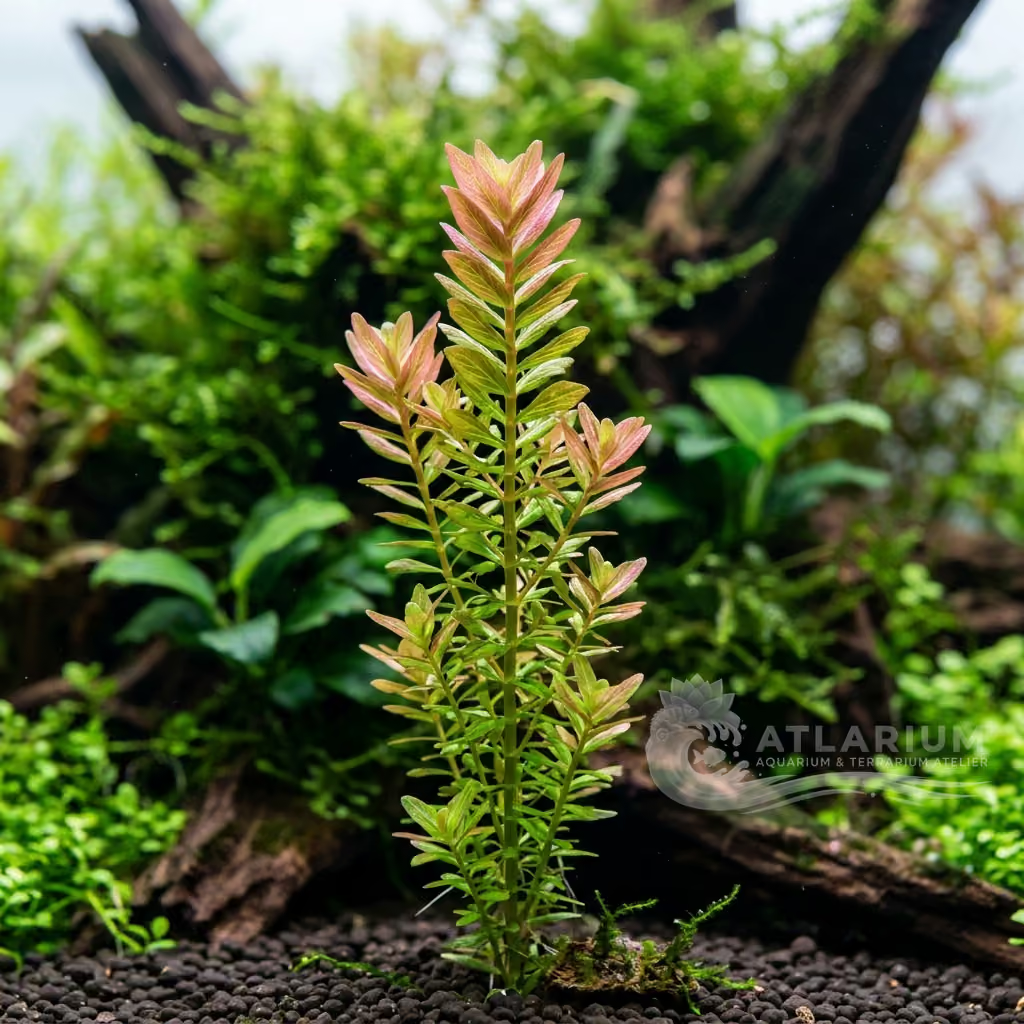
Persicaria sp. 'Porto Velho'
Persicaria sp. 'Porto Velho'
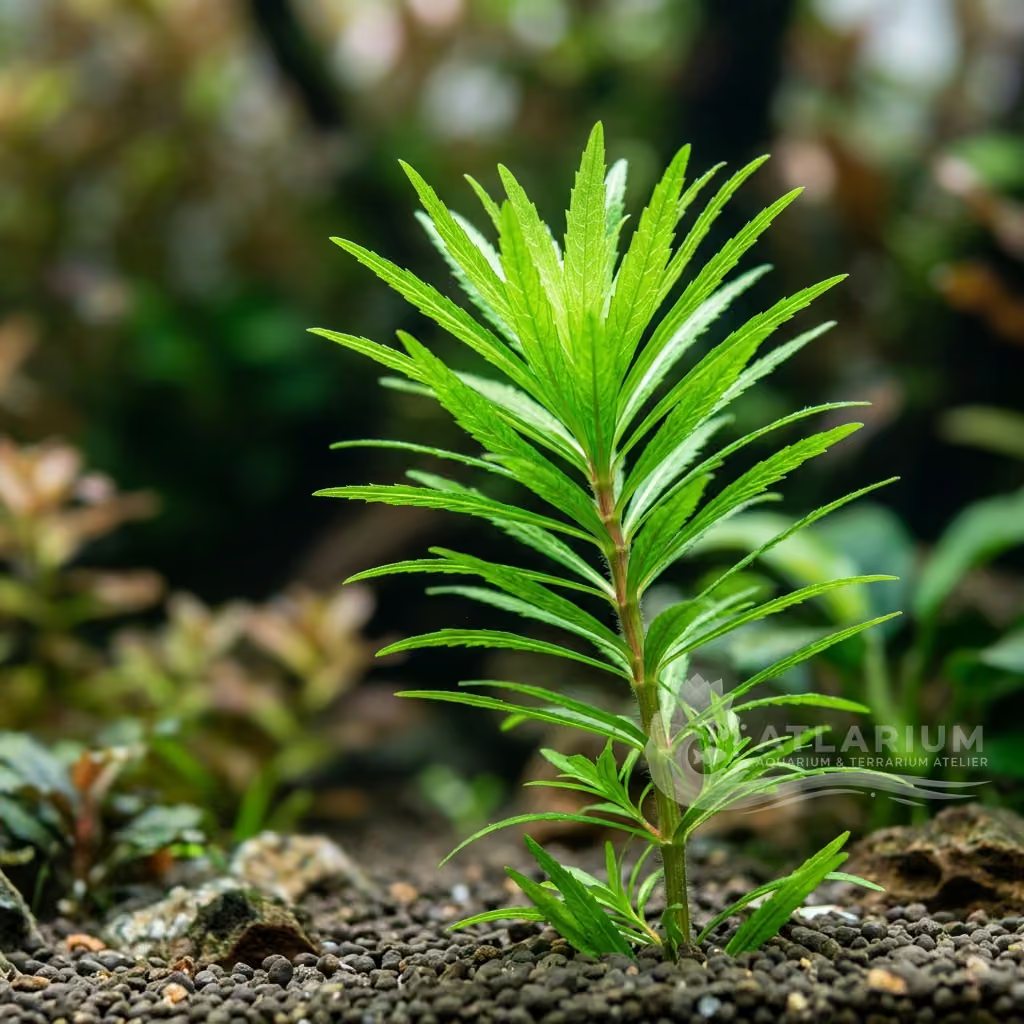
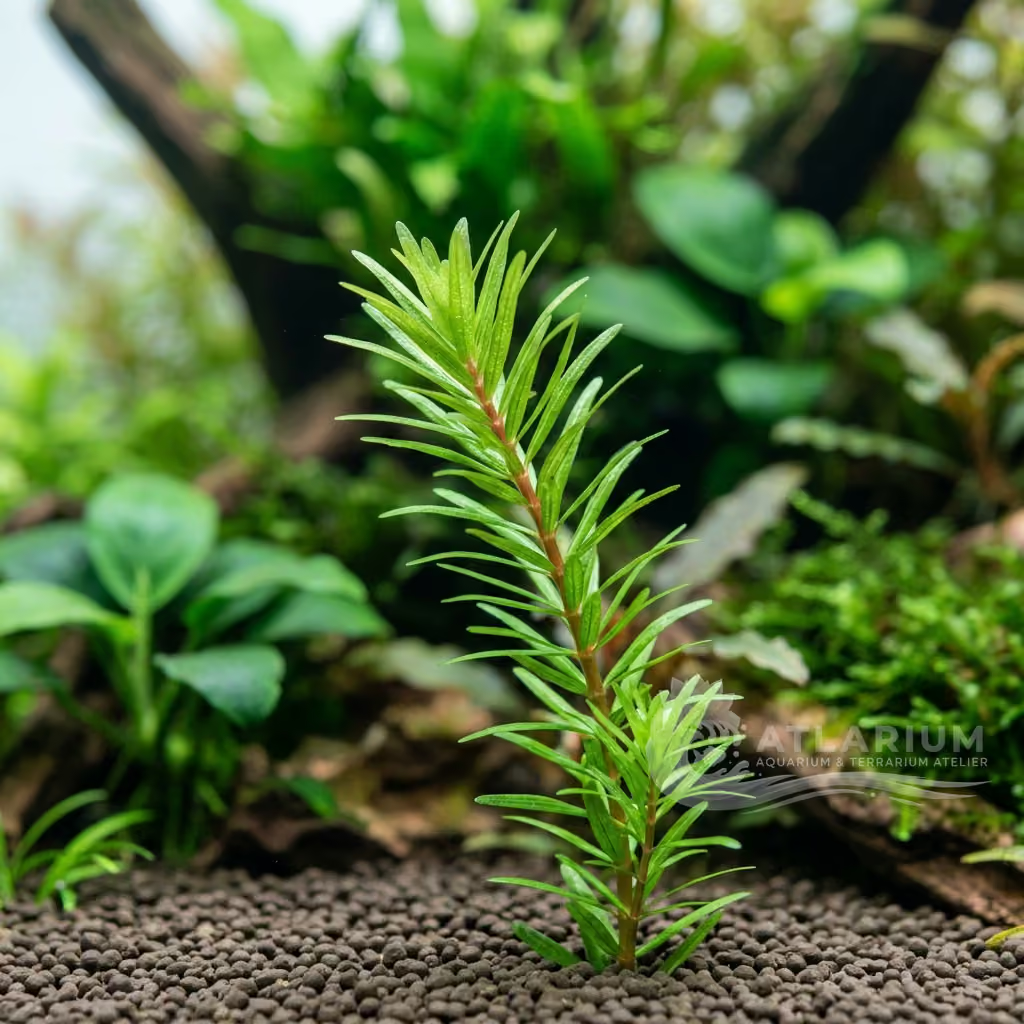
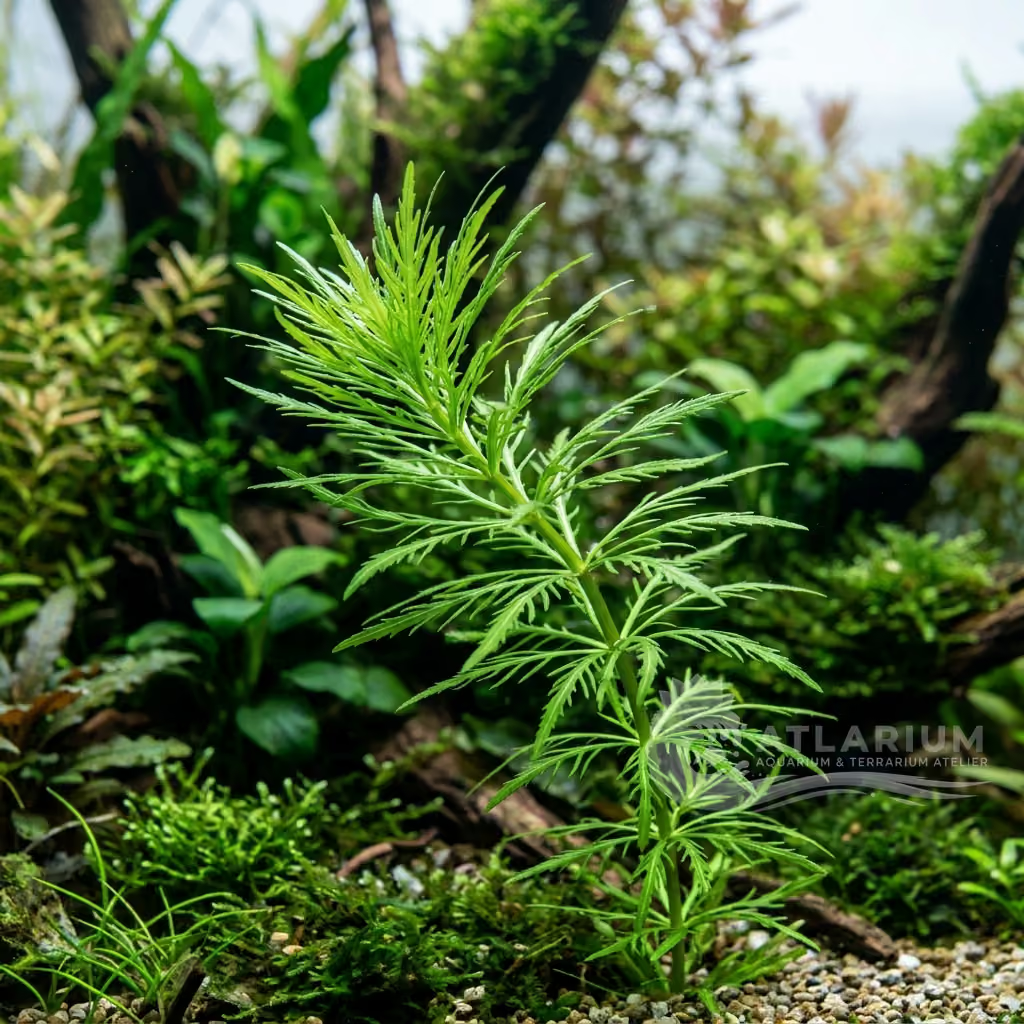
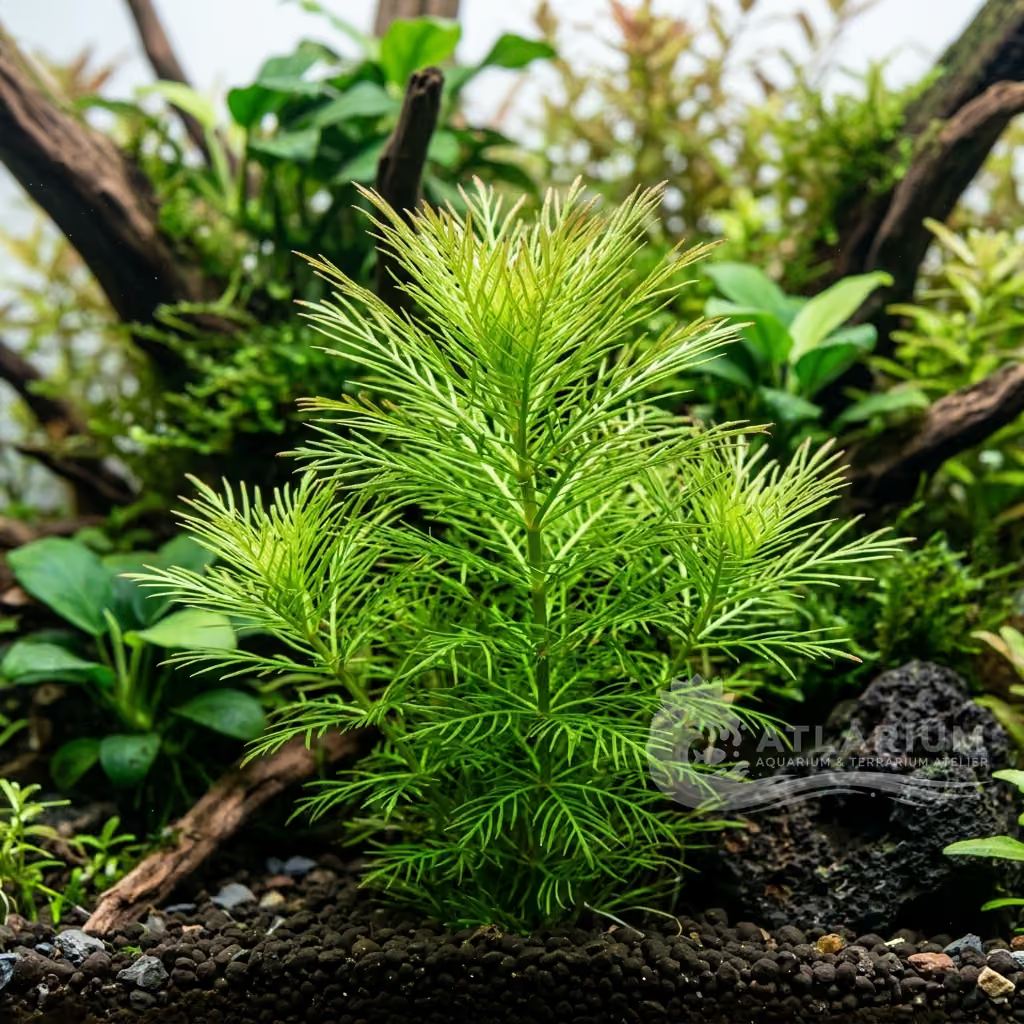
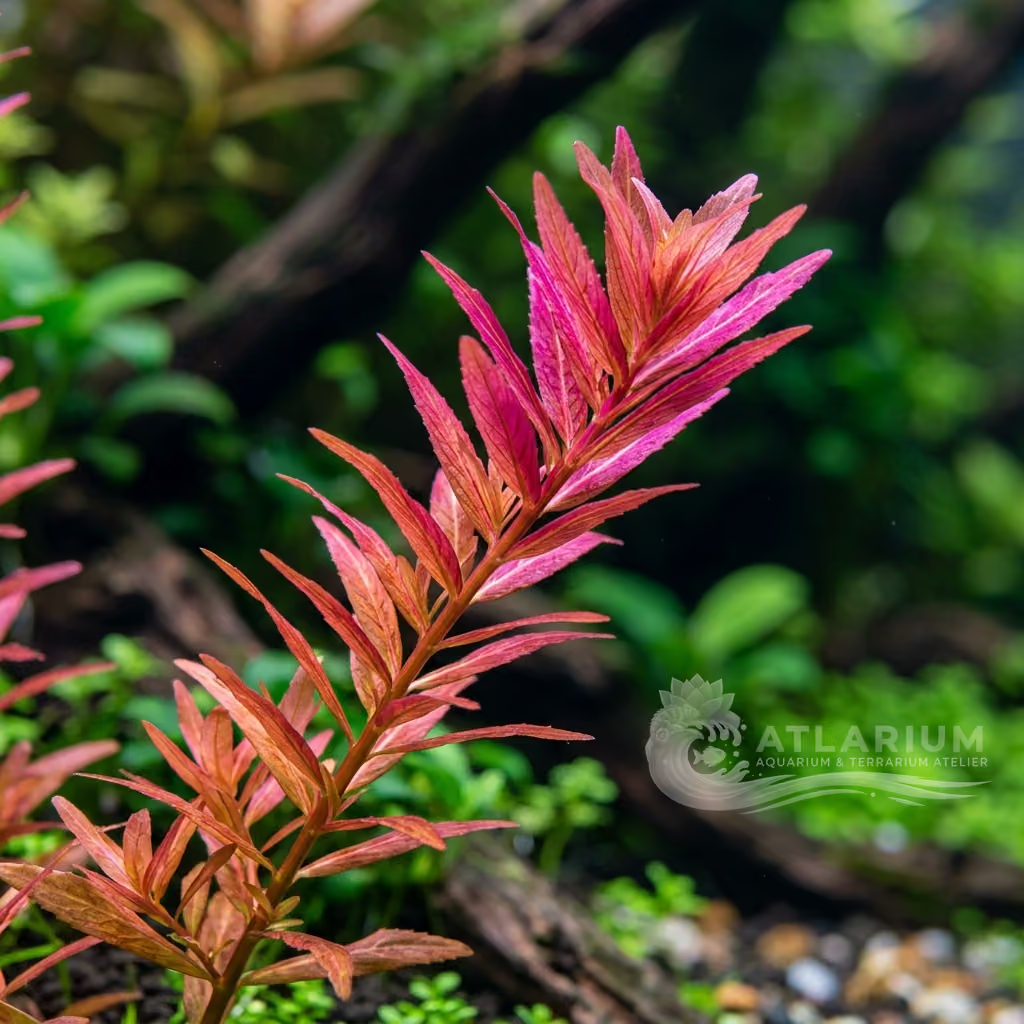
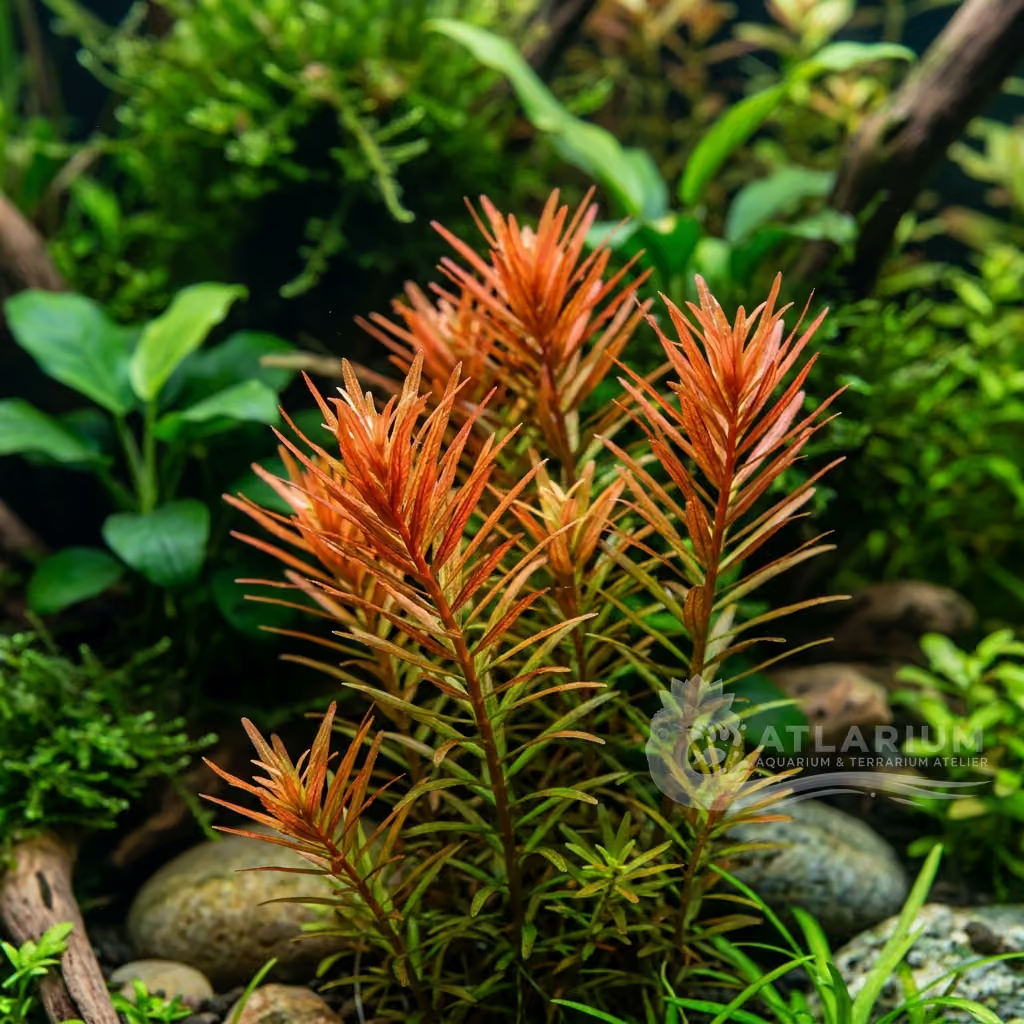
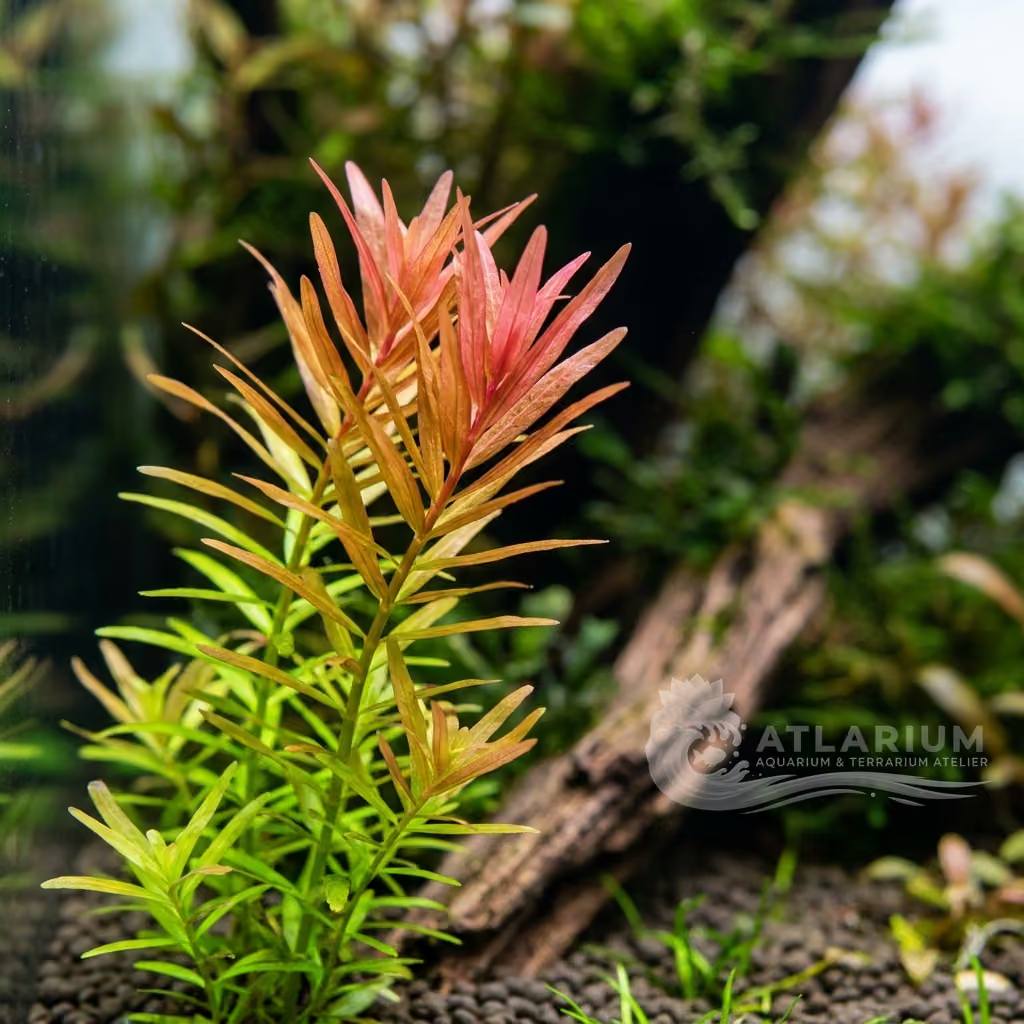
Persicaria sp. 'Porto Velho' is a vibrant stem plant for the midground, known for its rapid growth and intense coloration. It is an excellent choice for adding dynamic flair and a striking pinkish-red hue to an aquascape, creating captivating focal points.
Water Temperature
18 - 30 °C
pH Value
5 - 7
Water type
Freshwater
Light
Medium to High
CO2
High
KH
0 - 14 dKH

Species description
Geographical Origin and Habitat: The name 'Porto Velho' suggests that this particular Persicaria variety was either discovered in or originates from the region of Porto Velho, a city located in Brazil, deep within the Amazon basin. This origin points to a natural habitat characterized by tropical or subtropical freshwater environments, typically found in marshy areas, along riverbanks, or in seasonally flooded zones, where the plant can thrive both submerged and emersed. Its native environment is often rich in nutrients and benefits from intense light conditions, factors that significantly influence its requirements in an aquarium setting.
Taxonomy & Genetics: Belonging to the Polygonaceae family, the genus Persicaria encompasses numerous species with a wide global distribution. The 'sp.' designation indicates that it is an unidentified species at a formal taxonomic level, but the 'Porto Velho' epithet refers to a distinct ecotype or horticultural form collected from that specific locality. This classification highlights the uniqueness of this particular variant compared to other Persicaria species, while still sharing the general characteristics of the genus in terms of structure and cultivation requirements.
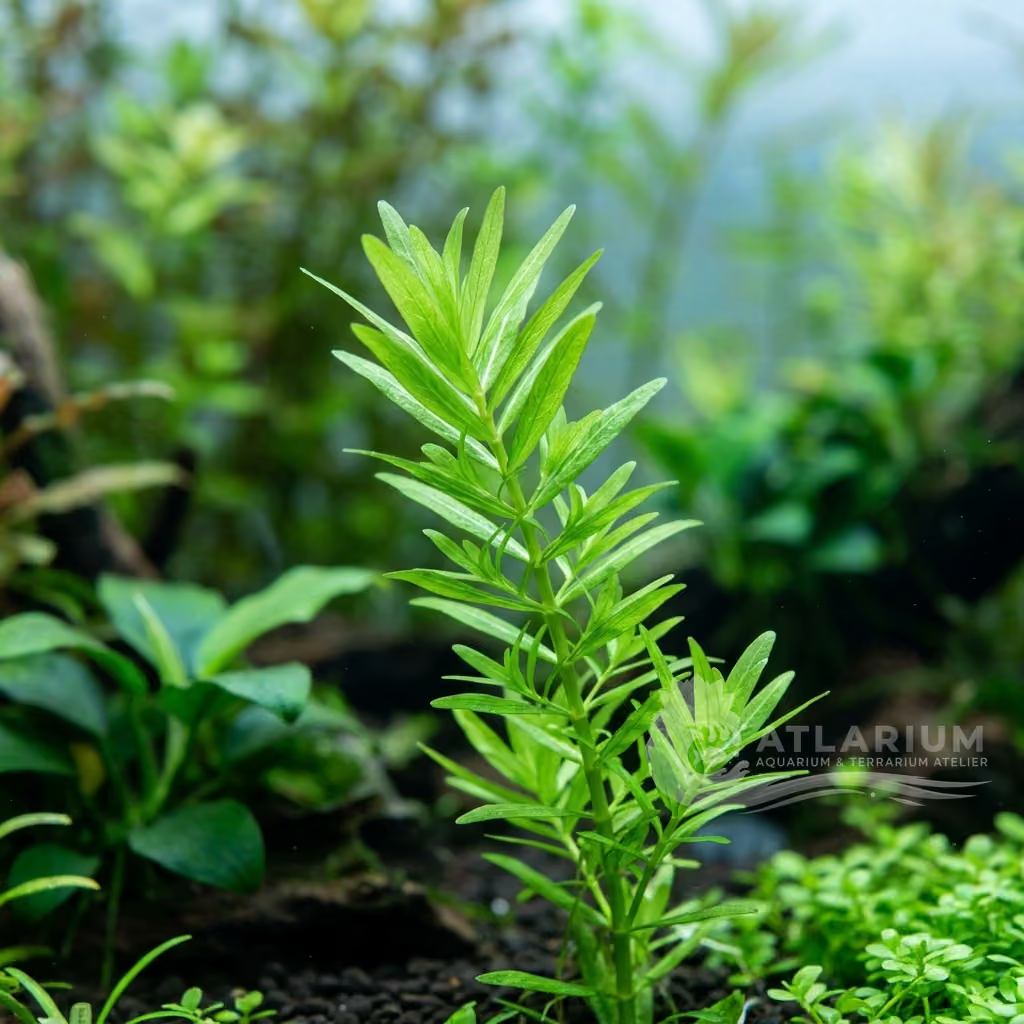
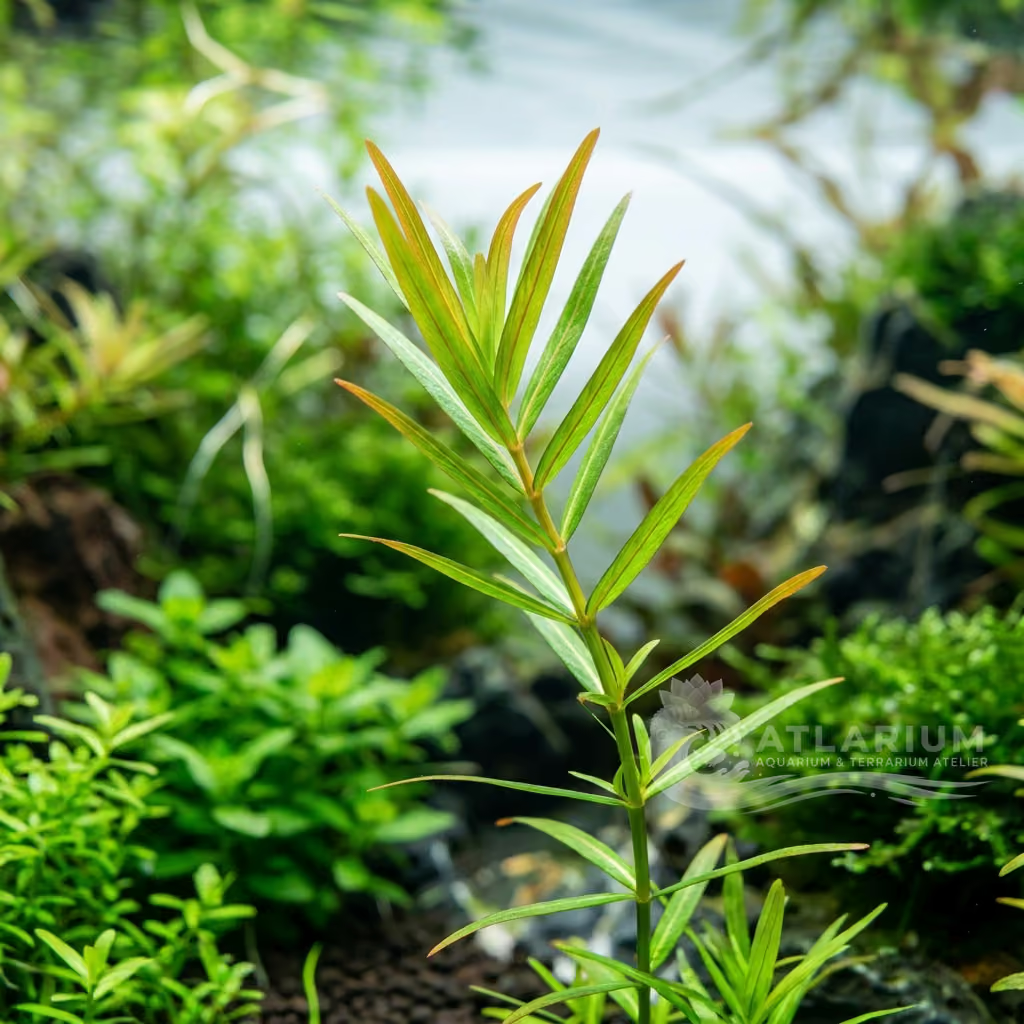
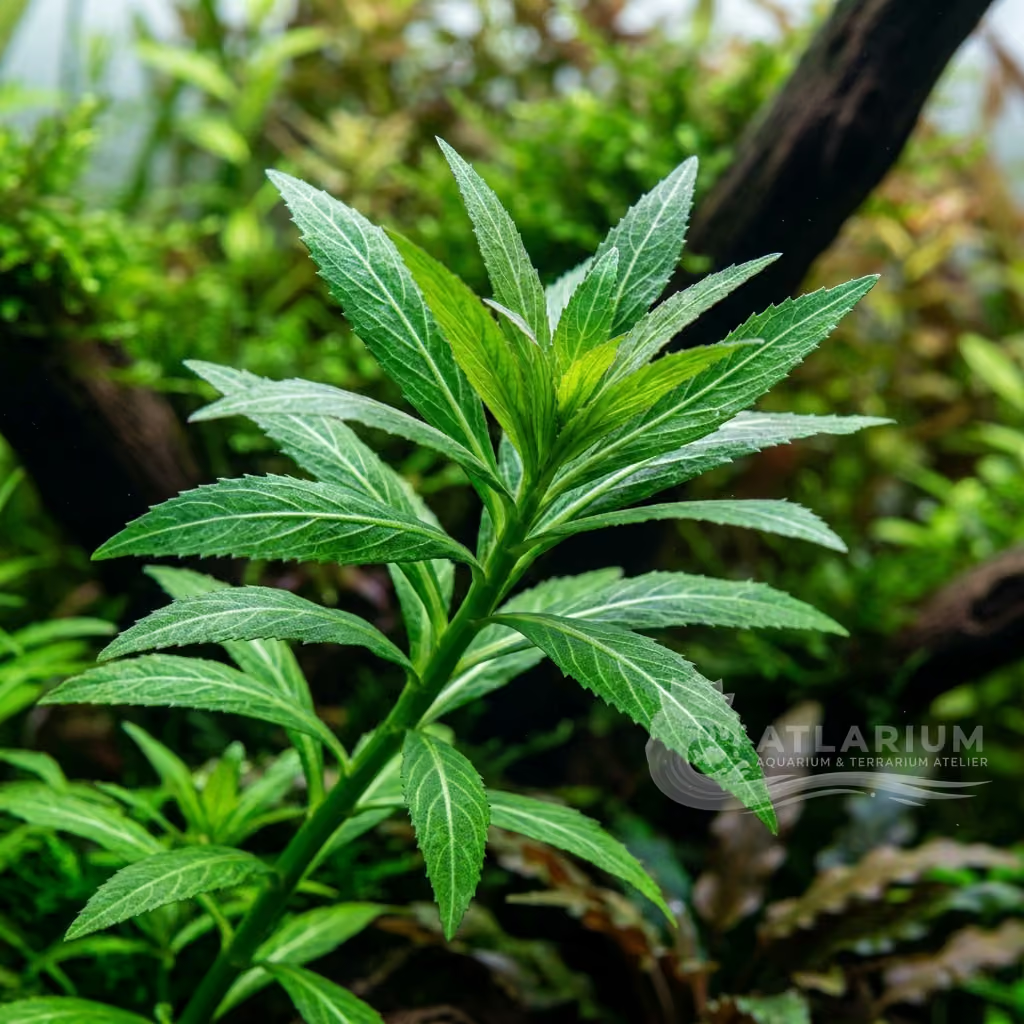
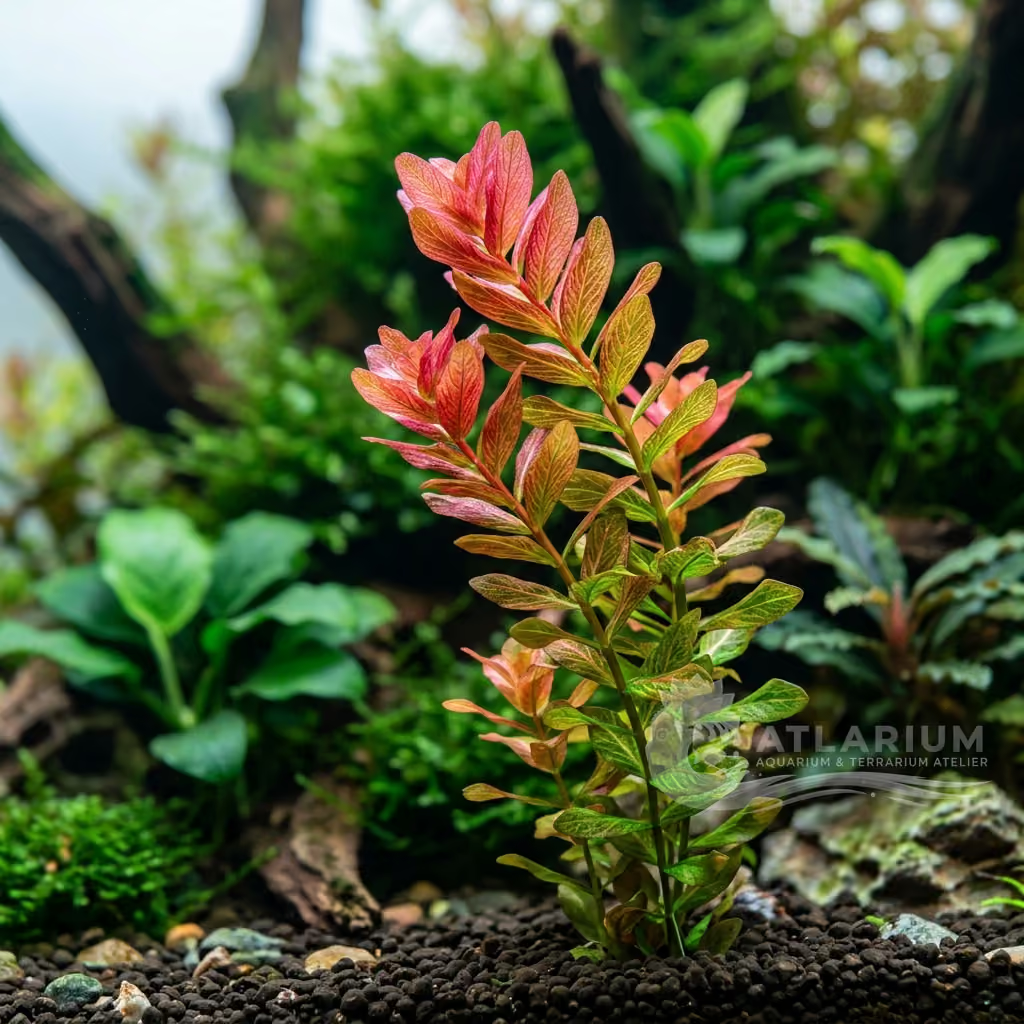
Physical Structure: Persicaria sp. 'Porto Velho' is a stem plant that develops upright and robust stems, branching vigorously once established. Its leaves, which are lanceolate or ovate, are arranged alternately along the stem and can vary in size depending on growing conditions. The plant's rapid growth rate allows it to quickly form dense and voluminous clumps, effectively filling spaces in the midground and providing excellent structural contrast with other aquatic plants.
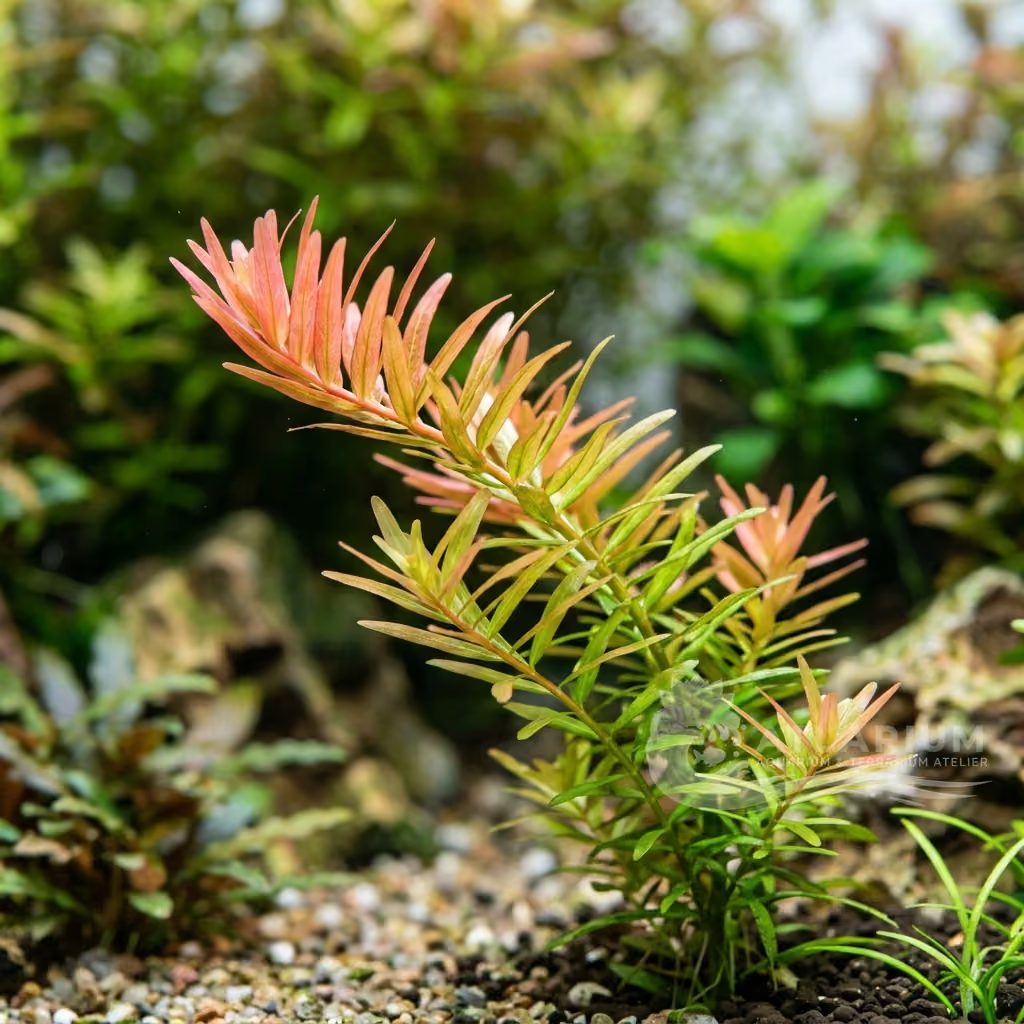
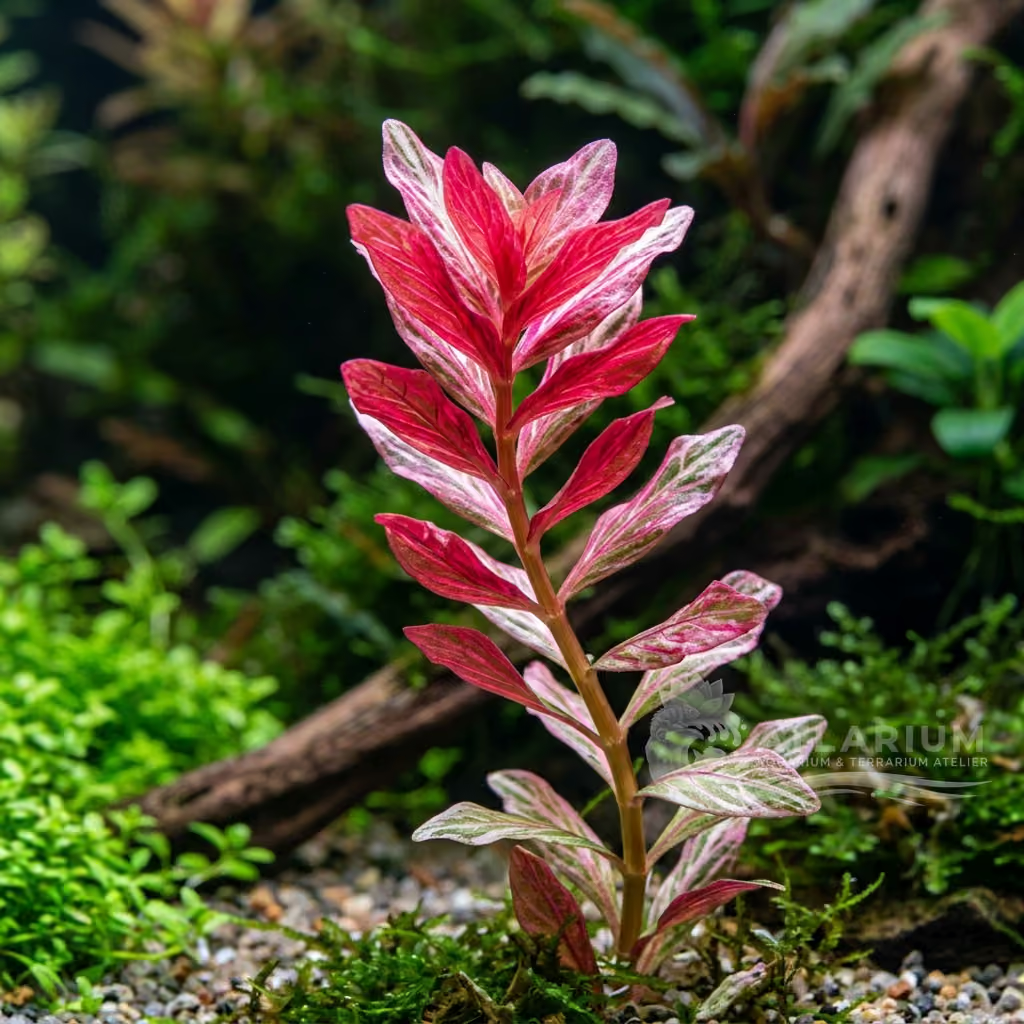
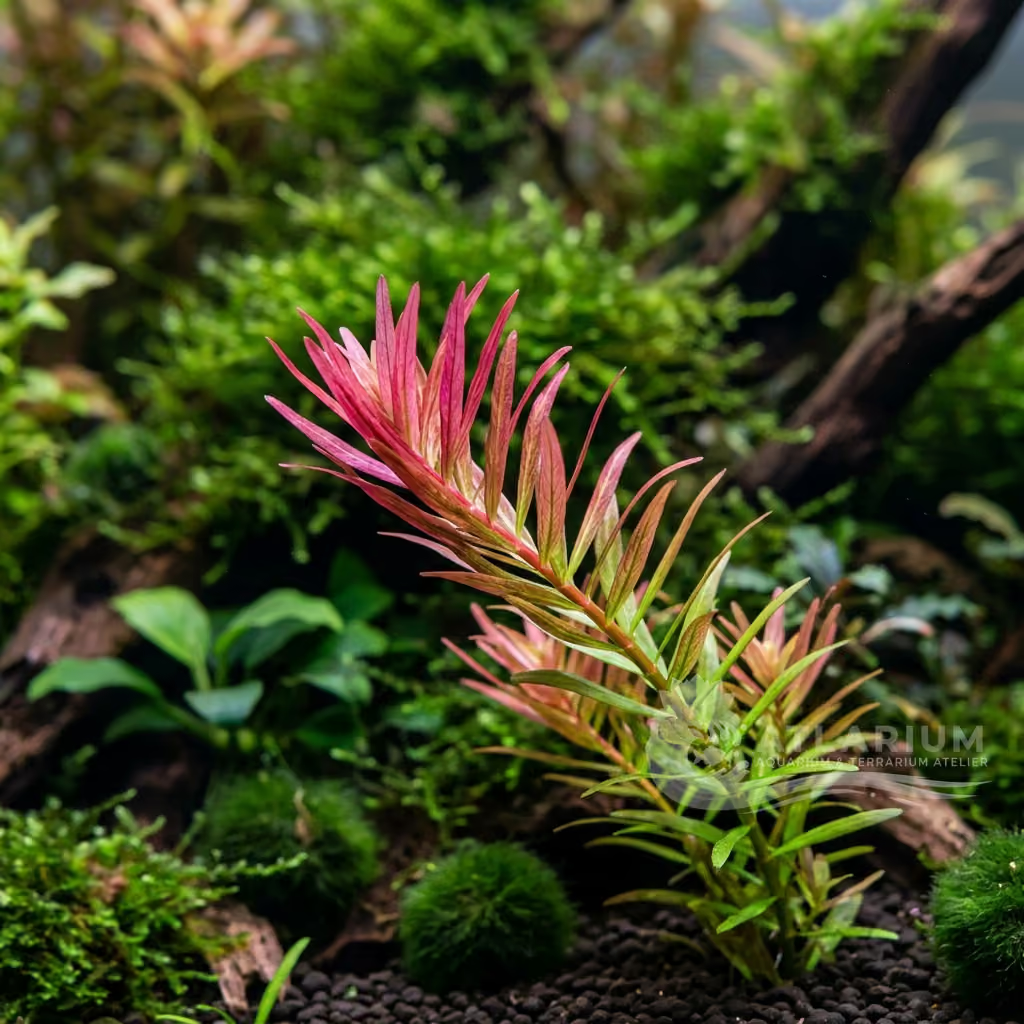
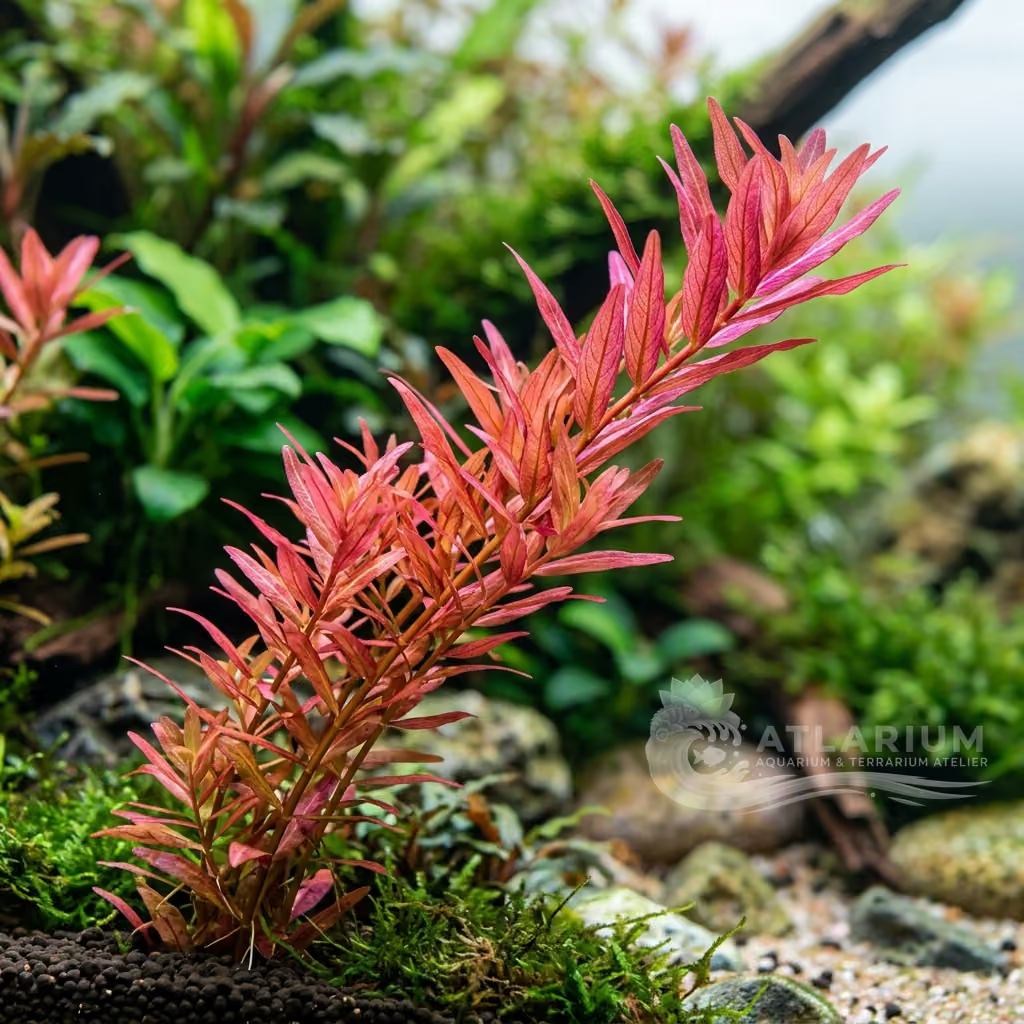
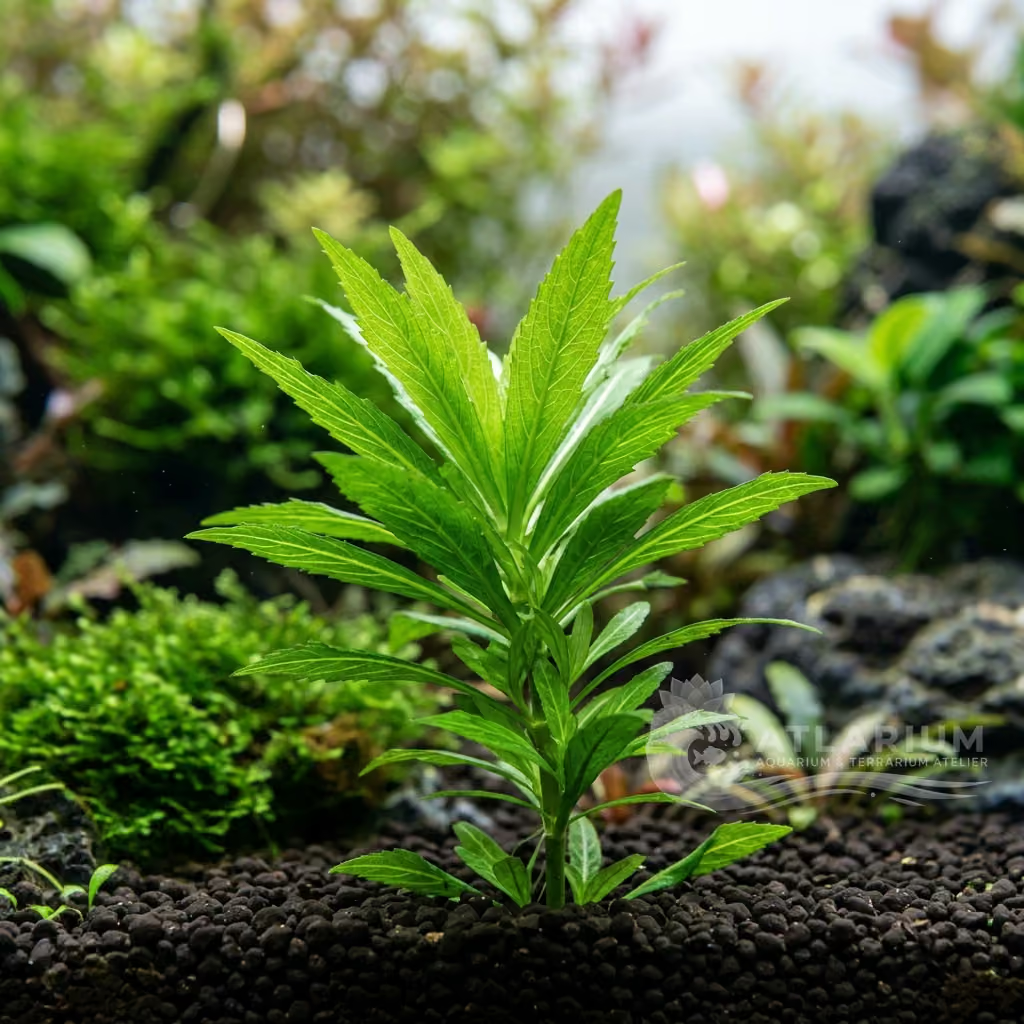
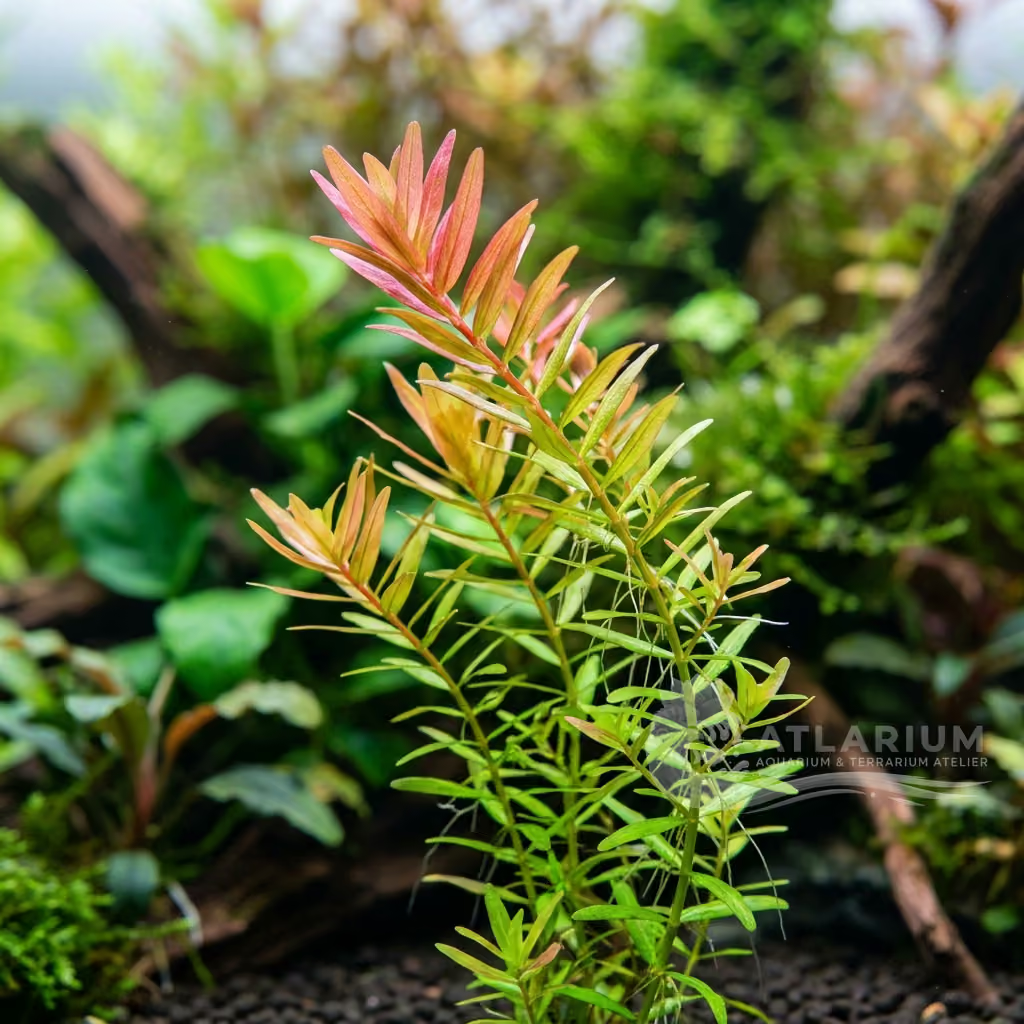
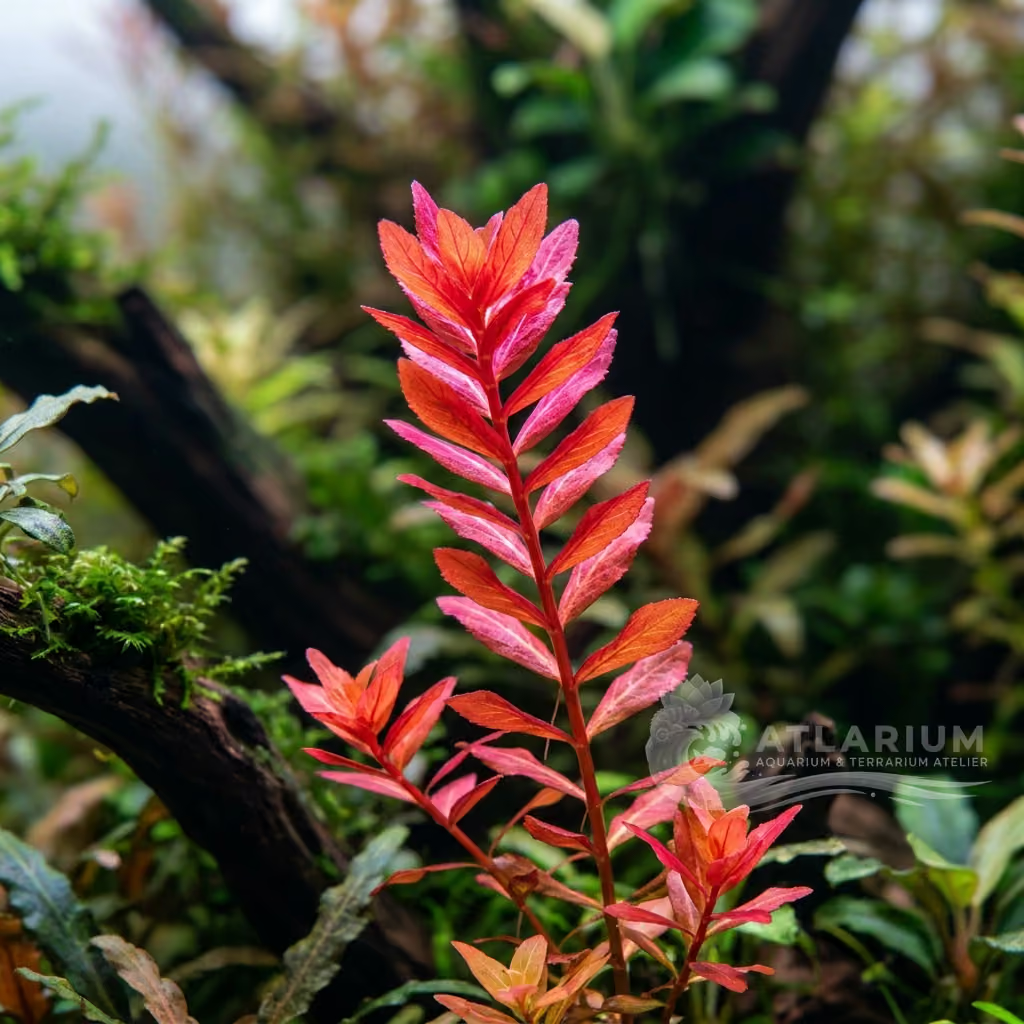
Color & Texture: Under optimal lighting and fertilization conditions, Persicaria sp. 'Porto Velho' displays an attractive coloration ranging from olive-green to intense pink or reddish-brown, especially on younger leaves and apical shoots. The leaf blade can exhibit different chromatic nuances on its upper and lower surfaces, contributing to a dynamic visual effect. The texture of the leaves is generally smooth, imparting an elegant and refined appearance that integrates harmoniously into various aquascape designs.

Care, breeding and tankmates
Lighting & CO2: To best express its vibrant coloration and maintain vigorous growth, Persicaria sp. 'Porto Velho' requires medium to high lighting, preferably with a spectrum suitable for aquatic plant growth. CO2 supplementation is highly recommended and almost indispensable to optimize its rapid growth rate and intensify the plant's red tones, while simultaneously preventing algae formation. A consistent and well-calibrated carbon dioxide injection promotes photosynthesis and the synthesis of vibrant colored pigments.
Nutrition & Substrate: As a fast-growing plant, Persicaria sp. 'Porto Velho' has high nutritional demands, requiring comprehensive fertilization in both the
Water Chemistry: This Persicaria thrives in a wide range of water conditions, tolerating temperatures between 18.0 and 30.0 °C, though warmer temperatures can further accelerate its metabolism. It prefers acidic to neutral pH, ideally between 5.0 and 7.0, but is adaptable. KH (carbonate hardness) can range from 0.0 to 14.0, indicating significant tolerance to various water hardness levels. However, maintaining stable values is crucial to avoid plant stress; careful monitoring of water chemistry is essential to ensure optimal parameters.
Space Management & Placement: Due to its height and tendency to branch, Persicaria sp. 'Porto Velho' is perfectly suited for placement in the aquarium's midground, where it can form a dense, colorful bush that serves as a focal point or a transition between foreground and background plants. Its rapid growth means it will quickly fill its allocated space, requiring careful planning to avoid overshadowing neighboring plants. It is advisable to plant it in groups of several stems to achieve a more significant visual impact and a more imposing plant mass.
Pruning: The rapid growth of Persicaria sp. 'Porto Velho' necessitates frequent and regular pruning to maintain its desired shape and prevent it from overshadowing lower plants. Pruning should involve cutting back overly long apical stems or side branches, thereby promoting bushier and more compact growth. The cuttings can be replanted into the substrate to propagate the plant, further enhancing the aquascape or creating new sections. Consistent pruning stimulates branching and maintains a healthy, vigorous appearance.
Risks & Diseases: One of the primary risks for Persicaria sp. 'Porto Velho' is the onset of nutrient deficiencies, which manifest as stunted growth, loss of color, or yellowing of leaves, especially with insufficient or unbalanced fertilization. Like all fast-growing aquatic plants, it can be vulnerable to algae if water conditions (light, CO2, nutrients) are not stable and optimal, as imbalances favor algal proliferation. It is also important to pay attention to sudden changes in chemical parameters, which can cause stress to the plant.

Geographic origin and distribution
The name 'Porto Velho' suggests that this particular Persicaria variety was either discovered in or originates from the region of Porto Velho, a city located in Brazil, deep within the Amazon basin. This origin points to a natural habitat characterized by tropical or subtropical freshwater environments, typically found in marshy areas, along riverbanks, or in seasonally flooded zones, where the plant can thrive both submerged and emersed. Its native environment is often rich in nutrients and benefits from intense light conditions, factors that significantly influence its requirements in an aquarium setting.
Origin
Amazon, Orinoco, and Guianas

Plant profile
- Placement
- Midground
- This strikingly colorful plant serves as a dramatic background or midground accent in the aquarium. Its strong vertical growth and intense coloration make it an ideal focal point to draw the viewer's eye. It should be planted in small, dense groups where its unique leaf shape and color can contrast with fine-leaved green plants.
- Botanical form
- Stem
- It features remarkably thick, sturdy stems that produce elongated, lanceolate leaves with a very distinct, striking texture. The foliage coloration ranges from a deep, rusty red to brilliant magenta depending on the light intensity and iron availability. The leaves grow in an alternate arrangement along the stem, giving it a somewhat wild, untamed appearance.
- Growth
- Fast
- When provided with optimal conditions including high light and CO2, the growth rate is fast and robust. The thick stems will quickly breach the water surface if left unchecked, requiring a rigorous trimming schedule. In low-light setups without CO2, growth will stall completely and the plant will eventually melt.
- Substrate
- High
- A nutrient-rich aquasoil is imperative for this species to establish a strong root system and fuel its vigorous growth. The substrate should be deep enough to securely hold the thick, buoyant stems during their initial rooting phase. Heavy root tabs are necessary if attempting to grow this plant in depleted soils or inert gravel.
- Column fertilization
- Recommended
- Daily or frequent liquid fertilization is necessary to keep up with the fast metabolic rate of this colorful stem plant. A steady supply of potassium and trace elements in the water column prevents the leaves from developing necrotic spots. Heavy liquid iron dosing is the secret to unlocking the deepest, most vibrant red tones in the new growth.
- Root fertilization
- Recommended
- Because of its thick stems, it develops a substantial root network that benefits immensely from targeted root feeding. Inserting comprehensive root capsules near the base promotes thicker stem girth and larger leaf development. Consistently fertile substrate prevents the dreaded 'bare bottom' effect where the plant sheds its shaded lower leaves.
- Trimming
- Regular
- Trimming Persicaria sp. 'Porto Velho' requires a careful approach to encourage bushy and attractive regrowth. Use sharp aquascaping scissors to make clean cuts just above a healthy set of leaves or nodes. Regular pruning prevents the lower portions from becoming shaded and bare. The cuttings can often be replanted to propagate the species further.
- Propagation
- Cuttings
- Propagation is easily achieved by topping the plant; simply cut the upper portion of a healthy stem and replant it. The rooted bottom portion will often shoot out multiple new side branches, creating a thicker, bushier stand. For best results, ensure the replanted tops are inserted deeply into the substrate so they do not float away.
- Sensitivity
- Moderate
- Persicaria sp. 'Porto Velho' can be somewhat sensitive to sudden fluctuations in water parameters, particularly large pH or temperature swings. Algaecides and certain chemical treatments should be used with extreme caution. It requires a stable environment with consistent CO2 levels to prevent melting. Maintaining excellent water quality through regular changes is essential for its well-being.
- Layout role
- Midground, Background
- In terms of aquascaping, Persicaria sp. 'Porto Velho' plays a vital role as a structural or accent element. Its creeping stem nature and green with reddish hues appearance make it perfect for creating focal points or softening hardscape lines. By grouping several stems or patches together, you can achieve a dense and visually striking effect. It seamlessly bridges the gap between different zones in the aquarium.

Related species
Recommendations grouped by close relatives, companion choices, and similar care.