Polygonum sp. "Kawagoeanum"
Polygonum sp. "Kawagoeanum"
Polygonum sp. "Kawagoeanum" is a versatile and attractive stem plant, ideal for the aquarium midground, offering a medium growth rate. It significantly contributes to the depth and visual interest of the underwater landscape with its potential vibrant coloration.
Water Temperature
23 - 27 °C
pH Value
5 - 7
Water type
Freshwater
Light
High
CO2
High
Expected height
30 cm
Expected width
10 cm
KH
0 - 14 dKH

Species description
Geographical Origin and Habitat: Polygonum sp. "Kawagoeanum" derives its specific epithet, "Kawagoeanum," from Kawagoe, a city in Japan, strongly suggesting that this particular variety or form was originally discovered, isolated, or popularized from that region. Typically, aquatic Polygonum species thrive in humid, semi-aquatic environments, flourishing along the banks of streams, ponds, or in marshy areas with clear waters and nutrient-rich substrates. Its adaptability to submerged conditions makes it a popular choice for aquarists, effectively replicating the natural settings of slow-moving brooks or transitional zones between land and water.
Taxonomy & Genetics: Belonging to the extensive Polygonaceae family, the genus Polygonum is highly diverse, encompassing numerous terrestrial and aquatic species, often characterized by prominent nodes on their stems. The "sp." designation in "Polygonum sp. Kawagoeanum" indicates that it is either an as-yet-unformally-identified species at a taxonomic level or represents a distinct variant within the genus, possibly a local form or a cultivated selection. This taxonomic ambiguity is common in the aquatic plant world, where many forms are initially identified by their collection localities or unique characteristics before receiving a complete scientific classification.
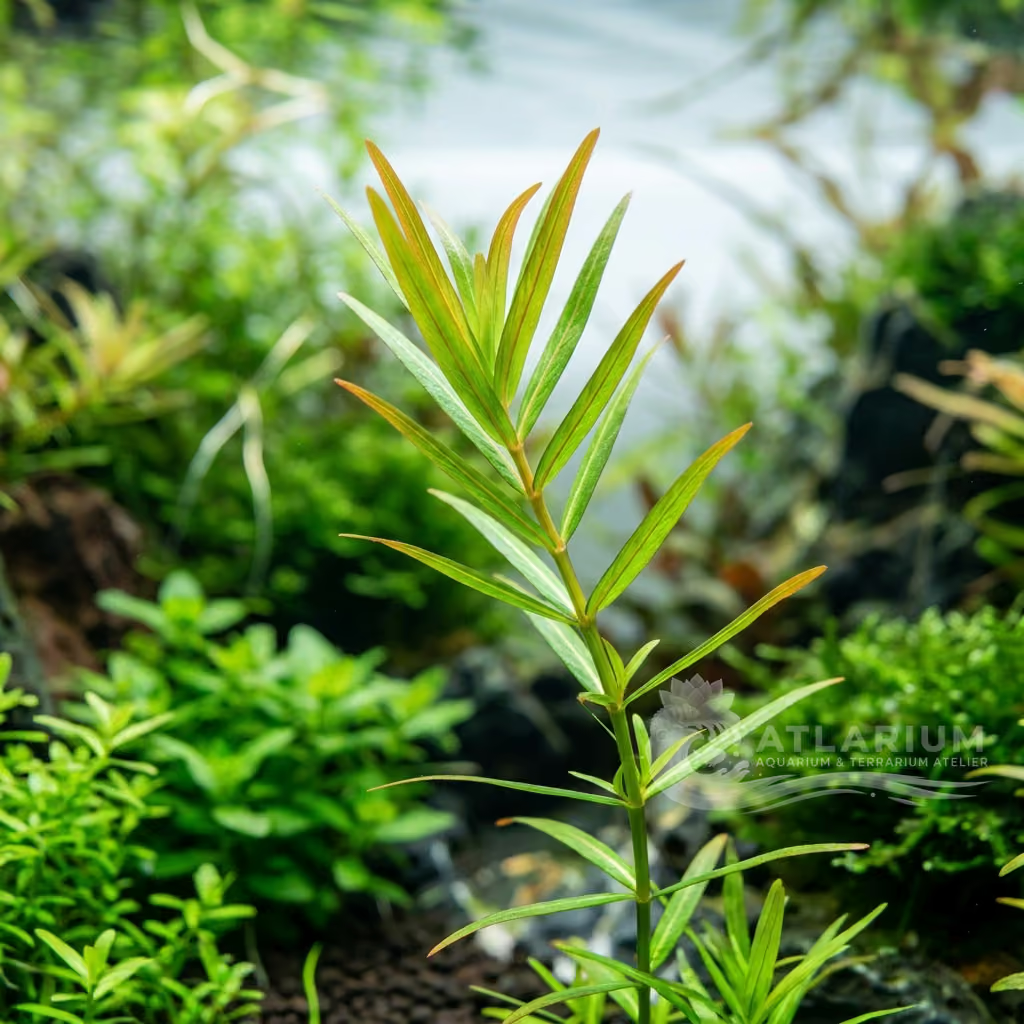
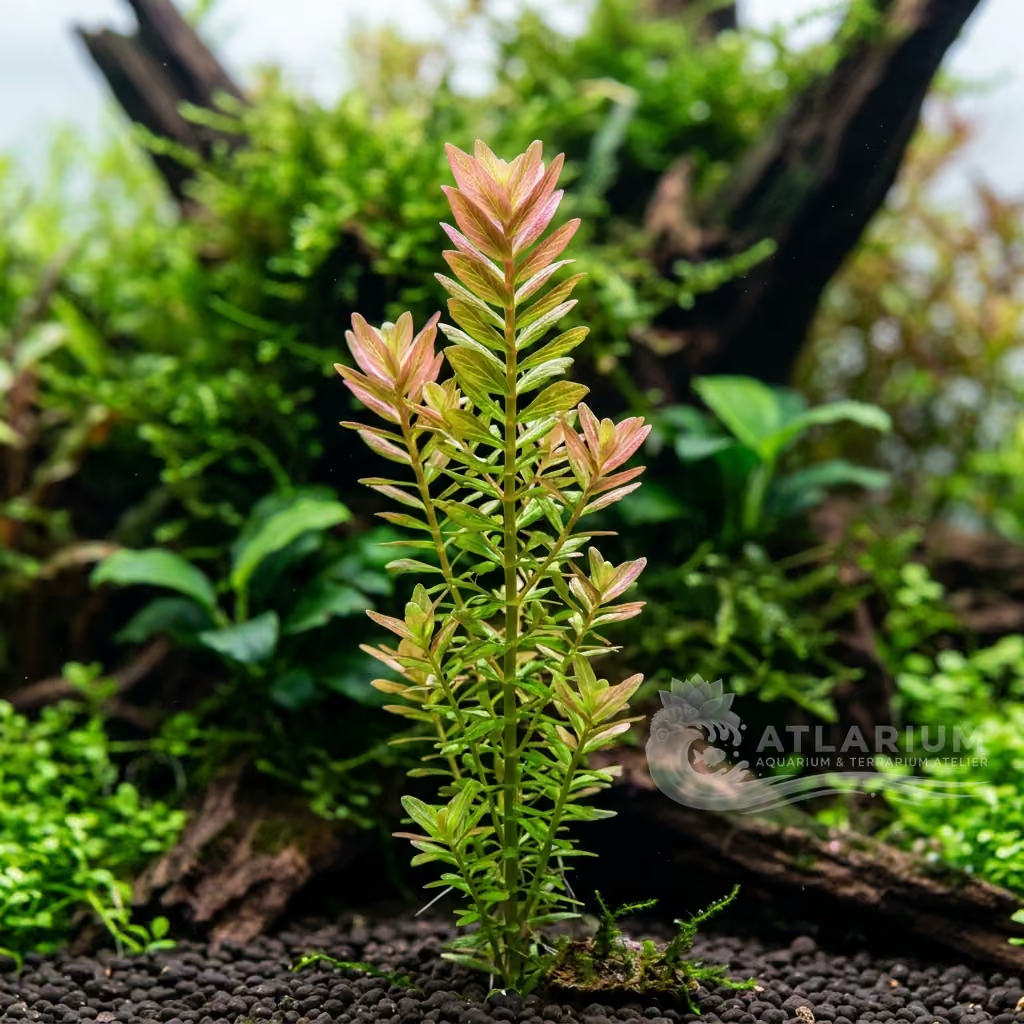
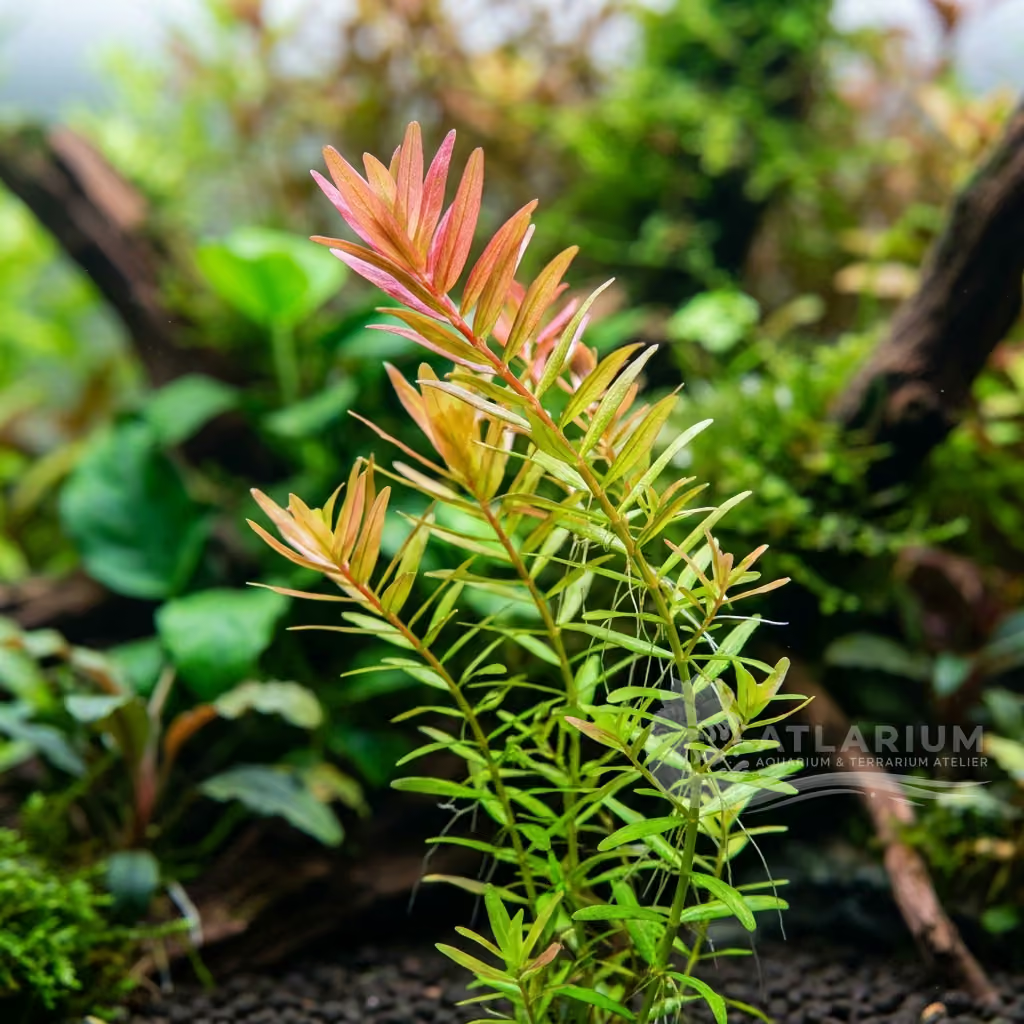
Physical Structure: Polygonum sp. "Kawagoeanum" is a classic stem plant, characteristic of its genus, featuring leaves arranged alternately along a robust yet flexible stem. The leaves can range from lanceolate to ovate shapes, typically with smooth margins and a tapered tip, and develop distinct nodes from which new leaves and adventitious roots emerge. Submerged, the plant develops a fibrous root system that firmly anchors it to the substrate, while the stem grows upwards towards the light source. Its structural flexibility allows for vertical growth, which can be managed through regular pruning to encourage a bushier, more compact form.
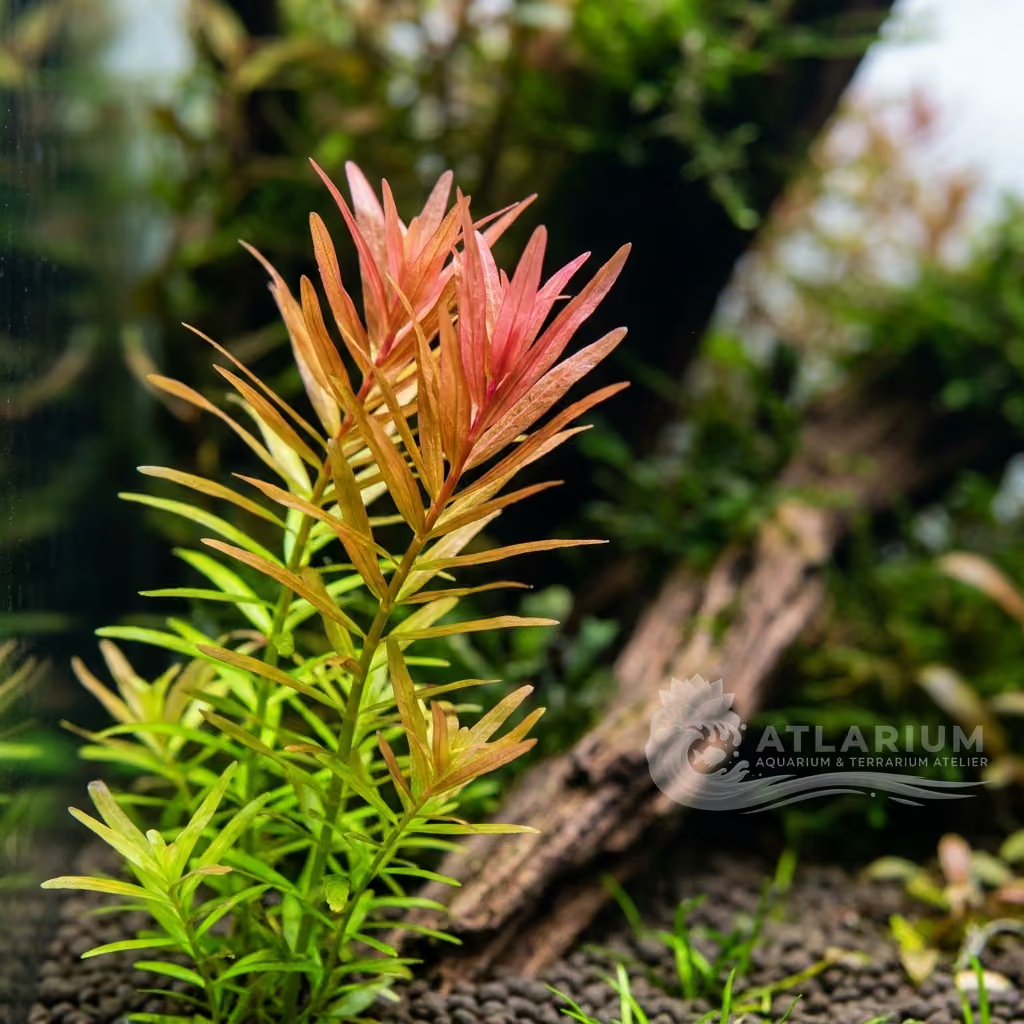
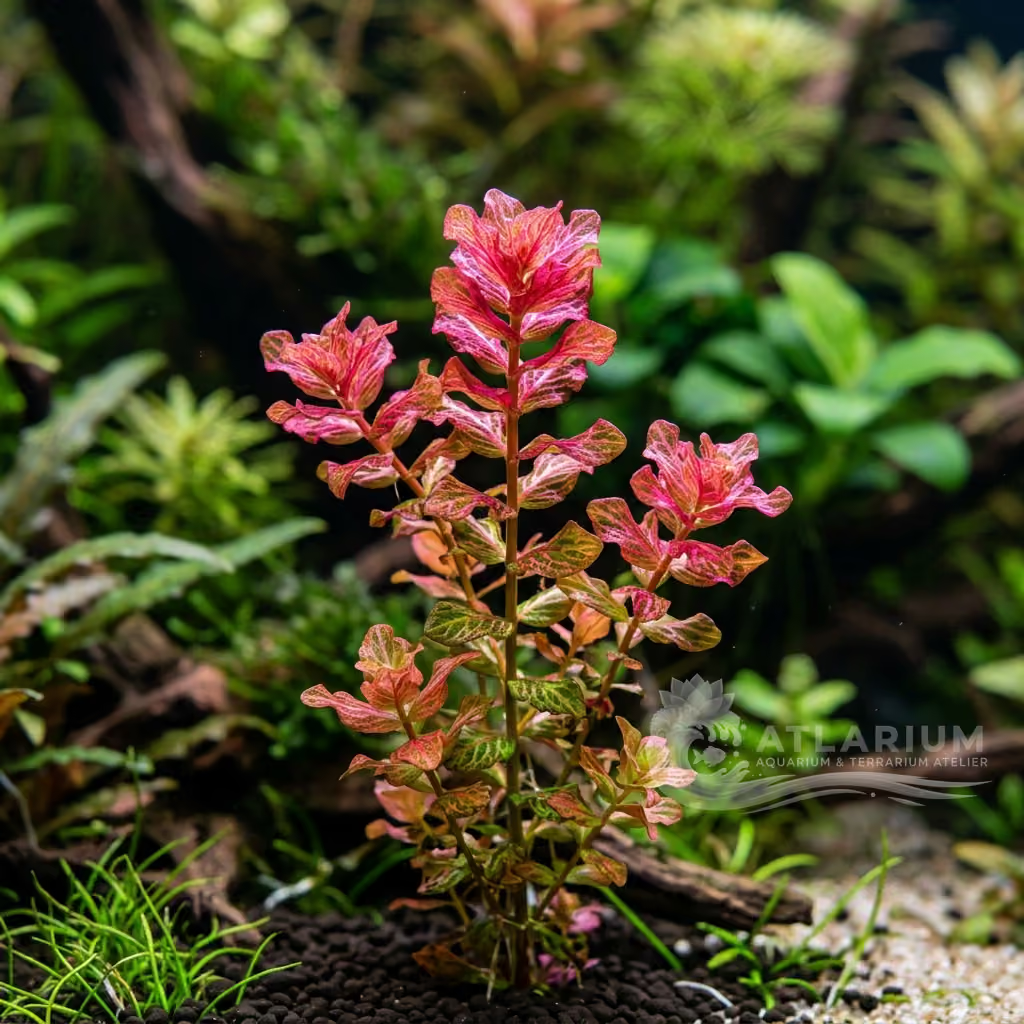
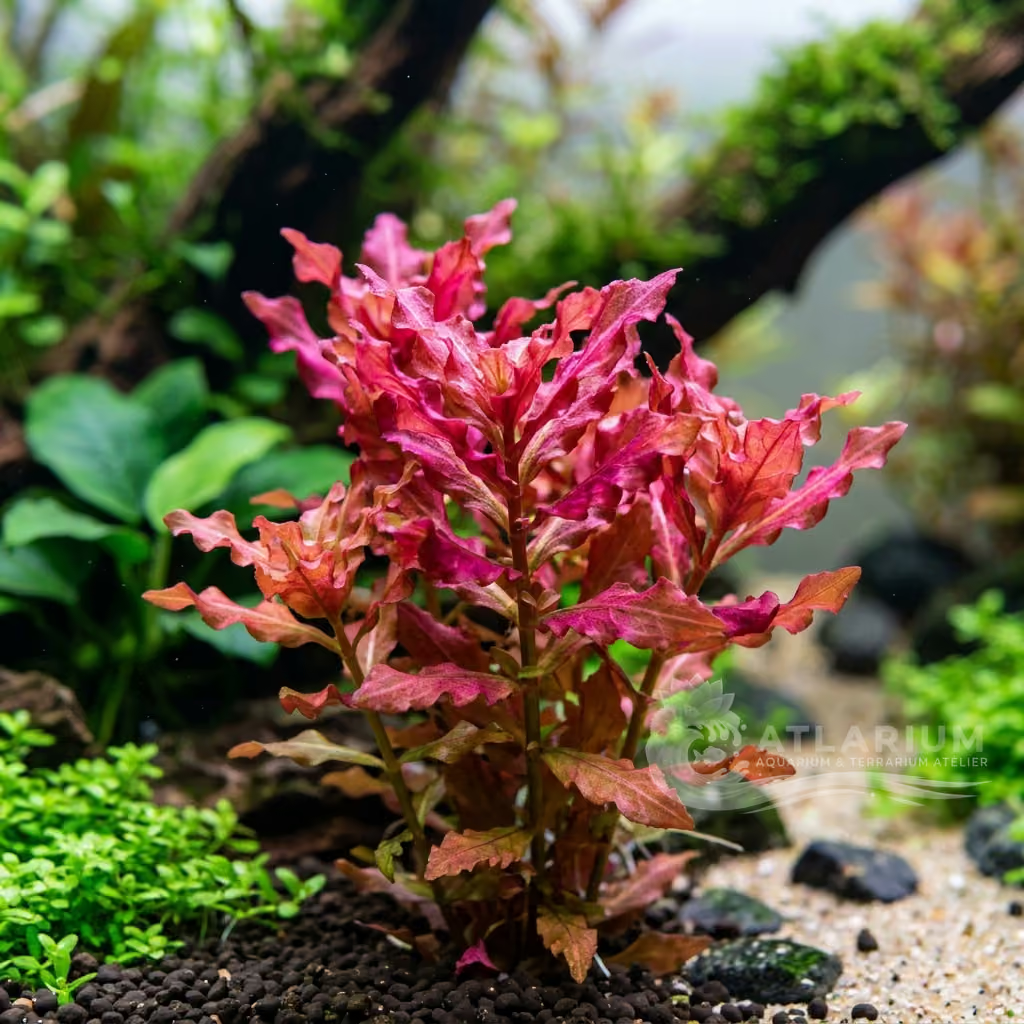
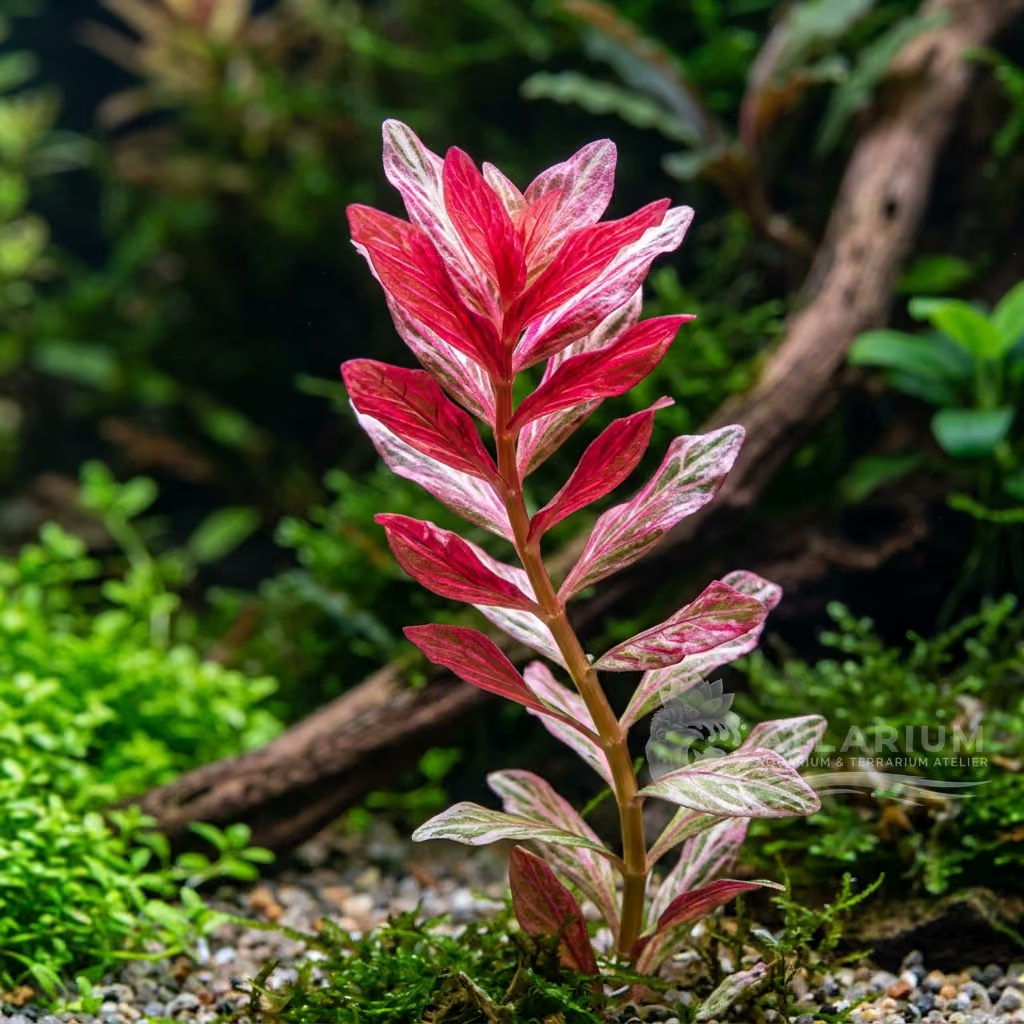
Color & Texture: Under optimal growing conditions, particularly with intense lighting and adequate nutrient supplementation, Polygonum sp. "Kawagoeanum" is renowned for its ability to display a breathtaking range of colors. The leaves can transform from a vibrant green to warm hues of red, orange, or pink, especially noticeable on the stem tips and younger foliage. The leaf surface is generally smooth, possessing a fine texture that adds to its delicate appearance, and the contrast between different colored leaves along the same stem creates a dynamic and captivating visual effect within the aquarium layout.

Care, breeding and tankmates
Lighting & CO2: Polygonum sp. "Kawagoeanum" thrives with medium-intensity lighting, which supports healthy growth and maintains its green coloration; however, to fully enhance its vivid red, orange, and pink hues, brighter illumination, ideally with a suitable spectrum, is recommended. CO2 injection is highly advised and almost essential for promoting robust growth, compact internodal spacing, and intense coloration, preventing the plant from becoming leggy or its leaves from yellowing. A good supply of carbon dioxide, combined with appropriate lighting, also helps to prevent algae accumulation on the leaves, which can otherwise hinder the plant's vitality.
Nutrition & Substrate: For optimal growth, Polygonum sp. "Kawagoeanum" benefits significantly from a nutrient-rich substrate, which supports the development of its root system and provides a consistent base of essential elements. Supplementation with liquid fertilizers in the
Water Chemistry: Maintaining stable water parameters within the specified ranges is paramount for the health of Polygonum sp. "Kawagoeanum," which prefers temperatures between 20 and 28 °C for efficient metabolism. A slightly acidic to neutral pH range, from 6.0 to 7.5, is ideal for nutrient absorption, while a carbonate hardness (KH) between 2 and 12 ensures good pH stability without excessive fluctuations. Sudden shifts in these parameters can cause significant stress to the plant, leading to melt or adaptation difficulties, thus requiring diligent monitoring and stability through regular water changes and accurate testing.
Space Management & Placement: Given its medium growth rate and captivating potential coloration, Polygonum sp. "Kawagoeanum" is an excellent choice for the aquarium midground, where it can serve as a focal point or add visual depth. It is advisable to plant it in groups of at least three to five stems to achieve a denser and more impactful effect, allowing the various color tones to blend harmoniously. Its moderate height and ability to develop lateral branching with
Pruning: Regular pruning is essential to maintain Polygonum sp. "Kawagoeanum"'s desired shape and to encourage denser, bushier growth, preventing it from becoming overly tall and losing its lower leaves. Trimming the apical stems when they reach the desired height stimulates the plant to produce lateral shoots, significantly increasing its overall mass and visual density. The cut apical sections can be easily replanted into the substrate to propagate the plant or to further thicken the existing group, promoting a continuous cycle of growth and renewal and ensuring the plant remains vigorous and attractive.
Risks & Diseases: Polygonum sp. "Kawagoeanum", like many aquatic plants, can be susceptible to common issues if conditions are not optimal; among these, the onset of algae on its leaves may indicate an imbalance between light and nutrients or a CO2 deficiency. Specific nutrient deficiencies, particularly iron, can cause yellowing of the leaves (chlorosis) or a decrease in the intensity of its vibrant red colorations. Sudden "melting" or decomposition of leaves can occur following abrupt changes in water parameters or during an adaptation period after introduction into a new environment, signaling significant stress to the plant's system.

Geographic origin and distribution
Polygonum sp. "Kawagoeanum" derives its specific epithet, "Kawagoeanum," from Kawagoe, a city in Japan, strongly suggesting that this particular variety or form was originally discovered, isolated, or popularized from that region. Typically, aquatic Polygonum species thrive in humid, semi-aquatic environments, flourishing along the banks of streams, ponds, or in marshy areas with clear waters and nutrient-rich substrates. Its adaptability to submerged conditions makes it a popular choice for aquarists, effectively replicating the natural settings of slow-moving brooks or transitional zones between land and water.
Origin
East Asia

Plant profile
- Placement
- Midground
- This species is best suited for the midground or background of the aquascape. Its vertical growth pattern allows it to create beautiful, dense bushes when grouped together. Positioning it where it receives unshaded light will promote the most vibrant foliage. It can be used to hide aquarium equipment effectively. Ensure adequate spacing so that lower leaves receive enough light.
- Botanical form
- Stem
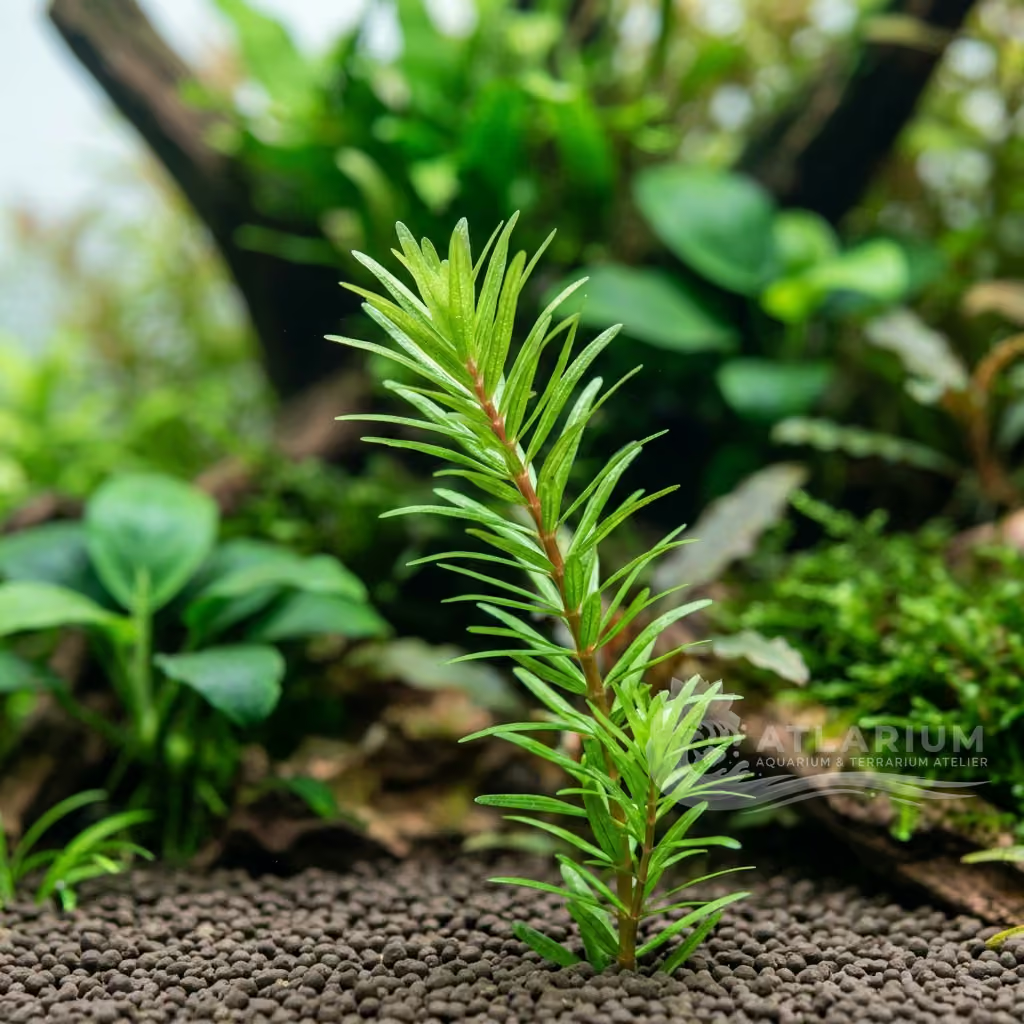
- Polygonum sp. 'Kawagoeanum' features distinctive, beautifully shaped leaves that add unique texture to the planted tank. The stem is sturdy, supporting the delicate and complex leaf structures. Its coloration ranges from bright green to stunning reddish hues depending on the environment. The elegant form creates a dynamic contrast with broad-leaved species. It truly stands out as a focal point in any arrangement.
- Growth
- Medium
- Under optimal conditions with high light and CO2, Polygonum sp. 'Kawagoeanum' exhibits a relatively fast growth rate. It can quickly reach the water surface if left unchecked. In lower tech setups, the growth is considerably slower but remains steady. Regular pruning is necessary to manage its height. Its vigorous growth makes it excellent for nutrient export.
- Substrate
- High
- Polygonum sp. "Kawagoeanum" is a high-demand stem plant that relies heavily on a nutrient-abundant substrate like aqua soil to achieve its striking reddish hues. It forms a vigorous root system that penetrates deep into the substrate, allowing the plant to rapidly assimilate iron and other vital elements. A substrate depth of 2.5 to 3 inches (6-8 cm) is crucial to support the plant's robust vertical growth and prevent buoyancy issues. Using root fertilizers can further enhance its intensive coloration, especially in older setups.
- Column fertilization
- Recommended
- Liquid column fertilization is highly recommended for Polygonum sp. 'Kawagoeanum'. It readily absorbs essential elements like potassium and trace minerals directly from the water. Consistent dosing prevents the lower portions of the stem from deteriorating. Dosing liquid iron specifically enhances any red or pink coloration. A regular schedule yields the most consistent and beautiful results.
- Root fertilization
- Recommended
- While it can survive on water column nutrients alone, a rich substrate vastly improves its overall health. Adding root tabs directly beneath the plant encourages a strong, deep root system. A fertile base promotes thicker stems and larger, healthier leaves. Robust roots also help anchor the plant against strong water currents. Substrate fertilization is especially vital in older, depleted soils.
- Trimming
- Occasional
- Frequent trimming is required to maintain the desired shape and height of Polygonum sp. 'Kawagoeanum'. Cutting the stem just above a healthy internode encourages lateral branching. The resulting bushy growth is highly desirable in most aquascapes. The trimmed tops can be easily replanted to increase the plant density. Regular pruning also ensures light penetrates to the lower leaves.
- Propagation
- Cuttings
- Propagation of Polygonum sp. 'Kawagoeanum' is straightforward through stem cuttings. Simply cut a healthy top shoot and insert it directly into the substrate. The cutting will develop new roots within a matter of days. The remaining bottom portion will often sprout multiple new side shoots. This easy propagation method allows for rapid multiplication of the plant.
- Sensitivity
- Moderate
- Polygonum sp. 'Kawagoeanum' can be sensitive to sudden fluctuations in water parameters like pH or temperature. It may temporarily melt or shed leaves if conditions change too rapidly. It is also somewhat sensitive to high doses of liquid carbon or certain algaecides. Maintaining a stable and clean environment is key to keeping it healthy. Extreme shading will quickly cause the lower stem to rot.
- Layout role
- Midground, group, accent
- Its unique texture and color make Polygonum sp. 'Kawagoeanum' a fantastic background filler or focal plant. It softens the hard edges of rocks and driftwood with its graceful form. The contrasting leaf shape adds depth and complexity to the overall layout. It is perfect for creating dense, natural-looking thickets. Aquascapers frequently use it to draw the eye to specific areas of the tank.

Related species
Recommendations grouped by close relatives, companion choices, and similar care.